
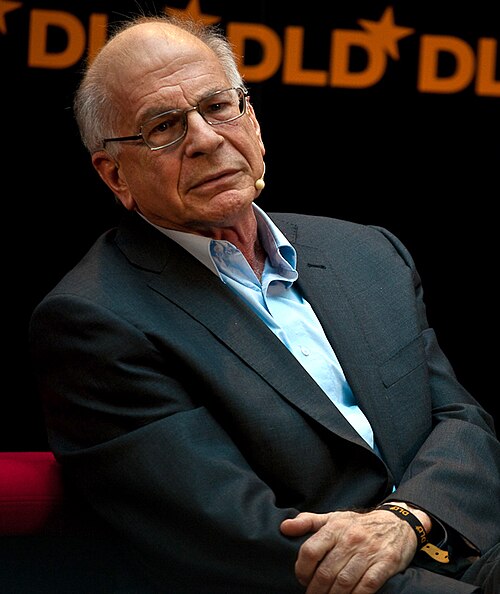
 Daniel Kahnemannamed it in 1 interview“He is the winner of the 2013 Presidential Medal of Honor, and the recipient of the 2002 Nobel Prize in Economic Sciences.” — Daniel Kahneman - Adversarial Collaboration (EdgeCast, 2022)
JB
John Brooksnamed it in 1 article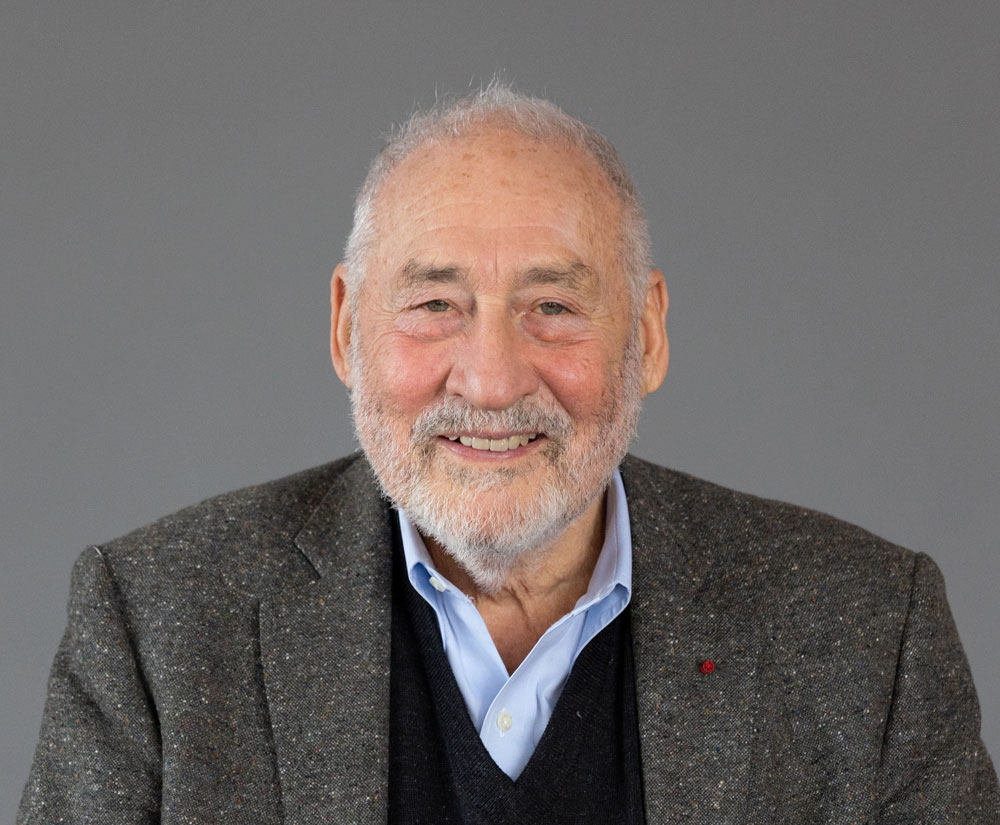 Joseph E. Stiglitznamed it in 1 interview“He is a brilliant academic, capped by sharing the Nobel Memorial Prize in Economics and the Nobel Peace Prize, and honorary degrees from Harvard, Cambridge, Oxford and more than fifty other universities, and elected not only to the National Academy of Sciences and the American Academy of Arts and Letters but the Royal Society and the British Academy; a public servant, who served as Chair of President Clinton's Council of Economic Advisors and Chief Economist and Senior Vice President of the World Bank, headed international commissions for the UN and France, and was awarded the French Legion of Honor and Australia's Sydney Peace Prize; a public intellectual whose numerous books on vital topics have been best sellers.” — Joseph Stiglitz, "The Origins of Inequality" (Oxford UP, 2025) (New Books in Critical Theory, 2025)
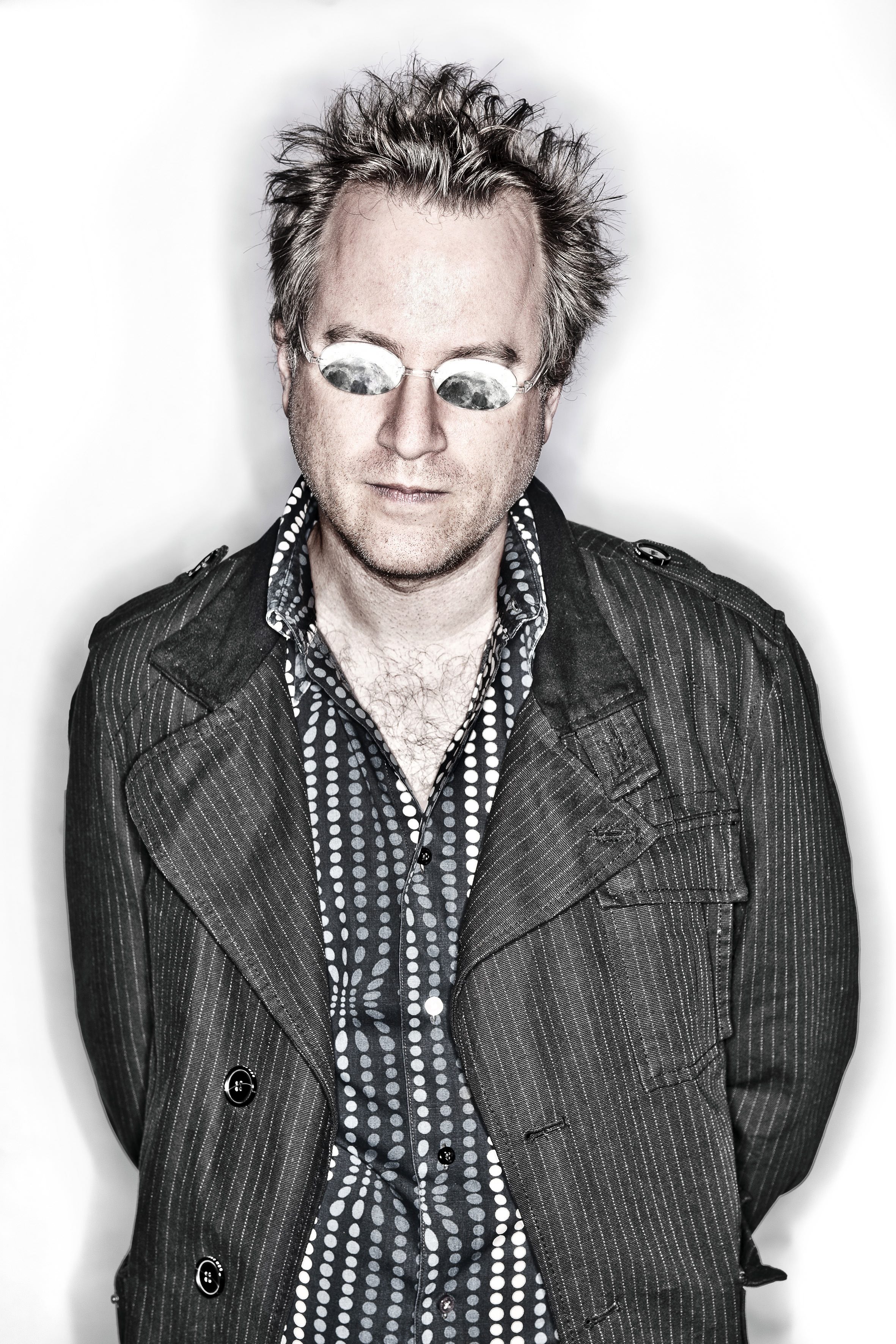 Ben Mezrichnamed it in 1 interview“army colonel and a Medal of Honor recipient Jack Jacobs discusses Vladimir Putin’s military strategy, as well as the war’s most likely outcome.” — Oligarchs & A Nuclear Scare (Squawk Pod, 2022)
 Emanuel Dermannamed it in 1 article
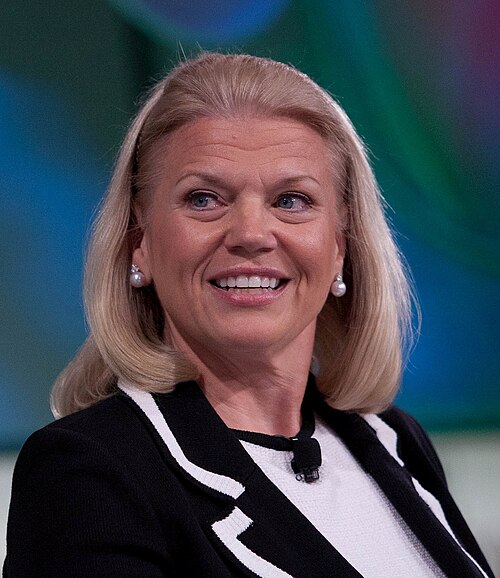 Ginni Romettynamed it in 1 interview“She has been named Fortune’s #1 Most Powerful Woman three years in a row, is a member of the National Academy of Engineering, and has been honored with the designation of Officer in the French Légion of Honor.” — 465. How Mentors helped Ginni Rometty become Fortune’s “#1 Most Powerful Woman”, with Host Dan Hesse (The Mentors Radio Show, 2026)
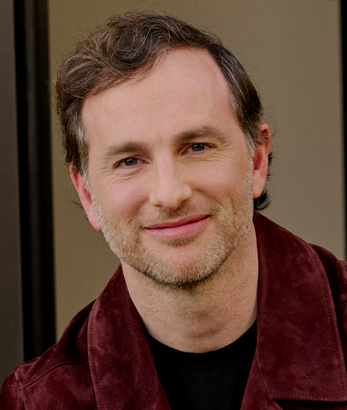 Joe Gebbianamed it in 1 interview“First, Honor from Australia wants to partner with a celebrity in a way that actually boosts her pill organizer brand.” — Advice Line: Playing to Your Strengths (How I Built This with Guy Raz, 2025)
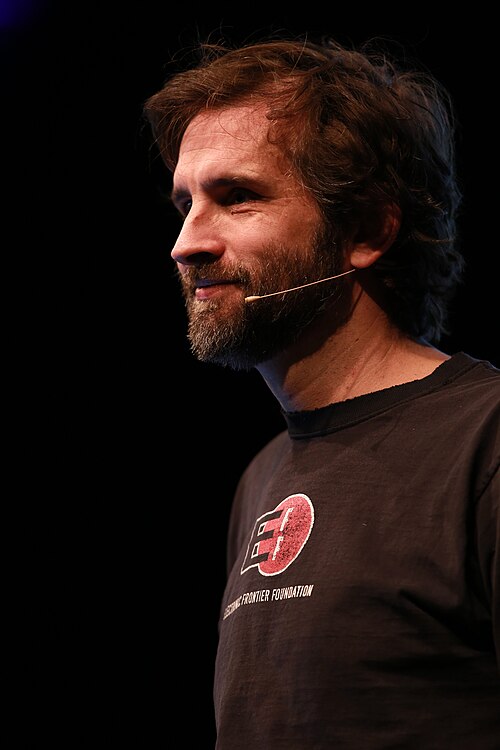 Zooko Wilcoxnamed it in 1 article
| 465. How Mentors helped Ginni Rometty become Fortune’s “#1 Most Powerful Woman”, with Host Dan Hesse | Ginni Rometty | The Mentors Radio Show | 2026-02-21 | 42 min | In this episode of THE MENTORS RADIO, Host Dan Hesse talks with Ginni Rometty, who was the ninth Chairman, President, and Chief Executive Officer of IBM. Under her leadership, the 100-year-old company reinvented 50 percent of its portfolio, built a $25 billion hybrid cloud business, and established leadership in AI and quantum computing. IBM acquired 65 companies during Ginni’s tenure as CEO, including Red Hat, the largest acquisition in the company’s history. She also drove record results in workforce transformation and supported the explosive growth of an innovative high school program to prepare the workforce of the future in over twenty-eight countries. Through her work with the Business Roundtable, Ginni helped redefine the purpose of the corporation. She has been named Fortune’s #1 Most Powerful Woman three years in a row, is a member of the National Academy of Engineering, and has been honored with the designation of Officer in the French Légion of Honor. Today, Ginni Rometty serves on multiple boards and co-chairs OneTen, a coalition committed to upskilling, hiring and promoting one million Americans without four-year degrees by 2030 into family-sustaining jobs and careers. She is the author of the bestselling book Good Power: Creating Positive Change in Our Lives, Work and World, which is full of lessons she learned from important mentors, both inside and outside of IBM. |
| Joseph Stiglitz, "The Origins of Inequality" (Oxford UP, 2025) | Joseph E. Stiglitz | New Books in Critical Theory | 2025-11-10 | 38 min | Joseph E. Stiglitz has had a remarkable career. He is a brilliant academic, capped by sharing the Nobel Memorial Prize in Economics and the Nobel Peace Prize, and honorary degrees from Harvard, Cambridge, Oxford and more than fifty other universities, and elected not only to the National Academy of Sciences and the American Academy of Arts and Letters but the Royal Society and the British Academy; a public servant, who served as Chair of President Clinton's Council of Economic Advisors and Chief Economist and Senior Vice President of the World Bank, headed international commissions for the UN and France, and was awarded the French Legion of Honor and Australia's Sydney Peace Prize; a public intellectual whose numerous books on vital topics have been best sellers. What brought him to economics were his concerns about the inequality and discrimination he saw growing up. Wanting to understand what drives it and what can be done about it has been his lifelong passion. This book gathers together and extends to new frontiers this lifelong work, drawing upon the challenges and insights of each of these phases of his career. In a still very widely cited paper written fifty years ago, Stiglitz set forth the fundamental framework for analyzing intergenerational transfer of wealth and advantage, which plays a central role in persistent inequality. |
| Advice Line: Playing to Your Strengths | Joe Gebbia | How I Built This with Guy Raz | 2025-08-28 | 42 min | This week, Guy is joined by Lady Gaga’s former manager Troy Carter, Joe Gebbia of Airbnb, and Sadie Lincoln of barre3 in a special mashup episode of the Advice Line about playing to your business’s strengths. First, Honor from Australia wants to partner with a celebrity in a way that actually boosts her pill organizer brand. Then, Arvy from Johannesburg digs into what makes his sporting and outdoor optics company special. And finally, Genevieve from Montana discovers all the different ways her customers can help her sailing instruction business grow. Thank you to the founders of Dosey, ProltUp Optics, and Go Sail Virgin Islands and Flathead Lake for coming on the show. If you’d like to be featured on a future Advice Line episode, leave us a one-minute message that tells us about your business and a specific question you’d like answered. Send a voice memo to hibt@id.wondery.com or call 1-800-433-1298. This episode was produced by Noor Gill and Alex Cheng with music by Ramtin Arablouei. It was edited by Andrea Bruce. Our audio engineers were James Willetts and Maggie Luthar. You can follow HIBT on X & Instagram and sign up for Guy's free newsletter at guyraz.com or on Substack. To hear our returning guests’ previous episodes: Lady Gaga & Atom Factory: Troy Carter | Advice Line with Troy Carter Airbnb: Joe Gebbia | Advice Line with Joe Gebbia Barre3: Sadie Lincoln | Advice Line with Sadie Lincoln Learn more about your ad choices. Visit podcastchoices.com/adchoices |
| Oligarchs & A Nuclear Scare | Ben Mezrich | Squawk Pod | 2022-03-04 | 30 min | After the Russian military fired on and seized control of Europe’s largest nuclear plant in Ukraine, retired U.S. army colonel and a Medal of Honor recipient Jack Jacobs discusses Vladimir Putin’s military strategy, as well as the war’s most likely outcome. CNBC’s Robert Frank details the sanctions levied on dozens of Russian oligarchs, and author Ben Mezrich reflects on his experience yachting and clubbing with the Russian oligarchs who put Putin in power. Mezrich has written about Russian and bitcoin billionaires, and considers whether crypto is the currency of choice for the country’s elite. In this episode: Jack Jacobs, @ColJackJacobs Ben Mezrich, @benmezrich Robert Frank, @robtfrank Joe Kernen, @JoeSquawk Becky Quick, @BeckyQuick Andrew Ross Sorkin, @andrewrsorkin Katie Kramer, @Kramer_Katie Hosted by Simplecast, an AdsWizz company. See pcm.adswizz.com for information about our collection and use of personal data for advertising. |
| Daniel Kahneman - Adversarial Collaboration | Daniel Kahneman | EdgeCast | 2022-02-24 | 33 min | DANIEL KAHNEMAN is Eugene Higgins Professor of Psychology Emeritus, Princeton University, author of Thinking, Fast and Slow , and co-author (with Cass R. Sunstein and Olivier Sibony) of Noise . He is the winner of the 2013 Presidential Medal of Honor, and the recipient of the 2002 Nobel Prize in Economic Sciences. The Conversation: https://www.edge.org/conversation/daniel_kahneman-adversarial-collaboration |
 T465. How Mentors helped Ginni Rometty become Fortune’s “#1 Most Powerful Woman”, with Host Dan HesseThe Mentors Radio Show · 2026-02-21
 NJoseph Stiglitz, "The Origins of Inequality" (Oxford UP, 2025)New Books in Critical Theory · 2025-11-10
 HAdvice Line: Playing to Your StrengthsHow I Built This with Guy Raz · 2025-08-28
 SOligarchs & A Nuclear ScareSquawk Pod · 2022-03-04
 EDaniel Kahneman - Adversarial CollaborationEdgeCast · 2022-02-24