
Unilever
An Anglo-Dutch consumer group whose literature runs from Lever's soap-and-palm-oil origins through commissioned business history to a recent CEO manifesto.
SEC CIK 0000217410 · Soap, Detergents, Cleang Preparations, Perfumes, Cosmetics
Market cap $137B on 21 Nov 2026
Lists Unilever among the holdings sold and doubts that McCormick's management can run the food business it takes over.
We exited or have started exiting: Atlas Copco, Coloplast, EssilorLuxottica, Intuit, LVMH, Magnum Ice Cream, Mettler-Toledo, Nike, Novo Nordisk, Otis, Unilever, Wolters Kluwer, and Zoetis.Show in the letter ›
page 7
Moreover, whilst Unilever management will be rid of the food business Unilever shareholders would still own it and it will be managed by the McCormick management. We know them well having owned the stock and we are not convinced they are good enough for the existing business let alone a massively enlarged one.Show in the letter ›
page 11
Reports strong results from Unilever in July and August and some recovery in the share price.
Points to 25 power brands growing volumes over 4% a year and sees room for a further rerating.
Once ex-food, Unilever will have 25 power “power brands”, led by Dove, that account for 80% of revenues and have been growing volumes at over 4% p.a. over the last three years. Why does this matter? The summer bounce in Unilever’s shares shows that investors are beginning to conceive of a market environment where such growth rates might again be attractive.Show in the letter ›
page 3
It is not obvious that, say, Heineken or Unilever are similarly vulnerable, and if they can demonstrate the same steady growth that, by and large, they have delivered so far this century, then there could be a further rerating.Show in the letter ›
page 4
Named only in the holdings table.
Named only in a list of the quarter's share price moves and among the month's contributors.
Named only in the holdings table.
After the food sale, sees a long growth runway in India, now 17% of the group.
One of the implications of the food disposal is that the remaining Unilever becomes even more exposed to emerging markets, moving from high 50s% of revenues to 62%. And within that block, Unilever’s exposure to India increases to 17% of the group.Show in the letter ›
page 3
Looking at Unilever’s recent quarterly results in India, revenues accelerated to 7%, with 6% volume growth – the highest for 15 quarters.Show in the letter ›
page 3
But in a world where those malign factors ameliorate, Unilever’s long growth runway in India could become much more attractive.Show in the letter ›
page 3
Reduced the position before the McCormick deal, but welcomes Unilever's future as a faster-growing household and personal care company.
Finally, we reduced our position in Unilever earlier in the quarter, before the price weakened in response to its deal with McCormick to split off its developed market food businesses into a jointly owned company.Show in the letter ›
page 4
On the other hand, Unilever has put its stamp on a future as a higher growing HPC company with a strong grounding in innovation and R&D.Show in the letter ›
page 4
It is likely this, rather than the merits of the deal, that is negatively impacting Unilever’s share price in the short term.Show in the letter ›
page 4
Expects Unilever to keep compounding, at 18x earnings with about 5% revenue growth forecast for 2026.
We continue to surprise many of our clients with a slide showing Unilever outperforming the NASDAQ so far in the 21st century; if anything, the gap has widened as Unilever has pushed ahead in 2026.Show in the letter ›
page 3
Unilever currently trades on c.18x prospective earnings and, with revenue growth for 2026 forecast at c.5%, feeding through to high single digits earnings growth, we see no reason why it should not continue to reliably compound for years to come.Show in the letter ›
page 3
Named only among the month's top contributors or detractors.
Records the holding in Magnum Ice Cream received when it was spun out of Unilever.
Expects easing cost inflation to help Unilever's profits and recalls its return to favour after the 1999 tech bubble.
But it seems possible the worst of the post-COVID inflationary pressure is behind us and that could help both the profitability of a company like Unilever, but also the spending power of consumers of its products.Show in the letter ›
page 3
I well remember holding Diageo and Unilever in 1999, as they underperformed through a previous tech bull market. But when that bubble eventually burst, both companies returned to favour and remained so for 20 years.Show in the letter ›
page 4
Named only in the holdings table.
Named only in the holdings table.
Named only in the holdings table.
Named only among the month's top contributors or detractors.
Named only in the holdings table.
Named only in a list of the month's share price moves.
Named only in the holdings table.
Named only in the holdings table.
Reports a 2% rise, after 24% in 2024.
Notes Unilever's aim to raise its exposure to the US market.
Named only in the holdings table.
Notes the 20% rise in Unilever's shares in 2024 as an example of acting quickly when executives do not deliver.
Reads the first dividend increase since 2020 as the board's confidence in improved performance.
Named only in a list comparing holdings' capital expenditure (3% of sales for Unilever).
Named only among the month's top contributors or detractors.
Notes the holding back up to 6% of net assets on improved performance.
Calls a 10% a year total return over a decade the kind of boredom that deserves a place in a portfolio.
And Unilever is up 26%. That advance in Unilever’s price has boosted the 10-year annualized total returns from the company.Show in the letter ›
page 3
Many investors think Unilever is boring. But a 10% per annum total return over a decade is exactly the sort of boredom we think deserves a place in a portfolio.Show in the letter ›
page 3
Named only among the month's top contributors or detractors.
Named only in the holdings table.
Named only in the holdings table.
Named only among the month's top contributors or detractors.
Named only in the holdings table.
Says Unilever has more to prove but expectations are low, and its premium brands have brought back volume growth.
Named only in the holdings table.
Named only in the holdings table.
Reports a 7% fall in the year to date and a holding reduced to 4.3% of net assets.
Unilever, another long-term holding which has diminished in size to 4.3% of NAV, is down 7% year-to-date.Show in the letter ›
page 3
Diageo and Unilever’s performance draws attention to the polarisation that has materialised over the course of the year, with the Company’s consumer franchise share prices languishing whilst LSEG, RELX and Nintendo power ahead.Show in the letter ›
page 3
Named only in the holdings table.
Named only in the holdings table.
Named only in the holdings table.
Named only in the holdings table.
Finds a 90% rise in earnings over a decade acceptable and points to the Indian stake, worth 36% of Unilever's value.
Unilever is friendless in 2023, its shares unchanged over the first half of the year.Show in the letter ›
page 3
A 90% uplift in earnings over a decade from a company as steady as Unilever seems acceptable to us – at least as part of an equity portfolio.Show in the letter ›
page 3
A bright spot for Unilever and one not to be ignored, is the continued progress of its Indian subsidiary, HindustanLever (HUVR), of which Unilever owns c.60%. This stake is currently worth over £36bn, or 36% of Unilever’s own current market capitalisation.Show in the letter ›
page 3
Named only in the holdings table.
Says holding Unilever makes sense beside riskier technology investments.
Named only in the holdings table.
Named only in the holdings table.
Named only in a list of consumer holdings that fell slightly in January.
Criticises Unilever's undisclosed acquisition spending and its low return on capital, after eight years without contact from the company.
As I have previously pointed out, our Fund has held Unilever shares since inception and was about the 12 th largest shareholder when these events happened. Yet for the first eight years of our existence as a shareholder we did not hear from Unilever.Show in the letter ›
page 10
Whilst I am sure Unilever complied with their disclosure obligations, is there some reason why we shareholders can’t know how much of our money they spent?Show in the letter ›
page 12
Shouldn’t we have some idea how Unilever and its management have performed before they are allowed to do any more acquisitions? Unilever’s low return on capital might be a clue.Show in the letter ›
page 13
Expects decades of growth from Unilever's personal care brands.
Calls Unilever's position in India unique, irreplaceable and underappreciated, with 15% sales growth there.
After an unpropitious start to the year following the abandoned attempt to buy GSK’s consumer healthcare division (which has been subsequently listed, under the name Haleon), it’s interesting that Unilever is ending 2022 as one the Company’s best performing holdings.Show in the letter ›
page 3
We attended Unilever’s recent investor day and heard more about its position in India, which is unique, irreplaceable and, we think, underappreciated.Show in the letter ›
page 3
It helps reinforce our view as to the huge value of Unilever’s market position in India, where the population is estimated to expand from 1.4 billion now to c.1.7 billion in 2050.Show in the letter ›
page 3
Reports 10.5% revenue growth, 14% at the billion-euro brands, and finds the claim credible.
Unilever’s 3rd quarter revealed revenues up 10.5% year-on-year. That comprised price increases of c12% and volume declines of 1.5% - a reassuringly low rate of attrition.Show in the letter ›
page 3
ULVR noted that its billion Euro revenue brands, which combined account for over 50% of sales, grew by more: 14%. This, the company asserts, demonstrates that mega-brands retain both pricing power and growth potential, even in these tougher times. When you consider these major brands include Hellmann’s, Magnum ice-cream and Rexona, the world’s #1 deodorant, ULVR’s assertion appears credible.Show in the letter ›
page 3
Named only among the month's top contributors or detractors.
Calls the Indian subsidiary, with 20% revenue growth, the jewel in Unilever's crown.
Named only in the holdings table.
Reports a rise of nearly 10% in the quarter, helped by Nelson Peltz's stake.
Named only among the month's top contributors or detractors.
Finds it encouraging that the brands bought since 2017 grew nearly 15% and says capital allocation has been shrewder than the press suggests.
Named only among the month's top contributors or detractors.
Named only in a list of holdings the managers have no existential worries about.
Accepts the price offered for GSK's consumer health business but objects to issuing shares at depressed prices to pay for it.
Unilever was prepared to pay 5x sales, so a significant premium that was justified by the quality of the GSK business, 45% of which is accounted for by oral care, vitamins and supplements that all have relevant synergies with Unilever’s existing business.Show in the letter ›
page 3
Our real gripe though was the proposed issuance of Unilever shares to fund part of the acquisition at current depressed prices.Show in the letter ›
page 3
With GSK having rejected the offer and Unilever committing not to raise its price, it seems the deal is off - but it’s clear the company has an urgent strategic imperative to continue reorientating its portfolio towards faster-growing health and hygiene at the expense of food.Show in the letter ›
page 3
Blames a management focused on sustainability credentials for the worst performance among its staples, but keeps the shares for the brands and distribution.
Unilever seems to be labouring under the weight of a management which is obsessed with publicly displaying sustainability credentials at the expense of focusing on the fundamentals of the business.Show in the letter ›
page 3
Although Unilever had by far the worst performance of our consumer staples stocks during the pandemic we continue to hold the shares because we think that its strong brands and distribution will triumph in the end.Show in the letter ›
page 3
Named only in the holdings table.
Named only in the holdings table.
Named only in the holdings table.
Named only in a list of holdings whose shares lagged in 2021.
Sees the 62% stake in HindustanLever, worth nearly £40bn, as a reason to persevere with Unilever.
Named only in the holdings table.
Named only in the holdings table.
Notes market share gains in 2020 and a strategy to raise the share of premium brands.
This is especially the case when Mondelez, Unilever and Heineken have all reported to us market share gains versus competitors in some of their key categories over the course of 2020.Show in the letter ›
page 3
Unilever also has a strategic intent to raise the premium proportion of its portfolio.Show in the letter ›
page 3
Named only in the holdings table.
Named only among the month's top contributors or detractors.
After an 11% fall, sets out a sum of the parts that could value Unilever at up to £180bn, against £98bn.
Unilever’s share price fell by 11% in February, after its full year results early in the month.Show in the letter ›
page 3
If Unilever too could rerate to 4.5x revenues, its debt-adjusted warranted value would actually be £180 billion.Show in the letter ›
page 3
None of the above means Unilever is about to go up a lot, but we can see how it might continue to outperform low expectations – as it has done for many decades.Show in the letter ›
page 4
Named only in the holdings table.
Named only in a list of consumer brand owners and among the month's detractors.
Named only in the holdings table.
Named only in the holdings table.
Named only among the month's top contributors or detractors.
Sees Unilever's 62% rise in online sales as proof that a shift in channel does not hurt owners of trusted brands.
Says strong sales at home offset the drag from emerging markets and ice cream.
Named only in the holdings table.
Named only among the month's top contributors or detractors.
Named only in the holdings table.
Warns that disrupted distribution and emerging markets could hurt Unilever more than in past recessions.
Mondelez, Unilever and AG Barr all sell everyday goods to a wide range of consumers. Normal distribution channels have been disrupted which will mean the companies could be more affected as compared to past recessions.Show in the letter ›
page 2
For Mondelez and Unilever, emerging markets pose particular issues given their generally poorer infrastructure.Show in the letter ›
page 2
Named only in a list of holdings whose challenges the managers do not expect to be existential.
Named only among the month's top contributors or detractors.
Reports the warning that 2019 revenue growth would miss its forecast, while noting the company still grows at a moderate pace.
Named only in the holdings table.
Reports a 6% fall as sterling recovered.
Named only among the month's top contributors or detractors.
Named only in the holdings table.
Named only in the holdings table.
Reports a 4.7% rise in the share price.
Notes Magnum's 7% a year growth over three years.
Reports management's view that deodorant sales in Asia could grow up to 4x.
Concedes Unilever is most exposed to changing tastes, but is impressed by its answers and by its gains from rising wealth.
Of this group Unilever is undoubtedly the one most challenged by changes in consumer tastes because it has the most mass or mid-market brands. And one might indeed be cautious about the outlook over the next 25 years for the brand power of its packaged foods and washing powder assets. Nonetheless it is hard to be anything but impressed by the mitigations Unilever has been able to present against these trends and concerns.Show in the letter ›
page 2
And it is indisputable that Unilever is a beneficiary of increasing wealth.Show in the letter ›
page 2
Added to the Unilever position with the proceeds of a sale.
Questions the plan to move the listing to the Netherlands and says management still had a case to answer after the Kraft Heinz approach.
The other main corporate engagement outside the run of the mill AGM proxies and remuneration consultations in 2018 concerned Unilever, which announced a plan to unify its Anglo Dutch dual share structure and centre the headquarters and listing in the Netherlands.Show in the letter ›
page 15
But we thought that Unilever’s management had a case to answer and we think that the ability to mount a hostile takeover is an important discipline in ensuring that our assets are properly managed.Show in the letter ›
page 15
Named only to explain that HindustanLever is Unilever's Indian subsidiary.
Describes the Horlicks purchase, paid largely in Hindustan Unilever shares, as bringing synergies and a growth opportunity.
Unilever has now bought Horlicks, along with some of GSK’s other consumer healthcare nutrition brands.Show in the letter ›
page 2
By using HUL paper Unilever plc only pays €640m but also cedes a 5.3% reduction in its shareholding in HUL to 62%.Show in the letter ›
page 2
There will be synergies, through scale efficiencies and supply chain optimisation and a significant growth opportunity as Unilever believe this to be an underpenetrated category, with rising affluence and disposable incomes more able to support persistent nutritional needs.Show in the letter ›
page 2
Named only among the month's top contributors or detractors.
Named only in the holdings table.
Named only in the holdings table.
Named only in the holdings table.
Named only in a list of holdings that lagged in the first half of 2018.
Named only in the holdings table.
Named only in the holdings table.
Holds up Unilever's business model and brands as proven over a long time.
Reports a fall of up to 10% in 2018.
Reports a 3% fall in January.
Says Unilever's management has a case to answer on costs: €312,000 of revenue per employee, against Kraft Heinz's half the sales with a quarter of the staff.
However, the contrast between their approach and that of Unilever does raise some questions for Unilever’s management which remain unanswered.Show in the letter ›
page 15
To give you a simple illustration of this, in 2016 Unilever had €52.7bn of revenues and an average of 169,000 employees, thus revenue per employee of about €312,000.Show in the letter ›
page 15
Kraft Heinz has slightly less than half the sales of Unilever but manages to achieve this with less than a quarter of the number of the employees. You don’t have to be a fan of brutal cost cutting to see that Unilever has a case to answer here.Show in the letter ›
page 15
Named only in a list of the portfolio's brands (Magnum, Dove).
Named only in the holdings table.
Values the emerging-market growth and the £20bn Indian stake, but says overall growth needs dogged work and the 3% yield does not make the shares cheap.
Without disentangling a single quarter’s results in excessive detail what was revealed was that Unilever’s developed market business shrank by 2.3%, while its emerging market business grew at over 6% to get to a group growth rate of 2.6%.Show in the letter ›
page 2
This is both a nice reminder of the rewards for patient investing into emerging markets, but also of how important an asset it has become for the overall valuation of Unilever. The stake in the Indian subsidiary is now worth over £20bn, or c16% of Unilever’s market capitalisation.Show in the letter ›
page 2
Elsewhere dogged work will be required to pick up the pace of Unilever’s overall, global growth.Show in the letter ›
page 2
Named only in the holdings table.
Named only in the holdings table.
Named only as a comparison for another holding's market positions.
Reads Kraft's approach as a sign that companies like Unilever are worth more than investors expect.
Reports another 9% rise in the share price.
Expects lower energy costs to feed into more spending on Unilever's soap.
Named only in the holdings table.
Says Kraft Heinz's £40 approach confirms Unilever's value and its emerging-market positions; the managers bought more after the bid fell through.
It’s ULVR’s unique market positions in India, Indonesia, Brazil etc that were the real prize here.Show in the letter ›
page 2
All we can say is that obviously special companies like ULVR (look at the dividend history) are very rare and very valuable. Of course there must be a price that is too high for it, but that is unlikely to be so while the earnings yield is in touch with 5% or a P/E of 20x.Show in the letter ›
page 2
We have bought more ULVR since the deal fell through – although are now constrained by portfolio concentration rules in many accounts.Show in the letter ›
page 2
Named only in the holdings table.
Named only in the holdings table.
Calls the fall from £38 to £31 a chance to buy, after 3x the MSCI World's return over 20 years.
Over the long term ‘boring’ wins out, as the 3x outperformance of Unilever versus the MSCI World Index over the last 20 years testifies.Show in the letter ›
page 2
Since bond yields began to rise Unilever’s share price has fallen from £38 to £31 and Heineken’s from €74 to €64 - a wonderful opportunity to buy at a 15-20% discount to this summer’s prices.Show in the letter ›
page 2
Named only in the holdings table.
Named only in the holdings table.
Named only in the holdings table.
Named only in the holdings table.
Named only in the holdings table.
Named only in the holdings table.
Named only in the holdings table.
Points to the shares near their highs and a 3% dividend yield growing at 6% a year.
Unilever too is flirting with its highs, despite its well-known exposure to unfashionable emerging markets.Show in the letter ›
page 2
It’s a cheap shot and unsustainable as a piece of investment valuation analysis, but I can’t help noting that in a week when European interest rates have been cut to negative 0.4% it’s not so hard to understand why investors warm to the 3% dividend yield on Unilever stock, growing at 6% nominal – and more, adjusted for deflation.Show in the letter ›
page 2
Names Unilever among the larger holdings that held up in a falling month.
Named only in the holdings table.
Named only in the holdings table.
Named only in the holdings table.
Named only in the holdings table.
Named only in the holdings table.
Named only in the holdings table.
Reports a 5.4% fall in the share price.
Named only in the holdings table.
Argues Unilever is no bond proxy: its dividends have grown faster than inflation, with room to keep growing.
Named only in the holdings table.
Named only as an example of non-US companies that lagged in 2014, and in the holdings note (1.3% of the Oakmark Fund).
Reports a slight fall in the share price over the month.
Reports an 11% rise in the share price, helped by the strong dollar.
Sees Costco's own-label toothpaste, made by a major manufacturer, as a threat to Unilever, Procter & Gamble and Colgate.
Records $145 million Unilever owed Berkshire from the Chesebrough-Ponds purchase, an arbitrage holding.
 Terry Smithdiscussed it in 7 letters; named it in 1 article
 Charlie Mungerdiscussed it in 1 letter
 Warren Buffettdiscussed it in 1 letter
 Bill Nygrendiscussed it in 1 letter
 Harish Manwaninamed it in 1 interview“026: Unleashing Potential: Harish Manwani's Leadership Journey from Unilever to Private Equity” (Sandy on Talent - Insights and Strategies for Leadership Excellence and Talent Optimization, 2025)
| 026: Unleashing Potential: Harish Manwani's Leadership Journey from Unilever to Private Equity | Harish Manwani | Sandy on Talent - Insights and Strategies for Leadership Excellence and Talent Optimization | 2025-11-27 | Global business leader Harish Manwani shares his incredible journey from a management trainee to Unilever's Chief Operating Officer, revealing his passion for teamwork and strategic execution in the world of business. Harish's story is not just about climbing the corporate ladder but discovering the "joy of business" through leadership roles across diverse markets like India, Argentina, and North America. Listen as Harish delves into his leadership philosophy, which emphasizes the synergy of teams and the excitement of achieving tangible results together, a drive that continues to fuel his roles beyond Unilever. The episode is packed with strategic insights as Harish recounts key leadership lessons from his career, such as the significance of aligning teams with a clear vision and the concept of "everyday great execution" to drive business success. He navigates through the complexities of cultural differences encountered in global leadership, underscoring the importance of adapting and inspiring across different regions while maintaining a focus on shared objectives. From the competitive challenges faced in Argentina to the relentless pursuit of growth in Asia, Harish's experiences offer a nuanced understanding of effective leadership in a global context. | |
| #51 The Franchise Fan - Nick Train on Durable Franchises and 20‑Year Holding Periods | Nick Train | Behind the Balance Sheet | 2025-09-18 | 1:19 | Nick Train is a seriously thoughtful growth investor with a highly impressive 40 year track record. He invests in eternal franchises and takes a 20 year view. He says his ideal holding period is forever. He was early to recognise that high quality consumer brands were great investments and accordingly his funds significantly outperformed their benchmarks. More recently, the last five years have been less kind and performance has lagged somewhat with weak performance from some of his biggest holdings, notably Diageo, which is down almost 50% from its peak, in a market which has gone up. Nick has taken this performance to heart and he explains why he has stuck with Diageo and continues to believe it’s as “forever” stock. He also explains his change in strategy to favouring 21st century asset light digital data plays which he sees as even more valuable than his old favourite consumer brands. He is particularly impressed with Rightmove, which I have described in the past as akin to a UK Zillow, and explains his rationale, as well as his enthusiasm for LSEG, RELX and Unilever. Behind the Balance Sheet is a forensic accounting and fundamental investing podcast for serious investors. Each episode dives into how real‑world investors source ideas, build conviction and manage their portfolios. |
| There are AI winners apart from Nvidia: Nick Train of Finsbury Growth & Income | Nick Train | Investors' Chronicle | 2025-03-04 | 39 min | Nick Train is the first to admit that his investors haven’t seen the returns they’re used to recently. But despite some calls that haven’t quite worked out, in this interview, he points out the areas that should make up for this in the future. Listen to Dave Baxter and the fund manager discuss holdings in the fund such as Diageo (DGE) – which he’s bullish over despite falling alcohol consumption and the threat of weight loss drugs – and companies tapping into digital trends, such as Relx (RELX). The pair also cover moving away from dividends, the state of UK asset managers, activism in the investment trust space and more. This episode was recorded on 24 February. Timestamps 00:51 What could end the underperformance 3:50 Stronger and weaker points of the portfolio and Relx 6:08 How much of the portfolio targets digital trends 8:05 Performance issues 12:39 Diageo 20:32 Unilever 23:46 Consumer exposure 26:20 UK market woes 29:42 Rightmove 31:56 Schroders and UK asset managers 33:33 Investment trusts 36:02 Clarkson and Intertek Investors' Chronicle has supported private investors in the UK for over 160 years by highlighting rewarding investment opportunities. Investors' Chronicle is a service by the Financial Times. Hosted on Acast. See acast.com/privacy for more information. |
| The Richard Hunter Interview: Nick Train on the UK, opportunities, Man Utd and tech | Nick Train | On The Money | 2022-02-01 | 28 min | Richard is joined by Nick Train, co-founder of Lindsell Train Limited and manager of the Finsbury Growth & Income investment trust, to discuss the UK market, Manchester United, Unilever, dividends, and more. The fund manager also answers some reader questions. Enjoyed listening? Please like and subscribe for free to the ii Podcast. Visit www.ii.co.uk/funds and www.ii.co.uk/stock-market-news for more investing insight and ideas. Follow us on social media: Twitter: https://twitter.com/ii_couk Facebook: https://www.facebook.com/weareii LinkedIn: https://www.linkedin.com/company/interactive-investor Instagram: https://www.instagram.com/interactive_investor Risk warning: This material is intended for educational purposes only and is not investment research or a personal recommendation to buy or sell any financial instrument or product, or to adopt any investment strategy. The value of your investments can rise as well as fall, and you could get back less than you invested. The investments referred to may not be suitable for all investors, and if in doubt, an investor should seek advice from a qualified investment adviser. Past Performance is not a guide to future performance. Interactive Investor Services Limited is authorised and regulated by the Financial Conduct Authority. |
 S026: Unleashing Potential: Harish Manwani's Leadership Journey from Unilever to Private EquitySandy on Talent - Insights and Strategies for Leadership Excellence and Talent Optimization · 2025-11-27
 B#51 The Franchise Fan - Nick Train on Durable Franchises and 20‑Year Holding PeriodsBehind the Balance Sheet · 2025-09-18
 IThere are AI winners apart from Nvidia: Nick Train of Finsbury Growth & IncomeInvestors' Chronicle · 2025-03-04
 OThe Richard Hunter Interview: Nick Train on the UK, opportunities, Man Utd and techOn The Money · 2022-02-01
Start here
- The King of SunlightAdam Macqueen, 2004
- Net PositivePaul Polman, Andrew Winston, 2021
- The History of UnileverCharles Wilson, 1954
The commissioned history of Lever Brothers, the soap maker that became Unilever.

How Unilever's overseas subsidiaries worked, 1895 to 1965.
The life of William Lever, who built Sunlight soap and the branded-goods model.
How Unilever restructured itself after the Second World War.
The forced labour on Lord Leverhulme's Congo palm-oil concessions behind his soap.
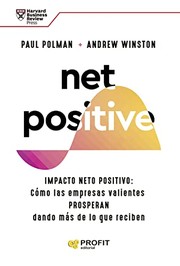
The case that companies should give back more than they take, from Unilever's record.