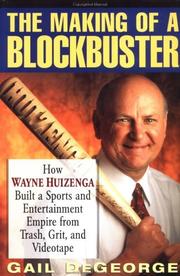
The Making of a Blockbuster: How Wayne Huizenga Built a Sports and Entertainment Empire from Trash, Grit, and Videotape
The one dedicated book: Huizenga's roll-up and the sale to Viacom.
Summary
DeGeorge, a Business Week correspondent, traces Wayne Huizenga's career across three consolidations: Waste Management, built from a single garbage truck route into the largest waste company in the world; Blockbuster Entertainment, expanded from a handful of stores into the dominant video rental chain and sold to Viacom in 1994; and the Florida sports and entertainment holdings including the Miami Dolphins, the Florida Marlins and the Florida Panthers.
The recurring method is the point. Huizenga identified fragmented industries with many small operators, recurring revenue and no national brand. He bought operators rapidly using stock as currency, standardised operations, and used the resulting scale to negotiate better terms with suppliers and to raise more capital. In waste, the recurring revenue came from contracts; in video rental it came from repeat visits and late fees. DeGeorge documents the pace, which at Blockbuster reached a store opening roughly every day, and the accounting questions that followed, particularly the treatment of tape amortisation and of acquisition costs, which short sellers attacked at the time.
The book was published in 1996, shortly after the Viacom sale, so it treats Blockbuster as a success. The subsequent destruction of the video rental business by mail-order and streaming is not in it, and Huizenga's later roll-up at AutoNation gets no treatment.
It is useful as a study of roll-up mechanics and of how consolidation-driven growth can look like operating growth in reported figures.
Key takeaways 7
- Fragmented service industries with recurring revenue and no national brand are the natural targets for a roll-up.
- A high share price is the enabling asset in a roll-up because acquisitions are paid for in stock.
- Huizenga created value in waste hauling by winning long-term contracts and routing density, not by improving the underlying service.
- Blockbuster's economics depended on repeat visits and late fees rather than on the rental transaction itself.
- Rapid acquisition accounting makes it difficult for outsiders to separate acquired growth from organic growth.
- Selling Blockbuster to Viacom at the peak of the video rental business was the single most consequential decision in Huizenga's career.
- Standardising store format and inventory across acquired operators was what turned a collection of shops into a brand.
Who should read it
Operators and investors pursuing or underwriting consolidation strategies in fragmented industries, and anyone analysing acquisitive companies' reported growth.
Where it sits in the reference 2
Who recommended it 1 · 1 direct
Similar books 6
Chosen by shared topics, the entries that hold them, and the people who recommended both.





