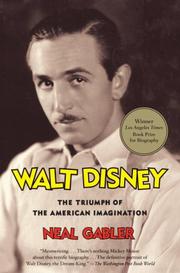
Walt Disney: The Triumph of the American Imagination
Authorized-access biography of the founder and the studio.
Summary
Gabler was the first biographer given unrestricted access to the Disney archives, and this is the definitive life. It covers the Missouri and Kansas City years, the loss of Oswald the Lucky Rabbit to Universal, the creation of Mickey Mouse, the technical gambles on synchronised sound and Technicolor, Snow White, the 1941 animators' strike, the wartime and postwar decline, television, and Disneyland.
The business material is substantial and specific. The Oswald episode taught Disney to own his characters, and every subsequent decision about rights followed from it. He repeatedly bet the company on technical advances competitors could not match, taking exclusive Technicolor rights for animation and spending on Snow White until the bank nearly foreclosed. Gabler documents the studio's chronic undercapitalisation, the dependence on Roy Disney's financing, and the fact that the company was frequently close to failure while producing its most celebrated work. The 1941 strike is treated at length and Gabler does not spare Disney's conduct, including his testimony to the House Un-American Activities Committee.
Disneyland is presented as the culmination of a controlling impulse: a physical environment where every sightline, sound and transition could be designed, financed through the television deal with ABC that Disney made specifically to fund it.
Gabler is even-handed about the personal material, including the antisemitism allegations, which he examines and finds not proven in the strong form. The book is very long, and readers wanting the business history alone will find the childhood and personal sections extended. It remains the best-sourced account available.
Key takeaways 7
- Losing Oswald the Lucky Rabbit to his distributor taught Disney to own his characters outright, and every later rights decision followed from that loss.
- Disney repeatedly committed the entire company to technical advances, including synchronised sound and exclusive Technicolor rights, that competitors could not immediately copy.
- The studio was chronically undercapitalised and close to failure through the period of its greatest creative output.
- The 1941 animators' strike permanently changed the studio's culture and Disney's relationship with his staff, and he never accepted his own responsibility for it.
- The television deal with ABC was made specifically to finance Disneyland, which converted a broadcast relationship into real estate capital.
- Disneyland extended the same impulse as the films, being an environment in which every element of the audience's experience could be controlled.
- Disney's contribution was as an editor and standard-setter rather than as an artist, since he stopped drawing early and directed others' work by relentless criticism.
Who should read it
Founders and operators interested in owning intellectual property, betting a company on technical advantage, and building a brand around controlled experience.
Where it sits in the reference 2
Who recommended it 2 · 1 direct
Similar books 6
Chosen by shared topics, the entries that hold them, and the people who recommended both.