Hotels and Hospitality
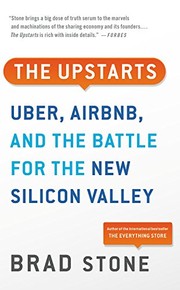
Hotel revenue is occupancy multiplied by average daily rate, and because most costs are fixed, each point of RevPAR falls almost intact to profit or loss. The large brands responded by separating the property from the business: an owner holds the building, a manager operates it for a fee, and the brand collects a franchise royalty and runs the loyalty programme that drives direct bookings, which is why Marriott paid $13 billion for Starwood in 2016. Airbnb competed for the same demand while owning no property, taking a percentage of host bookings. The literature covers Airbnb's founding and the wider sharing-economy contest, service standards from restaurateurs whose methods hotels copied, and a front-desk memoir on how rate, upgrades and tipping actually work.
5 books · 1 people behind it
Start here
- The Airbnb StoryLeigh Gallagher, 2017
- Setting the TableDanny Meyer, 2006
- Unreasonable HospitalityWill Guidara
The people behind it 1
Each person holds a book in this entry or names it in their own tags.