 F
Podcast · 3 episodes in the reference, 2025 to 2026
Founder Mode
Published by Kevin Henrikson and Jason Shafton
Episodes
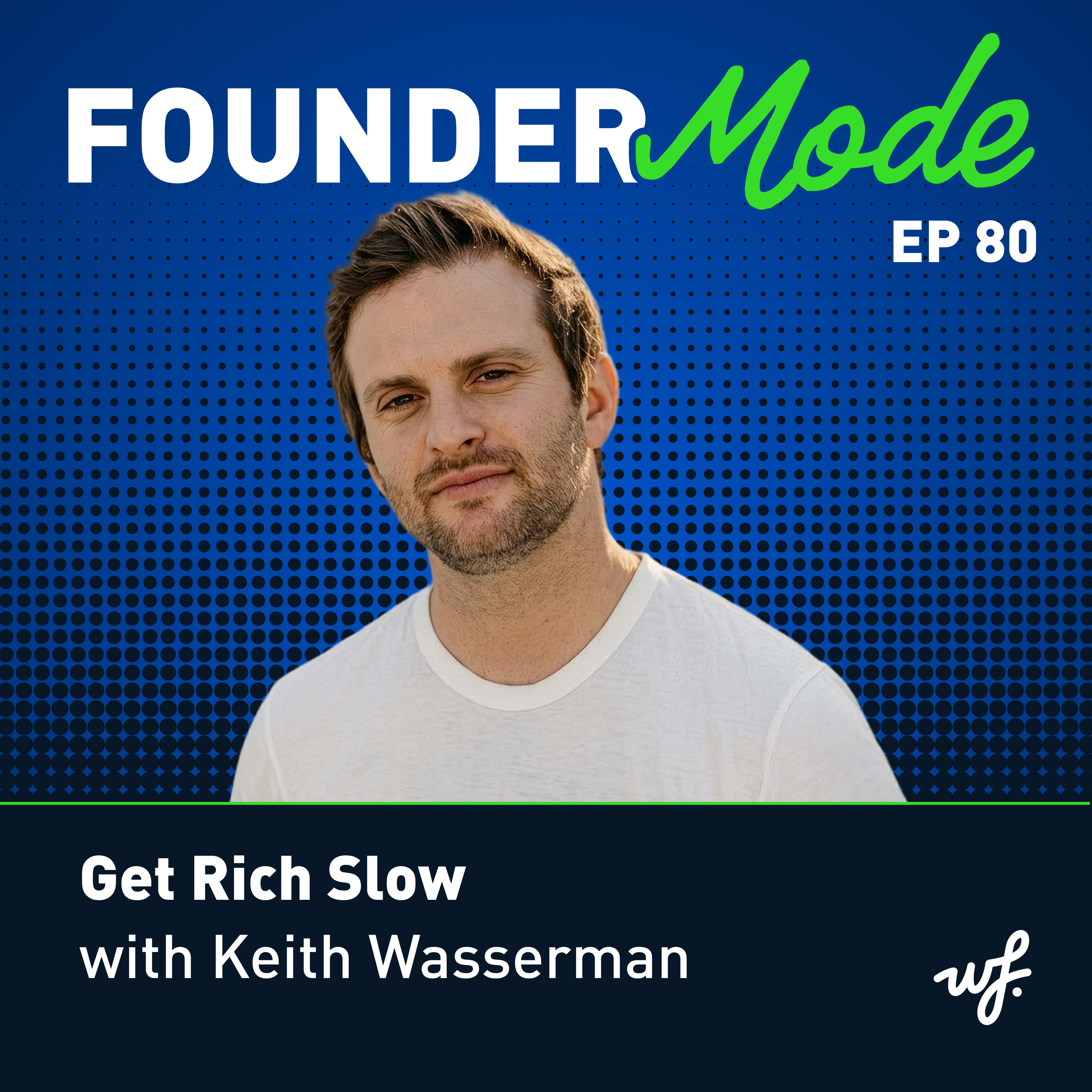 Get Rich Slow with Keith Wasserman | Keith Wasserman | 29 October 2026 | 26 min | EPISODE 80 Keith Wasserman started with a single $140,000 fourplex and has since completed billions of dollars in real estate transactions as co-founder of Gelt, all while holding to one rule: protect capital first. In this episode, Kevin and Jason talk with Keith about why today's commercial real estate downturn is in some ways harder than 2009, with apartment values down 25 to 50 percent, and why the best time to deploy capital is when everyone else is scared. Keith explains why 95 percent of his portfolio sits on long-term fixed-rate debt, why the wealthiest real estate owners regret every sale, how illiquidity protects investors from their own emotions, and how real estate really stacks up against the S&P 500. He also shares why he's personally calling all 1,800 of his investors one-on-one, how he built a team around his blind spots (he doesn't even use Excel), and why Gelt is launching its first fund to buy newer apartments below replacement cost in oversupplied markets like Austin. CHAPTERS 00:00 – Why Fear Is the Best Time to Buy 00:36 – Investing Through Uncertainty 02:39 – Meet Keith Wasserman 03:16 – The $140K Fourplex That Started It All 04:51 – Scaling From Four Units to Hundreds 05:58 – Fixed-Rate Debt and Protecting the Downside 07:15 – Get Rich Slow: Why the Wealthy Never Sell 10:21 – Why This Cycle Is Harder Than 2009 11:50 – What Investors Misunderstand About Today's Market 12:49 – Real Estate vs. |
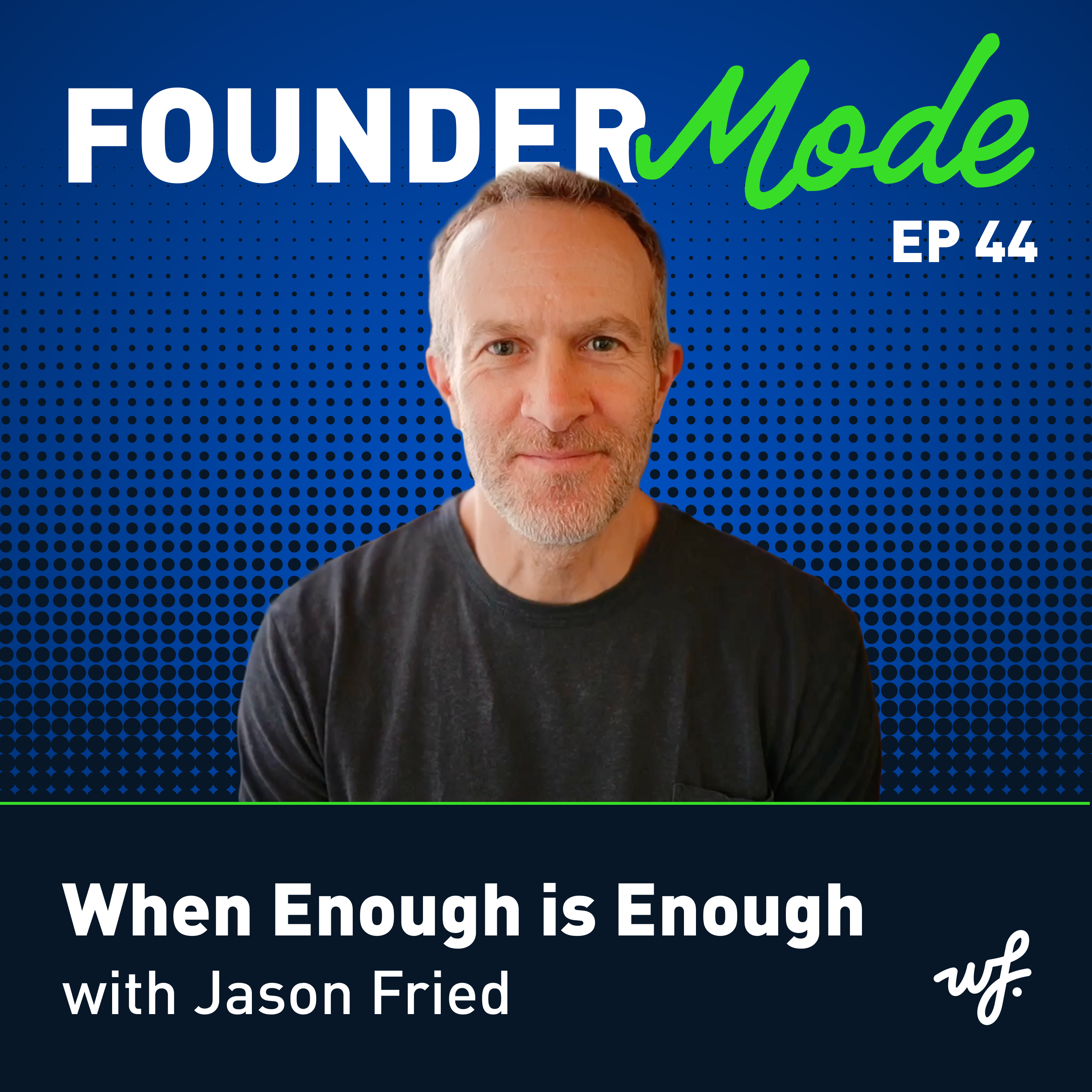 When Enough is Enough with Jason Fried | Jason Fried | 19 February 2026 | 49 min | EPISODE 44 Kevin Henrikson and Jason Shafton sit down with Jason Fried, co-founder of 37signals, to unpack what it means to build software that feels less like “software” and more like a physical object you actually want to use every day. Jason explains the philosophy behind Fizzy, 37signals’ fresh take on Kanban, and why speed, fluidity, and visual joy aren’t polish but core product decisions. The conversation explores designing with human-scale constraints borrowed from the physical world (like piles on a desk), why limits often produce better tools, and how 37signals stays independent to preserve optionality. They also discuss why 40 hours a week is enough, how founders can stay deeply involved without becoming bottlenecks, and Jason’s advice to new founders: keep your surface area small and start making something real as fast as possible. CHAPTERS 00:00 – Building software as objects you want to use every day 07:04 – Fizzy and a simpler, more joyful take on Kanban 12:21 – Piles, limits, and designing for human scale 22:03 – 40 hours is enough: founder involvement without micromanagement 43:22 – Undercomplicating year one: keep surface area small and start making LINKS Connect with Jason Fried 37signals.com • LinkedIn • X/Twitter Stay Connected with Founder Mode Subscribe to our newsletter: gofoundermode.com Connect with Kevin LinkedIn • X/Twitter Connect with Jason LinkedIn • X/Twitter |
 Albert Wenger: Von Franken nach New York – Mit Visionen die Welt verändern | E 38 | Albert Wenger | 30 May 2025 | 1:31 | Albert Wenger, Partner bei Union Square Ventures und Autor von „Die Welt nach dem Kapital“, spricht über seine außergewöhnliche Reise, seine Investmentstrategie und seine Vision für die Zukunft. Von den Herausforderungen des Kapitalismus bis zu den Chancen durch KI und Climate Tech – Albert liefert wertvolle Einblicke und inspirierende Denkanstöße. Was dich erwartet: Alberts Weg:Wie ein Jahr in Minnesota und ein Apple II seinen Weg als Visionär und Investor prägten. USV-Strategie:Warum Union Square Ventures auf kleine Fonds, kollaborative Teams und langfristige Visionen setzt. Die Welt nach dem Kapital:Warum Aufmerksamkeit die wichtigste Ressource ist und wie wir die Gesellschaft für das Wissenszeitalter neu erfinden können. Künstliche Intelligenz:Warum KI eine fundamentale Innovation ist und wie sie die Machtverhältnisse in der Welt verändern könnte. Climate Tech:Wie innovative Technologien die Klimakrise lösen – und warum Simulationen und Nuklearenergie so wichtig sind. Eine inspirierende Folge über Visionen, Mut und die Frage, wie wir die Zukunft gestalten können. |