 T
Podcast · 13 episodes in the reference, 2019 to 2026
THE ED MYLETT SHOW
Published by Ed Mylett
Host
EMEd Mylett
Episodes
 Why I Gave My AI Access to Everything | Peter Diamandis | Peter Diamandis | 28 July 2026 | 1:01 | He named his AI, "Skippy". He gave it access to his iMessages, his emails, every conversation he has. And he says it's the smartest thing he's ever done. Every time Peter Diamandis comes on this show, downloads go through the roof. There's a reason for that. He doesn't just talk about the future. He's building it. Peter brings something to this conversation that almost no one else on earth can: a front-row seat to where the world is actually going, backed by 28 companies, decades of relationships with Elon Musk, Larry Page, Eric Schmidt, and the architects of AI, and the kind of credibility that only comes from being right about the future over and over again. In this conversation, Peter lays out his clearest vision yet of the next decade: ambient AI that knows your schedule before you do, a billion humanoid robots on the streets within ten years, the reversal of aging becoming a clinical reality, and the democratization of health care that will save more lives than any drug ever has. He also doesn't soften the turbulence that comes first, a 2-to-8-year window of real social and economic disruption that most people are completely unprepared for. I push him on the things people are afraid to ask: whether privacy is actually already gone, whether a solopreneur with AI can become a billionaire, and what the difference is between passion and purpose. |
 3 Steps to Master Your Craft and Make More Money | Ed Mylett | Jim Kwik | 25 April 2026 | 1:39 | What if the real reason you’re not where you want to be isn’t a lack of talent… but the habits, thoughts, and standards you’ve been tolerating? In this mashup episode, I’m bringing together some of the most powerful minds in personal development and performance to challenge the way you think about growth, discipline, and what it actually takes to win in your life. You’re going to hear from Eric Thomas, James Clear, Jim Kwik, Alan Stein Jr., David A. Arnold, and Jay Shetty as we break down the hidden patterns that either elevate you or quietly destroy your potential. Eric Thomas brings the fire and reminds you that average effort will always produce average results, and that your level of commitment is the ultimate separator. James Clear simplifies success in a way that will change how you approach your daily habits and routines. Jim Kwik shows you how your brain is your greatest asset and how unlocking it can accelerate everything in your life. And Alan Stein Jr. gives you the discipline and standards required to perform at an elite level when it matters most. But this episode is not just about performance. David A. Arnold and Jay Shetty take us deeper into the human side of growth. They talk about self-awareness, identity, and the internal conversations that shape your reality. Because the truth is, your external results will never outperform your internal belief system. If you don’t fix what’s going on inside, nothing outside will ever fully work. |
 Stop Wasting Time! THIS Is Why You're Not Successful Yet (And How to Finally Break Through) | Tom Bilyeu | 28 March 2026 | 1:34 | What if the real reason you’re not winning yet isn’t a lack of talent… but a refusal to raise your standard? In this mashup, I’m bringing you some of the most powerful voices in personal development to confront a question most people avoid asking themselves. Am I really doing everything it takes to reach my dreams, or am I just staying comfortable? I sit down with Tom Bilyeu, Jesse Itzler, Eric Thomas, and Brendon Burchard to break down what actually separates people who talk about success from those who live it. One of the biggest truths we uncover is that success is not about who you are today. It’s about who you are willing to become. I share openly how I had to rebuild my confidence from nothing by keeping small promises to myself and stacking wins day by day. Brendon Burchard breaks down why accountability is the missing link for most people and how fear of judgment keeps you stuck playing small. And Eric Thomas brings the fire with a message most people need to hear. Either raise your standards or lower your expectations, but stop lying to yourself about the gap. You’re also going to hear something that could completely change how you view your life. From Jesse Itzler, we talk about stepping into rooms you are not prepared for and figuring it out later. That willingness to act before you feel ready is what creates opportunity. Too many people sit on the sidelines waiting to feel confident first, when in reality confidence is built through action, not before it. |
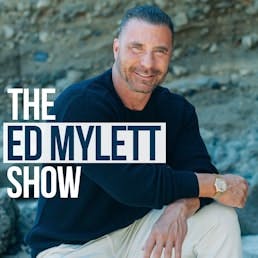 How to IMPROVE your MEMORY | Jim Kwik | Jim Kwik | 31 January 2026 | 1:46 | What if your biggest memory struggles have nothing to do with your intelligence and everything to do with how your brain is wired? In this mashup episode, I bring together four of the most respected minds in brain performance and human potential to break down how memory really works and how you can unlock it at a much higher level starting today. If you have ever said “I’m just bad at remembering names,” “I can’t focus,” or “I don’t retain what I read,” this conversation is going to change how you see yourself. You’re going to hear from Jim Kwik, Dr. Caroline Leaf, Dr. Joe Dispenza, and John Assaraf as we unpack the four primary brain types and why trying to learn the same way as everyone else is holding you back. Jim Kwik explains how identifying your dominant brain type allows you to finally work with your mind instead of fighting it. Dr. Caroline Leaf dives into the science of neuroplasticity and how your thoughts and habits literally reshape your brain over time. Dr. Joe Dispenza connects memory, focus, and emotional regulation, showing how stress and identity can either enhance or hijack your ability to learn. And John Assaraf breaks down how belief systems and repetition program your subconscious to either expand or limit what your brain retains. What I love about this mashup is how practical it is. This is not theory for the sake of theory. |
 The 5 Types of Wealth To Design Your Dream Life with Sahil Bloom | Sahil Bloom | 15 April 2025 | 58 min | Are You Climbing the Right Mountain? What if the life you’re chasing isn’t the life you actually want? In this conversation, I sat down with Sahil Bloom—someone who’s not only full of wisdom well beyond his years but has the guts to question everything we’ve been told about success. You’ll hear how Sahil traded the “dream” job, the big checks, and the societal applause for a life that actually meant something to him. He’s not just talking theory—he lived this. And together, we unpack what it means to redefine wealth in a way that includes all the parts of your life that truly matter. This episode is packed with real talk about time, health, relationships, mental clarity, and yes—money. Sahil breaks down his Five Types of Wealth and gets brutally honest about why chasing only one can cost you everything else. I loved what he said: “Sometimes the things you pray for become the things you complain about, if you’re not paying attention.” That hit me hard—and I know it will hit you too. We also talk about how to actually make changes in your life. Not the fluffy stuff. Real, actionable tools—like how to schedule energy-giving activities, reframe your relationship with money, and audit your time to reflect your true values. We get into how to stay consistent with new habits, even when life is chaotic, using Sahil’s ABC system that anyone can implement today. Look, this is one of those conversations that might just shift the direction of your life. Don’t listen passively. |
 Swimming with the Sharks: Daymond John and Barbara Corcoran | Daymond John | 13 July 2024 | 1:00 | Get ready for a masterclass in entrepreneurship and resilience as we dive into the minds of two of the most iconic business moguls! In this power-packed episode, join me with Daymond John and Barbara Corcoran as we navigate the turbulent waters of business and life. This episode is all about mastering the art of turning adversity into advantage. We're unlocking the secrets to entrepreneurial success, straight from the sharks themselves. Here’s what you’ll gain from this electrifying conversation: Discover the power of the hustle and how Daymond John built FUBU from the ground up, transforming a simple idea into a global brand. Learn Barbara Corcoran’s top strategies for identifying and seizing opportunities, even in the face of rejection and failure. Uncover the critical importance of branding and how to create a powerful personal and business brand that stands out. Get insider tips on negotiating deals and making the right decisions in high-pressure situations. Hear firsthand experiences and lessons on resilience, grit, and the mindset needed to thrive in the competitive world of business. We're not just talking about surviving; we're talking about thriving and dominating your space. This episode will give you the tools and inspiration to push beyond your limits and achieve extraordinary success. Prepare to revolutionize your approach to business and life by learning from two legends who've been in the trenches and come out on top! |
 THIS Is Your FASTEST Path To Escape Your 9-to-5 Job With Less Risk with Codie Sanchez | Codie Sanchez | 2 July 2024 | 1:09 | Ever wonder what it takes to leap from passion to profit? This episode is a treasure trove of wisdom and entrepreneurial strategy as I sit down with Codie Sanchez, a powerhouse in business acquisition and an expert in turning the mundane into millions. Codie, known for her savvy in navigating the often overlooked opportunities in 'boring' businesses, shares her incredible journey and the strategies that anyone can use to find financial freedom and business success. Combined with my own experiences of building an entrepreneurial empire, this episode will redefine your approach to business and success. This approach to business is not just about making money; it’s about creating value and learning the art of the deal. In our conversation, we delve deep into the nuts and bolts of acquiring businesses—a path less traveled but brimming with potential. Here’s what you’ll gain from tuning in: Learn strategies to identify undervalued businesses and how to spot and seize opportunities in the least glamorous but most lucrative corners of the market. Learn secret negotiation tactics to secure deals that can transform your financial landscape. Discover why sometimes the most ordinary businesses could be your ticket to extraordinary wealth. Codie opens up about the challenges and triumphs along her journey, providing you with the roadmap to pursue your own path. This is the episode that can help you make the leap from being INTERESTED in entrepreneurship to LIVING it. |
 Jim Kwik's Secrets To MAXIMIZING Your Brain's POTENTIAL | Jim Kwik | 19 December 2023 | 1:14 | Tap into your inner GENIUS and revolutionize how you think, learn, and succeed! This week, we're diving into the art of maximizing your brain's potential with the incredible Jim Kwik, a master in brain optimization techniques. He was once known as the boy with the BROKEN BRAIN. But Jim overcame a severe childhood injury to become one of the world’s foremost experts on learning theory, neuroscience, and brain performance. It's not just about Jim's inspiring journey; it's about what his insights can do for YOU. We're going to explore practical, powerful strategies to elevate your cognitive abilities and unlock new levels of personal and professional achievement. Together we’re going to help you put on your thinking cap and dig into how to OPTIMIZE YOUR BRAIN to help you live better and accomplish more including: Discovering your BRAIN TYPE How to REMEMBER more LEARN at maximum retention How to harness diverse thinking styles for extraordinary results. Understanding your RAS and the brain's role in filtering information. Mastering the art of note-taking for better recall and understanding. Exploring Neuronutrition and the impact of diet on cognitive function. Strategies for developing brain health from an early age. Tips for achieving your peak Flow State for maximum productivity. This episode is about transforming how you think, learn, and grow. It's about taking your brain health into your own hands and unlocking your limitless potential. |
 How To Live Longer & Grow Rich With A.I. w/ Peter Diamandis | Peter Diamandis | 26 September 2023 | 1:08 | This is how we will ALL LIVE Longer and BETTER lives! Science and AI are busting down the door and father-time better watch out! On today’s episode of The Ed Mylett Show, I’m bringing on PETER DIAMANDIS to explain how technological advances in science, AI, and entrepreneurship will be able to extend the average life span by DECADES. Buckle up for a remarkable and wide-ranging discussion about WELLNESS, LONGEVITY, HEALTH, SCIENCE, and more. In a world that often focuses on bad news, negativity and so much that brings us down, Peter is a contrarian because he is GENUINELY EXCITED by where we’re headed in the FUTURE. His vision is backed by his actions, because Peter has started over 20 companies and invested $250 million in the areas of longevity, space, venture capital, and education. His track record is unrivaled, validated by the fact that he has also been named by Fortune as one of the WORLD’S 50 GREAT LEADERS and is a 3x New York Times Bestselling author. Peter shares hiss extraordinary insights about: HOW, WHY and WHEN we will expand the average life-span by decades 3 SECRETS to living your best life Advancements in GENETICS, HORMONES, and TOTAL PLASMA EXCHANGE The shifting role of AI in Healthcare Groundbreaking advancements in ARTIFICIAL INTELLIGENCE How to shape your MINDSET and define your PURPOSE? Identifying the world’s BIGGEST BUSINESS OPPORTUNITIES This is a mind-blowing conversation the entire world needs to hear! |
 How Cindy Eckert, Female Viagra CEO, Sold Her Company for $1 Billion And Got It Back For FREE | Cindy Eckert | 3 August 2021 | 57 min | IT’S TIME TO “THINK PINK” ON THIS WEEK’S EPISODE! Cindy Eckert is a DEAR FRIEND, and has become an important ANGEL INVESTOR, SERIAL ENTREPRENEUR, WOMEN’S HEALTH ADVOCATE, AND A VISIONARY HEALTH TECH CEO. Whether you’re a man or a woman, if you’ve ever had even the faintest glimmer of walking away from your current job and starting your own company, you’re going to absolutely LOVE Cindy Eckert’s story and what you can LEARN from her. You’re all familiar with what Viagra does for men, but I’ll bet not too many of you know Cindy is the one who got FDA approval for Addyi, the first drug designed to enhance female libido. After FDA approval, she sold her company, Sprout Pharmaceuticals, to Valeant for a cool $1 BILLION. It wasn’t her first company sale either, having previously sold another start-up for $500 MILLION. Here's the fascinating part of Cindy’s story. As part of a lawsuit settlement against Valeant, she reacquired Sprout and the rights to Addyi for next to nothing after Valeant’s stock collapsed by 80% due to insider trading and price manipulation allegations. People like Cindy can’t sit still for very long. So, she launched a “PINKUBATOR” and a VC/consulting firm called the PINK CEILING as a way of leveling the start-up and entrepreneurial environment for women. Cindy has a wealth of KNOWLEDGE and EXPERIENCE you're going to want to tap into. |
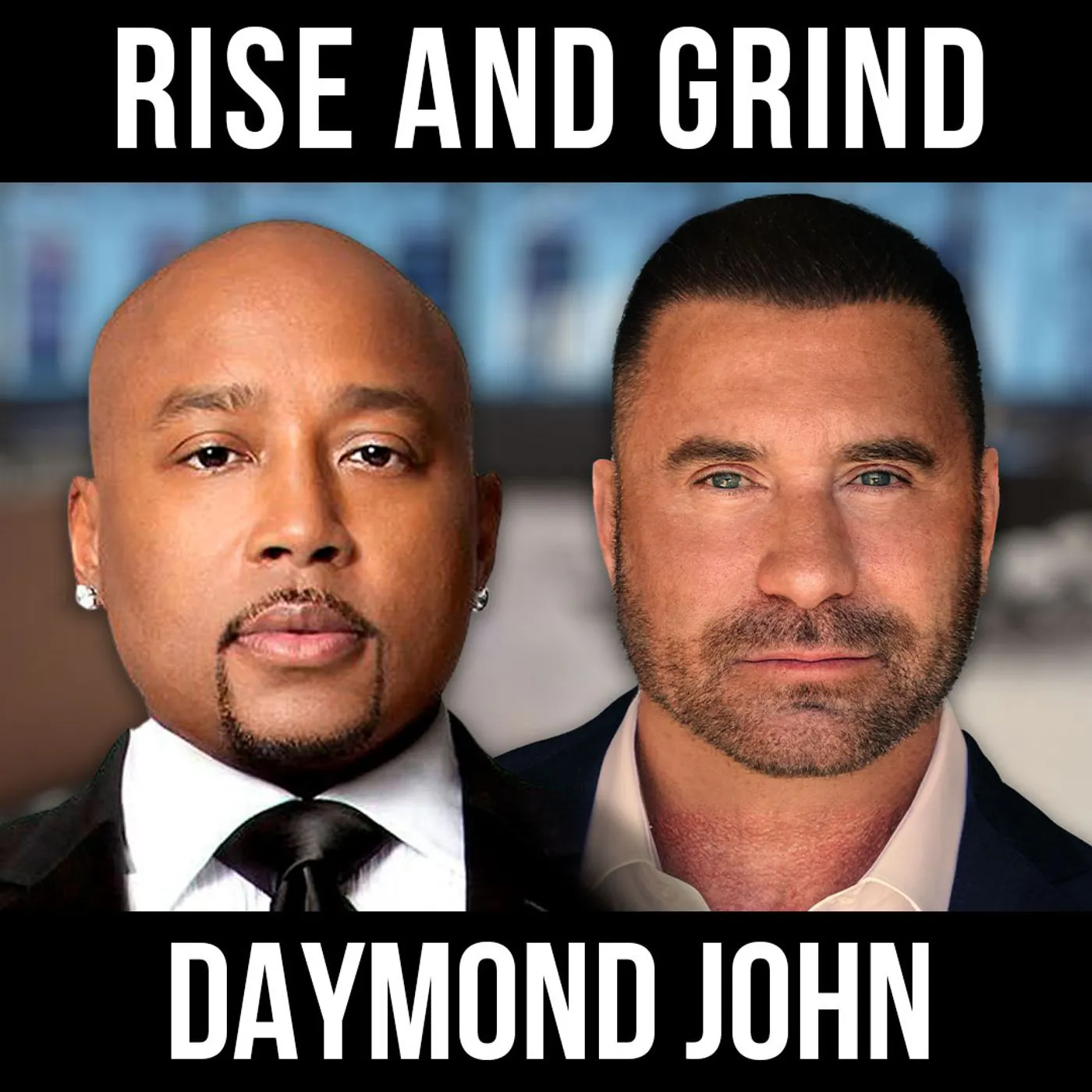 MILLION DOLLAR Business Lessons! - w/ Daymond John | Daymond John | 22 December 2020 | 53 min | THIS is what you've been waiting for! Daymond John turned $40 into a $6 BILLION fashion movement, FUBU. He’s s a 5-time bestselling author. He’s a shark investor on the 4-time Emmy Award-winning show Shark Tank AND one of the greatest motivational and business speakers in the world. He’s also my respected colleague and friend and one of the GREATEST entrepreneurs of all time! The entrepreneur’s path to success isn’t always pretty and Daymond and I are the REAL DEAL. In this interview, we are pulling back the veil of glamor as Daymond shares the STRUGGLE and GRIND he went through to build his empire. From learning how to turn your flaws into your winning assets and building up self-confidence to the skill of creating your personal presence and learning the fine art of negotiation, This interview will leave you equipped to compete with the best of the best. AND Daymond is giving the inside scoop on the #1 invested product on Shark Tank history! He reveals the secrets behind a successful pitch and the diffidence between entrepreneurs who take advantage of great opportunities vs the ones who drown in it. EXPERIENCE is life’s greatest teacher and there is SO MUCH of it in this interview you can’t afford to miss it! Get in on these MILLION DOLLAR business lessons the will put you ahead of 99% of the game! Learn more about your ad choices. Visit megaphone.fm/adchoices |
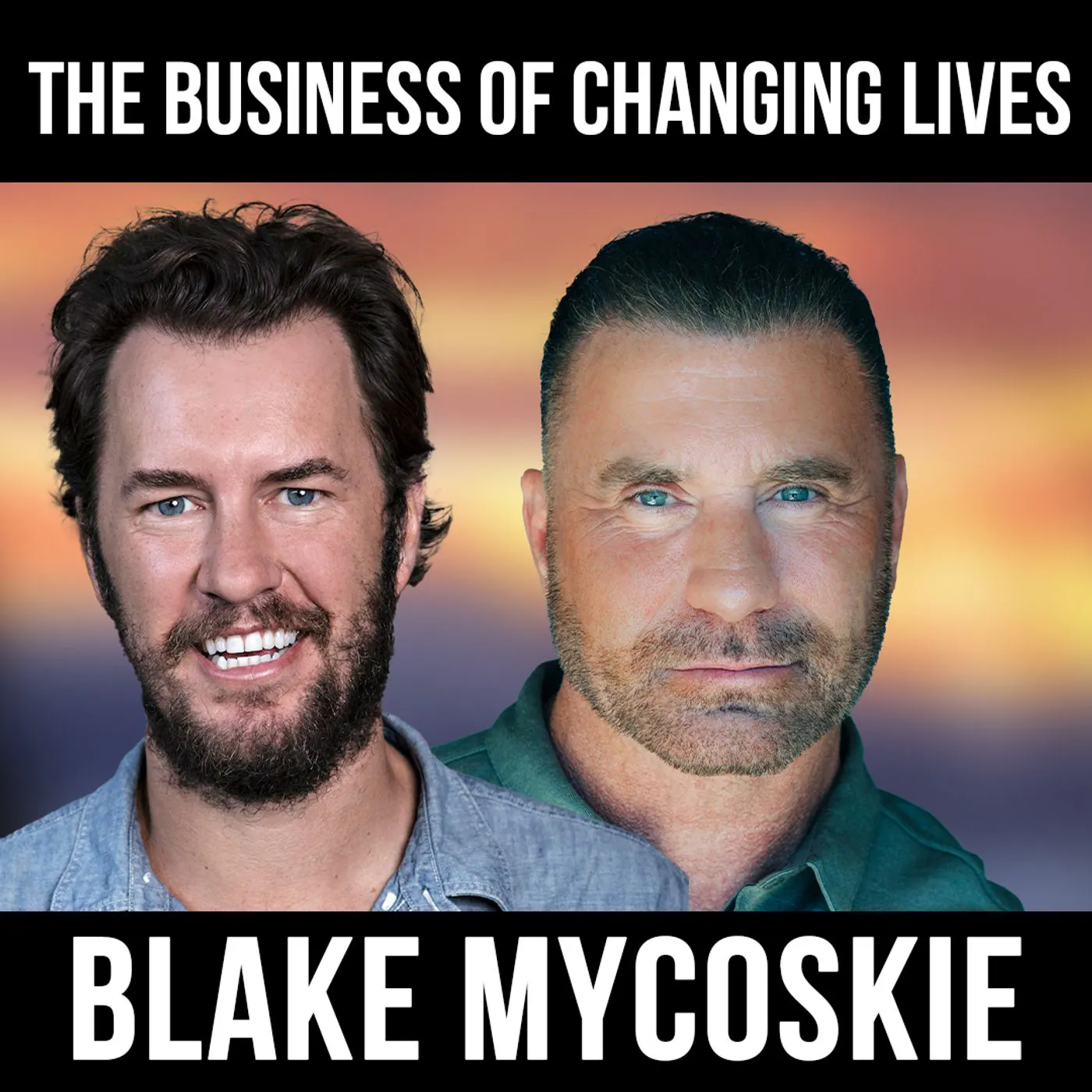 The Business of Changing Lives - w/ Blake Mycoskie | Blake Mycoskie | 15 July 2020 | 1:03 | 86 MILLION shoes given to children in need, from one man's vision!! The Business of Changing Lives - w/ @BlakeMycoskie Unless you’ve been under a rock, you’ve heard about Toms; the shoes with a cause that took the world by storm. Every time a pair is purchased, another pair is given to a child in need. Reaching over $500 MILLION in sales, this business model is PROOF that capitalism can be GREAT when used for GOOD! I am so honored to have the founder of Toms, Blake Mycoskie, joining me on The Ed Mylett Show! Blake has sent over 86 MILLION pairs of shoes to children around the world AND has provided clean water to over 600k people. He’s doing ALL of this through entrepreneurship driven by his passion to serve others. In this interview, Blake shares his awe-inspiring journey building Toms from the ground up and how he turned his passion into a half-BILLION dollar company while simultaneously making a conscious impact for GOOD around the world. We are expanding the boundaries of what it means to be an entrepreneur and how building a business you are PASSIONATE about will ultimately lead you to exponential success both financially and personally. This is arguably the MOST important business lesson of all time! As you’ve heard me say before, fulfillment does NOT come from external accolades. Blake seemingly had it all… but he soon realized he DIDN’T have it all as he was diagnosed with depression and struggling in an unhappy marriage. |
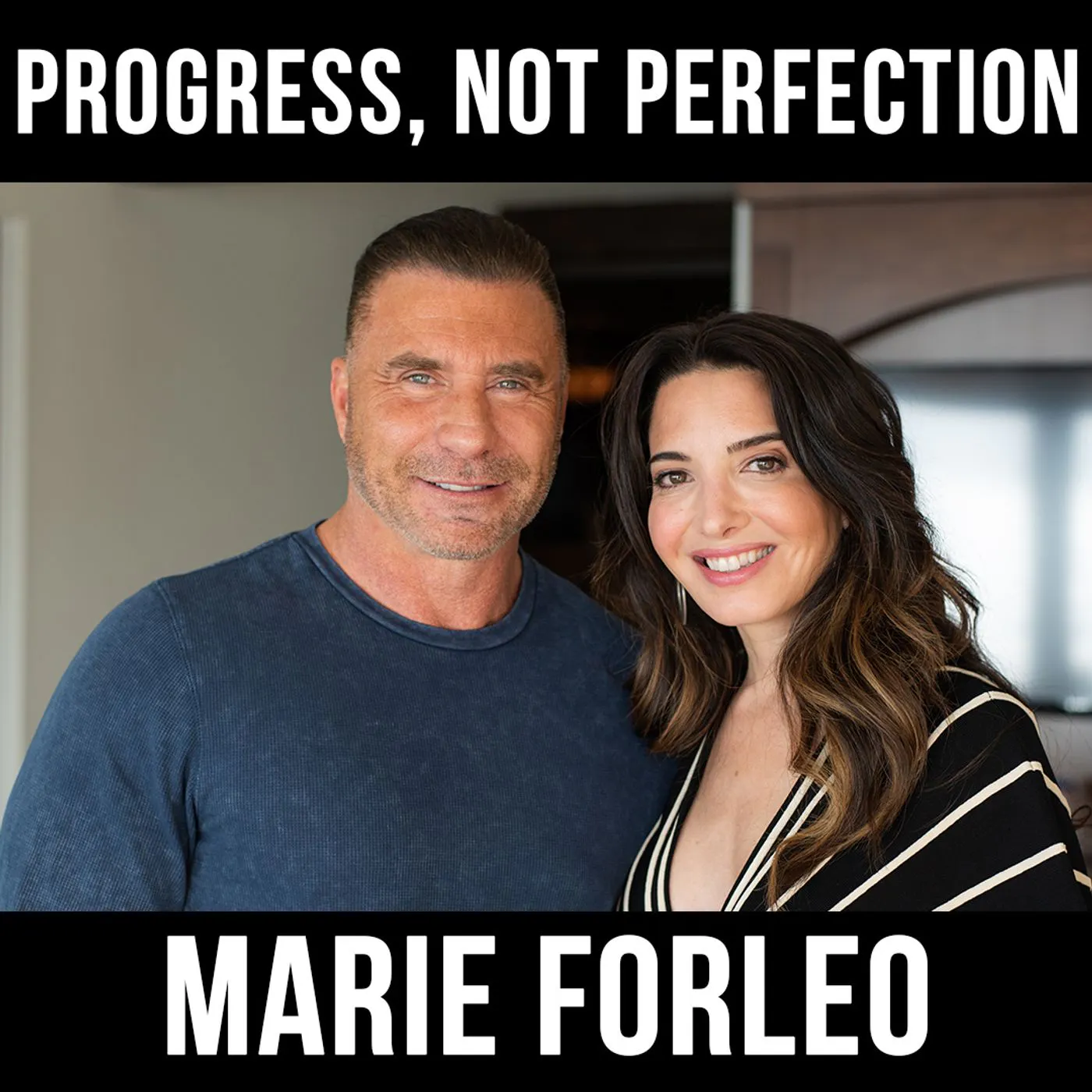 HOW TO START I With Marie Forleo | Marie Forleo | 17 December 2019 | 41 min | Everything in Life is FIGUREOUTABLE! Somebody somewhere is depending on you to do what God has called you to do... and it’s crucial you do it even if you don't feel ready! Marie Forleo is an entrepreneur, life coach, writer, philanthropist, and an unshakable optimist who has dedicated her life to helping people become their best selves. She also wrote a New York Times #1 Bestseller, "Everything is Figureoutable". In this interview, Marie shares where she found her courage to face the unknown, step into her purpose even before she believed she was ready, and how this served as a catalyst to her long list of accolades including becoming a hip-hop choreographer on MTV and being one of the world’s first Nike Elite Dance Athletes! Not only is Marie one of the greatest storytellers of all time, but she also reveals ACTIONABLE steps that YOU can implement to accomplish exactly what you want in life RIGHT NOW, including her 3 rules to overcome every situation that comes your way. True HAPPINESS is finding out what your gifts are and then living your life in a way you can share those gifts in the service of other people. I was blown away by this interview and I know you will be too! I even share a peek at my goofy side that most of you don’t get to see on social. But the truth is... we are all a bunch of weirdos off camera! Learn more about your ad choices. Visit megaphone.fm/adchoices |
TWhy I Gave My AI Access to Everything | Peter DiamandisPeter Diamandis · 28 July 2026T3 Steps to Master Your Craft and Make More Money | Ed MylettJim Kwik · 25 April 2026TStop Wasting Time! THIS Is Why You're Not Successful Yet (And How to Finally Break Through)Tom Bilyeu · 28 March 2026THow to IMPROVE your MEMORY | Jim KwikJim Kwik · 31 January 2026TThe 5 Types of Wealth To Design Your Dream Life with Sahil BloomSahil Bloom · 15 April 2025TSwimming with the Sharks: Daymond John and Barbara CorcoranDaymond John · 13 July 2024TTHIS Is Your FASTEST Path To Escape Your 9-to-5 Job With Less Risk with Codie SanchezCodie Sanchez · 2 July 2024TJim Kwik's Secrets To MAXIMIZING Your Brain's POTENTIALJim Kwik · 19 December 2023THow To Live Longer & Grow Rich With A.I. w/ Peter DiamandisPeter Diamandis · 26 September 2023THow Cindy Eckert, Female Viagra CEO, Sold Her Company for $1 Billion And Got It Back For FREECindy Eckert · 3 August 2021TMILLION DOLLAR Business Lessons! - w/ Daymond JohnDaymond John · 22 December 2020TThe Business of Changing Lives - w/ Blake MycoskieBlake Mycoskie · 15 July 2020THOW TO START I With Marie ForleoMarie Forleo · 17 December 2019