 T
Podcast · 39 episodes in the reference, 2013 to 2026
The School of Greatness
Published by Lewis Howes
Host
LHLewis Howes
Episodes
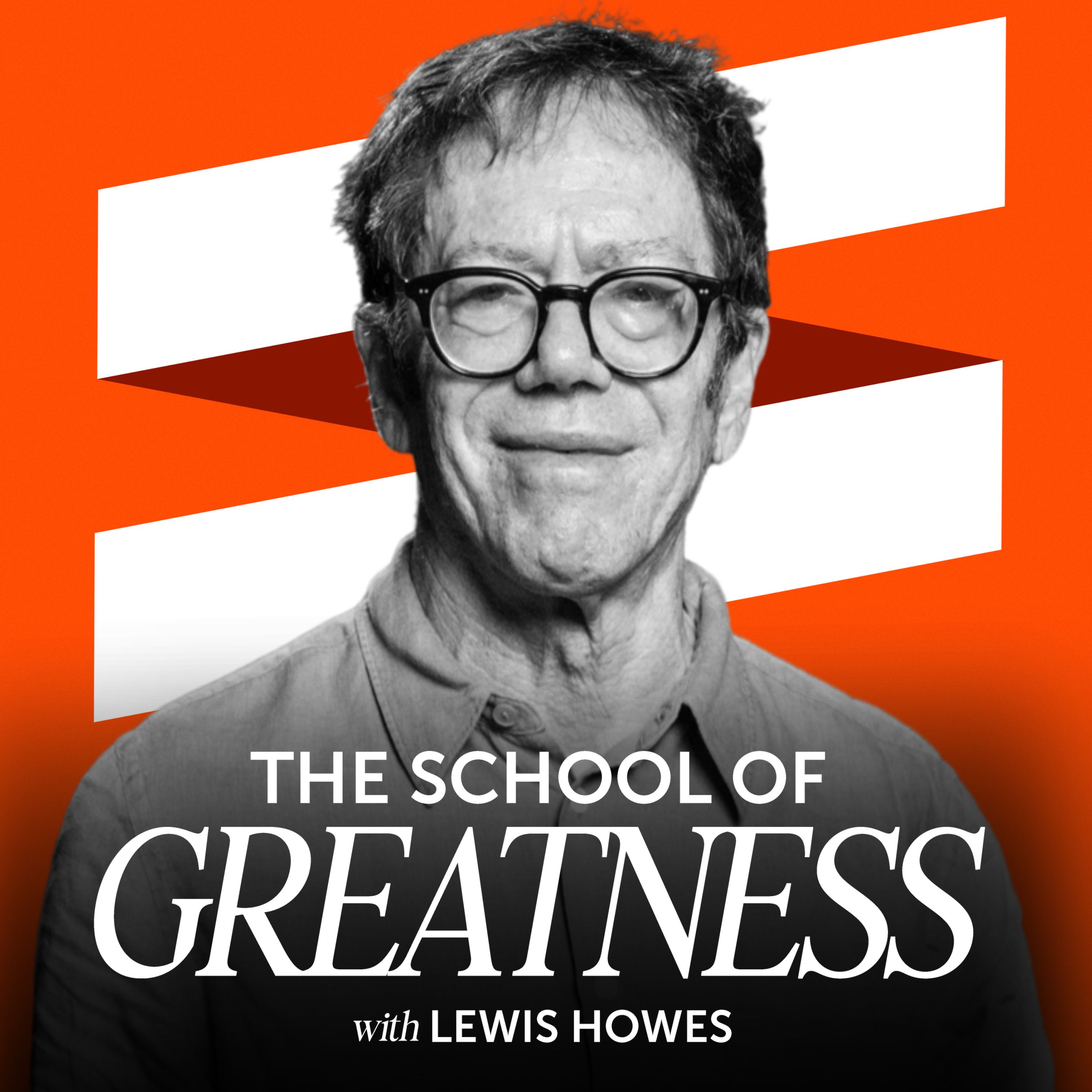 I Wrote This NEW Book to Change How You Live Your Life in 2027 | Robert Greene | Robert Greene | 2 November 2026 | 1:22 | What if your consciousness was never locked inside your head in the first place? Robert Greene, the best-selling author of The Law of the Sublime, sat down with Lewis for his sixth visit, eight years after a stroke nearly took his life. His wife saw his slurred words and drooping face, made him pull over, and called 911 about 30 seconds before he would have been brain dead. He came back to a world that seemed to sparkle, and he spent seven years writing so you could feel that without having to die. He explains why a small child gives 90% of their attention to the world while most adults give 98% to themselves, and how that shift feeds anxiety and addiction. One story stays with you: a woman in surgery, with no brain activity and her ears plugged, later described the drill and the Hotel California song playing in the room. Robert talks through near-death experience research and the old idea that awareness might run through everything, along with what his marriage taught him about letting the ego go quiet. When this one ends, you'll want to step outside and look up at the sky. Then you'll look a little longer at the person you love. |
 They're About To Reset the Rules of Wealth — Your Last Chance To Get Ahead Is Now | Codie Sanchez | Codie Sanchez | 21 September 2026 | 1:14 | What if the grind you think makes you successful is the very thing keeping you broke and exhausted? Codie Sanchez, a former Goldman Sachs employee who has run 1,621 businesses through her company’s systems, sat down with Lewis to talk about money, freedom, and why most entrepreneurs across the US earn less than California’s $78,000 minimum wage. Her book Own or Be Owned is built on one uncomfortable question: do you own a business, or does it own you? She tells the story of walking into a bank for a loan and finding the account she thought held a million dollars almost empty. That night she sat in the dark and called her dad, who told her you are not really in the game until you have had a night like that. She never ran a business without systems again. The fixes she shares are simpler than you expect. Most businesses are underpriced by 30 to 300 percent, fewer than a third have recurring revenue, and hard work has almost nothing to do with how much money you make. She also explains why more than 80 percent of kids want nothing to do with their parents’ business. You will finish this one ready to raise your prices and build a life where work fits around the people you love. |
 Your Phone Is Stealing the Life You Actually Want | Cal Newport | Cal Newport | 18 September 2026 | 1:01 | You have been trained to reach for your phone the second you get bored, and it is quietly costing you the ability to think. Cal Newport, a computer science professor and the author of Deep Work, sat down with Lewis and explained why he has never once had a social media account. He also wrote Digital Minimalism: Choosing a Focused Life in a Noisy World, and to test the idea he ran a 30-day declutter with about 1,600 readers who sent back reports on what happened when they stepped away. The results are hard to shake. Roughly half found no real value in social media and dropped it for good. Of the half who did find value, like visual artists who needed Instagram to see other people's work, about 95% moved it off their phones entirely and onto a scheduled desktop session, sometimes twenty minutes on a Sunday night. Cal also points to college mental health centers that saw anxiety cases jump around fivefold the same year students started arriving on campus with smartphones. Lewis tells his own story here too. Fifteen straight years with a phone on him every single day, then a trip to Hawaii where he left it at home. He got lost, asked strangers for directions at a gas station, and by day two he was floating in the ocean with zero anxiety. Cal calls that the baseline, not a breakthrough. Listen and you will start noticing the small reach for your pocket at dinner, in line, on a walk. |
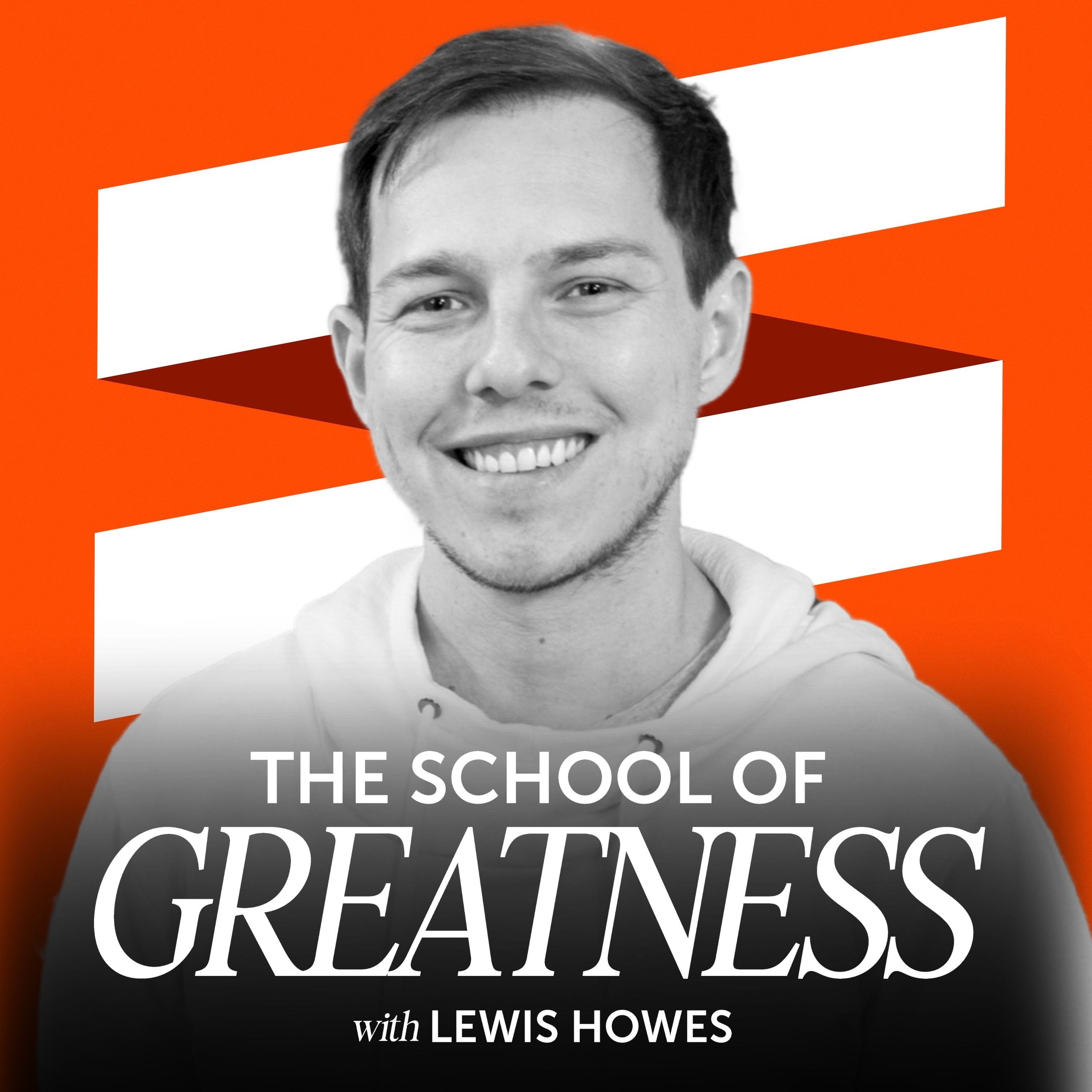 The 3 Boring Habits That Built His First Million | Graham Stephan | Graham Stephan | 8 May 2026 | 1:04 | Graham Stephan was relentless about one thing before he had anything else: not spending money he did not have to spend. He calculated the gas cost of visiting a friend and decided it was not worth it. Most people would call that extreme. He calls it the foundation. The habits he built early, consistency, focus, and ruthless saving, did not feel heroic in the moment. They felt boring. But boring done every single day is what compounded into real estate commissions, YouTube income, and an investment portfolio split evenly between property, index funds, and cash. What he did not do was wait until he felt ready. He held off on starting his YouTube channel for years because he did not have a Lamborghini like the other guys. When he finally started, none of that mattered. The deeper conversation here is about what money actually means once you have enough of it. Graham is not chasing a bigger number. He wants to buy back his time, to read a book on a Tuesday if he feels like it. That shift from accumulation to freedom is where this episode gets genuinely interesting. |
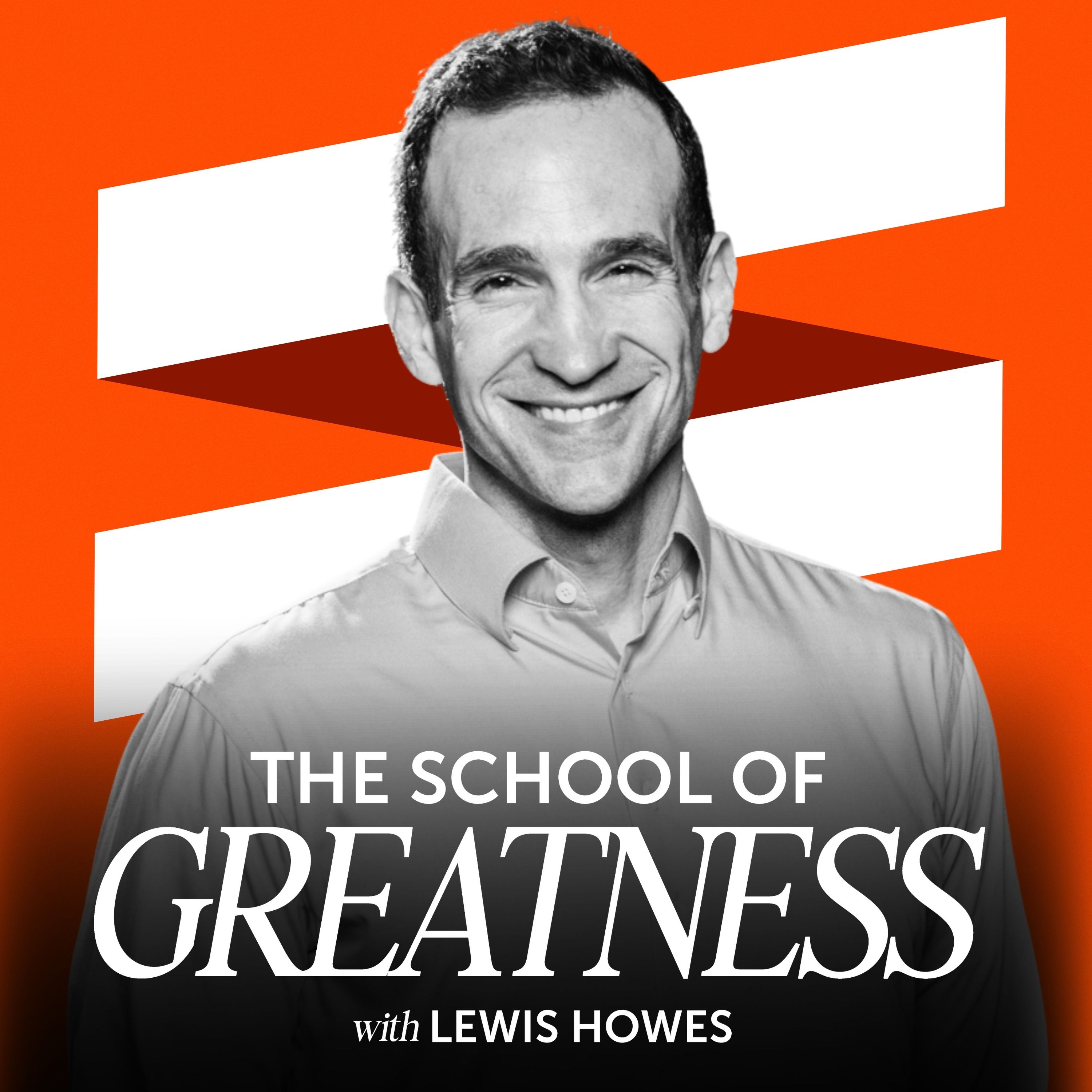 The Top 1% Train Their Minds Like This | Nir Eyal | Nir Eyal | 2 March 2026 | 1:30 | Nir Eyal spent six years researching why brilliant, talented people consistently fall short of their potential, and what he found will surprise you: it's not a lack of knowledge, resources, or intelligence holding most people back. It's the invisible belief system running silently in the background, shaping every decision you make without your awareness. Most of us are walking around with beliefs forged in survival mode, and we're using them long after they've stopped serving us. The good news is that beliefs, unlike facts, are tools you can examine, update, and swap out. In this conversation, Nir walks you through the motivation triangle that explains why willpower and information alone never work, and the exact four-step turnaround process that rewrites the beliefs costing you peace, progress, and connection. Whether you're struggling with a goal that keeps stalling, a relationship that stays stuck, or a quiet voice telling you that you're not enough, this episode gives you a practical way out. |
 Saving Will Never Make You Rich | Codie Sanchez | Codie Sanchez | 12 September 2025 | 1:49 | Codie Sanchez drops truth bombs about why everything you've been taught about building wealth is backwards. From her awakening moment in college when she refused to let anyone control her through money, to building a multi-million dollar empire by buying "boring" businesses, Codie reveals the mindset shifts that separate the wealthy from the broke. She breaks down why saving your way to riches is a myth, how to buy your first business with little money down, and the relationship dynamics that either fuel or destroy your success. This conversation will make you question every assumption you have about money, ambition, and what it really takes to build the life you want. |
 Gary Vee: Success Doesn't Change You. It Exposes You | Gary Vaynerchuk | 22 May 2024 | 1:35 | Get ready to dive into a captivating conversation with the dynamic and unapologetically real entrepreneur, Gary Vaynerchuk, widely known as Gary Vee. Through an engaging dialogue, Gary shares personal anecdotes, valuable insights into his business journey, and thought-provoking wisdom on embracing emotional growth and self-awareness. Join us as we uncover the multifaceted world of Gary Vee, getting into topics ranging from accountability and gratitude to the future of attention and social media impact. This is an incredible episode full of authenticity, inspiration, and valuable life lessons. Buy Gary's book, Day Trading Attention , for yourself and a friend! Pre-order Gary's new children's book, Meet Me In The Middle, today! In this episode you will learn: Gary's upbringing and the impact of his early sense of responsibility and financial burden. The need for individuals to fall in love with the middle ground and the importance of instilling positive virtues in children. Overcoming natural instincts and habits in order to improve mental well-being and productivity. The influence of toxic or enabling people in one's life and the impact of family and friends on behavior and mindset. Gary's perspective on Generation Z, work ethic, and the impact of upbringing on instilling a strong work ethic. The transformation in Gary's approach to retaining underperforming employees and his reflections on being a competitive and confident individual. |
 He Started With $48. Now It Makes $80 Million a Year | Noah Kagan | Noah Kagan | 7 February 2024 | 1:38 | Noah Kagan is a master in the art of entrepreneurship, currently leading AppSumo as its Chief Sumo, where he's driving over $80 million a year in revenue. He's not just a savvy business leader; he's also an influential mentor on his YouTube channel, guiding over a million subscribers towards the golden path of financial freedom. Before creating a massive impact with AppSumo.com, Noah was at the forefront of two major tech revolutions – he was the 30th employee at Facebook, working directly under Mark Zuckerberg, and the 4th employee at Mint.com. Noah is also the author of the groundbreaking book, ' Million Dollar Weekend: The Surprisingly Simple Way to Launch a 7-Figure Business in 48 Hours .' In a world where entrepreneurship is more accessible yet challenging than ever, Noah's insights are a game-changer. Buy his new book Million Dollar Weekend: The Surprisingly Simple Way to Launch a 7-Figure Business in 48 Hours Subscribe to Noah’s newsletter . In this episode you will learn The essential steps to launching a 7-figure business in just 48 hours. The most common money myths blocking most people's success. Key insights into effective planning and execution techniques for rapid business growth. The difference between millionaires, billionaires, and everyone else. How to become more valuable and worthy in the job marketplace. |
 Productivity Doesn't Come From the Grind. It Comes From Joy | Ali Abdaal | Ali Abdaal | 8 January 2024 | 1:36 | We often equate productivity with grueling hard work and relentless effort, but Ali Abdaal is about to flip that script. In Feel-Good Productivity , he reveals a refreshing and uplifting approach to success, one that's rooted in joy and well-being rather than stress and grind. Ali Abdaal is a former doctor turned YouTuber, podcaster, entrepreneur and author. He's been creating YouTube videos for over 7 years and has a following of almost 5 million. Ali became intrigued by the science of productivity while juggling the demands of medical training at Cambridge University with building his business. While working as a doctor in the UK's National Health Service, Ali started to document his journey towards living a healthier, happier, more productive life online. In the years since, Ali's evidence-based videos, podcasts and articles about the human mind have reached hundreds of millions of people all around the world. Buy his new book, Feel-Good Productivity: How to Do More of What Matters to You In this episode you will learn A fun mindset shift to tackle stress and anxiety. How to maximize productivity while passive income streams work for you. The crucial distinction between true productivity and the trap of "hustle culture." How feeling good is essential for productivity, even when tackling draining tasks. The power of giving yourself permission to be distracted and its positive impact on productivity. |
| You Can Buy Lattes and Still Get Rich | Ramit Sethi | Ramit Sethi | 9 September 2023 | 55 min | Ramit Sethi is a New York Times bestselling author of I Will Teach You To Be Rich and founder of GrowthLab.com. He studied technology and psychology at Stanford and has helped over a million people live a “Rich Life.” Ramit shares tools and strategies to make the most out of your money no matter how much you make. He argues that you can buy as many lattes as you want and still be financially successful by focusing on the bigger picture. In this episode you will learn, The three biggest questions high earners ask About the D to C Principle The different “money dials” that people use The incorrect assumption people make about high earners The mistake entrepreneurs often make For more information go to www.lewishowes.com/1497 For more Greatness text PODCAST to +1 (614) 350-3960 Want more financial freedom? Jaspreet Singh on thriving in a recession – https://link.chtbl.com/1411-pod Grant Cardone’s habits of all millionaires – https://link.chtbl.com/1229-pod Get More From Lewis! Hosted by Simplecast, an AdsWizz company. See pcm.adswizz.com for information about our collection and use of personal data for advertising. |
| Your Insecurities Are Quietly Motivating You | Robert Greene | Robert Greene | 20 May 2023 | 1:39 | https://lewishowes.com/mindset - Order a copy of my new book The Greatness Mindset today! My guest today, Robert Greene, knows all about human nature. His most recent work The Laws of Human Nature covers a wide range of human characteristics that are important to understand if we want to obtain success. We can tap into these characteristics to better understand people and ourselves. Robert Greene studied at U.C. Berkley, and he received a degree in classical studies from the University of Wisconsin at Madison. Robert published his first book The 48 Laws of Power at the age of 36 and has since become one of our generation’s most influential writers. He’s responsible for several inventive successes, including The 33 Strategies of War, The 50th Law, Mastery, The Art of Seduction , and his most recent work The Laws of Human Nature. In this episode you will learn, How our insecurities can motivate us. How to determine the quality of a person’s character The power of believing in your own success. How to be persuasive. The importance of finding your true purpose. For more information go to www.lewishowes.com/1441 Get More From Lewis! Hosted by Simplecast, an AdsWizz company. See pcm.adswizz.com for information about our collection and use of personal data for advertising. |
| Wealthy People Work to Own, Not to Earn a Paycheck | Ray Dalio | 15 July 2022 | 51 min | Today’s episode is a masterclass around finance, with three experts on the topic of money and the mindset you should have around it to help you prepare and thrive during financial hardships. In this episode, Jaspreet Singh, also known as ‘The Minority Mindset’, tells us what he wishes we were all taught about money. Billionaire Ray Dalio shares the his opinion on the most common investing mistakes people make. Rachel Rodgers, the founder of Hello Seven, explains why we need to be having different conversations around money. For more, go to lewishowes.com/1293 Full Episodes: Jaspreet Singh - https://link.chtbl.com/1257-pod Ray Dalio - https://link.chtbl.com/1266-pod Rachel Rodgers - https://link.chtbl.com/1183-pod Get More From Lewis! Hosted by Simplecast, an AdsWizz company. See pcm.adswizz.com for information about our collection and use of personal data for advertising. |
 BIG ALERT: How To Prepare For The CHANGING WORLD ORDER That Has Begun! | Ray Dalio | Ray Dalio | 13 May 2022 | 1:51 | Ray Dalio is an American billionaire investor and hedge fund manager, who has served as co-chief investment officer of the world's largest hedge fund, Bridgewater Associates, since 1985. He's written a new book called Principles for Dealing with the Changing World Order: Why Nations Succeed and Fail. In this episode, you will learn: What are the best and worst ways to invest your money. What Ray means by the “Changing World Order.” What will happen if you don’t prepare for the changing world order. The best way to use debt. How Ray thinks we should approach money in our education system. For more go to: www.lewishowes.com/1266 Get Ray's book: Principles for Dealing with the Changing World Order: Why Nations Succeed and Fail How To Prepare For Financial Freedom In A Changing Economy - EP 1254 Overcome Your Beliefs Around Money w/ Grant Cardone - EP 1229 Make These Smart Money Moves w/ Gino Wickman - EP 1225 Get More From Lewis! Hosted by Simplecast, an AdsWizz company. See pcm.adswizz.com for information about our collection and use of personal data for advertising. |
| The Biggest Mistake People Make When Choosing a Partner | Robert Greene | Robert Greene | 11 October 2021 | 1:09 | Today’s guest is Robert Greene! Robert Greene is the author of the New York Times bestsellers The 48 Laws of Power , The Art of Seduction , The 33 Strategies of War , The 50th Law , and Mastery . And he’s written a new book called The Daily Laws: 366 Meditations on Power, Seduction, Mastery, Strategy, and Human Nature . Robert is one of my favorite guests to have on, he was actually the very first guest on the podcast so many years ago as well coming on a few times since. We’ll link all the previous interviews if you want to check those out after! In this episode we discuss the biggest mistakes people make when trying to find love, how to maintain a thriving long term relationship, how to master the art of seduction, the 3 things to focus on after a breakup, and so much more! For more go to: www.lewishowes.com/1174 Check out Robert's new book: The Daily Laws Check out Robert's website: www.powerseductionandwar.com Robert's previous episodes: www.lewishowes.com/1 , www.lewishowes.com/713 , www.lewishowes.com1024 Daymond John on How to Close any Deal and Achieve Any Outcome: https://link.chtbl.com/928-pod Sara Blakely on Writing Your Billion Dollar Story: https://link.chtbl.com/893-pod Get More From Lewis! Hosted by Simplecast, an AdsWizz company. See pcm.adswizz.com for information about our collection and use of personal data for advertising. |
 The PSYCHOLOGICAL TRICKS To Persuade & Influence ANYONE! | Robert Cialdini & Lewis Howes | Robert B. Cialdini | 17 September 2021 | 1:55 | My guest today is Robert Cialdini, PH.D. He’s an award-winning behavioral scientist who is known as the foundational expert in the science of influence and how to apply it ethically in business and elsewhere, and his Principles of Persuasion have become the cornerstone for any organization serious about increasing their effectiveness in sales, leadership, marketing, management and communication. He is a three-time New York Times bestselling author, with more than 5 million copies sold throughout the world. He’s back with a new expanded version of his best-selling book INFLUENCE, The Psychology of Persuasion . This book was critical in my self development journey over the last decade and so I’m very excited to have spoken with Robert. In this episode we discuss the 7 principles of persuasion and how they can build influence in your life and business, real life studies that showcase the power of these principles of persuasion, how changing the way you speak even slightly can make a drastic difference, the biggest mistakes people make when trying to influence others, and so much more! Sign up for the Greatness Challenge: http://lewishowes.com/challenge For more go to: www.lewishowes.com/1164 The Wim Hof Experience: Mindset Training, Power Breathing, and Brotherhood: https://link.chtbl.com/910-pod A Scientific Guide to Living Longer, Feeling Happier & Eating Healthier with Dr. |
| The Part-Time Doctor Earning $1 Million a Year | Ali Abdaal | Ali Abdaal | 3 September 2021 | 1:59 | My guest today is Ali Abdaal. Ali is a part-time doctor in the UK and a creator online with a YouTube channel of 2 million subscribers where he focuses on how we can lead happier, healthier and more productive lives with the aim of helping people do more of what matters to them. He’s the creator of Part Time Youtuber Academy where he shares his skills, knowledge and experience of becoming a YouTuber with others. In this episode we discuss how Ali has been able to build multiple income streams that bring in over a million each year, how to turn your work into passive income over time, the habits that have set him up for success to become a millionaire, how to turn productivity into a game and how to eliminate all distractions, and we also turned this conversation into a coaching session for the both of us throughout. I kindly challenged Ali to think about what he’s aiming for and I think if you’re on the fence about where your energy and time is spent in your life right now, you’re going to get A LOT from this conversation. For more go to: www.lewishowes.com/1158 Check out his website: www.aliabdaal.com Check out his Youtube page: www.youtube.com/c/aliabdaal The Wim Hof Experience: Mindset Training, Power Breathing, and Brotherhood: https://link.chtbl.com/910-pod A Scientific Guide to Living Longer, Feeling Happier & Eating Healthier with Dr. |
| The Psychology Big Tech Uses to Hook You | Nir Eyal | Nir Eyal | 14 April 2021 | 1:32 | “Consistency is more important than intensity.” Today's guest is Nir Eyal. Nir Eyal writes, consults, and teaches about the intersection of psychology, technology, and business. Nir previously taught as a Lecturer in Marketing at the Stanford Graduate School of Business and he’s an active investor in habit-forming technologies. In this episode Lewis and Nir discuss how to form habits and what we misunderstand about them, how to gain control of where your attention goes, why To-Do lists are bad for you and what Nir suggests instead, and so much more! For more go to: www.lewishowes.com/1097 Check out his book: Hooked: How to Build Habit-Forming Products Check out his website: www.nirandfar.com The Wim Hof Experience: Mindset Training, Power Breathing, and Brotherhood: https://link.chtbl.com/910-pod A Scientific Guide to Living Longer, Feeling Happier & Eating Healthier with Dr. Rhonda Patrick: https://link.chtbl.com/967-pod The Science of Sleep for Ultimate Success with Shawn Stevenson: https://link.chtbl.com/896-pod Get More From Lewis! Hosted by Simplecast, an AdsWizz company. See pcm.adswizz.com for information about our collection and use of personal data for advertising. |
| Why Smart People Stay Stuck in Their Beliefs | Adam Grant | Adam Grant | 1 February 2021 | 1:37 | “When you go to school you don’t go to affirm what you already believe, you show up to evolve what you believe and that’s one of the things I love about the School of Greatness.” Today’s guest is #1 New York Times bestselling author Adam Grant, who is an organizational psychologist at Wharton, author of four books that have sold millions of copies, and host of the chart-topping TED podcast WorkLife. Grant’s TED talks have been viewed more than 20 million times, and he has been recognized as one of the world’s 10 most influential management thinkers, Fortune’s 40 under 40, Oprah’s Super Soul 100, and a World Economic Forum Young Global Leader, and received distinguished scientific achievement awards from the American Psychological Association and the National Science Foundation. In this episode Lewis and Adam have a wide-ranging conversation about why we need to create rules for disagreements and frame a conversation first, why humans need to influence others, how to improve your mental flexibility, how your personality affects your motivation and performance, and so much more! |
| Ray Dalio: Why Pain Is the Best Teacher | Ray Dalio | 7 December 2020 | 1:17 | “The most important thing in life is meaningful work and meaningful relationships.” Today's guest is billionaire, philanthropist, and author, Ray Dalio. He is the Founder, Co-Chairman and Co-Chief Investment Officer of Bridgewater Associates, the fifth most important private company in the US according to Fortune Magazine. He is also the author of The New York Times #1 Bestseller Principles , which outlines the principles that he lives and works by to create massive amounts of success in his life and business. Lewis and Ray sat down for a deep and inspiring conversation about why pain is the best teacher, how we can use our mindset to achieve great things, the three phases of life, how to have healthy disagreements, and so much more! For more go to: www.lewishowes.com/1042 Check out the Principles website: https://www.principles.com/ Read Ray’s new book: https://www.amazon.com/Changing-World-Order-Nations-Succeed/dp/1982160276 Sign up for updates on the assessment center (personality test): https://assessments.principles.com Daymond John on How to Close any Deal and Achieve Any Outcome: https://link.chtbl.com/928-pod Sara Blakely on Writing Your Billion Dollar Story: https://link.chtbl.com/893-pod Get More From Lewis! Hosted by Simplecast, an AdsWizz company. See pcm.adswizz.com for information about our collection and use of personal data for advertising. |
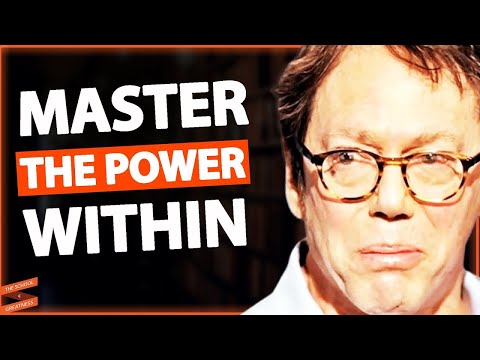 WHY SUCCESS Comes From MASTERING Your DARK SIDE | Robert Greene & Lewis Howes | Robert Greene | 26 October 2020 | 1:51 | “I push past my limits. I do things that I’m not supposed to do. I take hikes even though I have to hold on to somebody to do it. People think I’m crazy!” Robert Greene is the author of the New York Times bestsellers The 48 Laws of Power, The Art of Seduction, The 33 Strategies of War, The 50th Law, Mastery, The Laws of Human Nature and many others. On today's podcast Robert and Lewis sit down for another wide-ranging conversation about pushing past your limits, creating a more positive mindset, embracing your failures and so much more! For more go to: www.lewishowes.com/1024 Check out Robert’s website: www.powerseductionandwar.com The last podcast with Robert: www.lewishowes.com/713 The first podcast: www.lewishowes.com/1 Get More From Lewis! Hosted by Simplecast, an AdsWizz company. See pcm.adswizz.com for information about our collection and use of personal data for advertising. |
| It's Not How Smart You Are, It's How You're Smart | Jim Kwik | Jim Kwik | 29 April 2020 | 1:48 | “Say no to good to say yes to great.” QUESTIONS How do we learn with the dominant hand rather than the opposite hand? (6:30) What are the two questions you’ve asked yourself that have been dominant? (26:00) How important is acquiring new skills (41:00) What’s the process of mastering a new skill especially when it’s really challenging? (53:20) YOU WILL LEARN How to learn anything faster (1:20) Why the idea of “knowledge is power” is a lie (12:00) Why questions are the answer to subscribing to either negativity and opportunity in your life (17:04) How to unlearn that we are limited (19:12) The three questions to turn knowledge to power (22:30) How sleep apnea has been a struggle in Jim’s life and how he overcame it (27:30) How to quit asking limiting questions and ask empowering questions (30:50) How genius leaves clues (43:00) How many times to try something new (48:30) What a lie is (59:00) The key to sustainable motivation (1:00:20) How the Zeigarnik Effect works (1:09:21) Why we backread and subvocalize (1:15:21) The 4 supervillains in our life (1:17:31) The four Gs to greatness (1:38:53) LINKS MENTIONED Limitless: Upgrade Your Brain, Learn Anything Faster, and Unlock Your Exceptional Life LimitlessBook.com Simon Sinek Brendon Burchard Mindset by Carol Dweck If you enjoyed this episode, show notes and more at http://www.lewishowes.com/947 and follow at instagram.com/lewishowes Get More From Lewis! Hosted by Simplecast, an AdsWizz company. |
 The Art of Human Connection | Brian Grazer and Lewis Howes | Brian Grazer | 28 October 2019 | 1:14 | PEOPLE ARE BETTER THAN WIFI Often, we have talent. We work hard and practice our craft. But something holds us back from reaching our highest potential. Often the things holding us back are fear, doubt, and a lack of self-confidence. Do you have trouble talking to new people in crowded rooms? Are you able to make eye contact when speaking to your peers? Those are some of the things we need to do to improve our relationships. If not, we could be limiting our growth potential. Making better connections is possible, and the rewards are tremendous. It’s up to you. Become more than the work, be the story behind the work. Allow people to connect with that, and there are no limits to what you can accomplish. In today’s episode of The School of Greatness, I talk about how the importance of making personal connections with the author, film producer, and movie legend: Brian Grazer. Brian Grazer is an Academy Award, Golden Globe, Emmy, and Grammy award-winning producer and New York Times bestselling. His films and television shows have been nominated for 43 Oscars® and 195 Emmys, and he won the Best Picture Oscar for A Beautiful Mind. In addition to A Beautiful Mind, Grazer produced the films American Gangster, 8 Mile, Liar Liar, Parenthood and Splash, and the television series Genius, Empire, 24, Arrested Development, Friday Night Lights and Felicity to name a few. |
 Creativity Is a Practice, Not a Gift You're Born With | Chase Jarvis | Chase Jarvis | 23 September 2019 | 1:02 | Often, we doubt ourselves and our creative ideas. We think that creative people were born with special abilities. And often, we doubt our creative talents. But, is that what we truly believe? If so, why are those creative ideas still in our heads? Ready to come out. Here’s the truth- they were given to you because you were born to create it. Creativity isn’t a birthright or destination, it’s a process. If you follow the I.D.E.A strategy and keep working, good things will happen. On today’s episode of The School of Greatness, I talk about how everyone has a creative force inside of them and what it takes to develop that creativity with an author, entrepreneur and photographer: Chase Jarvis. Chase Jarvis is an American artist, director, entrepreneur and author who co-founded the on-line educational platform Creative Live. Chase consistently uses his voice to educate and inspire people to achieve their creative potential. As a child, Chase Jarvis loved being creative and started making his own films, but after overhearing his teacher tell his parents “Chase is so much better at sports than arts”, he lost his creative passion and replaced it with a need to achieve athletically. In the following years he became a standout athlete in multiple sports, but his grandfather’s death reignited his creative spirit and since that time he has lived a creative life putting his creative spirit into everything he does. Now, his mission is to help people tap into their creative potential. |
 Focus Is the New IQ, and Almost No One Has It | Cal Newport | Cal Newport | 13 March 2019 | 1:04 | IT'S TIME TO DIGITALLY DECULTTER. Very few of us have the courage to be alone. When we are quiet and don’t distract ourselves, we have to face hard questions. It can be scary. Instead, we reach for our phones. We might be trying to fill a void, or we might just be addicted. Technology is a lot like processed food. We want more and more, but we’ll never be satisfied. On today’s episode of The School of Greatness, I talk about focus with someone who has famously never owned a social media account: Cal Newport. Cal Newport is a computer science professor at Georgetown University. In addition to academic research, he writes about the intersection of technology and society. He’s particularly interested in the impact of new technologies on our ability to perform productive work or lead satisfying lives. Cal recommends building “fences” around our phones so that we’re not using them mindlessly all day. So get ready to learn more tools to be more focused, present and creative on Episode 770. Some Questions I Ask: What do you recommend for people who are always connected to technology? (10:30) How can we build stronger connections? (18:00) What’s the void that we are trying to fill with social media? (24:00) What’s more addictive: social media or smoking? |
 He Sold Clothes for Years Before Realizing He Could Design Them | Daymond John | Daymond John | 11 January 2019 | 6 min | RISE AND GRIND. You have to give yourself permission to follow your dreams. You might think, “People like me don’t don’t do that,” “I’m not ready,” or “There’s no way for e to succeed.” But no one is going to tell you that you can. You have to know that for yourself. It’s so important. Your belief in yourself is the difference between success and failure. That’s why, for this Five Minute Friday, I revisited a conversation I had with the creator of Fubu, Daymond John, where he shared how he realized that he could be a fashion designer. Daymond John is the star of one of my favorite shows, Shark Tank, and is a bestselling author with a new book called The Power of Broke. He’s a self-made multimillionaire with over $4 billion in global product sales. Daymond used to think that clothing was designed by old people in Italy who wore measuring tape around their neck. It wasn’t until he saw Karl Kani’s line that he realized that he could do it, too. Do you have self-limiting beliefs that are holding you back from pursuing your dreams? Learn how to make money doing something you’re passionate about (no matter where you come from) in Episode 744. In This Episode You Will Learn: Daymond’s age when he sold his first item of clothing (1:00) What gave Daymond his belief in himself (2:00) The story of the beginning of FUBU (3:00) About Daymond’s very first business (4:00) Get More From Lewis! Hosted by Simplecast, an AdsWizz company. |
 He Gave Away 86 Million Pairs of Shoes | Blake Mycoskie | Blake Mycoskie | 24 December 2018 | 1:12 | THE MORE YOU GIVE, THE MORE YOU LIVE. You need to have a why. Why are you hustling every day? Why are you pushing yourself? Why are you sacrificing? If you have a purpose, you’ll have the passion you need to follow through. There is nothing more powerful. And it’s become a necessity- in today’s world, it’s difficult to be a successful entrepreneur unless you are connected to a greater good and you communicate that with others. Storytelling can be your greatest tool. On today’s episode of The School of Greatness, I talk about creating business with purpose with the creator of the One for One® model: Blake Mycoskie. Blake Mycoskie is the Founder and Chief Shoe Giver of TOMS, which has provided over 86 million pairs of shoes to children since 2006. TOMS Eyewear has restored sight to over 600,000 people since 2011 and TOMS Roasting Company has helped provide over 600,000 weeks of safe water since launching in 2014. In 2015, TOMS Bag Collection was founded with the mission to help provide training for skilled birth attendants and distribute birth kits containing items that help a woman safely deliver her baby. As of 2016, TOMS has supported safe birth services for over 25,000 mothers. Before TOMS, Blake, a native of Texas who always had an entrepreneurial spirit, started five businesses. His first was a successful campus laundry service, which he later sold. Between business ventures, Blake competed in the CBS primetime series, The Amazing Race. |
 The Key to Success in Life Is People | Robert Greene | Robert Greene | 31 October 2018 | 1:39 | THE KEY TO LIFE IS RELATIONSHIPS. Life’s an enrollment game. You’re either signing people up or pushing them away. The more you can learn about how the human mind works, the more you can be aware of how your actions influence others. It’s so much more than just the words that you speak. The energy that you bring into a room and the attitude you have towards life has a huge effect on the people around you. That’s why I’m so excited to share this conversation I had with an expert on human nature and the art of seduction: Robert Greene. Robert Greene is an American author and speaker known for his books on strategy, power, and seduction. He has written five international bestsellers: The 48 Laws of Power, The Art of Seduction, The 33 Strategies of War, and The 50th Law and Mastery. Robert says that you have to understand human nature in order to get people to follow you. He argues that how you interact with others determines how far you will get in life. Are you enrolling people in your vision? Or are you showing up in a way that doesn’t make people want to say yes to you? Learn how to take responsibility for the energy you put out into the world and harness the power of body language on Episode 713. Some Questions I Ask: What is your biggest insecurity? (11:38) Is there value in detaching from our emotions? (12:51) How do we understand the strength of someone’s character? (20:28) How do we break harmful patterns? (24:10) What are ways we sabotage ourselves? |
 Money Habits: How to Create a Rich Life with Ramit Sethi and lewis Howes | Ramit Sethi | 29 October 2018 | TAKE CONTROL OF YOUR MONEY, TAKE CONTROL OF YOUR LIFE. Talking about money can be hard. Most people would rather talk about dying than money. It’s important to come up with a game plan. When you get organized with your finances, the stress starts to go away. Both high earners and people struggling with debt both need to be educated about money management. It’s not as complicated as you think. That’s why I’m excited to share this interview with a money guru who helped me get out of debt when I was younger: Rami Sathi. Ramit Sethi is a New York Times bestselling author of I Will Teach You To Be Rich and founder of GrowthLab.com. He studied technology and psychology at Stanford and has helped over a million people live a “Rich Life.” Ramit shares tools and strategies to make the most out of your money no matter how much you make. He argues that you can buy as many lattes as you want and still be financially successful by focusing on the bigger picture. Listen to Episode 712 to what to do with your money if you’re a high earner and how to develop a plan if you make less than 150K. This episode is for everybody. Some Questions I Ask: How do high earners manage their money? (8:50) What are the three things high earners should invest in? (21:30) Should you worry about the market going up or down? (25:50) What should you do with an extra million dollars lying around? (28:30) What about real estate? (31:20) How do you teach people to overcome the fear of wasting money on rent? | |
 Daymond John: Rise and Grind Habits for a Successful Business and Life with Lewis Howes | Daymond John | 5 February 2018 | 53 min | If you're going to operate a business, it needs to be something that's like Christmas every single day. - Daymond John Today you're in for a real treat. I interviewed a friend of mine, and king of dad joke Daymond Johnson. He was telling so many dad jokes that had me rolling, I didn't even think we were going to be able to record the interview. Not only that, but he is an amazing businessman with great insights anyone can use. If you've ever wondered how to become an entrepreneur, how to get started in investing, and how to balance your work and family life. On this episode of The School of Greatness, Daymond shares the most important things he's learned from the most successful people ever. One of the biggest things being one we all neglect: our health. By taking on the lessons himself, that he shares in his newest book Rise and Grind, Daymond learned to listen to his body and discovered cancer in his throat. Daymond is a truly remarkable man who has started from the ground up and is constantly learning and changing his game to adapt not only to the world around but also to how he himself is changing all the time. If you don't know who Daymond is, you're in for an amazing treat. Daymond is the CEO and Founder of FUBU, a famous lifestyle brand, and a pioneer in the fashion industry with over $6 billion in product sales. |
| She Fled a Coup and Became a Marketing Powerhouse | Bozoma Saint John | Bozoma Saint John | 6 November 2017 | 1:16 | "You have to fill that void by using an asset they will listen to. - Bozoma Saint John Ever wonder who is the mastermind behind successful campaigns by brands such as Pepsi and Beats by Dre? Well it's the same person who is looked at as the savior for Uber - Bozoma Saint John. Bozoma or Boz has lead an incredible and inspiring life. She grew up in Africa, learned to speak three languages, and has pushed through so many hardships it's absolutely amazing. Boz started her early career working for Spike Lee. She started by getting coffee, and doing everything needed around the office (including fixing the coffee machine). By chance one day she was given a script to look over, and the notes she made instantly boosted her career into an expert of branding and campaign management. She went on to lead marketing at Pepsi, which became an era of her life when she went through her toughest personal struggle. Her husband was diagnosed with cancer, and only had six months left to live... Get More From Lewis! Hosted by Simplecast, an AdsWizz company. See pcm.adswizz.com for information about our collection and use of personal data for advertising. |
 Sophia Amoruso on How to Be a #GirlBoss with Lewis Howes | Sophia Amoruso | 10 August 2016 | "To not make everything an equal priority takes a lot of maturity." - Sophia Amoruso If you enjoyed this episode, check out show notes, video, and more at http://lewishowes.com/365 Get More From Lewis! Hosted by Simplecast, an AdsWizz company. See pcm.adswizz.com for information about our collection and use of personal data for advertising. | |
 Daymond John: You Will Fail More Than You Succeed | Daymond John | 20 January 2016 | 1:02 | "You are going to fail more than you are going to succeed." - Daymond John If you enjoyed this episode, check out show notes, video, and more at http://lewishowes.com/279 Get More From Lewis! Hosted by Simplecast, an AdsWizz company. See pcm.adswizz.com for information about our collection and use of personal data for advertising. |
| Marie Forleo: From the Stock Exchange Floor to B School | Marie Forleo | 16 February 2015 | 1:03 | "So much of success is your attitude that you bring to the table." - Marie Forleo If you enjoyed this episode, check out show notes, videos, my exclusive link to B School and more at www.lewishowes.com/139. Get More From Lewis! Hosted by Simplecast, an AdsWizz company. See pcm.adswizz.com for information about our collection and use of personal data for advertising. |
| Never Work for Just Money, Luxury, or Girls | James Altucher | James Altucher | 2 February 2015 | 48 min | "Success is measured in decades, not years." - James Altucher If you enjoyed this episode, check out show notes (including all the book links he recommends) and more at www.lewishowes.com/133. Get More From Lewis! Hosted by Simplecast, an AdsWizz company. See pcm.adswizz.com for information about our collection and use of personal data for advertising. |
| Fame and Money Never Fixed His Anxiety | Tucker Max | Tucker Max | 20 August 2014 | 48 min | "I value her in the relationship more than a random sexual encounter." - Tucker Max To learn more about the show, we welcome you to LewisHowes.com/85 Get More From Lewis! Hosted by Simplecast, an AdsWizz company. See pcm.adswizz.com for information about our collection and use of personal data for advertising. |
| The Power of No Can Bring You Abundance | James Altucher | James Altucher | 1 August 2014 | 1:14 | "If you're not choosing, your excusing." - James Altucher Tweetable = ctt.ec/3dQ78 If you'd like to learn more about the show, head on over to www.lewishowes.com/79 Get More From Lewis! Hosted by Simplecast, an AdsWizz company. See pcm.adswizz.com for information about our collection and use of personal data for advertising. |
| How He Sold Millions of Copies of His Own Book | Tucker Max | Tucker Max | 31 July 2014 | 59 min | "The most important thing for marketing anything is having something that people want." - Tucker Max Learn from the best. Tucker Max describes what it takes to publish and market a best selling book. To learn more and get the details on publishing and marketing go to www.lewishowes.com/78 Get More From Lewis! Hosted by Simplecast, an AdsWizz company. See pcm.adswizz.com for information about our collection and use of personal data for advertising. |
| The Obstacle Is the Way | Ryan Holiday | Ryan Holiday | 1 May 2014 | 1:01 | Would you like to learn philosophy in a way that is actually practical? Ryan Holiday comes on the School of Greatness to share his wealth of knowledge on how to integrate stoic philosophy into succeeding in our modern day world. To get all the show notes, links and much, much, more; head over to www.LewisHowes.com/64 Get More From Lewis! Hosted by Simplecast, an AdsWizz company. See pcm.adswizz.com for information about our collection and use of personal data for advertising. |
| James Altucher Turns the Mic Around on Lewis Howes | James Altucher | 21 June 2013 | 39 min | After inspiring everyone to Choose Yourself in episode #19, James Altucher returns to take over as the host on The School of Greatness. With Altucher in charge, the microphones have been turned around and I'm the one who is answering the questions. I share things I've never shared before about chasing my dreams of being a […] Get More From Lewis! Hosted by Simplecast, an AdsWizz company. See pcm.adswizz.com for information about our collection and use of personal data for advertising. |
TI Wrote This NEW Book to Change How You Live Your Life in 2027 | Robert GreeneRobert Greene · 2 November 2026TThey're About To Reset the Rules of Wealth — Your Last Chance To Get Ahead Is Now | Codie SanchezCodie Sanchez · 21 September 2026TYour Phone Is Stealing the Life You Actually Want | Cal NewportCal Newport · 18 September 2026TThe 3 Boring Habits That Built His First Million | Graham StephanGraham Stephan · 8 May 2026TThe Top 1% Train Their Minds Like This | Nir EyalNir Eyal · 2 March 2026TSaving Will Never Make You Rich | Codie SanchezCodie Sanchez · 12 September 2025TGary Vee: Success Doesn't Change You. It Exposes YouGary Vaynerchuk · 22 May 2024THe Started With $48. Now It Makes $80 Million a Year | Noah KaganNoah Kagan · 7 February 2024TProductivity Doesn't Come From the Grind. It Comes From Joy | Ali AbdaalAli Abdaal · 8 January 2024TYou Can Buy Lattes and Still Get Rich | Ramit SethiRamit Sethi · 9 September 2023TYour Insecurities Are Quietly Motivating You | Robert GreeneRobert Greene · 20 May 2023TWealthy People Work to Own, Not to Earn a PaycheckRay Dalio · 15 July 2022TBIG ALERT: How To Prepare For The CHANGING WORLD ORDER That Has Begun! | Ray DalioRay Dalio · 13 May 2022TThe Biggest Mistake People Make When Choosing a Partner | Robert GreeneRobert Greene · 11 October 2021TThe PSYCHOLOGICAL TRICKS To Persuade & Influence ANYONE! | Robert Cialdini & Lewis HowesRobert B. Cialdini · 17 September 2021TThe Part-Time Doctor Earning $1 Million a Year | Ali AbdaalAli Abdaal · 3 September 2021TThe Psychology Big Tech Uses to Hook You | Nir EyalNir Eyal · 14 April 2021TWhy Smart People Stay Stuck in Their Beliefs | Adam GrantAdam Grant · 1 February 2021TRay Dalio: Why Pain Is the Best TeacherRay Dalio · 7 December 2020TWHY SUCCESS Comes From MASTERING Your DARK SIDE | Robert Greene & Lewis HowesRobert Greene · 26 October 2020TIt's Not How Smart You Are, It's How You're Smart | Jim KwikJim Kwik · 29 April 2020TThe Art of Human Connection | Brian Grazer and Lewis HowesBrian Grazer · 28 October 2019TCreativity Is a Practice, Not a Gift You're Born With | Chase JarvisChase Jarvis · 23 September 2019TFocus Is the New IQ, and Almost No One Has It | Cal NewportCal Newport · 13 March 2019THe Sold Clothes for Years Before Realizing He Could Design Them | Daymond JohnDaymond John · 11 January 2019THe Gave Away 86 Million Pairs of Shoes | Blake MycoskieBlake Mycoskie · 24 December 2018TThe Key to Success in Life Is People | Robert GreeneRobert Greene · 31 October 2018TMoney Habits: How to Create a Rich Life with Ramit Sethi and lewis HowesRamit Sethi · 29 October 2018TDaymond John: Rise and Grind Habits for a Successful Business and Life with Lewis HowesDaymond John · 5 February 2018TShe Fled a Coup and Became a Marketing Powerhouse | Bozoma Saint JohnBozoma Saint John · 6 November 2017TSophia Amoruso on How to Be a #GirlBoss with Lewis HowesSophia Amoruso · 10 August 2016TDaymond John: You Will Fail More Than You SucceedDaymond John · 20 January 2016TMarie Forleo: From the Stock Exchange Floor to B SchoolMarie Forleo · 16 February 2015TNever Work for Just Money, Luxury, or Girls | James AltucherJames Altucher · 2 February 2015TFame and Money Never Fixed His Anxiety | Tucker MaxTucker Max · 20 August 2014TThe Power of No Can Bring You Abundance | James AltucherJames Altucher · 1 August 2014THow He Sold Millions of Copies of His Own Book | Tucker MaxTucker Max · 31 July 2014TThe Obstacle Is the Way | Ryan HolidayRyan Holiday · 1 May 2014TJames Altucher Turns the Mic Around on Lewis HowesJames Altucher · 21 June 2013