 U
Podcast · 2 episodes in the reference, 2026
unPAUSED with Dr. Mary Claire Haver
Published by Audacy | Mary Claire Haver, MD
Episodes
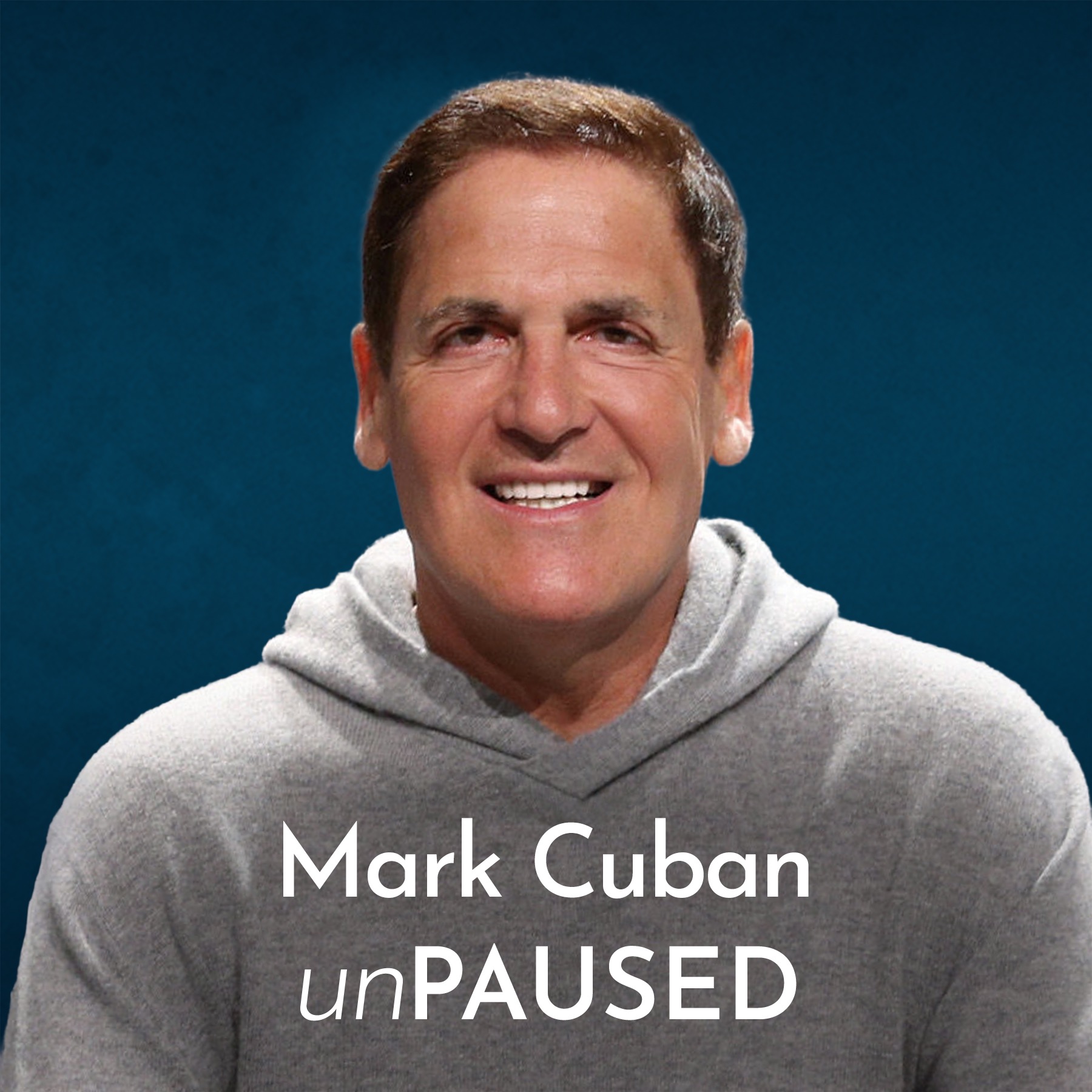 Estrogen Patch Shortage: Who Profits From Your Prescriptions with Mark Cuban | Mark Cuban | 13 October 2026 | 58 min | In this episode of unPAUSED, Dr. Mary Claire Haver sits down with entrepreneur Mark Cuban, cofounder of the Mark Cuban Cost Plus Drug Company, to unpack the estrogen patch shortage and why so many women in perimenopause and menopause struggle to find and afford hormone therapy. Holding up her own patch, Dr. Haver asks the question her patients keep asking: why is this so hard to get? Mark explains why the shortage hit so hard — patches require specialized manufacturing that pills don't, demand surged after the black box warning was removed, and supply couldn't keep up — plus how Cost Plus Drugs has worked to buy every patch manufacturers can produce, and who gets served first when a generic drug runs short. Then they take apart how drug prices are really set: how pharmacy benefit managers (PBMs) decide what your insurance covers, how rebates drive list prices higher, and why a handful of conglomerates now own the insurer, the pharmacy, the PBM, and the physician practice all at once. They compare what a generic estradiol patch costs to make against what many women pay at retail, cover Dr. Haver's case for vaginal estrogen as one of the most affordable treatments in menopause care, why there's still no FDA-approved testosterone for women, how untreated symptoms push women out of the workforce, and the playbook for lowering your prescription costs — from 90-day supplies to comparing cash prices with your copay. |
 Female Libido in Menopause: Desire Loss, Biology & Solutions with Cindy Eckert | Cindy Eckert | 10 February 2026 | 1:04 | This week on unPaused, Dr. Mary Claire Haver sits down with Cindy Eckert, founder and CEO of Sprout Pharmaceuticals and creator of Addyi, the first FDA approved treatment for low libido in women. Cindy is a pharmaceutical entrepreneur who began her career at Merck before founding her first company in 2007, focusing on undermarketed FDA approved products. After successfully building and selling a male sexual health company, she became the only woman running a sexual health company and witnessed firsthand the stark contrast between how medicine treats male versus female sexual dysfunction. Her journey to bring Addyi to market became a cultural battle about whether women's sexual desire matters, leading to two FDA rejections, public hearings, and ultimately a historic approval in 2015 after a six year fight. In this conversation, Dr. Haver and Cindy explore how Addyi works differently from Viagra, targeting brain chemistry and desire rather than blood flow and arousal. Cindy explains that Addyi is a mood drug originally developed for depression that showed an unexpected effect on female libido during clinical trials. The medication works on neurotransmitters in the brain, building over approximately eight weeks to restore spontaneous thoughts, fantasies, and desire in women with hypoactive sexual desire disorder or HSDD. |