80,000 Hours Podcast · 3 December 2020 · 2 h 36 min
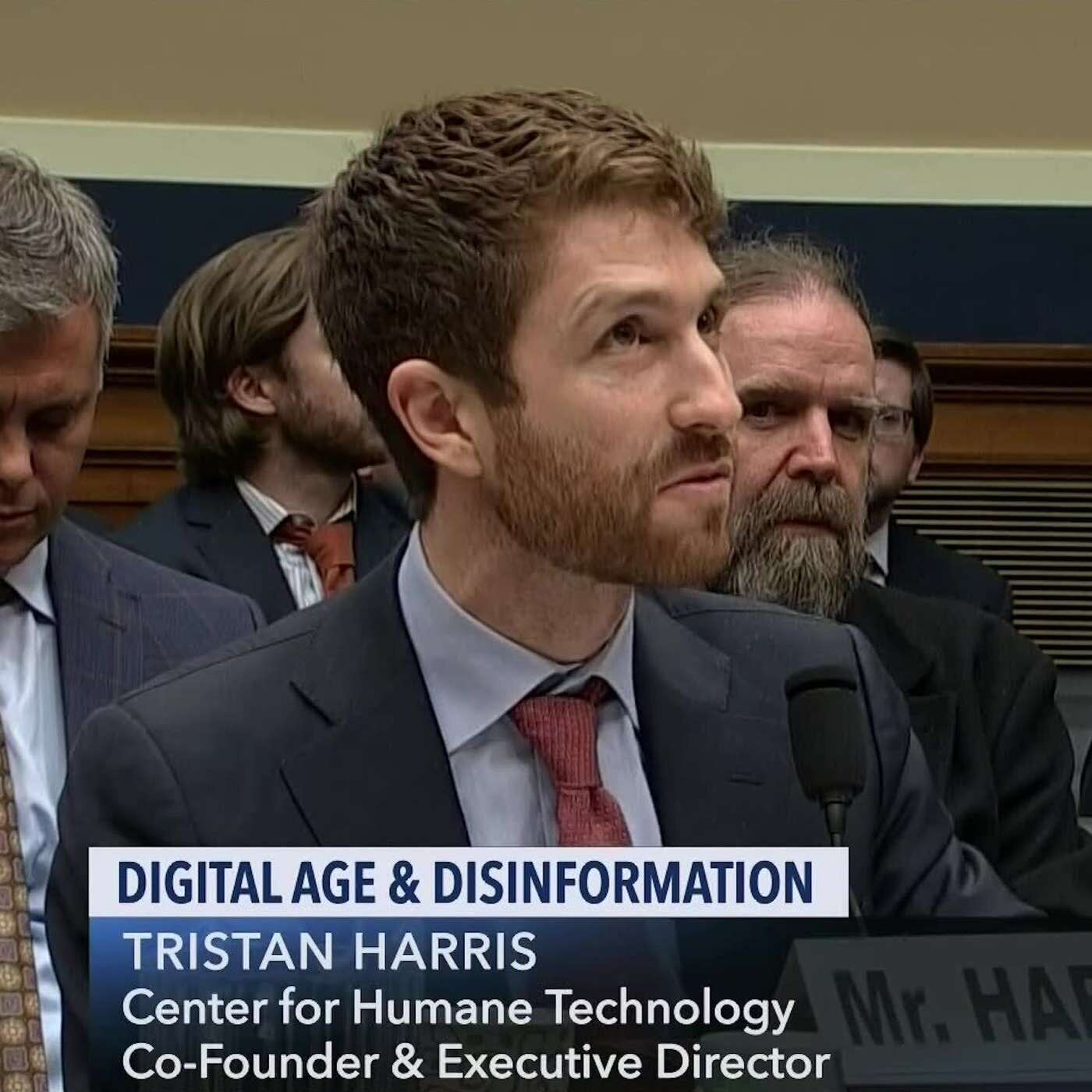
#88 – Tristan Harris on the need to change the incentives of social media companies
Listen at the source: The 80,000 Hours team ↗ · audio
From the show notes
In its first 28 days on Netflix, the documentary The Social Dilemma — about the possible harms being caused by social media and other technology products — was seen by 38 million households in about 190 countries and in 30 languages. Over the last ten years, the idea that Facebook, Twitter, and YouTube are degrading political discourse and grabbing and monetizing our attention in an alarming way has gone mainstream to such an extent that it's hard to remember how recently it was a fringe view. It feels intuitively true that our attention spans are shortening, we’re spending more time alone, we’re less productive, there’s more polarization and radicalization, and that we have less trust in our fellow citizens, due to having less of a shared basis of reality. But while it all feels plausible, how strong is the evidence that it's true? In the past, people have worried about every new technological development — often in ways that seem foolish in retrospect. Socrates famously feared that being able to write things down would ruin our memory. At the same time, historians think that the printing press probably generated religious wars across Europe, and that the radio helped Hitler and Stalin maintain power by giving them and them alone the ability to spread propaganda across the whole of Germany and the USSR. Fears about new technologies aren't always misguided.
As published with the episode at 80,000 Hours Podcast ↗
Summary
No summary of this episode yet.