 8
Podcast · 5 episodes in the reference, 2017 to 2024
80,000 Hours Podcast
Published by The 80,000 Hours team
Host
RWRob Wiblin
Episodes
 The science that could keep us healthy in our 80s and beyond | Laura Deming | Laura Deming | 1 March 2024 | 1:37 | "The question I care about is: What do I want to do? Like, when I'm 80, how strong do I want to be? OK, and then if I want to be that strong, how well do my muscles have to work? OK, and then if that's true, what would they have to look like at the cellular level for that to be true? Then what do we have to do to make that happen? In my head, it's much more about agency and what choice do I have over my health. And even if I live the same number of years, can I live as an 80-year-old running every day happily with my grandkids?" — Laura Deming In today’s episode, host Luisa Rodriguez speaks to Laura Deming — founder of The Longevity Fund — about the challenge of ending ageing. Links to learn more, summary, and full transcript. They cover: How lifespan is surprisingly easy to manipulate in animals, which suggests human longevity could be increased too. Why we irrationally accept age-related health decline as inevitable. The engineering mindset Laura takes to solving the problem of ageing. Laura’s thoughts on how ending ageing is primarily a social challenge, not a scientific one. The recent exciting regulatory breakthrough for an anti-ageing drug for dogs. Laura’s vision for how increased longevity could positively transform society by giving humans agency over when and how they age. Why this decade may be the most important decade ever for making progress on anti-ageing research. The beauty and fascination of biology, which makes it such a compelling field to work in. |
 #127 – Sam Bankman-Fried on taking a high-risk approach to crypto and doing good | Sam Bankman-Fried | 14 April 2022 | 3:20 | On this episode of the show, host Rob Wiblin interviews Sam Bankman-Fried. This interview was recorded in February 2022, and released in April 2022. But on November 11 2022, Sam Bankman-Fried's company, FTX, filed for bankruptcy, and all staff at the Future Fund resigned — and the surrounding events led Rob to record a new intro on December 1st 2022 for this episode. • Read 80,000 Hours' statement on these events here . • You can also listen to host Rob’s reaction to the collapse of FTX on this podcast feed, above episode 140, or here . • Rob has shared some clarifications on his views about diminishing returns and risk aversion, and weaknesses in how it was discussed in this episode, here . • And you can read the original blog post associated with the episode here. |
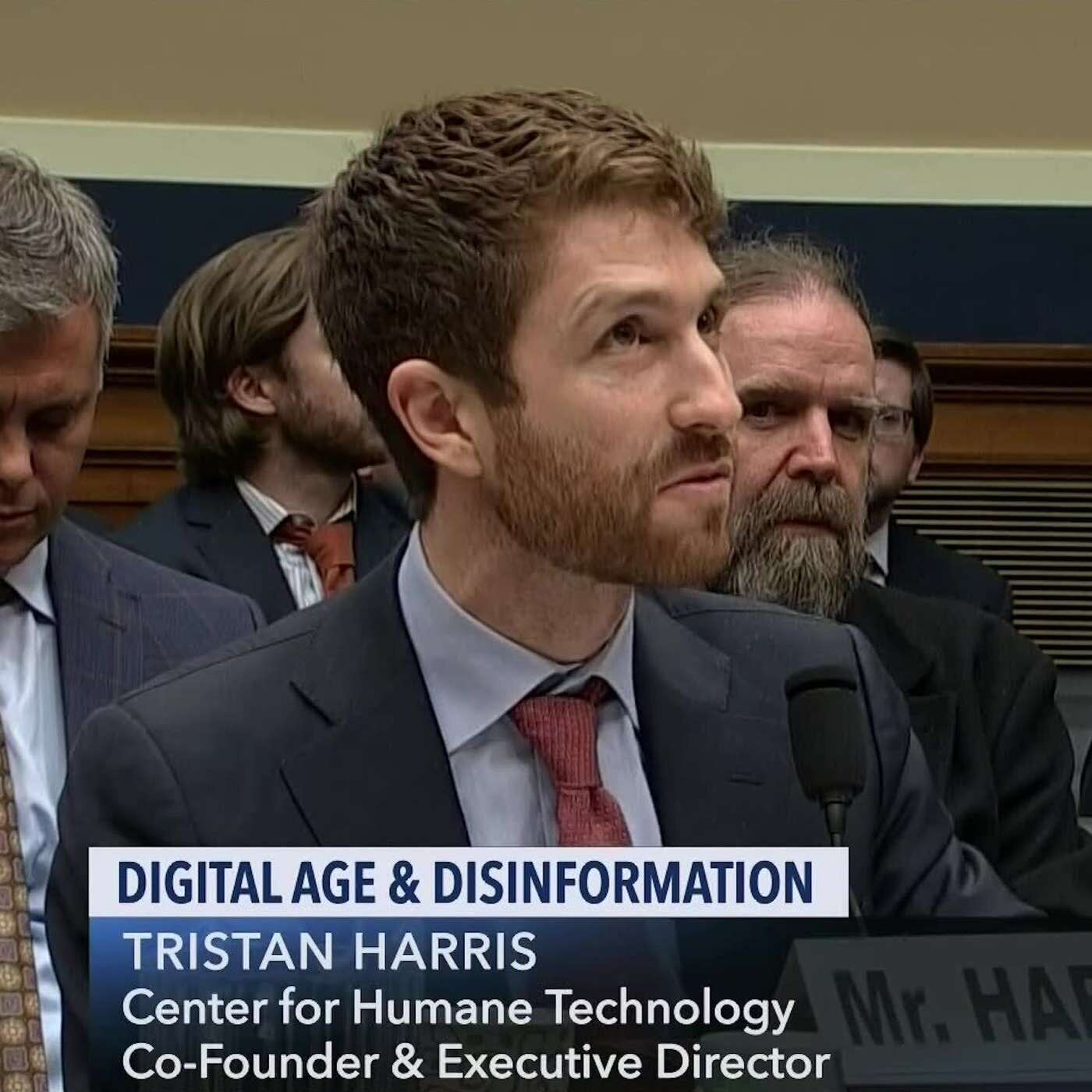 #88 – Tristan Harris on the need to change the incentives of social media companies | Tristan Harris | 3 December 2020 | 2:36 | In its first 28 days on Netflix, the documentary The Social Dilemma — about the possible harms being caused by social media and other technology products — was seen by 38 million households in about 190 countries and in 30 languages. Over the last ten years, the idea that Facebook, Twitter, and YouTube are degrading political discourse and grabbing and monetizing our attention in an alarming way has gone mainstream to such an extent that it's hard to remember how recently it was a fringe view. It feels intuitively true that our attention spans are shortening, we’re spending more time alone, we’re less productive, there’s more polarization and radicalization, and that we have less trust in our fellow citizens, due to having less of a shared basis of reality. But while it all feels plausible, how strong is the evidence that it's true? In the past, people have worried about every new technological development — often in ways that seem foolish in retrospect. Socrates famously feared that being able to write things down would ruin our memory. At the same time, historians think that the printing press probably generated religious wars across Europe, and that the radio helped Hitler and Stalin maintain power by giving them and them alone the ability to spread propaganda across the whole of Germany and the USSR. Fears about new technologies aren't always misguided. |
 Julia Galef and Rob Wiblin on an updated view of the best ways to help humanity | Julia Galef | 17 February 2019 | 57 min | This is a cross-post of an interview Rob did with Julia Galef on her podcast Rationally Speaking . Rob and Julia discuss how the career advice 80,000 Hours gives has changed over the years, and the biggest misconceptions about our views. The topics will be familiar to the most fervent fans of this show — but we think that if you’ve listened to less than about half of the episodes we've released so far, you’ll find something new to enjoy here. Julia may be familiar to you as the guest on episode 7 of the show, way back in September 2017. The conversation also covers topics like: • How many people should try to get a job in finance and donate their income? • The case for working to reduce global catastrophic risks in targeted ways, and historical precedents for this kind of work • Why reducing risk is a better way to help the future than increasing economic growth • What percentage of the world should ideally follow 80,000 Hours advice? Links to learn more, summary and full transcript. If you’re interested in the cooling and expansion of the universe, which comes up on the show, you should definitely check out our 29th episode with Dr Anders Sandberg. Get this episode by subscribing to our podcast on the world’s most pressing problems and how to solve them: type '80,000 Hours' into any podcasting app. The 80,000 Hours Podcast is produced by Keiran Harris. |
 #7 - Julia Galef on making humanity more rational, and why Twitter isn’t all bad | Julia Galef | 13 September 2017 | 1:14 | The scientific revolution in the 16th century was one of the biggest societal shifts in human history, driven by the discovery of new and better methods of figuring out who was right and who was wrong. Julia Galef - a well-known writer and researcher focused on improving human judgment, especially about high stakes questions - believes that if we could again develop new techniques to predict the future, resolve disagreements and make sound decisions together, it could dramatically improve the world across the board. We brought her in to talk about her ideas. This interview complements a new detailed review of whether and how to follow Julia’s career path. Apply for personalised coaching, see what questions are asked when, and read extra resources to learn more. Julia has been host of the Rationally Speaking podcast since 2010, co-founder of the Center for Applied Rationality in 2012, and is currently working for the Open Philanthropy Project on an investigation of expert disagreements. In our conversation we ended up speaking about a wide range of topics, including: * Her research on how people can have productive intellectual disagreements. * Why she once planned to become an urban designer. * Why she doubts people are more rational than 200 years ago. * What makes her a fan of Twitter (while I think it’s dystopian). * Whether people should write more books. * Whether it’s a good idea to run a podcast, and how she grew her audience. |
8The science that could keep us healthy in our 80s and beyond | Laura DemingLaura Deming · 1 March 20248#127 – Sam Bankman-Fried on taking a high-risk approach to crypto and doing goodSam Bankman-Fried · 14 April 20228#88 – Tristan Harris on the need to change the incentives of social media companiesTristan Harris · 3 December 20208Julia Galef and Rob Wiblin on an updated view of the best ways to help humanityJulia Galef · 17 February 20198#7 - Julia Galef on making humanity more rational, and why Twitter isn’t all badJulia Galef · 13 September 2017