
Dice Man
A novel of a bored psychiatrist who lets a die make all his decisions.
Summary
The novel follows a bored psychiatrist, Luke Rhinehart, who begins to make his daily decisions by casting a die. Handing his life to chance becomes a philosophy: he uses the dice to break habit and the chain of cause and effect, to bring risk into his life, and to escape shyness, inhibition and procrastination, and the practice spreads and changes the lives of others.
George Cockcroft wrote it under the pen name Luke Rhinehart, and because author and narrator shared a name, a profession and details such as birth date and home, readers at first could not tell whether it was fiction or autobiography. William Morrow published it in 1971 in the United States and Talmy Franklin in Britain. It sold poorly in the United States, partly because of a jacket showing a naked woman on a bed, but did better in Britain, Sweden, Denmark and Spain. It became a cult classic, has stayed in print for more than 45 years and has sold more than two million copies.
Key takeaways 4
- Letting chance make choices is presented as a way to escape habit and the fixed self.
- Introducing deliberate randomness into decisions can break routines a person cannot break by will.
- A fictional memoir can blur the line between author and character.
- The novel became a cult classic despite poor initial sales in the United States.
Who should read it
Readers who want a subversive cult novel about freedom, habit and the self.
Who recommended it 1 · 1 direct
Similar books 6
Chosen by shared topics, the entries that hold them, and the people who recommended both.
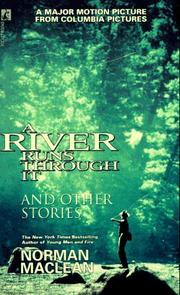
Three Western stories, led by a father and two sons bound by love and fly fishing.
Recommended by: Melinda Gates, Tucker Max
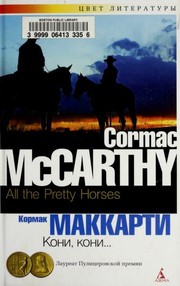
A novel of a young American cowboy, ranch life and prison.
Recommended by: Joel Connolly
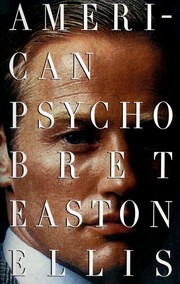
A novel narrated by Patrick Bateman, Manhattan investment banker and serial killer.
Recommended by: Nat Eliason
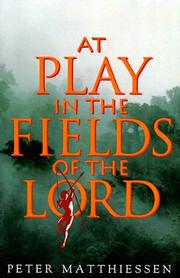
A novel of a missionary and a mercenary among a tribe in the Brazilian rain forest.
Recommended by: Patrick O'Shaughnessy
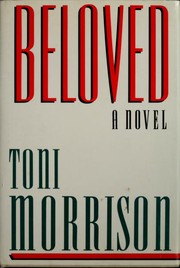
Sethe, who escaped slavery and buried a child, lives on in Ohio after the Civil War.
Recommended by: Gaby Goldberg, Oprah Winfrey
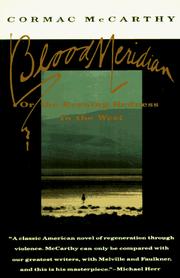
A novel of the violence that came with America's westward expansion.
Recommended by: Joel Connolly