
Nat Eliason
Wrote Crypto Confidential and the novel Husk; earlier founded Growth Machine, a content marketing agency for Fortune 500 and Y Combinator-backed companies.
Hosts Made You Think
More 43
A Roman emperor's private notes reminding himself to live by Stoic principles.
Source: Book Notes & Reviews — nateliason.com
Also recommended by: Austen Allred, Mohnish Pabrai and 17 others

A novel of a Lithuanian immigrant family ruined in Chicago's meatpacking yards.
Source: Book Notes & Reviews — nateliason.com
Also recommended by: Benedict Evans
Management as production: a manager's output is the output of the team they lead.
Source: Book Notes & Reviews — nateliason.com
Also recommended by: Andrew Chen, Ben Horowitz, David Cancel and 23 others
Effectiveness is learned practice: manage time, pick priorities, decide well.
Source: Book Notes & Reviews — nateliason.com
Also recommended by: Drew Houston, Ev Williams, Jim Collins and 5 others
Why startups should build something new and own a small market before growing.
Source: Book Notes & Reviews — nateliason.com
Also recommended by: Balaji S. Srinivasan, Chris Dixon and 37 others
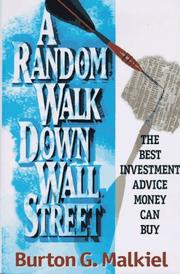
Stock prices follow a random walk, so a low-cost index fund beats stock picking.
Source: Book Notes & Reviews — nateliason.com
Also recommended by: Jason Zweig, John C. Bogle and 4 others
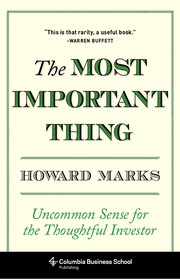
Second-level thinking, risk and market cycles, drawn from Oaktree's client memos.
Source: Book Notes & Reviews — nateliason.com
Also recommended by: Matt Mullenweg, Mohnish Pabrai and 3 others
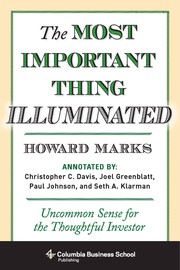
Second-level thinking on risk and cycles, with notes by Klarman and Greenblatt.
Also recommended by: Andrew Wilkinson, Mohnish Pabrai and 2 others
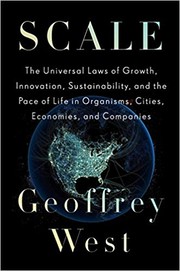
Why organisms, cities and companies follow power laws set by their supply networks.
Source: Book Notes & Reviews — nateliason.com
Also recommended by: Michael Mauboussin, Stewart Brand and 3 others
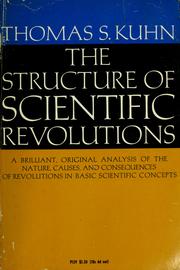
Science moves through long stretches of normal work broken by paradigm shifts.
Source: Book Notes & Reviews — nateliason.com
Also recommended by: Jim Collins, Michael Mauboussin and 8 others
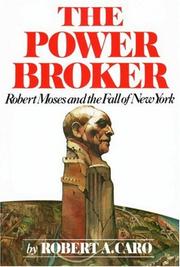
How an unelected official amassed power and used it to rebuild New York.
Source: Book Notes & Reviews — nateliason.com
Also recommended by: Balaji S. Srinivasan, Jim Collins and 7 others
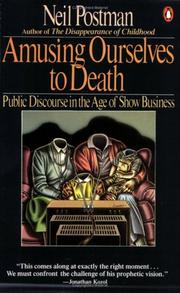
How television turned public discourse from argument into entertainment.
Source: Book Notes & Reviews — nateliason.com
Also recommended by: Keith Rabois, Matt Mullenweg and 3 others
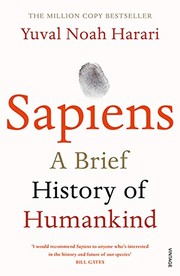
How shared fictions such as money, nations and gods let humans cooperate at scale.
Source: Book Notes & Reviews — nateliason.com
Also recommended by: Andrew Wilkinson, Bill Gates, David Perell and 39 others
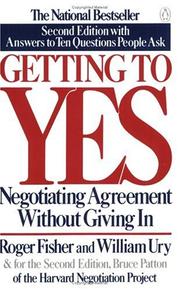
Principled negotiation: bargain over interests, not positions, and trade less.
Source: Book Notes & Reviews — nateliason.com
Also recommended by: Charlie Munger, Jim Collins, Drew Houston and 3 others
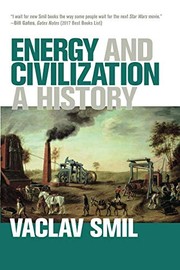
History told through energy, from muscle and fire to coal, oil and electricity.
Source: Book Notes & Reviews — nateliason.com
Also recommended by: Balaji S. Srinivasan, Bill Gates

A short primer on energy: its forms, units and role in nature and economies.
Source: Book Notes & Reviews — nateliason.com
Also recommended by: Bill Gates, Mark Zuckerberg
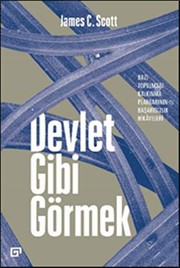
Why large state plans fail when they override local, practical knowledge.
Source: Book Notes & Reviews — nateliason.com
Also recommended by: Balaji S. Srinivasan, Marc Andreessen
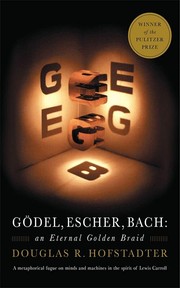
How a mind could arise from parts, traced through Godel, Escher and Bach.
Source: Book Notes & Reviews — nateliason.com
Also recommended by: Naval Ravikant, Demis Hassabis, Kevin Kelly and 2 others
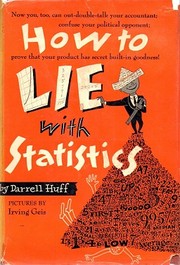
How biased samples, chosen averages and cut-off chart axes make numbers mislead.
Source: Book Notes & Reviews — nateliason.com
Also recommended by: Bill Gates, Jason Zweig, Mohnish Pabrai and 6 others
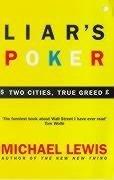
Life on Salomon Brothers' bond trading floor in the 1980s mortgage-bond boom.
Source: Book Notes & Reviews — nateliason.com
Also recommended by: Chamath Palihapitiya, Michael Burry and 4 others
A printer's rise in colonial America and his chart for practising thirteen virtues.
Source: Book Notes & Reviews — nateliason.com
Also recommended by: Charlie Munger, Mohnish Pabrai, Elon Musk and 3 others
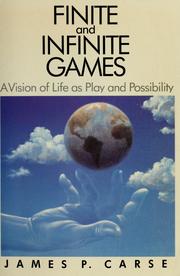
Finite games are played to win; infinite games are played to keep playing.
Source: Book Notes & Reviews — nateliason.com
Also recommended by: Derek Sivers, Graham Duncan, Mohnish Pabrai and 8 others
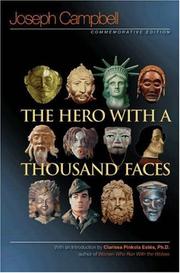
The one pattern of the hero's journey that runs through myths across cultures.
Source: Book Notes & Reviews — nateliason.com
Also recommended by: Patrick O'Shaughnessy, Ray Dalio and 1 other
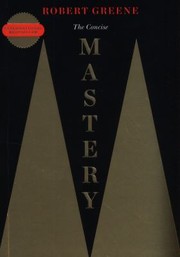
How masters from Leonardo to Faraday found a life's task and served apprenticeships.
Source: Book Notes & Reviews — nateliason.com
Also recommended by: Derek Sivers, Ryan Holiday, Tom Bilyeu and 5 others
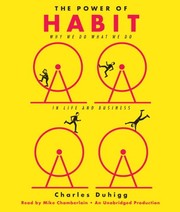
The habit loop of cue, routine and reward, and how to change a habit by its routine.
Source: Book Notes & Reviews — nateliason.com
Also recommended by: Derek Sivers, Mohnish Pabrai, Naval Ravikant and 6 others
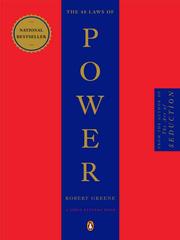
Forty-eight rules for gaining and keeping power, each shown by historical episodes.
Source: Book Notes & Reviews — nateliason.com
Also recommended by: Derek Sivers, Ryan Holiday, Iman Gadzhi and 3 others
Lessons on fearlessness drawn from the life of the rapper 50 Cent.
Beyond a point, more options make people less likely to choose and less satisfied.
Source: Book Notes & Reviews — nateliason.com
Also recommended by: Derek Sivers, Nick Sleep and 1 other
What eleven companies did to turn fifteen ordinary years into fifteen great ones.
Source: Book Notes & Reviews — nateliason.com
Also recommended by: Brian Armstrong, Francois Rochon and 19 others
Decision rules from building Bridgewater: radical truth and radical transparency.
Source: Book Notes & Reviews — nateliason.com
Also recommended by: Alfred Lin, Brad Feld, Derek Sivers and 30 others
When to push through a hard stretch and when to quit a dead end.
Source: Book Notes & Reviews — nateliason.com
Also recommended by: Brian Armstrong, Derek Sivers, Ev Williams and 1 other
A plant manager learns that a system's output is set by its bottleneck.
Source: Book Notes & Reviews — nateliason.com
Also recommended by: Jim Collins, Mohnish Pabrai and 6 others
The trust equation: credibility, reliability and intimacy over self-orientation.
How to position software so it clearly wins for a chosen market.
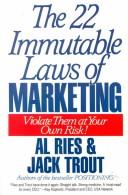
Twenty-two rules of marketing, such as being first is better than being better.
Source: Book Notes & Reviews — nateliason.com
Also recommended by: Brian Armstrong, Mohnish Pabrai, Tim Ferriss and 2 others
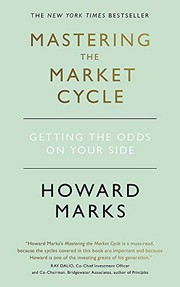
Cycles can't be timed, but knowing where you stand in one lets you adjust risk.
Source: Book Notes & Reviews — nateliason.com
Also recommended by: Michael Bloomberg
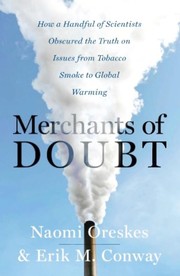
How a few scientists with ties to industry ran campaigns to deny settled science.
Source: Book Notes & Reviews — nateliason.com
Also recommended by: Elon Musk
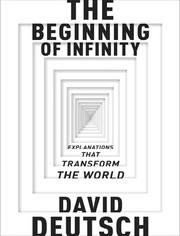
Knowledge can grow without limit through good explanations that are hard to vary.
Source: Book Notes & Reviews — nateliason.com
Also recommended by: Albert Wenger, Derek Sivers and 8 others
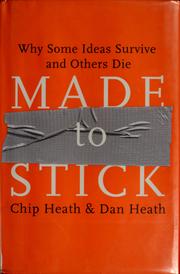
Six traits of memorable ideas, from simple and unexpected to emotional stories.
Source: Book Notes & Reviews — nateliason.com
Also recommended by: Andrew Wilkinson, Derek Sivers and 10 others

Samuel Zemurray rose from selling ripe bananas to taking over United Fruit.
Source: Book Notes & Reviews — nateliason.com
Also recommended by: Eric Jorgenson, Ryan Holiday and 3 others
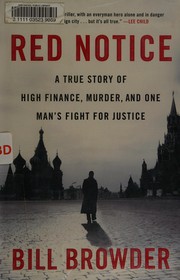
An investor in Russia is expelled, his firms seized, and his lawyer Magnitsky dies.
Source: Book Notes & Reviews — nateliason.com
Also recommended by: Brad Feld, Christopher Bloomstran and 6 others
Recurring patterns drawn from world history: biology, morals, religion, economics.
Source: Book Notes & Reviews — nateliason.com
Also recommended by: Andrew Wilkinson, Balaji S. Srinivasan and 13 others

A military historian's reflections on what history teaches and why we ignore it.
Source: Book Notes & Reviews — nateliason.com
Also recommended by: Morgan Housel, Shane Parrish
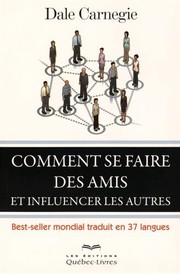
Techniques for handling people, being liked and winning others to your view.
Also recommended by: Mohnish Pabrai, Patrick Collison and 13 others
FBI hostage-negotiation tactics: labelling, mirroring and calibrated questions.
Source: Book Notes & Reviews — nateliason.com
Also recommended by: Alfred Lin, Derek Sivers and 6 others
Seducer types, victim types and a step-by-step process of attraction from history.
How the Premier League turned English football clubs into global media assets.
Performing under pressure by quieting the self-interference that spoils play.
Source: Book Notes & Reviews — nateliason.com
Also recommended by: Bill Gates, Brad Feld, Patrick Collison
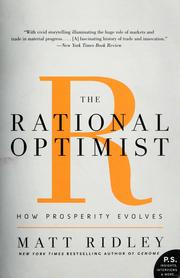
Prosperity grows as trade and specialisation let ideas meet and combine.
Source: Book Notes & Reviews — nateliason.com
Also recommended by: Andrew Wilkinson, Bill Gates, Frank Martin and 11 others
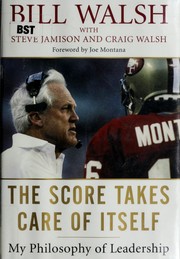
How a coach took the 49ers from 2 and 14 to three Super Bowls with set standards.
Source: Book Notes & Reviews — nateliason.com
Also recommended by: David Cancel, Keith Rabois, Noah Kagan and 8 others
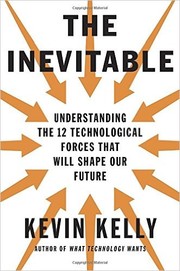
The technology trends that will reshape daily life over the next thirty years.
Source: Book Notes & Reviews — nateliason.com
Also recommended by: Derek Sivers, Patrick Collison, Alfred Lin and 1 other
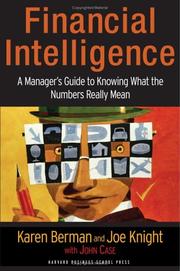
How non-financial managers can read income statements, balance sheets and cash flow.
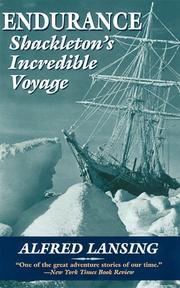
Shackleton's men survive after the ice crushes their ship Endurance in Antarctica.
Source: Book Notes & Reviews — nateliason.com
Also recommended by: Andrew Wilkinson, Jim Collins, Morgan Housel and 7 others
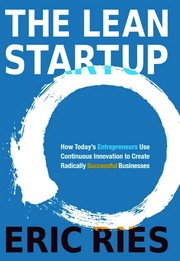
Build, measure, learn: test what customers want with small experiments.
Source: Book Notes & Reviews — nateliason.com
Also recommended by: Ben Horowitz, Derek Sivers, Kathryn Minshew and 18 others
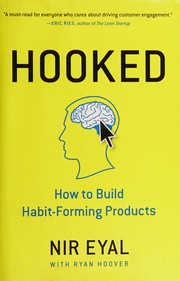
A four-step model for habit-forming products: trigger, action, reward, investment.
Source: Book Notes & Reviews — nateliason.com
Also recommended by: David Cancel, Nir Eyal, Alexis Ohanian and 5 others

Why some things gain from volatility and disorder, and how to build them.
Source: Book Notes & Reviews — nateliason.com
Also recommended by: Ana Fabrega, Andrew Chen, Derek Sivers and 23 others
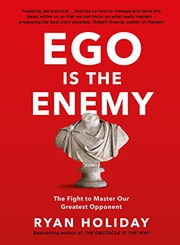
How ego harms a person in aspiration, success and failure, and how to check it.
Source: Book Notes & Reviews — nateliason.com
Also recommended by: Andrew Wilkinson, David Cancel, Derek Sivers and 4 others
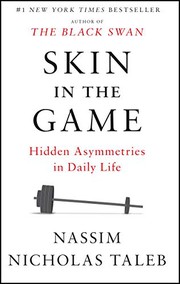
Why people who make decisions for others must share in the downside.
Source: Book Notes & Reviews — nateliason.com
Also recommended by: Ana Fabrega, David Perell, Derek Sivers and 13 others
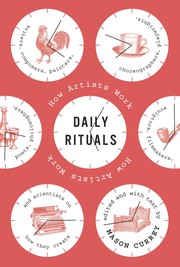
How artists, writers and composers structure their working days.
Source: Book Notes & Reviews — nateliason.com
Also recommended by: Derek Sivers, Jim Collins, Patrick Collison and 1 other
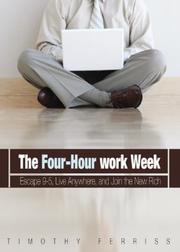
A four-step method to cut work, automate income and take free time now.
Source: Book Notes & Reviews — nateliason.com
Also recommended by: Andrew Wilkinson, Ev Williams and 19 others
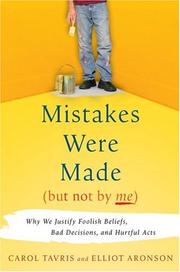
How cognitive dissonance drives people to justify their mistakes, not admit them.
Source: Book Notes & Reviews — nateliason.com
Also recommended by: Derek Sivers, Howard Marks, Mohnish Pabrai and 2 others
How people hide their real motives from themselves in order to hide them from others.
Source: Book Notes & Reviews — nateliason.com
Also recommended by: Derek Sivers, Tyler Cowen, Ali Abdaal and 3 others
Why consultants should charge for the value they create rather than their time.
Source: Book Notes & Reviews — nateliason.com
Also recommended by: Noah Kagan
How to lead a company through layoffs, near-death crises and the decision to sell.
Source: Book Notes & Reviews — nateliason.com
Also recommended by: Andrew Wilkinson, Balaji S. Srinivasan and 33 others
Why startups fail for lack of distribution, and how to test channels for customers.
Source: Book Notes & Reviews — nateliason.com
Also recommended by: Alex Lieberman, Alexis Ohanian, Ali Abdaal and 6 others

Six principles that make products and ideas spread by word of mouth.
Source: Book Notes & Reviews — nateliason.com
Also recommended by: Tony Hsieh, Changpeng Zhao and 1 other
How Facebook, Dropbox and Airbnb grew by growth hacking instead of paid marketing.
Source: Book Notes & Reviews — nateliason.com
Also recommended by: Andrew Chen, Andy Budd

Why some creative works keep selling for decades while others fade.
Source: Book Notes & Reviews — nateliason.com
Also recommended by: Derek Sivers
A systems approach to cutting spending far enough to retire within a few years.
A beginner's survey of the ways an individual can invest in real estate.
A memoir of the writing craft, and why story comes before plot.
Source: Book Notes & Reviews — nateliason.com
Also recommended by: Brad Feld, Derek Sivers, Jason Calacanis and 2 others
Why people misjudge, with thinking tools from Munger, Buffett, Darwin and Feynman.
Source: Book Notes & Reviews — nateliason.com
Also recommended by: Andrew Wilkinson, David Perell, Derek Sivers and 8 others

What humanity may seek after famine, plague and war: immortality and divinity.
Source: Book Notes & Reviews — nateliason.com
Also recommended by: Andrew Wilkinson, Bill Gates, Derek Sivers and 7 others
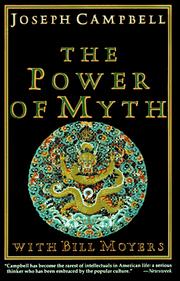
Conversations on the myths that cultures share and the stories they tell themselves.
Source: Book Notes & Reviews — nateliason.com
Also recommended by: Jim Collins, David Perell, Eric Weinstein and 2 others
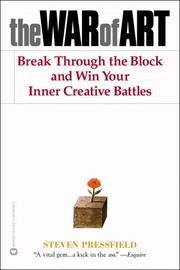
How to beat Resistance, the inner force that keeps people from creative work.
Source: Book Notes & Reviews — nateliason.com
Also recommended by: Ana Fabrega, Derek Sivers, Mohnish Pabrai and 10 others
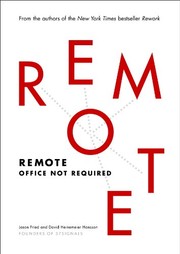
Why remote work beats office work for most knowledge workers, and how to run it.
Source: Book Notes & Reviews — nateliason.com
Also recommended by: Matt Mullenweg, Richard Branson and 3 others
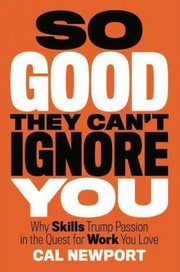
Why building rare and valuable skills makes a better career than following passion.
Source: Book Notes & Reviews — nateliason.com
Also recommended by: Derek Sivers, Alexis Ohanian, Jordan Hughes and 2 others
Combat leadership lessons from the battle of Ramadi, applied to running teams.
Source: Book Notes & Reviews — nateliason.com
Also recommended by: Tom Bilyeu, Alfred Lin, Austin Rief and 8 others
A forecast that information technology will erode the nation state's power to tax.
Source: Book Notes & Reviews — nateliason.com
Also recommended by: Balaji S. Srinivasan, Patrick Collison and 10 others
A few financial rules for owner-run businesses, starting with labour efficiency.
How to use seven elements of stories to make a business's message clear to customers.
Source: Book Notes & Reviews — nateliason.com
Also recommended by: Ran Segall
A product manager's account of a startup sale and of building Facebook's ad business.
Source: Book Notes & Reviews — nateliason.com
Also recommended by: Mohnish Pabrai, Alfred Lin and 3 others
Twelve rules for living, each drawn from clinical practice, biology and myth.
Source: Book Notes & Reviews — nateliason.com
Also recommended by: Derek Sivers, Guy Spier, Alex and Books and 7 others
Aphorisms from the emperor's speeches, collected by Balzac in four themes.
A short New Thought essay on how a person's thinking shapes their life.
Source: Book Notes & Reviews — nateliason.com
Also recommended by: Tim Ferriss, Tony Robbins

The essay on resisting a government that acts unjustly.
How Western punishment changed and the prison became its main form.
The Stoic philosopher's teachings on ethics and the conduct of life.
Source: Book Notes & Reviews — nateliason.com
Also recommended by: Julie Stevanja
How a person can live the life they want despite the constraints around them.
Source: Book Notes & Reviews — nateliason.com
Also recommended by: Derek Sivers

Essays for reflection and free enquiry, from fascism's roots to "useless" knowledge.
Source: Book Notes & Reviews — nateliason.com
Also recommended by: Patrick Collison, Ed Cooke

Letters on how to live, a course in Stoic philosophy written to a friend.
Source: Book Notes & Reviews — nateliason.com
Also recommended by: Michael Mauboussin, Mohnish Pabrai and 4 others

A short case for self-acceptance and self-esteem as the base of a good life.
Source: Book Notes & Reviews — nateliason.com
Also recommended by: Naval Ravikant, Garry Tan, Mike Maples, Jr.

A short case against all lying, white lies included.
Source: Book Notes & Reviews — nateliason.com
Also recommended by: Derek Sivers, Naval Ravikant, Tim Ferriss and 3 others

Short remarks on art, ethics, literature and science from his notebooks.
Source: Book Notes & Reviews — nateliason.com
Also recommended by: Ed Cooke
Moral sayings and aphorisms attributed to a Roman slave of the first century BC.
Source: Book Notes & Reviews — nateliason.com
Also recommended by: Ryan Holiday

An essay on avoiding conformity and following one's own instincts and ideas.
Source: Book Notes & Reviews — nateliason.com
Also recommended by: Derek Sivers, Patrick O'Shaughnessy
825 aphorisms on 72 topics, from spirituality to personal liberation and family.
Source: Book Notes & Reviews — nateliason.com
Also recommended by: Naval Ravikant

Eighty-one short chapters on the Tao, the founding text of Taoism.
Source: Book Notes & Reviews — nateliason.com
Also recommended by: Maria Popova, David Perell, Jack Dorsey and 5 others

Sayings and ideas attributed to Confucius and his followers.
Three hundred maxims with commentary on how to live and advance in society.
Aphorisms stating Taleb's ideas on randomness, knowledge and modern life.
Source: Book Notes & Reviews — nateliason.com
Also recommended by: Derek Sivers, Ryan Holiday, Matt Mullenweg and 2 others
A classic Japanese text on the arts of confrontation and victory.
Source: Book Notes & Reviews — nateliason.com
Also recommended by: Ryan Holiday, Naval Ravikant, Tim Ferriss

How people and cultures react to death, and what that reaction does to them.
Source: Book Notes & Reviews — nateliason.com
Also recommended by: Eric Weinstein, Marc Andreessen

A short handbook of Stoic philosophy by a teacher who was born a slave.
Source: Book Notes & Reviews — nateliason.com
Also recommended by: Ryan Holiday, Naval Ravikant and 1 other
The philosophy of the absurd, and why it calls for revolt rather than suicide.
Source: Book Notes & Reviews — nateliason.com
Also recommended by: Jim Collins
A study of the good for human life and how best to live, in ten books.
The lives and ideas of great philosophers, from Plato to Nietzsche.
Source: Book Notes & Reviews — nateliason.com
Also recommended by: Derek Sivers, Naval Ravikant
A commencement address on living adult life with attention and compassion.
Source: Book Notes & Reviews — nateliason.com
Also recommended by: Julie Zhuo
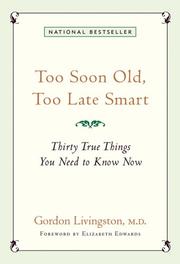
Advice on living, drawn from a psychiatrist's thirty years with patients.
Source: Book Notes & Reviews — nateliason.com
Also recommended by: Andrew Wilkinson, Derek Sivers and 1 other
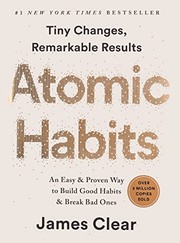
Build habits by making them obvious, attractive, easy and satisfying.
Source: Book Notes & Reviews — nateliason.com
Also recommended by: Ali Abdaal, Balaji S. Srinivasan and 21 others
Change behaviour by changing what you link with pain and pleasure.
Source: Book Notes & Reviews — nateliason.com
Also recommended by: Derek Sivers, Guy Spier, Brian Koppelman and 1 other
How to build a focus strong enough to give your life a powerful purpose.
Why the old paths to security have crumbled, and how to build your own success.
Source: Book Notes & Reviews — nateliason.com
Also recommended by: Derek Sivers
Why distraction-free concentration is rare and valuable, and how to train for it.
Source: Book Notes & Reviews — nateliason.com
Also recommended by: Derek Sivers, Nir Eyal, Abi Tyas Tunggal and 6 others
Applying product design methods to the way you organise your own work.
Source: Book Notes & Reviews — nateliason.com
Also recommended by: David Perell
Why living well with technology means spending much less time using it.
Source: Book Notes & Reviews — nateliason.com
Also recommended by: Brad Feld, Alex Lieberman, Cal Newport
How to stop procrastinating by doing the most important task first.
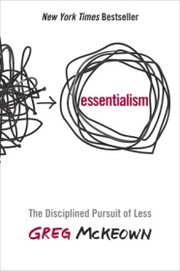
A method for finding the few activities that matter and dropping the rest.
Source: Book Notes & Reviews — nateliason.com
Also recommended by: Austen Allred, Matt Mullenweg, Noah Kagan and 9 others
A system for getting results in work and life, the Agile Results method.

Niklas Luhmann's slip-box method of note-taking, and why it works.
Source: Book Notes & Reviews — nateliason.com
Also recommended by: Ali Abdaal
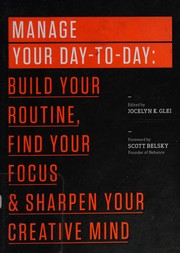
How to build a routine, find focus and do creative work instead of busywork.
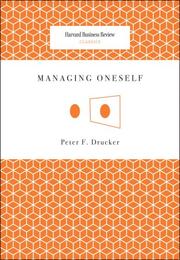
Knowledge workers must run their own careers by knowing their strengths and values.
Source: Book Notes & Reviews — nateliason.com
Also recommended by: Patrick Collison, Patrick O'Shaughnessy and 3 others
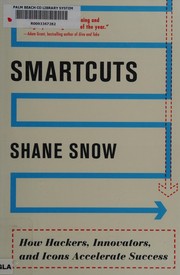
Nine principles of lateral thinking that innovators use to reach goals faster.
Source: Book Notes & Reviews — nateliason.com
Also recommended by: Derek Sivers, Noah Kagan
Plan and work as if a year were twelve weeks long, to keep focus on urgent tasks.
Source: Book Notes & Reviews — nateliason.com
Also recommended by: Sarah Pritula

How to live and work on your own terms rather than as convention expects.
How to learn a new skill fast: break it down, practise well, remove barriers.
Source: Book Notes & Reviews — nateliason.com
Also recommended by: Justin Kan
The size of your thinking sets the size of your results, and how to think bigger.
Source: Book Notes & Reviews — nateliason.com
Also recommended by: Ali Abdaal, Derek Sivers, Mohnish Pabrai and 2 others
Techniques, from precommitment to rejection therapy, for summoning motivation.
Answers to readers' questions on saying no to what harms a life.
Source: Book Notes & Reviews — nateliason.com
Also recommended by: Derek Sivers
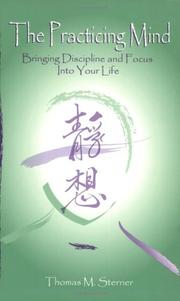
How present-moment awareness brings discipline and focus to everyday life.
Source: Book Notes & Reviews — nateliason.com
Also recommended by: Derek Sivers
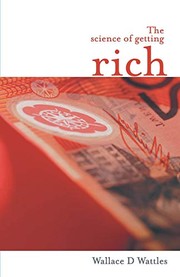
A method for turning thought into material wealth.
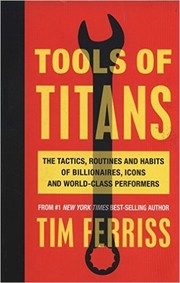
Routines, tools and advice from over 200 podcast guests on health, wealth and wisdom.
Source: Book Notes & Reviews — nateliason.com
Also recommended by: Balaji S. Srinivasan, Derek Sivers and 6 others
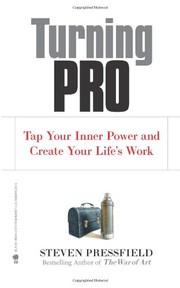
How to defeat resistance, the enemy of an authentic life.
Source: Book Notes & Reviews — nateliason.com
Also recommended by: Derek Sivers
A humorous self-help guide to changing your life.

A novel of the Singularity, when artificial intelligence surpasses the human mind.
Source: Book Notes & Reviews — nateliason.com
Also recommended by: Marc Andreessen, Patrick Collison
A novel narrated by Patrick Bateman, Manhattan investment banker and serial killer.
A novel setting Anna's ruinous affair against Levin's search for how to live.
Source: Book Notes & Reviews — nateliason.com
Also recommended by: Austen Allred, Laura R Walker, Oprah Winfrey and 4 others

A science fiction novel of a soldier in powered armour on the Bug home world.
A novel in which industrialists vanish from an economy run by government directives.
Source: Book Notes & Reviews — nateliason.com
Also recommended by: Brian Armstrong, Jim Collins, Mohnish Pabrai and 20 others

An apocalyptic satire of modern man and his madness, with an invented religion.
Source: Book Notes & Reviews — nateliason.com
Also recommended by: Mohnish Pabrai, Ev Williams
A comic novel of a medical-school dropout who runs a scam to pay for his mother.

A novel of linked lives across centuries, bound by fate and reincarnation.
Source: Book Notes & Reviews — nateliason.com
Also recommended by: Bill Gates, Sahil Lavingia

A historical family novel of love, depravity and the struggle for acceptance.
Source: Book Notes & Reviews — nateliason.com
Also recommended by: Andrew Wilkinson, Mohnish Pabrai and 1 other

A novel of an insomniac who starts a secret fighting club with a wild extremist.
Source: Book Notes & Reviews — nateliason.com
Also recommended by: Ev Williams, Ryan Holiday, Tucker Max

A novel of an American with Spanish guerrillas sent to blow up a bridge.
Source: Book Notes & Reviews — nateliason.com
Also recommended by: Jim Collins, Mohnish Pabrai, David Kadavy and 1 other
A novel of a poor farmer's son who moves to the city and gets rich bottling water.
Source: Book Notes & Reviews — nateliason.com
Also recommended by: Tim Ferriss, Chris Sacca, David Cancel
A comic novel of an addicts' halfway house and a tennis academy, told with endnotes.
A New York detective looks into False Memory Syndrome, where memory makes reality.
Source: Book Notes & Reviews — nateliason.com
Also recommended by: Brad Feld, Jordan Hughes, Ran Segall
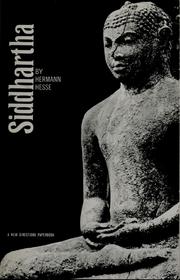
A novel of a Brahmin's son in ancient India who seeks understanding his own way.
Also recommended by: Jim Collins, Mohnish Pabrai, Naval Ravikant and 5 others
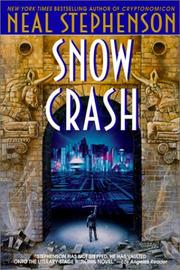
A novel of a hacker in a corporate-run America and its virtual world, the Metaverse.
Source: Book Notes & Reviews — nateliason.com
Also recommended by: Naval Ravikant, Alexis Ohanian and 12 others
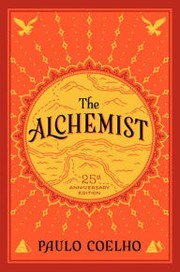
A shepherd boy follows a recurring dream from Andalusia to the pyramids of Egypt.
Source: Book Notes & Reviews — nateliason.com
Also recommended by: Derek Sivers, Mohnish Pabrai and 10 others
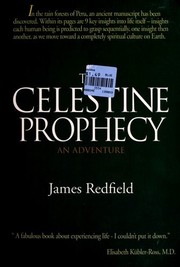
A novel of an adventure in pursuit of a spiritual mystery and its predictions.
Source: Book Notes & Reviews — nateliason.com
Also recommended by: Mohnish Pabrai
Humanity prepares for an alien invasion while alien sophons see all it knows.
Source: Book Notes & Reviews — nateliason.com
Also recommended by: Patrick Collison

The epic poem of the Trojan War: the clash of arms, the fury and grief of loss.
Source: Book Notes & Reviews — nateliason.com
Also recommended by: Jim Collins, Stewart Brand, Elon Musk, Li Lu and 1 other

A novel of an astronaut left alone on Mars who must survive until rescue.
Source: Book Notes & Reviews — nateliason.com
Also recommended by: Brad Feld, Adam Ho, Bill Gates and 4 others
The Greek epic of Odysseus's ten-year journey home from Troy to Ithaca.
Source: Book Notes & Reviews — nateliason.com
Also recommended by: Caterina Fake, Jim Collins, John C. Bogle and 5 others
A novel in which a scientist answers an alien warning and invites first contact.
Source: Book Notes & Reviews — nateliason.com
Also recommended by: Sophie Bakalar, Abi Tyas Tunggal and 8 others
A novel of ambition in the Hollywood film industry.
Source: Book Notes & Reviews — nateliason.com
Also recommended by: Ryan Holiday, Brian Koppelman
An early Greek poem of moral and practical advice for living.

Why people flee from freedom into totalitarianism: a psychoanalyst's account.
Life in Nazi concentration camps, and logotherapy: finding meaning to survive.
Source: Book Notes & Reviews — nateliason.com
Also recommended by: David Heinemeier Hansson, David Perell and 28 others
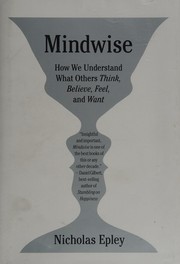
How people read others' thoughts and feelings, and how misreading them causes rifts.
Source: Book Notes & Reviews — nateliason.com
Also recommended by: Derek Sivers

Attracting women through honest self-development instead of pickup tactics.
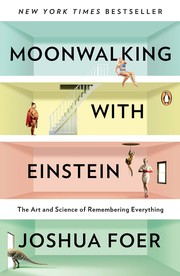
A journalist learns memory techniques and wins the US Memory Championship.
Source: Book Notes & Reviews — nateliason.com
Also recommended by: Bill Gates, Derek Sivers, Mohnish Pabrai and 4 others
How experts in music, chess, medicine and sport excel through deliberate practice.
Source: Book Notes & Reviews — nateliason.com
Also recommended by: Derek Sivers, Michael Mauboussin
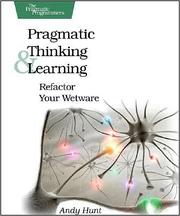
Cognitive science and learning theory applied to thinking and learning better.
Source: Book Notes & Reviews — nateliason.com
Also recommended by: Derek Sivers
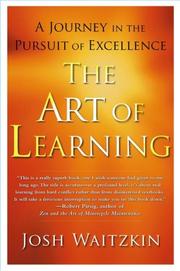
What a chess prodigy turned tai chi champion learned about learning itself.
Source: Book Notes & Reviews — nateliason.com
Also recommended by: David Perell, Derek Sivers, Safi Bahcall and 5 others
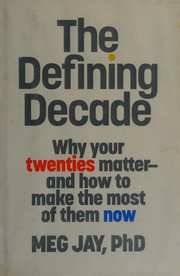
Why the twenties matter, against the hype that trivialises that decade of life.
Source: Book Notes & Reviews — nateliason.com
Also recommended by: John Doerr

Inside a community of men perfecting seduction techniques, and one man's doubts.
Also recommended by: Ryan Holiday
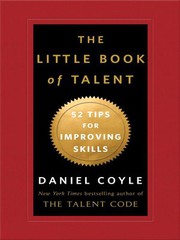
Field-tested tips for improving skills in sport, music, art, maths and business.
Source: Book Notes & Reviews — nateliason.com
Also recommended by: Derek Sivers, David Cancel
Why to stop trying to be positive all the time and accept life's problems instead.
Source: Book Notes & Reviews — nateliason.com
Also recommended by: Derek Sivers
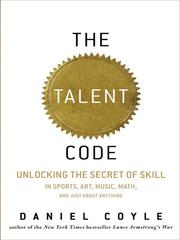
How talent is grown, not born, through a brain mechanism training can tap.
Source: Book Notes & Reviews — nateliason.com
Also recommended by: Derek Sivers, Michael Mauboussin and 4 others
Lessons for men on masculinity, purpose and relationships with women.
Also recommended by: Ali Abdaal, Iman Gadzhi, Naval Ravikant
Self-control as a physical capacity, and how to build it, from a Stanford course.
Source: Book Notes & Reviews — nateliason.com
Also recommended by: Derek Sivers, Mohnish Pabrai, Nir Eyal and 2 others

Reflections on simple living, written from a life in the woods.
Source: Book Notes & Reviews — nateliason.com
Also recommended by: Mohnish Pabrai, Shane Parrish, Maria Popova
How to read what people's body language says about what they think.
How to create new market space instead of fighting rivals over existing demand.
Source: Book Notes & Reviews — nateliason.com
Also recommended by: David Heinemeier Hansson, Mohnish Pabrai and 5 others
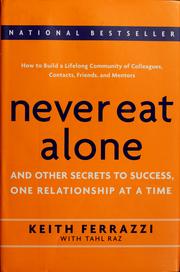
How to get ahead by reaching out to people and keeping a network of relationships.
Source: Book Notes & Reviews — nateliason.com
Also recommended by: Ramit Sethi, Simon Sinek and 1 other
How to pick higher-impact projects, complete twice as many and deliver most on plan.
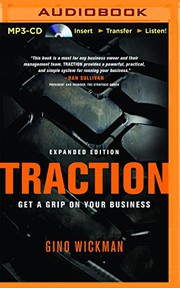
A system for running and planning a growing entrepreneurial business.

A method for hiring the right people, built on interviews with wealthy executives.
Source: Book Notes & Reviews — nateliason.com
Also recommended by: Alexis Ohanian, Noah Kagan

Lessons from building CD Baby from a side project to an $85 million business.
Source: Book Notes & Reviews — nateliason.com
Also recommended by: Tim Ferriss, Ali Abdaal, Paul Jarvis and 1 other
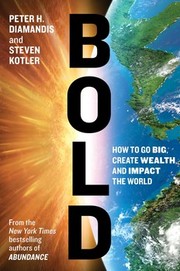
How to use prize competitions, crowdfunding and communities to go big.
Source: Book Notes & Reviews — nateliason.com
Also recommended by: Tom Bilyeu, James Altucher
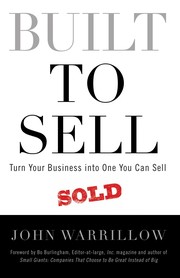
How to build a business that runs without its owner, so that it can be sold.
Source: Book Notes & Reviews — nateliason.com
Also recommended by: Mohnish Pabrai, Nick Huber
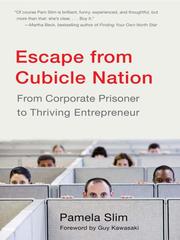
How to leave a corporate job and start your own business.
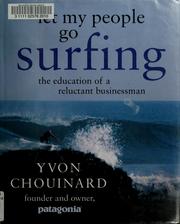
Patagonia's founder on running a business against conventional growth logic
Source: Book Notes & Reviews — nateliason.com
Also recommended by: David Cancel, David Perell, Patrick Collison and 3 others
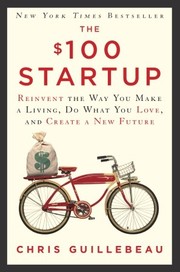
How people built small businesses on a hundred dollars or less.
Source: Book Notes & Reviews — nateliason.com
Also recommended by: Matej Latin, Tony Hsieh
Why most small businesses fail: technicians who start them are not entrepreneurs.
Why jobs, 401(k)s and frugality are a slow lane, and business ownership a fast one.
Source: Book Notes & Reviews — nateliason.com
Also recommended by: Ali Abdaal
A venture adviser on startups and the trap of the deferred life plan.
Source: Book Notes & Reviews — nateliason.com
Also recommended by: Patrick Collison, Ev Williams, Fred Wilson and 2 others
Why competing to be the best makes firms mediocre, and how to escape the herd.
Source: Book Notes & Reviews — nateliason.com
Also recommended by: Mohnish Pabrai, Andrew Chen
How to name a business or a product.
Source: Book Notes & Reviews — nateliason.com
Also recommended by: Ran Segall
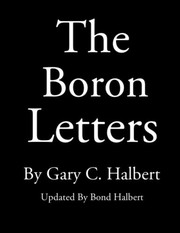
Letters from prison to a teenage son on direct-mail copywriting and living well.
Source: Book Notes & Reviews — nateliason.com
Also recommended by: David Perell

Using data, technology and inbound selling to hire, train and manage a sales team.
Source: Book Notes & Reviews — nateliason.com
Also recommended by: David Cancel, Noah Kagan
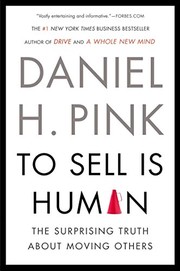
The psychology of persuasion and influence in selling.
Source: Book Notes & Reviews — nateliason.com
Also recommended by: Mohnish Pabrai
A news anchor's panic attack on air leads him to meditation, and what it did for him.
Source: Book Notes & Reviews — nateliason.com
Also recommended by: Arianna Huffington, Peter Attia, Tim Ferriss and 1 other
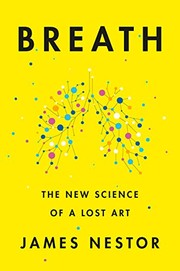
How humans lost the ability to breathe well, and what it does to health.
Source: Book Notes & Reviews — nateliason.com
Also recommended by: Austen Allred
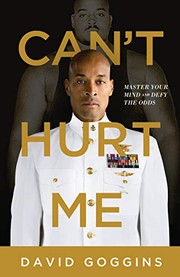
From abused child and 300-pound exterminator to Navy SEAL, and how to get tough.
Source: Book Notes & Reviews — nateliason.com
Also recommended by: Tom Bilyeu, Alex and Books, Ali Abdaal and 6 others
A guide to survival and preparing for emergencies.
Source: Book Notes & Reviews — nateliason.com
Also recommended by: Garry Tan, Tim Ferriss
A hands-on guide for couples to giving and receiving intense sexual pleasure.
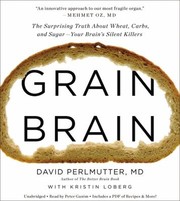
How wheat, sugar and carbohydrates harm the brain, with a thirty-day plan.
How one day of healthy choices, drawn from studies and old practices, builds a life.

The habits of people in the places where unusually many live long, full lives.

Why conventional medicine fails against chronic disease, and an alternative.
How to buy, finance and manage rental homes in markets far from where you live.
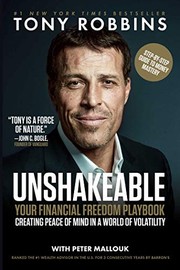
How to stay calm and invest well through market swings, with a top financial adviser.
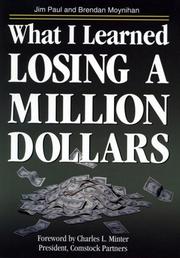
The psychology of losing money in speculation, from a trader who lost a million.
Source: Book Notes & Reviews — nateliason.com
Also recommended by: Tim Ferriss
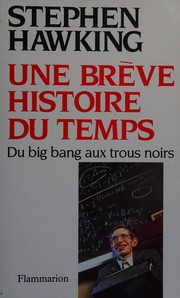
An illustrated edition of the popular account of cosmology, space and time.
Source: Book Notes & Reviews — nateliason.com
Also recommended by: Mohnish Pabrai, Richard Branson and 1 other
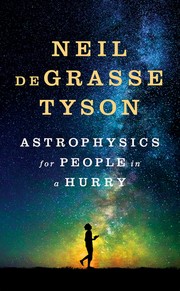
A short guide to how the universe works, for readers short of time.
Source: Book Notes & Reviews — nateliason.com
Also recommended by: David Perell, Vinod Khosla
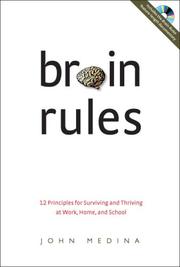
What brain science says about learning, sleep, stress, memory and multitasking.
Source: Book Notes & Reviews — nateliason.com
Also recommended by: Derek Sivers, Mohnish Pabrai, Bill Gates and 1 other
How natural selection changes humanity's view of its place in the universe.
Source: Book Notes & Reviews — nateliason.com
Also recommended by: Michael Mauboussin
Essays by 25 experts on the gravest risks to humanity this century.
Source: Book Notes & Reviews — nateliason.com
Also recommended by: Patrick Collison
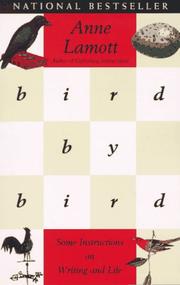
Writing advice focused on the fears and habits that stop people writing.
Source: Book Notes & Reviews — nateliason.com
Also recommended by: Derek Sivers, Jim Collins, Ramit Sethi and 9 others
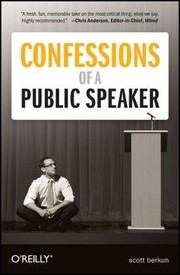
Practical advice on public speaking from a professional speaker's own talks.
Source: Book Notes & Reviews — nateliason.com
Also recommended by: Derek Sivers
How to build fiction from scenes and structure.
Why readers ignore writing, and how a writer moves from amateur to professional.
Source: Book Notes & Reviews — nateliason.com
Also recommended by: David Perell, Morgan Housel and 1 other
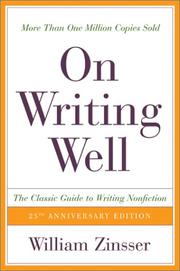
A manual for non-fiction: clear writing comes from clear thinking.
Source: Book Notes & Reviews — nateliason.com
Also recommended by: Derek Sivers, Jim Collins, Matt Mullenweg and 2 others

Numbered rules of English usage and composition, with examples, under 100 pages.
Source: Book Notes & Reviews — nateliason.com
Also recommended by: Derek Sivers, Kara Swisher, Patrick Collison and 3 others
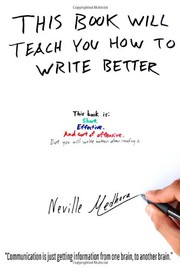
Formulas and tricks for writing copy that sells and converts.
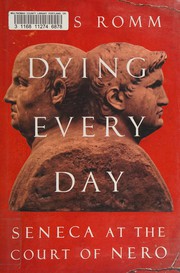
The philosopher Seneca's moral struggles at the court of Nero.
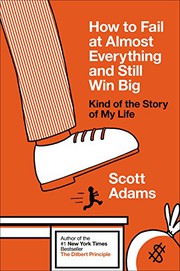
The Dilbert creator's many failures and what they taught him about success.
Source: Book Notes & Reviews — nateliason.com
Also recommended by: Derek Sivers, Mohnish Pabrai and 2 others
Conversations and speeches on a mythologist's life and thinking.
Source: Book Notes & Reviews — nateliason.com
Also recommended by: Reid Hoffman, Ray Dalio
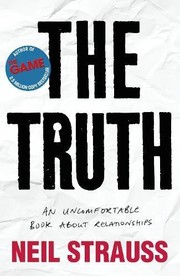
A dating expert's memoir of facing monogamy and fidelity.
Also recommended by: Derek Sivers, Ryan Holiday
The future of higher education, and what costly degrees mean for students.
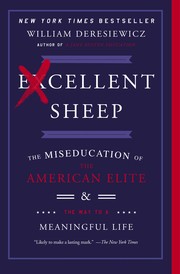
Why elite American colleges turn out bright conformists without direction.
Source: Book Notes & Reviews — nateliason.com
Also recommended by: Mohnish Pabrai
How the author learned six languages, and a method for anyone to do the same.
Source: Book Notes & Reviews — nateliason.com
Also recommended by: Derek Sivers
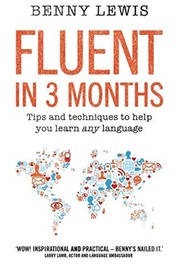
A method for learning a language fast without a great memory or a gift.
What research shows about how people learn, against common study habits.
The skills for professional success that college does not teach.
How progress has worsened the way people eat, learn, mate, parent, work and die.
Source: Book Notes & Reviews — nateliason.com
Also recommended by: Andrew Wilkinson, Jack Dorsey

How finding love, dating and relationships have changed from earlier generations.
A series on office life through The Office: sociopaths, clueless managers and losers.
How America's professional and managerial elites threaten democracy.
The growing role of creativity in the economy and the class that does creative work.
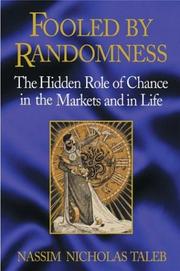
Why people mistake luck for skill, above all in markets.
Source: Book Notes & Reviews — nateliason.com
Also recommended by: Barton Biggs, Brad Feld, Derek Sivers and 14 others
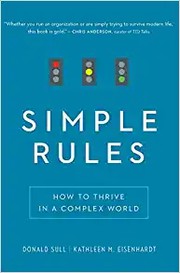
Why a few simple rules help people and firms decide well in a complex world.
Source: Book Notes & Reviews — nateliason.com
Also recommended by: Derek Sivers
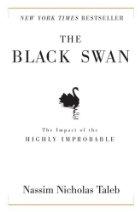
Rare, unforeseen, high-impact events drive history, explained only after the fact.
Source: Book Notes & Reviews — nateliason.com
Also recommended by: David Perell, Howard Marks, Marc Andreessen and 19 others
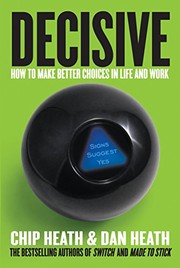
Four traps that ruin decisions, such as narrow framing, and a process to beat each.
Source: Book Notes & Reviews — nateliason.com
Also recommended by: Andrew Wilkinson, Derek Sivers and 5 others
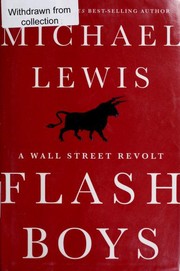
How a trader uncovered high-frequency front-running and built the IEX exchange.
Source: Book Notes & Reviews — nateliason.com
Also recommended by: Brad Feld, Mohnish Pabrai, Marc Andreessen
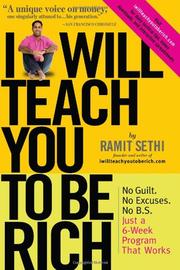
A six-week programme to automate banking, credit, saving and investing.
Source: Book Notes & Reviews — nateliason.com
Also recommended by: Derek Sivers, Mohnish Pabrai and 3 others
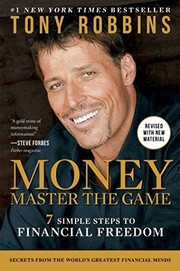
Interviews with 50 investors, from Dalio to Bogle, turned into money advice.
Source: Book Notes & Reviews — nateliason.com
Also recommended by: Andrew Wilkinson, Derek Sivers, Ray Dalio and 2 others
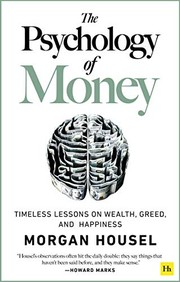
Twenty short essays on why behaviour matters more than knowledge with money.
Source: Book Notes & Reviews — nateliason.com
Also recommended by: Ana Fabrega, Andrew Wilkinson, Derek Sivers and 10 others

A doctor's diary of the time after the atomic bomb fell on Hiroshima.
Why some words persuade and others fail, from a political pollster.
Source: Book Notes & Reviews — nateliason.com
Also recommended by: Tristan Harris, Matt Mullenweg, Tim Ferriss
A translation of the Hindu dialogue between Krishna and the warrior Arjuna.
Source: Book Notes & Reviews — nateliason.com
Also recommended by: Naval Ravikant
An introduction to Zen, its Buddhist and Taoist origins and its principles.
Source: Book Notes & Reviews — nateliason.com
Also recommended by: Naval Ravikant
A guide to meditation as a rational practice, drawn from neuroscience and psychology.
Source: Book Notes & Reviews — nateliason.com
Also recommended by: Susan Cain, Naval Ravikant, Tim Ferriss
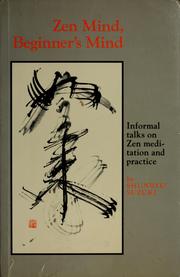
Zen Buddhist teaching on meditation and Soto Zen practice.
Source: Book Notes & Reviews — nateliason.com
Also recommended by: Patrick Collison, Kevin Rose, Steve Jobs

A profile of Bill Bradley in his senior year as Princeton's basketball star.
Source: Book Notes & Reviews — nateliason.com
Also recommended by: Jim Collins, Paul Graham, Ryan Peterson
The mental side of professional fighting, from a writer who stepped into the ring.
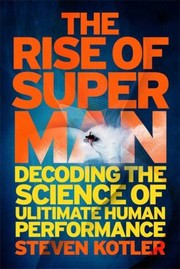
How extreme-sports athletes use flow states to push performance further.
Source: Book Notes & Reviews — nateliason.com
Also recommended by: Adam Fisher, Chase Jarvis, Jim Kwik and 1 other

How to make strong photographs almost anywhere, without exotic places.
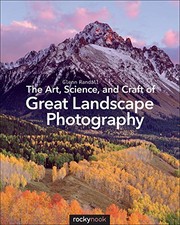
How to turn moments of natural beauty into photographs that move viewers.
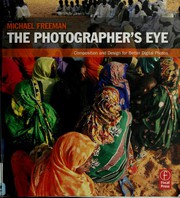
Composition and design as the key to a strong photograph.
The case for challenging, and ending, the Federal Reserve.
Source: Book Notes & Reviews — nateliason.com
Also recommended by: Balaji S. Srinivasan
Why people with a shared interest often fail to act together for it.
Source: Book Notes & Reviews — nateliason.com
Also recommended by: William J. Bernstein
How new technologies are erasing millions of jobs, and what to do about it.
How modern chemicals and habits disrupt hormones and lower sperm counts.
Source: Book Notes & Reviews — nateliason.com
Also recommended by: Jeremy Grantham

How chance led to penicillin, chemotherapy and other medical breakthroughs.
Source: Book Notes & Reviews — nateliason.com
Also recommended by: Mohnish Pabrai, Nassim Nicholas Taleb
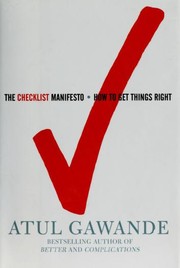
How checklists stop experts in complex fields failing to apply what they know.
Source: Book Notes & Reviews — nateliason.com
Also recommended by: Derek Sivers, Keith Rabois and 9 others
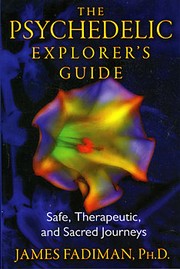
Psychedelics for spiritual, therapeutic and problem-solving use.
Also recommended by: Naval Ravikant
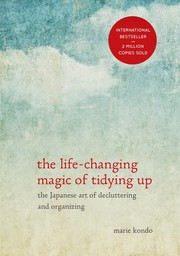
A method for tidying a home once, so that it stays simple and ordered.
Source: Book Notes & Reviews — nateliason.com
Also recommended by: Patrick Collison, David Kadavy, Julie Zhuo


Good cooking reduced to four elements: salt, fat, acid and heat.
Source: Book Notes & Reviews — nateliason.com
Also recommended by: Ben Silbermann
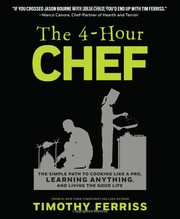
Learning to cook as a route to learning any skill, with chefs' recipes and tricks.
Source: Book Notes & Reviews — nateliason.com
Also recommended by: Derek Sivers, Tim Ferriss
A comprehensive guide to fermenting food at home.
An operating manual for founders scaling from a few people to a few hundred.
Source: Book Notes & Reviews — nateliason.com
Also recommended by: Alexis Ohanian, Ali Abdaal and 4 others
How the American constitutional system collided with the politics of extremism.
How the internet let amateurs topple old professions such as lawyers and stock gurus.
Source: Book Notes & Reviews — nateliason.com
Also recommended by: Ryan Holiday
What reading on the internet may be doing to human thought and the brain.
Source: Book Notes & Reviews — nateliason.com
Also recommended by: Iman Gadzhi
A five-week dog-training programme based on positive reinforcement.
A curated collection of quotations and aphorisms.

How to take long-term travel by leaving work for months at a time.
Source: Book Notes & Reviews — nateliason.com
Also recommended by: Derek Sivers, Tim Ferriss
A physicist's stories, from fixing radios as a boy to Los Alamos and beyond.
Source: Book Notes & Reviews — nateliason.com
Also recommended by: Brian Armstrong, Derek Sivers, Jason Zweig and 19 others
Naval Ravikant's ideas on building wealth and being happy, gathered from his talks.
Source: Book Notes & Reviews — nateliason.com
Also recommended by: Balaji S. Srinivasan, Alex and Books and 8 others
Why the era ahead turns less on America's decline than on everyone else's rise.
Source: Book Notes & Reviews — nateliason.com
Also recommended by: David Perell, Mohnish Pabrai, Bill Gates and 1 other
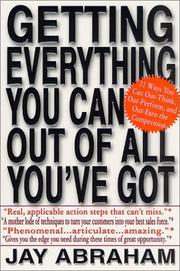
A marketing adviser's ideas for growing a business or a career.
Source: Book Notes & Reviews — nateliason.com
Also recommended by: Ramit Sethi, Andrew Wilkinson, Tony Robbins
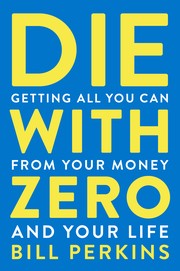
Why to spend and live fully while alive, rather than die with money unspent.
Source: Book Notes & Reviews — nateliason.com
Also recommended by: Ali Abdaal, James Altucher
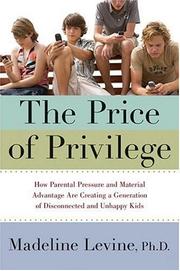
Why teenagers from affluent, loving families are often unhappy.
Metaphor as a basic mechanism of thought that shapes how people understand the world.
Source: Book Notes & Reviews — nateliason.com
Also recommended by: David Perell, Matt Mullenweg, Tristan Harris and 1 other
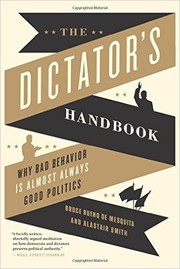
How leaders of dictatorships and democracies gain and keep power.
Source: Book Notes & Reviews — nateliason.com
Also recommended by: Andrew Chen, Marc Andreessen
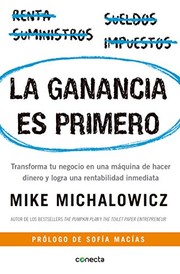
Take profit first from each sale and run the business on what remains.
Source: Book Notes & Reviews — nateliason.com
Also recommended by: John D Saunders, Ran Segall
| Episode 153 Make $1 Million by Graduation or Your Tuition Back | Nat Eliason on Founders School Reinventing Education | The Tim Castle Show | 2026-08-16 | 52 min | What if the education system is preparing our children for a world that no longer exists? In this episode of The Tim Castle Show, Tim sits down with entrepreneur, author and Growth Machine founder Nat Eliason, now helping build Founders School, the entrepreneurship track of Alpha School, to examine a radical new model for learning in the age of AI. The idea is bold: compress academics into the morning, then give teenagers the rest of the day to build businesses, sell, experiment and learn through real-world consequences. But what happens when education starts measuring success through customers, revenue and profit? Can failure still feel safe when parents are paying $150,000 a year? Are schools developing grit, leadership and persuasion, or simply selecting for ambitious families already positioned to win? And in a world where AI can increasingly write, code, research and build, is the scarce skill now intelligence or the ability to communicate, influence, take intelligent risks and make people care? This conversation is about much more than school. It is about who we want the next generation to become. Subscribe, share the episode, and ask yourself: what should education prepare children for now? |
| The High School That Guarantees Millionaires with Nat Eliason | 146 | The Ambitious Generation | 2026-08-05 | 1:12 | Nat Eliason left a decade of independent building to take his first job in over ten years. He is now running Founder School, a new private high school in New York City that promises every graduate a million dollar business, or the family gets their $600,000 tuition refunded in full. The refund pool is backed by a billionaire's personal capital, not insurance. If the model fails, he writes the check.We go deep on why grades don't matter at Founder School (and why straight-A students are getting rejected), the 80% of entrepreneurial success Nat believes is genetic, the McCarthy line about fathers he can't shake, the real reason Gen Z is starting more companies than any generation before them (it's not money, it's status), and the sentence that made me sit up in my chair: there is no such thing as intrinsic motivation.If you have an ambitious teenager in your life, or if you are one, this one's for you.⏰ TIMESTAMPS00:00 — Introduction00:17 — The $1M Guarantee (And Why He Might Be Underpromising)04:22 — The Three Kinds Of Pushback He Gets07:58 — Why Straight-A Students Get Rejected21:34 — 80% Of It Is Genetic (Cormac McCarthy's Answer To Parenting)27:36 — The Real Reason Gen Z Is Starting Companies (Not The Money)36:08 — Business School vs. |
| Make $1M Before Graduation (Or Get a Full Refund) | Go Ivy or Go Free Ep 7. w/ Nat Eliason | Go Ivy or Go Free | 2026-06-10 | 1:35 | Welcome to Episode 7 of the Go Ivy or Go Free Podcast! In this episode, host Andreas Stamatakis sits down with serial entrepreneur, author, and Head of Founder Development at Alpha School, Nat Eliason — the man betting that the future of education isn't a diploma, it's a million dollars. Nat is launching Founders School, a first-of-its-kind entrepreneur high school built on the most audacious guarantee in the history of education: make $1 million in gross profit by graduation, or get 100% of your $600,000 tuition refunded. If you think high school is just a stepping stone to college, or that a business degree is the safest path to entrepreneurial success, or that kids need to wait until adulthood before building real companies — this episode will dismantle every one of those assumptions. Andreas and Nat get real about why the traditional education system was never designed to produce entrepreneurs — and why a new generation of high schoolers is ready to prove they don't need it. Nat breaks down exactly how Founders School works: the AI-powered academic model that compresses core coursework into two hours a day, the full-day entrepreneurship bootcamp that fills the rest, and what it truly means to build a school around outcomes you can measure in dollars and cents. This isn't a passion project — it's a skin-in-the-game bet that forces the institution to actually care whether students succeed. |
| GameStop + eBay, Neural Computers | Nat Eliason, Michael York, Maddie Hall, Anjney Midha, Ben Lamm, Jake Stauch, Garth Sheldon-Coulson, Katie Haun, Nick Abouzeid | TBPN | 2026-05-04 | 2:42 | (02:42) - Neural Computers (20:48) - GameStop Offers $55B for eBay (28:44) - Nat Eliason, an entrepreneur and writer, is the Head of Founder Development at Alpha School, where he is launching a high school program that promises students will earn $1 million by graduation or receive a full tuition refund. In the conversation, he discusses his journey from running an SEO-focused marketing agency to exploring personal knowledge management and AI, leading him to develop this innovative educational model that combines AI-driven academics with real-world entrepreneurial experience. (58:12) - Michael York, co-founder and CEO of Casa, discusses his journey from joining Uber at 18 to launching Casa, a subscription-based homeownership platform. He explains how Casa acts as a personal property manager, handling maintenance and services for homeowners by leveraging advanced technology to create detailed home profiles. York also highlights the company's recent $20 million Series A funding and plans for expansion beyond San Francisco and Los Angeles. (01:11:15) - Maddie Hall, CEO and co-founder of Living Carbon, discusses her company's mission to restore degraded U.S. lands by planting genetically enhanced trees that capture more carbon and produce sustainable forest products. She highlights a recent $500 million deal with Octopus Energy Generation to reforest up to 250,000 acres, aiming to remove 50 million tons of CO₂ over 40 years. |
| The High School That Refunds Your Tuition If You Don't Make $1M with Nat Eliason (#412) | POWERS | 2026-04-28 | 1:28 | In this episode, Chris sits down with Nat Eliason, founder, writer, and now launching Founders School, a new entrepreneur high school in New York City. Tuition is $150K a year. The promise: every student hits a million dollars in gross profit by graduation, or the family gets their tuition refunded. The first class is around 20 freshmen. The day is split between AI-driven academics in the morning and business building the rest of the day. This is also the same Nat Eliason who in his spare time built Felix, an AI agent he gave a Stripe account, an email, and an X handle, then told to launch a business overnight. Felix has done $60+K in sales since. Nat has not touched the code. They discuss: • Why the "game of school" is kayfabe and what's finally breaking it • The 16-year-old flying out to California to run short-form video for Al Pacino's new movie • The Munger inversion behind Founders School's curriculum: "why would these kids fail?" |
| Counterintuitive Advice on Selling Online, Starting Before You’re Ready, & Building a Fiction Career with Nat Eliason | Zero To Travel Podcast | 2025-09-09 | 1:25 | What if the best time to start your business or creative pursuit was before you felt fully ready? And what if you didn’t need to follow all of the current “best practices” to market yourself? Nat Eliason is an entrepreneur and author based in Austin, Texas. Over the past decade, he’s built a career that gives him location freedom through writing, course creation, and now fiction. His debut sci-fi novel Husk: Book 1 of the Meru Initiative, was released in May 2025. In this episode, Nat returns to share his experience transitioning from nonfiction writer to sci‑fi novelist, revealing the counterintuitive strategies he used to launch Husk and build momentum in the noisy creator economy. Whether you're building a location-independent business or launching a creative project from anywhere in the world, Nat shares how to take control of your output, challenge “start later” thinking, and embrace the long game. He also opens up about what it takes to be patient in a fast-moving digital world, how he used an experimental marketing mindset to sell his products and books, and the often unseen emotional work of building something sustainably. What’s one creative project you want to launch? I'd love to hear about it, and I hope you’ll share by sending me an audio message. |
| Nat Eliason: From Blogging to Sci-Fi Novels, Writing Books That Last, and Owning Your Audience | Smart Friends | 2025-05-27 | 1:19 | Topics: (00:00:00) - Intro (00:00:45) - Introducing Nat Eliason (00:01:27) - Nat's Diverse Career and Writing Journey (00:01:47) - The Transition from Nonfiction to Fiction (00:02:13) - The Seven Act Structure and Writing Process (00:02:44) - Publishing with Scribe and Launching Husk (00:03:24) - The Rewards and Challenges of Writing (00:04:29) - Building an Audience and Marketing Strategies (00:06:54) - Balancing Writing with Other Ventures (00:09:09) - The Reality of a Writing Career (00:10:49) - The Importance of Consistency and Commitment (00:22:37) - Navigating Traditional and Self-Publishing (00:23:05) - The Journey to Becoming an Author (00:40:56) - Exploring the Shift from Nonfiction to Fiction (00:41:40) - The Joy of Storytelling in Fiction (00:44:00) - Challenges and Rewards of Writing Fiction (00:47:44) - Outlining and Structuring Fictional Works (00:57:38) - Marketing and Selling Self-Published Books (01:10:38) - The Future of an Author's Career (01:18:18) - Conclusion and Recommendations Links: Nat on X Nat’s Website Crypto Confidential Husk To support the costs of producing this podcast: >> Buy a copy of the Navalmanack: www.navalmanack.com/ >> Buy a copy of The Anthology of Balaji: https://balajianthology.com/ >> Sign up for my online course and community about building your Personal Leverage: https://www.ejorgenson.com/leverage >> Invest in early-stage companies alongside Eric and his partners at Rolling Fun: https://angel.co/v/back/rolling-fun >> Join the… |
| Nat Eliason - The Entrepreneur's Approach to Self-Publishing: Direct Sales, Premium Products, and Marketing | The Publishing Performance Show | 2025-05-24 | 50 min | Nat Eliason is a writer, entrepreneur, and founder of multiple successful online businesses who is now pivoting to science fiction writing. After securing a $275,000 advance for his traditionally published non-fiction book "Crypto Confidential" with Penguin Random House, Nat has chosen to self-publish his debut science fiction novel "Husk." His entrepreneurial approach to book publishing includes a strong focus on professional production quality, direct sales through his own website, and leveraging his existing audience while building new channels specifically for his fiction work. In this episode: Nat's transition from traditional publishing to self-publishing Creating a high-quality self-published book that doesn't look self-published The importance of investing in professional cover design and formatting Using Ingram Spark vs. |
| Vibe Coding, SaaS Multiples, and Sci-Fi Writing - ft. Nat Eliason | The Adventure Capitalist | 2025-04-10 | 1:22 | In this episode of the Adventure Capitalist Podcast, Austin Brawner and Cody Shirk dive deep into an engaging conversation with Nat Eliason. In this episode, Nat shares the secrets behind his unique "Vibe Coding" philosophy and its origin story. We explore his expert thoughts on SaaS multiples and the future of software companies, offering insights for tech enthusiasts and entrepreneurs. Nat opens up about his personal journey, from his learning process to crafting his upcoming sci-fi fiction book, and reflects on the profound value writing brings to his life. We also discuss his sobriety journey, the importance of risk-taking in success, and how concepts shape achievement. Plus, get an insider's look into the business of bookselling and Nat's experience writing about crypto in his previous work. Whether you're into coding, startups, creative writing, or personal growth, this episode is packed with inspiration and actionable takeaways. Chapters: 00:00 - Intro 01:05 - Welcome Nat! 02:23 - What's Vibe Coding? 12:58 - Origin of Vibe Coding 17:28 - Thoughts on SaaS multiples 22:35 - Future of software companies 23:54 - Nats' learning process 32:48 - The writing process 45:36 - What value does writing have? 52:44 - Sobriety 59:44 - Importance of risk-taking 01:04:57 - Concepts and success 01:09:47 - Business of bookselling 01:21:51 - Outro Watch this episode on YouTube: https://youtu.be/HtV9OM8LJDY Follow us on X: Austin - https://x.com/a_brawn Cody - https://x.com/CodyShirk |
| Focusing on What Matters Most with Nat Eliason | The Inner Frontier with Jonny Miller | 2025-02-20 | 1:29 | In this episode, I’m speaking with a friend, author, entrepreneur & prolific writer Nat Eliason. The timing of this conversation was interesting as we recorded it shortly before the US elections, after which the crypto markets shot back into the mainstream. You’ll hear about the intense emotional rollercoaster he went through, losing millions of dollars in a very short period of time — how it felt to write about this — what he’s learned about cultivating creative endurance with his writing, as well as his perspective on relaxation versus numbing and how our relationship with work pushes us towards coping mechanisms rather than genuine rest. Official Links 👋 Follow Nat on Twitter/X @ nateliason 📚 Read Crypto Confidential 🖥️ Nat's homepage Connect + Explore More from Jonny 🐦 Follow on Twitter/X @jonnym1ller 🫁 Learn more about Nervous System Mastery 🪷 Order our deck of Calm Cards (these make great gifts) 📱 Check out Stateshift — our brand new iOS + Android app 📝 Take the Nervous System Quotient (NSQ) Self-Assessment (totally free) 💌 Sign up to The Inner Frontier Newsletter 🫁 Episode Sponsor — Nervous System Mastery This is my flagship 5-week bootcamp designed to equip you with evidence-backed protocols to cultivate calm and emotional regulation. Our 8th cohort will run in Fall 2025 ~ and applications are currently open. My sense is that if this conversation resonates with you, then you'd likely be a great fit for our upcoming cohort. |
| Give Everything You Have To What You Love with Nat Eliason | Sky King's Mental Playground | 2024-11-20 | 27 min | Listen to the full podcast here: https://skmp.supercast.com/ Quick Announcement. We will send a copy of Nat's New Book Crypto Confidential to the first ten people to be subscribed to the podcast and email pia@modernstoa.co This podcast got me absolutely torqued. Nat is always someone whom I have admired for his ability to be on the cutting edge of the next "thing" and find a creative way to monetize it. It was super fun to watch, and he was really good at it. About two years ago, he decided he wanted to embark on the great creative journey of his life. A life where he isn't on the cutting edge, but instead working on one project for years at a time. This book is his first child of this commitment, and it is fun as f**k to read. Nat is really living in his art and I am so f*****g stoked for him. Follow Nat: Instagram: https://www.instagram.com/nat_eliason/ X: https://twitter.com/nateliason Substack: https://blog.nateliason.com/ Book: Crypto Confidential https://a.co/d/03L5pfl Listen to the complete episodes of Sky King's Mental Playground, sign up at skmp.supercast.com Follow Sky on X Subscribe on YouTube Follow Sky on Instagram Hosted on Acast. See acast.com/privacy for more information. |
| Nat Eliason | From Crypto To Copy: Exit Liquidity, Crypto Confidential & Writing Worthy Of Posterity | Curious Worldview | 2024-11-19 | 1:18 | Nat Eliason is an absolute legend. I’ve been subscribed to his newsletter, following his tweets, and listening to his interviews for what feels like years now. He’s a prolific online writer who recently published his debut book, a memoir of a crypto side quest he spiralled deep down into which is serves as revelatory for the sheer insanity that is crypto. It’s meme coins, making loads of money, losing it, secret discord servers, exit liquidity and all the rest that foreshadows the same stuff happening now. Crypto is back in the news, and therefore so is Nat’s book - Crypto Confidential - which is a must read if you want to get a sense for, or contribute to, the mania. However, writing is Nat’s circulatory system, so we ended up speaking half about books and half about crypto. When you check out the episode, navigate the timestamps if you wanna skip the writing stuff and go straight to crypto. Before I leave you with Nat, he’s got this tremendous call to action on his Substack that I wanted to share here… “Among my strongest life goals is to write something worthy of outliving me” Subscribe To The Curious Worldview Newsletter Nat Eliason Substack ---- 00:00 - Who Is Nat Eliason? 01:08 - Serendipitous Anecdote 02:58 - CRYPTO: Crypto Mania 12:23 - Writing 18:05 - AI Helping Writers (Great Metaphor) 24:48 - Great Story Telling Less Great Writing 34:08 - Taleb's Influence 41:08 - Book Publishing Market (VC Metaphor) 1:00:33 - CRYPTO: Crypto From All Sides. Crazy Stories. |
| Stop Chasing Success the Wrong Way: Break the Golden Handcuffs | Nat Eliason | Escape 9 to 5 | 2024-11-02 | 55 min | Are you chasing success the wrong way? In this episode of Escape 9 to 5, Nat Eliason, the author of Crypto Confidential, joins us to discuss why breaking free from the “golden handcuffs” of conventional career paths is essential for finding true fulfillment. Nat, who left behind a financially secure path, "hacked" college system, built a successful SEO agency, and navigated the highs and lows of the crypto world, shares the valuable lessons he learned about purpose, success, and what really matters. Tune in to learn why real success might take 1,000 days and why financial stability isn’t the end goal—it’s the freedom to live life on your own terms.#NatEliason #Escape9to5 #GoldenHandcuffs #BreakTheMold #CareerFreedom #SuccessJourney #EntrepreneurLife #FinancialIndependence #PurposeDriven #1KDays #TrueSuccess #FreedomOverMoney #podcastepisode Chapters:00:01 Introduction03:55 two truths and a lie06:34 Moment of realization18:10 Pivotal Moment21:50 Backpacking Trip27:18 Managing Temptations30:59 Be Comfortable in Uncertainty 34:40 40 Lessons from 30 years40:21 Plans on expanding the fields of writing44:42 What would your kids say about you in 20 years47:18 Lightning round & OutroLearn more about Nat Eliason: https://www.nateliason.com/✨ Dreaming of Becoming a Part-Time YouTuber?Learn the ropes with Ali Abdaal's Part-Time YouTuber Academy, where you'll find all you need to start sharing your voice with the world! |
| “A perfectly competent character is boring” | Nat Eliason, Author & Essayist | Why They Resonate | 2024-09-16 | 42 min | Telling stories about your life feels fraught. How do you weave together a story that is deeply personal to you and others, contains the right amount of tension without being too dramatic, and feels both gripping and accessible for your audience? In the case of our guest today, Nat Eliason, his story is about the moment he went from investing hundreds of dollars to having $10 million of his own money on the line, plus more than $100 million of others under his purview, when the whole system was hacked. Nat recently published his first book, “ Crypto Confidential: Winning and Losing Millions in the New Frontier of Finance ,” and in this episode, he dissects the choices he made writing his prologue (which he shared with more than 20 people to get right). Together, Jay and Nat dissect Nat’s thrilling story, unpacking how he grounded the drama, making it feel authentic and relatable, while still embracing the primacy and recency effects in storytelling. Plus, they discuss strategies for getting more valuable feedback on your creative work, Nat’s decision to focus on such a dramatic moment for his prologue, and how to effectively combine educational or technical concepts into a story in a way that doesn’t lose or bore readers. |
| #123 - Talking about Crypto and Writing with Nat Eliason, Author of Crypto Confidential | Specks of Light | 2024-09-10 | 54 min | I spoke with Nat about: The high level story behind his book, Crypto Confidential, and what he wanted to achieve by writing it His writing process now, as a full-time writer, and how different it is to write a fiction book in comparison to non-fiction. Does he miss his former exciting life as a crypto investor and smart contract developer? and would he ever get back to it? What he feels like about the state of crypto these days and when will we adopt it as a society? And what does he do when he feels stuck as a writer and why he loves his current vocation more than anything else. I loved talking with Nat just as much as I loved his amazing book. Enjoy! |
| Nat Eliason: Crypto Confidential | The Louis Shulman Podcast | 2024-07-28 | 57 min | Nat Eliason started publishing essays online in 2013. Since then, his work has been read by millions of people and lead to multiple spin-off businesses including a marketing agency and a café. In 2022, Nat become completely obsessed with Crypto, and went from outsider to earning millions of dollars within 1 year. His new book, Crypto Confidential: Winning and Losing Millions in the New Frontier of Finance, is an "unfiltered, insider's account of the hyperactive, hyper-speculative, hyper-addictive, nearly unregulated, completely insane world being built on the blockchain." Louis and Kyle have been enthusiastic fans of Nat's work since 2018 and it was a "dream come true" to interview Nat on the show. This conversation covers: 00:00:00 - Transitioning to Long-Term Games 00:05:44 - An Unhealthy Obsession with Crypto 00:08:52 - Separating Happiness From of Financial Success 00:12:34 - The Dangers of Chasing Quick Riches 00:14:37 - Pursuing Childhood Dreams 00:22:37 - How To Write The Perfect Scene 00:31:17 - A Potential Bestseller? 00:37:10 - Meeting Famous Figures 00:45:32 - From Short-Term Games to Long-Term Commitment 00:51:43 - A Quasi Pop Epistemology Book Links and Resources: → Crypto Confidential: https://www.amazon.com/gp/product/0593714040 → Nat's Blog: https://www.nateliason.com/ → Nat's Instagram: https://www.instagram.com/nat_eliason/ → Nat's Twitter: https://twitter.com/nateliason This is a public episode. |
| #34 – Nat Eliason: Crypto Confidential, Writing, and The Future of Work | Arjun Khemani Podcast | 2024-07-26 | 1:03 | Click here to support my work. You can also send me bitcoin to this address . Nat Eliason is a writer and crypto insider with a wildly popular newsletter and podcast. He is the author of the book Crypto Confidential: Winning and Losing Millions in the New Frontier of Finance . Topics we discuss are well captured by the timestamps below. Watch on YouTube or X . Listen on Apple Podcasts , Spotify , or any other podcast platform. Follow me on X for updates on future episodes. Timestamps 0:49 - Ayn Rand 6:40 - The transition from writing online to writing a book 12:26 - Marketing Crypto Confidential 16:43 - Writing for the modern world 21:20 - Come for the money, stay for the tech 26:49 - Decentralized social media 30:19 - Don’t be someone’s exit liquidity! 34:39 - The value of authenticity 36:39 - The advantages of being pseudonymous 39:19 - Constraints can help us be creative 42:53 - Is note-taking valuable? 46:02 - The future of work 50:11 - Strava for writing 53:49 - What idea sounds crazy today but will be mainstream in 5-10 years? 1:01:00 - Why Nat doesn’t use shampoo and other conventional health products Follow Nat on X: http://x.com/nateliason Get Nat’s book Crypto Confidential: https://www.amazon.com/gp/product/0593714040 This is a public episode. If you would like to discuss this with other subscribers or get access to bonus episodes, visit www.arjunkhemani.com |
| Crypto Confidential: Behind the Scenes of an Author's First Book | #62: Nat Eliason | Produced By | 2024-07-22 | 46 min | Nat Eliason is a multifaceted writer and entrepreneur whose journey is both captivating and inspiring, highlighted by his newly released book Crypto Confidential. Born in Washington D.C. and a philosophy graduate from Carnegie Mellon University, Nat has attracted millions of readers since 2013 and launched ventures from a marketing agency to a tea cafe. Living in Austin, Texas with his wife and two daughters, his life took a dramatic turn in 2021 when he plunged into the chaotic world of cryptocurrency, amassing a fortune and becoming a prominent influencer. In this episode, discover the fascinating story behind Crypto Confidential: Winning and Losing Millions in the New Frontier of Finance. Gain insight into the highs and lows of his crypto journey, the process of writing his book, and get a peek behind the scenes of the unpredictable crypto universe. Tune in to uncover how Nat turned his experiences into a compelling narrative that Reid Hoffman, co-founder of LinkedIn, hails as a must-read. Elevate your online presence with the help of Trailblazed, your (and our) favourite digital marketing agency. https://trailblazed.digital/ If you enjoy the show, please, consider supporting it on Patreon or by buying a virtual coffee (or chocolate). https://www.patreon.com/ProducedByPodcast https://www.buymeacoffee.com/producedby Boost your creative career by joining our new Skillshare course and feel free to let us know how you liked it. |
| Nat Eliason: The Wild World of Crypto - [Making Markets, EP.38] | Making Markets | 2024-07-19 | 55 min | My guest today is Nat Eliason , an internet creator and writer of the new book Crypto Confidential. Nat takes us on his wild journey in Crypto, where he made and lost millions, worked on exciting projects, and suffered through hacks and scams. We also talk about the Olympus project, how he’s built a career on being early and why he’s devoting the next phase to writing. Please enjoy this wide-ranging conversation with Nat Eliason. For the full show notes, transcript, and links to the best content to learn more, check out the episode page HERE. ----- Making Markets is a property of Colossus, LLC. For more episodes of Making Markets, visit joincolossus.com/episodes . Stay up to date on all our podcasts by signing up to Colossus Weekly, our quick dive every Sunday highlighting the top business and investing concepts from our podcasts and the best of what we read that week. Sign up here . Follow us on Twitter: @makingmkts | @ericgoldenx Editing and post-production work for this episode was provided by The Podcast Consultant ( https://thepodcastconsultant.com ). |
| Nat Eliason: Writing for the Modern World | The Hannah Frankman Podcast | 2024-07-11 | 1:45 | Nat Eliason is a blogger, programmer, entrepreneur, and author of the new book Crypto Confidential , where he tells the story of riding the crypto mania wave of 2021, how he learned how to invest in crypto, become a programmer, and signing onto a project that made and then lost him millions of dollars. In this episode, expect to learn Nat’s process of book writing, the importance of memoir style writing in the 21st century, why he thinks social media is mostly a waste of time, how he has learned the skill of learning new things, and why he’s building a Patronage fund for his daughters as an alternative to a college fund. This episode is sponsored by John Galt Mortgage Company https://www.johngaltmortgage.com Chapters: 0:00 - Intro 2:22 - The Process and Vulnerability of Writing Crypto Confidential 11:15 - The World Needs More Memoirs (start 15:06 - The Value of Books in the Age of the Internet (Medium) 23:27 - Discerning the Shadow Career Over the Real Thing 25:56 - What Does Success Mean as a Writer? |
| Nat Eliason — Crazy, Crypto, Confidential | Episode 224 | Infinite Loops | 2024-07-11 | 1:33 | Nat Eliason is a writer with a keen interest in writing about challenging and revealing things. His debut book, Crypto Confidential: Winning and Losing Millions in the New Frontier of Finance (out July 9th, 2024) , charts his personal odyssey into Crypto's Get-Rich-Quick underbelly. Nat joins the show to discuss the highs and lows of the cryptocurrency market, the lessons learned from his financial adventures, the psychological effects of bubbles, crypto's cutting-edge developments, and MUCH more! Important Links: Nat's Website Nat's Twitter Nat's YouTube Show Notes: Making A Lot of Money, As Fast as Possible The Peer Pressure of Crypto Markets The Psychological Effects of Diamond Hands Signs of Peak Speculation How Bitcoin Has Carried the Crypto Story Ethereum's Innovations The Emergence of Stablecoins What Makes USD A Reserve Currency? The Crazy Anonymity of Crypto Projects The Two Options of Getting Into Crypto Imagining the Money Pile What Nat Couldn't Keep in the Book Nat's Next Career as a Novelist Nat as Emperor of the World MORE! Books Mentioned: Influence; by Robert Cialdini |
| RE: Something Interesting | Nat Eliason on Crypto Confidential - Winning and Losing Millions on the New Frontier of Finance | The Realignment | 2024-07-11 | 1:18 | Subscribe to The Realignment to access our exclusive Q&A episodes and support the show: https://realignment.supercast.com/ REALIGNMENT NEWSLETTER: https://therealignment.substack.com/ PURCHASE BOOKS AT OUR BOOKSHOP: https://bookshop.org/shop/therealignment Email Us: realignmentpod@gmail.com Foundation for American Innovation: https://www.thefai.org/posts/lincoln-becomes-fai Note: This upcoming Sunday will feature a free Ask Me Anything episode focused on President Biden's 2024 campaign, the results of Thursday's presser, and the upcoming RNC. Submit your questions at The Realignment's email address or on Supercast. On today's episode, Nat Eliason, author of Crypto Confidential: Winning and Losing Millions in the New Frontier of Finance, joins The Realignment. Marshall and Nat discuss the state of the crypto market from 2021 to 2024, crypto use cases, and the long-term bull case for blockchain-based tech and products. |
| Nat Eliason – How he got a book deal and why traditional publishing is great | Creator Science with Jay Clouse | 2024-07-09 | 1:08 | Nat Eliason is the author of Crypto Confidential , Winning and Losing Millions in the New Frontier of Finance . I’ve been following Nat online for a while now – he’s gone from marketing agency owner to business writer to book influencer and a bunch of stops in between. And the common thread through all these projects was Nat’s ability to write. In 2021, Nat dove deep into the world of crypto and Web3, as many of us did. But when Nat goes into something, he goes really deep into that thing – and he got MUCH deeper into crypto and Web3 than most. During that boom cycle, there were some big winners and big losers—Nat, at times, was both. He left that world on top, and applied his writing ability to tell the story of just how insane things really were at the highest levels of crypto. Full transcript and show notes Nat's Website / Twitter REFERENCES Buy Crypto Confidential How to Get Insanely Rich in the Creator Economy Traditional Publishing is Great, Actually How We Designed a FUN Nonfiction Book Cover *** RECOMMENDED NEXT EPISODE → #176: April Dunford – How self-publishing a book exploded her client service business. |
| Winning & Losing Millions, Creating Lasting Memories, and Writing Captivating Stories w/ Nat Eliason | The Learning Leader Show With Ryan Hawk | 2024-07-07 | 59 min | Read our book, The Score That Matters https://amzn.to/3XxHi7p Full show notes at www.LearningLeader.com This episode is supported by Insight Global . Insight Global is a staffing company dedicated to empowering people. Please CLICK HERE for premier staffing and talent. Notes: Nat Eliason studied philosophy at Carnegie Mellon University. Since he started publishing his writing in 2013, his work has been read by millions of people and spun out multiple businesses ranging from a marketing agency to a cafe. He's the author of Crytpo Confidential: Winning and Losing Millions in the New Frontier of Finance . How to make our days more memorable? Throw parties with 3-4 different phases. When taking your loved one out on a date, have 3 different parts. Implement homework for life. Write down the stories of each day. This helps you remember them more. Do Hard Things – Our self-image is composed of historical evidence of our abilities. The more hard things you push yourself to do, the more competent you will see yourself to be. "Build up your identity of being a capable person." "Money corrupts quickly." It's never the right time. Any time you catch yourself saying "Oh it'll be a better time later," you're probably just scared. Or unclear on what to do. There is never a right time for the big things in life. Moonwalking with Einstein -- Memory competitions. Die with Zero -- Create memory dividends (Bill Perkins). Be in the moment. Homework for Life (Matthew Dicks). |
| Ep.80: Your Crypto or Your Life. Nat Eliason: Financial Frenzies and Mindful Living | Bounce! Conversations with Larry Weeks | 2024-07-01 | 1:23 | In this episode, we dig into FOMO and the temptations of quick wins and the importance of psychologically sustainable, long-term work. My guest is Nat Eliason. Nat is a writer and the author of Crypto Confidential: Winning and Losing Millions in the New Frontier of Finance. Since he started publishing his writing in 2013, his work has been read by millions of people and spun out multiple businesses ranging from a marketing agency to a tea cafe. It's a wild story. In 2021 Nat set a six-month deadline to make as much money as possible before the birth of his first child, leading him to the world of cryptocurrency. In just a year, he made millions writing code that managed hundreds of millions of other people's money, became an influencer in the space, speaking at de-fi conferences, went through a platform hack, and despite amassing a small fortune, He started to question whether his wealth was truly secure and how long he could keep risking everything on the roller coaster investments his business was actually built on. Nat's journey. Startup culture and the "white-knuckle" mentality. The challenge of productivity optimization. Enduring impact of books vs. fleeting content of social media. The power law of writing. Redefining a relationship with creative work. Giving yourself credit for creative output. Cryptocurrencies, DeFi, and the real value of blockchain technologies. On the money-happiness equation. Career shifts, burnout and recovery. Lots of great life lessons here. |
| Ep. 162: Making and losing millions in crypto | Nat Eliason | FUTURATI PODCAST | 2024-07-01 | 1:10 | Nat Eliason began as a successful marketer and the founder of Growth Machine before turning to writing full-time. He recently published "Crypto Confidential," an unfiltered, insider’s account of the hyperactive, hyper-speculative, hyper-addictive, nearly unregulated, completely insane world being built on the blockchain. Learn more about your ad choices. Visit megaphone.fm/adchoices |
| Using ChatGPT for Writing and Recommending Books - Ep. 2 with Nat Eliason | The Every Podcast | 2023-12-01 | 41 min | How Nat Eliason uses ChatGPT to write books: Nat Eliason is a shape-shifter. He’s a writer with a book deal from Random House, a crypto trader, a Roam Research aficionado, a marketer, a book podcaster, a parent, and a seed oil iconoclast. He's amassed thousands of newsletter subscribers, 70,000 followers on X, and 110,000 on TikTok. His secret weapon for all of his exploring? ChatGPT. Nat took me through why he uses it every day for his work and his life. In this interview we talk about using ChatGPT for: Identifying his taste in writing. He uses ChatGPT to help him identify the kind of writing he likes, so that he can produce more of it. Finding new books to read for inspiration. ChatGPT helps him find writers and books that he never would've encountered through Googling or in his daily life. Generating story outlines and character descriptions. He uses ChatGPT to help him outline the sci-fi novel he's writing and learn how to create vivid descriptions. Settling bar bets. Air in the atmosphere contains carbon—which can technically be converted into diamond. So, how much air would be required to make a diamond? It's the kind of thing you might argue about over drinks with a friend—and exactly the kind of question ChatGPT is built to answer. Reading the news. Nat doesn't read the news. But every once in a while he wants to know what's going on about a particular topic. ChatGPT is the perfect news summarizer. Generating recipes. Nat is a frequent chef. |
| Is productivity a waste of time? [Nat Eliason] | The Examined Life | 2023-10-12 | 1:19 | [Ep. 18] Productivity is sold as the silver bullet to all our modern problems. Do a bit more. A bit faster. Squeeze in that last email. But what if productivity (and the entire self-help industry) is built on a shaky promise? What if it’s just distracting us from lives devoid of meaning or the inability to understand what makes us come alive? Nat Eliason is a writer, marketer, crypto investor and (former) productivity enthusiast. Learn more about Nat: Twitter Instagram Nat's Notes Podcast Newsletter TikTok Books mentioned in this episode: How to Take Smart Notes So Good They Can't Ignore You Deep Work The Artist's Way Getting Things Done The War on Art 4,000 Weeks Brandon Sanderson References from the show: Supercharge Your Productivity Midtwit meme Roon on Twitter Join an upcoming group coaching cohort: Are you looking to ask deep, introspective and provocative questions about your own life (with Khe and likeminded peers) Apply today BECOME A RADREADER: 📩 Join 50,000+ ambitious professionals for our weekly essays on productivity, money and career. 🐦 Twitter 📸 Instagram 💼 LinkedIn 🌍 RadReads Blog |
| Nat Eliason: Blogging as a Business, Helsinki Bus Station Theory, & Seed Oil Sun Burns | MMP #205 | The Meat Mafia Podcast | 2023-07-03 | 1:11 | Nat Eliason is one of the most interesting guests we've had on the show. He started his career as a blogger working for healthy food companies trying to optimize for SEO. He eventually started writing for himself and has since earned a reputation as one of the best writers and thinkers online. He's currently in the process of writing a book on the Crypto Industry during 2019-2020. His depth of knowledge on all sorts of topics from health, entrepreneurship, mindset, habit formation, and more, made this conversation incredibly fun and dynamic. We covered a little bit of everything and, as you'll come to appreciate during the episode, Nat brings a high level of critical thinking to each and every topic. He's an A+ guy and we hope you find this conversation as valuable as we did! Connect with Meat Mafia: Instagram - Meat Mafia Twitter - Meat Mafia YouTube - Meat Mafia Connect with Noble Protein: Website - Noble Protein Twitter - Noble Protein Instagram - Noble Protein SPONSORS Fond Bone Broth - 15% OFF - REAL bone broth with HIGH-QUALITY ingredients! It’s a daily product for us! Fold App - Earn Bitcoin on all of your purchases by using the Fold Debit Card - it's simple, easy, and a fun way to earn bitcoin as you spend money on healthy foods! Use code MEATMAFIA to earn 100,000 sats when you sign up for Fold's FREE bitcoin rewards debit card & spend $20 with the card. NOBLE ORIGINS Complete and simple, animal-based protein powder with an organ blend for additional nutrition! |
| Episode 14: Nat Eliason | The Veer Dosi Show | 2022-11-09 | 54 min | We chatted about philosophy, books, writing, and more. I loved talking to him. Nat's website: nateliason.com Nat's Twitter: twitter.com/nateliason Veer's website: veerdosi.com Veer's Twitter: twitter.com/veerdosi |
| 037: Nat Eliason - Making Money From Your Course Before You Launch | Nathan Barry Archive | 2021-05-24 | 1:06 | Nat Eliason is the founder of Growth Machine, a successful SEO and content marketing agency. Nat also teaches the popular Roam course, Effortless Output. Nat earned his B.A. in Philosophy from Carnegie Mellon University, and has worked for companies such as Zapier, and Sumo Group. Nat co-hosts the Made You Think podcast with Neil Soni. Nat also writes a weekly newsletter called Monday Medley. Each Monday Medley has ten articles, videos, discussions, pieces of research, or other interesting finds from around the Internet, spanning a broad range of topics. In this episode Nat discusses the evolution of his newsletter. He shares his strategies on developing online courses. He also explains how to find product-market fit before launching a course or product. Highlights of the conversation include: How Nat made $300,000 from his online course What separates a mediocre newsletter from a great newsletter The differences between running a newsletter and teaching a course How Nat balances work, family, and leisure Links & Resources Shane Parrish Farnham Street Sunday Brain Food newsletter Tim Ferriss Five Bullet Friday Azeem Azhar Exponential View airr Building a Second Brain Tiago Forte Wes Bos Derek Sivers Nat Eliason’s Links Effortless Output with Roam Nat’s Twitter Nat’s website The Monday Medley Made You Think podcast Episode Transcript Nat: [00:00:00] Build up little channels. There’s a lot to be said for having one thing that drives 10 grand a month. |
| #23: Nat Eliason on Starting a Life-Changing Blog | Mind Meld With Josh Gonsalves | 2020-11-09 | 1:28 | Nat Eliason joins Josh to share his experience building a successful 6-figure personal blog with multiple viral articles and passive income projects. Nat also shares his digital marketing and SEO insights, content creation strategies and productivity hacks. ********** For full show notes and links discussed in the episode, go to https://bit.ly/mindmeld-pod ********** About Nat Eliason: Nat is the CEO and Founder of Growth Machine, author and writer at nateliason.com , and co-host of the Made You Think podcast. Connect with Nat Eliason: https://www.nateliason.com https://twitter.com/nateliason https://www.growthmachine.com https://madeyouthinkpodcast.com ********** If you enjoy the podcast, would you please consider leaving a short review on Apple Podcasts/iTunes https://apple.co/2Y86xww It takes less than 60 seconds, and it really makes a difference in helping to convince hard-to-get guests. Subscribe to Mind Meld on your favourite podcast app: https://bit.ly/mindmeld-pod Stalk Josh on the Internet: Twitter: ( https://twitter.com/joshgonsalves_ ) Instagram: ( https://instagram.com/joshgonsalves_ ) Facebook: ( https://facebook.com/gonsalvesmedia ) LinkedIn: ( https://linkedin.com/in/joshgonsalves94 ) YouTube: ( https://youtube.com/joshgonsalves ) Thanks for coming this far! if you're reading this, it is no accident. The universe brought you to this corner of the internet for a reason, and you're on the right track. |
| Founder and CEO of Growth Machine, Nat Eliason on Pinning the Road To Customer Engagement | Marketer of the Month | 2020-08-31 | 16 min | We have Nat Eliason with us, the Founder and CEO of Growth Machine, a company specializing in SEO-first content marketing. Tune in to learn his tried and tested maxims of customer engagement. Is Pinterest the right way to go? Learn about some common mistakes marketers make with Pinterest and how you can use the traffic to boost your business. Why does interactive content work? Nat talks about how and why interactive content like outcome quizzes works better than static content. What stops your users from purchasing your product? Understand the consumer psyche and optimize your conversion rates to gain more customers. |
| From Failed ML Startup to a +$100k/Mo Content Agency, with Nat Eliason of Growth Machine | The Failory Podcast | 2020-07-02 | 40 min | Nat Eliason (@nateliason) is the founder of Growth Machine, a marketing agency specialized in SEO-first content marketing. After graduating from Carnegie Mellon University and taking different marketing jobs, Nat quickly realized that he could achieve success on his own. From launching Tailored Fit and then burning out, to creating different streams of revenue and growing them to +$1M/year, find out the whole journey of this 27-year-old entrepreneur in this episode of the Failory Podcast. |
| Maximize Your Creative Output with Nat Eliason | Forcing Function Hour | 2020-06-19 | 1:09 | Nat Eliason is the CEO of the marketing agency Growth Machine and a master of scaling businesses with SEO-driven content. Nat is also the co-founder of Cup & Leaf, a boutique tea brand, the creator of Effortless Output With Roam, a course on knowledge management, and the publisher of Monday Medley. Nat joins Chris to discuss quickly getting new projects off the ground, systematically accelerating your learning curve, and making your creative output feel more effortless. Nat is incredibly prolific and has a proven knack for quickly turning ideas into action. For the video, transcript, and show notes, visit forcingfunctionhour.com/nat-eliason . |
| How to Go From 0 to 300,000 Visits in 12 Months w/ Nat Eliason - EP 82 | The Tim Stodz Podcast | 2019-11-11 | 35 min | I'm thrilled to publish this week's podcast. My guest this week is Nat Elioason. Nat is the founder of Growth Machine, which is a highly successful SEO agency and brand within it's own right. Each month, content written by Growth Machine is read by over 3,000,000 people in a range of industries including ridesharing, health, wellness, marketing, finance, productivity, sales, travel, and much more. Nat is also a co-founder of Cup and Leaf Tea, which is an eCommerce based team company. Nat and his team took their website from 0 to over 300,000 monthly visitors from Google. Finally, I have been following Nat's personal blog for years. I've always been a huge fan of his straight forward writing style and I always appreciate when successful entrepreneurs share their own experiences and life lessons with other people. You can check out his blog at Nateliason.com All the links will be in the show notes of this episode. Nat was a real pleasure to talk to and I know you will learn so much from him. Enjoy this week's conversation and please help me welcome my guest, Nat Eliason. |
| Nat Eliason, Founder of Growth Machine | BuiltOnAir | 2019-06-24 | 25 min | Welcome to BuiltOnAir, a podcast and video series about all things Airtable. Each episode, we talk with someone active in the Airtable community to discuss their experiences and showcase an interesting way they’ve used Airtable in their work. This week we welcome on the show Nat Eliason, founder of Growth Machine. Nat was a blogger, app developer and digital nomad for years before creating his current company. Now he uses Airtable internally to help businesses master their content strategy and development on any subject or market segment. Growth Machine is currently a 7 person team of people working together with the common goal of enabling businesses to tell a content story with their message. Things have been going so well that Nat’s recent time has been taken by hiring more people to double their team size. He talks about the pros and cons of transferring to being a founder that runs the company instead of doing the majority of his work “in the trenches.” Nat lists the top tools used in the company including Zapier, Asana and (obviously) Airtable. The company is using Airtable particularly to help streamline a “writer matchmaking” service that allows them to find good writers quickly for each project or subject matter. |
| [61] Double Your Organic Traffic In 2019 | LEADING BRANDS® — Wavebreak Podcast | 2019-03-11 | 33 min | Recently Nat Eliason, founder of Growth Machine, grew an ecommerce blog from 0 to 150,000 monthly visitors in 8 months using SEO and content marketing. In today's episode he shares all of the details and much more. Listen now. Links: Wavebreak SEO Case Study Clearscope Nat's Blog Nat’s Twitter Cup & Leaf Listen on iTunes Get new episodes via email Learn more about Wavebreak You're leaving money on the table with bad email marketing. Stop leaking revenue. Take your email marketing to the next level. At Wavebreak, we'll help you get your email marketing right in just a few weeks. Click here to learn more. This episode is sponsored by... Klaviyo — Over 10,000 innovative brands are growing their businesses by listening and understanding to cues from their customers--easily turning that information into valuable marketing messages used to build highly segmented, automated email campaigns, such as win back campaigns or abandoned cart emails and more. |
| S2 E1: Nat Eliason | Conversations with Quuu | 2019-01-09 | 41 min | Welcome back to the Conversations with Quuu podcast! To kick off season two, host Lucia Fontaina-Powell had a fascinating chat with entrepreneur and content marketer, Nat Eliason. Have a listen to find out: - How Nat got into the martech space - Why he was able to grow his content marketing agency Growth Machine to $100K in MRR in a year - The one thing he says sets apart startups that succeed from those that fail - His honest opinions on the state of social media and content marketing in 2019 - Why Nat and Lucia both hate ‘struggle porn’ Here are a couple of Nat's blog posts that we discuss: https://www.nateliason.com/blog/delete-facebook https://www.nateliason.com/blog/struggle-porn And here's where you can follow Nat's work: Twitter: @nateliason Blog: https://www.nateliason.com Podcast: https://madeyouthinkpodcast.com Growth Machine: https://www.yourgrowthmachine.com Cup and Leaf: https://www.cupandleaf.com |
| #065 – From Blogging to Growing an Agency to $85,000 a Month with Nat Eliason of Growth Machine | Indie Hackers | 2018-08-17 | 1:08 | Nat Eliason (@NatEliason) knows exactly what he's good at. He puts SEO-focused content marketing at the center of every business he builds. When friends started asking for help growing their own businesses through search-optimized content, it was just the validation he needed to start Growth Machine. In this episode, Nat talks about how he hit profitability immediately and grew revenue to $85,000/month in under a year. Transcript, speaker information, and more: https://indiehackers.com/podcast/065-nat-eliason-of-growth-machine |
| 129: Content Marketing - What You Need to Know With Nat Eliason | The Ecommerce Influence Podcast | 2017-11-22 | 48 min | Have you ever wondered how a few brands crush it with their content marketing, while the vast majority of blogs fall flat? Are you interested in being able to track your blogging efforts? Do you want to know whether you should you be writing your content for shares or SEO? And how much is a realistic minimum investment (in both time and money) to make content marketing successful for you? In this episode, Nat Eliason, former head of Growth at Sumo and the founder of Growth Machine, answers those questions, and more. Join us as Nat talks about what's working in content creation, how to create a strategy, and whether you should even do it at all. He also drops the truth about the 80/20 strategy related to content creation vs. promotion -- and what he says just might surprise you. Episode Highlights: 8:08 Who should be doing content marketing and what kind of content is successful? 9:20 What's the minimum investment for quality content marketing? 13:00 The WIKI Strategy and how to use it to plan your content. 19:46 How to approach content marketing if you are a product (not service based). 25:04 Nat's strategy for paid content -- what he does (and doesn't do) will surprise you. 27:22 You've created the content, here's when you can expect to see results. 30:00 Setting the record straight on the 80/20 rule of content marketing. 31:10 What Nat does his first two weeks with a new client to set them up for success (and you can do them too). |
| What Men Should Know About Amazing Sex | How To Talk To Girls Podcast | 2017-04-12 | 28 min | My guest for today is the author of "Come Again?" Nat Eliason is going to show you how to have longer lasting and more intense orgasms (without actually ejaculating) by doing kegel exercises to develop ejaculatory control, better blood flow and stronger pubococcygeus (PC) muscles. MORE RESOURCES Order Nat’s book “Come Again?”: https://amzn.to/2Mhvb7q HOOKED Video Masterclass: https://getherhooked.com/ 1-on-1 Premium Coaching: http://www.coachedbytripp.com/ The Irresistible Academy: http://trippadvice.com/academy/ Get my book Magnetic: https://trippadvice.com/book Youtube Channel: http://www.youtube.com/trippadvice Leave a voicemail: 323-432-0025 SEE WHAT I'M UP TO Instagram: https://www.instagram.com/trippadvice/ Twitter: https://twitter.com/TrippAdvice Facebook: https://www.facebook.com/TrippAdvice/ Advertising Inquiries: https://redcircle.com/brands |
| Nat Eliason: Deep Work & SEO - From 0 To 250K Visitors Per Month | The Bold Life Movement with Kimberly Rich | 2016-08-10 | 43 min | Welcome to part 2 of our Episode Series with Nat Eliason. Be sure to check out Episode #30 if you haven't already! In Episode 30 we talked about developing his brand, setting goals and why he started writing about something as taboo as sex, on what had been a lifestyle and business blog up until that point. This week we're digging into the writing process, his lifestyle business and he's offering up some SEO advice. As we learned, Nat is in the process of writing a book for men who want to improve their sex lives. The idea is simple: "Guys don't talk about sex, but here's everything they should be talking about with each other." He describes the process of writing a book, after so much time writing short form blog posts, as an ongoing struggle with himself. He's open about his experience with ''Resistance, a concept introduced in The War of Art . Resistance is your emotional side fighting with your rational desires, which prevents you from doing anything good, creative and artistic. Nat started working against the Resistance with a simple quantitative goal: 60,000 words. Over time, that has evolved into a pure Process Goal. He is influenced by an idea central to Cal Newport's Deep Work : "Long, uninterrupted stretches of complete focus on your most important source of output." "Get your three or four hours of Deep Work a day, and you'll be amazed by what you can get done." Often the biggest obstacles to Deep Work are the ways in which we use technology. |
| How to Tell Captivating Stories in 103 Minutes – Nat Eliason | David Perell | |||
| Why You Should Push Yourself to Do Hard Things | Nat Eliason (Author) | Peter Yang |
 TEpisode 153 Make $1 Million by Graduation or Your Tuition Back | Nat Eliason on Founders School Reinventing EducationThe Tim Castle Show · 2026-08-16
 TThe High School That Guarantees Millionaires with Nat Eliason | 146The Ambitious Generation · 2026-08-05
 GMake $1M Before Graduation (Or Get a Full Refund) | Go Ivy or Go Free Ep 7. w/ Nat EliasonGo Ivy or Go Free · 2026-06-10
 TGameStop + eBay, Neural Computers | Nat Eliason, Michael York, Maddie Hall, Anjney Midha, Ben Lamm, Jake Stauch, Garth Sheldon-Coulson, Katie Haun, Nick AbouzeidTBPN · 2026-05-04
 PThe High School That Refunds Your Tuition If You Don't Make $1M with Nat Eliason (#412)POWERS · 2026-04-28
 ZCounterintuitive Advice on Selling Online, Starting Before You’re Ready, & Building a Fiction Career with Nat EliasonZero To Travel Podcast · 2025-09-09
 SNat Eliason: From Blogging to Sci-Fi Novels, Writing Books That Last, and Owning Your AudienceSmart Friends · 2025-05-27
 TNat Eliason - The Entrepreneur's Approach to Self-Publishing: Direct Sales, Premium Products, and MarketingThe Publishing Performance Show · 2025-05-24
 TVibe Coding, SaaS Multiples, and Sci-Fi Writing - ft. Nat EliasonThe Adventure Capitalist · 2025-04-10
 TFocusing on What Matters Most with Nat EliasonThe Inner Frontier with Jonny Miller · 2025-02-20
 SGive Everything You Have To What You Love with Nat EliasonSky King's Mental Playground · 2024-11-20
 CNat Eliason | From Crypto To Copy: Exit Liquidity, Crypto Confidential & Writing Worthy Of PosterityCurious Worldview · 2024-11-19
 EStop Chasing Success the Wrong Way: Break the Golden Handcuffs | Nat EliasonEscape 9 to 5 · 2024-11-02
 W“A perfectly competent character is boring” | Nat Eliason, Author & EssayistWhy They Resonate · 2024-09-16
 S#123 - Talking about Crypto and Writing with Nat Eliason, Author of Crypto ConfidentialSpecks of Light · 2024-09-10
 TNat Eliason: Crypto ConfidentialThe Louis Shulman Podcast · 2024-07-28
 A#34 – Nat Eliason: Crypto Confidential, Writing, and The Future of WorkArjun Khemani Podcast · 2024-07-26
 PCrypto Confidential: Behind the Scenes of an Author's First Book | #62: Nat EliasonProduced By · 2024-07-22
 MNat Eliason: The Wild World of Crypto - [Making Markets, EP.38]Making Markets · 2024-07-19
 TNat Eliason: Writing for the Modern WorldThe Hannah Frankman Podcast · 2024-07-11
 INat Eliason — Crazy, Crypto, Confidential | Episode 224Infinite Loops · 2024-07-11
 TRE: Something Interesting | Nat Eliason on Crypto Confidential - Winning and Losing Millions on the New Frontier of FinanceThe Realignment · 2024-07-11
 CNat Eliason – How he got a book deal and why traditional publishing is greatCreator Science with Jay Clouse · 2024-07-09
 TWinning & Losing Millions, Creating Lasting Memories, and Writing Captivating Stories w/ Nat EliasonThe Learning Leader Show With Ryan Hawk · 2024-07-07
 BEp.80: Your Crypto or Your Life. Nat Eliason: Financial Frenzies and Mindful LivingBounce! Conversations with Larry Weeks · 2024-07-01
 FEp. 162: Making and losing millions in crypto | Nat EliasonFUTURATI PODCAST · 2024-07-01
 TUsing ChatGPT for Writing and Recommending Books - Ep. 2 with Nat EliasonThe Every Podcast · 2023-12-01
 TIs productivity a waste of time? [Nat Eliason]The Examined Life · 2023-10-12
 TNat Eliason: Blogging as a Business, Helsinki Bus Station Theory, & Seed Oil Sun Burns | MMP #205The Meat Mafia Podcast · 2023-07-03
 TEpisode 14: Nat EliasonThe Veer Dosi Show · 2022-11-09
 N037: Nat Eliason - Making Money From Your Course Before You LaunchNathan Barry Archive · 2021-05-24
 M#23: Nat Eliason on Starting a Life-Changing BlogMind Meld With Josh Gonsalves · 2020-11-09
 MFounder and CEO of Growth Machine, Nat Eliason on Pinning the Road To Customer EngagementMarketer of the Month · 2020-08-31
 TFrom Failed ML Startup to a +$100k/Mo Content Agency, with Nat Eliason of Growth MachineThe Failory Podcast · 2020-07-02
 FMaximize Your Creative Output with Nat EliasonForcing Function Hour · 2020-06-19
 THow to Go From 0 to 300,000 Visits in 12 Months w/ Nat Eliason - EP 82The Tim Stodz Podcast · 2019-11-11
 BNat Eliason, Founder of Growth MachineBuiltOnAir · 2019-06-24
 L[61] Double Your Organic Traffic In 2019LEADING BRANDS® — Wavebreak Podcast · 2019-03-11
 CS2 E1: Nat EliasonConversations with Quuu · 2019-01-09
 I#065 – From Blogging to Growing an Agency to $85,000 a Month with Nat Eliason of Growth MachineIndie Hackers · 2018-08-17
 T129: Content Marketing - What You Need to Know With Nat EliasonThe Ecommerce Influence Podcast · 2017-11-22
 HWhat Men Should Know About Amazing SexHow To Talk To Girls Podcast · 2017-04-12
 TNat Eliason: Deep Work & SEO - From 0 To 250K Visitors Per MonthThe Bold Life Movement with Kimberly Rich · 2016-08-10
 DHow to Tell Captivating Stories in 103 Minutes – Nat EliasonDavid Perell
 PWhy You Should Push Yourself to Do Hard Things | Nat Eliason (Author)Peter Yang