Christopher Bloomstran
Founded Semper Augustus in 1998 after managing UMB Investment Advisors' St. Louis and Denver trust offices and the Scout Balanced Fund; a CFA charterholder since 1994.
 Semper Augustus
More 3
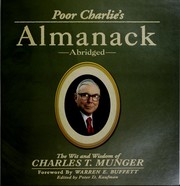
Speeches making the case for a latticework of mental models from many fields.
“if you want to get to know Charlie, you can't do it properly without reading Poor Charlie's Almanack... Get the book.” — Christopher Bloomstran
Source: Semper Augustus 2023 Letter to Clients, 'Worldly Wisdom', p. 80
Also recommended by: Andrew Wilkinson, Charlie Munger and 25 others
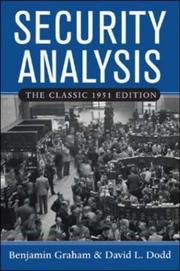
How to read financial statements sceptically and value bonds and stocks.
“I've spent more time with all of the editions of Benjamin Graham and David Dodd's Security Analysis than with any other book” — Christopher Bloomstran
Source: Semper Augustus 2024 Letter to Clients, 'Books and Tunes for Walking', p. 95
Also recommended by: Bill Miller, Howard Marks, Jason Zweig and 16 others
Treat stocks as parts of businesses and buy only with a margin of safety.
“I read Graham's The Intelligent Investor (the best investing book ever) twice” — Christopher Bloomstran
Source: Semper Augustus 2025 Letter to Clients, 'Books and Music', p. 88
Also recommended by: Benjamin Graham, Francois Rochon, Guy Spier and 30 others
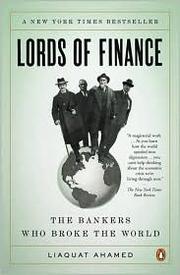
How four central bankers and the gold standard turned a slump into the Depression.
“I'm going to use "classic" again but rightfully so.” — Christopher Bloomstran
Source: Semper Augustus 2020 Letter to Clients, 'To Read or Not to Read', p. 57
Also recommended by: Mohnish Pabrai
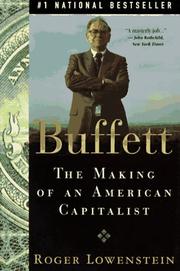
Buffett's life from Omaha and Graham's class to building Berkshire Hathaway.
“To this day, if there's one book about Warren Buffett to read, this is it.” — Christopher Bloomstran
Source: Semper Augustus 2025 Letter to Clients, 'Books and Music', p. 88
Also recommended by: Andrew Wilkinson, Bill Miller, Guy Spier and 12 others
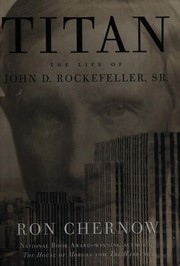
How Rockefeller built Standard Oil, faced its breakup and gave his fortune away.
“Titan: The Life of John D. Rockefeller, Sr. by Ron Chernow. I've recommended this biography before.” — Christopher Bloomstran
Source: Semper Augustus 2023 Letter to Clients, 'Worldly Wisdom', p. 81
Also recommended by: Andrew Wilkinson, Austen Allred and 12 others
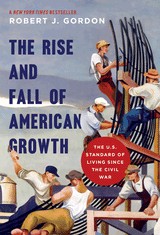
Why the inventions of 1870 to 1970 raised living standards as nothing since has.
“This is a heavyweight (literally) masterpiece... It's a data-rich textbook as well as a phenomenal read.” — Christopher Bloomstran
Source: Semper Augustus 2020 Letter to Clients, 'To Read or Not to Read', p. 57
Also recommended by: Bill Gates, Patrick Collison, Satya Nadella
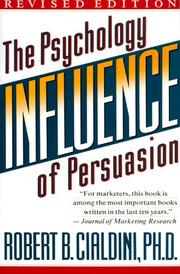
Six principles of compliance, from reciprocity to scarcity, and how sellers use them.
“Influence: The Psychology of Persuasion by Robert B. Cialdini. This has been one of the most useful books I've ever read.” — Christopher Bloomstran
Source: Semper Augustus 2023 Letter to Clients, 'Worldly Wisdom', p. 81
Also recommended by: Andrew Wilkinson, Charlie Munger and 30 others
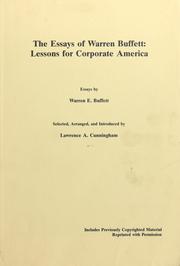
Berkshire's shareholder letters arranged by topic: governance, valuation, mergers.
“The resource is as valuable as Larry Cunningham's The Essays of Warren Buffett, which similarly organizes by subject matter” — Christopher Bloomstran
Source: Semper Augustus 2024 Letter to Clients, 'Books and Tunes for Walking', p. 96
Also recommended by: Francois Rochon, Frank Martin, Jim Collins and 9 others
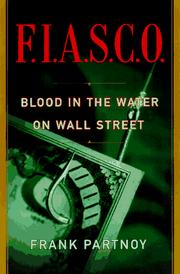
An insider's account of how Morgan Stanley built and sold derivatives in the 1990s.
“F.I.A.S.C.O.: The Inside Story of a Wall Street Trader by Frank Partnoy. Another great writer and great read.” — Christopher Bloomstran
Source: Semper Augustus 2023 Letter to Clients, 'Worldly Wisdom', p. 81
Also recommended by: Charlie Munger, Mohnish Pabrai
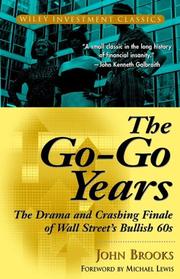
Wall Street in the 1960s: performance funds, conglomerates and the paperwork crisis.
“Both books are outstanding histories of Rockefeller and Standard Oil and then of the booming 1960s.” — Christopher Bloomstran
Source: Semper Augustus 2022 Letter to Clients, 'Books and Stuff', p. 75
Also recommended by: Mohnish Pabrai
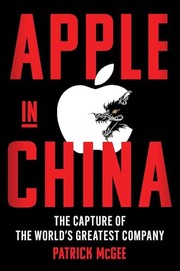
How Apple built its manufacturing base in China, and what it gave China in return.
“This is a phenomenal read... A brilliantly researched book. This book was hard to put down.” — Christopher Bloomstran
Source: Semper Augustus 2025 Letter to Clients, 'Books and Music', p. 87
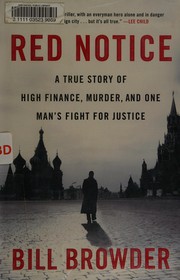
An investor in Russia is expelled, his firms seized, and his lawyer Magnitsky dies.
“my favorite read of the year, Bill Browder's terrific Red Notice... I highly recommend the read” — Christopher Bloomstran
Source: Semper Augustus 2022 Letter to Clients, 'Books and Stuff', p. 73
Also recommended by: Brad Feld, Eric Jorgenson, Mohnish Pabrai and 5 others
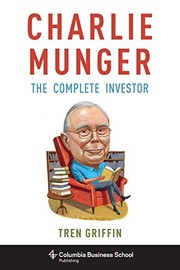
Charlie Munger's stated views, arranged as a system of value investing.
“The two I'd recommend that I thoroughly enjoyed are Damn Right... and Charlie Munger: The Complete Investor by Tren Griffin.” — Christopher Bloomstran
Source: Semper Augustus 2023 Letter to Clients, 'Worldly Wisdom', p. 81
Also recommended by: Andrew Wilkinson, Michael Mauboussin and 7 others
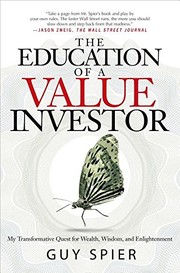
One investor's change from a brokerage job to value investing, after Buffett.
“his excellent memoir... As much a lesson on self-awareness as a super book on investing, Guy's book is a great read” — Christopher Bloomstran
Source: Semper Augustus 2022 Letter to Clients, 'Books and Stuff', p. 74
Also recommended by: Andrew Wilkinson, Mohnish Pabrai
Nine kinds of value investing idea, how to screen for each and weigh its risks.
“John Mihaljevic outdid himself and released a second edition of his terrific, The Manual of Ideas, a superb read on investment idea generation” — Christopher Bloomstran
Source: Semper Augustus 2025 Letter to Clients, 'Books and Music', p. 88
Also recommended by: Guy Spier, Mohnish Pabrai and 1 other

How a Fed credit boom led to the Depression, and how policy prolonged it.
“It's a timeless and timely classic.” — Christopher Bloomstran
Source: Semper Augustus 2020 Letter to Clients, 'To Read or Not to Read', p. 57
Also recommended by: Mohnish Pabrai
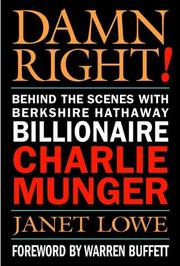
The life of Charlie Munger, from Omaha and Harvard Law to Berkshire Hathaway.
“The two I'd recommend that I thoroughly enjoyed are Damn Right: Behind the Scenes with Berkshire Hathaway Billionaire Charlie Munger by Janet Lowe” — Christopher Bloomstran
Source: Semper Augustus 2023 Letter to Clients, 'Worldly Wisdom', p. 81
Also recommended by: John C. Bogle, Mohnish Pabrai and 2 others
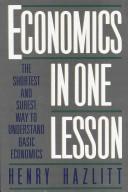
Judge a policy by its long-run effects on all groups, applied to two dozen cases.
“I've given dozens of copies of this classic to students... The book should be required reading on every campus.” — Christopher Bloomstran
Source: Semper Augustus 2020 Letter to Clients, 'To Read or Not to Read', p. 57
Also recommended by: Changpeng Zhao, Marc Andreessen and 2 others
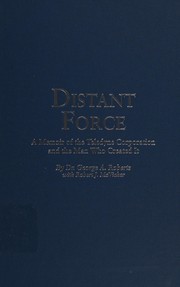
Teledyne and its founder Henry Singleton, from inside the conglomerate.
“This is a great history of Henry Singleton and the conglomerate, Teledyne... I've recommended this several times as well.” — Christopher Bloomstran
Source: Semper Augustus 2023 Letter to Clients, 'Worldly Wisdom', p. 81
Also recommended by: Mohnish Pabrai
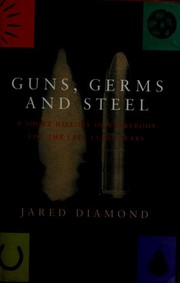
Why Eurasian societies conquered others: the role of geography, crops and animals.
“This is an insightful read on the pace at which societies develop and why.” — Christopher Bloomstran
Source: Semper Augustus 2023 Letter to Clients, 'Worldly Wisdom', p. 81
Also recommended by: Charlie Munger, Derek Sivers, Jim Collins and 15 others
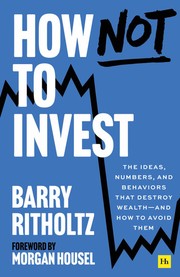
Why avoiding errors adds more to returns than picking winners.
“Barry Ritholtz dreamed up the perfect concept and wrote the perfect book to suit it” — Christopher Bloomstran
Source: Semper Augustus 2025 Letter to Clients, 'Books and Music', p. 88
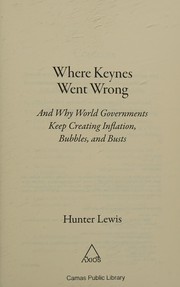
A polemic against Keynesian policy from an Austrian-leaning investor.
“This is another timely classic given the present condition. The outline structure of the book is brilliant.” — Christopher Bloomstran
Source: Semper Augustus 2020 Letter to Clients, 'To Read or Not to Read', p. 57
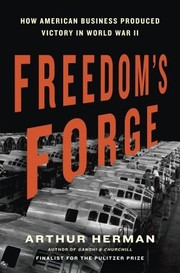
How Knudsen and Kaiser led America's industrial build-up for the Second World War.
“One of the best books I've read, it's a great story of industrial production and heroes.” — Christopher Bloomstran
Source: Semper Augustus 2020 Letter to Clients, 'To Read or Not to Read', p. 57
Also recommended by: Patrick Collison
| Is Berkshire Hathaway Undervalued Right Now? (Chris Bloomstran Explains) (TIP810) | The Investor's Podcast (We Study Billionaires) - The Investor’s Podcast Network | 2026-04-26 | 1:39 | Stig has invited legendary investor Chris Bloomstran from Semper Augustus to teach us how to value Berkshire Hathaway on today's show. Semper Augustus has an outstanding track record with a compounded annual growth rate of 12.4% on equities since its fund's inception on 2/28/1999, compared to 8.5% for the S&P 500. IN THIS EPISODE YOU’LL LEARN: 00:00:00 - Intro 00:04:25 - What the intrinsic value of Berkshire Hathaway is, and what type of return you can get going forward 00:21:39 - Chris’s opinion on Greg Abel’s first letter to shareholders 00:38:39 - How should Berkshire management be compensated? 01:05:36 - How to think about valuing OpenAI 01:12:42 - Why S&P 500 share buybacks don’t benefit investors 01:22:53 - Thinking about investing risk from sudden loss vs. the slow decline of an asset manager 01:29:03 - Why Buffett reads Chris’s annual letter Disclaimer: Slight discrepancies in the timestamps may occur due to podcast platform differences. BOOKS AND RESOURCES Join the exclusive TIP Mastermind Community . Join The Intrinsic Value Conference in Omaha this May 1, 2026! Stig’s 2025 interview with Chris Bloomstran about Berkshire Hathaway . Stig’s 2024 interview with Chris Bloomstran about Berkshire Hathaway . Stig’s 2023 interview with Chris Bloomstran about Berkshire Hathaway . Chris Bloomstran’s website . |
| We Asked Chris Bloomstran Why He Won’t Own the S&P 500 At These Levels — And What He Does Instead | Talking Billions with Bogumil Baranowski | 2026-04-24 | 1:09 | I joined Justin Carbonneau for one more special episode of Excess Returns . We spoke with Chris Bloomstran soon after his famous annual letter release, and right before the Berkshire meeting in Omaha. Available now on Excess Returns Podcast and Talking Billions. 🎧 I’m excited to share this episode with you—it’s reposted here with permission and blessing from both Justin and Jack. Don’t miss it! And follow their work, links below. This episode features Chris Bloomstran of Semper Augustus discussing market concentration, AI capital spending, Berkshire Hathaway, and the risks facing today’s equity investors. The conversation explores whether we are at a secular valuation plateau, how AI investment may reshape returns, and why passive investors may face more risk than they realize. |
| We Asked Chris Bloomstran Why He Won’t Own the S&P 500 At These Levels — And What He Does Instead | Excess Returns | 2026-04-22 | 1:09 | This episode features Chris Bloomstran of Semper Augustus discussing market concentration, AI capital spending, Berkshire Hathaway, and the risks facing today’s equity investors. The conversation explores whether we are at a secular valuation plateau, how AI investment may reshape returns, and why passive investors may face more risk than they realize. Semper Augustus Investments https://www.semperaugustus.com Topics covered: Why extreme market concentration in the Mag 7 may create long-term risks The concept of a “secular plateau” vs a market peak How AI capex could become a classic capital cycle with poor returns Why hyperscaler spending may not translate into shareholder profits The hidden risks of leverage both on and off balance sheets Why buy-and-hold investing is harder than it seems in practice How valuation discipline drives long-term investment outcomes Berkshire Hathaway’s cash position and what it signals about opportunity Why capital allocation matters more than growth narratives Lessons from past bubbles including railroads, fiber, and the Nifty Fifty The fragility of life and how it shapes investing priorities The importance of independent thinking in the age of AI Timestamps: 00:00 Intro 05:12 The “Both Sides Now” framework and AI theme 09:03 Secular peak vs secular plateau in markets 13:08 Leverage risks and balance sheet quality 17:42 Why passive investors are more concentrated than they think 21:12 The limits of long-term compounding and disruption risk… |
| Chris Bloomstran: The Flawed Bulb | Great Investors | 2026-04-22 | 1:06 | This audio program is part of the Great Investors podcast, by Latticework. We are delighted to share The Flawed Bulb , a special audio program on Chris Bloomstran, president of Semper Augustus Investments Group and one of the most rigorous, patient, and underheralded investors of his generation. The program is part of the MOI Global series on great investors whose lessons deserve a wider audience than the quarterly interview cycle allows. The essay opens in the Grand Ballroom of the Yale Club of New York City at Latticework 2025, where Chris read a Joni Mitchell parody to a room of professional investors before walking them through the case that hyperscaler capex (on the order of $350-400 billion against less than $40 billion of corresponding revenue) is one of the largest bubbles in American history. From there, the piece moves backward to 1998, when a St. Louis patriarch who had bought GE for twelve cents a share in 1932 handed a 29-year-old Chris a family portfolio and the mandate that became Semper Augustus. The through-line is a single word Chris has been defending for a quarter century: price. In November 2000 he wrote Price Matters and closed it with a sentence he has never really stopped arguing: the market has a way of fairly pricing stocks over long periods . Ten months earlier, in January 2000, he had written a related piece on Microsoft — predicting zero percent returns for fifteen years. |
| Christopher Bloomstran on Warren Buffett, Berkshire Hathaway $BRK.B, $BLDR, $DECK, $ALK, | S08 E14 | The Acquirers Podcast | 2026-04-16 | 1:04 | Value: After Hours is a podcast about value investing, Fintwit, and all things finance and investment by investors Tobias Carlisle, and Jake Taylor. Soldier of Fortune: Warren Buffett, Sun Tzu and the Ancient Art of Risk-Taking ( Kindle ) We are live every Tuesday at 1.30pm E / 10.30am P. See our latest episodes at https://acquirersmultiple.com/podcast About Jake Jake's Twitter: https://twitter.com/farnamjake1 Jake's book: The Rebel Allocator https://amzn.to/2sgip3l ABOUT THE PODCAST Hi, I'm Tobias Carlisle. I launched The Acquirers Podcast to discuss the process of finding undervalued stocks, deep value investing, hedge funds, activism, buyouts, and special situations.We uncover the tactics and strategies for finding good investments, managing risk, dealing with bad luck, and maximizing success. SEE LATEST EPISODES https://acquirersmultiple.com/podcast/ SEE OUR FREE DEEP VALUE STOCK SCREENER https://acquirersmultiple.com/screener/ FOLLOW TOBIAS Website: https://acquirersmultiple.com/ Firm: https://acquirersfunds.com/ Twitter: ttps://twitter.com/Greenbackd LinkedIn: https://www.linkedin.com/in/tobycarlisle Facebook: https://www.facebook.com/tobiascarlisle Instagram: https://www.instagram.com/tobias_carlisle ABOUT TOBIAS CARLISLE Tobias Carlisle is the founder of The Acquirer’s Multiple®, and Acquirers Funds®. |
| The Larry Kudlow Show | 12-27-25 | The Larry Kudlow Show | 2025-12-27 | 1:56 | John Catsimatidis, Paul Lountzis, and Linda Wachner fill in for Larry Kudlow. Guests include: Chris Bloomstran, John Fox, David Katz, Steve Jordan,John Catsimatidis Jr, David Poppe, and Zachary Lountzis. Become a supporter of this podcast: https://www.spreaker.com/podcast/the-larry-kudlow-show--7177417/support . |
| Chris Bloomstran | 12-27-25 | The Larry Kudlow Show | 2025-12-27 | 17 min | Chris Bloomstran examines the future of Berkshire Hathaway as legendary investor Warren Buffett prepares to retire. The discussion highlights the remarkable legacy of Buffett’s sixty-year tenure, characterized by capital allocation expertise and high ethical standards, while expressing strong confidence in successor Greg Abel. Become a supporter of this podcast: https://www.spreaker.com/podcast/the-larry-kudlow-show--7177417/support . |
| Berkshire Hathaway 2025 w/ Chris Bloomstran (TIP717) | The Investor's Podcast (We Study Billionaires) - The Investor’s Podcast Network | 2025-04-27 | 1:21 | Stig has invited legend investor Chris Bloomstran from Semper Augustus to teach us how to value Berkshire Hathaway on today's show. Semper Augustus has an outstanding track record with a compounded annual growth rate of 11.4% on equities since its fund's inception on 2/28/1999, compared to 8.2% for the S&P 500. IN THIS EPISODE YOU’LL LEARN: 00:00 - Intro 01:45 - The importance of being trusted for Warren Buffett and Chris Bloomstran 18:20 - Why you may want to own a 10-year treasury over the S&P 500 over the next decade 20:28 - How to estimate whether you’re in a secular peak 27:43 - How active Berkshire should be on the boards of portfolio companies 36:03 - How to take a deep dive into Berkshire Hathaway’s culture and business model 43:53 - What the intrinsic value of Berkshire Hathaway is, and what type of return you can get moving forward Disclaimer: Slight discrepancies in the timestamps may occur due to podcast platform differences. BOOKS AND RESOURCES Join Clay and a select group of passionate value investors for a retreat in Big Sky, Montana. Learn more here . Join the exclusive TIP Mastermind Community to engage in meaningful stock investing discussions with Stig, Clay, Kyle, and the other community members. Stig’s 2024 interview with Chris Bloomstran about Berkshire Hathaway . Stig’s 2023 interview with Chris Bloomstran about Berkshire Hathaway . Stig’s 2022 masterclass with Chris Bloomstran on valuing Berkshire Hathaway . Chris Bloomstran’s website . |
| Christopher Bloomstran on Warren Buffett, $BRK Berkshire, $SPY valuation and debt | S07 E11 | The Acquirers Podcast | 2025-03-20 | 1:02 | Value: After Hours is a podcast about value investing, Fintwit, and all things finance and investment by investors Tobias Carlisle, and Jake Taylor. See our latest episodes at https://acquirersmultiple.com/podcastWe are live every Tuesday at 1.30pm E / 10.30am P.About Jake Jake's Twitter: https://twitter.com/farnamjake1Jake's book: The Rebel Allocator https://amzn.to/2sgip3lABOUT THE PODCASTHi, I'm Tobias Carlisle. I launched The Acquirers Podcast to discuss the process of finding undervalued stocks, deep value investing, hedge funds, activism, buyouts, and special situations.We uncover the tactics and strategies for finding good investments, managing risk, dealing with bad luck, and maximizing success.SEE LATEST EPISODEShttps://acquirersmultiple.com/podcast/SEE OUR FREE DEEP VALUE STOCK SCREENERhttps://acquirersmultiple.com/screener/FOLLOW TOBIASWebsite: https://acquirersmultiple.com/Firm: https://acquirersfunds.com/ Twitter: https://twitter.com/GreenbackdLinkedIn: https://www.linkedin.com/in/tobycarlisleFacebook: https://www.facebook.com/tobiascarlisleInstagram: https://www.instagram.com/tobias_carlisleABOUT TOBIAS CARLISLETobias Carlisle is the founder of The Acquirer’s Multiple®, and Acquirers Funds®.He is best known as the author of the #1 new release in Amazon’s Business and Finance The Acquirer’s Multiple: How the Billionaire Contrarians of Deep Value Beat the Market, the Amazon best-sellers Deep Value: Why Activists Investors and Other Contrarians Battle for Control… |
| Finding Value in Chaos: Chris Bloomstran on Patience, Bubbles & Berkshire's Secret Sauce | Talking Billions with Bogumil Baranowski | 2024-12-23 | 1:49 | [SPECIAL ANNOUNCEMENT: If you are interested in meeting me, the host of Talking Billions, please fill out the form here, both in-person and virtual meetings are available until my calendar fills up: FORM available HERE ] NONE OF THE STOCKS MENTIONED ARE RECOMMENDATIONS, NO INVESTMENT ADVICE; DO YOUR OWN RESEARCH. My guest today is Christopher P. Bloomstran, CFA. He is the President and Chief Investment Officer of Semper Augustus Investments Group LLC. Chris has three decades of professional investment experience with a disciplined, value-driven approach to fundamental equity and industry research. Semper Augustus manages concentrated equity portfolios of well-run, well-capitalized businesses with share prices trading below conservative appraisals of intrinsic value. Summary In this conversation, Christopher Bloomstran shares insights from his extensive investment career, discussing his childhood influences, his relationship with money, and the impact of mentors. He reflects on his early investment experiences, the significance of learning from Warren Buffett and Charlie Munger, and the philosophy behind his investment firm. Bloomstran also shares thoughts about market trends and emphasizes the importance of value investing and ethical management in business. He emphasizes the importance of understanding the price of investments, the need for patience in navigating market inefficiencies, and the challenges of holding cash reserves while seeking investment opportunities. |
| How to Value Berkshire Hathaway 2024 w/ Chris Bloomstran (TIP625) | The Investor's Podcast (We Study Billionaires) - The Investor’s Podcast Network | 2024-04-21 | 1:17 | Stig has invited legend investor Chris Bloomstran from Semper Augustus to teach us how to value Berkshire Hathaway on today's show. Semper Augustus has an outstanding track record with a compounded annual growth rate of 11.5% on equities since his fund's inception on 2/28/1999, compared to 7.6% for the S&P500. IN THIS EPISODE YOU’LL LEARN: 00:00 - Intro 01:37 - The impact of holding cash on your portfolio returns. 24:07 - How to understand the five different components that make up stock market returns. 33:14 - How to estimate the expected return of being invested in the S&P500. 40:57 - What the intrinsic value of Berkshire Hathaway is. 45:51 - How Berkshire Hathaway has allocated capital since 2018. Disclaimer: Slight discrepancies in the timestamps may occur due to podcast platform differences. BOOKS AND RESOURCES Join the exclusive TIP Mastermind Community to engage in meaningful stock investing discussions with Stig, Clay, Kyle, and the other community members. Stig’s 2023 masterclass with Chris Bloomstran on valuing Berkshire Hathaway | YouTube Video . Stig’s 2022 masterclass with Chris Bloomstran on valuing Berkshire Hathaway | YouTube Video . Stig’s masterclass with Chris Bloomstran on equity valuations | YouTube Video . Chris Bloomstran’s website . Read Chris Bloomstran’s letters to his clients . Buffett resource on CNBC . Check out all the books mentioned and discussed in our podcast episodes here . Enjoy ad-free episodes when you subscribe to our Premium Feed . |
| Value After Hours S06 E10: Christopher Bloomstran on Buffett, $BRK Berkshire, Munger, $SPY & China | The Acquirers Podcast | 2024-03-19 | 1:01 | Value: After Hours is a podcast about value investing, Fintwit, and all things finance and investment by investors Tobias Carlisle, and Jake Taylor. See our latest episodes at https://acquirersmultiple.com/podcast We are live every Tuesday at 1.30pm E / 10.30am P. About Jake Jake's Twitter: https://twitter.com/farnamjake1 Jake's book: The Rebel Allocator https://amzn.to/2sgip3l ABOUT THE PODCAST Hi, I'm Tobias Carlisle. I launched The Acquirers Podcast to discuss the process of finding undervalued stocks, deep value investing, hedge funds, activism, buyouts, and special situations. We uncover the tactics and strategies for finding good investments, managing risk, dealing with bad luck, and maximizing success. SEE LATEST EPISODES https://acquirersmultiple.com/podcast/ SEE OUR FREE DEEP VALUE STOCK SCREENER https://acquirersmultiple.com/screener/ FOLLOW TOBIAS Website: https://acquirersmultiple.com/ Firm: https://acquirersfunds.com/ Twitter: https://twitter.com/Greenbackd LinkedIn: https://www.linkedin.com/in/tobycarlisle Facebook: https://www.facebook.com/tobiascarlisle Instagram: https://www.instagram.com/tobias_carlisle ABOUT TOBIAS CARLISLE Tobias Carlisle is the founder of The Acquirer’s Multiple®, and Acquirers Funds®. |
| Interview with Chris Bloomstran | The JRo Show | 2023-12-04 | 1:39 | 2:00 On Semper Augustus investing philosophy and process 4:00 On what it means to be an “opportunistic” value investor 12:00 What the Semper Augustus portfolio-level metrics look like relative to the S&P 500 20:00 Why he thinks stocks are attractively valued today 24:00 On how he thinks about valuation 37:00 Chris shares his lessons from studying high price-to-sales stocks 45:00 How Chris spends his day, what he reads, and what podcasts he listens to, and how long he spends doing so 1:00:00 Why he finds ValueLine so valuable 1:07:00 – On the private investing social event he hosts every year 1:12:00 – starts deep discussion on Warren Buffett and Berkshire Hathaway |
| The Vigilant Investor’s Guide to Success in Stocks & Life w/ Chris Bloomstran (RWH032) | The Investor's Podcast (We Study Billionaires) - The Investor’s Podcast Network | 2023-09-17 | 1:23 | In this episode, William Green chats with Chris Bloomstran, President & Chief Investment Officer of Semper Augustus. This conversation is so rich that it’s been divided into two episodes. Here, in Part 1, Chris explains how to achieve long-term success by seeking a “dual margin of safety” that comes from owning high-quality businesses at attractive prices. He also warns about the perennial dangers of irrational exuberance, which he now sees in hot stocks like Tesla & Nvidia. IN THIS EPISODE YOU’LL LEARN: 00:00 - Intro 04:45 - What Chris Bloomstran learned from his brilliant mentor, Robert Smith. 08:17 - How Chris & Robert skillfully sidestepped the dotcom bubble & crash. 10:00 - What lessons Chris drew from an early investment that fell to zero. 35:17 - Why Chris named his investment firm after a crazily overvalued tulip. 44:53 - What Sir John Templeton saw as the best antidote to financial insanity. 55:38 - How to succeed in stocks by seeking a “dual margin of safety.” 56:51 - How his definition of a quality business has evolved. 1:07:01 - Why he’s skeptical about Cathie Wood’s ARK portfolio. 1:09:02 - Why hot tech stocks like Nvidia are likely to disappoint for many years. 1:11:32 - Why he’s wary of hype & “puffery” about Tesla’s glorious future. 1:17:49 - Why he’s trimmed great but pricey holdings like Costco & Nike. Disclaimer: Slight discrepancies in the timestamps may occur due to podcast platform differences. |
| What Is The REAL Intrinsic Value Of Berkshire Hathaway? w/ Chris Bloomstran (TIP548) | The Investor's Podcast (We Study Billionaires) - The Investor’s Podcast Network | 2023-04-30 | 1:28 | Stig has invited legend investor Chris Bloomstran from Semper Augustus to teach us how to value Berkshire Hathaway on today's show. Semper Augustus has an outstanding track record with a CAGR of 11.5% since his fund's inception on 2/28/1999, compared to 6.9% for the S&P500. There is no one in the space we respect as much as Chris Bloomstran when valuing the intrinsic value of Berkshire Hathaway. IN THIS EPISODE YOU’LL LEARN: 00:00 - Intro 10:21 - The intrinsic value of Berkshire Hathaway and what the P/B of Berkshire Hathaway tells us & what it doesn’t tell us. 16:34 - How to think about depreciation and maintenance CAPEX 19:02 - Why the insurance business is worth approximately as much as the energy and railroad businesses combined 35:17 - How to think about Berkshire Hathaway’s bigger equity positions 1:13:49 - Where you can use Berkshire Hathaway to park cash? Disclaimer: Slight discrepancies in the timestamps may occur due to podcast platform differences. BOOKS AND RESOURCES Join the exclusive TIP Mastermind Community to engage in meaningful stock investing discussions with Stig, Clay, and the other community members. Listen to Stig’s masterclass with Chris Bloomstran on valuing Berkshire Hathaway or watch the video . Tune in to Stig’s masterclass with Chris Bloomstran on equity valuations or watch the video . Chris Bloomstran’s website . Read Chris Bloomstran’s letters to his clients . Buffett resource on CNBC . NEW TO THE SHOW? |
| Investing Lessons From The World’s #1 Berkshire Hathaway Expert – Chris Bloomstran - Ep 19 | Behind the Balance Sheet | 2023-04-19 | 1:10 | Chris Bloomstran is best known for his incredibly detailed analysis of the valuation of Berkshire Hathaway. Not only is he an outstanding value investor, he is a highly accomplished analyst. His Semper Augustus annual letter runs at over 100 pages and in recent years, it has included an evaluation of Berkshire Hathaway – his analysis of the stock is the best I have read. In this interview, we discuss his start in the business, his investment approach, why college investment funds make a great apprenticeship, why he writes such a detailed letter and Chris shares his analysis of the long term outlook for markets. See the website for full show notes. Behind the Balance Sheet is a fundamental investing podcast for serious investors. Each episode dives into how real‑world investors source ideas, build conviction and manage their portfolios. You’ll hear frameworks for analysing industries, understanding business models, and thinking about risk, behaviour and incentives, so you can refine your own process rather than copy stock tips. For full show notes, transcripts and additional resources, visit our website .If you value thoughtful, process-driven investing discussions, follow the show and consider leaving a short review, or even just a 5* rating on Spotify or Apple Podcasts. Please help spread the word. |
| Chris Bloomstran, Semper Augustus– Buffett, Berkshire, & Investing During The Energy Transition | The Meb Faber Show - Better Investing | 2022-04-27 | 1:57 | Today’s guest is Chris Bloomstran , President & Chief Investment Officer of Semper Augustus. In today’s episode, we touch on a lot . Chris shares why the best investors are those who can pivot, why a good business doesn’t equate to a good stock, and what lessons he learned from buy and sell decisions he’s made over the years. Then we dive into his thoughts on Berkshire and Warren Buffett to get you prepared for the annual meeting this weekend. He shares his expectations for the company and stock moving forward and why he believes Berkshire is well positioned for the energy transition we’re experiencing today. And don’t think we could get through the episode without touching on some of Chris’ “Twitter Audits” from the past few years. ----- Follow Meb on Twitter , LinkedIn and YouTube For detailed show notes, click here To learn more about our funds and follow us, subscribe to our mailing list or visit us at cambriainvestments.com ----- Today’s episode is sponsored by MUD\WTR . MUD/WTR is a coffee alternative that supports your morning ritual without all the anxiety and jitters of coffee. Get your starter kit and free frother at mudwtr.com/meb and use code FABER for 15% off. ----- Interested in sponsoring the show? |
| TIP438: Berkshire Hathaway Masterclass w/ Chris Bloomstran | The Investor's Podcast (We Study Billionaires) - The Investor’s Podcast Network | 2022-04-10 | 1:32 | Stig has invited legend investor Chris Bloomstran from Semper Augustus to teach us how to value Berkshire Hathaway on today's show. Semper Augustus has an outstanding track record with a CAGR of 9.2% after fees (10.0% before fee) since his fund's inception on 2/28/1999 compared to 8.1% for the S&P500. There is no one in the space we respect as much as Chris Bloomstran when evaluating the intrinsic value of Berkshire Hathaway. IN THIS EPISODE, YOU'LL LEARN: 01:28 - How is the S&P500 currently values. 05:43 - Whether investors still dollar cost average into the S&P500. 17:53 - How much of the S&P500 return has come from the big five tech companies. 23:29 - What can and more importantly, can’t you read from the 13F filings. 32:51 - Was Berkshire Hathaway’s acquisition of Alleghany a good investment? 44:11 - What stood out in Warren Buffett’s last letter. 49:02 - How will inflation impact Berkshire Hathaway? 1:08:06 - How will the interest rate hikes in 2022 impact Berkshire Hathaway. 1:16:41 - What are Berkshire Hathaway’s normalized earnings? 1:28:14 - What is the intrinsic value of Berkshire Hathaway? *Disclaimer: Slight timestamp discrepancies may occur due to podcast platform differences. BOOKS AND RESOURCES Join the exclusive TIP Mastermind Community to engage in meaningful stock investing discussions with Stig, Clay, and the other community members. Listen to Stig’s masterclass with Chris Bloomstran on equity valuations or watch the video . |
| Chris Bloomstran - Taking Principled Stances | The Business Brew | 2021-10-28 | 2:12 | This week Chris Bloomstran stops by The Business Brew to catch up. Part of this conversation are a bit scary. Parts you may disagree with. Regardless, it's very apparent that Chris thinks A LOT about what he is investing in. Chris is the President and Chief Investment Officer of Semper Augustus Investments Group. He is best known for his annual letters; most of which have an incredibly detailed analysis of Berkshire Hathaway. See https://www.semperaugustus.com/clientletter We hope you enjoy the discussion. Detailed show notes below the Koyfin sponsor and thank yous. Please leave us a rating in your favorite app store. This episode is brought to you by Koyfin, one of the fastest-growing platforms for financial data and analytics to research stocks and understand market trends. Check out Koyfin.com to see what a Bloomberg-lite, with tons of high-quality fundamental data and a powerful graph engine looks like. Album art photo taken by Mike Ando. Please see https://www.mikeando.com/ Thank you to Mathew Passy for the podcast production. |
| 177|The Future of Value Investing ft. Chris Bloomstran with Srivatsan Prakash | Market Champions | 2021-10-07 | 1:10 | Chris Bloomstran is the founder and CIO of Semper Augustus, a value strategy focused hedge fund based in St Louis. Here, he joins us to discuss the future of value, his energy investments, his advice to younger gens and more! |
| #171: Chris Bloomstran - President & CIO at Semper Augustus - Finding Value in the Public Markets | POWERS | 2021-09-14 | 2:01 | Christopher P. Bloomstran, CFA, is the President and Chief Investment Officer of Semper Augustus Investments Group LLC. Chris has three decades of professional investment experience with a disciplined, value-driven approach to fundamental equity and industry research. Semper Augustus manages concentrated global equity portfolios of well-run, well-capitalized businesses with share prices trading below conservative appraisals of intrinsic value. On this episode, Chris dives deep into his journey of founding Semper Augustus and his vast knowledge of Berkshire Hathaway. They also discuss his 2020 investor letter, what he thinks about the current market, value investing, and much more. Enjoy! (03:10) - Chris’ Background & Career at Semper Augustus (08:07) - Was it a no-brainer to take over this family capital or did you have reservations about it? (14:06) - Has your investment strategy been set by the initial family capital at Semper Augustus? (21:19) - What does ‘fundamental, value-driven investor’ mean to you? (27:55) - What did you mean in your 2020 letter when you said it’s the point of no return? 2020 SAI Letter - The Point of no Return (40:48) - If you were elected to be the Fed Chairman, what would you do? (49:26) - How do you get inspiration for new ideas and how much time do you spend about adding new things to your portfolio vs. thinking about what you already own? (54:39) - How do you help your analysts ‘clean up the universe’? |
| TIP350: Berkshire Hathaway Annual Shareholders Meeting 2021 w/ Stig and Trey | The Investor's Podcast (We Study Billionaires) - The Investor’s Podcast Network | 2021-05-23 | 1:18 | In today’s show, Stig and Trey discuss the 2021 Berkshire Hathaway Annual Shareholders meeting. They play the most insightful responses from Warren Buffett and Charlie Munger and explain the implications to stock investors. IN THIS EPISODE, YOU'LL LEARN: Why Buffett wasn’t greedy when others were fearful during the pandemic Why Buffett sold Apple stocks, and whether Munger agreed with the decision What Warren Buffett and Munger think about Modern Monetary Theory What we can learn from Buffett continuing to buy back Berkshire’s stock in the open market Ask The Investors: What is the Scuttlebutt method? BOOKS AND RESOURCES Join the exclusive TIP Mastermind Community to engage in meaningful stock investing discussions with Stig, Clay, and the other community members. Our interview with Chris Bloomstran about the Intrinsic value of Berkshire Hathaway Our interview with Lawrence Cunningham about Berkshire Hathaway Our previous episodes about the Berkshire Hathaway Meetings NEW TO THE SHOW? Check out our We Study Billionaires Starter Packs . Browse through all our episodes (complete with transcripts) here . Try our tool for picking stock winners and managing our portfolios: TIP Finance Tool . Enjoy exclusive perks from our favorite Apps and Services . Stay up-to-date on financial markets and investing strategies through our daily newsletter, We Study Markets. Learn how to better start, manage, and grow your business with the best business podcasts . |
| Masterclass in Valuation w/ Chris Bloomstran | The Investor's Podcast (We Study Billionaires) - The Investor’s Podcast Network | 2021-04-25 | 1:31 | On today’s show, Stig has invited famous investor Chris Bloomstran from Semper Augustus to teach us a masterclass about valuation techniques. It’s no surprise that Chris Bloomstran is heavily followed on Dataroma alongside investors like Warren Buffett and Howard Marks. IN THIS EPISODE, YOU'LL LEARN: How to value a company’s equity portfolio 4 methods to estimate the intrinsic value of Berkshire Hathaway Why Berkshire Hathaway, contrary to popular belief, doesn’t have a lot of cash on its balance sheet How to size your position based on your valuation and expected performance BOOKS AND RESOURCES Join the exclusive TIP Mastermind Community to engage in meaningful stock investing discussions with Stig, Clay, and the other community members. Read Chris Bloomstran’s website Read Chris Bloomstran’s letters to his clients Tobias Carlisle’s interview with Chris Bloomstran Buffett r esource on CNBC NEW TO THE SHOW? Check out our We Study Billionaires Starter Packs . Browse through all our episodes (complete with transcripts) here . Try our tool for picking stock winners and managing our portfolios: TIP Finance Tool . Enjoy exclusive perks from our favorite Apps and Services . Stay up-to-date on financial markets and investing strategies through our daily newsletter, We Study Markets. Learn how to better start, manage, and grow your business with the best business podcasts . SPONSORS Support our free podcast by supporting our sponsors : Plus500 Netsuite Shopify Vanta HELP US OUT! |
| Costco: Relentless Focus on the One Thing | Business Breakdowns | 2021-04-14 | 41 min | Today, we will be diving into Costco. Costco is a favorite business story and model for many operators and investors. It was founded in 1983 in Seattle, and it has grown into a juggernaut with over $169 billion in sales and almost 60 million members globally. To me, Costco is the best example of doing one thing for customers and getting better at it constantly for decades. To help me break down Costco, I talked to both Zack Fuss and Chris Bloomstran. Zack is an investor at Continental Grain, a 200-year old family-owned business that is focused on investing and operating businesses throughout the food and agriculture ecosystem with assets across the US, Latin America, and Asia. Chris is President and Chief Investment Officer of Semper Augustus Investments Group and a long-time shareholder in Costco. In this Breakdown, we'll start with Zack by diving into the Costco business model, examining the relentless focus on efficiency that separates Costco from its peers, and exploring the secrets behind its private label brand, Kirkland. I'll then talk to Chris about Costco's growing international opportunities and the lessons that operators and investors can take away from studying the business and founder Jim Sinegal. I hope you enjoy this Breakdown of Costco. For the full show notes, transcript, and links to mentioned content, check out the episode page here . ----- Business Breakdowns is a property of Colossus, Inc. |
| Buffett Watch: Chris Bloomstran on Buffett and Berkshire $BRK.B with Tobias on The Acquirers Podcast | The Acquirers Podcast | 2021-03-15 | 1:03 | Christopher P. Bloomstran, CFA , is the President and Chief Investment Officer of Semper Augustus Investments Group LLC. Chris has more than 20 years of investment experience with a value-driven approach to fundamental equity and industry research. At Semper Augustus, Chris directs all aspects of the firm's research and portfolio management effort. Prior to forming Semper Augustus in 1998 - in the midst of the stock market and technology bubble - Chris was a Vice President and Portfolio Manager at UMB Investment Advisors. While at UMB Investment Advisors, Chris managed the Trust Investment offices in St. Louis and Denver. Among his investment duties at the firm, he managed the Scout Balanced Fund from the fund's inception in 1995 until 1998, when he left to start Semper Augustus. Chris's Twitter: https://twitter.com/ChrisBloomstran Chris's Website: https://www.semperaugustus.com/ ABOUT THE PODCAST Hi, I'm Tobias Carlisle. I've launched a new podcast called The Acquirers Podcast . The podcast is about finding undervalued stocks, deep value investing, hedge funds, activism, buyouts, and special situations. We uncover the tactics and strategies for finding good investments, managing risk, dealing with bad luck, and maximizing success. |
| Tulip Mania: Chris Bloomstran on Buffett and Berkshire with Tobias Carlisle on The Acquirers Podcast | The Acquirers Podcast | 2020-05-18 | 1:15 | Christopher P. Bloomstran, CFA , is the President and Chief Investment Officer of Semper Augustus Investments Group LLC. Chris has more than 20 years of investment experience with a value-driven approach to fundamental equity and industry research. At Semper Augustus, Chris directs all aspects of the firm's research and portfolio management effort. Prior to forming Semper Augustus in 1998 - in the midst of the stock market and technology bubble - Chris was a Vice President and Portfolio Manager at UMB Investment Advisors. While at UMB Investment Advisors, Chris managed the Trust Investment offices in St. Louis and Denver. Among his investment duties at the firm, he managed the Scout Balanced Fund from the fund's inception in 1995 until 1998, when he left to start Semper Augustus. Chris's firm: https://www.semperaugustus.com/ Chris's Twitter: https://twitter.com/chrisbloomstran ABOUT THE PODCAST Hi, I'm Tobias Carlisle. I've launched a new podcast called The Acquirers Podcast . The podcast is about finding undervalued stocks, deep value investing, hedge funds, activism, buyouts, and special situations. We uncover the tactics and strategies for finding good investments, managing risk, dealing with bad luck, and maximizing success. |
| Chris Bloomstran - An Update on Public Markets | Invest Like the Best with Patrick O'Shaughnessy | 2020-04-30 | 1:01 | My guest today for a flash update is Chris Bloomstran, the founder and CIO of Semper Augustus and a popular past guest on the show. We talk about his view on the state of the public equity market, why it will be hard for the market to deliver great returns for the next decade relative to the last, and where opportunities may lie. Please enjoy. This episode is brought to by Koyfin . For more episodes go to InvestorFieldGuide.com/podcast . Sign up for the book club, where you’ll get a full investor curriculum and then 3-4 suggestions every month at InvestorFieldGuide.com/bookclub . Follow Patrick on Twitter at @patrick_oshag Show Notes (1:42) – (First question) – Adjustments to his portfolio in the age of a pandemic (6:41) – Chris Bloomstran Podcast Episode (9:36) – The Federal Reserve Act (12:32) – Surprising action in the markets during the crisis (13:08) – 2020 Investment Letter (15:02) – Why we won’t see the same performance in tech over the future as we’ve seen the last decade (21:00) – The carnage in energy sector and return potential (30:06) – Berkshires activity since the crisis started (35:48) – Where sectors are valued in the current market (41:12) – Expectation for deflation over inflation (48:54) – Characteristics to look for in businesses to own over the next 10 years (52:05) – Economic factors they are focusing on Learn More For more episodes go to InvestorFieldGuide.com/podcast . |
| Chris Bloomstran – What Makes a Quality Company | Invest Like the Best with Patrick O'Shaughnessy | 2019-08-06 | 1:20 | My guest this week is Chris Bloomstran, the president and chief investment officer of Semper Augustus Investments Group. He became famous in investing circles a few years back for his incredibly detailed investigations of Berkshire Hathaway. While we do cover Berkshire towards the end of the conversation, we spend most of our time talking about what makes for a quality business. I loved some of his angles on the current landscape, including our discussion of companies like Richemont and Disney which are actively taking distribution back in house. Please enjoy our conversation. For more episodes go to InvestorFieldGuide.com/podcast . Sign up for the book club, where you’ll get a full investor curriculum and then 3-4 suggestions every month at InvestorFieldGuide.com/bookclub . |
 TIs Berkshire Hathaway Undervalued Right Now? (Chris Bloomstran Explains) (TIP810)The Investor's Podcast (We Study Billionaires) - The Investor’s Podcast Network · 2026-04-26
 TWe Asked Chris Bloomstran Why He Won’t Own the S&P 500 At These Levels — And What He Does InsteadTalking Billions with Bogumil Baranowski · 2026-04-24
 EWe Asked Chris Bloomstran Why He Won’t Own the S&P 500 At These Levels — And What He Does InsteadExcess Returns · 2026-04-22
 GChris Bloomstran: The Flawed BulbGreat Investors · 2026-04-22
 TChristopher Bloomstran on Warren Buffett, Berkshire Hathaway $BRK.B, $BLDR, $DECK, $ALK, | S08 E14The Acquirers Podcast · 2026-04-16
 TThe Larry Kudlow Show | 12-27-25The Larry Kudlow Show · 2025-12-27TChris Bloomstran | 12-27-25The Larry Kudlow Show · 2025-12-27
 TBerkshire Hathaway 2025 w/ Chris Bloomstran (TIP717)The Investor's Podcast (We Study Billionaires) - The Investor’s Podcast Network · 2025-04-27
 TChristopher Bloomstran on Warren Buffett, $BRK Berkshire, $SPY valuation and debt | S07 E11The Acquirers Podcast · 2025-03-20
 TFinding Value in Chaos: Chris Bloomstran on Patience, Bubbles & Berkshire's Secret SauceTalking Billions with Bogumil Baranowski · 2024-12-23
 THow to Value Berkshire Hathaway 2024 w/ Chris Bloomstran (TIP625)The Investor's Podcast (We Study Billionaires) - The Investor’s Podcast Network · 2024-04-21
 TValue After Hours S06 E10: Christopher Bloomstran on Buffett, $BRK Berkshire, Munger, $SPY & ChinaThe Acquirers Podcast · 2024-03-19
 TInterview with Chris BloomstranThe JRo Show · 2023-12-04
 TThe Vigilant Investor’s Guide to Success in Stocks & Life w/ Chris Bloomstran (RWH032)The Investor's Podcast (We Study Billionaires) - The Investor’s Podcast Network · 2023-09-17
 TWhat Is The REAL Intrinsic Value Of Berkshire Hathaway? w/ Chris Bloomstran (TIP548)The Investor's Podcast (We Study Billionaires) - The Investor’s Podcast Network · 2023-04-30
 BInvesting Lessons From The World’s #1 Berkshire Hathaway Expert – Chris Bloomstran - Ep 19Behind the Balance Sheet · 2023-04-19
 TChris Bloomstran, Semper Augustus– Buffett, Berkshire, & Investing During The Energy TransitionThe Meb Faber Show - Better Investing · 2022-04-27
 TTIP438: Berkshire Hathaway Masterclass w/ Chris BloomstranThe Investor's Podcast (We Study Billionaires) - The Investor’s Podcast Network · 2022-04-10
 TChris Bloomstran - Taking Principled StancesThe Business Brew · 2021-10-28
 M177|The Future of Value Investing ft. Chris Bloomstran with Srivatsan PrakashMarket Champions · 2021-10-07
 P#171: Chris Bloomstran - President & CIO at Semper Augustus - Finding Value in the Public MarketsPOWERS · 2021-09-14
 TTIP350: Berkshire Hathaway Annual Shareholders Meeting 2021 w/ Stig and TreyThe Investor's Podcast (We Study Billionaires) - The Investor’s Podcast Network · 2021-05-23
 TMasterclass in Valuation w/ Chris BloomstranThe Investor's Podcast (We Study Billionaires) - The Investor’s Podcast Network · 2021-04-25
 BCostco: Relentless Focus on the One ThingBusiness Breakdowns · 2021-04-14
 TBuffett Watch: Chris Bloomstran on Buffett and Berkshire $BRK.B with Tobias on The Acquirers PodcastThe Acquirers Podcast · 2021-03-15
 TTulip Mania: Chris Bloomstran on Buffett and Berkshire with Tobias Carlisle on The Acquirers PodcastThe Acquirers Podcast · 2020-05-18
 IChris Bloomstran - An Update on Public MarketsInvest Like the Best with Patrick O'Shaughnessy · 2020-04-30
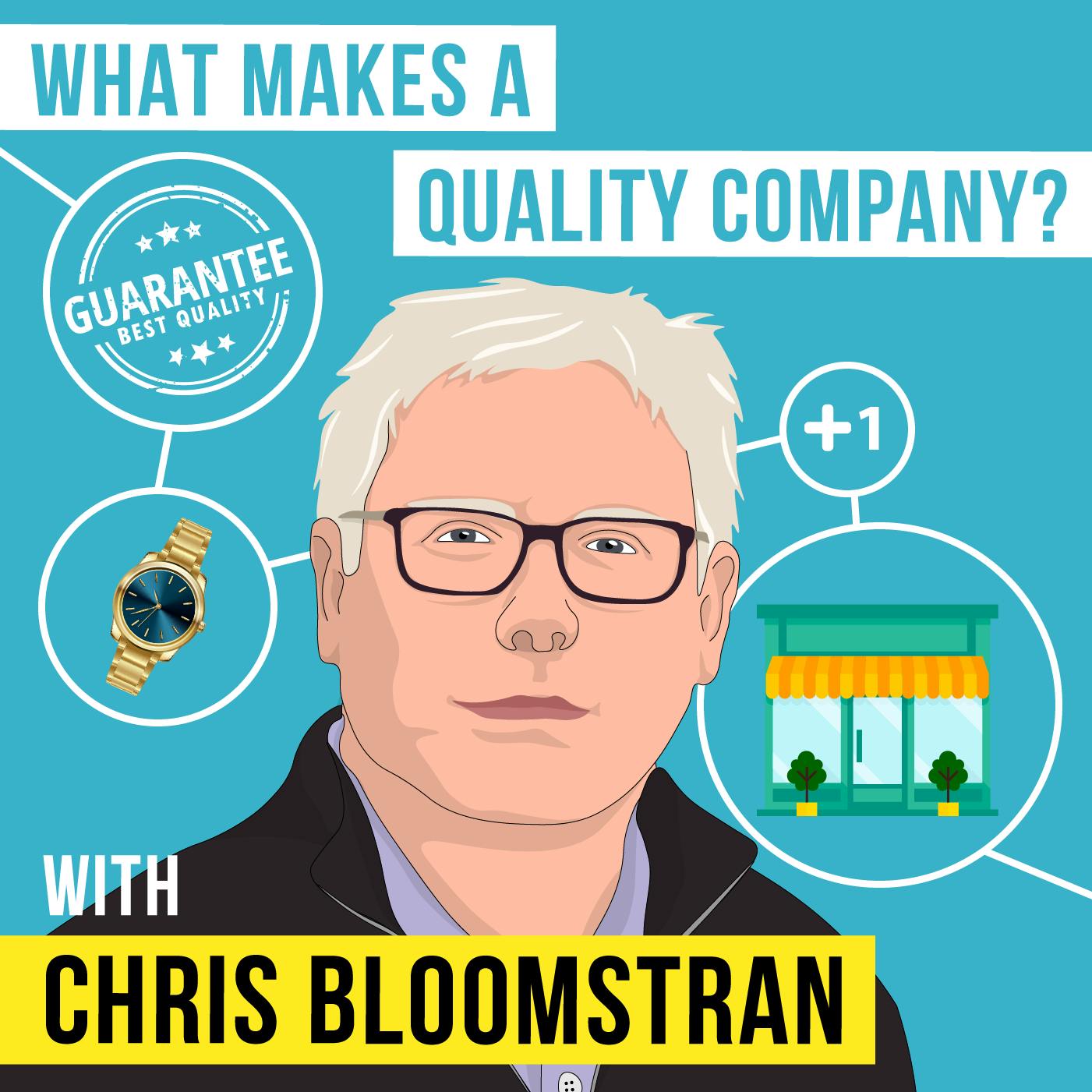 IChris Bloomstran – What Makes a Quality CompanyInvest Like the Best with Patrick O'Shaughnessy · 2019-08-06