
Mohnish Pabrai
Indian-American investor, born in Bombay in 1964, whose value-oriented firm manages over $1 billion. A self-described Buffett-Munger cloner with a long public track record and an unusually open letter archive; The Dhandho Investor gave low-risk/high-uncertainty investing its shorthand.
 Pabrai Investment Funds
Start here
Low-risk, high-uncertainty bets and cloning good ideas, after Buffett and Munger.
“It is, without a doubt, my most recommended book on investing” — Andrew Wilkinson
Source: @awilkinson on X, 22 May 2024
Recommended by: Andrew Wilkinson, Guy Spier and 1 other
Columns on Buffett-style value investing from a fund manager's early years.
 The Dhandho Investor: The Low-Risk Value Method to High Returns | Low-risk, high-uncertainty bets and cloning good ideas, after Buffett and Munger. | 2007 | T3 | Andrew Wilkinson, Guy Spier, Terrance McArthur |
| Mosaic: Perspectives on Investing | Columns on Buffett-style value investing from a fund manager's early years. | 2004 | T4 | – |
More 36
Stock prices follow a random walk, so a low-cost index fund beats stock picking.
Source: Chai with Pabrai bookshelf — Investing and Capital Allocation
Also recommended by: Jason Zweig, John C. Bogle and 4 others
Every Berkshire annual letter since 1965, in order, as the company grew.
Source: Chai with Pabrai bookshelf — Investing and Capital Allocation
Also recommended by: Andrew Wilkinson, Arnold Van Den Berg and 4 others
Buy a few outstanding growth companies, research them by scuttlebutt, and hold.
“if you read Philip Fisher's book, Common Stocks and Uncommon Profits, which is a terrific read, the scuttlebutt is good” — Mohnish Pabrai
Source: Mohnish Pabrai's Q&A Session with Francis Chou at Harvard University, April 7, 2020
Also recommended by: Arnold Van Den Berg, Bill Stewart and 11 others

How psychology, not fundamentals, drove the stock and housing booms of 2000 and 2005.
Source: Chai with Pabrai bookshelf — Investing and Capital Allocation
Also recommended by: William J. Bernstein, Andrew Lokenauth and 1 other
Fifty years of speeches and essays arguing for low-cost index funds.
Source: Chai with Pabrai bookshelf — Investing and Capital Allocation
Also recommended by: Mr. Money Mustache

Interviews with traders such as Kovner, Dennis and Tudor Jones on their methods.
Source: Chai with Pabrai bookshelf — Investing and Capital Allocation
Also recommended by: Bill Nygren, Howard Marks

How to read financial statements sceptically and value bonds and stocks.
Source: Chai with Pabrai bookshelf — Investing and Capital Allocation
Also recommended by: Bill Miller, Christopher Bloomstran and 17 others
Treat stocks as parts of businesses and buy only with a margin of safety.
“Wonderful Book. There is a lot of terrific data in this book. Needs to be read slowly and carefully - and then re-read. Strongly recommended.” — Mohnish Pabrai
Source: Mohnish's Bookshelf — Books on Investing & Capital Allocation, entry 239
Also recommended by: Benjamin Graham, Christopher Bloomstran and 31 others
After costs, most investors trail the market, so hold a low-cost index fund.
Source: Chai with Pabrai bookshelf — Investing and Capital Allocation
Also recommended by: Michael Mauboussin, The Barefoot Investor and 5 others
Second-level thinking on risk and cycles, with notes by Klarman and Greenblatt.
Source: Chai with Pabrai bookshelf — Investing and Capital Allocation
Also recommended by: Andrew Wilkinson, Nat Eliason, Peter Attia and 1 other
Second-level thinking, risk and market cycles, drawn from Oaktree's client memos.
Source: Chai with Pabrai bookshelf — Investing and Capital Allocation
Also recommended by: Matt Mullenweg, Nat Eliason and 3 others
Stock, bond and bill returns for sixteen countries from 1900 to 2000.
Source: Chai with Pabrai bookshelf — Investing and Capital Allocation
Also recommended by: Jason Zweig, William J. Bernstein
Why Wall Street grows rich on fees while its clients' results stay ordinary.
Source: Chai with Pabrai bookshelf — Investing and Capital Allocation
Also recommended by: Jason Zweig, John C. Bogle, Nick Sleep and 5 others
Where to find mispriced stocks: spinoffs, mergers, bankruptcies and restructurings.
“Cloned positions are the highest conviction bets by 20+ value managers, and spinoffs do well for all the reasons Joel Greenblatt outlined in his book, You can be a Stock Market Genius.” — Mohnish Pabrai
Source: Pabrai Investment Funds letter to partners (040116), page 5
Also recommended by: Dan Loeb, Guy Spier, Michael Mauboussin and 7 others
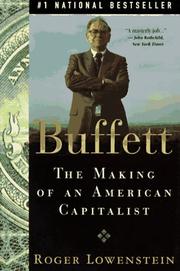
Buffett's life from Omaha and Graham's class to building Berkshire Hathaway.
“The best book on Warren Buffett (in my opinion) is The Making of an American Capitalist by Roger Lowenstein.” — Mohnish Pabrai
Source: Pabrai Investment Funds letter to partners (101103), page 5
Also recommended by: Andrew Wilkinson, Bill Miller and 13 others
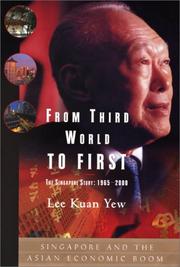
How Singapore's leaders chose policies, from courting multinationals onward.
Source: Chai with Pabrai bookshelf — Unorganized, yet Interesting
Also recommended by: Balaji S. Srinivasan, Patrick Collison and 2 others

How Walmart grew from one Arkansas store by cutting costs and prices.
Source: Chai with Pabrai bookshelf — Entrepreneurship, Management and Leadership
Also recommended by: David Cancel, David Perell, Iman Gadzhi and 3 others

Running the Washington Post through the Pentagon Papers, Watergate and a strike.
“Highly Recommended.” — Mohnish Pabrai
Source: Mohnish's Bookshelf — Books on Entrepreneurship, Management and Leadership, entry 178
Also recommended by: Bill Gates, Jim Collins, Diana Kimball and 3 others

How a running-shoe importer became Nike, surviving one cash crisis after another.
Source: Chai with Pabrai bookshelf — Entrepreneurship, Management and Leadership
Also recommended by: Andrew Wilkinson, Bill Gates, Bill Gurley and 26 others

A printer's rise in colonial America and his chart for practising thirteen virtues.
Source: Chai with Pabrai bookshelf — Unorganized, yet Interesting
Also recommended by: Charlie Munger, Nat Eliason, Elon Musk and 3 others
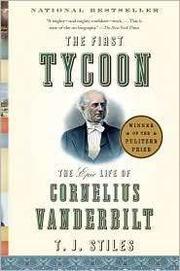
Vanderbilt's rise through ferries, steamships and railroads.

Buffett's life to 2008, written with full access to his files and his friends.
Source: Chai with Pabrai bookshelf — Investing and Capital Allocation
Also recommended by: Andrew Wilkinson, Austen Allred, Guy Spier and 7 others
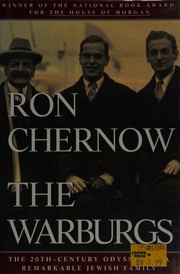
Two centuries of a Jewish banking family from Hamburg to London and New York.
Source: Chai with Pabrai bookshelf — Investing and Capital Allocation
Also recommended by: Li Lu
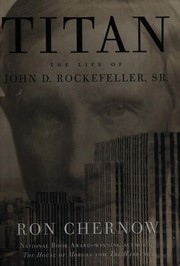
How Rockefeller built Standard Oil, faced its breakup and gave his fortune away.
“Very compelling biography on John D. Rockefeller, a must read.” — Mohnish Pabrai
Source: Mohnish's Bookshelf — Books on Entrepreneurship, Management and Leadership, entry 307
Also recommended by: Andrew Wilkinson, Austen Allred and 12 others
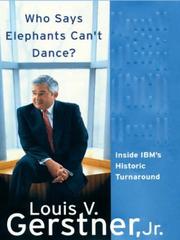
How IBM was kept whole in 1993 and turned from hardware toward services.
Source: Chai with Pabrai bookshelf — Entrepreneurship, Management and Leadership
Also recommended by: Jim Collins, Aaron Levie
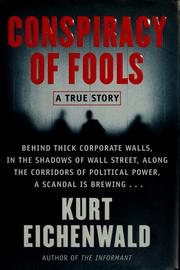
Enron's collapse told scene by scene from depositions, emails and interviews.
Source: Chai with Pabrai bookshelf — Unorganized, yet Interesting
Also recommended by: Michael Mauboussin
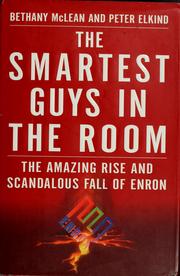
How Enron used mark-to-market accounting and hidden deals until its 2001 bankruptcy.
Source: Chai with Pabrai bookshelf — Investing and Capital Allocation
Also recommended by: Andrew Wilkinson, Bill Gurley and 1 other

A Data General team races to design a 32-bit minicomputer in about a year.
“Must-read for anyone in a product development or a startup environment.” — Mohnish Pabrai
Source: Mohnish's Bookshelf — Books on Sales & Marketing, entry 73
Also recommended by: Brad Feld, Jim Collins, Patrick Collison and 3 others
What eighteen long-lived companies did differently from close rivals in their fields.
Source: Chai with Pabrai bookshelf — Entrepreneurship, Management and Leadership
Also recommended by: John C. Bogle, Drew Houston, Ev Williams and 3 others
Toyota's methods as five principles: value, value stream, flow, pull, perfection.
Source: Chai with Pabrai bookshelf — Entrepreneurship, Management and Leadership
Also recommended by: Jeff Bezos

The decentralised structure and financial controls that ran General Motors.
Source: Chai with Pabrai bookshelf — Entrepreneurship, Management and Leadership
Also recommended by: Michael Mauboussin, Patrick Collison and 1 other
How to spot a strategic inflection point, when a tenfold force changes a business.
“On my Top Ten List. Great Book. Grove was CEO of Intel.” — Mohnish Pabrai
Source: Mohnish's Bookshelf — Books on Entrepreneurship, Management and Leadership, entry 174
Also recommended by: Andrew Chen, Charlie Munger, Jim Collins and 11 others
Measure a firm on finance, customers, internal processes, and learning and growth.
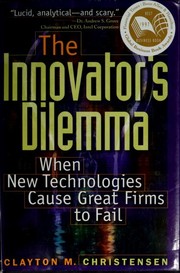
Why well-run firms lose to cheaper, worse products that enter at the market's bottom.
“Awesome book. May move soon to my Top Ten List. If anything will keep CEOs awake at night, reading this book certainly will.” — Mohnish Pabrai
Source: Mohnish's Bookshelf — Books on Sales & Marketing, entry 66
Also recommended by: Bill Gurley, Drew Houston, Jim Collins and 28 others
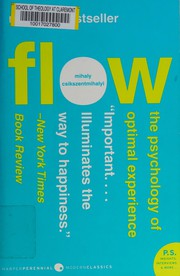
Flow, the state of full absorption in a hard task, and how to find it more often.
Source: Chai with Pabrai bookshelf — Balance between Work, Play, Family, Friends, Learning
Also recommended by: Andrew Wilkinson, Jim Collins, Raoul Pal
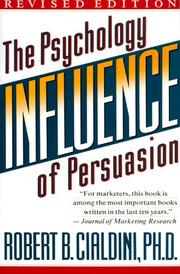
Six principles of compliance, from reciprocity to scarcity, and how sellers use them.
Source: Chai with Pabrai bookshelf — Unorganized, yet Interesting
Also recommended by: Andrew Wilkinson, Charlie Munger and 30 others

How individuals lose judgement in a crowd and how leaders sway crowds.
Source: Chai with Pabrai bookshelf — Science
Also recommended by: Frank Martin, Peter Cundill and 1 other

Why mass movements of every kind draw the same frustrated people and use one method.
Source: Chai with Pabrai bookshelf — History
Also recommended by: Joe Rosenberg, Marc Andreessen and 5 others

How Haber and Bosch's ammonia synthesis transformed world food production.
Source: Chai with Pabrai bookshelf — Science
Also recommended by: Bill Gates
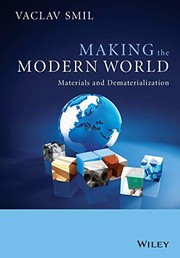
How much steel, cement and plastic the world uses, and whether growth needs less.
Source: Chai with Pabrai bookshelf — Science
Also recommended by: Bill Gates, Mark Zuckerberg
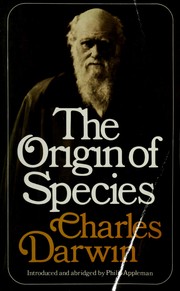
Species change over time as natural selection favours heritable variations.
Source: Chai with Pabrai bookshelf — Genetics and Evolution
Also recommended by: Jim Collins, Naval Ravikant, Nick Sleep and 5 others
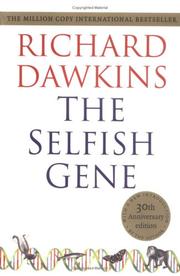
Selection acts on genes; bodies are vehicles that genes build to copy themselves.
Source: Chai with Pabrai bookshelf — Genetics and Evolution
Also recommended by: Balaji S. Srinivasan, Bob Metcalfe and 12 others

Books One to Three: division of labour, money, prices, wages, profit and capital.
Source: Chai with Pabrai bookshelf — Investing and Capital Allocation
Also recommended by: Michael Mauboussin, William J. Bernstein

Books Four and Five: the case against mercantilism, and the role of the state.
The case for free markets and limited government, policy area by policy area.
Source: Chai with Pabrai bookshelf — Philanthropy, Charity and Public Policy
Also recommended by: Brian Armstrong, Jim Collins and 2 others
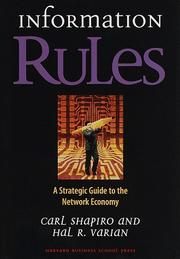
Economics for information goods: pricing, versioning, lock-in and network effects.
Source: Chai with Pabrai bookshelf — Sales and Marketing
Also recommended by: Michael Mauboussin, Tim O’Reilly
How American manufacturing rose to lead the world, and why its share then fell.
Source: Chai with Pabrai bookshelf — Entrepreneurship, Management and Leadership
Also recommended by: Bill Gates
Balance-sheet recessions: firms repay debt instead of borrowing, so rate cuts fail.
The poor hold assets but lack the property records that turn them into capital.
Source: Chai with Pabrai bookshelf — Philanthropy, Charity and Public Policy
Also recommended by: Marc Andreessen
Why some nations grew rich over 500 years, with culture as the deciding factor.
Source: Chai with Pabrai bookshelf — Unorganized, yet Interesting
Also recommended by: Charlie Munger, Li Lu, Jamie Dimon
How the division of labour and free markets make a nation rich.
Source: Mohnish Pabrai's recommended reading list for investors
Also recommended by: Howard Marks, John C. Bogle and 10 others
Nations prosper under inclusive institutions and stagnate under extractive ones.
Source: Chai with Pabrai bookshelf — Philanthropy, Charity and Public Policy
Also recommended by: Bill Gates, Marc Andreessen, Mark Zuckerberg and 3 others
Interest rates from Babylonian lending through Rome and Europe to modern bonds.
Source: Chai with Pabrai bookshelf — Unorganized, yet Interesting
Also recommended by: William J. Bernstein
The recurring features of speculative booms, and why short memories bring them back.
Source: Mohnish Pabrai's recommended reading list for investors
Also recommended by: Howard Marks and 1 other
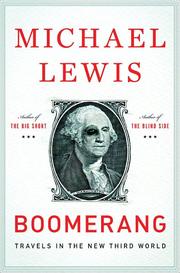
How Iceland, Greece, Ireland, Germany and California each spent cheap credit.
Source: Chai with Pabrai bookshelf — Philanthropy, Charity and Public Policy
Also recommended by: Brad Feld, Alfred Lin, The Barefoot Investor
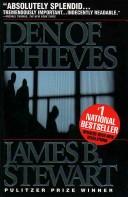
The 1980s insider-trading cases of Boesky, Levine, Siegel and Milken.
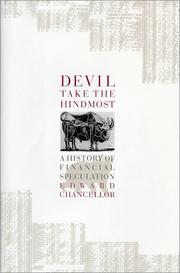
Speculation from ancient Rome and tulip mania to the 1990s, and its recurring traits.
Source: Chai with Pabrai bookshelf — Investing and Capital Allocation
Also recommended by: Howard Marks, Jeremy Grantham, John C. Bogle and 2 others
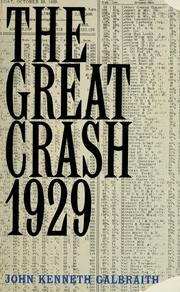
The late-1920s boom in margin loans and investment trusts, and the 1929 crash.
Source: Chai with Pabrai bookshelf — Investing and Capital Allocation
Also recommended by: Howard Marks, Jeremy Grantham and 1 other
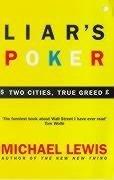
Life on Salomon Brothers' bond trading floor in the 1980s mortgage-bond boom.
Source: Chai with Pabrai bookshelf — Entrepreneurship, Management and Leadership
Also recommended by: Chamath Palihapitiya, Michael Burry and 4 others
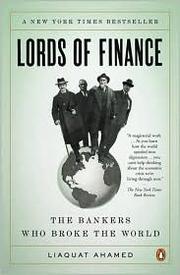
How four central bankers and the gold standard turned a slump into the Depression.
Source: Chai with Pabrai bookshelf — Investing and Capital Allocation
Also recommended by: Christopher Bloomstran
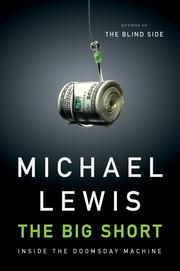
The few investors who saw subprime mortgage bonds would fail, and bet against them.
Source: Chai with Pabrai bookshelf — Investing and Capital Allocation
Also recommended by: Jim Collins, Michael Mauboussin and 6 others
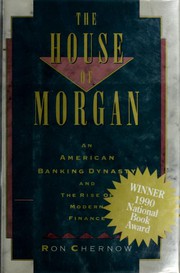
The Morgan banks from 1830s London to J.P. Morgan and Morgan Stanley in the 1980s.
Source: Chai with Pabrai bookshelf — Investing and Capital Allocation
Also recommended by: Paul Graham, Li Lu, Marc Andreessen
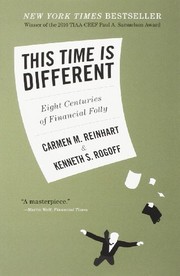
Eight centuries of defaults and banking crises show the same patterns recurring.
Source: Chai with Pabrai bookshelf — Philanthropy, Charity and Public Policy
Also recommended by: Bill Gates, Rational Capital Investment Fund and 1 other
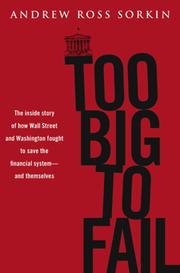
Inside the meetings of bankers and regulators during the 2008 financial crisis.
Source: Chai with Pabrai bookshelf — Entrepreneurship, Management and Leadership
Also recommended by: Bill Gates, Seth Klarman, Max Levchin and 1 other
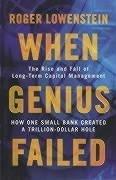
How a hedge fund's bond bets on borrowed money lost $4.6 billion in four months.
Source: Chai with Pabrai bookshelf — Investing and Capital Allocation
Also recommended by: Bill Gurley, Michael Mauboussin and 8 others
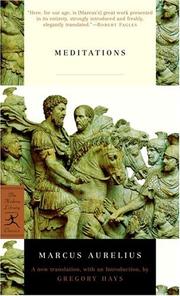
A Roman emperor's private notes reminding himself to live by Stoic principles.
Source: Chai with Pabrai bookshelf — Unorganized, yet Interesting
Also recommended by: Austen Allred, Nat Eliason, Naval Ravikant and 16 others

How moral judgement grows from sympathy and an imagined impartial spectator.
Source: Chai with Pabrai bookshelf — Entrepreneurship, Management and Leadership
Also recommended by: John C. Bogle
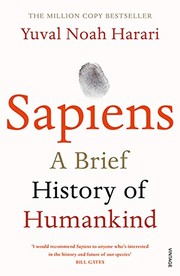
How shared fictions such as money, nations and gods let humans cooperate at scale.
Source: Chai with Pabrai bookshelf — History
Also recommended by: Andrew Wilkinson, Bill Gates, David Perell and 39 others

How the shipping container cut freight costs and remade global trade.
Source: Chai with Pabrai bookshelf — Unorganized, yet Interesting
Also recommended by: Bill Gates, Derek Sivers, Paul Graham and 1 other
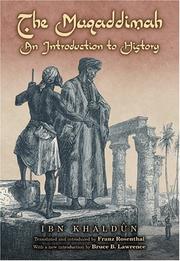
Why states rise and fall, explained through asabiyyah, the cohesion of a group.
Source: Chai with Pabrai bookshelf — History
Also recommended by: Mark Zuckerberg

The building of the Panama Canal, from France's failed attempt to US completion.
Source: Chai with Pabrai bookshelf — Unorganized, yet Interesting
Also recommended by: Bill Gates, Marc Andreessen

Tests the popular comparison of America with ancient Rome and finds deep differences.
Source: Chai with Pabrai bookshelf — History
Also recommended by: Bill Gates
The 1988 bidding war for RJR Nabisco, the largest leveraged buyout to that date.
Source: Chai with Pabrai bookshelf — DVD and Video
Also recommended by: Jim Collins, Michael Mauboussin and 1 other

How fast food reshaped farming, meatpacking, food science and low-wage work.
Source: Chai with Pabrai bookshelf — Entrepreneurship, Management and Leadership
Also recommended by: Jim Collins, Richard Branson, Kevin Rose

How to win and keep agency clients and write advertising that sells.
Source: Chai with Pabrai bookshelf — Sales and Marketing
Also recommended by: David Cancel, Sam Parr
Rules for advertising that sells, drawn from direct-response testing.
“Ogilvy is a brilliant guy and a terrific writer. Really enjoyed this book and learned a lot.” — Mohnish Pabrai
Source: Mohnish's Bookshelf — Books on Sales & Marketing, entry 40
Also recommended by: David Cancel, Ev Williams, Noah Kagan

How inventions of 1867 to 1914, from electricity to cars, made the modern world.
Source: Chai with Pabrai bookshelf — Science
Also recommended by: Bill Gates, Li Lu

How the diesel engine and the gas turbine made modern global trade possible.
Source: Chai with Pabrai bookshelf — Entrepreneurship, Management and Leadership
Also recommended by: Bill Gates
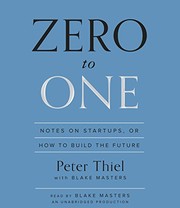
Why startups should build something new and own a small market before growing.
Source: Chai with Pabrai bookshelf — Entrepreneurship, Management and Leadership
Also recommended by: Balaji S. Srinivasan, Chris Dixon and 37 others

A short technical primer on oil: geology, extraction, refining, uses and reserves.

Meat in human evolution and modern farming, and the costs of heavy meat-eating.
Source: Chai with Pabrai bookshelf — Philanthropy, Charity and Public Policy
Also recommended by: Bill Gates
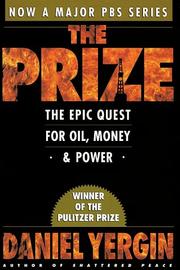
The history of oil from the first Pennsylvania well to the Gulf War.
Source: Chai with Pabrai bookshelf — Unorganized, yet Interesting
Also recommended by: Bill Gates, Jim Collins and 4 others
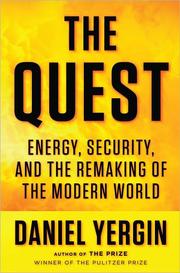
Energy from 1990 to 2011: Russian and Caspian oil, Iraq, climate policy, renewables.
Source: Chai with Pabrai bookshelf — Entrepreneurship, Management and Leadership
Also recommended by: Bill Gates, Jim Collins

End-of-life and hospice care, and why medicine should aim at well-being.
Source: Chai with Pabrai bookshelf — Science
Also recommended by: Bill Gates, Julie Zhuo
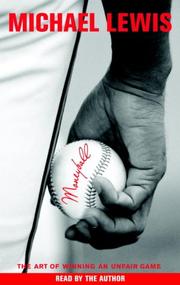
How the Oakland A's won on a small payroll by buying players the market undervalued.
“Moneyball is a terrific book that’s really all about value investing and leveraging Munger’s Latticework of Mental Models to exploit glaring inefficiencies in major league baseball salaries vs. talent.” — Mohnish Pabrai
Source: Pabrai Investment Funds letter to partners (101103), page 6
Also recommended by: Bill Nygren, Jim Collins, Joel Greenblatt and 4 others

The tricks companies use to inflate earnings, cash flow and key metrics, by case.
“Yeah, I think in terms of in terms of books I'm am reading Well, I think, one of the books I think I read recently a book called Financial Shenanigans.” — Mohnish Pabrai
Source: Pabrai Investment Funds Annual Meeting Transcript 2018, page 21
Also recommended by: Michael Mauboussin, Anu Hariharan

A short line-by-line primer on the balance sheet, income account and key ratios.
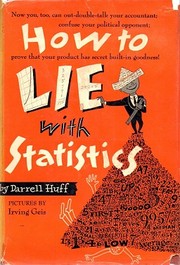
How biased samples, chosen averages and cut-off chart axes make numbers mislead.
Source: Chai with Pabrai bookshelf — Investing and Capital Allocation
Also recommended by: Bill Gates, Jason Zweig, Morgan Housel and 6 others
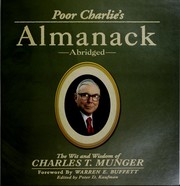
Speeches making the case for a latticework of mental models from many fields.
“If you’re looking for one book, Poor Charlie’s Almanack is loaded with a lot of wisdom.” — Mohnish Pabrai
Source: Pabrai Investment Funds Annual Meeting Transcript 2005, page 25
Also recommended by: Andrew Wilkinson, Charlie Munger and 25 others
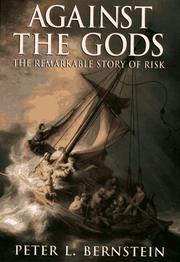
How people learned to measure risk, from early probability to portfolio theory.
“I recently read a great book called, “Against the Gods, the Remarkable Story of Risk” by Peter Bernstein.” — Mohnish Pabrai
Source: Pabrai Investment Funds Annual Meeting Transcript 2011, page 51
Also recommended by: Bill Miller, Charles de Vaulx, Howard Marks and 8 others
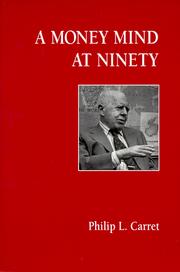
A fund manager of sixty years on investing, business and a long life.
Data showing that low-expectation stocks beat popular ones over the long run.
Source: Chai with Pabrai bookshelf — Investing and Capital Allocation
Also recommended by: Joel Greenblatt, Michael Mauboussin and 1 other
Eight activist letters over a century, from Graham in 1927, and what lay behind them.
Start from the share price and ask what results it expects a company to deliver.
Why years of low prices and Chinese demand set up a long commodity bull market.
Source: Chai with Pabrai bookshelf — Investing and Capital Allocation
Also recommended by: Derek Sivers
The reasoning that links Graham's analysis with Buffett's use of it.
Mental models from physics, biology and psychology, applied to investing.
Avoid permanent loss: buy well below value and aim for absolute returns.
Source: Chai with Pabrai bookshelf — Investing and Capital Allocation
Also recommended by: Arnold Van Den Berg, Frank Martin, Guy Spier and 6 others
How individual investors can exploit the constraints that bind professionals.
Why large growth stocks would lag for twenty years, and what to hold instead.
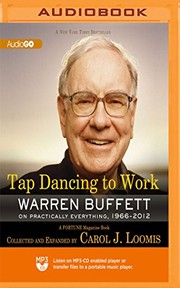
Fortune's articles by and about Buffett from 1966 to 2012, with commentary.
Source: Chai with Pabrai bookshelf — Investing and Capital Allocation
Also recommended by: Bill Gates, Guy Spier, Patrick Collison and 1 other
Safe and cheap investing: a security can be both lower-risk and higher-return.
Source: Chai with Pabrai bookshelf — Investing and Capital Allocation
Also recommended by: Guy Spier, Seth Klarman
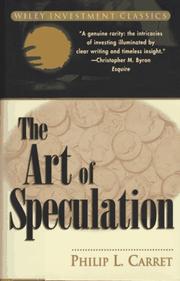
Buying securities to profit from changes in value, with twelve commandments.
Source: Chai with Pabrai bookshelf — Investing and Capital Allocation
Also recommended by: Francois Rochon
Buffett, Munger and scholars discuss governance and investing at a 1996 symposium.
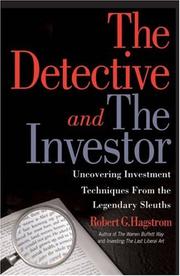
Reasoning methods of fictional detectives such as Dupin applied to stock analysis.
Berkshire's shareholder letters arranged by topic: governance, valuation, mergers.
“The only book on Buffett endorsed by him. It's a good book to pick up after having read the last 20 years of letters to shareholders.” — Mohnish Pabrai
Source: Mohnish's Bookshelf — Books on Investing & Capital Allocation, entry 224
Also recommended by: Christopher Bloomstran, Francois Rochon and 10 others
Buffett's approach set out as tenets for judging businesses, managers and prices.
“I recommend all of Hagstrom's books on Buffett.” — Mohnish Pabrai
Source: Mohnish's Bookshelf — Books on Investing & Capital Allocation, entry 225
Also recommended by: Michael Mauboussin
How to spot a durable economic moat from public information, and what isn't one.
The magic formula: buy cheap stocks with high returns on capital, mechanically.
Source: Chai with Pabrai bookshelf — Investing and Capital Allocation
Also recommended by: Rational Capital Investment Fund and 1 other
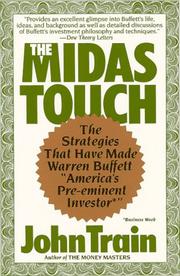
An early account of Buffett's investing method, from 1987.
The methods of nine great investors, including Buffett, Graham, Fisher and Templeton.
Source: Chai with Pabrai bookshelf — Investing and Capital Allocation
Also recommended by: Joel Greenblatt, Peter Cundill
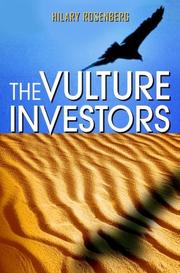
The investors who bought the bonds of failing companies after the buyout era.
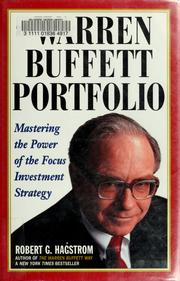
The case for focus investing: ten to fifteen stocks held for a long time.
Source: Chai with Pabrai bookshelf — Investing and Capital Allocation
Also recommended by: Charlie Munger, Michael Mauboussin and 2 others
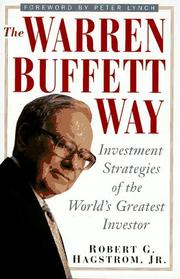
Buffett's method as tests of the business, its managers, its finances and price.
Source: Chai with Pabrai bookshelf — Investing and Capital Allocation
Also recommended by: Howard Marks, Bill Ackman, Joel Greenblatt
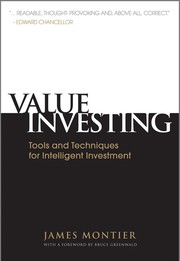
Value investing joined with behavioural finance, from a strategist's research notes.
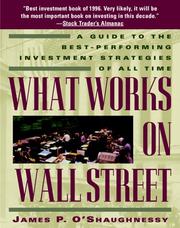
Decades of US stock data testing which selection rules have beaten the market.
“Strongly Recommended. Great data.” — Mohnish Pabrai
Source: Mohnish's Bookshelf — Books on Investing & Capital Allocation, entry 336
Also recommended by: Patrick O'Shaughnessy, William J. Bernstein and 1 other
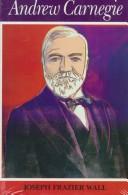
The scholarly life of Carnegie, from Dunfermline and the railroad to steel.
Source: Chai with Pabrai bookshelf — Entrepreneurship, Management and Leadership
Also recommended by: Charlie Munger, Li Lu
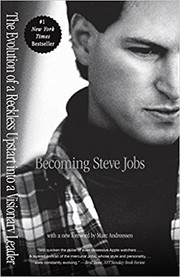
How the NeXT and Pixar years changed Steve Jobs into the leader who rebuilt Apple.
Source: Chai with Pabrai bookshelf — Entrepreneurship, Management and Leadership
Also recommended by: Jim Collins, Keith Rabois, Bill Gates and 5 others
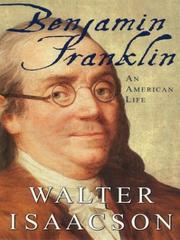
Franklin's life as printer, scientist, diplomat and founder.
Source: Chai with Pabrai bookshelf — Entrepreneurship, Management and Leadership
Also recommended by: Alfred Lin, Andrew Wilkinson, Brad Feld and 10 others
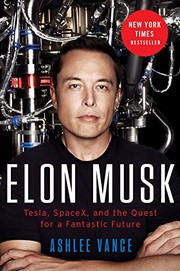
Musk's life from South Africa and PayPal to running SpaceX and Tesla at once.
Source: Chai with Pabrai bookshelf — Entrepreneurship, Management and Leadership
Also recommended by: Austen Allred, Brad Feld, David Perell and 11 others
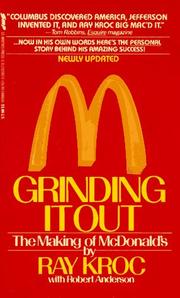
A milkshake-machine salesman finds the McDonald brothers and builds the franchise.
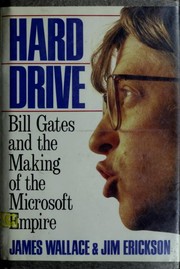
A critical history of Bill Gates and the early Microsoft, from Lakeside School on.
Source: Chai with Pabrai bookshelf — Entrepreneurship, Management and Leadership
Also recommended by: Patrick Collison, Aaron Levie and 2 others
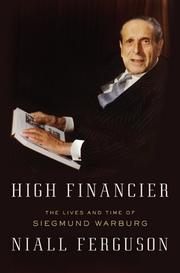
Siegmund Warburg, who fled Germany and founded S.G. Warburg in London.
The businessman who brought Chrysler back from the brink tells his story.
Source: Chai with Pabrai bookshelf — Entrepreneurship, Management and Leadership
Also recommended by: Ramit Sethi
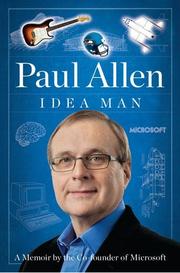
A Microsoft co-founder's memoir of his ventures, successes and failures.
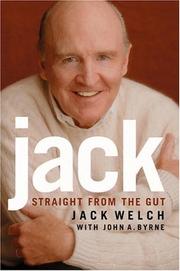
Running General Electric from 1981 to 2001, as told on retiring.
Source: Chai with Pabrai bookshelf — Entrepreneurship, Management and Leadership
Also recommended by: Warren Buffett, Jamie Dimon

A life across economics, psychology, organisations and artificial intelligence.
Source: Chai with Pabrai bookshelf — Unorganized, yet Interesting
Also recommended by: Charlie Munger

George Soros's life from wartime Europe to finance and philanthropy.
Source: Chai with Pabrai bookshelf — Investing and Capital Allocation
Also recommended by: Michael Mauboussin

Steve Jobs's life and Apple's products, from forty interviews with him and many more.
Source: Chai with Pabrai bookshelf — Entrepreneurship, Management and Leadership
Also recommended by: Patrick Collison, Andrew Wilkinson and 16 others
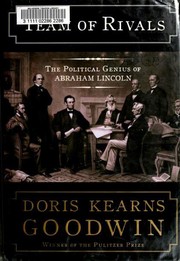
How Lincoln brought his three rivals for the 1860 nomination into his cabinet.
Source: Chai with Pabrai bookshelf — Entrepreneurship, Management and Leadership
Also recommended by: Bill Gates, Jim Collins, Jamie Dimon and 1 other
Joseph P. Kennedy's life in banking, film, the stock market and politics.
Source: Chai with Pabrai bookshelf — Entrepreneurship, Management and Leadership
Also recommended by: Morgan Housel
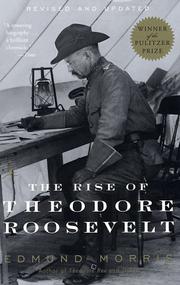
Theodore Roosevelt's life from his birth in 1858 to the presidency in 1901.
Source: Chai with Pabrai bookshelf — Entrepreneurship, Management and Leadership
Also recommended by: Jim Collins, Ryan Holiday, Jamie Dimon and 1 other
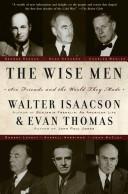
Six friends, including Acheson, Harriman and Kennan, who shaped US foreign policy.
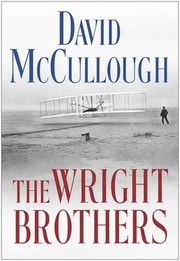
From a Dayton bicycle shop to the first powered flights and the 1908 demonstrations.
Source: Chai with Pabrai bookshelf — History
Also recommended by: Ali Abdaal, Austen Allred, Morgan Housel and 2 others
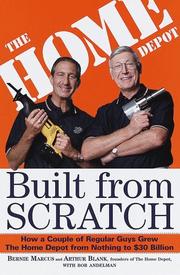
How two fired executives built Home Depot into a national chain.
Source: Chai with Pabrai bookshelf — Entrepreneurship, Management and Leadership
Also recommended by: Michael Mauboussin, David Cancel and 2 others
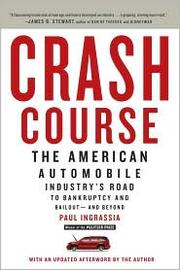
How Detroit fell from postwar dominance to the 2009 bankruptcies of GM and Chrysler.

From LinkExchange to Zappos, and the case for building a company on its culture.
Source: Chai with Pabrai bookshelf — Entrepreneurship, Management and Leadership
Also recommended by: Tony Hsieh, Ev Williams, Ran Segall and 1 other
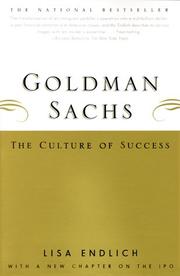
Goldman Sachs to its 1999 IPO, with a focus on its partnership culture.
“(As an aside, a couple of wonderful books on the history of Goldman Sachs include Goldman Sachs: The Culture of Success by Lisa Endich and The Partnership: The Making of Goldman Sachs by Charles Ellis.)” — Mohnish Pabrai
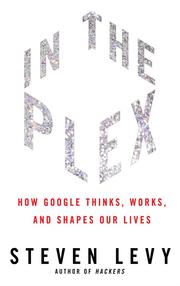
Google's technical and business decisions from Stanford research to 2011.
Source: Chai with Pabrai bookshelf — Entrepreneurship, Management and Leadership
Also recommended by: Charlie Munger, Drew Houston and 2 others
Blackstone from its 1985 founding through its 2007 public offering and the crisis.
Source: Chai with Pabrai bookshelf — Investing and Capital Allocation
Also recommended by: Brad Feld, Michael Mauboussin

How BlackBerry maker Research In Motion rose to dominance and fell after the iPhone.
Source: Chai with Pabrai bookshelf — Entrepreneurship, Management and Leadership
Also recommended by: Andrew Wilkinson
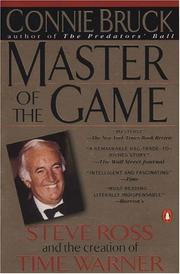
Steve Ross's path from funeral homes and parking lots to the Time Warner merger.
Source: Chai with Pabrai bookshelf — Entrepreneurship, Management and Leadership
Also recommended by: Charlie Munger

McDonald's to the mid-1980s, from the brothers' stand to Kroc's franchise system.
The family-owned firms, from Cargill to Bunge, that controlled the world grain trade.
Goldman Sachs from Marcus Goldman to the 2008 crisis, from internal documents.
How Asa Candler built Coca-Cola and Robert Woodruff made it a global brand.
“Great Book to help understand Coca-Cola.” — Mohnish Pabrai
Source: Mohnish's Bookshelf — Books on Entrepreneurship, Management and Leadership, entry 202
How AIG became the world's largest insurer, and its builder's account of his ouster.

Amazon's first two decades, from an online bookshop to selling nearly everything.
Source: Chai with Pabrai bookshelf — Entrepreneurship, Management and Leadership
Also recommended by: Andrew Wilkinson, Jim Collins, David Cancel and 6 others
Intel's history through Robert Noyce, Gordon Moore and Andy Grove.
Source: Chai with Pabrai bookshelf — Entrepreneurship, Management and Leadership
Also recommended by: Brad Feld, Keith Rabois
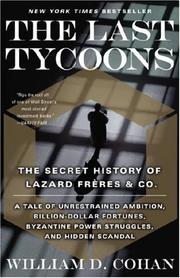
The history of Lazard Freres and its partners, from interviews and internal papers.
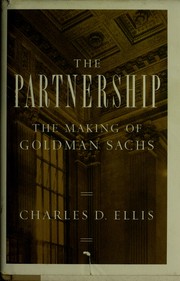
Goldman Sachs from Marcus Goldman's commercial paper to its 1999 public offering.
“(As an aside, a couple of wonderful books on the history of Goldman Sachs include Goldman Sachs: The Culture of Success by Lisa Endich and The Partnership: The Making of Goldman Sachs by Charles Ellis.)” — Mohnish Pabrai
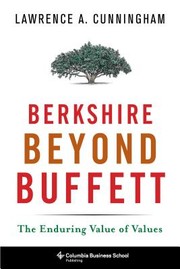
Berkshire as an operating company: its subsidiaries' culture and whether it lasts.
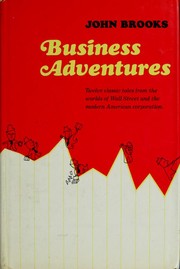
Twelve New Yorker stories of business, from the Edsel's failure to the 1962 crash.
Source: Chai with Pabrai bookshelf — Entrepreneurship, Management and Leadership
Also recommended by: Bill Gates, Patrick Collison, Warren Buffett
Value is discounted future cash flow, not earnings per share or return on equity.
Source: Chai with Pabrai bookshelf — Investing and Capital Allocation
Also recommended by: Michael Mauboussin
Execution is a discipline the CEO must lead, linking people, strategy and operations.
Source: Chai with Pabrai bookshelf — Entrepreneurship, Management and Leadership
Also recommended by: Derek Sivers, Michael Mauboussin and 1 other
What eleven companies did to turn fifteen ordinary years into fifteen great ones.
Source: Chai with Pabrai bookshelf — Entrepreneurship, Management and Leadership
Also recommended by: Brian Armstrong, Francois Rochon and 19 others
Little-known firms that lead the world in narrow product markets, and how they do it.
Source: Chai with Pabrai bookshelf — Entrepreneurship, Management and Leadership
Also recommended by: Tom Peters
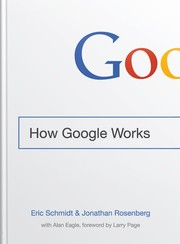
How Google hired and managed smart creatives, people who can't be told what to do.
Source: Chai with Pabrai bookshelf — Entrepreneurship, Management and Leadership
Also recommended by: Cynthia Johnson, Keith Rabois and 1 other
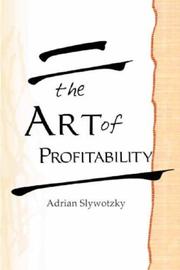
Twenty-three profit models taught as weekly lessons from a mentor to an analyst.
Source: Chai with Pabrai bookshelf — Investing and Capital Allocation
Also recommended by: Derek Sivers
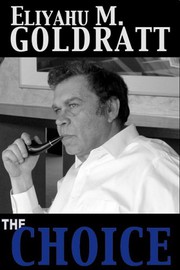
A dialogue on thinking clearly: reality is simple, conflicts can be resolved.
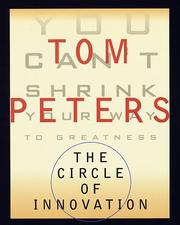
Cost-cutting can't produce growth; a company must stand out to win.
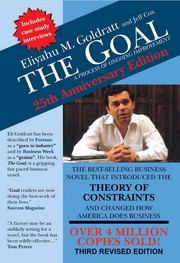
A plant manager learns that a system's output is set by its bottleneck.
Source: Chai with Pabrai bookshelf — Entrepreneurship, Management and Leadership
Also recommended by: Jim Collins, Nat Eliason, Patrick Collison and 5 others
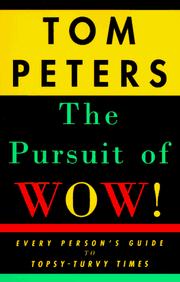
210 short pieces of business advice for a fast-changing early-1990s economy.
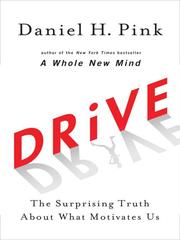
Rewards work for routine tasks; creative work runs on autonomy, mastery and purpose.
Source: Chai with Pabrai bookshelf — Entrepreneurship, Management and Leadership
Also recommended by: Derek Sivers, Michael Mauboussin, Alfred Lin and 2 others
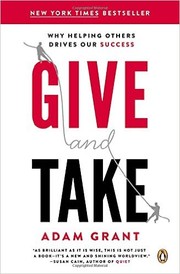
Givers, takers and matchers, and why givers end up both at the bottom and the top.
Source: Chai with Pabrai bookshelf — Entrepreneurship, Management and Leadership
Also recommended by: Derek Sivers, Alex Lieberman and 4 others
People who think ability grows with effort learn more than those who think it fixed.
Source: Chai with Pabrai bookshelf — Entrepreneurship, Management and Leadership
Also recommended by: Bill Gates, Derek Sivers, Michael Mauboussin and 15 others
How people champion new ideas, and how leaders can encourage originality.
Source: Chai with Pabrai bookshelf — Unorganized, yet Interesting
Also recommended by: David Perell, Richard Branson, Tony Hsieh and 7 others

Experiments showing that people depart from rational choice in repeatable ways.
Source: Chai with Pabrai bookshelf — Investing and Capital Allocation
Also recommended by: Derek Sivers, Michael Mauboussin, Tom Bilyeu and 8 others

People have no fixed sense of value, so context and anchors set the prices they pay.
Source: Chai with Pabrai bookshelf — Investing and Capital Allocation
Also recommended by: Michael Mauboussin, Patrick O'Shaughnessy

Experiments showing most cheating is many people cheating a little.
How scientists came to know what they know, from cosmology and geology to biology.
Source: Chai with Pabrai bookshelf — Science
Also recommended by: Balaji S. Srinivasan, Derek Sivers and 5 others
How the sciences and humanities can be unified by causal links from physics up.
Source: Chai with Pabrai bookshelf — Unorganized, yet Interesting
Also recommended by: Michael Mauboussin
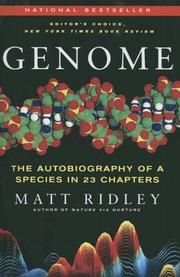
Twenty-three chapters, one per chromosome, each using a gene to open a subject.
Source: Chai with Pabrai bookshelf — Genetics and Evolution
Also recommended by: Charlie Munger, Naval Ravikant and 1 other

How natural selection, not a designer, produces the complexity of living things.
Source: Chai with Pabrai bookshelf — Genetics and Evolution
Also recommended by: Jim Collins, Michael Mauboussin and 3 others
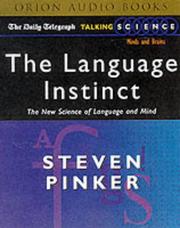
Language as a human instinct, and what science knows of grammar and learning.
Source: Chai with Pabrai bookshelf — Genetics and Evolution
Also recommended by: Charlie Munger, Michael Mauboussin and 2 others
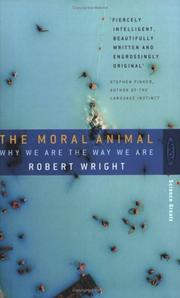
Evolutionary psychology explained through Darwin's own life and behaviour.
Source: Chai with Pabrai bookshelf — Genetics and Evolution
Also recommended by: Ryan Holiday, Morgan Housel, Reid Hoffman and 1 other
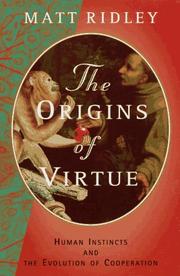
How cooperation and morality evolved from self-interest, via the prisoner's dilemma.
Source: Chai with Pabrai bookshelf — Genetics and Evolution
Also recommended by: Naval Ravikant, Ryan Holiday

Sex evolved as a defence against parasites, and that shapes human mating.
Source: Chai with Pabrai bookshelf — Genetics and Evolution
Also recommended by: Naval Ravikant, Seth Klarman, Nick Szabo
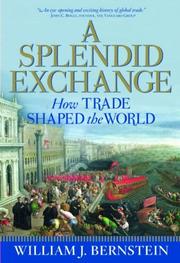
Long-distance trade from Mesopotamia and the spice routes to modern globalisation.
Source: Chai with Pabrai bookshelf — Investing and Capital Allocation
Also recommended by: Patrick Collison, Nick Szabo
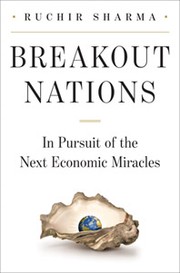
Why emerging economies will not all keep converging, and tests for which can grow.
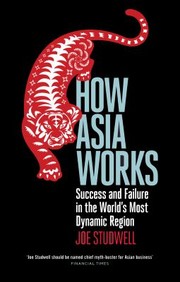
Why some Asian nations grew rich: land reform, export-led industry, directed credit.
Source: Chai with Pabrai bookshelf — Entrepreneurship, Management and Leadership
Also recommended by: Bill Gates, Patrick Collison
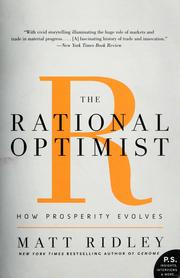
Prosperity grows as trade and specialisation let ideas meet and combine.
Source: Chai with Pabrai bookshelf — Science
Also recommended by: Andrew Wilkinson, Bill Gates, Frank Martin and 11 others

Ten forces around 2000 that let anyone, anywhere compete in the global economy.
Source: Chai with Pabrai bookshelf — Unorganized, yet Interesting
Also recommended by: Jim Collins, Bill Gates, Jamie Dimon and 2 others
How credit cards, money market funds and discount brokers reached ordinary Americans.
Source: Chai with Pabrai bookshelf — Unorganized, yet Interesting
Also recommended by: Jim Collins, Patrick Collison and 1 other

The 2008 crisis from inside the FDIC, which closed failed banks and guarded deposits.
Source: Chai with Pabrai bookshelf — Entrepreneurship, Management and Leadership
Also recommended by: Nassim Nicholas Taleb
An insider's account of how Morgan Stanley built and sold derivatives in the 1990s.
Source: Chai with Pabrai bookshelf — Investing and Capital Allocation
Also recommended by: Charlie Munger, Christopher Bloomstran
Bear Stearns's ten-day collapse in March 2008, and the firm's history before it.
Hedge funds from Alfred Winslow Jones in 1949 through Soros, Robertson and beyond.
Source: Chai with Pabrai bookshelf — Investing and Capital Allocation
Also recommended by: Paul Graham, Tim Ferriss, Josh Wolfe
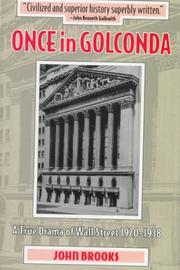
Wall Street from 1920 to 1938: the boom, the crash, the Depression and reform.
Source: Chai with Pabrai bookshelf — Investing and Capital Allocation
Also recommended by: Brendan Moynihan
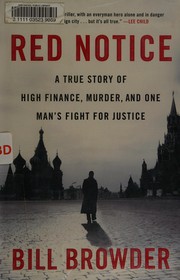
An investor in Russia is expelled, his firms seized, and his lawyer Magnitsky dies.
Source: Chai with Pabrai bookshelf — Unorganized, yet Interesting
Also recommended by: Brad Feld, Christopher Bloomstran and 6 others
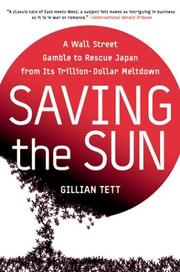
Japan's banking collapse told through Long-Term Credit Bank's failure and sale.
“Their remarkable experience, as unwelcome foreigners in Tokyo doing an LBO and then restructuring a prominent Japanese commercial bank is well chronicled in a wonderful book called Saving the Sun by Gillian Tett.” — Mohnish Pabrai
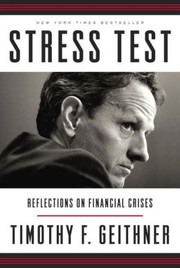
The 2008 crisis and its aftermath, from inside the New York Fed and the Treasury.
Source: Chai with Pabrai bookshelf — Entrepreneurship, Management and Leadership
Also recommended by: Bill Gates, Mr. Money Mustache and 1 other
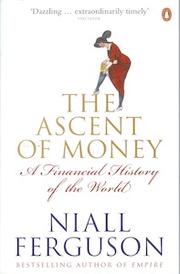
The history of finance by instrument: credit, bonds, stocks, insurance and property.
Source: Chai with Pabrai bookshelf — Unorganized, yet Interesting
Also recommended by: Marc Andreessen, Max Levchin, Raoul Pal and 2 others
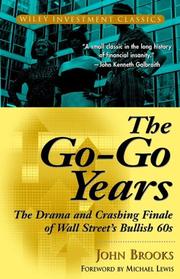
Wall Street in the 1960s: performance funds, conglomerates and the paperwork crisis.
Source: Chai with Pabrai bookshelf — Investing and Capital Allocation
Also recommended by: Christopher Bloomstran

An Ohio lawyer's diary of the Depression years as he lived through them.
Source: Chai with Pabrai bookshelf — Investing and Capital Allocation
Also recommended by: Morgan Housel, The Barefoot Investor
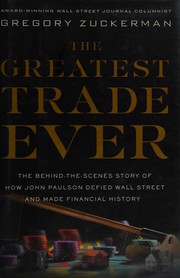
How John Paulson's bet against subprime mortgages made $15 billion in 2007.
Source: Chai with Pabrai bookshelf — Investing and Capital Allocation
Also recommended by: Charlie Munger
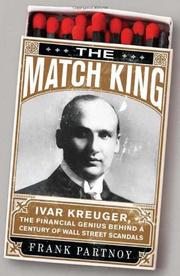
How Ivar Kreuger built a 1920s match monopoly, and the forgeries found at his death.
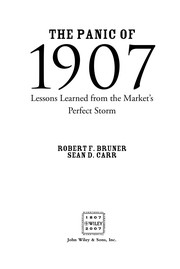
The 1907 panic day by day, from a failed copper corner to J.P. Morgan's rescue.
Source: Chai with Pabrai bookshelf — Investing and Capital Allocation
Also recommended by: Rational Capital Investment Fund
How Milken's Drexel junk-bond desk financed the 1980s buyouts and hostile takeovers.

Finite games are played to win; infinite games are played to keep playing.
“It’s a book called Finite and Infinite Games and it’s got nothing to do with game theory, it’s got to do with how to live your life.” — Mohnish Pabrai
Source: Pabrai Investment Funds Annual Meeting Transcript 2018, page 20
Also recommended by: Derek Sivers, Graham Duncan, Nat Eliason and 8 others
A father and son's motorcycle trip framing an inquiry into what Quality means.
“If you pick it up and read it, I suspect most of you will give up before you get to the end—but please try.” — Mohnish Pabrai
Source: Mental Models for Running Startups and Businesses, SXSW 2026, March 16, 2026
Also recommended by: Austen Allred, Brad Feld, Drew Houston and 8 others
Six advantages, from competition to the work ethic, that let the West pull ahead.
Source: Chai with Pabrai bookshelf — Unorganized, yet Interesting
Also recommended by: Li Lu
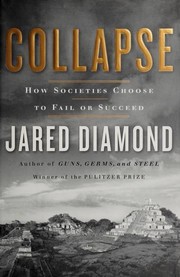
Why past societies from Easter Island to the Maya collapsed, and what that teaches.
Source: Chai with Pabrai bookshelf — Genetics and Evolution
Also recommended by: Bill Gates, Jim Collins, Stewart Brand
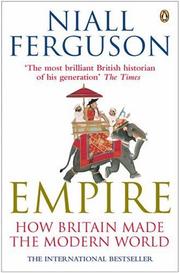
How the British Empire shaped the modern world, from globalisation to democracy.

Evidence that violence of nearly every kind has declined over history, and why.
Source: Chai with Pabrai bookshelf — Genetics and Evolution
Also recommended by: Bill Gates, Eric Schmidt, Morgan Housel and 6 others

Britain's entry turned a continental war into a world war that was not inevitable.

Why the 20th century's great progress came with unprecedented violence.
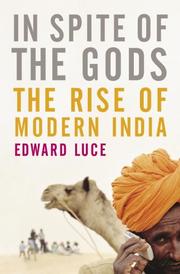
An introduction to modern India's rise and its many contradictions.
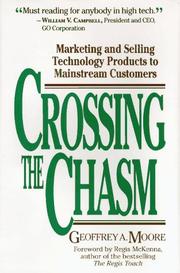
Why tech products stall between early adopters and the mainstream, and how to cross.
Source: Chai with Pabrai bookshelf — Sales and Marketing
Also recommended by: Andrew Chen, Andrew Wilkinson, Bill Gurley and 13 others
Companies lose their position by broadening; narrowing the focus wins it back.
Source: Chai with Pabrai bookshelf — Sales and Marketing
Also recommended by: David Cancel, Arianna Huffington and 2 others
How to move a tech product past early adopters into a fast-growing mass market.
Source: Chai with Pabrai bookshelf — Sales and Marketing
Also recommended by: Michael Mauboussin
Military strategy applied to marketing, from the cola and burger wars.
Twenty-two rules of marketing, such as being first is better than being better.
Source: Chai with Pabrai bookshelf — Sales and Marketing
Also recommended by: Brian Armstrong, Nat Eliason, Tim Ferriss and 2 others
Computing as a run of collaborations, from Ada Lovelace and Babbage to Google.
Source: Chai with Pabrai bookshelf — Entrepreneurship, Management and Leadership
Also recommended by: Patrick Collison, Bill Gates, Chris Fussell and 2 others
A forecast of a hugely connected future world, with its challenges and benefits.
Source: Chai with Pabrai bookshelf — Entrepreneurship, Management and Leadership
Also recommended by: Michael Bloomberg

The distressed debt market after the buyout era, and how to analyse its securities.
McKinsey's guide to discounted cash flow valuation and managing for value.
Source: Chai with Pabrai bookshelf — Investing and Capital Allocation
Also recommended by: Michael Mauboussin and 1 other
How $27 lent to 42 villagers grew into Grameen Bank and microcredit.
Source: Chai with Pabrai bookshelf — Philanthropy, Charity and Public Policy
Also recommended by: The Barefoot Investor
How Britain, Germany, Japan and the US each built their own form of capitalism.
Fourteen companies, such as Anchor Brewing and Zingerman's, that chose to stay small.
Source: Chai with Pabrai bookshelf — Entrepreneurship, Management and Leadership
Also recommended by: Noah Kagan, Tom Peters, Catriona Wallace

The wildcatters, from George Mitchell to Harold Hamm, who started the shale boom.
A world history showing how control of water shaped political and economic power.
Fischer Black's life and ideas, from option pricing on, that shaped modern finance.
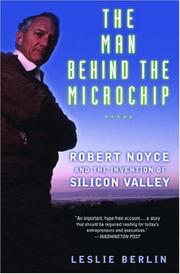
Robert Noyce, Fairchild Semiconductor and the founding of Intel.
Source: Chai with Pabrai bookshelf — Entrepreneurship, Management and Leadership
Also recommended by: Jim Collins, Patrick Collison and 1 other
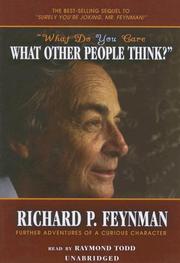
Stories of a physicist's first marriage and his inquiry into the Challenger disaster.
“Richard Feynman's books are awesome. Very bright physicist. Must-read!” — Mohnish Pabrai
Source: Mohnish's Bookshelf — Unorganized, yet Interesting, entry 169
Also recommended by: Jason Zweig, Naval Ravikant, Larry Page
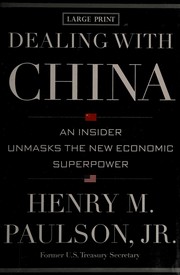
Twenty-five years negotiating with Chinese officials, from Goldman to the Treasury.
Source: Chai with Pabrai bookshelf — Entrepreneurship, Management and Leadership
Also recommended by: Anthony Pompliano, Mark Zuckerberg
Lee Kuan Yew's views on China, the United States and world strategy, by topic.
Source: Chai with Pabrai bookshelf — Entrepreneurship, Management and Leadership
Also recommended by: Shane Parrish
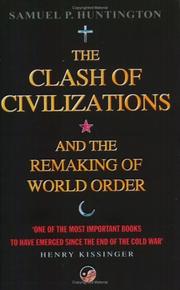
After the Cold War, conflict will follow cultural and religious fault lines.
Source: Chai with Pabrai bookshelf — Philanthropy, Charity and Public Policy
Also recommended by: Patrick Collison, Stewart Brand, Jamie Dimon and 1 other

Competing regional ideas of legitimate order and the balance of power.
Source: Chai with Pabrai bookshelf — History
Also recommended by: Mark Zuckerberg, Ray Dalio
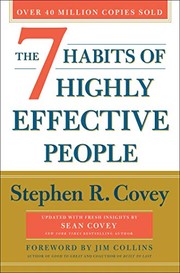
Seven habits, from being proactive to win-win, that build personal effectiveness.
Source: Chai with Pabrai bookshelf — Entrepreneurship, Management and Leadership
Also recommended by: Andrew Wilkinson, Jim Collins, Noah Kagan and 8 others
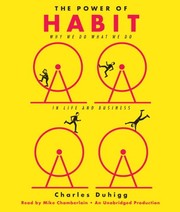
The habit loop of cue, routine and reward, and how to change a habit by its routine.
Source: Chai with Pabrai bookshelf — Science
Also recommended by: Derek Sivers, Nat Eliason, Naval Ravikant and 6 others
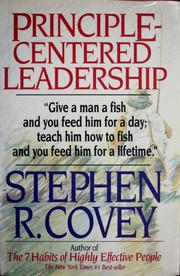
Applies the Seven Habits to organisations: lead by fixed principles, not by values.
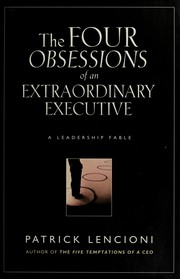
A fable of two rival firms showing why organisational health beats clever strategy.
Source: Chai with Pabrai bookshelf — Entrepreneurship, Management and Leadership
Also recommended by: Ali Abdaal, Brian Armstrong
People can't act randomly, and how to exploit that in games, tests and markets.
How to hit a baseball, built on a map of the strike zone graded by success.
Source: Chai with Pabrai bookshelf — Unorganized, yet Interesting
Also recommended by: Francois Rochon, Warren Buffett
The Kelly criterion for sizing bets, from Bell Labs to casinos and hedge funds.
Source: Chai with Pabrai bookshelf — Unorganized, yet Interesting
Also recommended by: Michael Mauboussin
Six traits of memorable ideas, from simple and unexpected to emotional stories.
Source: Chai with Pabrai bookshelf — Entrepreneurship, Management and Leadership
Also recommended by: Andrew Wilkinson, Derek Sivers, Nat Eliason and 9 others
How to give a talk that transfers one idea, from TED's work with its speakers.
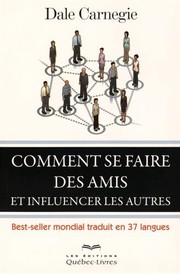
Techniques for handling people, being liked and winning others to your view.
Source: Chai with Pabrai bookshelf — Entrepreneurship, Management and Leadership
Also recommended by: Patrick Collison, Paul Graham and 13 others
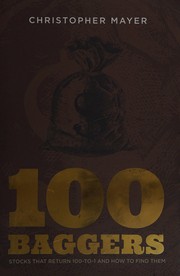
What stocks that rose a hundredfold had in common, and how to find them.
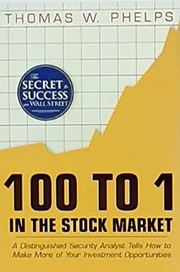
How to buy stocks that can rise a hundredfold, and why to hold on to them.
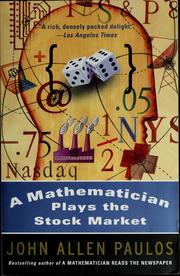
A mathematician's WorldCom losses, used to explain errors of probability in markets.
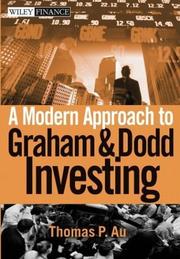
Graham and Dodd's valuation updated for companies with few tangible assets.
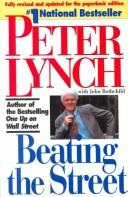
A stock-by-stock account of how the Magellan Fund's picks were chosen.
“I strongly recommend all of Peter Lynch's book esp. this one and One up on Wall Street.” — Mohnish Pabrai
Source: Mohnish's Bookshelf — Books on Investing & Capital Allocation, entry 26
Also recommended by: Francois Rochon, Julian Robertson and 3 others
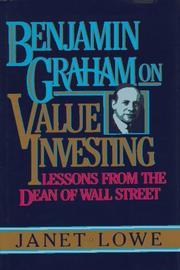
Benjamin Graham's life and investment method, from interviews with his circle.
Source: Chai with Pabrai bookshelf — Investing and Capital Allocation
Also recommended by: Warren Buffett
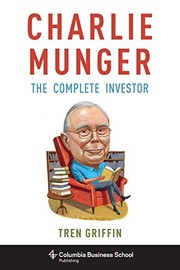
Charlie Munger's stated views, arranged as a system of value investing.
Source: Chai with Pabrai bookshelf — Investing and Capital Allocation
Also recommended by: Andrew Wilkinson, Christopher Bloomstran and 7 others
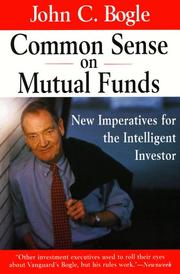
How costs, turnover and fund structure decide what mutual fund investors earn.
“A few years ago John Bogle wrote an outstanding book entitled Common Sense on Mutual Funds.” — Mohnish Pabrai
Source: Pabrai Investment Funds letter to partners (090101), page 3
Also recommended by: Jason Zweig, Michael Mauboussin and 3 others
Case studies of investors who held very few positions, and why it worked.
Source: Chai with Pabrai bookshelf — Investing and Capital Allocation
Also recommended by: Francois Rochon
The evidence that buying cheap, troubled companies beats more refined methods.
Source: Chai with Pabrai bookshelf — Investing and Capital Allocation
Also recommended by: Patrick O'Shaughnessy

How to invest in troubled companies' securities, from bankruptcy to restructuring.
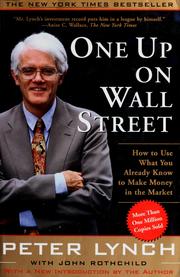
How individual investors can use what they know to find stocks before professionals.
“So, I just wanted to let you know that one of the, not the, the first very first book I read on investing was called One Up on Wall Street by Peter Lynch.” — Mohnish Pabrai
Source: Pabrai Investment Funds Annual Meeting Transcript 2019, page 34
Also recommended by: David Rolfe, Francisco Garcia Parames and 9 others

Client letters that tracked the dot-com bubble as it inflated and burst.
Source: Chai with Pabrai bookshelf — Investing and Capital Allocation
Also recommended by: Seth Klarman, Warren Buffett

The craft of money management, written with insight and humour.
Source: Chai with Pabrai bookshelf — Investing and Capital Allocation
Also recommended by: Warren Buffett
Why the cheapest stocks on enterprise value to operating earnings beat other screens.
Source: Mohnish Pabrai's recommended books for investors
Also recommended by: Bill Ackman, David Einhorn, Joel Greenblatt and 1 other
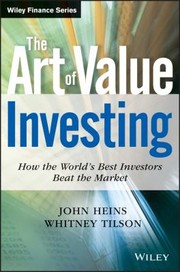
Quotations from dozens of value investors, arranged by topic.
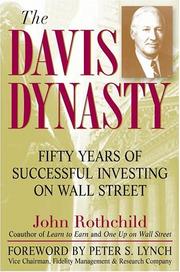
Three generations of Davises, who built a fortune from insurance stocks.
Source: Chai with Pabrai bookshelf — Investing and Capital Allocation
Also recommended by: Peter Bernstein, Thomas Gayner, Li Lu
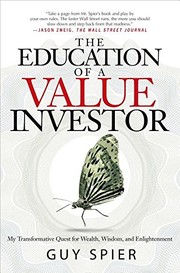
One investor's change from a brokerage job to value investing, after Buffett.
Source: Chai with Pabrai bookshelf — Investing and Capital Allocation
Also recommended by: Andrew Wilkinson, Christopher Bloomstran
Why stock returns can be predicted from firm traits, against efficient markets.
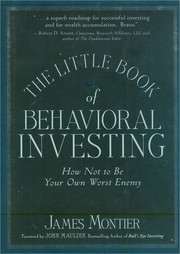
The biases that wreck investment decisions, and practical fixes for each.
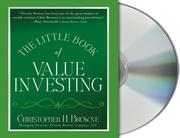
The Graham method of value investing, stated for a general reader.
“Recently I read The Little Book of Value Investing by Chris Browne of Tweedy Browne.” — Mohnish Pabrai
Source: Pabrai Investment Funds letter to partners (010107), page 5
Also recommended by: Jean-Marie Eveillard
Bill Miller's value investing during his long run of beating the S&P 500.

The classic on markets as a game of psychology and identity
Source: Chai with Pabrai bookshelf — Investing and Capital Allocation
Also recommended by: Barton Biggs, Howard Marks, Jason Zweig and 5 others
The case against efficient markets, with the evidence on mispriced stocks.
Source: Chai with Pabrai bookshelf — Investing and Capital Allocation
Also recommended by: William J. Bernstein, Joel Greenblatt
Hard-to-find lectures, articles and testimony by Benjamin Graham.
Three men who saw the risks building in the financial system before the crash.
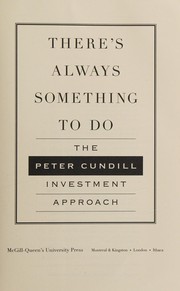
Peter Cundill's deep-value investing, drawn from his own journals.
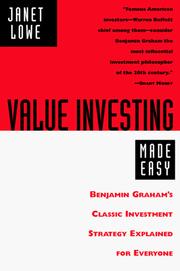
Graham's value investing method, restated in simple form for beginners.
Source: Chai with Pabrai bookshelf — Investing and Capital Allocation
Also recommended by: Michael Burry
Net asset value and resource conversion as the real drivers of investment return.
Source: Chai with Pabrai bookshelf — Investing and Capital Allocation
Also recommended by: Guy Spier, Seth Klarman
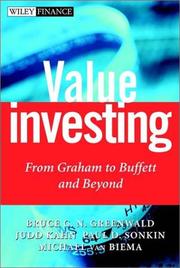
Columbia's value investing method: a valuation in three stages, most reliable first.
Source: Chai with Pabrai bookshelf — Investing and Capital Allocation
Also recommended by: Martin J. Whitman, Michael Mauboussin and 4 others
The rules and results of Buffett's early partnership, from his letters to partners.
Source: Chai with Pabrai bookshelf — Entrepreneurship, Management and Leadership
Also recommended by: Warren Buffett
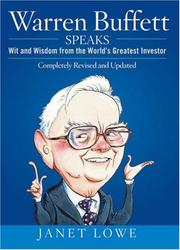
Quotations from Buffett's letters, meetings and interviews, arranged by subject.

A novel of a fund manager who buys a ship and learns how shipping finance works.
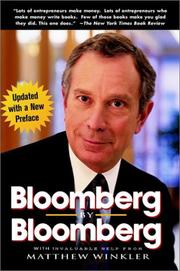
How the founder of a financial data company built it, in his own words.
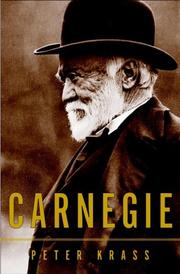
Andrew Carnegie's life, and the gap between his preaching and his practice.
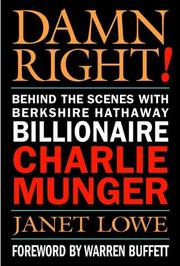
The life of Charlie Munger, from Omaha and Harvard Law to Berkshire Hathaway.
“Great book. Highly Recommended.” — Mohnish Pabrai
Source: Mohnish's Bookshelf — Books on Investing & Capital Allocation, entry 63
Also recommended by: Christopher Bloomstran, John C. Bogle and 2 others
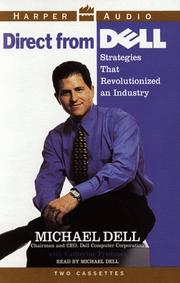
How build-to-order, direct sales and negative working capital built a PC giant.
Source: Chai with Pabrai bookshelf — Sales and Marketing
Also recommended by: Andrew Grove
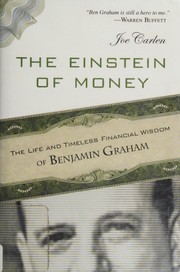
The life and financial wisdom of Benjamin Graham, an introduction to his ideas.
Source: Chai with Pabrai bookshelf — Investing and Capital Allocation
Also recommended by: Francois Rochon
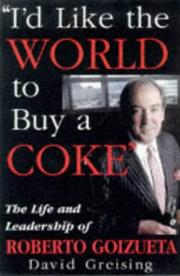
Roberto Goizueta, who fled Cuba and went on to run Coca-Cola.
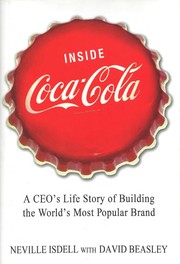
A Coca-Cola chief executive's life and how he revived the company.
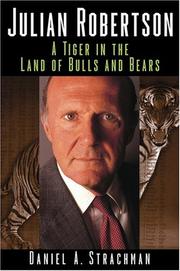
Julian Robertson and Tiger Management, the firm that set the long-short template.
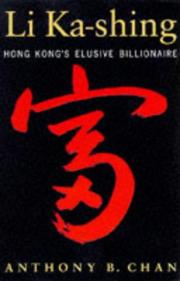
Li Ka-shing's rise from a poor family that fled to Hong Kong to billionaire.
Rupert Murdoch and the building of News Corporation across three continents.
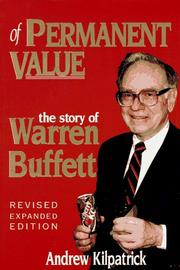
A large and growing compendium of material on Warren Buffett's life and work.
Source: Chai with Pabrai bookshelf — Investing and Capital Allocation
Also recommended by: Howard Marks, Li Lu
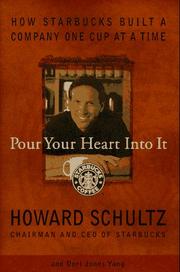
How a Seattle coffee bean seller became Starbucks, from the founder's side.

George Soros's investment philosophy and methods, told without his help.
The rise and failure of NeXT, the company Steve Jobs founded after leaving Apple.
Source: Chai with Pabrai bookshelf — Sales and Marketing
Also recommended by: Keith Rabois
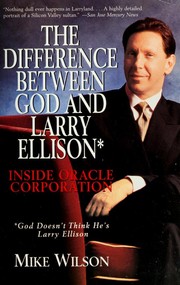
Larry Ellison and the rise of Oracle, told without his blessing.
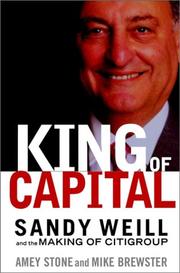
Sandy Weill's rise from a back office to the merger that made Citigroup.
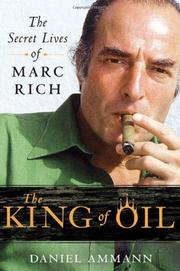
Marc Rich, who created the modern oil trading business.
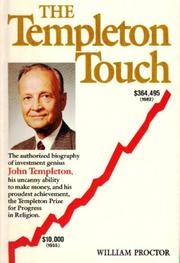
John Templeton's method: buying around the world at maximum pessimism.
Source: Chai with Pabrai bookshelf — Entrepreneurship, Management and Leadership
Also recommended by: Peter Cundill
American Express from freight company to financial conglomerate.
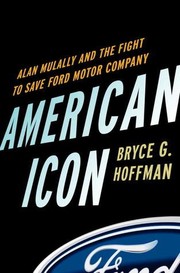
How Alan Mulally turned Ford around and saved it without bankruptcy.
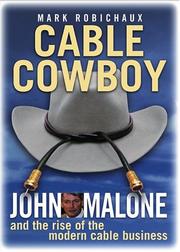
John Malone, TCI and the building of the American cable industry.
Source: Chai with Pabrai bookshelf — Entrepreneurship, Management and Leadership
Also recommended by: Michael Mauboussin
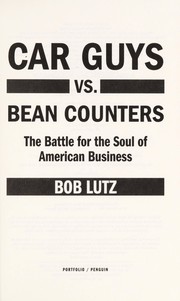
What went wrong at General Motors when finance overruled product.
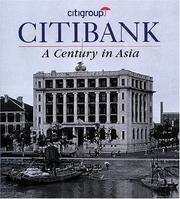
A commissioned history of Citibank's first hundred years in Asia, from Shanghai on.
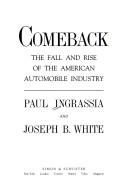
The decline and recovery of Detroit's carmakers, and the GM boardroom coup.

Teledyne and its founder Henry Singleton, from inside the conglomerate.
Source: Chai with Pabrai bookshelf — Entrepreneurship, Management and Leadership
Also recommended by: Christopher Bloomstran
Honda's decentralised engineering culture and how it differs from Toyota's.
The history of In-N-Out, from its first stand to the family fights over control.
Source: Chai with Pabrai bookshelf — Sales and Marketing
Also recommended by: Richard Branson
Leon Leonwood Bean and the Maine outfitter he founded.
A voyage on a container ship, and how the industry that moves traded goods works.

How Ryanair stripped cost out of flying and grew across Europe.
Wayne Huizenga's roll-ups of waste hauling, video rental and car dealerships.
“The Wayne Huizenga Story. On my Top Ten List. Awesome. An inspiration.” — Mohnish Pabrai
Source: Mohnish's Bookshelf — Books on Entrepreneurship, Management and Leadership, entry 270
KKR as an organisational innovation, and the governance case for the buyout.
Source: Chai with Pabrai bookshelf — Investing and Capital Allocation
Also recommended by: Michael Mauboussin
Why barriers to entry are the one force that matters in business strategy.
Source: Chai with Pabrai bookshelf — Entrepreneurship, Management and Leadership
Also recommended by: Li Lu, Michael Mauboussin
The five forces model for analysing an industry and a firm's place in it.
Source: Chai with Pabrai bookshelf — Investing and Capital Allocation
Also recommended by: Jim Collins, Michael Mauboussin, Bill Gurley and 1 other
Seventy-eight short rules for raising profit fast by cutting costs.
Source: Chai with Pabrai bookshelf — Investing and Capital Allocation
Also recommended by: Patrick O'Shaughnessy, Jamie Dimon
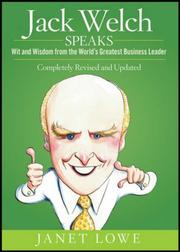
Jack Welch's quotations on management, arranged by topic.
Harvard Business Review articles that won the journal's annual McKinsey Award.
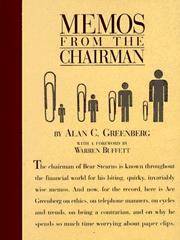
Short internal memos from Bear Stearns's chairman on costs and conduct.
Source: Chai with Pabrai bookshelf — Entrepreneurship, Management and Leadership
Also recommended by: Jeff Bezos
The 3G Capital trio's management system, summarised for operators.
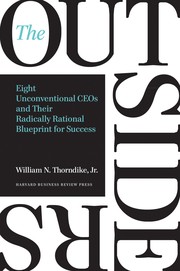
Eight CEOs who beat the market by allocating capital, not by running operations.
Source: Chai with Pabrai bookshelf — Entrepreneurship, Management and Leadership
Also recommended by: Andrew Wilkinson, Dan Loeb, Francois Rochon and 11 others
Porter's frameworks on competition and strategy, restated with misuses corrected.
Source: Chai with Pabrai bookshelf — Entrepreneurship, Management and Leadership
Also recommended by: Michael Mauboussin
How Google hires, manages and pays its people, with the data behind each choice.
Source: Chai with Pabrai bookshelf — Entrepreneurship, Management and Leadership
Also recommended by: Changpeng Zhao, David Cancel, John Doerr and 2 others
Why people misjudge advantage, and how underdogs win.
Source: Chai with Pabrai bookshelf — Entrepreneurship, Management and Leadership
Also recommended by: Andrew Wilkinson, John C. Bogle, Andrew Chen
How cognitive dissonance drives people to justify their mistakes, not admit them.
Source: Chai with Pabrai bookshelf — Unorganized, yet Interesting
Also recommended by: Derek Sivers, Howard Marks, Nat Eliason and 2 others
How a shortage of money or time narrows attention and weakens decisions.
Source: Chai with Pabrai bookshelf — Science
Also recommended by: Daniel Kahneman, Esther Dyson
Why people are bad at predicting what will make them happy, and how the errors arise.
Source: Chai with Pabrai bookshelf — Unorganized, yet Interesting
Also recommended by: Andrew Wilkinson, Derek Sivers, Jim Collins and 3 others
How Daniel Kahneman and Amos Tversky worked together on heuristics and biases.
Source: Chai with Pabrai bookshelf — Unorganized, yet Interesting
Also recommended by: Andrew Wilkinson, Ray Dalio and 6 others
How fast, automatic thought and slow, deliberate thought shape judgment and error.
Source: Chai with Pabrai bookshelf — Genetics and Evolution
Also recommended by: Andrew Wilkinson, Charles de Vaulx and 35 others
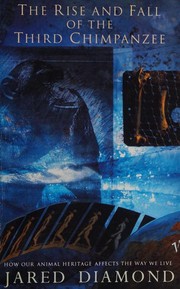
What in the few genes that separate us from apes made humans different.
Source: Chai with Pabrai bookshelf — Genetics and Evolution
Also recommended by: Charlie Munger
Why cheap shale gas and rising Chinese wages set up an American industrial revival.
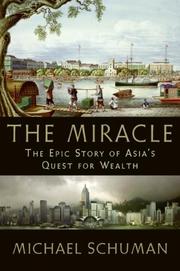
How East Asia's economies grew, told through the people who drove them.

How a Fed credit boom led to the Depression, and how policy prolonged it.
Source: Chai with Pabrai bookshelf — Philanthropy, Charity and Public Policy
Also recommended by: Christopher Bloomstran
The economy's troubles, the Middle East's role among them, made plain to a layman.
The warehouse fraud of missing salad oil that nearly broke American Express.

Why some things gain from volatility and disorder, and how to build them.
Source: Chai with Pabrai bookshelf — Entrepreneurship, Management and Leadership
Also recommended by: Ana Fabrega, Andrew Chen, Derek Sivers and 23 others
A history of Western philosophy from the Greeks to the Renaissance.
Source: Chai with Pabrai bookshelf — Genetics and Evolution
Also recommended by: Nassim Nicholas Taleb
Why Eurasian societies conquered others: the role of geography, crops and animals.
“When the author of a book on poker references some of my favorite books like Why Is Sex Fun?, Guns, Germs and Steel (both by Jared Diamond) and How the Mind Works by Steven Pinker (one that’s arrived, but not yet read), my curiosity was piqued.” — Mohnish Pabrai
Source: Pabrai Investment Funds letter to partners (101103), page 6
Also recommended by: Charlie Munger, Christopher Bloomstran and 16 others

How the Scottish Enlightenment shaped modern commercial and economic thinking.
Source: Chai with Pabrai bookshelf — Unorganized, yet Interesting
Also recommended by: Charlie Munger

History as a growing web of non-zero-sum games, in which both sides can gain.
Source: Chai with Pabrai bookshelf — Unorganized, yet Interesting
Also recommended by: Nick Thompson, Ev Williams, Reid Hoffman
Nine kinds of value investing idea, how to screen for each and weigh its risks.
Source: Chai with Pabrai bookshelf — Periodicals
Also recommended by: Christopher Bloomstran, Guy Spier and 1 other
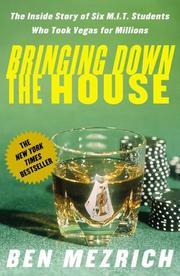
How the MIT blackjack team used card counting and team play to beat Las Vegas.
Source: Chai with Pabrai bookshelf — Unorganized, yet Interesting
Also recommended by: Howard Marks

Why social science should explain by mechanisms rather than by laws.
Source: Chai with Pabrai bookshelf — Science
Also recommended by: Nassim Nicholas Taleb
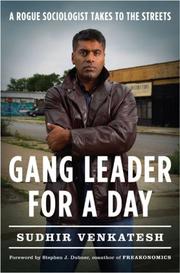
A sociologist studies a Chicago crack-dealing gang from the inside.
Source: Chai with Pabrai bookshelf — Unorganized, yet Interesting
Also recommended by: Mark Zuckerberg
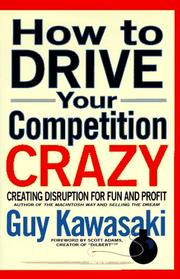
Tactics for competing against larger rivals through service and speed.
“Awesome book. On my Top Ten List. CEO of garage.com and a friend.” — Mohnish Pabrai
Source: Mohnish's Bookshelf — Books on Sales & Marketing, entry 27
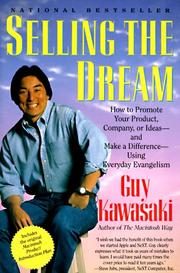
A handbook for business evangelism: using passion and strategy to sell an idea.
Essays by consultants and executives on restructuring businesses for the internet.
A product manager's account of a startup sale and of building Facebook's ad business.
Source: Chai with Pabrai bookshelf — Sales and Marketing
Also recommended by: Nat Eliason, Alfred Lin and 3 others
Harvard Business Review articles on doing business in networked markets.
Why networked computing would reorganise business, not just speed it up.

How digital technology is changing work and wealth as the Industrial Revolution did.
Source: Chai with Pabrai bookshelf — Entrepreneurship, Management and Leadership
Also recommended by: Michael Mauboussin, Patrick Collison and 4 others
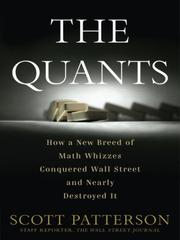
Quantitative investors, from the field's rise to the crises that hit it.
Profiles of India's leading business families, from interviews.
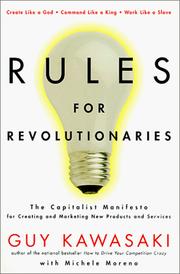
How to create and launch new products, from the Macintosh years onward.
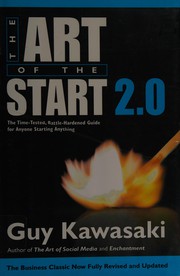
Practical instructions for starting a company or another organisation.
Source: Chai with Pabrai bookshelf — Unorganized, yet Interesting
Also recommended by: Ev Williams, Keith Rabois, Matt Mullenweg
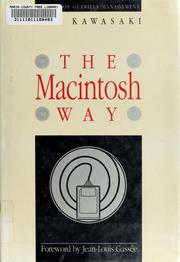
The history of Apple's Macintosh division and how it marketed the computer.
Source: Chai with Pabrai bookshelf — Sales and Marketing
Also recommended by: Naval Ravikant
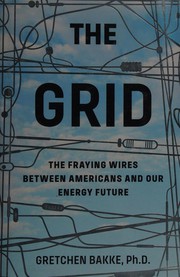
The American electrical grid as a physical and social system, and why it is strained.
“And then another book I'm reading, which was actually a Bill Gates recommendation is, it's called The Grid about the electric grid, which is also pretty good.” — Mohnish Pabrai
Source: Pabrai Investment Funds Annual Meeting Transcript 2018, page 21
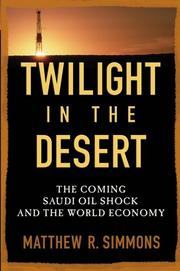
The argument that Saudi oil output was nearer its limit than the kingdom said.

A four-step method to cut work, automate income and take free time now.
Source: Chai with Pabrai bookshelf — Entrepreneurship, Management and Leadership
Also recommended by: Andrew Wilkinson, Ev Williams, Nat Eliason and 18 others

Principles of observation, inference and avoiding error, from the Holmes stories.
Source: Chai with Pabrai bookshelf — Entrepreneurship, Management and Leadership
Also recommended by: Patrick O'Shaughnessy, Nassim Nicholas Taleb
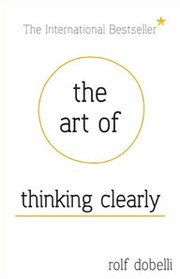
Ninety-nine cognitive errors in short chapters, each with how to avoid it.
How to beat Resistance, the inner force that keeps people from creative work.
Source: Chai with Pabrai bookshelf — Balance between Work, Play, Family, Friends, Learning
Also recommended by: Ana Fabrega, Derek Sivers, Nat Eliason and 10 others
A drive through 116 countries, sizing up their markets from the ground.
“Some of the other good reads this summer included Investment Biker and Adventure Capitalist (both by Jim Rogers).” — Mohnish Pabrai
Source: Pabrai Investment Funds letter to partners (101103), page 6
How companies dress up their reported operating cash flow, and how to spot it.
Source: Chai with Pabrai bookshelf — Investing and Capital Allocation
Also recommended by: Michael Mauboussin
How to spot weakening finances and coming earnings shortfalls in published accounts.
Probability and coincidence, explained for a general reader.
An ancient Chinese treatise on war: position, deception and choosing when to fight.
Source: Chai with Pabrai bookshelf — Entrepreneurship, Management and Leadership
Also recommended by: Evan Spiegel, Fred Wilson, Marc Benioff and 3 others
Why China would lead this century's economy, and a guide to investing there.
Source: Mohnish Pabrai's recommended reading list for investors
Also recommended by: Derek Sivers
The questions and answers of one year's Berkshire Hathaway shareholders meeting.
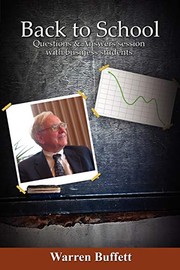
Lecture transcripts on the keys to investment success and to leading a happy life.
How bankruptcy law works and how to invest in distressed companies.
How price-driven volatility explains stock-price puzzles and why few beat the market.
How the managers of Berkshire's businesses run them, and what that shows.
The chairman's letters to Berkshire Hathaway shareholders, bound in two books.
Fifty years of Berkshire Hathaway's shareholder letters, unedited.
Leading investors on risk, asset allocation, value, growth and emerging markets.
A workbook for analysing stocks with the techniques Warren Buffett uses.
Why Warren Buffett weighs growth and management, not just price, when investing.
A guide to the lessons of Warren Buffett's shareholder letters.

The stock-picking techniques behind the world's most famous investor's fortune.
How to find well-managed companies that respect their shareholders.
Why buy-and-hold is over for now, and how to aim where the market is going.
Investing tips, maxims and truisms organized by topic, from equities to trading.
Interviews with twenty investors who share their strategies in online forums.
Warren Buffett's key investment strategies, set out as a series of masterclasses.
How Capital Group built its long-term investing culture.
Source: Chai with Pabrai bookshelf — Investing and Capital Allocation
Also recommended by: John C. Bogle

A guide to China's stock market: how it grew, who trades in it and its prospects.
An anthology of writing by noted investors.
Source: Chai with Pabrai bookshelf — Investing and Capital Allocation
Also recommended by: Li Lu
Talks from a symposium that re-examined corporate law through Buffett's letters.
How individual investors can build a hedge-fund-style portfolio from ETFs.
A small-fund manager's step-by-step attempt to copy Buffett's stock selection.
The mortgage meltdown explained through two years of exchanges with Warren Buffett.
How to find genuinely undervalued stocks before anyone else.
An investment adviser's account of how his investment philosophy formed.
The stock-picking methods professional money managers use, for individuals.
An analysis of how the world's top investors invest, and how to match their results.
Exchange-traded funds explained in plain English: costs, risks and taxes.
Articles on every part of portfolio investment, from markets to global investing.
Profiles of people who succeeded in different kinds of investing.
A textbook on investments and portfolio management, with exercises.
An introduction to hedge funds: what they are, how they work, who runs them.
Top hedge fund managers on their methods and the new managers they pick out.
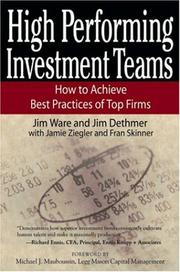
How top investment firms build collaborative, synchronised teams.
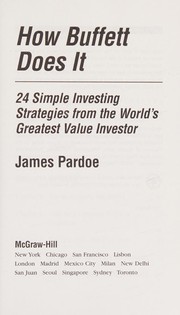
The 24 rules of investing Warren Buffett has followed, drawn from his quotes.
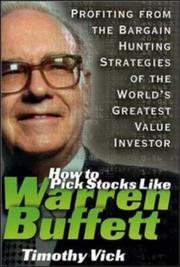
How Warren Buffett keeps finding bargain stocks that others pass over, step by step.
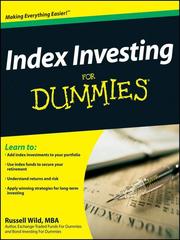
A beginner's guide to investing in index funds.
Twenty of Warren Buffett's investments, examined case by case.
A practical guide to investing in commodities through futures indexes.
Using a computer program to imitate the strategies of professional money managers.
Why investors should bet with the top hedge funds rather than against them.
How to judge companies by reading their shareholder letters and financial statements.
Source: Chai with Pabrai bookshelf — Investing and Capital Allocation
Also recommended by: Warren Buffett
How history, politics and economics shaped Greater China's markets, for investors.
An overview of the hedge fund industry and its strategies.
Why Japan's stock market is undervalued and how value investors can use it.
How hedge funds try to profit in rising and falling markets.
Thirteen popular investment strategies tested against the evidence.
Interviews with leading investment managers and the academics behind them.
How investment firms build the culture and leadership for long-term success.
Nobel laureates and financial thinkers on how investors can do well.
Interviews with technology-sector investors and founders on how they succeed.
A template for picking stocks, and the fund managers who pick them, as Buffett does.
The value approach of Vanguard's Windsor fund over 31 years: cheap, unloved stocks.
Investing lessons from the lives of great financiers and investors.
Interviews with 28 Canadian investors on how they pick investments.
A decade of pieces from a newsletter on interest rates and credit markets.
Source: Chai with Pabrai bookshelf — Investing and Capital Allocation
Also recommended by: William J. Bernstein, Seth Klarman
Security analysis that weighs the balance sheet over reported earnings.
A decade of essays on the technology bubble, its collapse and the credit boom after.
Source: Chai with Pabrai bookshelf — Investing and Capital Allocation
Also recommended by: Seth Klarman
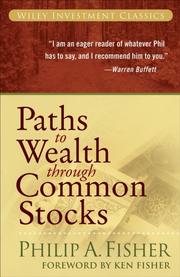
How profits are made by owning common stocks, for self-managed investors.
Source: Chai with Pabrai bookshelf — Investing and Capital Allocation
Also recommended by: Francois Rochon, Warren Buffett
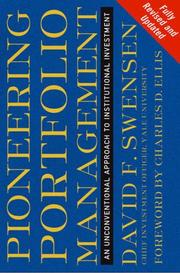
How the Yale endowment invests, and how institutions can build portfolios like it.
Source: Chai with Pabrai bookshelf — Investing and Capital Allocation
Also recommended by: Howard Marks, John C. Bogle, Marc Andreessen and 2 others

How point and figure charts track supply and demand for securities.
A speculator's return to markets after his firm failed, and the methods he tested.
A manager's memoir of running a technology hedge fund through the bubble.
Why so few mutual funds beat the market, and what the few winners share.


Interviews with twelve of Canada's top money managers on how they pick stocks.
How to find undervalued stocks, build a value portfolio, and time buys and sells.
The strategies and philosophy of the fund manager John Templeton.
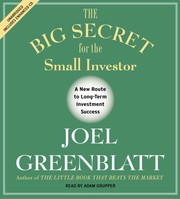
How to value a business, and why the small investor has an edge over big firms.
Source: Chai with Pabrai bookshelf — Investing and Capital Allocation
Also recommended by: Mr. Money Mustache
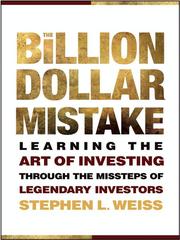
Investing lessons from the career-defining mistakes of billionaire investors.
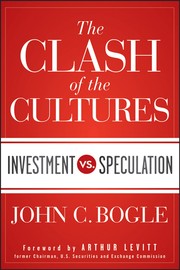
How speculation displaced long-term investment in markets, shown in turnover data.
Source: Chai with Pabrai bookshelf — Investing and Capital Allocation
Also recommended by: Warren Buffett, Mr. Money Mustache
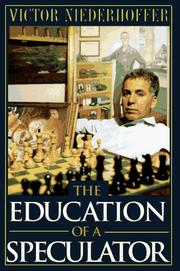
Life as speculation, with lessons on markets, games, careers and relationships.
Source: Chai with Pabrai bookshelf — Investing and Capital Allocation
Also recommended by: Michael Mauboussin
A technical reference on how exchange-traded funds are built and how they work.
Why indices should weight companies by fundamentals rather than market value.
Source: Chai with Pabrai bookshelf — Investing and Capital Allocation
Also recommended by: Michael Mauboussin
Why investors overpay for growth, and why mature firms paying dividends do better.
About seventy questions to ask about a business before buying its shares.
Source: Chai with Pabrai bookshelf — Investing and Capital Allocation
Also recommended by: Rational Capital Investment Fund
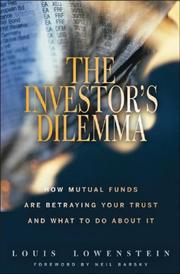
How the mutual fund industry works against its investors, and what to do.
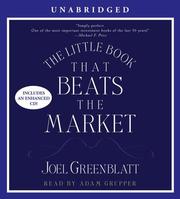
A 'magic formula' for buying good companies at bargain prices.
“It is the same reason that Joel Greenblatt’s Magic Formula (highlighted in The Little Book that Beats the Market) is likely to trounce virtually all active managers with very little work.” — Mohnish Pabrai
Source: Pabrai Investment Funds letter to partners (040106), page 8
Also recommended by: Michael Mauboussin
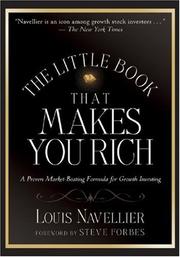
A growth-investing strategy for picking actively traded stocks with rising profits.

How to protect assets and make money when the US economy turns down.
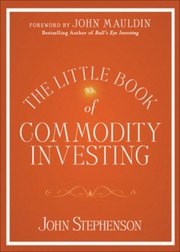
A guide to commodity investing and to spotting its opportunities.
How to make money in long range-bound markets with active value investing.
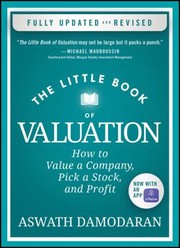
Intrinsic and relative valuation of stocks, explained for general readers.
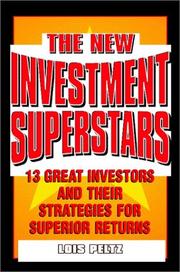
Profiles of the hedge fund managers who rose above thousands of others in a decade.
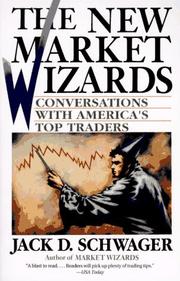
Interviews in which successful traders explain the strategies behind their results.
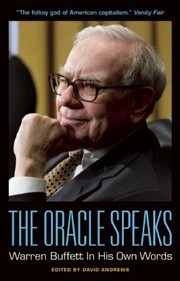
Warren Buffett's own words on business, success and politics.
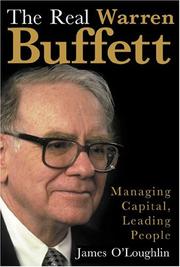
How Warren Buffett manages capital and leads the people who run his businesses.
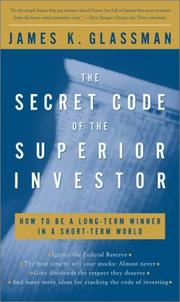
How to invest in stocks for the long term in a short-term market.

Why an asset's value is the present value of the cash it will pay its owners.
Source: Chai with Pabrai bookshelf — Investing and Capital Allocation
Also recommended by: Michael Mauboussin, Warren Buffett
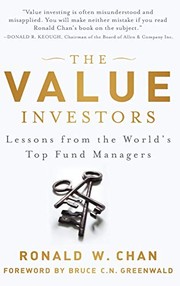
Profiles of value fund managers around the world and their lessons.
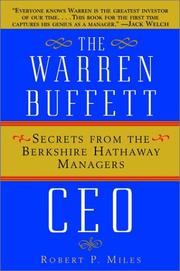
How Berkshire's subsidiary heads run their businesses, in their own words.
Source: Chai with Pabrai bookshelf — Investing and Capital Allocation
Also recommended by: Brad Feld, Francois Rochon and 1 other
A collection of Warren Buffett's wittiest, wisest and most quotable remarks.
Asia's economic history and the case for investing in it.
The lesser-known trades Warren Buffett makes beyond buying and holding stocks.
Twenty trading strategies drawn from hedge funds, each uncorrelated with the others.
Why position sizing and expectancy, not entry signals, decide a trader's results.
How to spot investment fads, manias and bubbles on Wall Street before they burst.
Why individuals cannot copy the endowment model, and a simpler approach for them.
Source: Chai with Pabrai bookshelf — Investing and Capital Allocation
Also recommended by: John C. Bogle, Marc Andreessen and 2 others
Interviews with twenty value fund managers who beat the market.
A personal account of learning value investing from scratch.
How to become a disciplined investor, drawing on Peter Lynch and Warren Buffett.
How Buffett, Templeton and other value investors got rich by never overpaying.
Warren Buffett's strategies and methods, followed from the start of his career.
Warren Buffett's principles of business and management, in his words.
A guide to three books Warren Buffett favours, The Intelligent Investor first.
A Turtle trader's account of the rules taught to novices, and why most failed.
Source: Chai with Pabrai bookshelf — Investing and Capital Allocation
Also recommended by: Michael Mauboussin
Why active investing became a loser's game, decided by errors, not by skill.
Source: Chai with Pabrai bookshelf — Investing and Capital Allocation
Also recommended by: Bill Miller, Michael Mauboussin and 1 other

A novel of city life in India, built around an apartment and its residents.
Source: Chai with Pabrai bookshelf — Fiction
Also recommended by: Patrick Collison, Jacqueline Novogratz and 1 other
A novel of a young man from a modest home who rises in the hedge fund world.

A Trinidadian of Indian descent strives all his life to improve his lot.

An Atlanta developer facing ruin, in a satire of America.
Source: Chai with Pabrai bookshelf — Fiction
Also recommended by: Jim Collins

A boy's life in 1950s rural Arkansas, drawn from the author's own childhood.

Two Englishwomen arrive in an Indian town and feel trapped by its Anglo-India.
Source: Chai with Pabrai bookshelf — Fiction
Also recommended by: Jim Collins

Linked stories of tradition and desire, told to a retired bureaucrat.

A legal thriller about a capital murder trial after a crime against a Black girl.
A young girl comes of age in Brooklyn at the turn of the century.
365 versions of Rumi's poems, one for each day of the year.
Source: Chai with Pabrai bookshelf — Balance between Work, Play, Family, Friends, Learning
Also recommended by: Patrick O'Shaughnessy
Huck Finn tells of his journey along the Mississippi River in the American South.
Source: Chai with Pabrai bookshelf — Fiction
Also recommended by: Jim Collins, Richard Branson

A collection of poems written over seven years.
A novel of a Pakistani teenage girl sent by her family to live in America.

A romantic novel of two gifted musicians, a violinist and a pianist.

A novel of a forensic anthropologist identifying the dead for human rights work.


In a future dark age that denies people their names, one man dares to love.
Source: Chai with Pabrai bookshelf — Fiction
Also recommended by: Ev Williams, Niki Scevak

A novel of a teenage boy, the ants he studies and the fight to save their land.
A novel in which industrialists vanish from an economy run by government directives.
Source: Chai with Pabrai bookshelf — Fiction
Also recommended by: Brian Armstrong, Jim Collins, Nat Eliason and 20 others
A novel of a German Jew who flees to India and ends his life poor in Bombay.

A novel of secrets, marriage and friendship in Philadelphia.
Short stories of life in an Indian town between two political assassinations.
A spy thriller of missing persons and secret services in Pakistan.

A troop train crosses the winter Rockies toward a frontier fort struck by cholera.
A novel of a young Bangladeshi Muslim woman: immigrant, wife and sister.

A short novel of love, friendship and spiritual life.

A young man taught that all is for the best is thrown out into a cruel world.
Source: Chai with Pabrai bookshelf — Fiction
Also recommended by: Ryan Holiday
A parable of a young man's eighteen-year search for the meaning of life.

An apocalyptic satire of modern man and his madness, with an invented religion.
Source: Chai with Pabrai bookshelf — Fiction
Also recommended by: Nat Eliason, Ev Williams

A novel of sisters in Old Delhi, family wounds and forgiveness.
The Partition of India, seen by a young Parsee girl with polio in Lahore.
A Dirk Pitt adventure that begins with a financier lost on a treasure hunt by blimp.
A travelling salesman's dreams for his sons, and how they harm them.
Source: Chai with Pabrai bookshelf — Fiction
Also recommended by: Tim Ferriss

A techno-thriller of NSA surveillance and its secret codebreaking supercomputer.
A legal thriller of a football player, a murder and a woman lawyer.
A historical family novel of love, depravity and the struggle for acceptance.
Source: Chai with Pabrai bookshelf — Fiction
Also recommended by: Andrew Wilkinson, Nat Eliason, Oprah Winfrey
Nine stories about the closeness and distance between East and West.
A Brazilian girl who thinks love brings only pain leaves her village for Rio.
Source: Chai with Pabrai bookshelf — Fiction
Also recommended by: Tim Ferriss

A future America where books are banned and firemen burn any they find.
Source: Chai with Pabrai bookshelf — Fiction
Also recommended by: Ryan Holiday, Nir Eyal
A novel of a daughter at home in India and her brother in America.
A NUMA Files thriller: Kurt Austin and a former KGB spy against a plot on America.
A comic novel of three friends at the Indian Institute of Technology.

The last Ibis novel: the opium trade and the war it brought to China.

A novel of an American with Spanish guerrillas sent to blow up a bridge.
Source: Chai with Pabrai bookshelf — Fiction
Also recommended by: Jim Collins, Nat Eliason, David Kadavy and 1 other

A comic novel of five Los Angeles families obsessed with college admissions.
A semi-autobiographical novel of a fourteen-year-old boy and his family in Harlem.

Short stories about flying by writers from H. G. Wells and Conan Doyle to Ballard.
A comic novel of a young man in a Punjab village who is taken for a holy man.

A novel of a young woman's first semesters at an elite American university.

An espionage thriller aboard an American nuclear submarine.

Eight linked stories of a landowning family in Pakistan and the people who serve it.

Stories of people displaced within India's slowly changing society.
A novel of Marco Polo describing imagined cities to the emperor Kublai Khan.
Source: Chai with Pabrai bookshelf — Fiction
Also recommended by: Patrick Collison, Daniel Burka and 1 other
A young black man from the South, expelled from college, learns how racism works.
Source: Chai with Pabrai bookshelf — Fiction
Also recommended by: Ryan Holiday, Jacqueline Novogratz
A surreal novel of a man sentenced to death by beheading for "gnostical turpitude".

A drifter and former military policeman is arrested for murder in a Georgia town.
A Mumbai developer tries to buy out the residents of an old tower block.

A novel of young Indian women in London, dutiful at home and fierce at work.
A novel of schoolboys stranded on an island whose self-rule collapses into violence.
Source: Chai with Pabrai bookshelf — Fiction
Also recommended by: Alexey Moiseenkov, Elon Musk, Ev Williams and 1 other

Five linked stories of Bombay: its ghosts, passions, feuds and mysteries.
A novel of a restaurant manager on New York's Lower East Side.

An orphan boy steals food to survive on the streets of Nazi-occupied Warsaw.
Stories and novel excerpts by Indian writers from independence in 1947 to 1997.

A Kansas City lawyer buries himself in work whenever his family needs something.

A carer for organ donors recalls her childhood friends at Hailsham, their school.
Source: Chai with Pabrai bookshelf — Fiction
Also recommended by: Guy Proops

An American naval commander uncovers a long-buried secret US-British treaty.

Ten short stories of betrayal, blackmail, murder and revenge, each with a twist.

Two migrant ranch workers look for work in California in the Great Depression.
Source: Chai with Pabrai bookshelf — Fiction
Also recommended by: Sophie Bakalar

One day of a prisoner in a Soviet Gulag labour camp, and the suffering it holds.

A magic realist novel of a family and its imaginary town, Macondo.
Source: Chai with Pabrai bookshelf — Fiction
Also recommended by: Richard Branson, Fred Wilson, Oprah Winfrey
On a dust-swept prairie, a girl scarred by an accident loses her mother and piano.

In a small Colorado town, a high-school teacher is left to raise his two boys alone.
An ex-cop, almost ex-drunk law partner takes on a sensitive task for his firm.
A prosecutor hunting a colleague's killer is himself charged with the murder.

Elizabeth Bennet learns the cost of hasty judgment, in a novel of manners.
Source: Chai with Pabrai bookshelf — Fiction
Also recommended by: David Kadavy, Tim O’Reilly
A writer's fifty-year path from Trappist monk to a forgotten universal religion.
Plays, memoirs, letters, essays, stories, poems and songs, many from the Bengali.
A secret defence project needs a rare element that lies only in the Titanic's hold.
An Indian princess born in the 1890s lives through the end of British rule.
Two schoolboys grow up in a crowded Bombay chawl in the 1960s.
Indian myth, epic history and three college students who go in search of America.

Detective Alex Cross hunts a bank robber and killer who calls himself the Mastermind.
A new NFL player finds lawlessness and a conspiracy on his Birmingham team.
Dirk Pitt investigates an epidemic that drives North Africans to madness and death.
An epic spiritual poem on mankind's destiny and the evolution of consciousness.

Dirk Pitt fights an Australian diamond magnate above and below the sea.
A novel of a Brahmin's son in ancient India who seeks understanding his own way.
Source: Chai with Pabrai bookshelf — Fiction
Also recommended by: Jim Collins, Naval Ravikant and 6 others

Two cousins in a Calcutta family, raised as sisters, and the secrets between them.
Forty-two true stories by Indians around the world from the site Sulekha.com.

Two generations of women from India's railway colonies, a mother and her daughter.
A thriller in which British and American intelligence try to plant a man in al-Qaeda.
A shepherd boy follows a recurring dream from Andalusia to the pyramids of Egypt.
Source: Chai with Pabrai bookshelf — Fiction
Also recommended by: Derek Sivers, Nat Eliason, The Rational Walk and 9 others


A man in Calcutta learns his lost sister has died and must claim her newborn.

A satire of ambition, race, class and greed around a 1980s New York bond trader.
Source: Chai with Pabrai bookshelf — Fiction
Also recommended by: Jim Collins, Ev Williams
A man pulled from the Mediterranean with amnesia hunts for his own past.
Jason Bourne is drawn back into action when his wife is kidnapped, in a plot in Asia.
Source: Chai with Pabrai bookshelf — Fiction
Also recommended by: Jim Collins

An orphan adopted by a tribesman who has left his hill town for Lahore.
A Delhi detective investigates a death at a laughing club blamed on the goddess Kali.

A novel of a sixteen-year-old's days alone in New York after his school expels him.
Source: Chai with Pabrai bookshelf — Fiction
Also recommended by: Ryan Holiday, Bill Gates, Ev Williams and 1 other

A novel of an adventure in pursuit of a spiritual mystery and its predictions.
Source: Chai with Pabrai bookshelf — Balance between Work, Play, Family, Friends, Learning
Also recommended by: Nat Eliason

The bombing that killed a civil-rights lawyer's two young sons in Mississippi.
Five members of a Harvard class and the women in their lives over 25 years.
A boy who learns a murdered senator's secret is pursued by the Mafia and the law.
A thriller of a secret campaign to destroy the international cocaine trade.
A mystery thriller in which Robert Langdon follows clues to the Holy Grail.
Source: Chai with Pabrai bookshelf — Fiction
Also recommended by: Donald Trump, Ev Williams
With detente, British intelligence moves to retire its maverick master of deception.
A thriller in which world leaders face a choice that will cost many lives.

A tycoon learns a mountain in a small African republic holds a fortune in ore.

Three novellas of travellers in today's India who find woe, truth or peace.
A novel of the biblical prophet Elijah and his struggle of the spirit.

A British agent goes to wartime Baghdad to contact a mole near Saddam Hussein.
A novel of an architect who will build only by his own judgment, whatever it costs.
Source: Chai with Pabrai bookshelf — Fiction
Also recommended by: Ev Williams, Iman Gadzhi, Kevin Kelly and 6 others
A thriller about Plan Aurora, a Soviet plot hatched in a dacha outside Moscow.

Twins in India whose lives are broken by the laws of who may be loved.
A novel in verse of young professionals and their loves in 1980s San Francisco.

The rise of Islamic radicalism in Bangladesh, seen through one family.

A family of Oklahoma sharecroppers, driven from their land by drought and poverty.
Source: Chai with Pabrai bookshelf — Fiction
Also recommended by: Jim Collins

A novel of a rich man of unknown origin on Long Island and the woman he wants back.
Source: Chai with Pabrai bookshelf — Fiction
Also recommended by: Jim Collins, Patrick Collison, Anna Cheng and 3 others
A satirical novel retelling India's fight for independence through the Mahabharata.
A famous singer lost in an earthquake, and the lover who keeps seeking her.

A novel of a boy cast out in India who lives as a man of many names.

A young lawyer wins an acquittal for a professor who then whispers his guilt to her.
Four sisters in Osaka before the war try to keep a vanishing way of life.
Detective Sam Spade hunts a jewel-encrusted antique falcon.
Source: Chai with Pabrai bookshelf — Fiction
Also recommended by: Jim Collins

The art restorer and spy Gabriel Allon faces the greatest challenge of his life.

A young woman with magical powers, trained in the ancient art of spices.

An Indian-American boy named Gogol rejects his name and his parents' values.
Source: Chai with Pabrai bookshelf — Fiction
Also recommended by: Rana el Kaliouby
A negotiator, Quinn, against a conspiracy to crush the President of the US.

The hunt for a notorious Nazi criminal amid international arms deals.

An old fisherman, a boy and a giant fish in the Gulf Stream off Havana.
Source: Chai with Pabrai bookshelf — Fiction
Also recommended by: Jim Collins, Jack Dorsey
A spy who watched his own agency kill his double-agent lover quits the game.

A man with a new name and a new face is found in a small town in Brazil.

A sequel in which the Phantom of the Opera builds an opera house in America.

A writer's spiritual transformation on the pilgrimage to Santiago de Compostela.
A law student takes on a corrupt insurance company and its scam.
A drowning in the Palm Beach surf leads to a conspiracy of money and corrupt police.

An ageing butler takes a trip through the countryside and looks back on his past.
Source: Chai with Pabrai bookshelf — Fiction
Also recommended by: Abi Tyas Tunggal, Diana Kimball, Jeff Bezos and 1 other
Don and Rosie, newly married in New York, learn that Rosie is pregnant.
Source: Chai with Pabrai bookshelf — Fiction
Also recommended by: Bill Gates
A socially awkward genetics professor sets out to find a wife by scientific method.
Source: Chai with Pabrai bookshelf — Fiction
Also recommended by: Bill Gates, Gaby Goldberg
A tip warns that the jury in a big tobacco trial may be tampered with.

A pilot flying home alone over the sea on Christmas Eve meets trouble.
An American banker in Zurich is attacked by an old friend programmed to kill.
India's best snake charmer, unloved at home, has one fateful evening.

An experimental novel that tells one family's story from four points of view.
Source: Chai with Pabrai bookshelf — Fiction
Also recommended by: Jim Collins, Oprah Winfrey
A British agent poses as a defector in East Germany to spread disinformation.
A journalist learns police have caught five hitmen on their way to kill him.

A philosophical novel of the absurd about a man who commits a murder.
Source: Chai with Pabrai bookshelf — Fiction
Also recommended by: Gaby Goldberg

A rising lawyer at a big Washington firm gives up money and power for the law.

A writer and his wife on a 40-day spiritual journey through the Mojave Desert.

Five suspense stories, from a wartime miracle in Siena to an airliner heist.
Queen Aria is fated to lead an army in a war for the universe against the evil Stex.

A semi-autobiographical novel of an idealistic Princeton student.

Translations of three great Tang poets: Wang Wei, Li Bai and Du Fu.

George Smiley hunts a double agent at the top of British intelligence.
Source: Chai with Pabrai bookshelf — Fiction
Also recommended by: Michael Bloomberg


A novel of racial injustice and mob anger in a segregated Southern town.
Source: Chai with Pabrai bookshelf — Fiction
Also recommended by: Jim Collins, Shane Parrish, Sophie Bakalar
A bride must marry the replacement groom, an older stepbrother she barely knows.
A novel of nineteenth-century Delhi and the loss of a whole culture and way of life.

A novel of Umrao Jan Ada, a courtesan of Lucknow.
Five hundred Urdu verses and 10,000 Urdu words for lovers of the ghazal.
Dirk Pitt uses Jules Verne's lore to stop an oil baron seeking political power.


A novel of ship finance and shipping tycoons, the sequel to The Shipping Man.

Dirk Pitt finds a lost plane carrying a deadly organism in a frozen Colorado lake.

Napoleon's invasion of Russia, followed through Pierre, Prince Andrei and Natasha.
Source: Chai with Pabrai bookshelf — Fiction
Also recommended by: Jim Collins, Patrick Collison, Tyler Cowen and 1 other

A group of wild rabbits struggles to find and hold a new home.
A young woman who wants to be an engineer struggles for freedom in Soviet Russia.
Two women married to one Sikh landowner, amid the Partition of India.

A team parachutes into wartime Germany to rescue an American general from a castle.

How curiosity and asking questions improve work and relationships.
Source: Chai with Pabrai bookshelf — Balance between Work, Play, Family, Friends, Learning
Also recommended by: Patrick O'Shaughnessy, Sheryl Sandberg

The autobiography of an educator who shaped American medical education.

A memoir told through portraits of the people the author knew, from Vienna on.
Source: Chai with Pabrai bookshelf — Entrepreneurship, Management and Leadership
Also recommended by: Stewart Brand

A biography of General Douglas MacArthur.
Source: Chai with Pabrai bookshelf — History
Also recommended by: Jim Collins, Elon Musk
How Lillian Vernon built a mail-order business from her kitchen table.
A life of non-violent struggle against racism and colonial rule, told by its subject.
Source: Chai with Pabrai bookshelf — Balance between Work, Play, Family, Friends, Learning
Also recommended by: Tim Cook

A financier and statesman's own account of his life in markets and politics.
Source: Chai with Pabrai bookshelf — Investing and Capital Allocation
Also recommended by: Michael Mauboussin, Seth Klarman
The memoirs of the investor who laid the foundation of security analysis.
Source: Chai with Pabrai bookshelf — Investing and Capital Allocation
Also recommended by: Guy Spier, Jason Zweig, William J. Bernstein and 7 others
A narrative biography of Winston Churchill's nearly sixty years in British politics.

Ted Turner and his rush to build a global communications empire.
Theodore Roosevelt's last decade, from leaving the presidency to his death.
Jay Gould, the most hated robber baron, as the finest business mind of his time.

An investment banker and ambassador on his life in finance and politics.
Eisenhower's life, career and presidency, as a study in leadership.
Source: Chai with Pabrai bookshelf — Entrepreneurship, Management and Leadership
Also recommended by: Jamie Dimon
The independence leader's own life, and how he developed nonviolent resistance.
Source: Mohnish Pabrai's recommended books for investors
Also recommended by: Jim Collins, Kevin Kelly, Tim Cook
Gandhi's life before India: Gujarat, London and twenty-one years in South Africa.
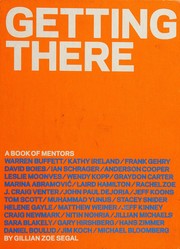
Thirty leaders in diverse fields on their paths to success.
The life of Doris Buffett and her giving through the Sunshine Lady Foundation.
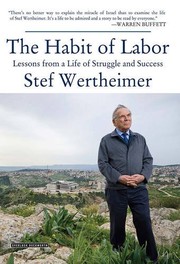
A refugee from Nazi Germany on learning a trade and building a life in Palestine.
How Truman and Senator Vandenberg built American foreign policy after the war.
A biography of Harvey Firestone, founder of the Firestone Tire and Rubber Company.
A decade working in hotels, from valet to front desk, and the hustles behind them.
Biographical portraits of the great humorists and wits.
Comic stories from a blog, told with text and deliberately crude drawings.
Source: Chai with Pabrai bookshelf — Unorganized, yet Interesting
Also recommended by: Bill Gates
Henry Ford and the Model T years.
Steve Jobs's own words on business, technology, Apple and life.
Abraham Flexner's life in education, up to founding the Institute for Advanced Study.

A Treasury secretary's account of economic and fiscal policy in the Clinton years.
“Musings on Probabilities, Uncertainties and Investing I’m in the midst of reading In an Uncertain World: Tough Choices from Wall Street to Washington by Robert E. Rubin and thoroughly enjoying it.” — Mohnish Pabrai
Source: Pabrai Investment Funds letter to partners (121103), page 6
Also recommended by: Michael Mauboussin, Warren Buffett
A biography of the reclusive writer, from interviews, letters and records.
A life of John Adams, revolutionary and second president of the United States.
A biography of a paradoxical president, a fierce revolutionary and reluctant leader.
Source: Chai with Pabrai bookshelf — Entrepreneurship, Management and Leadership
Also recommended by: Jim Collins, Seth Klarman
A Rolling Stones guitarist's memoir, from his love of the blues to founding the band.
A biography of Abraham Lincoln drawn on his personal papers.
Source: Chai with Pabrai bookshelf — Entrepreneurship, Management and Leadership
Also recommended by: Jamie Dimon
Nelson Mandela's own story, from childhood to prison and the end of apartheid.
Source: Chai with Pabrai bookshelf — Entrepreneurship, Management and Leadership
Also recommended by: Jim Collins, Richard Branson
The Virgin Group founder's autobiography, from music to airlines.
“His biography, Losing My Virginity, is another terrific read.” — Mohnish Pabrai
Source: Pabrai Investment Funds letter to partners (101103), page 6
Also recommended by: Iman Gadzhi, The Barefoot Investor
Alan Greenspan's Federal Reserve and its monetary policy through the American boom.
Source: Chai with Pabrai bookshelf — Investing and Capital Allocation
Also recommended by: William J. Bernstein
Konosuke Matsushita's rise from childhood poverty to a great company, and how he led.
How Firestone was built, and what the tyre trade taught about business.
Source: Chai with Pabrai bookshelf — Entrepreneurship, Management and Leadership
Also recommended by: Andrew Wilkinson, Charlie Munger

A biography of Michelangelo across his long life as Italy's finest artist.
A biography of Sam Zell, the contrarian real estate investor.
A memoir from the Cultural Revolution to the student protests in Tiananmen Square.
The life of Thomas B. Reed, Speaker of the House in the Gilded Age.
Source: Chai with Pabrai bookshelf — Entrepreneurship, Management and Leadership
Also recommended by: Seth Klarman

A president's years before public life, his years in politics and in the White House.
A poet's life told from his own writings: family, loss, school reform, East and West.
The life of a hedge fund manager with one of the century's best records.
Source: Chai with Pabrai bookshelf — Entrepreneurship, Management and Leadership
Also recommended by: Michael Mauboussin, Nassim Nicholas Taleb
A personal account of facing terminal stomach cancer.
Source: Chai with Pabrai bookshelf — Balance between Work, Play, Family, Friends, Learning
Also recommended by: Chris Sacca, Guy Proops
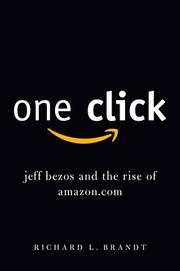
Jeff Bezos and Amazon's early years, from D. E. Shaw to the founding in 1994.
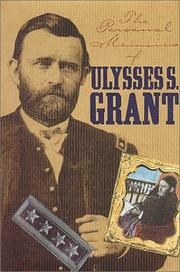
A general's own account of his career, from West Point cadet to head of Union armies.
Source: Chai with Pabrai bookshelf — Entrepreneurship, Management and Leadership
Also recommended by: Jim Collins
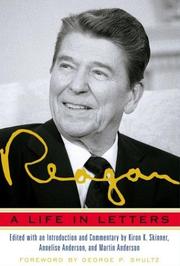
Over 1,000 letters from 1922 to 1994, grouped by themes such as friends and beliefs.
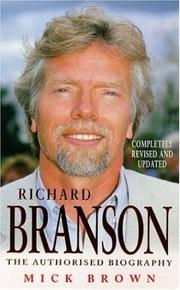
The authorised life of Richard Branson, founder of Virgin Music and Virgin Atlantic.

A biography of Paul Desmarais and the Power Corporation of Canada he built.
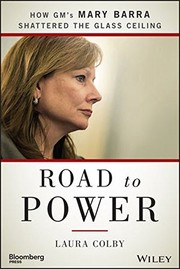
How Mary Barra rose from the factory floor to run General Motors.
The life of Peter Cundill, the Canadian value investor and philanthropist.

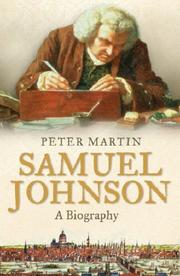
A life of Samuel Johnson that shows the man Boswell never knew.
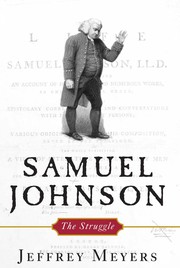
A life of a great literary figure who struggled with mental and physical illness.
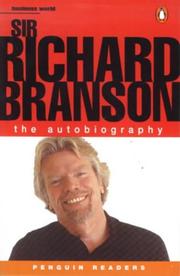
The Virgin founder's life, from balloon flights to battles with British Airways.
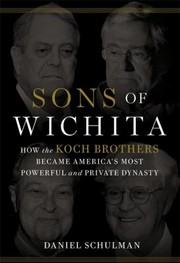
The four Koch brothers' lives and their business, social and political ambitions.
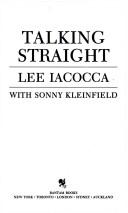
Plain talk on values, American business and economics, and family.
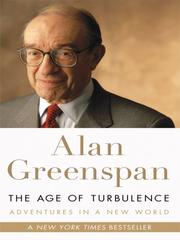
A former Fed chairman's account of the modern financial world and his years in it.
Source: Chai with Pabrai bookshelf — Philanthropy, Charity and Public Policy
Also recommended by: Jim Collins
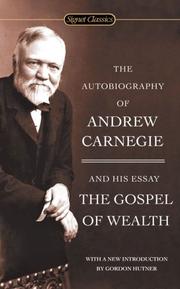
A financier's life from a Scottish boyhood to success in America, and his creed.
How Chuck Feeney made a fortune from Duty Free Shoppers and gave it away in secret.
Source: Chai with Pabrai bookshelf — Entrepreneurship, Management and Leadership
Also recommended by: Andrew Wilkinson
Barack Obama's life, experiences and the ambition behind his rise.
An oilman's life of comebacks and his plan to cut America's dependence on oil.
How two Stanford friends founded Hewlett-Packard and the way they ran it.
Conversations with the man who led India's largest conglomerate for six decades.
David Ogilvy's life and the making of his famous advertising campaigns.
Source: Chai with Pabrai bookshelf — Sales and Marketing
Also recommended by: Andrew Wilkinson
Winston Churchill's years out of power before he became prime minister.
Source: Chai with Pabrai bookshelf — History
Also recommended by: Jim Collins, David Sacks, Larry Ellison

A friend's life of Samuel Johnson, the poet, critic and maker of the dictionary.

The career of Norman Borlaug, the plant scientist who won the Nobel Peace Prize.
Source: Chai with Pabrai bookshelf — Science
Also recommended by: Bill Gates
Source: Chai with Pabrai bookshelf — Investing and Capital Allocation
Also recommended by: Li Lu

Theodore Roosevelt's presidency and the politics of his years in office.
Source: Chai with Pabrai bookshelf — Entrepreneurship, Management and Leadership
Also recommended by: Sophie Bakalar

A short life of Thomas Jefferson's mind and temperament.
A film critic's account of two weeks at the Cannes Film Festival.

Louis Zamperini, a bombardier, survives a bomber's crash into the Pacific.
Source: Chai with Pabrai bookshelf — Fiction
Also recommended by: Andrew Wilkinson, Jim Collins
The many lives of John Maynard Keynes, the century's most influential economist.

Paul Volcker's decades at the Treasury and the Federal Reserve.
Warren Buffett's investing, in his own words.
An illustrated biography of Warren Buffett.
A biography of George Washington.
Source: Chai with Pabrai bookshelf — Entrepreneurship, Management and Leadership
Also recommended by: Jamie Dimon
A neurosurgeon diagnosed with lung cancer at 36 asks what makes life worth living.
Source: Chai with Pabrai bookshelf — Unorganized, yet Interesting
Also recommended by: Bill Gates, Brad Feld, Kathryn Minshew and 10 others

Three generations of women growing up in China's century of turmoil.
Source: Chai with Pabrai bookshelf — Unorganized, yet Interesting
Also recommended by: Richard Branson
How SAP's chief executive rose from a corner store to the corner office.
Churchill from twenty-six to forty, from building a navy to the Western Front.
How corporate governance brought down Nortel Networks, the Canadian technology firm.
Source: Chai with Pabrai bookshelf — Entrepreneurship, Management and Leadership
Also recommended by: Prem Watsa

An eyewitness account of how Ford and the American car industry undid themselves.
The history of America Online and the people who built the internet service.
Gianni Agnelli, Fiat and the network of power around them in Italy.
A century of Alfa Romeo and its cars.
An early account of Jack Ma and the founding of Alibaba.

The story of the Walgreens drugstore chain and the American history around it.
A chief executive's account of building AT&T and turning around General Motors.

How General Motors succeeded in China: its people, decisions and breaks.
A history of American Express over 150 years of reinvention.
The history and management of JetBlue Airways and its challenge to older airlines.
How the Santa Fe and Burlington Northern railroads merged to create BNSF.
A photographic history of the Chrysler Corporation.
The fleet of jet-engine cars Chrysler built and lent to the public.
Mittal Steel's 2006 hostile takeover of Arcelor, creating the largest steelmaker.

How China plans to dominate the global car industry.

The launch of OnStar's blue button, told by its founder and chief.
The shipowners and financiers who expanded the era of free trade.
The story of Iridium, the satellite telephone network.
American history told through fifteen iconic car models.

The history of the Fiat 500 car.
The career of David Neeleman, from teenage ventures to founding JetBlue.
The history of the Buffalo News, from its founder Edward Butler onward.
A photographic history of General Motors.

Fiat's small economical cars, from the Topolino to the Panda, model by model.
The Utah furniture retailer R.C. Willey and how it came to be bought by Berkshire.
The history of Cleveland-Cliffs and American iron ore mining over 160 years.
A commissioned history of Peter Kiewit Sons, the Omaha construction firm.
The rise of Reliance and the feud between the two Ambani brothers who inherited it.

How the Agnelli family's Fiat survived near-collapse and took control of Chrysler.
Source: Chai with Pabrai bookshelf — Entrepreneurship, Management and Leadership
Also recommended by: Bill Gates
The fall and recovery of America's Big Three carmakers, from inside.
A year inside the closing of an old Detroit car stamping plant.

The history of See's Candies, the confectioner.
The history of Shaw Industries, the world's largest carpet maker.

General Motors' decline and bankruptcy, seen by a long-time industry reporter.
A case study and business analysis of Southwest Airlines.
The family of the short-order cook who invented a sugar substitute after the war.
Glen Bell's rise from poverty to build Taco Bell and sell it for $130 million.
How Caterpillar went from losing a million dollars a day to strong performance.
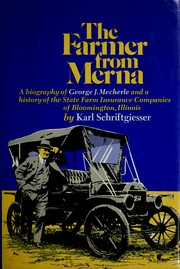
The history of Ferrari and its cars.
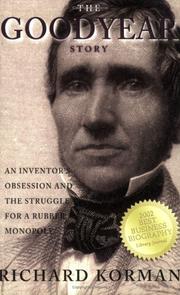
Charles Goodyear's obsession with rubber and the struggle for a rubber monopoly.

The inside story of Nomura, the Japanese securities house.

How Bell Labs turned research into the transistor, the laser and information theory.
Source: Chai with Pabrai bookshelf — Entrepreneurship, Management and Leadership
Also recommended by: Patrick Collison, Marc Andreessen and 2 others
The history of Peter Kiewit Sons' and the man who led it.
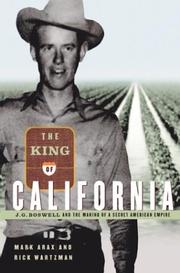
J. G. Boswell and the secret farming empire he ran in the heart of California.
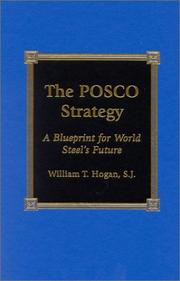
How POSCO, the Korean steelmaker, was built from nothing into a world producer.

How a basement kitchenware business grew into a billion-dollar company.

The history of Bank of America and its founder, A. P. Giannini.
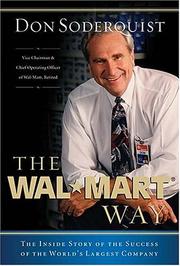
How Wal-Mart works, from its long-serving chief operating officer.
How Ticketmaster, Live Nation and others built the concert ticket business.
A commissioned history of USAA, the insurer founded by American army officers.
A mogul's fight with a feuding family for control of the Wall Street Journal.
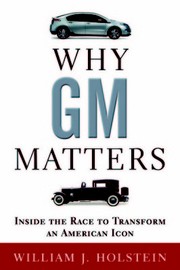
Inside General Motors on three continents as it tries to transform itself.
The history of Betfair, the internet betting exchange.
Forecasts of how information technology and biotechnology will change business.
Why managers are rethinking the principles that have run their institutions.
Complex problems yield to trial and error, not expert plans, and how to run it.
“There is a book I recently ran into by Tim Hartford called Adapt. That’s another kind of fun read; I thought that was pretty good.” — Mohnish Pabrai
Source: Pabrai Investment Funds Annual Meeting Transcript 2011, page 48
Also recommended by: Patrick O'Shaughnessy
How the new economics of information ends the trade-off between richness and reach.
Source: Chai with Pabrai bookshelf — Sales and Marketing
Also recommended by: Michael Mauboussin
How to create new market space instead of fighting rivals over existing demand.
Source: Chai with Pabrai bookshelf — Entrepreneurship, Management and Leadership
Also recommended by: David Heinemeier Hansson, Nat Eliason and 5 others
How technology can run businesses better and change the nature of business.
Fifteen classic Harvard Business Review essays on management.
Game theory applied to business, which is cooperative and competitive at once.
Source: Chai with Pabrai bookshelf — Sales and Marketing
Also recommended by: Michael Mauboussin
How firms lead future industries by seeing tomorrow's chances and building skills.
Strategy as constant reshaping of advantage in fast, unpredictable markets.
Why imitating others' innovations matters as much as innovating.
A study of over two hundred companies on whether culture drives performance.
Why long-lived companies underperform the market, and how to transform them.
Source: Chai with Pabrai bookshelf — Entrepreneurship, Management and Leadership
Also recommended by: Michael Mauboussin
Reading company reports and accounts for ethics as well as profit.
A chief executive's method for getting results, from his years running Gillette.
Case studies of the most successful entrepreneurs and businesses in history.
How the idea of flow applies to business and leadership.
Good to Great's principles applied to non-profits and the public sector.
What companies that beat their industries tenfold in turbulent times did differently.
Source: Chai with Pabrai bookshelf — Entrepreneurship, Management and Leadership
Also recommended by: Tony Hsieh, Alfred Lin
Eight practices shared by well-run companies.
Source: Chai with Pabrai bookshelf — Entrepreneurship, Management and Leadership
Also recommended by: Jim Collins, Ev Williams
How a firm can turn a competitor's strengths to its own advantage.
Why few women reach senior roles, and what women and firms can do about it.
Source: Chai with Pabrai bookshelf — Entrepreneurship, Management and Leadership
Also recommended by: Richard Branson, Catriona Wallace and 2 others
Fictional letters from a merchant to his son on business and the conduct of life.
Source: Chai with Pabrai bookshelf — Balance between Work, Play, Family, Friends, Learning
Also recommended by: Ryan Holiday
Ten words on management from the man who made Tesco the UK's largest grocer.

Strategies for firms that imitate other companies' innovations.
Case studies and advice on doing business in China.
An energy chairman on business basics, cautious analysis and disciplined management.
What makes partnerships succeed, told through the stories of famous pairs.

How companies lead markets by producing a steady stream of new products.
Why boards' search for charismatic chief executives is irrational.
Readings and cases on managing technology, innovation and new products.
How general managers can achieve breakthroughs in their units' performance fast.
A commonsense guide to value investing, drawn from Buffett, Graham and Fisher.
Why market leaders excel at one of low cost, best product or closest service.
Five disciplines, led by systems thinking, that let an organisation learn.
Source: Chai with Pabrai bookshelf — Entrepreneurship, Management and Leadership
Also recommended by: Jim Collins, Sahil Lavingia, Marc Andreessen
Real stories of how people changed their organisations.
What companies that lasted over a century have in common, from a Shell planner.
Source: Chai with Pabrai bookshelf — Entrepreneurship, Management and Leadership
Also recommended by: Prem Watsa
How organisations find exceptional talent before others do.
Market-based management, the system behind Koch Industries.
How work, work-life balance and careers are changing.
Leaderless organisations, from Alcoholics Anonymous to file sharing, and their power.
Source: Chai with Pabrai bookshelf — Entrepreneurship, Management and Leadership
Also recommended by: Changpeng Zhao, Simon Sinek

The habits of leaders that make businesses fail.
Source: Chai with Pabrai bookshelf — Entrepreneurship, Management and Leadership
Also recommended by: Warren Buffett
Lessons from the women who run Berkshire Hathaway businesses and sit on its board.
Forty-five prescriptions for managers in a chaotic economy.
Why admired companies and their chief executives fail, and the lessons.
The case that business can be done ethically, without cutting corners.
Lessons on management and competition from four decades at General Electric.
Source: Chai with Pabrai bookshelf — Entrepreneurship, Management and Leadership
Also recommended by: Ev Williams, Sam Altman, Sarah Pritula
Why great professional partnerships succeed, from a former Disney chief.
“The Magical Sergio Marchionne/John Elkann Team A few years back Michael Eisner (former CEO of Disney) wrote a wonderful book entitled Working Together. https://www.amazon.com/Working-Together-Michael-DEisner/dp/0061732362/ref=tmm_hrd_swatch_0?_encoding=UTF8&qid=1468046596&sr=8-1 Michael Eisner was the CEO of Disney for twenty years.” — Mohnish Pabrai
Source: Pabrai Investment Funds letter to partners (070116), page 17
Seventeen common beliefs that hold people back, and the truths that replace them.

Why IQ scores have risen from one generation to the next, the Flynn effect.
The science of the unconscious biases that good people hold toward others.
How snap judgments work, when to trust them and when they mislead.
Source: Chai with Pabrai bookshelf — Entrepreneurship, Management and Leadership
Also recommended by: Michael Mauboussin, Ev Williams and 1 other
Why people drift through their days, and how to find flow in everyday life.
On masculinity and what it means to be a man.

On forgiveness as a way to heal and live.
What genius is and how it appears in art, science and other fields.
Compiled passages on conscious evolution and the psychology of inner growth.
Research on how to spend money in ways that make people happier.
Source: Chai with Pabrai bookshelf — Balance between Work, Play, Family, Friends, Learning
Also recommended by: Tim Ferriss
Five hundred questions that probe the limits of what you would do.
How people come to believe questionable or false things.
The mind's functions and quirks explained by evolution.
Source: Chai with Pabrai bookshelf — Science
Also recommended by: Josh Wolfe, Michael Mauboussin, Li Lu

Questions about love, romance and sex that set the imagination to work.

Five hundred practical, moral and funny questions to think over or start talk.

Questions on the search for one's soul, such as what you would do as God for a day.
Trauma as an injury held in the body, and how attention to the body heals it.
Life in Nazi concentration camps, and logotherapy: finding meaning to survive.
Source: Chai with Pabrai bookshelf — Fiction
Also recommended by: David Heinemeier Hansson, David Perell and 28 others

A psychotherapist on the human need for meaning and the search for ultimate answers.
Real couples' stories of making a relationship work.
A counsellor's guide to the differences between men and women in relationships.
How the brain's chemicals and structures shape everyday experience.
Source: Chai with Pabrai bookshelf — Genetics and Evolution
Also recommended by: Ev Williams

A psychologist's study of modern people's spiritual search.
A journalist learns memory techniques and wins the US Memory Championship.
Source: Chai with Pabrai bookshelf — Science
Also recommended by: Bill Gates, Derek Sivers, Nat Eliason and 4 others
How timing, culture and accumulated advantage explain exceptional success.
Source: Chai with Pabrai bookshelf — Balance between Work, Play, Family, Friends, Learning
Also recommended by: Derek Sivers, Howard Marks and 10 others
A 70-question test that sorts readers into 16 temperament types, like Myers-Briggs.
A scale of human consciousness and a claimed method to test any statement's truth.

How sensitive children who meet their parents' needs lose touch with the true self.

Cognitive therapy applied to the thinking behind anger, hostility and violence.

How schools and workplaces built for extroverts waste what introverts offer.
Source: Chai with Pabrai bookshelf — Genetics and Evolution
Also recommended by: Brad Feld, Derek Sivers, Michael Mauboussin and 6 others

Argues that the quality of a life depends on what a person pays attention to.
Source: Chai with Pabrai bookshelf — Balance between Work, Play, Family, Friends, Learning
Also recommended by: Derek Sivers
How psychopaths get hired and rise in companies, and how to spot them.
A survey of research on how we make sense of other people and ourselves.
Source: Chai with Pabrai bookshelf — Genetics and Evolution
Also recommended by: Nassim Nicholas Taleb

The adaptive unconscious, and why introspection is a poor path to self-knowledge.
Source: Chai with Pabrai bookshelf — Unorganized, yet Interesting
Also recommended by: Nassim Nicholas Taleb
Change made easier: direct the rational rider, motivate the emotional elephant.
Source: Chai with Pabrai bookshelf — Entrepreneurship, Management and Leadership
Also recommended by: Andrew Wilkinson, Derek Sivers, Tony Hsieh and 1 other
Deliberate practice, not innate talent, explains world-class performance.
Source: Chai with Pabrai bookshelf — Entrepreneurship, Management and Leadership
Also recommended by: Derek Sivers, Michael Mauboussin, Alfred Lin and 1 other

Why many successful children and adults feel empty, and how to break the cycle.
Source: Chai with Pabrai bookshelf — Balance between Work, Play, Family, Friends, Learning
Also recommended by: Tim Ferriss
How the brain handles a flood of information and decisions, and how to organise it.
Source: Chai with Pabrai bookshelf — Balance between Work, Play, Family, Friends, Learning
Also recommended by: Keith Rabois, Satya Nadella
A book of renewal for leaders whose winning at work means losing at life.
The hidden sources of love, character and achievement, and how people succeed.
How talent is grown, not born, through a brain mechanism training can tap.
Source: Chai with Pabrai bookshelf — Entrepreneurship, Management and Leadership
Also recommended by: Derek Sivers, Michael Mauboussin and 4 others
Self-control as a physical capacity, and how to build it, from a Stanford course.
Source: Chai with Pabrai bookshelf — Balance between Work, Play, Family, Friends, Learning
Also recommended by: Derek Sivers, Nat Eliason, Nir Eyal and 2 others
How the mind can stay sharp, and grow wiser, as the brain ages.
Source: Chai with Pabrai bookshelf — Genetics and Evolution
Also recommended by: Nassim Nicholas Taleb

The standard text on group psychotherapy, revised with recent research.

Reflections on simple living, written from a life in the woods.
Source: Chai with Pabrai bookshelf — Balance between Work, Play, Family, Friends, Learning
Also recommended by: Nat Eliason, Shane Parrish, Maria Popova
Seven patterns, such as the adjacent possible, in the settings that produce ideas.
Source: Chai with Pabrai bookshelf — Entrepreneurship, Management and Leadership
Also recommended by: Andrew Wilkinson, Bill Gates, Tony Hsieh and 2 others
What research says about willpower, and practical ways to increase it.
Source: Chai with Pabrai bookshelf — Balance between Work, Play, Family, Friends, Learning
Also recommended by: Derek Sivers, Michael Mauboussin

More than a hundred pairs of questions that test your priorities and values.
How the brain handles distraction and focus, and how to work smarter.
Source: Chai with Pabrai bookshelf — Balance between Work, Play, Family, Friends, Learning
Also recommended by: Noah Kagan
The neuroscience and psychology of investment decisions.
Source: Chai with Pabrai bookshelf — Entrepreneurship, Management and Leadership
Also recommended by: Michael Mauboussin
Radical life extension and what longer lifespans would do to markets.
Source: Chai with Pabrai bookshelf — Balance between Work, Play, Family, Friends, Learning
Also recommended by: Peter Thiel
Thirteen scientific anomalies, from the missing universe to the placebo effect.
Source: Chai with Pabrai bookshelf — Science
Also recommended by: Bill Gates
How consciousness and the senses evolved, and the history of the mind.
Source: Chai with Pabrai bookshelf — Genetics and Evolution
Also recommended by: Nassim Nicholas Taleb

A popular history of temperature and heat, entropy included.
Source: Chai with Pabrai bookshelf — Science
Also recommended by: Charlie Munger

How very simple programs produce complexity, and what that explains in nature.
Source: Chai with Pabrai bookshelf — Unorganized, yet Interesting
Also recommended by: Steve Jurvetson
The genetic basis of race and its role in human history, from genome mapping.
How physics explains why there is something rather than nothing.
Source: Chai with Pabrai bookshelf — Science
Also recommended by: Charlie Munger
The pattern behind catastrophes from blackouts to oil spills, and how to plan.

An undergraduate biology textbook, from cells and genetics to evolution.

The Minnesota study showing twins raised apart are as alike as those raised together.
What brain science says about learning, sleep, stress, memory and multitasking.
Source: Chai with Pabrai bookshelf — Unorganized, yet Interesting
Also recommended by: Derek Sivers, Nat Eliason, Bill Gates and 1 other

A textbook on classical mechanics for students past introductory physics.
How a game designer built artificial life from simple rules of biology.
Source: Chai with Pabrai bookshelf — Science
Also recommended by: Jeff Bezos
A neurologist's case that emotion and feeling are part of reason.
Source: Chai with Pabrai bookshelf — Science
Also recommended by: Michael Mauboussin

The principles of nonrelativistic quantum mechanics and ways to solve its problems.
How junk science is used by expert witnesses in American courts.

The geology and climate of the late Quaternary ice age.

The science of networks, and why social networks, companies and organisms are alike.
Source: Chai with Pabrai bookshelf — Science
Also recommended by: Michael Mauboussin
Myths about the sun, night and earthquakes set against what science has found.
Source: Chai with Pabrai bookshelf — Science
Also recommended by: Bill Gates

Why evolved instincts push people toward bad choices on money, food and sex.
Source: Chai with Pabrai bookshelf — Genetics and Evolution
Also recommended by: Nassim Nicholas Taleb
Three lectures by a physicist speaking as a citizen about science and society.

A one- or two-semester modern physics course built on quantum theory and its uses.

Quantum field theory built from quantum mechanics, with path integrals.
Essays by scientists and writers marking 350 years of the Royal Society.
The founding text of sociobiology, the biology of social behaviour across species.

How the synapses between neurons make each person who they are.
How lactose tolerance, malaria resistance and blue eyes evolved in 10,000 years.
Source: Chai with Pabrai bookshelf — Genetics and Evolution
Also recommended by: Nick Szabo
An anthology of the year's best American writing on science and nature.
Twenty-one of the year's best articles on science.

Why the mind is not a blank slate, and the moral and political stakes of that.
Source: Chai with Pabrai bookshelf — Science
Also recommended by: Marc Andreessen, Nassim Nicholas Taleb
How evolution shapes what we eat, buy and give as consumers.

How genes reach beyond their own bodies to shape the world and other organisms.

The revised edition of a physicist's famous lectures on introductory physics.

The claim that mind and body constantly interact with a vast field of energy.
The claim that average IQ differences between races explain inequality worldwide.

The search for the building block of all matter, from the Greek atom on.

How trivial-seeming questions lead to deeper insight into how science works.
Source: Chai with Pabrai bookshelf — Science
Also recommended by: Bill Gates
An illustrated edition of the popular account of cosmology, space and time.
Source: Chai with Pabrai bookshelf — Unorganized, yet Interesting
Also recommended by: Nat Eliason, Richard Branson, Maria Popova
An anthropologist's reflections on humanity's long journey through time.
Boulton, Watt, Wedgwood, Erasmus Darwin and the Midlands friends who experimented.
Source: Chai with Pabrai bookshelf — Science
Also recommended by: Patrick Collison

Why materials are strong or weak, explained for general readers.
Source: Chai with Pabrai bookshelf — Science
Also recommended by: Bill Gates
How humans can find meaning if they are hosts for genes and memes.

An early classic on what scientific thinking is and what it promises.
Source: Chai with Pabrai bookshelf — Science
Also recommended by: Jason Zweig
Human evolution retold, with group selection rather than kin selection at its core.
Source: Chai with Pabrai bookshelf — Genetics and Evolution
Also recommended by: Patrick Collison, Li Lu

How rocks and living matter evolved together to shape Earth.
A physicist's tour of the frontiers of theoretical physics.

Western science and Eastern mysticism joined to argue consciousness is all being.
Information theory as an idea that ties together three scientists' work.
Source: Chai with Pabrai bookshelf — Genetics and Evolution
Also recommended by: Charlie Munger

Answers to readers' questions about science, from the maker of the xkcd webcomic.
Source: Chai with Pabrai bookshelf — Science
Also recommended by: Bill Gates, Astro Teller

How humans came to have such unusual sex lives compared with other animals.
“When the author of a book on poker references some of my favorite books like Why Is Sex Fun?, Guns, Germs and Steel (both by Jared Diamond) and How the Mind Works by Steven Pinker (one that’s arrived, but not yet read), my curiosity was piqued.” — Mohnish Pabrai
Source: Pabrai Investment Funds letter to partners (101103), page 6

A non-technical account of how the firing of neurons gives rise to consciousness.

Why population growth always presses against the food supply.
How psychology, which Keynes called animal spirits, drives the economy.
Source: Mohnish Pabrai's recommended reading list for investors
Also recommended by: Jim Collins
The long-run dynamics of wealth and inequality, and why capital concentrates.
Source: Chai with Pabrai bookshelf — Philanthropy, Charity and Public Policy
Also recommended by: Bill Gates, Peter Thiel, Satya Nadella
Essays on the Versailles treaty, the gold standard and Britain's currency.
Source: Chai with Pabrai bookshelf — Entrepreneurship, Management and Leadership
Also recommended by: Warren Buffett
Incentives and data applied to cheating teachers, sumo wrestlers and other puzzles.
Source: Chai with Pabrai bookshelf — Unorganized, yet Interesting
Also recommended by: Michael Mauboussin, Andrew Lokenauth and 6 others
How GDP is measured, and why its figures can jump overnight.
Source: Chai with Pabrai bookshelf — Investing and Capital Allocation
Also recommended by: Patrick Collison
How modern economics came to be, through the people who made it.
A short case for renewing the social contract against go-it-alone economics.
India's past, present and future through the ideas that have shaped it.

Keynes's economics and philosophy, and why they matter after the financial crisis.
What tested evidence shows about how to help the world's poor.
Source: Chai with Pabrai bookshelf — Philanthropy, Charity and Public Policy
Also recommended by: Bill Gates
A widely used introductory textbook of microeconomics.
How markets work, how much they matter and how they can be designed better.
A new economic history of how Western Europe grew rich.
Source: Chai with Pabrai bookshelf — Unorganized, yet Interesting
Also recommended by: William J. Bernstein
A plan for a currency backed by a basket of storable commodities.
Chance shapes success more than people think; what that means for fairer economies.

Data and incentives applied to climate, crime and altruism.
Source: Chai with Pabrai bookshelf — Science
Also recommended by: Bill Gates
The four institutions modern growth needed, from property rights to capital markets.
Source: Chai with Pabrai bookshelf — Unorganized, yet Interesting
Also recommended by: John C. Bogle, Morgan Housel
A natural history of how strangers came to cooperate in economic life.
Source: Chai with Pabrai bookshelf — Science
Also recommended by: Patrick Collison
Why foreign aid, investment and other remedies failed to make tropical nations rich.
How the world's poorest people can escape extreme poverty.
Source: Chai with Pabrai bookshelf — Unorganized, yet Interesting
Also recommended by: Bill Gates
How companies can serve the world's poor profitably and reduce poverty in doing so.
How employment, interest and money interact across a whole economy.
Source: Chai with Pabrai bookshelf — Investing and Capital Allocation
Also recommended by: Howard Marks, John C. Bogle and 5 others

A novel in which two teachers argue for and against markets.
Source: Chai with Pabrai bookshelf — Fiction
Also recommended by: Joel Greenblatt
Economics applied to pirates: why they behaved as they did and why they succeeded.
How fashion, cuisine and other fields thrive on copying without patents or copyright.
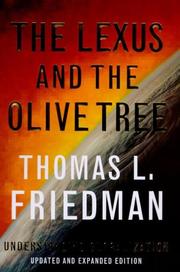
Globalization as the new international system, seen from Amazon farms to Wall Street.
How the US economy really works, explained for lay readers without jargon.
How economic growth affects democracy, moral life and political participation.
Source: Chai with Pabrai bookshelf — Philanthropy, Charity and Public Policy
Also recommended by: Patrick Collison
Macroeconomics explained: how to run, or ruin, an economy.
Price theory in daily life: coffee near stations, supermarket tiers and used cars.
Source: Chai with Pabrai bookshelf — Investing and Capital Allocation
Also recommended by: Naval Ravikant
The social and economic questions that global capitalism will put to policy makers.
How to think more creatively and rationally, from the authors of Freakonomics.
How dense cities make people more productive, inventive and green.
Source: Chai with Pabrai bookshelf — Investing and Capital Allocation
Also recommended by: Marc Andreessen, Stewart Brand, Tony Hsieh
Four forces expected to keep America's economy dominant this century.
Why most business and policy ventures fail, read through biology and extinction.
Source: Chai with Pabrai bookshelf — Genetics and Evolution
Also recommended by: Ev Williams
A plan for world money backed by a basket of storable commodities.
How America's deal culture was created and corporate control fought over.
How government policy made Fannie Mae and Freddie Mac fail in the mortgage crisis.
An illustrated history of America told through the Dow Jones Industrial Average.
How American lending standards loosen in long cycles as the memory of losses fades.
Source: Chai with Pabrai bookshelf — Investing and Capital Allocation
Also recommended by: John C. Bogle, Seth Klarman and 1 other
A simple model for living a good life, built on the principles of yoga.
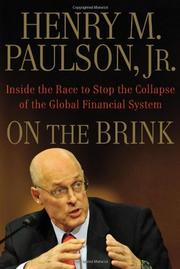
The financial crisis seen from inside the US Treasury by its secretary.
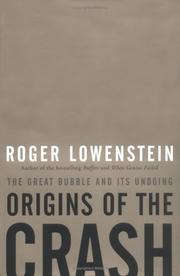
The technology bubble and the accounting scandals of the late 1990s and after.
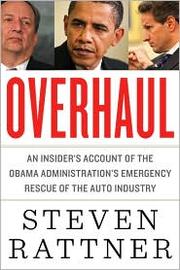
An inside account of the government rescue of the American car industry.
“And very soon after I started drilling down on GM, I started reading Overhaul by Steve Rattner. https://www.amazon.com/Overhaul-Insiders-Administrations-EmergencyIndustry/dp/0547443218/ref=tmm_hrd_swatch_0?_encoding=UTF8&qid=1468009551&sr=8-1 And soon after reading Rattner’s excellent book, my attention shifted to Fiat Chrysler. The pieces were coming together.” — Mohnish Pabrai
Source: Pabrai Investment Funds letter to partners (070116), page 14
Journalism written during four crises, from the 1987 crash to LTCM's collapse.
Source: Chai with Pabrai bookshelf — Investing and Capital Allocation
Also recommended by: Seth Klarman
The Federal Reserve under Paul Volcker and how it reshaped America's economy.
Raj Rajaratnam's insider-trading crime and conviction, and Galleon's fall.
A trader's memoir of Wall Street's after-hours world of drugs, sex and commissions.

A reference history of US securities markets from the 1929 crash to 1933.
The housing boom, the fall of the banks, and the government's rescues.
Source: Chai with Pabrai bookshelf — Investing and Capital Allocation
Also recommended by: Seth Klarman
The rise and fall of the efficient market theory and the modern finance it built.
Source: Chai with Pabrai bookshelf — Investing and Capital Allocation
Also recommended by: Michael Mauboussin
Financial innovations, from Mesopotamian interest and Chinese paper money onward.
Biographies of the richest people in history and how they made their money.
The men, the moves and the Wall Street money behind the nationwide merger wars.
Why long good times erode the memory of losses and set up the reversal.
Source: Chai with Pabrai bookshelf — Investing and Capital Allocation
Also recommended by: William J. Bernstein, Seth Klarman
An anthology of profiles and memoirs of people who shaped American markets.
An oral history of modern Wall Street, told by the people who worked there.
How defined-benefit pension promises became unpayable, through three cases.

Short numbered lessons on life and investing, written for two daughters.
Source: Chai with Pabrai bookshelf — Investing and Capital Allocation
Also recommended by: Derek Sivers
How writing thank-you notes changed one man's life.
A collection of Benjamin Franklin's sayings and quotations.
Daily meditations on the spiritual life, one for each day of the year.
Source: Chai with Pabrai bookshelf — Balance between Work, Play, Family, Friends, Learning
Also recommended by: Naval Ravikant
The case for replacing mind-body dualism with theories from neuroscience.

How Epictetus's Stoicism sustained a pilot held prisoner in North Vietnam.

Freedom from the fears of the known and the unknown that hold a person back.
Source: Chai with Pabrai bookshelf — Philanthropy, Charity and Public Policy
Also recommended by: Naval Ravikant
A Christian guide to moving from success to significance in midlife.
Source: Chai with Pabrai bookshelf — Balance between Work, Play, Family, Friends, Learning
Also recommended by: Alfred Lin

How a great novel, Proust's In Search of Lost Time, can change a reader's life.
Source: Chai with Pabrai bookshelf — Balance between Work, Play, Family, Friends, Learning
Also recommended by: Matt Mullenweg, Nassim Nicholas Taleb

Business strategy theories applied to career, family and integrity.
Source: Chai with Pabrai bookshelf — Balance between Work, Play, Family, Friends, Learning
Also recommended by: Ali Abdaal, Brad Feld, Bruce Flatt and 7 others

Letters on how to live, a course in Stoic philosophy written to a friend.
Source: Chai with Pabrai bookshelf — History
Also recommended by: Michael Mauboussin, Nat Eliason and 4 others
Choosing the path of greatest satisfaction over the path of least resistance.
Source: Chai with Pabrai bookshelf — Balance between Work, Play, Family, Friends, Learning
Also recommended by: Bill Gates, Warren Buffett
A philosopher on life, death, faith and religion, for sceptics and believers.
Writings by the leader of India's independence movement on practising nonviolence.
Myth, psychology and Sufi wisdom on how money can become a means of self-knowledge.
A professor living with ALS sets out his philosophy of living and of letting go.
Talks on how fear and dependence shape lives and keep people from seeing themselves.

Talks on intimate relationships, isolation and self-knowledge, and facing loneliness.

Talks and writings on relationship as a basis for solving the world's crises.

An optimistic view of old age: virtue and a well-spent life bring happiness.

Philosophical fragments of an unfinished defence of the Christian religion.
The values a man learned growing up in the Depression and passed to his children.
Source: Chai with Pabrai bookshelf — Entrepreneurship, Management and Leadership
Also recommended by: Bill Gates
For those who began moving from success to significance in midlife and stalled.

The essays, travel journal and letters of a sceptic who studied himself.
What dharma means and why be good, read through the Mahabharata.
A new translation of the Meditations, by an emperor who ruled Rome at its height.
Dialogues between a spiritual teacher and the physicist David Bohm on thought.

A theory of spiritual evolution toward a supramental being and a divine life.
Holmes, James, Peirce and the ideas that shaped modern American thought.
A down-and-out man escapes a shootout with billions and crosses America.
Humility, character and the virtues, and why they matter.
Source: Chai with Pabrai bookshelf — Balance between Work, Play, Family, Friends, Learning
Also recommended by: Bill Gates, David Perell, Alfred Lin and 1 other
On how to live, on culture and on ethics.
Source: Chai with Pabrai bookshelf — Balance between Work, Play, Family, Friends, Learning
Also recommended by: Naval Ravikant

Essays on character, leadership, integrity and rising with dignity over adversity.
Reflections on memory, hope and how time colours the present.
Passages from talks on the nature of truth and what keeps us from seeing it.

Weekly visits to a former sociology professor as he dies, and what he taught.
Source: Chai with Pabrai bookshelf — Fiction
Also recommended by: Library Mindset
Lessons for the present drawn from the teachings of great thinkers of the past.

What the Americas were like before Europeans arrived, against the old view.
The biological upheaval that followed Columbus's voyages, and the world it made.

The men who marched with George Washington in the year of independence.
Source: Chai with Pabrai bookshelf — Unorganized, yet Interesting
Also recommended by: Jim Collins
A history of human knowledge, learning and intellectual life.

A history of the United States as a great human adventure.
Two million years of human history, told through 100 objects in the British Museum.
Source: Chai with Pabrai bookshelf — History
Also recommended by: Stewart Brand
How commerce, architecture and technology shaped the modern home.
Source: Chai with Pabrai bookshelf — Unorganized, yet Interesting
Also recommended by: Andrew Wilkinson, Sophie Bakalar
A journalist's record of the Nigerian civil war over Biafra and its brutality.
150 essays on the events that shaped the city of Chicago.

Japan after its defeat in the Second World War, under American occupation.
How Hamilton, Jefferson, Adams and others met the trials of the young republic.
Source: Chai with Pabrai bookshelf — Entrepreneurship, Management and Leadership
Also recommended by: Jim Collins, Jamie Dimon

American history as a run of generations, and the theory that they repeat.
Source: Chai with Pabrai bookshelf — Unorganized, yet Interesting
Also recommended by: Tony Robbins
A collection of great speeches of the twentieth century.
How the 272 words of the Gettysburg Address changed what America meant.
Source: Chai with Pabrai bookshelf — Entrepreneurship, Management and Leadership
Also recommended by: Jim Collins, Jamie Dimon
How Istanbul became a global crossroads and a port of refuge between the wars.
How Partition shaped the troubled histories of India, Pakistan and Bangladesh.
A conservative world history of the twentieth century after the First World War.
Source: Chai with Pabrai bookshelf — History
Also recommended by: David Sacks
How comparing natural experiments of history answers questions labs cannot.
How Britain's Glorious Revolution of 1688-89 shaped the ideals of America's founders.
A study of presidents and politics in America's Progressive era.
Source: Chai with Pabrai bookshelf — History
Also recommended by: Bill Gates, Jim Collins, Sophie Bakalar

A history of the Korean War and America's part in it.

France's maps, migrations, languages and tribal disputes, from 1789 to 1914.
Source: Chai with Pabrai bookshelf — History
Also recommended by: Tyler Cowen, Nassim Nicholas Taleb
India's history and civilization as seen by its first prime minister.

American history as a repeating cycle of four generational turnings, each 20 years.
Source: Chai with Pabrai bookshelf — History
Also recommended by: Balaji S. Srinivasan, Raoul Pal and 2 others
The stories of the Americans who fought the Second World War, from a TV journalist.
Essays on the ideas behind the American Revolution and why it still matters.
Why Britain's empire after the Seven Years War struggled with the costs of power.

Everyday life on the streets of nineteenth-century London.
292 great speeches from nearly every era and nation, from Pericles to Mandela.
A book of the documentary that followed British children over decades.
The claim that people can direct how their bodies age.
A weekly business magazine on companies, markets, careers and investments.
How to plan face-to-face sales meetings around the buyer's own concept.
An audio talk on identity, origin and meaning.


Source: Chai with Pabrai bookshelf — Periodicals
Also recommended by: Seth Klarman

How Aravind Eye Hospital became the world's largest provider of eye care.

Interviews with leading investors from an investment newsletter of the 1990s.

How to break from routine and find fulfilment beyond wealth and fame.
A lecture on spirit, the electromagnetic field, quantum reality and memory.

Four damaged lives meet in an Italian villa at the end of the Second World War.

Lectures on aligning your energy with the universe's to discover your higher self.

A dialogue on compassion, enlightenment and the teaching of the Buddha.
Documentary films that revisit fourteen British children every seven years.
Ideas from spiritual traditions for unplugging from material life.


A short life of Warren Buffett, the investor who inspired many entrepreneurs.
Source: Chai with Pabrai bookshelf — DVD and Video
Also recommended by: Austen Allred
A condensed recording of Warren Buffett's dialogue with business students at UNC.

Twenty-five bidding conventions in contract bridge, explained.
Twenty-five more bidding conventions in contract bridge, explained.
Advanced bridge bidding, with contributions from expert players.
Stories of high-stakes bridge, from rubber-bridge clubs to world championships.
Advice on bidding in contract bridge.

How squeeze plays and end-play strategy win tricks in contract bridge.
Twenty-five steps to learning the two-over-one bidding system in bridge.
Twenty-five ways to improve defensive play in contract bridge.
Balancing in contract bridge bidding, in full.

How to evaluate a hand for bidding in contract bridge.
A guide to the signals defenders use to communicate at bridge.
A poker manual on strategy: controlling emotion and reading opponents.

The basic concepts of defence at bridge, brought up to date.
How to play card combinations in contract bridge.
How to play the hand in contract bridge.
More than 50 practical bridge bidding conventions explained, with a glossary.
A quick reference to the Losing Trick Count for judging a trump hand's trick-taking.
Paul Farmer, the doctor who co-founded Partners In Health, treating the poor.
Source: Chai with Pabrai bookshelf — Unorganized, yet Interesting
Also recommended by: Bill Gates, Jim Collins, Richard Branson and 2 others
Three bridge bidding tools: forcing notrump, new minor forcing, fourth suit forcing.

Tips on winning bridge for players of every level.
A poker player covers the murder of Ted Binion and plays the World Series of Poker.
“The first, on baseball, is Moneyball: The Art of Winning an Unfair Game by Michael Lewis and the second, on poker, is Positively Fifth Street: Murderers, Cheetahs, and Binion's World Series of Poker by James McManus.” — Mohnish Pabrai
Source: Pabrai Investment Funds letter to partners (101103), page 6
How the problem-solving and teamwork of games could solve real-world problems.
Source: Chai with Pabrai bookshelf — Unorganized, yet Interesting
Also recommended by: Michael Mauboussin
A professional bettor's methods for winning on horse races.
Simple, modern bidding methods for social bridge players.

A hundred declarer-play problems at bridge, from easy to expert.
More than 750 examples of overcalls, with responses and rebids.
The odds, betting strategies and rules of play for blackjack.

A guide to the Law of Total Tricks for competitive bridge bidding.
A former trader builds on sabermetrics to bet on baseball against the Vegas odds.
Four hundred quiz questions on every part of the two-over-one bridge system.
A pocket guide to two-over-one bidding scenarios and common conventions at bridge.

Opening bids, responses and competitive bidding in the two-over-one system.

The common mistakes of ordinary club bridge players and how to avoid them.
How to beat single and multiple-deck blackjack: strategies, charts and counting.
A philanthropist's campaign against hunger, after his father gave away his fortune.
Source: Chai with Pabrai bookshelf — Philanthropy, Charity and Public Policy
Also recommended by: Warren Buffett

A water contamination case in Woburn, Massachusetts, and the lawsuit it led to.

Families striving for a better life in one of the great, unequal cities.
Source: Chai with Pabrai bookshelf — Philanthropy, Charity and Public Policy
Also recommended by: Bill Gates, Nick Thompson

How food supply and environment shaped the origins of human cultures.
Delhi's new elite and the city's transformation by global capitalism.

Sixteen major trends, from Pleasure Revenge to Icon Toppling, and how to use them.
Why customs that look irrational come from concrete social and economic conditions.
Source: Chai with Pabrai bookshelf — Balance between Work, Play, Family, Friends, Learning
Also recommended by: Derek Sivers

What the data people leave online reveal about human nature.
Why common sense misleads people when they try to explain how the world works.
Source: Chai with Pabrai bookshelf — Science
Also recommended by: Brad Feld, Derek Sivers, Michael Mauboussin
Life stories from sixty-five countries in more than 440 colour photographs.
How individuals and companies can give time and money to solve problems.
Rural poverty in India, from a foundation's humanitarian work there.
A train journey across India fifty years after independence, to see how it changed.
A portrait of modern India told through the lives of its people.
Western seekers who came to India for its mysticism, seen by an Indian writer.

An insider's Bombay: rival gangs, a bar dancer's life and other corners of the city.
The lives of India's women of every class, and the Indian women's movement.
A writer works low-wage jobs to test whether any job means a better life.
The new global super-rich and the widening gap between them and everyone else.
America's black market, seen through sex, drugs and cheap labour.
Source: Chai with Pabrai bookshelf — Unorganized, yet Interesting
Also recommended by: Jim Collins
Glimpses of modern India and its contrasts: democracy, caste, wealth and poverty.
A memoir of moving from international banking to founding Acumen, an impact investor.
Stories of very different lives in the Indian state of Uttar Pradesh.

Why Western life has improved so much while people feel less happy.
The true story of a polite, fast and carefully planned gang of bank robbers.
How ideas and behaviour spread like epidemics, and the three factors that tip them.
Source: Chai with Pabrai bookshelf — Unorganized, yet Interesting
Also recommended by: Christopher Browne, Jim Collins and 5 others

A man shot by a revenge killer after 9/11 fights to save his attacker from execution.
What traditional societies can teach modern ones about living.
Source: Chai with Pabrai bookshelf — Philanthropy, Charity and Public Policy
Also recommended by: Bill Gates
Essays on puzzles such as choking versus panicking and why ketchup has one variety.
Source: Chai with Pabrai bookshelf — Unorganized, yet Interesting
Also recommended by: Derek Sivers
How the wealthy give, and philanthropy's part in America's economic health.
Where American charities fail, and a better way to give.
How to plan sales meetings around the buyer's own idea of what they want.
Why an internet strategy should start from customers, from e-commerce pioneers.
Fifteen metrics that show which marketing spending works and which does not.
Source: Chai with Pabrai bookshelf — Sales and Marketing
Also recommended by: Jeff Bezos
Why competing to be the best makes firms mediocre, and how to escape the herd.
Source: Chai with Pabrai bookshelf — Entrepreneurship, Management and Leadership
Also recommended by: Nat Eliason, Andrew Chen
How advertising and business find breakthrough ideas by breaking conventions.
How firms can learn what each customer wants and serve them one by one.
How small businesses can plan cost-effective advertising and write ads that work.
Data-proven methods for sales and marketing from 4,000 product launches.
Why marketing decides the fate of high-tech products and firms, and how to do it.
Low-cost ways to market and promote a small business.
A copywriter's memoir bound with his primer on advertising, Scientific Advertising.
How firms can build value and competitive advantage from online virtual communities.
Source: Chai with Pabrai bookshelf — Sales and Marketing
Also recommended by: Michael Mauboussin
How to build trust with wary customers and turn it into business and profit.
How firms must use real-time information to serve never-satisfied customers.
A step-by-step look at how businesses buy from other businesses.
Selling through four kinds of question: Situation, Problem, Implication, Need-payoff.
Source: Chai with Pabrai bookshelf — Sales and Marketing
Also recommended by: Noah Kagan
Consultative selling: how to build good relationships with customers.
Strategies for getting clients to hire you for any kind of service.
How a service business turns more prospects into clients and keeps them.
The textbook on building, measuring and managing a brand's equity.
A method for complex sales, where several people decide a large purchase.
How to sell to and manage a company's largest key accounts.
Tested techniques for headlines, appeals and copy that make advertising sell.
The psychology of persuasion and influence in selling.
Source: Chai with Pabrai bookshelf — Sales and Marketing
Also recommended by: Nat Eliason
How companies win by building their strategy around customer service.
Bandwidth, multimedia, virtual reality and the internet, explained without hype.
Source: Chai with Pabrai bookshelf — Sales and Marketing
Also recommended by: Bill Miller

China's rush to build airports and airlines, and what it means for the country.
Source: Chai with Pabrai bookshelf — Investing and Capital Allocation
Also recommended by: Patrick Collison

A textbook explaining computer networks layer by layer.
A manager's guide to electronic commerce and the technology behind it.
Why people long for human contact in a world full of technology, and its dangers.
Six innovations, from refrigeration to clocks and lenses, that made modern life.
Source: Chai with Pabrai bookshelf — Entrepreneurship, Management and Leadership
Also recommended by: Chris Dixon
Why the West's monopoly on innovation is over, and India's part in that.

A step-by-step guide to firewalls and network security for UNIX programmers.
How network culture is changing business and creating a new economy.
Why buyers will hire agents to bargain for them online, and what sellers should do.
Why and how to take a business onto the Internet, from websites to digital payments.
How to plan and run software development to keep schedules under control.
What happens when technology moves faster than governments can write rules.

A popular history of the battery, from a twitching frog's leg to modern devices.
How the internet and the web will change how businesses work.
A report on competition in the telephone industry.
The century-long race among automakers to build the car of the future.
The men behind the steam engine, the machine that drove the Industrial Revolution.
Source: Chai with Pabrai bookshelf — Entrepreneurship, Management and Leadership
Also recommended by: Bill Gates, Nick Szabo
Lessons from IBM's OS/360: why adding people to a late software project slows it.
Source: Chai with Pabrai bookshelf — Entrepreneurship, Management and Leadership
Also recommended by: Jeff Atwood, Paul Graham, Andrew Chen and 3 others
True tales of the young entrepreneurs, engineers and dreamers of Silicon Valley.
Seven steps for senior executives taking a firm into e-business.
Digital strategies for using information technology to dominate a market.
Source: Chai with Pabrai bookshelf — Sales and Marketing
Also recommended by: Michael Mauboussin

Essays on the economics and law of corporate bankruptcy and reorganisation.
A no-equations guide to corporate finance and markets: risk, valuation and mergers.
How a trader uncovered high-frequency front-running and built the IEX exchange.
Source: Chai with Pabrai bookshelf — Investing and Capital Allocation
Also recommended by: Brad Feld, Nat Eliason, Marc Andreessen
Research and tools for high-yield bonds: valuation, portfolios and credit risk.

The 29 steps to start a mutual fund and the 36 steps to start an ETF.
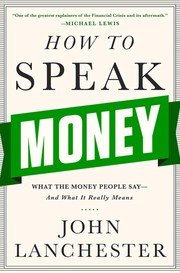
How finance and economics work, decoded from the language of money people.
The first recognised billionaire's lessons on money and economics.
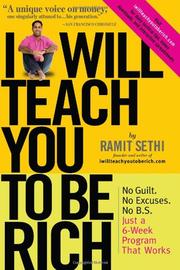
A six-week programme to automate banking, credit, saving and investing.
Source: Chai with Pabrai bookshelf — Balance between Work, Play, Family, Friends, Learning
Also recommended by: Derek Sivers, Nat Eliason, Andrew Lokenauth and 2 others
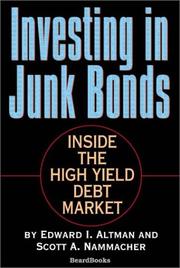
How the high-yield bond market works and how to invest in it.

How bankers value companies, model buyouts and run mergers and acquisitions.
Source: Chai with Pabrai bookshelf — Investing and Capital Allocation
Also recommended by: Michael Mauboussin
The psychological and spiritual types behind how people handle money.
How flawed 'money myth-conceptions' keep people from becoming wealthy.
A money writer's adventures, from Russian anti-smoking ads to unseen Miami property.
A guide for payments professionals to how the main U.S. payment systems work.
How buying income-producing assets can make a person financially independent early.
Two fathers contrasted to argue that schools fail to teach how money works.
Source: Chai with Pabrai bookshelf — Investing and Capital Allocation
Also recommended by: David Perell, Derek Sivers, Andrew Lokenauth and 6 others

A former SEC lawyer on short sellers and the fights over naked shorting.

How to get a mutual fund off the ground: what to do, what it costs, how it works.
How managers and middlemen took value from the owners of American companies.
Source: Chai with Pabrai bookshelf — Investing and Capital Allocation
Also recommended by: Michael Mauboussin, Mr. Money Mustache

How 'safe' products, from money funds to principal-protected notes, failed in 2008.
Survey research showing most American millionaires live modestly and save hard.
Source: Chai with Pabrai bookshelf — Balance between Work, Play, Family, Friends, Learning
Also recommended by: Jim Collins, Andrew Lokenauth and 2 others
Why standard finance models understate market risk, from fractal geometry's creator.
Source: Chai with Pabrai bookshelf — Investing and Capital Allocation
Also recommended by: John C. Bogle, Patrick O'Shaughnessy and 1 other
Reflexivity applied to the credit crisis as it unfolded.
What credit rating agencies are, how they work and why their ratings matter.
Poor Richard's Almanac's sayings on wealth, gathered into a speech by Father Abraham.
Source: Chai with Pabrai bookshelf — Investing and Capital Allocation
Also recommended by: John C. Bogle, Naval Ravikant
Personal finance advice from the investment firm Neuberger Berman.
Investment strategies for a world economy changed by globalisation.
An entrepreneur's memoir of building and selling one company after another.
How entrepreneurs from Wedgwood to Dell earned consumers' trust in their brands.
How to build a business that runs without its owner, so that it can be sold.
Source: Chai with Pabrai bookshelf — Entrepreneurship, Management and Leadership
Also recommended by: Nat Eliason, Nick Huber
An investor's life story and his rules for business and personal money.

How a dyslexic entrepreneur built Kinko's copy shops into a national chain.
How to take smart risks and act like an entrepreneur, from facing fear to critics.
Source: Chai with Pabrai bookshelf — Entrepreneurship, Management and Leadership
Also recommended by: Brad Feld
The founder of Wendy's on his life and building the restaurant chain.
The founder of Clayton Homes on building the mobile home business.
Source: Chai with Pabrai bookshelf — Entrepreneurship, Management and Leadership
Also recommended by: Warren Buffett
How the founder of Chick-fil-A turned a small diner into a large business.
Why innovation comes where fields, industries and cultures meet.
The lessons that guided Virgin's founder in business and in life.
A young man builds a global metals-recycling business from Hong Kong.
Lessons in 'unreasonable thinking' from building companies and giving away wealth.
Source: Chai with Pabrai bookshelf — Entrepreneurship, Management and Leadership
Also recommended by: Bill Gates
How entrepreneurs spread four centuries of progress to the world's excluded majority.
Interviews with entrepreneurs of Indian origin.
Rakuten's founder and his economist father debate how Japan can compete again.
Source: Chai with Pabrai bookshelf — Entrepreneurship, Management and Leadership
Also recommended by: Bill Gates
Advice on building a solid company, from growing a family jewellery business.
An entrepreneur's successes and failures, with advice on starting a business.
Source: Chai with Pabrai bookshelf — Entrepreneurship, Management and Leadership
Also recommended by: Brad Feld
A yogi's search for a guru, and his meetings with spiritual leaders and scientists.
Source: Chai with Pabrai bookshelf — Balance between Work, Play, Family, Friends, Learning
Also recommended by: Marc Benioff, Sahil Lavingia, Steve Jobs

A commentary on the Bhagavad Gita and its message.

A Christian argument against atheism.

Hindu teaching on death and whether it is real.
Why God does not need people to be perfect, and how to forgive oneself.
Four talks on cultivating love, joy and peace in daily life.
A yogi's story of growing up among Himalayan sages and what they taught him.

The basics of meditation: posture, breathing, relaxation and using a mantra.
Nine people in India, among them a monk and a Jain nun, and how they live faith.


A neurosurgeon in a coma describes a journey beyond this world to a divine source.

Advanced states of consciousness and the way to spiritual enlightenment.

A cardinal's reflections in his final months, after false accusation and illness.

Why belief in God is irrational, and the harm religion has done to society.
Source: Chai with Pabrai bookshelf — Philanthropy, Charity and Public Policy
Also recommended by: Brian Armstrong, Ryan Holiday
The case, from leading scientists' writings, that science points toward God.
A compilation on Sri Aurobindo's epic poem Savitri and its spiritual vision.
Suffering comes from identifying with the mind's chatter; freedom from living now.
Source: Chai with Pabrai bookshelf — Balance between Work, Play, Family, Friends, Learning
Also recommended by: Iman Gadzhi, Justin Kan, Mel Robbins and 2 others
A guide to discovering and fulfilling God's purpose for your life.
Seven principles, based on natural laws, for success in every area of life.

Teachings on love, the soul, meditation, service and prayer for all faiths.

A rabbi's wisdom on every part of life, for secular and religious readers.
The yoga aphorisms with Vyasa's commentary, translated and annotated for practice.

Western and Eastern models of the mind compared on ego, instinct and consciousness.
Fourteen talks on cultivating discipline of the senses on the Siddha Yoga path.

An assessment of the proposals for averting climate change, and the energy options.

A park ranger's seasons at Arches near Moab, Utah, and the desert around it.

A New Yorker writer's reporting on climate change and its effects.

Source: Chai with Pabrai bookshelf — Science
Also recommended by: Simon Sinek, Tony Hsieh

A plain guide to solar and wind power for homes connected to the grid.
Climate change, rising competition for energy, and how to respond to both.
Source: Chai with Pabrai bookshelf — Philanthropy, Charity and Public Policy
Also recommended by: Bill Gates, Meg Whitman
Population and consumption face physical limits that economics ignores.
Source: Chai with Pabrai bookshelf — Unorganized, yet Interesting
Also recommended by: Charlie Munger, Shane Parrish
How oil and gas form, how they are found, drilled and produced, in plain terms.

A naturalist's mother dies of cancer as the rising Great Salt Lake threatens birds.
How fracking was developed, and its economic and environmental consequences.
Source: Chai with Pabrai bookshelf — Entrepreneurship, Management and Leadership
Also recommended by: The Barefoot Investor
Why energy demand never falls, why 'waste' helps, and why quality power is scarce.
The species the world is about to lose, and how conservation can pay economically.
Source: Chai with Pabrai bookshelf — Genetics and Evolution
Also recommended by: Stewart Brand
The shale revolution explained by an oil and gas insider.
“The best book I have read on the subject is The Green and The Black by Gary Sernovitz.” — Mohnish Pabrai
Source: Pabrai Investment Funds letter to partners (070116), page 24

How to power a home with renewable energy and live off the grid.

The history of climate change, how it will unfold, and what can be done about it.
Source: Chai with Pabrai bookshelf — Genetics and Evolution
Also recommended by: Richard Branson

Fracking in the Marcellus Shale, from West Virginia to New York.

How to plan, buy, site and install a home or community wind-energy system.
The first volume of a biography of Charles Darwin, the naturalist.

The second volume of a biography of Charles Darwin.

Charles Darwin's family life, his daughter's death and his ideas on evolution.
Source: Chai with Pabrai bookshelf — Genetics and Evolution
Also recommended by: Li Lu
Einstein's miraculous year of papers that changed physics.
The mistakes in Einstein's physics, told as history of science.
Source: Chai with Pabrai bookshelf — Science
Also recommended by: Ray Dalio
A biography of the physicist Richard Feynman and his work.
Source: Chai with Pabrai bookshelf — Science
Also recommended by: Jim Collins, Naval Ravikant and 1 other

A life of Newton from his letters and notebooks: physics, optics and calculus.
A life of Edward Teller, "father of the H-bomb", beyond the views of fans and foes.

Two maverick scientists, Delbrück and Gamow, who helped start genomics and cosmology.
A scientific biography of Feynman, pairing his turbulent life with clear physics.
The life and science of Richard Feynman, physicist and teacher.
Source: Chai with Pabrai bookshelf — Unorganized, yet Interesting
Also recommended by: Paul Graham
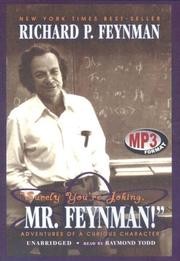
A physicist's stories, from fixing radios as a boy to Los Alamos and beyond.
Source: Chai with Pabrai bookshelf — Science
Also recommended by: Brian Armstrong, Derek Sivers, Jason Zweig and 19 others

Michael Faraday's life: a devout scientist who sought no money from his discoveries.

Five Hungarian-born scientists, von Neumann and Teller among them, and their century.

A biologist's search for how pieces of DNA shape behaviour.

A guide to holistic health through yoga, Ayurveda and self-care.
A research-based programme of short, intense weekly strength training.
Source: Chai with Pabrai bookshelf — Science
Also recommended by: Tim Ferriss, Nassim Nicholas Taleb
How science, history and culture feed the obsession with weight and thinness.
A French diet for losing weight through food combining while eating out.

Learning the Alexander technique for posture and movement.

A guide to hatha yoga practice.

Interviews with centenarians and their lessons on living well for a very long time.

An introduction to Ayurveda and how to identify one's body constitution, or prakriti.

Breath as the link between body and mind, with basic yogic breathing techniques.
A physical therapist's quick home programme for recovering from plantar fasciitis.

A diet that blames hidden sugars, not overeating, for belly fat.

How six decades of low-fat diet advice harmed health, and why fat is not the enemy.
The five qualities of the Polynesian idea of aloha as a cure for stress.

A diet road map to lose weight, prevent disease and perform at one's best.


Practical steps to dissolve the fears the author links to disease.

How men over 50 can become functionally younger, from the science of aging.
Why government matters to a strong economy after the financial crisis.
A Secret Service officer's account of the Clintons in the White House.
Why India's economy grows despite its weak state, and the case for a stronger one.

A Chinese dissident's essays and poems on tyranny, land disputes, Tibet and freedom.

China's history and its ties with the West, drawn from talks with Chinese leaders.
Source: Chai with Pabrai bookshelf — Unorganized, yet Interesting
Also recommended by: Jim Collins
A novel: 17 super-rich Americans, Warren Buffett among them, unite to fix government.
How both American parties are bankrupting the country's future.
Source: Chai with Pabrai bookshelf — Entrepreneurship, Management and Leadership
Also recommended by: Howard Marks

How geography, demography and shale energy set America up to dominate as others age.
Why policies backfire in a networked world, drawing on complexity theory and history.
A polemic on the human cost of India's great dam projects.
How America's choice of Saudi Arabia as top oil power led to Iran's revolution.
Clarence Darrow's 1912 bribery trial in Los Angeles, and the lawyer's life around it.
Why the era ahead turns less on America's decline than on everyone else's rise.
Source: Chai with Pabrai bookshelf — Unorganized, yet Interesting
Also recommended by: David Perell, Nat Eliason, Bill Gates, Li Lu
Sayings of the leader who took Singapore from colony to powerful city-state.
Finding a vocation through spiritual self-realisation and the chakras.
The Dilbert creator's many failures and what they taught him about success.
Source: Chai with Pabrai bookshelf — Unorganized, yet Interesting
Also recommended by: Derek Sivers, Patrick O'Shaughnessy and 2 others

How to turn creative ideas into productive and profitable ventures.
Source: Chai with Pabrai bookshelf — Entrepreneurship, Management and Leadership
Also recommended by: Derek Sivers, Guy Kawasaki, Simon Sinek
Productivity as a matter of how people think, set goals, build teams and decide.
Source: Chai with Pabrai bookshelf — Science
Also recommended by: Sarah Pritula
Why people put things off, with research-based strategies to stop.

A light guide to minimalist living: how to declutter and simplify your home.
Ten skills for getting success while spending time only on what matters.
The size of your thinking sets the size of your results, and how to think bigger.
Source: Chai with Pabrai bookshelf — Entrepreneurship, Management and Leadership
Also recommended by: Ali Abdaal, Derek Sivers, Nat Eliason and 2 others

How to use mind maps for learning, memory, concentration and planning.
Run your career the way an entrepreneur runs a startup.
Source: Chai with Pabrai bookshelf — Entrepreneurship, Management and Leadership
Also recommended by: Jack Dorsey, Michael Bloomberg and 3 others
Thirteen principles of getting rich, claimed to come from studying 500 wealthy men.
Source: Chai with Pabrai bookshelf — Unorganized, yet Interesting
Also recommended by: Jim Clayton, Tom Bilyeu, Anthony Pompliano and 6 others
Neuroscience-based ways to create two hours of peak productivity each day.

Mind-mapping techniques to raise intelligence and creativity.
Lessons from Fortune's 40 Under 40 on how top founders and leaders built careers.
Ideas for empowering employees: self-directed teams, initiative and risk.
Rewards of every kind for employees, gathered from American businesses.
Gandhi's life and principles restated as a standard for executives.
Leadership and strategy lessons drawn from Alexander the Great's campaigns.
How Popeyes recovered when its chief chose to lead by serving others.
How to lead a team when you are not the one in charge.
Rules and principles from a life in public service and leadership.
Leadership as an art like jazz, attuned to people's needs and ideas.
How self-deception undermines leaders, told as a story set at a company.
Source: Chai with Pabrai bookshelf — Entrepreneurship, Management and Leadership
Also recommended by: Girish Mathrubootham, Justin Kan and 1 other
A chief executive's advice on the art of leadership.
Source: Chai with Pabrai bookshelf — Entrepreneurship, Management and Leadership
Also recommended by: Jim Collins, David Cancel
An eight-stage process for organisational change, starting with urgency.
Unpublished essays and lectures on leading by serving others.
Why some groups of talented people achieve greatness and others never do.
Source: Chai with Pabrai bookshelf — Unorganized, yet Interesting
Also recommended by: Patrick Collison
A lawyer's journey from a career without meaning to a path of inner leadership.
Leadership lessons from forty years of building the Virgin Group.

Why luck plays a larger part in life than people admit, and how to deal with it.
Four traps that ruin decisions, such as narrow framing, and a process to beat each.
Source: Chai with Pabrai bookshelf — Balance between Work, Play, Family, Friends, Learning
Also recommended by: Andrew Wilkinson, Derek Sivers and 5 others
Why people mistake luck for skill, above all in markets.
“Finally, I enjoyed reading Fooled by Randomness by Nassim Nicholas Taleb.” — Mohnish Pabrai
Source: Pabrai Investment Funds letter to partners (101103), page 6
Also recommended by: Barton Biggs, Brad Feld, Derek Sivers and 14 others

The biases that distort managers' decisions, with exercises that show them.
Source: Chai with Pabrai bookshelf — Entrepreneurship, Management and Leadership
Also recommended by: Michael Mauboussin, Charlie Munger
Twelve steps for taking smarter risks and decisions in business.

How cognitive limits shape the work of intelligence analysts.
When, why and how insights form, and what blocks them.
Source: Chai with Pabrai bookshelf — Science
Also recommended by: Derek Sivers
A step-by-step method for making better decisions in life and work.
How firefighters, pilots and other experts decide under time pressure.
Source: Chai with Pabrai bookshelf — Entrepreneurship, Management and Leadership
Also recommended by: Michael Mauboussin
How to separate skill from luck in business, sport and investing.
Source: Chai with Pabrai bookshelf — Entrepreneurship, Management and Leadership
Also recommended by: Keith Rabois, Jessica Livingston, Josh Wolfe and 1 other
When groups judge better than experts, and the four conditions that make it work.
Source: Chai with Pabrai bookshelf — Unorganized, yet Interesting
Also recommended by: Derek Sivers, Jim Collins and 4 others
Eight mistakes experienced decision-makers repeat, and a correction for each.
Source: Chai with Pabrai bookshelf — Entrepreneurship, Management and Leadership
Also recommended by: Rational Capital Investment Fund
A text on human judgment, decision making and rationality.
Source: Chai with Pabrai bookshelf — Genetics and Evolution
Also recommended by: Michael Mauboussin, Nassim Nicholas Taleb

Private libraries and how book lovers live with and arrange their books.

How books are used in interior decoration, in pictures.

Twenty-one Spanish-revival houses in Southern California, in pictures.

More than 250 photographs of New York's Central Park.

How to use books in interior decoration.
The sources of the painter's work, with the art of the painters he admired.
Photographs of how San Juan, Puerto Rico, has changed and stayed the same.

Ten short lessons on creative work: nothing is original, so copy well.
Source: Chai with Pabrai bookshelf — Entrepreneurship, Management and Leadership
Also recommended by: Derek Sivers, Alex and Books, Ali Abdaal and 2 others

Reviews of 100 overlooked films across westerns, comedies, romance and more.
The nature of creativity, and the failings of universities and corporations.
The Times critics' original reviews of their 1,000 best films.
Leading architects' personal libraries and reading, in a series on thinkers' books.
A pilot answers the questions people have about commercial air travel.
Source: Chai with Pabrai bookshelf — Unorganized, yet Interesting
Also recommended by: Brad Feld

A journey through India following the arrival of the summer monsoon.
Delhi's centuries of history, layer by layer, and the people who live there.

A journey across China and Tibet.

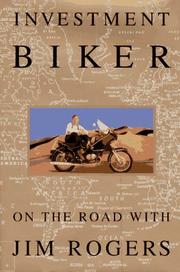
An investor's view of the world from a 52-country motorcycle journey.
“Some of the other good reads this summer included Investment Biker and Adventure Capitalist (both by Jim Rogers).” — Mohnish Pabrai
Source: Pabrai Investment Funds letter to partners (101103), page 6

A 747 pilot on what pilots and passengers really do between departure and arrival.
An investor's lessons from a lifetime in markets and travels around the world.
The people and passions that made beer America's favourite alcoholic drink.
Meriwether Lewis's expedition up the Missouri, over the Rockies, to the Pacific.
Source: Chai with Pabrai bookshelf — Entrepreneurship, Management and Leadership
Also recommended by: Jim Collins, Jamie Dimon
How doctors try to close the gap between their intentions and their performance.
Source: Chai with Pabrai bookshelf — Science
Also recommended by: John Maeda

True cases showing the power and the limits of medicine as it is practised.
Source: Chai with Pabrai bookshelf — Science
Also recommended by: Michael Mauboussin, Patrick Collison

A primer on what drives American health care costs and how to curb them.

How chance led to penicillin, chemotherapy and other medical breakthroughs.
Source: Chai with Pabrai bookshelf — Science
Also recommended by: Nat Eliason, Nassim Nicholas Taleb

How American health care and insurance reform works.
Source: Chai with Pabrai bookshelf — Philanthropy, Charity and Public Policy
Also recommended by: Bill Gates, John Doerr

How a doctor's checklist can cut harm to patients in hospitals.
How checklists stop experts in complex fields failing to apply what they know.
“Atul Gawande’s Book “The Checklist Manifesto” – Highly Recommended The only reason why Pabrai Funds use a written checklist for investing is because a person named Dr.” — Mohnish Pabrai
Source: Pabrai Investment Funds letter to partners (010110), page 6
Also recommended by: Derek Sivers, Keith Rabois and 9 others

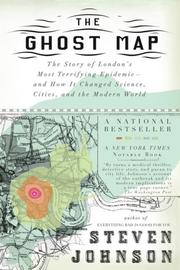
The cholera outbreak in Victorian London and how John Snow found its cause.

A thirteen-year-old boy with autism explains how his mind thinks and feels.
Source: Chai with Pabrai bookshelf — Unorganized, yet Interesting
Also recommended by: Matt Mullenweg
A fact for each day of the year, from a radio network's librarian.
Source: Chai with Pabrai bookshelf — Balance between Work, Play, Family, Friends, Learning
Also recommended by: Alfred Lin
A directory of the companies in the S&P 500 index and their finances.
Reports and analyses of the 400 companies in the S&P MidCap Index.
Updated data and analyses on America's medium-size, fast-growing companies.
Data and stock ratings for the 600 small-cap companies of the S&P SmallCap 600 index.
Profiles of the 600 small companies in the S&P SmallCap index, with financial data.
Performance data on over 6,000 stocks, 7,000 bonds and 700 mutual funds.

The skills, tactics and strategies of today's racquetball, from two top players.
A memoir of a baseball coach and the lessons of youth.
A tennis champion's memoir, from Richmond to life with AIDS.
A sports psychologist on how champions think, in sport and in life.
The young Cassius Clay's rise to become Muhammad Ali and change sport and society.
A tennis champion's life story, built around the fact that he hated tennis.
Source: Chai with Pabrai bookshelf — Entrepreneurship, Management and Leadership
Also recommended by: Andrew Wilkinson, Brad Feld, David Perell and 5 others

How a trainer, an owner and a jockey made a crooked-legged horse a racing legend.
Source: Chai with Pabrai bookshelf — Fiction
Also recommended by: Jim Collins

How a small Caribbean island came to dominate the world's sprinting.

An NFL veteran on the scandals, abuses and wonders of professional football.
How to analyse a company's financial statements.
How double-entry bookkeeping, from Venice, shaped modern finance.
How to find a company's real condition in the footnotes of its filings.

A textbook introduction to financial accounting.
Why financial reports have grown too complex for investors, and the harm it does.
On education and its purpose in life.
Why elite American colleges turn out bright conformists without direction.
Source: Chai with Pabrai bookshelf — Balance between Work, Play, Family, Friends, Learning
Also recommended by: Nat Eliason

A critic returns to college in middle age to read the great books again.
Why character, grit and curiosity matter more to children's success than test scores.
Source: Chai with Pabrai bookshelf — Balance between Work, Play, Family, Friends, Learning
Also recommended by: Bill Gates

A method for reading hard books for understanding, not just information.
Source: Chai with Pabrai bookshelf — Unorganized, yet Interesting
Also recommended by: Derek Sivers, Alex and Books, Kevin Systrom and 2 others
The history of the Indian Institutes of Technology, in text and photographs.
How global competition for the brightest students is transforming universities.
How information technology makes continuous training of employees a business need.
How to learn maths and science, from the course Learning How to Learn.
Source: Chai with Pabrai bookshelf — Science
Also recommended by: Derek Sivers
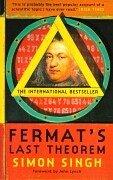
The centuries-long search for a proof of Fermat's Last Theorem.
Source: Chai with Pabrai bookshelf — Unorganized, yet Interesting
Also recommended by: Chamath Palihapitiya
Logic and analytic philosophy explained through jokes.
Source: Chai with Pabrai bookshelf — Unorganized, yet Interesting
Also recommended by: Nassim Nicholas Taleb

Riemann's 1859 hypothesis on prime numbers, unsolved for 150 years.
Why some forecasts succeed and most fail, from weather to earthquakes and economics.
Source: Chai with Pabrai bookshelf — Entrepreneurship, Management and Leadership
Also recommended by: Bill Gates, Michael Mauboussin and 1 other

An essay, from lectures at Cambridge colleges, on women, money and writing fiction.
Essays and fiction on American life, from teenagers' manners to new technology.
A practical guide to every stage of an interview, from getting it to writing it up.

Writers on the first books they loved and how they became readers.
The techniques behind Steve Jobs's presentations, as a guide for your own.
The commander of Britain's 14th Army on retaking Burma from Japan.
The problem solvers who turned the Second World War against the Nazis.
Source: Chai with Pabrai bookshelf — Science
Also recommended by: Bill Gates

A SEAL Team Six member's account of planning and carrying out the bin Laden raid.
Source: Chai with Pabrai bookshelf — History
Also recommended by: Paul Graham

A sniper's memoir of SEAL training and service in the covert unit SEAL Team Six.
101 deal-making maxims drawn from Warren Buffett's deals, such as buying GEICO.
How to listen with full attention in an age of distraction.

Fifty experimental findings on persuasion, and how to apply each.
Source: Chai with Pabrai bookshelf — Entrepreneurship, Management and Leadership
Also recommended by: Charlie Munger

A guide for parents through their children's adolescence.

Advice for parents to move from being a teen's manager to being a consultant.
How involved fathers help their daughters succeed, from research on fatherhood.
How new businesses start and evolve, and how their founders plan them.
“Branson reinforces Amar Bhide’s (author of The Origin and Evolution of New Businesses) thesis that most startups are low-risk ventures.” — Mohnish Pabrai
Source: Pabrai Investment Funds letter to partners (101103), page 6
| Mohnish Pabrai's Interview with Knowledge Inside podcast on August 19, 2026 - Episode 2 | Mohnish Pabrai | 2026-10-12 | Mohnish Pabrai's Interview with Knowledge Inside podcast on August 19, 2026 - Episode 2. 00:00:00 Introduction 00:01:52 My journey in investing; Introduction to Warren Buffett 00:05:05 Starting small in investing; The rule of 72 00:08:06 Spend less than you earn! 00:09:21 My father's entrepreneurial skills; Early advantage for starting my businesses 00:14:35 Entrepreneurs don't take risks 00:17:07 Take calculated risks; Jeff Bezos & Amazon 00:19:04 Learnings from Charlie Munger & Warren Buffett; Consistency & Equality of humanity 00:22:46 Success is happiness 00:23:34 The Dakshana Foundation; a mathematical game 00:27:37 Find your passion early in life; My owner's manual The contents of this website are for educational and entertainment purposes only, and do not purport to be, and are not intended to be, financial, legal, accounting, tax or investment advice. Investments or strategies that are discussed may not be suitable for you, do not take into account your particular investment objectives, financial situation or needs and are not intended to provide investment advice or recommendations appropriate for you. Before making any investment or trade, consider whether it is suitable for you and consider seeking advice from your own financial or investment adviser. Views expressed on Chai with Pabrai are exclusively those of Mohnish Pabrai and not of any affiliated firm or organization. | |
| The Kolkata Value Hunters Club; Q&A with Mohnish Pabrai | Chai with Pabrai | 2026-07-30 | 1:28 | Knowledge Speakers Series May 12, 2021 (00:00:00) - Introduction (00:04:03) - Value vs Growth Investing (00:29:23) - Investments in India (00:38:25) - Learnings from Warren Buffett and Charlie Munger (00:43:19) - Dakshana Foundation (00:48:18) - Impact of COVID on businesses (00:52:03) - Indian hotels business (00:56:28) - What's a great business? (00:58:17) - How to select Best Value Proposition? (01:07:58) - Unicorns in India (01:12:57) - Mohnish's schedule (01:17:31) - Death and Rebirth business (01:23:03) - India's growth and market |
| I manage $1B. Here's what I'm buying. | My First Million | 2026-05-22 | Get Mohnish's 9 investment principles: https://clickhubspot.com/1i6b Episode 827: Shaan Puri ( https://x.com/ShaanVP ) sits down with Mohnish Pabrai to break down the mental models that made him a billionaire value investor. — Show Notes: (0:00) Intro (1:25) Mental models of the top 1% (3:38) The mistress is always hotter than the wife (6:37) Introduce Randomness in your life (10:47) Humans are poor at copying (20:13) Take a simple idea seriously (23:02) Be and inch wide and a mile deep (30:29) Never use Excel (35:03) Wait for fat pitches (39:38) the stock market is like a church with a casino (44:01) Paying $650,000 to have lunch with Warren Buffett (45:43) The cautionary tale of Rick Guerin (47:22) The inner score card (49:25) The future of Berkshire Hathaway (51:29) Mohnish’s best investment (1:02:39) The hardest question (1:06:16) How to beat the index (1:11:25) Mohnish's stock picks for 2026 (1:22:26) S&P 500 (1:24:57) life advice disguised as investing advice (1:29:32) Studying the greatest investors (1:37:51) if you remember nothing else, remember this — Links: Mohnish Part 1: • This Guy Copy-Pasted Warren Buffett’s Stra... Mohnish Part 2: • Go from $10,000 to $1M in just 3 years The Dhando Investor - https://a.co/d/0hkx1t8g — Check Out Sam's Stuff: • Hampton (joinhampton.com): My community for founders. Average member does $25m/year. Many of the guests are members. | |
| Mohnish Pabrai: This will save you 10 years of bad investments | My First Million | 2026-05-22 | 1:47 | Get Mohnish's 9 investment principles: https://clickhubspot.com/kwdo Episode 827: Shaan Puri ( https://x.com/ShaanVP ) sits down with Mohnish Pabrai to break down the mental models that made him a billionaire value investor. — Show Notes: (0:00) Intro (1:25) Mental models of the top 1% (3:38) The mistress is always hotter than the wife (6:37) Introduce Randomness in your life (10:47) Humans are poor at copying (20:13) Take a simple idea seriously (23:02) Be and inch wide and a mile deep (30:29) Never use Excel (35:03) Wait for fat pitches (39:38) the stock market is like a church with a casino (44:01) Paying $650,000 to have lunch with Warren Buffett (45:43) The cautionary tale of Rick Guerin (47:22) The inner score card (49:25) The future of Berkshire Hathaway (51:29) Mohnish’s best investment (1:02:39) The hardest question (1:06:16) How to beat the index (1:11:25) Mohnish's stock picks for 2026 (1:22:26) S&P 500 (1:24:57) life advice disguised as investing advice (1:29:32) Studying the greatest investors (1:37:51) if you remember nothing else, remember this — Links: Mohnish Part 1: This Guy Copy-Pasted Warren Buffett’s Strategy (And Became A Billionaire) Mohnish Part 2: Go from $10,000 to $1M in just 3 years The Dhando Investor - https://a.co/d/0hkx1t8g — Check Out Sam's Stuff: • Hampton ( joinhampton.com ): My community for founders. Average member does $25m/year. Many of the guests are members. |
| Mohnish Pabrai: Berkshire, Big Mistakes & Letting Winners Run (TIP812) | The Investor's Podcast (We Study Billionaires) - The Investor’s Podcast Network | 2026-05-03 | 1:08 | On today’s show, Stig Brodersen talks with legendary value investor Mohnish Pabrai. Since its inception in 1999, one dollar invested in the flagship fund would have grown to $17.29, compared with $6.29 for the S&P 500. In the special interview, you can join Mohnish and Stig’s discussion on Berkshire Hathaway, investing mistakes, and the importance of letting winners run. Disclaimer: Stig Brodersen is an investor in Pabrai Funds, which creates a potential conflict of interest, as he may benefit if the funds perform well. He will not be compensated for this interview IN THIS EPISODE YOU’LL LEARN: (00:00:00) Intro (00:01:53) Whether Greg Abel’s compensation is fair (00:05:21) Why most investments fail, and why that’s okay (the “4% rule”) (00:11:40) Whether to own Berkshire Hathaway or the S&P500 over the next century (00:28:23) Why Stig thinks that Mohnish diversifies too much (00:31:04) Why good asset managers should eventually have 95% of their portfolio in one stock (00:36:21) How Mohnish met Michael Burry (01:04:50) What Mohnish learned from his best friend Guy Spier Disclaimer: Slight discrepancies in the timestamps may occur due to podcast platform differences. BOOKS AND RESOURCES Join the exclusive TIP Mastermind Community . Mohnish Pabrai’s website . Learn more about Mohnish Pabrai’s Dakshana Foundation . |
| Asking a Billionaire Investor How to Turn $10,000 into $1M ft. Mohnish Pabrai | My First Million | 2025-05-09 | 1:21 | Episode 705: Shaan Puri ( https://x.com/ShaanVP ) sits down with Mohnish Pabrai ( https://x.com/MohnishPabrai ) about how to turn $10K into $1M. Show Notes: (0:00) Simple = Genius (28:00) Never over-leverage (30:30) Risk vs uncertainty (33:00) Too hard pile (35:30) Be 1 inch wide, 1 mile deep (39:00) Learn from losers (43:30) A case for napping (48:00) Having an owner’s manual (53:00) Dying with zero (1:10:00) India’s Greatest Investor — Links: • Want to invest like a Billionaire? Get Mohnish's investment playbook: https://clickhubspot.com/mnp • Value Investors Club - https://www.valueinvestorsclub.com/ • Japan Company Handbook - https://tinyurl.com/489czpkp • Dakshana - https://www.dakshana.org/ • BJ21 - https://bj21.com/ — Check Out Shaan's Stuff: • Shaan's weekly email - https://www.shaanpuri.com • Visit https://www.somewhere.com/mfm to hire worldwide talent like Shaan and get $500 off for being an MFM listener. Hire developers, assistants, marketing pros, sales teams and more for 80% less than US equivalents. • Mercury - Need a bank for your company? Go check out Mercury ( mercury.com ). Shaan uses it for all of his companies! Mercury is a financial technology company, not an FDIC-insured bank. |
| Mohnish Pabrai on Investing and Life Lessons (TIP719) | The Investor's Podcast (We Study Billionaires) - The Investor’s Podcast Network | 2025-05-04 | 1:11 | On today’s show, Stig Brodersen talks with legend value investor Mohnish Pabrai. Since its inception in 1999, one dollar invested in the flagship fund would have turned into $13.63 vs. $6.19 for the S&P 500. In the special interview, you can join Mohnish and Stig’s metaphorical restaurant and together taste new wonderful dishes in investing and life. IN THIS EPISODE YOU’LL LEARN: 00:00 - Intro 01:36 - How stock investors can truly think like the owners of the business 10:09 - Which advice would Mohnish give to himself at ages 40 and 50 20:48 - Why you should learn from your mistakes, but not too much 33:07 - Why Mohnish looks at philanthropy as part two of the ultimate game 35:41 - Why you need to work with the fewest possible variables in philanthropy 51:30 - How to look at an “execution moat” 1:00:59 - Why Stig thinks that Mohnish is over diversified Disclaimer: Slight discrepancies in the timestamps may occur due to podcast platform differences. BOOKS AND RESOURCES Join Clay and a select group of passionate value investors for a retreat in Big Sky, Montana. Learn more here . Join the exclusive TIP Mastermind Community to engage in meaningful stock investing discussions with Stig, Clay, Kyle, and the other community members. Mohnish Pabrai’s website . Learn more about Mohnish Pabrai’s Dakshana Foundation. Our interviews with Mohnish Pabrai about The Inner Scorecard . Our interviews with Mohnish Pabrai about Masterclass Investing . |
| Matt Warder: Coal, Precious Metals, and Dinner with Mohnish Pabrai | Value Hive Podcast | 2025-02-28 | 1:15 | I can't believe it took me this long to get Matt Warder on the podcast. But here we are. Matt is the smartest guy in the coal space, and it's not even close. We chat HCC's latest investor presentation, why coal stocks are cheap, the 2026-2027 setup, and Matt's thoughts on precious metals. We finish the conversation with lessons from Matt's dinner with Mohnish Pabrai. Mitimco This episode is brought to you by MIT Investment Management Company, also known as MITIMCo, the investment office of MIT. Each year, MITIMCo invests in a handful of new emerging managers who it believes can earn exceptional long-term returns in support of MIT's mission. To help the emerging manager community more broadly, they created emergingmanagers.org , a website for emerging manager stockpickers. For those looking to start a stock-picking fund or just looking to learn about how others have done it, I highly recommend the site. You'll find essays and interviews by successful emerging managers, service providers used by MIT's own managers, essays MITIMCo has written for emerging managers and more! Tegus Tegus has the world’s largest collection of instantly available interviews on all the public and private companies you care about. Tegus actually makes primary research fun and effortless, too. Instead of weeks and months, you can learn a new industry or company in hours, and all from those that know it best. |
| Turning $1M Into $1B+: A Masterclass From The Indian Warren Buffett with Mohnish Pabrai #26 | Halfway to Genius | 2024-12-23 | 19 min | Interview with Mohnish Pabrai, a successful investor often called the "Indian Warren Buffett." The conversation centers on Pabrai's investment philosophy, heavily influenced by Warren Buffett and Charlie Munger, emphasizing patient, long-term investing in undervalued companies and the importance of asymmetrical risk-reward profiles ("heads I win, tails I don't lose much"). Pabrai highlights the crucial role of entrepreneurial experience in successful investing, showcasing his own journey from early business ventures to building a multi-million dollar investment fund. The interview also explores his unique fundraising strategy and includes anecdotes illustrating his approach to identifying investment opportunities and building relationships with exceptional individuals, drawing parallels between successful entrepreneurship and shrewd investing. Original https://www.youtube.com/watch?v=XikIr0kedY8 |
| Turning $1M Into $1B+: A Masterclass From The Indian Warren Buffett | My First Million | 2024-05-17 | 1:53 | Episode 586: Shaan Puri sits down with Mohnish Pabrai for a rare interview about value investing. Mohnish is sometimes called the "Indian Warren Buffett" for having turned $1M into over $1B+ through stock investing. In this podcast they talk about how founders can become great investors, how to avoid big mistakes, and lessons learned from Buffett & Munger. Want to see Sam and Shaan’s smiling faces? Head to the MFM YouTube Channel and subscribe - http://tinyurl.com/5n7ftsy5 — Show Notes: (0:00) Intro (1:41) Why entrepreneurs make the best investors (4:130) How Warren Buffett’s pre-paid for his college education (8:45) Becoming Ben Graham’s Protege (12:41) What Buffett learned about branding from See’s Candies (15:45) Buffett’s failed play to be a candy mogul (18:44) Identifying offering gaps (20:22) Getting an MBA at age 14 as the son of an entrepreneur (23:33) The 3 tells of a future millionaire (25:56) Mohnish builds his first product with maxed out credit cards at 24 (27:59) The 168 hour framework (31:13) “Entrepreneurs do not take risks” (32:38) How Richard Branson launches Virgin Atlantic with no money (35:31) How 0.1 percent of the population owns 70 percent of all the motels in America (38:31) The unfair advantage of being a low-cost producer (40:20) How Mohnish turned his first million into $13M in 5 years (43:39) Pabrai Funds grows to $600M in assets in less than 10 years (47:35) What Mohnish knows about fundraising that we don’t (50:26) Pivoting from tech… |
| Mohnish Pabrai's Inner Scorecard (TIP628) | The Investor's Podcast (We Study Billionaires) - The Investor’s Podcast Network | 2024-05-05 | 1:09 | On today’s show, Stig Brodersen talks with legend value investor Mohnish Pabrai. Since its inception in 1999, one dollar invested in the flagship fund would have turned into $12.51 vs. $4.72 for the S&P500. In the interview, Mohnish Pabrai discusses his approach to a congruent life. Disclaimer: Stig Brodersen is invested in Pabrai Funds. IN THIS EPISODE YOU’LL LEARN: 00:00 - Intro 10:14 - Which decisions Mohnish Pabrai made to improve his happiness. 15:06 - How to use the Buffett system to grade people. 26:02 - Why Mohnish likes to play bridge more than poker. 31:06 - Which principles Mohnish lives by. 38:58 - How Buffett and Mohnish (do not) take notes. Disclaimer: Slight discrepancies in the timestamps may occur due to podcast platform differences. BOOKS AND RESOURCES Join the exclusive TIP Mastermind Community to engage in meaningful stock investing discussions with Stig, Clay, Kyle, and the other community members. Mohnish Pabrai’s website . Learn more about Mohnish Pabrai’s Dakshana Foundation . Our interviews with Mohnish Pabrai about Masterclass Investing | YouTube Video . Our interviews with Mohnish Pabrai about investing in stocks | YouTube Video . Our interviews with Mohnish Pabrai about value investing and philanthropy | YouTube Video . Our interviews with Mohnish Pabrai about value investing | YouTube Video. Our interviews with Mohnish Pabrai about value investing in 2021 | YouTube Video . |
| Celebrating Charlie Munger w/ Mohnish Pabrai, Tom Gayner, Joel Greenblatt & Chris Davis | Richer, Wiser, Happier | 2023-12-10 | In this special tribute episode, William Green celebrates the life & legacy of investing legend Charlie Munger. | |
| TIP576: Mastermind Q3 2023 w/ Tobias Carlisle and Hari Ramachandra | The Investor's Podcast (We Study Billionaires) - The Investor’s Podcast Network | 2023-09-10 | 1:53 | In today's episode, Stig Brodersen speaks to Tobias Carlisle and Hari Ramachandra. Stig outlines why he put Constellation Software on his watchlist and is waiting to buy the dip. Hari’s pick, Brookfield Corporation, is one of the world’s largest alternative investment management companies with over $725B of assets under management. Tobias pitches Winnebago, a value stock coming off the strong demand from COVID. IN THIS EPISODE YOU’LL LEARN: 00:00 - Intro 01:33 - Why Hari is bullish on Brookfield Corporation (BN) 07:56 - Why Hari is not bullish on Brookfield Asset Management (BAM) 22:37 - Why Stig is bullish on Constellation Software (TSE: CSU) 37:13 - Two different methods to value Constellation Software 59:39 - Why Tobias is bullish on Winnebago Industries (WGO) 1:11:52 - How can you pitch your stock to the TIP Mastermind Community 1:47:02 - How to meet up with TIP in NYC in October Disclaimer: Slight discrepancies in the timestamps may occur due to podcast platform differences. BOOKS AND RESOURCES Join the exclusive TIP Mastermind Community to engage in meaningful stock investing discussions with Stig, Clay, and the other community members. Listen to Mastermind Discussion Q2 2023 - TIP557 or watch the video . Listen to Mastermind Discussion Q1 2023 - TIP528 or watch the video . Listen to Mastermind Discussion Q1 2022 - TIP418 or watch the video . Listen to Mastermind Discussion Q2 2022 - TIP450 or watch the video . |
| Mohnish Pabrai on Cloning & Compounding | The Meb Faber Show - Better Investing | 2023-08-16 | 1:15 | Today’s guest is Mohnish Pabrai , founder and Managing Partner of the Pabrai Investments Funds, which he started in 1999 and has since built an incredible track record. In today’s episode, Mohnish talks about his love for bridge, what his friend Warren Buffett’s online bridge name is, his philanthropic endeavors, opportunities he sees in Turkey and India, and what he would do with the Apple position today if he was running Berkshire Hathaway. (0:39) - Sponsor: YCharts (1:26) - Intro (2:00) - Episode begins (5:57) - Mohnish’s educational background (11:37) - Revived love for Bridge (18:00) - The magic of compounding (24:57) - Dakshana provides intense prep for competitive exams to underprivileged kids (38:54) - Investing long-term in high-conviction bets regardless of error rates (42:51) - Think like a founder, hold onto investments long-term despite drawdowns (46:32) - If he worked at Berkshire, would he sell or hold Apple today? (48:53) - What interested Mohnish in Turkey & India? (1:02:45) - Which tech stocks would Bill Gates buy? (1:06:51) - Mohnish’s most memorable investment (1:11:57) - Narrow expertise depth, no need to know everything about everything ----- Follow Meb on Twitter , LinkedIn and YouTube For detailed show notes, click here To learn more about our funds and follow us, subscribe to our mailing list or visit us at cambriainvestments.com ----- Today's episode is sponsored by YCharts . |
| What I’ve Learned From Charlie Munger, Mohnish Pabrai, Tom Gayner, & John Spears (RWH028) | The Investor's Podcast (We Study Billionaires) - The Investor’s Podcast Network | 2023-06-25 | 1:25 | In this special episode, William Green shares several fundamental, life-changing lessons that he’s learned from his conversations with Charlie Munger, Mohnish Pabrai, Tom Gayner, & John Spears. The focus here is on powerful insights that can guide & enrich you both in business & life. IN THIS EPISODE YOU’LL LEARN: 00:00 - Intro 02:37 - Why Charlie Munger thinks being ethical is a huge competitive advantage 17:16 - Why Munger urges you to get “toxic people” out of your life, & do it fast. 24:52 - How Mohnish Pabrai forges strong relationships based on trust & fairness and how Mohnish’s success is built on David Hawkins’ insights in “Power vs Force.” 36:09 - What William Green learned from Hawkins’ books that changed his life. 46:36 - Why Munger won’t indulge in destructive emotions like anger & envy. 57:32 - How Markel CEO Tom Gayner infuses his business dealings with timeless values. 1:06:33 - How Tom operates by initiating trust & then assessing whether it’s deserved. 1:16:23 - What Tom looks for when appraising a person’s integrity. 1:25:18 - What John Spears learned from Quakerism that guided him in business & life. Disclaimer: Slight discrepancies in the timestamps may occur due to podcast platform differences. BOOKS AND RESOURCES Join the exclusive TIP Mastermind Community to engage in meaningful stock investing discussions with Stig, Clay, and the other community members. Tune in to William Green’s full interview with Mohnish Pabrai or watch the video . |
| Value Investing in 2021 w/ Mohnish Pabrai | The Investor's Podcast (We Study Billionaires) - The Investor’s Podcast Network | 2021-05-02 | 1:01 | On today’s show, Stig Brodersen talks with famous value investor Mohnish Pabrai. They explore Mohnish Pabrai's new investment framework and how retail investors can clone it. IN THIS EPISODE, YOU'LL LEARN: Why 2020 has been the year where Mohnish Pabrai learned the most since he found Warren Buffett in 1994 Why the Spawning framework is, and why it’s better than buying back shares Where Mohnish would like to add to his circle of competence with no time cost Why watching paint dry is the core of being a great investor BOOKS AND RESOURCES Join the exclusive TIP Mastermind Community to engage in meaningful stock investing discussions with Stig, Clay, and the other community members. Learn more about Mohnish Pabrai’s Dakshana Foundation Mohnish Pabrai’s website Peter Kaufman’s book, Poor Charlie’s Almanack Our interviews with Mohnish Pabrai about value investing and philanthropy Our interviews with Mohnish Pabrai about value investing Guy Spier’s thoughts on Seritage Growth Properties Our interview with William Green about Mohnish Pabra i and much more. Buy William Green´s book, Richer, Wiser, Happier NEW TO THE SHOW? Check out our We Study Billionaires Starter Packs . Browse through all our episodes (complete with transcripts) here . Try our tool for picking stock winners and managing our portfolios: TIP Finance Tool . Enjoy exclusive perks from our favorite Apps and Services . |
| Mohnish Pabrai - The Value of Continuous Learning | Value Investing with Legends | 2021-01-15 | 1:12 | There are several great investors out there who are effectively offering free lessons through their positions, letters, and interviews. What's surprising is that while many people listen to them, hardly anyone puts those lessons into practice. Today's guest, Mohnish Pabrai, is not one to miss such opportunities and he attributes much of his success to his hunger to learn, improve, and adjust. Mohnish is an author and the Founder and CEO of Pabrai Investment Fund, which he started in 1999 at the peak of the tech bubble. In 1983 he moved to the United States from India, to study computer engineering at South Carolina's Clemson University. After working in research and development, Mohnish launched his own successful IT consulting firm, TransTech, in 1991. One of the most original investors out there, Mohnish arrived relatively late in his professional career to the world of investing but he has made such an impact ever since. Through Pabrai Investments, Mohnish has built one of those records that is the stuff of legends. On this episode, Mohnish and I discuss how his early years alongside his entrepreneurial father have shaped him as an investor, why he decided to make the switch to a career in investing, how he was introduced to the world of value investing through the works of Peter Lynch, his growth as an investor since starting Pabrai Investments as a hobby investor, how you can use cloning to your advantage, and so much more! |
| TIP241: Value Investing w/ Mohnish Pabrai (Business Podcast) | The Investor's Podcast (We Study Billionaires) - The Investor’s Podcast Network | 2019-05-05 | 48 min | On today's show, we talk to the famous value investor, Mohnish Pabrai. IN THIS EPISODE, YOU'LL LEARN How Mohnish Pabrai is reading Warren Buffett’s letters to shareholders Who is Mohnish Pabrai cloning? How Mohnish Pabrai is evaluating the performance of his investments Why Mohnish Pabrai will never own an insurance company again Ask The Investors: How do you determine the expected future growth of a company BOOKS AND RESOURCES Join the exclusive TIP Mastermind Community to engage in meaningful stock investing discussions with Stig, Clay, and the other community members. Mohnish Pabrai’s website . Mohnish Pabrai's reading list . Brittani Collins’ song about Mr. Market . Larry Cunningham’s book, The Essays of Warren Buffett – Read reviews of this book . Collection of all of Berkshire Hathaway’s annual shareholder’s meetings . NEW TO THE SHOW? Check out our We Study Billionaires Starter Packs . Browse through all our episodes (complete with transcripts) here . Try our tool for picking stock winners and managing our portfolios: TIP Finance Tool . Enjoy exclusive perks from our favorite Apps and Services . Stay up-to-date on financial markets and investing strategies through our daily newsletter, We Study Markets. Learn how to better start, manage, and grow your business with the best business podcasts . SPONSORS Support our free podcast by supporting our sponsors : Plus500 Netsuite Shopify Vanta HELP US OUT! |
| The INDUStry Show w Mohnish Pabrai | The INDUStry Show | 2017-03-18 | 41 min | Mohnish Pabrai is the dynamic founder, CEO, and Managing Partner of Pabrai Investment Funds - overseeing assets with an intrinsic value of over $500mn. Mohnish counts Warren Buffett and Charlie Munger amongst his friends and mentors, and has beaten market returns by over 1000% since the year 2000. A Harvard Business School alum, Mohnish is also the author of best-sellers: The Dhandho Investor, and Mosaic: Perspectives on Investing. |
| Mohnish Pabrai's Interview with Knowledge Inside podcast on August 19, 2026 - Episode 1 | Mohnish Pabrai | |||
| You Only Need to Get Rich Once. (Mohnish Pabrai Interview) | New Money | |||
| Mohnish Pabrai: FASTEST Way To Financial Freedom! Proven Playbook For Quitting Your 9-5 In 9 Months! | The Diary Of A CEO with Steven Bartlett | |||
| Mohnish Pabrai's Brutally Honest Thoughts on the Stock Market. | New Money | |||
| Mohnish Pabrai's Session with Copenhagen Business School Investment Club on August 25, 2026 | Mohnish Pabrai | |||
| Mohnish Pabrai’s Interview session at The Diary of a CEO on July 13, 2025 | Mohnish Pabrai |
 MMohnish Pabrai's Interview with Knowledge Inside podcast on August 19, 2026 - Episode 2Mohnish Pabrai · 2026-10-12
 CThe Kolkata Value Hunters Club; Q&A with Mohnish PabraiChai with Pabrai · 2026-07-30
 MI manage $1B. Here's what I'm buying.My First Million · 2026-05-22
 MMohnish Pabrai: This will save you 10 years of bad investmentsMy First Million · 2026-05-22
 TMohnish Pabrai: Berkshire, Big Mistakes & Letting Winners Run (TIP812)The Investor's Podcast (We Study Billionaires) - The Investor’s Podcast Network · 2026-05-03MAsking a Billionaire Investor How to Turn $10,000 into $1M ft. Mohnish PabraiMy First Million · 2025-05-09
 TMohnish Pabrai on Investing and Life Lessons (TIP719)The Investor's Podcast (We Study Billionaires) - The Investor’s Podcast Network · 2025-05-04
 VMatt Warder: Coal, Precious Metals, and Dinner with Mohnish PabraiValue Hive Podcast · 2025-02-28
 HTurning $1M Into $1B+: A Masterclass From The Indian Warren Buffett with Mohnish Pabrai #26Halfway to Genius · 2024-12-23MTurning $1M Into $1B+: A Masterclass From The Indian Warren BuffettMy First Million · 2024-05-17
 TMohnish Pabrai's Inner Scorecard (TIP628)The Investor's Podcast (We Study Billionaires) - The Investor’s Podcast Network · 2024-05-05RCelebrating Charlie Munger w/ Mohnish Pabrai, Tom Gayner, Joel Greenblatt & Chris DavisRicher, Wiser, Happier · 2023-12-10
 TTIP576: Mastermind Q3 2023 w/ Tobias Carlisle and Hari RamachandraThe Investor's Podcast (We Study Billionaires) - The Investor’s Podcast Network · 2023-09-10
 TMohnish Pabrai on Cloning & CompoundingThe Meb Faber Show - Better Investing · 2023-08-16
 TWhat I’ve Learned From Charlie Munger, Mohnish Pabrai, Tom Gayner, & John Spears (RWH028)The Investor's Podcast (We Study Billionaires) - The Investor’s Podcast Network · 2023-06-25
 TValue Investing in 2021 w/ Mohnish PabraiThe Investor's Podcast (We Study Billionaires) - The Investor’s Podcast Network · 2021-05-02
 VMohnish Pabrai - The Value of Continuous LearningValue Investing with Legends · 2021-01-15
 TTIP241: Value Investing w/ Mohnish Pabrai (Business Podcast)The Investor's Podcast (We Study Billionaires) - The Investor’s Podcast Network · 2019-05-05
 TThe INDUStry Show w Mohnish PabraiThe INDUStry Show · 2017-03-18
 MMohnish Pabrai's Interview with Knowledge Inside podcast on August 19, 2026 - Episode 1Mohnish Pabrai
 NYou Only Need to Get Rich Once. (Mohnish Pabrai Interview)New Money
 TMohnish Pabrai: FASTEST Way To Financial Freedom! Proven Playbook For Quitting Your 9-5 In 9 Months!The Diary Of A CEO with Steven Bartlett
 NMohnish Pabrai's Brutally Honest Thoughts on the Stock Market.New Money
 MMohnish Pabrai's Session with Copenhagen Business School Investment Club on August 25, 2026Mohnish Pabrai
 MMohnish Pabrai’s Interview session at The Diary of a CEO on July 13, 2025Mohnish Pabrai