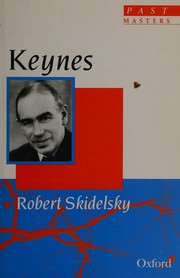
Keynes: The Return of the Master
Keynes's economics and philosophy, and why they matter after the financial crisis.
Summary
The reference has not verified this book in detail; the summary states only what the title, author and subject establish.
Skidelsky, an economic historian and Keynes's prize-winning biographer, discusses the economic theories and philosophy of John Maynard Keynes and argues for their relevance to the world after the 2008 financial crisis.
The book runs to 240 pages and was published in 2009. Skidelsky wrote it in three months, against the 30 years his biography of Keynes took. The source read in this pass, a short Wikipedia article, does not set out the book's chapters or its specific arguments.
Key takeaways 3
- Skidelsky argues that the 2008 crisis showed Keynes's ideas still apply.
- Keynes's philosophy, not only his economics, is part of the case.
- A leading Keynes scholar wrote it quickly in response to the crisis.
Who should read it
Readers who want a short case for Keynes's relevance after 2008 from his leading biographer.
Who recommended it 1 · 1 direct
Similar books 6
Chosen by shared topics, the entries that hold them, and the people who recommended both.
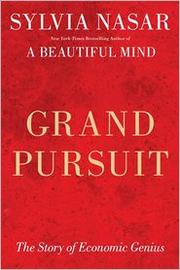
How modern economics came to be, through the people who made it.
Recommended by: Mohnish Pabrai
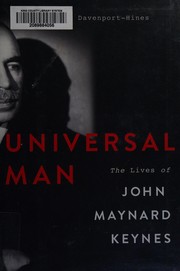
The many lives of John Maynard Keynes, the century's most influential economist.
Recommended by: Mohnish Pabrai
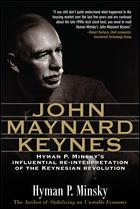
The life of the economist and statesman, abridged from three volumes into one.
Recommended by: Patrick Collison

Why population growth always presses against the food supply.
Recommended by: Mohnish Pabrai
Books One to Three: division of labour, money, prices, wages, profit and capital.
“Adam Smith, An Inquiry into the Nature and Causes of the Wealth of Nations (London: W. Strahan and T. Cadell, 1776)” — Michael Mauboussin
Source: Increasing Returns: Identifying Forms of Increasing Returns and What Drives Them, page 15
Recommended by: Michael Mauboussin, Mohnish Pabrai and 1 other
Books Four and Five: the case against mercantilism, and the role of the state.
Recommended by: Mohnish Pabrai