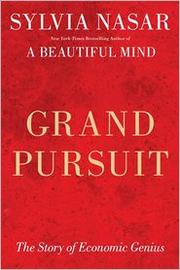
Grand Pursuit: The Story of Economic Genius
How modern economics came to be, through the people who made it.
Summary
Nasar tells the story of how modern economics came to be and how a handful of men and women changed the lives of everyone on the planet, as a way of understanding how the financial world came to work as it does. She argues that economics was not always tied to bankers, recessions and bailouts. In her account it was born in the nineteenth century, when Charles Dickens and Henry Mayhew chronicled the destitution of London's slums and sought to turn money into a force for social good, placing people's material fate in their own hands rather than leaving it to destiny.
The book follows that idea through the economists who carried it forward, from Marx and Engels to Keynes and Friedman, with revolutionary results. It was published in 2011. The source read in this pass does not list every figure covered or the book's chapters.
Key takeaways 3
- Modern economics began as an effort to free people from poverty, not as a science of finance.
- Nineteenth-century writers on London poverty set the questions economists later took up.
- From Marx to Keynes and Friedman, economists tried to make human material welfare something people could control.
Who should read it
Readers who want the history of economic ideas told through the lives of the economists.
Who recommended it 1 · 1 direct
Similar books 6
Chosen by shared topics, the entries that hold them, and the people who recommended both.
Why population growth always presses against the food supply.
Recommended by: Mohnish Pabrai
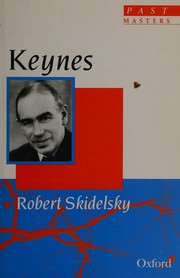
Keynes's economics and philosophy, and why they matter after the financial crisis.
Recommended by: Mohnish Pabrai
The many lives of John Maynard Keynes, the century's most influential economist.
Recommended by: Mohnish Pabrai
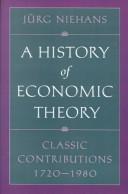
A history of economic theory and the economists who built it.
Recommended by: Eric Weinstein
An early argument on building, the construction trade, taxes and population.
Recommended by: Marc Andreessen
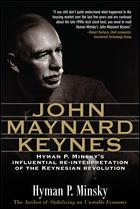
The life of the economist and statesman, abridged from three volumes into one.
Recommended by: Patrick Collison