
General History
The human past outside the specifically financial: nations, empires, civilisations, eras and world-historical narrative. Read by anyone after context on how the present came about.
Start here
- Lives of the ArtistsGiorgio Vasari, 1550
- The Autobiography of Benjamin FranklinBenjamin Franklin, 1791
- Extraordinary Popular Delusions and the Madness of CrowdsCharles Mackay, 1841
- The MuqaddimahIbn Khaldun, 1858
- The History of the Standard Oil CompanyIda M. Tarbell, 1904
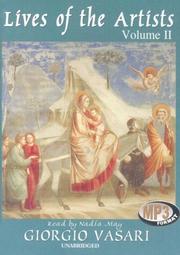
Lives of the painters, sculptors and architects of the Italian Renaissance.
“Vasari, Lives of the Artists” — Paul Graham
Source: Rarely-Asked Questions — paulgraham.com
Recommended by: Paul Graham
A printer's rise in colonial America and his chart for practising thirteen virtues.
Recommended by: Charlie Munger, Mohnish Pabrai, Nat Eliason and 4 others
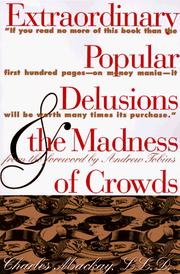
Crowd manias from the Mississippi scheme and South Sea Bubble to witch trials.
“We find whole communities suddenly fix their minds upon one object, and go mad in its pursuit,” wrote Charles Mackay in Extraordinary Popular Delusions and the Madness of Crowds (1841), which contains descriptions of early speculative manias.” — Jeremy Grantham
Source: Valuing AI: Extreme Bubble, New Golden Era - or Both?, page 6
Recommended by: Barton Biggs, Bernard Baruch and 6 others
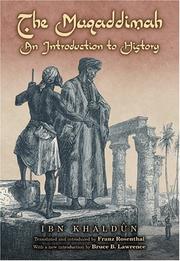
Why states rise and fall, explained through asabiyyah, the cohesion of a group.
Recommended by: Mohnish Pabrai, Mark Zuckerberg
How Standard Oil used railroad rebates to crush rival refiners, case by case.
Why Germany could not pay the 1919 reparations, and what they would do to Europe.
“Consider the following quote from John Maynard Keynes in The Economic Consequences of the Peace: The inhabitant of London could order by telephone, sipping his morning tea in bed, the various products of the whole earth, in such quantity as he might see fit, and reasonably expect their early delivery upon his doorstep; he could at the same moment and by the same means adventure his wealth in the natural resources and new …” — William J. Bernstein
Source: Efficient Frontier, issue 901 (2001)
Recommended by: William J. Bernstein
The late-1920s boom in margin loans and investment trusts, and the 1929 crash.
“One I haven’t mentioned since my memo The Long View in 2009 is the “bezzle,” a concept Galbraith introduced in his book The Great Crash 1929.” — Howard Marks
Source: Cockroaches in the Coal Mine
Recommended by: Howard Marks, Jeremy Grantham and 2 others
How DuPont, GM, Standard Oil and Sears built the multidivisional firm.
Interest rates from Babylonian lending through Rome and Europe to modern bonds.
“Courtesy of Homer and Sylla’s A History of Interest Rates, I’ve plotted the market price of the 5% prestiti in the 14th and 15th centuries: Even taking these stumbles into account, investors in medieval and Renaissance Europe earned healthy returns on their capital.” — William J. Bernstein
Source: Efficient Frontier, issue 901 (2001)
Recommended by: Mohnish Pabrai, William J. Bernstein
What Germany's 1921 to 1923 hyperinflation did to ordinary people's lives.
Recommended by: Balaji S. Srinivasan
The building of the Panama Canal, from France's failed attempt to US completion.
“I read this to prepare for a family vacation to Panama. It's pure McCullough: epic drama, political intrigue, heartbreaking defeats, and eventual triumph.” — Bill Gates
Recommended by: Mohnish Pabrai, Bill Gates, Marc Andreessen
How salaried managers replaced markets in coordinating US business, 1840 to 1920.
“Chandler, Alfred. The Visible Hand. Harvard, 1977.” — Paul Graham
Source: The Refragmentation — Paul Graham (bibliography)
Recommended by: Paul Graham
How Japan's trade ministry steered industry from 1925 to 1975.
Electrification in the US, Britain and Germany, 1880 to 1930, as a technical system.
A century of US regulation through four figures, from Charles Francis Adams to Kahn.
How rival federal agencies dammed the American West's rivers for water projects.
How the bomb was built, from the discovery of atomic energy to Hiroshima.
Recommended by: Jim Collins, Chris Dixon, Elon Musk and 2 others
Ford and Nissan side by side, showing why US carmakers lost to Japan.
How cost accounting served managers until financial reporting took it over.
Why big industrial firms in the US, Britain and Germany rose or lagged, 1880 to 1940.
The Morgan banks from 1830s London to J.P. Morgan and Morgan Stanley in the 1980s.
Recommended by: Mohnish Pabrai, Paul Graham, Li Lu and 1 other
How Chicago and its western hinterland grew together as city and frontier.
The history of oil from the first Pennsylvania well to the Gulf War.
“He's also an extremely articulate writer, as evidenced by his Pulitzer prize for his early work on oil, The Prize.” — Bill Gates
Source: The Quest — Gates Notes
Recommended by: Bill Gates, Jim Collins, Mohnish Pabrai and 4 others
How the gold standard spread the Depression, and why leaving it early meant recovery.
“Eichengreen, Barry. Golden Fetters: The Gold Standard and the Great Depression, 1919–1939. New York: Oxford University Press, 1996” — Ray Dalio
Source: The Changing World Order — citations and bibliography, page 29
Recommended by: Ray Dalio
Two centuries of a Jewish banking family from Hamburg to London and New York.
Recommended by: Mohnish Pabrai, Li Lu
Latin America's economies from independence to today, period by period.
How the Chicago mob ran Las Vegas casinos, told through bookie Frank Rosenthal.
A century of the American cigarette industry, from mass marketing to 1990s lawsuits.
Why the Dutch Republic of 1500 to 1815 was the first modern economy.
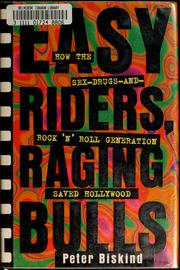
How young directors and drugs remade Hollywood in the 1970s, from Easy Rider on.
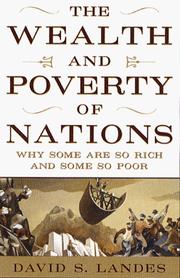
Why some nations grew rich over 500 years, with culture as the deciding factor.
Recommended by: Charlie Munger, Li Lu, Mohnish Pabrai and 1 other
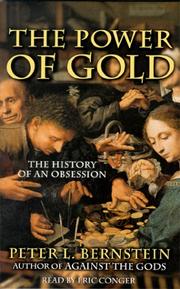
Gold from ancient Egypt and Lydian coins to the end of Bretton Woods.
“And right next to him I’d put Peter Bernstein (Against the Gods, The Power of Gold) and James Grant (Money of the Mind), both enormously gifted writers and friends of mine.” — John C. Bogle
Source: The Joy of Writing — Books, Ideas, Advocacy, and Idealism, page 3
Recommended by: John C. Bogle
How IBM and its German subsidiary worked with Nazi Germany from 1933 through the war.
A Jewish boy survives the war and Soviet rule in Hungary and escapes to America.
Recommended by: Keith Rabois, Patrick Collison, Ben Horowitz
How Lyndon Johnson mastered the Senate's rules and became its majority leader.
Recommended by: Jim Collins, Marc Andreessen and 1 other
Hamilton's life from the West Indies to the Treasury and his duel with Aaron Burr.
Recommended by: Jim Collins, Patrick Collison and 2 others
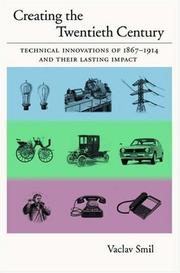
How inventions of 1867 to 1914, from electricity to cars, made the modern world.
“My favorite Smil book, Creating the Twentieth Century (and its companion, Transforming the Twentieth Century) chronicles the inventions of the last 150 years.” — Bill Gates
Source: Vaclav Smil on how energy makes life possible — Gates Notes
Recommended by: Bill Gates, Mohnish Pabrai, Li Lu
How the shipping container cut freight costs and remade global trade.
“History of the shipping container, and how it affected the world economy. Also for ambitious entrepreneurs, Malcom McLean is a damn good role model. Great read.” — Derek Sivers
Source: Derek Sivers book notes (primary, rated list) · Rating: 6/10
Recommended by: Bill Gates, Derek Sivers, Mohnish Pabrai and 2 others
The economic history of Nazi Germany.
Henry Ford's failed attempt to build a small American town in the Amazon.
How four central bankers and the gold standard turned a slump into the Depression.
“I'm going to use "classic" again but rightfully so.” — Christopher Bloomstran
Source: Semper Augustus 2020 Letter to Clients, 'To Read or Not to Read', p. 57
Recommended by: Christopher Bloomstran, Mohnish Pabrai
A biography of cancer, by a physician and oncologist.
“I loved Mukherjee's 2015 TED Talk and his brilliant book about cancer, The Emperor of All Maladies, which won the Pulitzer Prize in 2011.” — Bill Gates
Source: My thoughts on 'The Gene: An Intimate History' — Gates Notes
Recommended by: Bill Gates, Andrew Chen, Laura R Walker and 1 other

Tests the popular comparison of America with ancient Rome and finds deep differences.
Recommended by: Bill Gates, Mohnish Pabrai
How the transcontinental railroads, the first corporate giants, reshaped America.
How American manufacturing rose to lead the world, and why its share then fell.
Recommended by: Mohnish Pabrai, Bill Gates
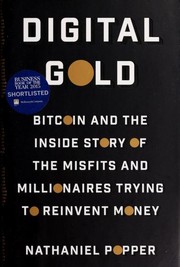
The rise of Bitcoin and the people trying to build a new money for the internet.
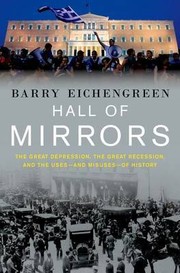
How 1930s lessons guided policy in 2008, averting a depression but adding errors.
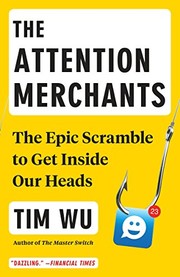
How media from the penny press to social media capture attention and resell it.
Recommended by: David Perell
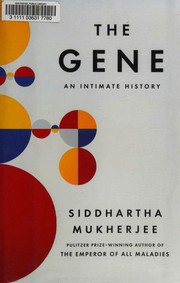
The gene from Mendel and Darwin to genome editing, beside a family's mental illness.
Recommended by: Bill Gates, Daniel Petre, James Cameron and 1 other
Why the inventions of 1870 to 1970 raised living standards as nothing since has.
“This is a heavyweight (literally) masterpiece... It's a data-rich textbook as well as a phenomenal read.” — Christopher Bloomstran
Source: Semper Augustus 2020 Letter to Clients, 'To Read or Not to Read', p. 57
Recommended by: Bill Gates, Christopher Bloomstran and 2 others
History told through energy, from muscle and fire to coal, oil and electricity.
Recommended by: Balaji S. Srinivasan, Bill Gates and 1 other
How the East India Company became the first corporation to conquer a country.
Three generations of the Sackler family and how Purdue Pharma sold OxyContin.
Venture capital from Arthur Rock to SoftBank, and why a few big bets pay for all.
Recommended by: Andrew Wilkinson, Anthony Pompliano and 4 others
The Rochdale Pioneers and the cooperative they founded, told by a contemporary.
American life in the 1920s, from the Armistice to the crash.
Recommended by: The Barefoot Investor
How Vanderbilt, Gould, Rockefeller, Morgan and others built 19th-century fortunes.
Recommended by: Larry Ellison
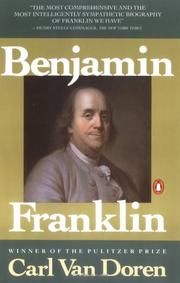
The life of Benjamin Franklin as printer, scientist and statesman.
Recommended by: Charlie Munger
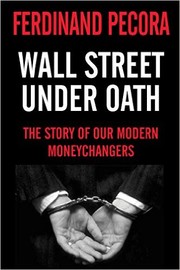
The 1933 Senate hearings exposing bankers' practices that led to securities laws.
“The combination of banking and investment banking under the same roof received a good part of the blame for the Great Crash (see one of my favorite books, Wall Street Under Oath by Ferdinand Pecora, 1939).” — Howard Marks
Source: The Long View, page 12
Recommended by: Howard Marks
A military historian's reflections on what history teaches and why we ignore it.
Recommended by: Morgan Housel, Nat Eliason, Shane Parrish
How American life changed between 1900 and 1950.
Recommended by: Morgan Housel, Paul Graham
How the Copernican revolution unfolded, as a turning point in scientific thought.
“Kuhn, The Copernican Revolution” — Paul Graham
Source: Rarely-Asked Questions — paulgraham.com
Recommended by: Patrick Collison, Paul Graham
Shackleton's men survive after the ice crushes their ship Endurance in Antarctica.
Recommended by: Andrew Wilkinson, Jim Collins, Morgan Housel and 8 others
How the South Sea Company's scheme worked, inflated and collapsed.
Fieldwork showing Ghana's migrant cocoa farmers acted as capitalist investors.
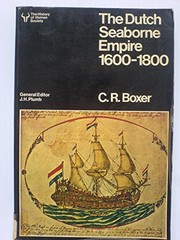
The Dutch East and West India Companies as trading and military enterprises.
The 1787 Federal Convention in Philadelphia that wrote the US Constitution.
Recommended by: Jim Collins
Recurring patterns drawn from world history: biology, morals, religion, economics.
“…books I've recommended, highlighted to death, or forced on friends.” — Andrew Wilkinson
Source: Andrew Wilkinson's Bookshelf, neverenough.com
Recommended by: Andrew Wilkinson, Balaji S. Srinivasan and 14 others
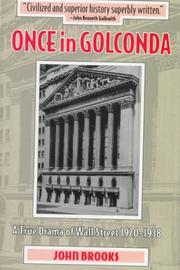
Wall Street from 1920 to 1938: the boom, the crash, the Depression and reform.
Recommended by: Mohnish Pabrai, Brendan Moynihan
The history of molecular biology from the 1930s to the 1970s, told by its makers.
Recommended by: Naval Ravikant
Wall Street in the 1960s: performance funds, conglomerates and the paperwork crisis.
“Both books are outstanding histories of Rockefeller and Standard Oil and then of the booming 1960s.” — Christopher Bloomstran
Source: Semper Augustus 2022 Letter to Clients, 'Books and Stuff', p. 75
Recommended by: Christopher Bloomstran, Mohnish Pabrai
Charles Schwab's rise from Carnegie's mill to head US Steel, then build Bethlehem.
The big international oil companies and how the 1973 embargo took away their control.
How plague, cholera, malaria and smallpox shaped history.
Recommended by: Patrick Collison, Paul Graham
Peru's export economy from 1890 to 1977, and why growth did not bring development.
Edison's life drawn from his papers, unsparing about his finances.
Theodore Roosevelt's life from his birth in 1858 to the presidency in 1901.
Recommended by: Jim Collins, Mohnish Pabrai, Ryan Holiday and 2 others

A long history of Poland that explains where its institutions began.
A history of the Tata group and the industries it built in India.
Saudi Arabia's first oil boom and the bargain that keeps the Al Saud in power.
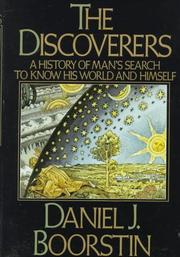
A history of discovery: time and the clock, the earth and seas, nature and society.
Recommended by: Jim Collins, Stewart Brand
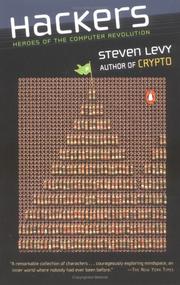
Three generations of hackers, from MIT's AI Lab to the Homebrew club and game makers.
Recommended by: Austen Allred, Ev Williams, Marc Andreessen and 3 others
How Kilby and Noyce each invented the integrated circuit in 1958 and 1959.
Recommended by: Patrick Collison
The first volume of a history of the Hudson's Bay Company.
How Americans chose separate suburban houses and how that shaped the country.
How control of water built power in the arid American West.

Germany's 1914 to 1923 inflation, with a more sympathetic view of its policy.
Six friends, including Acheson, Harriman and Kennan, who shaped US foreign policy.
Recommended by: Mohnish Pabrai
Argentina from Spanish conquest to the 1980s, and its reliance on foreign partners.
The culture of the Dutch Republic, which grew rich first and was uneasy about it.
Hong Kong at its commercial peak, before the handover to China.
Monthly data tested against explanations of Germany's 1919 to 1923 inflation.
A Pennsylvania steel town from Carnegie's purchase in 1883 to the 1986 closure.
Harry Truman's life and presidency, from the atomic bomb to the Korean War.
Recommended by: Jim Collins, Morgan Housel
The full political, social and economic history of Germany's 1914 to 1924 inflation.
A one-volume history of Colombia and the institutions that shape it.
A modern history of Turkey, tracing how its state and business are tied.
How the Macintosh was made and launched in 1984.
Singapore's economy from a British trading post in 1819 through the postwar years.

Latin America's reforms from the 1980s debt crisis to the mid-1990s, assessed.
How Chicago-trained Chilean economists came to run economic policy under Pinochet.

Mexico in the NAFTA era: an uprising, assassinations, corruption and a $50bn bailout.

How Vietnam moved from central planning to a market economy, from field research.
After the Cold War, conflict will follow cultural and religious fault lines.
Recommended by: Mohnish Pabrai, Patrick Collison and 3 others
How Licklider and Pentagon-funded engineers built the network behind the internet.
Recommended by: Patrick Collison, Chris Dixon and 1 other
How Britain, Germany, Japan and the US each built their own form of capitalism.
Recommended by: Mohnish Pabrai
How the Bell Labs team of Shockley, Bardeen and Brattain invented the transistor.
Recommended by: Patrick Collison
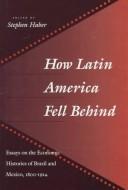
Essays on why Brazil's and Mexico's economies lagged from 1800 to 1914.
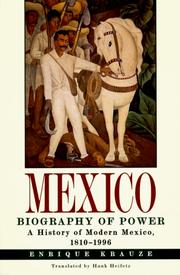
Modern Mexico from the insurgent priests of the 1810s to Zedillo and the Zapatistas.
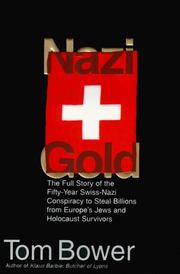
How Swiss bankers kept Jewish deposits and helped Nazis hide looted money.
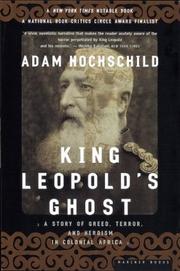
How King Leopold II of Belgium seized the Congo as his own colony in the 1880s.
Britain's entry turned a continental war into a world war that was not inevitable.
Recommended by: Mohnish Pabrai
A founding leader's account of his life and Singapore's politics and history.
Recommended by: Patrick Collison, Tim Ferriss
India's economy from independence to 2000, told alongside a P&G executive's career.
The investors, politicians and workers who built the transcontinental railroad.
Russia's 1990s privatisation and the rise of the oligarchs, from Moscow.
How Ireland built its growth on foreign investment, told by two who designed it.
Nigeria, Africa's most populous nation, and why things are going badly there.
A narrative of the great stock market crash and the economy around it.
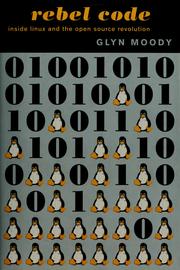
The history of Linux, open-source software and the businesses built around it.
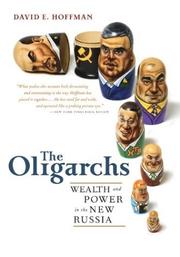
Six men and the mechanics of how they assembled post-Soviet Russia's wealth.
Essays on why a rich, well-endowed Argentina stagnated for so long.
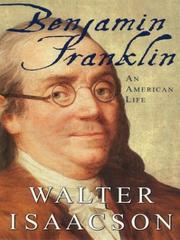
Franklin's life as printer, scientist, diplomat and founder.
“…books I've recommended, highlighted to death, or forced on friends.” — Andrew Wilkinson
Source: Andrew Wilkinson's Bookshelf, neverenough.com
Recommended by: Alfred Lin, Andrew Wilkinson, Brad Feld and 11 others
How coal built empires and economies, and the death and pollution it caused.
How the British Empire shaped the modern world, from globalisation to democracy.
Recommended by: Mohnish Pabrai
How Lincoln brought his three rivals for the 1860 nomination into his cabinet.
Recommended by: Bill Gates, Jim Collins, Mohnish Pabrai and 2 others
A short history of the joint stock company, from trading charters to multinationals.
“Mickelthwaite, John, and Adrian Wooldridge. The Company. Modern Library, 2003.” — Paul Graham
Source: The Refragmentation — Paul Graham (bibliography)
Recommended by: Paul Graham

The Ford Motor Company from 1903 to the end of the 20th century.
Recommended by: Paul Graham
The citizens' movement of reformers and activists that ended Mexico's one-party rule.
Africa from independence to the present, country by country.
Why past societies from Easter Island to the Maya collapsed, and what that teaches.
Recommended by: Bill Gates, Jim Collins, Mohnish Pabrai and 1 other
The 1976 tasting of top French wines against new California ones, and its effects.
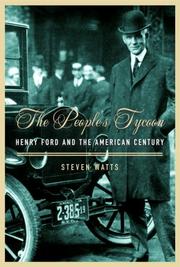
Henry Ford as a shaper of American culture as much as of its industry.
What drives family business dynasties such as the Rothschilds, Fords and Toyodas.
How Spain is breaking its silence over the Civil War and Franco's rule.
A general history of gambling and the games people bet on.
Why the 20th century's great progress came with unprecedented violence.
Recommended by: Mohnish Pabrai
How diamonds and gold set Britain against the Boers before the 1910 union.
Latin America is neither doomed to fail nor saved by one reform; a balanced view.
How the cigarette rose in 20th-century America, and how its harm was proved.
The fight for Caspian Sea oil from the 19th century to the present.
The 1907 panic day by day, from a failed copper corner to J.P. Morgan's rescue.
Recommended by: Mohnish Pabrai and 1 other
The Dutch tulip episode of 1636 and 1637 from archives, and how its legend arose.
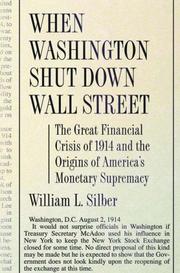
Why the exchange closed when the First World War began, and how the dollar rose.
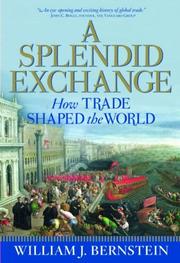
Long-distance trade from Mesopotamia and the spice routes to modern globalisation.
Recommended by: Patrick Collison, Mohnish Pabrai, Nick Szabo
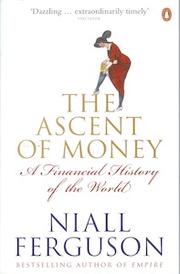
The history of finance by instrument: credit, bonds, stocks, insurance and property.
Recommended by: Mohnish Pabrai, Marc Andreessen, Max Levchin and 3 others
The record-priced 1787 Lafite said to be Jefferson's, and doubts about its origin.
Recommended by: Tim Ferriss
A scholarly history of Singapore as a trading port from 1819 to 2005.
How Dubai became the world's fastest-growing city until the credit crunch.
“So well-written! Absolutely fascinating history of Dubai. An exciting page-turner. It gave me so much admiration for the city and its visionaries.” — Derek Sivers
Source: Derek Sivers book notes (primary, rated list) · Rating: 9/10
Recommended by: Derek Sivers
Ireland's crash was the product of its political culture, not global finance.
An Ohio lawyer's diary of the Depression years as he lived through them.
Recommended by: Mohnish Pabrai, Morgan Housel and 1 other
Congo from the slave trade and King Leopold to Mobutu and the resource wars.
Every US information industry moved from an open era to control by one firm.
Recommended by: David Perell, Patrick Collison, Andrew Chen
A world history showing how control of water shaped political and economic power.
Recommended by: Mohnish Pabrai
Six advantages, from competition to the work ethic, that let the West pull ahead.
Recommended by: Mohnish Pabrai, Li Lu
How kinship networks and patronage make Pakistan's state both weak and durable.
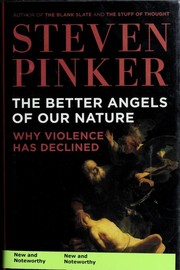
Evidence that violence of nearly every kind has declined over history, and why.
“I think the one that has had the biggest impact on me and the one that I've given the most number of people has been [The Better Angels of Our Nature].” — Eric Schmidt
Source: The Tim Ferriss Show Transcripts: Eric Schmidt (#367)
Recommended by: Bill Gates, Eric Schmidt, Mohnish Pabrai and 7 others
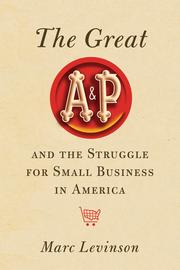
How A&P became the world's largest retailer and the political fight it set off.
Recommended by: Patrick Collison
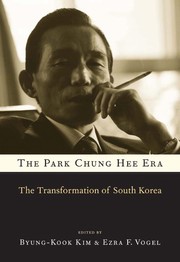
How South Korea's developmental state was built under Park Chung Hee.

The history of Bayes' rule and the long fight over it.
“To read more about the controversy, see Sharon Bertsch McGrayne, The Theory That Would Not Die: How Bayes’ Rule Cracked the Enigma Code, Hunted Down Russian Submarines, and Emerged Triumphant from Two Centuries of Controversy (New Haven, CT: Yale University Press, 2011).” — Michael Mauboussin
Source: Cultivating Your Judgment Skills: A Framework for Improving the Quality of Decisions, page 13
Recommended by: Michael Mauboussin
Kenya since 1963: a stable state held back by colonial legacies and poverty.
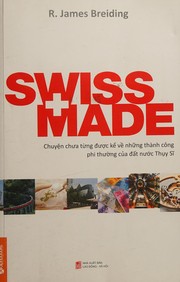
Why a small country without resources produces so many world-leading companies.
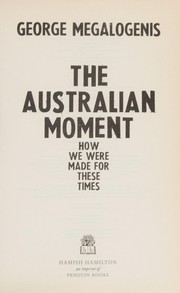
How Australia's deregulation led to three decades without a recession.
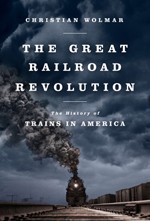
The history of the railways in the United States.
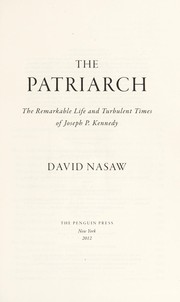
Joseph P. Kennedy's life in banking, film, the stock market and politics.
Recommended by: Mohnish Pabrai, Morgan Housel
A political history of revolutionary Iran and who controls its economy.
How Edison's electric light changed American life and marked a new age.
Recommended by: Alfred Lin, Patrick Collison
The 1944 Bretton Woods conference as a contest between Keynes and Harry Dexter White.
How the 37 days after Sarajevo led Europe into the First World War.
Recommended by: Sam Altman
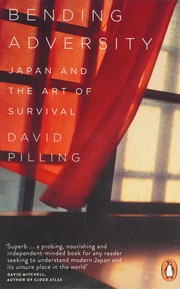
Japan after the 2011 earthquake, tsunami and Fukushima, and how it might recover.
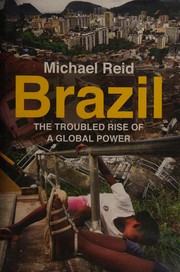
Brazil's rise toward economic power and the many problems it still faces.
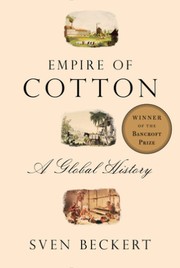
A global history of cotton used to trace how capitalism developed.

Why bankers kept lending to Philip II of Spain despite four payment suspensions.
“Drelichman, Mauricio and Hans-Joachim Voth. Lending to the Borrower from Hell: Debt, Taxes, and Default in the Age of Philip II. Princeton: Princeton University Press, 2014” — Ray Dalio
Source: The Changing World Order — citations and bibliography, page 44
Recommended by: Ray Dalio
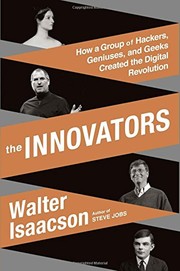
Computing as a run of collaborations, from Ada Lovelace and Babbage to Google.
Recommended by: Mohnish Pabrai, Patrick Collison, Bill Gates and 3 others
Why Pakistan's security state crowded out its productive economy from the start.
How trading in Dutch East India Company shares grew into the first stock market.
Competing regional ideas of legitimate order and the balance of power.
Recommended by: Mohnish Pabrai, Mark Zuckerberg, Ray Dalio
The rise and fall of the American department store, with Sears throughout.
How the mp3, a CD-factory leaker and pirate websites broke the music business.
A history of Ukraine that explains where its industry sits and who owns it.
From a Dayton bicycle shop to the first powered flights and the 1908 demonstrations.
Recommended by: Ali Abdaal, Austen Allred, Mohnish Pabrai and 3 others
Portugal's economy over nine centuries, from imperial trade to EU convergence.
The reporters who received the Mossack Fonseca leak on how they worked through it.
Zimbabwe's history from Rhodesia's 1965 break to Mugabe, by a lawyer and MP.
New York's 1975 fiscal crisis and the austerity politics it taught the nation.
How federal housing policy created racial segregation in American cities.
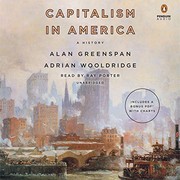
American economic growth from colonial times to now, driven by creative destruction.
Recommended by: Li Lu
How Poland achieved Europe's fastest sustained growth after 1989.
A history of Britain that revises the story of the decline of its industry.
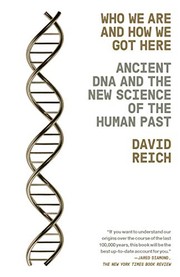
How ancient DNA has rewritten the story of human prehistory and migration.
Recommended by: Balaji S. Srinivasan, Marc Andreessen and 3 others
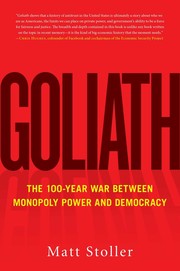
A political history of American monopoly and of the tradition that fought it.
“Matt Stoller, Goliath: The 100-Year War Between Monopoly Power and Democracy (New York: Simon & Schuster, 2019)” — Michael Mauboussin
Source: Market Share: Understanding Competitive Advantage Through Market Power, page 46
Recommended by: Michael Mauboussin, David Heinemeier Hansson
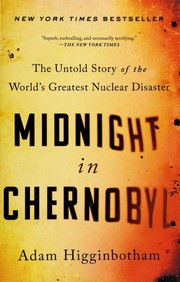
The 1986 Chernobyl disaster, and the secrecy and myth that hid what happened.
Recommended by: Casey Neistat
How McDonald's and fast-food franchising became bound up with Black America.
Innovation is gradual, collective and bottom-up, not the work of lone inventors.
“Matt Ridley, How Innovation Works: And Why It Flourishes in Freedom (New York: Harper, 2020)” — Michael Mauboussin
Source: Increasing Returns: Identifying Forms of Increasing Returns and What Drives Them, page 17
Recommended by: Balaji S. Srinivasan, Michael Mauboussin and 1 other
New Zealand's economic history from the Maori gift economy to climate policy.
The US drug industry from patent medicines to the opioid epidemic and the Sacklers.
How a KGB network took back control of Russia's economy under Putin.

How land ownership shaped history: how people fight over, keep and share land.
A history of the Tata Group and Indian capitalism, drawn from the company's archives.
How chips became the key to economic and military power, made in a few chokepoints.
Recommended by: Andrew Wilkinson
Six materials the world runs on, sand, salt, iron, copper, oil and lithium, traced.
Chile's market reforms under Pinochet and their results up to the 2019 protests.
The contest between China and Taiwan, and the risk it poses to Taiwanese assets.
Sweden in the thirties as a middle way between capitalism and socialism.
John D. Rockefeller's rise to found Standard Oil, and his philanthropy.
The scholarly history of Sears, Roebuck, from mail order to department stores.
The authorised history of Standard Oil, written with full access to its records.
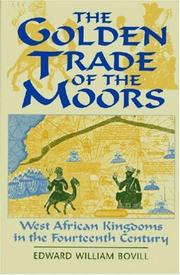
The trans-Saharan trade of West African gold for salt.
“Bovill, The Golden Trade of the Moors” — Paul Graham
Source: Rarely-Asked Questions — paulgraham.com
Recommended by: Paul Graham
How the stirrup and the plough reorganised medieval society and its economy.
Recommended by: Patrick Collison, Paul Graham
How a Fed credit boom led to the Depression, and how policy prolonged it.
“It's a timeless and timely classic.” — Christopher Bloomstran
Source: Semper Augustus 2020 Letter to Clients, 'To Read or Not to Read', p. 57
Recommended by: Christopher Bloomstran, Mohnish Pabrai
English society before industry, wage labour and cities.
“Laslett, The World We Have Lost” — Paul Graham
Source: Rarely-Asked Questions — paulgraham.com
Recommended by: Paul Graham

The Melbourne land boom and the bank collapses that followed it.
Clifford Irving's fake autobiography of Howard Hughes, reported as it unravelled.
Four generations of the Rockefeller family, the fortune and the name.

How Unilever's overseas subsidiaries worked, 1895 to 1965.
The founding of AI research, from interviews with McCarthy, Minsky and others.
The Jewish families behind America's great department stores.
How Rockefeller philanthropy reshaped American medicine.
An economic and social history of Colombian coffee from the mid-nineteenth century.
New York City's fiscal crisis of the seventies, traced from the Lindsay years.

Jardine Matheson and the model of the diversified Hong Kong trading house.
Why 1,800 American firms merged into about 150 at the turn of the century.
The idea of personal computing and the people who pursued it, up to PARC.
How Ferdinand and Imelda Marcos built crony monopolies and hid their wealth abroad.
Three generations of Rockefellers and how the fortune passed down.
How the Vanderbilt heirs spent and scattered the family fortune.
Portraits of the scientists, engineers and founders behind new technology.
How electricity spread through everyday American life and commerce.

The 1989 Exxon Valdez oil spill and Exxon's response, reported from Alaska.

A survey of what humans have known, era by era.
Recommended by: Jamie Dimon, Li Lu
The failure of Austria's largest bank that spread the Depression across Europe.
The rival national ideas behind Argentina's recurring policy reversals.
What in the few genes that separate us from apes made humans different.
Recommended by: Charlie Munger, Mohnish Pabrai
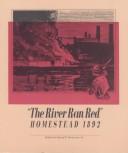
A documentary history of the violent strike at Carnegie Steel's Homestead mill.
AI research from Dartmouth in 1956 to the funding cuts, told by the field's leaders.

The family dynasties that have run the Philippines' politics and conglomerates.
The American airline industry's upheaval in the years after deregulation.
The four-volume history of the City of London from the early nineteenth century.

A comparative political economy of coffee across Latin America.
The Overseas Chinese business families and their fortunes around the Pacific.
Modern Thailand's economy and politics from the late nineteenth century on.
Spain's institutions and business culture after Franco.

Commercial aviation from biplanes after the First World War to deregulation.

The economic history of Central and Eastern Europe from Soviet rule to transition.
How Chile's economy and business class were remade after the military coup.
New Zealand's economy from Muldoon's intervention through liberalisation.
How power shifted between the Korean state and the chaebol over three decades.
Swiss banks, Holocaust victims' accounts and the campaign to recover them.
The next generation of Canada's business owners after the old Establishment.
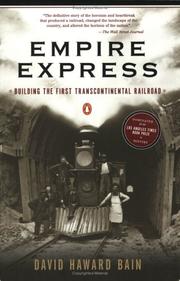
The building of America's first transcontinental railroad, from plan to completion.
Taiwan's history, including its land reform and base of small firms.
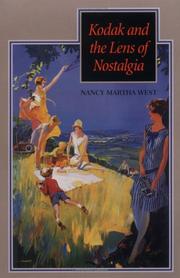
How Kodak's advertising taught Americans what to photograph.
John Law, the Mississippi bubble and the birth of paper money in France.
History as a growing web of non-zero-sum games, in which both sides can gain.
“His book Nonzero is among my five favorite books of all time. So, that book came out recently, and I gave that to my closest friend and my family.” — Nick Thompson
Source: The Tim Ferriss Show Transcripts: Nick Thompson (#311)
Recommended by: Mohnish Pabrai, Nick Thompson, Ev Williams and 1 other
How Las Vegas grew from the Rat Pack era into a family holiday city.
A history of Western philosophy from the Greeks to the Renaissance.
Recommended by: Mohnish Pabrai, Nassim Nicholas Taleb
Turkey caught between two worlds, its politics up to the 2001 bank crisis.
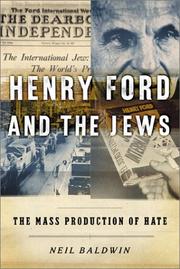
How Henry Ford published The International Jew, a book the Nazis spread.
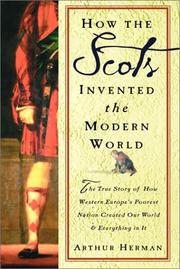
How the Scottish Enlightenment shaped modern commercial and economic thinking.
Recommended by: Charlie Munger, Mohnish Pabrai
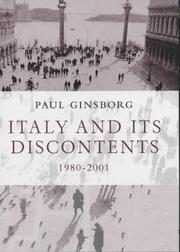
Italy from 1980 to 2001: family capitalism, patronage and the state.
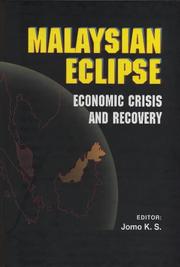
Malaysia's 1997-98 crisis and its unorthodox answer of capital controls.
How judges, juries and scientists weighed evidence before formal statistics.
Recommended by: Nassim Nicholas Taleb
Video games from their pre-electronic origins to the industry of 2001.
Colombia's history read through its regional divisions, the fact behind its markets.
How experts, capital and land were arranged in modern Egypt.
Two Wall Street Journal reporters recount how they uncovered Enron's partnerships.
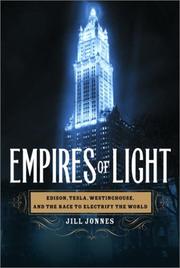
Edison, Westinghouse and Tesla, and the fight to electrify the United States.
“I mean, the airplane, the car, the photograph, the light bulb, for God's sake, this amazing book called Empires of Light.” — Chris Dixon
Recommended by: Chris Dixon
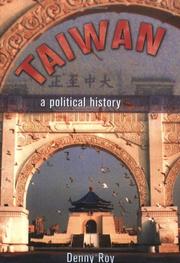
How great powers and local people fought over Taiwan, through the party-state era.

Czech voucher privatisation, bank ownership and the asset stripping that followed.

How returning land in Transylvania after communism created property rights.
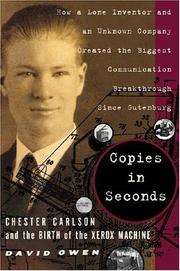
How Chester Carlson invented xerography and how it became the Xerox 914 copier.
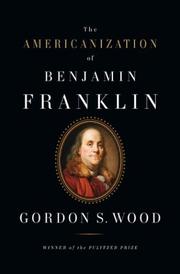
How Franklin went from imperial gentleman to the model of an American.
“if you haven't read much about Ben Franklin, that's what I would suggest” — Joel Greenblatt
Source: Masters in Business transcript: Joel Greenblatt (2020)
Recommended by: Joel Greenblatt, Li Lu
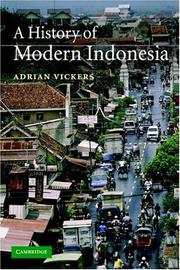
Modern Indonesia's history, guided by the life and writing of Pramoedya Ananta Toer.
Thailand from the eighteenth century on: its state, its economy and its social order.
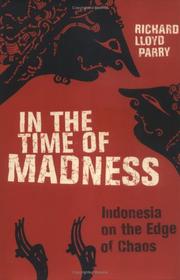
Indonesia's 1997-98 collapse and the fall of Suharto, reported on the ground.
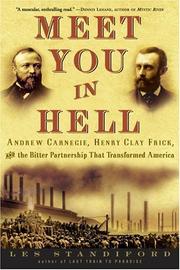
How the Homestead strike turned Carnegie and Frick's partnership into a feud.
Why the Philippine state stays weak while strong families hold power.
How Poland's Solidarity union won the transition and lost the workers after it.
The German social market economy, its strengths and its rigidities.
Carnegie, Rockefeller, Gould and Morgan, and the industrial economy they built.
“on how four great builders of the 19th century built the world we live in today” — Marc Andreessen
Source: @pmarca, companion thread to 'It's Time to Build'
Recommended by: Marc Andreessen
Ukraine's 2004 Orange Revolution, the oligarchs and why they kept their assets.
Fujimori's Peru: stabilisation, privatisation and the authoritarian bargain.
Conrail, deregulation and how US railroads returned to profit.
A comparative history of the move from communism to markets in 21 countries.
The history of Hong Kong's banks and bank crises from the colonial archives.
Two centuries of graft and what it cost the economy, measured.
The history of Pakistan's army and its hand in how the country is governed.
The forced labour on Lord Leverhulme's Congo palm-oil concessions behind his soap.
Ida Tarbell and John D. Rockefeller, and the collision between the two.

What the Nordic model is, where it came from and where the countries differ.
An illustrated history of the Warner Bros studio and Hollywood.

Central and Eastern Europe's economies from late socialism to joining the EU.
Saudi Arabia's oil wealth, religious establishment and attempts at reform.
How Iceland went bankrupt, reported by a Times journalist within a year.
The rise and fall of the Texas oil fortunes, the Hunts among them.
The foreign oil companies' camps in Venezuela and the society they shaped.
How East Asia's economies grew, told through the people who drove them.
Recommended by: Mohnish Pabrai
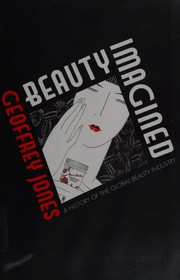
A business history of the global beauty industry, from Avon and Coty to Shiseido.

Egypt from Nasser to Mubarak: its politics, economy and crony privatisations.
Why Latin America has failed to catch up with rich countries, and populism's dangers.
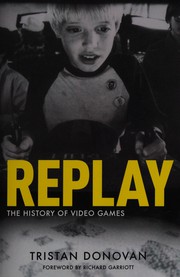
Video games from Atari and cartridge consoles to Nintendo and the global industry.
Israel's economy from independence: labour, defence spending, inflation and growth.
How Bruce Henderson and three others invented corporate strategy as a discipline.
“Kiechel, Walter, The Lords of Strategy: The Secret Intellectual History of the New Corporate World (Boston, MA: Harvard Business Press, 2010)” — Michael Mauboussin
Source: Measuring the Moat: Assessing the Magnitude and Sustainability of Value Creation, page 64
Recommended by: Michael Mauboussin
Brazil from Portuguese colony through its crises to a regional leader.
The history of Chanel No. 5 from its formulation, including the Wertheimer deal.
Ten years of field data on what happened to Zimbabwe's seized farmland.
A Solidarity adviser's critique of Poland's transition and its social cost.
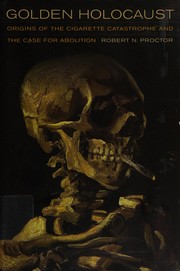
How tobacco chemists engineered cigarettes, drawn from the industry's own documents.
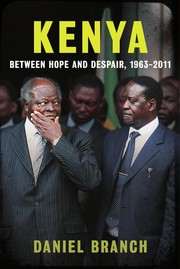
Kenya since independence, and how ethnic coalitions allocate its economic rents.
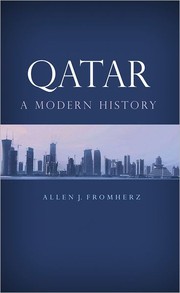
How the Al-Thani family shaped modern Qatar and took hold of its gas wealth.
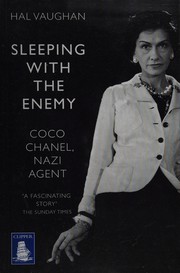
Archives on Coco Chanel's work for German intelligence during the occupation.
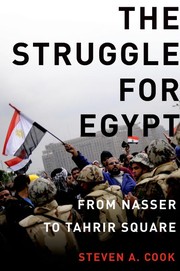
Egypt from Nasser to Tahrir Square, and its state-run economy and opening.
Brazil's commodity-boom decade and the institutions beneath it.
How Vietnam's Communist Party talked itself into opening the economy and joining WTO.
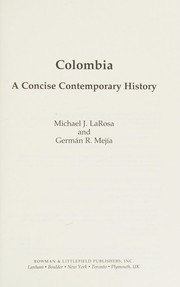
Modern Colombia through its reform years and the security-led recovery.
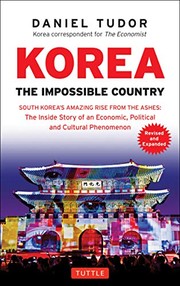
An introduction to South Korea's history, religion, culture and society.
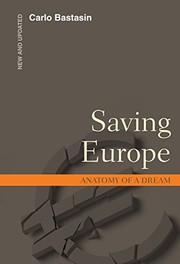
The 2010-12 euro-zone rescues and the national politics behind each one.
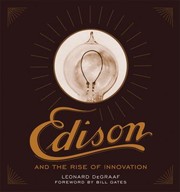
Edison's laboratory as a business, with pictures from his archive.
Gold's history from early kingdoms to the mining boom after the 2008 crisis.
Germany's hyperinflation, from war financing to the Rentenmark stabilisation.
How physicists and mathematicians brought their models into finance.
“But such oversimplification can—and did—create a flawed conclusion.3 2 I am indebted to James Owen Wetherall, physicist, philosopher, and mathematician at the University of California for telling Bachelier’s story in his book, “The Physics of Wall Street, A Brief History of Predicting the Unpredictable” (Houghton Mifflin Harcourt, 2015).” — John C. Bogle
Source: David and Goliath: Who Wins the Quantitative Battle?, page 8
Recommended by: John C. Bogle, Eric Weinstein
Thailand's royal succession and the political violence and censorship around it.
Why US railroads declined under regulation and recovered after the Staggers Act.
Nuclear accidents, what went wrong in each, and what each taught about the atom.
A history of African American cooperatives and collective economic action.
How Star Wars merchandise came to outgrow the films that created it.
Essays by economists and reformers who ran the post-communist transitions.
Bangladesh's garment industry, the Rana Plaza collapse and the Lancashire trade.
Research on why Venezuela's economy collapsed decades before Chávez took office.
Migration and openness as the source of Australia's long-run growth.
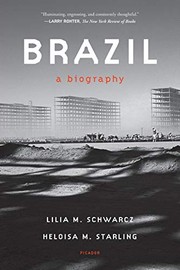
Brazil's long history and the roots of its inequality and patronage politics.
How modern Greece's state developed, up to the debt crisis that began in 2010.
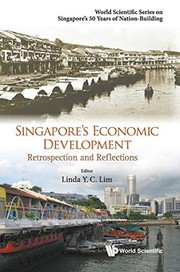
Essays reassessing Singapore's development model, its limits and what comes next.
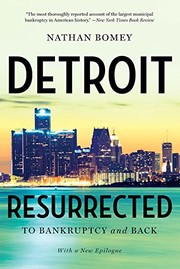
Detroit's Chapter 9 bankruptcy, the largest by a US city, from inside the case.
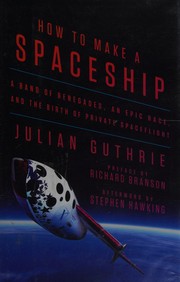
The Ansari X Prize and the start of commercial human spaceflight.
Israel's political history and the choices behind its economy.
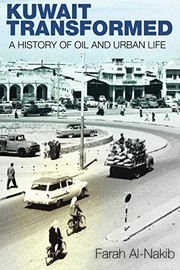
How oil rebuilt Kuwait City and how land deals made its merchant fortunes.
Why oil prices are stable only when a cartel or swing producer controls supply.

Spain's national accounts rebuilt over 165 years: output, employment, productivity.
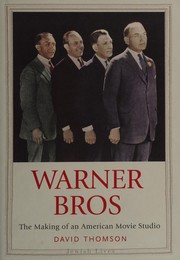
How four immigrant brothers built the Warner Bros film studio and its style.
The history and economics of Deloitte, PwC, EY and KPMG, and their conflicts.
An oral history of Silicon Valley from Apple and Atari to Google and Facebook.
Spain's financial crisis, its bank rescue and the shape of the country's recovery.
How Walt Disney bet his company on building Disneyland.
Why Muslim-majority countries lag: an old alliance of clerics and military states.
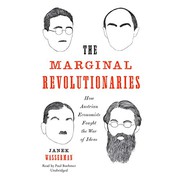
The Austrian School of economics, from Viennese coffeehouses to the Tea Party.
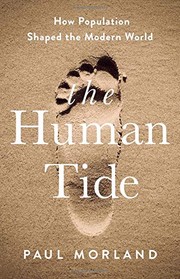
How population change and migration made and unmade nations over two centuries.
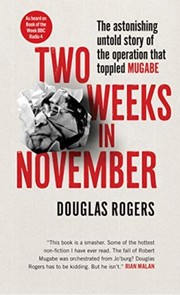
The coup that removed Zimbabwe's president, reported from inside, backers included.
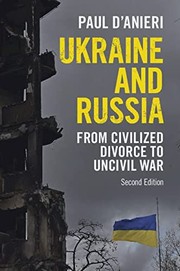
Gas transit, trade dependence and the economics under the Ukraine-Russia conflict.
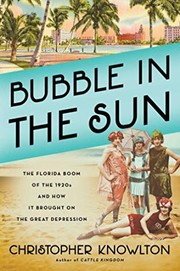
The Florida land boom of the 1920s and how its collapse fed the Depression.
“The telling of America's first modern bubble: the Florida real estate boom of the 1920s.” — Morgan Housel
Source: A Few Good Books · Collaborative Fund
Recommended by: Morgan Housel
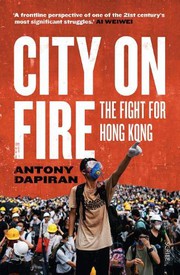
Hong Kong's 2019 protests, from the extradition bill to months of street battles.
The political economy of British-occupied Egypt: its debt and its cotton.
Modern Saudi Arabia's history, and whether its system can change as Vision 2030 asks.
The history of the commodity traders Vitol, Glencore, Trafigura and Cargill.
Two Brazilian federal police officers on the Car Wash corruption investigation.
Venezuela's collapse: PDVSA's decay, default, sanctions and dollarisation.
The social traits that the authors argue sustain Israel's success.
A contemporary's account of the long war between Athens and Sparta.
Recommended by: Matt Mullenweg, Ryan Holiday, Li Lu and 2 others
An early argument on building, the construction trade, taxes and population.
Recommended by: Marc Andreessen

Why population growth always presses against the food supply.
Recommended by: Mohnish Pabrai
An abolitionist's life in slavery and his fight for the full freedom of Black people.
Recommended by: Ryan Holiday
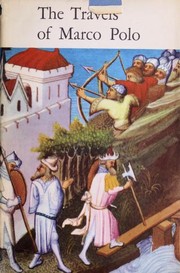
A Venetian merchant's journey to China and the court of Kublai Khan.
Recommended by: Ricardo Semler
Recommended by: Mohnish Pabrai
The march of ten thousand Greek mercenaries hired by Cyrus the Younger to win Persia.
Recommended by: Patrick Collison
Paired biographies of famous Greek and Roman men.
Recommended by: Ryan Holiday, Susan J. Fowler
A general's own account of his career, from West Point cadet to head of Union armies.
Recommended by: Jamie Dimon
The broad lines of European military history from 378 to 1515.
“Oman, The Art of War in the Middle Ages” — Paul Graham
Source: Rarely-Asked Questions — paulgraham.com
Recommended by: Paul Graham, Sam Altman

How modern invention and enterprise changed the production and sharing of wealth.
Recommended by: Patrick Collison
The thesis that settling the frontier shaped a democracy distinct from Europe's.
Recommended by: Balaji S. Srinivasan
An educator's autobiography, from slavery in the South to national leadership.
Recommended by: Ryan Holiday
A history of Hitler's empire from its rise to its fall.
Recommended by: Jim Collins, Sam Parr
The lives and ideas of great philosophers, from Plato to Nietzsche.
“Profiles of some top philosophers: Plato, Aristotle, Bacon, Voltaire, Kant, Schopenhauer, Nietzsche. But wow - Durant’s writing steals the show. A hundred various thoughts to digest.” — Derek Sivers
Source: Derek Sivers book notes (primary, rated list) · Rating: 8/10
Recommended by: Derek Sivers, Nat Eliason, Naval Ravikant
Lives of twelve figures, from Alexander the Great and Casanova to Woodrow Wilson.
Recommended by: Elon Musk
Why the Age of Reason was far less modern in temper than it is thought.
Recommended by: Patrick Collison
A history of the machine and a critical study of its effects on civilization.
Recommended by: Patrick Collison
Saint-Domingue, France's richest colony, and its half a million slaves.
Recommended by: Patrick Collison, Ben Horowitz
A memoir of fighting in the Spanish Civil War.
“Four books on the Spanish Civil War, which was the trial run for the hundred years of Western history that followed: The Spanish Civil War by Hugh Thomas Homage to Catalonia by George Orwell” — Marc Andreessen
Source: What I've Been Up To Lately — Marc Andreessen, a16z.com
Recommended by: Marc Andreessen
The war between Protestants and Catholics that tore seventeenth-century Europe apart.
Recommended by: Patrick Collison
A history of English literature in the early Middle English period.
Recommended by: Paul Graham
Argues that the Arab conquests ended Roman Europe and opened the Dark Ages.
Recommended by: Paul Graham
Fascism and Nazism explained as fundamental revolutions.
Recommended by: Jim Collins
A defence of the Marxist theory of social development and the individual's place.
Recommended by: Ray Dalio
292 great speeches from nearly every era and nation, from Pericles to Mandela.
Recommended by: Mohnish Pabrai

How the Industrial Revolution's self-regulating market upended society.
Recommended by: Satya Nadella
Western philosophy from the earliest times, tied to its political and social setting.
Recommended by: Patrick Collison

How growing equality of conditions shaped American democracy and society.
Recommended by: Jim Collins, Patrick Collison, Li Lu
The stories of six survivors of the atomic bomb dropped on Hiroshima.
Recommended by: Alex Blumberg
India's history and civilization as seen by its first prime minister.
Recommended by: Mohnish Pabrai
An explorer's account of the search in Peru that found the ruins of Machu Picchu.
Recommended by: David Kadavy
Interviews with German generals of the Second World War and their military lessons.
Recommended by: Patrick Collison, Paul Graham

The 1578 battle in Morocco that destroyed Portugal's King Sebastian and his army.
Recommended by: Graham Duncan, Paul Graham
A theologian on the challenges and illusions of American democracy in the Cold War.
Recommended by: Patrick Collison

The autobiography of a communist spy who became a Christian.
Recommended by: Marc Andreessen
An anthology of medieval writings in the authentic voices of the Middle Ages.
Recommended by: Patrick Collison
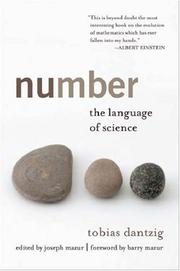
How the concept of number evolved from prehistoric times to the twentieth century.
Recommended by: Bryan Johnson
The relationship between science and society, from the flint axe to the H-bomb.
Recommended by: Patrick Collison
A doctor's diary of the time after the atomic bomb fell on Hiroshima.
Recommended by: Nat Eliason

Fifteen battles from Marathon to Waterloo and the effects each had on history.
Recommended by: Peter Thiel
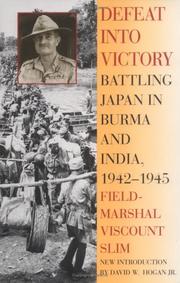
The commander of Britain's 14th Army on retaking Burma from Japan.
Recommended by: Mohnish Pabrai
The American West's mining and railroad fortunes in the second half of the 1800s.
Recommended by: Charlie Munger, Jim Collins
How religion shaped the oldest laws and institutions of Greece and Rome.
“The single best book I have found on who we are and how we got here: The Ancient City by Numa Denis Fustel De Coulanges” — Marc Andreessen
Source: What I've Been Up To Lately — Marc Andreessen, a16z.com
Recommended by: Marc Andreessen
A history of Western technology and its place in civilisation.
Recommended by: Nick Szabo
A reporter's first-hand account of America's nineteenth-century utopian communities.
Recommended by: Balaji S. Srinivasan

How cities developed, from Egypt and Mesopotamia through Greece and Rome to today.
Recommended by: Keith Rabois, Patrick Collison
The presidential race between John F. Kennedy and Richard Nixon.
Recommended by: Warren Buffett
A factual portrait of Texas in all its size and complexity.
Recommended by: Paul Graham
The outbreak of the First World War and its first thirty days of battle.
Recommended by: Jim Collins, Brad Feld
A history of mechanical and engineering drawing.
Recommended by: Patrick Collison
"The problem that has no name": the beliefs that kept women confined to the home.
Recommended by: Patrick Collison
A history of the world arguing that human cultures interacted at every stage.
Recommended by: Stewart Brand
Cosmology from the Babylonians to Newton, and how science and religion split.
Recommended by: Stewart Brand

How guns and ships drove the early phases of European expansion overseas.
Recommended by: Paul Graham
The siege and fall of Constantinople to the Turks, and the West's neglect of it.
“Runciman, The Fall of Constantinople” — Paul Graham
Source: Rarely-Asked Questions — paulgraham.com
Recommended by: Paul Graham
Nine of the Lives, on Romans from the early Republic to the start of the Empire.
Recommended by: Ryan Holiday
The poet William Blake and the revolutionary age that shaped his work.
Recommended by: Patrick Collison

A historian's unfinished memoirs, from a sickly London childhood to Oxford on.
Recommended by: Paul Graham
Nineteenth-century cases of technological change and how society reacted to it.
Recommended by: Patrick Collison, Marc Andreessen
The world's shift from European dominance to three power blocs in the 20th century.
Recommended by: Patrick O'Shaughnessy
A history of clocks and clockmaking and their place in culture.
Recommended by: Paul Graham

A non-technical story of the people and companies who built the first atomic bomb.
Recommended by: Patrick Collison
How Versailles and the German revolution of the war's end became Germany's tragedy.
Recommended by: Paul Graham
A journalist's record of the Nigerian civil war over Biafra and its brutality.
Recommended by: Mohnish Pabrai
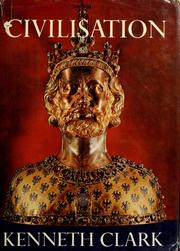
A history of Western civilisation through its art, buildings, books and people.
“Here are the most exciting ones I can think of: Clark, Civilisation” — Paul Graham
Source: Rarely-Asked Questions — paulgraham.com
Recommended by: Patrick Collison, Paul Graham
The origins of the war between Athens and Sparta, and whether it was inevitable.
Recommended by: Patrick Collison
Interviews with Americans who joined the Communist Party and later left it.
Recommended by: Marc Andreessen
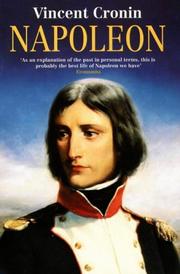
A sympathetic life of Napoleon that centres on his personality and relationships.
Recommended by: Larry Ellison
Recommended by: Tim O’Reilly
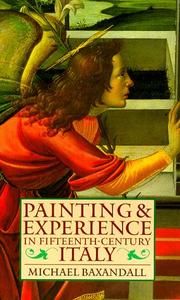
Fifteenth-century Italian painting, and reading social history from its style.
Recommended by: Paul Graham
Why the United States became mired in Vietnam, and the policy makers who led it.
“Heading the column was a quotation from David Halberstam's account of the U.S. involvement in Vietnam, The Best and The Brightest: If there was ever anything that bound men ... together, it was the belief that sheer intelligence and rationality could answer and solve everything.” — Howard Marks
Source: Genius Isn't Enough (and Other Lessons from Long-Term Capital Management), page 1
Recommended by: Howard Marks, Nick Crocker
The movement of plants, animals, diseases and people between the Old and New Worlds.
“Alfred Crosby's The Columbian Exchange, which is basically what Jared Diamond ripped off when he wrote his book.” — Nick Szabo
Source: The Tim Ferriss Show Transcripts: Nick Szabo (#244)
Recommended by: Nick Szabo
A new economic history of how Western Europe grew rich.
“Douglass C. North and Robert P. Thomas, The Rise of the Western World (Cambridge: Cambridge University Press, 1981), 102’119” — William J. Bernstein
Source: Efficient Frontier, issue 404 (2004)
Recommended by: Mohnish Pabrai, William J. Bernstein
How science developed, and the discoveries that set humans apart from other species.
Recommended by: Patrick Collison, Patrick O'Shaughnessy
Why wars of the last three centuries began, why some lasted, and how peace came.
Recommended by: Stewart Brand
The Soviet apparatus of camps and repression, told from 200 prisoners' accounts.
Recommended by: Balaji S. Srinivasan
The first American astronauts, their courage and their inner lives.
Recommended by: Jim Collins, Patrick Collison and 4 others
A maritime history of Venice, from its origins through the Renaissance.
Recommended by: Stewart Brand
Venice from its origins to its rise and decline as a maritime empire.
Recommended by: Stewart Brand
Why customs that look irrational come from concrete social and economic conditions.
“Mind-blowing anthropology. Great argument that the reasons that religions worship cows or hate pigs, that tribes wage wars, or Europe's 200 years of witch hunts, are all very practical economic reasons usually unknown to the participants or washed out of history. But they're revealed here in zoomed-out hindsight. My notes here can't describe it. You have to read the whole book. Riveting.” — Derek Sivers
Source: Derek Sivers book notes (primary, rated list) · Rating: 9/10
Recommended by: Derek Sivers, Mohnish Pabrai
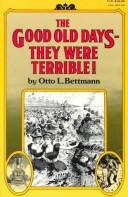
Old illustrations showing the corruption, crime and filth of the "good old days".
Recommended by: Patrick Collison
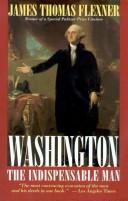
A biography of George Washington.
Recommended by: Mohnish Pabrai, Jamie Dimon
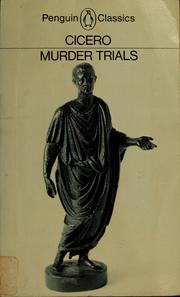
Cicero's speeches defending accused murderers, from Sextus Roscius to King Deiotarus.
Recommended by: Patrick Collison
The design and building of the Concorde airliner.
Recommended by: Paul Graham
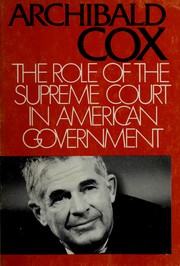
Lectures given at Oxford on the Supreme Court's role in American government.
Recommended by: Susan J. Fowler
How food supply and environment shaped the origins of human cultures.
Recommended by: Mohnish Pabrai
A biography of General Douglas MacArthur.
Recommended by: Jim Collins, Mohnish Pabrai, Elon Musk

A retroactive manifesto for Manhattan's architecture over a century.
Recommended by: Matt Mullenweg

How the English country house and its social role changed since the Middle Ages.
“Girouard, Life in the English Country House” — Paul Graham
Source: Rarely-Asked Questions — paulgraham.com
Recommended by: Paul Graham
The life of the Indian people of the Bay Area before Europeans arrived.
Recommended by: Patrick Collison
How printing transformed communication and culture in early modern Europe.
Recommended by: Patrick Collison
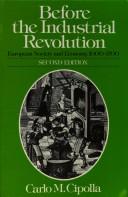
European society and economy in the seven centuries before industrialization.
Recommended by: Ryan Peterson
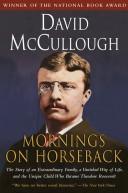
The youth of Theodore Roosevelt and the family that shaped him.
Recommended by: Sophie Bakalar
Studies of Colombian industrialisation and manufacturing.
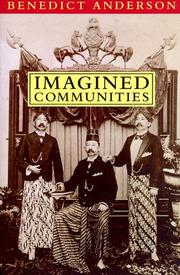
Nations as imagined communities: where nationalism came from and how it spread.
Recommended by: Balaji S. Srinivasan
A conservative world history of the twentieth century after the First World War.
Recommended by: Mohnish Pabrai, David Sacks

Recommended by: Patrick Collison
A Roman general's own account of nine years of war against the Celts and Germans.
Recommended by: Paul Graham
Winston Churchill's years out of power before he became prime minister.
Recommended by: Jim Collins, Mohnish Pabrai, David Sacks and 1 other
An abridged survey of the fifteenth-century communications revolution of print.
Recommended by: Nick Szabo
How Americans from Kitty Hawk to the Second World War invested great hope in flight.
Recommended by: Patrick Collison
The emperor Diocletian and how he restored the Roman Empire.
Recommended by: Paul Graham
The coming of the machine age in Britain, 1660 to 1886, through eyewitness writings.
Recommended by: Sam Altman
The birth of Silicon Valley, from Hewlett-Packard on, reported as it happened.
Recommended by: Patrick Collison
A reference history of US securities markets from the 1929 crash to 1933.
Recommended by: Mohnish Pabrai
The diaries of a private secretary to Winston Churchill over fifteen years.
Recommended by: Patrick Collison
The history and politics of the American federal income tax.
Recommended by: Paul Graham
San Francisco's counterculture and its links to Silicon Valley.
Recommended by: Patrick Collison
Case studies of how policymakers can use history to make better decisions.
Recommended by: Patrick Collison, Stewart Brand
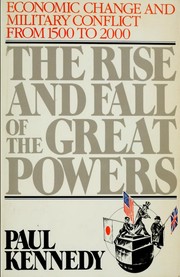
Why great powers decline when military spending outruns their economic base.
“The River Out of Eden by Richard Dawkins, The Rise and Fall of the Great Powers by Paul Kennedy” — Ray Dalio
Source: Ray Dalio Reddit AMA, r/IAmA (u/RayTDalio)
Recommended by: Jim Collins, Ray Dalio, William J. Bernstein and 3 others
A thousand-year history of the civilization of western Europe.
Recommended by: Stewart Brand
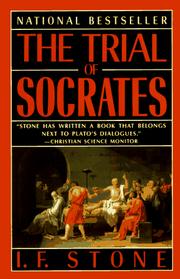
The issues behind the most famous free-speech case, the trial of Socrates.
Recommended by: Sam Altman
A history of economic theory and the economists who built it.
Recommended by: Eric Weinstein
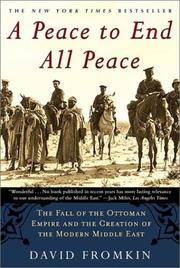
How Allied decisions in and after the First World War made the modern Middle East.
Recommended by: Larry Ellison
How English regional cultures shaped early American society and its regions.
Recommended by: Balaji S. Srinivasan

How economics copied the maths of 19th-century physics, and what that cost it.
“Mirowski, Philip, More Heat than Light: Economics as Social Physics, Physics as Nature’s Economics (Cambridge: Cambridge University Press, 1989)” — Michael Mauboussin
Source: Size Matters: The Kelly Criterion and the Importance of Money Management, page 12
Recommended by: Michael Mauboussin, Eric Weinstein
Twenty-five years in the lives of a West Point class that fought in Vietnam.
“I read a wonderful book recently called "The Long Gray Line," and it's by a gentleman named Rick Atkinson.” — Thomas Gayner
Source: Masters in Business transcript: Thomas S. Gayner, Markel Corp
Recommended by: Thomas Gayner
An interpretation of the New Deal and of the historians who have written on it.
“Badger, Anthony. The New Deal. Hill and Wang, 1989.” — Paul Graham
Source: The Refragmentation — Paul Graham (bibliography)
Recommended by: Paul Graham
The real Rodrigo Díaz behind the legend of El Cid, hero of the Spanish reconquest.
Recommended by: Paul Graham
A history of each theatre of the war, with five battles analysed in depth.
Recommended by: Casey Neistat
An illustrated survey of the Vanderbilt family, its fortune and its mansions.
A memoir from the Cultural Revolution to the student protests in Tiananmen Square.
Recommended by: Mohnish Pabrai
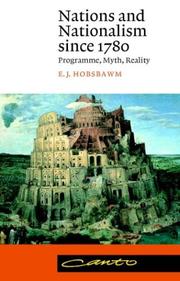
An enquiry into nationalism since 1780: its programme, its myths and its reality.
Recommended by: Patrick Collison
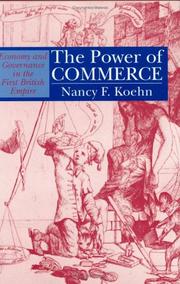
Why Britain's empire after the Seven Years War struggled with the costs of power.
Recommended by: Mohnish Pabrai
The European conquest of Africa in the late nineteenth and early twentieth centuries.
Recommended by: Patrick Collison
American history as a run of generations, and the theory that they repeat.
Recommended by: Mohnish Pabrai, Tony Robbins
A concise history of San Francisco and a guide to its historic sites.
Recommended by: Patrick Collison
How Ferdinand Marcos and his allies used state power to enrich his circle.
Three generations of women growing up in China's century of turmoil.
Recommended by: Mohnish Pabrai, Richard Branson
A history of human knowledge, learning and intellectual life.
Recommended by: Mohnish Pabrai
What South Africa faced as white minority rule came to an end.
Harrison Storms, an aerospace engineer, and the building of Apollo for the moon race.
Recommended by: Patrick Collison
How polio and ideas of dirt shaped American public health.
Recommended by: Bill Gates
The first medieval universities and the scholars who made a living teaching there.
Recommended by: Nassim Nicholas Taleb
How oil transformed Kuwait, from the Souk al-Manakh crash to its investment office.
How the 272 words of the Gettysburg Address changed what America meant.
Recommended by: Jim Collins, Mohnish Pabrai, Jamie Dimon
How American lending standards loosen in long cycles as the memory of losses fades.
“And right next to him I’d put Peter Bernstein (Against the Gods, The Power of Gold) and James Grant (Money of the Mind), both enormously gifted writers and friends of mine.” — John C. Bogle
Source: The Joy of Writing — Books, Ideas, Advocacy, and Idealism, page 3
Recommended by: John C. Bogle, Mohnish Pabrai, Seth Klarman and 1 other
Why liberal democracy may be the end state of political change, and how people react.
Recommended by: Marc Andreessen, Peter Thiel


The archaeology of settlements in Celtic Europe: towns, villages and countryside.
Recommended by: Paul Graham
How the idea of God developed across human history.
Recommended by: Daniel Petre, Li Lu
Delhi's centuries of history, layer by layer, and the people who live there.
Recommended by: Mohnish Pabrai
A narrative history of the Middle Ages, revised with current research.
Recommended by: Stewart Brand
How medieval Europe was itself made by conquest, colonization and cultural change.
Recommended by: Paul Graham
An American who went to China with the army and stayed through its revolution.
Recommended by: Bill Gates
Clarence Darrow's 1912 bribery trial in Los Angeles, and the lawyer's life around it.
Recommended by: Mohnish Pabrai
How ethnic competition shaped New York City politics, from Tammany Hall to Dinkins.
Recommended by: Audrey Gelman
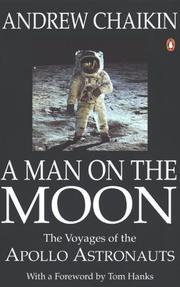
The Apollo astronauts and their voyages to the Moon.
“Walking on the moon is probably the coolest thing humans have ever done.” — Morgan Housel
Source: A Few Good Books · Collaborative Fund
Recommended by: Morgan Housel
A biography of Abraham Lincoln drawn on his personal papers.
Recommended by: Mohnish Pabrai, Jamie Dimon
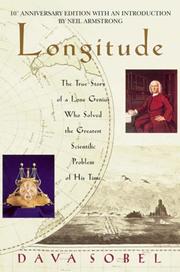
How a clockmaker solved the longitude problem, the hardest science of his day.
Recommended by: Jim Collins, Patrick Collison and 1 other
The rise and fall of the Dutch Republic and its Golden Age of trade, finance and art.
Recommended by: Patrick Collison
How writing systems began and work, explained for the general reader.
Recommended by: Stewart Brand
Why the Allies won the Second World War, beyond material strength.
Recommended by: Paul Graham
Computers as tools, metaphors and political icons in Cold War America.
Recommended by: Patrick Collison
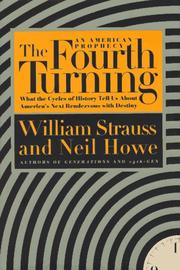
American history as a repeating cycle of four generational turnings, each 20 years.
Recommended by: Balaji S. Srinivasan, Mohnish Pabrai and 3 others
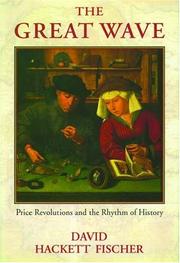
Eight centuries of price revolutions, and what ended each one.
Recommended by: Balaji S. Srinivasan, Ryan Peterson
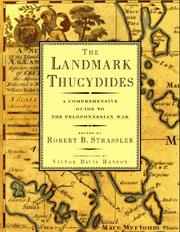
The history of two decades of war between Athens and Sparta, with maps and notes.
Recommended by: Stewart Brand
How Western Europe moved from qualitative to quantitative thinking.
Recommended by: Nick Szabo
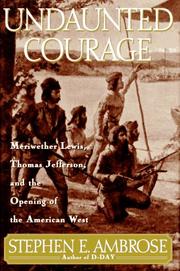
Meriwether Lewis's expedition up the Missouri, over the Rockies, to the Pacific.
Recommended by: Jim Collins, Mohnish Pabrai, Jamie Dimon
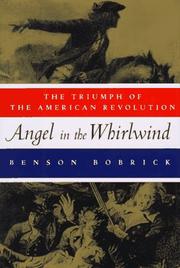
A history of the American Revolution.
“There's a great book by an author named Benson Bobrick called Angel in the Whirlwind. It's a history of the American Revolution.” — John Crowley
Source: The Tim Ferriss Show Transcripts: John Crowley (#225)
Recommended by: John Crowley
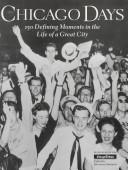
150 essays on the events that shaped the city of Chicago.
Recommended by: Mohnish Pabrai
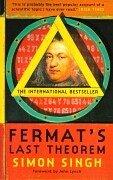
The centuries-long search for a proof of Fermat's Last Theorem.
“And then some blast from the past if you're interested, there's a great book called "Fermat's Enigma" by this guy Simon Singh, which is talking about, you know, Fermat has this theorem, which is X to the N plus Y to the N equal Z to the N.” — Chamath Palihapitiya
Source: Transcript: Chamath Palihapitiya
Recommended by: Chamath Palihapitiya, Mohnish Pabrai
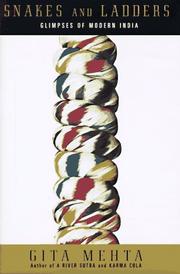
Glimpses of modern India and its contrasts: democracy, caste, wealth and poverty.
Recommended by: Mohnish Pabrai
The political repression of communist states, documented country by country.
Recommended by: Nick Szabo
How thinkers built declinism into an ideology of cultural pessimism in the West.
Recommended by: Stewart Brand
A history of the United States as a great human adventure.
Recommended by: Mohnish Pabrai
A life of Charles Lindbergh, the hero and the very private man.
Recommended by: Marc Andreessen
The battle of Stalingrad, as soldiers on both sides and trapped civilians lived it.
Recommended by: Richard Branson
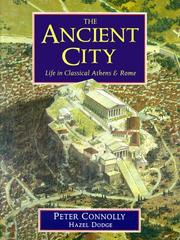
Drawn reconstructions of buildings that open up two ancient cities and their people.
Recommended by: Balaji S. Srinivasan, Paul Graham
A girl's diary of life in hiding during the Nazi occupation of Amsterdam.
Recommended by: Bill Gates
Shackleton's crew, stranded when the ice crushed their ship, and their rescue.
Recommended by: Sam Altman
The stories of the Americans who fought the Second World War, from a TV journalist.
Recommended by: Mohnish Pabrai
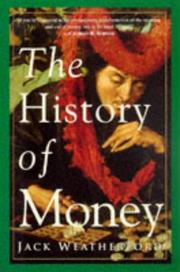
The history and nature of money, and people's relationship with it.
Recommended by: Alfred Lin, Patrick O'Shaughnessy
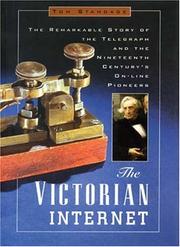
The invention of the telegraph and the eccentrics who pioneered it.
Recommended by: Andrew Chen
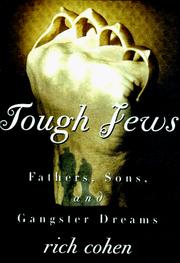
The Jewish gangsters of Brooklyn in the 1920s and 1930s.
Recommended by: Ryan Holiday
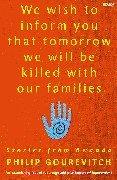
A first-hand account of the genocide in Rwanda and its aftermath.
Recommended by: Patrick Collison
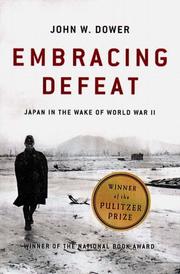
Japan after its defeat in the Second World War, under American occupation.
Recommended by: Mohnish Pabrai
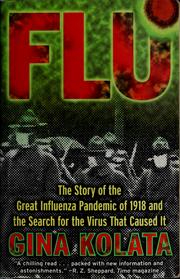
The influenza epidemic that killed an estimated forty million people.
Recommended by: Balaji S. Srinivasan
An illustrated history of America told through the Dow Jones Industrial Average.
Recommended by: Mohnish Pabrai
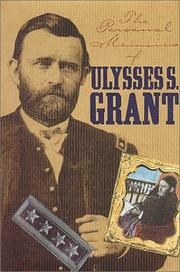
A general's own account of his career, from West Point cadet to head of Union armies.
Recommended by: Jim Collins, Mohnish Pabrai
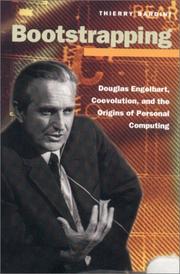
Douglas Engelbart and the origins of personal computing and its interfaces.
Recommended by: Patrick Collison
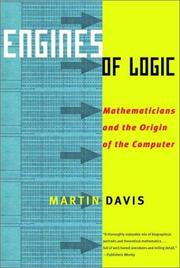
The mathematicians whose logic led to the computer.
Recommended by: Patrick Collison
How Hamilton, Jefferson, Adams and others met the trials of the young republic.
Recommended by: Jim Collins, Mohnish Pabrai, Jamie Dimon
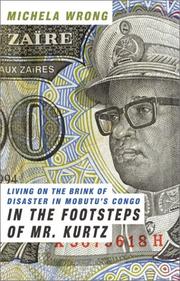
The rise and fall of Mobutu Sese Seko over 32 years as ruler of Zaire.
Recommended by: Patrick Collison
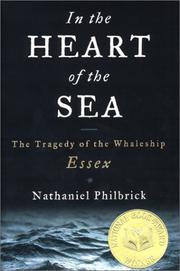
The whaleship Essex, sunk by a sperm whale, and the ordeal of its crew.
Recommended by: Richard Branson
Morocco's history since 1830, and how its social relations changed over 150 years.
A narrative history of how the Roman Empire declined and fell.
“I start off with a remarkably light revision of the classic first paragraph of Gibbon’s The Decline and Fall of the Roman Empire, adapted to the present era.” — John C. Bogle
Source: The Joy of Writing — Books, Ideas, Advocacy, and Idealism, page 4
Recommended by: John C. Bogle, Stewart Brand, Ray Dalio
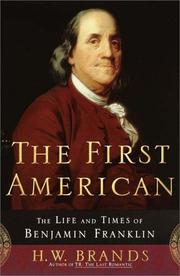
A life of Benjamin Franklin, the foremost American of his day.
Recommended by: Ev Williams
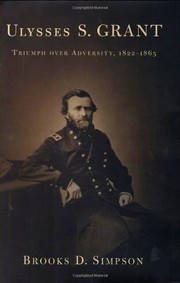
A life of Ulysses S. Grant as a man of opposing qualities.
Recommended by: Ryan Holiday
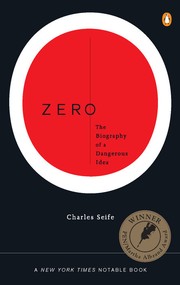
The history of zero, from the Babylonians to its threat to modern physics.
Recommended by: Matt Mullenweg, Bryan Johnson
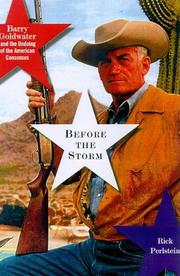
The rise of the conservative movement in the sixties around Barry Goldwater.
Recommended by: Patrick Collison
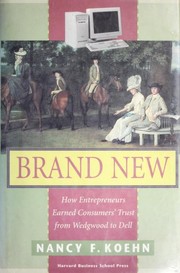
How entrepreneurs from Wedgwood to Dell earned consumers' trust in their brands.
Recommended by: Mohnish Pabrai
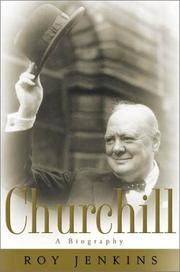
A narrative biography of Winston Churchill's nearly sixty years in British politics.
Recommended by: Mohnish Pabrai
A biography of Cicero and the world of ancient Rome.
Recommended by: Patrick Collison
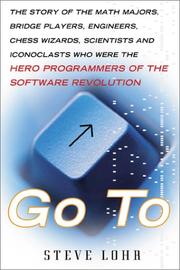
The history of software and the programmers who wrote it.
Recommended by: Patrick Collison, Keith Rabois
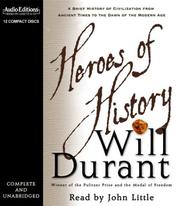
A survey of world history through its great figures.
Recommended by: Andrew Wilkinson
A biography of Hitler in the years of war and defeat.
Recommended by: Marc Andreessen
A life of John Adams, revolutionary and second president of the United States.
Recommended by: Mohnish Pabrai
The chief engineer on designing, building, testing and flying the lunar module.
Recommended by: Patrick Collison
How belief in one god shaped Western history, from religious wars to commandments.
Recommended by: Stewart Brand
What happens when technology moves faster than governments can write rules.
Recommended by: Mohnish Pabrai
How a trainer, an owner and a jockey made a crooked-legged horse a racing legend.
Recommended by: Jim Collins, Mohnish Pabrai

A novelist's portrait of table tennis and its great players.
Recommended by: Brian Koppelman
Holmes, James, Peirce and the ideas that shaped modern American thought.
Recommended by: Mohnish Pabrai
Theodore Roosevelt's presidency and the politics of his years in office.
Recommended by: Mohnish Pabrai, Sophie Bakalar
A short life of Thomas Jefferson's mind and temperament.
Recommended by: Mohnish Pabrai
The claim that a Ming Chinese fleet reached the Americas before Columbus.
Recommended by: Samantha Wong, Simon Sinek
The history of laying the first telegraph cable across the Atlantic.
Recommended by: Paul Graham
The people who cleared the World Trade Center site after the September 11 attacks.
Recommended by: Diana Kimball
How glass changed how people see themselves and the world.
Recommended by: Nick Szabo
A life of the Chinese leader from a decade of research and talks with his circle.
Recommended by: Richard Branson
Maps in sequence of peoples in Europe and the Near East, from 50,000 BC to AD 362.
Recommended by: Paul Graham
A world history of salt and how it shaped civilization.
Recommended by: Sophie Bakalar
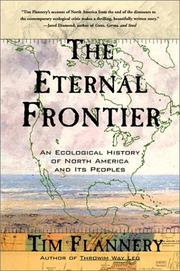
An ecological history of North America from the asteroid that killed the dinosaurs.
Recommended by: Stewart Brand
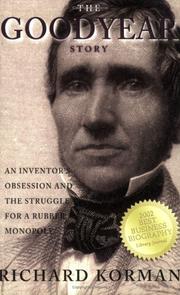
Charles Goodyear's obsession with rubber and the struggle for a rubber monopoly.
Recommended by: Mohnish Pabrai
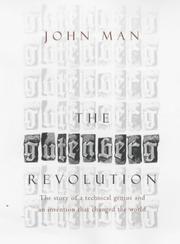
How Gutenberg's printing press changed science, literature and the shape of nations.
Recommended by: Antonio García Martínez
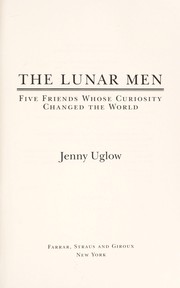
Boulton, Watt, Wedgwood, Erasmus Darwin and the Midlands friends who experimented.
Recommended by: Mohnish Pabrai, Patrick Collison
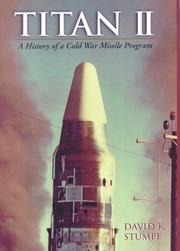
The history of the Titan II, a Cold War missile launched from underground silos.
Recommended by: Bill Gates
Britain's wartime mission to share its military secrets with American scientists.
Recommended by: Patrick Collison
Leadership and strategy lessons drawn from Alexander the Great's campaigns.
Recommended by: Mohnish Pabrai
The history of the Indian Institutes of Technology, in text and photographs.
Recommended by: Mohnish Pabrai
The mutiny on the Bounty and the court martial of the mutineers who were caught.
Recommended by: Patrick Collison
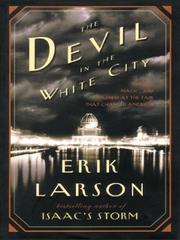
The 1893 Chicago World's Fair: its architect, and a serial killer working beside it.
Recommended by: Jim Collins, Sahil Bloom, Sophie Bakalar
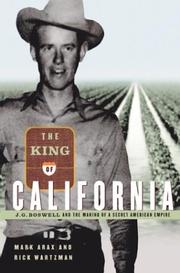
J. G. Boswell and the secret farming empire he ran in the heart of California.
Recommended by: Mohnish Pabrai
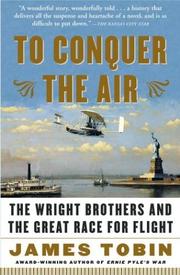
The history of the race to fly and the Wright brothers' Flyer.
“This man was Wilbur Wright, whose aeronautical accomplishments are recounted in To Conquer the Air, by James Tobin.” — Seth Klarman
Source: MIT Remarks, October 20, 2007 (MIT Sloan Investment Management Conference speech), page 8
Recommended by: Seth Klarman, Paul Graham

The history of flight and its pioneers, from kites to the space age.
Recommended by: Patrick Collison
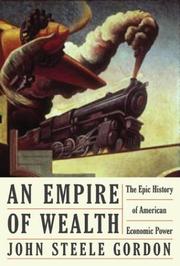
How the United States came to dominate the world by creating wealth, not by force.
Recommended by: Paul Graham
How history shaped the concentrated family ownership of French companies.
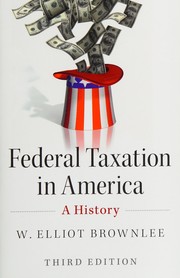
A history of federal taxation in the United States.
Recommended by: Paul Graham
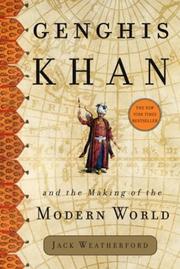
How the Mongol empire's trade and communication helped make the modern world.
“What what really drove that home for me is I'm an enthusiastic student of history. And I read Genghis Khan and the Making of the Modern World.” — Tim Ferriss
Recommended by: Tim Ferriss, Austen Allred, Ben Horowitz and 2 others
The CIA in Afghanistan, from the Soviet invasion to the day before 9/11.
Recommended by: Simon Sinek
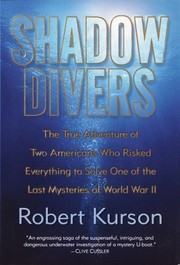
Two divers set out to identify a German U-boat found off the New Jersey coast.
Recommended by: Patrick O'Shaughnessy, Ryan Holiday
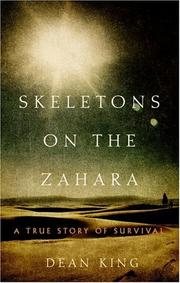
Twelve American sailors wrecked on the North African coast and sold into slavery.
Recommended by: Patrick Collison
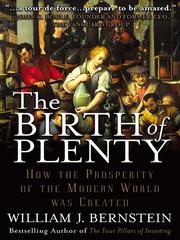
The four institutions modern growth needed, from property rights to capital markets.
“This is morally and ethically unacceptable,” the essay concluded, “but also a corruption of capitalism itself.” 3 For a marvelous exposition of this great era—as well as a compelling and delightful experience—I urge you to read William Bernstein’s fine new book, The Birth of Plenty. 3” — John C. Bogle
Source: Creating Sound Governance: The Shareholder’s Perspective, page 3
Recommended by: John C. Bogle, Mohnish Pabrai, Morgan Housel
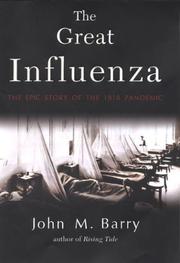
The 1918 flu: how it spread from a Kansas army camp and killed up to 100 million.
Recommended by: Bill Gates, Balaji S. Srinivasan
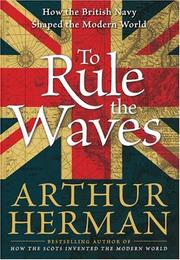
How the Royal Navy made Britain the most powerful nation in history.
Recommended by: Nick Szabo
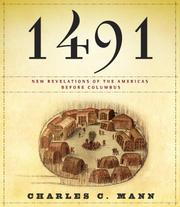
What the Americas were like before Europeans arrived, against the old view.
Recommended by: Mohnish Pabrai
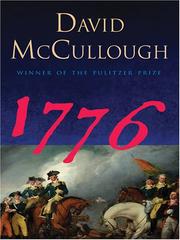
The men who marched with George Washington in the year of independence.
Recommended by: Jim Collins, Mohnish Pabrai
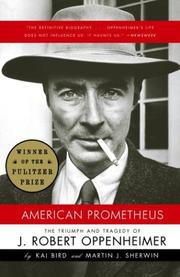
The life of J. Robert Oppenheimer, who directed the Manhattan Project.
Recommended by: Marc Andreessen, Patrick Collison
How existentialism took root in American thought.
Recommended by: Patrick Collison
The history of Eritrea and its long war for independence.
Recommended by: Patrick Collison
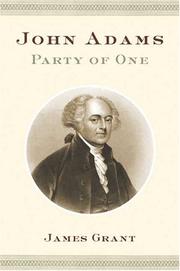
A biography of a paradoxical president, a fierce revolutionary and reluctant leader.
Recommended by: Jim Collins, Mohnish Pabrai, Seth Klarman
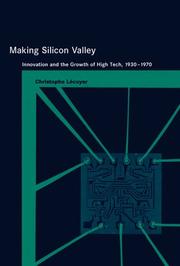
How decades of Bay Area electronics innovation built Silicon Valley.
Recommended by: Patrick Collison
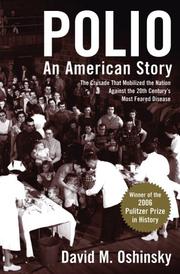
The American fear of polio and the race for a cure, from the March of Dimes to Salk.
Recommended by: Bill Gates
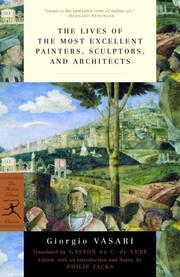
A Renaissance painter's lives of his fellow artists.
Recommended by: Ryan Holiday
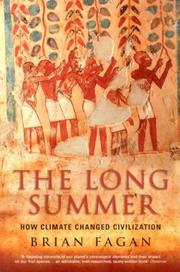
How climate change since the last ice age shaped human civilization.
Recommended by: Stewart Brand
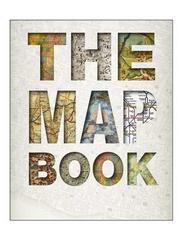
About 175 maps over four thousand years, showing how knowledge of the world grew.
Recommended by: Stewart Brand
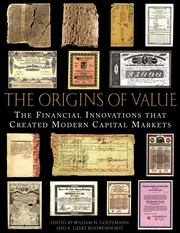
Financial innovations, from Mesopotamian interest and Chinese paper money onward.
Recommended by: Mohnish Pabrai
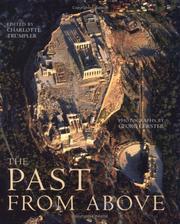
Aerial photographs of 250 of the world's great archaeological sites.
Recommended by: Stewart Brand
Theodore Roosevelt's journey down one of the most dangerous rivers on earth.
Recommended by: Patrick O'Shaughnessy, Ryan Holiday and 1 other
An evolutionary biologist's theory of how empires rise and fall.
Recommended by: Balaji S. Srinivasan

How the Erie Canal changed the course of American history.
An oral history of modern Wall Street, told by the people who worked there.
Recommended by: Mohnish Pabrai

How the counterculture shaped the people who built the first personal computers.
“I would also recommend John Markoff's book with this really trippy title called What the Dormouse Said.” — Kevin Kelly
Source: The Tim Ferriss Show Transcripts: Kevin Kelly – AI, Virtual Reality, and The Inevitable (#164)
Recommended by: Kevin Kelly, Patrick Collison, Bret Victor
Colombia's history through land, property rights and violence.
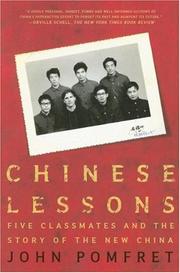
China's transformation over forty years, told through five university classmates.
Recommended by: Patrick Collison
How computers went from tools of the Cold War to symbols of the counterculture.
Recommended by: Patrick Collison

Diaries and letters of kamikaze pilots and other Japanese student soldiers.
Recommended by: Tim Ferriss
Interviews with nine Hutu killers of the Rwandan genocide.
Recommended by: Steph Smith
Nearly a thousand years of Islamic rule in Spain from 711, and its mark on Europe.
Recommended by: Paul Graham
How Marie Antoinette used fashion as a political weapon, and how it led to her fall.
Recommended by: Sheryl Sandberg
A history of professional wrestling in America, from legitimate sport to spectacle.
Recommended by: Eric Weinstein
How the Swiss style of graphic design began and grew, as part of modernism.
Recommended by: Patrick Collison
The East India Company, from spice trader to ruler of India: the first multinational.
Recommended by: Patrick Collison
The cholera outbreak in Victorian London and how John Snow found its cause.
Recommended by: Mohnish Pabrai
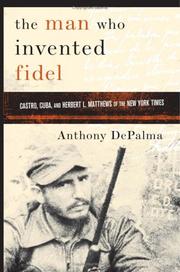
How a New York Times reporter's coverage of Castro shaped American views of Cuba.
Recommended by: Balaji S. Srinivasan
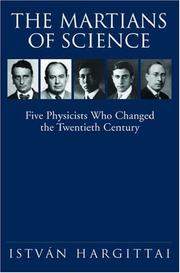
Five Hungarian-born scientists, von Neumann and Teller among them, and their century.
Recommended by: Mohnish Pabrai
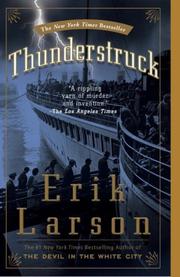
A murderer, Hawley Crippen, and the inventor of wireless, Guglielmo Marconi.
Recommended by: Sahil Bloom
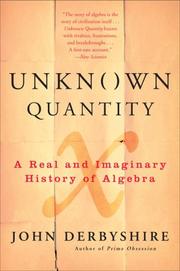
The story of algebra and the people behind its formulae, roots and radicals.
Recommended by: Patrick Collison
Why living standards stayed flat in a Malthusian trap until the industrial era.
Recommended by: Patrick Collison
The history of the universe, the Earth and humanity told as one account.
Recommended by: Bill Gates, Ryan Peterson
Over one hundred essays on twentieth-century thinkers, artists and musicians.
“It's a book by a writer called Clive James and it is called Cultural Amnesia. And, first off, he is so learned that you just want to read what he has to say, and I assume he's not making this up, but he says, well, I wanted to read Proust, but I didn't know French so I started with [inaudible] and start learning French.” — Frank Blake
Source: The Tim Ferriss Show Transcripts: Frank Blake (#303)
Recommended by: Frank Blake, Patrick Collison
How Britain's Glorious Revolution of 1688-89 shaped the ideals of America's founders.
Recommended by: Mohnish Pabrai
A history of the Korean War and America's part in it.
Recommended by: Mohnish Pabrai
France's maps, migrations, languages and tribal disputes, from 1789 to 1914.
“Do read Graham Robb's The Discovery of France and try to dig up a useful architectural guide to the city.” — Tyler Cowen
Source: My advice for a Paris visit — Marginal Revolution
Recommended by: Mohnish Pabrai, Tyler Cowen and 1 other
The Great Depression told through the stories of the common people who endured it.
Recommended by: Balaji S. Srinivasan
Revolutions in power, transport, communication and organisation that made big firms.
Recommended by: Paul Graham
The Histories of the first Greek historian, with maps and notes.
Recommended by: Stewart Brand

How malaria became a disease of poor tropical regions.
Recommended by: Bill Gates
Inside the Supreme Court and the dynamic among its nine justices.
Recommended by: Gary Vaynerchuk

The hopeful and controversial history of vaccination, from Jenner on.
Recommended by: Bill Gates
Paul Kagame, a refugee who came home, and Rwanda's rebuilding.
Recommended by: Patrick Collison
American politics and foreign policy between the Berlin Wall's fall and 9/11.
Recommended by: Patrick Collison
Chile's labour movement through the copper miners of Anaconda in the Cold War.
The Ottoman-Christian war for the Mediterranean, from Rhodes onward.
Recommended by: Paul Graham
Nixon's political career from Congress to the White House and the strategies he used.
Recommended by: Patrick Collison
Chinese people who push for justice and freedom under an authoritarian state.
Recommended by: Patrick Collison
Biographies of the first pilots of 100 countries and their attempts to fly.
Recommended by: Patrick Collison
A forecast of the long-term geopolitical shifts of the coming century.
Recommended by: Sophie Bakalar
Ukraine's move to a market economy and democracy since independence.
Money and power inside New York's Metropolitan Museum of Art.

The head of the WHO campaign that eradicated smallpox tells how it was done.
Recommended by: Bill Gates
How lactose tolerance, malaria resistance and blue eyes evolved in 10,000 years.
Recommended by: Mohnish Pabrai, Nick Szabo
The late eighteenth-century discoveries that began the Romantic age of science.
Recommended by: Ed Cooke, Patrick Collison, Tyler Cowen
The hidden pattern the monotheistic faiths followed as they evolved.
Recommended by: Reid Hoffman
The voyagers and thinkers behind the first map to show the world as we know it.
Recommended by: Nick Szabo
Joseph Priestley's science, religion and politics, and his ties to the Founders.
Recommended by: Andrew Wilkinson
Economics applied to pirates: why they behaved as they did and why they succeeded.
Recommended by: Mohnish Pabrai
An illustrated history of the national park idea in America.
Recommended by: Patrick Collison
How states control violence, and how that shapes the social order.
Recommended by: Emmett Shear
A history of physics set in its cultural context.
Recommended by: Naval Ravikant
Two million years of human history, told through 100 objects in the British Museum.
Recommended by: Mohnish Pabrai, Stewart Brand
How America became an industrial nation between the Civil War and the century's end.
Recommended by: Patrick Collison
How commerce, architecture and technology shaped the modern home.
Recommended by: Andrew Wilkinson, Mohnish Pabrai and 1 other
The Nazi and Stalinist mass murders in the lands between, told as one history.
Recommended by: Eric Weinstein, Peter Thiel
Theodore Roosevelt's last decade, from leaving the presidency to his death.
Recommended by: Mohnish Pabrai
A personal tour of fonts, past and present: how they are designed and used.
Recommended by: Jeremiah Shoaf
How comparing natural experiments of history answers questions labs cannot.
Recommended by: Mohnish Pabrai
The late 1950s, when the Soviet planned economy seemed briefly to deliver abundance.
Recommended by: Patrick Collison
Essays by scientists and writers marking 350 years of the Royal Society.
Recommended by: Mohnish Pabrai
A popular history of the battery, from a twitching frog's leg to modern devices.
Recommended by: Mohnish Pabrai

The people and work of DARPA, from the Internet and GPS to driverless cars.
Recommended by: Patrick Collison

The centuries-long fight to treat and prevent malaria, which still infects millions.
Recommended by: Bill Gates
The men behind the steam engine, the machine that drove the Industrial Revolution.
Recommended by: Bill Gates, Mohnish Pabrai, Nick Szabo
The decades-long migration of black Americans out of the South.
Recommended by: Barack Obama, Michelle Obama
Louis Zamperini, a bombardier, survives a bomber's crash into the Pacific.
Recommended by: Andrew Wilkinson, Jim Collins and 1 other
The patterns of history behind the West's rise, and what they say about the future.
Recommended by: Stewart Brand
The biological upheaval that followed Columbus's voyages, and the world it made.
Recommended by: Mohnish Pabrai
The American economy through the Depression and the economic policy of the time.
Recommended by: Patrick Collison, Raoul Pal
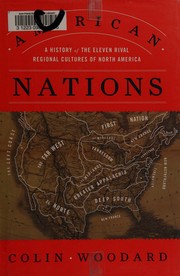
The eleven rival regional cultures, or nations, that make up North America.
Recommended by: Jack Dorsey
A Hungarian prisoner's personal account of Auschwitz and of Josef Mengele.
Recommended by: Sophie Bakalar
A narrative biography of Catherine the Great, empress of Russia.
Recommended by: Elon Musk
The wars, massacres and ethnic conflict of the Democratic Republic of the Congo.
Recommended by: Patrick Collison
The struggle between Lorenzo de' Medici and the monk Savonarola for Florence.
Recommended by: Patrick Collison
A biography of Deng Xiaoping and how he transformed China after Mao.
Recommended by: Balaji S. Srinivasan, Bill Gates
The life and assassination of President Garfield, and the man who shot him.
Recommended by: Andrew Wilkinson, Ryan Holiday
How double-entry bookkeeping, from Venice, shaped modern finance.
Recommended by: Mohnish Pabrai

A history of campaigns to eradicate diseases such as malaria.
Recommended by: Bill Gates
How modern economics came to be, through the people who made it.
Recommended by: Mohnish Pabrai
America's first ambassador to Hitler's Germany and his family in Berlin.
Recommended by: Sophie Bakalar
A portrait of modern India told through the lives of its people.
Recommended by: Mohnish Pabrai
The history of Cleveland-Cliffs and American iron ore mining over 160 years.
Recommended by: Mohnish Pabrai
Three survivors of a wartime plane crash in New Guinea's uncharted mountains.
Recommended by: Daniel Gross
The life of Thomas B. Reed, Speaker of the House in the Gilded Age.
Recommended by: Mohnish Pabrai, Seth Klarman
China's history and its ties with the West, drawn from talks with Chinese leaders.
Recommended by: Jim Collins, Mohnish Pabrai
The policies that moved Taiwan's economy from agriculture to electronics.
The Royal Society scientists who pictured a universe that ran like a machine.
Recommended by: Sophie Bakalar
Essays on the ideas behind the American Revolution and why it still matters.
Recommended by: Mohnish Pabrai
A history of information, from African talking drums to the theory that measures it.
Recommended by: Patrick Collison, Marc Andreessen and 2 others
How America's choice of Saudi Arabia as top oil power led to Iran's revolution.
Recommended by: Mohnish Pabrai

How different societies reached their forms of political order.
Recommended by: Balaji S. Srinivasan
A portrait of modern Portugal, its history and its institutions.
The Groveland case in Jim Crow Florida, when four Black men were accused of rape.
“My weekend reading was Devil in the Grove: Thurgood Marshall, the Groveland Boys, and the Dawn of a New America.” — Brad Feld
Recommended by: Brad Feld, Jim Collins
American history told through fifteen iconic car models.
Recommended by: Mohnish Pabrai
How Knudsen and Kaiser led America's industrial build-up for the Second World War.
“One of the best books I've read, it's a great story of industrial production and heroes.” — Christopher Bloomstran
Source: Semper Augustus 2020 Letter to Clients, 'To Read or Not to Read', p. 57
Recommended by: Christopher Bloomstran, Patrick Collison
A writer returns to India and meets the people living through its rapid change.
Recommended by: Patrick Collison
Two centuries of American growth, and how economics, technology and politics relate.
Recommended by: Paul Graham
Population genetics as a new way to answer who the Jewish people are.
Recommended by: Patrick Collison
Documentary treasures on the Memory of the World Register, with their photographs.
Recommended by: Stewart Brand
Four centuries of New Yorkers' diaries, from Henry Hudson to Mark Twain and on.
Recommended by: Patrick Collison

San Francisco from the late 1960s to the early 1980s, through its people.
Recommended by: Patrick Collison
The rise of American industry in the decades before the Civil War.
Recommended by: Patrick Collison
A firsthand account of the Roman conquest of Gaul, from dispatches to the Senate.
Recommended by: Paul Graham
Everyday life on the streets of nineteenth-century London.
Recommended by: Mohnish Pabrai
What traditional societies can teach modern ones about living.
Recommended by: Bill Gates, Mohnish Pabrai
The experiments and mathematical insight that produced the first computers.
Recommended by: Stewart Brand
Why American leaders who vowed never again failed to stop modern genocides.
Recommended by: Patrick Collison
Long working hours, shift work and the dangers of sleepiness on the job.
Recommended by: Arianna Huffington
The problem solvers who turned the Second World War against the Nazis.
Recommended by: Mohnish Pabrai, Bill Gates
Gandhi's life before India: Gujarat, London and twenty-one years in South Africa.
Recommended by: Mohnish Pabrai
How English-speaking peoples spread representative government and personal freedom.
Recommended by: Patrick Collison
Letters from across the centuries, by the famous and the not-so-famous.
“There's another really wonderful book that I've also given out to a lot of people called Letters of Note.” — Caterina Fake
Source: The Tim Ferriss Show Transcripts: Caterina Fake (#360)
Recommended by: Caterina Fake, Zoë Foster Blake and 1 other
A graphic memoir of the civil rights movement by one of its leaders.
“I spent the afternoon on the couch reading March by John Lewis, Andrew Aydin, and Nate Powell. It’s a comic book trilogy that is the story of the Civil Right Movement through Congressman Lewis’ eyes. While I’m reading very little current news right now, I am reading a lot of American history.” — Brad Feld
Source: Book: March — Feld Thoughts
How each new technology of communication, from writing on, changed who held power.
Recommended by: David Perell, Nick Szabo
The history of hypertext, from interviews with its pioneers.
Recommended by: Patrick Collison
A biography of Michelangelo across his long life as Italy's finest artist.
Recommended by: Mohnish Pabrai
America in the summer of 1927: a booming stock market, a great flood and more.
Recommended by: Andrew Wilkinson
The forgotten "hot" wars fought around the world after the Second World War.
Recommended by: Patrick Collison
The University of Washington's 1936 eight-oar crew and their quest for Olympic gold.
Recommended by: Jim Collins, Satya Nadella
A study of presidents and politics in America's Progressive era.
Recommended by: Bill Gates, Jim Collins, Mohnish Pabrai and 1 other
The last volume of a trilogy on the Allied liberation of Europe in the war.
Recommended by: Morgan Housel
Churchill from twenty-six to forty, from building a navy to the Western Front.
Recommended by: Mohnish Pabrai
Kim Philby, who rose to head British counterintelligence while spying for Moscow.
Recommended by: Marc Andreessen
The genetic basis of race and its role in human history, from genome mapping.
Recommended by: Mohnish Pabrai
How people in China pursued fortune, truth and faith under authoritarian rule.
Recommended by: Patrick Collison, Nick Crocker
An illustrated history of bicycle design and its parts over two centuries.
Recommended by: Patrick Collison
The philosopher Seneca's moral struggles at the court of Nero.
Recommended by: Nat Eliason
A historian's last reflections on the meaning of life, found after his death.
“a book that historian Will Durant wrote in his 90s, a summation of his thoughts on the meaning of life at the end of his” — Andrew Wilkinson
Source: Newsletter
Recommended by: Andrew Wilkinson, Derek Sivers and 2 others
How GDP is measured, and why its figures can jump overnight.
Recommended by: Mohnish Pabrai, Patrick Collison
A collection of great speeches of the twentieth century.
Recommended by: Mohnish Pabrai
Six innovations, from refrigeration to clocks and lenses, that made modern life.
“I really enjoyed Steven Johnson's How We Got To Now. I read a lot of history and science books, but this book stood out because 1) the anecdotes were entertaining and relevant, and 2) it got the process of innovation right.” — Chris Dixon
Source: How We Got To Now — cdixon
Recommended by: Chris Dixon, Mohnish Pabrai

The fight over infinitely small quantities that shook the old order in Europe.
Recommended by: Sophie Bakalar
How Istanbul became a global crossroads and a port of refuge between the wars.
Recommended by: Mohnish Pabrai
How Partition shaped the troubled histories of India, Pakistan and Bangladesh.
Recommended by: Mohnish Pabrai
How ancient Greek heroes' secrets of strength live on in Crete, via a WWII kidnap.
Recommended by: Patrick O'Shaughnessy
A history of the modern state: how political order develops and how it decays.
Recommended by: Ray Dalio
A plot to extort Domaine de la Romanée-Conti by poisoning its vines.
New Yorker pieces from the 1940s, a decade of war and lasting cultural change.
Recommended by: Patrick Collison
The year that could have stalled the Allies, and how the war turned.
Recommended by: Keith Rabois
How the Federal Reserve was argued into existence, from the 1907 panic to 1913.
Recommended by: Seth Klarman
How the militant Islam behind ISIS arose in a Jordanian prison and spread.
Recommended by: Bob Iger
How small, poor Portugal built the first long-range maritime empire.
Recommended by: Ryan Peterson
The radical underground groups that bombed police stations and courthouses.
Recommended by: Marc Andreessen
Temujin's rise from outcast to Genghis Khan and the Mongol empire he built.
Recommended by: Patrick Collison
How the internet went from university and military networks to commerce.
Recommended by: Patrick Collison
Whether robots and intelligent machines will replace people or work with them.
“And now, that has been played out, and John Markoff came out with his good book a year or two ago called Machines of Loving Grace, which basically spells out the ongoing debate between artificial intelligence and intelligence augmentation - I.A. and A.I.” — Stewart Brand
Source: The Tim Ferriss Show Transcripts: Stewart Brand (#281)
Recommended by: Stewart Brand

A chronicle of the Fourth Crusade and its conquest of Constantinople.
Recommended by: Paul Graham
A second collection of notable letters, correspondence deserving a wider audience.
Recommended by: Zoë Foster Blake
The Pacific Ocean's geology and history, and its role in the modern world.
Recommended by: Patrick Collison

The diary of a seventeenth-century Englishman, a window on his times.
Recommended by: Patrick Collison
100 landmark typefaces, from Gutenberg's Bible type to digital fonts.
Recommended by: Jeremiah Shoaf
World history told from the trade routes between East and West.
“A children’s illustrated book that I started reading to my boy, but enjoyed it more myself. I’m so curious about the subject, but was glad to have the succinct entertaining version, which was just enough. Taught me so much history I’d never heard before.” — Derek Sivers
Source: Derek Sivers book notes (primary, rated list) · Rating: 8/10
Recommended by: Derek Sivers, Ray Dalio
The history of science from ancient Miletus to the discovery of modern science.
Recommended by: Paul Graham
The sinking of the Lusitania, told from both the hunter and the hunted.
Recommended by: Chris Dixon, Sahil Bloom
The poisoning of a dissident former spy, and the investigation into his murder.
Recommended by: Marc Andreessen
The campaign behind Britain's referendum on leaving the European Union.
Recommended by: Marc Andreessen
What really happened in the Chernobyl reactor disaster and the fight to contain it.
Recommended by: Brad Feld
How the quest for gold, silver and copper gave birth to globalisation.
Recommended by: Nick Szabo
How Zimbabwe's Chiadzwa diamond fields were captured by force and corruption.
What fascism was, against its use as a synonym for Nazism.
Recommended by: Marc Andreessen
How Truman and Senator Vandenberg built American foreign policy after the war.
Recommended by: Mohnish Pabrai
Why the Soviet Union's attempts to build a national computer network failed.
Recommended by: Patrick Collison
How Lenin crossed wartime Europe in a sealed train and changed world history.
Recommended by: Marc Andreessen
The map artworks British Airways used for nearly 100 years to promote its services.
Recommended by: Patrick Collison
The Spanish Civil War and the volunteers who went to fight Franco.
Recommended by: Marc Andreessen
A history of racist ideas in America from their origins to the present.
Recommended by: Barack Obama
Four centuries of American capitalism, told through its next big things.
Recommended by: Chamath Palihapitiya
Courageous leadership in crisis, from Shackleton, Lincoln, Douglass and others.
Recommended by: Satya Nadella
Medieval historians on how Game of Thrones compares with real history.
Recommended by: Alexey Moiseenkov
How elected leaders subvert democracy step by step, and the norms that guard it.
Recommended by: Barack Obama, Julian Shapiro
The murders of Osage people in Oklahoma after oil made them rich.
Recommended by: Barack Obama
The 1918 Spanish flu, which killed 50 to 100 million, through history and science.
Recommended by: Balaji S. Srinivasan
New Yorker pieces from the 1960s by Spark, Updike, Plath, Baldwin and others.
Recommended by: Patrick Collison
A graphic memoir of a family's life in war-torn Vietnam and its flight to America.
Recommended by: Bill Gates
What reality is made of, told through the story of light and the laws of physics.
Recommended by: Eric Weinstein
How the American power grid was interconnected and who controls it.
The Moscow apartment house of Communist officials, from belief to Stalin's purges.
Recommended by: Balaji S. Srinivasan
The Ku Klux Klan of the 1920s, a mass movement that flourished in the North.
Recommended by: Marc Andreessen
A chronological survey of more than 320 typefaces since movable type.
Recommended by: Jeremiah Shoaf
Seven pioneers of the Silicon Valley generation that started five industries.
Recommended by: Keith Rabois, Vinod Khosla, Aileen Lee and 1 other
The ancient roots of misogyny and how history has silenced powerful women.
Recommended by: Catriona Wallace
Twenty-one essays on today's challenges, from technology and politics to truth.
“His book “Sapiens” was amazing, so I read this new one. It’s just some thoughts on our present and near future. Not so different from what you find in every-day articles. I’m personally averse to news commentaries, so I shouldn’t have read this. Still, some interesting ideas, and the last chapter was great.” — Derek Sivers
Source: Derek Sivers book notes (primary, rated list) · Rating: 2/10
Recommended by: Bill Gates, Derek Sivers, Matt Mullenweg and 5 others
The early development and growth of leadership in American presidents.
Recommended by: Bill Gates, Scott Belsky
Lectures on Proust that a Polish painter gave in a Soviet prison camp.
Recommended by: Susan J. Fowler
How Rome's republican institutions broke down and the Republic fell into tyranny.
Recommended by: Evan Spiegel
The whole of history, from the big bang through the present and into the far future.
Recommended by: Bill Gates
A global history of the Spanish flu, which struck as the First World War went on.
Recommended by: Balaji S. Srinivasan, Guy Spier

How presidents from Madison to Lyndon Johnson took America to war and gained power.
Recommended by: Bill Gates
How the hotelier César Ritz and the chef Auguste Escoffier made luxury hotels.
Recommended by: Andrew Wilkinson
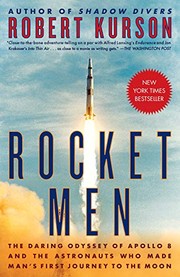
Apollo 8, the first crewed flight to reach the Moon and return.
Recommended by: Keith Rabois, Morgan Housel
The murder of a Belfast widow as a way into the history of the Troubles.
Recommended by: Barack Obama
The fire at the Los Angeles Central Library, and a history of the library.
Recommended by: Reese Witherspoon, Ryan Holiday
Oleg Gordievsky, the KGB officer who became a double agent for the West.
Recommended by: Bill Gates, Casey Neistat, Daniel Petre
A one-volume history of the United States and the origins of a divided nation.
Recommended by: Bill Gates, Morgan Housel
A history of the French Revolution and the modern world it created.
Recommended by: Marc Andreessen
John F. Kennedy, NASA and the race to land astronauts on the moon.
Recommended by: Morgan Housel
The territories the United States governed beyond its fifty states.
Recommended by: Balaji S. Srinivasan, Ryan Holiday
The little-known offences of the British crown against its own American subjects.
Recommended by: Donald Trump
Conversations with leading historians about the Americans they have studied.
A podcaster's look at catastrophes in history, what happened and what might have.
Recommended by: Morgan Housel
How eugenics arguments kept Jews, Italians and others out of the United States.
Recommended by: Marc Andreessen
How the mosquito has shaped human history more than any other force.
Recommended by: Bill Gates
Why liberty is hard to win and keep, and how it can survive new threats.
Recommended by: Satya Nadella
How nations cope with devastating crises and change.
Recommended by: Bill Gates
How user-experience design came to rule the way machines serve people.
Recommended by: Austen Allred, Jordan Hughes

Essays and speeches by Himalaya Capital's founder on value investing and China.
A pirate of the seventeenth century and how piracy shaped British trade.
Recommended by: Andrew Wilkinson
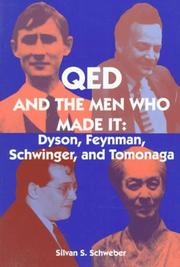
How Dyson, Feynman, Schwinger and Tomonaga built quantum electrodynamics.
Recommended by: Eric Weinstein
A Holocaust survivor's memoir and the wisdom he took from it.
Recommended by: Library Mindset

Churchill's first year as prime minister, from Dunkirk through the Blitz.
“…books I've recommended, highlighted to death, or forced on friends.” — Andrew Wilkinson
Source: Andrew Wilkinson's Bookshelf, neverenough.com
Recommended by: Andrew Wilkinson, Bill Gates and 4 others
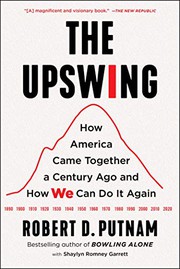
How America moved from "I" to "we" and back over a century, and how to turn again.
Recommended by: Andrew Wilkinson
How the West became psychologically peculiar and particularly prosperous.
Recommended by: Marc Andreessen
Inside Steve Bannon's circle of far-right global powerbrokers and their alliances.
Recommended by: Marc Andreessen
How Africa's central role in building the modern world was written out of history.
Recommended by: Bill Gates
A history of the Second World War with Stalin, not Hitler, at its centre.
Recommended by: Balaji S. Srinivasan
Joseph Kennedy's contested years as US ambassador to Britain on the eve of war.
Recommended by: Marc Andreessen
American history as an experiment in democracy, told in conversations.
A Chinese scholar's memoir of the Cultural Revolution.
Recommended by: Patrick Collison
Five centuries of financial and religious manias, and why people go mad in groups.
“Narratives, says William Bernstein, author of The Delusions of Crowds: Why People Go Mad in Groups (2021), are “the pathogens that spread the bubble disease throughout a society.” — Jeremy Grantham
Source: Valuing AI: Extreme Bubble, New Golden Era - or Both?, page 4
Recommended by: Jeremy Grantham, Michael Mauboussin
How Lincoln's Union financed the Civil War and transformed the American state.
The Fort McMurray wildfire and the changing relationship between fire and people.
Recommended by: Andrew Wilkinson
A history of human invention, and a corrective to the hype around innovation.
Recommended by: Bill Gates
Three men and the decision to use atomic bombs against Japan.
Recommended by: Andrew Wilkinson
The Nazi plot to kill Roosevelt, Stalin and Churchill at their wartime meeting.
Recommended by: Andrew Wilkinson
A shipwreck, survival and savagery, ending in a court martial.
Recommended by: Andrew Wilkinson
How information networks, from the Stone Age to AI, have made and unmade societies.
Recommended by: Andrew Wilkinson
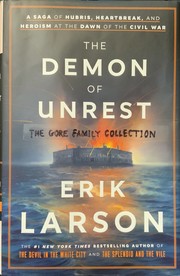
The months between Lincoln's election and the fight over Fort Sumter.
Recommended by: Andrew Wilkinson
Interviews with presidents and historians on the American presidency.
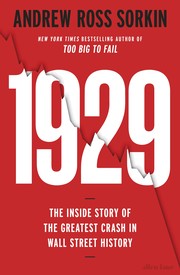
The 1929 Wall Street crash: the greed and folly behind America's greatest collapse.
“The Lessons of 1929 The best investing book I’ve read in years, one that pulled me along from chapter to chapter, is 1929: Inside the Greatest Crash in Wall Street History – and How It Shattered a Nation, by Andrew Ross Sorkin.” — Howard Marks
Source: What’s Going on in Private Credit?
Recommended by: Bill Gates, Howard Marks
The history of tuberculosis and why it still kills the poor.
Recommended by: Bill Gates
Edmund Burke and Charles Fox, great orators and political allies for 25 years.
A comprehensive history of graphic design.
Recommended by: Bret Victor
How George Washington, whose schooling ended at eleven, educated himself.
Recommended by: Shane Parrish
What myth is, how it has evolved from the Paleolithic on, and why we still need it.
Recommended by: Patrick O'Shaughnessy
A historian's personal history of the 1960s, told with her husband's life.
Recommended by: Andrew Wilkinson, Bill Gates
A conservative history of antifascism, from early twentieth-century Europe to the US.
Recommended by: Marc Andreessen

A one-volume history of the American Civil War and the decades that led to it.
Recommended by: Patrick Collison

English society from the Norman Conquest: king, nobles, Church and people.
Recommended by: Patrick Collison
A life of Lenin that uses his personal relationships to explain his politics.
“Well, so I have been reading Victor Sebestyen's Lenin biography which that's Vladimir Lenin, Vladimir Ilyich ...” — Ben Horowitz
Source: Transcript: Ben Horowitz
Recommended by: Ben Horowitz, Marc Andreessen
The second of two volumes of Lincoln's complete speeches and writings.
Recommended by: Patrick Collison
The real world of medieval Europe's monks, warriors, peasants and merchants.
Recommended by: Stewart Brand
Spartans' everyday lives and customs: constant training, self-denial and hardship.
Recommended by: Ryan Holiday
The cyclical patterns behind the rise and fall of major empires over 500 years.
Recommended by: Balaji S. Srinivasan
An oral history of the end of the Soviet Union and the new Russia, in many voices.
Recommended by: Benedict Evans
How Napoleon's rise, wars and fall carried Europe from Enlightenment to democracy.
Recommended by: Elon Musk, Larry Ellison
A Byzantine princess's history of her father, the emperor Alexios I Komnenos.
Recommended by: Patrick Collison
Five centuries of Arab history, from Ottoman conquest to the present.
Recommended by: Patrick Collison
A seventeenth-century Royalist's diary, from his student days to the end of his life.
Recommended by: Patrick Collison
The war between the Greeks and Persians, its origins and the world of its day.
Recommended by: Stewart Brand, Tyler Cowen
The judges, decisions and rivalries of Ireland's Supreme Court.
Recommended by: Brad Feld

Personal accounts of the Chernobyl nuclear disaster from hundreds of people.
Recommended by: Caterina Fake
 Vaclav Smilwrote 5 books here
 Niall Fergusonwrote 5 books here
 James Grantwrote 4 books here
 Ron Chernowwrote 3 books here
 David M. Rubensteinwrote 3 books here
 Walter Isaacsonwrote 3 books here
 Barry Eichengreenwrote 2 books here
 Roger Lowensteinwrote 2 books here
Show all 35
 Sebastian Mallabywrote 2 books here
 Frederick Lewis Allenwrote 2 books here
 Steven Levywrote 2 books here
 Henry Kissingerwrote 2 books here
 Andrew S. Grovewrote 1 book here
 Daniel Yerginwrote 1 book here
 John Kenneth Galbraithwrote 1 book here
 Peter F. Druckerwrote 1 book here
 Andrew Ross Sorkinwrote 1 book here
 Matt Ridleywrote 1 book here
 Anders Aslundwrote 1 book here
 David Kynastonwrote 1 book here
 Adam Fisherwrote 1 book here
 Alan Greenspanwrote 1 book here
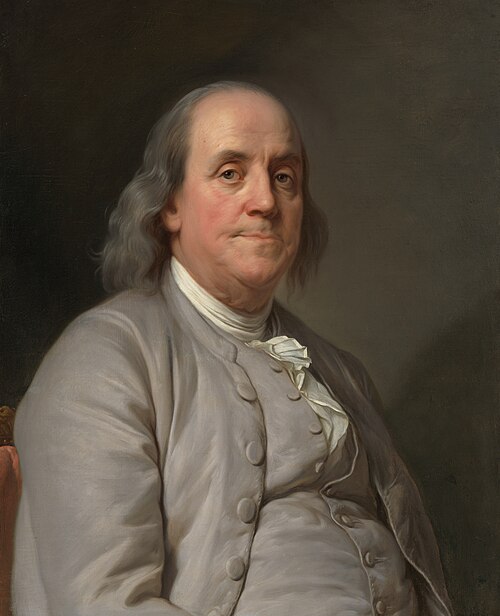 Benjamin Franklinwrote 1 book here
 Lee Kuan Yewwrote 1 book here
 Mike Leewrote 1 book here
 Paul Jarviswrote 1 book here
 Mohnish Pabrairecommends 136 books here
 Patrick Collisonrecommends 131 books here
 Paul Grahamrecommends 56 books here
 Bill Gatesrecommends 46 books here
 Marc Andreessenrecommends 41 books here
 Jim Collinsrecommends 35 books here
 Stewart Brandrecommends 32 books here
 Balaji S. Srinivasanrecommends 28 books here
 Morgan Houselrecommends 16 books here
 Ryan Holidayrecommends 16 books here
Show all 145
 Ray Daliorecommends 13 books here
 Jamie Dimonrecommends 12 books here
 Derek Siversrecommends 8 books here
 Elon Muskrecommends 8 books here
 Eric Weinsteinrecommends 8 books here
 Keith Raboisrecommends 8 books here
 Nat Eliasonrecommends 8 books here
 Naval Ravikantrecommends 8 books here
 Charlie Mungerrecommends 7 books here
 Michael Mauboussinrecommends 7 books here
 Brad Feldrecommends 7 books here
 John C. Boglerecommends 6 books here
 Richard Bransonrecommends 6 books here
 Ryan Petersenrecommends 6 books here
 Sam Altmanrecommends 6 books here
 Satya Nadellarecommends 6 books here
 Tim Ferrissrecommends 6 books here
 Nassim Nicholas Talebrecommends 5 books here
 Seth Klarmanrecommends 5 books here
 Barack Obamarecommends 5 books here
 Chris Dixonrecommends 5 books here
 Daniel Petrerecommends 5 books here
 Larry Ellisonrecommends 5 books here
 Matt Mullenwegrecommends 5 books here
 Ben Horowitzrecommends 4 books here
 Howard Marksrecommends 4 books here
 Peter Thielrecommends 4 books here
 Alfred Linrecommends 4 books here
 Mark Zuckerbergrecommends 4 books here
 Warren Buffettrecommends 3 books here
 Jeremy Granthamrecommends 3 books here
 Reid Hoffmanrecommends 3 books here
 Tyler Cowenrecommends 3 books here
 Andrew Chenrecommends 3 books here
 Bryan Johnsonrecommends 3 books here
 Casey Neistatrecommends 3 books here
 Ev Williamsrecommends 3 books here
 Raoul Palrecommends 3 books here
 Scott Belskyrecommends 3 books here
 Susan J. Fowlerrecommends 3 books here
 Vinod Khoslarecommends 3 books here
 Zoë Foster Blakerecommends 3 books here
 Simon Sinekrecommends 2 books here
 Antonio García Martínezrecommends 2 books here
 Bob Igerrecommends 2 books here
 Bret Victorrecommends 2 books here
 Caterina Fakerecommends 2 books here
 Chamath Palihapitiyarecommends 2 books here
 David Sacksrecommends 2 books here
 Emmett Shearrecommends 2 books here
 Nick Crockerrecommends 2 books here
 Tim O’Reillyrecommends 2 books here
 Tony Robbinsrecommends 2 books here
 Eric Schmidtrecommends 1 book here
 Kevin Kellyrecommends 1 book here
 Prem Watsarecommends 1 book here
 David Heinemeier Hanssonrecommends 1 book here
 Guy Spierrecommends 1 book here
 Aileen Leerecommends 1 book here
 Alex Blumbergrecommends 1 book here
 Anthony Pomplianorecommends 1 book here
 Arianna Huffingtonrecommends 1 book here
 Audrey Gelmanrecommends 1 book here
 Ben Silbermannrecommends 1 book here
 Bernard Baruchrecommends 1 book here
 Brett Adcockrecommends 1 book here
 Brian Armstrongrecommends 1 book here
 Chris Fussellrecommends 1 book here
 Craig Blairrecommends 1 book here
 Daniel Grossrecommends 1 book here
 David Kadavyrecommends 1 book here
 Daymond Johnrecommends 1 book here
 Diana Kimballrecommends 1 book here
 Donald Trumprecommends 1 book here
 Ed Cookerecommends 1 book here
 Evan Spiegelrecommends 1 book here
 Gary Vaynerchukrecommends 1 book here
 Graham Duncanrecommends 1 book here
 Jack Dorseyrecommends 1 book here
 James Cameronrecommends 1 book here
 Jeff Bezosrecommends 1 book here
 John Arnoldrecommends 1 book here
 John Crowleyrecommends 1 book here
 Jordan Hughesrecommends 1 book here
 Josh Wolferecommends 1 book here
 Justin Kanrecommends 1 book here
 Kevin Systromrecommends 1 book here
 Laura R Walkerrecommends 1 book here
 Max Levchinrecommends 1 book here
 Michelle Obamarecommends 1 book here
 Peter Attiarecommends 1 book here
 Reese Witherspoonrecommends 1 book here
 Samantha Wongrecommends 1 book here
 Sheryl Sandbergrecommends 1 book here
 Stewart Butterfieldrecommends 1 book here
 Terrance McArthurrecommends 1 book here
 Tim Cookrecommends 1 book here
 Tobi Lütkerecommends 1 book here
 Travis Kalanickrecommends 1 book here