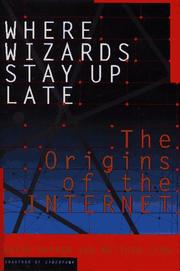
Where Wizards Stay Up Late
How Licklider and Pentagon-funded engineers built the network behind the internet.
ARPA computing research, the funding culture PARC was staffed from.
Summary
The reference has not verified this book in detail; the summary states only what the title, author and subject establish.
Hafner and Lyon tell the story of the people who created the internet, which they call the most far-reaching communications advance since the telephone. Twenty-five years before they wrote, it did not exist; when they wrote, twenty million people worldwide were using it.
In the 1960s, when most people saw computers as giant calculators, J. C. R. Licklider at MIT saw them as the ultimate communication devices. With Defense Department funds, he and a group of computer scientists began work on a nationwide network of linked computers. The authors go behind the scenes to record the hard work, talent and lucky accidents that made the project succeed.
Key takeaways 4
- The internet began as a Defense Department research project in the 1960s.
- Licklider saw computers as communication devices when others saw only calculators.
- A small group of researchers built the first nationwide network of linked computers.
- Luck as well as skill shaped the network's success.
Who should read it
Readers who want the origins of the internet and the ARPA research culture behind it.
Who recommended it 3 · 1 direct
Similar books 6
Chosen by shared topics, the entries that hold them, and the people who recommended both.
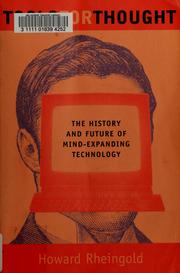
The idea of personal computing and the people who pursued it, up to PARC.
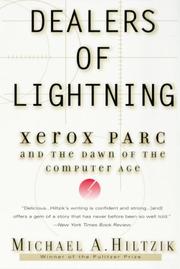
How Xerox PARC built the first personal computer and laser printer, and lost them.
Recommended by: Austen Allred, Patrick Collison, Sam Altman
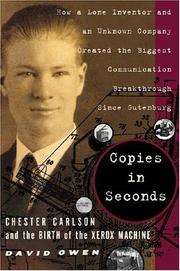
How Chester Carlson invented xerography and how it became the Xerox 914 copier.
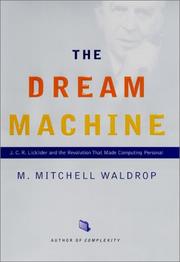
J.C.R. Licklider's vision of computers that serve individuals, and how it came true.
Recommended by: Patrick Collison, Marc Andreessen
A history of the second decade of Xerox's Palo Alto Research Center.
Recommended by: Patrick Collison
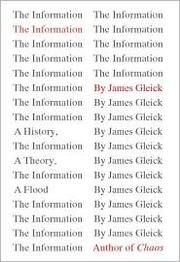
A history of information, from African talking drums to the theory that measures it.
Recommended by: Patrick Collison, Marc Andreessen and 2 others