Science, Technology and Medicine
Holds histories of scientific discovery, mathematics, invention, computing, aviation, space flight, epidemics and medicine.
Start here
- The Path Between the SeasDavid McCullough, 1977
- Networks of PowerThomas P. Hughes, 1983
- The Making of the Atomic BombRichard Rhodes, 1986
- Dealers of LightningMichael A. Hiltzik, 1999
- Creating the Twentieth CenturyVaclav Smil, 2004
The building of the Panama Canal, from France's failed attempt to US completion.
“I read this to prepare for a family vacation to Panama. It's pure McCullough: epic drama, political intrigue, heartbreaking defeats, and eventual triumph.” — Bill Gates
Recommended by: Mohnish Pabrai, Bill Gates, Marc Andreessen
Electrification in the US, Britain and Germany, 1880 to 1930, as a technical system.
How the bomb was built, from the discovery of atomic energy to Hiroshima.
Recommended by: Jim Collins, Chris Dixon, Elon Musk and 2 others
How Xerox PARC built the first personal computer and laser printer, and lost them.
Recommended by: Austen Allred, Patrick Collison, Sam Altman
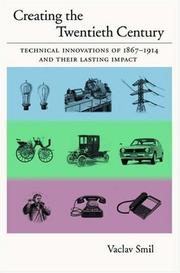
How inventions of 1867 to 1914, from electricity to cars, made the modern world.
“My favorite Smil book, Creating the Twentieth Century (and its companion, Transforming the Twentieth Century) chronicles the inventions of the last 150 years.” — Bill Gates
Source: Vaclav Smil on how energy makes life possible — Gates Notes
Recommended by: Bill Gates, Mohnish Pabrai, Li Lu
A biography of cancer, by a physician and oncologist.
“I loved Mukherjee's 2015 TED Talk and his brilliant book about cancer, The Emperor of All Maladies, which won the Pulitzer Prize in 2011.” — Bill Gates
Source: My thoughts on 'The Gene: An Intimate History' — Gates Notes
Recommended by: Bill Gates, Andrew Chen, Laura R Walker and 1 other
The gene from Mendel and Darwin to genome editing, beside a family's mental illness.
Recommended by: Bill Gates, Daniel Petre, James Cameron and 1 other
How the Copernican revolution unfolded, as a turning point in scientific thought.
“Kuhn, The Copernican Revolution” — Paul Graham
Source: Rarely-Asked Questions — paulgraham.com
Recommended by: Patrick Collison, Paul Graham
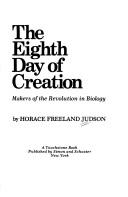
The history of molecular biology from the 1930s to the 1970s, told by its makers.
Recommended by: Naval Ravikant
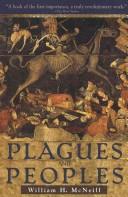
How plague, cholera, malaria and smallpox shaped history.
Recommended by: Patrick Collison, Paul Graham
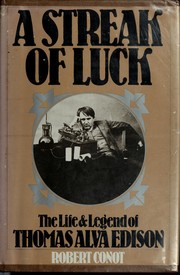
Edison's life drawn from his papers, unsparing about his finances.
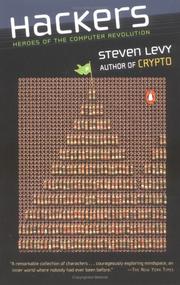
Three generations of hackers, from MIT's AI Lab to the Homebrew club and game makers.
Recommended by: Austen Allred, Ev Williams, Marc Andreessen and 3 others
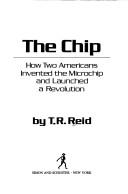
How Kilby and Noyce each invented the integrated circuit in 1958 and 1959.
Recommended by: Patrick Collison
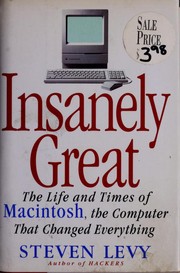
How the Macintosh was made and launched in 1984.
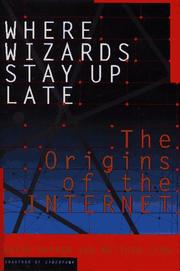
How Licklider and Pentagon-funded engineers built the network behind the internet.
Recommended by: Patrick Collison, Chris Dixon and 1 other
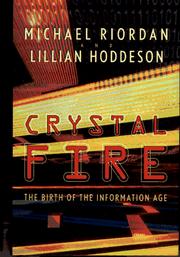
How the Bell Labs team of Shockley, Bardeen and Brattain invented the transistor.
Recommended by: Patrick Collison
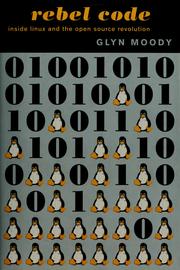
The history of Linux, open-source software and the businesses built around it.
Every US information industry moved from an open era to control by one firm.
Recommended by: David Perell, Patrick Collison, Andrew Chen
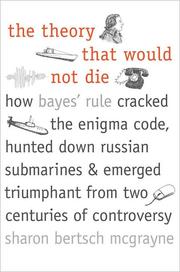
The history of Bayes' rule and the long fight over it.
“To read more about the controversy, see Sharon Bertsch McGrayne, The Theory That Would Not Die: How Bayes’ Rule Cracked the Enigma Code, Hunted Down Russian Submarines, and Emerged Triumphant from Two Centuries of Controversy (New Haven, CT: Yale University Press, 2011).” — Michael Mauboussin
Source: Cultivating Your Judgment Skills: A Framework for Improving the Quality of Decisions, page 13
Recommended by: Michael Mauboussin
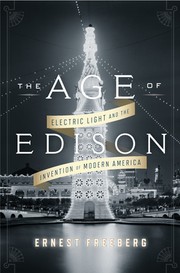
How Edison's electric light changed American life and marked a new age.
Recommended by: Alfred Lin, Patrick Collison
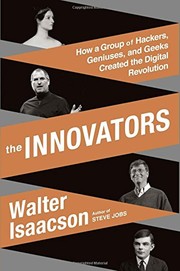
Computing as a run of collaborations, from Ada Lovelace and Babbage to Google.
Recommended by: Mohnish Pabrai, Patrick Collison, Bill Gates and 3 others
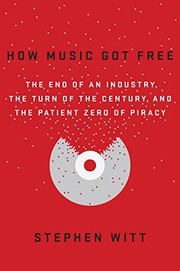
How the mp3, a CD-factory leaker and pirate websites broke the music business.
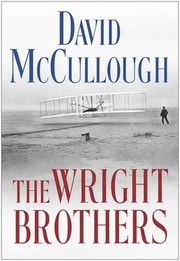
From a Dayton bicycle shop to the first powered flights and the 1908 demonstrations.
Recommended by: Ali Abdaal, Austen Allred, Mohnish Pabrai and 3 others
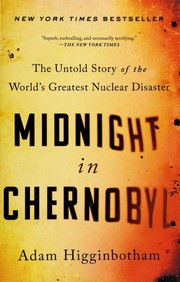
The 1986 Chernobyl disaster, and the secrecy and myth that hid what happened.
Recommended by: Casey Neistat
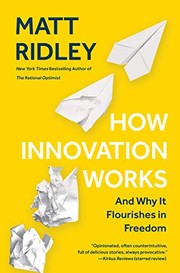
Innovation is gradual, collective and bottom-up, not the work of lone inventors.
“Matt Ridley, How Innovation Works: And Why It Flourishes in Freedom (New York: Harper, 2020)” — Michael Mauboussin
Source: Increasing Returns: Identifying Forms of Increasing Returns and What Drives Them, page 17
Recommended by: Balaji S. Srinivasan, Michael Mauboussin and 1 other
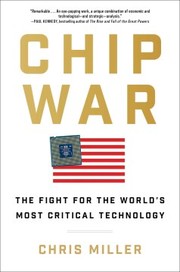
How chips became the key to economic and military power, made in a few chokepoints.
Recommended by: Andrew Wilkinson
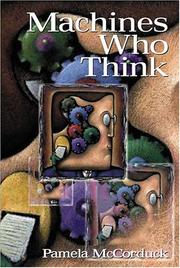
The founding of AI research, from interviews with McCarthy, Minsky and others.
How Rockefeller philanthropy reshaped American medicine.
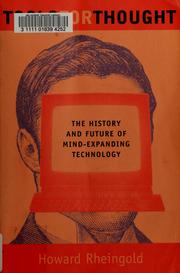
The idea of personal computing and the people who pursued it, up to PARC.
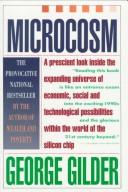
Portraits of the scientists, engineers and founders behind new technology.
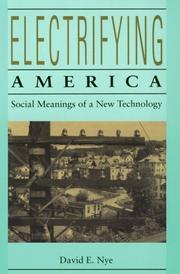
How electricity spread through everyday American life and commerce.
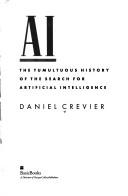
AI research from Dartmouth in 1956 to the funding cuts, told by the field's leaders.
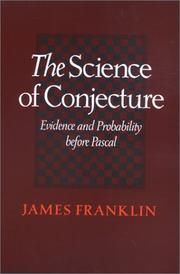
How judges, juries and scientists weighed evidence before formal statistics.
Recommended by: Nassim Nicholas Taleb
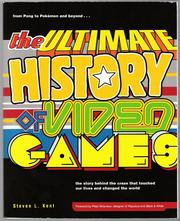
Video games from their pre-electronic origins to the industry of 2001.
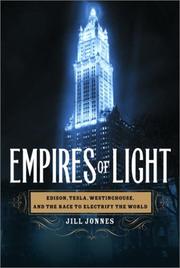
Edison, Westinghouse and Tesla, and the fight to electrify the United States.
“I mean, the airplane, the car, the photograph, the light bulb, for God's sake, this amazing book called Empires of Light.” — Chris Dixon
Recommended by: Chris Dixon
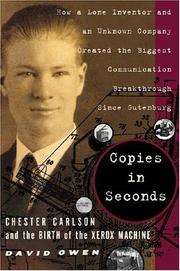
How Chester Carlson invented xerography and how it became the Xerox 914 copier.
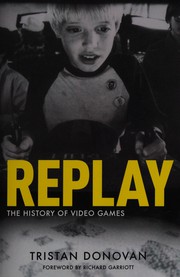
Video games from Atari and cartridge consoles to Nintendo and the global industry.
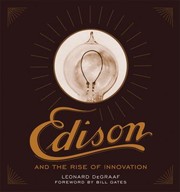
Edison's laboratory as a business, with pictures from his archive.

Nuclear accidents, what went wrong in each, and what each taught about the atom.
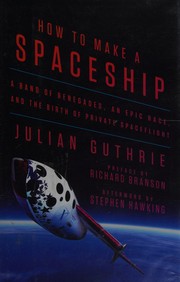
The Ansari X Prize and the start of commercial human spaceflight.
An oral history of Silicon Valley from Apple and Atari to Google and Facebook.
A history of the machine and a critical study of its effects on civilization.
Recommended by: Patrick Collison
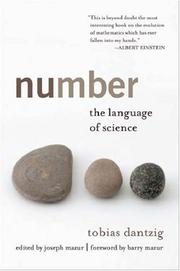
How the concept of number evolved from prehistoric times to the twentieth century.
Recommended by: Bryan Johnson
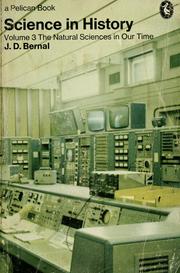
The relationship between science and society, from the flint axe to the H-bomb.
Recommended by: Patrick Collison
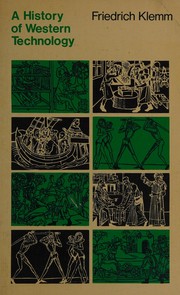
A history of Western technology and its place in civilisation.
Recommended by: Nick Szabo
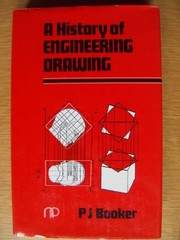
A history of mechanical and engineering drawing.
Recommended by: Patrick Collison
Cosmology from the Babylonians to Newton, and how science and religion split.
Recommended by: Stewart Brand
Nineteenth-century cases of technological change and how society reacted to it.
Recommended by: Patrick Collison, Marc Andreessen
A history of clocks and clockmaking and their place in culture.
Recommended by: Paul Graham

A non-technical story of the people and companies who built the first atomic bomb.
Recommended by: Patrick Collison
The first American astronauts, their courage and their inner lives.
Recommended by: Jim Collins, Patrick Collison and 4 others
The design and building of the Concorde airliner.
Recommended by: Paul Graham
How printing transformed communication and culture in early modern Europe.
Recommended by: Patrick Collison

Recommended by: Patrick Collison
An abridged survey of the fifteenth-century communications revolution of print.
Recommended by: Nick Szabo
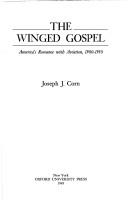
How Americans from Kitty Hawk to the Second World War invested great hope in flight.
Recommended by: Patrick Collison
The coming of the machine age in Britain, 1660 to 1886, through eyewitness writings.
Recommended by: Sam Altman
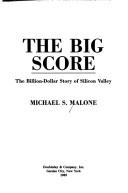
The birth of Silicon Valley, from Hewlett-Packard on, reported as it happened.
Recommended by: Patrick Collison
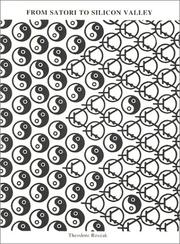
San Francisco's counterculture and its links to Silicon Valley.
Recommended by: Patrick Collison
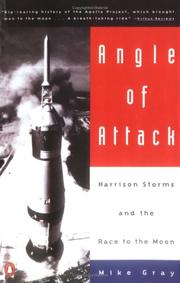
Harrison Storms, an aerospace engineer, and the building of Apollo for the moon race.
Recommended by: Patrick Collison
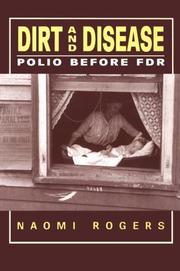
How polio and ideas of dirt shaped American public health.
Recommended by: Bill Gates
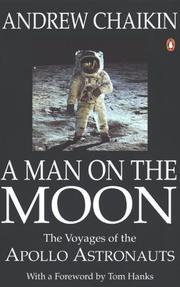
The Apollo astronauts and their voyages to the Moon.
“Walking on the moon is probably the coolest thing humans have ever done.” — Morgan Housel
Source: A Few Good Books · Collaborative Fund
Recommended by: Morgan Housel
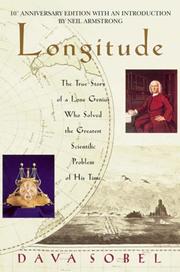
How a clockmaker solved the longitude problem, the hardest science of his day.
Recommended by: Jim Collins, Patrick Collison and 1 other
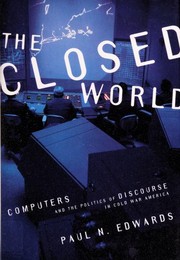
Computers as tools, metaphors and political icons in Cold War America.
Recommended by: Patrick Collison
How Western Europe moved from qualitative to quantitative thinking.
Recommended by: Nick Szabo
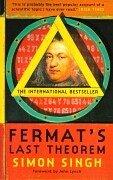
The centuries-long search for a proof of Fermat's Last Theorem.
“And then some blast from the past if you're interested, there's a great book called "Fermat's Enigma" by this guy Simon Singh, which is talking about, you know, Fermat has this theorem, which is X to the N plus Y to the N equal Z to the N.” — Chamath Palihapitiya
Source: Transcript: Chamath Palihapitiya
Recommended by: Chamath Palihapitiya, Mohnish Pabrai
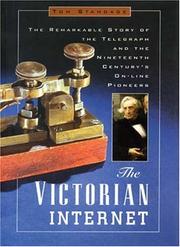
The invention of the telegraph and the eccentrics who pioneered it.
Recommended by: Andrew Chen
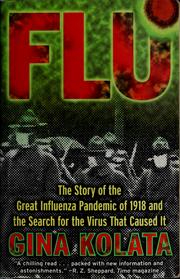
The influenza epidemic that killed an estimated forty million people.
Recommended by: Balaji S. Srinivasan
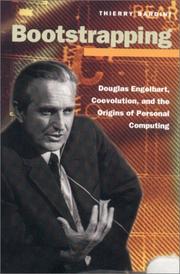
Douglas Engelbart and the origins of personal computing and its interfaces.
Recommended by: Patrick Collison
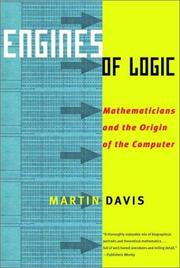
The mathematicians whose logic led to the computer.
Recommended by: Patrick Collison
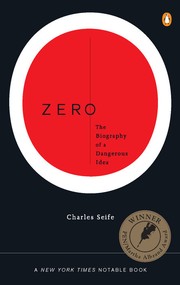
The history of zero, from the Babylonians to its threat to modern physics.
Recommended by: Matt Mullenweg, Bryan Johnson
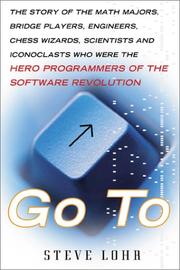
The history of software and the programmers who wrote it.
Recommended by: Patrick Collison, Keith Rabois
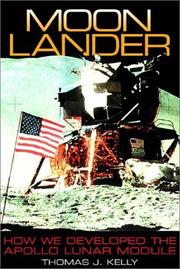
The chief engineer on designing, building, testing and flying the lunar module.
Recommended by: Patrick Collison
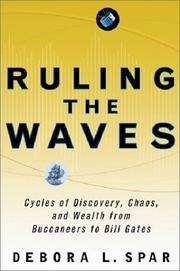
What happens when technology moves faster than governments can write rules.
Recommended by: Mohnish Pabrai
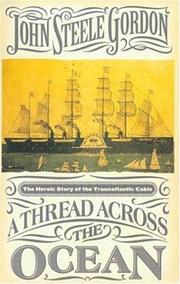
The history of laying the first telegraph cable across the Atlantic.
Recommended by: Paul Graham
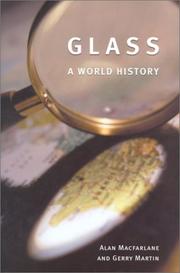
How glass changed how people see themselves and the world.
Recommended by: Nick Szabo
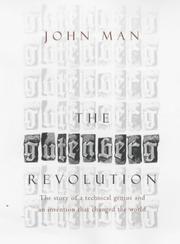
How Gutenberg's printing press changed science, literature and the shape of nations.
Recommended by: Antonio García Martínez
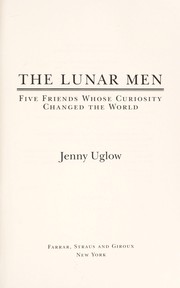
Boulton, Watt, Wedgwood, Erasmus Darwin and the Midlands friends who experimented.
Recommended by: Mohnish Pabrai, Patrick Collison
Britain's wartime mission to share its military secrets with American scientists.
Recommended by: Patrick Collison
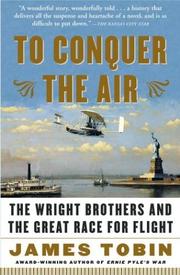
The history of the race to fly and the Wright brothers' Flyer.
“This man was Wilbur Wright, whose aeronautical accomplishments are recounted in To Conquer the Air, by James Tobin.” — Seth Klarman
Source: MIT Remarks, October 20, 2007 (MIT Sloan Investment Management Conference speech), page 8
Recommended by: Seth Klarman, Paul Graham
The history of flight and its pioneers, from kites to the space age.
Recommended by: Patrick Collison
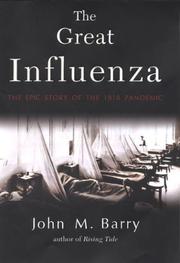
The 1918 flu: how it spread from a Kansas army camp and killed up to 100 million.
Recommended by: Bill Gates, Balaji S. Srinivasan
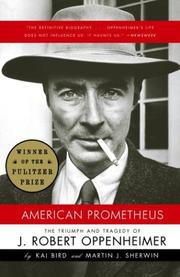
The life of J. Robert Oppenheimer, who directed the Manhattan Project.
Recommended by: Marc Andreessen, Patrick Collison
How decades of Bay Area electronics innovation built Silicon Valley.
Recommended by: Patrick Collison
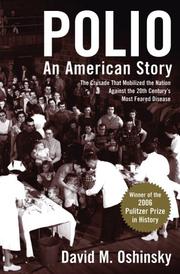
The American fear of polio and the race for a cure, from the March of Dimes to Salk.
Recommended by: Bill Gates
How the counterculture shaped the people who built the first personal computers.
“I would also recommend John Markoff's book with this really trippy title called What the Dormouse Said.” — Kevin Kelly
Source: The Tim Ferriss Show Transcripts: Kevin Kelly – AI, Virtual Reality, and The Inevitable (#164)
Recommended by: Kevin Kelly, Patrick Collison, Bret Victor
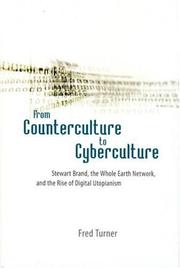
How computers went from tools of the Cold War to symbols of the counterculture.
Recommended by: Patrick Collison
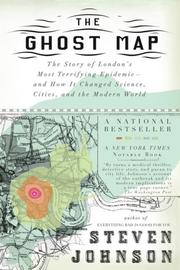
The cholera outbreak in Victorian London and how John Snow found its cause.
Recommended by: Mohnish Pabrai
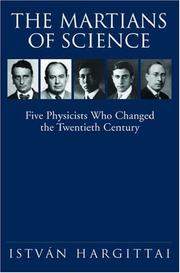
Five Hungarian-born scientists, von Neumann and Teller among them, and their century.
Recommended by: Mohnish Pabrai
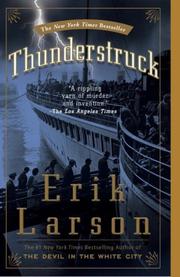
A murderer, Hawley Crippen, and the inventor of wireless, Guglielmo Marconi.
Recommended by: Sahil Bloom
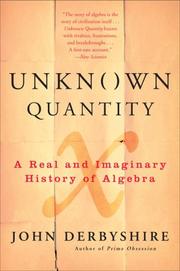
The story of algebra and the people behind its formulae, roots and radicals.
Recommended by: Patrick Collison

How malaria became a disease of poor tropical regions.
Recommended by: Bill Gates
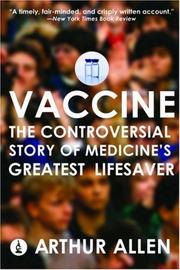
The hopeful and controversial history of vaccination, from Jenner on.
Recommended by: Bill Gates
Biographies of the first pilots of 100 countries and their attempts to fly.
Recommended by: Patrick Collison
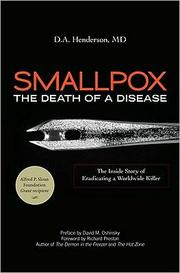
The head of the WHO campaign that eradicated smallpox tells how it was done.
Recommended by: Bill Gates
The late eighteenth-century discoveries that began the Romantic age of science.
Recommended by: Ed Cooke, Patrick Collison, Tyler Cowen
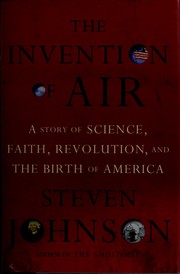
Joseph Priestley's science, religion and politics, and his ties to the Founders.
Recommended by: Andrew Wilkinson
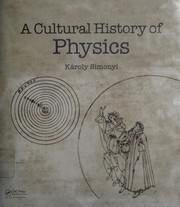
A history of physics set in its cultural context.
Recommended by: Naval Ravikant
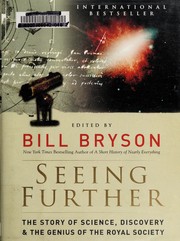
Essays by scientists and writers marking 350 years of the Royal Society.
Recommended by: Mohnish Pabrai
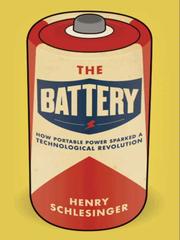
A popular history of the battery, from a twitching frog's leg to modern devices.
Recommended by: Mohnish Pabrai

The people and work of DARPA, from the Internet and GPS to driverless cars.
Recommended by: Patrick Collison
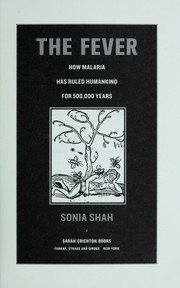
The centuries-long fight to treat and prevent malaria, which still infects millions.
Recommended by: Bill Gates
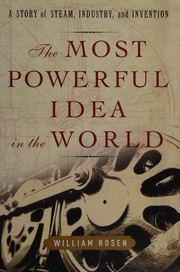
The men behind the steam engine, the machine that drove the Industrial Revolution.
Recommended by: Bill Gates, Mohnish Pabrai, Nick Szabo

A history of campaigns to eradicate diseases such as malaria.
Recommended by: Bill Gates
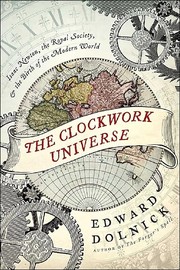
The Royal Society scientists who pictured a universe that ran like a machine.
Recommended by: Sophie Bakalar
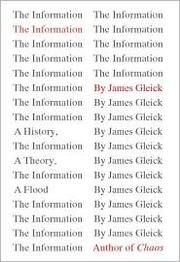
A history of information, from African talking drums to the theory that measures it.
Recommended by: Patrick Collison, Marc Andreessen and 2 others
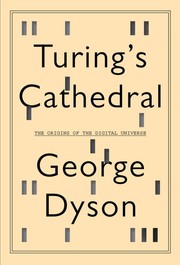
The experiments and mathematical insight that produced the first computers.
Recommended by: Stewart Brand
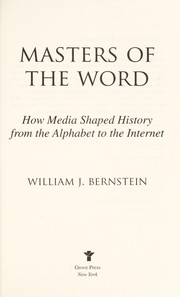
How each new technology of communication, from writing on, changed who held power.
Recommended by: David Perell, Nick Szabo
The history of hypertext, from interviews with its pioneers.
Recommended by: Patrick Collison
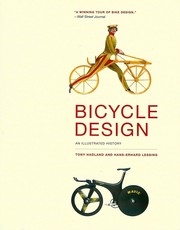
An illustrated history of bicycle design and its parts over two centuries.
Recommended by: Patrick Collison
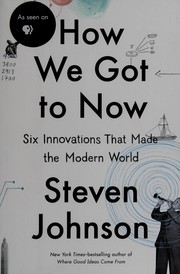
Six innovations, from refrigeration to clocks and lenses, that made modern life.
“I really enjoyed Steven Johnson's How We Got To Now. I read a lot of history and science books, but this book stood out because 1) the anecdotes were entertaining and relevant, and 2) it got the process of innovation right.” — Chris Dixon
Source: How We Got To Now — cdixon
Recommended by: Chris Dixon, Mohnish Pabrai
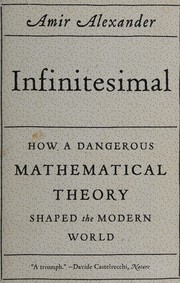
The fight over infinitely small quantities that shook the old order in Europe.
Recommended by: Sophie Bakalar
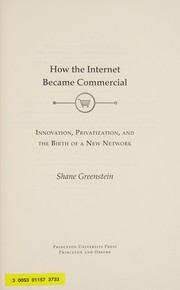
How the internet went from university and military networks to commerce.
Recommended by: Patrick Collison
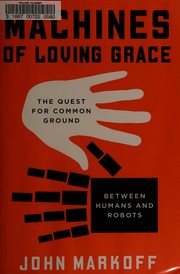
Whether robots and intelligent machines will replace people or work with them.
“And now, that has been played out, and John Markoff came out with his good book a year or two ago called Machines of Loving Grace, which basically spells out the ongoing debate between artificial intelligence and intelligence augmentation - I.A. and A.I.” — Stewart Brand
Source: The Tim Ferriss Show Transcripts: Stewart Brand (#281)
Recommended by: Stewart Brand
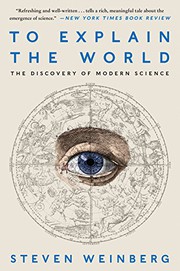
The history of science from ancient Miletus to the discovery of modern science.
Recommended by: Paul Graham
What really happened in the Chernobyl reactor disaster and the fight to contain it.
Recommended by: Brad Feld
Why the Soviet Union's attempts to build a national computer network failed.
Recommended by: Patrick Collison
The map artworks British Airways used for nearly 100 years to promote its services.
Recommended by: Patrick Collison
The 1918 Spanish flu, which killed 50 to 100 million, through history and science.
Recommended by: Balaji S. Srinivasan
What reality is made of, told through the story of light and the laws of physics.
Recommended by: Eric Weinstein
How the American power grid was interconnected and who controls it.
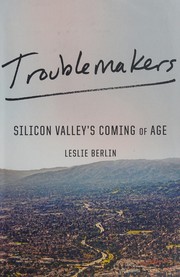
Seven pioneers of the Silicon Valley generation that started five industries.
Recommended by: Keith Rabois, Vinod Khosla, Aileen Lee and 1 other
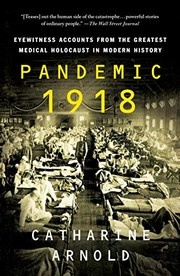
A global history of the Spanish flu, which struck as the First World War went on.
Recommended by: Balaji S. Srinivasan, Guy Spier
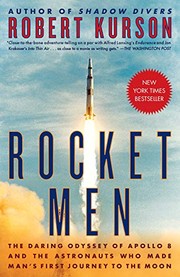
Apollo 8, the first crewed flight to reach the Moon and return.
Recommended by: Keith Rabois, Morgan Housel
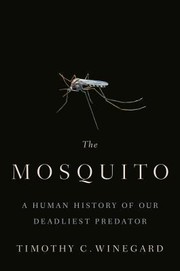
How the mosquito has shaped human history more than any other force.
Recommended by: Bill Gates
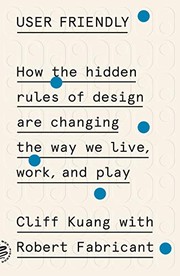
How user-experience design came to rule the way machines serve people.
Recommended by: Austen Allred, Jordan Hughes
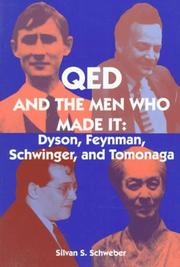
How Dyson, Feynman, Schwinger and Tomonaga built quantum electrodynamics.
Recommended by: Eric Weinstein
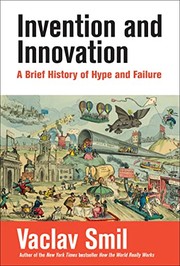
A history of human invention, and a corrective to the hype around innovation.
Recommended by: Bill Gates
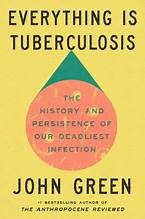
The history of tuberculosis and why it still kills the poor.
Recommended by: Bill Gates
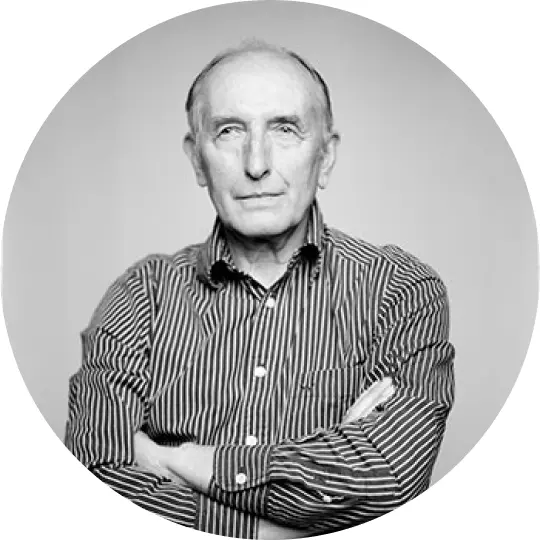 Vaclav Smilwrote 2 books here
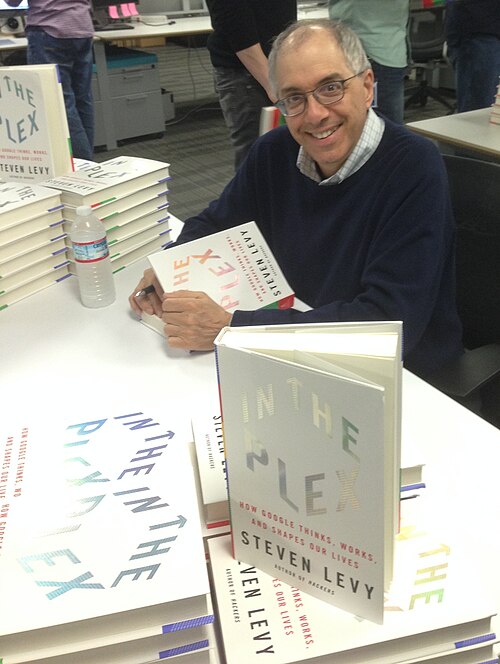 Steven Levywrote 2 books here
 Matt Ridleywrote 1 book here
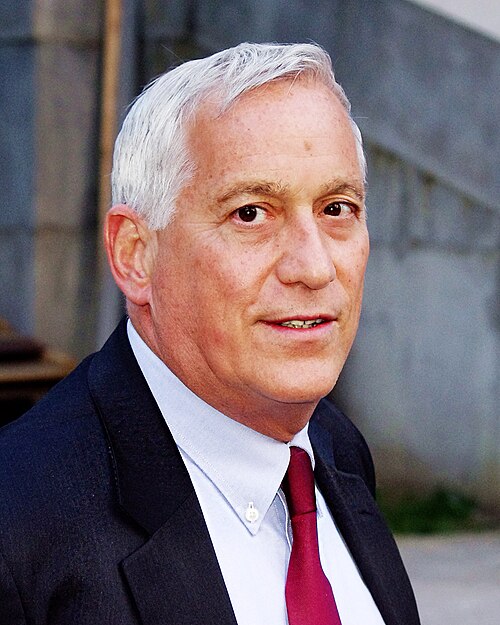 Walter Isaacsonwrote 1 book here
 Adam Fisherwrote 1 book here
 Paul Jarviswrote 1 book here
 Patrick Collisonrecommends 47 books here
 Bill Gatesrecommends 17 books here
 Mohnish Pabrairecommends 13 books here
 Marc Andreessenrecommends 8 books here
 Paul Grahamrecommends 8 books here
 Balaji S. Srinivasanrecommends 5 books here
 Stewart Brandrecommends 5 books here
 Chris Dixonrecommends 4 books here
 Jim Collinsrecommends 3 books here
 Morgan Houselrecommends 3 books here
Show all 55
 Andrew Chenrecommends 3 books here
 Eric Weinsteinrecommends 3 books here
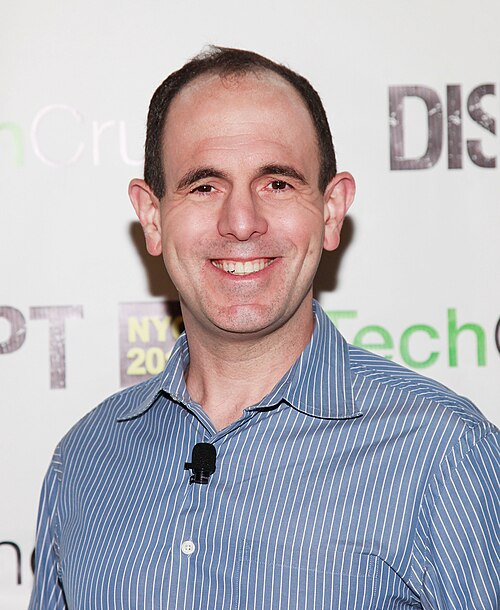 Keith Raboisrecommends 3 books here
 Naval Ravikantrecommends 3 books here
 Sam Altmanrecommends 3 books here
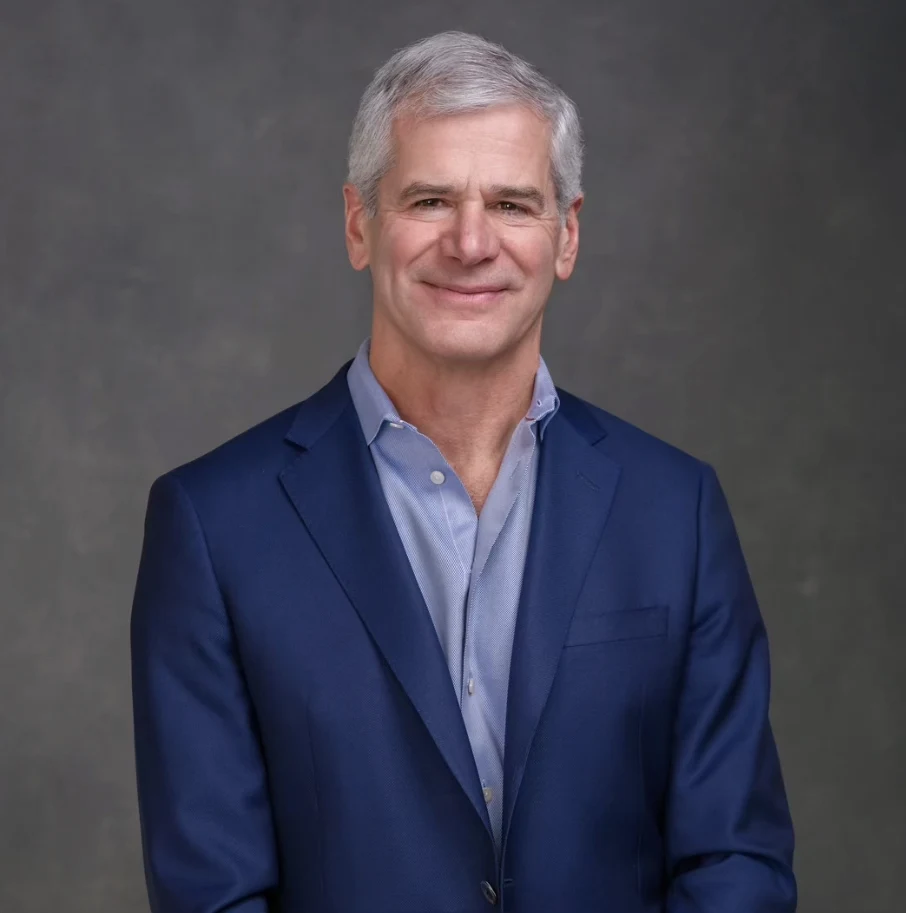 Michael Mauboussinrecommends 2 books here
 Bryan Johnsonrecommends 2 books here
 Elon Muskrecommends 2 books here
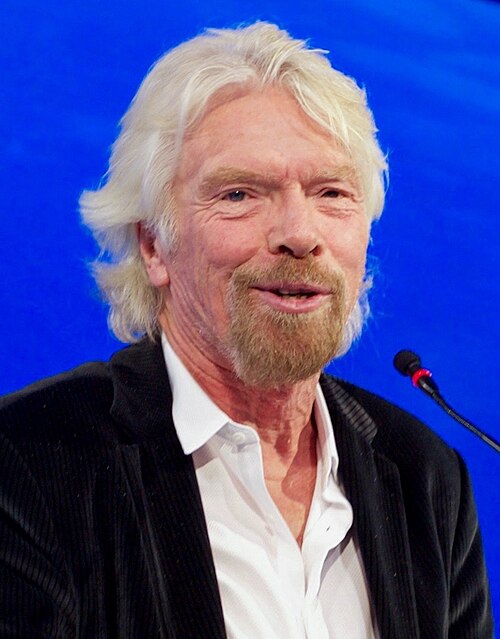 Richard Bransonrecommends 2 books here
 Nassim Nicholas Talebrecommends 1 book here
 Peter Thielrecommends 1 book here
 Brad Feldrecommends 1 book here
 Kevin Kellyrecommends 1 book here
 Reid Hoffmanrecommends 1 book here
 Seth Klarmanrecommends 1 book here
 Tyler Cowenrecommends 1 book here
 Guy Spierrecommends 1 book here
 Aileen Leerecommends 1 book here
 Alfred Linrecommends 1 book here
 Antonio García Martínezrecommends 1 book here
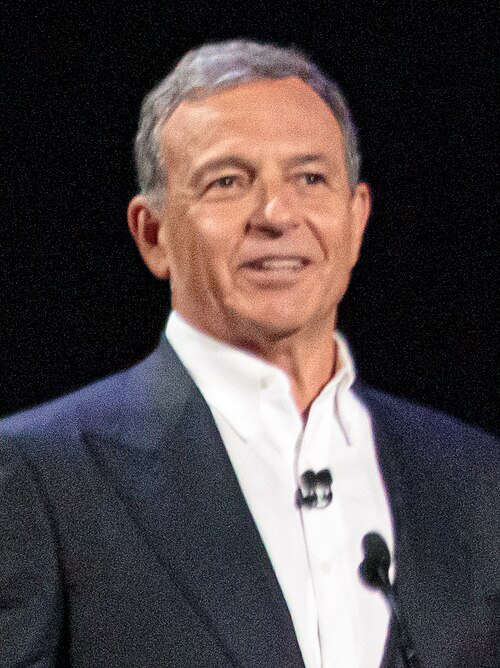 Bob Igerrecommends 1 book here
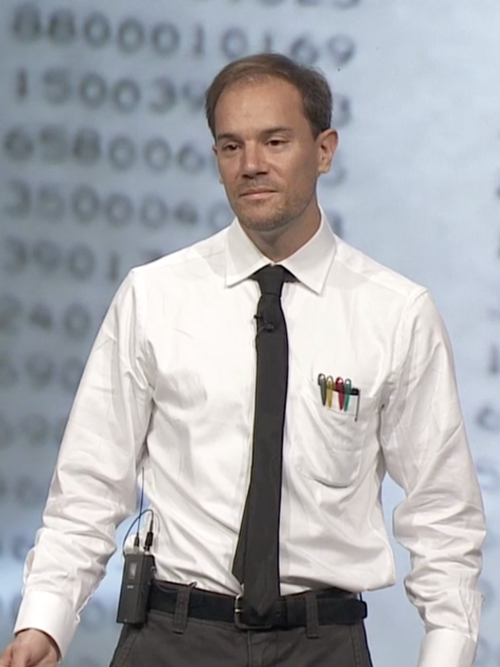 Bret Victorrecommends 1 book here
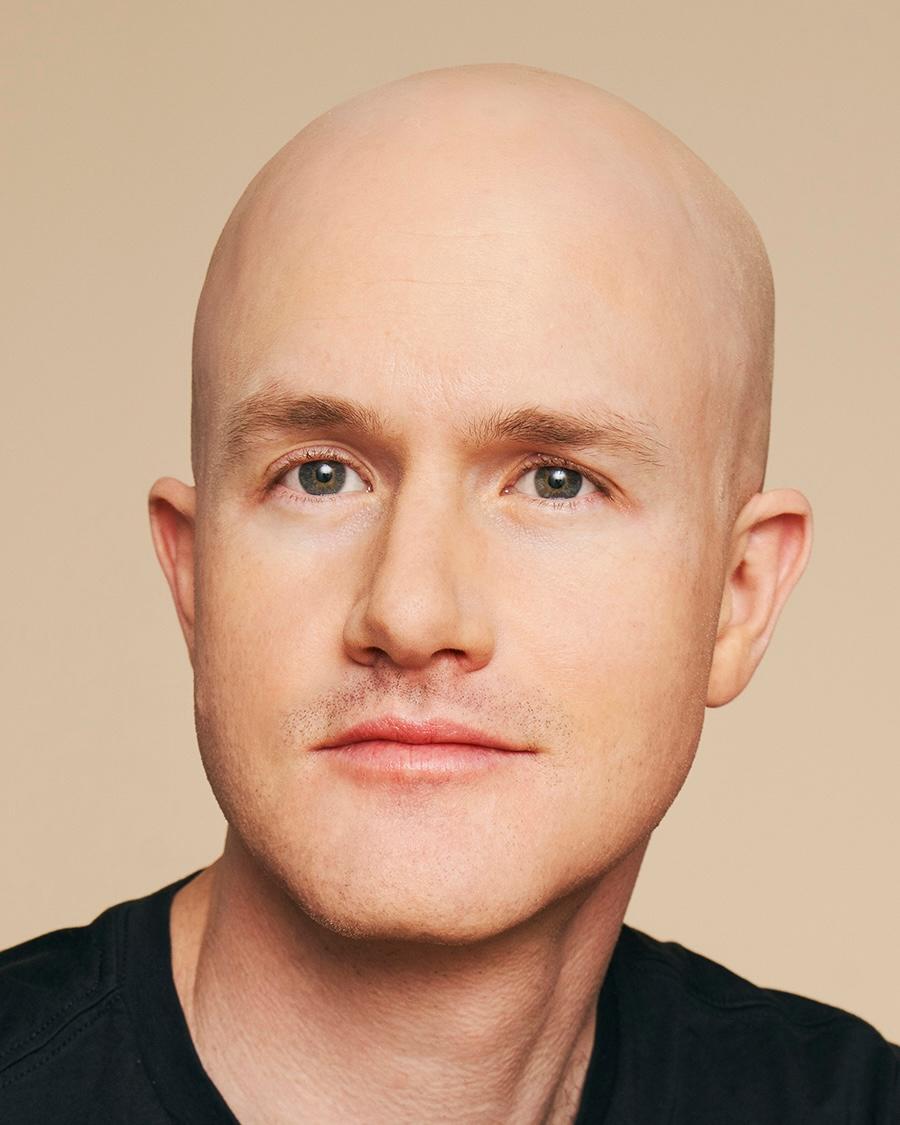 Brian Armstrongrecommends 1 book here
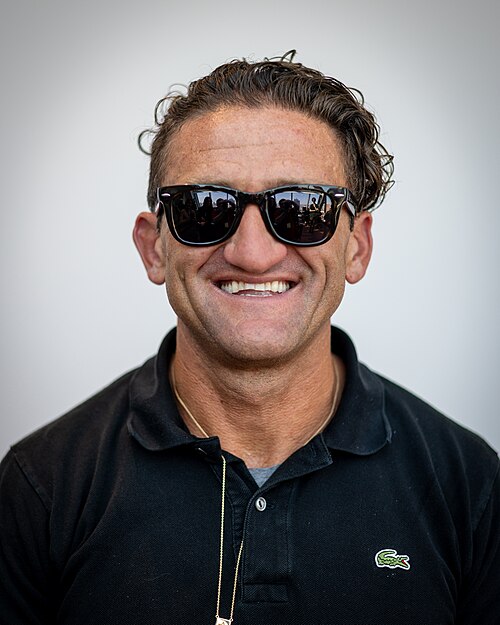 Casey Neistatrecommends 1 book here
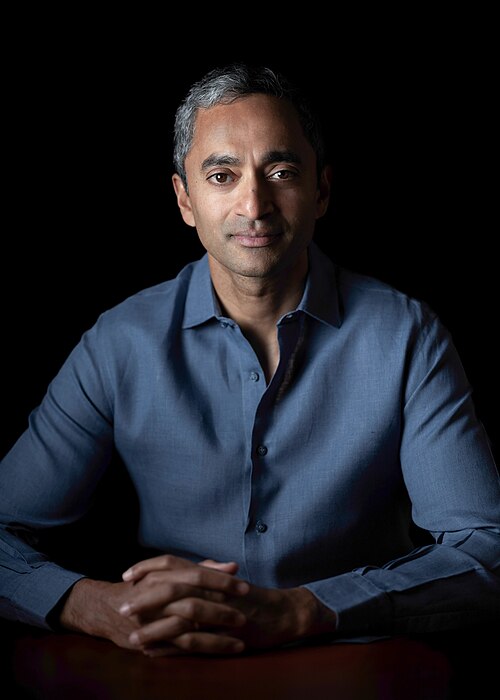 Chamath Palihapitiyarecommends 1 book here
 Chris Fussellrecommends 1 book here
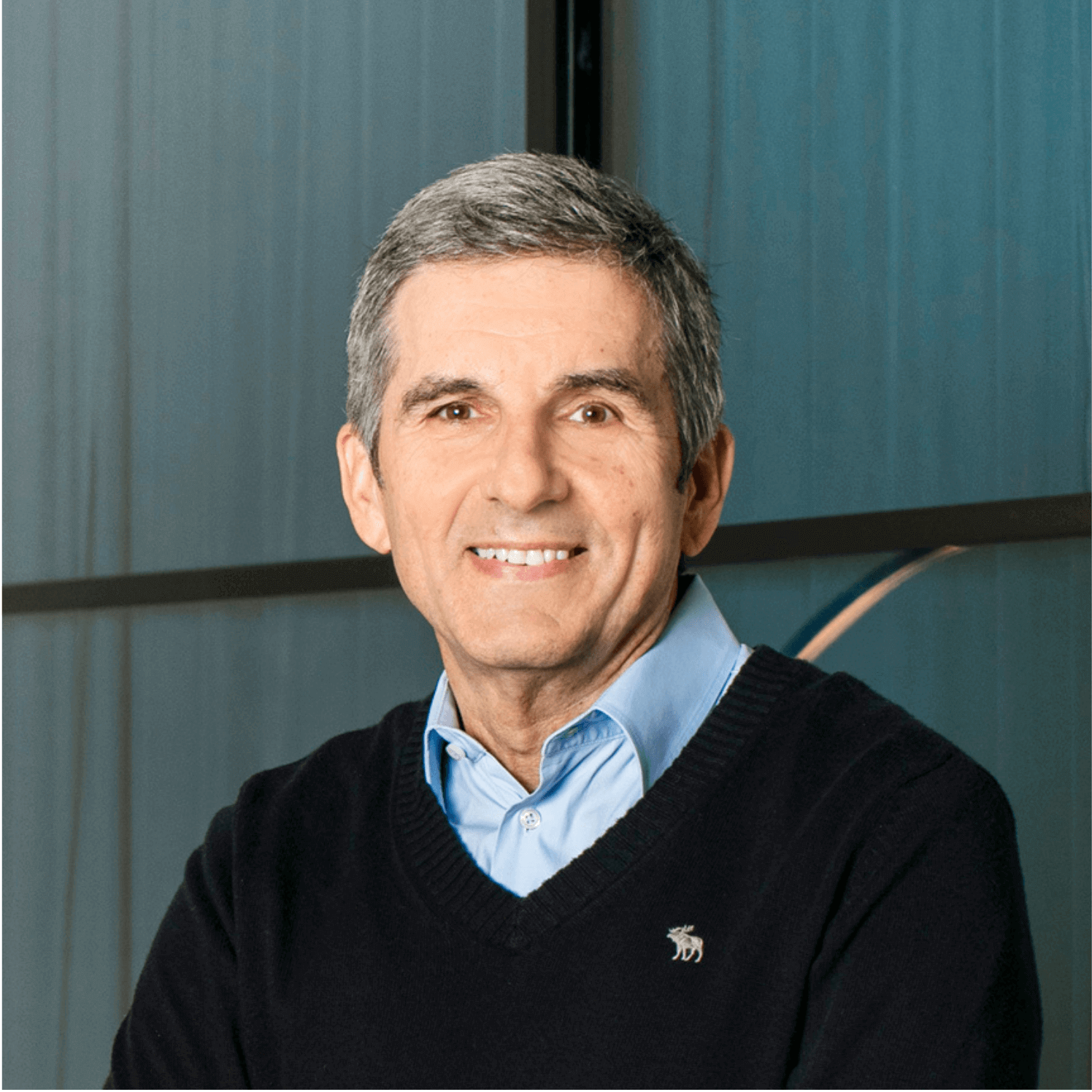 Daniel Petrerecommends 1 book here
 Ed Cookerecommends 1 book here
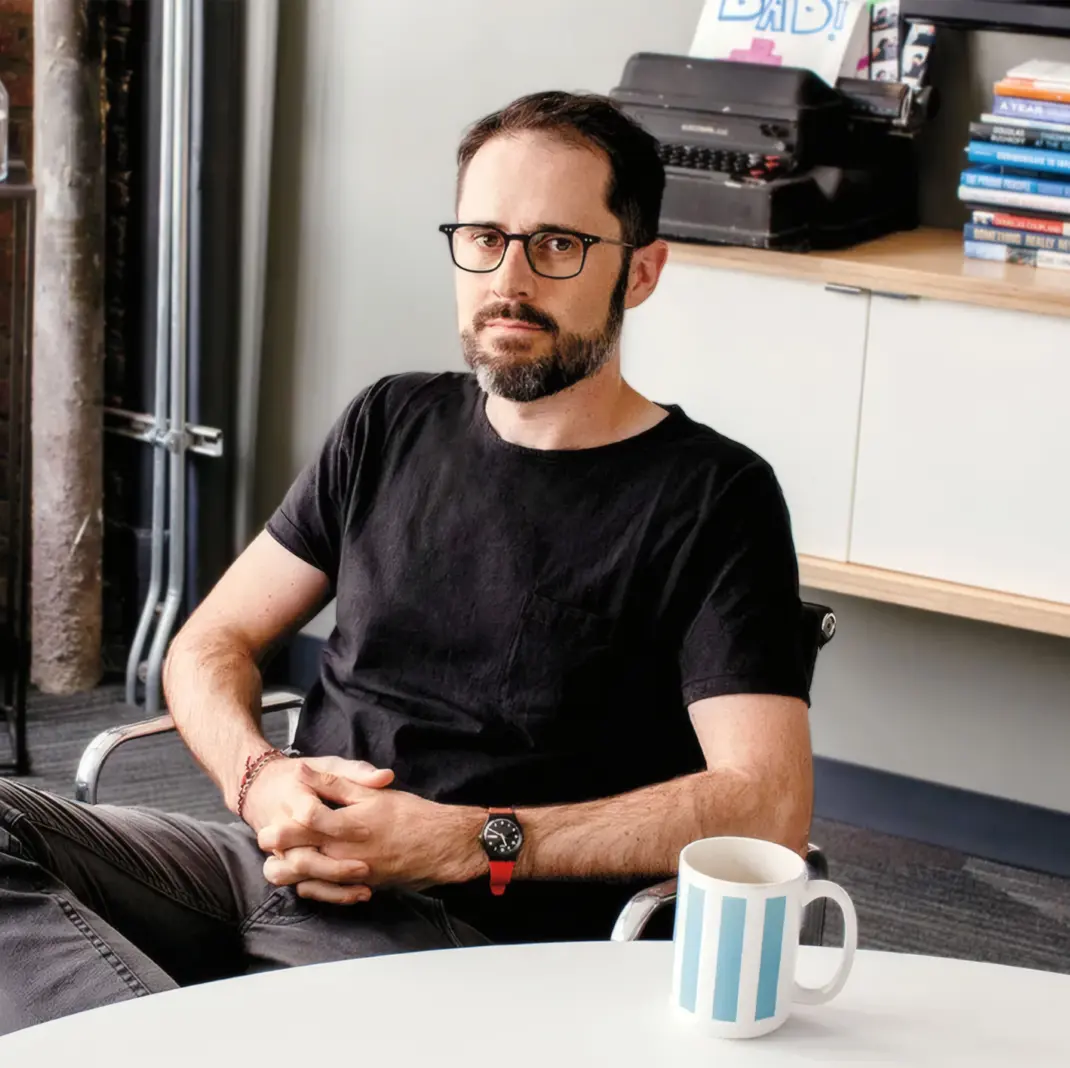 Ev Williamsrecommends 1 book here
 James Cameronrecommends 1 book here
 Jordan Hughesrecommends 1 book here
 Laura R Walkerrecommends 1 book here
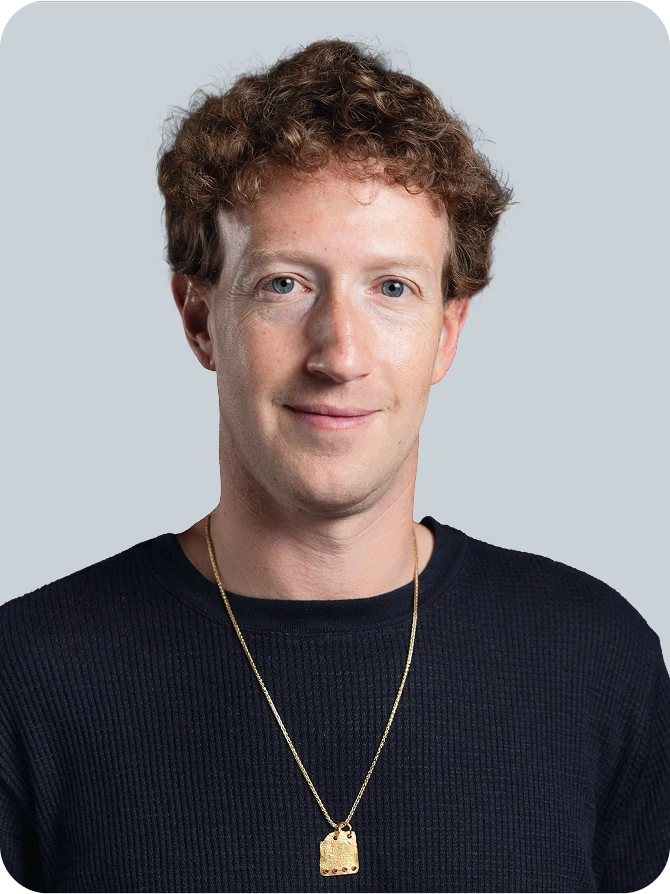 Mark Zuckerbergrecommends 1 book here
 Matt Mullenwegrecommends 1 book here
 Peter Attiarecommends 1 book here
 Vinod Khoslarecommends 1 book here