History and philosophy of science
Histories of discovery, lives of scientists, essays and anthologies by scientists, and books on scientific method and its limits.
Start here
- The Logic of Scientific DiscoveryKarl Popper, 1959
- The Structure of Scientific RevolutionsThomas S. Kuhn, 1962
- Conjectures and RefutationsKarl Popper, 1963
- The Double HelixJames D. Watson, 1968
- The Making of the Atomic BombRichard Rhodes, 1986
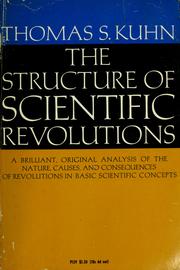
Science moves through long stretches of normal work broken by paradigm shifts.
“Thomas Kuhn laid out the best-known framework for this analysis in his seminal book,The Structure of Scientific Revolutions (1962).” — Michael Mauboussin
Source: Shift Happens: On a New Paradigm of the Markets as a Complex Adaptive System, page 2
Recommended by: Jim Collins, Michael Mauboussin, Nat Eliason and 8 others
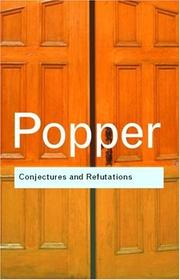
Knowledge grows by bold guesses that we then try to refute, not by proof.
Recommended by: Patrick Collison
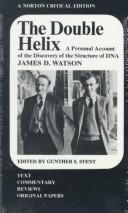
A first-hand account of the race against Linus Pauling to find DNA's structure.
“The most vivid example of fierce nerds in action may be James Watson's The Double Helix.” — Paul Graham
Source: Fierce Nerds
Recommended by: Paul Graham, Patrick Collison, Peter Attia
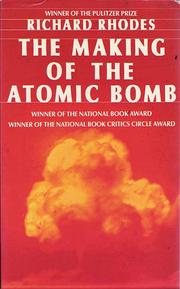
How the bomb was built, from the discovery of atomic energy to Hiroshima.
Recommended by: Jim Collins, Chris Dixon, Elon Musk and 2 others
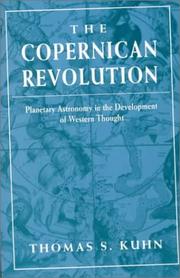
How the Copernican revolution unfolded, as a turning point in scientific thought.
“Kuhn, The Copernican Revolution” — Paul Graham
Source: Rarely-Asked Questions — paulgraham.com
Recommended by: Patrick Collison, Paul Graham
The history of molecular biology from the 1930s to the 1970s, told by its makers.
Recommended by: Naval Ravikant
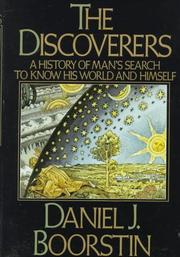
A history of discovery: time and the clock, the earth and seas, nature and society.
Recommended by: Jim Collins, Stewart Brand

A life across economics, psychology, organisations and artificial intelligence.
Recommended by: Charlie Munger, Mohnish Pabrai
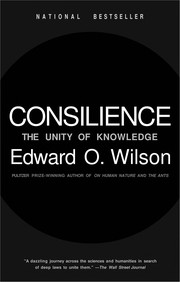
How the sciences and humanities can be unified by causal links from physics up.
“I was inspired by E. O. Wilson's book Consilience, which came out in 1998 and is a book I'd recommend.” — Michael Mauboussin
Source: MOI Global interview with Michael Mauboussin
Recommended by: Michael Mauboussin, Mohnish Pabrai
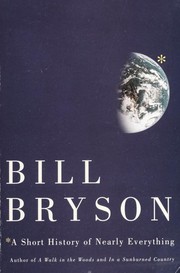
How scientists came to know what they know, from cosmology and geology to biology.
“Fun read of everything from the big bang to tectonic plates to the evolution of early man.” — Derek Sivers
Source: Derek Sivers book notes (primary, rated list) · Rating: 6/10
Recommended by: Balaji S. Srinivasan, Derek Sivers and 6 others
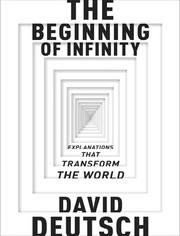
Knowledge can grow without limit through good explanations that are hard to vary.
“Favorites, I would say David Deutsch, "The Beginning of Infinity" is definitely one of my favorites.” — Albert Wenger
Source: Transcript: Albert Wenger
Recommended by: Albert Wenger, Derek Sivers and 9 others
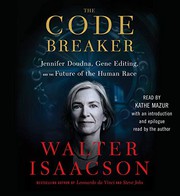
Jennifer Doudna, co-developer of CRISPR gene editing, and what followed it.
Recommended by: Bill Gates, Terrance McArthur
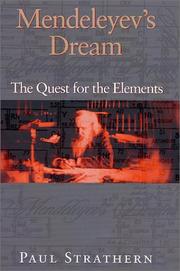
The long search for the periodic table of the elements.
Recommended by: Bill Gates
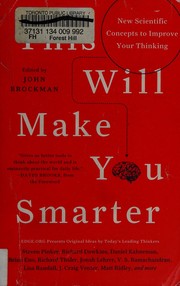
Short essays on the scientific concepts that would improve everyone's thinking.
Recommended by: Morgan Housel, Patrick Collison
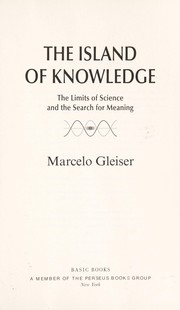
The limits of what science can know about the world.
Recommended by: Shane Parrish
When the simpler theory is the better one: the principle of parsimony tested.
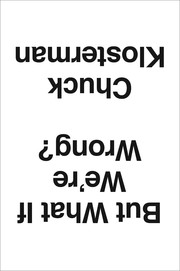
How today's certainties in culture and science may look once they are replaced.
“Hard to read and not emerge humbled.” — Marc Andreessen
Source: @pmarca, 'Thread: Books I've recently read and recommend'
Recommended by: Marc Andreessen, Brad Feld, Bryan Johnson and 1 other
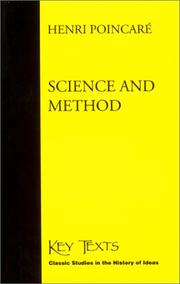
The method and psychology of scientific discovery, above all in mathematics.
Recommended by: Naval Ravikant
An early classic on what scientific thinking is and what it promises.
Recommended by: Jason Zweig, Mohnish Pabrai
A poem arguing that all is atoms and void, the soul dies, and religion breeds fear.
Recommended by: Stewart Brand
Essays, talks and letters from 1934 to 1950 on social, religious and school issues.
Recommended by: Eric Weinstein
The relationship between science and society, from the flint axe to the H-bomb.
Recommended by: Patrick Collison
Argues that scientific knowledge joins personal experience, moral judgement and data.
Recommended by: Charles Koch
A survey of the physical and biological sciences for general readers.
Recommended by: Patrick Collison
Cosmology from the Babylonians to Newton, and how science and religion split.
Recommended by: Stewart Brand

A non-technical story of the people and companies who built the first atomic bomb.
Recommended by: Patrick Collison
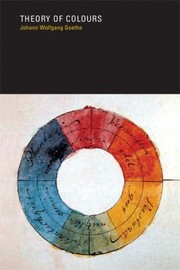
A poet's theory of colour as we perceive it, against the physics of light.
Recommended by: Ed Cooke
Lectures on the history of physics up to the end of the classical era.
“Bernal, The Extension of Man” — Paul Graham
Source: Rarely-Asked Questions — paulgraham.com
Recommended by: Paul Graham
How science developed, and the discoveries that set humans apart from other species.
Recommended by: Patrick Collison, Patrick O'Shaughnessy
A neurologist on the kinds of luck behind scientific discovery.
“wrote an outstanding book called Chase, Chance, and Creativity … It's the best book I've read on the role of luck, chance, and serendipity” — Marc Andreessen
Source: Luck and the Entrepreneur: The four kinds of luck, blog.pmarca.com
Recommended by: Marc Andreessen
The shift from medieval philosophy to modern science, from Copernicus to Newton.
Recommended by: Patrick Collison
The case, from leading scientists' writings, that science points toward God.
Recommended by: Mohnish Pabrai
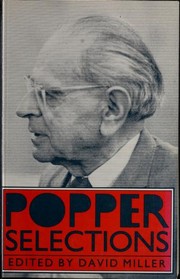
Thirty selections from Popper's writings, chosen to show the range of his ideas.
Recommended by: Patrick Collison
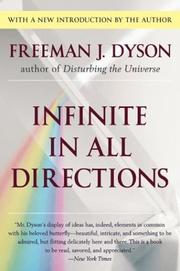
Lectures on science and religion as two windows on the world, in praise of diversity.
Recommended by: Stewart Brand
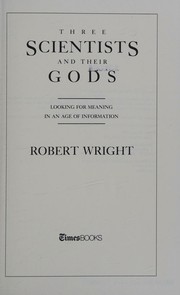
Information theory as an idea that ties together three scientists' work.
Recommended by: Charlie Munger, Mohnish Pabrai
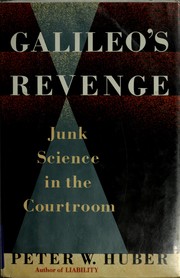
How junk science is used by expert witnesses in American courts.
Recommended by: Mohnish Pabrai
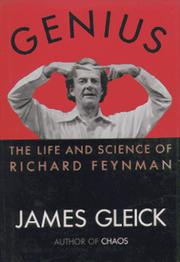
A biography of the physicist Richard Feynman and his work.
“I've also been reading Perfectly Reasonable Deviations from the Beaten Track by Feynman and re-reading Genius: The Life and Science of Richard Feynman, a biography about him.” — Naval Ravikant
Source: Naval's Recommended Reading — The Almanack of Naval Ravikant
Recommended by: Jim Collins, Mohnish Pabrai, Naval Ravikant and 1 other
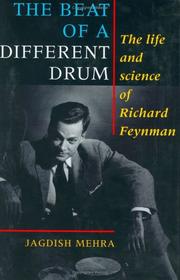
The life and scientific work of the physicist Richard Feynman.
Recommended by: Eric Weinstein
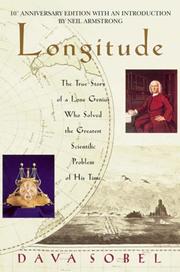
How a clockmaker solved the longitude problem, the hardest science of his day.
Recommended by: Jim Collins, Patrick Collison and 1 other
How Western Europe moved from qualitative to quantitative thinking.
Recommended by: Nick Szabo
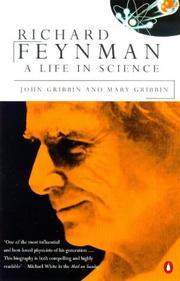
The life and science of Richard Feynman, physicist and teacher.
Recommended by: Mohnish Pabrai, Paul Graham
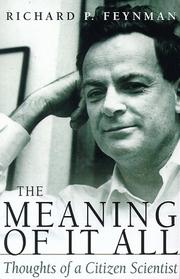
Three lectures by a physicist speaking as a citizen about science and society.
Recommended by: Mohnish Pabrai
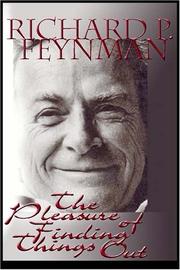
A collection of Richard Feynman's best short works.
Recommended by: Brian Armstrong, Larry Page
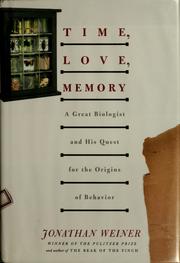
A biologist's search for how pieces of DNA shape behaviour.
Recommended by: Mohnish Pabrai
Recommended by: Mohnish Pabrai
An anthology of the year's best American writing on science and nature.
Recommended by: Mohnish Pabrai
Myths about the sun, night and earthquakes set against what science has found.
Recommended by: Bill Gates, Mohnish Pabrai
The anthropic principle and the observation selection effects in science.
Recommended by: Patrick Collison
Boulton, Watt, Wedgwood, Erasmus Darwin and the Midlands friends who experimented.
Recommended by: Mohnish Pabrai, Patrick Collison
Britain's wartime mission to share its military secrets with American scientists.
Recommended by: Patrick Collison
Essays on evolution, natural selection, science and religion.
Recommended by: Patrick Collison
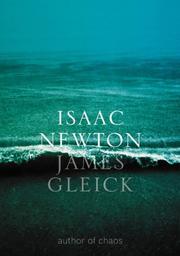
A life of Newton from his letters and notebooks: physics, optics and calculus.
Recommended by: Mohnish Pabrai
Einstein's miraculous year of papers that changed physics.
Recommended by: Mohnish Pabrai
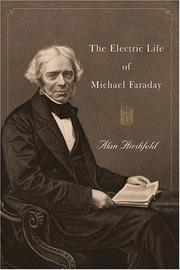
Michael Faraday's life: a devout scientist who sought no money from his discoveries.
Recommended by: Mohnish Pabrai
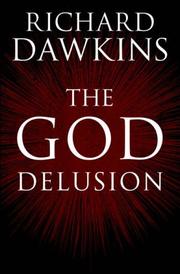
Why belief in God is irrational, and the harm religion has done to society.
Recommended by: Brian Armstrong, Mohnish Pabrai and 1 other
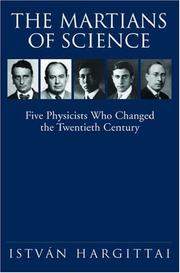
Five Hungarian-born scientists, von Neumann and Teller among them, and their century.
Recommended by: Mohnish Pabrai
Essays on scientists as rebels who resist the limits their cultures impose.
Recommended by: Patrick Collison
The history of the universe, the Earth and humanity told as one account.
Recommended by: Bill Gates, Ryan Peterson
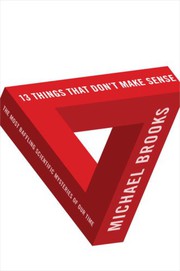
Thirteen scientific anomalies, from the missing universe to the placebo effect.
Recommended by: Mohnish Pabrai, Bill Gates
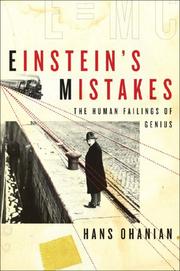
The mistakes in Einstein's physics, told as history of science.
Recommended by: Mohnish Pabrai, Ray Dalio
Essays by 25 experts on the gravest risks to humanity this century.
Recommended by: Nat Eliason, Patrick Collison
How valuable information is becoming private property and dangerous to acquire.
Recommended by: Sam Altman
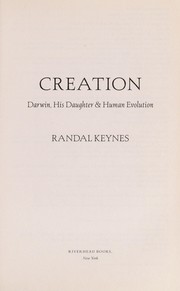
Charles Darwin's family life, his daughter's death and his ideas on evolution.
Recommended by: Mohnish Pabrai, Li Lu
The late eighteenth-century discoveries that began the Romantic age of science.
Recommended by: Ed Cooke, Patrick Collison, Tyler Cowen
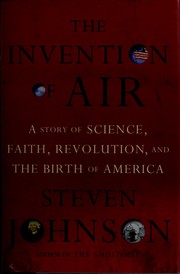
Joseph Priestley's science, religion and politics, and his ties to the Founders.
Recommended by: Andrew Wilkinson
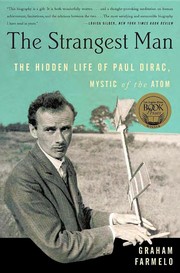
A life of Paul Dirac, a discoverer of quantum mechanics.
Recommended by: Eric Weinstein
About 150 thinkers on the scientific ideas they expect to change the world.
Recommended by: Patrick Collison, Eric Weinstein
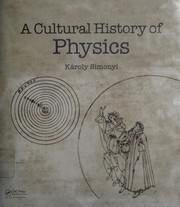
A history of physics set in its cultural context.
Recommended by: Naval Ravikant
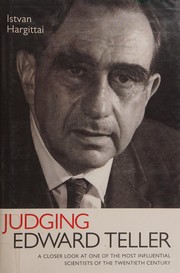
A life of Edward Teller, "father of the H-bomb", beyond the views of fans and foes.
Recommended by: Mohnish Pabrai
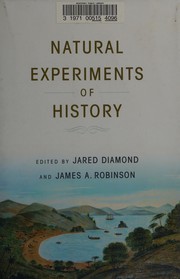
How comparing natural experiments of history answers questions labs cannot.
Recommended by: Mohnish Pabrai
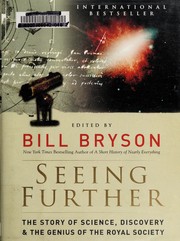
Essays by scientists and writers marking 350 years of the Royal Society.
Recommended by: Mohnish Pabrai
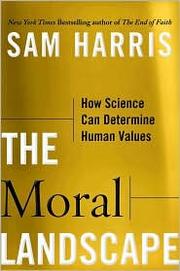
How science can determine human values and answer questions of morality.
Recommended by: Sophie Bakalar
About 1,600 quotations, the most comprehensive collection of the physicist's words.
Recommended by: Warren Buffett
Two maverick scientists, Delbrück and Gamow, who helped start genomics and cosmology.
Recommended by: Mohnish Pabrai
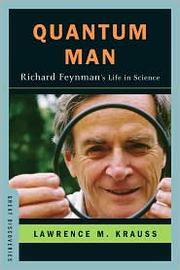
A scientific biography of Feynman, pairing his turbulent life with clear physics.
Recommended by: Mohnish Pabrai
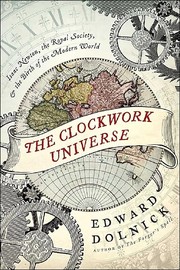
The Royal Society scientists who pictured a universe that ran like a machine.
Recommended by: Sophie Bakalar
A biography of Albert Einstein.
Recommended by: Sophie Bakalar
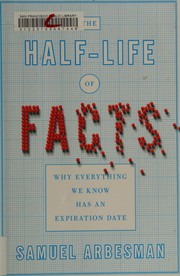
How knowledge changes in regular, measurable ways, and what that means for facts.
Recommended by: Bertalan Meskó
Why controlled experiments, trial and error, beat theory in business and policy.
Recommended by: Patrick Collison
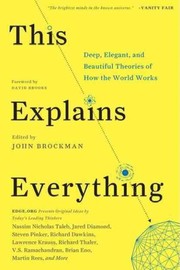
150 short explanations of how the world works, from scientists and thinkers.
Recommended by: Patrick Collison, Sahil Lavingia
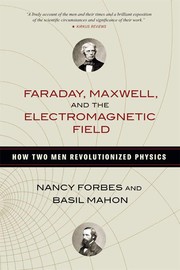
Michael Faraday, James Clerk Maxwell and the discovery of the electromagnetic field.
Recommended by: Charlie Munger, Naval Ravikant
About 150 thinkers on what worries them most about the present and future.
Recommended by: Patrick Collison
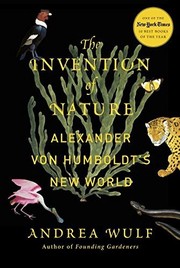
Alexander von Humboldt and his idea of nature as a web in which everything connects.
Recommended by: Patrick Collison
The history of science from ancient Miletus to the discovery of modern science.
Recommended by: Paul Graham
Essays on human evolution, ecology and society.
Recommended by: Arianna Huffington
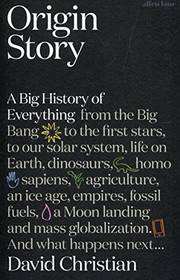
The whole of history, from the big bang through the present and into the far future.
Recommended by: Bill Gates
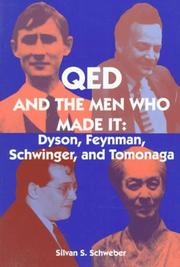
How Dyson, Feynman, Schwinger and Tomonaga built quantum electrodynamics.
Recommended by: Eric Weinstein
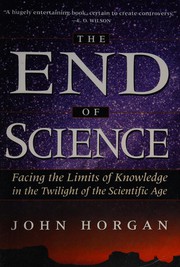
Interviews with leading scientists on whether science is reaching its limits.
Recommended by: Bryan Johnson
 Mohnish Pabrairecommends 29 books here
 Patrick Collisonrecommends 28 books here
 Eric Weinsteinrecommends 7 books here
 Naval Ravikantrecommends 7 books here
 Jim Collinsrecommends 6 books here
 Paul Grahamrecommends 6 books here
 Bill Gatesrecommends 6 books here
 Stewart Brandrecommends 6 books here
 Marc Andreessenrecommends 5 books here
 Charlie Mungerrecommends 4 books here
Show all 51
 Nat Eliasonrecommends 3 books here
 Michael Mauboussinrecommends 2 books here
 Warren Buffettrecommends 2 books here
 Brian Armstrongrecommends 2 books here
 Bryan Johnsonrecommends 2 books here
 Derek Siversrecommends 2 books here
 Ed Cookerecommends 2 books here
 Mark Zuckerbergrecommends 2 books here
 Sam Altmanrecommends 2 books here
 Ray Daliorecommends 1 book here
 Brad Feldrecommends 1 book here
 Chris Andersonrecommends 1 book here
 Jason Zweigrecommends 1 book here
 Morgan Houselrecommends 1 book here
 Tyler Cowenrecommends 1 book here
 Ryan Holidayrecommends 1 book here
 Albert Wengerrecommends 1 book here
 Arianna Huffingtonrecommends 1 book here
 Balaji S. Srinivasanrecommends 1 book here
 Bertalan Meskórecommends 1 book here
 Charles Kochrecommends 1 book here
 Chris Dixonrecommends 1 book here
 Dustin Moskovitzrecommends 1 book here
 Elon Muskrecommends 1 book here
 James Cameronrecommends 1 book here
 Jamie Dimonrecommends 1 book here
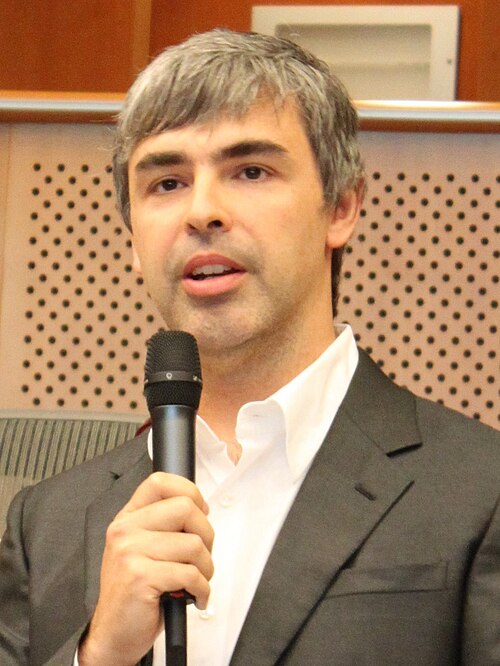 Larry Pagerecommends 1 book here
 Michael Batkorecommends 1 book here
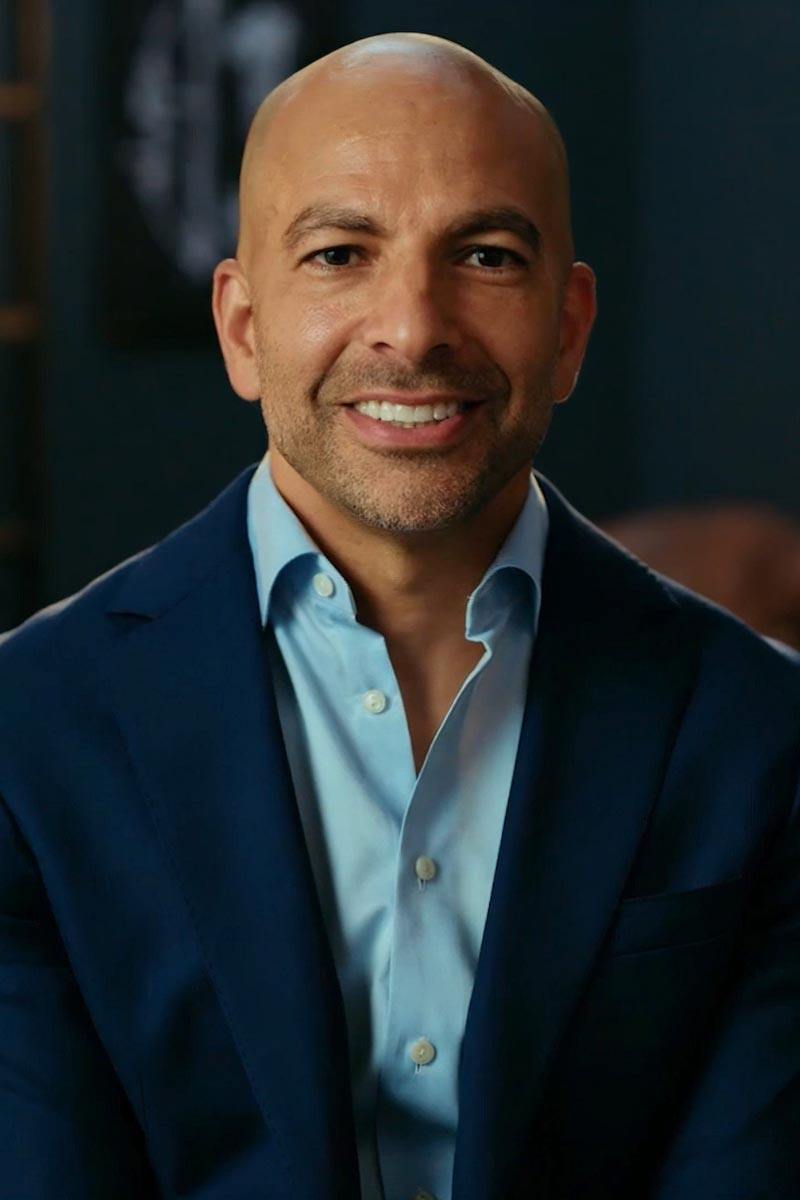 Peter Attiarecommends 1 book here
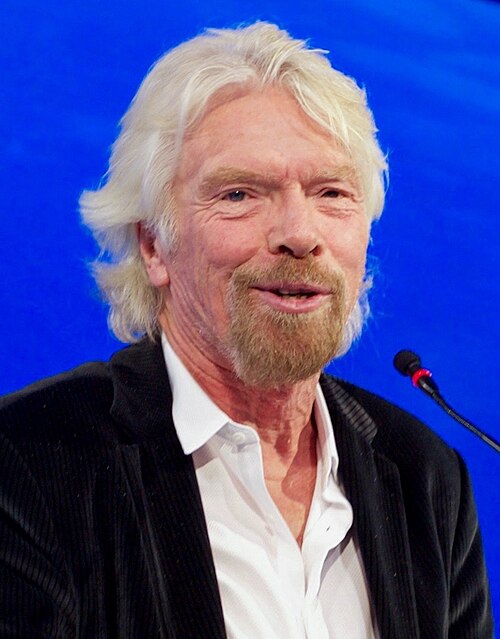 Richard Bransonrecommends 1 book here
 Ryan Petersenrecommends 1 book here
 Steve Jobsrecommends 1 book here
 Terrance McArthurrecommends 1 book here
 Tim Ferrissrecommends 1 book here