
Paul Graham
English-American programmer who created the Arc language and Hacker News; wrote On Lisp, ANSI Common Lisp and Hackers & Painters, and essays Steven Levy called the work of a 'hacker philosopher'. His essay archive is the primary source that the modern startup canon quotes, argues with and reuses; the essays matter more than the books.
 Y Combinator
Start here
- On Lisp1993
- ANSI Common Lisp1995
- Hackers & Painters2004
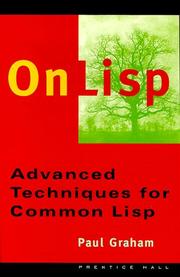
Writing Lisp programs by first building a language suited to the problem.
Recommended by: Patrick Collison, Paul Graham
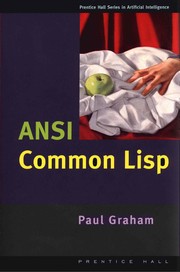
An introduction to Lisp programming and a reference to ANSI Common Lisp.
Recommended by: Paul Graham
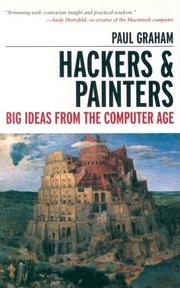
Essays on programming, startups, wealth and thinking for yourself.
“A collection of essays from one of the best. Loosely about intelligence, entrepreneurship, programming, and questioning norms. Many brilliant ideas and insights.” — Derek Sivers
Source: Derek Sivers book notes (primary, rated list) · Rating: 7/10
Recommended by: Derek Sivers, Keith Rabois and 6 others
How to guard against beliefs that a changing world has made obsolete.
Recommended by: Patrick O'Shaughnessy
 On Lisp | Writing Lisp programs by first building a language suited to the problem. | 1993 | Patrick Collison, Paul Graham | |
 ANSI Common Lisp | An introduction to Lisp programming and a reference to ANSI Common Lisp. | 1995 | Paul Graham | |
 Hackers & Painters | Essays on programming, startups, wealth and thinking for yourself. | 2004 | T3 | Derek Sivers, Keith Rabois, Patrick O'Shaughnessy and 5 others |
| How To Be an Expert in a Changing World | How to guard against beliefs that a changing world has made obsolete. | Patrick O'Shaughnessy |
More 23
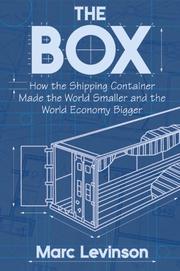
How the shipping container cut freight costs and remade global trade.
Also recommended by: Bill Gates, Derek Sivers, Mohnish Pabrai and 1 other
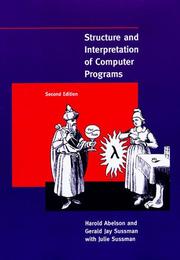
MIT's introductory computer science text, taught through Lisp and Scheme.
Source: Lisp Links: Books — paulgraham.com
Also recommended by: Bret Victor, Patrick Collison, Max Levchin
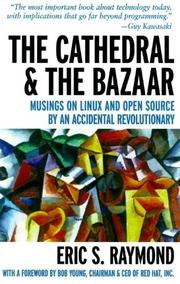
Essays on open-source software and its model of collaborative development.
Also recommended by: Ryan Holiday
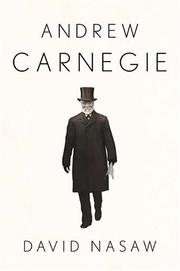
Carnegie's rise from a bobbin boy of thirteen to the richest man in the world.
Source: The Refragmentation
Also recommended by: Andrew Wilkinson, Abi Tyas Tunggal and 1 other

A printer's rise in colonial America and his chart for practising thirteen virtues.
Also recommended by: Charlie Munger, Mohnish Pabrai, Nat Eliason and 3 others
A first-hand account of the race against Linus Pauling to find DNA's structure.
“The most vivid example of fierce nerds in action may be James Watson's The Double Helix.” — Paul Graham
Source: Fierce Nerds
Also recommended by: Patrick Collison, Peter Attia
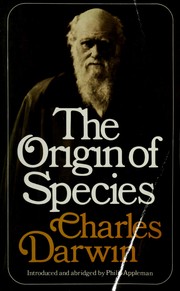
Species change over time as natural selection favours heritable variations.
Also recommended by: Jim Collins, Mohnish Pabrai, Naval Ravikant and 5 others
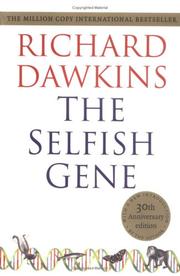
Selection acts on genes; bodies are vehicles that genes build to copy themselves.
“The Selfish Gene did this to me. It was like suddenly seeing the other interpretation of an ambiguous image: you can treat genes rather than organisms as the protagonists, and evolution becomes easier to understand when you do.” — Paul Graham
Source: The Shape of the Essay Field — Paul Graham
Also recommended by: Balaji S. Srinivasan, Bob Metcalfe and 12 others
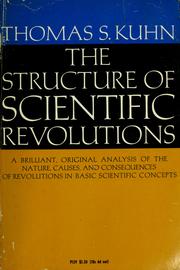
Science moves through long stretches of normal work broken by paradigm shifts.
“This sense of "paradigm" was defined by Thomas Kuhn in his Structure of Scientific Revolutions, but I also recommend his Copernican Revolution, where you can see him at work developing the idea.” — Paul Graham
Source: Crazy New Ideas
Also recommended by: Jim Collins, Michael Mauboussin, Nat Eliason and 7 others
How large corporations run by a technostructure of experts plan rather than compete.
Source: The Refragmentation
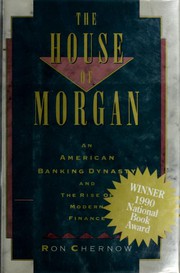
The Morgan banks from 1830s London to J.P. Morgan and Morgan Stanley in the 1980s.
Source: The Refragmentation
Also recommended by: Mohnish Pabrai, Li Lu, Marc Andreessen
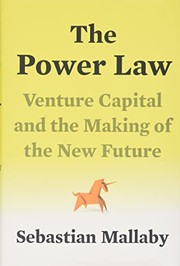
Venture capital from Arthur Rock to SoftBank, and why a few big bets pay for all.
Also recommended by: Andrew Wilkinson, Anthony Pompliano and 3 others
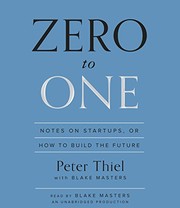
Why startups should build something new and own a small market before growing.
Also recommended by: Balaji S. Srinivasan, Chris Dixon and 37 others
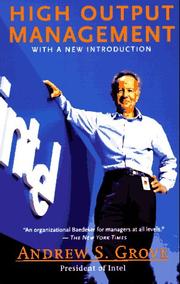
Management as production: a manager's output is the output of the team they lead.
Also recommended by: Andrew Chen, Ben Horowitz, David Cancel and 23 others
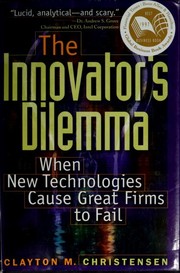
Why well-run firms lose to cheaper, worse products that enter at the market's bottom.
Also recommended by: Bill Gurley, Drew Houston, Jim Collins and 28 others

How salaried managers replaced markets in coordinating US business, 1840 to 1920.
“Chandler, Alfred. The Visible Hand. Harvard, 1977.” — Paul Graham
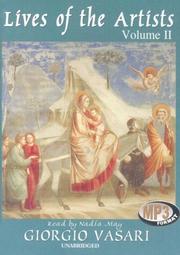
Lives of the painters, sculptors and architects of the Italian Renaissance.
“Vasari, Lives of the Artists” — Paul Graham
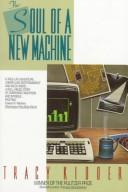
A Data General team races to design a 32-bit minicomputer in about a year.
Also recommended by: Brad Feld, Jim Collins, Mohnish Pabrai and 3 others
How American life changed between 1900 and 1950.
Source: The Refragmentation
Also recommended by: Morgan Housel
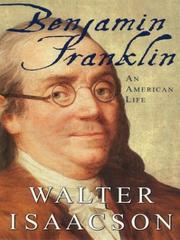
Franklin's life as printer, scientist, diplomat and founder.
Also recommended by: Alfred Lin, Andrew Wilkinson, Brad Feld and 10 others
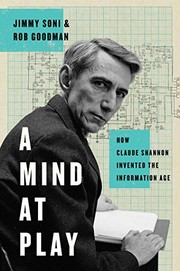
The life of Claude Shannon, whose information theory underlies the digital age.
Also recommended by: Bryan Johnson, Jim O'Shaughnessy
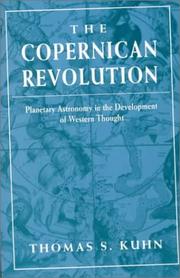
How the Copernican revolution unfolded, as a turning point in scientific thought.
“Kuhn, The Copernican Revolution” — Paul Graham
Source: Rarely-Asked Questions — paulgraham.com
Also recommended by: Patrick Collison
Hedge funds from Alfred Winslow Jones in 1949 through Soros, Robertson and beyond.
“It's hard to imagine anyone will ever write a better book on the subject.” — Paul Graham
Source: Paul Graham on X (Apr 8, 2021)
Also recommended by: Mohnish Pabrai, Tim Ferriss, Josh Wolfe
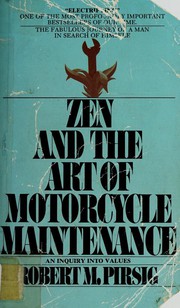
A father and son's motorcycle trip framing an inquiry into what Quality means.
Source: How to Get Startup Ideas
Also recommended by: Austen Allred, Brad Feld, Drew Houston and 8 others
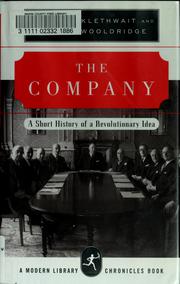
A short history of the joint stock company, from trading charters to multinationals.
“Mickelthwaite, John, and Adrian Wooldridge. The Company. Modern Library, 2003.” — Paul Graham
Google's technical and business decisions from Stanford research to 2011.
Also recommended by: Mohnish Pabrai, Charlie Munger, Drew Houston and 1 other

The Ford Motor Company from 1903 to the end of the 20th century.
Source: The Refragmentation
How plague, cholera, malaria and smallpox shaped history.
Also recommended by: Patrick Collison
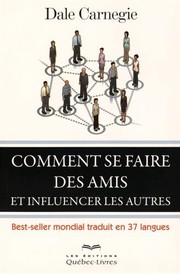
Techniques for handling people, being liked and winning others to your view.
“If you want to learn what people want, read Dale Carnegie's How to Win Friends and Influence People.” — Paul Graham
Source: Why Smart People Have Bad Ideas
Also recommended by: Mohnish Pabrai, Patrick Collison and 13 others
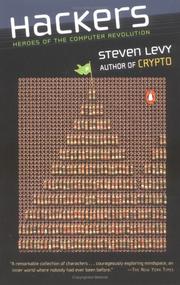
Three generations of hackers, from MIT's AI Lab to the Homebrew club and game makers.
Also recommended by: Austen Allred, Ev Williams, Marc Andreessen and 2 others
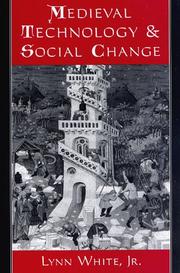
How the stirrup and the plough reorganised medieval society and its economy.
Source: RAQs
Also recommended by: Patrick Collison
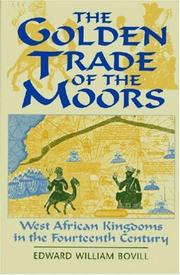
The trans-Saharan trade of West African gold for salt.
“Bovill, The Golden Trade of the Moors” — Paul Graham
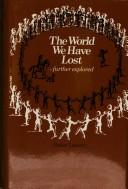
English society before industry, wage labour and cities.
“Laslett, The World We Have Lost” — Paul Graham

The life of John Boyd, the pilot behind the OODA loop and the F-15 and F-16.
Also recommended by: Morgan Housel, Patrick O'Shaughnessy and 1 other
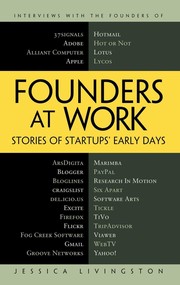
Interviews with 32 founders about the early days of their companies, before success.
Source: Learning from Founders
Also recommended by: Derek Sivers, Ryan Holiday, Alexis Ohanian and 7 others
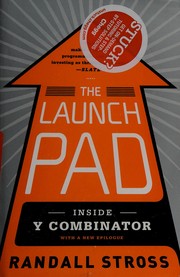
A summer inside Y Combinator, watching how the accelerator shapes its startups.
Also recommended by: Garry Tan
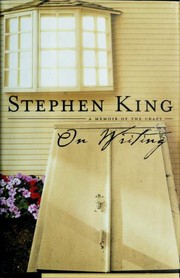
A memoir of the writing craft, and why story comes before plot.
Also recommended by: Brad Feld, Derek Sivers, Nat Eliason and 2 others
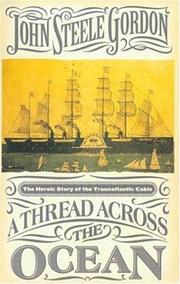
The history of laying the first telegraph cable across the Atlantic.
A history of clocks and clockmaking and their place in culture.
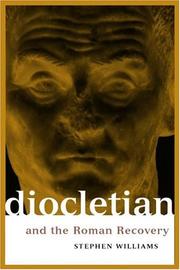
The emperor Diocletian and how he restored the Roman Empire.
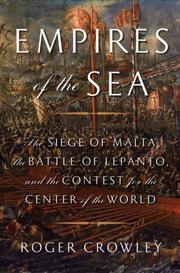
The Ottoman-Christian war for the Mediterranean, from Rhodes onward.
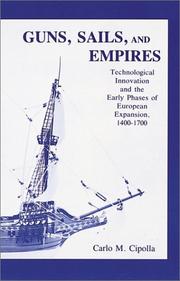
How guns and ships drove the early phases of European expansion overseas.
Source: RAQs
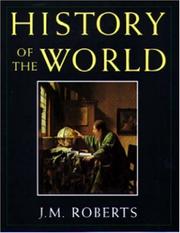

How the English country house and its social role changed since the Middle Ages.
“Girouard, Life in the English Country House” — Paul Graham

A chronicle of the Fourth Crusade and its conquest of Constantinople.
Argues that the Arab conquests ended Roman Europe and opened the Dark Ages.
Source: RAQs
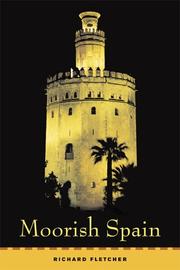
Nearly a thousand years of Islamic rule in Spain from 711, and its mark on Europe.
Source: Quotes
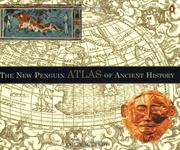
Maps in sequence of peoples in Europe and the Near East, from 50,000 BC to AD 362.
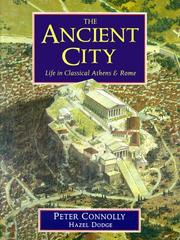
Drawn reconstructions of buildings that open up two ancient cities and their people.
Also recommended by: Balaji S. Srinivasan

The 1578 battle in Morocco that destroyed Portugal's King Sebastian and his army.
Also recommended by: Graham Duncan
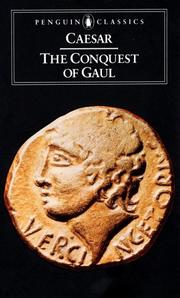
A Roman general's own account of nine years of war against the Celts and Germans.
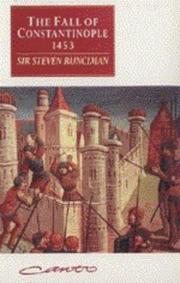
The siege and fall of Constantinople to the Turks, and the West's neglect of it.
“Runciman, The Fall of Constantinople” — Paul Graham
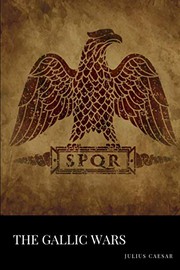
A firsthand account of the Roman conquest of Gaul, from dispatches to the Senate.
Source: RAQs
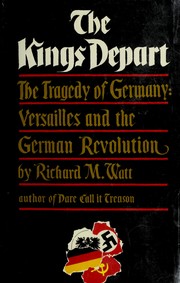
How Versailles and the German revolution of the war's end became Germany's tragedy.
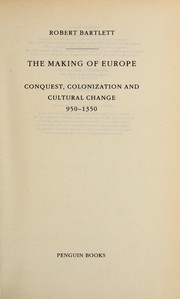
How medieval Europe was itself made by conquest, colonization and cultural change.
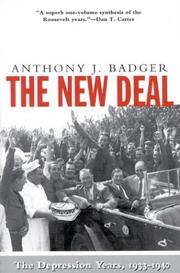
An interpretation of the New Deal and of the historians who have written on it.
“Badger, Anthony. The New Deal. Hill and Wang, 1989.” — Paul Graham

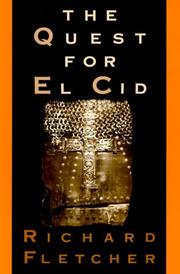
The real Rodrigo Díaz behind the legend of El Cid, hero of the Spanish reconquest.

The history of the race to fly and the Wright brothers' Flyer.
Also recommended by: Seth Klarman

The archaeology of settlements in Celtic Europe: towns, villages and countryside.
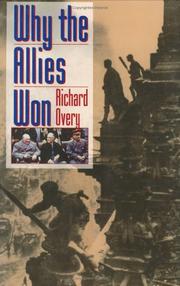
Why the Allies won the Second World War, beyond material strength.
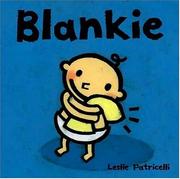

A children's story of two children who free a royal cat from a witch's spell.
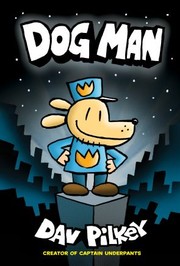
A children's comic, drawn by two boys in the story, of a police dog and his officer.
A history of English literature in the early Middle English period.
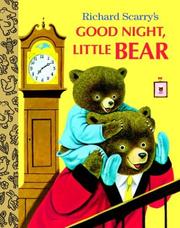
A bedtime board book about a little bear.

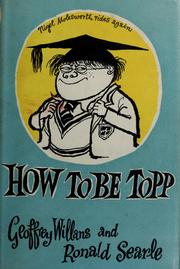
A comic guide to school by the misspelling schoolboy Nigel Molesworth.

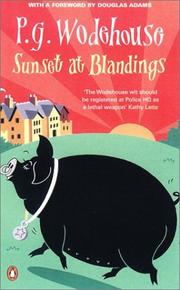
The last, unfinished Blandings Castle novel, with the author's notes for its end.
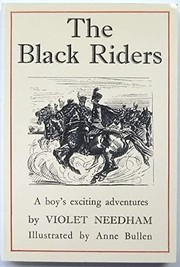
A boy of eleven's adventures among conspirators in a European state.
A humorist's novels and stories, Jeeves and Wooster among them.
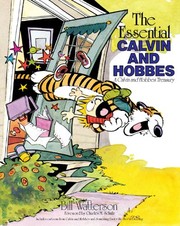
Every strip of a comic about a boy and his tiger, who is real only to him.
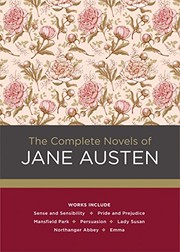
All the novels, from Northanger Abbey to Persuasion, in one volume.
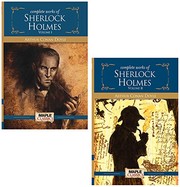
All four novels and 56 short stories about the detective Sherlock Holmes.
Also recommended by: Nassim Nicholas Taleb
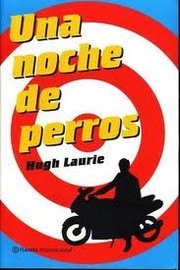
A thriller of a hired gun who warns his target instead of killing him.
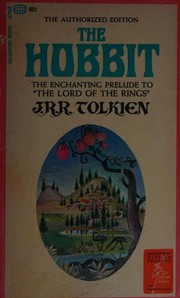
A comfort-loving hobbit joins a company of dwarves after a dragon's hoard of gold.
Also recommended by: Jim Collins, Richard Branson, Bill Gates and 1 other
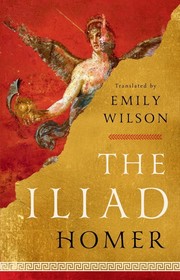
The epic poem of the Trojan War: the clash of arms, the fury and grief of loss.
Also recommended by: Jim Collins, Nat Eliason, Stewart Brand and 2 others
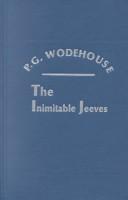
Bertie and Jeeves help, and sometimes hinder, the love-struck Bingo Little.
Also recommended by: Jessica Livingston

A novel of the quest to destroy a ring of power that corrupts all who use it.
Also recommended by: Jim Collins, Reid Hoffman, Alexey Moiseenkov and 5 others
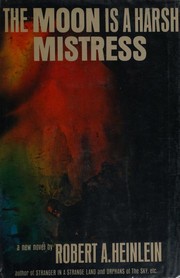
The Moon is a prison colony under a Lunar Authority, until a computer wakes up.
“a novel by Heinlein called The Moon is a Harsh Mistress, which featured an intelligent computer called Mike” — Paul Graham
Source: What I Worked On — paulgraham.com (February 2021)
Also recommended by: Delian Asparouhov, Elon Musk
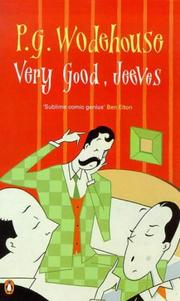
Eleven Jeeves stories, among them "Jeeves and the Impending Doom".
An introduction to Lisp for new programmers, with its programming and debug tools.
An introduction to Lisp programming and a reference to ANSI Common Lisp.
The de facto standard reference to the Common Lisp programming language.
Source: Lisp Links: Books — paulgraham.com
Also recommended by: Patrick Collison
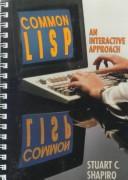
An interactive introduction to programming in Common Lisp.
The reference definition of the Common Lisp programming language.
How to customise and extend the Emacs editor with Emacs Lisp.
An introduction to programming focused on the design process, not a language.
The manual of the LISP 1.5 programming language from MIT's Computation Center.
Source: Lisp Links: Books — paulgraham.com
Also recommended by: Patrick Collison
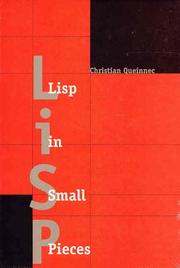
How Lisp and Scheme work and are built, through 11 interpreters and 2 compilers.
Lisp programming in practice and theory, with the lambda calculus behind it.
Writing Lisp programs by first building a language suited to the problem.
Source: Lisp Links: Books — paulgraham.com
Also recommended by: Patrick Collison
The theory, techniques and uses of partial evaluation, which specialises programs.
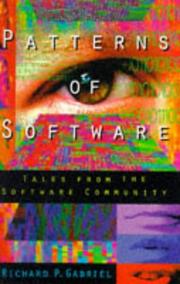
Essays on software design, programming and the businesses around them.

How the gas turbine works, from jet propulsion theory to maintenance and overhaul.
An introduction to recursion as a tool for expressing and solving problems.
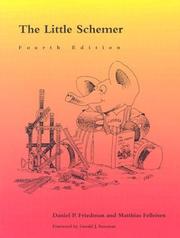
Computing taught as an extension of arithmetic, with programs as recursive functions.
Source: Lisp Links: Books — paulgraham.com
Also recommended by: Bret Victor, Susan J. Fowler

An actress's early life, from childhood in Ireland and London to coming of age.
A Victorian novelist's own account of his childhood, Post Office career and writing.
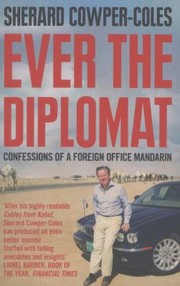
A British diplomat's memoir of thirty years of embassy life.

A biography of Jane Jacobs, who changed how people see and live in cities.
The last of the Corfu books: a naturalist's childhood among animals on Corfu.

The autobiography of the engineer who led Lockheed's Skunk Works, from P-38 to SR-71.

A historian's unfinished memoirs, from a sickly London childhood to Oxford on.

A boyhood of boarding schools, beatings, expulsion, attempted suicide and prison.

A comic memoir of a boyhood on Corfu with an odd family and the island's wildlife.
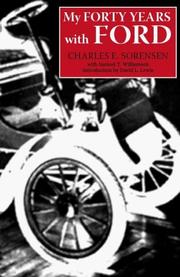
An eyewitness account of nearly the whole history of the Ford Motor Company.

A Fleet Air Arm pilot's story of flying for the Royal Navy in the Second World War.

An actor and comedian on Cambridge, his friends and his rise to fame.

The top-scoring Allied fighter pilot's account of his war, from Battle of Britain on.
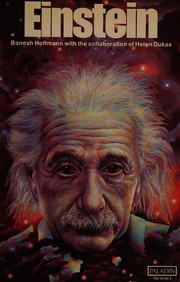
Recollections of the development of his mind and character, written for his family.
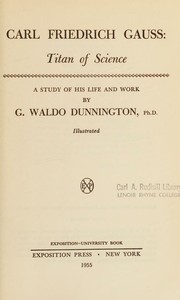
The most comprehensive English life of Germany's greatest mathematician.
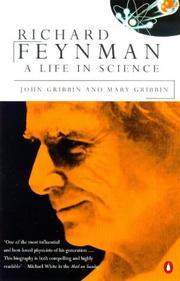
The life and science of Richard Feynman, physicist and teacher.
Also recommended by: Mohnish Pabrai
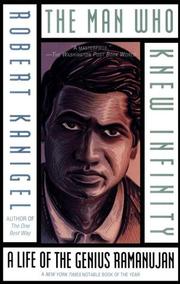
The life of Srinivasa Ramanujan, Indian mathematician, and his work with G. H. Hardy.
Also recommended by: Patrick Collison, Sophie Bakalar
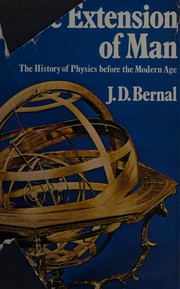
Lectures on the history of physics up to the end of the classical era.
“Bernal, The Extension of Man” — Paul Graham
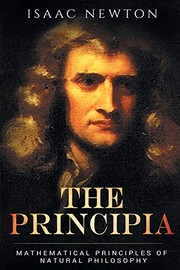
The mathematical principles of time, force and motion behind modern physics.
Also recommended by: Sam Altman
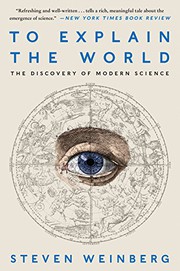
The history of science from ancient Miletus to the discovery of modern science.
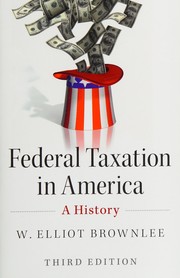
A history of federal taxation in the United States.
Source: The Refragmentation
Models that explain how earnings and wealth are distributed in the United States.
Source: The Refragmentation
Two centuries of American growth, and how economics, technology and politics relate.
Source: The Refragmentation
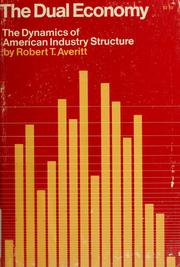
An institutionalist study of American business firms and labour organisations.
Source: The Refragmentation
The history and politics of the American federal income tax.
Source: The Refragmentation
How the United States came to dominate the world by creating wealth, not by force.
Source: The Refragmentation
The rise of the American corporation, from colonial times onward.
“Beatty, Jack. Collossus. Broadway, 2001.” — Paul Graham
A microeconomic history of American business from 1914 to 1984.
Source: The Refragmentation
Revolutions in power, transport, communication and organisation that made big firms.
Source: The Refragmentation
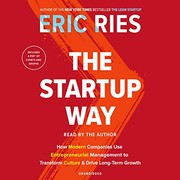
How established companies can bring startup methods into their culture.
Also recommended by: Aaron Levie
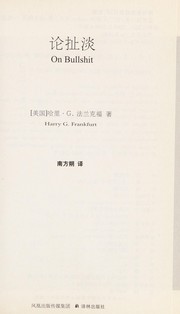
A philosopher defines bullshit by setting it apart from lying and humbug.
Source: How to Do Philosophy
Also recommended by: Brad Feld
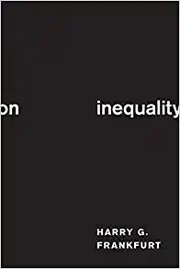
Why poverty, not inequality, is the moral problem.
Also recommended by: Patrick Collison
A philosopher's autobiography of the first fifty-three years of his life.
Also recommended by: Li Lu
A seventeenth-century treatise on governing one's speech.

Why mathematics is worth doing for its beauty, apart from any use.
Source: Early Work
Also recommended by: Patrick Collison

The thirteen books of geometry and number theory, built by deduction.
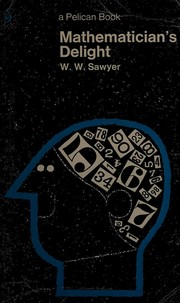
An introduction to mathematics written to dispel the fear of the subject.
A system for doing fast, complicated arithmetic in your head.
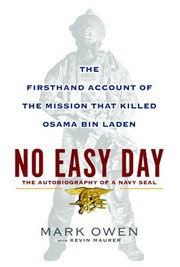
A SEAL Team Six member's account of planning and carrying out the bin Laden raid.
Also recommended by: Mohnish Pabrai
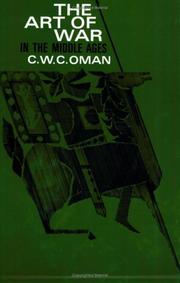
The broad lines of European military history from 378 to 1515.
“Oman, The Art of War in the Middle Ages” — Paul Graham
Source: Rarely-Asked Questions — paulgraham.com
Also recommended by: Sam Altman

Interviews with German generals of the Second World War and their military lessons.
Also recommended by: Patrick Collison
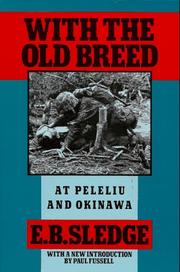
A Marine's account of the fighting after the landing on Peleliu.
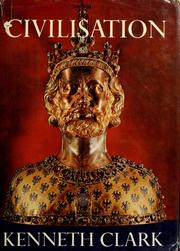
A history of Western civilisation through its art, buildings, books and people.
“Here are the most exciting ones I can think of: Clark, Civilisation” — Paul Graham
Source: Rarely-Asked Questions — paulgraham.com
Also recommended by: Patrick Collison
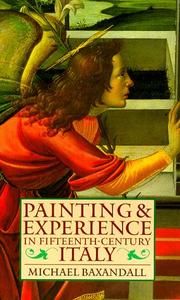
Fifteenth-century Italian painting, and reading social history from its style.

An expedition into the Kalahari to study the Bushmen and their way of life.
“If you want to learn more about hunter gatherers I strongly recommend Elizabeth Marshall Thomas's The Harmless People and The Old Way.” — Paul Graham
Source: Defining Property
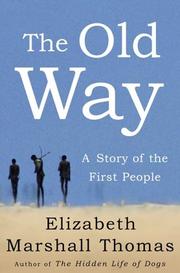
Life among the San hunter-gatherers of southern Africa.
“If you want to learn more about hunter gatherers I strongly recommend Elizabeth Marshall Thomas's The Harmless People and The Old Way.” — Paul Graham
Source: Defining Property
Also recommended by: Patrick Collison, Sam Altman
A factual portrait of Texas in all its size and complexity.
Source: The Refragmentation

The case for letting children do more on their own.
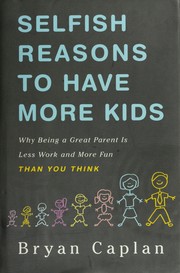
A contrarian look at family planning and happiness: the case for more children.
Also recommended by: Andrew Wilkinson

A profile of Bill Bradley in his senior year as Princeton's basketball star.
Also recommended by: Jim Collins, Nat Eliason, Ryan Peterson
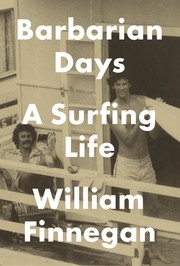
A life of surfing, from a boyhood in California and Hawaii onward.
Also recommended by: Andrew Wilkinson, Sahil Bloom

Writing advice focused on the fears and habits that stop people writing.
Also recommended by: Derek Sivers, Jim Collins, Nat Eliason and 9 others

Artificial intelligence programming, taught through Common Lisp.
Source: Lisp Links: Books — paulgraham.com
Also recommended by: Patrick Collison

A warning that overpopulation would bring mass starvation and upheaval.
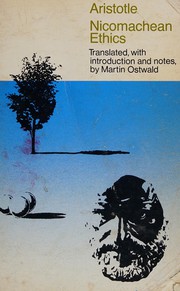
What the good life is: the end at which all human action aims.
Also recommended by: Li Lu, Peter Thiel
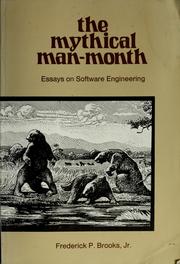
Lessons from IBM's OS/360: why adding people to a late software project slows it.
Source: Lisp Links: Books — paulgraham.com
Also recommended by: Jeff Atwood, Mohnish Pabrai, Andrew Chen and 3 others
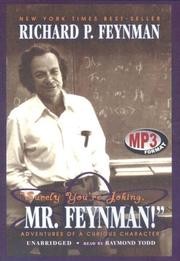
A physicist's stories, from fixing radios as a boy to Los Alamos and beyond.
Also recommended by: Brian Armstrong, Derek Sivers, Jason Zweig and 19 others
| How Universities Should Prepare Founders | paulgraham.com | Blog post | August 2026 |
| How to Earn a Billion Dollars | paulgraham.com | Blog post | June 2026 |
| How to Convert Between Wealth and Income Tax | paulgraham.com | Blog post | May 2026 |
| The Brand Age | paulgraham.com | Blog post | March 2026 |
| The Shape of the Essay Field | paulgraham.com | Blog post | June 2025 |
| Good Writing | paulgraham.com | Blog post | May 2025 |
| What to Do | paulgraham.com | Blog post | March 2025 |
| The Origins of Wokeness | paulgraham.com | Blog post | January 2025 |
| Writes and Write-Nots | paulgraham.com | Blog post | October 2024 |
| When To Do What You Love | paulgraham.com | Blog post | September 2024 |
| Founder Mode | paulgraham.com | Blog post | September 2024 |
| The Right Kind of Stubborn | paulgraham.com | Blog post | July 2024 |
| The Reddits | paulgraham.com | Blog post | March 2024 |
| How to Start Google | paulgraham.com | Blog post | March 2024 |
| The Best Essay | paulgraham.com | Blog post | March 2024 |
| Superlinear Returns | paulgraham.com | Blog post | October 2023 |
| How to Do Great Work | paulgraham.com | Blog post | July 2023 |
| How to Get New Ideas | paulgraham.com | Blog post | January 2023 |
| The Need to Read | paulgraham.com | Blog post | November 2022 |
| What You (Want to)\* Want | paulgraham.com | Blog post | November 2022 |
| Alien Truth | paulgraham.com | Blog post | October 2022 |
| What I've Learned from Users | paulgraham.com | Blog post | September 2022 |
| Heresy | paulgraham.com | Blog post | April 2022 |
| Putting Ideas into Words | paulgraham.com | Blog post | February 2022 |
| Is There Such a Thing as Good Taste? | paulgraham.com | Blog post | November 2021 |
| Beyond Smart | paulgraham.com | Blog post | October 2021 |
| Weird Languages | paulgraham.com | Blog post | August 2021 |
| How to Work Hard | paulgraham.com | Blog post | June 2021 |
| A Project of One's Own | paulgraham.com | Blog post | June 2021 |
| Fierce Nerds | paulgraham.com | Blog post | May 2021 |
| Crazy New Ideas | paulgraham.com | Blog post | May 2021 |
| An NFT That Saves Lives | paulgraham.com | Blog post | May 2021 |
| The Real Reason to End the Death Penalty | paulgraham.com | Blog post | April 2021 |
| How People Get Rich Now | paulgraham.com | Blog post | April 2021 |
| Write Simply | paulgraham.com | Blog post | March 2021 |
| Donate Unrestricted | paulgraham.com | Blog post | March 2021 |
| What I Worked On | paulgraham.com | Blog post | February 2021 |
| Earnestness | paulgraham.com | Blog post | December 2020 |
| Billionaires Build | paulgraham.com | Blog post | December 2020 |
| The Airbnbs | paulgraham.com | Blog post | December 2020 |
| How to Think for Yourself | paulgraham.com | Blog post | November 2020 |
| Early Work | paulgraham.com | Blog post | October 2020 |
| Modeling a Wealth Tax | paulgraham.com | Blog post | August 2020 |
| The Four Quadrants of Conformism | paulgraham.com | Blog post | July 2020 |
| Orthodox Privilege | paulgraham.com | Blog post | July 2020 |
| Coronavirus and Credibility | paulgraham.com | Blog post | April 2020 |
| How to Write Usefully | paulgraham.com | Blog post | February 2020 |
| Being a Noob | paulgraham.com | Blog post | January 2020 |
| Haters | paulgraham.com | Blog post | January 2020 |
| Having Kids | paulgraham.com | Blog post | December 2019 |
| The Two Kinds of Moderate | paulgraham.com | Blog post | December 2019 |
| Fashionable Problems | paulgraham.com | Blog post | December 2019 |
| The Lesson to Unlearn | paulgraham.com | Blog post | December 2019 |
| Novelty and Heresy | paulgraham.com | Blog post | November 2019 |
| The Bus Ticket Theory of Genius | paulgraham.com | Blog post | November 2019 |
| General and Surprising | paulgraham.com | Blog post | September 2017 |
| Charisma / Power | paulgraham.com | Blog post | January 2017 |
| The Risk of Discovery | paulgraham.com | Blog post | January 2017 |
| This Year We Can End the Death Penalty in California | paulgraham.com | Blog post | November 2016 |
| How to Make Pittsburgh a Startup Hub | paulgraham.com | Blog post | April 2016 |
| Life is Short | paulgraham.com | Blog post | January 2016 |
| Economic Inequality | paulgraham.com | Blog post | January 2016 |
| The Refragmentation | paulgraham.com | Blog post | January 2016 |
| Jessica Livingston | paulgraham.com | Blog post | November 2015 |
| Default Alive or Default Dead? | paulgraham.com | Blog post | October 2015 |
| A Way to Detect Bias | paulgraham.com | Blog post | October 2015 |
| Write Like You Talk | paulgraham.com | Blog post | October 2015 |
| Why It's Safe for Founders to Be Nice | paulgraham.com | Blog post | August 2015 |
| Change Your Name | paulgraham.com | Blog post | August 2015 |
| What Microsoft Is this the Altair Basic of? | paulgraham.com | Blog post | February 2015 |
| The Ronco Principle | paulgraham.com | Blog post | January 2015 |
| What Doesn't Seem Like Work? | paulgraham.com | Blog post | January 2015 |
| Don't Talk to Corp Dev | paulgraham.com | Blog post | January 2015 |
| Let the Other 95% of Great Programmers In | paulgraham.com | Blog post | December 2014 |
| How to Be an Expert in a Changing World | paulgraham.com | Blog post | December 2014 |
| How You Know | paulgraham.com | Blog post | December 2014 |
| The Fatal Pinch | paulgraham.com | Blog post | December 2014 |
| Mean People Fail | paulgraham.com | Blog post | November 2014 |
| Before the Startup | paulgraham.com | Blog post | October 2014 |
| How to Raise Money | paulgraham.com | Blog post | September 2013 |
| Investor Herd Dynamics | paulgraham.com | Blog post | August 2013 |
| How to Convince Investors | paulgraham.com | Blog post | August 2013 |
| Do Things That Don't Scale | paulgraham.com | Blog post | July 2013 |
| Startup Investing Trends | paulgraham.com | Blog post | June 2013 |
| How to Get Startup Ideas | paulgraham.com | Blog post | November 2012 |
| The Hardware Renaissance | paulgraham.com | Blog post | October 2012 |
| Startup = Growth | paulgraham.com | Blog post | September 2012 |
| Black Swan Farming | paulgraham.com | Blog post | September 2012 |
| The Top of My Todo List | paulgraham.com | Blog post | April 2012 |
| Writing and Speaking | paulgraham.com | Blog post | March 2012 |
| How Y Combinator Started | paulgraham.com | Blog post | March 2012 |
| Defining Property | paulgraham.com | Blog post | March 2012 |
| Frighteningly Ambitious Startup Ideas | paulgraham.com | Blog post | March 2012 |
| A Word to the Resourceful | paulgraham.com | Blog post | January 2012 |
| Schlep Blindness | paulgraham.com | Blog post | January 2012 |
| Why Startup Hubs Work | paulgraham.com | Blog post | October 2011 |
| The Patent Pledge | paulgraham.com | Blog post | August 2011 |
| Subject: Airbnb | paulgraham.com | Blog post | March 2011 |
| Founder Control | paulgraham.com | Blog post | December 2010 |
| Tablets | paulgraham.com | Blog post | December 2010 |
| What We Look for in Founders | paulgraham.com | Blog post | October 2010 |
| The New Funding Landscape | paulgraham.com | Blog post | October 2010 |
| Where to See Silicon Valley | paulgraham.com | Blog post | October 2010 |
| High Resolution Fundraising | paulgraham.com | Blog post | September 2010 |
| What Happened to Yahoo | paulgraham.com | Blog post | August 2010 |
| The Future of Startup Funding | paulgraham.com | Blog post | August 2010 |
| How to Lose Time and Money | paulgraham.com | Blog post | July 2010 |
| The Acceleration of Addictiveness | paulgraham.com | Blog post | July 2010 |
| The Top Idea in Your Mind | paulgraham.com | Blog post | July 2010 |
| Organic Startup Ideas | paulgraham.com | Blog post | April 2010 |
| Apple's Mistake | paulgraham.com | Blog post | November 2009 |
| What Startups Are Really Like | paulgraham.com | Blog post | October 2009 |
| Persuade xor Discover | paulgraham.com | Blog post | September 2009 |
| Post-Medium Publishing | paulgraham.com | Blog post | September 2009 |
| The List of N Things | paulgraham.com | Blog post | September 2009 |
| The Anatomy of Determination | paulgraham.com | Blog post | September 2009 |
| What Kate Saw in Silicon Valley | paulgraham.com | Blog post | August 2009 |
| Maker's Schedule, Manager's Schedule | paulgraham.com | Blog post | July 2009 |
| The Trouble with the Segway | paulgraham.com | Blog post | July 2009 |
| Ramen Profitable | paulgraham.com | Blog post | July 2009 |
| A Local Revolution? | paulgraham.com | Blog post | April 2009 |
| Why Twitter is a Big Deal | paulgraham.com | Blog post | April 2009 |
| The Founder Visa | paulgraham.com | Blog post | April 2009 |
| Five Founders | paulgraham.com | Blog post | April 2009 |
| Relentlessly Resourceful | paulgraham.com | Blog post | March 2009 |
| How to Be an Angel Investor | paulgraham.com | Blog post | March 2009 |
| Why TV Lost | paulgraham.com | Blog post | March 2009 |
| Keep Your Identity Small | paulgraham.com | Blog post | February 2009 |
| Can You Buy a Silicon Valley? Maybe. | paulgraham.com | Blog post | February 2009 |
| What I've Learned from Hacker News | paulgraham.com | Blog post | February 2009 |
| Startups in 13 Sentences | paulgraham.com | Blog post | February 2009 |
| After Credentials | paulgraham.com | Blog post | December 2008 |
| Could VC be a Casualty of the Recession? | paulgraham.com | Blog post | December 2008 |
| The High-Res Society | paulgraham.com | Blog post | December 2008 |
| The Other Half of "Artists Ship" | paulgraham.com | Blog post | November 2008 |
| Why to Start a Startup in a Bad Economy | paulgraham.com | Blog post | October 2008 |
| A Fundraising Survival Guide | paulgraham.com | Blog post | August 2008 |
| The Pooled-Risk Company Management Company | paulgraham.com | Blog post | July 2008 |
| Cities and Ambition | paulgraham.com | Blog post | May 2008 |
| Disconnecting Distraction | paulgraham.com | Blog post | May 2008 |
| Lies We Tell Kids | paulgraham.com | Blog post | May 2008 |
| Be Good | paulgraham.com | Blog post | April 2008 |
| Why There Aren't More Googles | paulgraham.com | Blog post | April 2008 |
| Some Heroes | paulgraham.com | Blog post | April 2008 |
| How to Disagree | paulgraham.com | Blog post | March 2008 |
| You Weren't Meant to Have a Boss | paulgraham.com | Blog post | March 2008 |
| A New Venture Animal | paulgraham.com | Blog post | March 2008 |
| Trolls | paulgraham.com | Blog post | February 2008 |
| Six Principles for Making New Things | paulgraham.com | Blog post | February 2008 |
| Why to Move to a Startup Hub | paulgraham.com | Blog post | October 2007 |
| The Future of Web Startups | paulgraham.com | Blog post | October 2007 |
| How to Do Philosophy | paulgraham.com | Blog post | September 2007 |
| News from the Front | paulgraham.com | Blog post | September 2007 |
| How Not to Die | paulgraham.com | Blog post | August 2007 |
| Holding a Program in One's Head | paulgraham.com | Blog post | August 2007 |
| Stuff | paulgraham.com | Blog post | July 2007 |
| The Equity Equation | paulgraham.com | Blog post | July 2007 |
| An Alternative Theory of Unions | paulgraham.com | Blog post | May 2007 |
| The Hacker's Guide to Investors | paulgraham.com | Blog post | April 2007 |
| Two Kinds of Judgement | paulgraham.com | Blog post | April 2007 |
| Microsoft is Dead | paulgraham.com | Blog post | April 2007 |
| Why to Not Not Start a Startup | paulgraham.com | Blog post | March 2007 |
| Is It Worth Being Wise? | paulgraham.com | Blog post | February 2007 |
| Learning from Founders | paulgraham.com | Blog post | January 2007 |
| How Art Can Be Good | paulgraham.com | Blog post | December 2006 |
| The 18 Mistakes That Kill Startups | paulgraham.com | Blog post | October 2006 |
| A Student's Guide to Startups | paulgraham.com | Blog post | October 2006 |
| How to Present to Investors | paulgraham.com | Blog post | August 2006 |
| Copy What You Like | paulgraham.com | Blog post | July 2006 |
| The Island Test | paulgraham.com | Blog post | July 2006 |
| The Power of the Marginal | paulgraham.com | Blog post | June 2006 |
| Why Startups Condense in America | paulgraham.com | Blog post | May 2006 |
| How to Be Silicon Valley | paulgraham.com | Blog post | May 2006 |
| The Hardest Lessons for Startups to Learn | paulgraham.com | Blog post | April 2006 |
| See Randomness | paulgraham.com | Blog post | April 2006 |
| Are Software Patents Evil? | paulgraham.com | Blog post | March 2006 |
| 6,631,372 | paulgraham.com | Blog post | March 2006 |
| Why YC | paulgraham.com | Blog post | March 2006 |
| How to Do What You Love | paulgraham.com | Blog post | January 2006 |
| Good and Bad Procrastination | paulgraham.com | Blog post | December 2005 |
| Web 2.0 | paulgraham.com | Blog post | November 2005 |
| How to Fund a Startup | paulgraham.com | Blog post | November 2005 |
| The Venture Capital Squeeze | paulgraham.com | Blog post | November 2005 |
| Ideas for Startups | paulgraham.com | Blog post | October 2005 |
| What I Did this Summer | paulgraham.com | Blog post | October 2005 |
| Inequality and Risk | paulgraham.com | Blog post | August 2005 |
| After the Ladder | paulgraham.com | Blog post | August 2005 |
| What Business Can Learn from Open Source | paulgraham.com | Blog post | August 2005 |
| Hiring is Obsolete | paulgraham.com | Blog post | May 2005 |
| The Submarine | paulgraham.com | Blog post | April 2005 |
| Why Smart People Have Bad Ideas | paulgraham.com | Blog post | April 2005 |
| How to Start a Startup | paulgraham.com | Blog post | March 2005 |
| Return of the Mac | paulgraham.com | Blog post | March 2005 |
| Writing, Briefly | paulgraham.com | Blog post | March 2005 |
| Undergraduation | paulgraham.com | Blog post | March 2005 |
| A Unified Theory of VC Suckage | paulgraham.com | Blog post | March 2005 |
| What You'll Wish You'd Known | paulgraham.com | Blog post | January 2005 |
| Made in USA | paulgraham.com | Blog post | November 2004 |
| It's Charisma, Stupid | paulgraham.com | Blog post | November 2004 |
| Bradley's Ghost | paulgraham.com | Blog post | November 2004 |
| A Version 1.0 | paulgraham.com | Blog post | October 2004 |
| The Age of the Essay | paulgraham.com | Blog post | September 2004 |
| What the Bubble Got Right | paulgraham.com | Blog post | September 2004 |
| The Python Paradox | paulgraham.com | Blog post | August 2004 |
| Great Hackers | paulgraham.com | Blog post | July 2004 |
| How to Make Wealth | paulgraham.com | Blog post | May 2004 |
| Mind the Gap | paulgraham.com | Blog post | May 2004 |
| The Word "Hacker" | paulgraham.com | Blog post | April 2004 |
| What You Can't Say | paulgraham.com | Blog post | January 2004 |
| Filters that Fight Back | paulgraham.com | Blog post | August 2003 |
| Hackers and Painters | paulgraham.com | Blog post | May 2003 |
| If Lisp is So Great | paulgraham.com | Blog post | May 2003 |
| The Hundred-Year Language | paulgraham.com | Blog post | April 2003 |
| Why Nerds Are Unpopular | paulgraham.com | Blog post | February 2003 |
| Better Bayesian Filtering | paulgraham.com | Blog post | January 2003 |
| Design and Research | paulgraham.com | Blog post | January 2003 |
| A Plan for Spam | paulgraham.com | Blog post | August 2002 |
| Revenge of the Nerds | paulgraham.com | Blog post | May 2002 |
| Succinctness is Power | paulgraham.com | Blog post | May 2002 |
| Taste for Makers | paulgraham.com | Blog post | February 2002 |
| What Made Lisp Different | paulgraham.com | Blog post | December 2001 |
| The Other Road Ahead | paulgraham.com | Blog post | September 2001 |
| The Roots of Lisp | paulgraham.com | Blog post | May 2001 |
| Five Questions about Language Design | paulgraham.com | Blog post | May 2001 |
| Being Popular | paulgraham.com | Blog post | May 2001 |
| Beating the Averages | paulgraham.com | Blog post | April 2001 |
| Java's Cover | paulgraham.com | Blog post | April 2001 |
| Lisp for Web-Based Applications | paulgraham.com | Blog post | April 2001 |
| Snapshot: Viaweb, June 1998 | paulgraham.com | Blog post | 1998 |
| What Languages Fix | paulgraham.com | Blog post | |
| Why Arc Isn't Especially Object-Oriented | paulgraham.com | Blog post | |
| Programming Bottom-Up | paulgraham.com | Blog post | |
| RAQs | paulgraham.com | Essay |
| Ep. 134 - Wealth Building w/Paul Graham | Born or Made | 2026-10-27 | 56 min | Paul Graham is a three-time founder, author, and entrepreneur who helps business owners scale, exit, and preserve the wealth they create. Having successfully exited businesses across the service, AI-driven SaaS, and oil and gas industries, Paul has helped drive nine figures in enterprise value throughout his career. He is the co-author of From Startup to Standout alongside original Shark Tank investor Kevin Harrington and the author of books focused on investment strategies and wealth creation. Today, through his Entrepreneur’s Family Office, Paul helps founders coordinate their tax, investment, legal, and growth strategies while staying true to his philosophy of “Serve > Sell.” |
| Paul Graham On Startups, Ambition, and Great Founders | Y Combinator Startup Podcast | 2026-09-05 | 21 min | YC Visiting Partner Vivian Shen sits down with Paul Graham at the original YC office in Mountain View to talk about startups, AI, ambition, and what makes great founders. |
| Paul Graham, Founder, Y Combinator | The Social Radars | 2026-03-19 | 1:03 | Paul Graham is back in the latest episode of The Social Radars. This time we focus on what was going on behind the scenes at Y Combinator back in the early years. If you really want to understand what YC is like and what made it that way, this is the episode for you. |
| 🟠 YC Demo Day, Paul Graham Joins | TBPN | 2025-12-03 | 2:55 | (00:00) - produce production-quality marketing videos scripted, generated, and edited by a multi-agent AI system in about 72 hours. Their work has already seen traction: one of their launch videos reportedly hit over 1 million views, and they average hundreds of thousands of organic views across their campaigns. (01:23) - Will AWS Buy TPUs From Google? (20:51) - 𝕏 Timeline Reactions (46:33) - Harj Taggar, a Managing Partner at Y Combinator and co-founder of Triplebyte and Auctomatic, discusses the evolving landscape for startups, highlighting the increased ease of selling to both government entities and Fortune 500 companies. He emphasizes that the choice between these paths depends on the product type, noting that AI advancements have opened new opportunities for startups to secure large clients directly. Taggar also observes a trend where companies are adopting AI-native, full-stack approaches, integrating AI into their core operations rather than merely offering AI tools to existing firms. (59:39) - Richard Wang is co-founder and CEO of Clad Labs, a startup building “CHAD: The Brainrot IDE,” an AI-powered development environment designed to blend coding with leisure workflows. (01:06:32) - Philip Ho, Absurd is a San-Francisco–based startup that builds AI-powered brand and performance ads at scale. |
| Founder Mode: Paul Graham, Founder, Y Combinator | The Social Radars | 2025-08-22 | 17 min | Paul Graham talks about how the concept of founder mode arose from Brian Chesky's famous talk in 2024, what it means, and the latest things he's observed in the startup world. |
| Paul Graham on Ambition, Art, and Evaluating Talent | Conversations with Tyler | 2023-08-09 | 55 min | Tyler and Y Combinator co-founder Paul Graham sat down at his home in the English countryside to discuss what areas of talent judgment his co-founder and wife Jessica Livingston is better at, whether young founders have gotten rarer, whether he still takes a dim view of solo founders, how to 2x ambition in the developed world, on the minute past which a Y Combinator interviewer is unlikely to change their mind, what YC learned after rejecting companies, how he got over his fear of flying, Florentine history, why almost all good artists are underrated, what's gone wrong in art, why new homes and neighborhoods are ugly, why he wants to visit the Dark Ages, why he's optimistic about Britain and San Fransisco, the challenges of regulating AI, whether we're underinvesting in high-cost interruption activities, walking, soundproofing, fame, and more. Read a full transcript enhanced with helpful links. Recorded July 15th, 2023. Other ways to connect Follow us on Twitter and Instagram Follow Tyler on Twitter Follow Paul on Twitter Join our Discord Email us: cowenconvos@mercatus.gmu.edu Learn more about Conversations with Tyler and other Mercatus Center podcasts here . Photo credit: Dave Thomas |
| Paul Graham, Co-Founder of Viaweb and Y Combinator | The Social Radars | 2023-05-18 | 1:25 | Today, we're doing something I do every day: talking to Paul Graham, who as well as being one of the founders of Viaweb and Y Combinator is also my husband. Paul has been involved with startups since 1995; before he invented the accelerator, he invented the web app. So there's a lot of information in this episode, but it was also, as you'll see, one of the funniest. |
| Paul Graham on Start-ups, Innovation, and Creativity 08/03/2009 | EconTalk | 2009-08-03 | 1:03 | Paul Graham, essayist, programmer and partner in the y-combinator talks with EconTalk host Russ Roberts about start-ups, innovation, and creativity. Graham draws on his experience as entrepreneur and investor to discuss the current state of the start-up world and how that world has changed due to improved technology that makes it easier to start a software company. Graham talks about his unusual venture firm, the y-combinator, and how he and his partners work with start-ups to get them ready for more advanced funding. Along the way, Graham discusses why hackers are like painters and how to survive high school. |
| From the Archives: Y Combinator Founders Paul Graham and Jessica Livingston on Studio 1.0 (2014) | Bloomberg Tech | |||
| Paul Graham, Founder of Y Combinator, Live from Stockholm | Y Combinator | |||
| A Conversation with Paul Graham - Moderated by Geoff Ralston | Y Combinator | |||
| How Paul Graham Went From Painter to YCombinator Founder | David Perell | |||
| Before the Startup with Paul Graham (How to Start a Startup 2014: Lecture 3) | Y Combinator | |||
| Mr. Startup: Paul Graham, founder of YCombinator, and his "no asshole" rule | Robert Scoble | |||
| Office Hours at Startup School 2013 with Paul Graham and Sam Altman | Y Combinator |
 BEp. 134 - Wealth Building w/Paul GrahamBorn or Made · 2026-10-27
 YPaul Graham On Startups, Ambition, and Great FoundersY Combinator Startup Podcast · 2026-09-05
 TPaul Graham, Founder, Y CombinatorThe Social Radars · 2026-03-19
 T🟠 YC Demo Day, Paul Graham JoinsTBPN · 2025-12-03
 TFounder Mode: Paul Graham, Founder, Y CombinatorThe Social Radars · 2025-08-22
 CPaul Graham on Ambition, Art, and Evaluating TalentConversations with Tyler · 2023-08-09TPaul Graham, Co-Founder of Viaweb and Y CombinatorThe Social Radars · 2023-05-18
 EPaul Graham on Start-ups, Innovation, and Creativity 08/03/2009EconTalk · 2009-08-03
 BFrom the Archives: Y Combinator Founders Paul Graham and Jessica Livingston on Studio 1.0 (2014)Bloomberg Tech
 YPaul Graham, Founder of Y Combinator, Live from StockholmY Combinator
 YA Conversation with Paul Graham - Moderated by Geoff RalstonY Combinator
 DHow Paul Graham Went From Painter to YCombinator FounderDavid Perell
 YBefore the Startup with Paul Graham (How to Start a Startup 2014: Lecture 3)Y Combinator
 RMr. Startup: Paul Graham, founder of YCombinator, and his "no asshole" ruleRobert Scoble
 YOffice Hours at Startup School 2013 with Paul Graham and Sam AltmanY Combinator