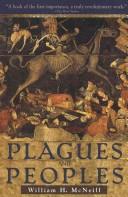
Plagues and Peoples
How plague, cholera, malaria and smallpox shaped history.
Disease as a driver of history, trade and population
Summary
The reference has not verified this book in detail; the summary states only what the title, author and subject establish.
McNeill offers a new interpretation of world history through the political, demographic, ecological and psychological effects of disease on cultures. He covers bubonic plague, including the Black Death, cholera, malaria, smallpox and other diseases, and argues that the history of disease is the history of humankind.
His examples include the conquest of Mexico, which he attributes to smallpox as much as to the Spanish, bubonic plague in China and typhoid in Europe. The book was a critical and popular success on its first publication in 1976. An updated edition adds a new introduction in which McNeill takes up AIDS, identified in the early 1980s, as a further chapter in the same story.
Key takeaways 4
- Epidemics have changed the course of politics, population and culture throughout history.
- Smallpox did as much as Spanish soldiers to conquer Mexico.
- Diseases such as plague, cholera, malaria and typhoid reshaped whole societies.
- AIDS belongs to the same long history of disease and human society.
Who should read it
Readers who want to understand disease as a force in history, trade and population, and how epidemics change economies.
Who recommended it 2 · 1 direct
Similar books 6
Chosen by shared topics, the entries that hold them, and the people who recommended both.
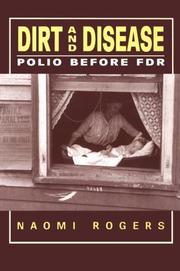
How polio and ideas of dirt shaped American public health.
Recommended by: Bill Gates

A history of campaigns to eradicate diseases such as malaria.
Recommended by: Bill Gates

The history of tuberculosis and why it still kills the poor.
Recommended by: Bill Gates
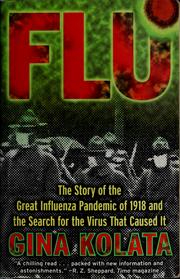
The influenza epidemic that killed an estimated forty million people.
Recommended by: Balaji S. Srinivasan
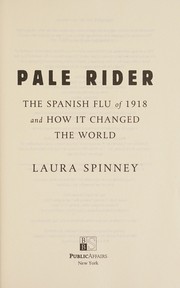
The 1918 Spanish flu, which killed 50 to 100 million, through history and science.
Recommended by: Balaji S. Srinivasan
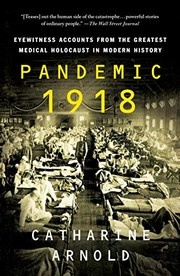
A global history of the Spanish flu, which struck as the First World War went on.
Recommended by: Balaji S. Srinivasan, Guy Spier