
Pandemic 1918
A global history of the Spanish flu, which struck as the First World War went on.
Summary
Catharine Arnold, a historian, gives a global narrative of the Spanish flu, published for the centenary of the epidemic. In January 1918, while the First World War continued, a new virus began to spread; in three waves from 1918 to 1919 it killed more than 50 million people. German soldiers called it Blitzkatarrh and British soldiers Flanders Grippe, but it became known worldwide as Spanish Flu.
No place escaped. The United States recorded 550,000 deaths by the jacket's count (750,000 in another edition's description), five times its military dead in the war; Britain lost 250,000 and European deaths passed two million. Some governments suppressed news of the outbreak to protect wartime morale, hiding how servicemen died even as whole battalions fell, while civilian families died at home. Philadelphia ran out of gravediggers and coffins and dug mass graves with steam shovels. The disease recalled the Black Death of 1348 and the great plague of 1665, and a medical profession exhausted by five years of war lacked the means to contain it. Arnold builds the account from primary and archival sources.
Key takeaways 4
- The 1918 to 1919 influenza killed more than 50 million people in three waves.
- Wartime governments hid news of the epidemic to protect morale.
- American deaths were several times its military losses in the war.
- Medical services worn down by war could not contain the disease.
Who should read it
Readers of medical and social history who want a narrative of the 1918 pandemic.
Who recommended it 2
Similar books 6
Chosen by shared topics, the entries that hold them, and the people who recommended both.
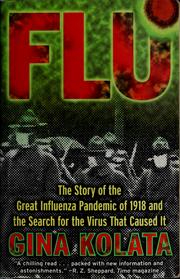
The influenza epidemic that killed an estimated forty million people.
Recommended by: Balaji S. Srinivasan
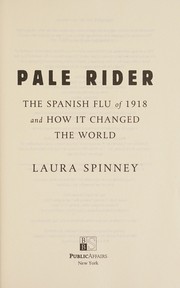
The 1918 Spanish flu, which killed 50 to 100 million, through history and science.
Recommended by: Balaji S. Srinivasan

The 1918 flu: how it spread from a Kansas army camp and killed up to 100 million.
Recommended by: Bill Gates, Balaji S. Srinivasan
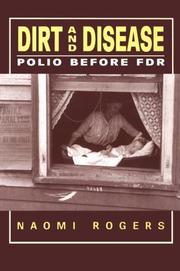
How polio and ideas of dirt shaped American public health.
Recommended by: Bill Gates

A history of campaigns to eradicate diseases such as malaria.
Recommended by: Bill Gates
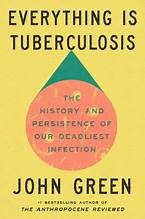
The history of tuberculosis and why it still kills the poor.
Recommended by: Bill Gates