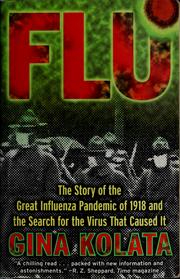
Flu
The influenza epidemic that killed an estimated forty million people.
Summary
Gina Kolata tells the story of the 1918 influenza epidemic, which struck down the young and healthy almost overnight. An estimated forty million people died. Children were orphaned and families destroyed, and as many American soldiers died of the flu as were killed in battle in the First World War. No part of the world was safe: in remote outposts of the Arctic tundra, Inuit villages were wiped out entirely.
Kolata follows the scientists who recovered fragments of the virus, preserved frozen in Alaska and in scraps of tissue kept in a government warehouse, and tells their search as a detective story. She covers the history of influenza and earlier epidemics, explains the science of the disease as understood in 1999, and considers the chances of a similar epidemic recurring and what can be done to prevent one.
Key takeaways 4
- The 1918 flu killed an estimated forty million people, many of them young and healthy.
- As many American soldiers died of the flu as died in battle in the First World War.
- Scientists recovered the virus from tissue frozen in Alaska and stored in a government archive.
- A pandemic on that scale could happen again, and preparation matters.
Who should read it
General readers interested in epidemics, medical history and the science of influenza.
Who recommended it 1
Similar books 6
Chosen by shared topics, the entries that hold them, and the people who recommended both.
The 1918 Spanish flu, which killed 50 to 100 million, through history and science.
Recommended by: Balaji S. Srinivasan
A global history of the Spanish flu, which struck as the First World War went on.
Recommended by: Balaji S. Srinivasan, Guy Spier
The 1918 flu: how it spread from a Kansas army camp and killed up to 100 million.
Recommended by: Bill Gates, Balaji S. Srinivasan
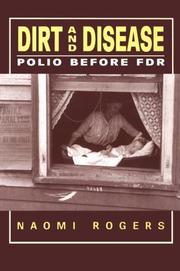
How polio and ideas of dirt shaped American public health.
Recommended by: Bill Gates

A history of campaigns to eradicate diseases such as malaria.
Recommended by: Bill Gates
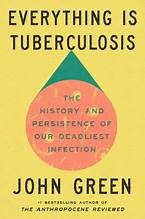
The history of tuberculosis and why it still kills the poor.
Recommended by: Bill Gates