
Medicine and Biology
Clinical medicine, public health, epidemics, neuroscience and the life sciences, including doctors' accounts of their own work. Read by clinicians, patients and readers interested in how bodies and diseases actually work.
Start here
- On Growth and FormD'Arcy Wentworth Thompson, 1917
- The Emperor of All MaladiesSiddhartha Mukherjee, 2010
- Being MortalAtul Gawande, 2014
- The GeneSiddhartha Mukherjee, 2016
- Dopesick: Dealers, Doctors, and the Drug Company That Addicted AmericaBeth Macy, 2018
How mathematics and physical forces shape the forms of living things.
A biography of cancer, by a physician and oncologist.
“I loved Mukherjee's 2015 TED Talk and his brilliant book about cancer, The Emperor of All Maladies, which won the Pulitzer Prize in 2011.” — Bill Gates
Source: My thoughts on 'The Gene: An Intimate History' — Gates Notes
Recommended by: Bill Gates, Andrew Chen, Laura R Walker and 1 other
End-of-life and hospice care, and why medicine should aim at well-being.
Recommended by: Bill Gates, Mohnish Pabrai, Julie Zhuo
The gene from Mendel and Darwin to genome editing, beside a family's mental illness.
Recommended by: Bill Gates, Daniel Petre, James Cameron and 1 other
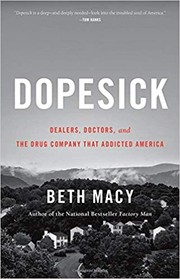
America's opioid crisis from OxyContin's 1996 launch through Central Appalachia.
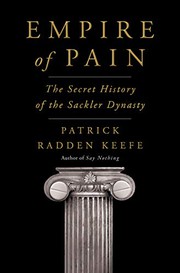
Three generations of the Sackler family and how Purdue Pharma sold OxyContin.
How plague, cholera, malaria and smallpox shaped history.
Recommended by: Patrick Collison, Paul Graham
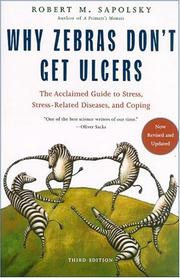
Chronic stress and how it affects the quality of decisions.
“Robert M. Sapolsky, Why Zebras Don’t Get Ulcers: Un Updated Guide to Stress, Stress-Related Disease, and Coping (New York: W.H. Freeman and Company, 1994)” — Michael Mauboussin
Source: Long-Term Investing: How I Learned to Stop Worrying and Ignore Volatility, page 6
Recommended by: Jim Collins, Michael Mauboussin
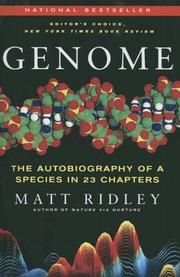
Twenty-three chapters, one per chromosome, each using a gene to open a subject.
“I highly recommend Genome as well, to figure out the rational basis behind ethics and the origin of virtue.” — Naval Ravikant
Source: Nav.al — 'Matt Ridley: How Innovation Works, Part 2' (Naval's podcast, edited transcript)
Recommended by: Charlie Munger, Mohnish Pabrai and 2 others
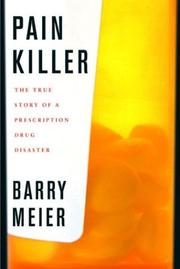
How OxyContin was marketed, and how its abuse spread across America.
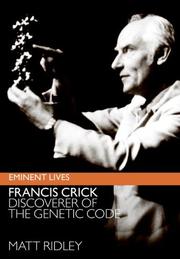
Francis Crick's life, from a lacklustre education to discovering DNA's structure.
Recommended by: Naval Ravikant
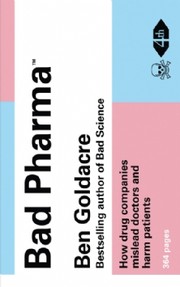
How drug companies distort medical evidence, starting with unpublished trials.
Recommended by: Tim Ferriss
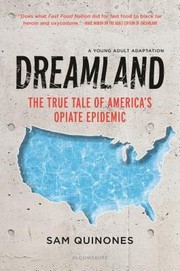
America's opiate epidemic, seen from the demand side of the OxyContin market.
Recommended by: Chris Sacca
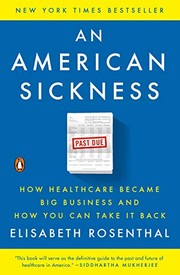
How US healthcare became so costly and broken, and what patients can do.
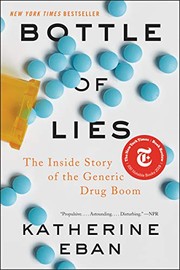
Fraud in data and manufacturing at offshore generic-drug plants.
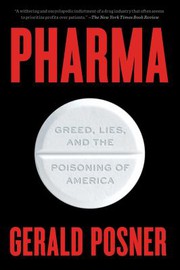
The US drug industry from patent medicines to the opioid epidemic and the Sacklers.
Johnson & Johnson's record on talc, opioids and Tylenol, reexamined.
How Rockefeller philanthropy reshaped American medicine.
Inside Vertex's first years: how a new drug company tries to discover a drug.
Recommended by: Laura Deming
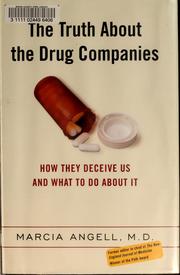
How drug companies turned from discovering drugs to marketing them.
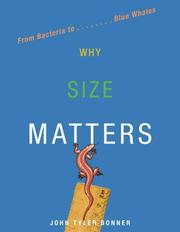
Why body size matters in living things.
“John Tyler Bonner, Why Size Matters (Princeton, NJ: Princeton University Press, 2006)” — Michael Mauboussin
Source: Importance of Diverse Thinking: Why the Santa Fe Institute Can Make You a Better Investor, page 10
Recommended by: Michael Mauboussin
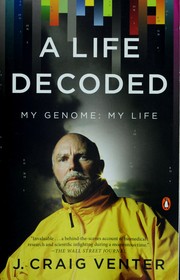
An insider's account of the private race to sequence the human genome.
Recommended by: Sam Altman
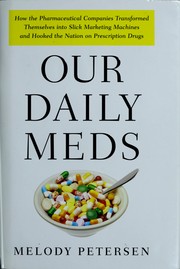
How drug makers became marketing machines, from Risperdal to off-label promotion.

How Genentech turned genetic engineering into a company, from its founders' accounts.
Recommended by: Laura Deming, Patrick Collison
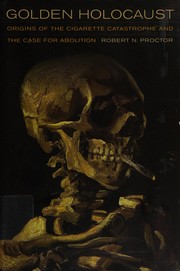
How tobacco chemists engineered cigarettes, drawn from the industry's own documents.
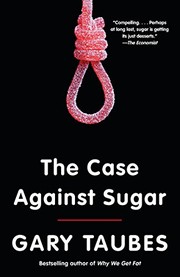
The case that sugar is the new tobacco: harmful, entrenched and backed by lobbies.
Recommended by: Vinod Khosla
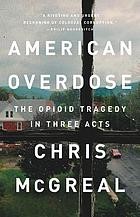
How drug makers, regulators and distributors let the US opioid epidemic grow.
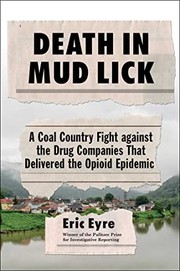
How a West Virginia town of 382 people got 12 million opioid pills in three years.
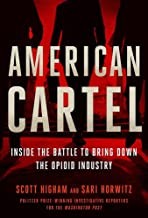
The drug distributors behind the opioid epidemic and the lawsuits against them.
A neurosurgeon on how medical decisions and hospital incentives work.
Recommended by: Bill Gates
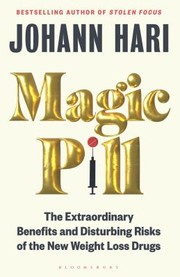
The GLP-1 drugs: their benefits, their risks and their effects on society.
A writer's account of treatment for alcoholism in a psychiatric hospital.
Recommended by: Ryan Holiday

Confessions of an American writer who travelled widely and lived unconventionally.
Recommended by: Ryan Holiday
A physicist asks how physics and chemistry can explain events in living things.
Recommended by: Naval Ravikant

A doctor's diary of the time after the atomic bomb fell on Hiroshima.
Recommended by: Nat Eliason
A psychologist's thirty-year study of a man with almost limitless memory.
“Anyone who's interested in memory and mind and the vast differences between people might be interested in this, it's called The Mind of a Mnemonist, I think is how it's pronounced, like mnemonic device, M-N-E-M-O-N-I-S-T, a little book about a vast memory.” — Tim Ferriss
Recommended by: Tim Ferriss
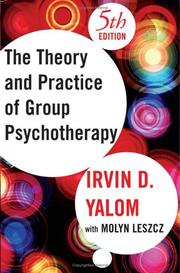
The standard text on group psychotherapy, revised with recent research.
Recommended by: Mohnish Pabrai
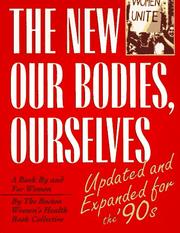
Women's roles and choices, with detailed treatment of women's health and hygiene.
Recommended by: Stewart Brand
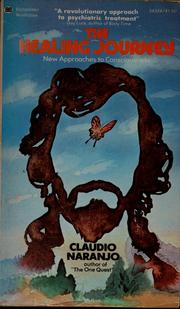
“If you want to know how some psychotherapists have worked with these things, I think an oldie but a goodie, The Healing Journey by Claudio Naranjo, I think is excellent.” — Tim Ferriss
Recommended by: Tim Ferriss
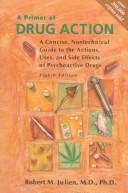
How psychoactive drugs act on the brain, for general readers.
Recommended by: Patrick Collison
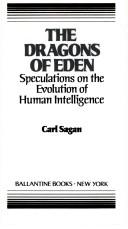
How human intelligence evolved: the brain, memory, sleep and myth.
Recommended by: Patrick O'Shaughnessy

The botany and chemistry of hallucinogenic plants and how people have used them.
Recommended by: Tim Ferriss
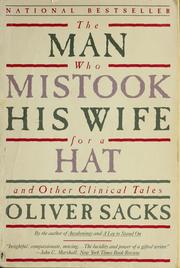
Case histories of patients with strange neurological disorders.
Recommended by: Eric Weinstein
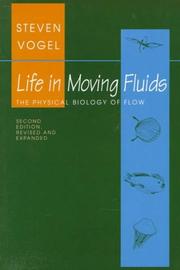
Fluid mechanics applied to how plants and animals live in moving air and water.
Recommended by: Patrick Collison
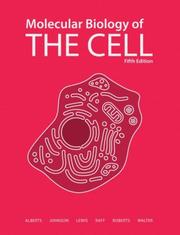
The university textbook of cell biology.
Recommended by: Laura Deming, Sam Altman

An undergraduate biology textbook, from cells and genetics to evolution.
Recommended by: Mohnish Pabrai
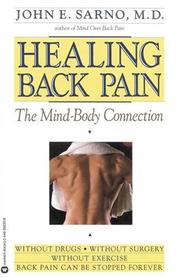
A physician's case that much back pain comes from stress and tension.
Recommended by: Tim Ferriss
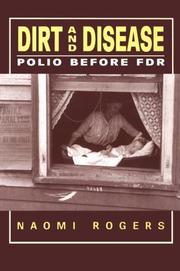
How polio and ideas of dirt shaped American public health.
Recommended by: Bill Gates

Illustrations of the molecules and machines that make a living cell work.
Recommended by: Patrick Collison
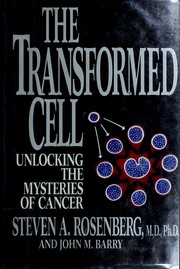
A surgeon's quest to turn the body's immune response against cancer.
Recommended by: Peter Attia
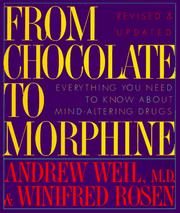
What drugs are and how they affect the mind and body.
Recommended by: Patrick Arnold
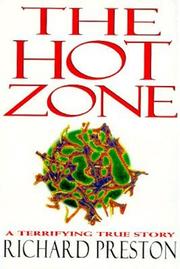
Investigations into Ebola and other African viruses, their strains and outbreaks.
Recommended by: Safi Bahcall, Sophie Bakalar

A water contamination case in Woburn, Massachusetts, and the lawsuit it led to.
Recommended by: Mohnish Pabrai
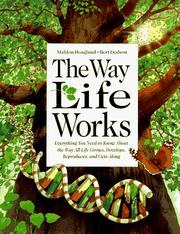
An illustrated account of how living things grow, develop, reproduce and get by.
Recommended by: Stewart Brand
Fictional sexual scenes, each read by an evolutionary biologist for its instincts.
Recommended by: Brian Armstrong, Tucker Max
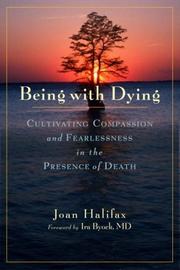
A Zen teacher on helping the dying and their carers face death with compassion.
Recommended by: Arianna Huffington
How the human hand shaped our cognitive, emotional and linguistic development.
Recommended by: Patrick Collison
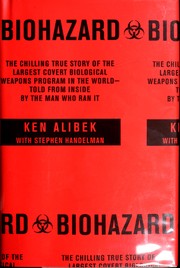
An insider's account of the Soviet Union's secret biological weapons programme.
Recommended by: Patrick Collison
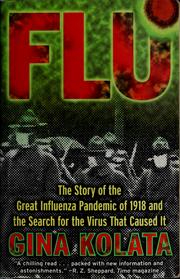
The influenza epidemic that killed an estimated forty million people.
Recommended by: Balaji S. Srinivasan
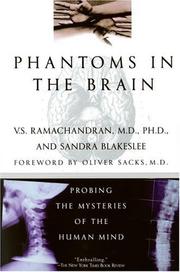
What patients with odd neurological disorders reveal about the brain and the self.
Recommended by: Tom Bilyeu
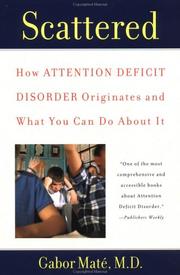
Attention deficit disorder as rooted in emotional environment, and how it heals.
Recommended by: Andrew Wilkinson
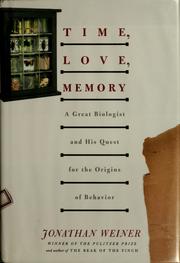
A biologist's search for how pieces of DNA shape behaviour.
Recommended by: Mohnish Pabrai

A reference on diagnosing and treating tropical infectious diseases.
Recommended by: Bill Gates

A model of accelerated psychodynamic therapy built on the power of emotion.
Recommended by: Guy Spier
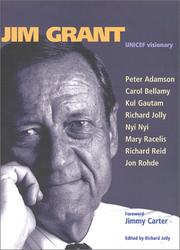
Eight stories by colleagues of the UNICEF leader behind a child survival revolution.
Recommended by: Bill Gates
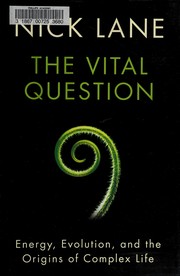
How energy and genes are linked, and why complex life arose from a single event.
Recommended by: Bill Gates, Patrick Collison and 1 other
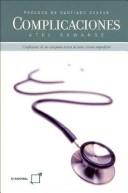
True cases showing the power and the limits of medicine as it is practised.
“Gawande, Atul, Complications: A Surgeon’s Notes on an Imperfect Science (New York: Picador, 2002)” — Michael Mauboussin
Source: Are You an Expert? Experts and Markets, page 10
Recommended by: Michael Mauboussin, Mohnish Pabrai and 1 other
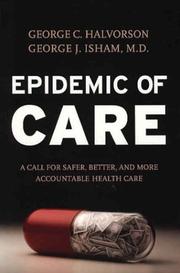
A primer on what drives American health care costs and how to curb them.
Recommended by: Mohnish Pabrai
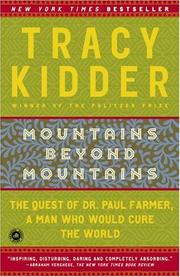
Paul Farmer, the doctor who co-founded Partners In Health, treating the poor.
Recommended by: Bill Gates, Jim Collins, Mohnish Pabrai and 3 others
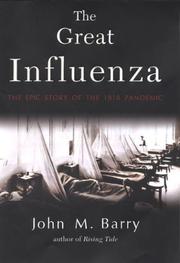
The 1918 flu: how it spread from a Kansas army camp and killed up to 100 million.
Recommended by: Bill Gates, Balaji S. Srinivasan
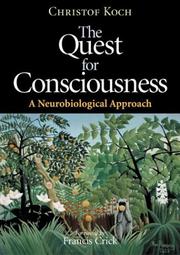
A neurobiological approach to explaining consciousness.
Recommended by: Patrick Collison
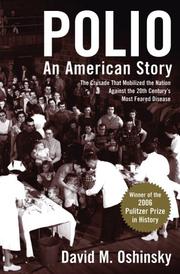
The American fear of polio and the race for a cure, from the March of Dimes to Salk.
Recommended by: Bill Gates
How the mind can stay sharp, and grow wiser, as the brain ages.
Recommended by: Mohnish Pabrai, Nassim Nicholas Taleb
A textbook on the health of the whole world for students.
Recommended by: Bill Gates
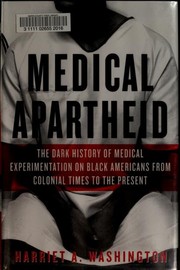
A history of medical experiments on Black Americans, from slavery to today.
Recommended by: Sophie Bakalar
An introduction to the structure and function of the nervous system for students.
Recommended by: Patrick Collison
The main findings on disease-control priorities for developing countries.
Recommended by: Bill Gates
Why American health care competes on the wrong things, and value-based competition.
Why the biotechnology industry fell short of its promise.
“Pisano, Gary P., Science Business: The Promise, The Reality, and the Future of Biotech (Boston, MA: Harvard Business School Press, 2006)” — Michael Mauboussin
Source: Capital Allocation: Evidence, Analytical Methods, and Assessment Guidance, page 64
Recommended by: Michael Mauboussin, Bill Gates
A textbook on the molecular and cellular basis of cancer.
Recommended by: Patrick Collison
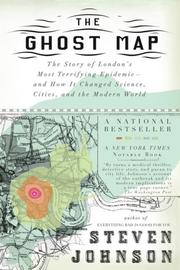
The cholera outbreak in Victorian London and how John Snow found its cause.
Recommended by: Mohnish Pabrai
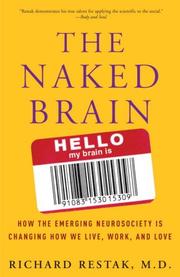
How brain science is changing the way we live, work and love.
Recommended by: Simon Sinek
How doctors try to close the gap between their intentions and their performance.
Recommended by: Mohnish Pabrai, John Maeda
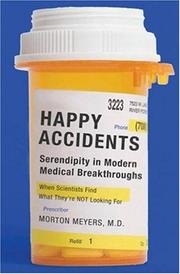
How chance led to penicillin, chemotherapy and other medical breakthroughs.
Recommended by: Mohnish Pabrai, Nat Eliason and 1 other
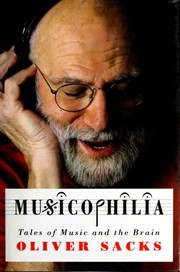
How music acts on the brain, through patients, musicians and ordinary people.
Recommended by: Tim Ferriss
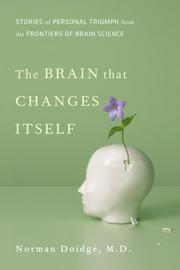
Scientists and patients who show that the brain can change its own structure.
Recommended by: Tom Bilyeu
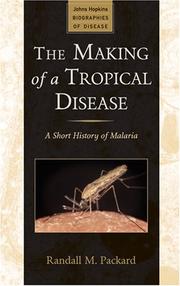
How malaria became a disease of poor tropical regions.
Recommended by: Bill Gates
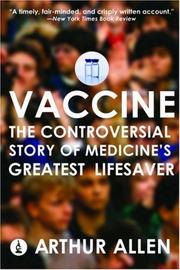
The hopeful and controversial history of vaccination, from Jenner on.
Recommended by: Bill Gates
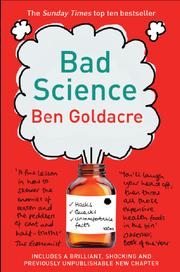
A doctor's exposé of bad science in medicine, the media and alternative cures.
“I think there's a book called Bad Science by Ben Goldacre, who's an MD from the UK. There are a number of chapters that are not relevant to US audience, but it's a helpful book for teaching yourself to think in a structured way, scientifically about medicine.” — Tim Ferriss
Source: The Tim Ferriss Show Transcripts: Dr. Andrew Huberman — Peptides, Performance, and Protocols (#876)
Recommended by: Tim Ferriss
Essays on how far technology should be used to make better humans.
Recommended by: Patrick Collison
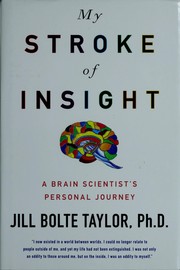
A brain scientist watches her own mind shut down during a massive stroke.
“I thought it was stunningly awesome and bought Taylor’s book My Stroke of Insight: A Brain Scientist’s Personal Journey.” — Brad Feld
Source: Book: My Stroke of Insight: A Brain Scientist's Personal Journey — Feld Thoughts
Recommended by: Brad Feld, Jim Collins, Ray Dalio
Kaiser Permanente's chief executive on how American health care must be reformed.
Recommended by: Bill Gates
Stories of forgiveness, gratitude and courage from a hospice volunteer.
Recommended by: Arianna Huffington
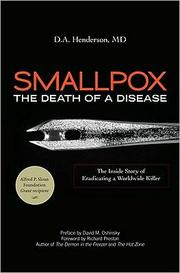
The head of the WHO campaign that eradicated smallpox tells how it was done.
Recommended by: Bill Gates

How trivial-seeming questions lead to deeper insight into how science works.
Recommended by: Mohnish Pabrai, Bill Gates
Disruptive innovation applied to health care.
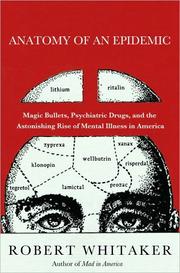
Why the number of people disabled by mental illness rose with psychiatric drugs.
Recommended by: Tim Ferriss
Trauma as an injury held in the body, and how attention to the body heals it.
Recommended by: Mohnish Pabrai
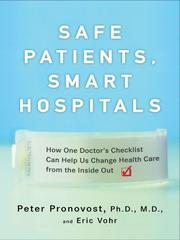
How a doctor's checklist can cut harm to patients in hospitals.
Recommended by: Mohnish Pabrai
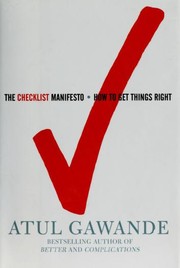
How checklists stop experts in complex fields failing to apply what they know.
“Like Malcom Gladwell, a book that could and should have been an article, but puffed up with 200 pages of supporting stories, mostly great detailed tales of his surgeon experiences where a checklist would have come in handy. Here's the book in one sentence: You should make checklists for any complex procedures or decisions.” — Derek Sivers
Source: Derek Sivers book notes (primary, rated list) · Rating: 3/10
Recommended by: Derek Sivers, Keith Rabois and 10 others

The centuries-long fight to treat and prevent malaria, which still infects millions.
Recommended by: Bill Gates

A history of campaigns to eradicate diseases such as malaria.
Recommended by: Bill Gates

How smallpox was eradicated, told by one of the physicians who did it.
Recommended by: Bill Gates
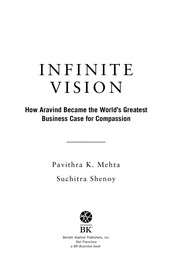
How Aravind Eye Hospital became the world's largest provider of eye care.
Recommended by: Mohnish Pabrai
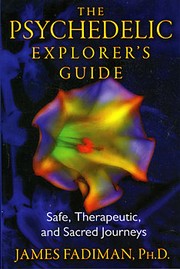
Psychedelics for spiritual, therapeutic and problem-solving use.
Recommended by: Nat Eliason, Naval Ravikant
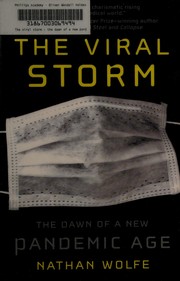
Where the deadliest viruses come from, and how to stop pandemics.
Recommended by: Patrick Collison

Population genetics as a new way to answer who the Jewish people are.
Recommended by: Patrick Collison
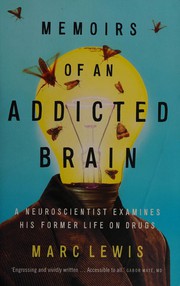
A neuroscientist examines his own former life on drugs and the science of addiction.
Recommended by: Nir Eyal
The emptying of America's mental hospitals, told through one mentally ill brother.
Recommended by: Balaji S. Srinivasan
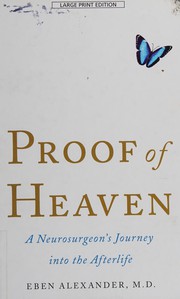
A neurosurgeon in a coma describes a journey beyond this world to a divine source.
Recommended by: Mohnish Pabrai
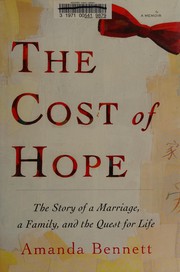
A journalist's marriage, her husband's illness, and what fighting for his life cost.
Recommended by: Bill Gates
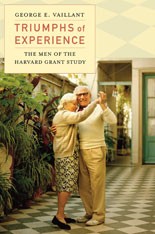
What the Grant Study, which followed 200 men for life, found about ageing well.
Recommended by: Andrew Wilkinson, David Kadavy
Why American health care is failing, and why expanding insurance will not fix it.
“David Goldhill, in his enlightening book Catastrophic Care, declared:” — Bill Gurley
Source: “Customer First” Healthcare
Recommended by: Bill Gurley, Jim Collins
How to read a personal genome and what it says.
Recommended by: Balaji S. Srinivasan
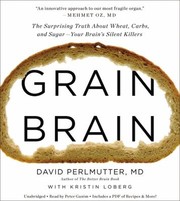
How wheat, sugar and carbohydrates harm the brain, with a thirty-day plan.
Recommended by: Nat Eliason
The politics, financing and delivery of Singapore's healthcare over five decades.
Recommended by: Sahil Lavingia
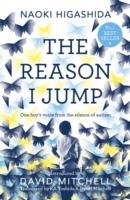
A thirteen-year-old boy with autism explains how his mind thinks and feels.
Recommended by: Matt Mullenweg, Mohnish Pabrai
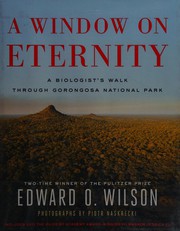
A biologist's walk through Gorongosa National Park, and why biodiversity matters.
Recommended by: Patrick Collison
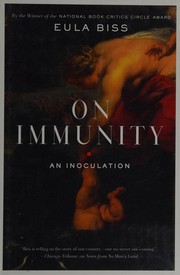
A new mother looks at the fears around vaccinating children.
Recommended by: Bill Gates, Mark Zuckerberg
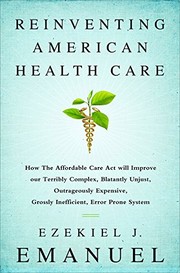
How American health care and insurance reform works.
Recommended by: Bill Gates, Mohnish Pabrai, John Doerr
How the FDA became the world's most powerful regulator through its reputation.
Recommended by: Balaji S. Srinivasan
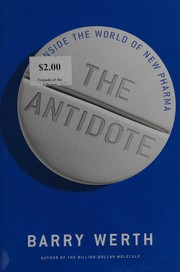
How Joshua Boger left Merck to found a drug company to take on the giants.
Recommended by: Laura Deming
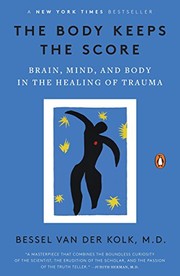
How trauma reshapes the body and brain, and the treatments that help survivors.
Recommended by: Matt Mullenweg, Brené Brown, Garry Tan and 2 others
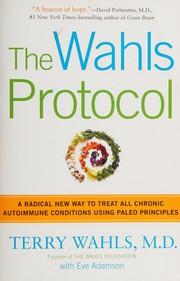
A doctor with multiple sclerosis on an integrative approach to autoimmune disease.
Recommended by: Kevin Rose
Christopher Murray and the Global Burden of Disease studies of how people die.
Recommended by: Bill Gates, Patrick Collison
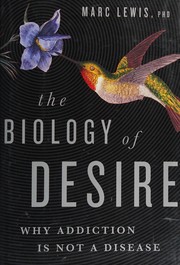
Addiction as learning in the brain, not a disease, by a neuroscientist and ex-addict.
Recommended by: Esther Dyson
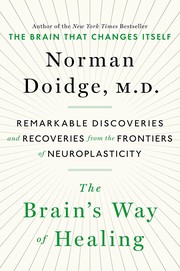
How neuroplasticity is used to treat brain injury and illness.
Recommended by: Jim Kwik
Recommended by: Richard Branson
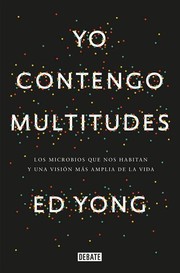
Why animals are best seen as hosts to millions of microbes.
Recommended by: Bill Gates, Patrick Collison
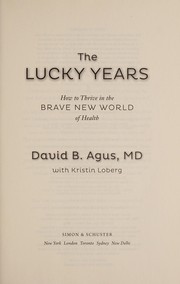
How new medicine replaces one-size-fits-all care with the latest science.
Recommended by: Arianna Huffington
A neurosurgeon diagnosed with lung cancer at 36 asks what makes life worth living.
“Paul Kalanithi's book When Breath Becomes Air is one of the best books I've ever read.” — Brad Feld
Source: Book: When Breath Becomes Air — Feld Thoughts
Recommended by: Bill Gates, Brad Feld, Kathryn Minshew and 11 others
A palliative-care doctor's guide for patients and families facing serious illness.
Recommended by: Jake Knapp
The 1918 Spanish flu, which killed 50 to 100 million, through history and science.
Recommended by: Balaji S. Srinivasan
Why conventional medicine fails against chronic disease, and an alternative.
Recommended by: Nat Eliason
The history and revival of psychedelic research, and the author's own trips.
“There's a good book Michael Pollan wrote recently called How to Change your Mind, and I think it is a brilliant book everybody should read.” — Naval Ravikant
Source: Naval's Recommended Reading — The Almanack of Naval Ravikant
Recommended by: Jim Collins, Vinod Khosla, Bill Gates and 8 others
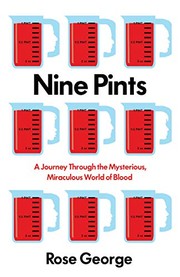
The science, myths and business of blood, from bloodletting to plasma sales.
Recommended by: Bill Gates
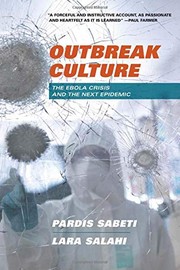
Why key information failed to reach doctors in West Africa's Ebola epidemic.
Recommended by: Bill Gates
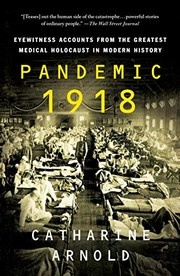
A global history of the Spanish flu, which struck as the First World War went on.
Recommended by: Balaji S. Srinivasan, Guy Spier
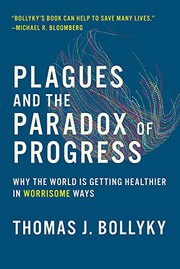
Infectious disease, public health and their effects on societies worldwide.
Recommended by: Bill Gates, Michael Bloomberg
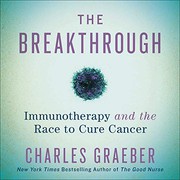
The scientists racing to make the immune system fight cancer: immunotherapy's story.
Recommended by: Vinod Khosla, Keith Rabois
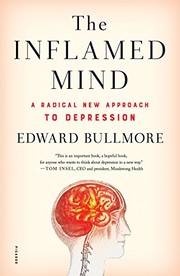
A new approach to depression that links it to inflammation in the body.
Recommended by: Vinod Khosla
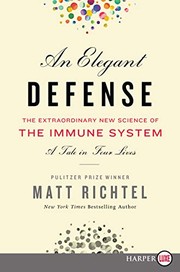
How the human immune system works, and its part in health and longevity.
“Explains for the lay reader the intricate biology of our immune system.” — Vinod Khosla
Source: 2019 Book Recommendations — Vinod Khosla, Medium
Recommended by: Bill Gates, Vinod Khosla, Keith Rabois
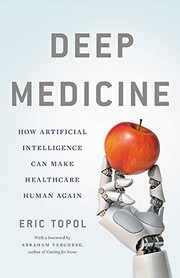
How artificial intelligence could give doctors back time for their patients.
Recommended by: Keith Rabois
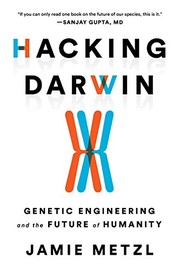
How genetic engineering will change human life, from sex to war, and the ethics.
Recommended by: Bill Gates
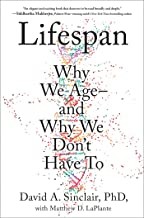
The case that ageing is a disease that can be treated, and the theory behind it.
“This eye-opening narrative reveals incredible scientific breakthroughs about aging and ways we can slow down, or even reverse, the process.” — Vinod Khosla
Source: 2019 Book Recommendations — Vinod Khosla, Medium
Recommended by: Vinod Khosla, David Friedberg, Jason Fried and 3 others
How sleep, diet and social media feed ADHD-like traits, with Trump as a case study.
Recommended by: Andrew Wilkinson
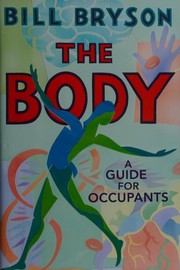
A tour of the human body: how it works, how it heals itself and how it fails.
Recommended by: Andrew Wilkinson, Morgan Housel
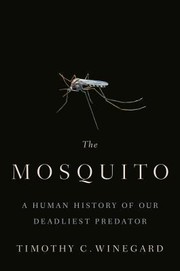
How the mosquito has shaped human history more than any other force.
Recommended by: Bill Gates
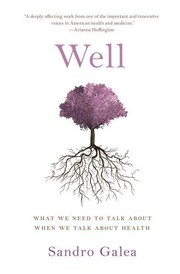
Why Americans spend most on health yet live shorter lives, and what shapes health.
Recommended by: Arianna Huffington
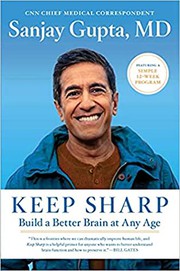
A neurosurgeon's science-based guide to keeping the brain healthy at any age.
Recommended by: Melinda Gates
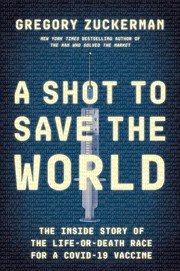
How three Covid vaccines were developed and approved in under a year.
Recommended by: Andrew Wilkinson
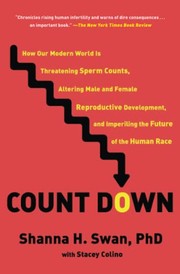
How modern chemicals and habits disrupt hormones and lower sperm counts.
“These include Sicker Fatter Poorer by Leonardo Trasande (2019), Count Down by Shanna Swan and Stacey Colino (2021), The Obesogen Effect by Bruce Blumberg and Kristin Loberg (2018), Toxic Cocktail by Barbara Demeneix (2017), and Our Stolen Future by Dianne Dumanoski, John Peterson Myers, and Theo Colborn (1996).” — Jeremy Grantham
Source: Rising Toxicity and the Threat to Capitalism and Life Itself, page 3
Recommended by: Jeremy Grantham, Nat Eliason
How a few health officials and scientists confronted the pandemic and the CDC.
Mental disorders as metabolic disorders of the brain, and the treatments that follow.
Recommended by: Andrew Wilkinson
A history of the cell and the sciences of the cell, with an emphasis on humans.
Recommended by: Bill Gates
How metabolism, not only genetic information, drives life, death and its origin.
Recommended by: Josh Wolfe
A doctor's manual for living longer: exercise, sleep, food and the diseases of aging.
“Expert advice on how to stay healthy into middle and old age. First half of the book was fluff for context. Second half was great specific advice. In short: exercise as much as an athlete.” — Derek Sivers
Source: Derek Sivers book notes (primary, rated list) · Rating: 7/10
Recommended by: Andrew Wilkinson, Derek Sivers and 2 others
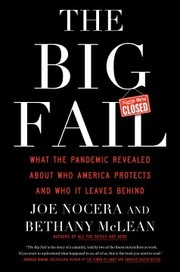
How the United States came to lead the world in deaths from COVID-19.
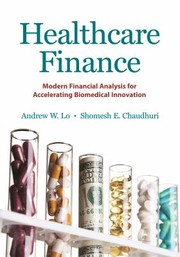
Financial engineering applied to funding biomedical research and drug development.
“Paper, September 2016. Lo, Andrew W., and Shomesh E. Chaudhuri, Healthcare Finance: Modern Financial Analysis for Accelerating Biomedical Innovation (Princeton, NJ: Princeton University Press, 2023)” — Michael Mauboussin
Source: Cost of Capital and Capital Allocation: Investment in the Era of "Easy Money", page 18
Recommended by: Michael Mauboussin
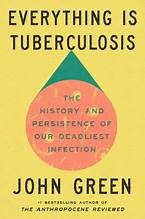
The history of tuberculosis and why it still kills the poor.
Recommended by: Bill Gates
An ethnobotanist studies with Amazon shamans to find medicines in rain-forest plants.
Recommended by: Tim Ferriss
Health care from newborns to the elderly, in everyday language from 200 experts.
Recommended by: Stewart Brand
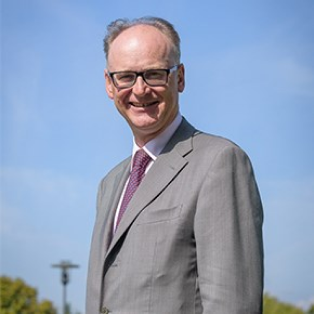 Matt Ridleywrote 2 books here
 Andrew W. Lowrote 1 book here
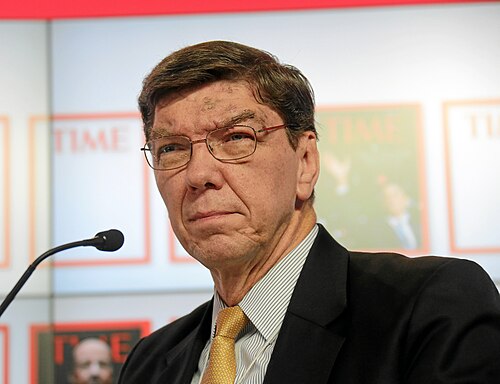 Clayton Christensenwrote 1 book here
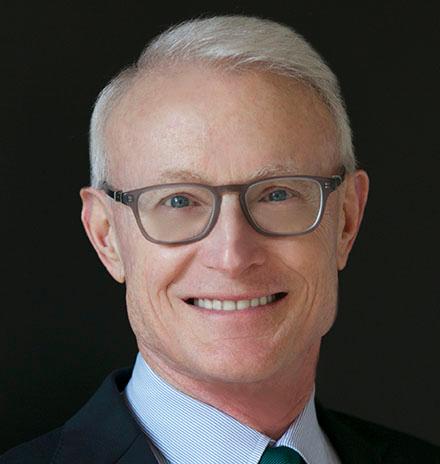 Michael E. Porterwrote 1 book here
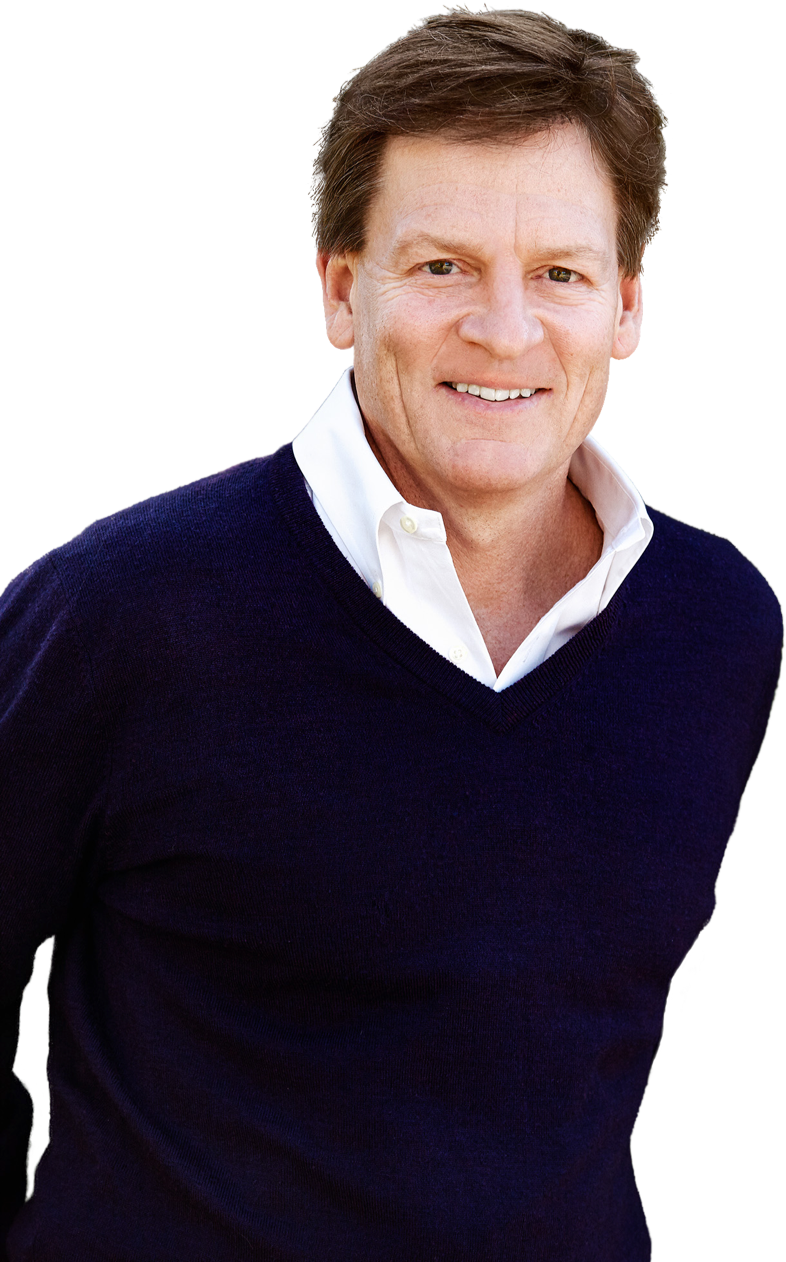 Michael Lewiswrote 1 book here
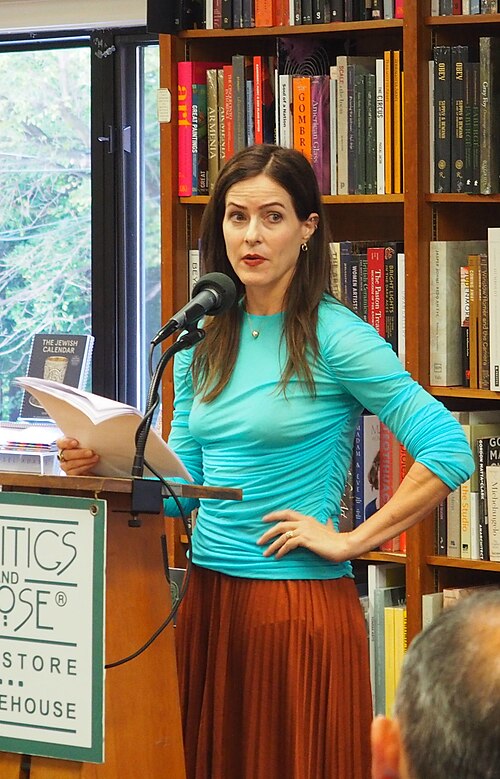 Bethany McLeanwrote 1 book here
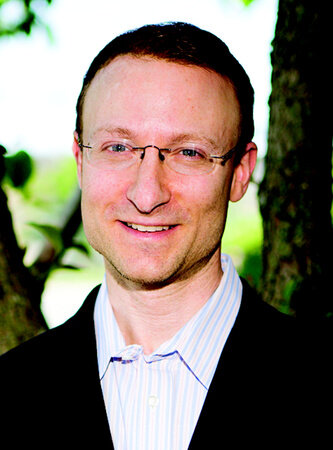 Gregory Zuckermanwrote 1 book here
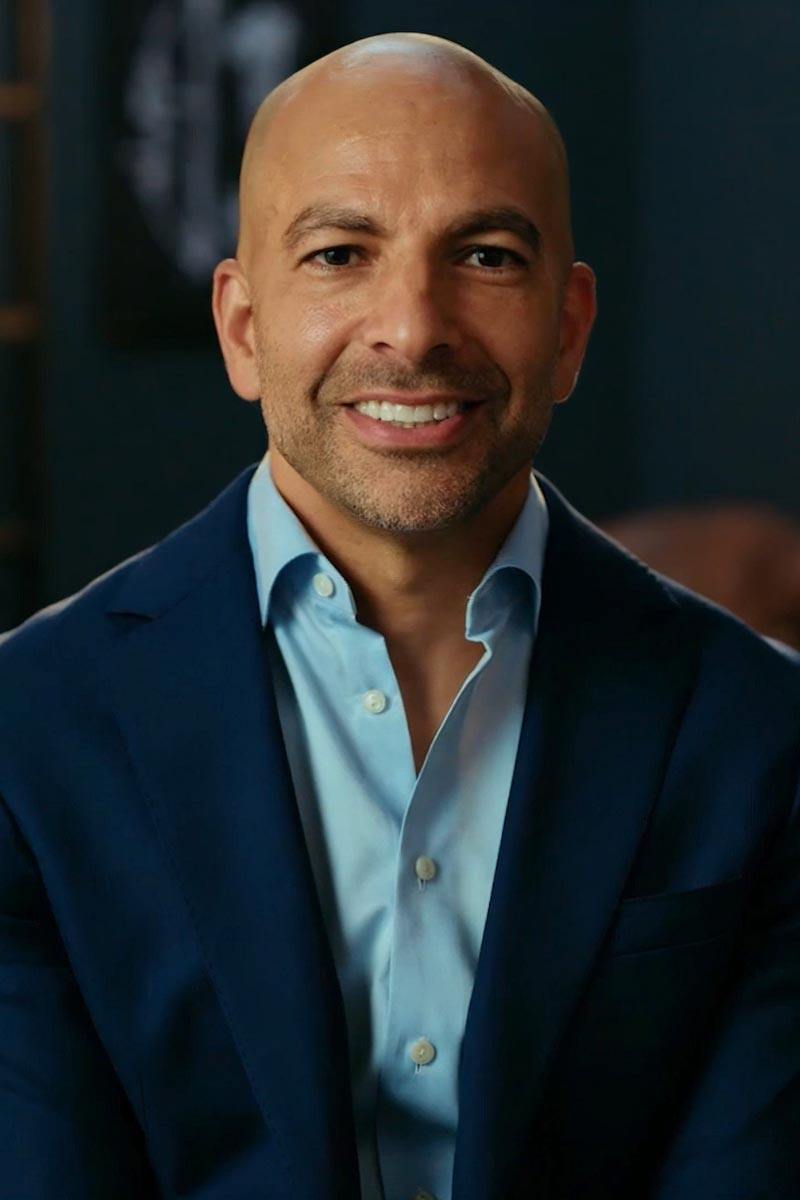 Peter Attiawrote 1 book here
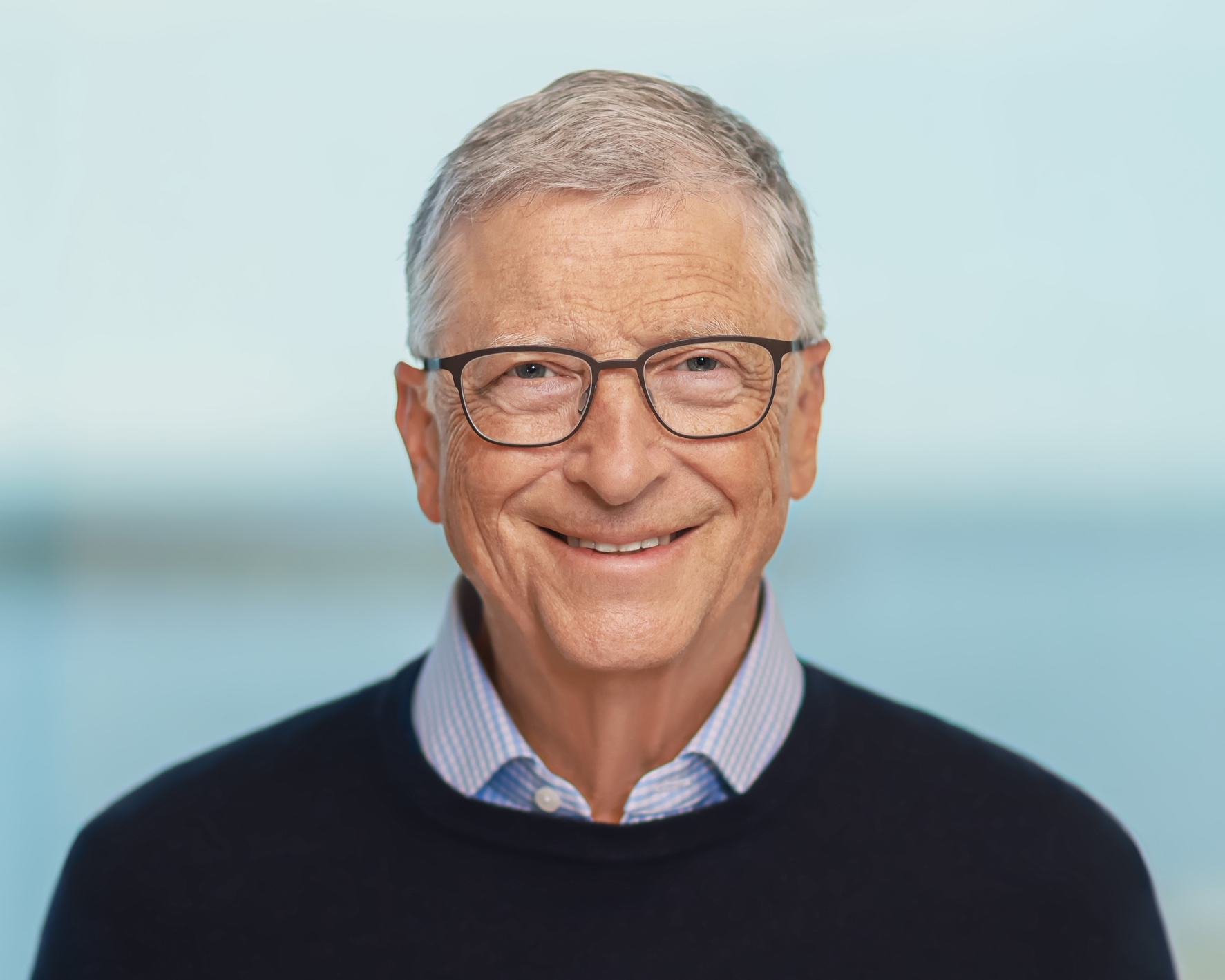 Bill Gatesrecommends 39 books here
 Mohnish Pabrairecommends 23 books here
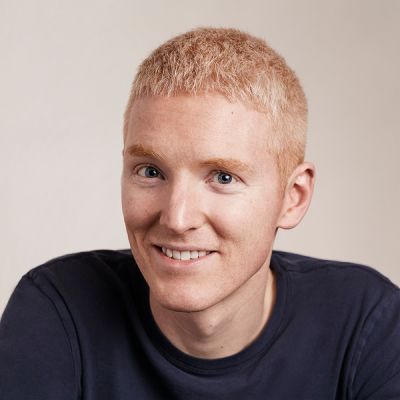 Patrick Collisonrecommends 22 books here
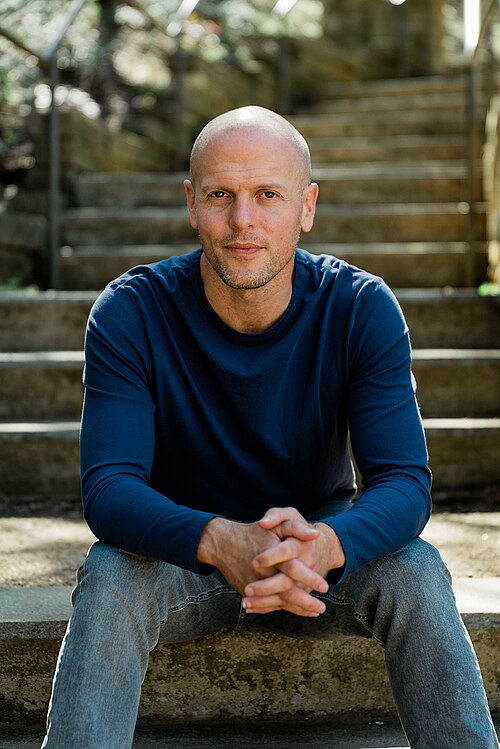 Tim Ferrissrecommends 11 books here
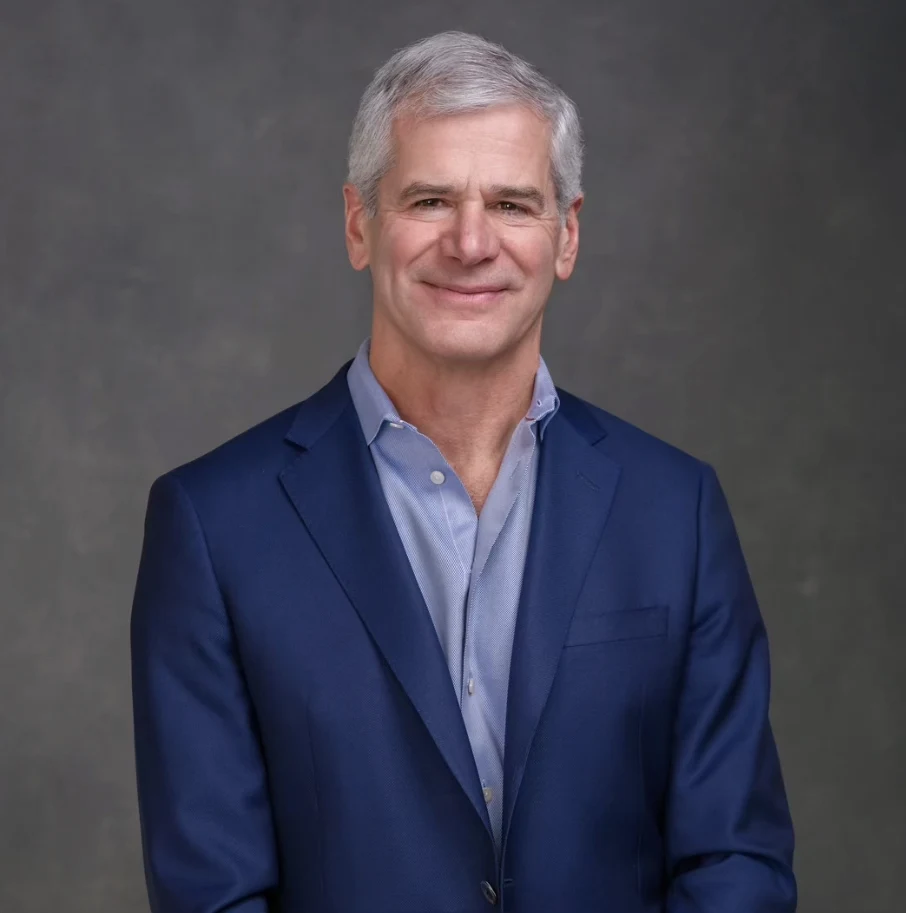 Michael Mauboussinrecommends 7 books here
 Balaji S. Srinivasanrecommends 7 books here
 Nat Eliasonrecommends 7 books here
 Vinod Khoslarecommends 6 books here
 Jim Collinsrecommends 5 books here
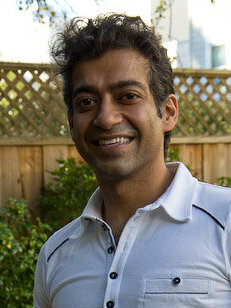 Naval Ravikantrecommends 5 books here
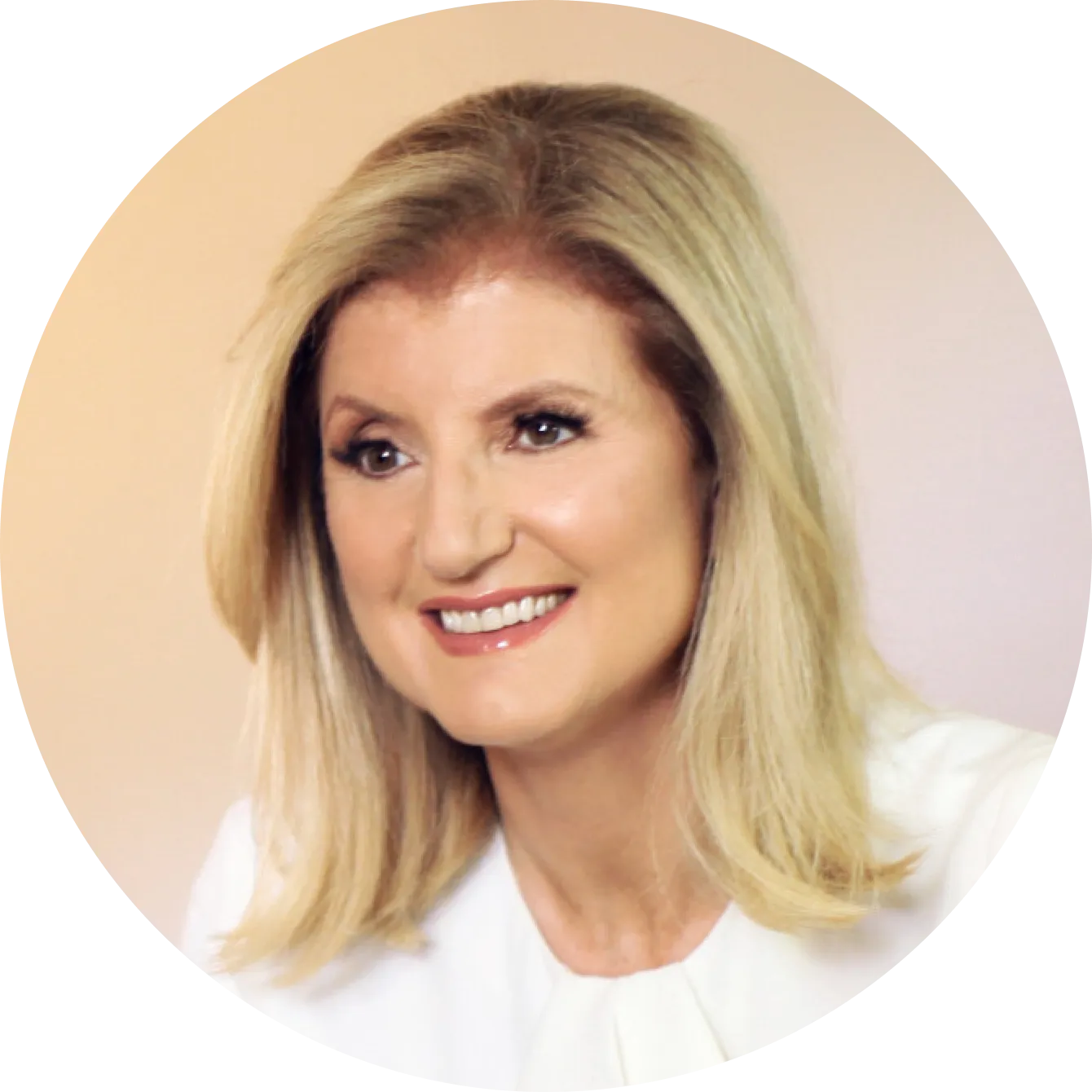 Arianna Huffingtonrecommends 4 books here
Show all 86
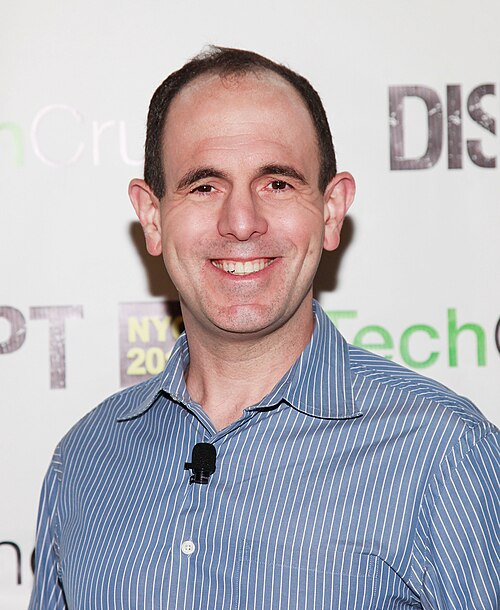 Keith Raboisrecommends 4 books here
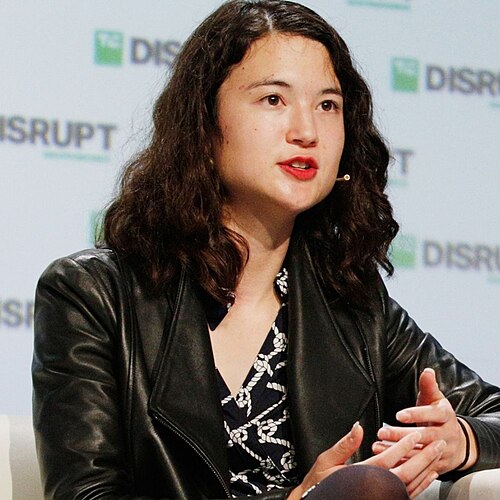 Laura Demingrecommends 4 books here
 Matt Mullenwegrecommends 3 books herePeter Attiarecommends 3 books here
 Stewart Brandrecommends 3 books here
 Nassim Nicholas Talebrecommends 2 books here
 Brad Feldrecommends 2 books here
 Morgan Houselrecommends 2 books here
 Guy Spierrecommends 2 books here
 Ryan Holidayrecommends 2 books here
 Derek Siversrecommends 2 books here
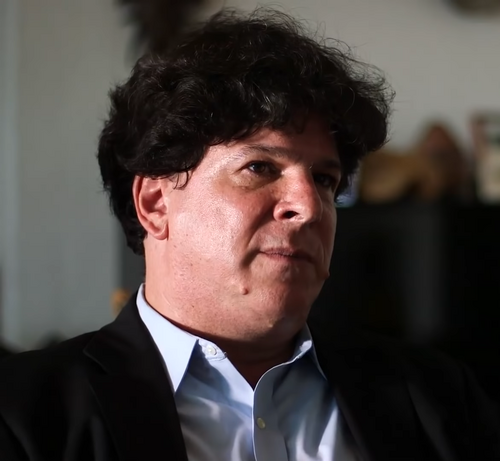 Eric Weinsteinrecommends 2 books here
 James Cameronrecommends 2 books here
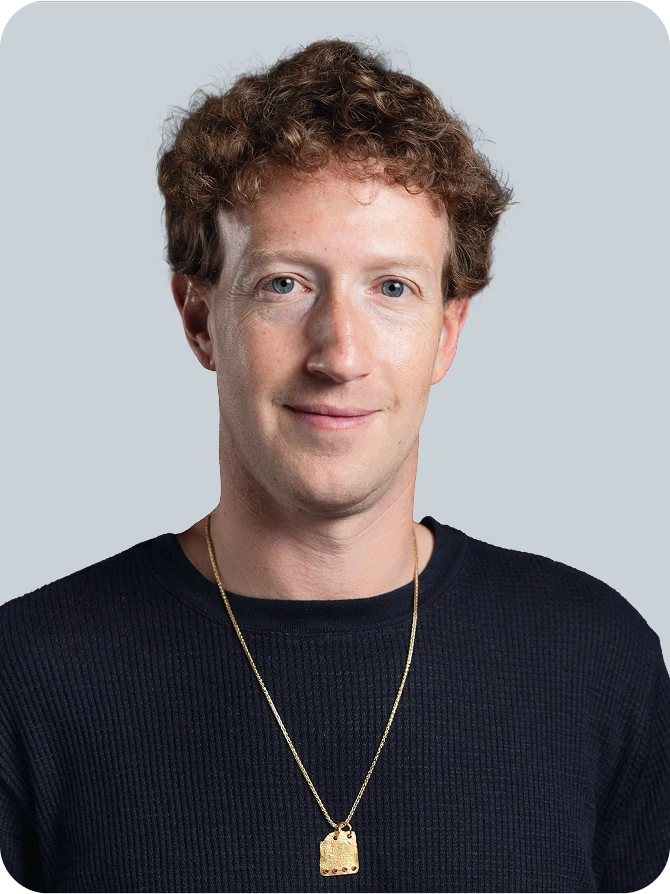 Mark Zuckerbergrecommends 2 books here
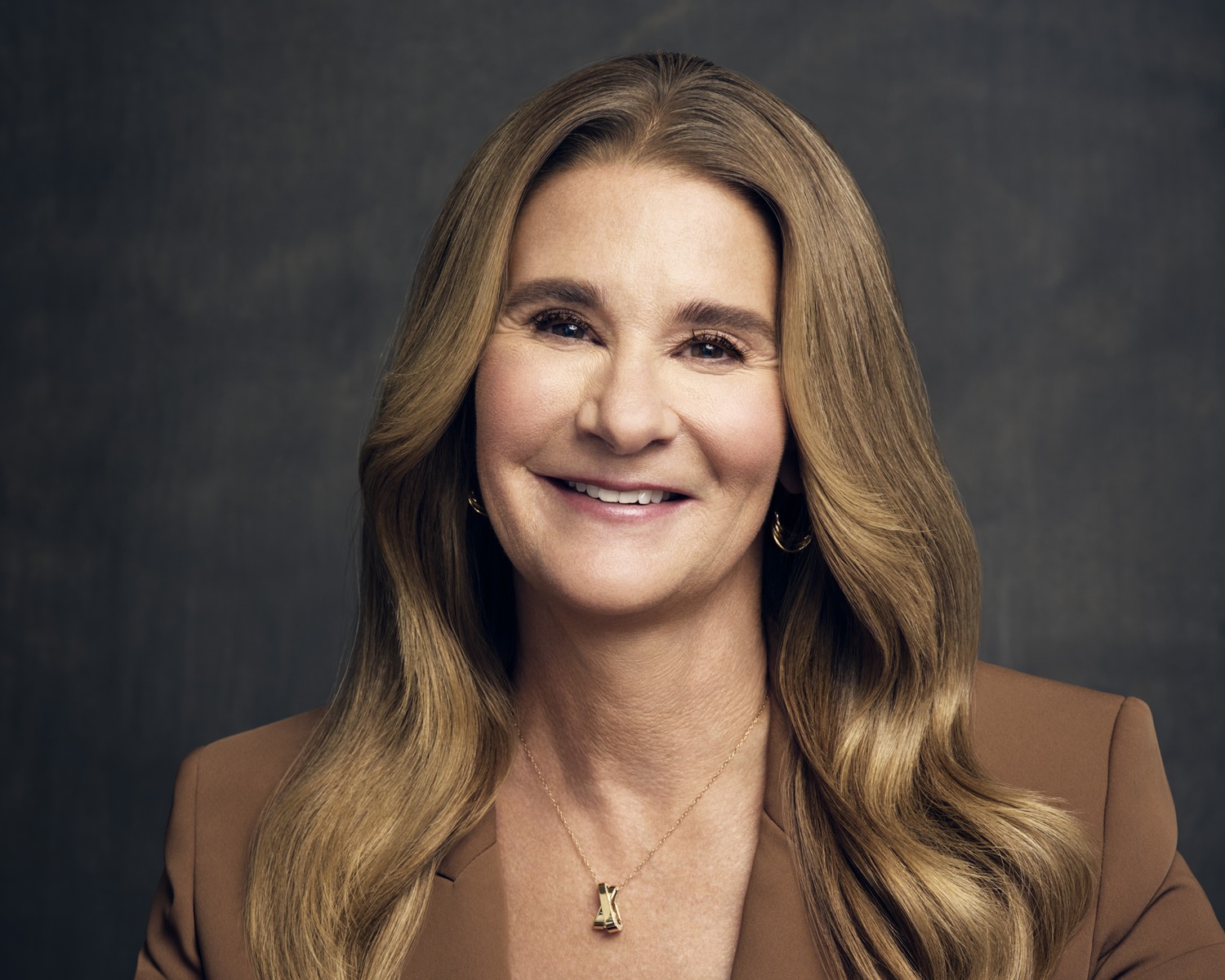 Melinda Gatesrecommends 2 books here
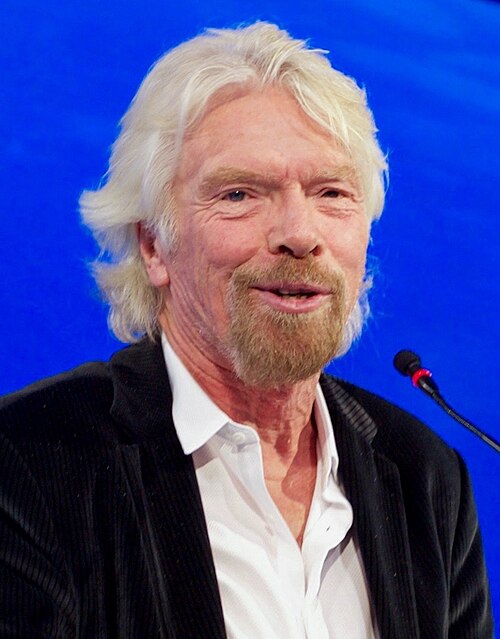 Richard Bransonrecommends 2 books here
 Sam Altmanrecommends 2 books here
 Terrance McArthurrecommends 2 books here
 Tom Bilyeurecommends 2 books here
 Charlie Mungerrecommends 1 book here
 Paul Grahamrecommends 1 book here
 Ray Daliorecommends 1 book here
 Jeremy Granthamrecommends 1 book here
 John Doerrrecommends 1 book here
 Reid Hoffmanrecommends 1 book here
 Safi Bahcallrecommends 1 book here
 Simon Sinekrecommends 1 book here
 William Ackmanrecommends 1 book here
 Andrew Chenrecommends 1 book here
 Anthony Pomplianorecommends 1 book here
 Bill Gurleyrecommends 1 book here
 Brené Brownrecommends 1 book here
 Brian Armstrongrecommends 1 book here
 Bryan Johnsonrecommends 1 book here
 Chamath Palihapitiyarecommends 1 book here
 Chris Saccarecommends 1 book here
 Daniel Burkarecommends 1 book here
 Daniel Petrerecommends 1 book here
 David Friedbergrecommends 1 book here
 David Kadavyrecommends 1 book here
 Ed Cookerecommends 1 book here
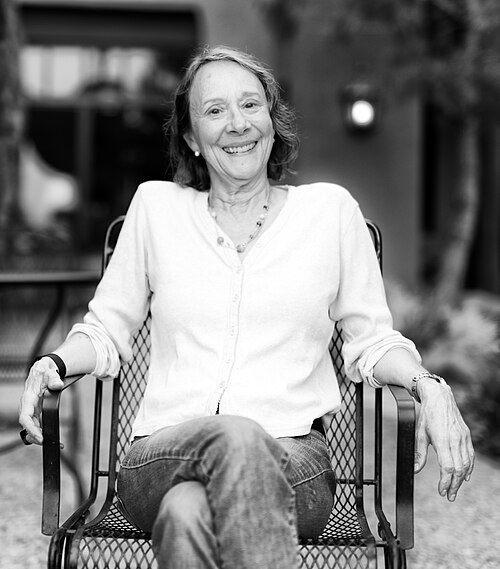 Esther Dysonrecommends 1 book here
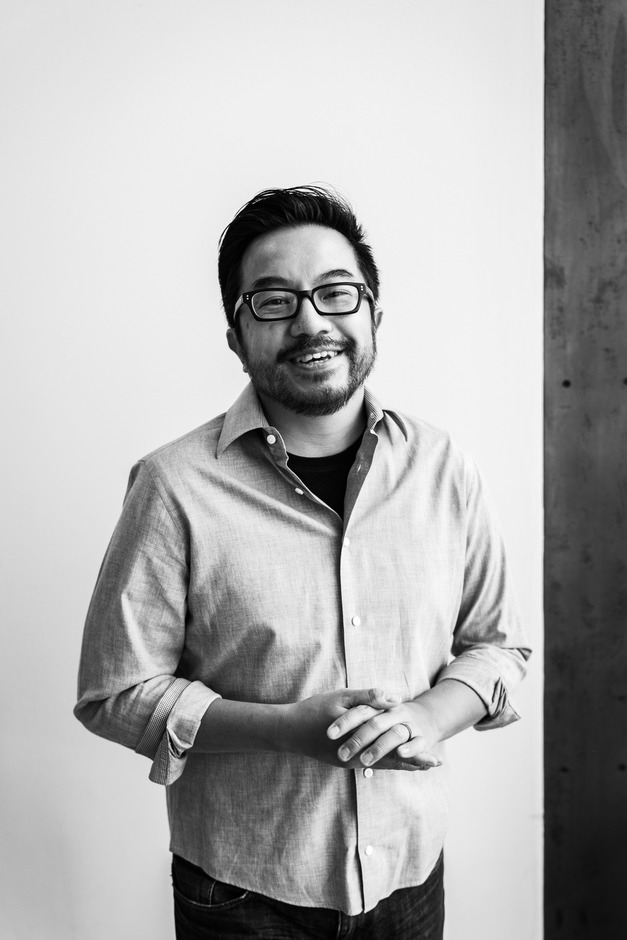 Garry Tanrecommends 1 book here
 George Hatzisrecommends 1 book here
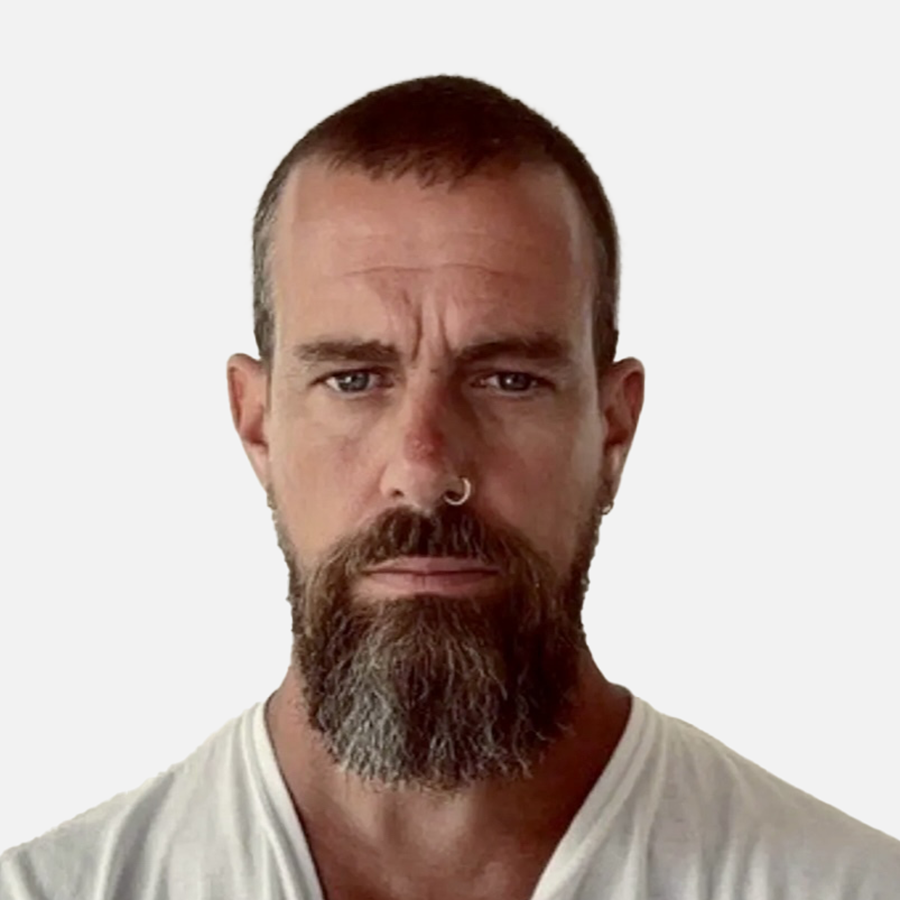 Jack Dorseyrecommends 1 book here
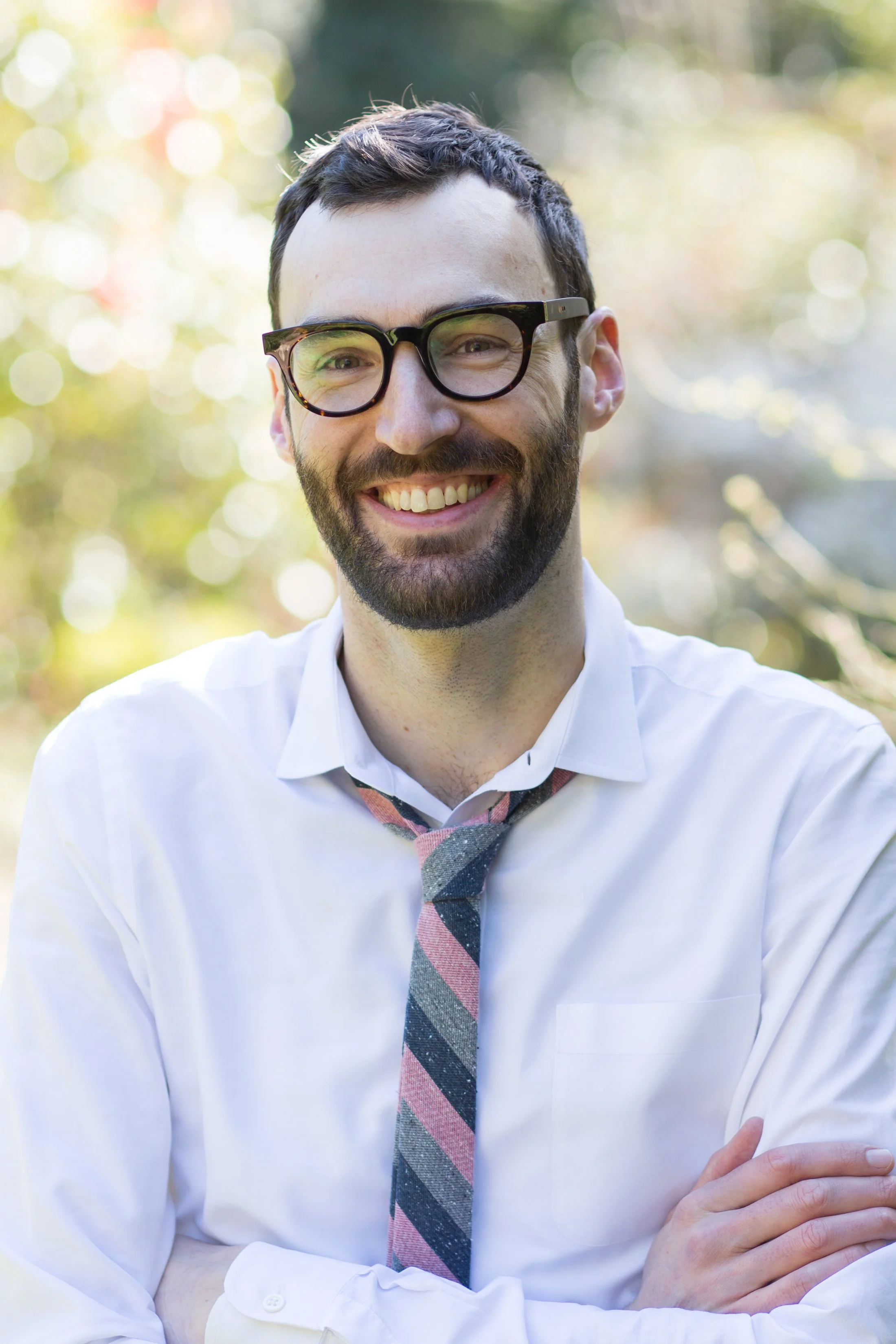 Jake Knapprecommends 1 book here
 John Crowleyrecommends 1 book here
 John Maedarecommends 1 book here
 Josh Wolferecommends 1 book here
 Julie Zhuorecommends 1 book here
 Kathryn Minshewrecommends 1 book here
 Kevin Roserecommends 1 book here
 Laura R Walkerrecommends 1 book here
 Maria Popovarecommends 1 book here
 Mel Robbinsrecommends 1 book here
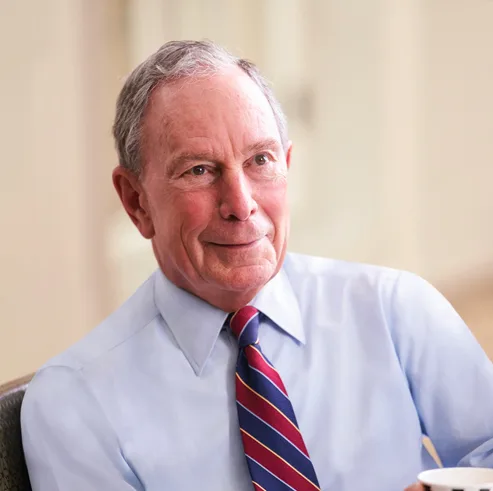 Michael Bloombergrecommends 1 book here
 Nick Crockerrecommends 1 book here
 Nir Eyalrecommends 1 book here
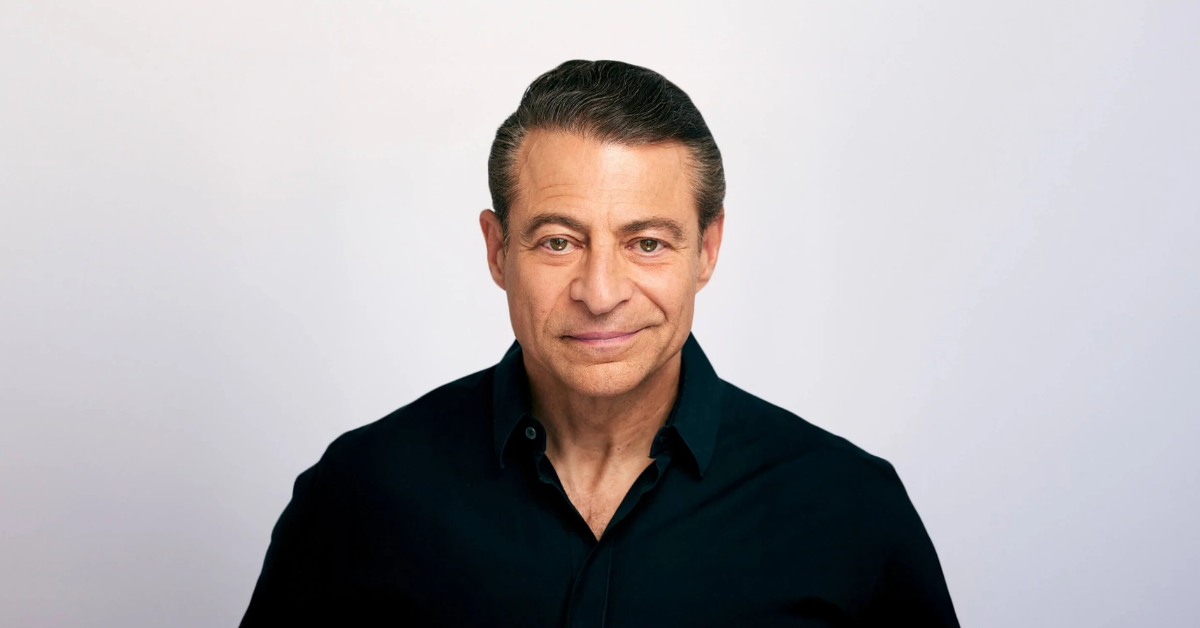 Peter Diamandisrecommends 1 book here
 Ramit Sethirecommends 1 book here
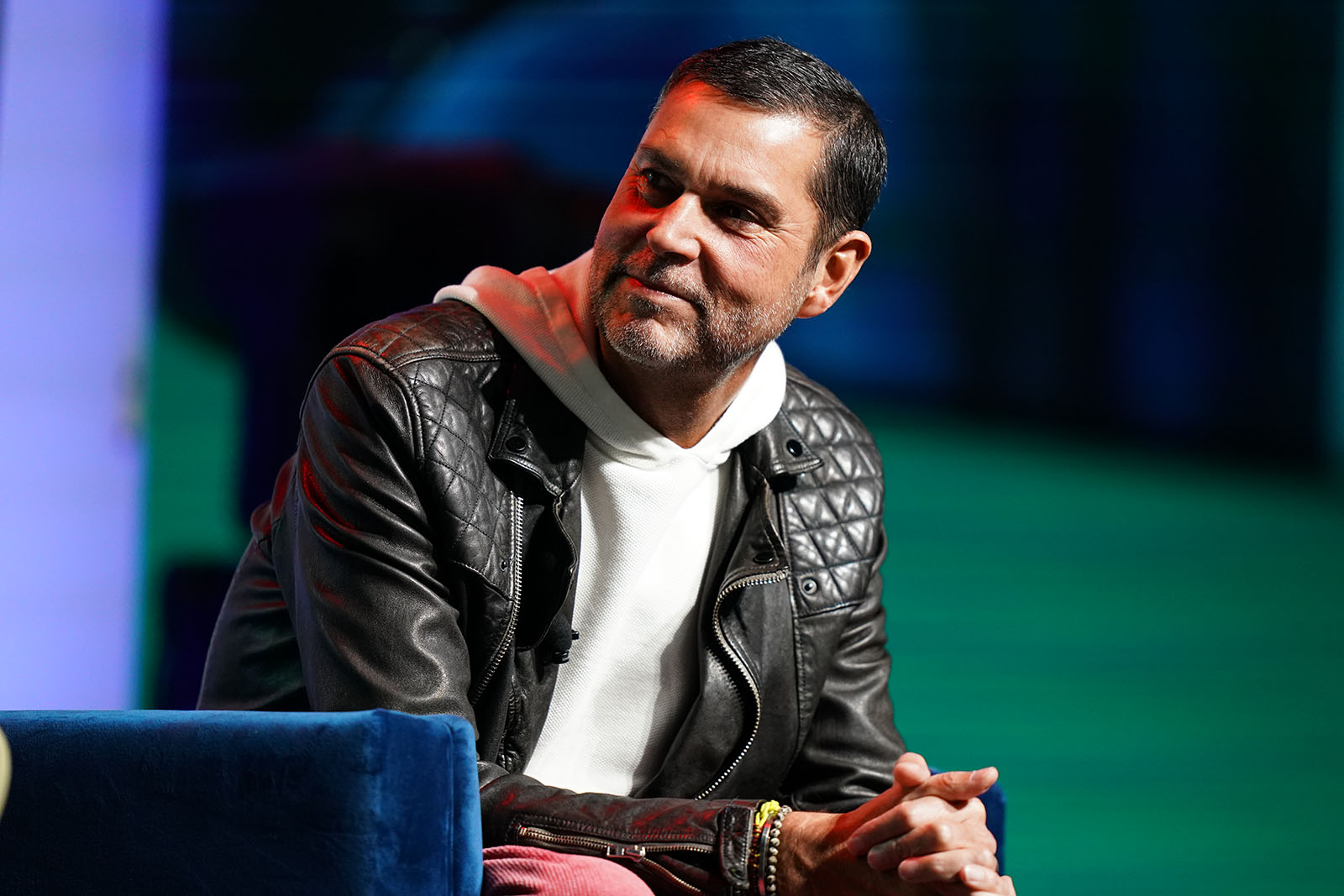 Raoul Palrecommends 1 book here
 Stewart Butterfieldrecommends 1 book here
 Tucker Maxrecommends 1 book here