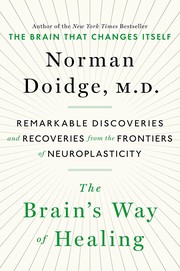
The Brain's Way of Healing
How neuroplasticity is used to treat brain injury and illness.
Summary
Norman Doidge follows his earlier book The Brain That Changes Itself, which described neuroplasticity, the brain's ability to change its structure and function in response to activity and mental experience, with an account of how neuroplastic healing works. He describes natural, non-invasive routes into the brain through the forms of energy around us, light, sound, vibration and movement, which pass through the senses and the body and can wake the brain's own capacity to heal without unpleasant side effects.
The cases include patients who were relieved of years of chronic pain or recovered from strokes and accidents, children with autism or learning disorders whose development normalised, and people whose symptoms of multiple sclerosis, Parkinson's disease and cerebral palsy improved markedly. Doidge also offers simple approaches he says reduce the risk of dementia. His argument is that the brain's complexity, long thought to rule out recovery from damage or disease, is the source of a particular kind of healing. The book won the 2015 Gold Nautilus Book Award in Science and Cosmology.
Key takeaways 4
- Light, sound, vibration and movement can be used to stimulate brain healing.
- Doidge reports recoveries from chronic pain, stroke and neurological disease.
- The brain's complexity makes recovery possible rather than ruling it out.
- Simple daily habits may lower the risk of dementia.
Who should read it
Readers of popular neuroscience and patients exploring non-drug treatments for brain conditions.
Who recommended it 1
Similar books 6
Chosen by shared topics, the entries that hold them, and the people who recommended both.
Mental disorders as metabolic disorders of the brain, and the treatments that follow.
Recommended by: Andrew Wilkinson
What drugs are and how they affect the mind and body.
Recommended by: Patrick Arnold
How wheat, sugar and carbohydrates harm the brain, with a thirty-day plan.
Recommended by: Nat Eliason
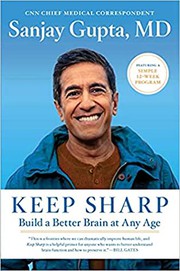
A neurosurgeon's science-based guide to keeping the brain healthy at any age.
Recommended by: Melinda Gates
How sleep, diet and social media feed ADHD-like traits, with Trump as a case study.
Recommended by: Andrew Wilkinson
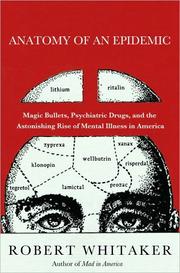
Why the number of people disabled by mental illness rose with psychiatric drugs.
Recommended by: Tim Ferriss