
Health and Fitness
Diet, exercise, sleep, longevity, stress and the practical management of one's own body and wellbeing. Read by people trying to change how they eat, train, rest or age.
Start here
- Ashes to AshesRichard Kluger, 1996
- Should We Eat Meat?Vaclav Smil, 2013
- The Cigarette CenturyAllan M. Brandt, 2007
- Salt Sugar Fat: How the Food Giants Hooked UsMichael Moss, 2013
- Option BAdam Grant, Sheryl Sandberg, 2017
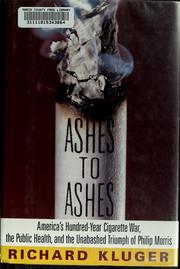
A century of the American cigarette industry, from mass marketing to 1990s lawsuits.
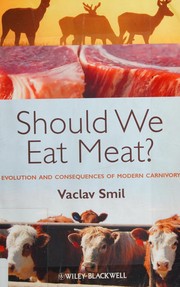
Meat in human evolution and modern farming, and the costs of heavy meat-eating.
Recommended by: Bill Gates, Mohnish Pabrai
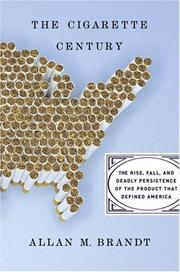
How the cigarette rose in 20th-century America, and how its harm was proved.
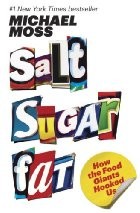
How processed-food makers engineer salt, sugar and fat to make people eat more.
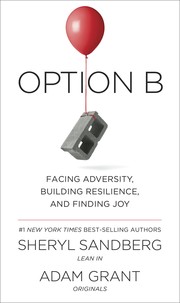
Building resilience after loss, starting from the sudden death of a husband.
“I read Sheryl Sandberg and Adam Grant’s book Option B: Facing Adversity, Building Resilience, and Finding Joy a few weeks ago. It’s a must read for every human on this planet.” — Brad Feld
Source: Book: Option B — Feld Thoughts
Recommended by: Brad Feld, Sheryl Sandberg
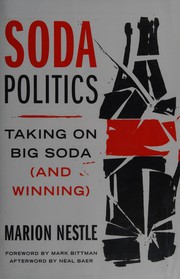
How soda makers built global brands, the health costs, and the push to tax soda.
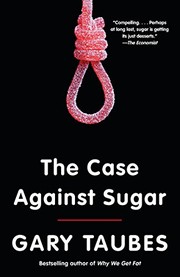
The case that sugar is the new tobacco: harmful, entrenched and backed by lobbies.
Recommended by: Vinod Khosla
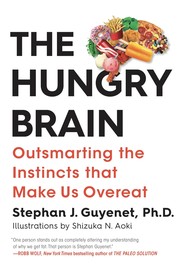
The brain's appetite circuits, why people overeat and why diets fail.
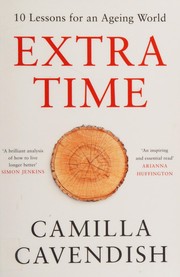
How a dozen countries respond as people over 65 come to outnumber small children.
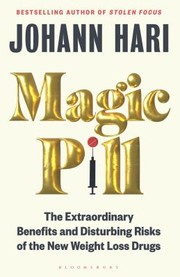
The GLP-1 drugs: their benefits, their risks and their effects on society.
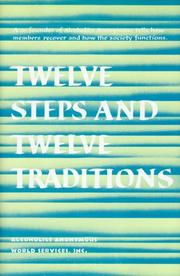
Essays on the twelve steps and traditions by which AA members recover.
Recommended by: Guy Spier
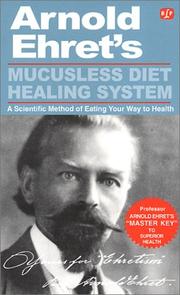
A fruit, vegetable and fasting diet built on the theory that mucus causes disease.
Recommended by: Steve Jobs
Women's roles and choices, with detailed treatment of women's health and hygiene.
Recommended by: Stewart Brand
Why hunger comes from food policy, not food shortage, and why meat wastes resources.
Recommended by: Steve Jobs
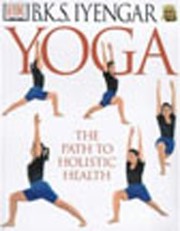
A guide to holistic health through yoga, Ayurveda and self-care.
Recommended by: Mohnish Pabrai
Breath as the link between body and mind, with basic yogic breathing techniques.
Recommended by: Mohnish Pabrai
Recommended by: Brian Armstrong
A translation of and commentary on Patanjali's Yoga Sutras.
Recommended by: Jack Dorsey, Naval Ravikant
Practical steps to dissolve the fears the author links to disease.
Recommended by: Mohnish Pabrai
A French diet for losing weight through food combining while eating out.
Recommended by: Mohnish Pabrai
A physician's case that much back pain comes from stress and tension.
Recommended by: Tim Ferriss
Running's physiology, training methods, racing, injuries and programmes.
Recommended by: Patrick Collison
The basics of meditation: posture, breathing, relaxation and using a mantra.
Recommended by: Mohnish Pabrai
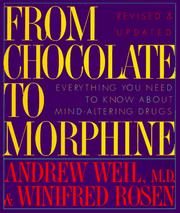
What drugs are and how they affect the mind and body.
Recommended by: Patrick Arnold
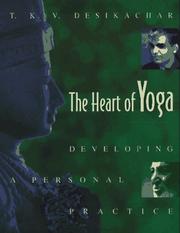
A step-by-step sequence for building a personal yoga practice adapted to you.
Recommended by: Naval Ravikant
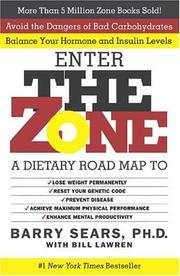
A diet road map to lose weight, prevent disease and perform at one's best.
Recommended by: Mohnish Pabrai
The five qualities of the Polynesian idea of aloha as a cure for stress.
Recommended by: Mohnish Pabrai
Fourteen talks on cultivating discipline of the senses on the Siddha Yoga path.
Recommended by: Mohnish Pabrai
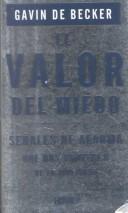
How to spot subtle warning signs of violence and trust the intuition that sees them.
“Gavin de Becker has helped politicians, actors, and other high-profile individuals recognize and react to violent threats. In The Gift of Fear, he offers a look at violent behavior and exactly how you can recognize it before it's too late.” — Ramit Sethi
Source: Here are 50 books I recommend
Recommended by: Ramit Sethi, Tim Ferriss
A training plan for people who think they are too old or unfit to run a marathon.
Recommended by: Patrick Collison
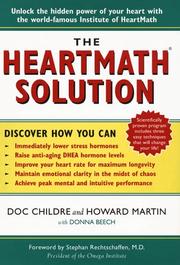
A system for aligning heart rhythms with the brain to reduce stress.
Recommended by: Adam Robinson
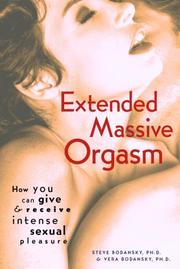
A hands-on guide for couples to giving and receiving intense sexual pleasure.
Recommended by: Nat Eliason
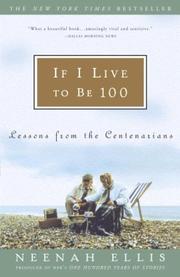
Interviews with centenarians and their lessons on living well for a very long time.
Recommended by: Mohnish Pabrai
The case for a whole-food, plant-based diet, drawn from a large study in China.
“Biggest study ever on the effects of diet on health. The multiple health benefits of plant-based foods, and dangers of animal-based foods, including all types of meat, dairy and eggs.” — Derek Sivers
Source: Derek Sivers book notes (primary, rated list) · Rating: 5/10
Recommended by: Derek Sivers, Ev Williams
How men over 50 can become functionally younger, from the science of aging.
Recommended by: Mohnish Pabrai
How the process of grieving helps people live with loss.
“I don't recall what all the books were, but the two that really made a difference for me were Elisabeth Kübler-Ross's and David Kessler's posthumous book On Grief and Grieving, and the Tibetan Book of Living and Dying. Each allowed me to process and understand the emotions I was going through.” — Matt Mullenweg
Source: Books on Grieving
Recommended by: Matt Mullenweg, Tim Ferriss
An introduction to Ayurveda and how to identify one's body constitution, or prakriti.
Recommended by: Mohnish Pabrai
A weight-lifting programme built on six basic moves and recent findings.
Recommended by: Patrick Collison
How plate size, brand names and habit make people eat more than they realise.
Recommended by: Ramit Sethi
How parents can teach the values that keep a child's experiments from addiction.
Recommended by: Nir Eyal
Why the advice that fat is bad and carbohydrates better may be wrong about health.
“Gary Taubes is a true empiricist.” — Nassim Nicholas Taleb
Source: Book Recommendations from Nassim Taleb
Recommended by: Nassim Nicholas Taleb, Naval Ravikant and 2 others
Lessons on happiness from a popular Harvard course.
Recommended by: Tony Hsieh
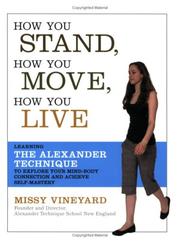
Learning the Alexander technique for posture and movement.
Recommended by: Mohnish Pabrai
A punk singer's memoir of a childhood in care, homelessness, addiction and recovery.
Recommended by: David Cancel
How chasing happiness makes us miserable, and a way out through acceptance therapy.
Recommended by: Shane Parrish
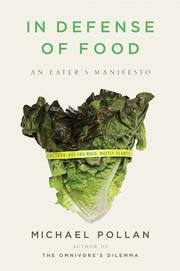
What to eat and how to think about health: eat food, not too much, mostly plants.
Recommended by: Richard Branson
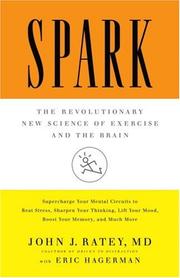
How aerobic exercise remodels the brain and helps against stress and depression.
Recommended by: Tim Ferriss
A physical therapist's quick home programme for recovering from plantar fasciitis.
Recommended by: Mohnish Pabrai
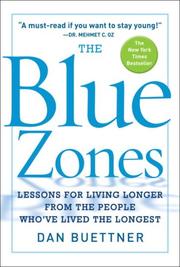
The habits of people in the places where unusually many live long, full lives.
Recommended by: Nat Eliason
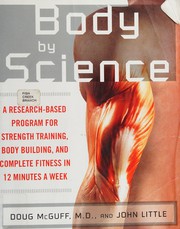
A research-based programme of short, intense weekly strength training.
“You can look at a book called Body by Science for all of the details and why that is the case.” — Tim Ferriss
Source: The Tim Ferriss Show Transcripts: Random Show - Fasting, Biohacking, and Tony Robbins (#333)
Recommended by: Mohnish Pabrai, Tim Ferriss and 1 other
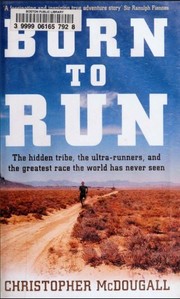
The Tarahumara runners, a hidden tribe of superathletes, and a great race.
“Gripping story of a man who was trying to find out why his feet hurt while running. This led him to the story of the Tarahumara Indians of Mexico’s Copper Canyon, the greatest distance runners in the world. If you like running, you’ll love this book! My favorite quote: “No wonder your feet are so sensitive. They’re self-correcting devices. Covering your feet with cushioned shoes is like turning off your smoke alarms.” — Derek Sivers
Source: Derek Sivers book notes (primary, rated list) · Rating: 3/10
Recommended by: Derek Sivers, Sahil Lavingia
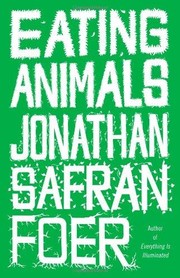
A novelist examines what it means to eat animals raised on industrial farms.
Recommended by: Andrew Wilkinson, Jordan Hughes
A guide to survival and preparing for emergencies.
Recommended by: Nat Eliason, Garry Tan, Tim Ferriss
A science-based approach to weight management for endurance athletes.
Recommended by: Patrick Collison
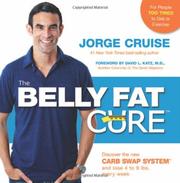
A diet that blames hidden sugars, not overeating, for belly fat.
Recommended by: Mohnish Pabrai
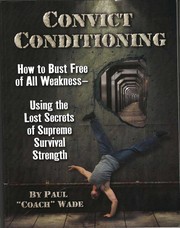
A bodyweight strength-training system drawn from prison workouts.
Recommended by: Naval Ravikant
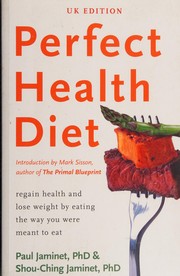
How to regain health and lose weight with a starch-and-fat diet and better nutrition.
Recommended by: Patrick Collison
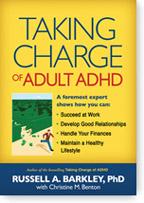
A researcher's guide for adults with ADHD to getting care and helping themselves.
Recommended by: Andrew Wilkinson
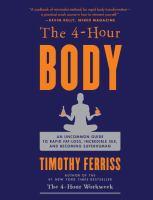
Methods gathered from athletes and doctors for hacking the human body.
“Amazing book for anyone wanting to improve their body. Core concept is the “minimum effective dose”: the smallest dose that will produce a desired outcome. Anything beyond that is wasteful. This documents Tim's years-long pursuit of the minimum effective dose of everything, from weight loss to muscle-building. Related subjects include orgasm, sleep, and medical tourism.” — Derek Sivers
Source: Derek Sivers book notes (primary, rated list) · Rating: 7/10
Recommended by: Derek Sivers, Caterina Fake, Kevin Rose and 2 others
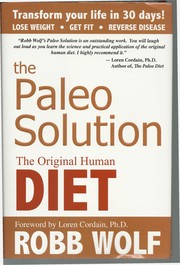
A diet drawn from genetics, biochemistry and anthropology to look and feel best.
Recommended by: Jack Dorsey
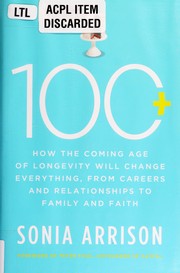
Radical life extension and what longer lifespans would do to markets.
Recommended by: Mohnish Pabrai, Peter Thiel
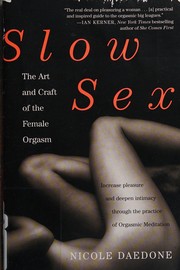
A meditation practice aimed at slower, more attentive sex for women.
Recommended by: Tony Robbins
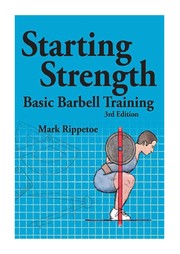
How to coach and learn the basic barbell lifts for strength.
“For those who ever considered getting fit, this is the way to do it, and the best book on the subject. Not sure if I should put this in my book list, because it's not something you read, but something you do.” — Derek Sivers
Source: Derek Sivers book notes (primary, rated list) · Rating: 5/10
Recommended by: Derek Sivers, Patrick Collison and 2 others
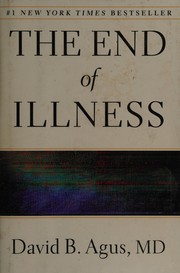
Long working hours, shift work and the dangers of sleepiness on the job.
Recommended by: Arianna Huffington
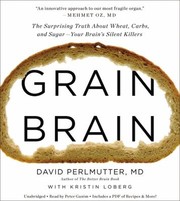
How wheat, sugar and carbohydrates harm the brain, with a thirty-day plan.
Recommended by: Nat Eliason
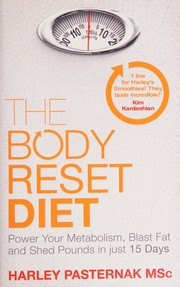
A three-phase plan to reset the body for weight loss and better health.
Recommended by: Sophie Bakalar
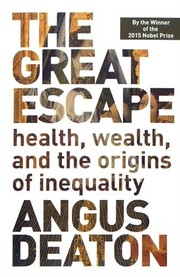
Health, wealth and inequality: how living standards rose across the world.
Recommended by: Bill Gates, Patrick Collison
How the restless mind creates stress, and strategies for a more peaceful life.
Recommended by: Andrew Wilkinson
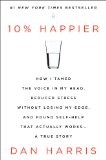
A news anchor's panic attack on air leads him to meditation, and what it did for him.
Recommended by: Nat Eliason, Arianna Huffington, Peter Attia and 2 others
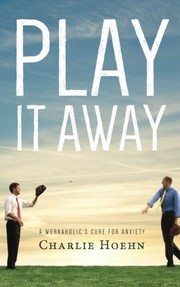
A former workaholic's cure for anxiety and burnout: play.
Recommended by: Chase Jarvis, Tim Ferriss, Tony Robbins
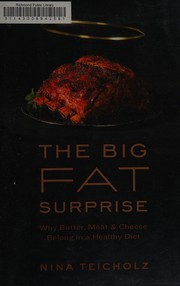
How six decades of low-fat diet advice harmed health, and why fat is not the enemy.
Recommended by: Mohnish Pabrai
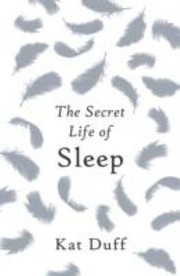
What science, myth and folklore say about crossing from waking into sleep.
Recommended by: Arianna Huffington
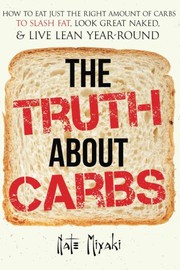
How to eat the right amount of carbohydrates to lose fat and stay lean.
Recommended by: Naval Ravikant
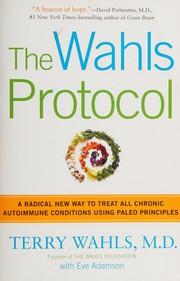
A doctor with multiple sclerosis on an integrative approach to autoimmune disease.
Recommended by: Kevin Rose
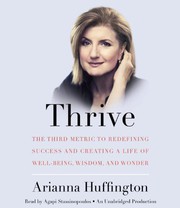
Why success should be redefined to include well-being, wisdom and wonder.
Recommended by: Sheryl Sandberg
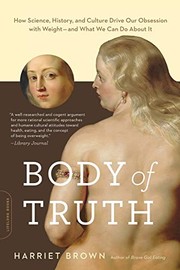
How science, history and culture feed the obsession with weight and thinness.
Recommended by: Mohnish Pabrai
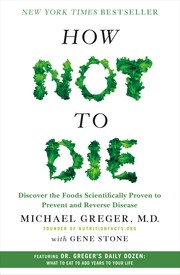
The evidence for a diet that can prevent and treat the leading causes of death.
Recommended by: Andrew Wilkinson, Jordan Hughes and 2 others
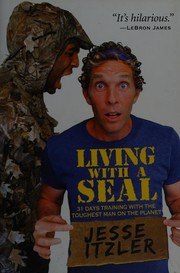
An entrepreneur hires a Navy SEAL to live with and train him for a month.
Recommended by: Marc Andreessen
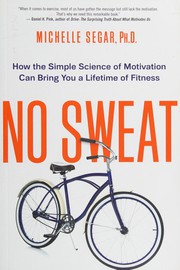
A four-point program, built on motivation research, for sticking with exercise.
Recommended by: Arianna Huffington
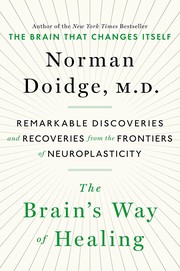
How neuroplasticity is used to treat brain injury and illness.
Recommended by: Jim Kwik
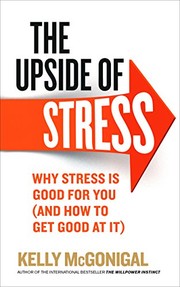
A psychologist's case that stress can be good for people.
Recommended by: Austen Allred, Keith Rabois and 1 other
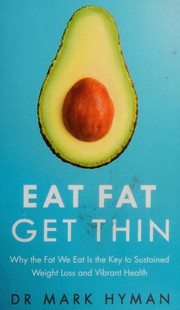
A diet built on research showing the role of fat in weight loss and health.
Recommended by: Jim Kwik

The Japanese idea of ikigai, seen in the daily habits of the longest-living people.
Recommended by: Ryan Hoover
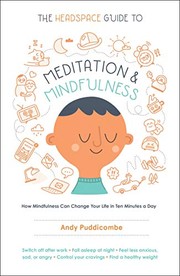
How ten minutes of mindfulness a day reduces stress and brings calm.
Recommended by: Bill Gates
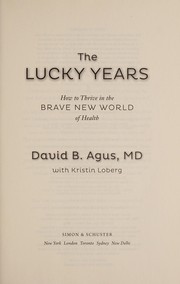
How new medicine replaces one-size-fits-all care with the latest science.
Recommended by: Arianna Huffington
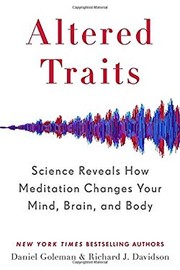
What science shows about how meditation changes the mind, brain and body.
Recommended by: Peter Attia
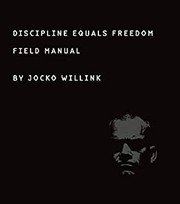
A former Navy SEAL's mental and physical practices for reaching goals.
Recommended by: Alex and Books
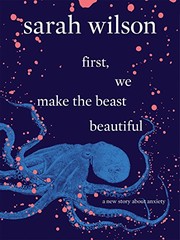
A lifelong sufferer turns her inquiry on anxiety and how to live with it.
Recommended by: George Hatzis
A palliative-care doctor's guide for patients and families facing serious illness.
Recommended by: Jake Knapp
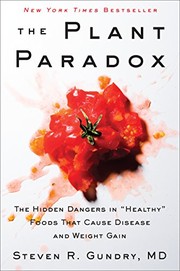
The health hazards of lectins, found in beans, dairy and other 'healthy' foods.
Recommended by: Jack Dorsey, Whitney Wolfe Herd
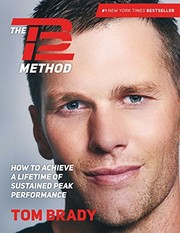
A quarterback's step-by-step approach to long-term fitness built on pliability.
Recommended by: Tony Robbins
Why conventional medicine fails against chronic disease, and an alternative.
Recommended by: Nat Eliason
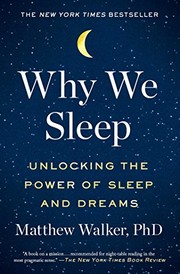
How lack of sleep damages nearly every system in the body, and what sleep does.
“The second is Why We Sleep: The New Science of Sleep and Dreams by Matthew Walker.” — Alexis Ohanian
Recommended by: Alexis Ohanian, Bill Gates, Brad Feld and 7 others
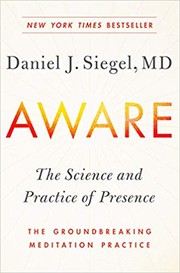
A mindfulness meditation practice for awareness and well-being.
Recommended by: Arianna Huffington
A bolder approach to ageing, and how to live later life with vigour and joy.
Recommended by: Arianna Huffington
From abused child and 300-pound exterminator to Navy SEAL, and how to get tough.
Recommended by: Nat Eliason, Tom Bilyeu, Alex and Books and 7 others
Shinrin-yoku, spending time among trees for better health.
Recommended by: Kevin Rose
How food affects the brain, from a son's search after his mother's dementia.
Recommended by: Kathryn Minshew
Japanese traditions and recipes for building inner strength and living well.
Recommended by: Arianna Huffington, Sophia Amoruso
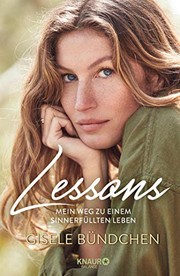
A fashion model's path from southern Brazil to a career and a meaningful life.
Recommended by: Arianna Huffington
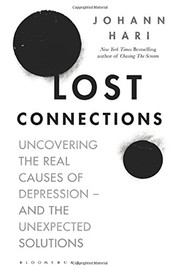
Depression and anxiety traced to lost connections to work, people and values.
Recommended by: Andrew Wilkinson, Arianna Huffington and 2 others
How one day of healthy choices, drawn from studies and old practices, builds a life.
Recommended by: Nat Eliason
How Finns stay happy and healthy through nature and sisu, everyday courage.
Recommended by: Claire Diaz-Ortiz
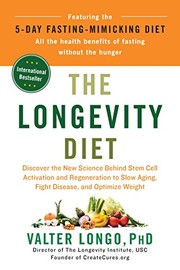
A diet drawn from 25 years of research on ageing and nutrition, for a longer life.
Recommended by: Andrew Wilkinson, Kevin Rose
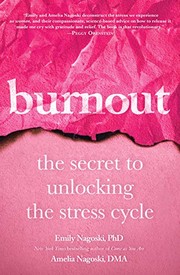
Why women burn out differently from men, and a science-based plan to manage stress.
Recommended by: Mel Robbins
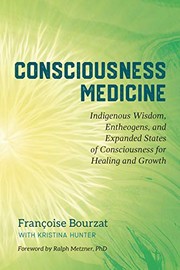
How hallucinogens and indigenous practice can be used in psychotherapy.
Recommended by: Tim Ferriss
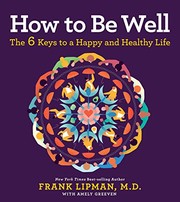
A physician's health advice organised around his Good Medicine Mandala.
Recommended by: Arianna Huffington
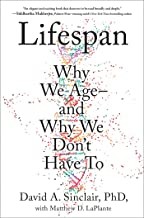
The case that ageing is a disease that can be treated, and the theory behind it.
“This eye-opening narrative reveals incredible scientific breakthroughs about aging and ways we can slow down, or even reverse, the process.” — Vinod Khosla
Source: 2019 Book Recommendations — Vinod Khosla, Medium
Recommended by: Vinod Khosla, David Friedberg, Jason Fried and 3 others
How families can care for aging parents with stronger, kinder relationships.
Recommended by: Arianna Huffington
A Marine wounded in combat rebuilds body and soul after a hard, homeless youth.
Recommended by: Donald Trump
How sleep, diet and social media feed ADHD-like traits, with Trump as a case study.
Recommended by: Andrew Wilkinson
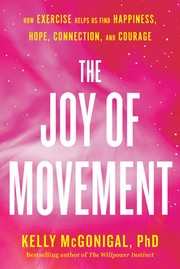
How exercise ties to human joys: self-expression, social connection and mastery.
Recommended by: Keith Rabois, Kevin Rose
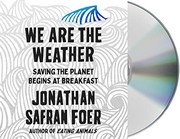
Why we fail to act on climate change, and how changing what we eat can help.
Recommended by: Jordan Hughes
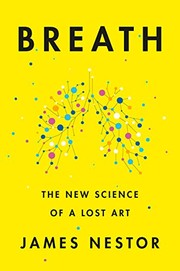
How humans lost the ability to breathe well, and what it does to health.
Recommended by: Nat Eliason, Austen Allred
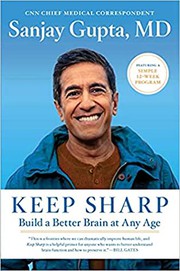
A neurosurgeon's science-based guide to keeping the brain healthy at any age.
Recommended by: Melinda Gates
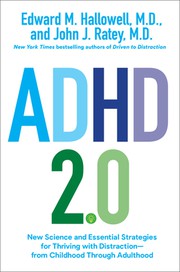
Attention deficit disorder in adults and children, and how to manage it.
Recommended by: Andrew Wilkinson
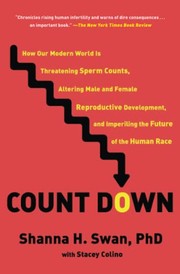
How modern chemicals and habits disrupt hormones and lower sperm counts.
“These include Sicker Fatter Poorer by Leonardo Trasande (2019), Count Down by Shanna Swan and Stacey Colino (2021), The Obesogen Effect by Bruce Blumberg and Kristin Loberg (2018), Toxic Cocktail by Barbara Demeneix (2017), and Our Stolen Future by Dianne Dumanoski, John Peterson Myers, and Theo Colborn (1996).” — Jeremy Grantham
Source: Rising Toxicity and the Threat to Capitalism and Life Itself, page 3
Recommended by: Jeremy Grantham, Nat Eliason
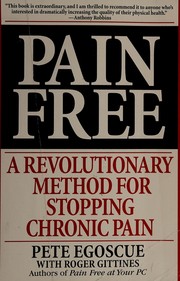
A method for ending chronic pain without drugs or surgery, through posture exercises.
Recommended by: Tony Robbins
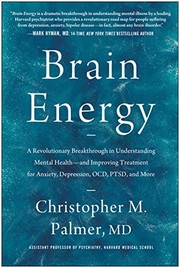
Mental disorders as metabolic disorders of the brain, and the treatments that follow.
Recommended by: Andrew Wilkinson
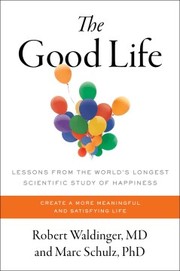
What the longest scientific study of happiness says makes a good life.
“a new book by Robert Waldinger, the study's current director, and it drove this home.” — Andrew Wilkinson
Source: Essay
Recommended by: Andrew Wilkinson
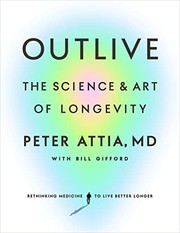
A doctor's manual for living longer: exercise, sleep, food and the diseases of aging.
“Expert advice on how to stay healthy into middle and old age. First half of the book was fluff for context. Second half was great specific advice. In short: exercise as much as an athlete.” — Derek Sivers
Source: Derek Sivers book notes (primary, rated list) · Rating: 7/10
Recommended by: Andrew Wilkinson, Derek Sivers and 2 others
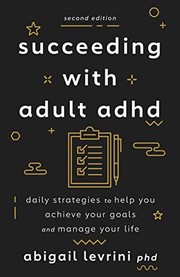
Daily strategies for adults with ADHD to reach their goals and manage life.
Recommended by: Andrew Wilkinson
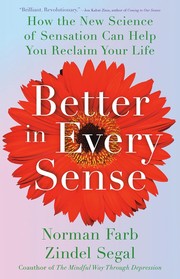
The sense foraging technique: using sensation to break patterns and relieve anxiety.
Recommended by: Andrew Wilkinson
The life, competitive career and training methods of powerlifter Ed Coan.
Recommended by: Tim Ferriss
A new edition of Arthur Jones' Nautilus Bulletins on exercise, laid out for today.
Recommended by: Tim Ferriss
 Vaclav Smilwrote 1 book here
 Adam Grantwrote 1 book here
 Arianna Huffingtonwrote 1 book here
 Peter Attiawrote 1 book here
 Sheryl Sandbergwrote 1 book here
 Mohnish Pabrairecommends 23 books here
 Tim Ferrissrecommends 15 books hereArianna Huffingtonrecommends 12 books here
 Nat Eliasonrecommends 11 books here
 Patrick Collisonrecommends 8 books here
 Kevin Roserecommends 6 books here
 Derek Siversrecommends 5 books here
 Naval Ravikantrecommends 5 books here
 Bill Gatesrecommends 4 books herePeter Attiarecommends 4 books here
 Tony Robbinsrecommends 4 books here
Show all 75
 Brad Feldrecommends 3 books here
 Jack Dorseyrecommends 3 books here
 Jordan Hughesrecommends 3 books here
 Keith Raboisrecommends 3 books here
 Marc Andreessenrecommends 2 books here
 Nassim Nicholas Talebrecommends 2 books here
 Nir Eyalrecommends 2 books here
 Ramit Sethirecommends 2 books hereSheryl Sandbergrecommends 2 books here
 Steve Jobsrecommends 2 books here
 Terrance McArthurrecommends 2 books here
 Vinod Khoslarecommends 2 books here
 Michael Mauboussinrecommends 1 book here
 Peter Thielrecommends 1 book here
 Jeremy Granthamrecommends 1 book here
 Guy Spierrecommends 1 book here
 William Ackmanrecommends 1 book here
 Abi Tyas Tunggalrecommends 1 book here
 Alexis Ohanianrecommends 1 book here
 Anthony Pomplianorecommends 1 book here
 Brian Armstrongrecommends 1 book here
 Caterina Fakerecommends 1 book here
 Chase Jarvisrecommends 1 book here
 Claire Diaz-Ortizrecommends 1 book here
 David Cancelrecommends 1 book here
 David Friedbergrecommends 1 book here
 Donald Trumprecommends 1 book here
 Ev Williamsrecommends 1 book here
 Garry Tanrecommends 1 book here
 George Hatzisrecommends 1 book here
 Jake Knapprecommends 1 book here
 Justin Kanrecommends 1 book here
 Kathryn Minshewrecommends 1 book here
 Matt Mullenwegrecommends 1 book here
 Mel Robbinsrecommends 1 book here
 Melinda Gatesrecommends 1 book here
 Nick Huberrecommends 1 book here
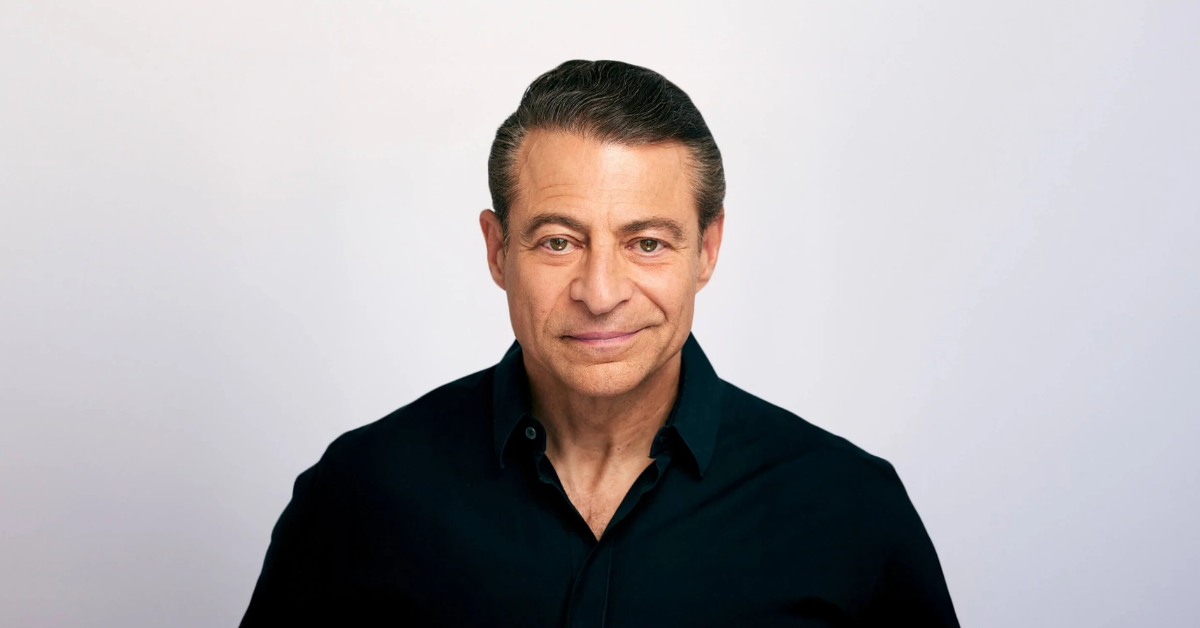 Peter Diamandisrecommends 1 book here
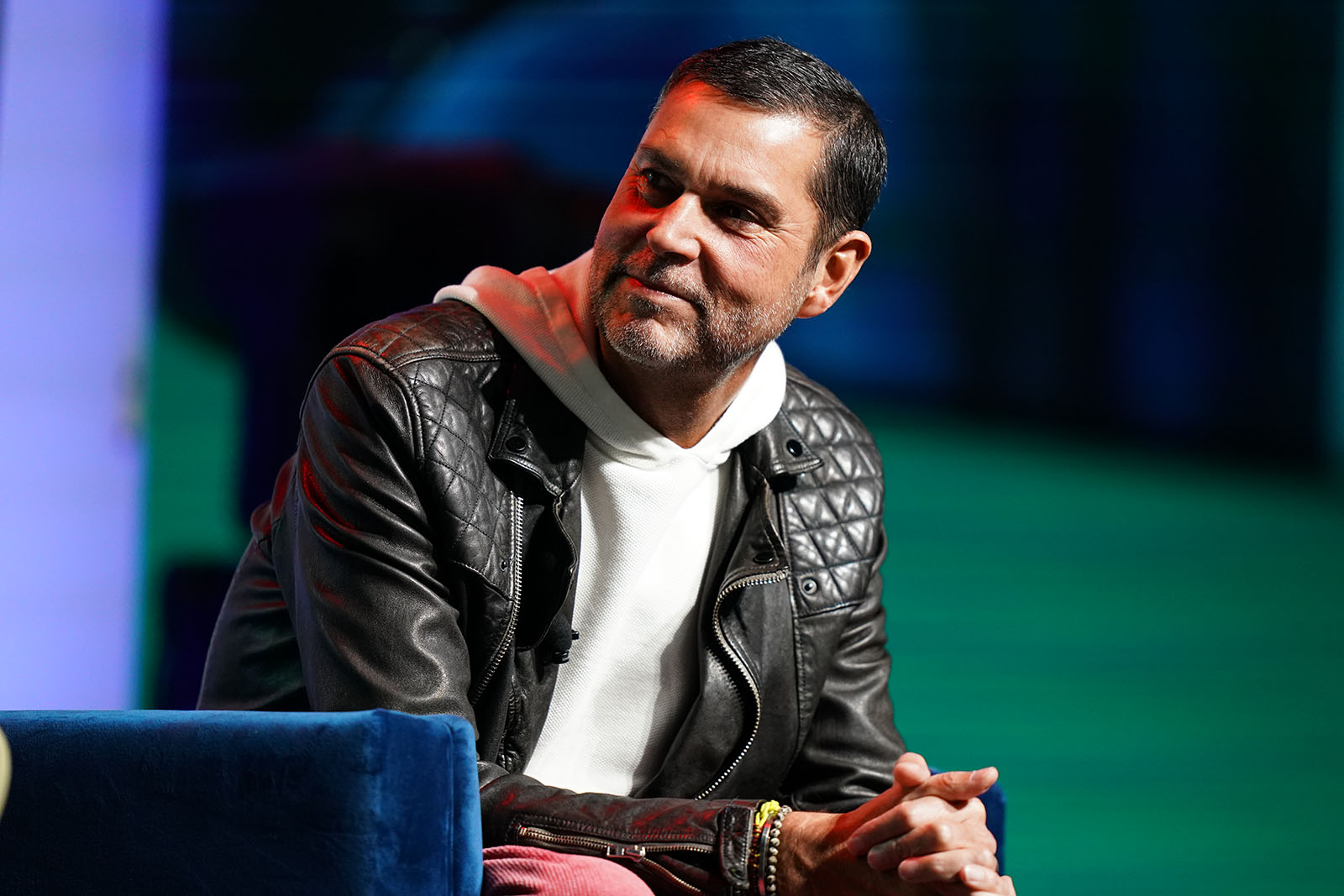 Raoul Palrecommends 1 book here
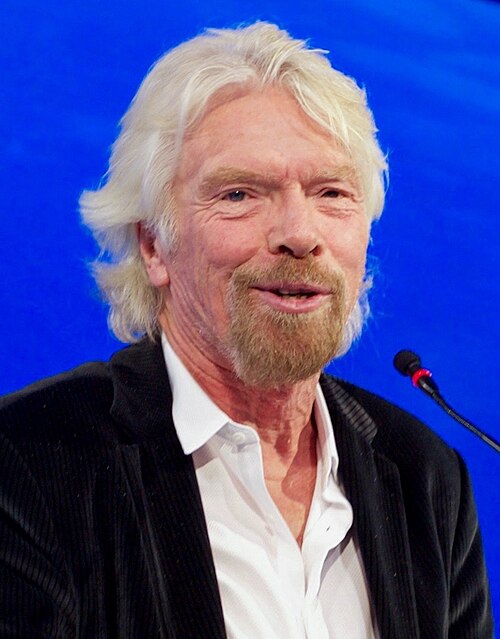 Richard Bransonrecommends 1 book here
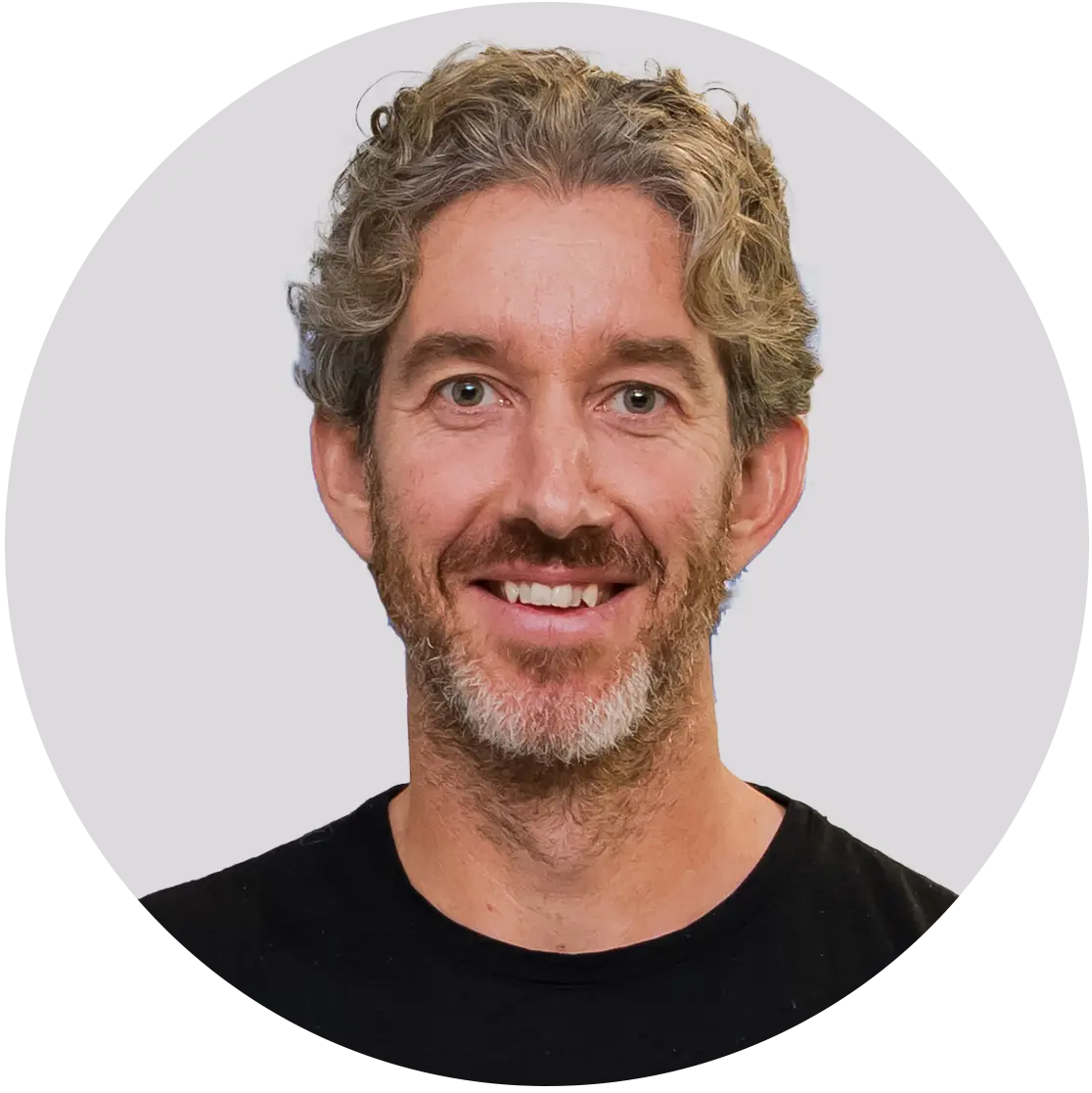 Scott Farquharrecommends 1 book here
 Sophia Amorusorecommends 1 book here
 Stewart Brandrecommends 1 book here
 Tom Bilyeurecommends 1 book here
 Tony Hsiehrecommends 1 book here
 Trevor Ncuberecommends 1 book here
 Veronica Belmontrecommends 1 book here
 Whitney Wolfe Herdrecommends 1 book here
 Zooko Wilcoxrecommends 1 book here