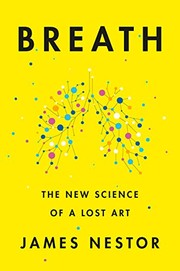
Breath
How humans lost the ability to breathe well, and what it does to health.
Summary
Nestor, a journalist, argues that humans as a species have lost the ability to breathe correctly, with serious consequences for health, even though a person breathes about 25,000 times a day. He travels the world to find the science behind ancient breathing practices, to learn what went wrong and how to fix it.
He reports research suggesting that small changes to how people inhale and exhale can improve athletic performance, rejuvenate internal organs, and stop snoring, allergies, asthma and autoimmune disease, and even straighten scoliotic spines. He draws on thousands of years of traditional practice and on current studies in pulmonology, psychology, biochemistry and human physiology. It was published in 2020.
Key takeaways 4
- How a person breathes, not only whether they breathe, affects health.
- Modern humans breathe worse than their ancestors, and Nestor sets out to find out why.
- Slight changes to inhaling and exhaling are reported to help with snoring, asthma and athletic performance.
- Ancient breathing practices are being tested by modern research in several sciences.
Who should read it
Readers interested in health and performance who want a journalist's survey of breathing science and practice.
Who recommended it 2 · 1 direct
Similar books 6
Chosen by shared topics, the entries that hold them, and the people who recommended both.
Radical life extension and what longer lifespans would do to markets.
Recommended by: Mohnish Pabrai, Peter Thiel
A research-based programme of short, intense weekly strength training.
“You can look at a book called Body by Science for all of the details and why that is the case.” — Tim Ferriss
Source: The Tim Ferriss Show Transcripts: Random Show - Fasting, Biohacking, and Tony Robbins (#333)
Recommended by: Mohnish Pabrai, Tim Ferriss and 1 other
How science, history and culture feed the obsession with weight and thinness.
Recommended by: Mohnish Pabrai
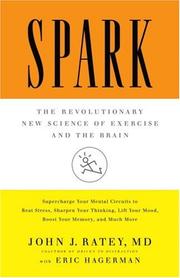
How aerobic exercise remodels the brain and helps against stress and depression.
Recommended by: Tim Ferriss
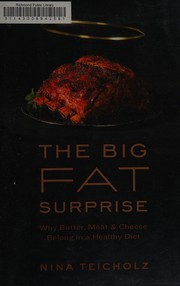
How six decades of low-fat diet advice harmed health, and why fat is not the enemy.
Recommended by: Mohnish Pabrai
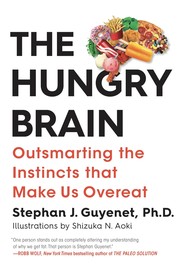
The brain's appetite circuits, why people overeat and why diets fail.