
Science
Physics, chemistry, cosmology, earth science, complexity and the broad popular-science shelf, including textbooks and lecture courses. Read by the scientifically curious and by students working through the fundamentals.
Start here
- On the Origin of SpeciesCharles Darwin, 1859
- On Growth and FormD'Arcy Wentworth Thompson, 1917
- The Logic of Scientific DiscoveryKarl Popper, 1959
- The Structure of Scientific RevolutionsThomas S. Kuhn, 1962
- Conjectures and RefutationsKarl Popper, 1963
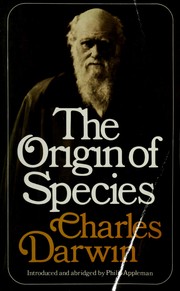
Species change over time as natural selection favours heritable variations.
“So begins paragraph three of “On the Origin of Species by Means of Natural Selection” by Charles Darwin, the bicentenary of whose birth falls this year.” — Nick Sleep
Source: Nomad Investment Partnership - Letters to Partners, complete collection 2001-2013, page 157
Recommended by: Jim Collins, Mohnish Pabrai, Naval Ravikant and 6 others
How mathematics and physical forces shape the forms of living things.
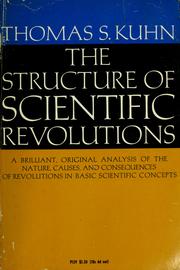
Science moves through long stretches of normal work broken by paradigm shifts.
“Thomas Kuhn laid out the best-known framework for this analysis in his seminal book,The Structure of Scientific Revolutions (1962).” — Michael Mauboussin
Source: Shift Happens: On a New Paradigm of the Markets as a Complex Adaptive System, page 2
Recommended by: Jim Collins, Michael Mauboussin, Nat Eliason and 8 others
Knowledge grows by bold guesses that we then try to refute, not by proof.
Recommended by: Patrick Collison
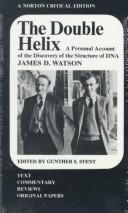
A first-hand account of the race against Linus Pauling to find DNA's structure.
“The most vivid example of fierce nerds in action may be James Watson's The Double Helix.” — Paul Graham
Source: Fierce Nerds
Recommended by: Paul Graham, Patrick Collison, Peter Attia
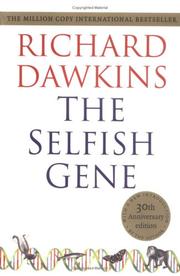
Selection acts on genes; bodies are vehicles that genes build to copy themselves.
“About evolution and the theory of natural selection, proposing the idea that it's not creatures that are looking to replicate, but individual genes.” — Derek Sivers
Source: Derek Sivers book notes (primary, rated list) · Rating: 5/10
Recommended by: Balaji S. Srinivasan, Bob Metcalfe and 13 others
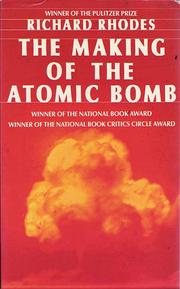
How the bomb was built, from the discovery of atomic energy to Hiroshima.
Recommended by: Jim Collins, Chris Dixon, Elon Musk and 2 others
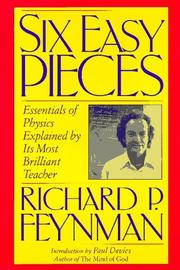
Six physics lectures with little maths: atoms, energy, gravity and quantum behaviour.
Recommended by: Naval Ravikant
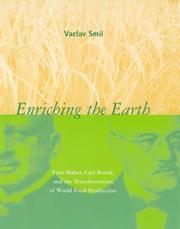
How Haber and Bosch's ammonia synthesis transformed world food production.
“The Vaclav Smil book Enriching the Earth: Fritz Haber, Carl Bosch and the Transformation of World Food Production tells this incredible story in great depth.” — Bill Gates
Source: My review of Vaclav Smil's new book — Gates Notes
Recommended by: Bill Gates, Mohnish Pabrai
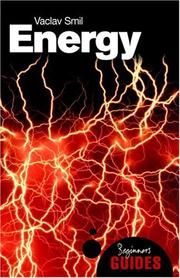
A short primer on energy: its forms, units and role in nature and economies.
Recommended by: Nat Eliason, Bill Gates, Mark Zuckerberg
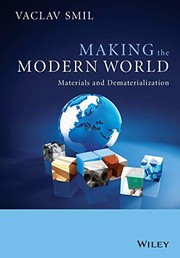
How much steel, cement and plastic the world uses, and whether growth needs less.
Recommended by: Bill Gates, Mohnish Pabrai, Mark Zuckerberg
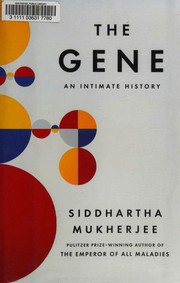
The gene from Mendel and Darwin to genome editing, beside a family's mental illness.
Recommended by: Bill Gates, Daniel Petre, James Cameron and 1 other
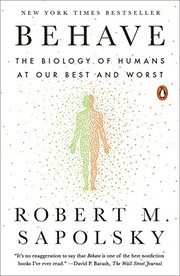
Explains an action by tracing its causes back from neurons to hormones to evolution.
“…books I've recommended, highlighted to death, or forced on friends.” — Andrew Wilkinson
Source: Andrew Wilkinson's Bookshelf, neverenough.com
Recommended by: Andrew Wilkinson, Vinod Khosla, Bill Gates and 5 others
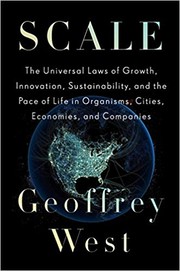
Why organisms, cities and companies follow power laws set by their supply networks.
“Geoffrey West, Scale: The Universal Laws of Growth, Innovation, Sustainability, and the Pace of Life in Organisms, Cities, Economies, and Companies (New York: Penguin Press, 2017), 26” — Michael Mauboussin
Source: Underestimating the Red Queen: Measuring Growth and Maintenance Investments, page 18
Recommended by: Michael Mauboussin, Nat Eliason and 4 others
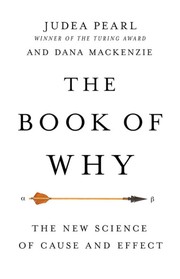
How the science of cause and effect moved past 'correlation is not causation'.
Recommended by: Bill Gates, Keith Rabois, Naval Ravikant
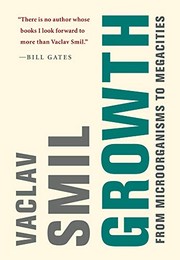
How organisms, populations, machines, economies and civilisations grow, and stop.
“and Vaclav Smil, Growth: From Microorganisms to Megacities (Cambridge, MA: MIT Press, 2019)” — Michael Mauboussin
Source: Underestimating the Red Queen: Measuring Growth and Maintenance Investments, page 18
Recommended by: Bill Gates, Michael Mauboussin
Seventy-one short pieces that correct common impressions with plain arithmetic.
Recommended by: Bill Gates, Mark Zuckerberg and 1 other
The physical basics of modern life: energy, food, materials and globalisation.
Recommended by: Bill Gates

Control and communication in animals and machines run on the same principles.
How the Copernican revolution unfolded, as a turning point in scientific thought.
“Kuhn, The Copernican Revolution” — Paul Graham
Source: Rarely-Asked Questions — paulgraham.com
Recommended by: Patrick Collison, Paul Graham
The history of molecular biology from the 1930s to the 1970s, told by its makers.
Recommended by: Naval Ravikant
A computer model of world growth that overshoots its limits and then declines.
Why structures hold up or fail: tension, compression, shear and fracture explained.
Recommended by: Elon Musk, Marc Andreessen
A history of discovery: time and the clock, the earth and seas, nature and society.
Recommended by: Jim Collins, Stewart Brand
How irreversible processes in thermodynamics bring order out of disorder.
How natural selection, not a designer, produces the complexity of living things.
“Richard Dawkins, The Blind Watchmaker (New York: W.W. Norton & Company, 1986)” — Michael Mauboussin
Source: Thirty Years: Reflections on the Ten Attributes of Great Investors, page 17
Recommended by: Jim Collins, Michael Mauboussin and 4 others

A life across economics, psychology, organisations and artificial intelligence.
Recommended by: Charlie Munger, Mohnish Pabrai
The founding of the Santa Fe Institute and the people who built complexity science.
“Much of the work is being carried out in conjunction with a broad, interdisciplinary effort underway at the Santa Fe Institute, ably chronicled in a new book, Complexity by Mitchell Waldrop.” — Bill Miller
Source: 1992 Q4 Market Commentary
Recommended by: Bill Miller, Michael Mauboussin, Bill Gurley and 2 others
Sex evolved as a defence against parasites, and that shapes human mating.
“I really highly, highly recommend picking up Genome, The Red Queen, Origins of Virtue, The Rational Optimist, and The Evolution of Everything.” — Naval Ravikant
Source: The Tim Ferriss Show — Naval Ravikant Q&A, full transcript
Recommended by: Mohnish Pabrai, Naval Ravikant, Seth Klarman and 1 other
How machines and economies grow so complex that they behave like living systems.
“Had we read Kevin Kelly’s new book, Out of Control: The Rise of Neo- Biological Civilization, we would have realized that complex adaptive systems like the market need a long time to adjust to certain kinds of new information and they will do so in ways impossible to specify in advance.” — Bill Miller
Source: 1994 Q2 Market Commentary
Recommended by: Bill Miller, Cynthia Johnson and 3 others
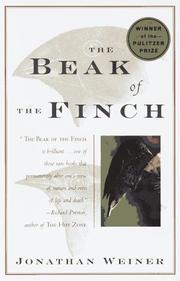
Twenty years of watching Galapagos finches show evolution happening in real time.
Recommended by: Sam Altman
Language as a human instinct, and what science knows of grammar and learning.
“He gave me this book called The Language Instinct, written by Steven Pinker... And Pinker proves his point pretty well.” — Charlie Munger
Source: Poor Charlie's Almanack, Talk Two: A Lesson on Elementary, Worldly Wisdom
Recommended by: Charlie Munger, Michael Mauboussin and 3 others
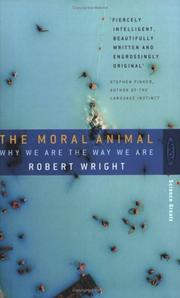
Evolutionary psychology explained through Darwin's own life and behaviour.
Recommended by: Mohnish Pabrai, Ryan Holiday, Morgan Housel and 2 others
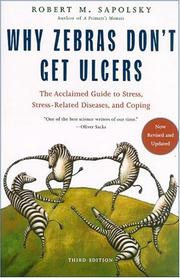
Chronic stress and how it affects the quality of decisions.
“Robert M. Sapolsky, Why Zebras Don’t Get Ulcers: Un Updated Guide to Stress, Stress-Related Disease, and Coping (New York: W.H. Freeman and Company, 1994)” — Michael Mauboussin
Source: Long-Term Investing: How I Learned to Stop Worrying and Ignore Volatility, page 6
Recommended by: Jim Collins, Michael Mauboussin
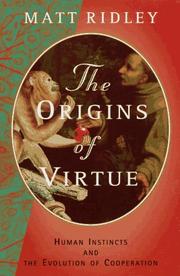
How cooperation and morality evolved from self-interest, via the prisoner's dilemma.
“I really highly, highly recommend picking up Genome, The Red Queen, Origins of Virtue, The Rational Optimist, and The Evolution of Everything.” — Naval Ravikant
Source: The Tim Ferriss Show — Naval Ravikant Q&A, full transcript
Recommended by: Mohnish Pabrai, Naval Ravikant, Ryan Holiday
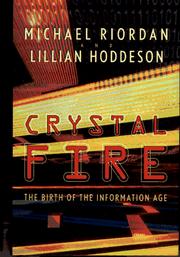
How the Bell Labs team of Shockley, Bardeen and Brattain invented the transistor.
Recommended by: Patrick Collison
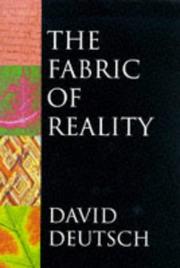
Reality through four strands: many-worlds physics, computation, evolution, Popper.
Recommended by: Naval Ravikant, Patrick Collison and 4 others
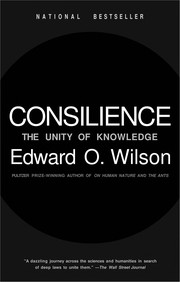
How the sciences and humanities can be unified by causal links from physics up.
“I was inspired by E. O. Wilson's book Consilience, which came out in 1998 and is a book I'd recommend.” — Michael Mauboussin
Source: MOI Global interview with Michael Mauboussin
Recommended by: Michael Mauboussin, Mohnish Pabrai
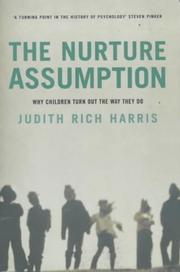
Why parents have less effect on how children turn out than people assume.
“the one thing that I found to be really interesting, and to some degree liberating, is the work of Judith Rich Harris” — Michael Mauboussin
Source: The Tim Ferriss Show #659 — official transcript
Recommended by: Michael Mauboussin
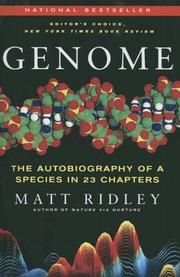
Twenty-three chapters, one per chromosome, each using a gene to open a subject.
“I highly recommend Genome as well, to figure out the rational basis behind ethics and the origin of virtue.” — Naval Ravikant
Source: Nav.al — 'Matt Ridley: How Innovation Works, Part 2' (Naval's podcast, edited transcript)
Recommended by: Charlie Munger, Mohnish Pabrai and 2 others
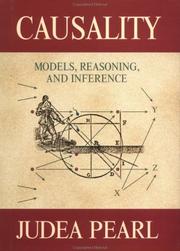
A mathematical theory of causation for statistics, AI, economics and science.
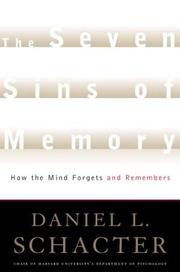
Seven everyday ways memory fails, from fading over time to blocking a known name.
Recommended by: Shane Parrish
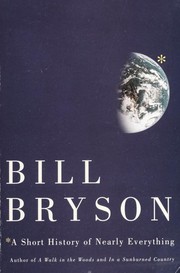
How scientists came to know what they know, from cosmology and geology to biology.
“Fun read of everything from the big bang to tectonic plates to the evolution of early man.” — Derek Sivers
Source: Derek Sivers book notes (primary, rated list) · Rating: 6/10
Recommended by: Balaji S. Srinivasan, Derek Sivers and 6 others
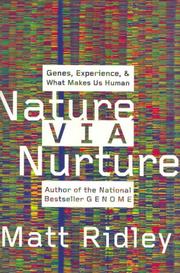
How genes and experience interact, each shaping how the other acts.
Recommended by: Naval Ravikant
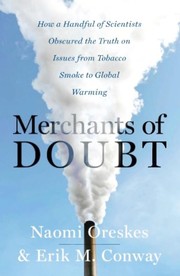
How a few scientists with ties to industry ran campaigns to deny settled science.
Recommended by: Nat Eliason, Elon Musk
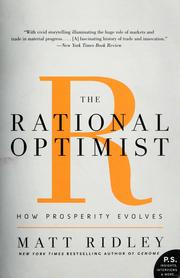
Prosperity grows as trade and specialisation let ideas meet and combine.
“…books I've recommended, highlighted to death, or forced on friends.” — Andrew Wilkinson
Source: Andrew Wilkinson's Bookshelf, neverenough.com
Recommended by: Andrew Wilkinson, Bill Gates, Frank Martin and 12 others
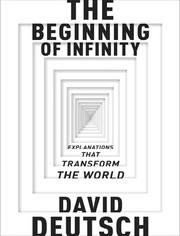
Knowledge can grow without limit through good explanations that are hard to vary.
“Favorites, I would say David Deutsch, "The Beginning of Infinity" is definitely one of my favorites.” — Albert Wenger
Source: Transcript: Albert Wenger
Recommended by: Albert Wenger, Derek Sivers and 9 others

How drug companies distort medical evidence, starting with unpublished trials.
Recommended by: Tim Ferriss
Big changes in human affairs emerge from the bottom up rather than by design.
“Everything else written by Matt Ridley. Matt is a scientist, optimist, and forward thinker. One of my favorite authors.” — Naval Ravikant
Source: Naval's Recommended Reading — The Almanack of Naval Ravikant
Recommended by: Naval Ravikant
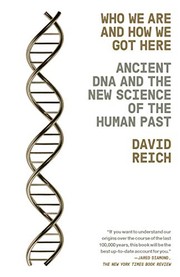
How ancient DNA has rewritten the story of human prehistory and migration.
Recommended by: Balaji S. Srinivasan, Marc Andreessen and 3 others
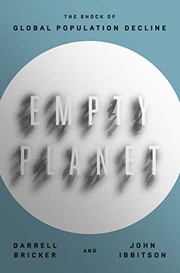
The costs and benefits of a shrinking world population.
“A favorite book on the topic is Empty Planet: The Shock of Global Population Decline, by Darrell Bricker and John Ibbitson, and a recommended YouTube video, if you prefer, is “Birthgap – Childless World Part 1,” Birthgap.org (2022).” — Jeremy Grantham
Source: Rising Toxicity and the Threat to Capitalism and Life Itself, page 8
Recommended by: Jeremy Grantham
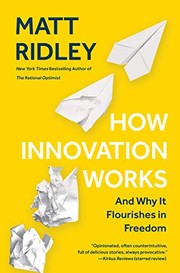
Innovation is gradual, collective and bottom-up, not the work of lone inventors.
“Matt Ridley, How Innovation Works: And Why It Flourishes in Freedom (New York: Harper, 2020)” — Michael Mauboussin
Source: Increasing Returns: Identifying Forms of Increasing Returns and What Drives Them, page 17
Recommended by: Balaji S. Srinivasan, Michael Mauboussin and 1 other
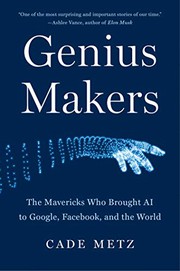
How Hinton, LeCun and Bengio kept neural networks alive until deep learning took off.
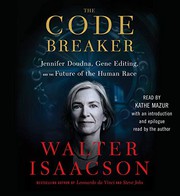
Jennifer Doudna, co-developer of CRISPR gene editing, and what followed it.
Recommended by: Bill Gates, Terrance McArthur
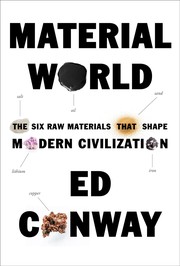
Six materials the world runs on, sand, salt, iron, copper, oil and lithium, traced.
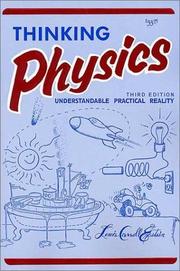
Several hundred multiple-choice physics questions, each with an explanation.
“There's another great book that's called Thinking Physics. I open this one all the time.” — Naval Ravikant
Source: The Knowledge Project (Farnam Street) — 'Naval Ravikant: The Angel Philosopher', full transcript
Recommended by: Naval Ravikant
The second law of thermodynamics and entropy, explained.
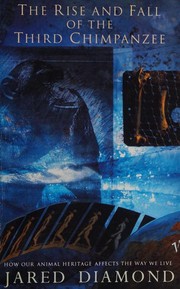
What in the few genes that separate us from apes made humans different.
Recommended by: Charlie Munger, Mohnish Pabrai
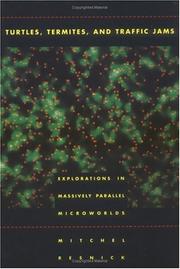
Computer tools that help people, even children, explore how complex systems work.
“The first challenge to the centralized mindset comes from a delightful book by MIT Professor Mitchel Resnick, “Turtles, Termites, and Traffic Jams.” — Michael Mauboussin
Source: The Invisible Lead Steer: New Answers to Old Questions About the Stock Market, page 3
Recommended by: Michael Mauboussin
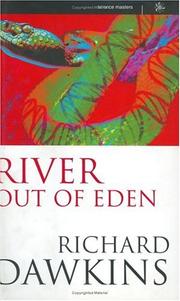
Genes as a river of digital information, and how life began and spreads.
“Biologist describes how evolution works, everything maximized for the gene’s survival. Includes related insights and analogies. I like his writing style.” — Derek Sivers
Source: Derek Sivers book notes (primary, rated list) · Rating: 6/10
Recommended by: Derek Sivers, Ray Dalio
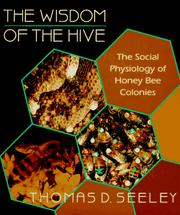
How a honeybee colony allocates its foragers, as a decentralised system.
“As Thomas Seeley writes in his delightful book, The Wisdom of the Hive: 22 The most thought-provoking feature of a honey bee colony is its ability to achieve coordinated activity among tens of thousands of bees without central control.” — Michael Mauboussin
Source: Capital Ideas Revisited: The Prime Directive, Sharks, and The Wisdom of Crowds, page 7
Recommended by: Michael Mauboussin
A graduate text on power laws, fractals and critical points in complex systems.
Recommended by: Nassim Nicholas Taleb
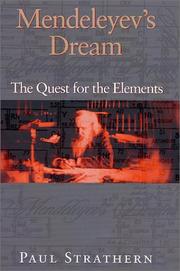
The long search for the periodic table of the elements.
Recommended by: Bill Gates
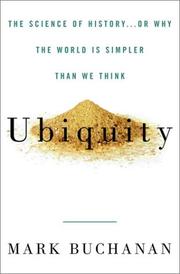
Self-organised criticality: why earthquakes and crashes come in all sizes.
“Mark Buchanan, Ubiquity: The Science of History . . . Or Why the World is Simpler Than We Think (New York: Crown Publishers, 2000)” — Michael Mauboussin
Source: Interdisciplinary Perspectives on Risk, page 5
Recommended by: Michael Mauboussin
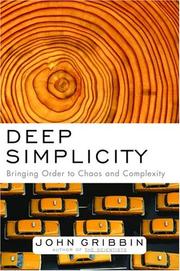
Chaos and complexity theory: how simple rules produce complex behaviour.
Recommended by: Charlie Munger
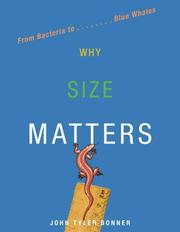
Why body size matters in living things.
“John Tyler Bonner, Why Size Matters (Princeton, NJ: Princeton University Press, 2006)” — Michael Mauboussin
Source: Importance of Diverse Thinking: Why the Santa Fe Institute Can Make You a Better Investor, page 10
Recommended by: Michael Mauboussin
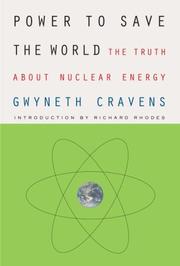
A sceptic's conversion to nuclear power, and how public fear of it formed.
How complex systems, from subprime lending to space shuttles, drift into failure.
Water as an economic problem, and why the era of cheap, plentiful water is ending.
Why humans tell stories: a rehearsal for life's social problems.
“Jonathan Gottschall, The Storytelling Animal: How Stories Make Us Human (New York: Houghton Mifflin Harcourt, 2012)” — Michael Mauboussin
Source: Who Is On the Other Side? You Need Good BAIT to Land a Winner, page 36
Recommended by: Michael Mauboussin
Short essays on the scientific concepts that would improve everyone's thinking.
Recommended by: Morgan Housel, Patrick Collison
What the evidence shows about genes and training in elite athletic performance.
Recommended by: Michael Mauboussin, Bill Miller, Mark Cuban

Nuclear accidents, what went wrong in each, and what each taught about the atom.
Papers on complexity economics and increasing returns, with commentary.
The limits of what science can know about the world.
Recommended by: Shane Parrish
When the simpler theory is the better one: the principle of parsimony tested.
How trees in a forest work as a connected system.
“A fascinating book about the complexity of something that seems basic.” — Morgan Housel
Source: A Few Good Books · Collaborative Fund
Recommended by: Morgan Housel, Patrick O'Shaughnessy
How today's certainties in culture and science may look once they are replaced.
“Hard to read and not emerge humbled.” — Marc Andreessen
Source: @pmarca, 'Thread: Books I've recently read and recommend'
Recommended by: Marc Andreessen, Brad Feld, Bryan Johnson and 1 other
The brain's appetite circuits, why people overeat and why diets fail.
Behavioural genetics on how much of who we are is inherited.
Recommended by: James Cameron, Michael Mauboussin
A data-driven look at emissions and what reduces them.
Recommended by: Bill Gates
The method and psychology of scientific discovery, above all in mathematics.
Recommended by: Naval Ravikant
A handbook of facts and answers on what each of us can do for the planet.
Recommended by: Jan Losert
An early classic on what scientific thinking is and what it promises.
Recommended by: Jason Zweig, Mohnish Pabrai
A classic text on inviscid airflow studied through potential theory.
Recommended by: Patrick Collison
A textbook on aircraft performance, stability and control.
Recommended by: Patrick Collison
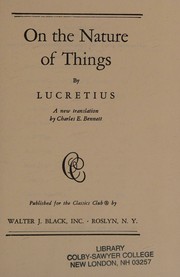
A poem arguing that all is atoms and void, the soul dies, and religion breeds fear.
Recommended by: Stewart Brand
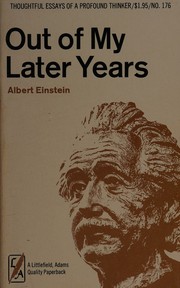
Essays, talks and letters from 1934 to 1950 on social, religious and school issues.
Recommended by: Eric Weinstein
A physicist asks how physics and chemistry can explain events in living things.
Recommended by: Naval Ravikant
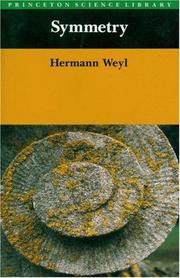
Symmetry in art, nature, mathematics and the sciences.
Recommended by: Eric Weinstein
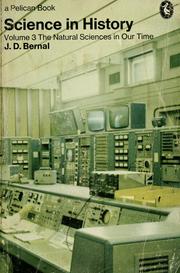
The relationship between science and society, from the flint axe to the H-bomb.
Recommended by: Patrick Collison
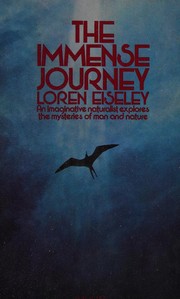
An anthropologist's reflections on humanity's long journey through time.
Recommended by: Mohnish Pabrai
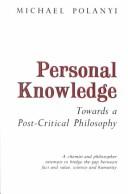
Argues that scientific knowledge joins personal experience, moral judgement and data.
Recommended by: Charles Koch
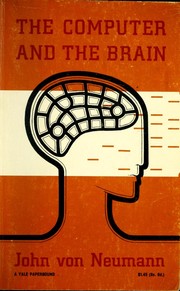
A computing pioneer on how the brain differs from computers as a computing machine.
Recommended by: Patrick Collison

The aerodynamics of aircraft performance and piloting, for naval aviators.
Recommended by: Patrick Collison
A survey of the physical and biological sciences for general readers.
Recommended by: Patrick Collison
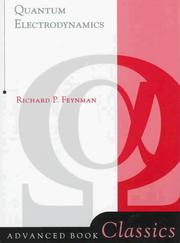
Lecture notes on the main results and methods of quantum electrodynamics.
Recommended by: Patrick Collison
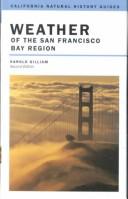
The forces of air, land and water that give the Bay Area its many kinds of weather.
Recommended by: Patrick Collison
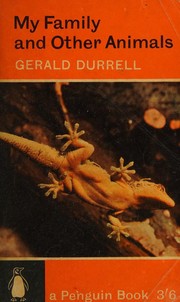
A comic memoir of a boyhood on Corfu with an odd family and the island's wildlife.
Recommended by: Paul Graham
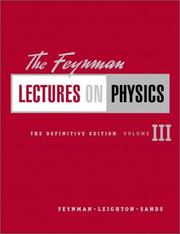
The revised edition of a physicist's famous lectures on introductory physics.
Recommended by: Mohnish Pabrai
Cosmology from the Babylonians to Newton, and how science and religion split.
Recommended by: Stewart Brand
Lectures on physics, mainly mechanics, radiation and heat.
Recommended by: Bill Gates, Naval Ravikant
Lectures on physics, mainly electromagnetism and matter.
Recommended by: Bill Gates, Naval Ravikant
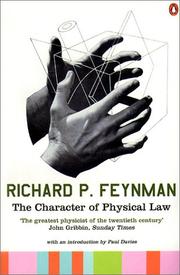
Seven lectures on the nature of the laws of physics.
Recommended by: Patrick Collison

How the gas turbine works, from jet propulsion theory to maintenance and overhaul.
Recommended by: Paul Graham

A non-technical story of the people and companies who built the first atomic bomb.
Recommended by: Patrick Collison
Special relativity from fast electrons to the mass, momentum and energy of particles.
Recommended by: Patrick Collison
A psychologist's thirty-year study of a man with almost limitless memory.
“Anyone who's interested in memory and mind and the vast differences between people might be interested in this, it's called The Mind of a Mnemonist, I think is how it's pronounced, like mnemonic device, M-N-E-M-O-N-I-S-T, a little book about a vast memory.” — Tim Ferriss
Recommended by: Tim Ferriss
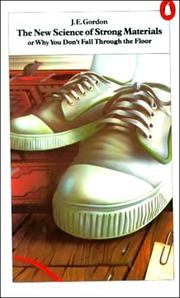
Why materials are strong or weak, explained for general readers.
Recommended by: Bill Gates, Mohnish Pabrai
An introduction to special and general relativity.
Recommended by: Eric Weinstein
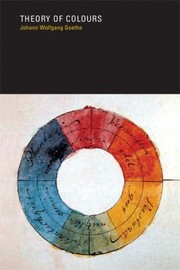
A poet's theory of colour as we perceive it, against the physics of light.
Recommended by: Ed Cooke
The second volume of the famous lectures on introductory physics.
Recommended by: Patrick Collison
The movement of plants, animals, diseases and people between the Old and New Worlds.
“Alfred Crosby's The Columbian Exchange, which is basically what Jared Diamond ripped off when he wrote his book.” — Nick Szabo
Source: The Tim Ferriss Show Transcripts: Nick Szabo (#244)
Recommended by: Nick Szabo
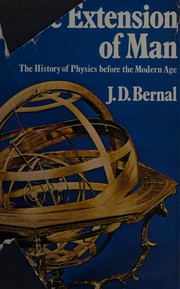
Lectures on the history of physics up to the end of the classical era.
“Bernal, The Extension of Man” — Paul Graham
Source: Rarely-Asked Questions — paulgraham.com
Recommended by: Paul Graham
How the mind allocates its limited mental resources in attention and effort.
The textbook on Einstein's general theory of relativity.
Recommended by: Eric Weinstein
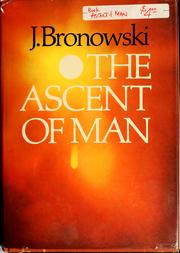
How science developed, and the discoveries that set humans apart from other species.
Recommended by: Patrick Collison, Patrick O'Shaughnessy
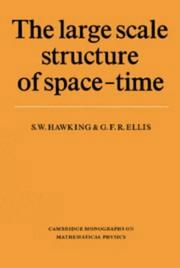
The mathematics of general relativity behind gravitational collapse and singularity.
Recommended by: Eric Weinstein
The first American astronauts, their courage and their inner lives.
Recommended by: Jim Collins, Patrick Collison and 4 others
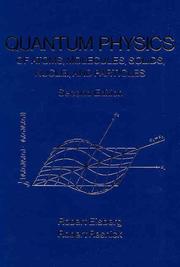
Quantum theory applied to atoms, molecules, solids, nuclei and particles.
Recommended by: Patrick Collison
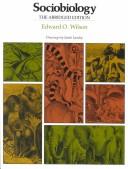
The founding text of sociobiology, the biology of social behaviour across species.
Recommended by: Mohnish Pabrai
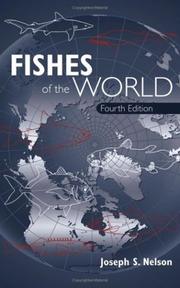
The standard reference on the classification of all major fish groups.
Recommended by: Tim Ferriss
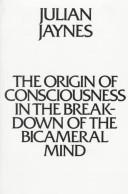
The theory that consciousness is learned, arising from a once two-chambered mind.
Recommended by: Patrick O'Shaughnessy, Adam Robinson and 3 others

General relativity presented for mathematicians.
Recommended by: Eric Weinstein
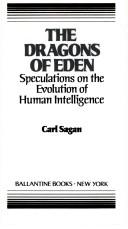
How human intelligence evolved: the brain, memory, sleep and myth.
Recommended by: Patrick O'Shaughnessy
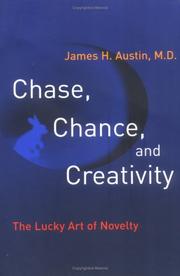
A neurologist on the kinds of luck behind scientific discovery.
“wrote an outstanding book called Chase, Chance, and Creativity … It's the best book I've read on the role of luck, chance, and serendipity” — Marc Andreessen
Source: Luck and the Entrepreneur: The four kinds of luck, blog.pmarca.com
Recommended by: Marc Andreessen
The last of the Corfu books: a naturalist's childhood among animals on Corfu.
Recommended by: Paul Graham
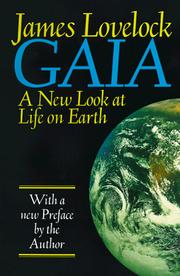
The hypothesis that life on Earth behaves as one self-regulating organism.
Recommended by: Stewart Brand
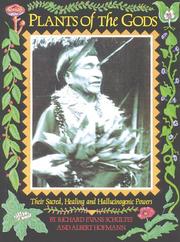
The botany and chemistry of hallucinogenic plants and how people have used them.
Recommended by: Tim Ferriss
How we see our surroundings, our place and movement in them, and what things afford.
Recommended by: Bret Victor
How science and civilisation grew up together, and the long journey of discovery.
Recommended by: Richard Branson, Maria Popova
Metaphor as a basic mechanism of thought that shapes how people understand the world.
“Going to go a little esoteric for this next one and talk about a book, which is a little more academic, which is by an author named George Lakoff and it's called Metaphors We Live By. There's definitely a writing theme here.” — Matt Mullenweg
Recommended by: David Perell, Matt Mullenweg, Nat Eliason and 2 others
Case histories of patients with strange neurological disorders.
Recommended by: Eric Weinstein
The shift from medieval philosophy to modern science, from Copernicus to Newton.
Recommended by: Patrick Collison
Answers to readers' questions about science, from the maker of the xkcd webcomic.
Recommended by: Bill Gates, Mohnish Pabrai, Astro Teller
Fluid mechanics applied to how plants and animals live in moving air and water.
Recommended by: Patrick Collison
How genes reach beyond their own bodies to shape the world and other organisms.
Recommended by: Mohnish Pabrai
The case, from leading scientists' writings, that science points toward God.
Recommended by: Mohnish Pabrai
Essays from literature, AI and psychology on the self and consciousness.
Recommended by: Josh Wolfe
Lectures that teach group theory and Lie algebras for use in particle physics.
Recommended by: Eric Weinstein
The relative size of things in the universe, each step adding another zero.
Recommended by: Stewart Brand
An elementary introduction to gauge theory in physics.
Recommended by: Eric Weinstein
The university textbook of cell biology.
Recommended by: Laura Deming, Sam Altman
Thirty selections from Popper's writings, chosen to show the range of his ideas.
Recommended by: Patrick Collison
The concepts of elementary particle physics, in two volumes.
Recommended by: Eric Weinstein
A popular account of the history, uses and interpretations of quantum mechanics.
Recommended by: Patrick Collison
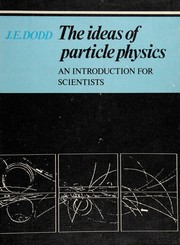
An introduction to particle physics between textbooks and popular accounts.
Recommended by: Eric Weinstein
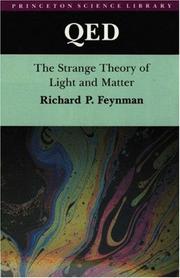
Four lectures on quantum electrodynamics: how light and matter interact.
Recommended by: Larry Page, Naval Ravikant
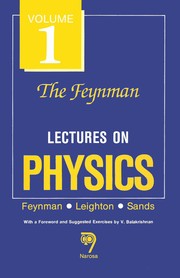
The first volume of the famous physics lectures: mechanics, radiation and heat.
Recommended by: Patrick Collison
A theory of how the human mind works and how thought arises.
Recommended by: Patrick Collison
An undergraduate biology textbook, from cells and genetics to evolution.
Recommended by: Mohnish Pabrai
How scientists found order in chaos, from nonlinearity to the butterfly effect.
Recommended by: Jim Collins, Naval Ravikant, Stewart Brand
The Standard Model of particle physics for readers with one introductory course.
Recommended by: Eric Weinstein
How seeing Earth from space changed 30 astronauts' view of themselves and the world.
Recommended by: Richard Branson
How people categorize, and why human reason is imaginative and tied to the body.
Recommended by: Matt Mullenweg
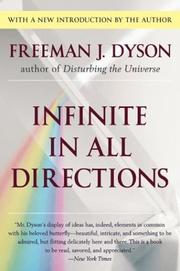
Lectures on science and religion as two windows on the world, in praise of diversity.
Recommended by: Stewart Brand
A graduate tutorial on superstring theory and its attempt to unify physics.
Recommended by: Eric Weinstein
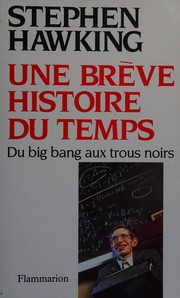
An illustrated edition of the popular account of cosmology, space and time.
Recommended by: Mohnish Pabrai, Nat Eliason, Richard Branson and 1 other
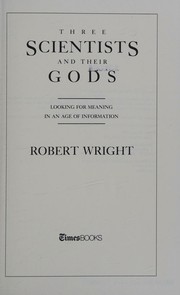
Information theory as an idea that ties together three scientists' work.
Recommended by: Charlie Munger, Mohnish Pabrai
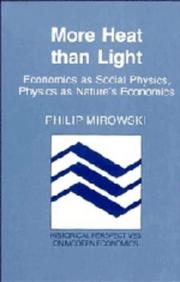
How economics copied the maths of 19th-century physics, and what that cost it.
“Mirowski, Philip, More Heat than Light: Economics as Social Physics, Physics as Nature’s Economics (Cambridge: Cambridge University Press, 1989)” — Michael Mauboussin
Source: Size Matters: The Kelly Criterion and the Importance of Money Management, page 12
Recommended by: Michael Mauboussin, Eric Weinstein
An argument that consciousness is not algorithmic and rests on quantum mechanics.
Recommended by: Patrick Collison
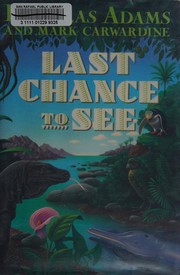
A trip around the world in search of endangered animals.
Recommended by: Patrick O'Shaughnessy
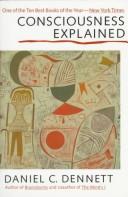
The case for replacing mind-body dualism with theories from neuroscience.
Recommended by: Mohnish Pabrai
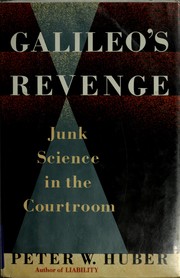
How junk science is used by expert witnesses in American courts.
Recommended by: Mohnish Pabrai
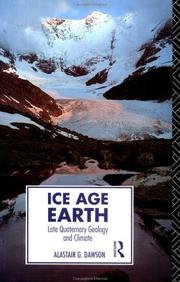
The geology and climate of the late Quaternary ice age.
Recommended by: Mohnish Pabrai
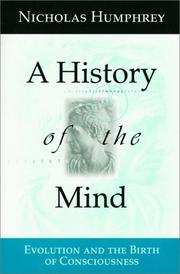
How consciousness and the senses evolved, and the history of the mind.
Recommended by: Mohnish Pabrai, Nassim Nicholas Taleb
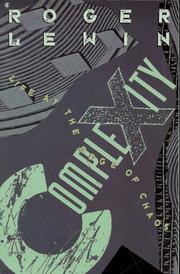
Complexity science and the rules behind order in cells, brains and markets.
Recommended by: Vlad Tenev
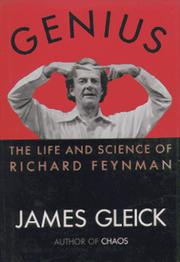
A biography of the physicist Richard Feynman and his work.
“I've also been reading Perfectly Reasonable Deviations from the Beaten Track by Feynman and re-reading Genius: The Life and Science of Richard Feynman, a biography about him.” — Naval Ravikant
Source: Naval's Recommended Reading — The Almanack of Naval Ravikant
Recommended by: Jim Collins, Mohnish Pabrai, Naval Ravikant and 1 other
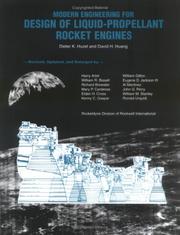
The engineering design of liquid-propellant rocket engines, with 470 illustrations.
Recommended by: Elon Musk
Quantum field theory built from quantum mechanics, with path integrals.
Recommended by: Mohnish Pabrai
Illustrations of the molecules and machines that make a living cell work.
Recommended by: Patrick Collison
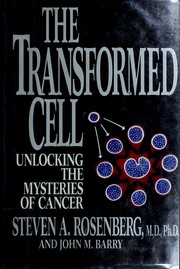
A surgeon's quest to turn the body's immune response against cancer.
Recommended by: Peter Attia
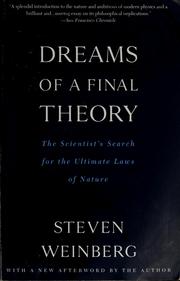
The search for one theory that explains all the forces of nature.
Recommended by: Demis Hassabis
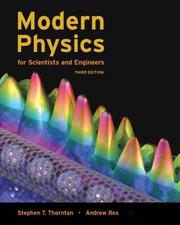
A one- or two-semester modern physics course built on quantum theory and its uses.
Recommended by: Mohnish Pabrai
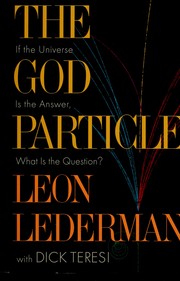
The search for the building block of all matter, from the Greek atom on.
Recommended by: Mohnish Pabrai
A neurologist's case that emotion and feeling are part of reason.
“Antonio R. Damasio, Descartes’ Error: Emotion, Reason and the Human Brain (New York: Avon Books, 1994), 3-10” — Michael Mauboussin
Source: Mine Your Mind: Neuroscience and Investing, page 6
Recommended by: Michael Mauboussin, Mohnish Pabrai
A complete briefing on global warming and climate change.
Recommended by: Bill Gates
Second-language acquisition as a window on language, mind and brain.
“There's also a book called In Other Words, just for people out there - since people will be listening to this - who may not think as adults they're well equipped to learn languages, In Other Words, which is co-authored by someone named Hakuta, H-A-K-U-T-A.” — Tim Ferriss
Source: The Tim Ferriss Show Transcripts: Drunk Dialing — Ladies Night Edition (#197)
Recommended by: Tim Ferriss
Papers showing positive feedback and lock-in govern parts of the economy.
“Arthur, W. Brian, Increasing Returns and Path Dependence in the Economy (Ann Arbor, MI: University of Michigan Press, 1994)” — Michael Mauboussin
Source: Importance of Diverse Thinking: Why the Santa Fe Institute Can Make You a Better Investor, page 11
Recommended by: Michael Mauboussin
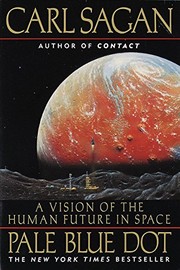
Earth as seen in Voyager 1's distant photograph, and the human future in space.
Recommended by: Elon Musk, Maria Popova
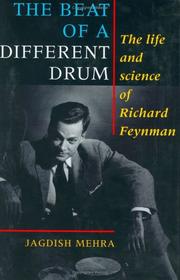
The life and scientific work of the physicist Richard Feynman.
Recommended by: Eric Weinstein
A unified theory of human mating, from the largest study of mating behaviour.
Recommended by: Ryan Holiday
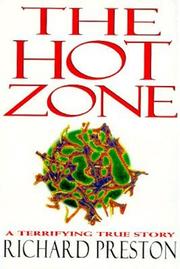
Investigations into Ebola and other African viruses, their strains and outbreaks.
Recommended by: Safi Bahcall, Sophie Bakalar
The graduate textbook on quantum field theory, QED and Feynman diagrams.
Recommended by: Susan J. Fowler
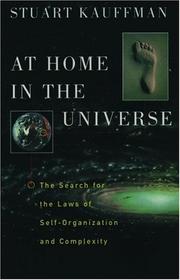
The laws of self-organization and complexity, from the origin of life to firms.
“Kauffman, S. At Home in the Universe: The Search for Laws of SelfOrganization and Complexity, Oxford: Oxford University Press, 1995” — Michael Mauboussin
Source: Shift Happens: On a New Paradigm of the Markets as a Complex Adaptive System, page 15
Recommended by: Michael Mauboussin, Naval Ravikant
How natural selection changes humanity's view of its place in the universe.
“For example, see Daniel C. Dennett, Darwin’s Dangerous Idea: Evolution and The Meanings of Life (New York: Simon & Schuster, 1995)” — Michael Mauboussin
Source: New Business Boom and Bust: How Capitalism Experiments, page 8
Recommended by: Michael Mauboussin, Nat Eliason
Lectures on gravitational physics from a Caltech course.
Recommended by: Patrick Collison
Computer models of how minds make analogies and create.
Recommended by: Patrick Collison
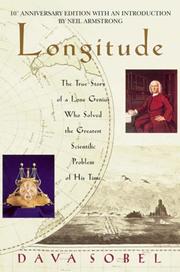
How a clockmaker solved the longitude problem, the hardest science of his day.
Recommended by: Jim Collins, Patrick Collison and 1 other
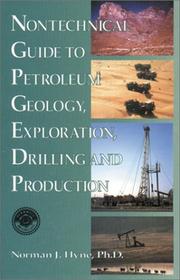
How oil and gas form, how they are found, drilled and produced, in plain terms.
Recommended by: Mohnish Pabrai
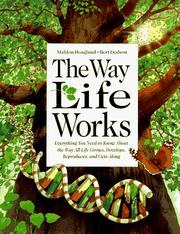
An illustrated account of how living things grow, develop, reproduce and get by.
Recommended by: Stewart Brand
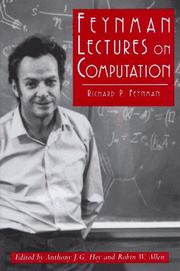
A physicist's lectures on what computing machines can and cannot do.
Recommended by: Patrick Collison
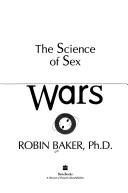
Fictional sexual scenes, each read by an evolutionary biologist for its instincts.
Recommended by: Brian Armstrong, Tucker Max
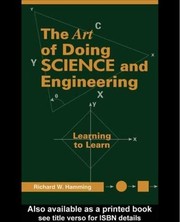
Lessons on doing science and engineering, and on thinking about their future.
Recommended by: Bret Victor, Patrick Collison, Keith Rabois
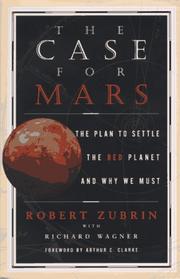
A plan for sending humans to Mars with current technology and making fuel there.
Recommended by: Patrick Collison
How Western Europe moved from qualitative to quantitative thinking.
Recommended by: Nick Szabo
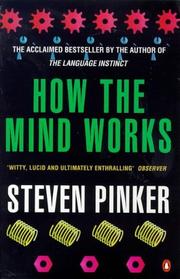
The mind's functions and quirks explained by evolution.
“Wilson was great, "How the Mind Works" Steven Pinker. I love "The Operator" about David Geffen and I like reading biology - sorry, biographies.” — Josh Wolfe
Source: Transcript: Josh Wolfe
Recommended by: Josh Wolfe, Michael Mauboussin and 2 others
Recommended by: Mohnish Pabrai
The life and science of Richard Feynman, physicist and teacher.
Recommended by: Mohnish Pabrai, Paul Graham
What biology and behaviour research say about differences between the sexes.
Recommended by: Ryan Holiday
Six physics lectures on vectors, symmetry, relativity and space-time.
“I would give my kids a copy of Richard Feynman's Six Easy Pieces and Six Not-So-Easy Pieces: Einstein's Relativity, Symmetry, and Space.” — Naval Ravikant
Source: Naval's Recommended Reading — The Almanack of Naval Ravikant
Recommended by: Naval Ravikant
How everything that flies, from gnats to jumbo jets, obeys the same principles.
Recommended by: Patrick Collison
A report on how science today pictures the universe as a whole.
Recommended by: Eric Weinstein
How humans came to have such unusual sex lives compared with other animals.
“When the author of a book on poker references some of my favorite books like Why Is Sex Fun?, Guns, Germs and Steel (both by Jared Diamond) and How the Mind Works by Steven Pinker (one that’s arrived, but not yet read), my curiosity was piqued.” — Mohnish Pabrai
Source: Pabrai Investment Funds letter to partners (101103), page 6
Recommended by: Mohnish Pabrai
How energy is transformed to power the biosphere and human society.
Recommended by: Bill Gates
A physicist imagines where science and technology, real and imagined, may lead.
Recommended by: Stewart Brand
Three lectures by a physicist speaking as a citizen about science and society.
Recommended by: Mohnish Pabrai
Essays on geometry and physics inspired by the work of Roger Penrose.
Recommended by: Eric Weinstein
How the human hand shaped our cognitive, emotional and linguistic development.
Recommended by: Patrick Collison
How computers work, from basic logic to programming languages, in plain terms.
Recommended by: Stewart Brand
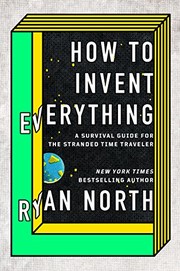
How to rebuild civilisation's inventions if stranded in the past.
Recommended by: Balaji S. Srinivasan
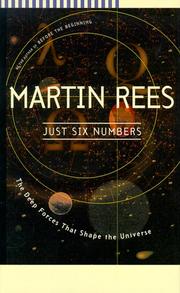
The six numbers on which all physical reality rests, from atoms to human tissue.
Recommended by: Patrick Collison
Creative genius explained as a Darwinian process of variation and selection.
Recommended by: Patrick Collison
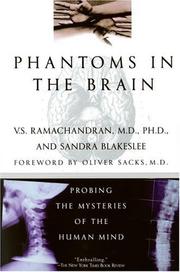
What patients with odd neurological disorders reveal about the brain and the self.
Recommended by: Tom Bilyeu
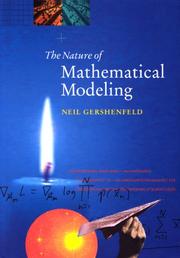
Techniques for mathematical modelling, aimed at simple, efficient computer code.
Recommended by: Patrick Collison, Bret Victor
A collection of Richard Feynman's best short works.
Recommended by: Brian Armstrong, Larry Page
A biologist's search for how pieces of DNA shape behaviour.
Recommended by: Mohnish Pabrai
Electromagnetism rebuilt from quantum foundations.
Recommended by: Patrick Collison
How a game designer built artificial life from simple rules of biology.
Recommended by: Mohnish Pabrai, Jeff Bezos
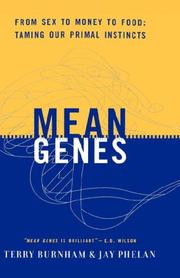
Why evolved instincts push people toward bad choices on money, food and sex.
Recommended by: Mohnish Pabrai, Nassim Nicholas Taleb
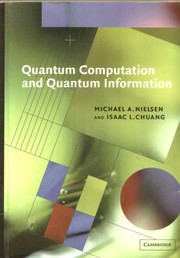
Quantum algorithms, teleportation, cryptography and error correction, from basics.
Recommended by: Patrick Collison
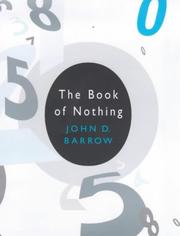
How people have understood nothing, from zero in India to the vacuum in physics.
Recommended by: Naval Ravikant
Recommended by: Mohnish Pabrai
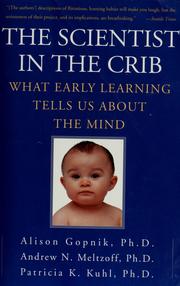
What cognitive science shows about how much babies know and learn.
Recommended by: Steve Jurvetson
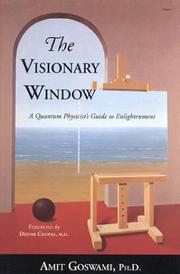
Western science and Eastern mysticism joined to argue consciousness is all being.
Recommended by: Mohnish Pabrai
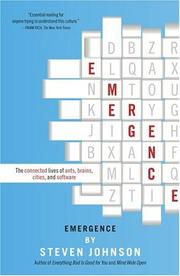
How simple elements organise themselves into more intelligent, adaptive systems.
Recommended by: Ev Williams
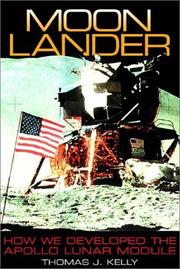
The chief engineer on designing, building, testing and flying the lunar module.
Recommended by: Patrick Collison
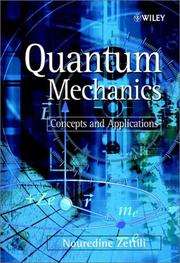
Quantum mechanics, its formalism and practice, through nearly 700 worked problems.
Recommended by: Patrick Collison
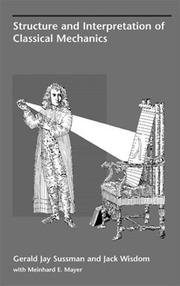
Classical mechanics taught through computational tools for Hamiltonian systems.
Recommended by: Patrick Collison
An anthology of the year's best American writing on science and nature.
Recommended by: Mohnish Pabrai
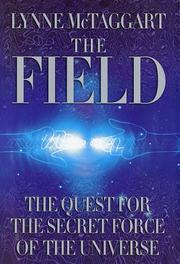
The claim that mind and body constantly interact with a vast field of energy.
Recommended by: Mohnish Pabrai
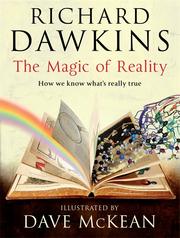
Myths about the sun, night and earthquakes set against what science has found.
Recommended by: Bill Gates, Mohnish Pabrai
A physicist's tour of the frontiers of theoretical physics.
Recommended by: Mohnish Pabrai
How energy and genes are linked, and why complex life arose from a single event.
Recommended by: Bill Gates, Patrick Collison and 1 other
The forest of Barro Colorado Island in photographs and ecology.
Recommended by: Ray Dalio
A popular history of temperature and heat, entropy included.
Recommended by: Charlie Munger, Mohnish Pabrai
How very simple programs produce complexity, and what that explains in nature.
Recommended by: Mohnish Pabrai, Steve Jurvetson
The anthropic principle and the observation selection effects in science.
Recommended by: Patrick Collison
How scientists came to understand ice ages and their causes.
Recommended by: Charlie Munger
Answers to the Fermi paradox: why we have found no aliens.
Recommended by: Patrick Collison, Elon Musk
The science of networks, and why social networks, companies and organisms are alike.
“Barabasi, Albert-Laszlo, Linked: How Everything is Connected to Everything Else and What It Means (New York: Perseus Books, 2002)” — Michael Mauboussin
Source: Exploring Network Economics, page 15
Recommended by: Michael Mauboussin, Mohnish Pabrai
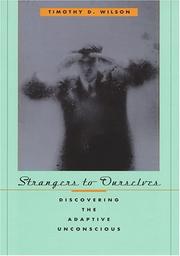
The adaptive unconscious, and why introspection is a poor path to self-knowledge.
Recommended by: Mohnish Pabrai, Nassim Nicholas Taleb
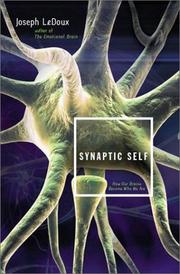
How the synapses between neurons make each person who they are.
Recommended by: Mohnish Pabrai
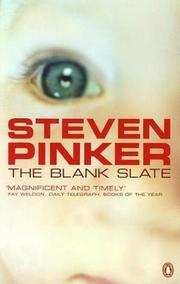
Why the mind is not a blank slate, and the moral and political stakes of that.
Recommended by: Mohnish Pabrai, Marc Andreessen and 1 other
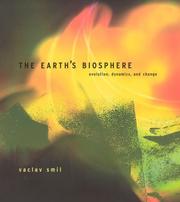
The Earth's biosphere from its origins to its future: physics, chemistry and biology.
Recommended by: Bill Gates
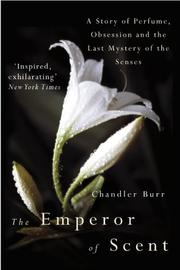
A scientist with an uncanny sense of smell and his attempt to explain how noses work.
Recommended by: Eric Weinstein
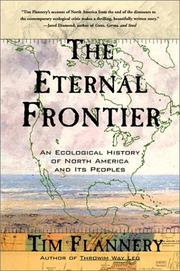
An ecological history of North America from the asteroid that killed the dinosaurs.
Recommended by: Stewart Brand
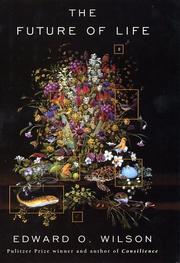
The species the world is about to lose, and how conservation can pay economically.
Recommended by: Mohnish Pabrai, Stewart Brand
Boulton, Watt, Wedgwood, Erasmus Darwin and the Midlands friends who experimented.
Recommended by: Mohnish Pabrai, Patrick Collison
Britain's wartime mission to share its military secrets with American scientists.
Recommended by: Patrick Collison
Essays on evolution, natural selection, science and religion.
Recommended by: Patrick Collison
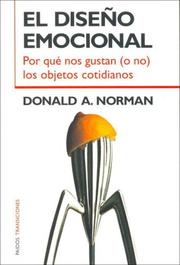
Why attractive things work better, and how emotion shapes design.
Recommended by: Nir Eyal
A textbook on grand unified theories in particle physics.
Recommended by: Eric Weinstein
A life of Newton from his letters and notebooks: physics, optics and calculus.
Recommended by: Mohnish Pabrai
Quantum field theory for students who have finished a course in quantum mechanics.
Recommended by: Patrick Collison
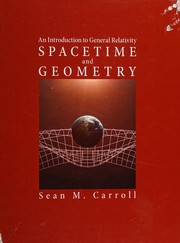
A textbook introduction to general relativity with modern techniques.
Recommended by: Patrick Collison
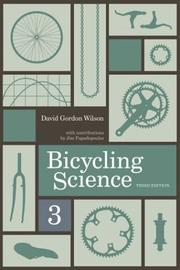
The physics and dynamics of bicycles and cycling.
Recommended by: Patrick Collison
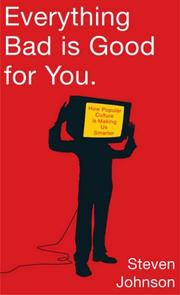
Why television and video games have grown more complex and demanding.
Recommended by: Ev Williams
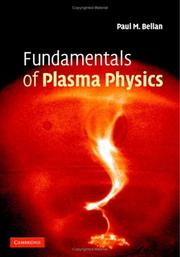
A graduate textbook on the principles of plasma physics.
Recommended by: Sam Altman
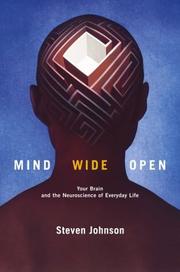
How the brain's chemicals and structures shape everyday experience.
Recommended by: Mohnish Pabrai, Ev Williams
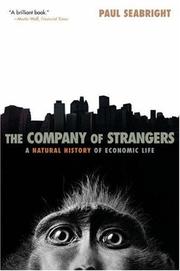
A natural history of how strangers came to cooperate in economic life.
Recommended by: Mohnish Pabrai, Patrick Collison
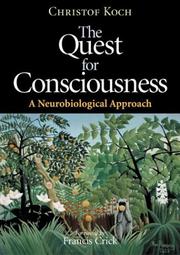
A neurobiological approach to explaining consciousness.
Recommended by: Patrick Collison
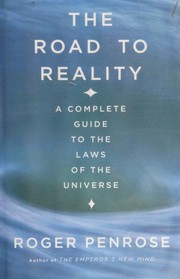
A complete guide in one volume to the laws of physics that govern the universe.
Recommended by: Patrick Collison
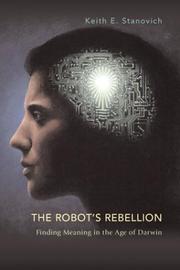
How humans can find meaning if they are hosts for genes and memes.
Recommended by: Mohnish Pabrai
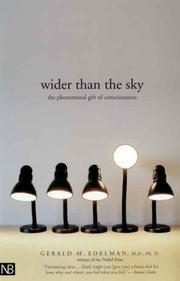
A non-technical account of how the firing of neurons gives rise to consciousness.
Recommended by: Mohnish Pabrai
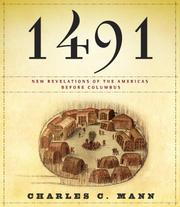
What the Americas were like before Europeans arrived, against the old view.
Recommended by: Mohnish Pabrai
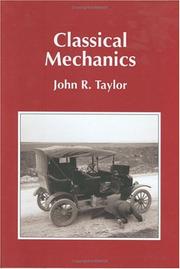
A textbook on classical mechanics for students past introductory physics.
Recommended by: Mohnish Pabrai
Einstein's miraculous year of papers that changed physics.
Recommended by: Mohnish Pabrai
More than 500 articles by experts covering physics and the physical world.
Recommended by: Eric Weinstein
How the brain produces intelligence, and what that means for intelligent machines.
Recommended by: Keith Rabois, Patrick Collison, Ev Williams

Michael Faraday's life: a devout scientist who sought no money from his discoveries.
Recommended by: Mohnish Pabrai
Recommended by: Patrick Collison
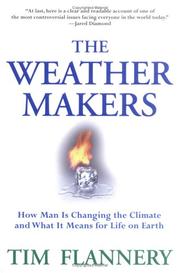
The history of climate change, how it will unfold, and what can be done about it.
Recommended by: Mohnish Pabrai, Richard Branson
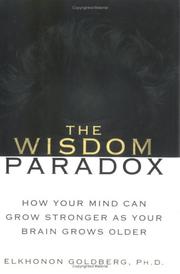
How the mind can stay sharp, and grow wiser, as the brain ages.
Recommended by: Mohnish Pabrai, Nassim Nicholas Taleb
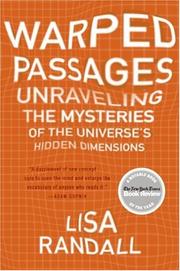
Extra dimensions of space, string theory and branes, explained for lay readers.
Recommended by: Patrick Collison
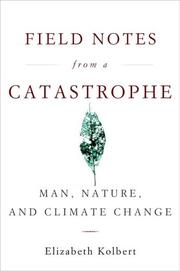
A New Yorker writer's reporting on climate change and its effects.
Recommended by: Mohnish Pabrai
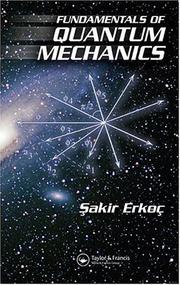
The principles of nonrelativistic quantum mechanics and ways to solve its problems.
Recommended by: Mohnish Pabrai
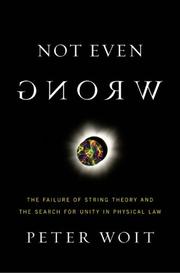
Argues that string theory is not a theory at all, since it makes no predictions.
Recommended by: Eric Weinstein
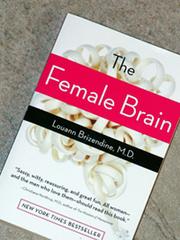
What research on women's brains shows about how they shape women's lives.
Recommended by: Brian Armstrong
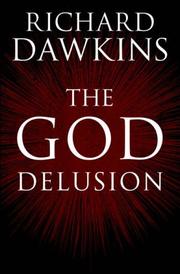
Why belief in God is irrational, and the harm religion has done to society.
Recommended by: Brian Armstrong, Mohnish Pabrai and 1 other
The career of Norman Borlaug, the plant scientist who won the Nobel Peace Prize.
Recommended by: Bill Gates, Mohnish Pabrai
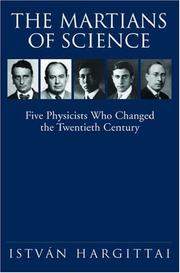
Five Hungarian-born scientists, von Neumann and Teller among them, and their century.
Recommended by: Mohnish Pabrai
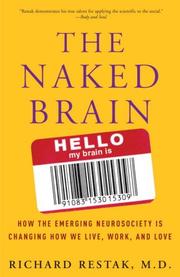
How brain science is changing the way we live, work and love.
Recommended by: Simon Sinek
The economy as a complex evolving system rather than one in equilibrium.
“Eric D. Beinhocker, The Origin of Wealth: Evolution, Complexity, and the Radical Remaking of Economics (Boston: Harvard Business School Press, 2006)” — Michael Mauboussin
Source: Thirty Years: Reflections on the Ten Attributes of Great Investors, page 17
Recommended by: Michael Mauboussin, Ryan Peterson
Why the climate crisis may soon pass the point where people can alter it.
Recommended by: Stewart Brand
Essays on scientists as rebels who resist the limits their cultures impose.
Recommended by: Patrick Collison
How string theory rose to dominate physics, and what happens if it is wrong.
Recommended by: Patrick Collison
The history of the universe, the Earth and humanity told as one account.
Recommended by: Bill Gates, Ryan Peterson
Conference papers on creativity and the neuroscience of the brain.
Recommended by: Ray Dalio
Essays on black holes, the solar system, cosmology and life in the universe.
Recommended by: Tim Ferriss
How people have used up the Earth's soil for millennia, and what erosion cost them.
Recommended by: Stewart Brand

How chance led to penicillin, chemotherapy and other medical breakthroughs.
Recommended by: Mohnish Pabrai, Nat Eliason and 1 other
Scientists and patients who show that the brain can change its own structure.
Recommended by: Tom Bilyeu
A feasible plan for settling the Moon, from robotic mining to power and transport.
Recommended by: Patrick Collison
How meaning is possible in a material world, the problem after consciousness.
Recommended by: Patrick Collison
A neuroscientist's research with Carmelite nuns on spiritual experience in the brain.
Recommended by: Ray Dalio
What would be left of the world if humans ceased to exist.
Recommended by: Patrick Collison, Richard Branson
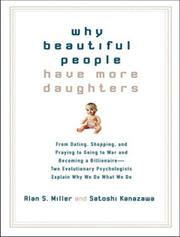
Evolutionary psychology's answers to puzzles of sex, love and work.
Recommended by: Ryan Holiday
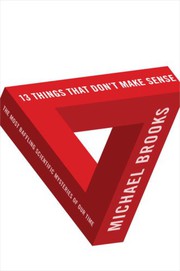
Thirteen scientific anomalies, from the missing universe to the placebo effect.
Recommended by: Mohnish Pabrai, Bill Gates
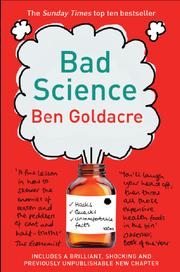
A doctor's exposé of bad science in medicine, the media and alternative cures.
“I think there's a book called Bad Science by Ben Goldacre, who's an MD from the UK. There are a number of chapters that are not relevant to US audience, but it's a helpful book for teaching yourself to think in a structured way, scientifically about medicine.” — Tim Ferriss
Source: The Tim Ferriss Show Transcripts: Dr. Andrew Huberman — Peptides, Performance, and Protocols (#876)
Recommended by: Tim Ferriss
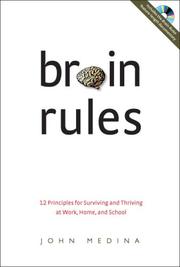
What brain science says about learning, sleep, stress, memory and multitasking.
“New scientific insights into why our brains work this way, and how to use what we now know to learn or work better.” — Derek Sivers
Source: Derek Sivers book notes (primary, rated list) · Rating: 8/10
Recommended by: Derek Sivers, Mohnish Pabrai, Nat Eliason and 2 others
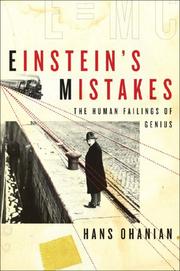
The mistakes in Einstein's physics, told as history of science.
Recommended by: Mohnish Pabrai, Ray Dalio
How the world changes through sudden catastrophes and through slow trends.
Recommended by: Bill Gates
Essays by 25 experts on the gravest risks to humanity this century.
Recommended by: Nat Eliason, Patrick Collison
Essays on how far technology should be used to make better humans.
Recommended by: Patrick Collison
Tools to understand users' reasons for doing things, and to design for them.
Recommended by: David Kadavy
An A-to-Z perfume guide whose authors praise, joke about and scold each scent.
Recommended by: Eric Weinstein
How far death rays, force fields and invisibility cloaks could become real, and when.
Recommended by: Mark Zuckerberg
How aerobic exercise remodels the brain and helps against stress and depression.
Recommended by: Tim Ferriss
How valuable information is becoming private property and dangerous to acquire.
Recommended by: Sam Altman
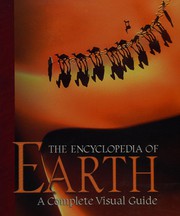
A visual reference to the Earth today and across the ages.
Recommended by: Stewart Brand
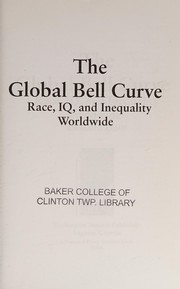
The claim that average IQ differences between races explain inequality worldwide.
Recommended by: Mohnish Pabrai
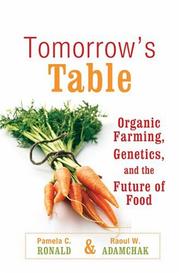
Organic farming and genetically engineered crops as ways to feed the world.
Recommended by: Bill Gates
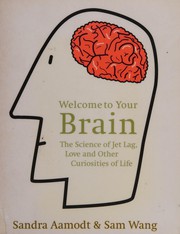
How the brain really works, explained through puzzles of everyday behaviour.
Recommended by: Ray Dalio
A research-based programme of short, intense weekly strength training.
“You can look at a book called Body by Science for all of the details and why that is the case.” — Tim Ferriss
Source: The Tim Ferriss Show Transcripts: Random Show - Fasting, Biohacking, and Tony Robbins (#333)
Recommended by: Mohnish Pabrai, Tim Ferriss and 1 other
Charles Darwin's family life, his daughter's death and his ideas on evolution.
Recommended by: Mohnish Pabrai, Li Lu
What genius is and how it appears in art, science and other fields.
Recommended by: Mohnish Pabrai
How evolution invented DNA, photosynthesis and eight other great innovations.
Recommended by: Chamath Palihapitiya
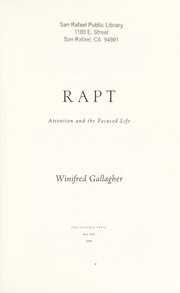
Argues that the quality of a life depends on what a person pays attention to.
“Well-intentioned book I couldn't stomach because of her awkwardly flowerly writing style. Also I've read a lot about focus and flow, so this was mostly a repeat covered better in other books.” — Derek Sivers
Source: Derek Sivers book notes (primary, rated list) · Rating: 1/10
Recommended by: Derek Sivers, Mohnish Pabrai
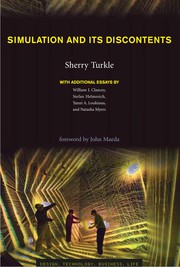
How simulation changed the way scientists and designers see the world.
Recommended by: Patrick Collison, Bret Victor
Whether Britain could live on renewables, worked out in numbers per person.
Recommended by: Bill Gates
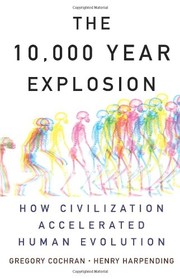
How lactose tolerance, malaria resistance and blue eyes evolved in 10,000 years.
Recommended by: Mohnish Pabrai, Nick Szabo
The late eighteenth-century discoveries that began the Romantic age of science.
Recommended by: Ed Cooke, Patrick Collison, Tyler Cowen

How trivial-seeming questions lead to deeper insight into how science works.
Recommended by: Mohnish Pabrai, Bill Gates
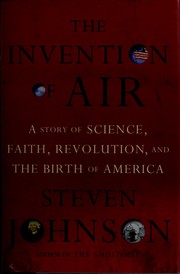
Joseph Priestley's science, religion and politics, and his ties to the Founders.
Recommended by: Andrew Wilkinson
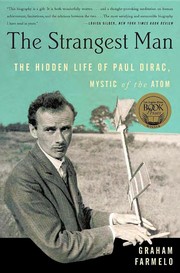
A life of Paul Dirac, a discoverer of quantum mechanics.
Recommended by: Eric Weinstein
About 150 thinkers on the scientific ideas they expect to change the world.
Recommended by: Patrick Collison, Eric Weinstein
A collection of the webcomic of romance, sarcasm, maths and language.
Recommended by: Bill Gates, Naval Ravikant
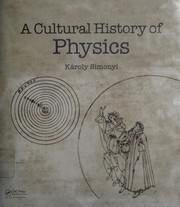
A history of physics set in its cultural context.
Recommended by: Naval Ravikant
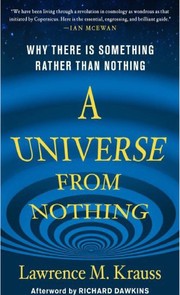
How physics explains why there is something rather than nothing.
Recommended by: Mohnish Pabrai, Charlie Munger
How weather data and computer models built our knowledge of global climate change.
Recommended by: Patrick Collison

An assessment of the proposals for averting climate change, and the energy options.
Recommended by: Mohnish Pabrai
How to design graphical user interfaces around how the mind works.
Recommended by: Nir Eyal
Common claims about energy tested against the record of past energy transitions.
Recommended by: Bill Gates
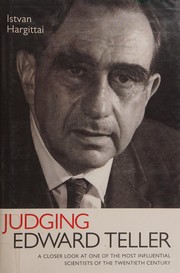
A life of Edward Teller, "father of the H-bomb", beyond the views of fans and foes.
Recommended by: Mohnish Pabrai
How comparing natural experiments of history answers questions labs cannot.
Recommended by: Mohnish Pabrai
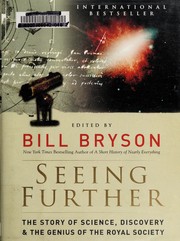
Essays by scientists and writers marking 350 years of the Royal Society.
Recommended by: Mohnish Pabrai
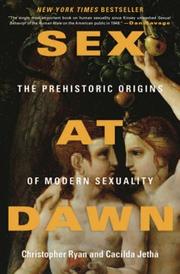
A challenge to the standard story that monogamy comes naturally to humans.
Recommended by: Noah Kagan, Naval Ravikant
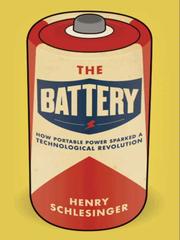
A popular history of the battery, from a twitching frog's leg to modern devices.
Recommended by: Mohnish Pabrai
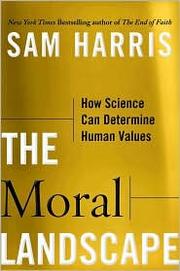
How science can determine human values and answer questions of morality.
Recommended by: Sophie Bakalar
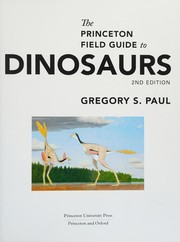
Descriptions and illustrations of more than 735 dinosaur species.
Recommended by: Sophie Bakalar
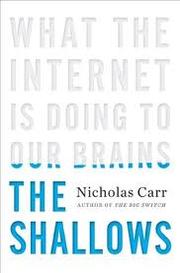
What reading on the internet may be doing to human thought and the brain.
Recommended by: Nat Eliason, Iman Gadzhi
A Siberian tiger that hunted men in Russia's Far East, and the men who tracked it.
Recommended by: Patrick O'Shaughnessy, Ryan Holiday and 2 others
About 1,600 quotations, the most comprehensive collection of the physicist's words.
Recommended by: Warren Buffett
Facts, myths and oddities about the weather from a meteorologist.
Recommended by: Patrick Collison
Seven patterns, such as the adjacent possible, in the settings that produce ideas.
Recommended by: Andrew Wilkinson, Bill Gates, Mohnish Pabrai and 3 others
Radical life extension and what longer lifespans would do to markets.
Recommended by: Mohnish Pabrai, Peter Thiel
The biological upheaval that followed Columbus's voyages, and the world it made.
Recommended by: Mohnish Pabrai
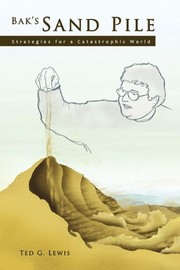
The pattern behind catastrophes from blackouts to oil spills, and how to plan.
Recommended by: Mohnish Pabrai
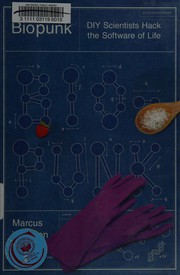
The amateurs who hack biology and genetic engineering outside the laboratories.
Recommended by: Balaji S. Srinivasan
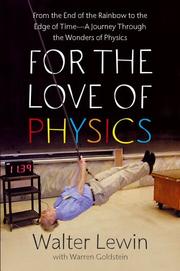
An MIT physicist's tour of physics from rainbows to the edge of time.
Recommended by: Bill Gates
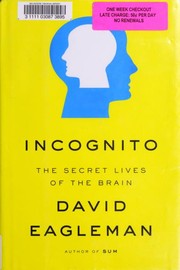
How much of the brain's work runs beyond the reach of the conscious mind.
Recommended by: Patrick O'Shaughnessy, Tom Bilyeu, Ray Dalio
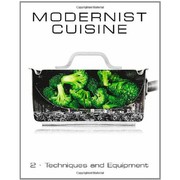
Science-inspired cooking techniques of modern gastronomy, across six volumes.
Recommended by: Bill Gates
Two maverick scientists, Delbrück and Gamow, who helped start genomics and cosmology.
Recommended by: Mohnish Pabrai
The history and technology of the Integral Fast Reactor built at Argonne, 1984-94.
Recommended by: Sam Altman
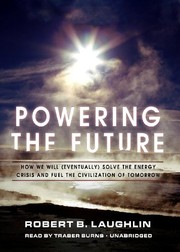
How people will get energy two centuries from now, once fossil carbon is gone.
Recommended by: Sam Altman
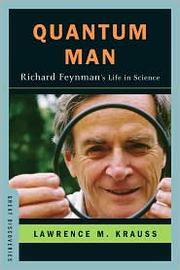
A scientific biography of Feynman, pairing his turbulent life with clear physics.
Recommended by: Mohnish Pabrai
The modern theory of supermanifolds, from analysis over supernumbers on.
Recommended by: Eric Weinstein
What happens as technology stands in for people's experience of nature.
Recommended by: Patrick Collison
The Royal Society scientists who pictured a universe that ran like a machine.
Recommended by: Sophie Bakalar
How evolution shapes what we eat, buy and give as consumers.
Recommended by: Mohnish Pabrai
A history of information, from African talking drums to the theory that measures it.
Recommended by: Patrick Collison, Marc Andreessen and 2 others
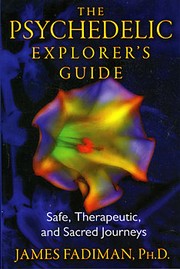
Psychedelics for spiritual, therapeutic and problem-solving use.
Recommended by: Nat Eliason, Naval Ravikant
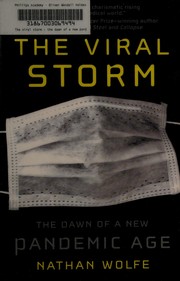
Where the deadliest viruses come from, and how to stop pandemics.
Recommended by: Patrick Collison
A neuroscientist argues our lives are not wholly set by physical processes.
“Michael S. Gazzaniga, Who’s In Charge?: Free Will and the Science of the Brain (New York: HarperCollins, 2011), 53-54” — Michael Mauboussin
Source: Outcome Bias and the Interpreter: How Our Minds Confuse Skill and Luck, page 9
Recommended by: Michael Mauboussin, Ray Dalio
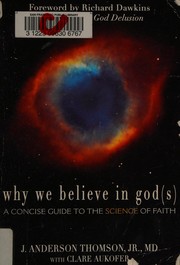
A psychiatrist's concise guide to how the mind generates religious belief.
Recommended by: Ray Dalio
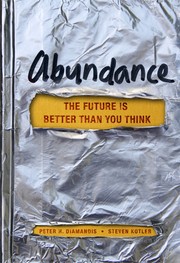
The case that fast-improving technology will make scarce resources cheap.
Recommended by: Bill Gates, Richard Branson, Morgan Housel and 2 others

Antarctica's science, natural history, exploration and people, in one portrait.
Recommended by: Matt Mullenweg
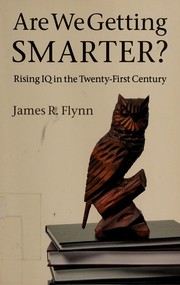
Why IQ scores have risen from one generation to the next, the Flynn effect.
Recommended by: Mohnish Pabrai

The Minnesota study showing twins raised apart are as alike as those raised together.
Recommended by: Mohnish Pabrai
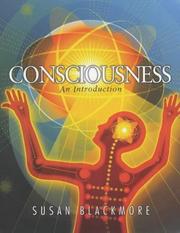
A textbook introduction to consciousness studies, worked from the ground up.
Recommended by: Nassim Nicholas Taleb
A biography of Albert Einstein.
Recommended by: Sophie Bakalar
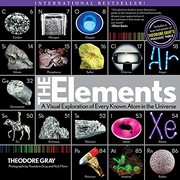

Population genetics as a new way to answer who the Jewish people are.
Recommended by: Patrick Collison
A college textbook of quantum mechanics and its mathematics.
Recommended by: Patrick Collison, Eric Weinstein
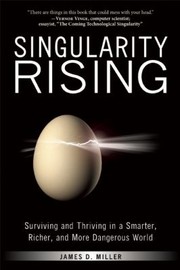
How a future of abundant human and machine intelligence may change the world.
Recommended by: Patrick Collison
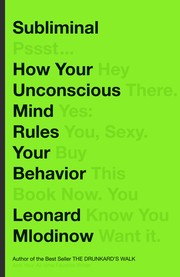
How the unconscious mind shapes perception, judgement and dealings with others.
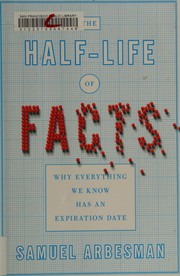
How knowledge changes in regular, measurable ways, and what that means for facts.
Recommended by: Bertalan Meskó
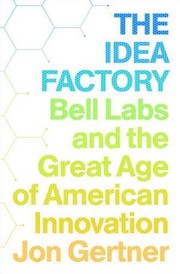
How Bell Labs turned research into the transistor, the laser and information theory.
Recommended by: Mohnish Pabrai, Patrick Collison and 3 others
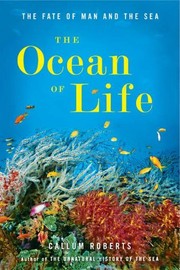
A conservation biologist's account of the life of the seas.
Recommended by: Patrick Collison
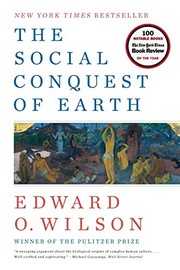
Human evolution retold, with group selection rather than kin selection at its core.
Recommended by: Mohnish Pabrai, Patrick Collison, Li Lu
How rocks and living matter evolved together to shape Earth.
Recommended by: Mohnish Pabrai
Why controlled experiments, trial and error, beat theory in business and policy.
Recommended by: Patrick Collison
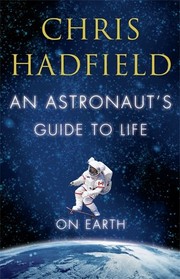
An astronaut's lessons for life on Earth from decades of training and spaceflight.
Recommended by: Satya Nadella
How to read a personal genome and what it says.
Recommended by: Balaji S. Srinivasan
How much of the biosphere's living matter people have taken, measured.
Recommended by: Bill Gates
Results in quantum field theory obtained by topological methods.
Recommended by: Eric Weinstein
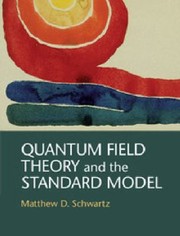
The foundations and methods of modern particle physics, through the Standard Model.
Recommended by: Patrick Collison
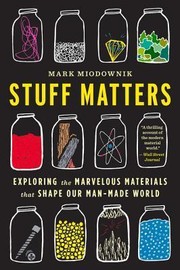
Why glass is clear and paperclips bend: the science of everyday materials.
Recommended by: Bill Gates, Patrick Collison
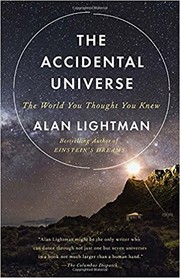
Essays on how scientific findings change our sense of our place in the cosmos.
Recommended by: David Perell, Patrick O'Shaughnessy
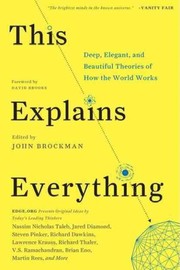
150 short explanations of how the world works, from scientists and thinkers.
Recommended by: Patrick Collison, Sahil Lavingia
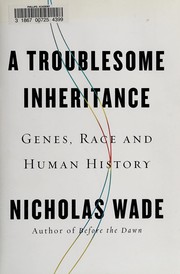
The genetic basis of race and its role in human history, from genome mapping.
Recommended by: Mohnish Pabrai
An encyclopedia of cosmology and astronomy.
Recommended by: Eric Weinstein
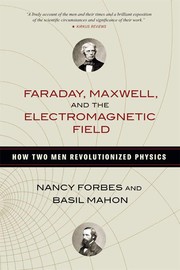
Michael Faraday, James Clerk Maxwell and the discovery of the electromagnetic field.
Recommended by: Charlie Munger, Naval Ravikant
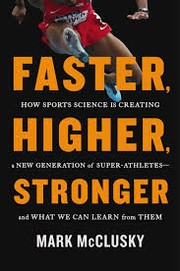
The athletes, coaches and scientists changing sport through science.
Recommended by: Jim Collins, Jeff Jordan
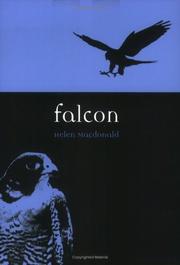
A falconer's memoir of training a goshawk while grieving her father.
Recommended by: Diana Kimball
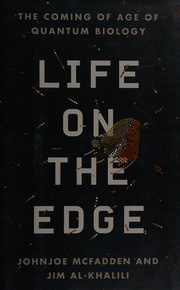
How quantum mechanics may explain how life works.
“Each chapter illustrates one of life's puzzles and makes you think differently about the world.” — Vinod Khosla
Source: 2019 Book Recommendations — Vinod Khosla, Medium
Recommended by: Vinod Khosla
A condensed course in the fundamentals of mathematics, physics and calculus.
Recommended by: Naval Ravikant
The hypothesis that physical reality is a mathematical structure, through physics.
Recommended by: Mark Cuban
An introduction to quantum field theory for beginners and self-learners.
Recommended by: Patrick Collison
The theory and mathematics of quantum mechanics, from uncertainty to particle states.
Recommended by: Eric Weinstein
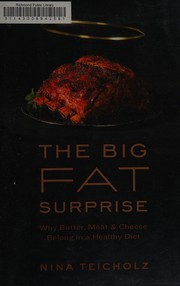
How six decades of low-fat diet advice harmed health, and why fat is not the enemy.
Recommended by: Mohnish Pabrai
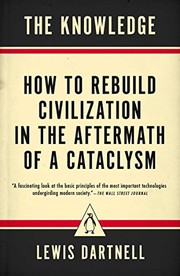
The knowledge survivors would need to rebuild technological society after a collapse.
Recommended by: Balaji S. Srinivasan, Patrick Collison
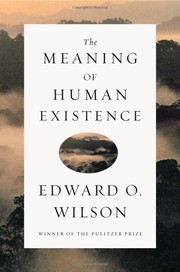
A biologist on why humanity exists, where it came from and where it is going.
Recommended by: David Perell, Ray Dalio
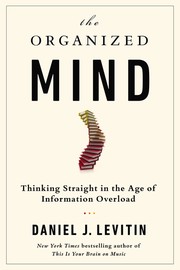
How the brain handles a flood of information and decisions, and how to organise it.
Recommended by: Mohnish Pabrai, Keith Rabois, Satya Nadella
The mathematical principles of time, force and motion behind modern physics.
Recommended by: Paul Graham, Sam Altman

What science, myth and folklore say about crossing from waking into sleep.
Recommended by: Arianna Huffington
About 150 thinkers on what worries them most about the present and future.
Recommended by: Patrick Collison
Whether the universe embodies beautiful ideas, from a Nobel physicist.
Recommended by: Patrick Collison
How to build a good future for humanity and the Earth in the Anthropocene.
Recommended by: Richard Branson
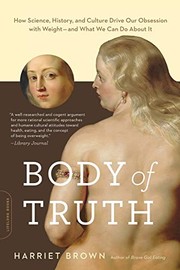
How science, history and culture feed the obsession with weight and thinness.
Recommended by: Mohnish Pabrai
Christopher Murray and the Global Burden of Disease studies of how people die.
Recommended by: Bill Gates, Patrick Collison
Rare metals such as tantalum and rhodium, and why phones and weapons need them.
How industry could use far less steel, cement, plastic, paper and aluminium.
Recommended by: Bill Gates
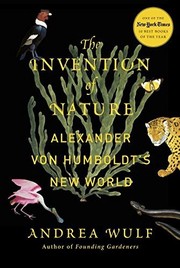
Alexander von Humboldt and his idea of nature as a web in which everything connects.
Recommended by: Patrick Collison
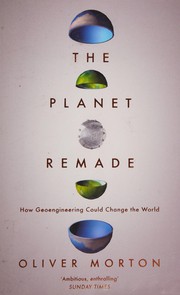
Proposals for planned intervention in the climate, and what geoengineering could do.
Recommended by: Patrick Collison
How things work, from microwaves to bridges, told in only common words.
“A great book by Randall Munroe (creator of xkcd, a very science-oriented webcomic.)” — Naval Ravikant
Source: Naval's Recommended Reading — The Almanack of Naval Ravikant
Recommended by: Bill Gates, Naval Ravikant
The history of science from ancient Miletus to the discovery of modern science.
Recommended by: Paul Graham
Nearly two hundred thinkers on artificial intelligence.
Recommended by: Patrick Collison
Why some nations prosper, explained by how information and knowledge grow.
Recommended by: Naval Ravikant
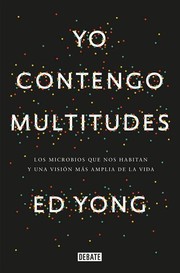
Why animals are best seen as hosts to millions of microbes.
Recommended by: Bill Gates, Patrick Collison
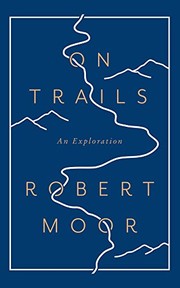
What trails, from ant paths to continental hiking routes, show about the world.
Recommended by: Sahil Lavingia
An economist's forecast of a world of emulated human brains running as software.
Recommended by: Patrick Collison
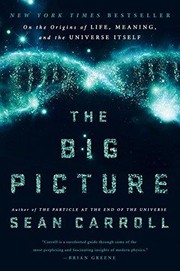
From the origin of the universe through life and consciousness to what it all means.
Recommended by: Elon Musk, Scott Farquhar
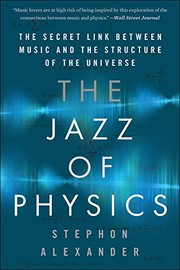
A physicist and jazz musician on sound as a link between relativity and quanta.
Recommended by: Eric Weinstein
The rules that regulate the numbers of animals in nature and cells in the body.
Recommended by: Ray Dalio
The history of the idea of time travel, from H. G. Wells on, in fiction and science.
Recommended by: Stewart Brand
The science and art of how fonts affect what we read and the choices we make.
Recommended by: Jeremiah Shoaf
The adaptive markets hypothesis, joining efficient markets and behavioural finance.
“Lo, Andrew W., Adaptive Markets: Financial Evolution at the Speed of Thought (Princeton, NJ: Princeton University Press, 2017)” — Michael Mauboussin
Source: Who Is On the Other Side? You Need Good BAIT to Land a Winner, page 40
Recommended by: Michael Mauboussin
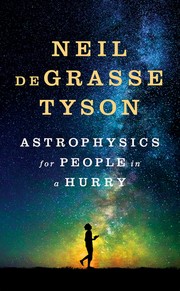
A short guide to how the universe works, for readers short of time.
Recommended by: David Perell, Nat Eliason, Vinod Khosla
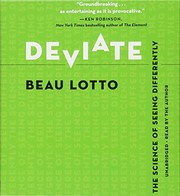
How perception works in the brain, and how to see differently.
Recommended by: Bryan Johnson
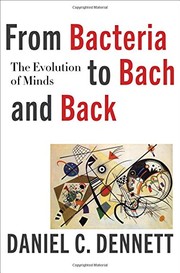
How evolution produced minds and consciousness, from bacteria to human culture.
“Another of my favorites this year.” — Vinod Khosla
Source: 2017 Book Recommendations — Vinod Khosla, Medium
Recommended by: Ray Dalio, Vinod Khosla, Esther Dyson
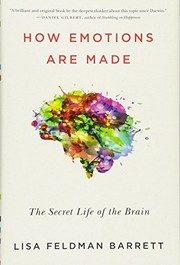
How the brain constructs emotions, and their social side.
Recommended by: Emmett Shear
Why we remember the past and not the future, and what time is in physics.
Recommended by: James Cameron, Josh Wolfe, Naval Ravikant
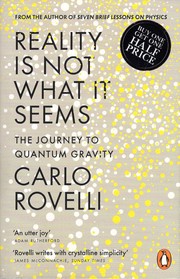
The nature of space, time and the quantum world, on the road to quantum gravity.
“This is the best book I've read in the last year. Physics, poetry, philosophy, and history packaged in a very accessible form.” — Naval Ravikant
Source: Naval's Recommended Reading — The Almanack of Naval Ravikant
Recommended by: Naval Ravikant
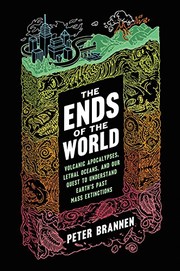
The planet's five mass extinctions and the role climate change played in them.
Recommended by: Jake Knapp
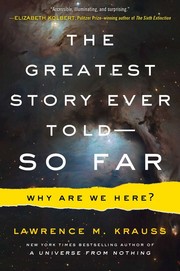
What reality is made of, told through the story of light and the laws of physics.
Recommended by: Eric Weinstein
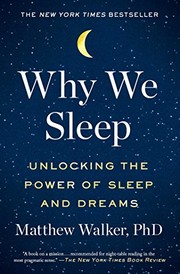
How lack of sleep damages nearly every system in the body, and what sleep does.
“The second is Why We Sleep: The New Science of Sleep and Dreams by Matthew Walker.” — Alexis Ohanian
Recommended by: Alexis Ohanian, Bill Gates, Brad Feld and 7 others
Essays on human evolution, ecology and society.
Recommended by: Arianna Huffington
The history and revival of psychedelic research, and the author's own trips.
“There's a good book Michael Pollan wrote recently called How to Change your Mind, and I think it is a brilliant book everybody should read.” — Naval Ravikant
Source: Naval's Recommended Reading — The Almanack of Naval Ravikant
Recommended by: Jim Collins, Vinod Khosla, Bill Gates and 8 others
A cosmologist on the BICEP2 telescope, its claimed find and the lure of the Nobel.
Recommended by: Antonio García Martínez
The brain science that matters to designers and how it shapes people's daily use.
Recommended by: Ryan Hoover
The science, myths and business of blood, from bloodletting to plasma sales.
Recommended by: Bill Gates
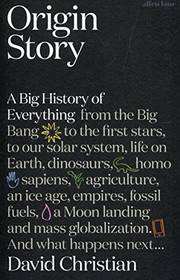
The whole of history, from the big bang through the present and into the far future.
Recommended by: Bill Gates
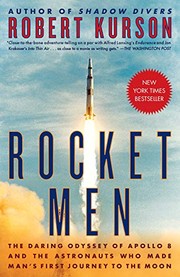
Apollo 8, the first crewed flight to reach the Moon and return.
Recommended by: Keith Rabois, Morgan Housel
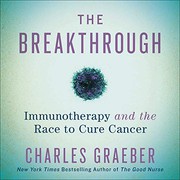
The scientists racing to make the immune system fight cancer: immunotherapy's story.
Recommended by: Vinod Khosla, Keith Rabois
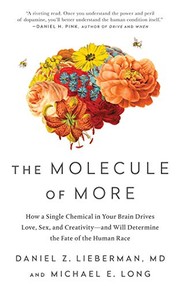
How dopamine drives desire, love, addiction and creativity.
“A book about dopamine, the most powerful chemical in your brain that we rarely think about has so much influence on the world.” — Morgan Housel
Source: A Few Good Books · Collaborative Fund
Recommended by: Morgan Housel
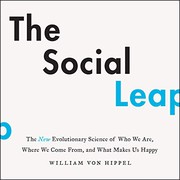
How challenges in human evolution shaped our psychology.
Recommended by: Eric Weinstein
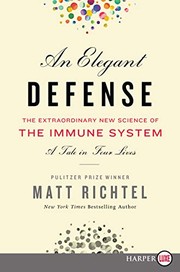
How the human immune system works, and its part in health and longevity.
“Explains for the lay reader the intricate biology of our immune system.” — Vinod Khosla
Source: 2019 Book Recommendations — Vinod Khosla, Medium
Recommended by: Bill Gates, Vinod Khosla, Keith Rabois
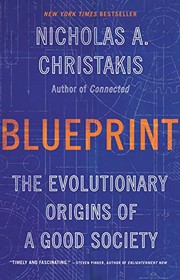
How natural selection shaped the good side of human nature and society.
Recommended by: Bill Gates
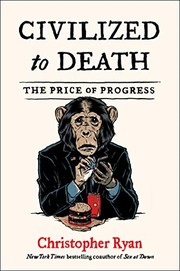
How progress has worsened the way people eat, learn, mate, parent, work and die.
Recommended by: Andrew Wilkinson, Nat Eliason, Jack Dorsey
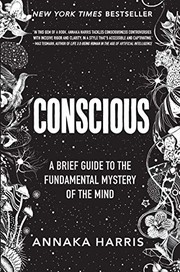
Why matter is conscious at all, where consciousness resides, and free will.
“The second, which is also a fairly fairly new book, is called Conscious: A Brief Guide to the Fundamental Mystery of the Mind. It's by Annaka Harris, and this is what they call the hard problem.” — Matt Mullenweg
Recommended by: Matt Mullenweg
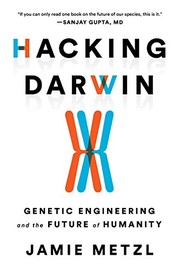
How genetic engineering will change human life, from sex to war, and the ethics.
Recommended by: Bill Gates
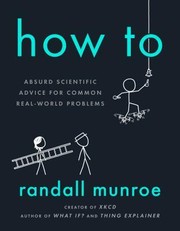
Absurdly complex scientific ways to do everyday tasks.
Recommended by: Bill Gates
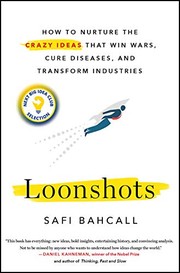
Why organisations kill breakthrough projects, and how structure can protect them.
“This book explores the beauty, quirkiness, and complexity of ideas, especially new and out-of-the-box ones.” — Vinod Khosla
Source: 2019 Book Recommendations — Vinod Khosla, Medium
Recommended by: Keith Rabois, Vinod Khosla and 8 others
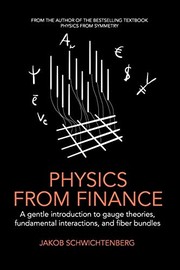
A gentle introduction to gauge theories and the fundamental forces through finance.
Recommended by: Balaji S. Srinivasan
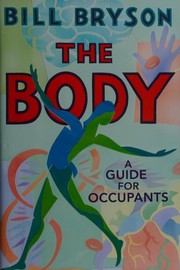
A tour of the human body: how it works, how it heals itself and how it fails.
Recommended by: Andrew Wilkinson, Morgan Housel
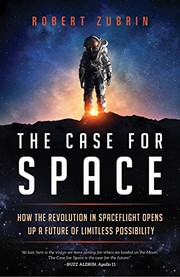
A new space race between entrepreneurs, where it leads and why humanity needs it.
Recommended by: Delian Asparouhov
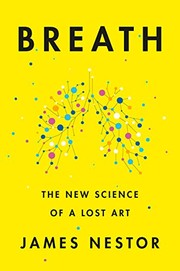
How humans lost the ability to breathe well, and what it does to health.
Recommended by: Nat Eliason, Austen Allred
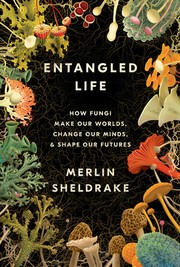
How fungi shape life on Earth, from underground networks to the mind.
Recommended by: Stewart Brand
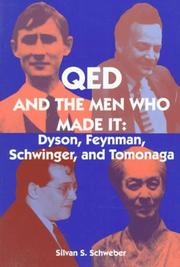
How Dyson, Feynman, Schwinger and Tomonaga built quantum electrodynamics.
Recommended by: Eric Weinstein
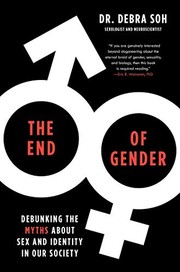
A sex researcher's case against popular myths about sex and gender identity.
Recommended by: Eric Weinstein
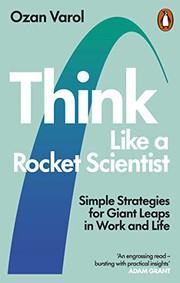
A former rocket scientist's habits and strategies for making the impossible possible.
Recommended by: Keith Rabois, Susan Cain
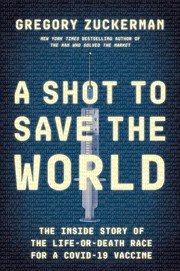
How three Covid vaccines were developed and approved in under a year.
Recommended by: Andrew Wilkinson
The theory that the neocortex works through thousands of models of the world.
Recommended by: Bill Gates
Eighty-seven emotions and experiences, mapped with language for each.
Recommended by: Brené Brown
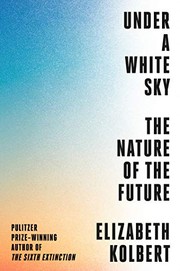
People trying to fix the damage humans have done to nature with new technology.
Recommended by: Bill Gates
A history of the cell and the sciences of the cell, with an emphasis on humans.
Recommended by: Bill Gates
How metabolism, not only genetic information, drives life, death and its origin.
Recommended by: Josh Wolfe
A neurobiologist's case that free will does not exist, and what follows for morality.
“See Robert M. Sapolsky, Determined: A Science of Life Without Free Will (New York: Penguin Press, 2023), 154-202” — Michael Mauboussin
Source: Pattern Recognition: Opportunities and Limits, page 12
Recommended by: Andrew Wilkinson, Michael Mauboussin

The standard undergraduate textbook on electricity, magnetism and electrodynamics.
Recommended by: Susan J. Fowler
A history of human invention, and a corrective to the hype around innovation.
Recommended by: Bill Gates
The case that monism, an ancient idea, holds the future of physics.
Recommended by: Ev Williams
Data showing progress on environmental problems, enough to reach true sustainability.
Recommended by: Bill Gates
The main questions about the world's food system, answered with numbers.
Recommended by: Bill Gates
Papers from the first ten years of computer research at Xerox PARC.
Recommended by: Patrick Collison
Dinosaurs for adults who loved them as children and want to know more.
Recommended by: Sophie Bakalar
A graduate reference on the analysis and geometry used in mathematical physics.
Recommended by: Eric Weinstein
Modern physics introduced in fewer than a hundred pages.
Recommended by: Matt Mullenweg, Naval Ravikant
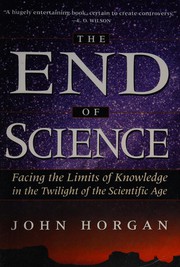
Interviews with leading scientists on whether science is reaching its limits.
Recommended by: Bryan Johnson
A defence of economic freedom, drawing on evolution, play and free societies.
Recommended by: Vlad Zamfir
The mind-body problem from Descartes to today, and a case for neutral monism.
Recommended by: Patrick Collison, Mario Gabriele
A first course in physics and its mathematics for the ardent amateur.
Recommended by: Patrick Collison, Eric Weinstein
 Vaclav Smilwrote 13 books here
 Matt Ridleywrote 7 books here
 Andrew W. Lowrote 1 book here
 Daniel Kahnemanwrote 1 book here
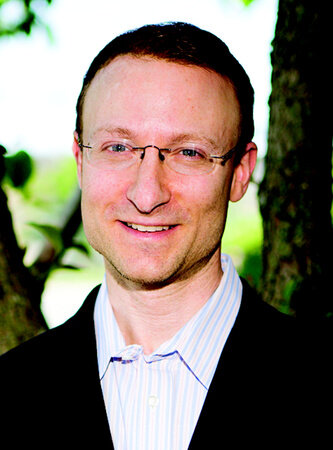 Gregory Zuckermanwrote 1 book here
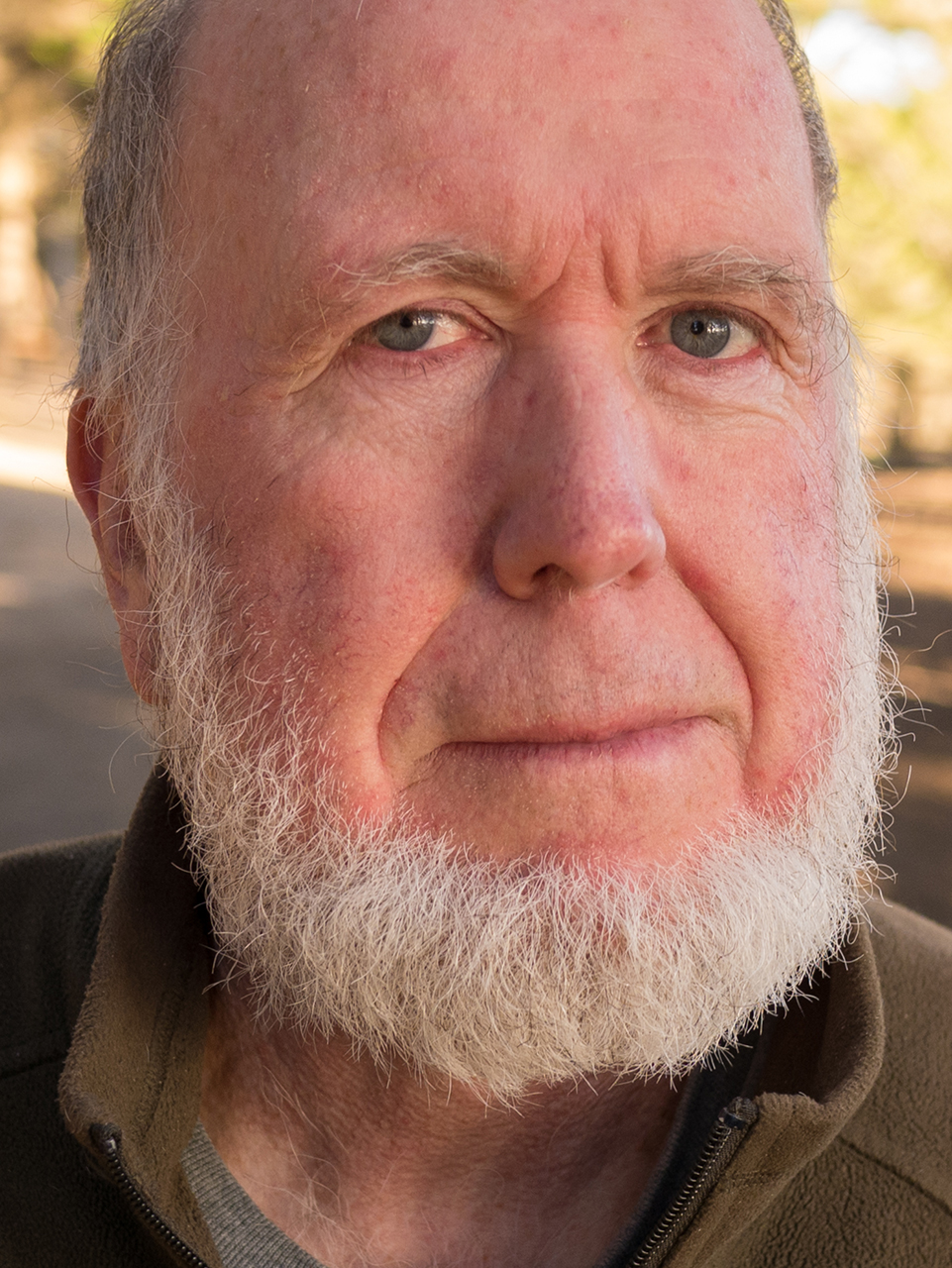 Kevin Kellywrote 1 book here
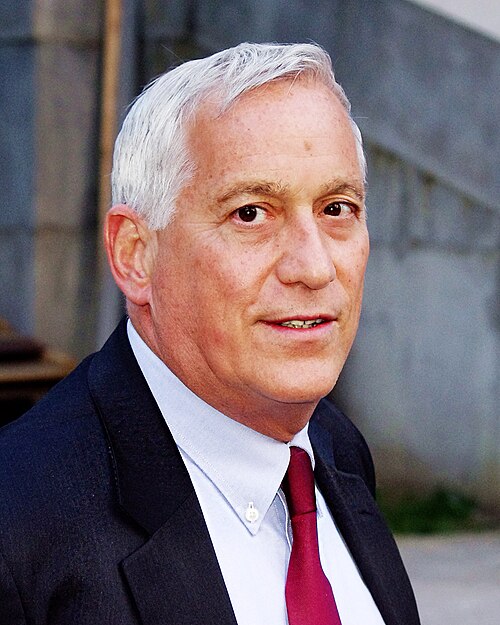 Walter Isaacsonwrote 1 book here
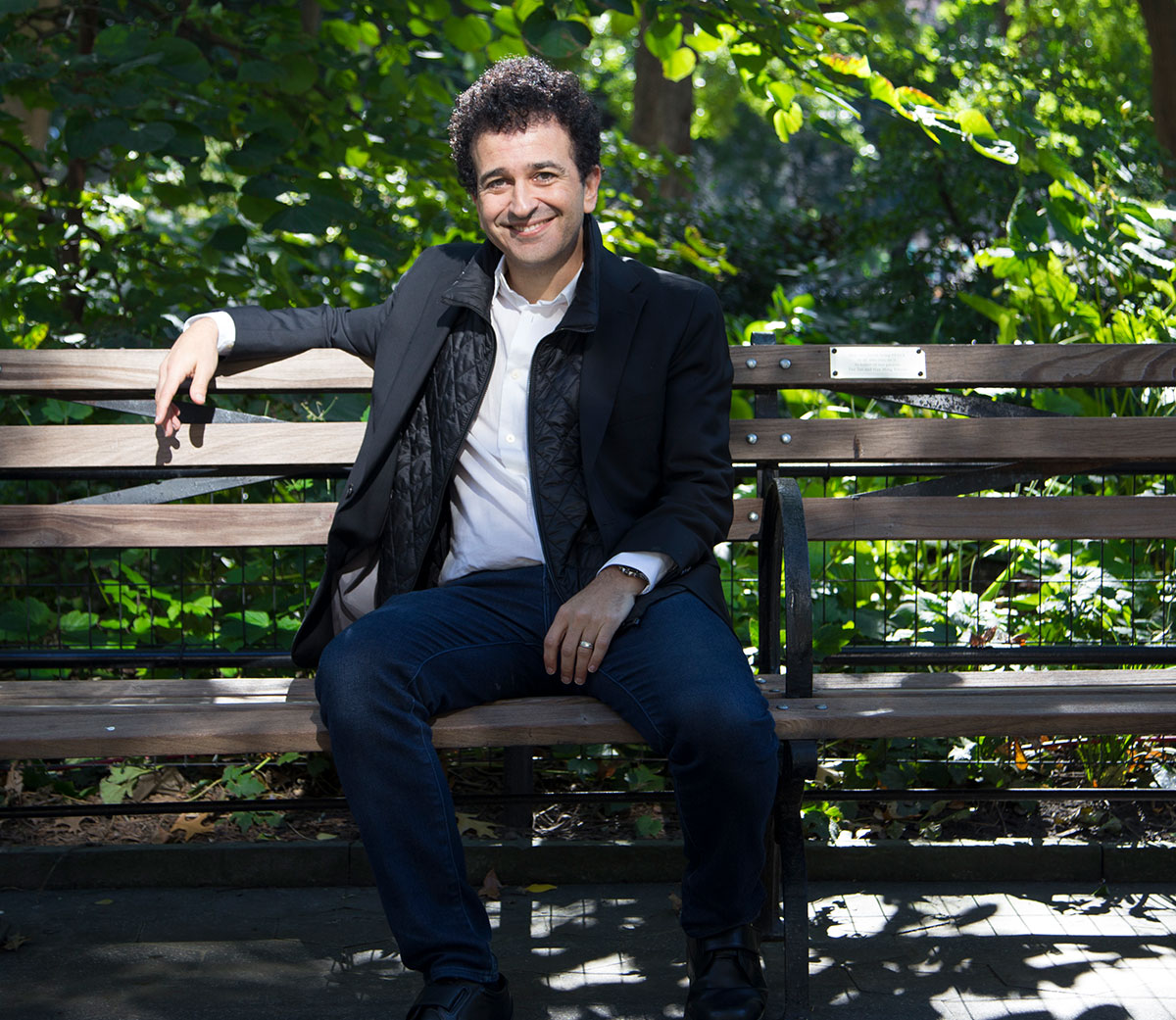 Safi Bahcallwrote 1 book here
 Brené Brownwrote 1 book here
 Peter Diamandiswrote 1 book here
 Patrick Collisonrecommends 111 books here
 Mohnish Pabrairecommends 109 books here
 Bill Gatesrecommends 59 books here
 Naval Ravikantrecommends 42 books here
 Eric Weinsteinrecommends 40 books here
 Michael Mauboussinrecommends 34 books here
 Stewart Brandrecommends 24 books here
 Nat Eliasonrecommends 17 books here
 Tim Ferrissrecommends 16 books here
 Marc Andreessenrecommends 15 books here
 Charlie Mungerrecommends 14 books here
 Jim Collinsrecommends 13 books here
Show all 130
 Ray Daliorecommends 13 books here
 Paul Grahamrecommends 12 books here
 Nassim Nicholas Talebrecommends 11 books here
 Keith Raboisrecommends 11 books here
 Elon Muskrecommends 10 books here
 Mark Zuckerbergrecommends 10 books here
 Richard Bransonrecommends 10 books here
 Balaji S. Srinivasanrecommends 9 books here
 Sam Altmanrecommends 9 books here
 Vinod Khoslarecommends 9 books here
 Ev Williamsrecommends 8 books here
 Morgan Houselrecommends 7 books here
 Ryan Holidayrecommends 7 books here
 Derek Siversrecommends 6 books here
 Bret Victorrecommends 5 books here
 Brian Armstrongrecommends 5 books here
 Bryan Johnsonrecommends 5 books here
 James Cameronrecommends 5 books here
 Matt Mullenwegrecommends 5 books here
 Steve Jurvetsonrecommends 5 books here
 Bill Millerrecommends 4 books here
 Josh Wolferecommends 4 books here
 Tom Bilyeurecommends 4 books here
 Arianna Huffingtonrecommends 3 books here
 Maria Popovarecommends 3 books here
 Nir Eyalrecommends 3 books here
 Peter Attiarecommends 3 books here
 Terrance McArthurrecommends 3 books here
 Peter Thielrecommends 2 books here
 Warren Buffettrecommends 2 books here
 Brad Feldrecommends 2 books here
 Chris Andersonrecommends 2 books here
 Reid Hoffmanrecommends 2 books here
 Chamath Palihapitiyarecommends 2 books here
 Ed Cookerecommends 2 books here
 James Altucherrecommends 2 books here
 Jamie Dimonrecommends 2 books here
 Larry Pagerecommends 2 books here
 Mark Cubanrecommends 2 books here
 Ryan Petersenrecommends 2 books here
 Satya Nadellarecommends 2 books here
 Susan Cainrecommends 2 books here
 Susan J. Fowlerrecommends 2 books hereDaniel Kahnemanrecommends 1 book here
 Jason Zweigrecommends 1 book here
 Jeremy Granthamrecommends 1 book here
 Marc Benioffrecommends 1 book here
 Seth Klarmanrecommends 1 book here
 Tyler Cowenrecommends 1 book hereSafi Bahcallrecommends 1 book here
 Simon Sinekrecommends 1 book here
 Abi Tyas Tunggalrecommends 1 book here
 Albert Wengerrecommends 1 book here
 Alexis Ohanianrecommends 1 book here
 Alfred Linrecommends 1 book here
 Anthony Pomplianorecommends 1 book here
 Antonio García Martínezrecommends 1 book here
 Astro Tellerrecommends 1 book here
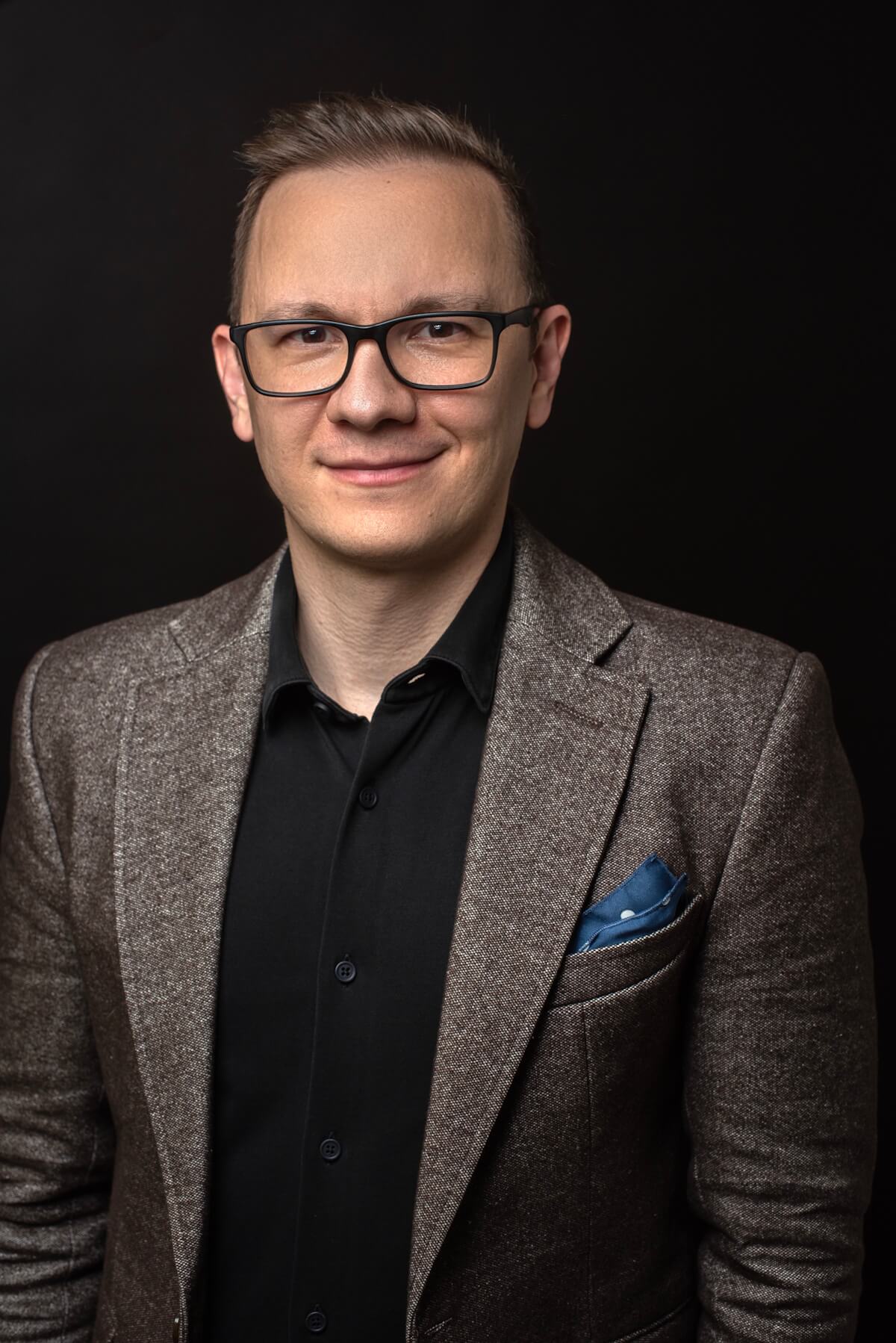 Bertalan Meskórecommends 1 book here
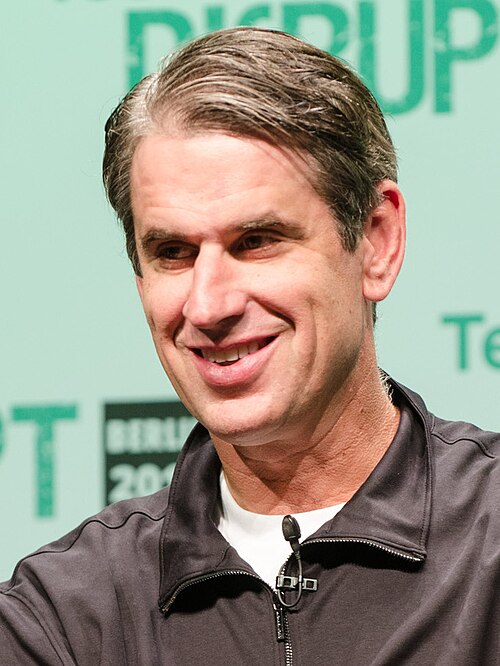 Bill Gurleyrecommends 1 book here
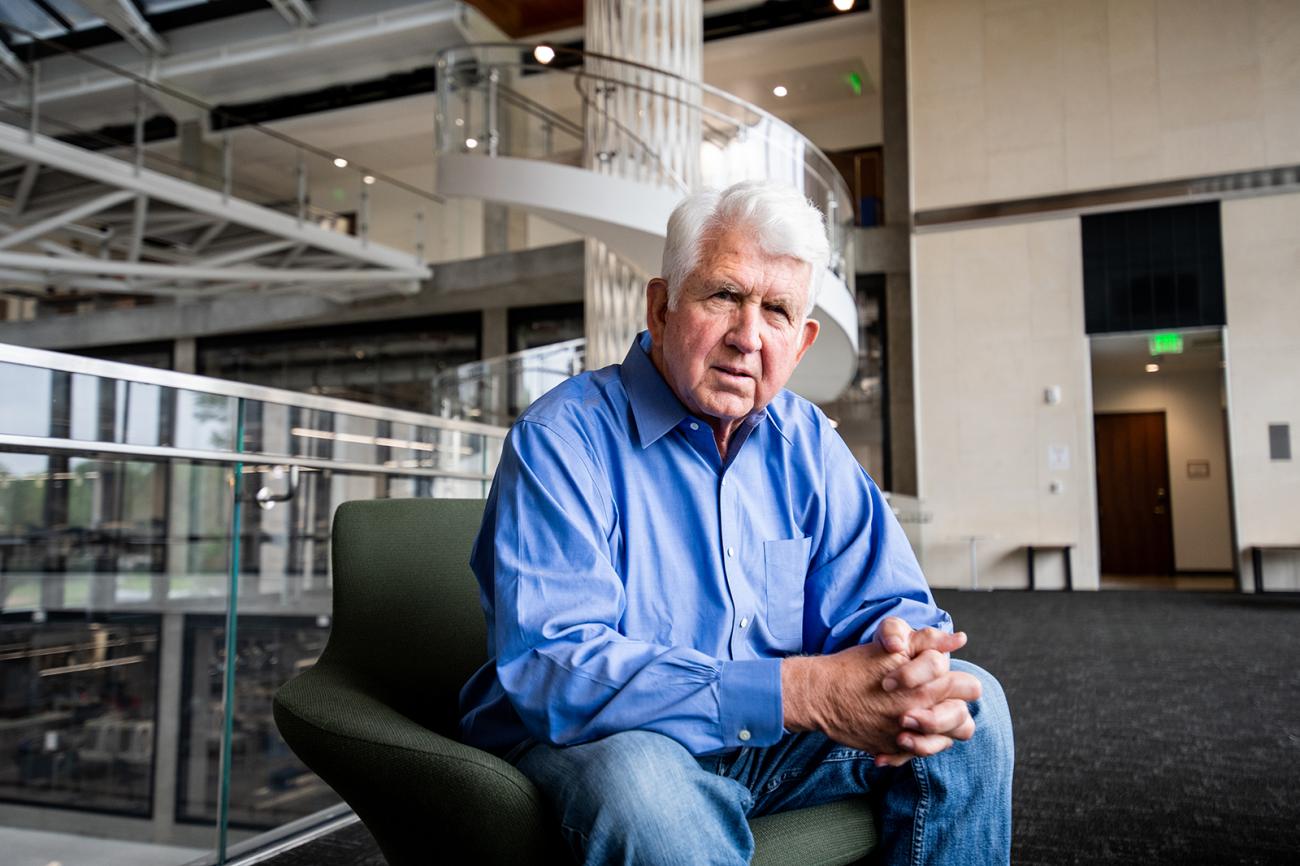 Bob Metcalferecommends 1 book hereBrené Brownrecommends 1 book here
 Bryant Chourecommends 1 book here
 Changpeng Zhaorecommends 1 book here
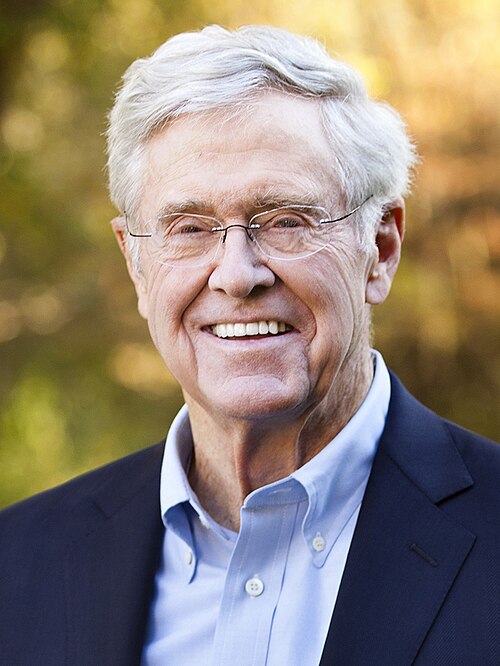 Charles Kochrecommends 1 book here
 Chris Dixonrecommends 1 book here
 Cynthia Johnsonrecommends 1 book here
 Daniel Petrerecommends 1 book here
 David Kadavyrecommends 1 book here
 Delian Asparouhovrecommends 1 book here
 Demis Hassabisrecommends 1 book here
 Diana Kimballrecommends 1 book here
 Dustin Moskovitzrecommends 1 book here
 Emmett Shearrecommends 1 book here
 Esther Dysonrecommends 1 book here
 Jack Dorseyrecommends 1 book here
 Jackie Vullinghsrecommends 1 book here
 Jake Knapprecommends 1 book here
 Jeff Bezosrecommends 1 book here
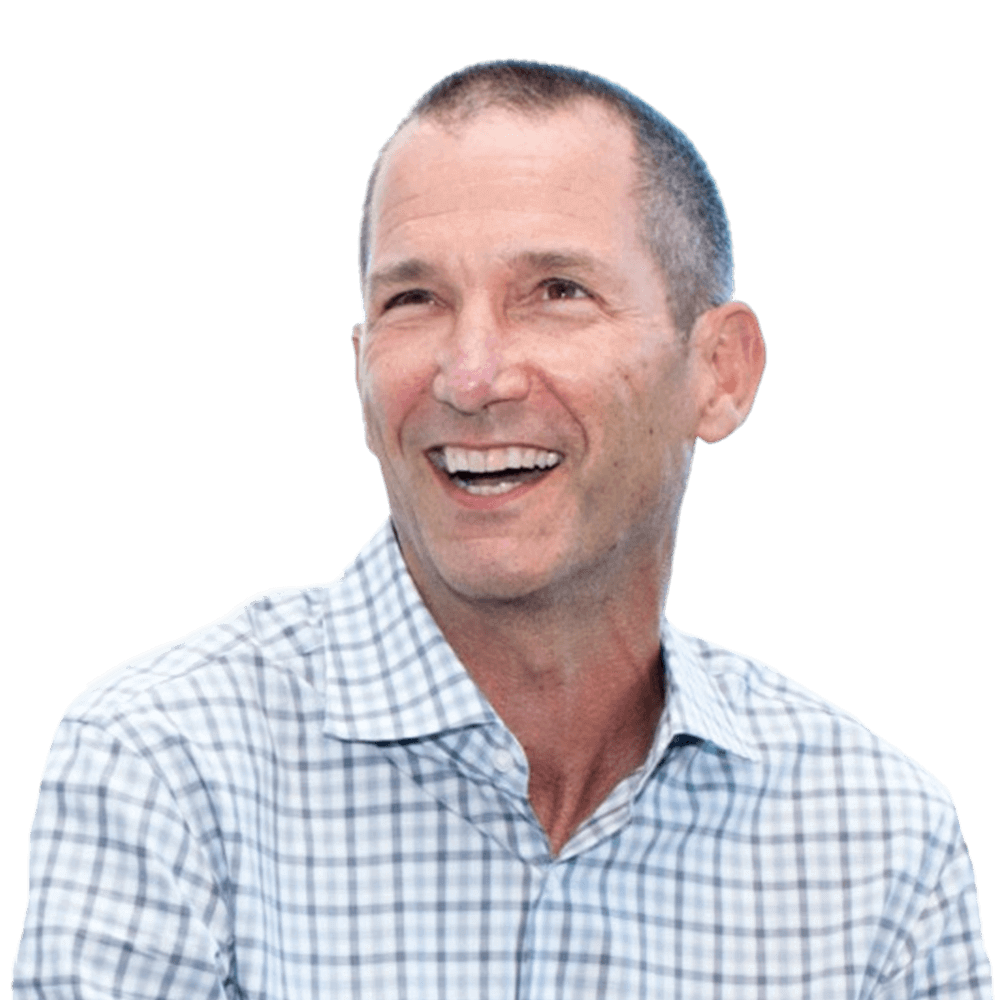 Jeff Jordanrecommends 1 book here
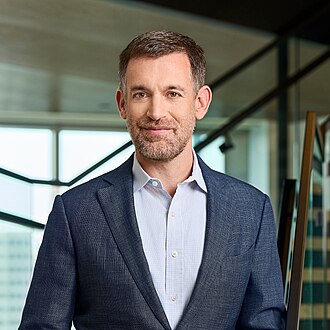 John Arnoldrecommends 1 book here
 Jordan Hughesrecommends 1 book here
 Laura Demingrecommends 1 book here
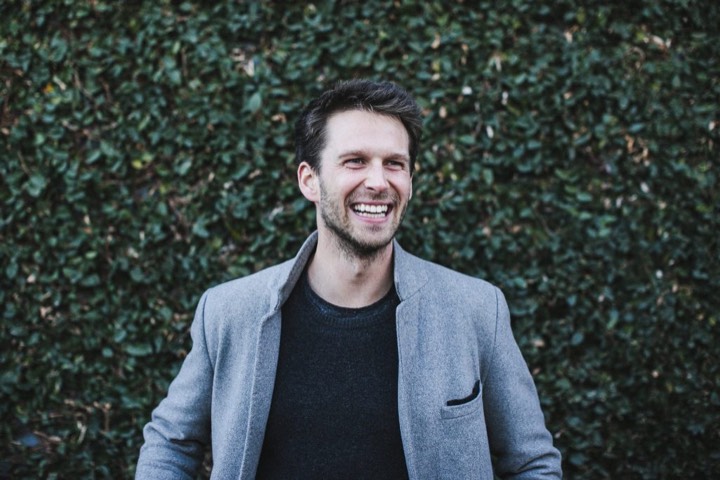 Michael Batkorecommends 1 book here
 Noah Kaganrecommends 1 book here
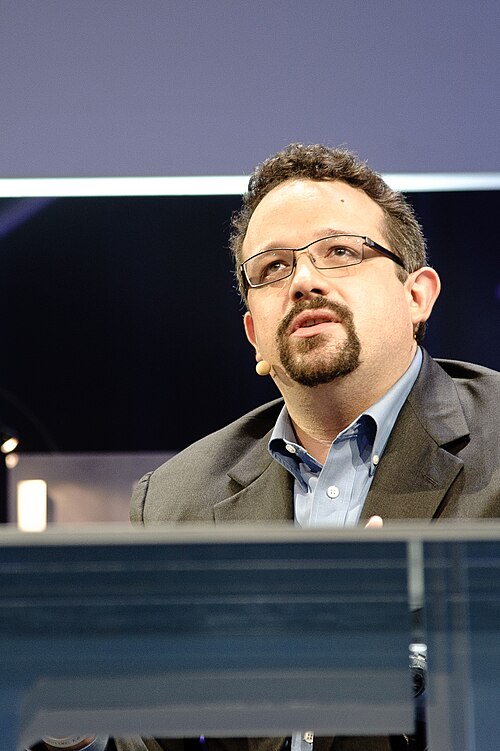 Phil Libinrecommends 1 book here
 Ron Conwayrecommends 1 book here
 Scott Farquharrecommends 1 book here
 Steve Jobsrecommends 1 book here
 Stewart Butterfieldrecommends 1 book here
 Tony Hsiehrecommends 1 book here
 Trevor Ncuberecommends 1 book here
 Tristan Harrisrecommends 1 book here
 Tucker Maxrecommends 1 book here
 Vlad Tenevrecommends 1 book here