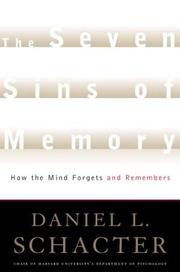
The Seven Sins of Memory
Seven everyday ways memory fails, from fading over time to blocking a known name.
How memory fails, including the biases that distort recalled evidence
Summary
Schacter, chairman of Harvard's psychology department and a leading memory researcher, sets out the first framework for the ordinary failures of memory, which he names after the seven deadly sins. Three concern forgetting: transience, the weakening of memory over time; absent-mindedness, when lapses of attention spoil memory; and blocking, when a well-known name will not come.
Three concern distortion: misattribution, assigning a memory to the wrong source; suggestibility, the implanting of false memories; and bias, rewriting the past to fit present beliefs. The seventh, persistence, is the intrusive memory that cannot be forgotten even when a person wishes it could. Schacter argues that these miscues are signs of memory working as designed, and that they serve a keen mind. He draws on scientific research, literature and public events in which memory mattered, among them Bill Clinton's grand jury testimony.
Key takeaways 4
- Memory fails in seven recurring ways: transience, absent-mindedness, blocking, misattribution, suggestibility, bias and persistence.
- Bias rewrites memories of the past to match present beliefs.
- False memories can be implanted through suggestion.
- The same features that cause errors also make memory useful.
Who should read it
Investors and analysts who want to know how memory distorts the evidence they recall, including their own past judgements.
Who recommended it 1 · 1 direct
Similar books 6
Chosen by shared topics, the entries that hold them, and the people who recommended both.
Why people fear the wrong things, from the psychology of risk.
Recommended by: Morgan Housel
How Daniel Kahneman and Amos Tversky worked together on heuristics and biases.
Recommended by: Andrew Wilkinson, Mohnish Pabrai, Ray Dalio and 6 others
How consciousness and the senses evolved, and the history of the mind.
Recommended by: Mohnish Pabrai, Nassim Nicholas Taleb
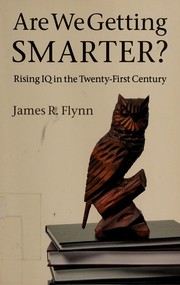
Why IQ scores have risen from one generation to the next, the Flynn effect.
Recommended by: Mohnish Pabrai

Eighty-seven emotions and experiences, mapped with language for each.
Recommended by: Brené Brown
How the mind allocates its limited mental resources in attention and effort.