Brain, mind and consciousness
Books on neuroscience, memory, emotion, language, intelligence and the problem of consciousness.
Start here
- BehaveRobert M. Sapolsky, 2017
- The Language InstinctSteven Pinker, 1994
- Why Zebras Don't Get UlcersRobert M. Sapolsky, 1994
- The Nurture AssumptionJudith Rich Harris, 1998
- The Seven Sins of MemoryDaniel L. Schacter, 2001
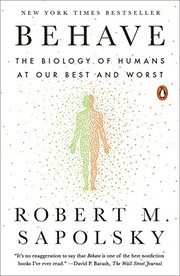
Explains an action by tracing its causes back from neurons to hormones to evolution.
“…books I've recommended, highlighted to death, or forced on friends.” — Andrew Wilkinson
Source: Andrew Wilkinson's Bookshelf, neverenough.com
Recommended by: Andrew Wilkinson, Vinod Khosla, Bill Gates and 5 others
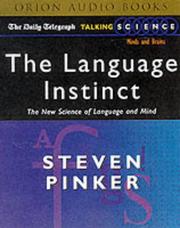
Language as a human instinct, and what science knows of grammar and learning.
“He gave me this book called The Language Instinct, written by Steven Pinker... And Pinker proves his point pretty well.” — Charlie Munger
Source: Poor Charlie's Almanack, Talk Two: A Lesson on Elementary, Worldly Wisdom
Recommended by: Charlie Munger, Michael Mauboussin and 3 others
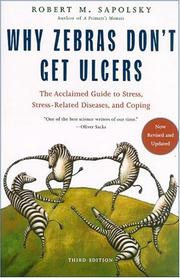
Chronic stress and how it affects the quality of decisions.
“Robert M. Sapolsky, Why Zebras Don’t Get Ulcers: Un Updated Guide to Stress, Stress-Related Disease, and Coping (New York: W.H. Freeman and Company, 1994)” — Michael Mauboussin
Source: Long-Term Investing: How I Learned to Stop Worrying and Ignore Volatility, page 6
Recommended by: Jim Collins, Michael Mauboussin
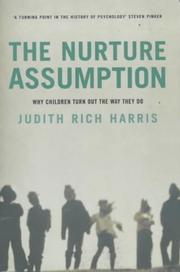
Why parents have less effect on how children turn out than people assume.
“the one thing that I found to be really interesting, and to some degree liberating, is the work of Judith Rich Harris” — Michael Mauboussin
Source: The Tim Ferriss Show #659 — official transcript
Recommended by: Michael Mauboussin
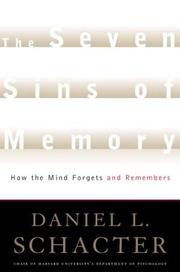
Seven everyday ways memory fails, from fading over time to blocking a known name.
Recommended by: Shane Parrish
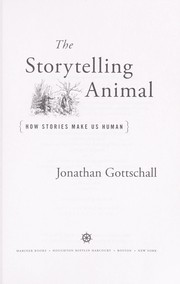
Why humans tell stories: a rehearsal for life's social problems.
“Jonathan Gottschall, The Storytelling Animal: How Stories Make Us Human (New York: Houghton Mifflin Harcourt, 2012)” — Michael Mauboussin
Source: Who Is On the Other Side? You Need Good BAIT to Land a Winner, page 36
Recommended by: Michael Mauboussin
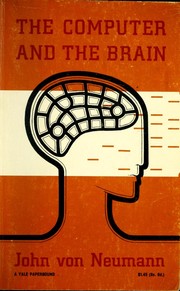
A computing pioneer on how the brain differs from computers as a computing machine.
Recommended by: Patrick Collison
A psychologist's thirty-year study of a man with almost limitless memory.
“Anyone who's interested in memory and mind and the vast differences between people might be interested in this, it's called The Mind of a Mnemonist, I think is how it's pronounced, like mnemonic device, M-N-E-M-O-N-I-S-T, a little book about a vast memory.” — Tim Ferriss
Recommended by: Tim Ferriss
How the mind allocates its limited mental resources in attention and effort.
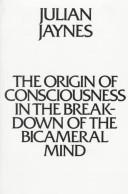
The theory that consciousness is learned, arising from a once two-chambered mind.
Recommended by: Patrick O'Shaughnessy, Adam Robinson and 3 others
How we see our surroundings, our place and movement in them, and what things afford.
Recommended by: Bret Victor

Metaphor as a basic mechanism of thought that shapes how people understand the world.
“Going to go a little esoteric for this next one and talk about a book, which is a little more academic, which is by an author named George Lakoff and it's called Metaphors We Live By. There's definitely a writing theme here.” — Matt Mullenweg
Recommended by: David Perell, Matt Mullenweg, Nat Eliason and 2 others
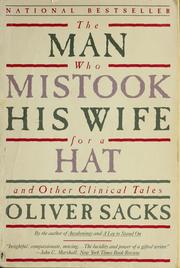
Case histories of patients with strange neurological disorders.
Recommended by: Eric Weinstein
Essays from literature, AI and psychology on the self and consciousness.
Recommended by: Josh Wolfe
A theory of how the human mind works and how thought arises.
Recommended by: Patrick Collison
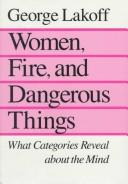
How people categorize, and why human reason is imaginative and tied to the body.
Recommended by: Matt Mullenweg
An argument that consciousness is not algorithmic and rests on quantum mechanics.
Recommended by: Patrick Collison
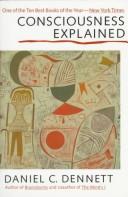
The case for replacing mind-body dualism with theories from neuroscience.
Recommended by: Mohnish Pabrai
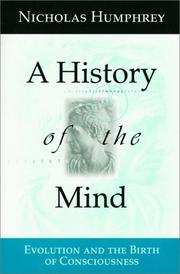
How consciousness and the senses evolved, and the history of the mind.
Recommended by: Mohnish Pabrai, Nassim Nicholas Taleb
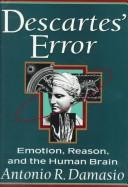
A neurologist's case that emotion and feeling are part of reason.
“Antonio R. Damasio, Descartes’ Error: Emotion, Reason and the Human Brain (New York: Avon Books, 1994), 3-10” — Michael Mauboussin
Source: Mine Your Mind: Neuroscience and Investing, page 6
Recommended by: Michael Mauboussin, Mohnish Pabrai
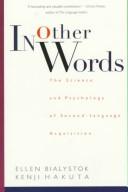
Second-language acquisition as a window on language, mind and brain.
“There's also a book called In Other Words, just for people out there - since people will be listening to this - who may not think as adults they're well equipped to learn languages, In Other Words, which is co-authored by someone named Hakuta, H-A-K-U-T-A.” — Tim Ferriss
Source: The Tim Ferriss Show Transcripts: Drunk Dialing — Ladies Night Edition (#197)
Recommended by: Tim Ferriss
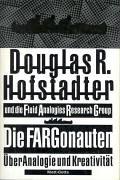
Computer models of how minds make analogies and create.
Recommended by: Patrick Collison
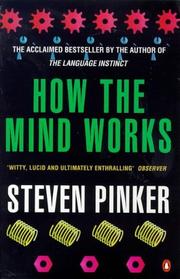
The mind's functions and quirks explained by evolution.
“Wilson was great, "How the Mind Works" Steven Pinker. I love "The Operator" about David Geffen and I like reading biology - sorry, biographies.” — Josh Wolfe
Source: Transcript: Josh Wolfe
Recommended by: Josh Wolfe, Michael Mauboussin and 2 others
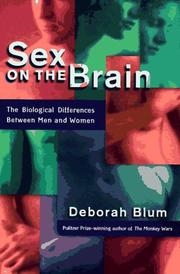
What biology and behaviour research say about differences between the sexes.
Recommended by: Ryan Holiday
How the human hand shaped our cognitive, emotional and linguistic development.
Recommended by: Patrick Collison
Creative genius explained as a Darwinian process of variation and selection.
Recommended by: Patrick Collison
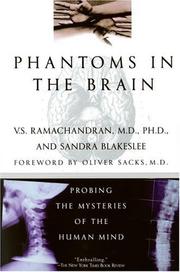
What patients with odd neurological disorders reveal about the brain and the self.
Recommended by: Tom Bilyeu
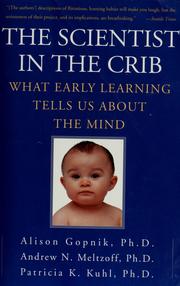
What cognitive science shows about how much babies know and learn.
Recommended by: Steve Jurvetson
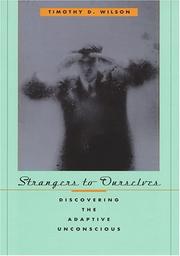
The adaptive unconscious, and why introspection is a poor path to self-knowledge.
Recommended by: Mohnish Pabrai, Nassim Nicholas Taleb
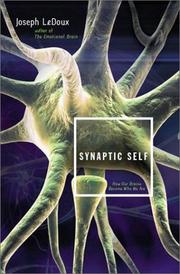
How the synapses between neurons make each person who they are.
Recommended by: Mohnish Pabrai
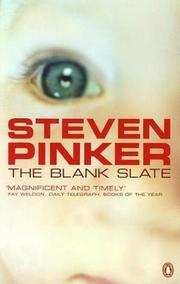
Why the mind is not a blank slate, and the moral and political stakes of that.
Recommended by: Mohnish Pabrai, Marc Andreessen and 1 other
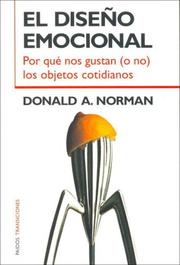
Why attractive things work better, and how emotion shapes design.
Recommended by: Nir Eyal
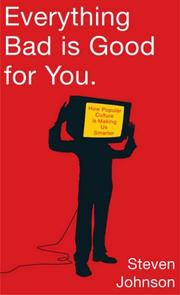
Why television and video games have grown more complex and demanding.
Recommended by: Ev Williams
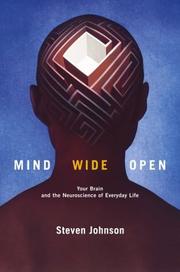
How the brain's chemicals and structures shape everyday experience.
Recommended by: Mohnish Pabrai, Ev Williams
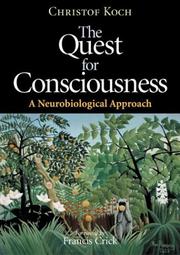
A neurobiological approach to explaining consciousness.
Recommended by: Patrick Collison
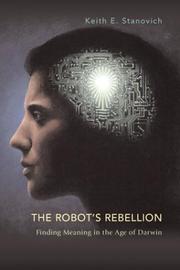
How humans can find meaning if they are hosts for genes and memes.
Recommended by: Mohnish Pabrai
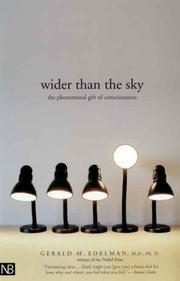
A non-technical account of how the firing of neurons gives rise to consciousness.
Recommended by: Mohnish Pabrai
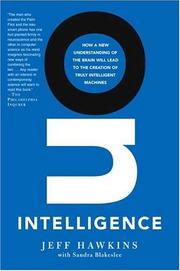
How the brain produces intelligence, and what that means for intelligent machines.
Recommended by: Keith Rabois, Patrick Collison, Ev Williams
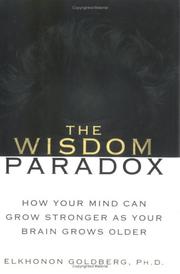
How the mind can stay sharp, and grow wiser, as the brain ages.
Recommended by: Mohnish Pabrai, Nassim Nicholas Taleb
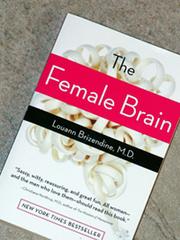
What research on women's brains shows about how they shape women's lives.
Recommended by: Brian Armstrong
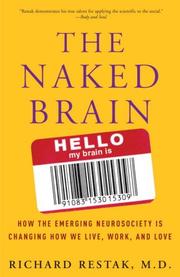
How brain science is changing the way we live, work and love.
Recommended by: Simon Sinek
Conference papers on creativity and the neuroscience of the brain.
Recommended by: Ray Dalio
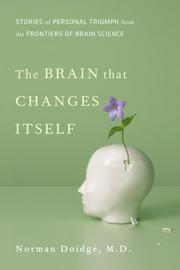
Scientists and patients who show that the brain can change its own structure.
Recommended by: Tom Bilyeu
How meaning is possible in a material world, the problem after consciousness.
Recommended by: Patrick Collison
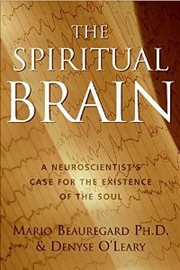
A neuroscientist's research with Carmelite nuns on spiritual experience in the brain.
Recommended by: Ray Dalio
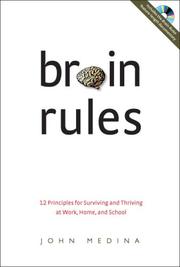
What brain science says about learning, sleep, stress, memory and multitasking.
“New scientific insights into why our brains work this way, and how to use what we now know to learn or work better.” — Derek Sivers
Source: Derek Sivers book notes (primary, rated list) · Rating: 8/10
Recommended by: Derek Sivers, Mohnish Pabrai, Nat Eliason and 2 others
Tools to understand users' reasons for doing things, and to design for them.
Recommended by: David Kadavy
The claim that average IQ differences between races explain inequality worldwide.
Recommended by: Mohnish Pabrai
How the brain really works, explained through puzzles of everyday behaviour.
Recommended by: Ray Dalio
What genius is and how it appears in art, science and other fields.
Recommended by: Mohnish Pabrai

Argues that the quality of a life depends on what a person pays attention to.
“Well-intentioned book I couldn't stomach because of her awkwardly flowerly writing style. Also I've read a lot about focus and flow, so this was mostly a repeat covered better in other books.” — Derek Sivers
Source: Derek Sivers book notes (primary, rated list) · Rating: 1/10
Recommended by: Derek Sivers, Mohnish Pabrai
How to design graphical user interfaces around how the mind works.
Recommended by: Nir Eyal
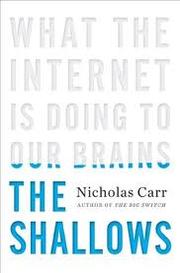
What reading on the internet may be doing to human thought and the brain.
Recommended by: Nat Eliason, Iman Gadzhi
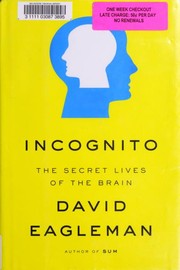
How much of the brain's work runs beyond the reach of the conscious mind.
Recommended by: Patrick O'Shaughnessy, Tom Bilyeu, Ray Dalio
What happens as technology stands in for people's experience of nature.
Recommended by: Patrick Collison
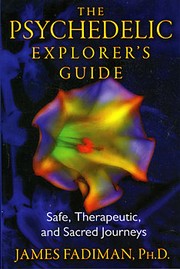
Psychedelics for spiritual, therapeutic and problem-solving use.
Recommended by: Nat Eliason, Naval Ravikant
A neuroscientist argues our lives are not wholly set by physical processes.
“Michael S. Gazzaniga, Who’s In Charge?: Free Will and the Science of the Brain (New York: HarperCollins, 2011), 53-54” — Michael Mauboussin
Source: Outcome Bias and the Interpreter: How Our Minds Confuse Skill and Luck, page 9
Recommended by: Michael Mauboussin, Ray Dalio
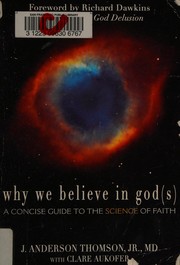
A psychiatrist's concise guide to how the mind generates religious belief.
Recommended by: Ray Dalio
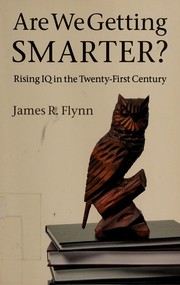
Why IQ scores have risen from one generation to the next, the Flynn effect.
Recommended by: Mohnish Pabrai
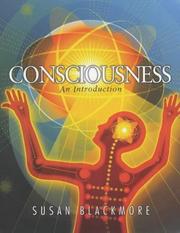
A textbook introduction to consciousness studies, worked from the ground up.
Recommended by: Nassim Nicholas Taleb
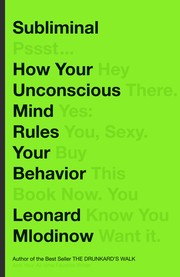
How the unconscious mind shapes perception, judgement and dealings with others.
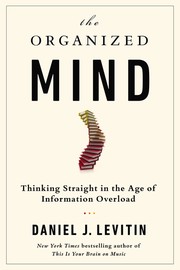
How the brain handles a flood of information and decisions, and how to organise it.
Recommended by: Mohnish Pabrai, Keith Rabois, Satya Nadella
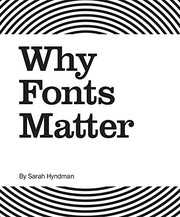
The science and art of how fonts affect what we read and the choices we make.
Recommended by: Jeremiah Shoaf
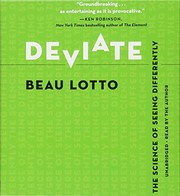
How perception works in the brain, and how to see differently.
Recommended by: Bryan Johnson
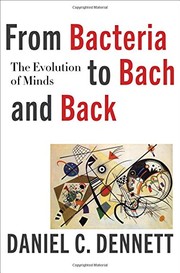
How evolution produced minds and consciousness, from bacteria to human culture.
“Another of my favorites this year.” — Vinod Khosla
Source: 2017 Book Recommendations — Vinod Khosla, Medium
Recommended by: Ray Dalio, Vinod Khosla, Esther Dyson
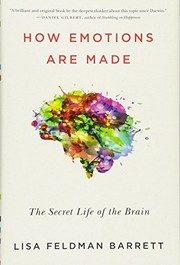
How the brain constructs emotions, and their social side.
Recommended by: Emmett Shear
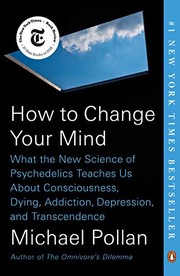
The history and revival of psychedelic research, and the author's own trips.
“There's a good book Michael Pollan wrote recently called How to Change your Mind, and I think it is a brilliant book everybody should read.” — Naval Ravikant
Source: Naval's Recommended Reading — The Almanack of Naval Ravikant
Recommended by: Jim Collins, Vinod Khosla, Bill Gates and 8 others
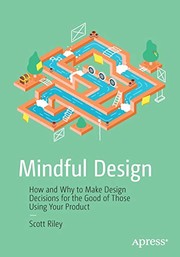
The brain science that matters to designers and how it shapes people's daily use.
Recommended by: Ryan Hoover
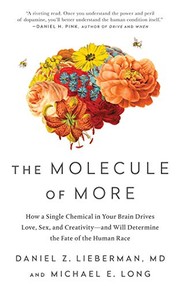
How dopamine drives desire, love, addiction and creativity.
“A book about dopamine, the most powerful chemical in your brain that we rarely think about has so much influence on the world.” — Morgan Housel
Source: A Few Good Books · Collaborative Fund
Recommended by: Morgan Housel
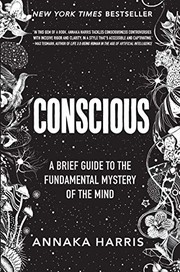
Why matter is conscious at all, where consciousness resides, and free will.
“The second, which is also a fairly fairly new book, is called Conscious: A Brief Guide to the Fundamental Mystery of the Mind. It's by Annaka Harris, and this is what they call the hard problem.” — Matt Mullenweg
Recommended by: Matt Mullenweg
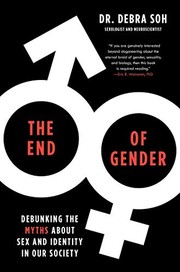
A sex researcher's case against popular myths about sex and gender identity.
Recommended by: Eric Weinstein
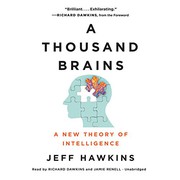
The theory that the neocortex works through thousands of models of the world.
Recommended by: Bill Gates
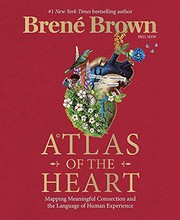
Eighty-seven emotions and experiences, mapped with language for each.
Recommended by: Brené Brown
The mind-body problem from Descartes to today, and a case for neutral monism.
Recommended by: Patrick Collison, Mario Gabriele
 Mohnish Pabrairecommends 18 books here
 Patrick Collisonrecommends 12 books here
 Michael Mauboussinrecommends 9 books here
 Ray Daliorecommends 8 books here
 Nassim Nicholas Talebrecommends 6 books here
 Bill Gatesrecommends 4 books here
 Nat Eliasonrecommends 4 books here
 Bryan Johnsonrecommends 3 books here
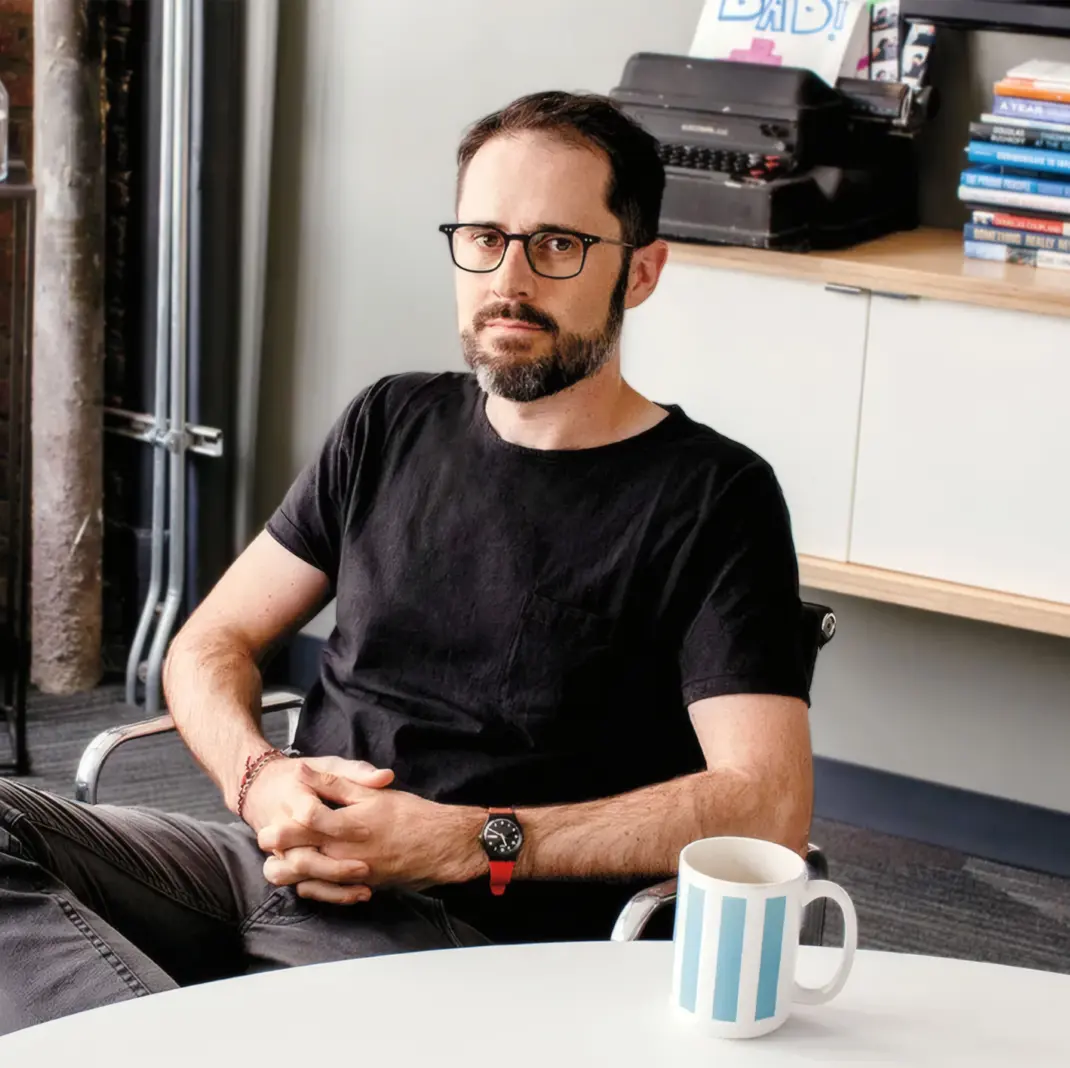 Ev Williamsrecommends 3 books here
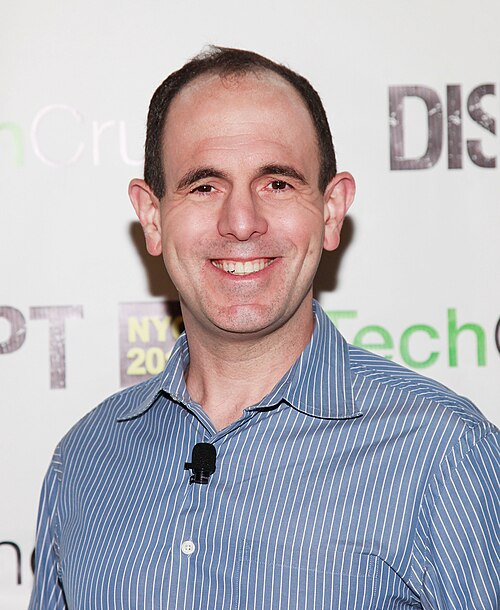 Keith Raboisrecommends 3 books here
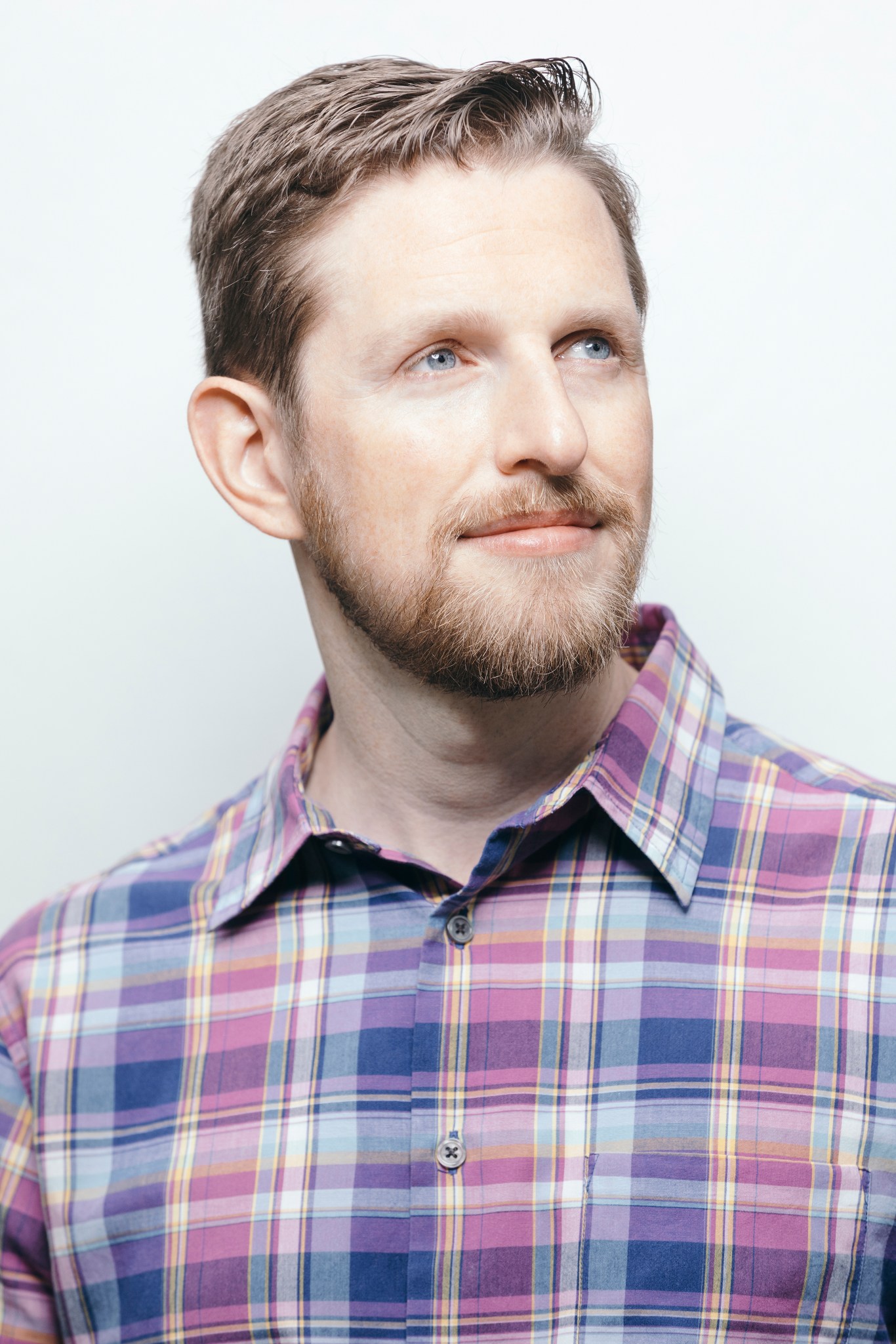 Matt Mullenwegrecommends 3 books here
 Naval Ravikantrecommends 3 books here
Show all 52
 Nir Eyalrecommends 3 books here
 Tim Ferrissrecommends 3 books here
 Tom Bilyeurecommends 3 books here
 Vinod Khoslarecommends 3 books here
 Jim Collinsrecommends 2 books here
 Marc Andreessenrecommends 2 books here
 Bret Victorrecommends 2 books here
 Derek Siversrecommends 2 books here
 Eric Weinsteinrecommends 2 books here
 Josh Wolferecommends 2 books here
 Charlie Mungerrecommends 1 book here
 Morgan Houselrecommends 1 book here
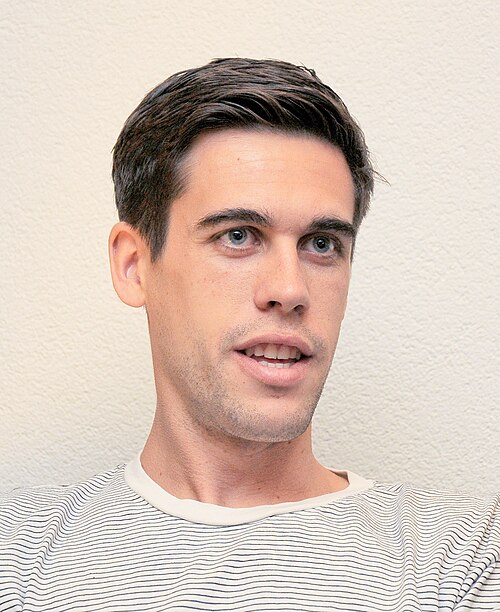 Ryan Holidayrecommends 1 book here
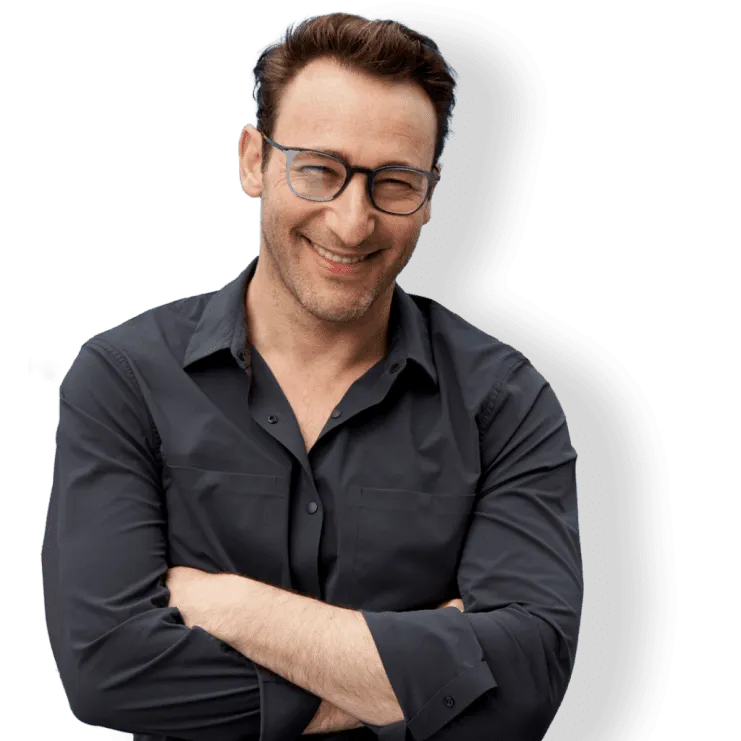 Simon Sinekrecommends 1 book here
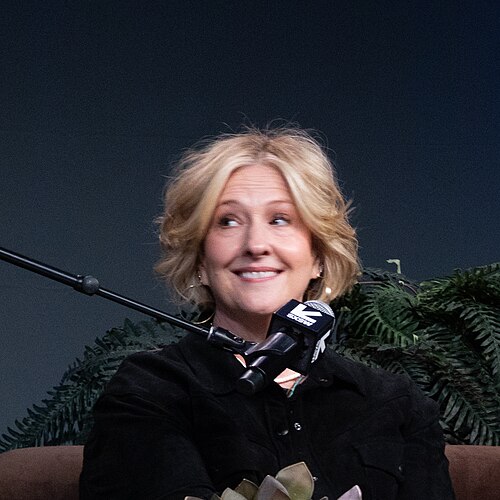 Brené Brownrecommends 1 book here
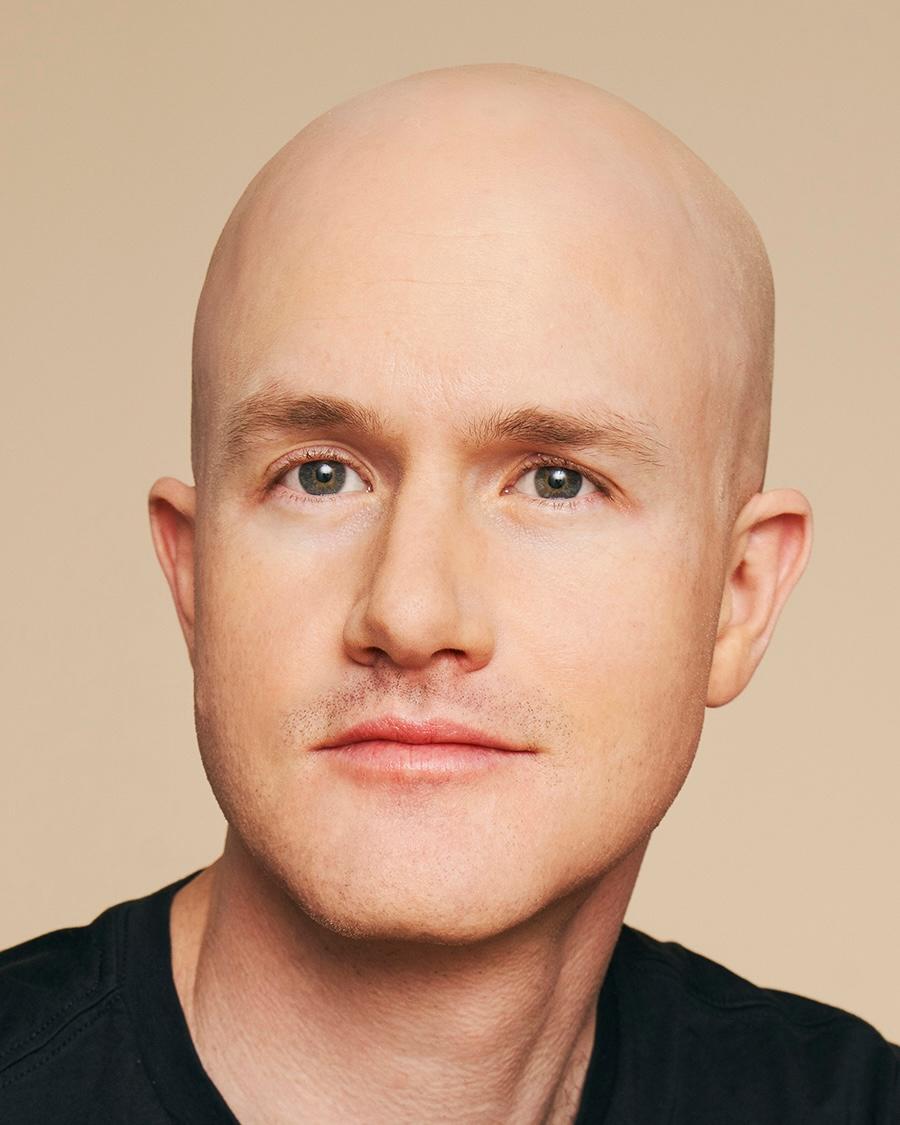 Brian Armstrongrecommends 1 book here
 David Kadavyrecommends 1 book here
 Emmett Shearrecommends 1 book here
 Esther Dysonrecommends 1 book here
 Jackie Vullinghsrecommends 1 book here
 James Altucherrecommends 1 book here
 James Cameronrecommends 1 book here
 Peter Attiarecommends 1 book here
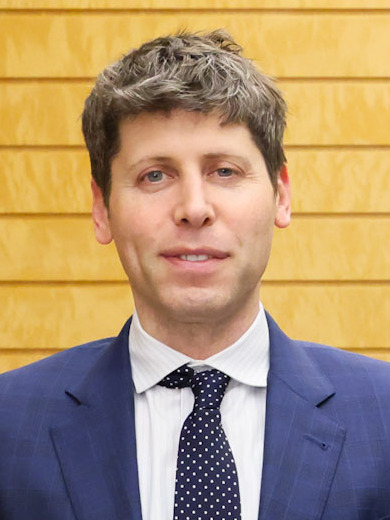 Sam Altmanrecommends 1 book here
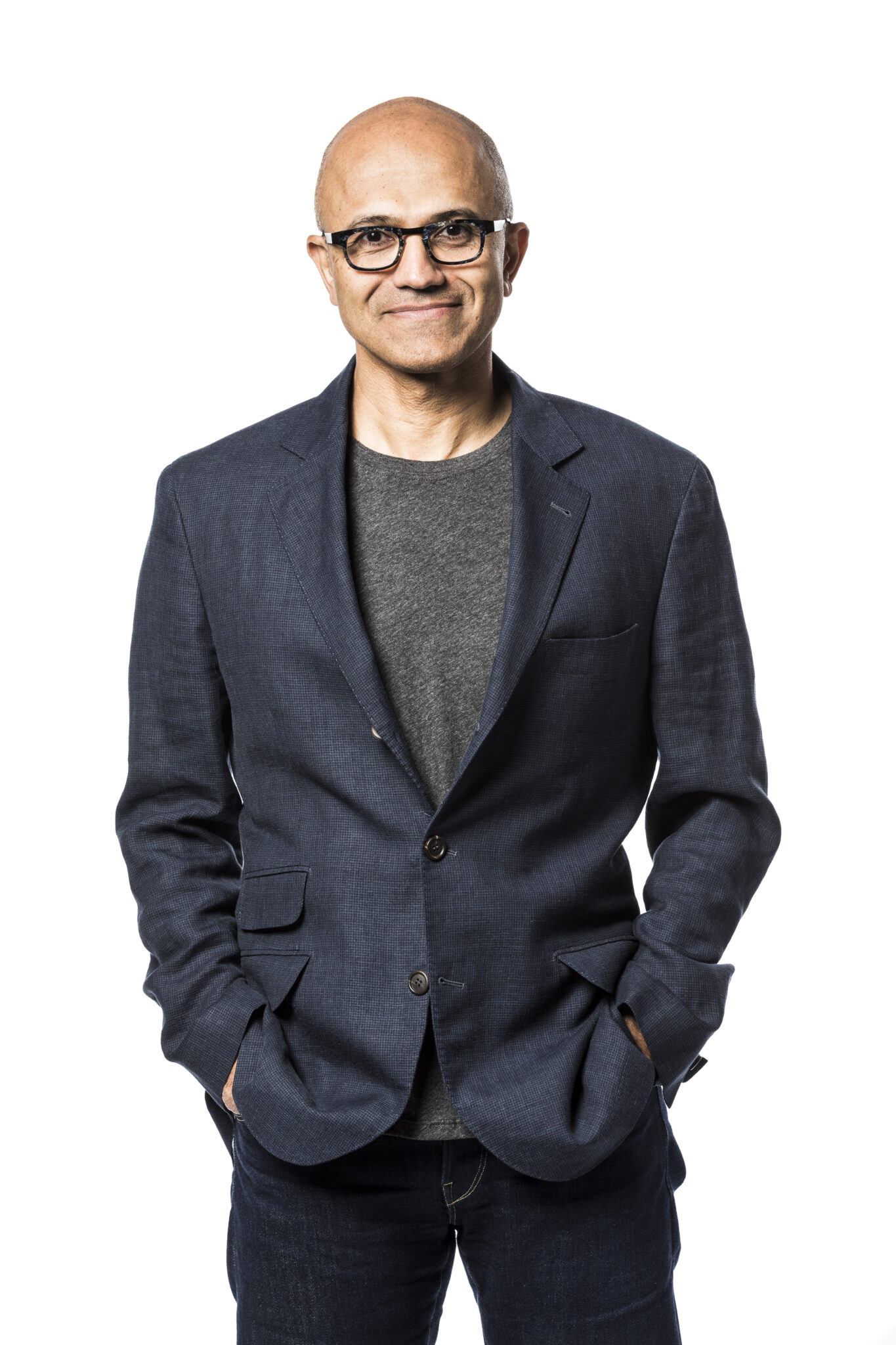 Satya Nadellarecommends 1 book here
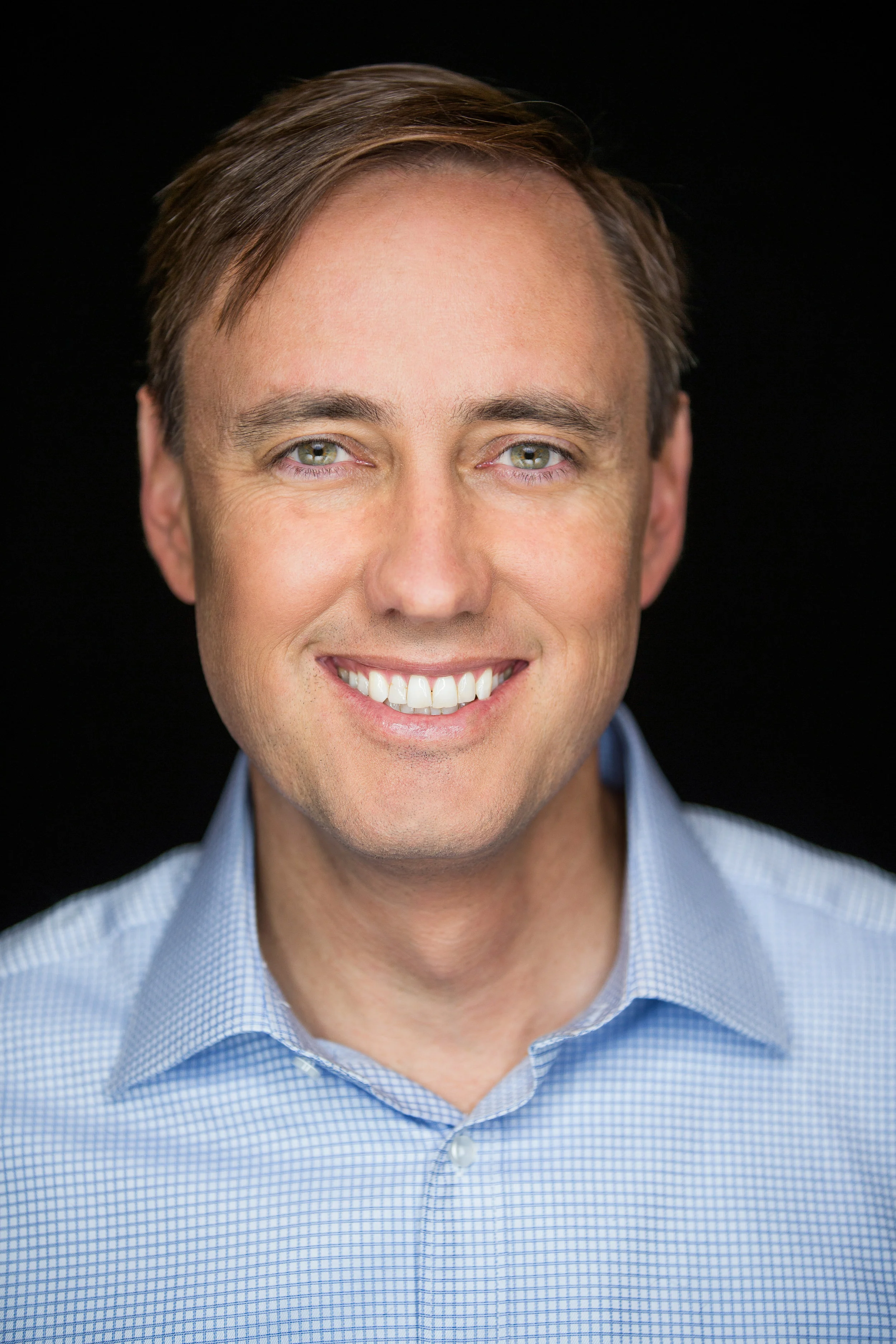 Steve Jurvetsonrecommends 1 book here
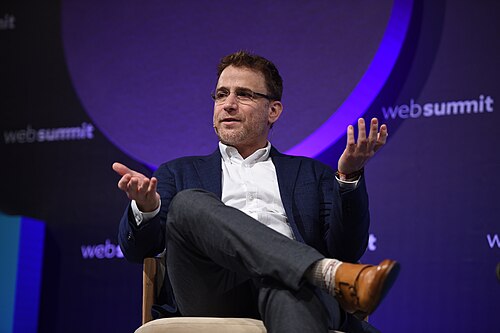 Stewart Butterfieldrecommends 1 book here
 Tristan Harrisrecommends 1 book here