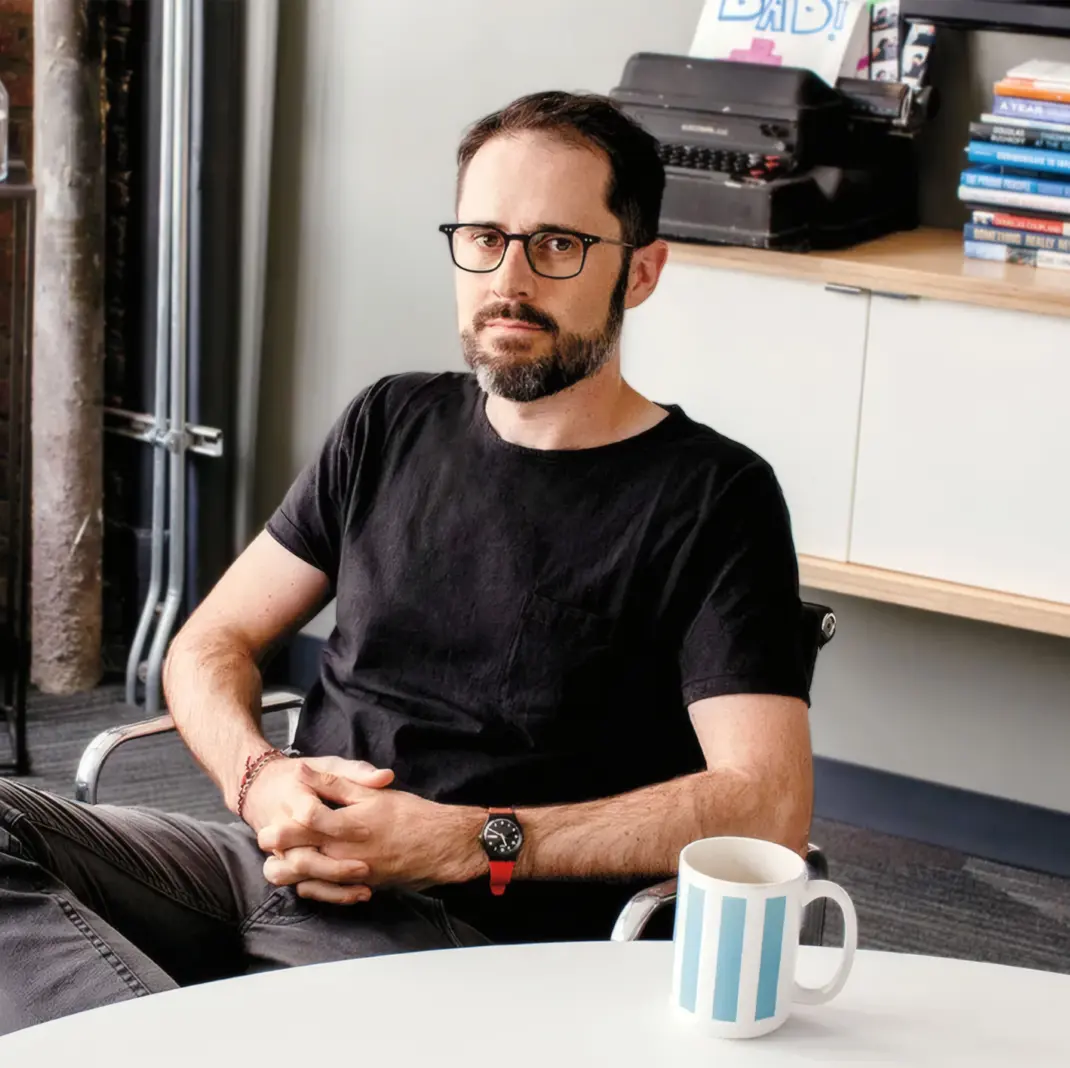
Ev Williams
Founded Blogger and Medium and co-founded Twitter, which he ran as CEO from 2008 to 2010; co-founded the venture firm Obvious Ventures in 2014.
 Obvious Ventures
 Medium
 Twitter
 Blogger
More 19
What eighteen long-lived companies did differently from close rivals in their fields.
Also recommended by: John C. Bogle, Mohnish Pabrai, Drew Houston and 3 others
Management as production: a manager's output is the output of the team they lead.
Also recommended by: Andrew Chen, Ben Horowitz, David Cancel and 23 others
Effectiveness is learned practice: manage time, pick priorities, decide well.
Source: Ev Williams — Must-Read Books and More (The Tim Ferriss Show #800)
Also recommended by: Drew Houston, Jim Collins, Nat Eliason and 5 others
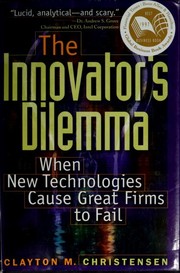
Why well-run firms lose to cheaper, worse products that enter at the market's bottom.
Also recommended by: Bill Gurley, Drew Houston, Jim Collins and 28 others
Rules for advertising that sells, drawn from direct-response testing.
Also recommended by: Mohnish Pabrai, David Cancel, Noah Kagan
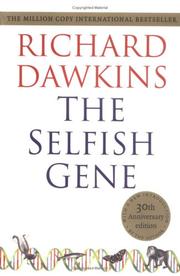
Selection acts on genes; bodies are vehicles that genes build to copy themselves.
Also recommended by: Balaji S. Srinivasan, Bob Metcalfe and 12 others

How the Oakland A's won on a small payroll by buying players the market undervalued.
Also recommended by: Bill Nygren, Jim Collins, Joel Greenblatt and 4 others
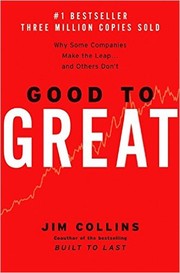
What eleven companies did to turn fifteen ordinary years into fifteen great ones.
Also recommended by: Brian Armstrong, Francois Rochon and 19 others
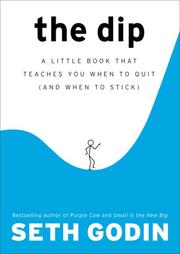
When to push through a hard stretch and when to quit a dead end.
Also recommended by: Brian Armstrong, Derek Sivers, Nat Eliason and 1 other

Without shelf limits, sales of many niche products add up to rival the hits.
Also recommended by: Jim Collins, Michael Mauboussin, Jack Ma and 1 other
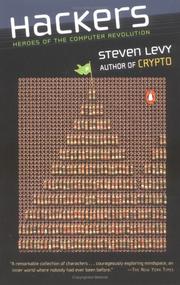
Three generations of hackers, from MIT's AI Lab to the Homebrew club and game makers.
Also recommended by: Austen Allred, Marc Andreessen, Paul Graham and 2 others
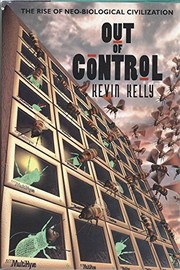
How machines and economies grow so complex that they behave like living systems.
Also recommended by: Bill Miller, Cynthia Johnson and 2 others
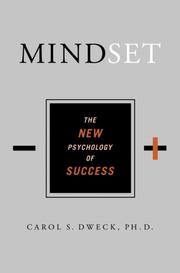
People who think ability grows with effort learn more than those who think it fixed.
Also recommended by: Bill Gates, Derek Sivers, Michael Mauboussin and 15 others

Bill Gates from Harvard and Microsoft BASIC to the IBM deal that made Microsoft.
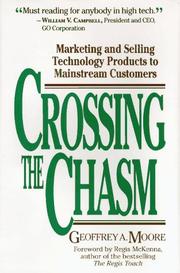
Why tech products stall between early adopters and the mainstream, and how to cross.
Also recommended by: Andrew Chen, Andrew Wilkinson, Bill Gurley and 13 others
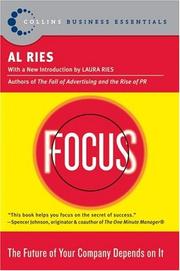
Companies lose their position by broadening; narrowing the focus wins it back.
Also recommended by: David Cancel, Mohnish Pabrai and 2 others
Marketing happens in the buyer's mind: find an open position there and own it.
Also recommended by: David Cancel, Patrick Collison, Aaron Levie and 3 others

From LinkExchange to Zappos, and the case for building a company on its culture.
Also recommended by: Mohnish Pabrai, Tony Hsieh, Ran Segall and 1 other
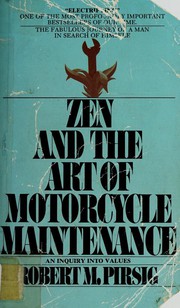
A father and son's motorcycle trip framing an inquiry into what Quality means.
Source: Ev Williams — Must-Read Books and More (The Tim Ferriss Show #800)
Also recommended by: Austen Allred, Brad Feld, Drew Houston and 8 others
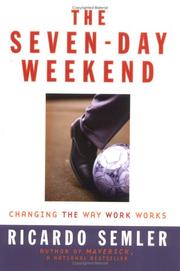
Why the line between work and free time should go, from Semco's practice.
Also recommended by: Michael Mauboussin
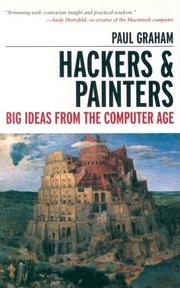
Essays on programming, startups, wealth and thinking for yourself.
Also recommended by: Derek Sivers, Keith Rabois and 5 others

Why people are bad at predicting what will make them happy, and how the errors arise.
Also recommended by: Andrew Wilkinson, Derek Sivers, Jim Collins and 3 others
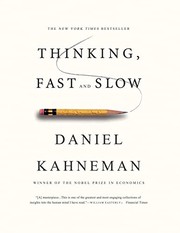
How fast, automatic thought and slow, deliberate thought shape judgment and error.
Also recommended by: Andrew Wilkinson, Charles de Vaulx and 35 others
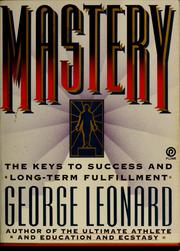
Mastery as long practice on the plateau, with a reward that comes late.
Also recommended by: Derek Sivers, Patrick O'Shaughnessy and 1 other

A four-step method to cut work, automate income and take free time now.
Source: Ev Williams — Must-Read Books and More (The Tim Ferriss Show #800)
Also recommended by: Andrew Wilkinson, Mohnish Pabrai and 19 others
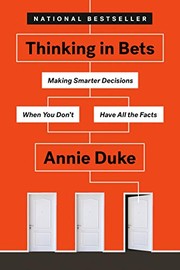
Judge decisions by their reasoning, not their outcomes, and think in odds.
Source: Ev Williams — Must-Read Books and More (The Tim Ferriss Show #800)
Also recommended by: Bill Nygren, Derek Sivers, Howard Marks and 7 others

The early history of eBay, from AuctionWeb to Meg Whitman's arrival.
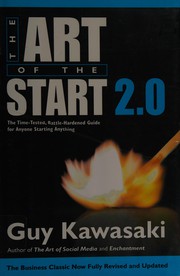
Practical instructions for starting a company or another organisation.
Also recommended by: Mohnish Pabrai, Keith Rabois, Matt Mullenweg

Why some things gain from volatility and disorder, and how to build them.
Also recommended by: Ana Fabrega, Andrew Chen, Derek Sivers and 23 others
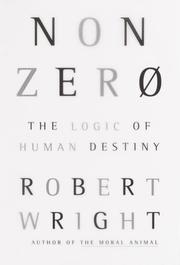
History as a growing web of non-zero-sum games, in which both sides can gain.
Also recommended by: Mohnish Pabrai, Nick Thompson, Reid Hoffman
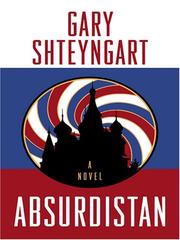
A comic novel of a Russian caught up in the folly of the post-Soviet transition.
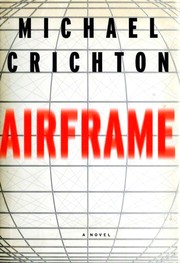
A thriller about an investigation into a deadly airliner incident and the media.
Also recommended by: John C. Bogle

A children's story of a boy whose day goes wrong in every way.

A novel of an artist who sets out to drive across America and stops at once.

In a future dark age that denies people their names, one man dares to love.
Also recommended by: Mohnish Pabrai, Niki Scevak
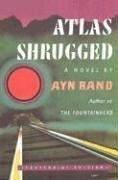
A novel in which industrialists vanish from an economy run by government directives.
Also recommended by: Brian Armstrong, Jim Collins, Mohnish Pabrai and 20 others

An apocalyptic satire of modern man and his madness, with an invented religion.
Also recommended by: Mohnish Pabrai, Nat Eliason
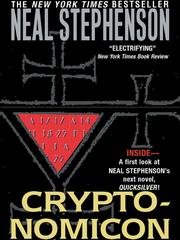
A novel of wartime codebreakers and their descendants building a data haven.
Also recommended by: Tim Ferriss, Marc Andreessen, Peter Thiel

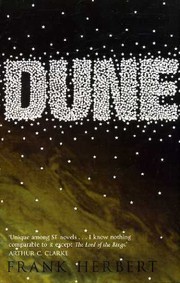
A novel of a feudal space empire fighting over a desert planet and its spice.
Also recommended by: Patrick Collison, Stewart Brand, Andrew Chen and 7 others
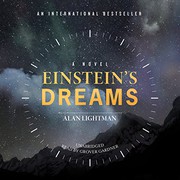
A novel of the young Einstein's dreams of different kinds of time, in 1905.
Also recommended by: David Perell, Patrick Collison and 2 others

A novel of a gifted boy trained in an orbiting school for war against aliens.
Also recommended by: Brad Feld, Eric Jorgenson, Jim Collins and 5 others

A satirical novel of Switters, a government anarchist full of contradictions.

A novel of an insomniac who starts a secret fighting club with a wild extremist.
Source: Ev Williams — Must-Read Books and More (The Tim Ferriss Show #800)
Also recommended by: Nat Eliason, Ryan Holiday, Tucker Max
A graphic novel of four generations of the Corrigan men.

A comic epic that runs from the forests of ancient Bohemia to present-day Paris.
A fable about a seagull learning to fly, and a homily on self-perfection.
Source: My 10 Favorite Books: Ev Williams — The New York Times, T Magazine
Also recommended by: Mike Maples, Jr.

A fantasy novel of magical realism, winner of the World Fantasy Award.
Source: Ev Williams — Must-Read Books and More (The Tim Ferriss Show #800)
Also recommended by: Rana el Kaliouby
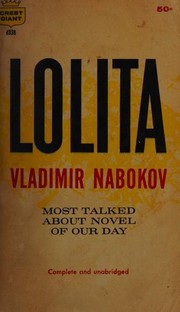
A professor tells of his obsession with a girl of 12 he abuses as her stepfather.
Also recommended by: Mario Gabriele
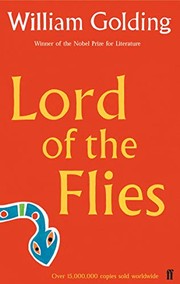
A novel of schoolboys stranded on an island whose self-rule collapses into violence.
Also recommended by: Mohnish Pabrai, Alexey Moiseenkov, Elon Musk and 1 other
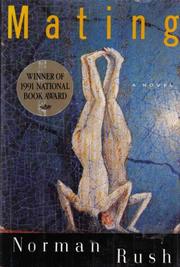
A comedy of manners about two Americans on the loose in developing Africa.

A novel in letters and diaries of the technology industry in the early 1990s.

Young writer friends wander from coast to coast in search of whatever they find.
A novella of a lonely glove saleswoman in Beverly Hills and two men in her life.
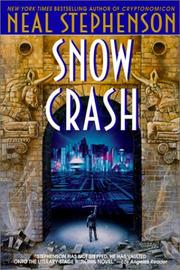
A novel of a hacker in a corporate-run America and its virtual world, the Metaverse.
Also recommended by: Nat Eliason, Naval Ravikant, Alexis Ohanian and 11 others
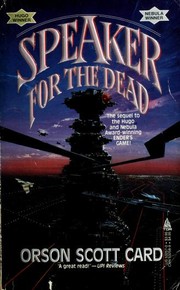
Ender Wiggin must make peace with a new alien species to prevent a second war.
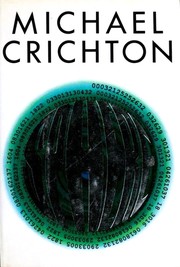
Scientists examine a spacecraft of unknown origin found on the Pacific floor.
Two Jewish cousins, a refugee from Nazi Prague and a Brooklyn writer, make comics.
Also recommended by: Fred Wilson
A satire of ambition, race, class and greed around a 1980s New York bond trader.
Also recommended by: Jim Collins, Mohnish Pabrai

A novel of a sixteen-year-old's days alone in New York after his school expels him.
Also recommended by: Mohnish Pabrai, Ryan Holiday, Bill Gates and 1 other

An elderly Midwestern couple and their three adult children, up to a last Christmas.
Also recommended by: Oprah Winfrey

A boy who cannot tell lies writes his own murder mystery.
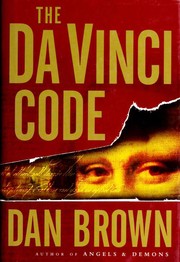
A mystery thriller in which Robert Langdon follows clues to the Holy Grail.
Also recommended by: Mohnish Pabrai, Donald Trump
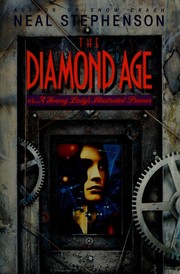
A novel of a nanotech future and a stolen copy of an interactive teaching book.
Also recommended by: Andrew Chen, Bill Gurley, Naval Ravikant and 1 other
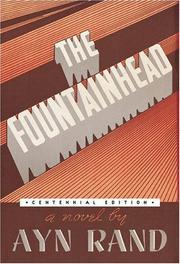
A novel of an architect who will build only by his own judgment, whatever it costs.
Also recommended by: Mohnish Pabrai, Iman Gadzhi, Kevin Kelly and 6 others
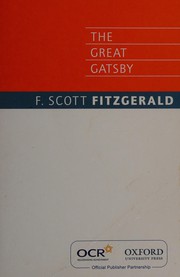
A novel of a rich man of unknown origin on Long Island and the woman he wants back.
Also recommended by: Jim Collins, Mohnish Pabrai and 4 others

A novel of an astronaut left alone on Mars who must survive until rescue.
Also recommended by: Brad Feld, Nat Eliason, Adam Ho, Bill Gates and 3 others
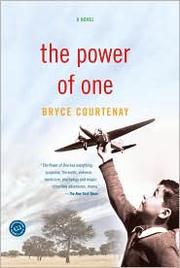
A British boy in wartime South Africa survives boarding school and learns to box.
Story, dream and philosophy in a tale of two couples and their loves.
Also recommended by: Evan Spiegel, Nassim Nicholas Taleb
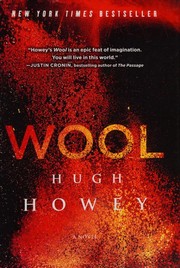
People live underground, watching a ruined world outside through a fading view.
Also recommended by: Brad Feld, Matt Mullenweg

Ender seeks a way for humans, pequeninos and the Hive Queen to survive a virus.
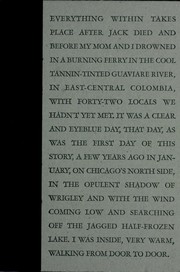
Two friends fly around the world trying to give away a lot of money after a loss.
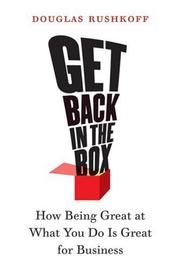
Why businesses innovate best by deepening what they already do well.
Also recommended by: Keith Rabois
Holacracy, a management system that spreads authority so that everyone leads.
Also recommended by: Bryant Chou, Tony Hsieh
Eight practices shared by well-run companies.
Also recommended by: Jim Collins, Mohnish Pabrai
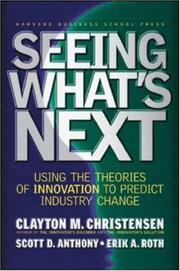
Disruption theory used to forecast how industries will change.
Also recommended by: Michael Mauboussin
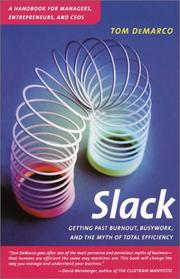
How to get past burnout, busywork and the myth of total efficiency at work.
Also recommended by: Patrick Collison
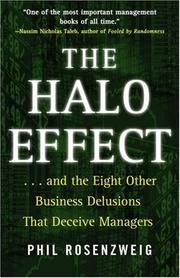
How judging firms by their results corrupts most business research and advice.
Also recommended by: Michael Mauboussin, Matt Mullenweg
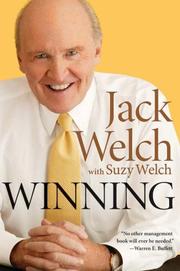
Lessons on management and competition from four decades at General Electric.
Also recommended by: Mohnish Pabrai, Sam Altman, Sarah Pritula
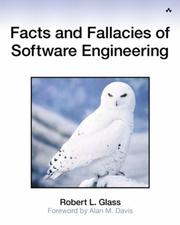
The facts and fallacies of the young profession of software engineering.
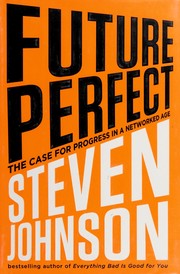
How networked thinking can transform government, research and the arts.
Also recommended by: Patrick Collison
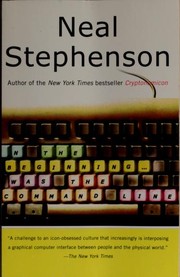
An essay on operating systems and the cultures of Microsoft, Apple and free software.
Also recommended by: Brad Feld
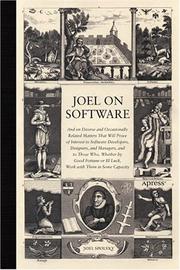
Essays on software development from a popular programming blog.
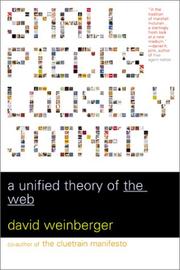
How the Web changes basic ideas of space, time, the self and knowledge.

How to find, interview and hire good software programmers.

Why information technology does not sweep away the social life around it.

Why the internet has fallen short of its early promise, and how to change its design.
Also recommended by: Ryan Holiday
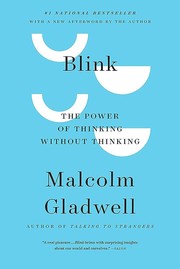
How snap judgments work, when to trust them and when they mislead.
Also recommended by: Michael Mauboussin, Mohnish Pabrai and 1 other
Life in Nazi concentration camps, and logotherapy: finding meaning to survive.
Also recommended by: David Heinemeier Hansson, David Perell and 28 others
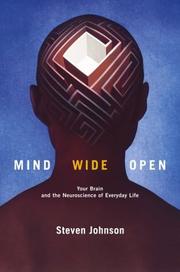
How the brain's chemicals and structures shape everyday experience.
Also recommended by: Mohnish Pabrai
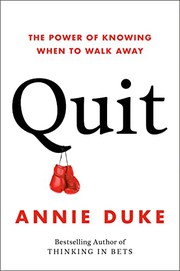
Why people stick too long with failing projects and careers, and how to quit well.
Source: Ev Williams — Must-Read Books and More (The Tim Ferriss Show #800)
Also recommended by: Michael Mauboussin
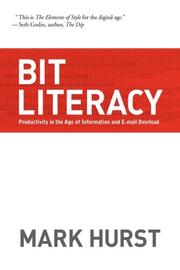
How to manage email, files and information without being overwhelmed.
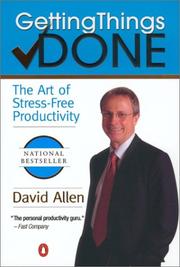
Get commitments out of your head into a trusted system, and decide next actions.
Also recommended by: Andrew Wilkinson, Derek Sivers, Tony Hsieh and 5 others

52 principles for getting things done with less stress: mindset, priorities, action.
Also recommended by: Derek Sivers
True stories of people who found meaningful work and lives.
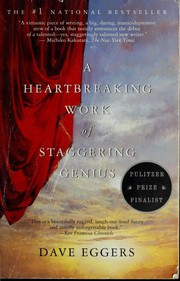
A memoir of raising a younger brother after both parents die of cancer.
Also recommended by: Oprah Winfrey, Sam Altman

Comic essays, among them a humorist's attempt to learn French after moving to Paris.
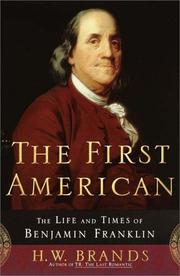
A life of Benjamin Franklin, the foremost American of his day.
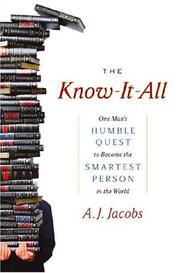
A journalist's attempt to read the whole Encyclopaedia Britannica from A to Z.
Ninety-five theses on how the internet makes markets into conversations.
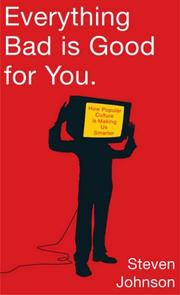
Why television and video games have grown more complex and demanding.
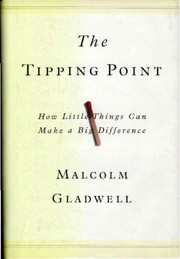
How ideas and behaviour spread like epidemics, and the three factors that tip them.
Also recommended by: Christopher Browne, Jim Collins and 5 others
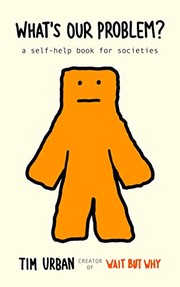
Why modern society became so tribal, from history, psychology and political theory.
Source: Ev Williams — Must-Read Books and More (The Tim Ferriss Show #800)
Also recommended by: Elon Musk, Julian Shapiro
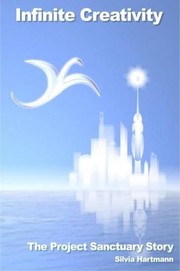
Using an "energy mind" to reach creativity without years of meditation.
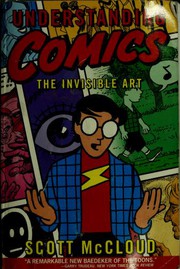
How comics work as an art form and how they are made.
Also recommended by: Bret Victor, Patrick Collison, Daniel Burka

User interface design explained for analytical programmers.
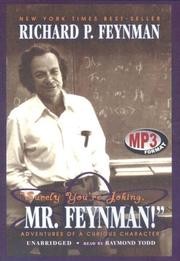
A physicist's stories, from fixing radios as a boy to Los Alamos and beyond.
Also recommended by: Brian Armstrong, Derek Sivers, Jason Zweig and 19 others
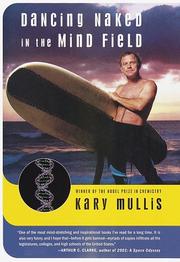
The ideas and adventures of the chemist who invented PCR.
Also recommended by: Peter Attia
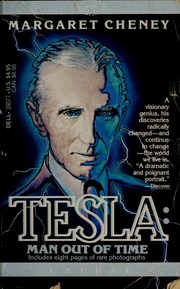
A life of Nikola Tesla, who found the rotating magnetic field behind AC machines.
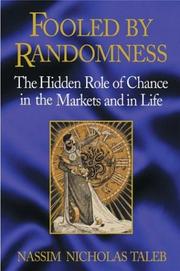
Why people mistake luck for skill, above all in markets.
Also recommended by: Barton Biggs, Brad Feld, Derek Sivers and 14 others
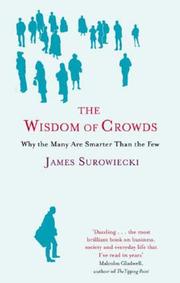
When groups judge better than experts, and the four conditions that make it work.
Also recommended by: Derek Sivers, Jim Collins and 4 others
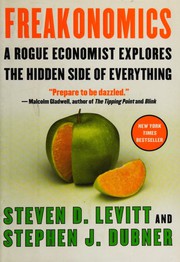
Incentives and data applied to cheating teachers, sumo wrestlers and other puzzles.
Also recommended by: Michael Mauboussin, Mohnish Pabrai and 6 others
How the wealth of the future will be created and spread.
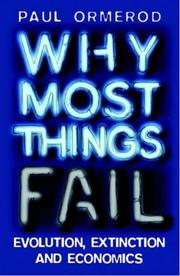
Why most business and policy ventures fail, read through biology and extinction.
Also recommended by: Mohnish Pabrai

How simple elements organise themselves into more intelligent, adaptive systems.
The case that monism, an ancient idea, holds the future of physics.
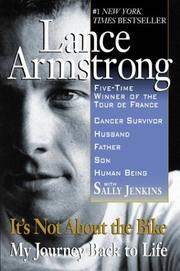
A cyclist's memoir of his Texas youth and his journey back to life.
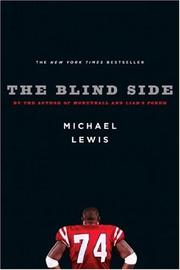
A boy from a poor, broken home discovers football and rises to the NFL.
Also recommended by: Jim Collins
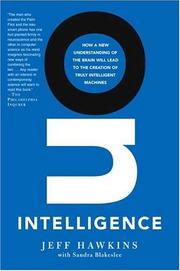
How the brain produces intelligence, and what that means for intelligent machines.
Also recommended by: Keith Rabois, Patrick Collison
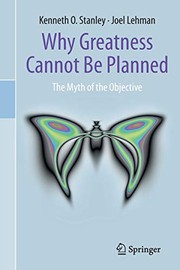
Why chasing fixed objectives stifles discovery in science, education and life.
A venture adviser on startups and the trap of the deferred life plan.
Also recommended by: Nat Eliason, Patrick Collison, Fred Wilson and 2 others
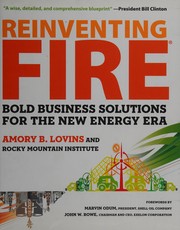
How American industry can cut its energy use and move to renewable sources.
Also recommended by: Bill Gates
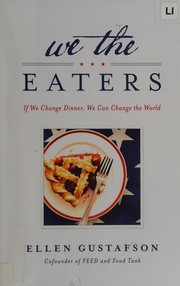
How hunger and obesity are linked, and how food choices can change the food system.

The case for a whole-food, plant-based diet, drawn from a large study in China.
Also recommended by: Derek Sivers
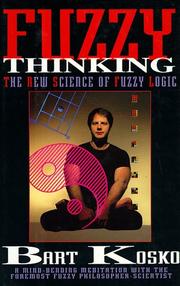
How fuzzy logic works and how it changes everyday life.

Short reflections and practices for starting mindfulness, read at random or daily.

A novelist's adventures around the world, travel as a testing of the self.
| Making “Social” Social Again | Medium | Blog post | 2024-12-12 |
| Do not disturb | Medium | Blog post | 2023-12-09 |
| How you can help the Amazon Rainforest–today | Medium | Blog post | 2023-06-05 |
| Cat Playing Piano, in the style of | Medium | Blog post | 2022-10-19 |
| New Decade, New Ideas | Medium | Blog post | 2022-07-12 |
| 12 taglines for Odeo | Medium | Blog post | 2021-12-14 |
| We’ve acquired Knowable to bring audio to Medium | Medium | Blog post | 2021-11-16 |
| Medium Acquires Projector, a Collaborative, Multimedia Design Platform | Medium | Blog post | 2021-11-09 |
| Simple or Easy? | Medium | Blog post | 2021-09-22 |
| An ode to teenage angst | Medium | Blog post | 2021-09-16 |
| Lessons on co-founding Twitter, Medium and Blogger with Ev Williams | The Eric Ries Show | 2025-04-17 | 1:22 | In this episode of The Eric Ries Show , I sit down with Ev Williams—someone whose work has profoundly shaped the modern internet. Ev co-founded Twitter, created Medium, and before all that, built Blogger, the original blogging platform (and the one where my own blog, Startup Lessons Learned , still lives today). We cover a wide range of topics, but at the heart of our conversation is this: what does it mean to resist short-term pressures and build with long-term integrity? Ev reflects on the early days of the internet, the cultural shifts inside big tech, and what happens when the systems we design begin to shape us in return. He also shares the thinking behind his latest venture, Mozi—an app designed to make it easier for people to meet up in person, with less friction and more intention. |
| #800: Ev Williams — The Art of Pivoting (e.g., Odeo to Twitter), Strategic Quitting, The Dangers of Premature Scaling, Must-Read Books, and More | The Tim Ferriss Show | 2025-03-19 | 1:04 | Ev Williams is the co-founder of Mozi , a new social network that helps you connect in person with the people you care about. Over the past 25 years, Ev has co-founded several companies that have helped shape the modern internet—including Blogger, Medium, and Twitter. This episode was recorded live at Diggnation , where digg.com was relaunched. Go to digg.com and sign up to get early access when invites go out. Sponsors: David Protein Bars 28g of protein, 150 calories, and 0g of sugar : https://davidprotein.com/tim (Buy 4 cartons, get the 5th free.) Sundays for Dogs ultra-high-quality dog food: https://sundaysfordogs.com/tim (save 50% on your first order) Wealthfront high-yield cash account: https://Wealthfront.com/Tim New clients get 3.30% base APY from program banks + additional 0.75% boost for 3 months on your uninvested cash (max $150k balance). Terms and conditions apply. The Cash Account offered by Wealthfront Brokerage LLC (“WFB”) member FINRA/SIPC, not a bank. The base APY as of 1/30/26 is representative, can change, and requires no minimum. Tim Ferriss, a non-client, receives compensation from WFB for advertising and holds a non-controlling equity interest in the corporate parent of WFB, which creates a conflict of interest. Individual experiences and outcomes will differ. Instant withdrawals may be limited by your receiving firm and other factors. Investment advisory services provided by Wealthfront Advisers LLC, an SEC-registered investment adviser. |
| Twitter, Medium and Blogger: Ev Williams | How I Built This with Guy Raz | 2024-04-29 | 1:20 | As co-founder of Twitter and founder of Blogger and Medium, Evan Williams literally helped change the conversation: he understood that real-time connectivity—being able to write a post and have people read it seconds later—was the future of engagement online. A Nebraska farm boy who dropped out of college, Ev ran into several business failures before starting Blogger, and—after it sold to Google—launching Twitter with Jack Dorsey and others. Ev also came to learn that he understood product better than people, a trait that would contribute to his eventual ouster as Twitter CEO. After that crushing blow, he returned to his first love by starting Medium, a blogging site for posts that are neither too short or too long. This episode was produced by Kerry Thompson with music by Ramtin Arablouei. It was edited by Neva Grant. Our audio engineers were Josh Newell and Gilly Moon. You can follow HIBT on Twitter & Instagram , and email us at hibt@id.wondery.com . Learn more about your ad choices. Visit podcastchoices.com/adchoices |
| The Axe Files presents Offline with Jon Favreau | The Axe Files with David Axelrod | 2022-09-08 | 58 min | This week we’re sharing a conversation between Jon Favreau, host of Offline, a podcast from Crooked Media, and Ev Williams, co-founder and former CEO of Twitter. The two discuss Twitter’s early years, including the design decisions behind some of the app’s most important features. They dive into the promise of Twitter and attempt to make sense of what’s changed. Ev also talks about Twitter’s newest board member and largest shareholder, Elon Musk, and if Donald Trump should be allowed back on. Please note this conversation was recorded prior to Musk’s attempt to purchase Twitter. For a closed-captioned version of this episode, click here . For a transcript of this episode, please email transcripts@crooked.com and include the name of the podcast. To learn more about how CNN protects listener privacy, visit cnn.com/privacy Learn more about your ad choices. Visit podcastchoices.com/adchoices |
| A Twitter Founder on Elon, Trump, and the Edit Button | Offline with Jon Favreau | 2022-04-10 | 56 min | Jon is joined by Ev Williams, Co-Founder and former CEO of Twitter. The two discuss Twitter’s early years, including the design decisions behind some of the app’s most important features. They dive into the promise of Twitter and attempt to make sense of what’s changed. Ev also talks about Twitter’s newest board member and largest shareholder, Elon Musk, and if Donald Trump should be allowed back on. For a closed-captioned version of this episode, click here . For a transcript of this episode, please email transcripts@crooked.com and include the name of the podcast. |
| #22. Medium Founder Ev Williams Shares New Thoughts On Creator Economy And More | Entrepreneur's Handbook | 2022-03-31 | 53 min | Inspirational stories plus practical takeaways from the entrepreneurship world.Today's guest is Ev Williams, the founder and CEO of Medium.com. He's been a titan of silicon valley for around two decades! His first major company was Blogger which was where the term "blog" was first popularized. He later went on to found Twitter and served as the platform's CEO. His latest and current venture is Medium, the massive online writing platform which is the top place online to find user-generate... |
| #46 - Ev Williams, Founder of Blogger, Twitter, and Medium | inTheir20s | 2021-06-07 | 28 min | Ev Williams has revolutionized the internet as we’ve come to know it. With Blogger, he made blogging easier for everyone; with Twitter, he helped people share ideas from anywhere; and with Medium, Ev has created a digital network of curious minds. Thirteen years after co-founding Twitter, Ev Williams is still trying to reinvent online conversation. The billionaire Medium founder sees the present as another big moment—and he is ready to pounce. Born in Nebraska, Ev grew up on a farm where he assisted with crop irrigation in the summer. As a young man he was so interested in farming that he joined the FarmHouse International Fraternity, Inc., a professional agriculture fraternity, while he was studying in the University of Nebraska–Lincoln. However, he did not stay long enough in the university to complete his degree as he was very much interested in becoming an entrepreneur as soon as possible. He teamed up with his father to set up a company to provide instructional material about the World Wide Web which they ran for a short while. He then worked as a web developer for several computer companies before co-founding Pyra Labs. Soon Pyra Labs developed the blog-publishing service Blogger which became a huge success and was ultimately acquired by Google. His entrepreneurial spirit did not allow him to stay with Google for long and he left the company to found other ventures like Odeo and Obvious Corp. The micro-blogging service Twitter was created as a project of Obvious Corp. |
| In conversation with Ev Williams | The Next Stage podcast by Web Summit | 2021-04-20 | 25 min | Ev Williams and Kara Swisher discuss the next chapter for Medium, what excites Ev as an investor and entrepreneur. "The best technology conference on the planet". Follow us on Twitter , Instagram and Linkedin . |
| Positive Thinking with Ev Williams and James Joaquin | StrictlyVC Download | 2020-12-05 | 42 min | Connie & Alex review the week's top tech stories and then talk to Ev Williams and James Joaquin of Obvious Ventures about their focus on "world positive" investments . Music: 1. "Inspired" by Kevin MacLeod (https://incompetech.filmmusic.io/song/3918-inspired) 2. "Dream Catcher" by Kevin MacLeod (https://incompetech.filmmusic.io/song/4650-dream-catcher) 3. "Blippy Trance" by Kevin MacLeod (https://incompetech.filmmusic.io/song/5759-blippy-trance) 4. "Pamgaea" by Kevin MacLeod (https://incompetech.filmmusic.io/song/4193-pamgaea) 5. "EDM Detection Mode" by Kevin MacLeod (https://incompetech.filmmusic.io/song/3687-edm-detection-mode) Learn more about your ad choices. Visit megaphone.fm/adchoices |
| Ev Williams on Coronavirus and the 'Extreme' Tech of the Future | Mostly Human with Laurie Segall | 2020-03-16 | 1:10 | Ev Williams is the entrepreneur behind Twitter, Blogger, and publishing platform Medium -- three companies that helped shape the modern Internet. As we grapple with the impact of Coronavirus, these digital platforms are playing an even larger role in our ability to connect with one another. Ev weighs in on how all our lives could change in the short term and what the longer term future may hold for technology and media… Will Augmented Reality project images onto our eyeballs? Will Silicon Valley ever move beyond the attention span economy? Will our lives start to resemble more of a video game than real-life? There's a lot to explore. And no one better than Ev Williams to help make sense of it all. ———————————————— Show Notes Laurie and Ev’s first contact Jonathan Livingston Seagull , a book from Ev’s childhood Full Episode Transcript Learn more about your ad-choices at https://www.iheartpodcastnetwork.com See omnystudio.com/listener for privacy information. |
| Life after Twitter | In conversation with Ev Williams | The Next Stage podcast by Web Summit | 2020-01-29 | 14 min | In this week's episode we'll be hearing from the co-founder of Twitter, Ev Williams at Centre Stage of Collision 2019. Ev Williams is known for his searingly honest opinion of the tech industry, and the person interviewing him, Kara Swisher, is known for holding that very same industry accountable for it’s actions, which creates a very interesting conversation. "The best technology conference on the planet". Follow us on Twitter , Instagram and Linkedin . |
| Twitter Co-Founder; NFL & Billionaires; Airbnb News | Squawk Pod | 2020-01-17 | 38 min | |
| Recode Decode: Facebook’s former security boss Alex Stamos and Twitter co-founder Ev Williams (Live) | Decoder with Nilay Patel | 2019-05-24 | 48 min | Alex Stamos, the former Chief Security Officer at Facebook, and Ev Williams, the co-founder of Twitter and CEO of Medium, talk with Recode's Kara Swisher in these live interviews from the 2019 Collision conference in Toronto, Canada. In the Stamos interview: Is Facebook misunderstood?; Stamos’ proposed solutions; legitimate candidates vs. the Russians; how to protect ourselves from all election attackers; the weaponization of Facebook’s products; America’s reluctance to regulate; breaking up Facebook and Google; why big companies need to stop rewarding employees with stock; Stamos’ recommendations for Mark Zuckerberg; and is Facebook actually committed to change? And in the Williams interview: Why he left the board of Twitter; where social media is right now; why his venture firm Obvious Ventures doesn’t invest in social; its investment in Beyond Meat; Williams’ theories of venture investing; the lack of diversity in what companies get venture funding; how techlash has changed Silicon Valley; the many iterations of Medium; would Williams buy established media companies?; and is he worried about the media? Learn more about your ad choices. Visit podcastchoices.com/adchoices |
| Ev Williams | Valley of Genius (Audio) | 2018-10-29 | 15 min | Ev Williams is the co-founder of Twitter. In his own words, he talks about starting Blogger and selling it to Google, starting Odeo as a podcast platform, and pivoting to create Twitter. Hosts: Leo Laporte and Adam Fisher Guest: Ev Williams Download or subscribe to this show at https://twit.tv/shows/valley-of-genius . Get a copy of Adam Fisher's Valley of Genius book at a bookstore near you. |
| Never underestimate your first idea, w/Twitter/Medium's Ev Williams | Masters of Scale | 2018-02-21 | 43 min | Never put a limit on your first idea. It could span your entire career. Ev Williams, co-founder of Twitter and Medium (and before that: Blogger), shares what he learned in every iteration of his grand vision to connect the world’s brains. A reminder that passion and perseverance can be paths to scale. Cameos: "grit" expert Angela Duckworth and Facebook COO Sheryl Sandberg. Read Grit: The Power of Passion and Perseverance by Angela Duckworth Read a transcript of this interview at: https://mastersofscale.com/ev-williams-never-underestimate-your-first-idea/ Subscribe to the Masters of Scale weekly newsletter: https://mastersofscale.com/subscribe See Privacy Policy at https://art19.com/privacy and California Privacy Notice at https://art19.com/privacy#do-not-sell-my-info . |
| Medium, Twitter, and Networked Words | Ev Williams | The After On Podcast | 2017-10-31 | 1:18 | Ev Williams co-founded and ran both Twitter and Blogger.com, and is now the founder/CEO of Medium. He’s a deep thinker about ideas morph & travel, and is carving out a place for thoughtful, serious writing online. |
| Twitter co-founder Ev Williams: “You’re selling attention” | Times Tech | 2017-09-30 | 37 min | The Sunday Times’ tech correspondent Danny Fortson brings on Ev Williams, chief executive of online publisher Medium and Twitter co-founder, to talk about upping Twitter’s character limit (2:20), the dark side of the Internet (3:40), the power of the web in politics (6:00), starting four companies (7:15), the idea behind Medium (9:35), the problem with the ad-based web (11:30), pivoting (13:15), putting up a paywall (14:55), cat videos vs investigative journalism (16:40), his new “pay-for-claps” model (19:10), the broken media (20:00), why it’s so hard to make money from content online (24:00), Twitter’s problem with “trolls” (27:50), and anonymity (29:00), Silicon Valley’s awakening (30:55), and his worst day of work (34:30). Hosted on Acast. See acast.com/privacy for more information. |
| Jack Dorsey, Ev Williams and Biz Stone | I Think You're Overthinking It | 2016-03-26 | 1:04 | Chris moderated a Periscope conversation with the founders of Twitter for the 10th anniversary up in San Francisco! He talks to Jack Dorsey, Ev Williams and Biz Stone about the idea behind Twitter, how it has changed the world, the future of Twitter and how it has helped mold Chris' career! Learn more about your ad choices. Visit podcastchoices.com/adchoices |
| Ev Williams, Medium CEO | Channels with Peter Kafka | 2015-12-24 | 33 min | In an episode that originally aired on Recode Decode, Medium CEO Ev Williams talks with Peter Kafka about why writing on the Internet today is all about the platform. Plus: Why did Williams and the rest of Twitter's board seemingly change their minds about Jack Dorsey's eligibility to be CEO again? Learn more about your ad choices. Visit podcastchoices.com/adchoices |
| Recode Decode: Ev Williams, Medium CEO | Decoder with Nilay Patel | 2015-12-24 | 33 min | Medium CEO Ev Williams talks with Peter Kafka about founding his third company that makes it easier to "write on the Interwebs," and what makes Medium different from Blogger and Twitter. He also discusses why publishing on anything other than a platform doesn't make sense any more, and offers some insight into why Twitter's board seemingly changed its mind about Jack Dorsey's eligibility to be CEO again.. Learn more about your ad choices. Visit podcastchoices.com/adchoices |
| Media Meets Tech: Ev Williams Talks Medium, Twitter | The Information | |||
| Ev Williams: How Medium is changing the publishing world | Fortune | Fortune Magazine |
 TLessons on co-founding Twitter, Medium and Blogger with Ev WilliamsThe Eric Ries Show · 2025-04-17
 T#800: Ev Williams — The Art of Pivoting (e.g., Odeo to Twitter), Strategic Quitting, The Dangers of Premature Scaling, Must-Read Books, and MoreThe Tim Ferriss Show · 2025-03-19
 HTwitter, Medium and Blogger: Ev WilliamsHow I Built This with Guy Raz · 2024-04-29
 TThe Axe Files presents Offline with Jon FavreauThe Axe Files with David Axelrod · 2022-09-08
 OA Twitter Founder on Elon, Trump, and the Edit ButtonOffline with Jon Favreau · 2022-04-10
 E#22. Medium Founder Ev Williams Shares New Thoughts On Creator Economy And MoreEntrepreneur's Handbook · 2022-03-31
 i#46 - Ev Williams, Founder of Blogger, Twitter, and MediuminTheir20s · 2021-06-07
 TIn conversation with Ev WilliamsThe Next Stage podcast by Web Summit · 2021-04-20
 SPositive Thinking with Ev Williams and James JoaquinStrictlyVC Download · 2020-12-05
 MEv Williams on Coronavirus and the 'Extreme' Tech of the FutureMostly Human with Laurie Segall · 2020-03-16
 TLife after Twitter | In conversation with Ev WilliamsThe Next Stage podcast by Web Summit · 2020-01-29
 STwitter Co-Founder; NFL & Billionaires; Airbnb NewsSquawk Pod · 2020-01-17
 DRecode Decode: Facebook’s former security boss Alex Stamos and Twitter co-founder Ev Williams (Live)Decoder with Nilay Patel · 2019-05-24
 VEv WilliamsValley of Genius (Audio) · 2018-10-29
 MNever underestimate your first idea, w/Twitter/Medium's Ev WilliamsMasters of Scale · 2018-02-21
 TMedium, Twitter, and Networked Words | Ev WilliamsThe After On Podcast · 2017-10-31
 TTwitter co-founder Ev Williams: “You’re selling attention”Times Tech · 2017-09-30
 IJack Dorsey, Ev Williams and Biz StoneI Think You're Overthinking It · 2016-03-26
 CEv Williams, Medium CEOChannels with Peter Kafka · 2015-12-24
 DRecode Decode: Ev Williams, Medium CEODecoder with Nilay Patel · 2015-12-24
 TMedia Meets Tech: Ev Williams Talks Medium, TwitterThe Information
 FEv Williams: How Medium is changing the publishing world | FortuneFortune Magazine