The Cluetrain Manifesto
Ninety-five theses on how the internet makes markets into conversations.
Summary
Rick Levine, Christopher Locke, Doc Searls and David Weinberger first posted The Cluetrain Manifesto to the web in March 1999 as a set of ninety-five theses, a form that alludes to Martin Luther's Ninety-Five Theses. A revised and extended version, with the theses expanded by seven essays, appeared as a book in 2000 under the title The Cluetrain Manifesto: The End of Business as Usual.
Its central thesis is that markets are conversations. The authors argue that the internet differs from the mass media used in conventional marketing because it lets consumers talk to one another and to companies, and that these conversations make traditional marketing techniques obsolete. Companies, they argue, need to join the conversations rather than broadcast messages at their customers. The technologies the book names as channels for them are email, newsgroups, mailing lists, chat and web pages; later tools such as blogs and wikis do not appear. The work examines how these changes transform business practice.
Key takeaways 4
- Markets are conversations, and the internet lets customers hold them without companies.
- Broadcast marketing loses force when customers can talk to each other.
- Companies must join customers' conversations rather than broadcast at them.
- The ninety-five theses deliberately echo Luther's challenge to authority.
Who should read it
Marketers and managers thinking about how the internet changes relations with customers.
Who recommended it 1
Similar books 6
Chosen by shared topics, the entries that hold them, and the people who recommended both.
Why an internet strategy should start from customers, from e-commerce pioneers.
Recommended by: Mohnish Pabrai
A guide for brands and businesses on using social media.
Recommended by: Tony Hsieh
Digital costs near zero mean goods can be given away, which changes whole industries.
“During the month I read Chris Anderson’s excellent 2009 book “Free” and found in it a lot of sense about the way the business world is today and where it’s going – certainly more sense than I get from watching a Bloomberg scr” — Nick Train
Source: April 2016 Monthly Manager Report, page 2
Recommended by: Nick Train
How new technologies would change shopping and what people buy.
Recommended by: Patrick Collison
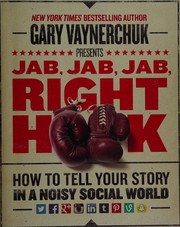
Social media marketing: engage customers patiently before asking for the sale.
Recommended by: Chase Jarvis
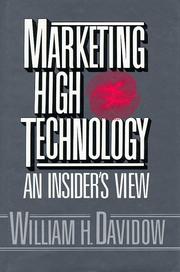
Why marketing decides the fate of high-tech products and firms, and how to do it.
Recommended by: Mohnish Pabrai