
Sales and Marketing
Selling, advertising, branding, positioning, pricing and customer service, from classic copywriting to modern growth practice. Read by marketers, salespeople and founders who have to find their own customers.
Start here
- Scientific AdvertisingClaude C. Hopkins, 1923
- Diffusion of InnovationsEverett M. Rogers, 1962
- Confessions of an Advertising ManDavid Ogilvy, 1963
- Ogilvy on AdvertisingDavid Ogilvy, 1983
- The Strategy and Tactics of PricingThomas T. Nagle, Reed K. Holden, 1987
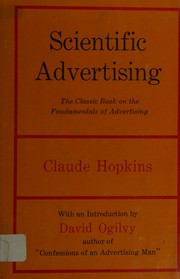
Advertising as a measurable discipline: test every element against response.
Recommended by: Patrick O'Shaughnessy
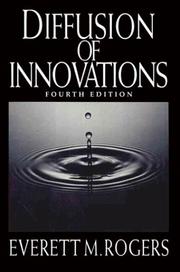
An academic study of how new ideas spread.
“Rogers first published his classic book, Diffusion of Innovations, in” — Michael Mauboussin
Source: Exploring Network Economics, page 10
Recommended by: Jim Collins, Michael Mauboussin and 1 other
How to win and keep agency clients and write advertising that sells.
Recommended by: Mohnish Pabrai, David Cancel, Sam Parr
Rules for advertising that sells, drawn from direct-response testing.
“Ogilvy is a brilliant guy and a terrific writer. Really enjoyed this book and learned a lot.” — Mohnish Pabrai
Source: Mohnish's Bookshelf — Books on Sales & Marketing, entry 40
Recommended by: Mohnish Pabrai, David Cancel, Ev Williams and 1 other
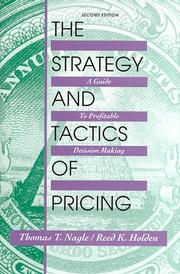
Set prices from the value customers get, not from cost or rivals' prices.
“For more on pricing strategy, see Thomas T. Nagle and Georg Müller, The Strategy and Tactics of Pricing: A Guide to Growing More Profitably, Sixth Edition (New York: Routledge, 2018) and Alan S” — Michael Mauboussin
Source: The Economics of Customer Businesses: Calculating Customer-Based Corporate Valuation, page 35
Recommended by: Michael Mauboussin
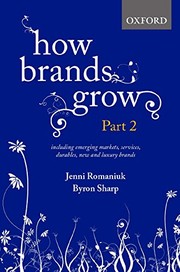
Evidence on how brands grow: reach light buyers and be easy to recall and buy.
“See Byron Sharp, How Brands Grow: What Marketers Don't Know (Oxford: Oxford University Press, 2010), 16-27” — Michael Mauboussin
Source: The Economics of Customer Businesses: Calculating Customer-Based Corporate Valuation, page 32
Recommended by: Michael Mauboussin
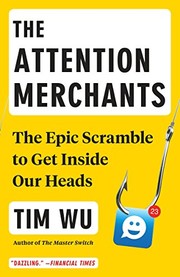
How media from the penny press to social media capture attention and resell it.
Recommended by: David Perell

How 1950s advertisers used psychological research to sway buyers.

Marketing happens in the buyer's mind: find an open position there and own it.
“This and Influence: The Psychology of Persuasion are the best books on Marketing.” — David Cancel
Source: The Books Every Startup CEO Should Read — David Cancel, Medium
Recommended by: David Cancel, Patrick Collison, Aaron Levie and 4 others
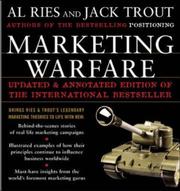
Military strategy applied to marketing, from the cola and burger wars.
Recommended by: Mohnish Pabrai
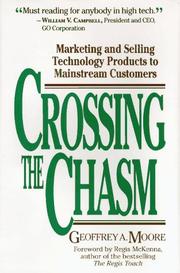
Why tech products stall between early adopters and the mainstream, and how to cross.
“I figured there was probably a formula in some of the best business books out there, and so I re-read Lean Startup, Crossing the Chasm, Innovator's Dilemma, and many others.” — Andrew Chen
Source: How to write a business book — behind the scenes from THE COLD START PROBLEM
Recommended by: Andrew Chen, Andrew Wilkinson, Bill Gurley and 14 others
Twenty-two rules of marketing, such as being first is better than being better.
“Then, within The 22 Immutable Laws of Marketing, there's one chapter called "The Law of Category," and it gives old examples, so don't get the for-the-internet, because it was written in like '97 or something, get the old version.” — Tim Ferriss
Recommended by: Brian Armstrong, Mohnish Pabrai, Nat Eliason and 3 others
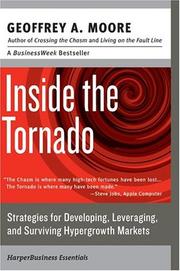
How to move a tech product past early adopters into a fast-growing mass market.
“Moore, Geoffrey A., Inside the Tornado (New York: HarperBusiness, 1995)” — Michael Mauboussin
Source: Exploring Network Economics, page 15
Recommended by: Michael Mauboussin, Mohnish Pabrai
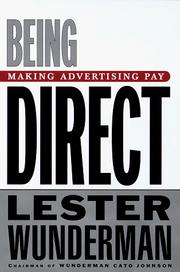
How direct marketing was invented, from the Columbia Record Club to American Express.
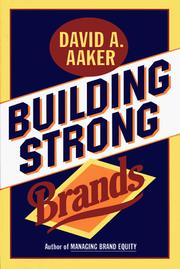
How to build and manage a brand, using the four parts of brand equity.
Recommended by: Jim Collins
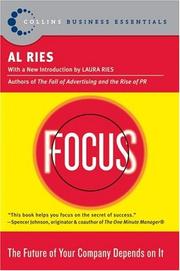
Companies lose their position by broadening; narrowing the focus wins it back.
Recommended by: David Cancel, Mohnish Pabrai and 3 others
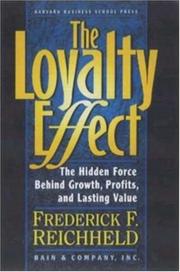
Keeping customers, employees and investors is what drives profit and growth.
“In his seminal book, The Loyalty Effect, Fred Reichheld shows that a 5 percentage point improvement in retention rate (a reduction in churn) increases customer NPVs more than 75 percent for a host of industries including advertising agencies, auto insurance, credit cards, life 12 insurance, and publishing.” — Michael Mauboussin
Source: The Economics of Customer Businesses, page 6
Recommended by: Michael Mauboussin
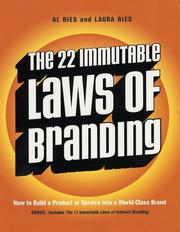
Rules for building a brand, with a section on branding on the internet.
Recommended by: Ramit Sethi
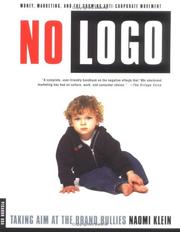
Arguments for consumers to question and take on the corporate superbrands.
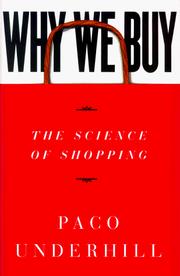
What watching shoppers in stores shows about how visits turn into sales.
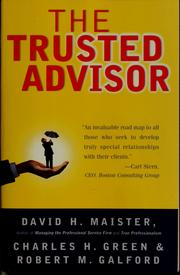
The trust equation: credibility, reliability and intimacy over self-orientation.
Recommended by: Nat Eliason
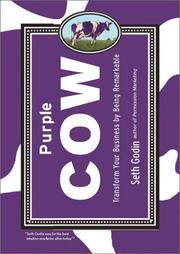
Advertising has stopped working; build products remarkable enough to talk about.
“Purple Cow by Seth Godin. It is such a good book.” — Cindy Eckert
Recommended by: Cindy Eckert, David Cancel, Noah Kagan and 3 others
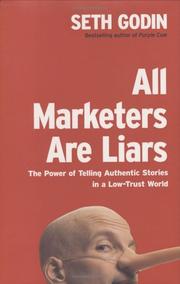
Great marketers tell a story buyers want to believe, not a list of features.
“I have to give credit to Seth Godin because I remember during CritBuns I read his book "All Marketers are Liars.” — Joe Gebbia
Source: The Tim Ferriss Show Transcripts: Joe Gebbia (#301)
Recommended by: Joe Gebbia
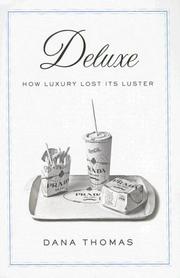
How family luxury houses became conglomerates selling to the mass affluent.
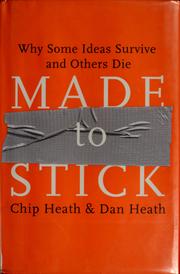
Six traits of memorable ideas, from simple and unexpected to emotional stories.
“…books I've recommended, highlighted to death, or forced on friends.” — Andrew Wilkinson
Source: Andrew Wilkinson's Bookshelf, neverenough.com
Recommended by: Andrew Wilkinson, Derek Sivers and 11 others
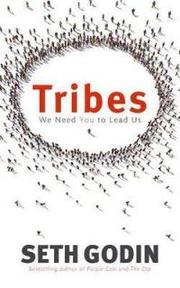
The internet makes it cheap to gather people around a shared interest; lead them.
“Inspiring look at what it takes to organize and mobilize groups of people.” — Derek Sivers
Source: Derek Sivers book notes (primary, rated list) · Rating: 8/10
Recommended by: Derek Sivers, Catriona Wallace
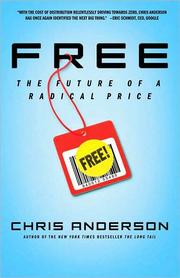
Digital costs near zero mean goods can be given away, which changes whole industries.
“During the month I read Chris Anderson’s excellent 2009 book “Free” and found in it a lot of sense about the way the business world is today and where it’s going – certainly more sense than I get from watching a Bloomberg scr” — Nick Train
Source: April 2016 Monthly Manager Report, page 2
Recommended by: Nick Train
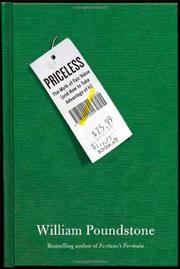
People have no fixed sense of value, so context and anchors set the prices they pay.
“For a good popular treatment of this topic, see William Poundstone, Priceless: The Myth of Fair Value (and How to Take Advantage of It) (New York: Hill and Wang” — Michael Mauboussin
Source: Blaming the Rat: Incentives, Motivation, and How They Interact, page 14
Recommended by: Michael Mauboussin, Mohnish Pabrai and 1 other
Data on how to split advertising between brand-building and sales activation.
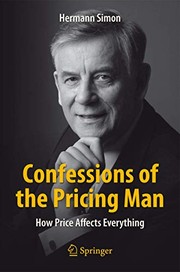
Price is the strongest profit lever and the least managed; how to set it well.
Recommended by: Michael Mauboussin
The empirical laws of brand growth extended to new categories and channels.
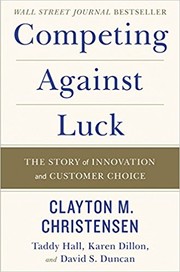
Customers hire products to do a job; innovate by finding the job, not the buyer type.
“Clayton M. Christensen, Taddy Hall, Karen Dillon, and David S. Duncan, Competing Against Luck: The Story of Innovation and Customer Choice (New York: HarperBusiness, 2016)” — Michael Mauboussin
Source: Measuring the Moat: Assessing the Magnitude and Sustainability of Value Creation, page 64
Recommended by: Michael Mauboussin
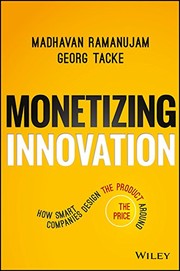
Set the price before you design the product, since most failures are pricing ones.
Recommended by: Alfred Lin, Bill Gurley, Leo Polovets
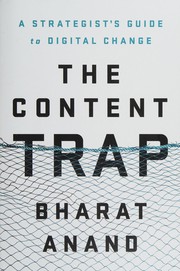
Media firms fail by fixating on content when value lies in the connections around it.
Why firms are moving from selling units to selling ongoing subscriptions, and how.
“See www.zuora.com/resource/ subscription-economy-index/ and Tien Tzuo and Gabe Weisert, Subscribed: Why the Subscription Model Will Be Your Company's Future–and What to Do About It (New York: Portfolio/Penguin, 2018)” — Michael Mauboussin
Source: The Economics of Customer Businesses: Calculating Customer-Based Corporate Valuation, page 31
Recommended by: Michael Mauboussin
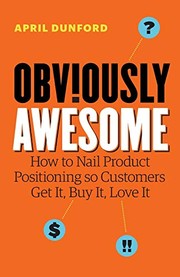
How to position software so it clearly wins for a chosen market.
Recommended by: Nat Eliason
Disruptors win by breaking one link in the customer's chain of activities.
How Dollar Shave Club, Warby Parker and other online brands took on incumbents.
The rivalry between Coca-Cola and Pepsi-Cola, from patent medicine to ad battles.
Pepsi's president on the cola wars and Coca-Cola's New Coke blunder.
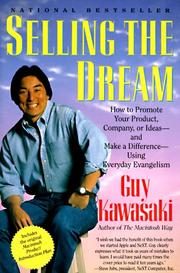
A handbook for business evangelism: using passion and strategy to sell an idea.
Recommended by: Mohnish Pabrai
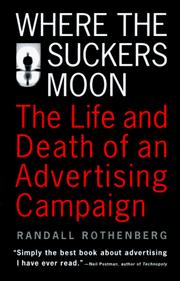
One advertising account, Subaru, followed through an agency review and campaign.
Recommended by: Jason Fried
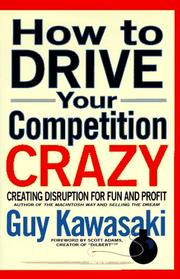
Tactics for competing against larger rivals through service and speed.
“Awesome book. On my Top Ten List. CEO of garage.com and a friend.” — Mohnish Pabrai
Source: Mohnish's Bookshelf — Books on Sales & Marketing, entry 27
Recommended by: Mohnish Pabrai
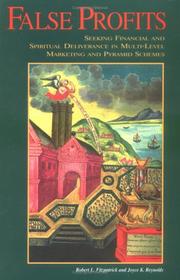
A critical look at the arithmetic behind multi-level marketing pay plans.

How challenger brands can compete against the brand leaders.
Recommended by: Vinod Khosla

How fashion became a business of brands once designers stopped dictating trends.
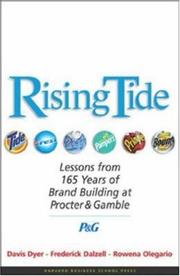
How Procter & Gamble built its brands over 165 years.
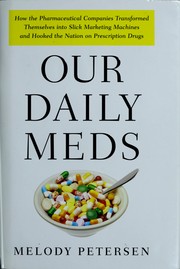
How drug makers became marketing machines, from Risperdal to off-label promotion.
Why luxury brands run on their own rules, and how standard marketing ruins them.
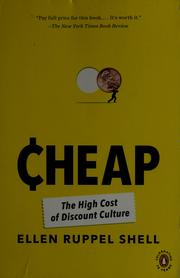
The economic, political and personal costs of making and buying everything cheaply.
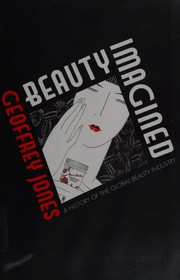
A business history of the global beauty industry, from Avon and Coty to Shiseido.
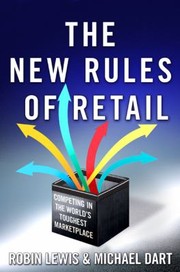
Why power has shifted to consumers, and the three things retailers need to survive.

How Nokia expanded abroad and the model of global growth it offers.
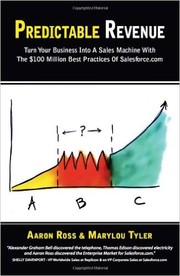
The outbound sales team model that many software companies copied.
Recommended by: David Cancel
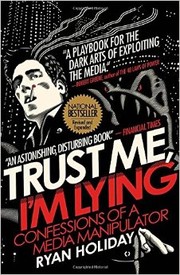
A media manipulator shows how blogs are gamed to push rumours into the national news.
Recommended by: Ryan Holiday, Chase Jarvis, Raoul Pal
Why media firms do best by betting heavily on a few large hits, not the long tail.

Six principles that make products and ideas spread by word of mouth.
Recommended by: Nat Eliason, Tony Hsieh, Changpeng Zhao and 1 other
How Facebook, Dropbox and Airbnb grew by growth hacking instead of paid marketing.
Recommended by: Nat Eliason, Andrew Chen, Andy Budd
Why startups fail for lack of distribution, and how to test channels for customers.
Recommended by: Nat Eliason, Alex Lieberman, Alexis Ohanian and 7 others
What advertising agencies sell, and the theories of how ads work they sell it with.
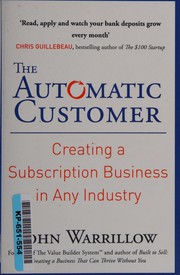
How an ordinary business can add subscriptions for steady recurring revenue.
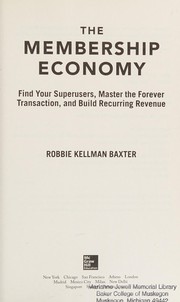
Why firms should treat customers as members in an ongoing relationship.
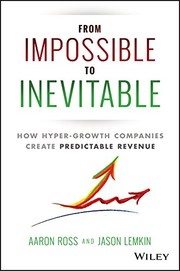
Seven parts of a playbook for growing a software company's sales.
Recommended by: David Cancel
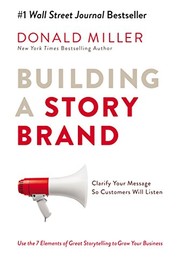
How to use seven elements of stories to make a business's message clear to customers.
Recommended by: Nat Eliason, Ran Segall

Why some creative works keep selling for decades while others fade.
“Great thoughts on creating a timeless masterpiece (whether music, book, or any art) - and then promoting it. Very inspiring for any creator.” — Derek Sivers
Source: Derek Sivers book notes (primary, rated list) · Rating: 7/10
Recommended by: Derek Sivers, Nat Eliason
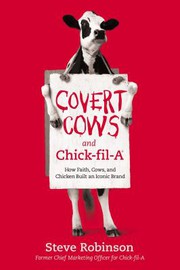
How Chick-fil-A built its brand around the Eat Mor Chikin cow campaign.
Recommended by: Chris Powers
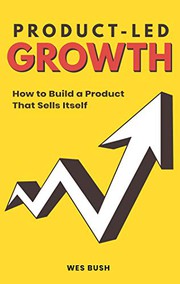
How to design a free tier that turns users into paying customers.
How startup brands such as Casper and Allbirds built loyal customers.
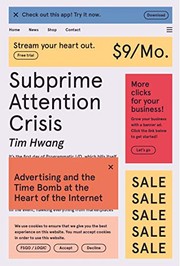
Why programmatic online advertising looks like the subprime mortgage market.
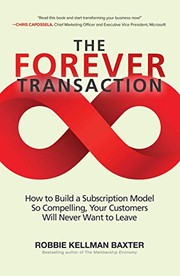
How to build subscription businesses: retention, pricing tiers and renewal.
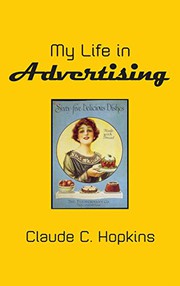
An adman's anecdotes of his successes and failures, from inventing test campaigns on.
“And so he wrote both Scientific Advertising and then his book, My Life in Advertising was sort of the, it's a supplemental, you can get them together and it's his autobiography of how he went and invented a bunch of this stuff, which is wild.” — Andrew Chen
Recommended by: Andrew Chen
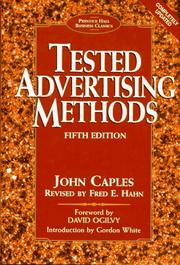
Tested techniques for headlines, appeals and copy that make advertising sell.
Recommended by: Mohnish Pabrai
How to write sales letters and direct-mail advertising that sell.
“From one of the best marketers who ever lived, The Robert Collier Letter Book provides insight on how to craft the perfect sales letter. The advice here can be easily transferred to email copy, sales pages, etc.” — Ramit Sethi
Source: Here are 50 books I recommend
Recommended by: Patrick O'Shaughnessy, Ramit Sethi
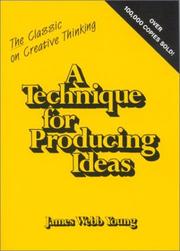
A short method for producing creative ideas.
Recommended by: Patrick O'Shaughnessy
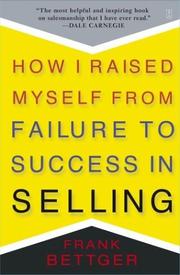
A salesman's personal account of the psychology of success in selling.
Recommended by: Sam Altman
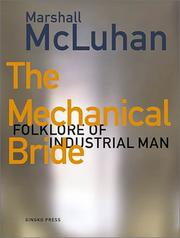
A critique of mass communication through ads, comic strips and columns.
Recommended by: Patrick Collison
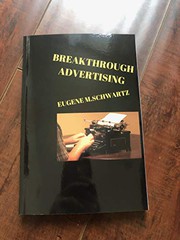
How to become a skilled copywriter.
“If you want to increase sales and take your copy game to the next level, Breakthrough Advertising is the book that will help get you there. There is one catch, though: This book is out of print. That means that it's incredibly rare, with copies typically selling anywhere between $100 and $500.” — Ramit Sethi
Source: Here are 50 books I recommend
Recommended by: Ramit Sethi, David Kadavy
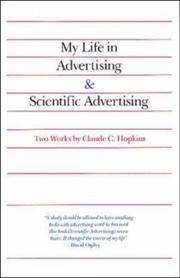
A copywriter's memoir bound with his primer on advertising, Scientific Advertising.
Recommended by: Mohnish Pabrai
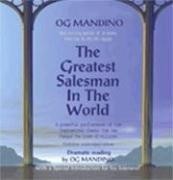
A parable of Hafid, ancient scrolls and the secrets of salesmanship and success.
Recommended by: Nick Huber
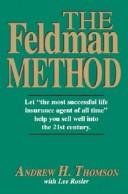
The techniques of the record-setting life insurance salesman Ben Feldman.
Recommended by: Tracy DiNunzio
Street-smart business advice from the founder of modern sports marketing.
Recommended by: Ramit Sethi
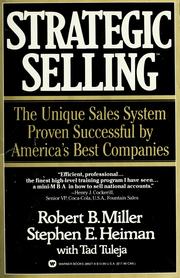
A method for complex sales, where several people decide a large purchase.
Recommended by: Mohnish Pabrai
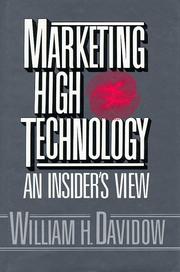
Why marketing decides the fate of high-tech products and firms, and how to do it.
Recommended by: Mohnish Pabrai
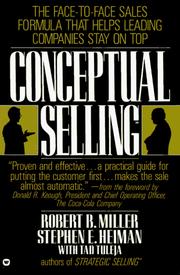
How to plan sales meetings around the buyer's own idea of what they want.
Recommended by: Mohnish Pabrai
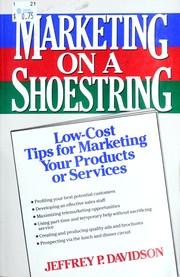
Low-cost ways to market and promote a small business.
Recommended by: Mohnish Pabrai
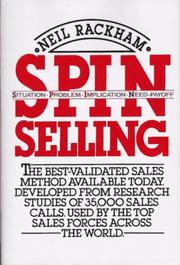
Selling through four kinds of question: Situation, Problem, Implication, Need-payoff.
Recommended by: Mohnish Pabrai, Noah Kagan
Consultative selling: how to build good relationships with customers.
Recommended by: Mohnish Pabrai
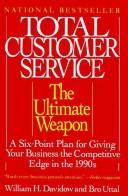
How companies win by building their strategy around customer service.
Recommended by: Mohnish Pabrai
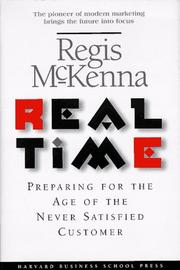
How firms must use real-time information to serve never-satisfied customers.
Recommended by: Mohnish Pabrai
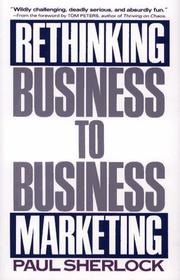
A step-by-step look at how businesses buy from other businesses.
Recommended by: Mohnish Pabrai
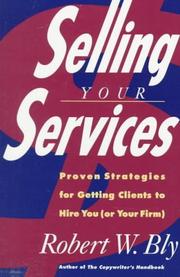
Strategies for getting clients to hire you for any kind of service.
Recommended by: Mohnish Pabrai
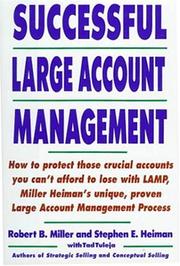
How to sell to and manage a company's largest key accounts.
Recommended by: Mohnish Pabrai
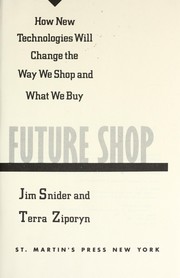
How new technologies would change shopping and what people buy.
Recommended by: Patrick Collison
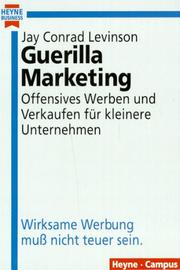
Hundreds of low-cost marketing ideas for small-business owners to win clients.
“There's a concept from a book that I had read on that roof called Guerilla Marketing, which is like how do you get attention and users for your product if you have no -” — Drew Houston
Source: The Tim Ferriss Show Transcripts: Drew Houston (#334)
Recommended by: Drew Houston
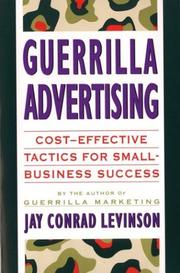
How small businesses can plan cost-effective advertising and write ads that work.
Recommended by: Mohnish Pabrai
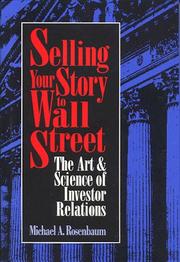
Recommended by: Mohnish Pabrai
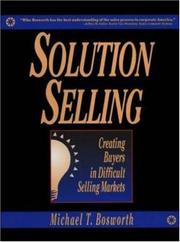
A structured sales process for products that are intangible, costly or slow to sell.
Recommended by: Sam Altman
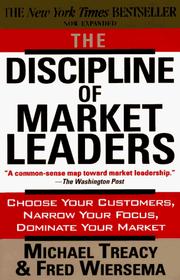
Why market leaders excel at one of low cost, best product or closest service.
Recommended by: Mohnish Pabrai
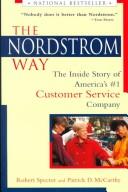
How Nordstrom built its customer service, from interviews with the family.
How advertising and business find breakthrough ideas by breaking conventions.
Recommended by: Mohnish Pabrai
How firms can learn what each customer wants and serve them one by one.
Recommended by: Mohnish Pabrai
Stories of people who turned an idea or a small business into millions.
“The next book is How to Make Millions with Your Ideas-subtitle, An Entrepreneur's Guide.” — Tim Ferriss
Source: The Tim Ferriss Show Transcripts: Books I’ve Loved — Tim’s Four Must-Read Books (#400)
Recommended by: Tim Ferriss
How firms can build value and competitive advantage from online virtual communities.
“Hagel, John, and Arthur G. Armstrong, Net Gain: Expanding Markets through Virtual Communities (Boston: Harvard Business School Press, 1997)” — Michael Mauboussin
Source: Exploring Network Economics, page 15
Recommended by: Michael Mauboussin, Mohnish Pabrai
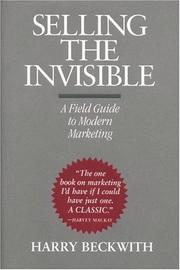
How a service business turns more prospects into clients and keeps them.
Recommended by: Mohnish Pabrai
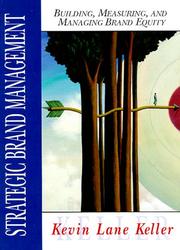
The textbook on building, measuring and managing a brand's equity.
Recommended by: Mohnish Pabrai
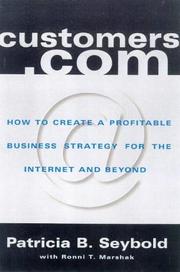
Why an internet strategy should start from customers, from e-commerce pioneers.
Recommended by: Mohnish Pabrai
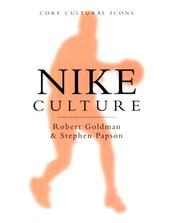
An analysis of Nike's brand-marketing machine at its peak, built on the swoosh.
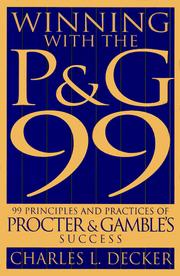
Ninety-nine brand-management practices of Procter & Gamble.
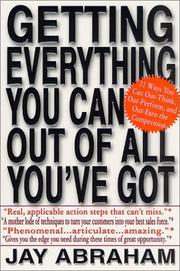
A marketing adviser's ideas for growing a business or a career.
“Years ago, I picked up a copy of this book, and it opened my eyes to Jay's philosophy on wealth creation through proven systems. He has since become my mentor, and I can tell you with confidence that his program will help you leverage the unseen resources right in front of you to help increase your earnings and reach your goals.” — Ramit Sethi
Source: Here are 50 books I recommend
Recommended by: Nat Eliason, Ramit Sethi, Andrew Wilkinson and 1 other
Ninety-five theses on how the internet makes markets into conversations.
Recommended by: Ev Williams
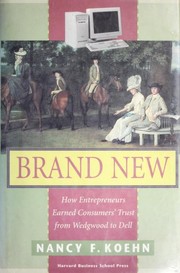
How entrepreneurs from Wedgwood to Dell earned consumers' trust in their brands.
Recommended by: Mohnish Pabrai
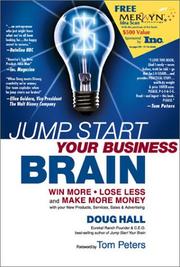
Data-proven methods for sales and marketing from 4,000 product launches.
Recommended by: Mohnish Pabrai
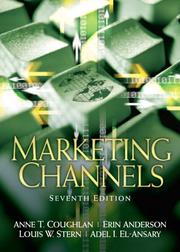
The academic text on designing marketing channels, territories and exclusive rights.
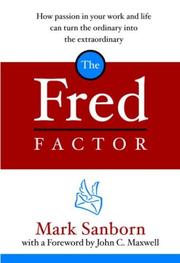
How a postman's extraordinary service shows anyone how to excel at work.
Recommended by: Tony Hsieh
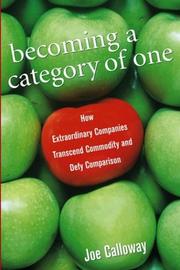
How exceptional companies beat the competition by standing in a class of their own.
Recommended by: Tim Ferriss
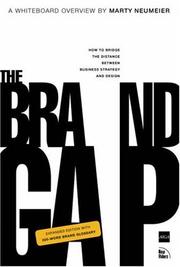
Five disciplines to close the gap between brand strategy and its execution.
Recommended by: Andy Budd, Ran Segall
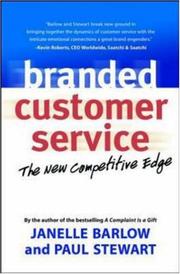
How customer service can carry and build a company's brand.
Recommended by: Alfred Lin
How a delicatessen business gives great customer service.
Recommended by: David Cancel

How IKEA made home design affordable for a mass market, and why it worked.
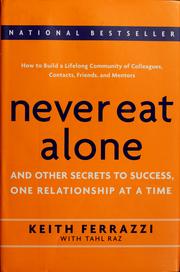
How to get ahead by reaching out to people and keeping a network of relationships.
Recommended by: Nat Eliason, Ramit Sethi, Simon Sinek and 1 other
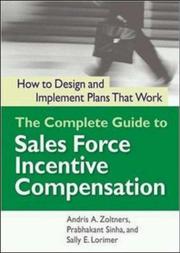
How to design sales incentive pay that motivates salespeople and hits goals.
Recommended by: Daniel Gross
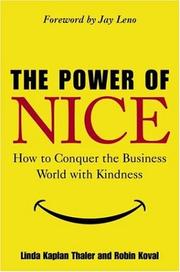
How kindness, trust and fair play build a business and a career.
Recommended by: Tom Peters
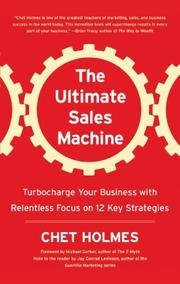
How focus and discipline can build a business's sales.
“After reading E-Myth Revisited, this is the best book I’ve seen on how to turn it into real results, step-by-step. Not ambiguous. Very “do it like this”.” — Derek Sivers
Source: Derek Sivers book notes (primary, rated list) · Rating: 7/10
Recommended by: Derek Sivers, Noah Kagan, Jackie Vullinghs
How to create products and experiences people love to talk about.
Recommended by: Ran Segall
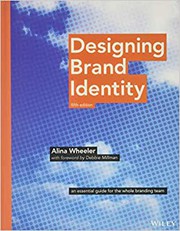
A guide to the fundamentals of brand identity and rebranding.
Recommended by: Ran Segall

How luxury brands are managed, by two industry insiders.
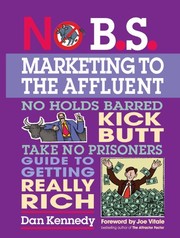
How to reposition a business, practice or sales career to sell to affluent customers.
Recommended by: Ramit Sethi
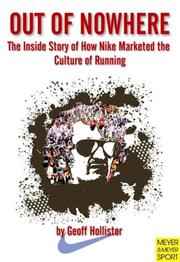
Nike's third employee on how the company marketed the running boom.
The leadership and service practices of the Ritz-Carlton.
Recommended by: David Cancel
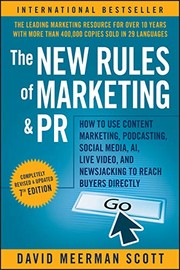
How to use social media, video, blogs and news releases to reach buyers directly.
Recommended by: Ann Handley
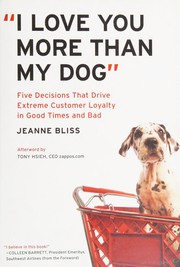
How a few businesses turn customers into passionate, vocal advocates.
Recommended by: Tony Hsieh
The techniques of public persuasion, drawn from social science and psychology.
Recommended by: Cynthia Johnson, Jérôme Jarre
How small, one-of-a-kind stores compete against giant chains.
Recommended by: Tom Peters
The evolved instincts behind how people work, shop and spend.
Recommended by: Keith Rabois, Nir Eyal and 1 other
How to plan and carry out a search engine optimization strategy.
Recommended by: Tony Hsieh
David Ogilvy's life and the making of his famous advertising campaigns.
Recommended by: Andrew Wilkinson, Mohnish Pabrai
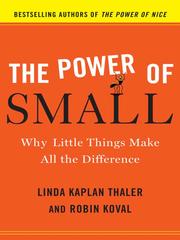
Why small actions and gestures matter in life and career.
Recommended by: Tom Peters
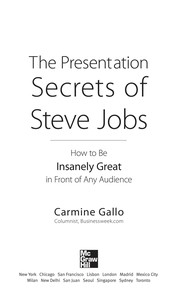
The techniques behind Steve Jobs's presentations, as a guide for your own.
Recommended by: Mohnish Pabrai
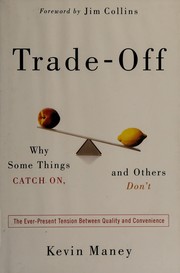
Why people buy what they buy, from the Motorola RAZR to Wal-Mart.
Recommended by: Keith Rabois
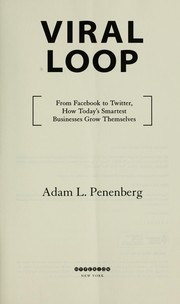
How products that users must share to use, from Google to Facebook, grow.
Recommended by: Keith Rabois, Ryan Hoover
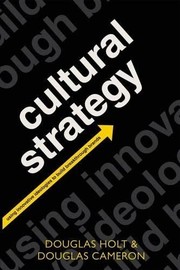
How brands such as Nike and Starbucks broke through with new cultural ideologies.
Recommended by: Keith Rabois
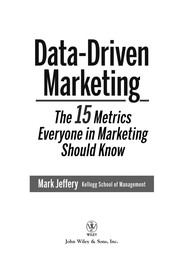
Fifteen metrics that show which marketing spending works and which does not.
Recommended by: Mohnish Pabrai, Jeff Bezos
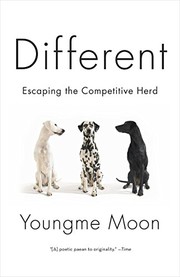
Why competing to be the best makes firms mediocre, and how to escape the herd.
Recommended by: Mohnish Pabrai, Nat Eliason, Andrew Chen

A guide for brands and businesses on using social media.
Recommended by: Tony Hsieh
Why the widest distribution damages new products, and how to be selective.
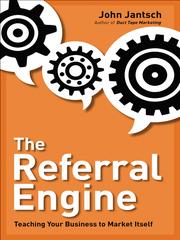
How to get customers to do a small business's marketing through referrals.
Recommended by: Tony Hsieh

Twelve proclamations for creative firms to win business without free pitches.
Recommended by: Johnnie Gomez
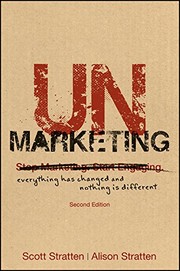
Why businesses should stop interrupting people and build relationships instead.
Recommended by: Ann Handley
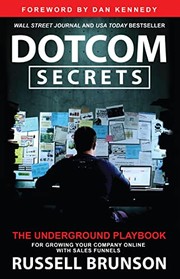

How to build game mechanics into websites and mobile apps.
Recommended by: Nir Eyal
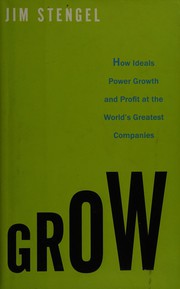
Why companies built around a higher ideal grow faster, from fifty top performers.
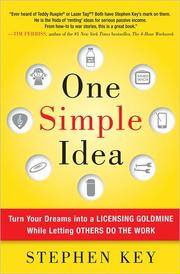
How to license a product idea to companies and let them do the work.
“Good introduction into the world of licensing your ideas to companies that manufacture products.” — Derek Sivers
Source: Derek Sivers book notes (primary, rated list) · Rating: 4/10
Recommended by: Derek Sivers, Tim Ferriss
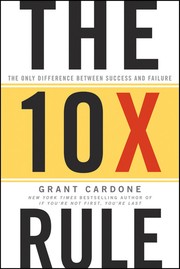
Big goals call for a fourth degree of action, massive action, beyond normal effort.
Recommended by: David Cancel, Ran Segall
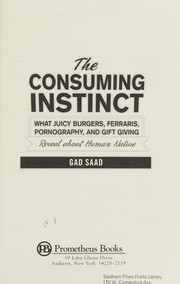
How evolution shapes what we eat, buy and give as consumers.
Recommended by: Mohnish Pabrai
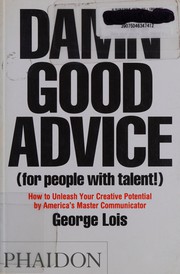
Lessons and advice on creativity from an advertising designer.
Recommended by: Matt Mullenweg
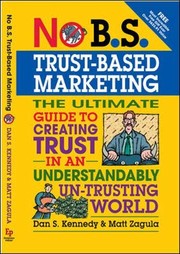
How to build trust with wary customers and turn it into business and profit.
Recommended by: Mohnish Pabrai
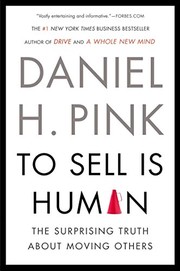
The psychology of persuasion and influence in selling.
Recommended by: Mohnish Pabrai, Nat Eliason
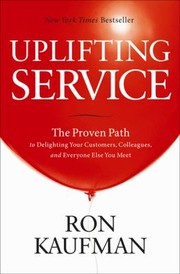
How leading companies have changed service, and how others can follow.
Recommended by: Tony Hsieh
Why the brands and causes that tell the best stories break through the noise.
Recommended by: Patrick Collison
Why an amazing customer experience is a business's edge, and how to deliver one.
Recommended by: Tony Hsieh
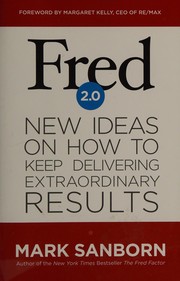
Lessons in extraordinary service from a postman named Fred, updated.
Recommended by: Tony Hsieh
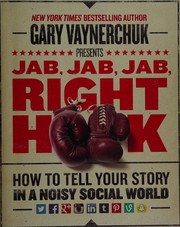
Social media marketing: engage customers patiently before asking for the sale.
Recommended by: Chase Jarvis

Letters from prison to a teenage son on direct-mail copywriting and living well.
Recommended by: Nat Eliason, David Perell
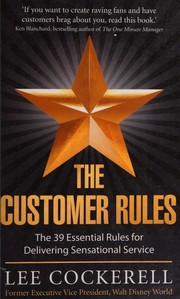
How to serve customers with consistency and sincerity, from Walt Disney World.
Recommended by: Tony Hsieh
Why helping customers works better than selling to them.
Recommended by: Gary Vaynerchuk
A business guide for people who do not fit the usual mould.
Recommended by: Paul Jarvis
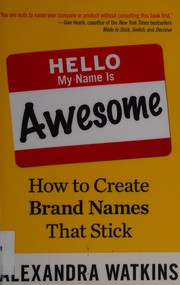
How to tell the story of why your ideas matter to customers.
Recommended by: David Cancel
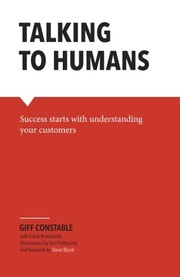
A short guide to interviewing customers to test a start-up idea before building it.
Recommended by: Ron Conway
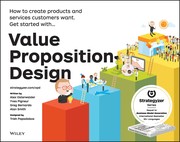
A process for designing and testing value propositions that customers want.
Recommended by: John D Saunders
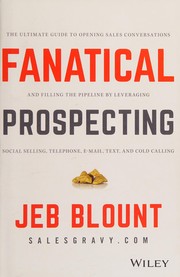
Why prospecting is the most important activity in sales, and how to do it.
Recommended by: Michael Batko
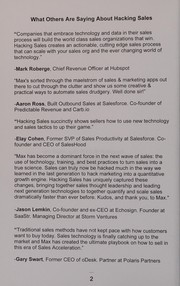
How to build a fast, streamlined sales engine with new tools and techniques.
Recommended by: Justin Kan, Sam Altman
How to automate a sales process with email, through the five phases of a prospect.
Recommended by: Daymond John
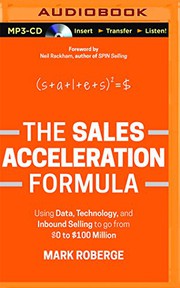
Using data, technology and inbound selling to hire, train and manage a sales team.
Recommended by: David Cancel, Nat Eliason, Noah Kagan
How companies win by inventing a new market category and dominating it.
Recommended by: Anthony Pompliano, David Cancel
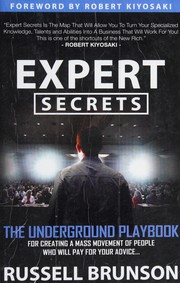
What to say in online sales funnels to turn visitors into customers.
Recommended by: Ran Segall
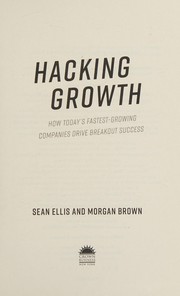
A method for growing market share through cross-functional teams and testing.
Recommended by: Sean Ellis
Cartoons from fifteen years of marketing, from social media to personal branding.
Recommended by: Ann Handley
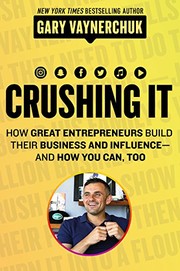
Why a strong personal brand matters even more for entrepreneurs today.
Recommended by: Nate O'Brien, Ryan Hoover, Tony Hsieh
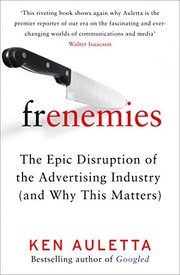
How the advertising business is being upended, told from its most powerful rooms.
Recommended by: Alexis Ohanian, Michael Bloomberg
Psychology and four pillars of selling for growing a business.
Recommended by: Warren Buffett
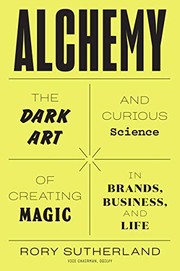
The psychology behind advertising and marketing ideas that defy logic but work.
“Insights into marketing, design, advertising, positioning, and business strategy. Argues for doing what seems illogical in theory, but works in practice because psychology isn't science. Often counter-intuitive, so worth a little extra verbosity.” — Derek Sivers
Source: Derek Sivers book notes (primary, rated list) · Rating: 7/10
Recommended by: Derek Sivers, Nassim Nicholas Taleb
A jargon-free guide to creating a brand identity for a start-up.
Recommended by: Ran Segall
A design framework from behavioural science: begin with the behaviour to change.
Recommended by: Chelsea Krost
How to turn followers into fans and build a business around them.
Recommended by: Jan Losert
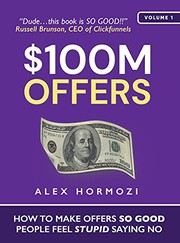
A framework for building offers so strong that customers find them hard to refuse.
Recommended by: Ali Abdaal
A four-step method for using scorecards to win warm leads and bigger profits.
Recommended by: Ali Abdaal
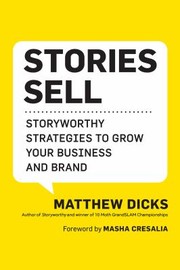
How to use storytelling in business communication.
“he breaks it all down in his new book on using stories in a business context. It's called Stories Sell, and you should go check it out.” — Andrew Wilkinson
Source: Newsletter
Recommended by: Andrew Wilkinson
How brands must shift from selling products to offering meaning to customer tribes.
Recommended by: Vinod Khosla
A 27-word formula for persuading people, expanded with commentary.
Recommended by: Patrick O'Shaughnessy
 Al Rieswrote 5 books here
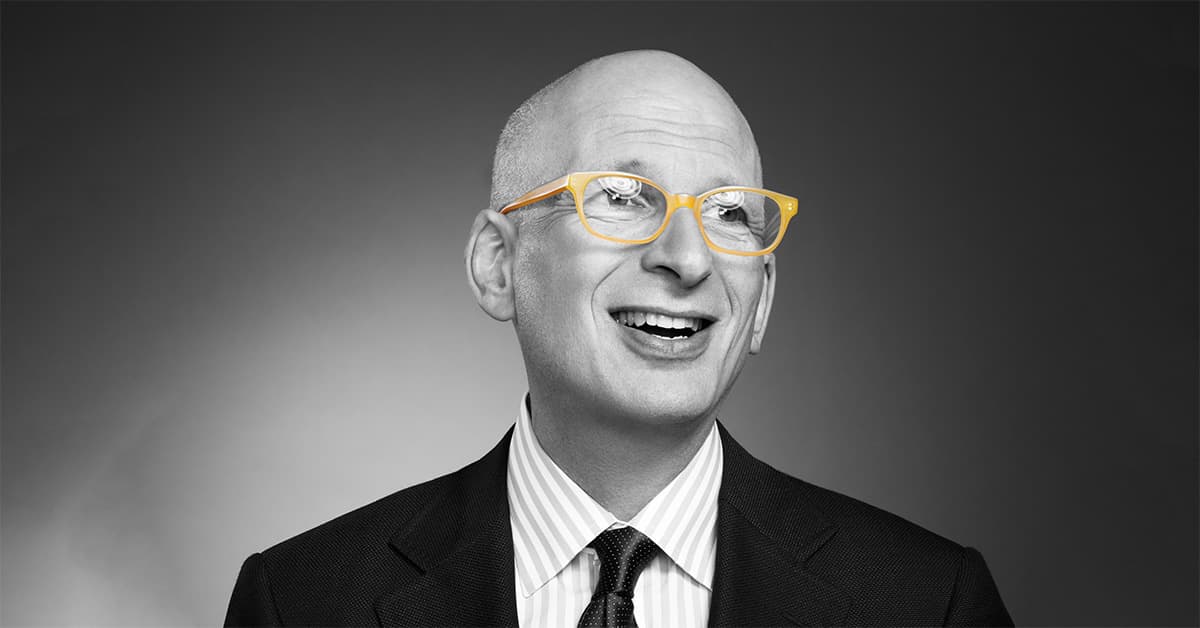 Seth Godinwrote 3 books here
 Ryan Holidaywrote 3 books here
 Geoffrey A. Moorewrote 2 books here
 Guy Kawasakiwrote 2 books here
 Gary Vaynerchukwrote 2 books here
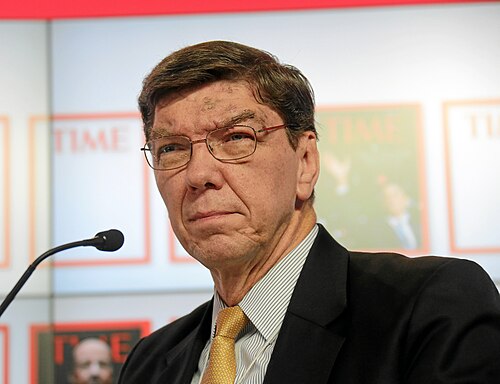 Clayton Christensenwrote 1 book here
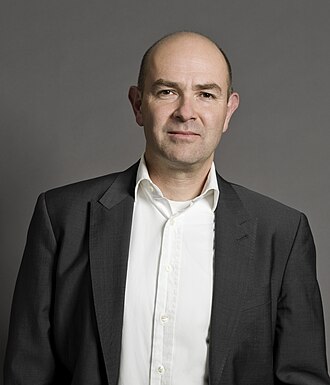 Chris Andersonwrote 1 book here
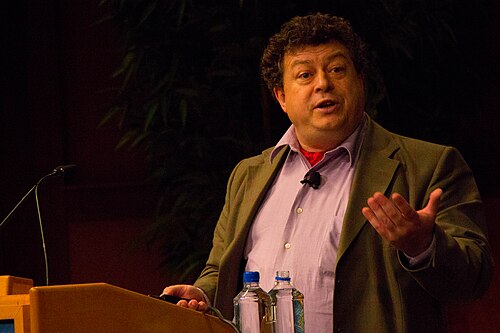 Rory Sutherlandwrote 1 book here
 Mohnish Pabrairecommends 42 books here
 Nat Eliasonrecommends 16 books here
 David Cancelrecommends 14 books here
 Tony Hsiehrecommends 13 books here
 Michael Mauboussinrecommends 11 books here
 Ran Segallrecommends 9 books here
 Ramit Sethirecommends 7 books here
 Derek Siversrecommends 6 books here
 Ev Williamsrecommends 5 books here
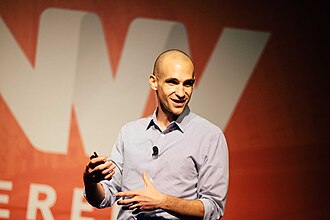 Nir Eyalrecommends 5 books here
Show all 88
 Noah Kaganrecommends 5 books here
 Andrew Chenrecommends 4 books here
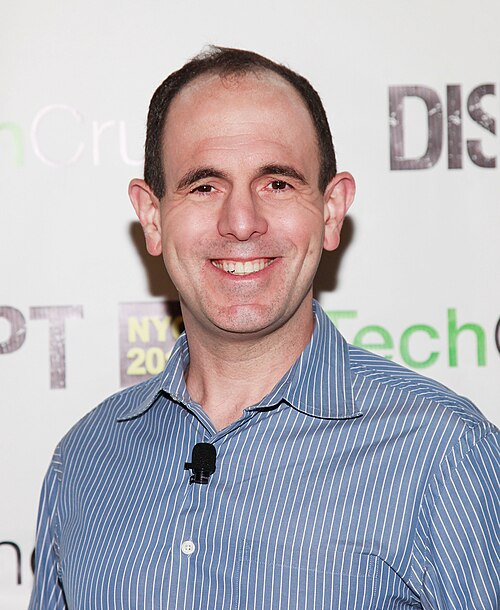 Keith Raboisrecommends 4 books here
 Patrick Collisonrecommends 4 books here
 Tim Ferrissrecommends 4 books here
 Alfred Linrecommends 3 books here
 Ann Handleyrecommends 3 books here
 Changpeng Zhaorecommends 3 books here
 Chase Jarvisrecommends 3 books here
 John D Saundersrecommends 3 books here
 Sam Altmanrecommends 3 books here
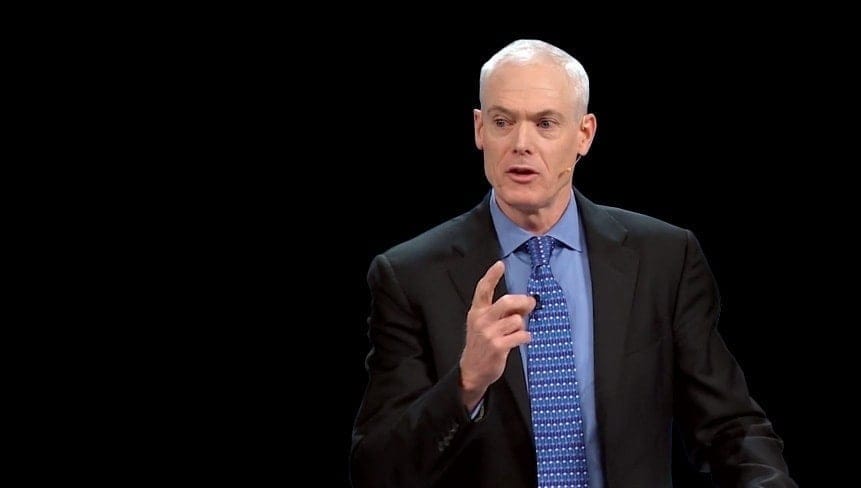 Jim Collinsrecommends 2 books here
 Aaron Levierecommends 2 books here
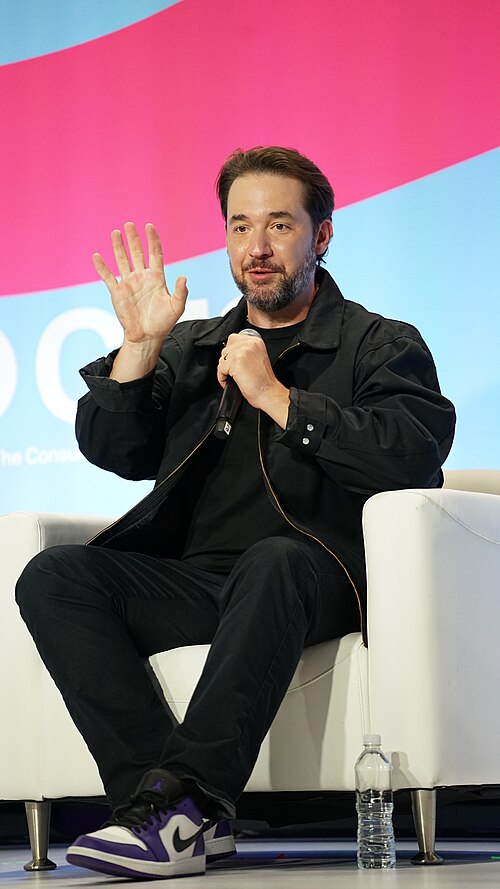 Alexis Ohanianrecommends 2 books here
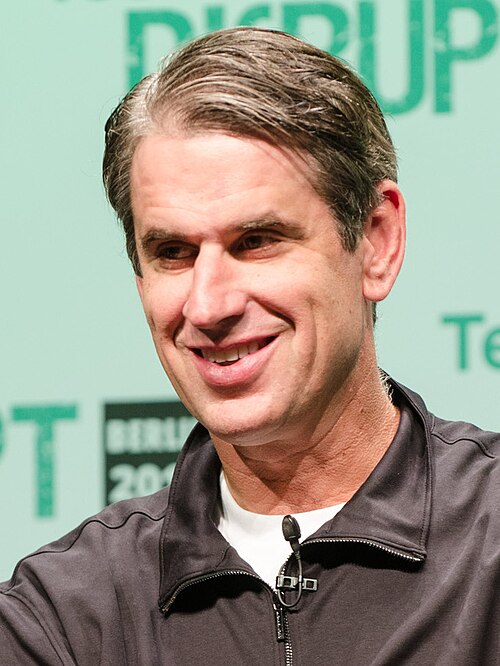 Bill Gurleyrecommends 2 books here
 Brian Armstrongrecommends 2 books here
 Drew Houstonrecommends 2 books here
 Jackie Vullinghsrecommends 2 books here
 Joe Gebbiarecommends 2 books here
 Leo Polovetsrecommends 2 books here
 Nick Huberrecommends 2 books here
 Ron Conwayrecommends 2 books here
 Tristan Harrisrecommends 2 books here
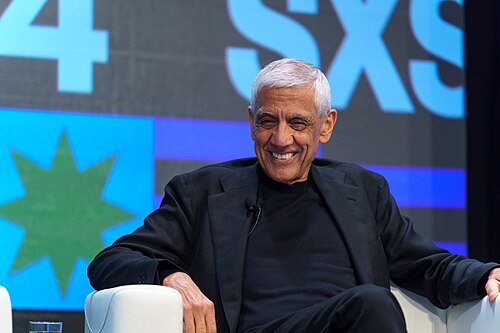 Vinod Khoslarecommends 2 books here
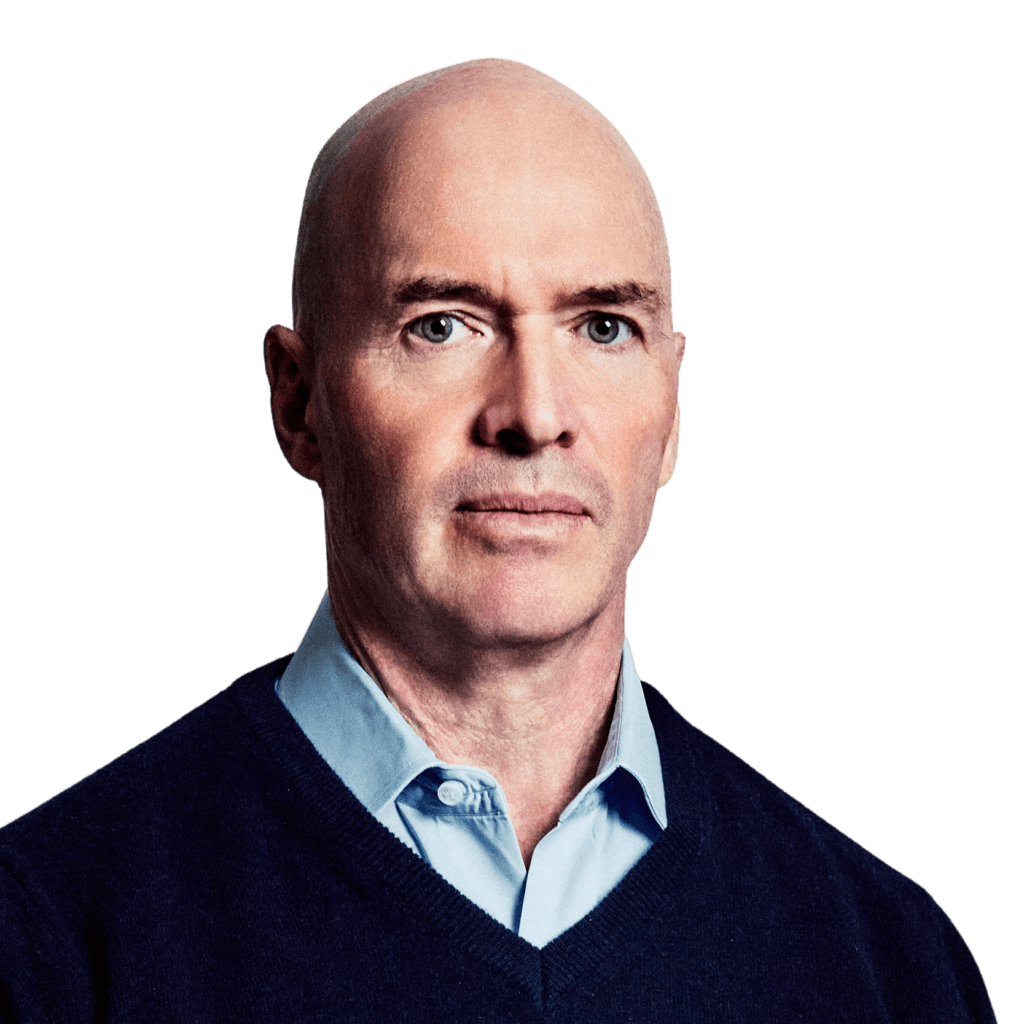 Ben Horowitzrecommends 1 book here
 Marc Andreessenrecommends 1 book here
 Nassim Nicholas Talebrecommends 1 book here
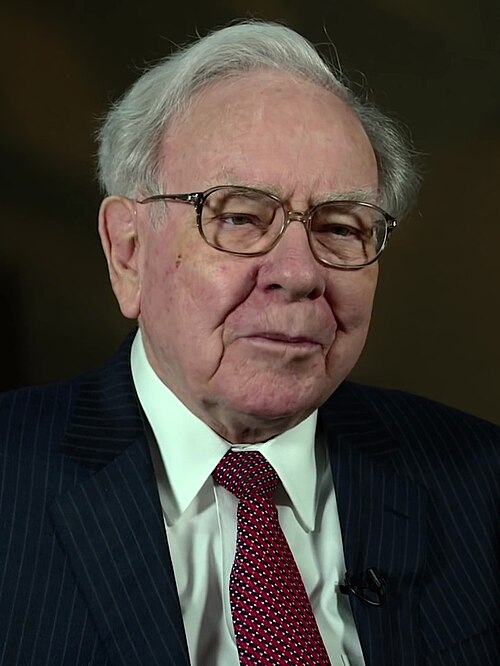 Warren Buffettrecommends 1 book here
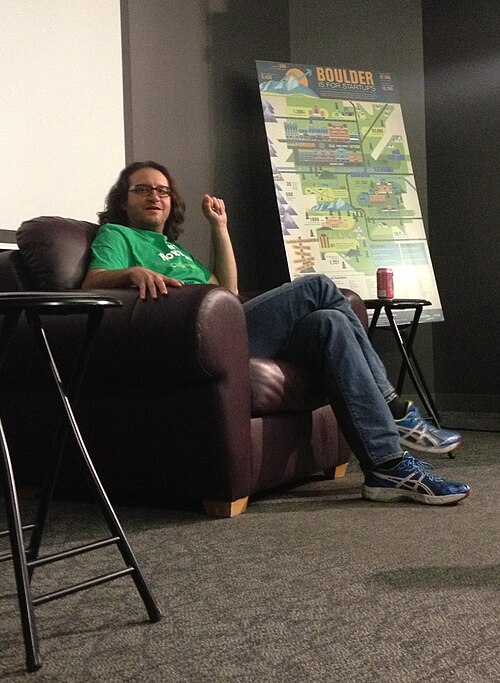 Brad Feldrecommends 1 book hereGuy Kawasakirecommends 1 book hereRyan Holidayrecommends 1 book here
 Simon Sinekrecommends 1 book here
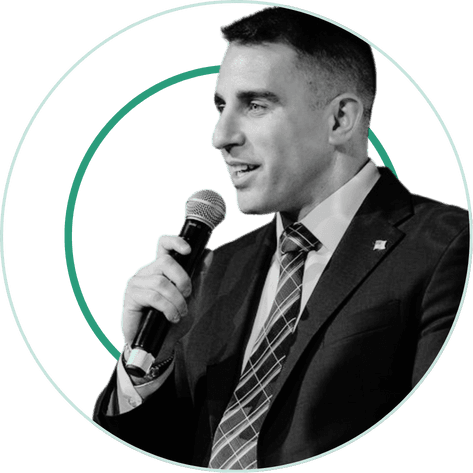 Anthony Pomplianorecommends 1 book here
 Arianna Huffingtonrecommends 1 book here
 Chelsea Krostrecommends 1 book here
 Chris Dixonrecommends 1 book here
 Cindy Eckertrecommends 1 book here
 Codie Sanchezrecommends 1 book here
 Cynthia Johnsonrecommends 1 book here
 Daniel Grossrecommends 1 book here
 David Kadavyrecommends 1 book here
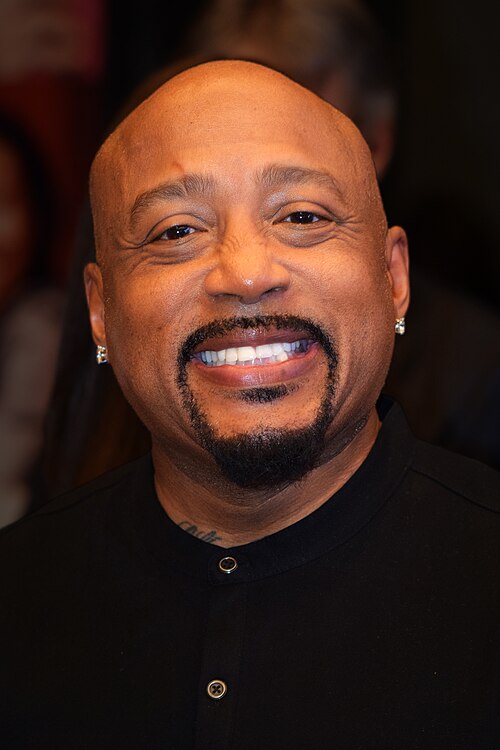 Daymond Johnrecommends 1 book hereGary Vaynerchukrecommends 1 book here
 Jake Knapprecommends 1 book here
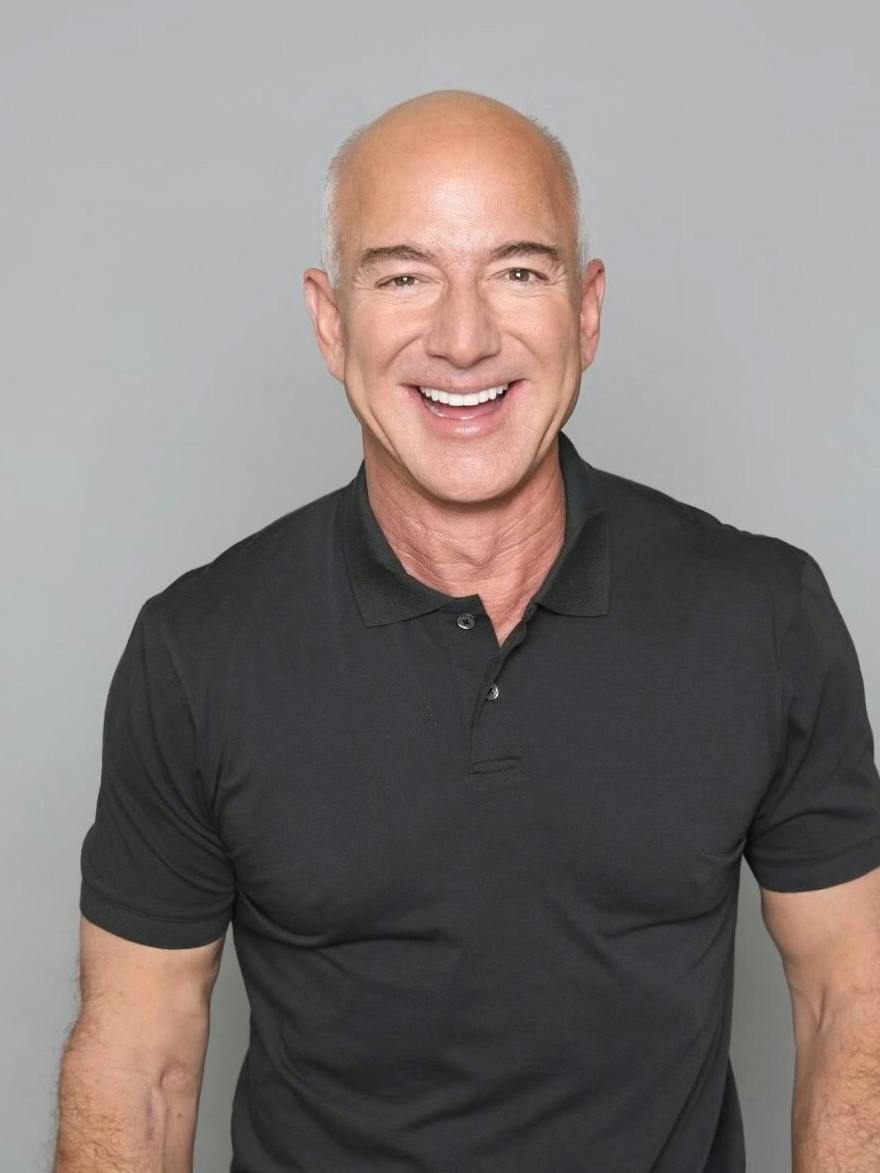 Jeff Bezosrecommends 1 book here
 Johnnie Gomezrecommends 1 book here
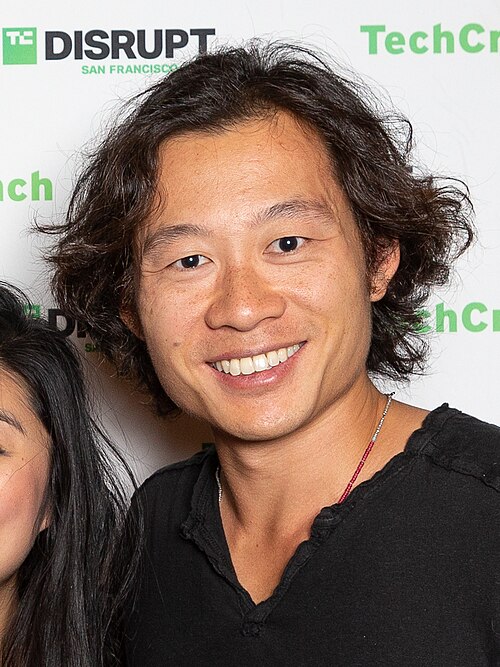 Justin Kanrecommends 1 book here
 Matt Mullenwegrecommends 1 book here
 Michael Batkorecommends 1 book here
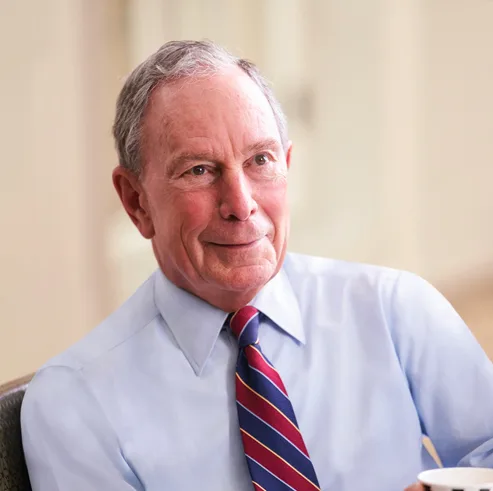 Michael Bloombergrecommends 1 book here
 Nate O'Brienrecommends 1 book here
 Paul Jarvisrecommends 1 book here
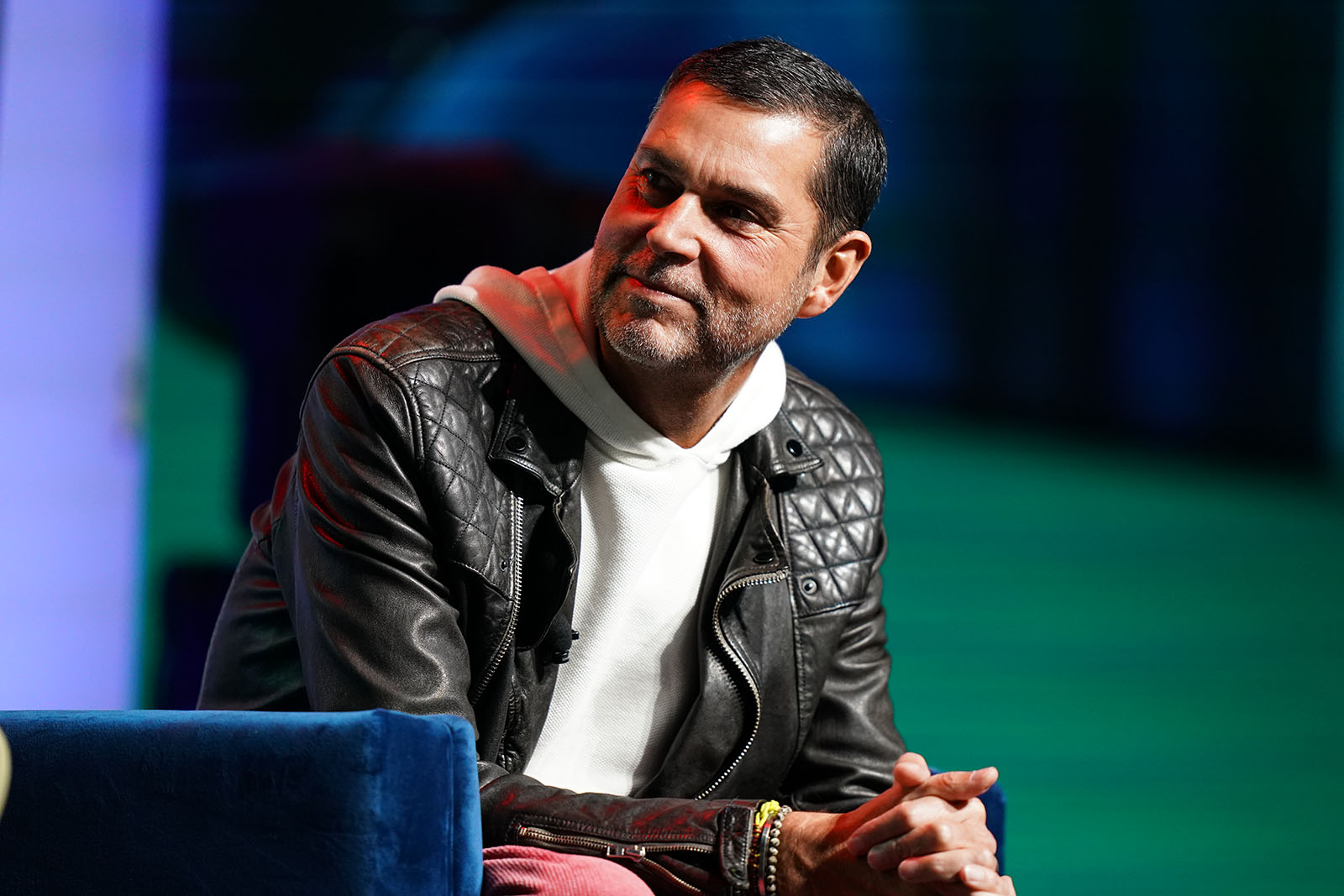 Raoul Palrecommends 1 book here
 Terrance McArthurrecommends 1 book here
 Tony Robbinsrecommends 1 book here