
Seth Godin
American author, marketing expert, entrepreneur and former dot-com executive who also writes as F. X. Nine. Permission Marketing argued for earning attention through opt-in years before that became the default of email and content marketing, and Purple Cow made remarkability the product's job rather than the advertising budget's. The Dip supplies a decision rule for when to quit a market and when the difficulty itself is the barrier worth pushing through.
 Squidoo
Hosts Akimbo
Start here
- Purple CowSeth Godin, 2002
- Permission Marketing
- The DipSeth Godin, 2007

Advertising has stopped working; build products remarkable enough to talk about.
“Purple Cow by Seth Godin. It is such a good book.” — Cindy Eckert
Recommended by: Cindy Eckert, David Cancel, Noah Kagan and 3 others
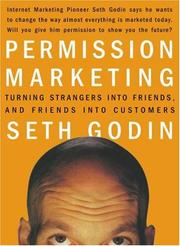
Why marketers should earn consumers' consent instead of interrupting them with ads.
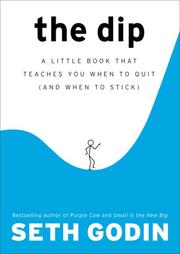
When to push through a hard stretch and when to quit a dead end.
“Tiny quick read with a punchy point: Anything worth doing has a painfully-hard middle period, which is where most people quit. But knowing this in advance, ask yourself seriously if you really have the dedication to stick it through that hard time. If not, then don’t begin! Quit in advance! But if so, then expect that dark dip, and don’t quit when you’re in it. Read the whole book if this applies to you. There’s not a wasted page.” — Derek Sivers
Source: Derek Sivers book notes (primary, rated list) · Rating: 8/10
Recommended by: Brian Armstrong, Derek Sivers, Nat Eliason and 2 others
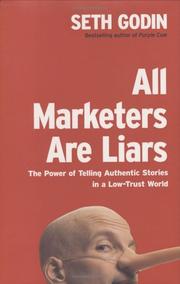
Great marketers tell a story buyers want to believe, not a list of features.
“I have to give credit to Seth Godin because I remember during CritBuns I read his book "All Marketers are Liars.” — Joe Gebbia
Source: The Tim Ferriss Show Transcripts: Joe Gebbia (#301)
Recommended by: Joe Gebbia
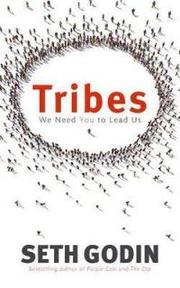
The internet makes it cheap to gather people around a shared interest; lead them.
“Inspiring look at what it takes to organize and mobilize groups of people.” — Derek Sivers
Source: Derek Sivers book notes (primary, rated list) · Rating: 8/10
Recommended by: Derek Sivers, Catriona Wallace
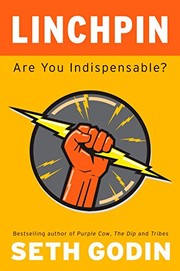
Valuable work now needs people who do what can't be written into a job description.
“For someone who has a job at a company, I would call this essential reading with my highest recommendation. Since I haven't had a job since 1992, I couldn't apply many of his great points to my life. Still I loved his reminder of the value of the brilliant workers instead of systemized workers. The opposite of E-Myth (another book reviewed here).” — Derek Sivers
Source: Derek Sivers book notes (primary, rated list) · Rating: 5/10
Recommended by: Derek Sivers, Tom Bilyeu, Ann Handley and 3 others
“Instead of asking how to use the new internet tools to support your existing business, ask how you can change your business to take best advantage of the new tools.” — Derek Sivers
Source: Derek Sivers book notes (primary, rated list) · Rating: 7/10
Recommended by: Derek Sivers
“Awesome short manifesto about getting into the habit of starting things. Inspiring as hell. Go go go!” — Derek Sivers
Source: Derek Sivers book notes (primary, rated list) · Rating: 7/10
Recommended by: Derek Sivers
“I’m a massive fan and disciple. A collection of his short insightful posts from his blog, all thought-provoking and inspiring for anybody marketing anything, even music.” — Derek Sivers
Source: Derek Sivers book notes (primary, rated list) · Rating: 8/10
Recommended by: Derek Sivers
“VERY interesting. Seth is moving from talking about business to talking about being an artist in the broad sense of anyone who creates (and ships!) something daring and new. I loved the distinction between the industrialist and the artist, as it helped me give a term for something I'd experienced: not being able to relate at all to those who just want to grow business for business' sake, whereas I always saw my business like a creative art project. The book stays very high-level, so don't look for “TO-DO” type tips.” — Derek Sivers
Source: Derek Sivers book notes (primary, rated list) · Rating: 8/10
Recommended by: Derek Sivers
“The subtitle “Shipping Creative Work” sums it up well. It’s a great call-to-action, giving you the right mindset to create the thing you know you need to do. Very encouraging and motivating. Every creative person needs this.” — Derek Sivers
Source: Derek Sivers book notes (primary, rated list) · Rating: 8/10
Recommended by: Derek Sivers
“A must-read for every entrepreneur. A holistic, generous, human, emotional, long-term, story-driven approach to your business. The world would be a much better place if businesses were led this way. You'll have a competitive advantage if you do this, since so few do.” — Derek Sivers
Source: Derek Sivers book notes (primary, rated list) · Rating: 9/10
Recommended by: Derek Sivers
“Classic Seth Godin at his best. Hopefully you know what I mean. Hundreds of individual insights that comprise a worldview worth adopting.” — Derek Sivers
Source: Derek Sivers book notes (primary, rated list) · Rating: 8/10
Recommended by: Derek Sivers
and 183 Other Riffs, Rants, and Remarkable Business Ideas
how to start and build a business with a great idea and (almost) no money
More Than 1,000 Words to Make You Sound Like a Million Bucks


| “Not yet” | Seth's Blog | Blog post | 2026-11-01 |
| The Hallmark dilemma | Seth's Blog | Blog post | 2026-10-31 |
| Cooperation (the fall book list) | Seth's Blog | Blog post | 2026-10-30 |
| Explaining funny | Seth's Blog | Blog post | 2026-10-29 |
| Be careful what you wish for | Seth's Blog | Blog post | 2026-10-28 |
| The half-life of disappointment | Seth's Blog | Blog post | 2026-10-27 |
| Is our attitude up to us? | Seth's Blog | Blog post | 2026-10-26 |
| Hospitality in the mirror | Seth's Blog | Blog post | 2026-10-25 |
| Caveman leadership and the CDO* | Seth's Blog | Blog post | 2026-10-24 |
| The relentless math of bandwagoning | Seth's Blog | Blog post | 2026-10-23 |
| The hotlist | Seth's Blog | Blog post | 2026-10-22 |
| The age of initiative | Seth's Blog | Blog post | 2026-10-22 |
| Toward depth | Seth's Blog | Blog post | 2026-10-21 |
| Thieves’ cant slang | Seth's Blog | Blog post | 2026-10-20 |
| Two commuting hacks | Seth's Blog | Blog post | 2026-10-19 |
| Anticipating confusion | Seth's Blog | Blog post | 2026-10-18 |
| The race to the bottom feels inevitable… | Seth's Blog | Blog post | 2026-10-17 |
| A good worker | Seth's Blog | Blog post | 2026-10-16 |
| Purple Space problem solving | Seth's Blog | Blog post | 2026-10-15 |
| Addressing fear | Seth's Blog | Blog post | 2026-10-15 |
| Things people don’t say | Seth's Blog | Blog post | 2026-10-14 |
| The unreliable witness | Seth's Blog | Blog post | 2026-10-13 |
| The best in the world is a local problem | Seth's Blog | Blog post | 2026-10-12 |
| Talent becomes media | Seth's Blog | Blog post | 2026-10-11 |
| Productive dissatisfaction | Seth's Blog | Blog post | 2026-10-10 |
| Thin friction and thicker walls | Seth's Blog | Blog post | 2026-10-09 |
| Our genie problem | Seth's Blog | Blog post | 2026-10-08 |
| How do you like them apples? | Seth's Blog | Blog post | 2026-10-07 |
| Building a second-wave AI business | Seth's Blog | Blog post | 2026-10-06 |
| Lobby expertise | Seth's Blog | Blog post | 2026-10-06 |
| Create a handoff doc | Seth's Blog | Blog post | 2026-10-05 |
| Getting critical | Seth's Blog | Blog post | 2026-10-04 |
| Uniformity | Seth's Blog | Blog post | 2026-10-03 |
| Modern vanity | Seth's Blog | Blog post | 2026-10-02 |
| Media and messages | Seth's Blog | Blog post | 2026-10-01 |
| Extraction or generation | Seth's Blog | Blog post | 2026-09-30 |
| What sort of fuel? | Seth's Blog | Blog post | 2026-09-29 |
| Two ways to use lock-in/loyalty | Seth's Blog | Blog post | 2026-09-28 |
| The opposite of mass | Seth's Blog | Blog post | 2026-09-27 |
| KnotChat: Danny Meyer | Seth's Blog | Blog post | 2026-09-26 |
| Easily distracted and mildly interested | Seth's Blog | Blog post | 2026-09-26 |
| KnotChat: Jennifer Myers Chua | Seth's Blog | Blog post | 2026-09-25 |
| Thinking about your purpose | Seth's Blog | Blog post | 2026-09-25 |
| Say what you want | Seth's Blog | Blog post | 2026-09-25 |
| KnotChat: Nicole Walters | Seth's Blog | Blog post | 2026-09-24 |
| Responsibility, fault, blame and shame | Seth's Blog | Blog post | 2026-09-24 |
| Badge vs Scoreboard | Seth's Blog | Blog post | 2026-09-23 |
| KnotChat: Rodrigo Delavina Simon | Seth's Blog | Blog post | 2026-09-22 |
| Invitation to a KnotChat | Seth's Blog | Blog post | 2026-09-22 |
| KnotChat! (Simone Giertz and Chip Conley) | Seth's Blog | Blog post | 2026-09-21 |
| A book can’t change your life | Seth's Blog | Blog post | 2026-09-21 |
| Upside/downside | Seth's Blog | Blog post | 2026-09-20 |
| Disconcerting genre shift | Seth's Blog | Blog post | 2026-09-19 |
| A series of bad decisions | Seth's Blog | Blog post | 2026-09-18 |
| GFI (and the alternative) | Seth's Blog | Blog post | 2026-09-17 |
| Work isn’t optional… | Seth's Blog | Blog post | 2026-09-16 |
| Maps and a compass | Seth's Blog | Blog post | 2026-09-15 |
| Canceling one flight | Seth's Blog | Blog post | 2026-09-14 |
| When does it become a speech? | Seth's Blog | Blog post | 2026-09-13 |
| The daily review | Seth's Blog | Blog post | 2026-09-12 |
| Solace | Seth's Blog | Blog post | 2026-09-11 |
| Things are humming | Seth's Blog | Blog post | 2026-09-10 |
| How much extra for “not lazy”? | Seth's Blog | Blog post | 2026-09-10 |
| Two schools of thought about school | Seth's Blog | Blog post | 2026-09-09 |
| “I don’t know” | Seth's Blog | Blog post | 2026-09-08 |
| The reality of sunk costs | Seth's Blog | Blog post | 2026-09-07 |
| The lab, the factory and the dentist | Seth's Blog | Blog post | 2026-09-06 |
| Homo Habilis | Seth's Blog | Blog post | 2026-09-05 |
| An end to fully open networks | Seth's Blog | Blog post | 2026-09-04 |
| What it is like to be a dog? | Seth's Blog | Blog post | 2026-09-03 |
| Enrollment and learning | Seth's Blog | Blog post | 2026-09-02 |
| Apophenia cuts both ways | Seth's Blog | Blog post | 2026-09-01 |
| Ten steps on the road to efficient | Seth's Blog | Blog post | 2026-08-31 |
| Taking a shot/wasting a slot | Seth's Blog | Blog post | 2026-08-30 |
| Fit and Finish | Seth's Blog | Blog post | 2026-08-29 |
| What’s next? | Seth's Blog | Blog post | 2026-08-28 |
| Fertilizing the weeds | Seth's Blog | Blog post | 2026-08-27 |
| Hiding out | Seth's Blog | Blog post | 2026-08-26 |
| On the verge of done | Seth's Blog | Blog post | 2026-08-25 |
| “Thanks for your quick response” | Seth's Blog | Blog post | 2026-08-24 |
| The Drucker drift | Seth's Blog | Blog post | 2026-08-23 |
| Don’t eat if you’re not hungry | Seth's Blog | Blog post | 2026-08-22 |
| Assume misunderstanding | Seth's Blog | Blog post | 2026-08-21 |
| Exponential | Seth's Blog | Blog post | 2026-08-20 |
| Don’t steal the revelation | Seth's Blog | Blog post | 2026-08-19 |
| The Amazon tax | Seth's Blog | Blog post | 2026-08-18 |
| Consider the AI tear down | Seth's Blog | Blog post | 2026-08-17 |
| Replace the filters | Seth's Blog | Blog post | 2026-08-16 |
| Short term dumb, long term smart | Seth's Blog | Blog post | 2026-08-15 |
| Emotional hygiene | Seth's Blog | Blog post | 2026-08-14 |
| Beating yourself up | Seth's Blog | Blog post | 2026-08-13 |
| The magic of a two-year waitlist | Seth's Blog | Blog post | 2026-08-12 |
| Attention up for auction | Seth's Blog | Blog post | 2026-08-11 |
| Give me one reason | Seth's Blog | Blog post | 2026-08-10 |
| “We’re all being surprised at the same time” | Seth's Blog | Blog post | 2026-08-09 |
| The McIntosh Modernity Index | Seth's Blog | Blog post | 2026-08-08 |
| As the crow flies | Seth's Blog | Blog post | 2026-08-07 |
| The modern library | Seth's Blog | Blog post | 2026-08-06 |
| The disconnect between effort and value | Seth's Blog | Blog post | 2026-08-05 |
| Preference falsification | Seth's Blog | Blog post | 2026-08-04 |
| Celebrity art | Seth's Blog | Blog post | 2026-08-03 |
| The Rowboat | Seth's Blog | Blog post | 2026-08-02 |
| “Welcome back” | Seth's Blog | Blog post | 2026-08-01 |
| “That doesn’t work” | Seth's Blog | Blog post | 2026-07-31 |
| Organizations that need you | Seth's Blog | Blog post | 2026-07-30 |
| Eager to give up agency | Seth's Blog | Blog post | 2026-07-29 |
| The smush | Seth's Blog | Blog post | 2026-07-28 |
| Optimizing yourself into a corner | Seth's Blog | Blog post | 2026-07-27 |
| The Lego problem, revisited | Seth's Blog | Blog post | 2026-07-26 |
| More interesting | Seth's Blog | Blog post | 2026-07-25 |
| First take/next take/last take | Seth's Blog | Blog post | 2026-07-24 |
| Industrialism and the slippery slope | Seth's Blog | Blog post | 2026-07-23 |
| State champs | Seth's Blog | Blog post | 2026-07-22 |
| The Having/Doing job gap | Seth's Blog | Blog post | 2026-07-21 |
| The power of positive argument | Seth's Blog | Blog post | 2026-07-20 |
| Pointless banality and the uncanny valley | Seth's Blog | Blog post | 2026-07-19 |
| Imminent, urgent, trending and important | Seth's Blog | Blog post | 2026-07-18 |
| Resources and focus | Seth's Blog | Blog post | 2026-07-17 |
| Two kinds of word salad | Seth's Blog | Blog post | 2026-07-16 |
| Disposable software | Seth's Blog | Blog post | 2026-07-15 |
| “Is it okay if I share my screen?” | Seth's Blog | Blog post | 2026-07-14 |
| The hedonic treadmill | Seth's Blog | Blog post | 2026-07-13 |
| Controversial | Seth's Blog | Blog post | 2026-07-12 |
| Mel’s back | Seth's Blog | Blog post | 2026-07-11 |
| A captive audience | Seth's Blog | Blog post | 2026-07-11 |
| Riff-o-matic | Seth's Blog | Blog post | 2026-07-10 |
| Generous collusion | Seth's Blog | Blog post | 2026-07-09 |
| Goal clarity and the Hawking index | Seth's Blog | Blog post | 2026-07-08 |
| The Builder’s Creed | Seth's Blog | Blog post | 2026-07-07 |
| Facts and feelings | Seth's Blog | Blog post | 2026-07-06 |
| The urgency paradox | Seth's Blog | Blog post | 2026-07-05 |
| Freedom | Seth's Blog | Blog post | 2026-07-04 |
| Operator error | Seth's Blog | Blog post | 2026-07-03 |
| Left unsaid | Seth's Blog | Blog post | 2026-07-02 |
| Can you believe it? | Seth's Blog | Blog post | 2026-07-01 |
| Fancy food update | Seth's Blog | Blog post | 2026-06-30 |
| We are all weird | Seth's Blog | Blog post | 2026-06-30 |
| Backlist confusion | Seth's Blog | Blog post | 2026-06-29 |
| The generic headline and the lazy slogan | Seth's Blog | Blog post | 2026-06-28 |
| Seeking a complement | Seth's Blog | Blog post | 2026-06-27 |
| You don’t need a better camera | Seth's Blog | Blog post | 2026-06-26 |
| Standby –> Intervention | Seth's Blog | Blog post | 2026-06-25 |
| Empathy and good advice | Seth's Blog | Blog post | 2026-06-24 |
| Limited swag (the Knot multipack) | Seth's Blog | Blog post | 2026-06-23 |
| Blogs, traffic, and Google | Seth's Blog | Blog post | 2026-06-22 |
| Anniversaries | Seth's Blog | Blog post | 2026-06-22 |
| “In its larval state” | Seth's Blog | Blog post | 2026-06-21 |
| 99% might be enough (or not) | Seth's Blog | Blog post | 2026-06-20 |
| The gap between true and known | Seth's Blog | Blog post | 2026-06-19 |
| Promotion, activation, conversation | Seth's Blog | Blog post | 2026-06-18 |
| Status symbols | Seth's Blog | Blog post | 2026-06-17 |
| The relentless math of the long tail | Seth's Blog | Blog post | 2026-06-16 |
| Degrees of freedom | Seth's Blog | Blog post | 2026-06-15 |
| The nature of launch day | Seth's Blog | Blog post | 2026-06-14 |
| The troll button | Seth's Blog | Blog post | 2026-06-13 |
| Nü Tennis | Seth's Blog | Blog post | 2026-06-12 |
| Values capture | Seth's Blog | Blog post | 2026-06-11 |
| Video games, movies and books | Seth's Blog | Blog post | 2026-06-10 |
| None of it is important (and all of it is) | Seth's Blog | Blog post | 2026-06-09 |
| Art is a verb | Seth's Blog | Blog post | 2026-06-08 |
| Marketing clerks | Seth's Blog | Blog post | 2026-06-07 |
| Real artists… | Seth's Blog | Blog post | 2026-06-06 |
| How to teach marketing | Seth's Blog | Blog post | 2026-06-05 |
| Transparency and trust | Seth's Blog | Blog post | 2026-06-04 |
| Professionals know how to talk about it | Seth's Blog | Blog post | 2026-06-03 |
| Stop ruining it | Seth's Blog | Blog post | 2026-06-02 |
| Rethinking famous college admissions | Seth's Blog | Blog post | 2026-06-01 |
| Suboptimal events | Seth's Blog | Blog post | 2026-05-31 |
| Doing your job vs doing your work | Seth's Blog | Blog post | 2026-05-30 |
| “Because you’re the cheapest” | Seth's Blog | Blog post | 2026-05-29 |
| Two video upgrades | Seth's Blog | Blog post | 2026-05-28 |
| Unpaid labor | Seth's Blog | Blog post | 2026-05-28 |
| Which one do you want? | Seth's Blog | Blog post | 2026-05-27 |
| Predictions, prescriptions and systems change | Seth's Blog | Blog post | 2026-05-26 |
| Laughing at you behind your back | Seth's Blog | Blog post | 2026-05-25 |
| The real AI | Seth's Blog | Blog post | 2026-05-24 |
| Is it plugged in? | Seth's Blog | Blog post | 2026-05-23 |
| The second thing | Seth's Blog | Blog post | 2026-05-22 |
| Value creation, bullshit jobs and the future of work | Seth's Blog | Blog post | 2026-05-21 |
| The act of Umfunktionierung | Seth's Blog | Blog post | 2026-05-20 |
| The night clerk | Seth's Blog | Blog post | 2026-05-19 |
| All right and none the same | Seth's Blog | Blog post | 2026-05-18 |
| Perfect or better? | Seth's Blog | Blog post | 2026-05-17 |
| “Here’s a pillow the cat didn’t pee on” | Seth's Blog | Blog post | 2026-05-16 |
| Personally | Seth's Blog | Blog post | 2026-05-15 |
| Cats & Dogs | Seth's Blog | Blog post | 2026-05-14 |
| The airplane oath | Seth's Blog | Blog post | 2026-05-13 |
| Early rejections | Seth's Blog | Blog post | 2026-05-12 |
| The shared tragedy of Red Queen hiring | Seth's Blog | Blog post | 2026-05-11 |
| Empathy is difficult | Seth's Blog | Blog post | 2026-05-10 |
| The narrow window of redemption | Seth's Blog | Blog post | 2026-05-09 |
| Kinds of fast | Seth's Blog | Blog post | 2026-05-08 |
| Dream physics | Seth's Blog | Blog post | 2026-05-07 |
| Your work diary | Seth's Blog | Blog post | 2026-05-06 |
| AI together | Seth's Blog | Blog post | 2026-05-05 |
| The best year | Seth's Blog | Blog post | 2026-05-05 |
| Trained equanimity and a bias toward action | Seth's Blog | Blog post | 2026-05-04 |
| Just like me, but… | Seth's Blog | Blog post | 2026-05-03 |
| Nostalgia can be fatal | Seth's Blog | Blog post | 2026-05-02 |
| “The most exciting mobile trend is full Qwerty keyboards” | Seth's Blog | Blog post | 2026-05-01 |
| One thing at a time | Seth's Blog | Blog post | 2026-04-30 |
| Photoshopping the package | Seth's Blog | Blog post | 2026-04-29 |
| Puddles | Seth's Blog | Blog post | 2026-04-28 |
| Warm pistachios | Seth's Blog | Blog post | 2026-04-27 |
| Bad money… | Seth's Blog | Blog post | 2026-04-26 |
| Breathwork | Seth's Blog | Blog post | 2026-04-25 |
| Courage vs. excuses | Seth's Blog | Blog post | 2026-04-24 |
| Consumers outnumber producers | Seth's Blog | Blog post | 2026-04-23 |
| The banal djinni | Seth's Blog | Blog post | 2026-04-22 |
| The right sort of friction | Seth's Blog | Blog post | 2026-04-21 |
| Is it sciatica? | Seth's Blog | Blog post | 2026-04-20 |
| The Petrillo complications | Seth's Blog | Blog post | 2026-04-19 |
| The book of concern | Seth's Blog | Blog post | 2026-04-18 |
| The second circle | Seth's Blog | Blog post | 2026-04-17 |
| The definitive study of seed oil and health | Seth's Blog | Blog post | 2026-04-16 |
| What do you own? | Seth's Blog | Blog post | 2026-04-15 |
| On pricing | Seth's Blog | Blog post | 2026-04-14 |
| Avoiding the purity loop | Seth's Blog | Blog post | 2026-04-13 |
| Settling | Seth's Blog | Blog post | 2026-04-12 |
| “Even” | Seth's Blog | Blog post | 2026-04-11 |
| Creating the conditions for magic | Seth's Blog | Blog post | 2026-04-10 |
| Attention and effort | Seth's Blog | Blog post | 2026-04-09 |
| The ecard virus | Seth's Blog | Blog post | 2026-04-08 |
| The right answer | Seth's Blog | Blog post | 2026-04-08 |
| All the letters | Seth's Blog | Blog post | 2026-04-07 |
| Kinder than necessary | Seth's Blog | Blog post | 2026-04-06 |
| Plumbed | Seth's Blog | Blog post | 2026-04-05 |
| Where do bad choices come from? | Seth's Blog | Blog post | 2026-04-04 |
| “There is no alternative” | Seth's Blog | Blog post | 2026-04-03 |
| Who sets your agenda? | Seth's Blog | Blog post | 2026-04-02 |
| A persistent sense of being correctly located in time | Seth's Blog | Blog post | 2026-04-01 |
| Rehearsing possibility | Seth's Blog | Blog post | 2026-03-31 |
| Redundancy and resilience | Seth's Blog | Blog post | 2026-03-30 |
| Long odds and unseen differences | Seth's Blog | Blog post | 2026-03-29 |
| Systems and the default to yes | Seth's Blog | Blog post | 2026-03-28 |
| What’s in the status bottle? | Seth's Blog | Blog post | 2026-03-27 |
| The end of the content shortage | Seth's Blog | Blog post | 2026-03-26 |
| “Too complicated for people to understand” | Seth's Blog | Blog post | 2026-03-25 |
| Numbers and the human/computer interface | Seth's Blog | Blog post | 2026-03-24 |
| Follow-through | Seth's Blog | Blog post | 2026-03-23 |
| “Cheaper not to care” | Seth's Blog | Blog post | 2026-03-22 |
| The hats | Seth's Blog | Blog post | 2026-03-21 |
| Can you make it worse? | Seth's Blog | Blog post | 2026-03-20 |
| Freedom of focus | Seth's Blog | Blog post | 2026-03-19 |
| The hollow orange | Seth's Blog | Blog post | 2026-03-18 |
| Green flags | Seth's Blog | Blog post | 2026-03-17 |
| A kitchen metaphor | Seth's Blog | Blog post | 2026-03-16 |
| Sitting in zimbo | Seth's Blog | Blog post | 2026-03-15 |
| Visible measures | Seth's Blog | Blog post | 2026-03-14 |
| “It’s faster to just do it myself” | Seth's Blog | Blog post | 2026-03-13 |
| Over the top | Seth's Blog | Blog post | 2026-03-12 |
| Henry Ford knew how to drive | Seth's Blog | Blog post | 2026-03-12 |
| The Knot: My upcoming new book (and a course that’s already here) | Seth's Blog | Blog post | 2026-03-11 |
| Small changes to big systems | Seth's Blog | Blog post | 2026-03-10 |
| Considering infinity | Seth's Blog | Blog post | 2026-03-09 |
| Confused about donations | Seth's Blog | Blog post | 2026-03-08 |
| If they knew… | Seth's Blog | Blog post | 2026-03-07 |
| That’s what studies are for | Seth's Blog | Blog post | 2026-03-06 |
| Tight rope standing | Seth's Blog | Blog post | 2026-03-06 |
| Imagination is work | Seth's Blog | Blog post | 2026-03-05 |
| The Uncanny Valley | Seth's Blog | Blog post | 2026-03-04 |
| The gap between “I” and “no one” | Seth's Blog | Blog post | 2026-03-03 |
| Popular (and good) | Seth's Blog | Blog post | 2026-03-02 |
| A nearly perfect score | Seth's Blog | Blog post | 2026-03-01 |
| AI slop | Seth's Blog | Blog post | 2026-03-01 |
| How to win a bidding war | Seth's Blog | Blog post | 2026-02-28 |
| Justice and luck | Seth's Blog | Blog post | 2026-02-27 |
| No. | Seth's Blog | Blog post | 2026-02-26 |
| Love your customers | Seth's Blog | Blog post | 2026-02-25 |
| Time is the wildcard | Seth's Blog | Blog post | 2026-02-24 |
| Sarcasm self-defeats | Seth's Blog | Blog post | 2026-02-23 |
| Blizzard pasttimes | Seth's Blog | Blog post | 2026-02-22 |
| Should you keep playing your hit song? | Seth's Blog | Blog post | 2026-02-22 |
| Brown rice and status | Seth's Blog | Blog post | 2026-02-21 |
| “Hide competitive stats” | Seth's Blog | Blog post | 2026-02-20 |
| Freelancer empathy | Seth's Blog | Blog post | 2026-02-19 |
| How to write a coaching/learning prompt | Seth's Blog | Blog post | 2026-02-18 |
| Misguided optimization | Seth's Blog | Blog post | 2026-02-17 |
| Mysterious predictability | Seth's Blog | Blog post | 2026-02-16 |
| Better vs. done | Seth's Blog | Blog post | 2026-02-15 |
| Things that feel risky | Seth's Blog | Blog post | 2026-02-14 |
| The next generation of AI businesses | Seth's Blog | Blog post | 2026-02-13 |
| Tip for tap | Seth's Blog | Blog post | 2026-02-12 |
| Time well spent | Seth's Blog | Blog post | 2026-02-11 |
| A starting point for the blog | Seth's Blog | Blog post | 2026-02-10 |
| Process thinking | Seth's Blog | Blog post | 2026-02-09 |
| Free agency | Seth's Blog | Blog post | 2026-02-08 |
| Vessel size | Seth's Blog | Blog post | 2026-02-07 |
| Voluntary stories | Seth's Blog | Blog post | 2026-02-06 |
| Making it whole | Seth's Blog | Blog post | 2026-02-05 |
| Sorting | Seth's Blog | Blog post | 2026-02-04 |
| “Everybody wants to win” | Seth's Blog | Blog post | 2026-02-03 |
| Precision vs. accuracy | Seth's Blog | Blog post | 2026-02-02 |
| More trouble than it’s worth | Seth's Blog | Blog post | 2026-02-01 |
| The infinite tail | Seth's Blog | Blog post | 2026-01-31 |
| AI ads are neither | Seth's Blog | Blog post | 2026-01-30 |
| Skepticism, surprise and resistance | Seth's Blog | Blog post | 2026-01-29 |
| On the hiring line | Seth's Blog | Blog post | 2026-01-28 |
| Insulation > power | Seth's Blog | Blog post | 2026-01-27 |
| Terrible | Seth's Blog | Blog post | 2026-01-26 |
| 711: Seth Godin - Creating Tension, Solving Problems, the Savannah Bananas, Leading Without Authority, Using AI, Hidden Entanglements, and Getting Unstuck (The Knot) | The Learning Leader Show With Ryan Hawk | 2026-10-18 | 47 min | The Learning Leader Show with Ryan Hawk www.LearningLeader.com Connect on socials: Twitter/X - https://x.com/RyanHawk12 Instagram - @RyanHawk12 LinkedIn - @RyanHawk My new book, The Price of Becoming , is a USA Today, LA Times, Success Magazine, and Publishers Weekly Best-Seller! I think you'll find it useful. This is brought to you by Insight Global . If you need to hire one person, hire a team of people, or transform your business through Talent or Technical Services, Insight Global's team of 30,000 people around the world has the hustle and grit to deliver. My Guest: Seth Godin is the author of more than 20 bestselling books, including Purple Cow , The Dip, and This Is Marketing. He has written a blog post every day for more than two decades, and it remains one of the most widely read blogs in the world. Before the books, Seth founded Yoyodyne, one of the first internet marketing companies, and sold it to Yahoo in 1998. He later created the altMBA. His new book is The Knot: Problems Can Be Solved . Key Learnings Being early is a courtesy, not a personality trait. "I don't understand why someone would willfully waste somebody else's time." The knot is the point. You can't have a pretzel without the knot, and if you try to undo it you end up with crumbs. Real life isn't like that. Our knots can actually be untied. Teach so that people teach themselves. |
| Are You Playing a Game You Actually Want to Win? | Seth Godin | The One You Feed | Personal Growth, Emotional Resilience & Purpose | 2026-10-16 | 50 min | Are you playing a game you actually want to win? In this episode, Seth Godin explores how to make intentional choices about the life you’re building—and recognize when someone else’s definition of success is steering you off course. Drawing on his book, This Is Strategy , Seth shares why chasing more can distract us from what matters, how the systems around us shape our behavior, and why a disappointing outcome doesn’t necessarily mean we made a bad decision. Good Wolf Reminders A little wisdom, right when you need it. Start receiving free text reminders designed to help you pause, reflect, and take meaningful action. Sign up at oneyoufeed.net/sms. Key Takeaways: Why strategy matters in everyday life, beyond business and career goals How to recognize the systems shaping your choices—and find opportunities to act differently Why measuring the wrong things can pull you away from the change you want to make How to shift your attention from achieving more to doing work that matters The difference between a good decision and a good outcome How to think about whether to keep going or change your approach Why community helps us sustain meaningful change How today’s choices shape the person you’re becoming For full show notes, click here ! How a Little Becomes a Lot: The Art of Small Changes for a More Meaningful Life is available now! Order your copy today! |
| Lessons - Most People Confuse Tactics With Strategy. Here's the Difference. | Seth Godin - Author of This Is Strategy & 20+ Bestselling Books | Success Story with Scott Clary | 2026-10-09 | 11 min | ➡️ Like The Podcast? Leave A Rating: https://ratethispodcast.com/successstory In this "Lessons" episode, Seth Godin, author of This Is Strategy and more than 20 bestselling books, explains why most people confuse tactics with strategy and how defining a clear direction can transform decision-making. He explores why strategy begins with deciding who to become rather than following an established playbook, how focusing on a small group of customers can drive sustainable growth, and why building meaningful connections matters more than chasing attention. Seth also challenges conventional ideas about risk, revealing how entrepreneurs can make uncertainty more manageable through deliberate choices and controlled experimentation. This episode offers practical insights into developing independent thinking, identifying meaningful opportunities, and creating a purposeful path toward long-term success. ➡️ Show Links https://successstorypodcast.com YouTube: https://youtu.be/kikPcKaYnj4 Apple: https://podcasts.apple.com/us/podcast/seth-godin-best-selling-author-how-to-make-better-plans/id1484783544 Spotify: https://open.spotify.com/episode/4STbvlKdxLLEDE0HNHj5aU ➡️ Watch the Podcast on YouTube https://www.youtube.com/c/scottdclary |
| The Problem with Going Viral: Seth Godin on Influencers + The Race to the Bottom in AI | The Carey Nieuwhof Leadership Podcast | 2026-09-29 | 58 min | Seth Godin returns to explore the problem with going viral, the truth about influencers, why you don't want to play the game of gaining more and more influence online, how status and affiliation drive everything, and why you should avoid the race to the bottom in AI. 🔗 Show Notes 🤖 AI and the Future Church - NEW BOOK! 🗣️ Preaching Cheat Sheet 🧠 The Art of Leadership Academy 🎥 Watch on YouTube Follow @careynieuwhof ❗️Connect with other podcast listeners about each episode of my podcast, including me. You'll get exclusive insights by asking questions, sharing insights, and learning how others are applying the content in real life. Join for free: https://careynieuwhof.com/shownotes AI AND THE FUTURE CHURCH I wrote AI and the Future Church to give church leaders a practical playbook for what's ahead. It's built around three shifts every church leader needs to make, and it's grounded in what's actually happening right now. Learn more at careynieuwhof.com/ai THE CHOSEN Season 6 of The Chosen begins the powerful journey to the cross. Your church can host a free Early Access screening of the first episode now through November 14. Learn more at ComeAndSee.net/church . GLOO Gloo connects churches with donors, audiences, and partners through trusted channels, so the people who need you can actually find you. Learn more at gloo.com/grow . COMPASSION As a church leader, you're called to help your congregation live out both the Great Commandment and the Great Commission. |
| Seth Godin: Solving the Unsolvable, Plus Costco Surges & the AI Backlash | Remarkable Retail Podcast | 2026-09-29 | 1:11 | Seth Godin, bestselling author of more than 20 books, visionary, friend of the pod and the inventor of email marketing, returns to The Remarkable Retail podcast to discuss his new book, The Knot . Seth reframes the Gordian Knot legend: Alexander didn't cut it, he pulled out the hidden pole at its centre and then untied it. The lesson? Every place we feel stuck has hidden entanglements, and the way through is to name them. Seth explains how wanting two incompatible things at once keeps people and companies frozen, and why struggling retailers are often defending real estate rather than embracing their purpose: creating delight worth more than what customers pay. Drawing on Kodak, Netflix, Blockbuster and Google, he tackles the sunk-cost fallacy with a memorable first-class-to-Dubai analogy, explains how status, affiliation and fear shape boardroom decisions, and offers practical advice for anyone whose boss won't let them change: run small experiments, share the credit, own the blame. Seth also warns that AI is turning every remaining employee into a manager, an identity shift for people trained since childhood to ask for the right answer. His challenge to retail leaders is to trade golf for surfing, tell the truth about where their time actually goes, and get close enough to customers to rediscover the empathy that makes great merchants. |
| Seth Godin: How To Build A Brand That SELLS In The New Era Of AI (Step By Step!) | The Calum Johnson Show | 2026-09-21 | 1:29 | Seth Godin invented Modern Marketing. He's written over 20 bestselling books, including Purple Cow, which grew from 5,000 copies to a million through word of mouth. In this episode, he explains how to build a brand, not just a business, in the age of AI. Use Granola in your next meeting (for free!): https://www.granola.ai?via=calum Head to https://yt.link/fBQ35H6 to experience Rabanne 1 Million Black today! Subscribe to our newsletter, New Era: https://calumjohnsonshowlinks.lovable.app/ Follow Us! https://x.com/calum_johnson9 https://www.instagram.com/calumjohnson1/?hl=en https://www.sethgodin.com/ Timestamps: 00:00 Intro 02:03 Why your ideas aren't selling 11:13 How to get your DREAM customers to trust you 20:02 How To Win In The New Era of AI (Will AI work for you?) 26:57 How to find a MAGIC business idea 38:39 You can get high-paying clients (do this now!) 46:07 How to never stress about getting more customers 49:19 How to become the TOP brand in your category 01:00:26 You don't need to go viral! 01:07:06 How to get customers to buy again and again 01:19:19 The key to getting referrals 01:22:27 How to build a timeless brand in the age of AI |
| Seth Godin: The Smallest Viable Audience and the Work That Might Not Work [From the Archive] | The James Altucher Show | 2026-08-23 | 52 min | Episode Description: This is a From the Archive episode with Seth Godin. Seth Godin returns to the show for a conversation about making work that matters in a world obsessed with hits, rankings, followers, algorithms, and approval. James opens by talking about Seth’s long body of work: Purple Cow , Linchpin , Graceful , thousands of blog posts, and Seth’s then-new podcast Akimbo . Seth explains why he had thought about podcasting for years but resisted it because audio creates a different kind of intimacy. In print, the voice in the reader’s head is the reader’s own voice. In audio, the voice belongs to the person speaking. That intimacy made podcasting powerful, but also something Seth wanted to handle carefully. From there, James asks about the structure of Akimbo . Seth says the key to a strong solo format is assertion. What are you saying that is not obvious? What are you asking people to see differently? If you cannot make the point in 15 minutes, maybe you cannot make it at all. The conversation then moves into hits. Seth explains that platforms benefit from the long tail, but creators can suffer inside it. Amazon, iTunes, Facebook, Twitter, and other platforms need endless creators to show up with work, but they also train people to believe that if they do not hit number one, they failed. Seth’s alternative is the smallest viable audience. Find the specific group you seek to serve. |
| How to Solve Problems Better Than 99% of People | Seth Godin | BigDeal | 2026-08-12 | 1:07 | My new book, Own Or Be Owned, is all about building a business so good it doesn't need you. I broke it into the 12 Profit Levers… The 12 levers I've seen determine whether you print cash or hate your life. Check it out:https://contrarianthinking.biz/bigdeal-godin - cs And one more thing for the business owners: stop making million dollar decisions alone! Join the Contrarian Growth Boardroom and get a board of advisors to help with every decision: https://contrarianthinking.biz/bdbr The only thing between you and the life you want is the story you’ve been telling yourself. Seth Godin is one of the most influential thinkers of our time and the author of 21 bestselling books, including Purple Cow , Linchpin , and The Dip . He survived 800 rejection letters in a single year, has published a blog post every day for 26 years, and has spent decades helping people escape mediocrity. In this episode, he shares the frameworks for getting unstuck, why the best winners know when to quit, and how to untangle the invisible beliefs holding you back. |
| The Psychology of Marketing I Seth Godin | Finding Mastery with Dr. Michael Gervais | 2026-08-12 | 1:19 | What is the change you seek to make? On today's episode we go back to the Finding Mastery Vault for a conversation with Seth Godin, author, entrepreneur, teacher, and one of the most influential thinkers of our time on leadership, creativity, and making meaningful change. Seth has written more than twenty international bestsellers, including The Dip, Purple Cow, and The Song of Significance, alongside one of the longest-running daily blogs in the world. His claim is that naming the change you're actually trying to make is more than a branding exercise. It's what helps make every downstream decision clearer… what to commit to, what to quit, whose opinion to take seriously, and who you will have to become to pull it off. We first released this one a few years ago, and since then the world has only gotten noisier, faster and more demanding of change, which is exactly why we felt it was worth bringing back. |
| The Quitting Expert: Quit NOW Before AI Makes The Choice For You, This Is a Superpower! | Seth Godin | The Diary Of A CEO with Steven Bartlett | 2026-08-10 | 1:53 | Bestselling author Seth Godin reveals why perfectionism is keeping you stuck, the hidden psychology behind success, when to quit, when to keep going, and why AI will reward the most HUMAN people! Seth Godin is one of the world’s most influential business thinkers and the author of more than 20 bestselling books. He is host of the podcast Akimbo, author of a daily blog read by 1 million people, and coordinator of The Carbon Almanac project, a tool that helps people understand the climate crisis. His upcoming book, The Knot, will be published in September. He explains: ◼️ Why being "good enough" is often better than being the best ◼️ Why quitting is sometimes the smartest path to long-term success ◼️ The hidden reason you're stuck between the life you want and the life you have ◼️ Why trying to please everyone guarantees you'll be ignored ◼️ Why consistency beats authenticity almost every time Chapters 00:00:00 Intro 00:02:11 What You Need to Hear If You Feel Stuck 00:05:54 Where Do Most People Actually Want to Go? 00:12:26 How to Get Unstuck: The Rope Analogy 00:19:15 What Happens When You’re Pulled in Two Directions? 00:21:01 How to Know If Your Dream Is Real 00:21:49 The Question You Need to Ask Yourself 00:23:34 Why Naming Your Resistance Changes Everything 00:24:49 Why Some People Handle Resistance Better Than Others 00:30:18 Why Embarrassment Is the Cost of Starting 00:33:17 How to Stop Shame From Holding You Back 00:41:31 Is Money and Luxury a Worthy Goal? |
| 997 | Make Yourself Indispensable and Other Brilliant Marketing Strategies with Seth Godin (Friday Favorites!) | The Rachel Hollis Podcast | 2026-08-07 | 1:13 | *Original Airdate: November '24 Upgrade to the Ad Free Premium Podcast Experience - https://rachelhollis.supercast.com Get your copy of Rachel's Book Here: Audible, Amazon, Barnes & Noble, Books-A-Millon, Bookshop.org, or wherever books are sold! To learn more about listener data and our privacy practices visit: https://www.audacyinc.com/privacy-policy Learn more about your ad choices. Visit https://podcastchoices.com/adchoices In this Friday Favorites episode of The Rachel Hollis Podcast, Rachel sits down with bestselling author Seth Godin for a wide-ranging conversation about strategy, entrepreneurship, and building meaningful work. Seth challenges listeners to stop chasing everyone’s approval, focus on serving a specific audience, charge what their work is worth, and create value by becoming indispensable rather than interchangeable. Together, they explore why success comes from making intentional choices, embracing the discomfort of growth, detaching from outcomes you can’t control, and consistently creating work that is generous, remarkable, and true to the people it’s meant to serve. *Friday Favorites are a collection of our all-time most popular episodes replayed for the newest members of the community and anyone who wants a relisten. Hosted by Simplecast, an AdsWizz company. See pcm.adswizz.com for information about our collection and use of personal data for advertising. |
| How to Get More Out of Life: Make More Money & Build Something That Matters with Seth Godin | The Mel Robbins Podcast | 2026-07-11 | 1:05 | Two simple questions can change the way you make decisions, spend your time, and build your future. In today’s episode, Mel sits down with Seth Godin, one of the most influential thinkers of our time and one of Mel’s most trusted mentors. Seth has written more than 20 bestselling books, taught millions of people how to think differently, and shaped the way Mel thinks about success, confidence, purpose, business, and making an impact. Today, Seth is sharing the advice Mel wishes everyone could hear, particularly when it comes to business and success. His wisdom will make you rethink how you spend your time, what you say yes to, what you keep avoiding, what you need to quit, and what kind of future you are building. You can use this advice for anything: Your goals. Your career. Your business. Your creative ideas. Your next decision. The thing you keep talking yourself out of. The life you say you want, but have not started building yet. Seth will show you how to stop chasing the wrong things, stop measuring the wrong things, and stop trying to be everything to everyone. In this episode, you’ll learn: -The 2 questions that will help you make better decisions immediately -How to know what is worth your time and what is not (this works for everything!) |
| Building Tribes and Telling Stories: How Placebos, Status, and Story Shape Wine and Life with Seth Godin | Beats Vines and Life | 2026-06-22 | 42 min | Welcome to another life-focused edition of Beats, Vines & Life. Today, MJ Towler sits down with renowned entrepreneur, teacher, and bestselling author Seth Godin. Known for his game-changing books like Purple Cow , Tribes , and This Is Marketing , Seth Godin has shaped the thinking of marketers, creators, and leaders around the world. In this episode, the conversation explores the intersection of marketing, storytelling, connection, and lifestyle—diving deep into why stories matter in the world of wine, how meaning and community elevate experiences, and the real power behind the premium price tag on that special bottle. From wine glasses and chocolate bars to placebos and permission-based marketing, get ready for practical wisdom and insight on building trust, finding your tribe, and living a life—and creating products—that truly matter. Pour a glass, settle in, and enjoy a conversation about creativity, generosity, and the courage to ship your best work. Subscribe to Seth’s Blog! Follow Seth on IG! ____________________________________________________________ Until next time, cheers to the mavericks, philosophers, deep thinkers, and wine drinkers! Grenache Fest is BACK!!! Grenache Fest is coming to Waitsburg, Washington, bringing with it a focused, celebratory spotlight on one of the world’s most important and expressive grapes. |
| 482 - Seth Godin on Creativity, Generosity & The Practice | The Marie Forleo Podcast | 2026-03-17 | 38 min | "Of Miles Davis' 50 records, 30 of them were pretty bad." Seth Godin - marketer, creative, and author of 19 bestsellers - explains why your work needs a practice and why that means accepting that not everything you create will be your best. Plus, get a rare peek into the personal writing practice behind his 20-year streak of daily blog posts. Thanks for listening! New episodes drop every Tuesday. Make sure you hit the follow button to get notified. <3 If you prefer video or want closed captions, you can watch all our episodes on YouTube → http://www.youtube.com/marieforleo COME SAY 'HI!' Instagram: http://www.instagram.com/marieforleo Tiktok: https://www.tiktok.com/@marieforleo Facebook: http://www.facebook.com/marieforleo X: http://www.x.com/marieforleo MORE RESOURCES FOR YOU: Watch my Free Masterclass: 3 Sneaky Mistakes that Kill Productivity & Tank Profits → https://www.marieforleo.com/freeclass How to Get Anything You Want (Free Audio Training) → https://www.marieforleo.com/how-to-get-anything-you-want Learn how to Write Words that Sell with The Copy Cure → https://www.thecopycure.com/join-us If you enjoyed this episode, please leave us a review! <3 It really helps us get encouraging and actionable advice to entrepreneurs and creatives who need to hear it most! |
| Lessons - Why Your Team Doesn't Give a Damn | Seth Godin - 20x Bestselling Author | Success Story with Scott Clary | 2026-02-21 | 11 min | ➡️ Like The Podcast? Leave A Rating: https://ratethispodcast.com/successstory In this "Lessons" episode, Seth Godin, 20x bestselling author, challenges outdated leadership models and explains why many teams feel disengaged at work. He explores how purpose-driven cultures, meaningful work, and treating employees as human beings—not resources—unlock creativity, innovation, and stronger performance. Seth shares powerful real-world examples to show how vision, respect, and emotional enrollment lead to better outcomes for both people and organizations. Ultimately, he reveals why modern leaders must move beyond rigid hierarchies to build teams that truly care and thrive. ➡️ Show Links https://successstorypodcast.com YouTube: https://youtu.be/z1QJNak9LW0 Apple: https://podcasts.apple.com/us/podcast/seth-godin-entrepreneur-speaker-and-best-selling/id1484783544 Spotify: https://open.spotify.com/episode/0WRMisJKBbPQZYKvgi8Vi8 ➡️ Watch the Podcast on YouTube https://www.youtube.com/c/scottdclary |
| Seth Godin: Make Better Plans (and How to Beat AI) | Simplify | 2026-01-26 | 41 min | Strategy. It can sound abstract, intimidating, and vaguely corporate. So who better to help demystify it than Seth Godin? Seth returns to Simplify to talk about his book This Is Strategy, and to reframe strategy not as a rigid plan or a set of tactics, but as a philosophy of becoming. In this conversation, Caitlin Schiller and Seth Godin explore what strategy really is, why tension is not only inevitable but necessary, and how pricing, trust, and generosity fit into long-term thinking about work. If strategy has ever felt overwhelming, or if you’ve been told to “be more strategic” without anyone explaining what that means, this episode is for you. ______ Resources Seth's Blog (going strong for 30 years without missing a day!) and his new book, This is Strategy Caitlin's rec: Considered Chaos , Substack of Eugene Healey Ben's rec: Good to Great by Jim Collins Let us know what you thought of this episode! Find us on instagram at @simplifypod . Subscribe to our newsletter here. Email us at info@kollomedia.com This episode of Simplify was produced by Caitlin Schiller, Ben Schuman-Stoler, and Ody Constantinou in Berlin, Germany, for Kollo Media . See Privacy Policy at https://art19.com/privacy and California Privacy Notice at https://art19.com/privacy#do-not-sell-my-info . |
| Seth Godin : Strategy, AI, and Finding Your Path | Let's Walk (with Halli) | 2025-07-08 | 1:29 | What drives our creative pursuits, and how do we navigate a world where entire industries are being transformed overnight? In this illuminating conversation with marketing legend Seth Godin, we explore the deeper motivations behind our work and how to find sustainable fuel for creativity in an age of constant change. Seth shares a pivotal revelation from his own journey—the moment he realized external validation like bestseller lists and reviews were empty metrics that didn't reflect true impact. This epiphany led him to "fire" certain measurements from his life, freeing him to focus on creating genuine value rather than chasing approval. His perspective on finding better fuel for our work offers a refreshing alternative to the burnout-inducing cycle of seeking validation. As we delve into the evolving landscape of publishing, speaking, and idea-sharing, Seth introduces his concept of the "smallest viable audience"—a powerful framework for anyone struggling to be heard in today's crowded marketplace. Rather than trying to appeal to everyone, he suggests focusing on serving a specific group whose lives would meaningfully improve through your work. "If you pick an industry or a moment in time or segment and you can reach those people with something that they must talk about, they will because they must," he explains. The conversation takes a fascinating turn as we explore artificial intelligence—what Seth considers "the biggest change in our world since electricity." |
| Seth Godin | Design Matters with Debbie Millman | 2025-01-13 | 52 min | Seth Godin—renowned author, entrepreneur, and speaker known for launching one of the most popular blogs in the world and writing 22 best-selling books—joins live at Creative Mornings to talk about his new book, This Is Strategy: Make Better Plans. Hosted on Acast. See acast.com/privacy for more information. |
| MBA2572 Extended Interview: Seth Godin - How to Have a Better Strategy and Win People Over | The $100 MBA Show | 2025-01-13 | 47 min | Don't be misled by glamorous media tales of overnight success. In this captivating conversation, marketing legend Seth Godin shatters common myths about building a business and reveals why chasing viral fame might be the biggest strategic mistake you're making. Ever find yourself building something with no real direction? Struggling to figure out if you're playing the right game – or just playing someone else's? In this deep-dive interview, Omar and Seth explore why most creators are getting strategy completely wrong, and how a simple shift in thinking could change everything. Get ready for some unexpected wisdom: discover why Seth walked away from being the 40th biggest website in the United States, learn why building "a job without a boss" might be your biggest mistake, and understand how true empathy (not the soft, fuzzy kind) can transform your entire business approach. Plus, for aspiring authors and content creators: Seth shares his counterintuitive approach to creating work that matters – and why your personal projects might be more valuable than your paid portfolio work. Want to stop playing games you can't win and start building something that matters? Hit play to hear one of the most influential business thinkers of our time share lessons that took him decades to learn. |
| Seth Godin: How to Be Strategic In Your Life | UnF*ck Your Brain: Feminist Self-Help for Everyone | 2024-10-22 | 34 min | I'm sure there are plenty of you who saw the word "strategy" in this episode's title and thought, “I’m not a strategic thinker, so this won’t apply to me.” And I don't blame you -- social conditioning teaches women that we’re either workhorses, nice, or lucky, and that being strategic is beyond our capabilities. Well, today's conversation is here to challenge that conditioning. You've probably heard of Seth Godin - entrepreneur, marketing genius, and bestselling author. He joins me for this bonus episode to explore how you can use strategy to overcome the indoctrination systems that keep us oppressed. You’ll learn why you ARE a strategic thinker, and you’ll see all the areas of your life where you could choose to think more strategically with a long-term perspective, instead of looking for short-term comfort. Get full show notes, transcript, and more information here: https://schoolofnewfeministthought.com/seth-godin-bonus |
| How to Craft Your “Life Strategy” | Seth Godin | Good Life Project | 2024-10-21 | 1:04 | Are you feeling stuck in your current systems and routines? Struggling to find a strategy for positive change? In this thought-provoking conversation, marketing visionary Seth Godin unpacks key insights from his book This Is Strategy: Make Better Plans on crafting an intentional life strategy. Discover how reframing time, understanding the "games" we play, and embracing tension can all be generative forces. Godin shares powerful perspectives on transcending default narratives to create the future you truly want. If you're craving more agency and fulfillment, this energizing dialogue will provide a philosophical blueprint for your next purposeful evolution. You can find Seth at: Website | Instagram | Akimbo: A Podcast from Seth Godin | Episode Transcript If you LOVED this episode you’ll also love the conversations we had with Seth about the power of significance. Check out our offerings & partners: Join My New Writing Project: Awake at the Wheel Visit Our Sponsor Page For Great Resources & Discount Codes Hosted on Acast. See acast.com/privacy for more information. |
| Ep. 1310: Seth Godin Interview with Michael Covel on Trend Following Radio | Michael Covel's Trend Following | 2024-10-21 | 36 min | My guest today is Seth Godin, an entrepreneur, best-selling author, and speaker. In addition to launching one of the most popular blogs in the world, he has written 21 best-selling books. He also founded two companies, Squidoo and Yoyodyne (acquired by Yahoo!). He's credited as the inventor of email marketing. By focusing on everything from effective marketing and leadership, to the spread of ideas and changing everything. The topic is his book This Is Strategy: Make Better Plans. In this episode of Trend Following Radio we discuss: Value v. Cost Writing process and inspiration Strategy and its components Systems and their influence Email marketing AI and human distinction Meaningful work v. Chasing trend Jump in! --- I'm MICHAEL COVEL, the host of TREND FOLLOWING RADIO, and I'm proud to have delivered 10+ million podcast listens since 2012. Investments, economics, psychology, politics, decision-making, human behavior, entrepreneurship and trend following are all passionately explored and debated on my show. To start? I'd like to give you a great piece of advice you can use in your life and trading journey… cut your losses! You will find much more about that philosophy here: https://www.trendfollowing.com/trend/ You can watch a free video here: https://www.trendfollowing.com/video/ Can't get enough of this episode? |
| Rethinking Strategy with Seth Godin: From Purple Cows to Purposeful Plans | Guy Kawasaki's Remarkable People | 2024-10-16 | 55 min | In this episode of Remarkable People, join host Guy Kawasaki for an illuminating conversation with Seth Godin, marketing visionary and bestselling author. Together, they explore the art of strategic thinking and how it applies to business, creativity, and personal growth. Godin shares insights from his latest book, "This Is Strategy: Make Better Plans," challenging conventional wisdom and offering fresh perspectives on decision-making. Discover how to identify your "smallest viable audience," navigate rapid change, and create meaningful impact in an increasingly complex world. Whether you're an entrepreneur, marketer, or simply someone looking to make better choices, this episode promises to reshape your approach to strategy and innovation. --- Guy Kawasaki is on a mission to make you remarkable. His Remarkable People podcast features interviews with remarkable people such as Jane Goodall, Marc Benioff, Woz, Kristi Yamaguchi, and Bob Cialdini. Every episode will make you more remarkable. With his decades of experience in Silicon Valley as a Venture Capitalist and advisor to the top entrepreneurs in the world, Guy’s questions come from a place of curiosity and passion for technology, start-ups, entrepreneurship, and marketing. If you love society and culture, documentaries, and business podcasts, take a second to follow Remarkable People. |
| Meaningful Work: True Productivity and Significance in Modern Workplaces with Seth Godin | Beyond the To-Do List - Productivity for Work and Life | 2024-08-19 | 41 min | This week, we’re revisiting a conversation that left a lasting impact, where I had the honor and privilege of speaking with Seth Godin about his book, The Song of Significance: A New Manifesto for Teams. For most listeners Seth needs no introduction. Seth is perhaps best known for his prolific daily blog , as well as his books Linchpin , Tribes , The Dip and Purple Cow . I’ve been looking forward to this conversation for a long time now, and Seth of course did not disappoint. In our chat, we unpack the purpose and passion that led Seth to write this impactful book. For anyone familiar with Linchpin, The Song of Significance is, in many ways, the spiritual sequel and companion piece to that book. If Linchpin was all about being indispensable on an individual level, The Song of Significance explores how to work together as a team of Linchpins. This conversation remains as relevant as ever, offering encouragement to anyone feeling anxiety about how their skills or unique voice fit into the modern workforce, or for those considering a freelance or entrepreneurial journey. Seth and I explore how the desire for agency and dignity lies at the core of the modern employee’s aspirations. Despite the many innovations and progress since the Industrial Revolution, these two key components have often been overlooked. |
| Seth Godin and Dr. Sue Johnson - The Tim Ferriss Show | The Tim Ferriss Show | 2024-06-19 | 2:40 | This episode is a two-for-one, and that’s because the podcast recently hit its 10-year anniversary and passed one billion downloads. To celebrate, I’ve curated some of the best of the best—some of my favorites—from more than 700 episodes over the last decade. I could not be more excited. The episode features segments from episode #138 "How Seth Godin Manages His Life — Rules, Principles, and Obsessions" and episode #529 "Iconic Therapist Dr. Sue Johnson — How to Improve Sex and Crack the Code of Love." Please enjoy! Sponsors: The League curated dating app for busy, high-performing people: https://click.theleague.com/qmhm/timferriss; available on iOS and Android AG1 all-in-one nutritional supplement: https://drinkag1.com/tim (1-year supply of Vitamin D (and 5 free AG1 travel packs) with your first subscription purchase.) LinkedIn Jobs recruitment platform with 1B+ users: https://linkedin.com/tim (post your job for free) Timestamps: [00:00] Start [07:36] Notes about this supercombo format. [08:39] Enter Seth Godin. [09:05] Seth's rules for speaking engagements and why he developed them. [13:53] Navigating life's big transitions. [15:54] Why Seth publishes a daily blog. [16:54] Writing process and overcoming blocks. [21:01] Top businesss decisions. [22:45] Discerning between good and bad ideas. [24:27] Are you cut out to be an entrepreneur or a freelancer? [30:10] Opportunies Seth is glad he declined. [31:56] Money is a story. How does Seth tell it? [34:56] Seth on education. |
| Seth Godin | Logo Versus Brand | Practical & Powerful Moves for Enhancing Your Brand + Interview With Seth Godin + Tim Tebow Joins Clay Clark's June 27-28 2-Day Interactive Business Growth Workshop (29 Tickets Remain)!!! | Thrivetime Show | Business School without the BS | 2024-05-15 | 2:06 | Learn More About Attending the Highest Rated and Most Reviewed Business Workshops On the Planet Hosted by Clay Clark In Tulsa, Oklahoma HERE: https://www.thrivetimeshow.com/business-conferences/ See the Thousands of Success Stories and Millionaires That Clay Clark Has Helped to Produce HERE: https://www.thrivetimeshow.com/testimonials/ Clay Clark Testimonials | "Clay Clark Has Helped Us to Grow from 2 Locations to Now 6 Locations. Clay Has Done a Great Job Helping Us to Navigate Anything That Has to Do with Running the Business, Building the System, the Workflows, to Buy Property." - Charles Colaw (Learn More Charles Colaw and Colaw Fitness Today HERE: www.ColawFitness.com ) Download A Millionaire's Guide to Become Sustainably Rich: A Step-by-Step Guide to Become a Successful Money-Generating and Time-Freedom Creating Business HERE: www.ThrivetimeShow.com/Millionaire See Thousands of Actual Client Success Stories from Real Clay Clark Clients Today HERE: https://www.thrivetimeshow.com/testimonials/ See Thousands of Case Studies Today HERE: www.thrivetimeshow.com/does-it-work/ |
| Seth Godin | Mass Marketing 101 With Seth Godin, Michael Dell & Wolfgang Puck + Interview With Wolfgang Puck + Tebow Joins Clay Clark's June 27-28 2-Day Business Growth Workshop (29 Tickets Remain) + 13 Testimonials | Thrivetime Show | Business School without the BS | 2024-05-15 | 2:01 | Learn More About Attending the Highest Rated and Most Reviewed Business Workshops On the Planet Hosted by Clay Clark In Tulsa, Oklahoma HERE: https://www.thrivetimeshow.com/business-conferences/ See the Thousands of Success Stories and Millionaires That Clay Clark Has Helped to Produce HERE: https://www.thrivetimeshow.com/testimonials/ Clay Clark Testimonials | "Clay Clark Has Helped Us to Grow from 2 Locations to Now 6 Locations. Clay Has Done a Great Job Helping Us to Navigate Anything That Has to Do with Running the Business, Building the System, the Workflows, to Buy Property." - Charles Colaw (Learn More Charles Colaw and Colaw Fitness Today HERE: www.ColawFitness.com ) Download A Millionaire's Guide to Become Sustainably Rich: A Step-by-Step Guide to Become a Successful Money-Generating and Time-Freedom Creating Business HERE: www.ThrivetimeShow.com/Millionaire See Thousands of Actual Client Success Stories from Real Clay Clark Clients Today HERE: https://www.thrivetimeshow.com/testimonials/ See Thousands of Case Studies Today HERE: www.thrivetimeshow.com/does-it-work/ |
| CONSUMER to CREATOR ft. Seth Godin | Best Of Belfast: Northern Ireland's #1 Interview Podcast | 2024-02-01 | 32 min | Seth Godin is the author of 21 best-selling books, including: The Dip, Linchpin, Purple Cow, Tribes, This Is Marketing and most recently, Song of Significance. In this episode, we talk about: How to shift from a consumer to a creator One decision you can make to free up 100+ hours each month Two magical questions that will unlock your business Why 1000 true fans is all you need (And why 5 might even be enough) "Shunning the non-believers" His experience running some of the most successful online communities to ever exist And the power of "shipping your work" daily. Check it out! |
| #100 Re-issue: Seth Godin interview - marketing, empathy, dealing with the 'noise' | Creator Club Business Podcast | 2023-06-09 | 34 min | Re-issue interview with Seth Godin. In this conversation we talk about 'seeing', empathy, project based work, and dealing with the 'noise' in the market, that is now louder than ever. While this was recorded a couple years back it's even more relevant now. |
| INTERVIEW: Seth Godin Thinks Through Startup Ideas in Real-Time | Idea to Startup | 2023-05-31 | 49 min | Today, Seth Godin (!!) virtually dropped by to talk through a bunch of startup ideas. He gives his opinion on how he’d start everything from a pasta truck to an updated CSA program. We dive into risk, emotion, tension and doing things that matter. Seth talks about the distinction between entrepreneurs and freelancers and the danger of thinking you’re one when you’re really the other. We talk about marketplaces and domain expertise and knowing what it is you’re actually selling. This is my favorite episode we’ve ever recorded, and I’m excited for you to listen to it. The Song of Significance Tacklebox Purple Cow Linchpin The Dip Ted Talk - How to Get Your Ideas to Spread The Tribes We Lead Seth on Farnam Street - Failing On Our Way To Mastery The Coaching Habit - Michael Bungay Stanier Farmer Jones Ecosia Search Engine Poilane Bakery 01:45 How Brian and Seth Met 05:10 Idea #1 - Helping Doctors and Patients get 2nd (and 10th) opinions 10:48 Idea #2 - How to Start a Pasta Truck 13:01 Landlords and Renters 14:45 Bootstrapping the food truck - emotional vs. financial risk 17:13 Can you start a business if you’re not a domain expert? 18:42 Idea #3 - The Scalable Coach 22:50 Entrepreneur Pacs 26:15 - Idea #4 - Update to CSAs 31:20 - How to Pitch Something Uncomfortable - who takes the risk 34:15 - Idea #5 - Cost Transparency 40:37 - Confusing Freelancing and Entrepreneurship 45:08 - The Billboard Question - (outstanding, make sure you get here) |
| Down A Rabbit Hole with Seth Godin | A Bit of Optimism | 2023-03-14 | 35 min | Our time, energy, and emotions are valuable because they are finite. And yet conversations with Seth Godin always leave me feeling more patient, energized, and full of love. Seth is a prolific author and a marketing genius who knows first-hand how love can take an interaction from transactional to transformational. This is… A Bit of Optimism. For more on Seth and his work check out: https://www.sethgodin.com/ A Song of Significance, out May 2023: https://geni.us/pdnqnz |
| How To GET STARTED, GET UNSTUCK & SHARE Your Best Work | Seth Godin x Rich Roll Podcast | The Rich Roll Podcast | 2023-01-09 | 1:55 | Today’s guest wants to give you the tools to get started, overcome creative blocks, and get your work into the hands of the people you most want to help . His name is Seth Godin . He's the author of more than 19 international bestsellers, an entrepreneur, a speaker, and a climate activist. Through his work, Seth seeks to turn people’s lights on, inspire them to action, and teach them how to level up. And in today’s conversation we discuss creativity, writing, understanding the distinction between marketing and advertising, the pitfalls of modern education, and his most recent book, The Carbon Almanac, a one-stop-shop on everything we know about global climate change. Show notes + MORE Watch on YouTube Newsletter Sign-Up Peace + Plants, Rich Learn more about your ad choices. Visit podcastchoices.com/adchoices |
| EP114: The Seth Godin Interview (Holiday Best Of Episode) | Culture Changers with Allison Hare | 2021-12-23 | 44 min | A re-release of one of the most listened to episodes, Allison sits with one of her personal inspirations and fellow culture changer, best-selling author, Ted Talks speaker, renowned critical thinker and change agent Seth Godin. Learn more about your ad choices. Visit podcastchoices.com/adchoices Be sure to rate, review, and follow this podcast on your player and also, connect with me IRL for more goodness and life-changing stuff. Schedule a FREE podcast clarity call with me - Your future audience is out there. Talk to them! Sign up for the free weekly email AllisonHare.com Follow me on Instagram , LinkedIn , Facebook , and YouTube . DOWNLOAD the free podcast equipment guide - No guesswork, no google rabbit holes, start recording today Reb3l Dance Fitness - Try it at home! Free month with this link . Feedback and Contact :: allison@allisonhare.com |
| Solo Like Me: The Seth Godin Interview | Here Comes Everybody | 2021-11-22 | 39 min | Most people think of Seth Godin as a marketing guru, and for good reason. But he’s much more than that. It’s entirely possible he’s done more to encourage Soloists than anyone we know. Ever. |
| Stop Stealing Dreams, an Interview with Seth Godin | Wired Educator | 2021-03-08 | 52 min | In this episode of The Wired Educator Podcast, I interview one of my all-time favorite writers, podcasters, and thinkers, Seth Godin. Was I starstruck interviewing one of my favorite humans? Absolutely! What was Seth's reply when I told him? "Now that's just silly." Seth is the author of over 19 best-selling books, the host of one of the most influential podcasts in the world, and writes what many consider the most successful and influential daily blog of all time. Seth is a teacher and a creator. But what I wanted to talk to Seth most about was his acclaimed manifesto 'Stop Stealing Dreams' which became a viral TEDTalk video. Stop Stealing Dreams focuses on educational reform, the future of education, and what we can do about it. It addresses what is really is, should be, and where schools needs to go. Seth Godin is a teacher and a creator of wonderful projects. For over 30 years he's been inspiring people and teaching them how to level-up. He hosts a daily blog that has been uninterrupted for over a decade. He Is the host of the Akimbo podcast and the creator and founder of altMBA, a 30 day workshop that is life-changing. He's delivered five of the most viewed Ted talks in the world. He is the author of over 19 best selling books. His new book is called The Practice . I am so proud to share this interview because Seth has had such a profound impact on me. His art encouraged me to share my art and taught me how to do it. |
| Seth Godin: "Failure is Learning on Your Way to Mastery" and Other Advice for Creativity | The Knowledge Project | 2021-02-23 | 1:25 | Seth Godin is the author of 20 bestselling books, founder of altMBA, the Akimbo podcast and runs one of the most popular blogs in the world. Seth and Shane chat about creative work, fear, shame, trusting yourself, what it means to be a professional, how to become an observer of reality, emotional labor, how we learn and so much more. -- Want even more? Members get early access, hand-edited transcripts, member-only episodes, and so much more. Learn more here: https://fs.blog/membership/ Every Sunday our Brain Food newsletter shares timeless insights and ideas that you can use at work and home. Add it to your inbox: https://fs.blog/newsletter/ Follow Shane on Twitter at: https://twitter.com/ShaneAParrish Learn more about your ad choices. Visit megaphone.fm/adchoices |
| Seth Godin - The Practice Of Shipping Creative Work | Modern Wisdom Podcast 241 | Modern Wisdom | 2020-11-05 | 44 min | Seth Godin is an entrepreneur, marketer and an author. “Process saves us from the poverty of our intentions” - Elizabeth King. Seth is an absolute boss and fully delivers on this episode as we discuss how to overcome creative hurdles and ship your work. Expect to learn what learning to juggle can teach us about achieving goals, how to deal with criticism, what we can do to get past imposter syndrome, how we can avoid becoming a hack and why intentional action helps you to be accountable... Sponsor: Get 20% discount on Reebok’s entire range including the amazing Nano X at https://geni.us/modernwisdom (use code MW20) Extra Stuff: Buy The Practice - https://amzn.to/3kJTOuc Read Seth's Blog - https://seths.blog/ Get my free Ultimate Life Hacks List to 10x your daily productivity → https://chriswillx.com/lifehacks/ To support me on Patreon (thank you): https://www.patreon.com/modernwisdom - Episodes You Might Enjoy: This Is How To Master Your Life - David Goggins - #577: lnkfi.re/SN-Goggins How To Destroy Your Negative Beliefs - Dr Jordan Peterson - #712: lnkfi.re/SN-Peterson The Secret Tools To Hack Your Brain - Dr Andrew Huberman - #700: lnkfi.re/SN-Huberman Get in touch. Join the discussion with me and other like minded listeners in the episode comments on the MW YouTube Channel or message me... |
| Marie Forleo & Seth Godin: How to Show up & Do the Work (Even When You Don’t Feel Like It) | The Marie Forleo Podcast | 2020-11-02 | 38 min | "Of Miles Davis' 50 records, 30 of them were pretty bad." Seth Godin –– marketer, creative, and author of 19 bestsellers –– explains why your work needs a practice, and why that means accepting that not everything you create will be your best. Plus, get a rare peek into the personal writing practice behind his 20-year streak of daily blog posts. https://www.marieforleo.com/blog/the-practice-book-seth-godin Creativity is an action, not a feeling. Your work is too important to be left to how you feel today. @sethgodin @ThisIsSethsBlog via @MarieForleo |
| My Interview with Seth Godin: Getting Schooled | KindSight 101 | 2020-08-01 | 41 min | One of my proud moments when I interviewed the one-and-only Seth Godin. Although I interviewed him before Covid-19 hit, so much of his wisdom can inform the choices we make and the approaches we take around what school is for and some of the practices we choose to incorporate into our classrooms. Say hi on Instagram @smallactbigimpact or check in on my website smallactbigimpact.com |
| What You Will Learn - Adam Ashton's special interview with Seth Godin | Pod Buffet | 2020-02-18 | 6 min | I had the honour of interviewing the legendary Seth Godin. You can listen to the full 35min episode on our podcast, but first enjoy a taste of 4mins of great stuff from Seth here on the Pod Buffet. https://whatyouwilllearn.com/seth-godin-2/ |
| Today's Special - interview with Seth Godin and Alex DiPalma | Pod Buffet | 2020-01-25 | 14 min | In this episode we share a treat with you - an interview with Seth Godin and Alex DiPalma of The Podcasting Fellowship. All of our contributors are alumni of an Akimbo Workshop, with most learning about podcasting through The Podcasting Fellowship. Here Steve Heatherington discusses with Seth and Alex, some of the ideas and motivations behind the Pod Buffet and the Akimbo Workshops approach to learning. Learn more about the range of Akimbo workshops here https://akimboworkshops.com The Podcast Fellowship runs regularly and you can find details here https://podcastclub.link/ Akimbo Podcast https://www.akimbo.link/ We hope you enjoy Today's Special at the Pod Buffet. |
| You can’t make ‘Art’ if you are not willing to fail - Interview with Seth Godin on The Icarus Dec... | Punk CX: Customer Experience Insights with Adrian Swinscoe | 2020-01-19 | 15 min | I'm excited to share with you a recent interview I conducted with Seth about his new book project: The Icarus Deception . Seth is a bestselling author and a legend when it comes to marketing and business thought leadership. In our interview we talk about his latest book, the interesting way that he got it funded, why it is important to take risks and what is changing around us. This interview follows my recent interview ( Commitment, clarity and fanatical customers and employees – Interview with John Jantsch of Duct Tape Marketing ) and makes up number forty-one in the series of interviews with authors and business leaders that are doing great things and helping create businesses that customers love. |
| Are you willing to delight the specific? - Interview with Seth Godin about his new book: This Is ... | Punk CX: Customer Experience Insights with Adrian Swinscoe | 2019-11-24 | 28 min | Today’s interview is with Seth Godin, best selling author, teacher and sometime entrepreneur. Seth joins us today to talk about his new book: This Is Marketing: You Can't Be Seen Until You Learn to See and we discuss the book's main thesis, the challenge for marketers, what we need to learn, why it might be hard, why it matters and how we start to apply all of this in our businesses and our work. |
| Episode 36 - Interview with Marketing Expert & NY Times Bestselling Author Seth Godin | Jane Anderson Show Podcast | 2019-03-22 | 48 min | Episode 36 - Interview with Marketing Expert & NY Times Bestselling Author Seth Godin Bucket list ticked! How would I describe the experience with him? He was totally gracious, his brain moves so fast, his recall of stories and case studies is incredible, and he is as super generous as I had hoped. In this podcast interview with Seth, he shares What he defines as “This is Marketing” in his new book and not “that.” The power of early adopters in your marketing and communication strategy The biggest mistake he ever committed When he realised he had a ‘Personal Brand’ What his focus is for the future of brand “Seth” What he did to attract talent to his company Squidoo when they all wanted to work at Disney How to rise above media hype that polarises people and instead leads change See omnystudio.com/listener for privacy information. |
| Interview: Seth Godin on Achieving Greatness | Rocketship.fm | 2018-12-20 | 29 min | We talk with Seth Godin about his view of the 10,000 hour rule, his own concept behind achieving greatness, The Dip, and his personal journey to success. After leaving Spinnaker in 1986, he used $20,000 in savings to found Seth Godin Productions, primarily a book packaging business, out of a studio apartment in New York City. He then met Mark Hurst and founded Yoyodyne. After a few years, Godin sold the book packaging business to his employees and focused his efforts on Yoyodyne, where he promoted the concept of permission marketing. Yoyodyne, launched in 1995, used contests, online games, and scavenger hunts to market companies to participating users. In August 1996, Flatiron Partners invested $4 million in Yoyodyne in return for a 20% stake. At Yoyodyne, Godin published Permission Marketing: Turning strangers into friends and friends into customers . In 1998, he sold Yoyodyne to Yahoo! for about $30 million and became Yahoo's vice president of direct marketing. In March 2006, Godin launched Squidoo. In July 2008, Squidoo was one of the 500 most visited sites in the world. Godin is the author of over 18 books. Free Prize Inside was a Forbes Business Book of the Year in 2004, while Purple Cow sold over 150,000 copies in more than 23 print runs in its first two years. The Dip was a Business Week and New York Times bestseller; Business Week also named Linchpin among its "20 of the best books by the most influential thinkers in business" on November 13, 2015. |
| Seth Godin: Rob Interviews, Huge Blogger & 18x Best Selling Author [Business, mindset, entrepreneur, disruptors] | Disruptors | 2018-03-05 | 52 min | Seth Godin talks about everything entrepreneurship. How the world of marketing changes, the advantages of social media and why "making the difference is the point". What "seeing the world differently" means and how he feels about his mistakes. The life-work balance, leadership, his view on audiobooks, and of course, what the word "disruptive" means to him. [Business, mindset, entrepreneur, disruptors] VALUABLE RESOURCES https://robmoore.com/ bit.ly/Robsupporter https://robmoore.com/podbooks rob.team ABOUT THE HOST Rob Moore is an author of 9 business books, 5 UK bestsellers, holds 3 world records for public speaking, entrepreneur, property investor, and property educator. Author of the global bestseller “Life Leverage” Host of UK’s No.1 business podcast “Disruptors” “If you don't risk anything, you risk everything” CONTACT METHOD Rob’s official website: https://robmoore.com/ Facebook: https://www.facebook.com/robmooreprogressive/?ref=br_rs LinkedIn: https://uk.linkedin.com/in/robmoore1979 disruptive, disruptors, entreprenuer, business, social media, marketing, money, growth, scale, scale up, risk, property: http://www.robmoore.com Learn more about your ad choices. Visit megaphone.fm/adchoices |
| Seth Godin Interview | The Innovation Show | 2016-09-10 | 30 min | We talk to the great Seth Godin in a warts and all chat about the state of the nation. We talk about his mindset, we discuss how his books have not dated and how they are as relevant today as they were ten years ago. We talk about parenting, digital marketing and how the product I S the marketing in today's world. Well worth a listen. |
| Seth Godin: What It Means To Matter | The Chase Jarvis LIVE Show | 2016-06-30 | 1:07 | Seth Godin is an incredible human. He's an author of 18, yes that's right, 18 best-selling books. He is an entrepreneur, a guru in marketing, and writes a post every day on his blog which has been noted as one of the top marketing blogs on the internet. Seth's most current focus is his course called the altMBA focused on developing high-powered thinkers and leaders. One of the things I like best about Seth is when he says something, it's like lasers - it's so clear and just makes sense. In this episode, you'll hear why Seth refuses to give tips and tactics and instead would rather teach us how to see. We dig into failure and rejection, and understanding our impact by viewing it through the lens of "would they miss you if you're gone". Enjoy! This episode first appeared on CreativeLive as part of the 30 Days of Genius series. Show notes and links for this episode can be found at www.chasejarvis.com/podcast . This podcast is brought to you by CreativeLive . CreativeLive is the world's largest hub for online creative education in photo/video, art/design, music/audio, craft/maker and the ability to make a living in any of those disciplines. They are high quality, highly curated classes taught by the world's top experts -- Pulitzer, Oscar, Grammy Award winners, New York Times best selling authors and the best entrepreneurs of our times. |
| Seth Godin on How to Dance with Fear | The Bravery Project | 2016-04-27 | 29 min | In this episode, best-selling author, entrepreneur, and expert marketer Seth Godin explains why we get paid to confront fear of failure, what he learned selling dorm-room posters in college, and why he thinks bravery is overrated. To learn more about Greg and subscribe to his weekly newsletter, visit www.gregfaxon.com. |
| Episode 24: Seth Godin | Work Alchemy: The Impact Interviews | 2016-02-10 | 26 min | Seth Godin, author, master marketer and catalyst for change, continues to innovate and pushes us to stand out, not fit in. |
| John Jantsch Interviews Seth Godin | The Duct Tape Marketing Podcast | 2015-11-10 | 26 min | The Duct Tape Marketing Podcast |
| Go! Make Something Happen! | Interview With Seth Godin | All Business with Jeffrey Hayzlett | 2015-10-15 | 50 min | What inspires you to do your job? Why do you do it? What are your personal conditions of satisfaction? In this episode of All Business, professional speaker and author of 18 books, Seth Godin, joins Jeffrey Hayzlett. They discuss Godin’s career and why he now travels the country challenging people to make a change in their lives and communities. Photo by Jill Greenberg Learn more about your ad choices. Visit megaphone.fm/adchoices |
| Seth Godin: Dancing With the Fear | The Gently Mad | 2015-01-12 | 49 min | What an honor it was to talk to Seth Godin. I almost decided to title this episode The One Where Seth Godin Kicks Me in the Ass, because that’s kind of what happened. I kept talking about one thing and Seth kept trying to bring me around to another thing. I’d like to think in the time since we recorded this conversation, I’ve taken put some of Seth’s advice into practice. Regardless, I had a tremendously fun time talking to one of my heroes. Seth is an amazingly smart and kind man and oozes wisdom. A self-described starter of projects, Seth is the author of 18 bestselling books and I was was truly delighted to speak with him about life, business, meaning and how all of that intersects. Here are some of my favorite bits from the show: On Marketing and Shortcuts “A marketer’s job is to tell a story that resonates with us.” “All the people who talk about market and study up on the short-cuts are never heard from five years later.” “You do not find anybody who has built a career or a life that they’re proud who says,’Seven years ago I discovered shortcut X and told everyone and spent all my time on shortcut X’. This is not the way it works.” The Difference Between Jobs and Work “I think that it is worthy to have a job. I think that many of us need to have a job and a job is the thing you do to feed your family. |
| Aimee Mann & Seth Godin | Bullseye with Jesse Thorn | 2013-01-08 | 1:18 | Aimee Mann explains her transition from an 80s pop star to a solo performer who writes mostly for her own tastes. Then, a conversation with Seth Godin. He's kind of a creative marketing guy, but not in the sleazy way. He's actually kind of brilliant. Plus, Jordan ranks what's best in America and Jesse suggests you check out Orson Welles' final masterwork - F for Fake. See pcm.adswizz.com for information about our collection and use of personal data for sponsorship and to manage your podcast sponsorship preferences. NPR Privacy Policy |
| SETH GODIN AND TIM FERRISS INTERVIEW – PODCAST EPISODE #57 | The Internet Marketing Podcast | 2010-01-25 | 35 min | It’s not everyday of the week you get to interview a marketing legend Hosted on Acast. See acast.com/privacy for more information. |
| Seth Godin: How To Find Your Unique Purpose & Outperform 99% of People | The Marie Forleo Podcast | |||
| Seth Godin — This is Strategy | The Tim Ferriss Show | |||
| How to Build a Remarkable Brand in the Age of AI | Seth Godin | The Entrepreneur's Studio | |||
| Marketing Godfather: How To Build An Audience That Buys (Best Hour You’ll Spend Today!) | Seth Godin | The Calum Johnson Show | |||
| Why Strategy Always Beats Talent (w/Seth Godin) | Chase Jarvis | |||
| How to Build a Life That Matters & Get What You Want Starting Today | The Mel Robbins Podcast |
 T711: Seth Godin - Creating Tension, Solving Problems, the Savannah Bananas, Leading Without Authority, Using AI, Hidden Entanglements, and Getting Unstuck (The Knot)The Learning Leader Show With Ryan Hawk · 2026-10-18
 TAre You Playing a Game You Actually Want to Win? | Seth GodinThe One You Feed | Personal Growth, Emotional Resilience & Purpose · 2026-10-16
 SLessons - Most People Confuse Tactics With Strategy. Here's the Difference. | Seth Godin - Author of This Is Strategy & 20+ Bestselling BooksSuccess Story with Scott Clary · 2026-10-09
 TThe Problem with Going Viral: Seth Godin on Influencers + The Race to the Bottom in AIThe Carey Nieuwhof Leadership Podcast · 2026-09-29
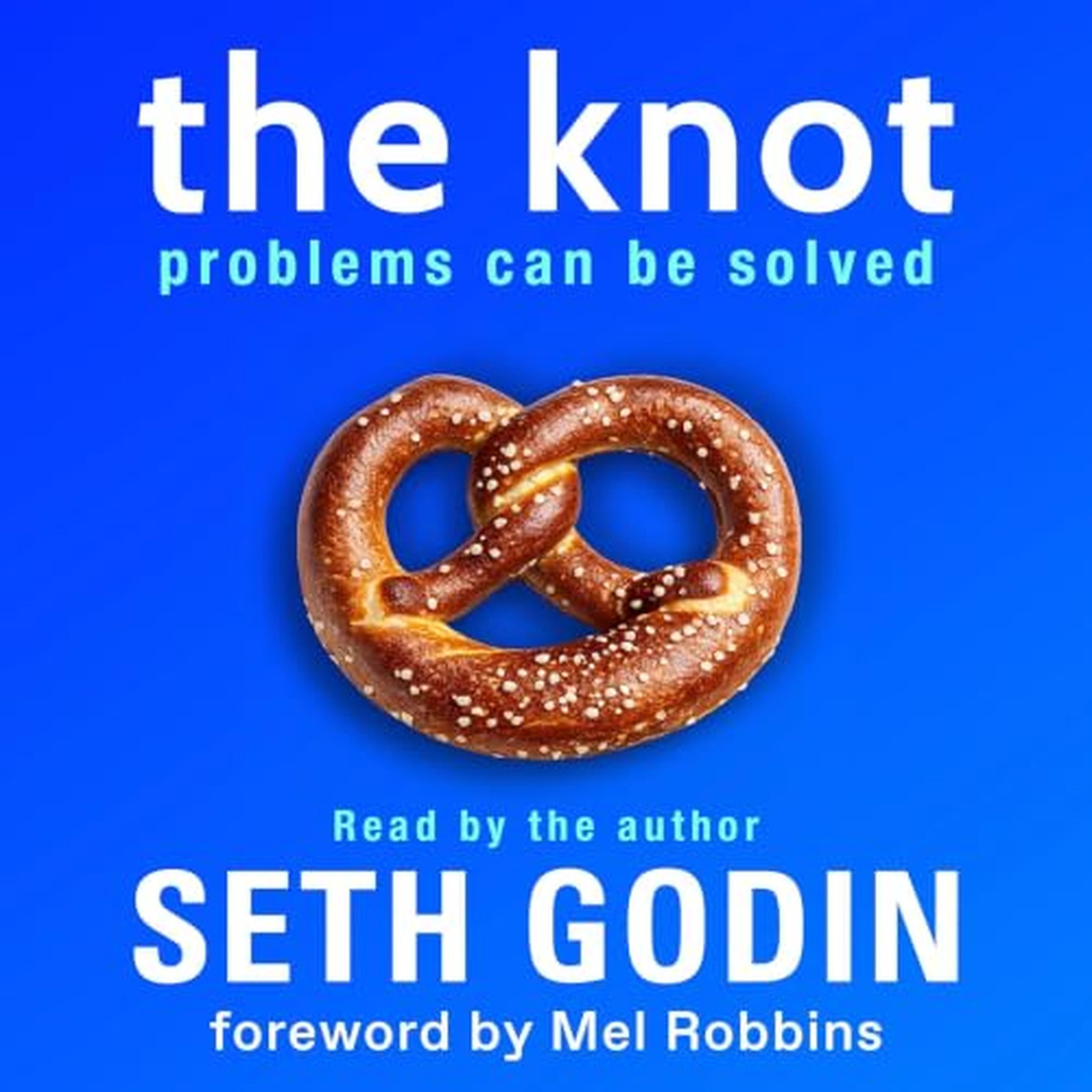 RSeth Godin: Solving the Unsolvable, Plus Costco Surges & the AI BacklashRemarkable Retail Podcast · 2026-09-29
 TSeth Godin: How To Build A Brand That SELLS In The New Era Of AI (Step By Step!)The Calum Johnson Show · 2026-09-21
 TSeth Godin: The Smallest Viable Audience and the Work That Might Not Work [From the Archive]The James Altucher Show · 2026-08-23
 BHow to Solve Problems Better Than 99% of People | Seth GodinBigDeal · 2026-08-12
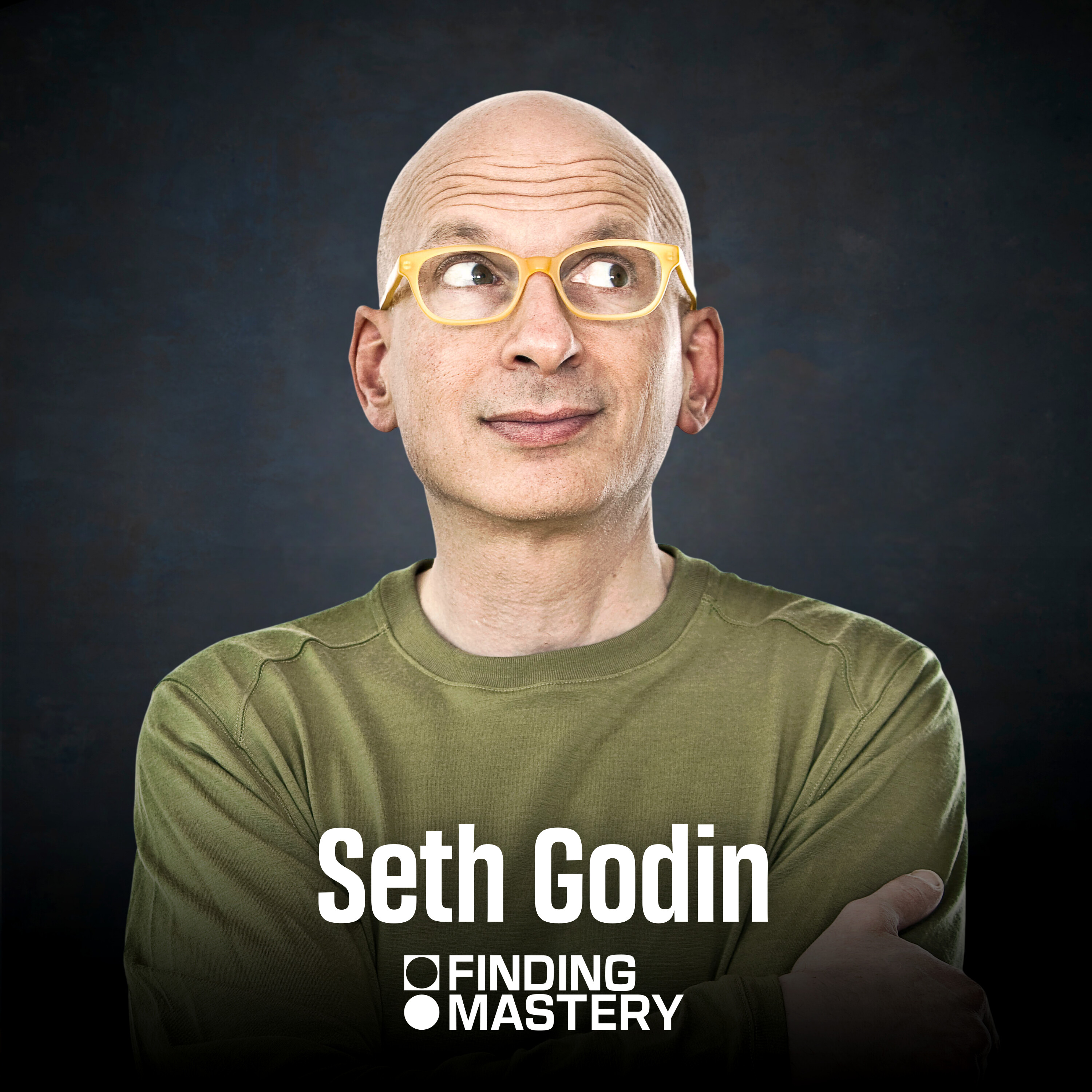 FThe Psychology of Marketing I Seth GodinFinding Mastery with Dr. Michael Gervais · 2026-08-12
 TThe Quitting Expert: Quit NOW Before AI Makes The Choice For You, This Is a Superpower! | Seth GodinThe Diary Of A CEO with Steven Bartlett · 2026-08-10
 T997 | Make Yourself Indispensable and Other Brilliant Marketing Strategies with Seth Godin (Friday Favorites!)The Rachel Hollis Podcast · 2026-08-07
 THow to Get More Out of Life: Make More Money & Build Something That Matters with Seth GodinThe Mel Robbins Podcast · 2026-07-11
 BBuilding Tribes and Telling Stories: How Placebos, Status, and Story Shape Wine and Life with Seth GodinBeats Vines and Life · 2026-06-22
 T482 - Seth Godin on Creativity, Generosity & The PracticeThe Marie Forleo Podcast · 2026-03-17
 SLessons - Why Your Team Doesn't Give a Damn | Seth Godin - 20x Bestselling AuthorSuccess Story with Scott Clary · 2026-02-21
 SSeth Godin: Make Better Plans (and How to Beat AI)Simplify · 2026-01-26
 LSeth Godin : Strategy, AI, and Finding Your PathLet's Walk (with Halli) · 2025-07-08
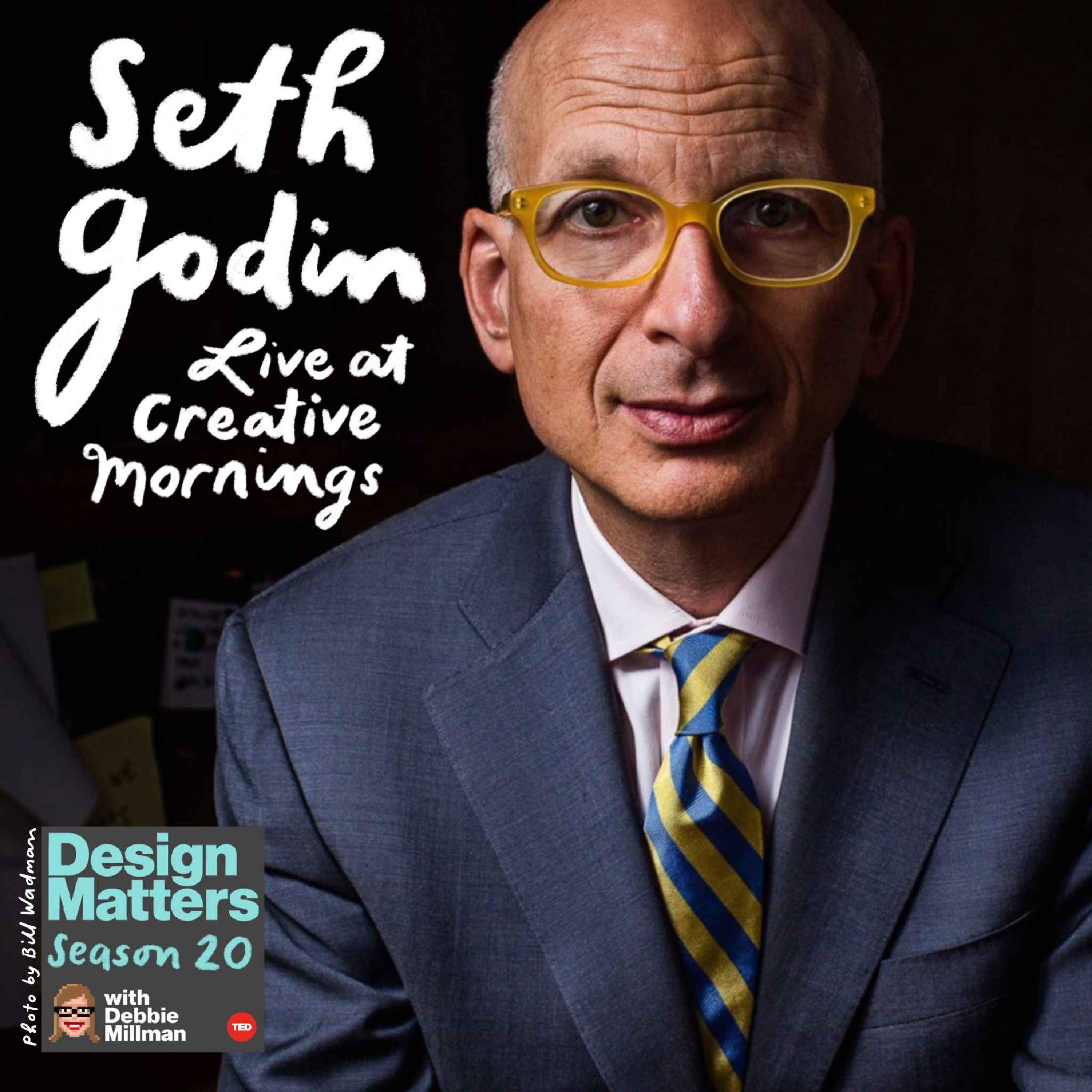 DSeth GodinDesign Matters with Debbie Millman · 2025-01-13
 TMBA2572 Extended Interview: Seth Godin - How to Have a Better Strategy and Win People OverThe $100 MBA Show · 2025-01-13
 USeth Godin: How to Be Strategic In Your LifeUnF*ck Your Brain: Feminist Self-Help for Everyone · 2024-10-22
 GHow to Craft Your “Life Strategy” | Seth GodinGood Life Project · 2024-10-21
 MEp. 1310: Seth Godin Interview with Michael Covel on Trend Following RadioMichael Covel's Trend Following · 2024-10-21
 GRethinking Strategy with Seth Godin: From Purple Cows to Purposeful PlansGuy Kawasaki's Remarkable People · 2024-10-16
 BMeaningful Work: True Productivity and Significance in Modern Workplaces with Seth GodinBeyond the To-Do List - Productivity for Work and Life · 2024-08-19
 TSeth Godin and Dr. Sue Johnson - The Tim Ferriss ShowThe Tim Ferriss Show · 2024-06-19
 TSeth Godin | Logo Versus Brand | Practical & Powerful Moves for Enhancing Your Brand + Interview With Seth Godin + Tim Tebow Joins Clay Clark's June 27-28 2-Day Interactive Business Growth Workshop (29 Tickets Remain)!!!Thrivetime Show | Business School without the BS · 2024-05-15
 TSeth Godin | Mass Marketing 101 With Seth Godin, Michael Dell & Wolfgang Puck + Interview With Wolfgang Puck + Tebow Joins Clay Clark's June 27-28 2-Day Business Growth Workshop (29 Tickets Remain) + 13 TestimonialsThrivetime Show | Business School without the BS · 2024-05-15
 BCONSUMER to CREATOR ft. Seth GodinBest Of Belfast: Northern Ireland's #1 Interview Podcast · 2024-02-01
 C#100 Re-issue: Seth Godin interview - marketing, empathy, dealing with the 'noise'Creator Club Business Podcast · 2023-06-09
 IINTERVIEW: Seth Godin Thinks Through Startup Ideas in Real-TimeIdea to Startup · 2023-05-31
 ADown A Rabbit Hole with Seth GodinA Bit of Optimism · 2023-03-14
 THow To GET STARTED, GET UNSTUCK & SHARE Your Best Work | Seth Godin x Rich Roll PodcastThe Rich Roll Podcast · 2023-01-09
 CEP114: The Seth Godin Interview (Holiday Best Of Episode)Culture Changers with Allison Hare · 2021-12-23
 HSolo Like Me: The Seth Godin InterviewHere Comes Everybody · 2021-11-22
 WStop Stealing Dreams, an Interview with Seth GodinWired Educator · 2021-03-08
 TSeth Godin: "Failure is Learning on Your Way to Mastery" and Other Advice for CreativityThe Knowledge Project · 2021-02-23
 MSeth Godin - The Practice Of Shipping Creative Work | Modern Wisdom Podcast 241Modern Wisdom · 2020-11-05
 TMarie Forleo & Seth Godin: How to Show up & Do the Work (Even When You Don’t Feel Like It)The Marie Forleo Podcast · 2020-11-02
 KMy Interview with Seth Godin: Getting SchooledKindSight 101 · 2020-08-01
 PWhat You Will Learn - Adam Ashton's special interview with Seth GodinPod Buffet · 2020-02-18PToday's Special - interview with Seth Godin and Alex DiPalmaPod Buffet · 2020-01-25
 PYou can’t make ‘Art’ if you are not willing to fail - Interview with Seth Godin on The Icarus Dec...Punk CX: Customer Experience Insights with Adrian Swinscoe · 2020-01-19
 PAre you willing to delight the specific? - Interview with Seth Godin about his new book: This Is ...Punk CX: Customer Experience Insights with Adrian Swinscoe · 2019-11-24
 JEpisode 36 - Interview with Marketing Expert & NY Times Bestselling Author Seth GodinJane Anderson Show Podcast · 2019-03-22
 RInterview: Seth Godin on Achieving GreatnessRocketship.fm · 2018-12-20
 DSeth Godin: Rob Interviews, Huge Blogger & 18x Best Selling Author [Business, mindset, entrepreneur, disruptors]Disruptors · 2018-03-05
 TSeth Godin InterviewThe Innovation Show · 2016-09-10
 TSeth Godin: What It Means To MatterThe Chase Jarvis LIVE Show · 2016-06-30
 TSeth Godin on How to Dance with FearThe Bravery Project · 2016-04-27
 WEpisode 24: Seth GodinWork Alchemy: The Impact Interviews · 2016-02-10
 TJohn Jantsch Interviews Seth GodinThe Duct Tape Marketing Podcast · 2015-11-10
 AGo! Make Something Happen! | Interview With Seth GodinAll Business with Jeffrey Hayzlett · 2015-10-15
 TSeth Godin: Dancing With the FearThe Gently Mad · 2015-01-12
 BAimee Mann & Seth GodinBullseye with Jesse Thorn · 2013-01-08
 TSETH GODIN AND TIM FERRISS INTERVIEW – PODCAST EPISODE #57The Internet Marketing Podcast · 2010-01-25
 TSeth Godin: How To Find Your Unique Purpose & Outperform 99% of PeopleThe Marie Forleo Podcast
 TSeth Godin — This is StrategyThe Tim Ferriss Show
 THow to Build a Remarkable Brand in the Age of AI | Seth GodinThe Entrepreneur's Studio
 TMarketing Godfather: How To Build An Audience That Buys (Best Hour You’ll Spend Today!) | Seth GodinThe Calum Johnson Show
 CWhy Strategy Always Beats Talent (w/Seth Godin)Chase Jarvis
 THow to Build a Life That Matters & Get What You Want Starting TodayThe Mel Robbins Podcast