
Patrick Collison
Co-founded Stripe with his brother John in 2010; won Ireland's Young Scientist exhibition at 16 and co-founded the nonprofit Arc Institute in 2021. Worth an estimated $17.5 billion in August 2026.
 Stripe
Hosts Cheeky Pint
More 68
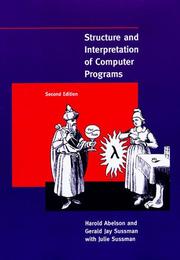
MIT's introductory computer science text, taught through Lisp and Scheme.
Source: Bookshelf — patrickcollison.com
Also recommended by: Bret Victor, Paul Graham, Max Levchin
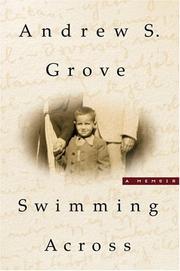
A Jewish boy survives the war and Soviet rule in Hungary and escapes to America.
Source: Bookshelf — patrickcollison.com
Also recommended by: Keith Rabois, Ben Horowitz
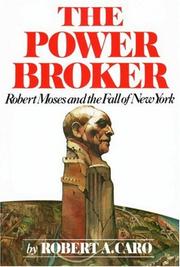
How an unelected official amassed power and used it to rebuild New York.
Source: Bookshelf — patrickcollison.com
Also recommended by: Balaji S. Srinivasan, Jim Collins and 7 others
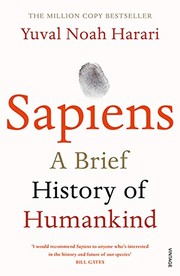
How shared fictions such as money, nations and gods let humans cooperate at scale.
Source: Bookshelf — patrickcollison.com
Also recommended by: Andrew Wilkinson, Bill Gates, David Perell and 39 others

How the bomb was built, from the discovery of atomic energy to Hiroshima.
Also recommended by: Jim Collins, Chris Dixon, Elon Musk and 1 other
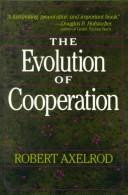
Computer tournaments of the prisoner's dilemma show why tit-for-tat wins.
Source: Bookshelf — patrickcollison.com
Also recommended by: Mark Leonard, Michael Mauboussin and 1 other
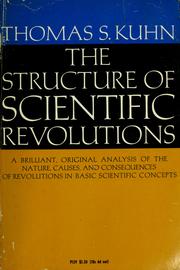
Science moves through long stretches of normal work broken by paradigm shifts.
Source: Bookshelf — patrickcollison.com
Also recommended by: Jim Collins, Michael Mauboussin, Nat Eliason and 7 others
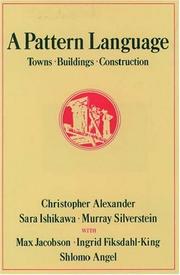
253 patterns for building, from the layout of towns down to a window seat.
Source: Bookshelf — patrickcollison.com
Also recommended by: Stewart Brand, Naval Ravikant, Sam Altman
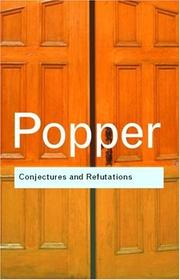
Knowledge grows by bold guesses that we then try to refute, not by proof.
Source: Bookshelf — patrickcollison.com
Essays on self-knowledge and how unreliable one's own judgement is.
Source: Patrick Collison's bookshelf (patrickcollison.com)
Also recommended by: Nassim Nicholas Taleb
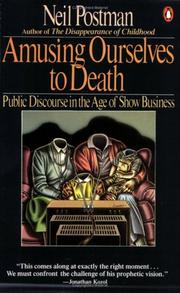
How television turned public discourse from argument into entertainment.
Source: Bookshelf — patrickcollison.com
Also recommended by: Keith Rabois, Matt Mullenweg, Nat Eliason and 2 others
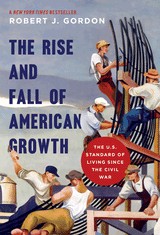
Why the inventions of 1870 to 1970 raised living standards as nothing since has.
Source: Bookshelf — patrickcollison.com
Also recommended by: Bill Gates, Christopher Bloomstran and 1 other
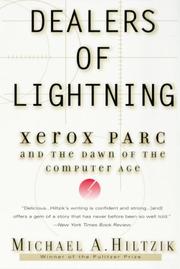
How Xerox PARC built the first personal computer and laser printer, and lost them.
Source: Bookshelf — patrickcollison.com
Also recommended by: Austen Allred, Sam Altman
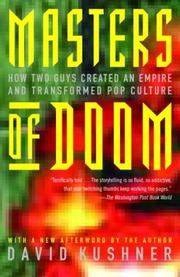
How John Carmack and John Romero made Doom and Quake and changed video games.
Also recommended by: Alexis Ohanian
Why machines smarter than humans pose a control problem to solve before they arrive.
Source: Bookshelf — patrickcollison.com
Also recommended by: Brad Feld, Michael Mauboussin, Sam Altman and 7 others
Six principles of compliance, from reciprocity to scarcity, and how sellers use them.
Source: Bookshelf — patrickcollison.com
Also recommended by: Andrew Wilkinson, Charlie Munger and 30 others
Innovation as a learnable discipline, with seven sources of opportunity to search.
Source: Bookshelf — patrickcollison.com
Also recommended by: Patrick O'Shaughnessy, Matt Mullenweg
The decentralised structure and financial controls that ran General Motors.
Source: Bookshelf — patrickcollison.com
Also recommended by: Michael Mauboussin, Mohnish Pabrai and 1 other
How the division of labour and free markets make a nation rich.
Source: Bookshelf — patrickcollison.com
Also recommended by: Howard Marks, John C. Bogle and 10 others
How to spot a strategic inflection point, when a tenfold force changes a business.
Source: Bookshelf — patrickcollison.com
Also recommended by: Andrew Chen, Charlie Munger, Jim Collins and 11 others
Fourteen points for managing quality by improving the system and driving out fear.
Source: Bookshelf — patrickcollison.com
Also recommended by: Jim Collins
A first-hand account of the race against Linus Pauling to find DNA's structure.
Also recommended by: Paul Graham, Peter Attia
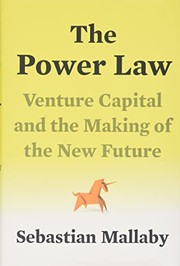
Venture capital from Arthur Rock to SoftBank, and why a few big bets pay for all.
Also recommended by: Andrew Wilkinson, Anthony Pompliano and 3 others
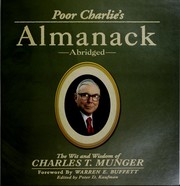
Speeches making the case for a latticework of mental models from many fields.
Source: Bookshelf — patrickcollison.com
Also recommended by: Andrew Wilkinson, Charlie Munger and 25 others
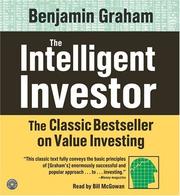
Treat stocks as parts of businesses and buy only with a margin of safety.
Source: Bookshelf — patrickcollison.com
Also recommended by: Benjamin Graham, Christopher Bloomstran and 31 others
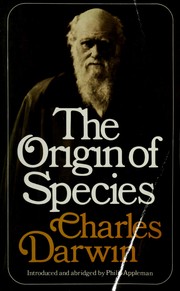
Species change over time as natural selection favours heritable variations.
Source: Bookshelf — patrickcollison.com
Also recommended by: Jim Collins, Mohnish Pabrai, Naval Ravikant and 5 others
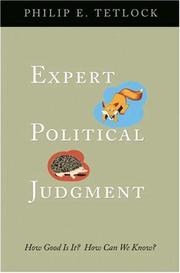
A 20-year test of 28,000 expert forecasts: foxes with many models beat hedgehogs.
Source: Bookshelf — patrickcollison.com
Also recommended by: Marc Andreessen, Michael Mauboussin and 1 other
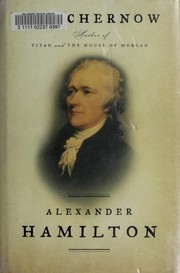
Hamilton's life from the West Indies to the Treasury and his duel with Aaron Burr.
Source: Bookshelf — patrickcollison.com
Also recommended by: Jim Collins, Antonio García Martínez and 1 other
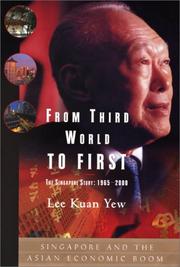
How Singapore's leaders chose policies, from courting multinationals onward.
Source: Bookshelf — patrickcollison.com
Also recommended by: Balaji S. Srinivasan, Mohnish Pabrai and 2 others
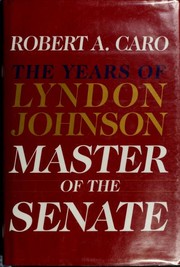
How Lyndon Johnson mastered the Senate's rules and became its majority leader.
Also recommended by: Jim Collins, Marc Andreessen
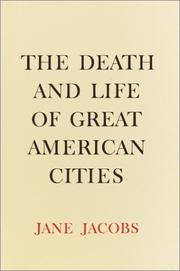
What makes city streets work, and how 1950s planning and slum clearance broke them.
Source: Bookshelf — patrickcollison.com
Also recommended by: Chris Dixon, Daniel Burka, Marc Andreessen and 1 other
A Data General team races to design a 32-bit minicomputer in about a year.
Source: Bookshelf — patrickcollison.com
Also recommended by: Brad Feld, Jim Collins, Mohnish Pabrai and 3 others
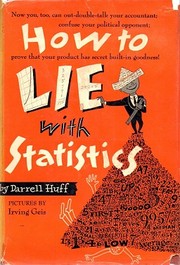
How biased samples, chosen averages and cut-off chart axes make numbers mislead.
Source: Bookshelf — patrickcollison.com
Also recommended by: Bill Gates, Jason Zweig, Mohnish Pabrai and 6 others
How Kilby and Noyce each invented the integrated circuit in 1958 and 1959.
Source: Bookshelf — patrickcollison.com
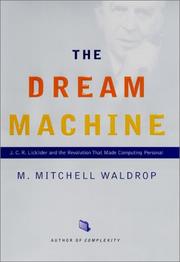
J.C.R. Licklider's vision of computers that serve individuals, and how it came true.
Source: Bookshelf — patrickcollison.com
Also recommended by: Marc Andreessen
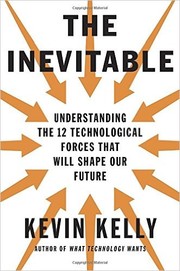
The technology trends that will reshape daily life over the next thirty years.
Source: Bookshelf — patrickcollison.com
Also recommended by: Derek Sivers, Nat Eliason, Alfred Lin and 1 other
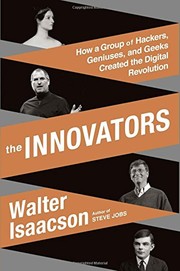
Computing as a run of collaborations, from Ada Lovelace and Babbage to Google.
Source: Bookshelf — patrickcollison.com
Also recommended by: Mohnish Pabrai, Bill Gates, Chris Fussell and 2 others
Every US information industry moved from an open era to control by one firm.
Source: Bookshelf — patrickcollison.com
Also recommended by: David Perell, Andrew Chen
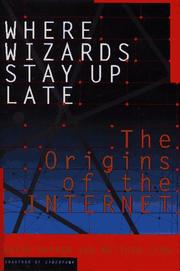
How Licklider and Pentagon-funded engineers built the network behind the internet.
Source: Bookshelf — patrickcollison.com
Also recommended by: Chris Dixon, Marc Andreessen
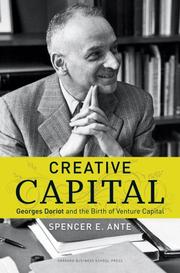
Georges Doriot, who showed that investing in small, risky firms could pay.
Source: Bookshelf — patrickcollison.com
Also recommended by: Michael Mauboussin
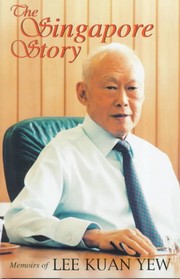
A founding leader's account of his life and Singapore's politics and history.
Source: Bookshelf — patrickcollison.com
Also recommended by: Tim Ferriss
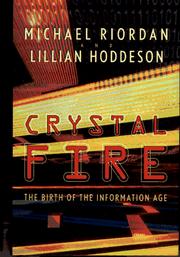
How the Bell Labs team of Shockley, Bardeen and Brattain invented the transistor.
Source: Bookshelf — patrickcollison.com
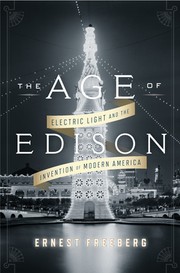
How Edison's electric light changed American life and marked a new age.
Source: Bookshelf — patrickcollison.com
Also recommended by: Alfred Lin
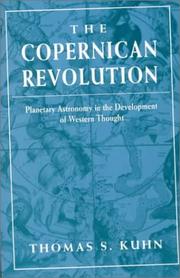
How the Copernican revolution unfolded, as a turning point in scientific thought.
Source: Bookshelf — patrickcollison.com
Also recommended by: Paul Graham
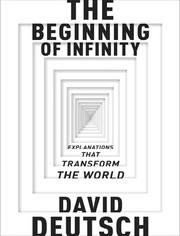
Knowledge can grow without limit through good explanations that are hard to vary.
Source: Bookshelf — patrickcollison.com
Also recommended by: Albert Wenger, Derek Sivers and 8 others
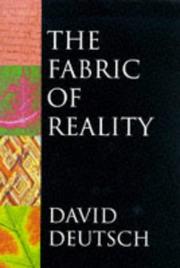
Reality through four strands: many-worlds physics, computation, evolution, Popper.
Source: Bookshelf — patrickcollison.com
Also recommended by: Naval Ravikant, Chris Anderson, Li Lu and 2 others
Language as a human instinct, and what science knows of grammar and learning.
Source: Bookshelf — patrickcollison.com
Also recommended by: Charlie Munger, Michael Mauboussin and 2 others
An attack on the IMF's one-size-fits-all policies in the crises of the 1990s.
Source: Bookshelf — patrickcollison.com
Why some Asian nations grew rich: land reform, export-led industry, directed credit.
“Having said that, there's actually a really good book on this topic called How Asia Works by Joe Studwell, I believe.” — Patrick Collison
Source: The Tim Ferriss Show Transcripts: Patrick Collison (#353)
Also recommended by: Bill Gates, Mohnish Pabrai
The economics of shipping: the market cycle, freight rates and vessel costs.
Source: Bookshelf — patrickcollison.com
Why societies should put sustainable long-run growth almost above all else.
Also recommended by: Derek Sivers, Jackie Vullinghs
Ten rules for judging whether a country's economy will rise or fall.
Source: Bookshelf — patrickcollison.com
Alibaba from Jack Ma's Hangzhou apartment to its 2014 New York listing.
Source: Bookshelf — patrickcollison.com
US airlines after 1978 deregulation through Crandall, Lorenzo and Kelleher.
Source: Bookshelf — patrickcollison.com
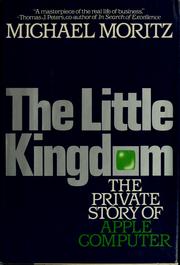
Apple's growth from a garage workshop to a company with over $1 billion in sales.
Source: Bookshelf — patrickcollison.com
Also recommended by: Keith Rabois
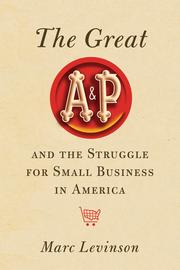
How A&P became the world's largest retailer and the political fight it set off.
Source: Bookshelf — patrickcollison.com
How plague, cholera, malaria and smallpox shaped history.
Source: Bookshelf — patrickcollison.com
Also recommended by: Paul Graham
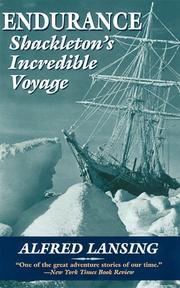
Shackleton's men survive after the ice crushes their ship Endurance in Antarctica.
Also recommended by: Andrew Wilkinson, Jim Collins, Morgan Housel and 7 others
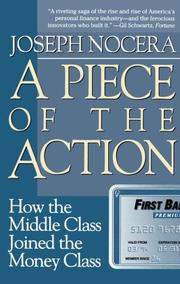
How credit cards, money market funds and discount brokers reached ordinary Americans.
Source: Bookshelf — patrickcollison.com
Also recommended by: Jim Collins, Mohnish Pabrai, Warren Buffett
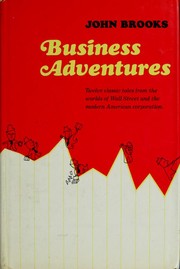
Twelve New Yorker stories of business, from the Edsel's failure to the 1962 crash.
Source: Bookshelf — patrickcollison.com
Also recommended by: Bill Gates, Mohnish Pabrai, Warren Buffett
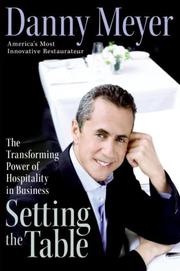
Enlightened hospitality: put employees first, then guests, community and investors.
Source: Bookshelf — patrickcollison.com
Also recommended by: Fred Wilson, Niki Scevak and 2 others
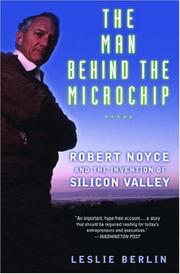
Robert Noyce, Fairchild Semiconductor and the founding of Intel.
Source: Bookshelf — patrickcollison.com
Also recommended by: Jim Collins, Mohnish Pabrai, Warren Buffett
Fortune's articles by and about Buffett from 1966 to 2012, with commentary.
Source: Bookshelf — patrickcollison.com
Also recommended by: Bill Gates, Guy Spier, Mohnish Pabrai and 1 other
How natural selection, not a designer, produces the complexity of living things.
Source: Bookshelf — patrickcollison.com
Also recommended by: Jim Collins, Michael Mauboussin and 3 others
Performing under pressure by quieting the self-interference that spoils play.
“There's a really good book that I very highly recommend called The Inner Game of Tennis.” — Patrick Collison
Source: The Tim Ferriss Show Transcripts: Patrick Collison (#353)
Also recommended by: Bill Gates, Brad Feld, Nat Eliason
Long-distance trade from Mesopotamia and the spice routes to modern globalisation.
Source: Bookshelf — patrickcollison.com
Also recommended by: Mohnish Pabrai, Nick Szabo
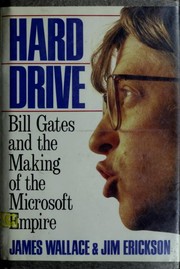
A critical history of Bill Gates and the early Microsoft, from Lakeside School on.
Source: Bookshelf — patrickcollison.com
Also recommended by: Mohnish Pabrai, Aaron Levie, Charlie Munger and 1 other
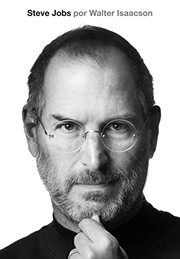
Steve Jobs's life and Apple's products, from forty interviews with him and many more.
Source: Bookshelf — patrickcollison.com
Also recommended by: Mohnish Pabrai, Andrew Wilkinson, Bill Gates and 15 others
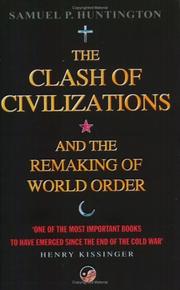
After the Cold War, conflict will follow cultural and religious fault lines.
Source: Bookshelf — patrickcollison.com
Also recommended by: Mohnish Pabrai, Stewart Brand, Jamie Dimon and 1 other
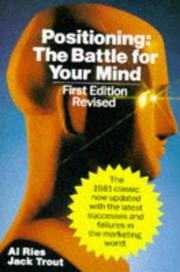
Marketing happens in the buyer's mind: find an open position there and own it.
Source: Bookshelf — patrickcollison.com
Also recommended by: David Cancel, Aaron Levie, Ev Williams and 3 others
A plant manager learns that a system's output is set by its bottleneck.
Source: Bookshelf — patrickcollison.com
Also recommended by: Jim Collins, Mohnish Pabrai, Nat Eliason and 5 others
Mimetic rivalry, where rivals grow alike, and the violence it unleashes in societies.
Source: Bookshelf — patrickcollison.com
Also recommended by: Eric Weinstein, Peter Thiel
Techniques for handling people, being liked and winning others to your view.
Source: Bookshelf — patrickcollison.com
Also recommended by: Mohnish Pabrai, Paul Graham, Alex and Books and 12 others
How humanity and technology together keep widening the opportunities open to people.
Source: Bookshelf — patrickcollison.com
Also recommended by: Derek Sivers, Stewart Brand, Nir Eyal
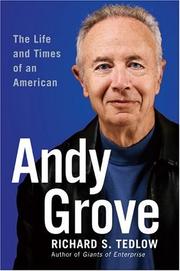
The life of Andy Grove, from Nazi-occupied Hungary to running Intel.
Source: Bookshelf — patrickcollison.com
Also recommended by: Keith Rabois
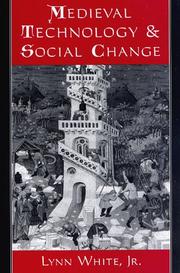
How the stirrup and the plough reorganised medieval society and its economy.
Source: Bookshelf — patrickcollison.com
Also recommended by: Paul Graham
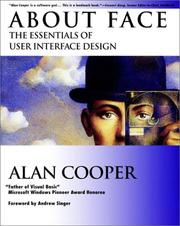
Goal-directed design and personas: fitting software to how users think it works.
Source: Bookshelf — patrickcollison.com
Also recommended by: Jeff Atwood
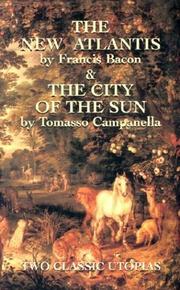
An unfinished utopia built around organised scientific research.
Source: Bookshelf — patrickcollison.com
Also recommended by: Peter Thiel
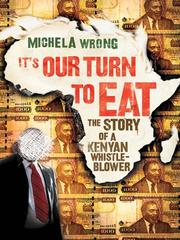
A whistleblower exposes Kenya's procurement scandals after a hailed election.
Source: Bookshelf — patrickcollison.com
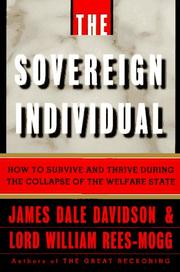
A forecast that information technology will erode the nation state's power to tax.
Source: Bookshelf — patrickcollison.com
Also recommended by: Balaji S. Srinivasan, Nat Eliason and 10 others
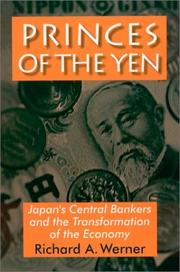
The argument that the Bank of Japan created Japan's bubble through credit guidance.
Source: Bookshelf — patrickcollison.com
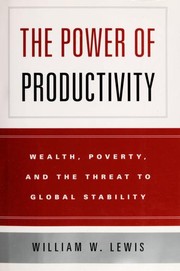
Why productivity differs so much between countries, sector by sector.
Source: Bookshelf — patrickcollison.com
Also recommended by: Marc Andreessen
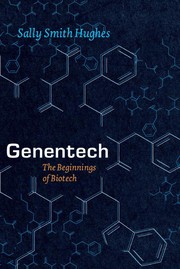
How Genentech turned genetic engineering into a company, from its founders' accounts.
Also recommended by: Laura Deming
The retailers' antitrust case against Visa and MasterCard's honour-all-cards rule.
Source: Bookshelf — patrickcollison.com
Evolution told as a journey back in time, meeting ancestors at each branch.
Source: Bookshelf — patrickcollison.com
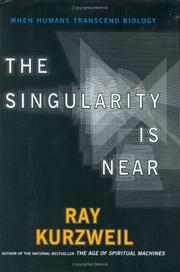
Why technological progress is exponential, and what follows if the trend holds.
Source: Bookshelf — patrickcollison.com
Also recommended by: Brian Armstrong, Stewart Brand, Daniel Petre and 5 others
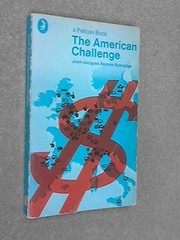
A warning that American corporations were taking over European industry.
Source: Bookshelf — patrickcollison.com
Also recommended by: Peter Thiel
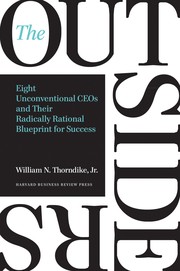
Eight CEOs who beat the market by allocating capital, not by running operations.
Source: Bookshelf — patrickcollison.com
Also recommended by: Andrew Wilkinson, Dan Loeb, Francois Rochon and 11 others
How digital technology is changing work and wealth as the Industrial Revolution did.
Source: Bookshelf — patrickcollison.com
Also recommended by: Michael Mauboussin, Mohnish Pabrai and 4 others
McKinsey's history and principles, told by the partner who led it for 17 years.
What a four-year forecasting tournament showed about the best forecasters' habits.
Source: Bookshelf — patrickcollison.com
Also recommended by: Bill Nygren, Mark Leonard and 10 others
An environmentalist's case for nuclear power, dense cities and genetic engineering.
Source: Bookshelf — patrickcollison.com
Also recommended by: Marc Andreessen, Jack Dorsey, Stewart Brand

The classic on markets as a game of psychology and identity
Source: Bookshelf — patrickcollison.com
Also recommended by: Barton Biggs, Howard Marks, Jason Zweig and 5 others
How the US special operations command was rebuilt to make decisions faster.
Source: Bookshelf — patrickcollison.com
Also recommended by: Doug McMillon, Changpeng Zhao and 1 other
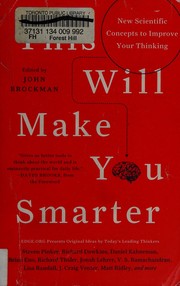
Short essays on the scientific concepts that would improve everyone's thinking.
Source: Bookshelf — patrickcollison.com
Also recommended by: Morgan Housel
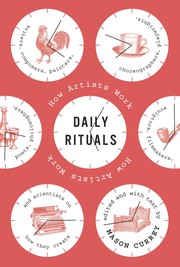
How artists, writers and composers structure their working days.
Source: Bookshelf — patrickcollison.com
Also recommended by: Derek Sivers, Jim Collins, Nat Eliason and 1 other
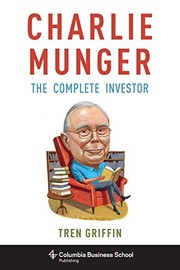
Charlie Munger's stated views, arranged as a system of value investing.
Source: Bookshelf — patrickcollison.com
Also recommended by: Andrew Wilkinson, Christopher Bloomstran and 7 others
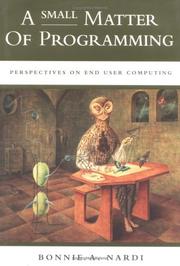
How non-programmers write their own software: end-user computing.
Source: Bookshelf — patrickcollison.com

Advanced work on type systems and how they capture programs' run-time behaviour.
Source: Bookshelf — patrickcollison.com
TRIZ, a method for solving technical problems through invention.
Source: Bookshelf — patrickcollison.com
Apple's programming manuals for writing Macintosh software.
Source: Bookshelf — patrickcollison.com
A reference on cryptography for programmers, with code in C.
Source: Bookshelf — patrickcollison.com

Tips and tools for using BSD Unix operating systems.
Source: Bookshelf — patrickcollison.com
How the digital explosion changes privacy, freedom and daily life.
Source: Bookshelf — patrickcollison.com
China's rush to build airports and airlines, and what it means for the country.
Source: Bookshelf — patrickcollison.com
Also recommended by: Mohnish Pabrai
How technology transfer drove China's modernisation after the revolution.
Source: Bookshelf — patrickcollison.com
How computers work, built up from flashlights, codes and switches.
Source: Bookshelf — patrickcollison.com
Also recommended by: Derek Sivers
Source: Bookshelf — patrickcollison.com
Also recommended by: Marc Andreessen
The de facto standard reference to the Common Lisp programming language.
Source: Bookshelf — patrickcollison.com
Also recommended by: Paul Graham
Conference papers on computers in aircraft design and operation.
Source: Bookshelf — patrickcollison.com
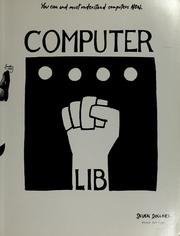
The case that ordinary people can and must understand computers.
Source: Bookshelf — patrickcollison.com
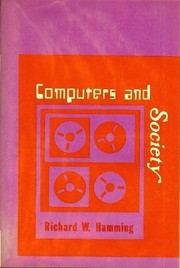
How computers would change business, management and society.
Source: Bookshelf — patrickcollison.com
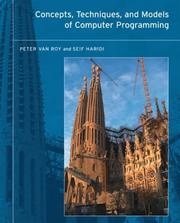
Programming as one discipline, built up from a small kernel language.
Source: Bookshelf — patrickcollison.com
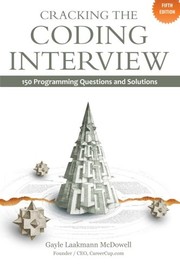
How to prepare for software engineering interviews, with 150 questions and answers.
Source: Bookshelf — patrickcollison.com
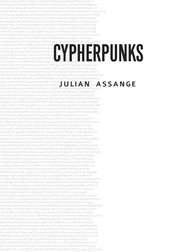
Four activists argue that the internet has become a tool of the police state.
Source: Bookshelf — patrickcollison.com
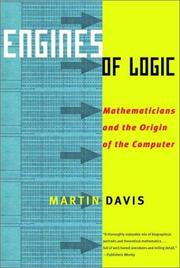
The mathematicians whose logic led to the computer.
Source: Bookshelf — patrickcollison.com
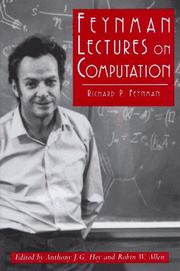
A physicist's lectures on what computing machines can and cannot do.
Source: Bookshelf — patrickcollison.com
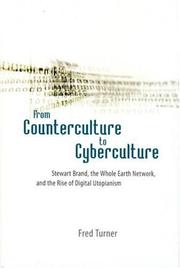
How computers went from tools of the Cold War to symbols of the counterculture.
Source: Bookshelf — patrickcollison.com
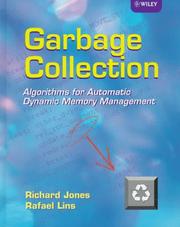
Algorithms for automatic memory management, garbage collection.
Source: Bookshelf — patrickcollison.com
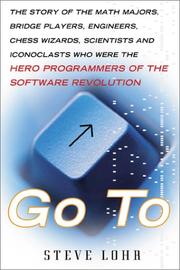
The history of software and the programmers who wrote it.
Source: Bookshelf — patrickcollison.com
Also recommended by: Keith Rabois

An introduction to hardware reverse engineering through the original Xbox.
Source: Bookshelf — patrickcollison.com
Why the Soviet Union's attempts to build a national computer network failed.
Source: Bookshelf — patrickcollison.com
How the internet went from university and military networks to commerce.
Source: Bookshelf — patrickcollison.com
Interviews with the founders of the digital world's largest companies.
Source: Bookshelf — patrickcollison.com
Also recommended by: Keith Rabois
A university text on the design and analysis of computer algorithms.
Source: Bookshelf — patrickcollison.com
An introduction to programming in the standard Common Lisp language.
Source: Bookshelf — patrickcollison.com
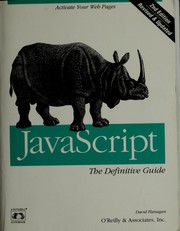
The parts of JavaScript worth using, how to use them, and the parts to avoid.
Source: Bookshelf — patrickcollison.com
The manual of the LISP 1.5 programming language from MIT's Computation Center.
Source: Bookshelf — patrickcollison.com
Also recommended by: Paul Graham
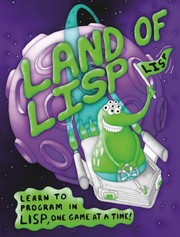
How to program in Lisp by writing complete games, from a text adventure on.
Source: Bookshelf — patrickcollison.com
How computers might be used in libraries.
Source: Bookshelf — patrickcollison.com
The history of hypertext, from interviews with its pioneers.
Source: Bookshelf — patrickcollison.com
Nineteenth-century cases of technological change and how society reacted to it.
Source: Bookshelf — patrickcollison.com
Also recommended by: Marc Andreessen
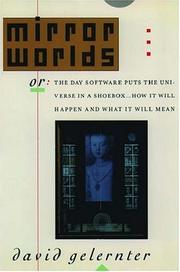
A forecast of vast software models that mirror the real world and change society.
Source: Bookshelf — patrickcollison.com
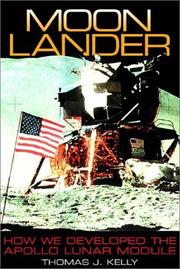
The chief engineer on designing, building, testing and flying the lunar module.
Source: Bookshelf — patrickcollison.com
The forces that have shaped technology since prehistory and now shape modern people.
Source: Bookshelf — patrickcollison.com
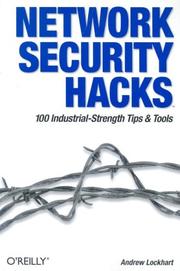
Tips and tools for securing Linux, Windows, BSD and Mac servers and networks.
Source: Bookshelf — patrickcollison.com

The official guide to the Nmap scanner, from port-scanning basics to pen testing.
Source: Bookshelf — patrickcollison.com
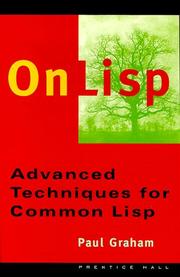
Writing Lisp programs by first building a language suited to the problem.
Source: Bookshelf — patrickcollison.com
Also recommended by: Paul Graham
Operating system principles, from processes to file systems, shown in the MINIX code.
Source: Bookshelf — patrickcollison.com
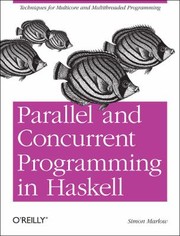
Mechanisms for writing parallel and concurrent programs in Haskell.
Source: Bookshelf — patrickcollison.com
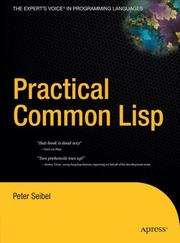
Practical Lisp programming, from language features to projects like an mp3 server.
Source: Bookshelf — patrickcollison.com
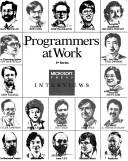
Interviews with leading programmers on the forces and traits behind their work.
Source: Bookshelf — patrickcollison.com
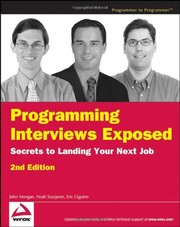
How to prepare for programming job interviews: languages, patterns and algorithms.
Source: Bookshelf — patrickcollison.com
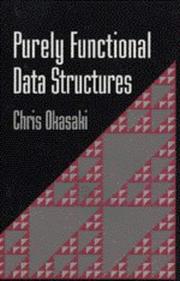
Techniques for designing data structures in functional languages, with examples.
Source: Bookshelf — patrickcollison.com
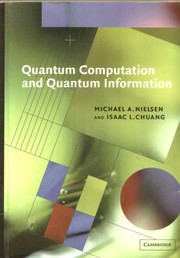
Quantum algorithms, teleportation, cryptography and error correction, from basics.
Source: Bookshelf — patrickcollison.com
A tour of deep ideas in mathematics, computer science and physics.
Source: Bookshelf — patrickcollison.com
Also recommended by: Emmett Shear
How Silicon Valley and Boston's Route 128 differ, and why the Valley pulled ahead.
Source: Bookshelf — patrickcollison.com
Also recommended by: Kevin Kelly
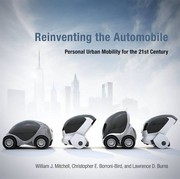
A new design for cars suited to personal mobility in modern cities.
Source: Bookshelf — patrickcollison.com
How simulation changed the way scientists and designers see the world.
Source: Bookshelf — patrickcollison.com
Also recommended by: Bret Victor
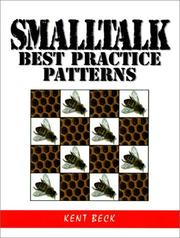
A style guide to Smalltalk programming written as named, reusable patterns.
Source: Bookshelf — patrickcollison.com

Source: Bookshelf — patrickcollison.com
The reference description of the Smalltalk-80 language and how it is implemented.
Source: Bookshelf — patrickcollison.com
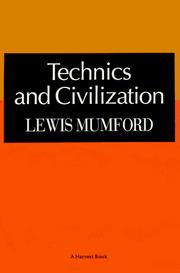
A history of the machine and a critical study of its effects on civilization.
Source: Bookshelf — patrickcollison.com
An economist's forecast of a world of emulated human brains running as software.
Source: Bookshelf — patrickcollison.com
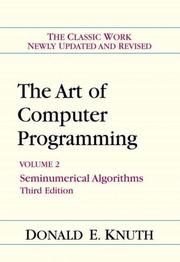
A multi-volume monograph on programming algorithms and their analysis.
Source: Bookshelf — patrickcollison.com
Also recommended by: Marc Andreessen, Max Levchin
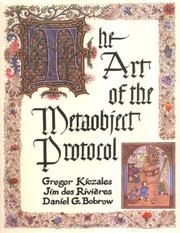
The metaobject protocol, an extension of the Common Lisp Object System.
Source: Bookshelf — patrickcollison.com
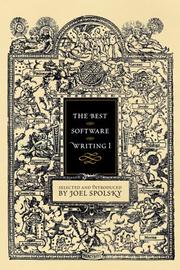
A collection of good writing about software and the software business.
Source: Bookshelf — patrickcollison.com
The birth of Silicon Valley, from Hewlett-Packard on, reported as it happened.
Source: Bookshelf — patrickcollison.com
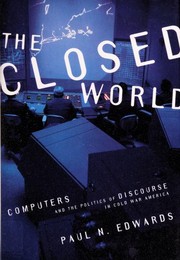
Computers as tools, metaphors and political icons in Cold War America.
Source: Bookshelf — patrickcollison.com
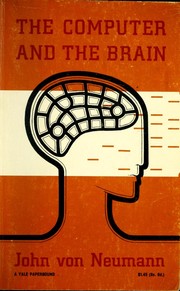
A computing pioneer on how the brain differs from computers as a computing machine.
Source: Bookshelf — patrickcollison.com

The people and work of DARPA, from the Internet and GPS to driverless cars.
Source: Bookshelf — patrickcollison.com
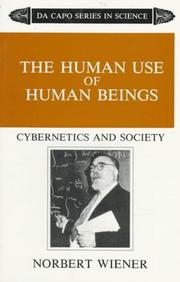
The founder of cybernetics on machines that free people from drudgery, and the risks.
Source: Bookshelf — patrickcollison.com
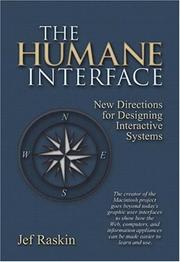
A guide to interactive system design that goes beyond today's widgets and habits.
Source: Bookshelf — patrickcollison.com
Also recommended by: Bret Victor, Dustin Moskovitz
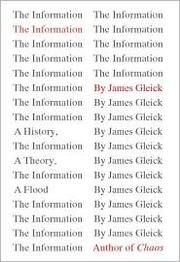
A history of information, from African talking drums to the theory that measures it.
Source: Bookshelf — patrickcollison.com
Also recommended by: Marc Andreessen, Mark Zuckerberg and 1 other
How the internet changed politics and economies in Iran, Estonia, Korea and Senegal.
Source: Bookshelf — patrickcollison.com
Also recommended by: Balaji S. Srinivasan
66 short articles on the theory, technology and applications of computer science.
Source: Bookshelf — patrickcollison.com

A sequel teaching the style of problem-solving that Lisp and Scheme are built for.
Source: Bookshelf — patrickcollison.com
How to find and exploit security holes in operating systems and applications.
Source: Bookshelf — patrickcollison.com
How to secure web applications built on a tangle of browser technologies.
Source: Bookshelf — patrickcollison.com
How the internet changed the way information is produced, and what follows.
Source: Bookshelf — patrickcollison.com
Also recommended by: Mike Maples, Jr.
A journey to the physical places and cables that make up the internet.
Source: Bookshelf — patrickcollison.com
An introduction to type systems and to programming languages from type theory.
Source: Bookshelf — patrickcollison.com
How the counterculture shaped the people who built the first personal computers.
Source: Bookshelf — patrickcollison.com
Also recommended by: Kevin Kelly, Bret Victor
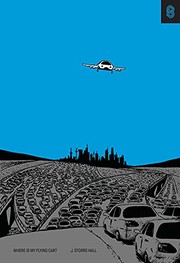
Why the flying cars of 1960s futurism never came, and what happened instead.
Also recommended by: Balaji S. Srinivasan, Derek Sivers
A study guide to analysing networks with the Wireshark tool.
Source: Bookshelf — patrickcollison.com
Stephen Dedalus grows up in Dublin, feeling different from the other boys.
Source: Bookshelf — patrickcollison.com
A novel of the Singularity, when artificial intelligence surpasses the human mind.
Source: Bookshelf — patrickcollison.com
Also recommended by: Marc Andreessen, Nat Eliason

A picture book about airplanes for young children.
Source: Bookshelf — patrickcollison.com

A crime novel of the underworld behind JFK's rise, the Bay of Pigs and his killing.
Source: Bookshelf — patrickcollison.com
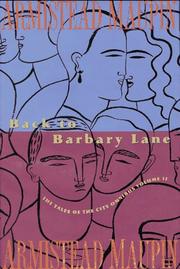
The last three Tales of the City novels, set in San Francisco.
Source: Bookshelf — patrickcollison.com
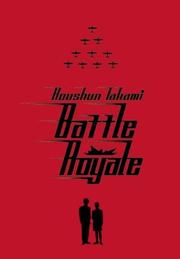
A thriller of a junior high school class taken to a deserted island.
Source: Bookshelf — patrickcollison.com
Source: Bookshelf — patrickcollison.com
All of the writer's fiction, newly translated into English, in a single volume.
Source: Bookshelf — patrickcollison.com
A hundred of his best-known science fiction and fantasy stories.
Source: Bookshelf — patrickcollison.com
A novel of a Japanese man in London.
Source: Bookshelf — patrickcollison.com
A teenager wakes with memories not his own and builds a machine to turn invisible.
Source: Bookshelf — patrickcollison.com
In besieged Leningrad, a looter and a deserter are given one chance to live.
Source: Bookshelf — patrickcollison.com
Also recommended by: Brian Koppelman

A Poirot mystery of a murder on a short flight from Paris to London.
Source: Bookshelf — patrickcollison.com
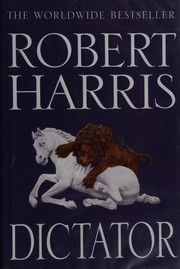
A historical novel of Cicero's ruin and exile as Caesar takes power.
Source: Bookshelf — patrickcollison.com
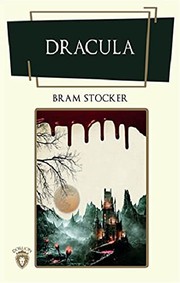
The vampire novel told in letters and diaries, from Transylvania to England.
Source: Bookshelf — patrickcollison.com
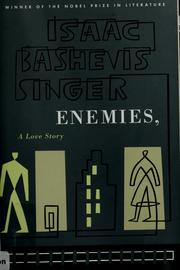
A Holocaust survivor and refugee who finds himself with three wives.
Source: Bookshelf — patrickcollison.com
A novel of a nine-year-old New Yorker searching after his father dies on 9/11.
Source: Bookshelf — patrickcollison.com
Also recommended by: Brad Feld
A historical novel of five families through the First World War.
Source: Bookshelf — patrickcollison.com
Milan publishers drawn into Kabbalah, the Knights Templar and conspiracy theories.
Source: Bookshelf — patrickcollison.com
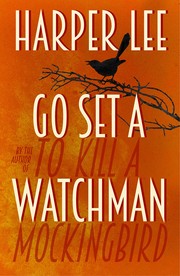
Scout Finch, aged twenty-six, returns home to Alabama to visit her father.
Source: Bookshelf — patrickcollison.com
A novel of Victorian industrial society and its utilitarian schooling.
Source: Bookshelf — patrickcollison.com
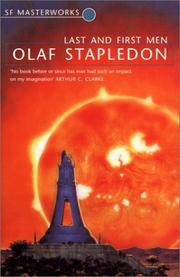
A history of mankind's future, from the present until the Sun engulfs the Earth.
Source: Bookshelf — patrickcollison.com
A naval captain and his ship's surgeon begin their friendship in the Napoleonic wars.
Source: Bookshelf — patrickcollison.com
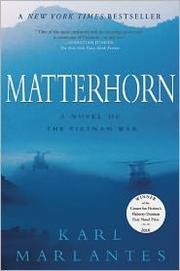
A war novel of a young Marine lieutenant and his comrades in Bravo Company.
Source: Bookshelf — patrickcollison.com
A poem that is also a translation of the Iliad.
Source: Bookshelf — patrickcollison.com
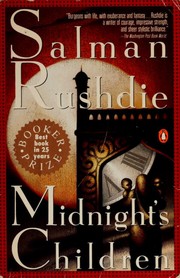
A novel of India's passage from British rule to independence and partition.
Source: Bookshelf — patrickcollison.com
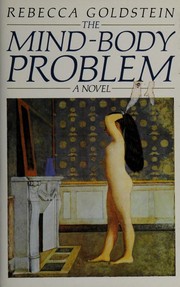
A philosophy student marries a math prodigy and weighs the mind against the body.
Source: Bookshelf — patrickcollison.com
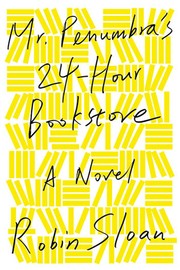
A laid-off web designer takes the night shift at a strange San Francisco bookstore.
Source: Bookshelf — patrickcollison.com
Also recommended by: Diana Kimball
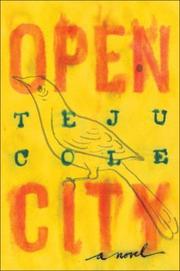
A young Nigerian doctor walks Manhattan, thinking over his relationships.
Source: Bookshelf — patrickcollison.com
Source: Bookshelf — patrickcollison.com
Also recommended by: Peter Thiel

The murder of a Japanese family in Los Angeles on the brink of World War II.
Source: Bookshelf — patrickcollison.com
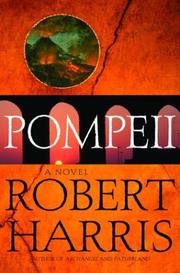
The eruption of Vesuvius in AD 79, seen by the engineer running the local aqueduct.
Source: Bookshelf — patrickcollison.com
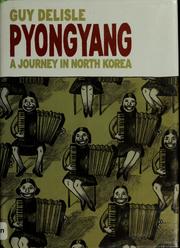
A cartoonist's graphic memoir of two months working in North Korea's capital.
Source: Bookshelf — patrickcollison.com
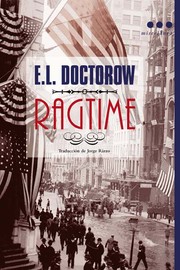
A novel of America from the turn of the century to the First World War.
Source: Bookshelf — patrickcollison.com
A tech entrepreneur is caught in a global cybercrime war sparked by his online game.
Source: Bookshelf — patrickcollison.com
The late 1950s, when the Soviet planned economy seemed briefly to deliver abundance.
Source: Bookshelf — patrickcollison.com
A shipwrecked Englishman survives for nearly thirty years on a deserted island.
A science fiction writer travels to Mars as a guest aboard the spaceship Ares.
Source: Bookshelf — patrickcollison.com
Also recommended by: Delian Asparouhov
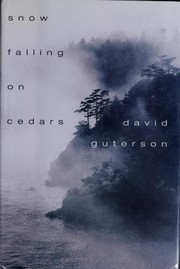
A Japanese American fisherman's murder trial on an island in Puget Sound.
Source: Bookshelf — patrickcollison.com
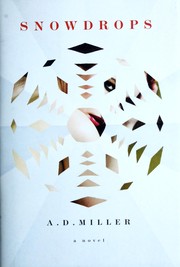
A novel of an Englishman in Moscow whose moral sense gives way to the new Russia.
Source: Bookshelf — patrickcollison.com
A novel told in fragments by a journalist living in an American city.
Source: Bookshelf — patrickcollison.com
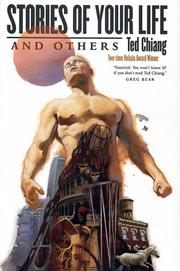
Eight science-fiction stories, each working out one premise with rigour.
Source: Bookshelf — patrickcollison.com
Also recommended by: Tim Ferriss, Delian Asparouhov and 2 others
Short imagined afterlives, each a different version of what follows death.
Source: Bookshelf — patrickcollison.com
Also recommended by: Brad Feld, Derek Sivers, Matt Mullenweg
Source: Bookshelf — patrickcollison.com
Also recommended by: Bill Gates
A collection of short stories.
Source: Bookshelf — patrickcollison.com
Also recommended by: Bob Iger, Diana Kimball, Radhika Jones
Hercule Poirot hunts a serial killer working through the alphabet.
Source: Bookshelf — patrickcollison.com
Source: Bookshelf — patrickcollison.com
The end of a fantasy trilogy: Lyra and Will journey to the world of the dead.
Source: Bookshelf — patrickcollison.com
Scientists race to contain a deadly microorganism brought to Earth by a satellite.
Source: Bookshelf — patrickcollison.com
A "factless autobiography" of fragments credited to a Lisbon clerk, Bernardo Soares.
Source: Bookshelf — patrickcollison.com
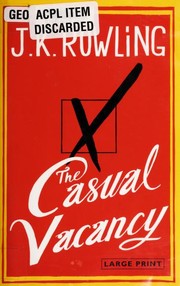
A councillor's sudden death exposes an English town at war with itself.
Source: Bookshelf — patrickcollison.com
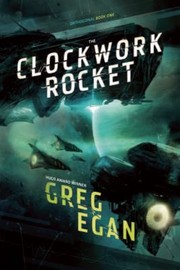
Hard science fiction in a universe where space and time follow different rules.
Source: Bookshelf — patrickcollison.com
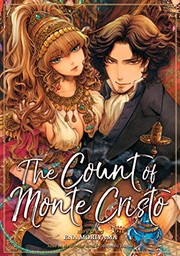
A sailor jailed for treason he did not commit escapes and takes his revenge.
Source: Bookshelf — patrickcollison.com
Also recommended by: Francois Rochon, Mike Maples, Jr. and 1 other
Humanity prepares for an alien invasion while alien sophons see all it knows.
Source: Bookshelf — patrickcollison.com
Also recommended by: Nat Eliason

Early short stories of a science fiction writer, among them "Christmas on Ganymede".
Source: Bookshelf — patrickcollison.com
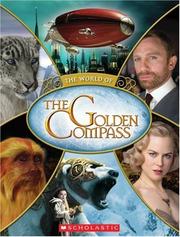
Source: Bookshelf — patrickcollison.com
A fighter pilot flies F-86s against Soviet MiGs in the Korean War.
Source: Bookshelf — patrickcollison.com
A picture book of Pilot Small flying, making an emergency landing and coming home.
Source: Bookshelf — patrickcollison.com
Stories, among them a poor boy in borstal who takes up long-distance running.
Source: Bookshelf — patrickcollison.com
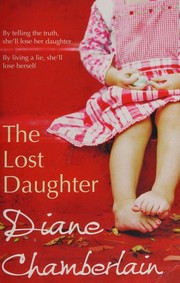
A woman who knows a twenty-year-old secret about a missing pregnant girl.
Source: Bookshelf — patrickcollison.com

Four saboteurs fight industrial development in the American Southwest desert.
Source: Bookshelf — patrickcollison.com
Also recommended by: Brad Feld, Jim Collins
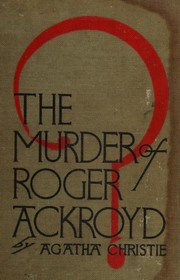
A retired Poirot investigates the murder of a squire in an English village.
Source: Bookshelf — patrickcollison.com
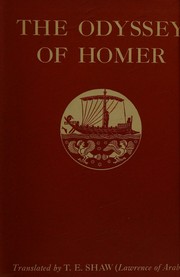
The Greek epic of Odysseus's ten-year journey home from Troy to Ithaca.
Source: Bookshelf — patrickcollison.com
Also recommended by: Caterina Fake, Jim Collins, John C. Bogle and 5 others
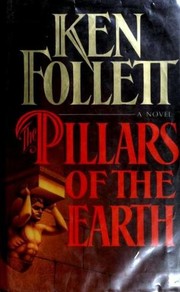
A novel of the building of a cathedral in a twelfth-century English town.
Source: Bookshelf — patrickcollison.com
Also recommended by: Oprah Winfrey
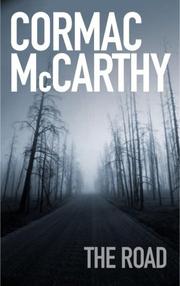
Survivors cross a world burnt to a cinder by an unnamed catastrophe.
Source: Bookshelf — patrickcollison.com
Also recommended by: Ryan Holiday, Oprah Winfrey
A magical youth is drawn into politics and forced into exile.
Source: Bookshelf — patrickcollison.com
As the walls between worlds dissolve, Lyra helps Will look for his father.
Source: Bookshelf — patrickcollison.com
Also recommended by: Sophie Bakalar
Source: Bookshelf — patrickcollison.com
Also recommended by: Jim Collins, Nassim Nicholas Taleb
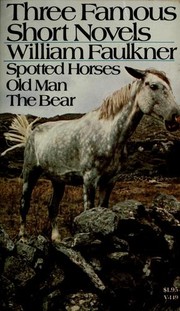
Three short novels, among them a comic account of a horse auction.
Source: Bookshelf — patrickcollison.com
A comic, gently magical book of short episodes about the miraculous.
Source: Bookshelf — patrickcollison.com
Two former lovers meet again in the Sahara, in a novel of American life.
Source: Bookshelf — patrickcollison.com
A British prime minister's memoir of his political life.
Source: Bookshelf — patrickcollison.com
The life of J. Robert Oppenheimer, who directed the Manhattan Project.
Also recommended by: Marc Andreessen
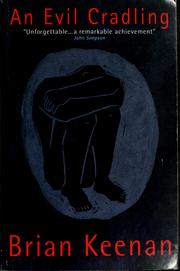
A Belfast man's memoir of five years held hostage by militiamen in Beirut.
Source: Bookshelf — patrickcollison.com

Harrison Storms, an aerospace engineer, and the building of Apollo for the moon race.
Source: Bookshelf — patrickcollison.com

An insider's account of the Soviet Union's secret biological weapons programme.
Source: Bookshelf — patrickcollison.com
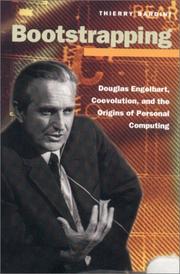
Douglas Engelbart and the origins of personal computing and its interfaces.
Source: Bookshelf — patrickcollison.com
The life and work of the engineer and inventor Buckminster Fuller.
Source: Bookshelf — patrickcollison.com
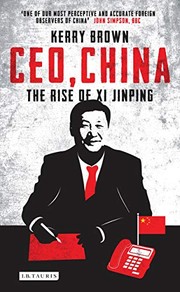
How Xi Jinping rose to lead China's Communist Party.
Source: Bookshelf — patrickcollison.com
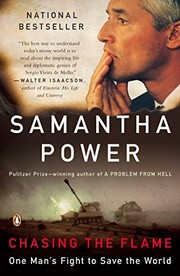
Sergio Vieira de Mello, the UN diplomat, and his work in the world's conflicts.
Source: Bookshelf — patrickcollison.com
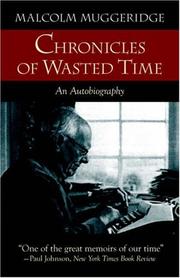
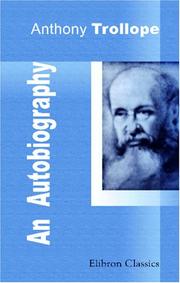
The autobiography of an English journalist and writer.
Source: Bookshelf — patrickcollison.com

A biography of Cicero and the world of ancient Rome.
Source: Bookshelf — patrickcollison.com
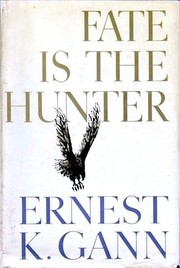
A pilot's memoir of the dangerous early days of commercial flying.
Source: Bookshelf — patrickcollison.com
Also recommended by: Larry Ellison
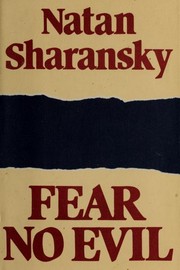

Thirty years of stories from a bush pilot in Alaska.
Source: Bookshelf — patrickcollison.com
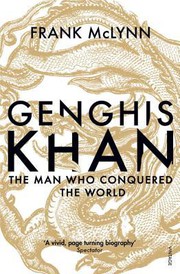
Temujin's rise from outcast to Genghis Khan and the Mongol empire he built.
Source: Bookshelf — patrickcollison.com
A war correspondent's memoir of twenty years in war zones, and of love.
Source: Bookshelf — patrickcollison.com
A CIA veteran's memoir of thirty years in its clandestine operations.
Source: Bookshelf — patrickcollison.com
A journalist and political writer's memoir of his life and causes.
Source: Bookshelf — patrickcollison.com
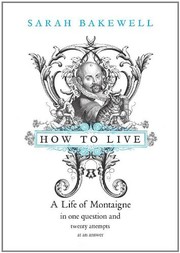
Montaigne's life and essays, read as answers to the question of how to live.
Source: Bookshelf — patrickcollison.com
Also recommended by: Andrew Wilkinson, Derek Sivers, Ryan Holiday and 1 other
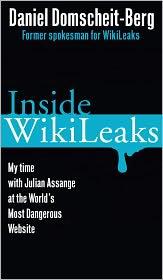
A former spokesman on WikiLeaks' workings, money and tensions with Julian Assange.
Source: Bookshelf — patrickcollison.com
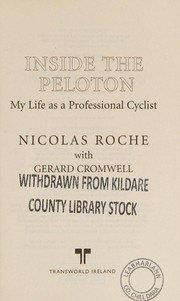
An Irish rider's inside account of life as a professional cyclist.
Source: Bookshelf — patrickcollison.com
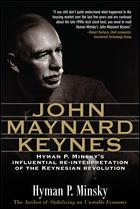
The life of the economist and statesman, abridged from three volumes into one.
Source: Bookshelf — patrickcollison.com
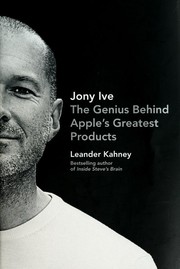
Jony Ive, Apple's chief designer, and the products he shaped.
Source: Bookshelf — patrickcollison.com
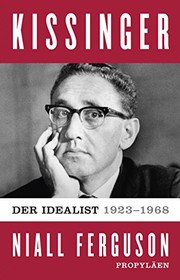
The first volume of Henry Kissinger's life, before he joined Nixon's White House.
Source: Bookshelf — patrickcollison.com
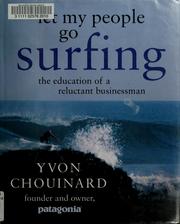
Patagonia's founder on running a business against conventional growth logic
Source: Bookshelf — patrickcollison.com
Also recommended by: David Cancel, David Perell, Nat Eliason and 3 others
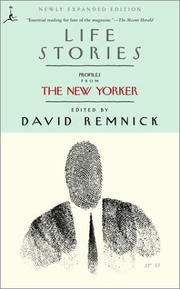
A collection of the profiles of people that The New Yorker made into a genre.
Source: Bookshelf — patrickcollison.com
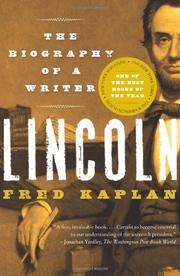
Abraham Lincoln's life told through his use of language as a tool of persuasion.
Source: Bookshelf — patrickcollison.com
Lyndon Johnson's war service and his disputed Senate primary win by 87 votes.
Also recommended by: Jim Collins
A rugby team's plane crashes in the Andes; a survivor treks out after 72 days.
Source: Bookshelf — patrickcollison.com
Scholars, diplomats and journalists recall first encounters with Communist China.
Source: Bookshelf — patrickcollison.com
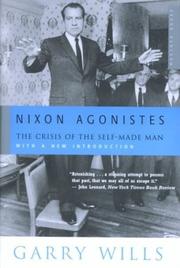
A study of Richard Nixon and his opinions, written during his first term.
Source: Bookshelf — patrickcollison.com

A pilot's memoir of a life spent flying, and the places and people along the way.
Source: Bookshelf — patrickcollison.com
More scary and often funny true stories from Royal Air Force crews and friends.
Source: Bookshelf — patrickcollison.com
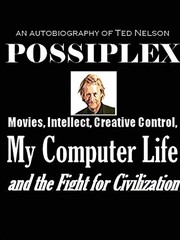
A computer pioneer's autobiography: his life in computing and fight for civilisation.
Source: Bookshelf — patrickcollison.com
An airplane designer and teacher's stories from a life of designing aircraft.
Source: Bookshelf — patrickcollison.com
A life of the aviator and writer, from his crashes to his books.
Source: Bookshelf — patrickcollison.com
A British officer's own account of the Arab Revolt against the Ottoman Empire.
Source: Bookshelf — patrickcollison.com
The dangerous work of flying small single-engine planes across the ocean.
Source: Bookshelf — patrickcollison.com
Insider account of Lockheed's advanced projects unit.
Source: Bookshelf — patrickcollison.com
Also recommended by: Jim Collins, Marc Andreessen, Sam Altman
The first civilian clean-up expedition in Antarctica, with its recipes and stories.
Source: Bookshelf — patrickcollison.com
A Chinese scholar's memoir of the Cultural Revolution.
Source: Bookshelf — patrickcollison.com
The diary of a seventeenth-century Englishman, a window on his times.
Source: Bookshelf — patrickcollison.com
A seventeenth-century Royalist's diary, from his student days to the end of his life.
Source: Bookshelf — patrickcollison.com
The diaries of a private secretary to Winston Churchill over fifteen years.
Source: Bookshelf — patrickcollison.com
Source: Bookshelf — patrickcollison.com
Short biographies and critical appraisals of English poets, most of the 18th century.
Source: Bookshelf — patrickcollison.com
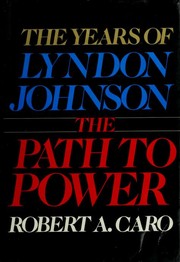
Lyndon Johnson's life from a Texas childhood to his first rise to power.
Also recommended by: Andrew Wilkinson
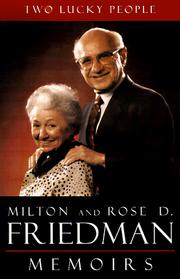
The joint memoirs of an economist and his wife, their lives and their work.
Source: Bookshelf — patrickcollison.com
Why American leaders who vowed never again failed to stop modern genocides.
Source: Bookshelf — patrickcollison.com
Paul Kagame, a refugee who came home, and Rwanda's rebuilding.
Source: Bookshelf — patrickcollison.com
How people in China pursued fortune, truth and faith under authoritarian rule.
Source: Bookshelf — patrickcollison.com
Also recommended by: Nick Crocker
American politics and foreign policy between the Berlin Wall's fall and 9/11.
Source: Bookshelf — patrickcollison.com
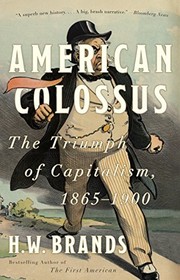
How America became an industrial nation between the Civil War and the century's end.
Source: Bookshelf — patrickcollison.com
A one-volume history of the American Civil War and the decades that led to it.
Source: Bookshelf — patrickcollison.com
The wars, massacres and ethnic conflict of the Democratic Republic of the Congo.
Source: Bookshelf — patrickcollison.com
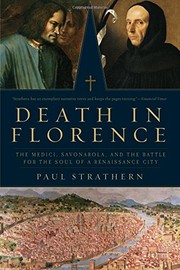
The struggle between Lorenzo de' Medici and the monk Savonarola for Florence.
Source: Bookshelf — patrickcollison.com

English society from the Norman Conquest: king, nobles, Church and people.
Source: Bookshelf — patrickcollison.com
How Knudsen and Kaiser led America's industrial build-up for the Second World War.
Also recommended by: Christopher Bloomstran
San Francisco's counterculture and its links to Silicon Valley.
Source: Bookshelf — patrickcollison.com
A concise history of San Francisco and a guide to its historic sites.
Source: Bookshelf — patrickcollison.com
A history of mechanical and engineering drawing.
Source: Bookshelf — patrickcollison.com
How English-speaking peoples spread representative government and personal freedom.
Source: Bookshelf — patrickcollison.com
How a clockmaker solved the longitude problem, the hardest science of his day.
Source: Bookshelf — patrickcollison.com
Also recommended by: Jim Collins, Richard Branson
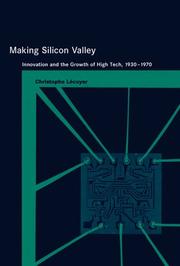
How decades of Bay Area electronics innovation built Silicon Valley.
Source: Bookshelf — patrickcollison.com

A non-technical story of the people and companies who built the first atomic bomb.
Source: Bookshelf — patrickcollison.com
The map artworks British Airways used for nearly 100 years to promote its services.
Source: Bookshelf — patrickcollison.com
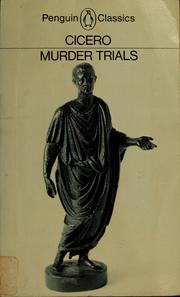
Cicero's speeches defending accused murderers, from Sextus Roscius to King Deiotarus.
Source: Bookshelf — patrickcollison.com
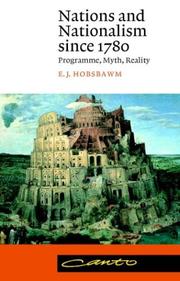
An enquiry into nationalism since 1780: its programme, its myths and its reality.
Source: Bookshelf — patrickcollison.com
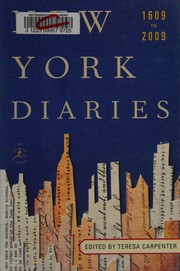
Four centuries of New Yorkers' diaries, from Henry Hudson to Mark Twain and on.
Source: Bookshelf — patrickcollison.com
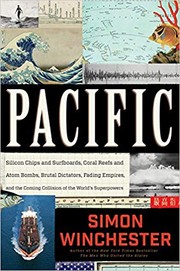
The Pacific Ocean's geology and history, and its role in the modern world.
Source: Bookshelf — patrickcollison.com
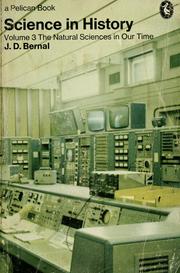
The relationship between science and society, from the flint axe to the H-bomb.
Source: Bookshelf — patrickcollison.com
San Francisco from the late 1960s to the early 1980s, through its people.
Source: Bookshelf — patrickcollison.com

The forgotten "hot" wars fought around the world after the Second World War.
Source: Bookshelf — patrickcollison.com
New Yorker pieces from the 1940s, a decade of war and lasting cultural change.
Source: Bookshelf — patrickcollison.com
New Yorker pieces from the 1960s by Spark, Updike, Plath, Baldwin and others.
Source: Bookshelf — patrickcollison.com
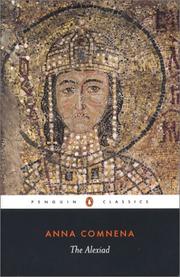
A Byzantine princess's history of her father, the emperor Alexios I Komnenos.
Source: Bookshelf — patrickcollison.com
The march of ten thousand Greek mercenaries hired by Cyrus the Younger to win Persia.
Source: Bookshelf — patrickcollison.com
Five centuries of Arab history, from Ottoman conquest to the present.
Source: Bookshelf — patrickcollison.com
Saint-Domingue, France's richest colony, and its half a million slaves.
Source: Bookshelf — patrickcollison.com
Also recommended by: Ben Horowitz
The mutiny on the Bounty and the court martial of the mutineers who were caught.
Source: Bookshelf — patrickcollison.com

How cities developed, from Egypt and Mesopotamia through Greece and Rome to today.
Source: Bookshelf — patrickcollison.com
Also recommended by: Keith Rabois
The rise of American industry in the decades before the Civil War.
Source: Bookshelf — patrickcollison.com
The rise and fall of the Dutch Republic and its Golden Age of trade, finance and art.
Source: Bookshelf — patrickcollison.com
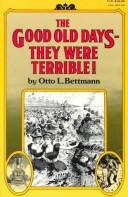
Old illustrations showing the corruption, crime and filth of the "good old days".
Source: Bookshelf — patrickcollison.com
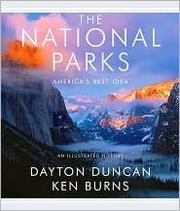
An illustrated history of the national park idea in America.
Source: Bookshelf — patrickcollison.com
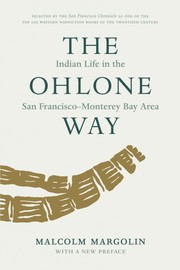
The life of the Indian people of the Bay Area before Europeans arrived.
Source: Bookshelf — patrickcollison.com
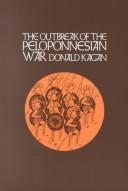
The origins of the war between Athens and Sparta, and whether it was inevitable.
Source: Bookshelf — patrickcollison.com
An anthology of medieval writings in the authentic voices of the Middle Ages.
Source: Bookshelf — patrickcollison.com
How printing transformed communication and culture in early modern Europe.
Source: Bookshelf — patrickcollison.com
The first American astronauts, their courage and their inner lives.
Source: Bookshelf — patrickcollison.com
Also recommended by: Jim Collins, Patrick O'Shaughnessy and 3 others
The European conquest of Africa in the late nineteenth and early twentieth centuries.
Source: Bookshelf — patrickcollison.com
How Americans from Kitty Hawk to the Second World War invested great hope in flight.
Source: Bookshelf — patrickcollison.com
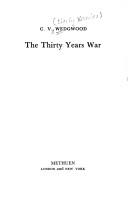
The war between Protestants and Catholics that tore seventeenth-century Europe apart.
Source: Bookshelf — patrickcollison.com
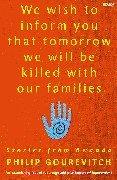
A first-hand account of the genocide in Rwanda and its aftermath.
Source: Bookshelf — patrickcollison.com
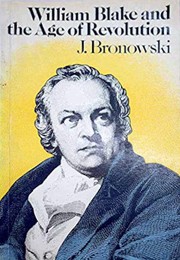
The poet William Blake and the revolutionary age that shaped his work.
Source: Bookshelf — patrickcollison.com
The history of flight and its pioneers, from kites to the space age.
Source: Bookshelf — patrickcollison.com
Whether the universe embodies beautiful ideas, from a Nobel physicist.
Source: Bookshelf — patrickcollison.com
Papers from the first ten years of computer research at Xerox PARC.
Source: Bookshelf — patrickcollison.com
Essays on evolution, natural selection, science and religion.
Source: Bookshelf — patrickcollison.com
How weather data and computer models built our knowledge of global climate change.
Source: Bookshelf — patrickcollison.com
A survey of the physical and biological sciences for general readers.
Source: Bookshelf — patrickcollison.com
The physics and dynamics of bicycles and cycling.
Source: Bookshelf — patrickcollison.com
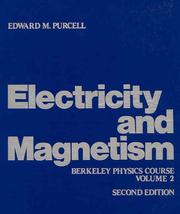
Electromagnetism rebuilt from quantum foundations.
Source: Bookshelf — patrickcollison.com
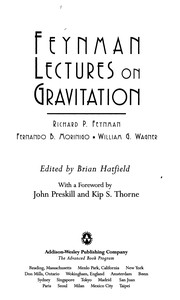
Lectures on gravitational physics from a Caltech course.
Source: Bookshelf — patrickcollison.com
Essays by 25 experts on the gravest risks to humanity this century.
Source: Bookshelf — patrickcollison.com
Also recommended by: Nat Eliason
Answers to the Fermi paradox: why we have found no aliens.
Source: Bookshelf — patrickcollison.com
Also recommended by: Elon Musk
A popular account of the history, uses and interpretations of quantum mechanics.
Source: Bookshelf — patrickcollison.com
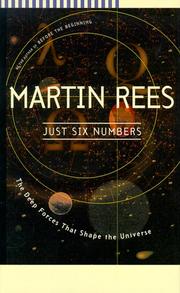
The six numbers on which all physical reality rests, from atoms to human tissue.
Source: Bookshelf — patrickcollison.com
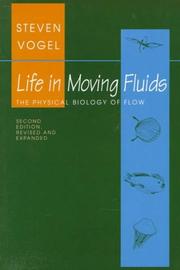
Fluid mechanics applied to how plants and animals live in moving air and water.
Source: Bookshelf — patrickcollison.com
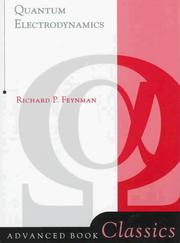
Lecture notes on the main results and methods of quantum electrodynamics.
Source: Bookshelf — patrickcollison.com
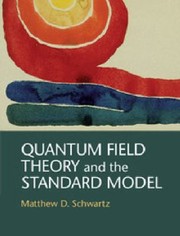
The foundations and methods of modern particle physics, through the Standard Model.
Source: Bookshelf — patrickcollison.com

An introduction to quantum field theory for beginners and self-learners.
Source: Bookshelf — patrickcollison.com
Quantum field theory for students who have finished a course in quantum mechanics.
Source: Bookshelf — patrickcollison.com
Quantum mechanics, its formalism and practice, through nearly 700 worked problems.
Source: Bookshelf — patrickcollison.com
Quantum theory applied to atoms, molecules, solids, nuclei and particles.
Source: Bookshelf — patrickcollison.com
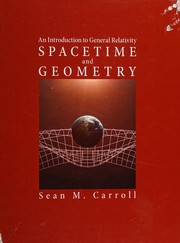
A textbook introduction to general relativity with modern techniques.
Source: Bookshelf — patrickcollison.com
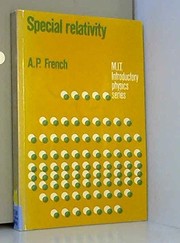
Special relativity from fast electrons to the mass, momentum and energy of particles.
Source: Bookshelf — patrickcollison.com
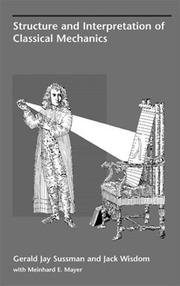
Classical mechanics taught through computational tools for Hamiltonian systems.
Source: Bookshelf — patrickcollison.com
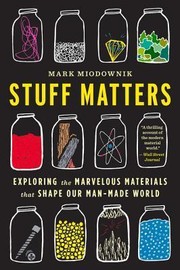
Why glass is clear and paperclips bend: the science of everyday materials.
Source: Bookshelf — patrickcollison.com
Also recommended by: Bill Gates
Lessons on doing science and engineering, and on thinking about their future.
Source: Bookshelf — patrickcollison.com
Also recommended by: Bret Victor, Keith Rabois
A plan for sending humans to Mars with current technology and making fuel there.
Source: Bookshelf — patrickcollison.com
Seven lectures on the nature of the laws of physics.
Source: Bookshelf — patrickcollison.com
An argument that consciousness is not algorithmic and rests on quantum mechanics.
Source: Bookshelf — patrickcollison.com
Source: Bookshelf — patrickcollison.com
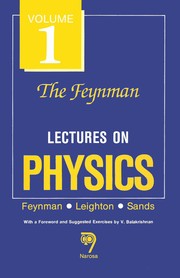
The first volume of the famous physics lectures: mechanics, radiation and heat.
Source: Bookshelf — patrickcollison.com
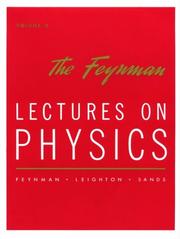
The second volume of the famous lectures on introductory physics.
Source: Bookshelf — patrickcollison.com
How the human hand shaped our cognitive, emotional and linguistic development.
Source: Bookshelf — patrickcollison.com
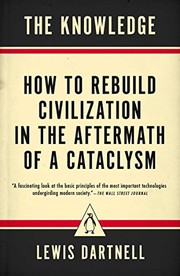
The knowledge survivors would need to rebuild technological society after a collapse.
Source: Bookshelf — patrickcollison.com
Also recommended by: Balaji S. Srinivasan
A feasible plan for settling the Moon, from robotic mining to power and transport.
Source: Bookshelf — patrickcollison.com
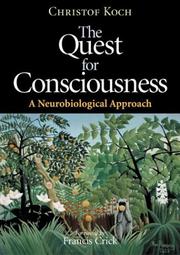
A neurobiological approach to explaining consciousness.
Source: Bookshelf — patrickcollison.com
A complete guide in one volume to the laws of physics that govern the universe.
Source: Bookshelf — patrickcollison.com
Essays on scientists as rebels who resist the limits their cultures impose.
Source: Bookshelf — patrickcollison.com
How everything that flies, from gnats to jumbo jets, obeys the same principles.
Source: Bookshelf — patrickcollison.com
A first course in physics and its mathematics for the ardent amateur.
Source: Bookshelf — patrickcollison.com
Also recommended by: Eric Weinstein
How string theory rose to dominate physics, and what happens if it is wrong.
Source: Bookshelf — patrickcollison.com
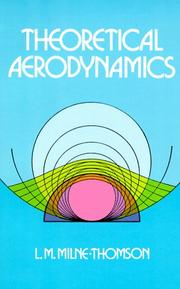
A classic text on inviscid airflow studied through potential theory.
Source: Bookshelf — patrickcollison.com
150 short explanations of how the world works, from scientists and thinkers.
Source: Bookshelf — patrickcollison.com
Also recommended by: Sahil Lavingia
About 150 thinkers on the scientific ideas they expect to change the world.
Source: Bookshelf — patrickcollison.com
Also recommended by: Eric Weinstein

Why controlled experiments, trial and error, beat theory in business and policy.
Source: Bookshelf — patrickcollison.com
Extra dimensions of space, string theory and branes, explained for lay readers.
Source: Bookshelf — patrickcollison.com
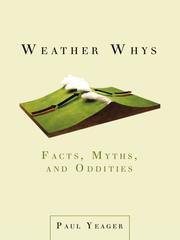
Facts, myths and oddities about the weather from a meteorologist.
Source: Bookshelf — patrickcollison.com
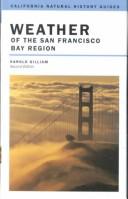
The forces of air, land and water that give the Bay Area its many kinds of weather.
Source: Bookshelf — patrickcollison.com
About 150 thinkers on what worries them most about the present and future.
Source: Bookshelf — patrickcollison.com
A photographer's memoir in pictures, from portraits to her private life.
Source: Bookshelf — patrickcollison.com
An essay on typography, lettering, book design and the social side of printing.
Source: Bookshelf — patrickcollison.com
Also recommended by: Jeremiah Shoaf
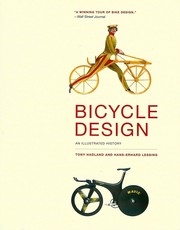
An illustrated history of bicycle design and its parts over two centuries.
Source: Bookshelf — patrickcollison.com
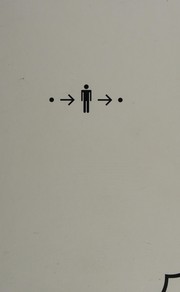
A story told entirely in pictograms and icons, with no words.
Source: Bookshelf — patrickcollison.com

A survey of the logos and visual identity of terrorist and insurgent groups.
Source: Bookshelf — patrickcollison.com
The work of the Italian designer Bruno Munari.
Source: Bookshelf — patrickcollison.com

A surreal encyclopedia of an imaginary world, written in an invented script.
Source: Bookshelf — patrickcollison.com
How to write the documentation that turns website designs into reality.
Source: Bookshelf — patrickcollison.com
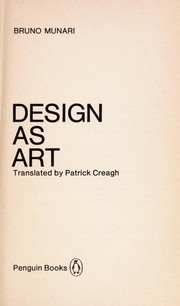
Essays on how design shapes the way people see the world around them.
Source: Patrick Collison's bookshelf (patrickcollison.com)
Also recommended by: Adam Ho, Coleen Baik, Yves Béhar
How to design data visualisations as a sequence of learnable decisions.
Source: Bookshelf — patrickcollison.com
Engineers' recommended practice for designing major urban streets for walking.
Source: Bookshelf — patrickcollison.com
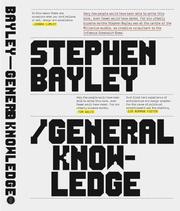
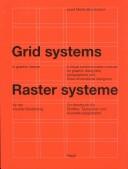
A manual on grid systems for graphic designers, typographers and exhibitions.
Source: Bookshelf — patrickcollison.com
Also recommended by: Ran Segall
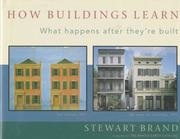
Buildings as processes that change after they are built, and how to design for it.
Also recommended by: Caterina Fake, Derek Sivers, Kevin Kelly and 3 others
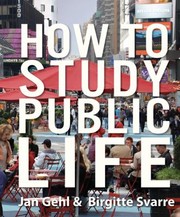
Methods for studying how people use city streets and public spaces.
Source: Bookshelf — patrickcollison.com
Theatre improvisation in four parts: status, spontaneity, narrative skills and masks.
Source: Bookshelf — patrickcollison.com
The working studios and daily routines of contemporary painters.
Source: Bookshelf — patrickcollison.com
A comedian's affectionate portrait of the Irish mammy and her sayings.
Source: Bookshelf — patrickcollison.com
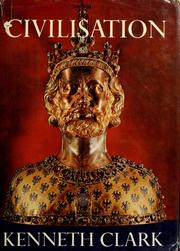
A history of Western civilisation through its art, buildings, books and people.
Source: Bookshelf — patrickcollison.com
Also recommended by: Paul Graham
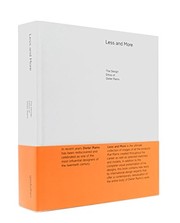
Dieter Rams' work at Braun and his ten rules of good design.
Source: Bookshelf — patrickcollison.com
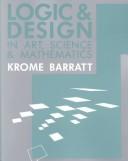
Design in art, science and mathematics: number, ratio, scale and their logic.
Source: Bookshelf — patrickcollison.com
Also recommended by: Bret Victor
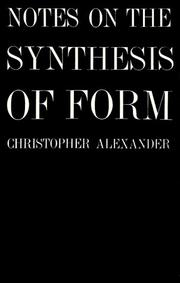
The process of design: how to invent things with new physical order and form.
Source: Bookshelf — patrickcollison.com
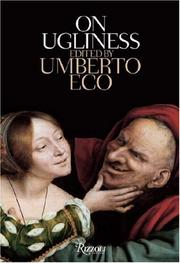
The idea of ugliness through history, as shown in art, literature and architecture.
Source: Bookshelf — patrickcollison.com

Photographs that visualise data, from Wi-Fi fields to many moments in one image.
Source: Bookshelf — patrickcollison.com
Architects' manifestos and programs, 1903 to 1963, that shaped modern architecture.
Source: Bookshelf — patrickcollison.com
A diary of ideas for building on the Pacific coast by living lightly on the land.
Source: Bookshelf — patrickcollison.com
A theoretical foundation for information visualization, from a cartographer's work.
Source: Bookshelf — patrickcollison.com
How the Swiss style of graphic design began and grew, as part of modernism.
Source: Bookshelf — patrickcollison.com
How postmodern art and fiction undo structure, and what that says about society.
Source: Bookshelf — patrickcollison.com
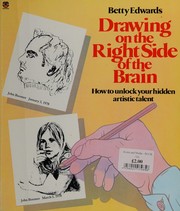
A drawing course built on visual perception and the brain's right hemisphere.
Source: Bookshelf — patrickcollison.com
Also recommended by: Ran Segall, Adam Robinson
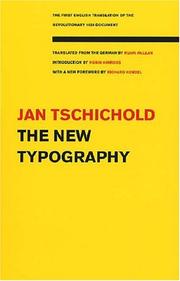
A treatise on book and graphic design for the machine age.
Source: Bookshelf — patrickcollison.com
Also recommended by: David Kadavy, Jeremiah Shoaf
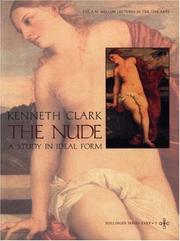
How the ideal nude has changed in art from the Greeks to Renoir and Moore.
Source: Bookshelf — patrickcollison.com

How a timeless way of building was used to revise a university's campus plan.
Source: Bookshelf — patrickcollison.com

Fifty years of architecture and community at the Sea Ranch on California's coast.
Source: Bookshelf — patrickcollison.com
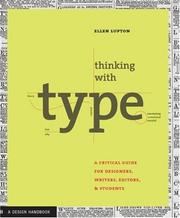
A primer of practical typographic design, for direct use in work.
Source: Bookshelf — patrickcollison.com
Also recommended by: David Kadavy, Shane Parrish
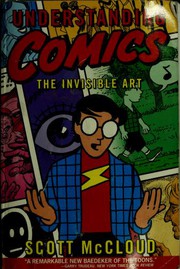
How comics work as an art form and how they are made.
Source: Bookshelf — patrickcollison.com
Also recommended by: Bret Victor, Daniel Burka, Ev Williams
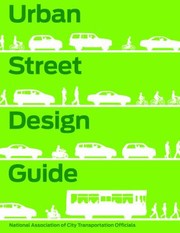
How streets can be redesigned to put transit, cycling, walking and public life first.
Source: Bookshelf — patrickcollison.com
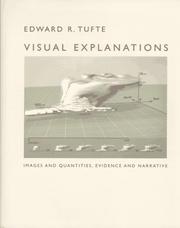
How to present information so that pictures and charts explain clearly.
Source: Bookshelf — patrickcollison.com
Also recommended by: Bret Victor, Jeff Atwood, Jim Collins
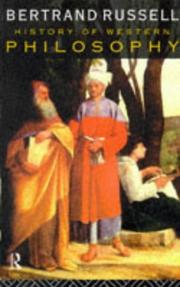
Western philosophy from the earliest times, tied to its political and social setting.
Source: Bookshelf — patrickcollison.com
A clearer restatement of A Treatise of Human Nature, with habit's role in knowledge.
Source: Bookshelf — patrickcollison.com
Ten essays introducing political philosophy and its history.
Source: Bookshelf — patrickcollison.com
The anthropic principle and the observation selection effects in science.
Source: Bookshelf — patrickcollison.com
Antifragility, the opposite of fragility, in things that gain from disorder.
Source: Bookshelf — patrickcollison.com
A selection from the essays he wrote and revised over two decades.
Source: Patrick Collison's bookshelf (patrickcollison.com)
Also recommended by: Ryan Holiday, Nassim Nicholas Taleb
How existentialism took root in American thought.
Source: Bookshelf — patrickcollison.com
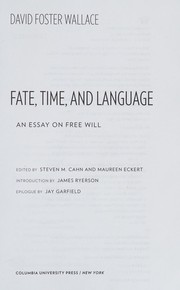
A philosopher's reply to the argument that people cannot control the future.
Source: Bookshelf — patrickcollison.com
A writer's encounters with British philosophers and historians.
Source: Bookshelf — patrickcollison.com
Essays on how far technology should be used to make better humans.
Source: Bookshelf — patrickcollison.com
His last full account of his ethical and political views.
Source: Bookshelf — patrickcollison.com
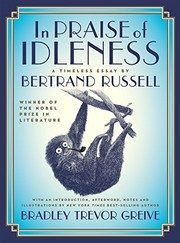
Essays for reflection and free enquiry, from fascism's roots to "useless" knowledge.
Source: Bookshelf — patrickcollison.com
Also recommended by: Nat Eliason, Ed Cooke
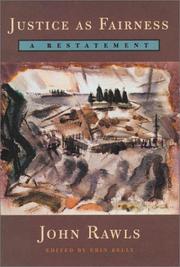
A restatement, from Harvard lectures, of the theory of justice as fairness.
Source: Bookshelf — patrickcollison.com

Advice to future radicals, dissidents and rebels on living as a contrarian.
Source: Bookshelf — patrickcollison.com

Essays on every kind of subject that, above all, examine human nature honestly.
Source: Bookshelf — patrickcollison.com
Ways to end humanity's conflicts with nature, with other people and within the self.
Source: Bookshelf — patrickcollison.com
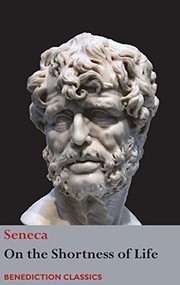
Life is not short; people waste most of it, and how to use it well.
Source: Bookshelf — patrickcollison.com
Also recommended by: Jim Collins, Maria Popova, Ryan Holiday and 2 others
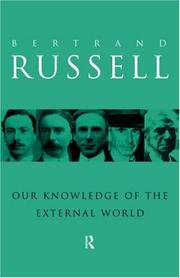
Examples showing what the logical-analytic method in philosophy can and cannot do.
Source: Bookshelf — patrickcollison.com
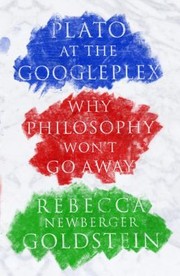
Plato brought into today's debates on religion, morality, politics and science.
Source: Bookshelf — patrickcollison.com
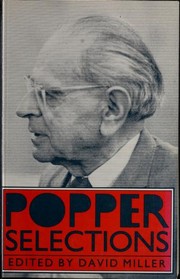
Thirty selections from Popper's writings, chosen to show the range of his ideas.
Source: Bookshelf — patrickcollison.com
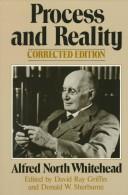
A system of speculative philosophy, process philosophy, from lectures in Edinburgh.
Source: Bookshelf — patrickcollison.com
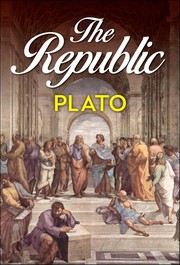
What justice is, answered by building an ideal city in dialogue.
Source: Bookshelf — patrickcollison.com
Also recommended by: John C. Bogle, Li Lu, Mark Zuckerberg and 4 others

Selections from a founding work of general semantics: language limits what we know.
Source: Bookshelf — patrickcollison.com
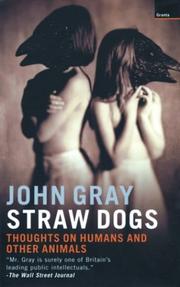
An attack on Western beliefs, from Plato to Marxism, about humanity's place.
Source: Bookshelf — patrickcollison.com
Also recommended by: Antonio García Martínez and 1 other
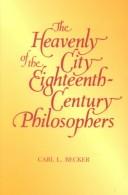
Why the Age of Reason was far less modern in temper than it is thought.
Source: Bookshelf — patrickcollison.com
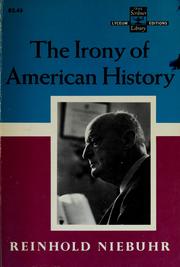
A theologian on the challenges and illusions of American democracy in the Cold War.
Source: Bookshelf — patrickcollison.com
The shift from medieval philosophy to modern science, from Copernicus to Newton.
Source: Bookshelf — patrickcollison.com
The mind-body problem from Descartes to today, and a case for neutral monism.
Source: Bookshelf — patrickcollison.com
Also recommended by: Mario Gabriele
An illustrated guide to the big ideas of the great philosophers.
Source: Bookshelf — patrickcollison.com
What, if anything, entitles the state to coerce and obliges citizens to obey.
Source: Bookshelf — patrickcollison.com
How meaning is possible in a material world, the problem after consciousness.
Source: Bookshelf — patrickcollison.com
A philosopher's view of Western culture sinking to its lowest common denominator.
Source: Bookshelf — patrickcollison.com
How people grasp the world through concepts, and how philosophical problems arise.
Source: Bookshelf — patrickcollison.com
Why there is a world rather than nothing, pursued through thinkers' answers.
Source: Bookshelf — patrickcollison.com

The aerodynamics of aircraft performance and piloting, for naval aviators.
Source: Bookshelf — patrickcollison.com
A textbook on aircraft performance, stability and control.
Source: Bookshelf — patrickcollison.com
Piloting lessons that flight instructors leave out.
Source: Bookshelf — patrickcollison.com

The Federal Aviation Regulations and the Aeronautical Information Manual for pilots.
Source: Bookshelf — patrickcollison.com
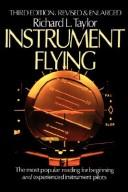
A practical handbook on flying by instruments.
Source: Bookshelf — patrickcollison.com
How to abandon a ship and survive a shipwreck.
Source: Bookshelf — patrickcollison.com
How to maintain and repair your own motorcycle.
Source: Bookshelf — patrickcollison.com
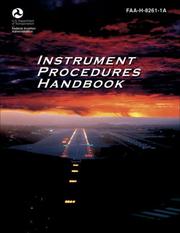
The FAA's handbook on flying by instruments.
Source: Bookshelf — patrickcollison.com

Questions and answers for the FAA oral exam for an instrument rating.
Source: Bookshelf — patrickcollison.com
A pilot's reference for instrument flight: charts, approaches and landing procedures.
Source: Bookshelf — patrickcollison.com
Source: Bookshelf — patrickcollison.com

Source: Bookshelf — patrickcollison.com
Source: Bookshelf — patrickcollison.com

A flight manual on making better landings.
Source: Bookshelf — patrickcollison.com
How to operate the Garmin G1000 glass cockpit in general aviation.
Source: Bookshelf — patrickcollison.com
Ocean flying for small-plane pilots: navigation, weather, equipment and regulations.
Source: Bookshelf — patrickcollison.com
What every pilot needs to know, from aerodynamics and weather to airspace.
Source: Bookshelf — patrickcollison.com
Also recommended by: Brian Armstrong
Biographies of the first pilots of 100 countries and their attempts to fly.
Source: Bookshelf — patrickcollison.com
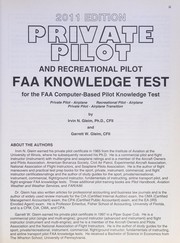
Study outlines and FAA questions for passing the private pilot knowledge test.
Source: Bookshelf — patrickcollison.com
How to ride a motorcycle well on city streets and country roads and handle hazards.
Source: Bookshelf — patrickcollison.com

A pilot's guide to radio communications and the air traffic control system.
Source: Bookshelf — patrickcollison.com
How to choose, brew and enjoy artisan coffee at home, with 40 recipes.
Source: Bookshelf — patrickcollison.com

The early flight hours when new pilots most often make fatal mistakes.
Source: Bookshelf — patrickcollison.com
A catalog of useful resources on science, health, crafts, technology and more.
Source: Bookshelf — patrickcollison.com
A catalogue of reviewed tools and goods for self-sufficiency, ecology and learning.
Source: Bookshelf — patrickcollison.com
A comprehensive atlas of the world.
Source: Bookshelf — patrickcollison.com

A guide to choosing single malt whiskies by an objective profile of their flavour.
Source: Bookshelf — patrickcollison.com

A catalogue of tools for independent education: what is worth getting, and where.
Source: Bookshelf — patrickcollison.com
Why well-designed cities are the key to America's national challenges.
Source: Bookshelf — patrickcollison.com
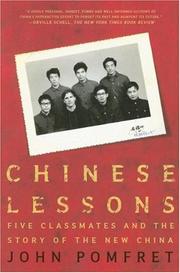
China's transformation over forty years, told through five university classmates.
Source: Bookshelf — patrickcollison.com
Essays on language, education, mass media and the social effects of technology.
Source: Bookshelf — patrickcollison.com
Over one hundred essays on twentieth-century thinkers, artists and musicians.
Source: Bookshelf — patrickcollison.com
Also recommended by: Frank Blake
Chinese culture explained through the quirks of the Mandarin language.
Source: Bookshelf — patrickcollison.com
Also recommended by: Derek Sivers
How networked thinking can transform government, research and the arts.
Source: Bookshelf — patrickcollison.com
Also recommended by: Ev Williams
Chungking Mansions in Hong Kong, the guesthouse block at the heart of global trade.
Source: Bookshelf — patrickcollison.com
Also recommended by: Diana Kimball
A writer returns to India and meets the people living through its rapid change.
Source: Bookshelf — patrickcollison.com
Essays on carnival hokum, magical thinking and Washington's cult of expertise.
Source: Bookshelf — patrickcollison.com
How the move from oral cultures to writing changed thought, personality and society.
Source: Bookshelf — patrickcollison.com
Ten essays on China's economic and political change and what it means for America.
Source: Bookshelf — patrickcollison.com
Thirty-two rants, essays and parodies from Suck, a daily web column.
Source: Bookshelf — patrickcollison.com
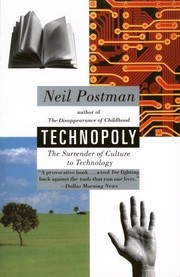
How a culture hands its judgement to machines, statistics and technical experts.
Source: Bookshelf — patrickcollison.com
Also recommended by: Tristan Harris
Four breaks with the postwar world, from a global economy to knowledge as capital.
Source: Bookshelf — patrickcollison.com
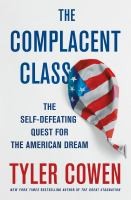
How Americans became less willing to move, take risks and adapt.
Source: Bookshelf — patrickcollison.com
Also recommended by: David Perell, Derek Sivers
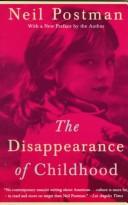
How television exposes children to adult life too early and erodes childhood.
Source: Bookshelf — patrickcollison.com
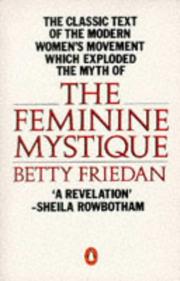
"The problem that has no name": the beliefs that kept women confined to the home.
Source: Bookshelf — patrickcollison.com
Margaret Mead, Buckminster Fuller, Marshall McLuhan and others on the future.
Source: Bookshelf — patrickcollison.com
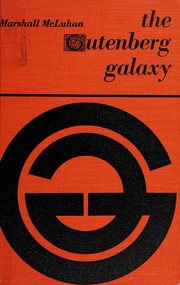
A media theorist's study of print and communication that foresaw the global village.
Source: Bookshelf — patrickcollison.com
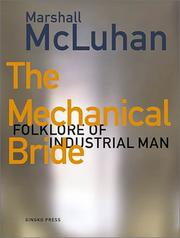
A critique of mass communication through ads, comic strips and columns.
Source: Bookshelf — patrickcollison.com
Life among the San hunter-gatherers of southern Africa.
Source: Bookshelf — patrickcollison.com
Also recommended by: Paul Graham, Sam Altman
How cities can meet environmental, economic and social challenges.
Source: Bookshelf — patrickcollison.com
Fourteen essays of reporting and criticism on the troubled issues of the 1960s.
Source: Bookshelf — patrickcollison.com
Source: Bookshelf — patrickcollison.com
Also recommended by: Cynthia Johnson, David Perell

A course in calculus and mathematical analysis.
Source: Bookshelf — patrickcollison.com
An introduction for lay readers to the concepts and uses of probability theory.
Source: Bookshelf — patrickcollison.com
A text on abstract algebra and how its areas connect.
Source: Bookshelf — patrickcollison.com
The standard introduction to harmonic analysis for students.
Source: Bookshelf — patrickcollison.com
Source: Bookshelf — patrickcollison.com
Also recommended by: Eric Weinstein
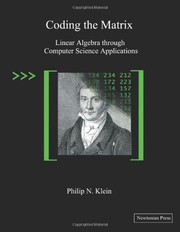
Linear algebra taught through applications in computer science.
Source: Bookshelf — patrickcollison.com
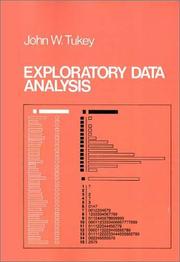
Informal ways to study data, from plots to numerical summaries done by hand.
Source: Bookshelf — patrickcollison.com
The wartime theory of filtering and predicting time series, applied to engineering.
Source: Bookshelf — patrickcollison.com

The differential geometry needed for general relativity and quantum field theory.
Source: Bookshelf — patrickcollison.com

A guide to the method of solving mathematical problems.
Source: Bookshelf — patrickcollison.com
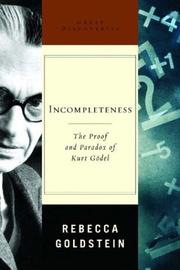
The life and thought of Kurt Gödel, whose theorems changed mathematics.
Source: Bookshelf — patrickcollison.com
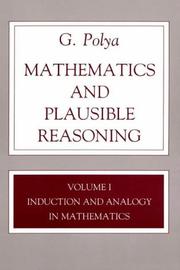
Induction, analogy and the patterns of plausible inference in mathematics.
Source: Bookshelf — patrickcollison.com
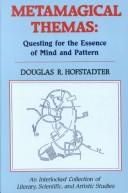
Quirky essays on how people perceive and think.
Source: Bookshelf — patrickcollison.com
Euclid's first six books, with diagrams and proofs drawn in bright coloured shapes.
Source: Bookshelf — patrickcollison.com
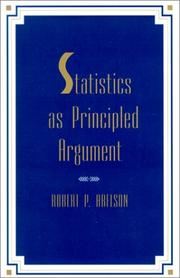
Statistical analysis as argument: how to interpret data and tell a coherent story.
Source: Bookshelf — patrickcollison.com
Problems, strategies and techniques for skill at mathematical problem solving.
Source: Bookshelf — patrickcollison.com
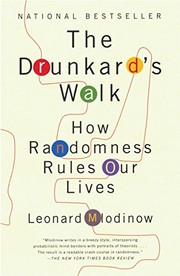
How randomness shapes our lives, the history of probability, and why we misread it.
Source: Bookshelf — patrickcollison.com
Also recommended by: Derek Sivers, Michael Mauboussin
The culture, history and philosophy of mathematics, and how mathematicians work.
Source: Bookshelf — patrickcollison.com
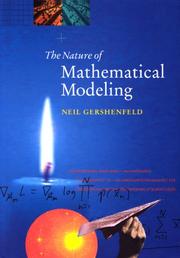
Techniques for mathematical modelling, aimed at simple, efficient computer code.
Source: Bookshelf — patrickcollison.com
Also recommended by: Bret Victor
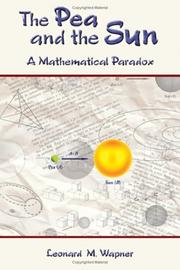
A paradox in which one apple is cut into five pieces and reassembled into two.
Source: Bookshelf — patrickcollison.com
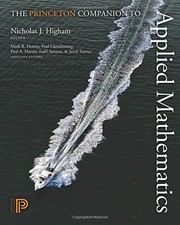
Expert entries on applied maths: concepts, modelling, simulation and applications.
Source: Bookshelf — patrickcollison.com
Also recommended by: Naval Ravikant
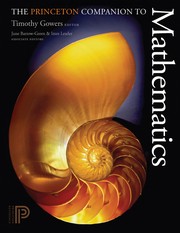
Nearly 200 entries by leading mathematicians on modern maths and its core ideas.
Source: Bookshelf — patrickcollison.com
Also recommended by: Balaji S. Srinivasan
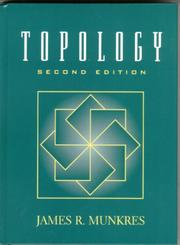
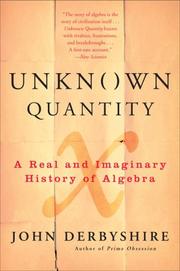
The story of algebra and the people behind its formulae, roots and radicals.
Source: Bookshelf — patrickcollison.com
The history of the number e, from compound interest to the Gateway Arch.
Source: Bookshelf — patrickcollison.com
An eight-step method for doing policy analysis, with worked examples.
Source: Bookshelf — patrickcollison.com
The case that prisons, grown into a private industry, should be replaced.
Source: Bookshelf — patrickcollison.com
The rise of the conservative movement in the sixties around Barry Goldwater.
Source: Bookshelf — patrickcollison.com
The Constitution of Ireland in English and Irish.
Source: Bookshelf — patrickcollison.com

How growing equality of conditions shaped American democracy and society.
Source: Bookshelf — patrickcollison.com
Also recommended by: Jim Collins, Li Lu
Why Western politics split between crazy and sane, and how to restore reason.
Source: Bookshelf — patrickcollison.com
Source: Bookshelf — patrickcollison.com
A philosopher on human survival in the nuclear age.
Source: Bookshelf — patrickcollison.com
How judges actually decide cases in the American legal system.
Source: Bookshelf — patrickcollison.com

The history of Eritrea and its long war for independence.
Source: Bookshelf — patrickcollison.com
The economic and social case for immigration.
Source: Bookshelf — patrickcollison.com
The rise and fall of Mobutu Sese Seko over 32 years as ruler of Zaire.
Source: Bookshelf — patrickcollison.com
The second of two volumes of Lincoln's complete speeches and writings.
Source: Bookshelf — patrickcollison.com
Nixon's political career from Congress to the White House and the strategies he used.
Source: Bookshelf — patrickcollison.com
An analysis of political hostage-taking by terrorists in the modern world.
Source: Bookshelf — patrickcollison.com
Chinese people who push for justice and freedom under an authoritarian state.
Source: Bookshelf — patrickcollison.com
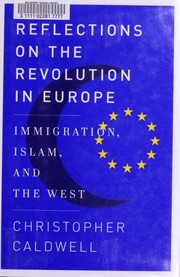
How mass immigration and Islam changed Europe without forming a melting pot.
Source: Bookshelf — patrickcollison.com
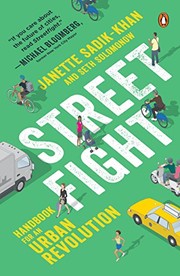
How New York's transport chief remade its streets for pedestrians and cyclists.
Source: Bookshelf — patrickcollison.com
A defence of technology, enterprise and progress against those who lament them.
Source: Bookshelf — patrickcollison.com
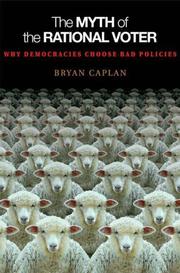
Voters hold systematic biases about economics, so democracies choose bad policies.
Source: Bookshelf — patrickcollison.com
Also recommended by: Derek Sivers, Marc Andreessen
How China's Communist Party works and its role in the country's rise as a power.
Source: Bookshelf — patrickcollison.com
Washington's political culture of networking, branding and self-interest.
Source: Bookshelf — patrickcollison.com
The life stories of the main candidates in one American presidential primary.
Source: Bookshelf — patrickcollison.com
Also recommended by: Ezra Klein
The history of WikiLeaks and its release of secret government documents.
Source: Bookshelf — patrickcollison.com
Why living standards stayed flat in a Malthusian trap until the industrial era.
Source: Bookshelf — patrickcollison.com
The American economy through the Depression and the economic policy of the time.
Source: Bookshelf — patrickcollison.com
Also recommended by: Raoul Pal
How communities manage shared resources without either the state or the market.
Source: Bookshelf — patrickcollison.com
Also recommended by: Stewart Brand
Why trade liberalisation was creating social tensions its advocates ignored.
Source: Bookshelf — patrickcollison.com
The post-Cold War economic contest among Japan, Europe and America.
Source: Bookshelf — patrickcollison.com
How grassroots innovation created jobs, challenge and change, by a Nobel economist.
Source: Bookshelf — patrickcollison.com
Essays against popular misconceptions about international trade.
Source: Bookshelf — patrickcollison.com

How modern invention and enterprise changed the production and sharing of wealth.
Source: Bookshelf — patrickcollison.com
Five technological revolutions since 1771, and why each brings a financial bubble.
Source: Bookshelf — patrickcollison.com
Also recommended by: Howard Marks, Michael Mauboussin
Short essays on unemployment, globalization, growth and financial speculation.
Source: Bookshelf — patrickcollison.com
Health, wealth and inequality: how living standards rose across the world.
Source: Bookshelf — patrickcollison.com
Also recommended by: Bill Gates
How America was ceding its future to Japan, and how to reverse it.
Source: Bookshelf — patrickcollison.com
A non-pedantic guide to English usage, from split infinitives to final prepositions.
Source: Bookshelf — patrickcollison.com
Critical essays from the forties on Dickens, Kipling, Eliot, Dali and others.
Source: Bookshelf — patrickcollison.com
A collection of essays on politics and culture.
Source: Bookshelf — patrickcollison.com
How sentence structure works as style, with examples.
Source: Bookshelf — patrickcollison.com
A collection of essays, including the one known as the Harper's essay.
Source: Bookshelf — patrickcollison.com
Translations of one French poem as a way into translation, language and loss.
Source: Bookshelf — patrickcollison.com
Numbered rules of English usage and composition, with examples, under 100 pages.
Source: Bookshelf — patrickcollison.com
Also recommended by: Derek Sivers, Kara Swisher, Nat Eliason and 3 others
An inquiry into the psychopathology of journalism.
Source: Bookshelf — patrickcollison.com
Also recommended by: Audrey Gelman, Balaji S. Srinivasan
New translations of an Austrian satirist's essays, with extensive annotations.
Source: Bookshelf — patrickcollison.com
Interviews with the great writers of the age, from Faulkner to Garcia Marquez.
Source: Bookshelf — patrickcollison.com
Interviews in which great writers describe how they work.
Source: Bookshelf — patrickcollison.com
Interviews with the great writers of the age about their craft.
Source: Bookshelf — patrickcollison.com
More of the magazine's conversations with the greatest writers of the age.
Source: Bookshelf — patrickcollison.com
Long interviews on the writing life with Philip Roth, Haruki Murakami and others.
Source: Bookshelf — patrickcollison.com
Source: Bookshelf — patrickcollison.com
Critical essays on poets from Bishop to Hopkins, politics and the art of criticism.
Source: Bookshelf — patrickcollison.com
Source: Bookshelf — patrickcollison.com
A history of the second decade of Xerox's Palo Alto Research Center.
Source: Bookshelf — patrickcollison.com
How the Macintosh was made, told by a team member with photos and sketches.
Also recommended by: Keith Rabois
Juan Trippe and the rise and fall of Pan American World Airways.
Source: Bookshelf — patrickcollison.com
The East India Company, from spice trader to ruler of India: the first multinational.
Source: Bookshelf — patrickcollison.com
How Bell Labs turned research into the transistor, the laser and information theory.
Source: Bookshelf — patrickcollison.com
Also recommended by: Mohnish Pabrai, Marc Andreessen and 2 others
How psychoactive drugs act on the brain, for general readers.
Source: Bookshelf — patrickcollison.com

A biologist's walk through Gorongosa National Park, and why biodiversity matters.
Source: Bookshelf — patrickcollison.com
Christopher Murray and the Global Burden of Disease studies of how people die.
Source: Bookshelf — patrickcollison.com
Also recommended by: Bill Gates

Why animals are best seen as hosts to millions of microbes.
Source: Bookshelf — patrickcollison.com
Also recommended by: Bill Gates
Population genetics as a new way to answer who the Jewish people are.
Source: Bookshelf — patrickcollison.com
An introduction to the structure and function of the nervous system for students.
Source: Bookshelf — patrickcollison.com
A textbook on the molecular and cellular basis of cancer.
Source: Bookshelf — patrickcollison.com
Illustrations of the molecules and machines that make a living cell work.
Source: Bookshelf — patrickcollison.com
Where the deadliest viruses come from, and how to stop pandemics.
Source: Bookshelf — patrickcollison.com
How energy and genes are linked, and why complex life arose from a single event.
Source: Bookshelf — patrickcollison.com
Also recommended by: Bill Gates, Chamath Palihapitiya
A guide to backpacking trails in California's mountains, coast and desert.
Source: Bookshelf — patrickcollison.com
Fifty trips for private pilots, told in stories and photographs.
Source: Bookshelf — patrickcollison.com
A history of commercial air travel in the United States.
Source: Bookshelf — patrickcollison.com
An alternative guide to life and customs in Rio de Janeiro.
Source: Bookshelf — patrickcollison.com
The history of climbing K2, the world's most difficult and deadly mountain.
Source: Bookshelf — patrickcollison.com


A guidebook to Maui by an author who tried its trails, reefs and restaurants.
Source: Bookshelf — patrickcollison.com

Two years as a Peace Corps English teacher in the Chinese river city of Fuling.
Source: Bookshelf — patrickcollison.com
Also recommended by: Derek Sivers

Twelve American sailors wrecked on the North African coast and sold into slavery.
Source: Bookshelf — patrickcollison.com
Walks that use San Francisco's public stairways to explore its neighbourhoods.
Source: Bookshelf — patrickcollison.com
A sailor's story of the first solo non-stop race round the world, and leaving it.
Source: Bookshelf — patrickcollison.com
A pilot's account of the grandeur, danger and isolation of flight.
Source: Bookshelf — patrickcollison.com
Also recommended by: Naval Ravikant
Source: Bookshelf — patrickcollison.com
Also recommended by: Cynthia Johnson, Elon Musk
Computer models of how minds make analogies and create.
Source: Bookshelf — patrickcollison.com
An introduction to machine learning through case studies and algorithms.
Source: Bookshelf — patrickcollison.com
A textbook on machine learning built around its algorithms.
Source: Bookshelf — patrickcollison.com
How the brain produces intelligence, and what that means for intelligent machines.
Source: Bookshelf — patrickcollison.com
Also recommended by: Keith Rabois, Ev Williams
Artificial intelligence programming, taught through Common Lisp.
Source: Bookshelf — patrickcollison.com
Also recommended by: Paul Graham
How to build web applications that mine user data, with Python algorithms.
Source: Bookshelf — patrickcollison.com
How a future of abundant human and machine intelligence may change the world.
Source: Bookshelf — patrickcollison.com
Japan's drive to build fifth-generation AI computers, and its stakes for America.
Source: Bookshelf — patrickcollison.com
A theory of how the human mind works and how thought arises.
Source: Bookshelf — patrickcollison.com
Nearly two hundred thinkers on artificial intelligence.
Source: Bookshelf — patrickcollison.com
Source: Bookshelf — patrickcollison.com
Also recommended by: Nassim Nicholas Taleb, Tucker Max
How the Yale endowment invests, and how institutions can build portfolios like it.
Source: Bookshelf — patrickcollison.com
Also recommended by: Howard Marks, John C. Bogle, Marc Andreessen and 2 others
How the best managers break conventional rules by building on employees' strengths.
Source: Bookshelf — patrickcollison.com
Also recommended by: Drew Houston, Simon Sinek
Hire by defining the results a role must deliver, not the skills on a CV.
Source: Bookshelf — patrickcollison.com
Also recommended by: Derek Sivers
How bureaucratic corporations shape managers' personal ethics.
Source: Bookshelf — patrickcollison.com
An insider on the tactics of Chinese factories that make goods for Western importers.
Source: Bookshelf — patrickcollison.com
How to get past burnout, busywork and the myth of total efficiency at work.
Source: Bookshelf — patrickcollison.com
Also recommended by: Ev Williams
Essays on technology, its history and its link to management and society.
Source: Bookshelf — patrickcollison.com
A biography of the physicist Richard Feynman and his work.
Also recommended by: Jim Collins, Mohnish Pabrai, Naval Ravikant
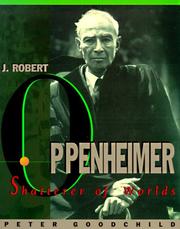
Profiles of 15 leading computer scientists, eight of them Turing Award winners.
Source: Bookshelf — patrickcollison.com
A personal life of the physicist Frank Oppenheimer, brother of Robert.
Source: Bookshelf — patrickcollison.com
Alexander von Humboldt and his idea of nature as a web in which everything connects.
Source: Bookshelf — patrickcollison.com
The life of Srinivasa Ramanujan, Indian mathematician, and his work with G. H. Hardy.
Also recommended by: Paul Graham, Sophie Bakalar
Britain's wartime mission to share its military secrets with American scientists.
A teacher's account of teaching in an American junior high school.
Source: Bookshelf — patrickcollison.com

The case for teaching children computing, with LOGO, to learn mathematics.
Source: Bookshelf — patrickcollison.com
Also recommended by: Diana Kimball
How computers could change schools, and why a decade of them changed so little.
Source: Bookshelf — patrickcollison.com
How education can bring children into their culture, using cultural psychology.
Source: Bookshelf — patrickcollison.com
A new idea of education built on intellectual tools such as language and literacy.
Source: Bookshelf — patrickcollison.com
Why young children can grasp the basic ideas of science and the humanities early.
Source: Bookshelf — patrickcollison.com
Essays toward a theory of teaching built on what is known about human growth.
Source: Bookshelf — patrickcollison.com
Creativity in humour, science and art as 'bisociation': joining two unrelated frames.
Source: Bookshelf — patrickcollison.com
Also recommended by: Patrick O'Shaughnessy, Adam Robinson
Creative genius explained as a Darwinian process of variation and selection.
Source: Bookshelf — patrickcollison.com
Portraits of people living lives of extreme ethical commitment to helping strangers.
Source: Bookshelf — patrickcollison.com
Also recommended by: Nick Thompson
What happens as technology stands in for people's experience of nature.
Source: Bookshelf — patrickcollison.com

Twelve practices for bringing creativity into work and personal life.
Source: Bookshelf — patrickcollison.com
Also recommended by: Derek Sivers
Source: Bookshelf — patrickcollison.com
What drives artists and scientists to create, and why it is not neurosis.
Source: Bookshelf — patrickcollison.com
A psychologist's case that stress can be good for people.
Source: Bookshelf — patrickcollison.com
Also recommended by: Austen Allred, Keith Rabois
Primary sources from history on crime and punishment, from a literary quarterly.
Source: Bookshelf — patrickcollison.com
Essays on technology, diversity and culture from the Model View Culture magazine.
Source: Bookshelf — patrickcollison.com
Essays on technology, diversity and culture from a feminist technology magazine.
Source: Bookshelf — patrickcollison.com
An issue of an early journal on video as an artistic and political medium.
Source: Bookshelf — patrickcollison.com
An issue of a journal that debunks the ideology of the free market.
Source: Bookshelf — patrickcollison.com
An issue of Bell Labs' technical journal given over to the UNIX time-sharing system.
Source: Bookshelf — patrickcollison.com
A magazine issue on politics and culture, with essays on prisons and computers.
Source: Bookshelf — patrickcollison.com
Source: Bookshelf — patrickcollison.com
Data on 10,000 founders: co-founders, hiring, investors, control and succession.
Source: Bookshelf — patrickcollison.com
Also recommended by: Brad Feld, Leo Polovets
A venture adviser on startups and the trap of the deferred life plan.
Source: Bookshelf — patrickcollison.com
Also recommended by: Nat Eliason, Ev Williams, Fred Wilson and 2 others
A step-by-step guide to finding customers, a market and product-market fit.
Source: Bookshelf — patrickcollison.com
Also recommended by: Matej Latin, Sophie Bakalar
Venture financing term by term, for founders negotiating their first rounds.
Source: Bookshelf — patrickcollison.com
Also recommended by: Brad Feld, Gaby Goldberg, Michael Batko and 3 others
A collection of short stories and essays.
Source: Bookshelf — patrickcollison.com
Also recommended by: Caterina Fake, Naval Ravikant
A psychiatrist marries his wealthy patient, and the marriage destroys him.
Source: Bookshelf — patrickcollison.com
Also recommended by: Bob Iger
A novel of a rich man of unknown origin on Long Island and the woman he wants back.
Source: Bookshelf — patrickcollison.com
Also recommended by: Jim Collins, Mohnish Pabrai, Anna Cheng and 3 others
A novel in which the devil, as Professor Woland, brings chaos to Soviet Moscow.
Source: Bookshelf — patrickcollison.com
Also recommended by: Alexey Moiseenkov, Jack Dorsey, Max Levchin and 1 other

Napoleon's invasion of Russia, followed through Pierre, Prince Andrei and Natasha.
Source: Bookshelf — patrickcollison.com
Also recommended by: Jim Collins, Mohnish Pabrai, Tyler Cowen and 1 other
Human knowledge as the greatest resource for overcoming environmental limits.
Source: Bookshelf — patrickcollison.com
A conservation biologist's account of the life of the seas.
Source: Bookshelf — patrickcollison.com
Proposals for planned intervention in the climate, and what geoengineering could do.
Source: Bookshelf — patrickcollison.com

The coastal temperate rain forests from California's redwoods to southeast Alaska.
Source: Bookshelf — patrickcollison.com
How to regain health and lose weight with a starch-and-fat diet and better nutrition.
Source: Bookshelf — patrickcollison.com
A science-based approach to weight management for endurance athletes.
Source: Bookshelf — patrickcollison.com
How to coach and learn the basic barbell lifts for strength.
Source: Bookshelf — patrickcollison.com
Also recommended by: Derek Sivers, Sahil Lavingia, Tim Ferriss
A weight-lifting programme built on six basic moves and recent findings.
Source: Bookshelf — patrickcollison.com
A training plan for people who think they are too old or unfit to run a marathon.
Source: Bookshelf — patrickcollison.com
Why volatile assets earn no premium and low-volatility investing works.
Source: Bookshelf — patrickcollison.com
A natural history of how strangers came to cooperate in economic life.
Source: Bookshelf — patrickcollison.com
Also recommended by: Mohnish Pabrai
Human evolution retold, with group selection rather than kin selection at its core.
Source: Bookshelf — patrickcollison.com
Also recommended by: Mohnish Pabrai, Li Lu
What makes games fun, and how designers can build fun into interactive products.
Source: Bookshelf — patrickcollison.com
Two masters teach the game of Go step by step, from the first rules to real play.
Source: Bookshelf — patrickcollison.com
Short math and logic puzzles, from the mutilated chessboard to the fork in the road.
Source: Bookshelf — patrickcollison.com
A hundred brain teasers from the Russian tradition of math and physics problems.
Source: Bookshelf — patrickcollison.com
A novel of a feudal space empire fighting over a desert planet and its spice.
Source: Bookshelf — patrickcollison.com
Also recommended by: Stewart Brand, Andrew Chen, Elon Musk and 7 others
Terminus suspects the Second Foundation, not Seldon's plan, of keeping its peace.
Source: Bookshelf — patrickcollison.com
Also recommended by: Elon Musk
A dystopian novel set in Gilead, a patriarchal theocracy in near-future New England.
Source: Bookshelf — patrickcollison.com
Also recommended by: Samantha Wong
The murder of a costumed vigilante stirs the few surviving masked heroes to act.
Source: Bookshelf — patrickcollison.com
Also recommended by: Naval Ravikant
How seeing turns into showing: turning data and evidence into explanation.
Source: Bookshelf — patrickcollison.com
Also recommended by: Bret Victor, Jeff Atwood
How to show complex information on flat paper or screens, with many examples.
Source: Bookshelf — patrickcollison.com
Also recommended by: Bret Victor, Jeff Atwood, Jim Collins and 1 other
The theory and practice of designing statistical graphics, charts and tables.
Source: Bookshelf — patrickcollison.com
Also recommended by: Jeff Atwood, Jim Collins, Michael Mauboussin and 2 others
Rare, unforeseen, high-impact events drive history, explained only after the fact.
Source: Bookshelf — patrickcollison.com
Also recommended by: David Perell, Howard Marks, Marc Andreessen and 19 others
Case studies of how policymakers can use history to make better decisions.
Source: Bookshelf — patrickcollison.com
Also recommended by: Stewart Brand
Why some groups of talented people achieve greatness and others never do.
Source: Bookshelf — patrickcollison.com
Also recommended by: Mohnish Pabrai
A coach's 12 lessons in leadership and his Pyramid of Success for a winning team.
Source: Bookshelf — patrickcollison.com
A novel of the young Einstein's dreams of different kinds of time, in 1905.
Source: Bookshelf — patrickcollison.com
Also recommended by: David Perell, Patrick O'Shaughnessy and 2 others
A novel of Marco Polo describing imagined cities to the emperor Kublai Khan.
Source: Bookshelf — patrickcollison.com
Also recommended by: Mohnish Pabrai, Daniel Burka, Mario Gabriele

Two orphaned sisters move from Australia to England: seduction, marriage, betrayal.
Source: Bookshelf — patrickcollison.com
Also recommended by: Sam Altman
Why mathematics is worth doing for its beauty, apart from any use.
Source: Bookshelf — patrickcollison.com
Also recommended by: Paul Graham
Thought experiments and other tools a philosopher uses to reason carefully.
Source: Bookshelf — patrickcollison.com
Also recommended by: Shane Parrish
How checklists stop experts in complex fields failing to apply what they know.
Source: Bookshelf — patrickcollison.com
Also recommended by: Derek Sivers, Keith Rabois and 9 others
A method for tidying a home once, so that it stays simple and ordered.
Source: Bookshelf — patrickcollison.com
Also recommended by: Nat Eliason, David Kadavy, Julie Zhuo
True cases showing the power and the limits of medicine as it is practised.
Source: Bookshelf — patrickcollison.com
Also recommended by: Michael Mauboussin, Mohnish Pabrai
A physicist's stories, from fixing radios as a boy to Los Alamos and beyond.
Also recommended by: Brian Armstrong, Derek Sivers, Jason Zweig and 19 others
Boulton, Watt, Wedgwood, Erasmus Darwin and the Midlands friends who experimented.
Source: Bookshelf — patrickcollison.com
Also recommended by: Mohnish Pabrai
Running's physiology, training methods, racing, injuries and programmes.
Source: Bookshelf — patrickcollison.com
Source: Bookshelf — patrickcollison.com
Also recommended by: Jim Collins
How GDP is measured, and why its figures can jump overnight.
Source: Bookshelf — patrickcollison.com
Also recommended by: Mohnish Pabrai
Essays on cooking and eating sensuously, cooking with others and playing with food.
Source: Bookshelf — patrickcollison.com
Which ingredients and seasonings go together, drawn from dozens of leading chefs.
Source: Bookshelf — patrickcollison.com
Business strategy theories applied to career, family and integrity.
Source: Bookshelf — patrickcollison.com
Also recommended by: Ali Abdaal, Brad Feld, Bruce Flatt and 7 others
Why poverty, not inequality, is the moral problem.
Source: Bookshelf — patrickcollison.com
Also recommended by: Paul Graham
A young prince's halting pursuit of revenge for the murder of his father.
Source: Bookshelf — patrickcollison.com
Also recommended by: David Perell, Ryan Holiday, Naval Ravikant
Rome's epic origin story: Aeneas flees fallen Troy through battle, love and loss.
Source: Bookshelf — patrickcollison.com
Also recommended by: Ryan Holiday, Mark Zuckerberg and 1 other
How new technologies would change shopping and what people buy.
Source: Bookshelf — patrickcollison.com
Why the brands and causes that tell the best stories break through the noise.
Source: Bookshelf — patrickcollison.com
How science developed, and the discoveries that set humans apart from other species.
Source: Bookshelf — patrickcollison.com
Also recommended by: Patrick O'Shaughnessy
Knowledge workers must run their own careers by knowing their strengths and values.
Source: Bookshelf — patrickcollison.com
Also recommended by: Nat Eliason, Patrick O'Shaughnessy and 3 others
Zen Buddhist teaching on meditation and Soto Zen practice.
Source: Bookshelf — patrickcollison.com
Also recommended by: Nat Eliason, Kevin Rose, Steve Jobs
What would be left of the world if humans ceased to exist.
Source: Bookshelf — patrickcollison.com
Also recommended by: Richard Branson
A guide for payments professionals to how the main U.S. payment systems work.
Source: Bookshelf — patrickcollison.com
Debt came before money and barter, and its history is one of forgiveness and revolt.
Source: Bookshelf — patrickcollison.com
A manual of typography: its art, its history and its technical detail.
Source: Bookshelf — patrickcollison.com
Also recommended by: David Kadavy, Jeremiah Shoaf
A career Army officer rises from private to general across America's wars.
Source: Bookshelf — patrickcollison.com
Also recommended by: Stanley McChrystal
A survey by 18 Russian mathematicians of 20 areas of mathematics, from origins on.
Source: Bookshelf — patrickcollison.com
Also recommended by: Bret Victor, Nassim Nicholas Taleb
Interviews with German generals of the Second World War and their military lessons.
Source: Bookshelf — patrickcollison.com
Also recommended by: Paul Graham
A college textbook of quantum mechanics and its mathematics.
Source: Bookshelf — patrickcollison.com
Also recommended by: Eric Weinstein
An industrial designer on designing products around the human body.
Source: Bookshelf — patrickcollison.com
Also recommended by: Bret Victor
The autobiography of the philosopher and theologian Saint Augustine.
Source: Bookshelf — patrickcollison.com
The late eighteenth-century discoveries that began the Romantic age of science.
Also recommended by: Ed Cooke, Tyler Cowen
Charisma broken into its components, and how it works.
Source: Bookshelf — patrickcollison.com
Also recommended by: Derek Sivers, Marissa Mayer
A novel of city life in India, built around an apartment and its residents.
Source: Bookshelf — patrickcollison.com
Also recommended by: Mohnish Pabrai, Jacqueline Novogratz and 1 other

Why computerised products are hard to use, and how interaction design fixes it.
Source: Bookshelf — patrickcollison.com
Also recommended by: Andrew Chen, Brian Armstrong, Jeff Atwood and 1 other
How economic growth affects democracy, moral life and political participation.
Source: Bookshelf — patrickcollison.com
Also recommended by: Mohnish Pabrai
| We Need a New Science of Progress | The Atlantic | Article | 2019 |
| Advice | patrickcollison.com | Article | |
| Culture | patrickcollison.com | Article | |
| Dispatches | patrickcollison.com | Article | |
| Fast | patrickcollison.com | Article | |
| Growth | patrickcollison.com | Article | |
| Labs | patrickcollison.com | Article | |
| Pollution | patrickcollison.com | Article | |
| Progress | patrickcollison.com | Article | |
| Questions | patrickcollison.com | Article | |
| Solar | patrickcollison.com | Article | |
| SV history | patrickcollison.com | Article | |
| Travel | patrickcollison.com | Article |
| Patrick Collison : de Limerick aux paiements de l'IA | Les Voix de l'IA · la tech racontée par des IA | 2026-10-13 | 9 min | À seize ans, il gagnait un concours scientifique irlandais avec un langage de programmation ; en 2025, Stripe, l'entreprise cofondée avec son frère John, a traité mille neuf cents milliards de dollars de paiements : portrait de Patrick Collison. Épisode enregistré le 13 octobre 2026. Transcription complète, citations et sources sur le site . Voix générées par IA. Podcast indépendant, sans lien avec les entreprises citées. Vignette : illustration générée par IA. |
| Patrick Collison w/ Luke Burgis: New Aesthetics, New Life | ZOË 2026 | Cluny Institute | 2026-08-28 | 1:01 | Patrick Collison, co-founder and CEO of Stripe, joins Cluny Institute founder and director Luke Burgis at ZOË 2026 for a conversation about beauty, modernism, patronage, and what might come after a century of aesthetic stagnation. Recorded at ZOË 2026, a gathering of the Cluny Institute in Napa, California. *** Learn more about the Cluny Institute: https://cluny.org |
| Patrick Collison: Is AI Breaking the Lean Startup Playbook? | Y Combinator Startup Podcast | 2026-08-03 | 31 min | In 2009, Patrick and John Collison went to Startup School in Berkeley, got sushi in Potrero Hill afterward, and decided on the walk home to start Stripe. The reasoning, as Patrick remembers it, was that “we might as well because it probably won't be that hard.” It took two years to launch. Seventeen years later, at Startup School 2026, he talks with YC's Harj Taggar about dropping out of MIT twice, why founders should ask what happens if they succeed, and what Stripe's own data says about the best time to start a company. |
| Patrick Collison on Stripe’s Early Choices, Smalltalk, and What Comes After Coding | The a16z Show | 2026-02-20 | 53 min | Michael Truell, CEO of Cursor, sits down with Patrick Collison, CEO of Stripe and an investor in Anysphere, to talk about Collison's history with Smalltalk and Lisp, the MongoDB and Ruby decisions Stripe still lives with 15 years later, why he'd spend even more time on API design if he could do it over, and whether AI is actually showing up in economic productivity data. This episode originally aired on Cursor's podcast. Resources: Follow Patrick Collison on X: https://twitter.com/patrickc Follow Michael Truell on X: https://twitter.com/mntruell Follow Cursor: https://www.youtube.com/@cursor_ai Stay Updated: Find a16z on YouTube: YouTube Find a16z on X Find a16z on LinkedIn Listen to the a16z Show on Spotify Listen to the a16z Show on Apple Podcasts Follow our host: https://twitter.com/eriktorenberg Please note that the content here is for informational purposes only; should NOT be taken as legal, business, tax, or investment advice or be used to evaluate any investment or security; and is not directed at any investors or potential investors in any a16z fund. a16z and its affiliates may maintain investments in the companies discussed. For more details please see a16z.com/disclosures. Hosted by Simplecast, an AdsWizz company. See pcm.adswizz.com for information about our collection and use of personal data for advertising. |
| Patrick Collison on programming languages, AI, and Stripe's biggest engineering decisions | Cursor | 2025-07-17 | 50 min | Michael Truell (CEO of Cursor) sits down with Patrick Collison (CEO of Stripe) to discuss programming languages, the role of AI in programming, and building long-lasting software. 00:15 Why Patrick wrote his first startup in Smalltalk 03:35 LISP chatbots 06:09 Good ideas from esoteric programming languages 09:12 Brett Victor and Dynamicland 16:37 Programming human organizations 20:28 A codebase's "Big Bang" moment and MongoDB 25:49 Rewriting Stripe 32:00 How do you, Patrick Collison, use AI? 38:25 Changes to GDP/TFP 41:56 Programming human biology 46:10 Unexpected beneficiaries of AI |
| The Stablecoin Future, Milei's Memecoin, DOGE for the DoD, Grok 3, Why Stripe Stays Private | All-In with Chamath, Jason, Sacks & Friedberg | 2025-02-21 | 1:46 | (0:00) The Besties welcome John and Patrick Collison! (4:28) Stripe's business evolution: $1T in volume/year, stablecoins, challenging the Visa/Mastercard duopoly, publishing economic indicators (20:31) Jamie Dimon's leaked rant on remote work and bureaucracy (34:22) DOGE for Defense: Trump ordered the Pentagon to look at cutting the defense budget by 8%/year over the next five years (43:51) Crypto Corner: Milei's Memecoin embarrassment (1:00:18) John and Patrick break down the Arc Institute and its new Evo 2 AI model (1:18:04) Grok 3 takes the LLM lead, lessons learned from Elon's Colossus scale up (1:30:22) Science Corner: Asteroid update (1:35:42) Why Stripe hasn't gone public yet, despite great metrics Register for All-In at SXSW: https://allin.com/events Follow John: https://x.com/collision Follow Patrick: https://x.com/patrickc Follow the besties: https://x.com/chamath https://x.com/Jason https://x.com/DavidSacks https://x.com/friedberg Follow on X: https://x.com/theallinpod Follow on Instagram: https://www.instagram.com/theallinpod Follow on TikTok: https://www.tiktok.com/@theallinpod Follow on LinkedIn: https://www.linkedin.com/company/allinpod Intro Music Credit: https://rb.gy/tppkzl https://x.com/yung_spielburg Intro Video Credit: https://x.com/TheZachEffect Referenced in the show: https://www.cnbc.com/2024/10/23/stripes-1point1-billion-deal-for-bridge-marks-much-needed-win-for-vc.html https://x.com/Zigmanfreud/status/1890202488596492620… |
| Patrick Collison & Noah Smith: How Can the US Stay Ahead Technologically? | "Econ 102" with Noah Smith and Erik Torenberg | 2025-02-07 | 46 min | This week, Noah Smith and Stripe CEO Patrick Collison recorded a live conversation on Substack covering topics such as American technological leadership, global competition, industrial policy, foreign direct investment, post-financial crisis productivity trends, US financial system advantages, progressive policies, the middle class, tariffs, immigration, technological advancements like humanoid robots, Gen Z’s well-being, and key policy recommendations for economic and social progress. This conversation first aired in Noah's substack Noahpinion , so be sure to subscribe if you aren't already. -- 🙏 Help shape our show by taking our quick listener survey at https://bit.ly/TurpentinePulse . -- Highlights from the Episode: (for more head to https://www.noahpinion.blog/p/patrick-collison-interview-at-leas t ) The U.S. has maintained its technological edge relative to most developed nations, particularly pulling ahead of Europe, Japan, and South Korea. A key U.S. advantage is its diverse financing system - about 80% of U.S. commercial lending is non-bank lending, compared to only 20% in the UK. The U.S. benefits from a large, unified domestic market, further strengthened by continued immigration, which attracts investment and fosters clustering effects, especially in sectors like software. There are concerns about Gen Z's reported lower life satisfaction and mental health challenges. Replacing NEPA with administrative review (similar to Japan's system). |
| Metascience 101 - EP2: “Is Science Slowing Down?” | The Macroscience Podcast | 2024-09-17 | 1:19 | IN THIS EPISODE : OpenPhil CEO Alexander Berger interviews economist Matt Clancy and Stripe co-founder Patrick Collison to talk about whether science itself is slowing down, one of the key motivating concerns in metascience. They look at the challenges of measuring scientific progress, the reasons why progress might be slowing down, and what we might be able to do about it. “Metascience 101” is a nine-episode set of interviews that doubles as a crash course in the debates, issues, and ideas driving the modern metascience movement. We investigate why building a genuine “science of science” matters, and how research in metascience is translating into real-world policy changes. Chapters (00:00:00) Introductions (00:01:25) Per-capita slowing in science (00:05:03) Measuring breakthroughs via inputs (00:09:20) Measuring breakthroughs via outputs (00:12:53) Books and sources (00:14:57) Predictions from these models (00:21:35) After the low hanging fruit era (00:31:30) How much is institutional? (00:45:17) Solutions to these problems (01:01:03) Over- and underrated (01:07:37) Other creative endeavors (01:11:05) Audience comments This is a public episode. If you would like to discuss this with other subscribers or get access to bonus episodes, visit www.macroscience.org |
| Stripe CEO Patrick Collison on Crafting a Culture that Prizes Details | Dean's Speaker Series [Bonus Episode #3] | The Culture Kit with Jenny & Sameer | 2024-08-20 | 39 min | When Patrick Collison and his brother John Collison founded digital payment company Stripe in 2010, he didn't come in with “any kind of enlightened leadership expertise or genetic muscle memory.” As the company took off and grew to a dominant platform with $1 trillion in total payment volume and millions of customers, its culture grew more intentional—and strategic. “Because Stripe's domain is really complicated and the details really matter, if we make a mistake—just one mistake—there's a very good chance that somebody's paycheck is wrong…There's a culture at Stripe of just really prizing the small details,” he says. In this bonus episode of The Culture Kit with Jenny & Sameer , Collison shares his leadership journey and the evolution of Stripe’s unique culture in a fireside chat with hosts Jenny Chatman and Sameer Srivastava. This interview took place on April 16, 2024 as part of the Dean’s Speaker Series , co-sponsored by the Berkeley Center for Workplace Culture and Innovation . Bringing in a diverse mix of preeminent business leaders, the Dean's Speaker Series provides the Haas community with insightful perspectives on effective leadership and opportunities for thought-provoking discussions. Learn more . Full Episode Transcript here . Learn more about the podcast and the Berkeley Center for Workplace Culture and Innovation at www.haas.org/culture-kit . |
| Patrick Collison — Why Silicon Valley's most talented should leave | Dwarkesh Podcast | 2024-02-21 | 1:55 | We discuss: * what it takes to process $1 trillion/year * how to build multi-decade APIs, companies, and relationships * what's next for Stripe (increasing the GDP of the internet is quite an open ended prompt, and the Collison brothers are just getting started). Plus the amazing stuff they're doing at Arc Institute , the financial infrastructure for AI agents, playing devil's advocate against progress studies, and much more. Watch on YouTube . Listen on Apple Podcasts , Spotify , or any other podcast platform. Read the full transcript here . Follow me on Twitter for updates on future episodes. Timestamps (00:00:00) - Advice for 20-30 year olds (00:12:12) - Progress studies (00:22:21) - Arc Institute (00:34:27) - AI & Fast Grants (00:43:46) - Stripe history (00:55:44) - Stripe Climate (01:01:39) - Beauty & APIs (01:11:51) - Financial innards (01:28:16) - Stripe culture & future (01:41:56) - Virtues of big businesses (01:51:41) - John This is a public episode. If you would like to discuss this with other subscribers or get access to bonus episodes, visit www.dwarkesh.com |
| Patrick Collison & John Collison - A Business State of Mind | Invest Like the Best with Patrick O'Shaughnessy | 2023-10-17 | 1:20 | My guests this week are the co-founders of Stripe, Patrick and John Collison . My conversation with John in 2020 is still one of our most popular. A key theme that emerged from that first discussion was John’s boundless curiosity for all things business and this conversation continues that thread. We talk about setting a strategy and culture that attracts ambition, why the returns to sweating the details are high, and how they view Stripe’s progress against their mission to increase the GDP of the internet. Please enjoy this great and wide-ranging discussion with John and Patrick Collison. Buy a ticket to Patrick and David Senra's live show this Thursday in NYC. Listen to Founders Podcast Founders Episode 311: James Cameron Subscribe to Colossus's New Show: Art of Investing For the full show notes, transcript, and links to mentioned content, check out the episode page here. ----- This episode is brought to you by Tegus . Tegus is the modern research platform for leading investors, and provider of Canalyst. Tired of calculating fully-diluted shares outstanding? Access every publicly-reported datapoint and industry-specific KPI through their database of over 4,000 drivable global models hand-built by a team of sector-focused analysts, 35+ industry comp sheets, and Excel add-ins that let you use their industry-leading data in your own spreadsheets. |
| Stripe CEO Patrick Collison On Innovating E-Commerce & Accelerating Biomedical Research | The Minor Consult | 2023-05-15 | 44 min | Dean Lloyd Minor welcomes Patrick Collison, co-founder and CEO of the e-commerce company Stripe, for a conversation about his journey as an entrepreneur in tech and biomedical science. They explore the origins of his e-commerce monolith, how he keeps Stripe a reliable mainstay for businesses around the world, and why he established the Arc Institute in the midst of a pandemic to accelerate biomedical research. They also discuss the value of continuous improvement in leadership, the importance of understanding generational differences in the workforce, and the critical need to keep expanding the global knowledge base for the greater good. |
| Our Interview with Patrick Collison | Video and Lectures - CTisus.com | 2020-09-16 | 09/16/2020 | Our Interview with Patrick Collison | |
| Patrick Collison on Fast Grants, R&D funding and effective altruism | The Valmy | 2020-06-19 | 55 min | Release date : 2020-06-19 Notes from The Valmy : Source: YouTube (The Torch of Progress) https://www.youtube.com/watch?v=8rxS6kj5Zt0 Release date: 2020-06-17 Get Podcast Transcript → powered by Listen411 - fast audio-to-text and summarization |
| Patrick Collison | From Scratch with Jessica Harris | 2020-01-03 | 31 min | Stripe is a financial software company that helps businesses manage their online and mobile transactions. Patrick started Stripe in 2009 when he was 21 years old with his younger brother, John. He is originally from Dromineer, Ireland, which has a population of roughly 70 people. Patrick speaks with Jessica Harris about how he launched Stripe, from scratch. Listen to the interview |
| Mark Zuckerberg Interviews Patrick Collison and Tyler Cowen on the Nature and Causes of Progress (Bonus) | Conversations with Tyler | 2019-11-27 | 1:08 | Over the past year Mark Zuckerberg has held a series of interviews themed around technology and society. This conversation with Tyler and Patrick is the last in that series, and covers why they think the study of progress is so important, including how it could affect biomedical research, the founding of new universities and foundations, building things fast, housing and healthcare affordability, the next four years of the Chan Zuckerberg Initiative, and more. Read a full transcript enhanced with helpful links, or watch the full video . Recorded November 22nd, 2019 Other ways to connect Follow us on Twitter and Instagram Follow Tyler on Twitter Follow Patrick on Twitter Follow Mark on Facebook Email us: cowenconvos@mercatus.gmu.edu Subscribe at our newsletter page to have the latest Conversations with Tyler news sent straight to your inbox. |
| 330. Interviews: Patrick Collison, CEO of Stripe | Fintech Insider Podcast by 11:FS | 2019-06-14 | 23 min | We start off the episode start by discussing Stripes global success. With the amount of payment companies out there, how have they reached such a success? We take the story so far back as to when the company was called /Dev/Payments! How do you create a successful company? Could it be as easy as listening to your customers and do what they want? David brings up one of Patricks quotes, If people don't think what you are doing is a little bit strange, maybe it's not strange enough. How do you find a strange enough strategy? Is being strange a way of moving away from a mimetic-heard dynamic in an industry where new innovations are key? How do you come up with a good idea and make sure it is different than what everyone else is working on? Patrick also shares what's next for Stripe and why one could argue that we are no longer in ponds, but in a connected ocean. All this and so much more on today's show. Don't forget to subscribe so you never miss an episode, leave a review on iTunes and let us know your thoughts on the stories @FintechInsiders on Twitter where you can also ask the hosts questions, or email podcasts@11fs.com This week's episode was produced by Laura Watkins and edited by Alex Woodhouse. Special Guest: Patrick Collison. Learn more about your ad choices. Visit megaphone.fm/adchoices |
| Patrick Collison on Innovation and Scientific Progress 01/28/2019 | EconTalk | 2019-01-28 | 1:16 | Patrick Collison, co-founder and CEO of Stripe, talks with EconTalk host Russ Roberts about the pace of innovation. Collison argues that despite enormous increases in the numbers of scientists and researchers, the pace of progress in scientific and technological understanding does not seem to be increasing accordingly. The conversation looks at the challenge of measuring innovation and whether the pace of innovation should be a matter of concern and if so, what might be done about it. |
| Patrick Collison — CEO of Stripe | The Tim Ferriss Show (Podcast) | The Tim Ferriss Show | 2018-12-20 | 2:26 | "If people around you don't think what you're doing is a bit strange, maybe it's not strange enough." — Patrick Collison Patrick Collison (@patrickc) is chief executive officer and co-founder of Stripe, a technology company that builds economic infrastructure for the internet. After experiencing firsthand how difficult it was to set up an online business, Patrick and his brother John started Stripe in 2010. Their goal was to make accepting payments on the internet simpler and more inclusive. Today, Stripe powers millions of online businesses around the world. Prior to Stripe, Patrick co-founded Auctomatic, which was acquired by Live Current Media for $5 million in March 2008. In 2016, he was named a Presidential Ambassador for Global Entrepreneurship by President Obama. Originally from Limerick, Ireland, Patrick now lives in San Francisco where Stripe is headquartered. Also, as you can tell from seeing just a selected segment of his reading list shared in the show notes on tim.blog/podcast, he's one of the most well-read people I know. Please enjoy! Click here for the show notes for this episode. This podcast is brought to you by 99designs, the global creative platform that makes it easy for designers and clients to work together create designs they love. |
| John & Patrick Collison | Studio 1.0 | 2018-05-31 | 25 min | Emily Chang sits down with John & Patrick Collison, co-founders of Stripe, to discuss how the online payment startup grew into a $9.2 billion valued company serving clients such as Amazon, Facebook and Lyft. See omnystudio.com/listener for privacy information. |
| #32 Patrick Collison: Earning Your Stripes | The Knowledge Project | 2018-05-02 | 1:51 | On this episode of the Knowledge Project Podcast, I chat with Patrick Collison, co-founder and CEO of the leading online payment processing company, Stripe. If you’ve purchased anything online recently, there’s a good chance that Stripe facilitated the transaction. What is now an organization with over a thousand employees and handling tens of billions of dollars of online purchases every year, began as a small side experiment while Patrick and his brother John were going to college. During our conversation, Patrick shares the details of their unlikely journey and some of the hard-earned wisdom he picked up along the way. I hope you have something handy to write with because the nuggets per minute in this episode are off the charts. Patrick was so open and generous with his responses that I’m really excited for you to hear what he has to say. |
| Stripe's Patrick Collison: "I'm petrified of getting too confident" | Times Tech | 2018-03-02 | 42 min | The Sunday Times’ tech correspondent Danny Fortson brings on Patrick Collison, founder of $9bn payments startup Stripe to talk about building the financial plumbing of the Internet (2:45), why the web is just getting started (5:05), treating the big and small the same (8:45), the problem with ads (12:00), the origin of the name ‘Stripe’ (13:25), growing up in a village (14:45), trying to not be too “Silicon Valley” (18:35), going from 40 to 1000 people in four years (21:30), hiring adults (23:45), avoiding complacency (25:45), arriving in America (27:20), first mover disadvantage (30:15), America’s stagnant banking market (20:10), dissonance between Silicon Valley’s image and reality (32:00), the future of money (35:10), his worst day of work (37:55), and learning to fly (39:10). Hosted on Acast. See acast.com/privacy for more information. |
| Interview with Patrick Collison, CEO of Stripe | The Heartbeat | 2017-08-15 | 22 min | As the CEO and co-founder of Stripe, a payments company processing billions of dollars each year, Patrick Collison shares with me what he wishes he learned earlier as a 28-year-old leader of an almost 900-person company. You cannot be all things to all people. This is true of building products, socializing with others — and true of leading a company. Patrick Collison,… Read the full article |
| Recode Decode: Patrick Collison, CEO, Stripe | Decoder with Nilay Patel | 2017-05-15 | 1:06 | Stripe CEO Patrick Collison talks with Recode's Kara Swisher about how the company he and his brother started in 2010 evolved from a service for other small startups into a global payments platform for companies of all sizes. He discusses why Stripe recently hired a new security head, DARPA alum Peiter Zatko, and why our data is safer in the hands of companies like Google and Facebook than it is with hospitals or telecom giants. Collison also argues that U.S. immigration policy, and restrictive housing policies in the San Francisco Bay Area, are imperiling Silicon Valley's ability to continually innovate in the future. Learn more about your ad choices. Visit podcastchoices.com/adchoices |
| Patrick Collison has a Few Questions for Tyler (Live at Stripe) | Conversations with Tyler | 2017-04-12 | 1:34 | A few months ago, Tyler asked Patrick Collison, CEO of Stripe, to be on the show. Patrick agreed, but only under the condition that the be the one to do the interviewing. Thus, what follows is the conversation Patrick wanted to have with Tyler, not the one you wanted to have. Happily Patrick stayed true to the spirit of Conversations with Tyler, and their dialogue covers a wide range of topics including the the benefits of diverse monocultures, the state of macroeconomics, Donald Trump, the amazing economics faculty at GMU, Peter Thiel, Brian Eno, Thomas Schelling, why Twitter is underrated, and — most pressing of all — why Marginal Revolution is so strange looking. Read a full transcript enhanced with helpful links. Recorded January 25th, 2017 Other ways to connect Follow us on Twitter and Instagram Follow Tyler on Twitter Follow Patrick on Twitter Email us: cowenconvos@mercatus.gmu.edu Subscribe at our newsletter page to have the latest Conversations with Tyler news sent straight to your inbox. Photo credit: JD Lasica |
| Stripe CEO Patrick Collison on management, rationalism, and the enlightenment | The Gray Area with Sean Illing | 2016-12-06 | 1:31 | Patrick Collison is the 28-year-old CEO of Stripe, the online payments company that was just valued at $9 billion.Haven't heard of Stripe? You've probably used it. Last year, 40 percent of people who bought something online used Stripe's payment systems. The company has become an integral part of the internet's financial plumbing. And Collison has become one of Silicon Valley's leading lights — he made the cover of Forbes last year, where one venture capitalist described him as "the LeBron James of entrepreneurs."Collison is also one of the few people I've met who is a genuine polymath. He seems to know everything about everything, and his recall — particularly his ability to live-footnote his own comments — is something to behold. We talk about how he and his brother conceived of, and launched, Stripe, and then we go much deeper. |
| Patrick Collison on Hiring at Stripe and the Role of a Product-Focused CEO | Blitzscaling 11 | Greymatter | 2016-03-02 | 1:20 | This is session 11 of Technology-enabled Blitzscaling, a Stanford University class taught by Reid Hoffman, John Lilly, Allen Blue, and Chris Yeh. This class features John Lilly interviewing Patrick Collison, the Co-Founder of Stripe. Learn more about your ad choices. Visit megaphone.fm/adchoices |
| Episode 58: Patrick Collison | Product Hunt Radio | 2016-01-21 | 47 min | Patrick Collison, cofounder of Stripe, is one of the most impressive and interesting CEOs in tech today. We delve into Patrick's story - how he came from Ireland, pursued Stripe while on leave from College, and then built and and scaled his company internationally. Patrick shares advice for entrepreneurs, thoughts on education, immigration, and a whole host of other topics. If you enjoyed the Tyler Cowen or Ezra Klein episode, you’ll also enjoy this one. Edited by @alexkontis Lavish Praise to @patrickc Constructive Criticism to @eriktorenberg |
| 168: TZ Interview - Patrick Collison / Stripe | TechZing | 2012-02-03 | 1:40 | Justin and Jason talk to Patrick Collison, co-founder of the online payment processing startup, Stripe |
| Patrick Collison - Science Week 2008 Lecture Series - Part 4 | Discover Science & Engineering | 2009-02-11 | 18 min | Discover Science & Engineering |
| Sam Altman in conversation with Patrick Collison | Stripe | |||
| The Best Time in History to Start a Company | Patrick Collison & Amjad Masad | Replit and Stripe | |||
| Patrick Collison: Philosophies for Running Stripe, Hiring, Decision Making, and Reading | The Knowledge Project | |||
| Patrick Collison on Claude Code at Stripe | Claude |
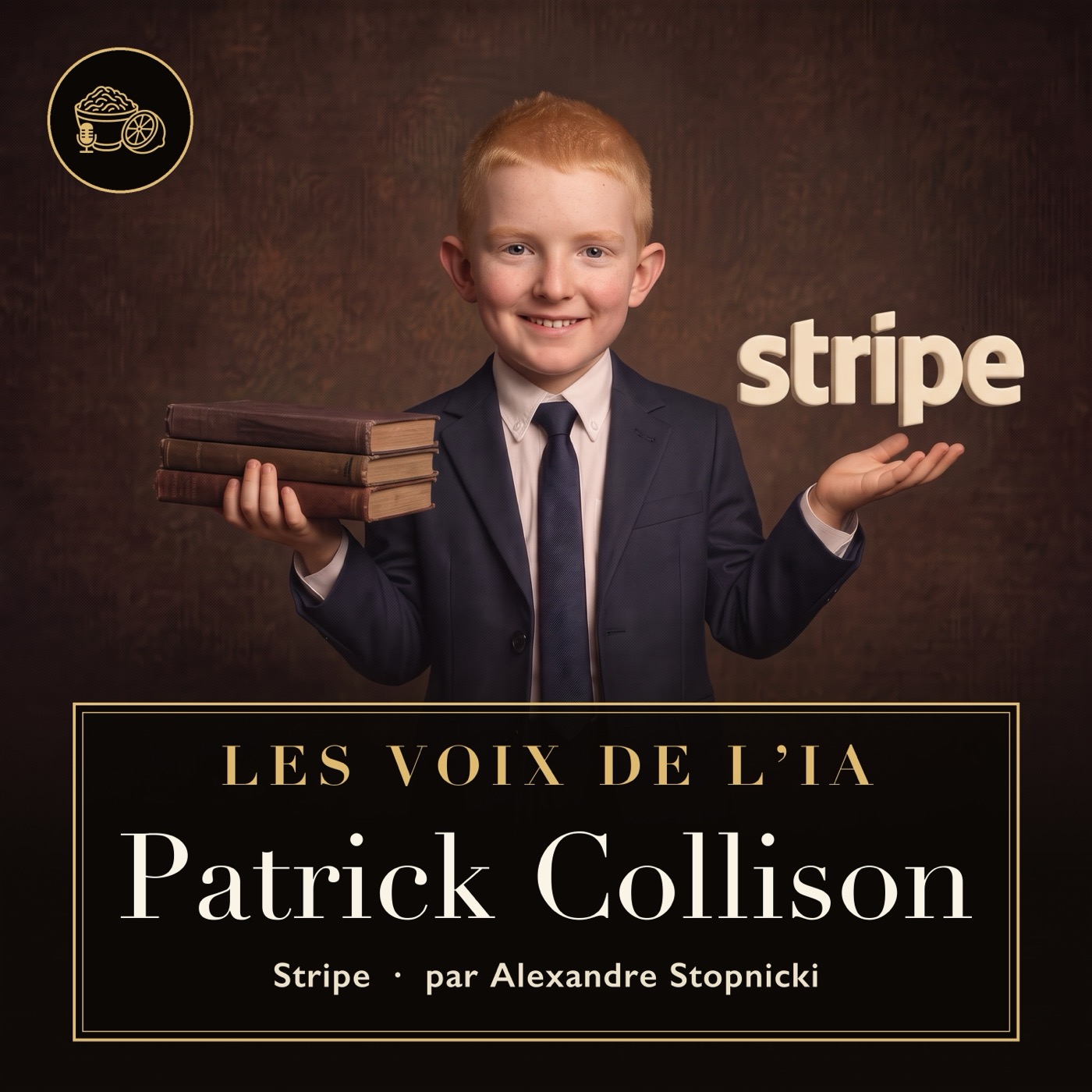 LPatrick Collison : de Limerick aux paiements de l'IALes Voix de l'IA · la tech racontée par des IA · 2026-10-13
 CPatrick Collison w/ Luke Burgis: New Aesthetics, New Life | ZOË 2026Cluny Institute · 2026-08-28
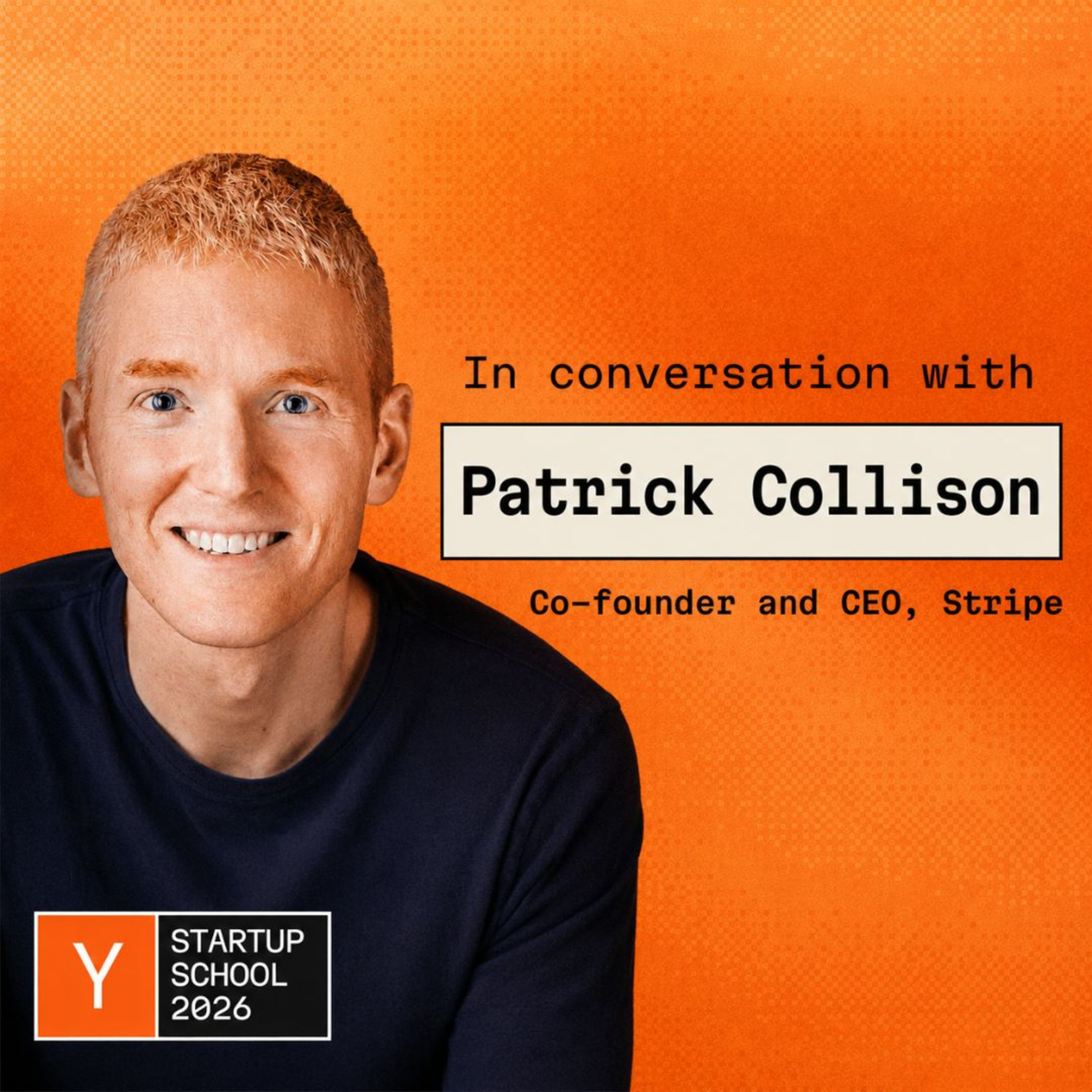 YPatrick Collison: Is AI Breaking the Lean Startup Playbook?Y Combinator Startup Podcast · 2026-08-03
 TPatrick Collison on Stripe’s Early Choices, Smalltalk, and What Comes After CodingThe a16z Show · 2026-02-20
 CPatrick Collison on programming languages, AI, and Stripe's biggest engineering decisionsCursor · 2025-07-17
 AThe Stablecoin Future, Milei's Memecoin, DOGE for the DoD, Grok 3, Why Stripe Stays PrivateAll-In with Chamath, Jason, Sacks & Friedberg · 2025-02-21
 "Patrick Collison & Noah Smith: How Can the US Stay Ahead Technologically?"Econ 102" with Noah Smith and Erik Torenberg · 2025-02-07
 TMetascience 101 - EP2: “Is Science Slowing Down?”The Macroscience Podcast · 2024-09-17
 TStripe CEO Patrick Collison on Crafting a Culture that Prizes Details | Dean's Speaker Series [Bonus Episode #3]The Culture Kit with Jenny & Sameer · 2024-08-20
 DPatrick Collison — Why Silicon Valley's most talented should leaveDwarkesh Podcast · 2024-02-21
 IPatrick Collison & John Collison - A Business State of MindInvest Like the Best with Patrick O'Shaughnessy · 2023-10-17
 TStripe CEO Patrick Collison On Innovating E-Commerce & Accelerating Biomedical ResearchThe Minor Consult · 2023-05-15
 VOur Interview with Patrick CollisonVideo and Lectures - CTisus.com · 2020-09-16
 TPatrick Collison on Fast Grants, R&D funding and effective altruismThe Valmy · 2020-06-19
 FPatrick CollisonFrom Scratch with Jessica Harris · 2020-01-03
 CMark Zuckerberg Interviews Patrick Collison and Tyler Cowen on the Nature and Causes of Progress (Bonus)Conversations with Tyler · 2019-11-27
 F330. Interviews: Patrick Collison, CEO of StripeFintech Insider Podcast by 11:FS · 2019-06-14
 EPatrick Collison on Innovation and Scientific Progress 01/28/2019EconTalk · 2019-01-28
 TPatrick Collison — CEO of Stripe | The Tim Ferriss Show (Podcast)The Tim Ferriss Show · 2018-12-20
 SJohn & Patrick CollisonStudio 1.0 · 2018-05-31
 T#32 Patrick Collison: Earning Your StripesThe Knowledge Project · 2018-05-02
 TStripe's Patrick Collison: "I'm petrified of getting too confident"Times Tech · 2018-03-02
 TInterview with Patrick Collison, CEO of StripeThe Heartbeat · 2017-08-15
 DRecode Decode: Patrick Collison, CEO, StripeDecoder with Nilay Patel · 2017-05-15
 CPatrick Collison has a Few Questions for Tyler (Live at Stripe)Conversations with Tyler · 2017-04-12
 TStripe CEO Patrick Collison on management, rationalism, and the enlightenmentThe Gray Area with Sean Illing · 2016-12-06
 GPatrick Collison on Hiring at Stripe and the Role of a Product-Focused CEO | Blitzscaling 11Greymatter · 2016-03-02
 PEpisode 58: Patrick CollisonProduct Hunt Radio · 2016-01-21
 T168: TZ Interview - Patrick Collison / StripeTechZing · 2012-02-03
 DPatrick Collison - Science Week 2008 Lecture Series - Part 4Discover Science & Engineering · 2009-02-11
 SSam Altman in conversation with Patrick CollisonStripe
 RThe Best Time in History to Start a Company | Patrick Collison & Amjad MasadReplit and Stripe
 TPatrick Collison: Philosophies for Running Stripe, Hiring, Decision Making, and ReadingThe Knowledge Project
 CPatrick Collison on Claude Code at StripeClaude