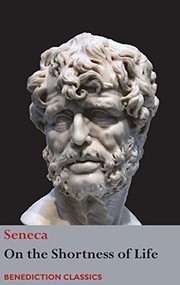
On the Shortness of Life
Life is not short; people waste most of it, and how to use it well.
Summary
Seneca's essay, addressed to Paulinus, argues that life is not short but that people waste most of it, and that the complaint about time's brevity is a complaint about their own use of it. He states that people are careful with property and prodigal with time, which is the only thing that cannot be recovered.
His analysis of how time is lost is specific. People spend their lives on other people's business, on the pursuit of position they do not want once obtained, on defending property, on drink and idleness, and on preoccupations they never chose. He is particularly hard on those who postpone living until retirement, arguing that they surrender their best years in exchange for a period they may not reach and will not be equipped to use.
His distinction between being busy and being occupied is the essay's core. The busy person is entirely absorbed by the present and by the demands others place on them, and has no capacity to reflect on the past or plan the future, which means their time passes without accumulating into anything.
His positive prescription is the study of philosophy, which he argues extends life by giving a person access to the accumulated thought of everyone who preceded them, so that they inherit time rather than only spending their own. The essay is under fifty pages and is one of three usually collected together in the Penguin edition. Seneca was extremely wealthy and served Nero, which is the standing objection to his moral writing. The argument about postponing life until a future date has not aged at all.
Key takeaways 8
- Life is long enough for anything a person actually wants to do, and the complaint about its brevity is a complaint about how it was used.
- People guard property carefully and give away time freely, though time is the only thing that cannot be recovered.
- Postponing life until retirement surrenders the usable years in exchange for a period that may not arrive and cannot be used as well.
- A person entirely absorbed by present demands has no capacity to reflect or plan, so their time passes without accumulating into anything.
- Most of what occupies people was chosen by others and would not survive examination if they stopped to conduct it.
- The pursuit of position produces the discovery that the position was not wanted, which arrives after the years spent obtaining it.
- Studying what previous thinkers concluded extends a person's effective life by giving them access to time they did not have to spend.
- Seneca was extremely wealthy and served Nero, which is the standing objection to the moral authority of his writing.
Who should read it
Anyone whose calendar is filled with demands they did not choose, wanting a short and direct statement of what that costs.
Who recommended it 6 · 4 direct
“But the greatest peril of misplaced worry, Seneca cautions, is that in constantly bracing for an imagined catastrophe, we keep ourselves from fully living - something on which he expounded in his most famous moral essay, On the Shortness of Life.”
Similar books 6
Chosen by shared topics, the entries that hold them, and the people who recommended both.
A Roman emperor's private notes reminding himself to live by Stoic principles.
“For example, the Hayes translation of Marcus Aurelius' Meditations is regarded as being truest to the original text, while also having a modern (accessible) feel.” — Shane Parrish
Source: How to Remember What You Read
Recommended by: Austen Allred, Mohnish Pabrai, Nat Eliason and 17 others
A short handbook of Stoic philosophy by a teacher who was born a slave.
Recommended by: Nat Eliason, Ryan Holiday, Naval Ravikant and 1 other
Selections from On Anger: how to control anger in life and politics.
Recommended by: Ryan Holiday
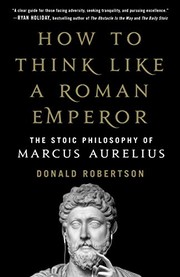
Marcus Aurelius's life and the Stoic philosophy of his Meditations.
Recommended by: Patrick Bet-David, Ryan Holiday
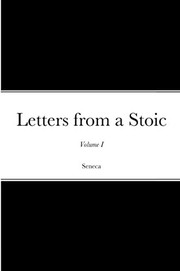
Letters on how to live, a course in Stoic philosophy written to a friend.
“Seneca, translated by Robin Campbell, Letters from a Stoic (London: Penguin House, 1969), 178” — Michael Mauboussin
Source: Probabilities and Payoffs: The Practicalities and Psychology of Expected Value
Recommended by: Michael Mauboussin, Mohnish Pabrai and 5 others
Life in Nazi concentration camps, and logotherapy: finding meaning to survive.
“What's more certain to me is that we all need a why, as Viktor Frankl told us in Man's Search for Meaning.” — David Heinemeier Hansson
Source: Universal Basic Dead End
Recommended by: David Heinemeier Hansson, David Perell and 29 others
Where it sits in the reference 2
As an Amazon Associate I earn from qualifying purchases.