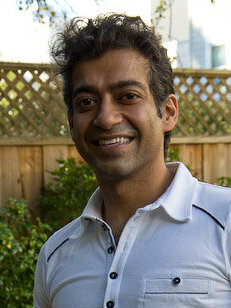
Naval Ravikant
Indian-born American angel investor with early stakes in Uber, Twitter, Postmates and Yammer; co-hosts a podcast with Brett Hall.
 AngelList
Hosts Naval
More 23

Species change over time as natural selection favours heritable variations.
Source: Read What You Love Until You Love to Read
Also recommended by: Jim Collins, Mohnish Pabrai, Nick Sleep and 5 others
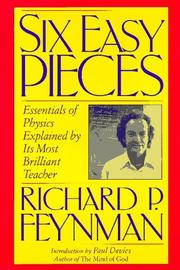
Six physics lectures with little maths: atoms, energy, gravity and quantum behaviour.
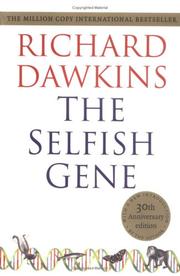
Selection acts on genes; bodies are vehicles that genes build to copy themselves.
Also recommended by: Balaji S. Srinivasan, Bob Metcalfe and 12 others
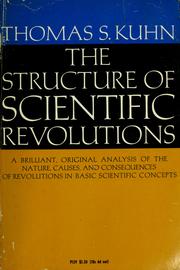
Science moves through long stretches of normal work broken by paradigm shifts.
Also recommended by: Jim Collins, Michael Mauboussin, Nat Eliason and 7 others
A Roman emperor's private notes reminding himself to live by Stoic principles.
Source: Naval Ravikant — The Person I Call Most for Startup Advice (The Tim Ferriss Show #97)
Also recommended by: Austen Allred, Mohnish Pabrai, Nat Eliason and 16 others
How a mind could arise from parts, traced through Godel, Escher and Bach.
Source: Read the Best 100 Books Over and Over Again
Also recommended by: Nat Eliason, Demis Hassabis, Kevin Kelly and 2 others
How the science of cause and effect moved past 'correlation is not causation'.
Also recommended by: Bill Gates, Keith Rabois
Computer tournaments of the prisoner's dilemma show why tit-for-tat wins.
“For game theory, in addition to playing strategy games, you may want to try The Compleat Strategyst: Being a Primer on the Theory of Games of Strategy by J.D. Williams and The Evolution of Cooperation by Robert Axelrod.” — Naval Ravikant
Source: Naval's Recommended Reading — The Almanack of Naval Ravikant
Also recommended by: Mark Leonard, Michael Mauboussin and 1 other
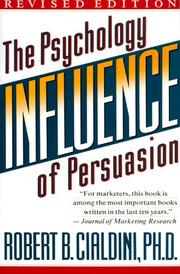
Six principles of compliance, from reciprocity to scarcity, and how sellers use them.
Source: Sell the Truth
Also recommended by: Andrew Wilkinson, Charlie Munger and 30 others

How the division of labour and free markets make a nation rich.
Source: Read What You Love Until You Love to Read
Also recommended by: Howard Marks, John C. Bogle and 10 others
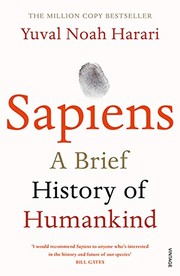
How shared fictions such as money, nations and gods let humans cooperate at scale.
“I'm rereading Sapiens again, because I love that book so much.” — Naval Ravikant
Source: The Knowledge Project (Farnam Street) — 'Naval Ravikant: The Angel Philosopher', full transcript
Also recommended by: Andrew Wilkinson, Bill Gates, David Perell and 39 others

253 patterns for building, from the layout of towns down to a window seat.
Also recommended by: Patrick Collison, Stewart Brand, Sam Altman
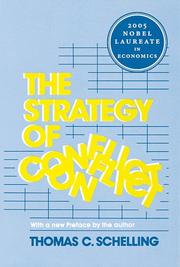
Conflict as bargaining: commitment, credible threats and focal points.
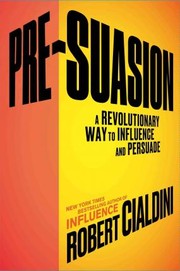
Where you direct attention just before a message shapes how it is received.
“I just finished reading Pre-Suasion: A Revolutionary Way to Influence and Persuade, or I should say I just finished skimming Pre-Suasion by Robert Cialdini.” — Naval Ravikant
Source: Naval's Recommended Reading — The Almanack of Naval Ravikant
Also recommended by: Derek Sivers, Michael Mauboussin

Why machines smarter than humans pose a control problem to solve before they arrive.
Also recommended by: Brad Feld, Michael Mauboussin and 8 others

Speeches making the case for a latticework of mental models from many fields.
“This masquerades as a business book, but it's really just Charlie Munger's (of Berkshire Hathaway) advice on overcoming oneself to live a successful and virtuous life.” — Naval Ravikant
Source: Naval's Recommended Reading — The Almanack of Naval Ravikant
Also recommended by: Andrew Wilkinson, Charlie Munger and 25 others
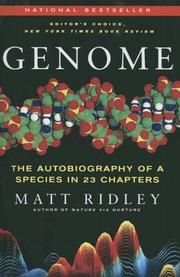
Twenty-three chapters, one per chromosome, each using a gene to open a subject.
“I highly recommend Genome as well, to figure out the rational basis behind ethics and the origin of virtue.” — Naval Ravikant
Source: Nav.al — 'Matt Ridley: How Innovation Works, Part 2' (Naval's podcast, edited transcript)
Also recommended by: Charlie Munger, Mohnish Pabrai and 1 other
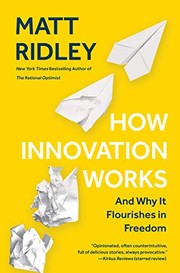
Innovation is gradual, collective and bottom-up, not the work of lone inventors.
“It's a must-read for entrepreneurs and government officials who want to either be innovative themselves or foster innovation.” — Naval Ravikant
Source: Nav.al — 'Matt Ridley: How Innovation Works, Part 2'
Also recommended by: Balaji S. Srinivasan, Michael Mauboussin
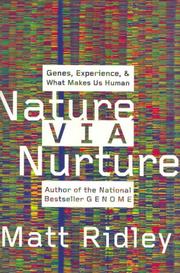
How genes and experience interact, each shaping how the other acts.

Knowledge can grow without limit through good explanations that are hard to vary.
Source: Read the Best 100 Books Over and Over Again
Also recommended by: Albert Wenger, Derek Sivers and 8 others

The history of molecular biology from the 1930s to the 1970s, told by its makers.
Big changes in human affairs emerge from the bottom up rather than by design.
“Everything else written by Matt Ridley. Matt is a scientist, optimist, and forward thinker. One of my favorite authors.” — Naval Ravikant
Source: Naval's Recommended Reading — The Almanack of Naval Ravikant
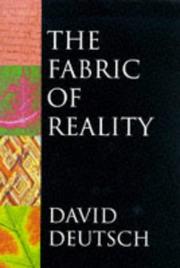
Reality through four strands: many-worlds physics, computation, evolution, Popper.
Source: Read the Best 100 Books Over and Over Again
Also recommended by: Patrick Collison, Chris Anderson, Li Lu and 2 others

How cooperation and morality evolved from self-interest, via the prisoner's dilemma.
“I really highly, highly recommend picking up Genome, The Red Queen, Origins of Virtue, The Rational Optimist, and The Evolution of Everything.” — Naval Ravikant
Source: The Tim Ferriss Show — Naval Ravikant Q&A, full transcript
Also recommended by: Mohnish Pabrai, Ryan Holiday
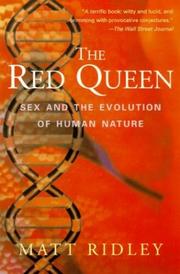
Sex evolved as a defence against parasites, and that shapes human mating.
“I really highly, highly recommend picking up Genome, The Red Queen, Origins of Virtue, The Rational Optimist, and The Evolution of Everything.” — Naval Ravikant
Source: The Tim Ferriss Show — Naval Ravikant Q&A, full transcript
Also recommended by: Mohnish Pabrai, Seth Klarman, Nick Szabo
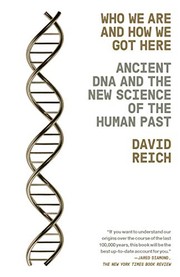
How ancient DNA has rewritten the story of human prehistory and migration.
Also recommended by: Balaji S. Srinivasan, Marc Andreessen and 2 others
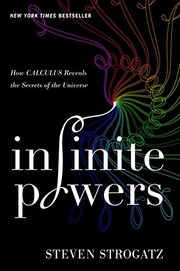
How calculus works and how it made modern technology possible.
Also recommended by: Michael Mauboussin

Francis Crick's life, from a lacklustre education to discovering DNA's structure.
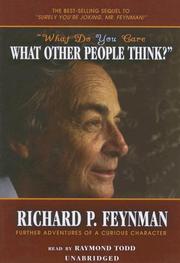
Stories of a physicist's first marriage and his inquiry into the Challenger disaster.
Source: Naval Ravikant — The Person I Call Most for Startup Advice (The Tim Ferriss Show #97)
Also recommended by: Jason Zweig, Mohnish Pabrai, Larry Page
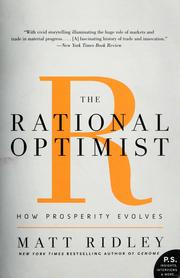
Prosperity grows as trade and specialisation let ideas meet and combine.
“I really highly, highly recommend picking up Genome, The Red Queen, Origins of Virtue, The Rational Optimist, and The Evolution of Everything.” — Naval Ravikant
Source: The Tim Ferriss Show — Naval Ravikant Q&A, full transcript
Also recommended by: Andrew Wilkinson, Bill Gates, Frank Martin and 11 others

Evidence that violence of nearly every kind has declined over history, and why.
Also recommended by: Bill Gates, Eric Schmidt, Mohnish Pabrai and 6 others
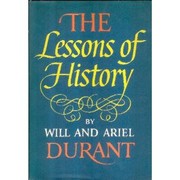
Recurring patterns drawn from world history: biology, morals, religion, economics.
“I recently reread The Lessons of History by Will and Ariel Durant. It's a great little history book.” — Naval Ravikant
Source: The Knowledge Project (Farnam Street) — 'Naval Ravikant: The Angel Philosopher', full transcript
Also recommended by: Andrew Wilkinson, Balaji S. Srinivasan and 13 others
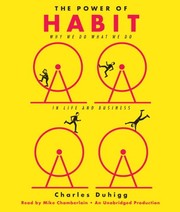
The habit loop of cue, routine and reward, and how to change a habit by its routine.
Source: Naval Ravikant — The Person I Call Most for Startup Advice (The Tim Ferriss Show #97)
Also recommended by: Derek Sivers, Mohnish Pabrai, Nat Eliason and 6 others
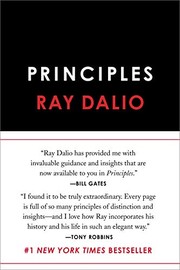
Decision rules from building Bridgewater: radical truth and radical transparency.
Also recommended by: Alfred Lin, Brad Feld, Derek Sivers and 30 others
Conversations on the myths that cultures share and the stories they tell themselves.
Also recommended by: Jim Collins, Nat Eliason, David Perell and 2 others
Several hundred multiple-choice physics questions, each with an explanation.
“There's another great book that's called Thinking Physics. I open this one all the time.” — Naval Ravikant
Source: The Knowledge Project (Farnam Street) — 'Naval Ravikant: The Angel Philosopher', full transcript

Why some things gain from volatility and disorder, and how to build them.
“He is also famous for The Black Swan: The Impact of the Highly Improbable, Antifragile: Things That Gain from Disorder, and Fooled by Randomness: The Hidden Role of Chance in Life and Markets, all of which are worth reading.” — Naval Ravikant
Source: Naval's Recommended Reading — The Almanack of Naval Ravikant
Also recommended by: Ana Fabrega, Andrew Chen, Derek Sivers and 23 others
Why people who make decisions for others must share in the downside.
“The best book I've read in 2018, I highly recommend it. Lots of great ideas in there. Lots of good mental models and constructs.” — Naval Ravikant
Source: Naval's Recommended Reading — The Almanack of Naval Ravikant
Also recommended by: Ana Fabrega, David Perell, Derek Sivers and 13 others
How people hide their real motives from themselves in order to hide them from others.
Also recommended by: Derek Sivers, Nat Eliason, Tyler Cowen and 3 others
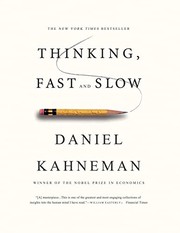
How fast, automatic thought and slow, deliberate thought shape judgment and error.
Also recommended by: Andrew Wilkinson, Charles de Vaulx and 35 others
Judge a policy by its long-run effects on all groups, applied to two dozen cases.
Also recommended by: Christopher Bloomstran, Changpeng Zhao and 2 others
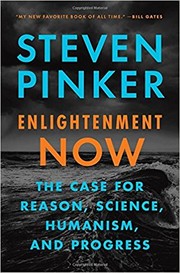
Data on how human wellbeing has improved, credited to reason, science and humanism.
Also recommended by: Bill Gates, Andrew Wilkinson, Daniel Petre and 2 others

What humanity may seek after famine, plague and war: immortality and divinity.
Also recommended by: Andrew Wilkinson, Bill Gates, Derek Sivers and 7 others
The history of Apple's Macintosh division and how it marketed the computer.
Also recommended by: Mohnish Pabrai
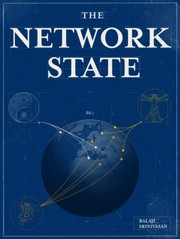
How an online community could buy territory and become a sovereign state.
Also recommended by: Balaji S. Srinivasan, Derek Sivers and 4 others
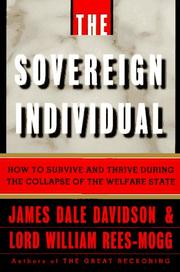
A forecast that information technology will erode the nation state's power to tax.
“This is the best book I've read since Sapiens (far less mainstream, though).” — Naval Ravikant
Source: Naval's Recommended Reading — The Almanack of Naval Ravikant
Also recommended by: Balaji S. Srinivasan, Nat Eliason and 10 others

A hundred popular English poems from the Middle Ages to the twentieth century.

A Roman student swept into the First World War tells his life fifty years later.

A girl falls down a rabbit hole into a world of talking animals.
Also recommended by: Sahil Lavingia

Eight science fiction stories, among them the one behind the film Arrival.
Source: Naval's Recommended Reading — The Almanack of Naval Ravikant
Also recommended by: Tim Ferriss

An aging Batman returns to fight crime in a lawless Gotham, in black and white.
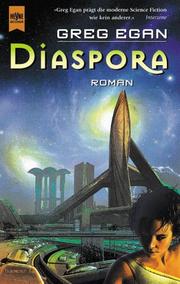
A hard science fiction novel of a thirtieth century where minds live in networks.
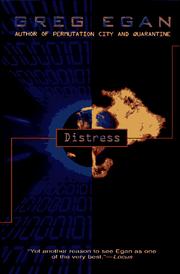

Nine science-fiction stories, each working through one idea with care.
“This contemplates the marvel of thermodynamics from the best sci-fi short story writer of our age.” — Naval Ravikant
Source: Naval's Recommended Reading — The Almanack of Naval Ravikant
Also recommended by: Matt Mullenweg, Tim Ferriss, Andrew Chen and 1 other
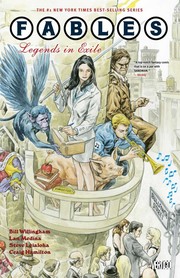
A comic series of fairy-tale characters forced into exile by the Adversary.
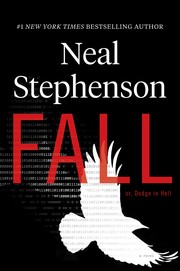
A novel of a billionaire whose mind is uploaded to the cloud.
Also recommended by: Brad Feld

A drug-fuelled journey to Las Vegas, the founding work of gonzo journalism.
Also recommended by: Jim Collins

Short stories that use the labyrinth to explore ideas about human life.
“His short story collection Ficciones, or Labyrinths, is amazing. Borges is probably still the most powerful author I have read who wasn't just outright writing philosophy.” — Naval Ravikant
Source: Naval's Recommended Reading — The Almanack of Naval Ravikant

A man of low intelligence whose surgery makes him a genius, for a time.

A novel: a mathematician foresees an empire's fall and plans to shorten the dark age.
Also recommended by: Balaji S. Srinivasan, Matt Mullenweg and 10 others

More than 150 short poems from four centuries of English and American writing.

A young prince's halting pursuit of revenge for the murder of his father.
Also recommended by: David Perell, Patrick Collison, Ryan Holiday
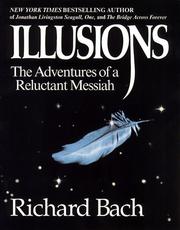
A novel of two barnstorming pilots in the Midwest, one of them a reluctant messiah.

A collection of short stories and essays.
“His short story collection Ficciones, or Labyrinths, is amazing. Borges is probably still the most powerful author I have read who wasn't just outright writing philosophy.” — Naval Ravikant
Source: Naval's Recommended Reading — The Almanack of Naval Ravikant
Also recommended by: Caterina Fake, Patrick Collison
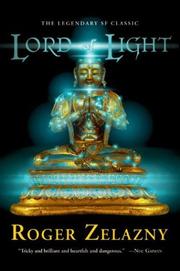
A science fiction novel of colonists who rule as Hindu gods with stolen technology.
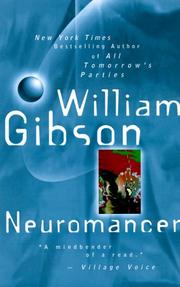
The first novel of the Sprawl trilogy and the classic of cyberpunk.
Also recommended by: Tim Ferriss

The last of a trilogy, centred on a man's life with his second wife, Mona.

A man's plan to create immortality through simulated life grows beyond his control.
Also recommended by: Brad Feld, Matt Mullenweg

A comic about Elijah Snow, a 100-year-old man among archaeologists of the impossible.
“If you're open to the cartoony element of it, Transmetropolitan, The Boys, Planetary, and The Sandman ... some of these are, I think, among the finest works of art of our age.” — Naval Ravikant
Source: Naval's Recommended Reading — The Almanack of Naval Ravikant
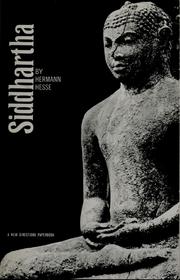
A novel of a Brahmin's son in ancient India who seeks understanding his own way.
Source: Naval Ravikant — The Person I Call Most for Startup Advice (The Tim Ferriss Show #97)
Also recommended by: Jim Collins, Mohnish Pabrai and 6 others
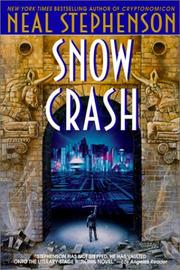
A novel of a hacker in a corporate-run America and its virtual world, the Metaverse.
Source: Naval Ravikant — The Person I Call Most for Startup Advice (The Tim Ferriss Show #97)
Also recommended by: Nat Eliason, Alexis Ohanian, Austen Allred and 11 others
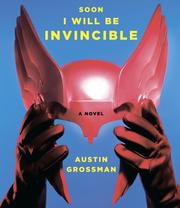
A novel of superheroes told by a jailed evil genius and a new hero.

Eight science-fiction stories, each working out one premise with rigour.
“My current favorite short story, sci-fi short story: probably "Understand" by Ted Chiang. It's in a collection called Stories of Your Life and Others.” — Naval Ravikant
Source: Naval's Recommended Reading — The Almanack of Naval Ravikant
Also recommended by: Patrick Collison, Tim Ferriss and 2 others
An adult comic of a CIA-backed team that watches over corrupt superheroes.
The first volume of a science fiction writer's collected short stories.

A novel of a nanotech future and a stolen copy of an interactive teaching book.
Source: Naval's Recommended Reading — The Almanack of Naval Ravikant
Also recommended by: Andrew Chen, Bill Gurley, Ev Williams and 1 other
A novel about a proof of God that Kurt Gödel kept private.
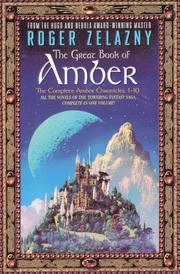
All ten Amber novels: Prince Corwin and his son Merlin fight to save reality.

The first book of a comic science fiction series of interstellar travel.
Source: Naval's Recommended Reading — The Almanack of Naval Ravikant
Also recommended by: Richard Branson, Elon Musk, Peter Thiel and 1 other
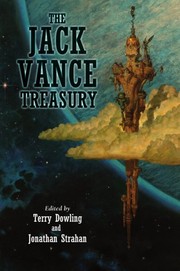
A collection of stories by a grand master of science fiction and fantasy.
A story of a library that holds all knowledge, an allegory of the universe.
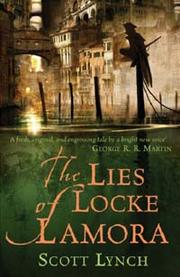
An orphan becomes a thief and leader of a band of con artists in the city of Camorr.

Two people raise artificial intelligences over a decade of software upgrades.

A novel of the quest to destroy a ring of power that corrupts all who use it.
Also recommended by: Jim Collins, Reid Hoffman, Alexey Moiseenkov and 5 others
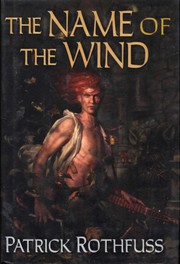
The first book of a heroic fantasy trilogy, the Kingkiller Chronicle.
Source: Naval Ravikant — The Person I Call Most for Startup Advice (The Tim Ferriss Show #97)
Also recommended by: Michael Batko

Twenty-six poetic essays in which the prophet Almustafa speaks on life.
“It is written in the style where it has a feel of religiosity and truth, but it was very approachable, beautiful, non-denominational, and non-sectarian. I loved this book.” — Naval Ravikant
Source: Naval's Recommended Reading — The Almanack of Naval Ravikant
Also recommended by: David Perell, Peter Mallouk
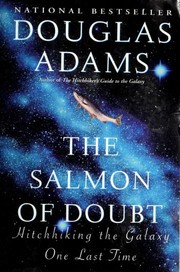
Writings collected after the death of the creator of The Hitchhiker's Guide.

A comic series of mythology and the forces beyond life and death.
“If you're open to the cartoony element of it, Transmetropolitan, The Boys, Planetary, and The Sandman ... some of these are, I think, among the finest works of art of our age.” — Naval Ravikant
Source: Naval's Recommended Reading — The Almanack of Naval Ravikant
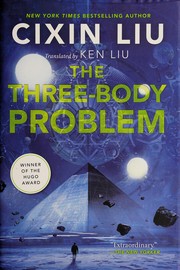
A novel in which a scientist answers an alien warning and invites first contact.
Source: Naval's Recommended Reading — The Almanack of Naval Ravikant
Also recommended by: Nat Eliason, Sophie Bakalar and 8 others
A man whose father modelled a famous boy-wizard series on his life.

A short story that holds most of its author's philosophical preoccupations.

A journalist exposes a corrupt president who sends assassins after him.
“If you're open to the cartoony element of it, Transmetropolitan, The Boys, Planetary, and The Sandman ... some of these are, I think, among the finest works of art of our age.” — Naval Ravikant
Source: Naval's Recommended Reading — The Almanack of Naval Ravikant

An outlaw journalist attacks the injustices of a surreal 21st-century city.

A graphic novel of totalitarianism and resistance to it.

The murder of a costumed vigilante stirs the few surviving masked heroes to act.
Also recommended by: Patrick Collison

A bookish narrator and Zorba, a zestful Greek working man, on Crete.
Source: Naval Ravikant — The Person I Call Most for Startup Advice (The Tim Ferriss Show #97)
Also recommended by: Tim Ferriss

Commentaries on verses of the Tao Te Ching to awaken individual awareness.
A path beyond self-help and mindfulness slogans to the ultimate truths of the mind.
“Everything by Kapil Gupta, MD. Kapil recently became a personal advisor and coach to me, and this comes from a person who doesn't believe in coaches.” — Naval Ravikant
Source: Naval's Recommended Reading — The Almanack of Naval Ravikant
The life and teachings of an unconventional Indian mystic, in his own words.
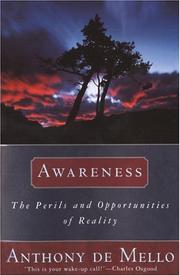
Transcribed talks that treat spirituality as waking up.
“Start with Anthony de Mello's A Way to Love or his book Awareness. They're both really good, but there's a ton of them.” — Naval Ravikant
Also recommended by: Matt Mullenweg, Peter Mallouk, Tim Ferriss and 1 other
Where fears come from, how to understand them, and how to find courage to face them.
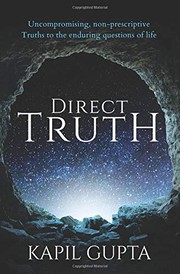
Answers to life's lasting questions that reject self-help prescriptions and fixes.
“Everything by Kapil Gupta, MD. Kapil recently became a personal advisor and coach to me, and this comes from a person who doesn't believe in coaches.” — Naval Ravikant
Source: Naval's Recommended Reading — The Almanack of Naval Ravikant

The claim that the universe does not exist, and what waking from that dream means.
“Everything by Jed McKenna. Jed spits raw truth. His style may be off-putting but the dedication to truth is unparalleled.” — Naval Ravikant
Source: Naval's Recommended Reading — The Almanack of Naval Ravikant
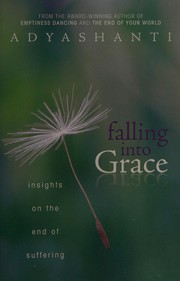
A spiritual teacher on the way out of suffering into awakening.

Interviews, essays and stories on spiritual enlightenment.
“Everything by Jed McKenna. Jed spits raw truth. His style may be off-putting but the dedication to truth is unparalleled.” — Naval Ravikant
Source: Naval's Recommended Reading — The Almanack of Naval Ravikant
The claim that the great mystery of existence is only an internal belief.
Essays, teachings and rants on spiritual enlightenment.
“Everything by Jed McKenna. Jed spits raw truth. His style may be off-putting but the dedication to truth is unparalleled.” — Naval Ravikant
Source: Naval's Recommended Reading — The Almanack of Naval Ravikant
The second collection of talks on enlightenment, away from the things of man.
Why enlightenment is attainable, using meditation as a method for examining reality.

Spiritual enlightenment reduced to its simplest terms by an unorthodox teacher.

The last of a trilogy on spiritual awakening, presented as a war with oneself.
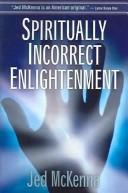
A tour of the enlightened state: what it is, who has reached it, how to get there.

A translation of the Hindu dialogue between Krishna and the warrior Arjuna.
Also recommended by: Nat Eliason
A practical guide to the meditation techniques of Tantra.
“If you want to run through a bunch of them, you can pick up pick up a book called The Book of Secrets by Osho.” — Naval Ravikant
Source: Naval's Recommended Reading — The Almanack of Naval Ravikant
Discourses in answer to questions about the inner life, from God to freedom.

Changes of consciousness under "mystic drugs" and what they reveal.
Source: Naval's Recommended Reading — The Almanack of Naval Ravikant
Also recommended by: Ed Cooke
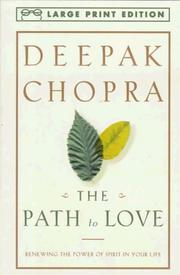
Why love so often falls short of filling a deep need, and how to find it.

Suffering comes from identifying with the mind's chatter; freedom from living now.
Also recommended by: Mohnish Pabrai, Iman Gadzhi, Justin Kan and 2 others
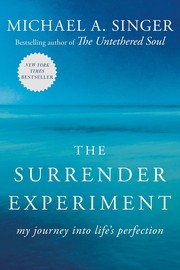
A life led by letting go, from a hippie seeker to a computer engineer and beyond.
Also recommended by: Ali Abdaal

You are the awareness watching your thoughts and feelings, not those thoughts.
Source: Naval's Recommended Reading — The Almanack of Naval Ravikant
Also recommended by: Claire Diaz-Ortiz, Daniel Gross, Mel Robbins and 1 other

An introduction to Zen, its Buddhist and Taoist origins and its principles.
Source: Naval's Recommended Reading — The Almanack of Naval Ravikant
Also recommended by: Nat Eliason
Thirty-one meditations on seeing clearly as the root of love.
Source: Naval's Recommended Reading — The Almanack of Naval Ravikant
Also recommended by: Tim Ferriss, Justin Kan

A translation of and commentary on Patanjali's Yoga Sutras.
Also recommended by: Jack Dorsey

A spiritual thinker's essential writings and talks in one volume.
“I like this for someone who's more advanced. A rationalist's guide to the perils of the human mind. The "spiritual" book I keep returning to.” — Naval Ravikant
Source: Naval's Recommended Reading — The Almanack of Naval Ravikant
A sage's teaching to Rama, told in tales, on ending conditioning to reach liberation.

A history of physics set in its cultural context.
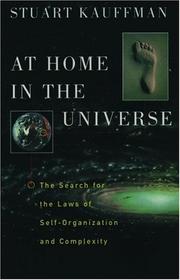
The laws of self-organization and complexity, from the origin of life to firms.
Also recommended by: Michael Mauboussin
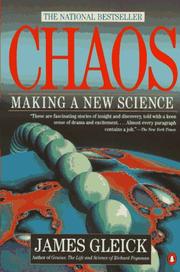
How scientists found order in chaos, from nonlinearity to the butterfly effect.
Also recommended by: Jim Collins, Stewart Brand
Why we remember the past and not the future, and what time is in physics.
Also recommended by: James Cameron, Josh Wolfe

Four lectures on quantum electrodynamics: how light and matter interact.
Also recommended by: Larry Page
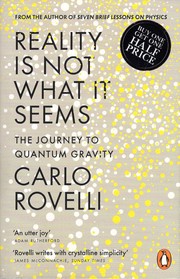
The nature of space, time and the quantum world, on the road to quantum gravity.
“This is the best book I've read in the last year. Physics, poetry, philosophy, and history packaged in a very accessible form.” — Naval Ravikant
Source: Naval's Recommended Reading — The Almanack of Naval Ravikant

The method and psychology of scientific discovery, above all in mathematics.
Modern physics introduced in fewer than a hundred pages.
Also recommended by: Matt Mullenweg
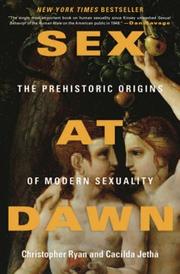
A challenge to the standard story that monogamy comes naturally to humans.
Source: Naval's Recommended Reading — The Almanack of Naval Ravikant
Also recommended by: Noah Kagan
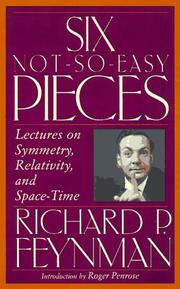
Six physics lectures on vectors, symmetry, relativity and space-time.
“I would give my kids a copy of Richard Feynman's Six Easy Pieces and Six Not-So-Easy Pieces: Einstein's Relativity, Symmetry, and Space.” — Naval Ravikant
Source: Naval's Recommended Reading — The Almanack of Naval Ravikant
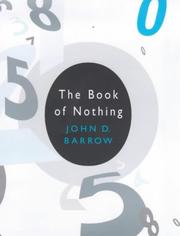
How people have understood nothing, from zero in India to the vacuum in physics.
Lectures on physics, mainly mechanics, radiation and heat.
Also recommended by: Bill Gates
Lectures on physics, mainly electromagnetism and matter.
Also recommended by: Bill Gates

How things work, from microwaves to bridges, told in only common words.
“A great book by Randall Munroe (creator of xkcd, a very science-oriented webcomic.)” — Naval Ravikant
Source: Naval's Recommended Reading — The Almanack of Naval Ravikant
Also recommended by: Bill Gates
A physicist asks how physics and chemistry can explain events in living things.
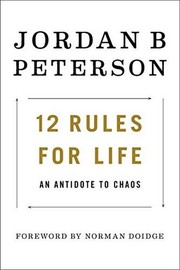
Twelve rules for living, each drawn from clinical practice, biology and myth.
Also recommended by: Derek Sivers, Guy Spier, Nat Eliason and 7 others
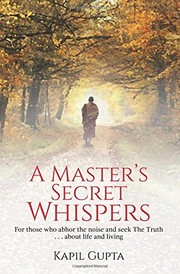
Dialogues between a master and a student on anxiety, emotional pain and success.
“Everything by Kapil Gupta, MD. Kapil recently became a personal advisor and coach to me, and this comes from a person who doesn't believe in coaches.” — Naval Ravikant
Source: Naval's Recommended Reading — The Almanack of Naval Ravikant
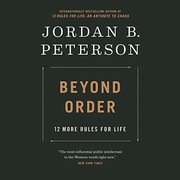
Twelve more rules for balancing order and chaos in modern life.
Also recommended by: Derek Sivers

Practical rules for living as happily, or as little unhappily, as one can.
“I mean, there's ancient wisdom in Schopenhauer, read Counsels and Maxims.” — Naval Ravikant
Source: The Tim Ferriss Show #473 — Naval Ravikant, full transcript
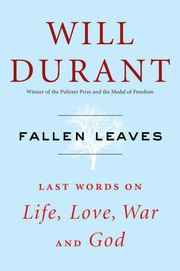
A historian's last reflections on the meaning of life, found after his death.
Also recommended by: Andrew Wilkinson, Derek Sivers and 1 other

Freedom from the fears of the known and the unknown that hold a person back.
Also recommended by: Mohnish Pabrai

A thought experiment wrapped in a story, about God and reality.
“I reread God's Debris recently. Tao Te Ching, a friend of mine is rereading it, so I picked it up again.” — Naval Ravikant
Source: Naval's Recommended Reading — The Almanack of Naval Ravikant


Letters on how to live, a course in Stoic philosophy written to a friend.
Source: Naval's Recommended Reading — The Almanack of Naval Ravikant
Also recommended by: Michael Mauboussin, Mohnish Pabrai and 4 others
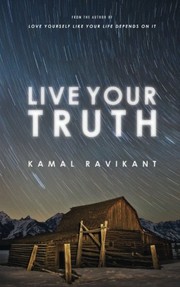
How to find what you stand for and live by it.

A short case for self-acceptance and self-esteem as the base of a good life.
Source: Naval Ravikant — The Person I Call Most for Startup Advice (The Tim Ferriss Show #97)
Also recommended by: Nat Eliason, Garry Tan, Mike Maples, Jr.

A short case against all lying, white lies included.
Source: Naval Ravikant — The Person I Call Most for Startup Advice (The Tim Ferriss Show #97)
Also recommended by: Derek Sivers, Nat Eliason, Tim Ferriss and 3 others
An introduction to Girard's theory: mimetic desire, the scapegoat and the Bible.

825 aphorisms on 72 topics, from spirituality to personal liberation and family.
Source: Naval Ravikant — The Person I Call Most for Startup Advice (The Tim Ferriss Show #97)
Also recommended by: Nat Eliason
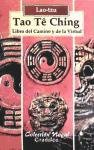
Eighty-one short chapters on the Tao, the founding text of Taoism.
“Tao Te Ching, a friend of mine is rereading it, so I picked it up again.” — Naval Ravikant
Source: Naval's Recommended Reading — The Almanack of Naval Ravikant
Also recommended by: Maria Popova, Nat Eliason, David Perell and 5 others
Eight edited lectures that introduce a philosopher's wit and wisdom.
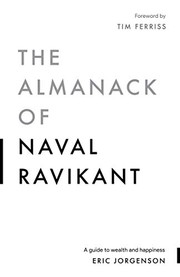
Naval Ravikant's ideas on building wealth and being happy, gathered from his talks.
Also recommended by: Balaji S. Srinivasan, Nat Eliason and 8 others
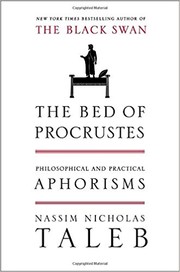
Aphorisms stating Taleb's ideas on randomness, knowledge and modern life.
“This is his collection of ancient wisdom.” — Naval Ravikant
Source: Naval's Recommended Reading — The Almanack of Naval Ravikant
Also recommended by: Derek Sivers, Nat Eliason, Ryan Holiday and 2 others
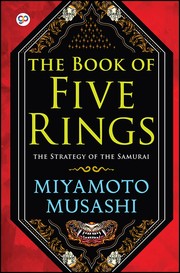
A classic Japanese text on the arts of confrontation and victory.
Also recommended by: Nat Eliason, Ryan Holiday, Tim Ferriss
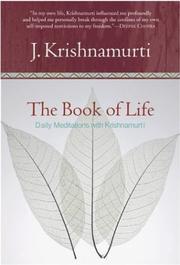
Daily meditations on the spiritual life, one for each day of the year.
Source: Naval Ravikant — The Person I Call Most for Startup Advice (The Tim Ferriss Show #97)
Also recommended by: Mohnish Pabrai

A short handbook of Stoic philosophy by a teacher who was born a slave.
Also recommended by: Nat Eliason, Ryan Holiday, Susan J. Fowler
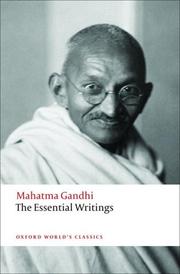
A selection of letters, articles and books across the whole of the writer's thought.
The philosopher's most personal book, of aphorisms and songs.

The lives and ideas of great philosophers, from Plato to Nietzsche.
“I'm currently reading The Story of Philosophy: The Lives and Opinions of the Great Philosophers, also by Will Durant.” — Naval Ravikant
Source: Naval's Recommended Reading — The Almanack of Naval Ravikant
Also recommended by: Derek Sivers, Nat Eliason
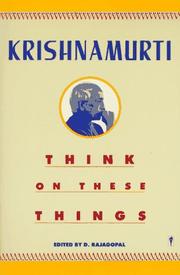
On how to live, on culture and on ethics.
“Yeah, I actually don't recommend starting with Krishnamurti; he's a tough one, but if you're going to start somewhere, I started with this book called Think on These Things.” — Naval Ravikant
Also recommended by: Mohnish Pabrai

Advice on living, drawn from a psychiatrist's thirty years with patients.
Also recommended by: Andrew Wilkinson, Derek Sivers, Nat Eliason
A popular primer that makes calculus clear to readers at every level.
An intuitive guide to the key ideas of high school and college maths.
A condensed course in the fundamentals of mathematics, physics and calculus.
A primer on the theory of games of strategy, written for non-specialists.
Expert entries on applied maths: concepts, modelling, simulation and applications.
Also recommended by: Patrick Collison
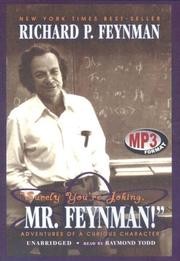
A physicist's stories, from fixing radios as a boy to Los Alamos and beyond.
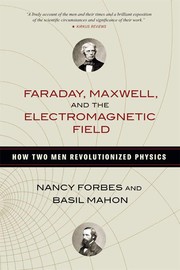
Michael Faraday, James Clerk Maxwell and the discovery of the electromagnetic field.
Also recommended by: Charlie Munger
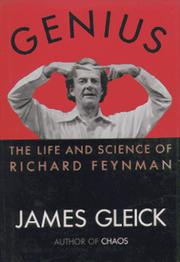
A biography of the physicist Richard Feynman and his work.
“I've also been reading Perfectly Reasonable Deviations from the Beaten Track by Feynman and re-reading Genius: The Life and Science of Richard Feynman, a biography about him.” — Naval Ravikant
Source: Naval's Recommended Reading — The Almanack of Naval Ravikant
Also recommended by: Jim Collins, Mohnish Pabrai and 1 other

A physicist's letters from across his career, many published for the first time.
“I've also been reading Perfectly Reasonable Deviations from the Beaten Track by Feynman and re-reading Genius: The Life and Science of Richard Feynman, a biography about him.” — Naval Ravikant
Source: Naval's Recommended Reading — The Almanack of Naval Ravikant
Also recommended by: Jim O'Shaughnessy
A Nobel physicist's anecdotes of his life, recorded in conversations with a friend.
Life in Nazi concentration camps, and logotherapy: finding meaning to survive.
Source: Naval's Recommended Reading — The Almanack of Naval Ravikant
Also recommended by: David Heinemeier Hansson, David Perell and 28 others

The theory that consciousness is learned, arising from a once two-chambered mind.
Also recommended by: Patrick O'Shaughnessy, Adam Robinson and 2 others
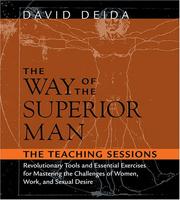
Lessons for men on masculinity, purpose and relationships with women.
Also recommended by: Ali Abdaal, Iman Gadzhi, Nat Eliason
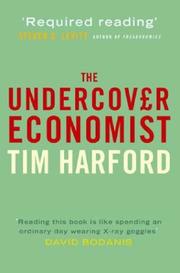
Price theory in daily life: coffee near stations, supermarket tiers and used cars.
Source: Naval's Recommended Reading — The Almanack of Naval Ravikant
Also recommended by: Mohnish Pabrai

Why some nations prosper, explained by how information and knowledge grow.

A bodyweight strength-training system drawn from prison workouts.

Why the advice that fat is bad and carbohydrates better may be wrong about health.
Also recommended by: Nassim Nicholas Taleb, Peter Attia and 1 other
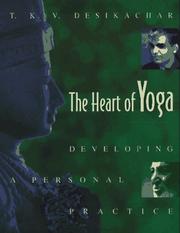
A step-by-step sequence for building a personal yoga practice adapted to you.
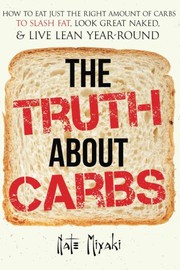
How to eat the right amount of carbohydrates to lose fat and stay lean.
A guide to creativity: how to protect the living parts of your brain.

A collection of the webcomic of romance, sarcasm, maths and language.
Source: Naval's Recommended Reading — The Almanack of Naval Ravikant
Also recommended by: Bill Gates
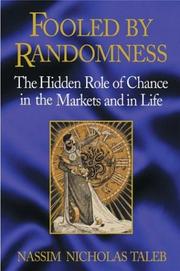
Why people mistake luck for skill, above all in markets.
“He is also famous for The Black Swan: The Impact of the Highly Improbable, Antifragile: Things That Gain from Disorder, and Fooled by Randomness: The Hidden Role of Chance in Life and Markets, all of which are worth reading.” — Naval Ravikant
Source: Naval's Recommended Reading — The Almanack of Naval Ravikant
Also recommended by: Barton Biggs, Brad Feld, Derek Sivers and 14 others
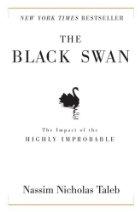
Rare, unforeseen, high-impact events drive history, explained only after the fact.
“He is also famous for The Black Swan: The Impact of the Highly Improbable, Antifragile: Things That Gain from Disorder, and Fooled by Randomness: The Hidden Role of Chance in Life and Markets, all of which are worth reading.” — Naval Ravikant
Source: Naval's Recommended Reading — The Almanack of Naval Ravikant
Also recommended by: David Perell, Howard Marks, Marc Andreessen and 19 others

The Dilbert creator's many failures and what they taught him about success.
Also recommended by: Derek Sivers, Mohnish Pabrai and 2 others
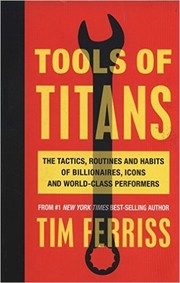
Routines, tools and advice from over 200 podcast guests on health, wealth and wisdom.
“I'm reading Tools of Titans, Tim Ferriss' book of what he learned from a lot of great performers.” — Naval Ravikant
Source: Naval's Recommended Reading — The Almanack of Naval Ravikant
Also recommended by: Balaji S. Srinivasan, Derek Sivers and 6 others
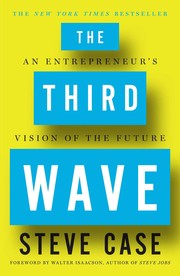
AOL's co-founder on the next wave of the internet and the disruption it brings.
Also recommended by: Brad Feld, Alfred Lin, George Hatzis
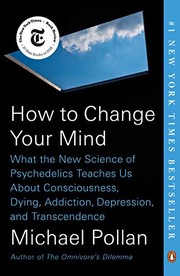
The history and revival of psychedelic research, and the author's own trips.
“There's a good book Michael Pollan wrote recently called How to Change your Mind, and I think it is a brilliant book everybody should read.” — Naval Ravikant
Source: Naval's Recommended Reading — The Almanack of Naval Ravikant
Also recommended by: Jim Collins, Vinod Khosla, Bill Gates and 7 others
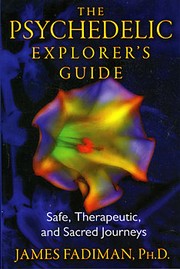
Psychedelics for spiritual, therapeutic and problem-solving use.
Source: Naval's Recommended Reading — The Almanack of Naval Ravikant
Also recommended by: Nat Eliason

What the few who manipulate others know about influence that others do not.
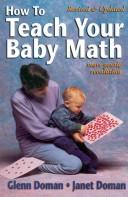
Simple steps for teaching mathematics to children from birth to six.
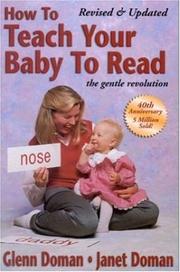

The painter's early autobiography, up to his late thirties.
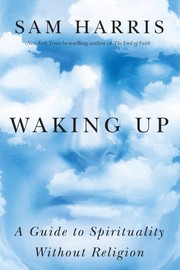
A guide to meditation as a rational practice, drawn from neuroscience and psychology.
Also recommended by: Nat Eliason, Susan Cain, Tim Ferriss
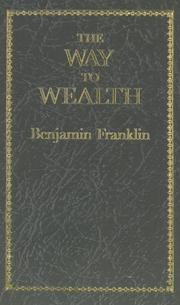
Poor Richard's Almanac's sayings on wealth, gathered into a speech by Father Abraham.
Also recommended by: John C. Bogle, Mohnish Pabrai
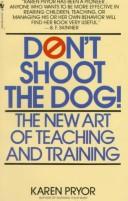
Behavioural training methods for animals and people, explained with examples.
Source: Naval Ravikant — The Person I Call Most for Startup Advice (The Tim Ferriss Show #97)
Also recommended by: Tim Ferriss, Nir Eyal, Tristan Harris
A pilot's account of the grandeur, danger and isolation of flight.
“I recommend him-he's a great author. He wrote Wind, Sand and Stars and Airman's Odyssey.” — Naval Ravikant
Source: Sell the Truth
Also recommended by: Patrick Collison

A war commentator and humorist on military incompetence and pieties of all kinds.
| Naval Ravikant on Happiness, Reducing Anxiety, Crypto Stablecoins, and Crypto Strategy (#473) | The Tim Ferriss Show | 2020-10-14 | ||
| Ep 31 - Naval Ravikant - AngelList (2 of 2) | Venture Studio | 2016-08-02 | 40 min | Welcome back to Venture Studio, and welcome back to our fantastic two-part interview with Naval Ravikant of AngelList. If you missed part one, go check it out at venturestudio.org or on iTunes, Soundcloud, Stitcher, TuneIn and Google Play. In part 1 of this interview, Dave and Naval talked about AngelList, syndicates and startup funding. In part 2, things got quite a bit more philosophical. In this interview, Naval and Dave cover power dynamics and haters in venture, the American political system - Trump, Bernie and Hilary - the disruption of the wealthy elite and, of course, South Park. In this episode, Dave revers to this post by Naval called The American Spring: https://medium.com/the-mission/american-spring-d6a8320bf712#.k4ppdt9pd |
| Naval Ravikant on Happiness Hacks and the 5 Chimps Theory | The Tim Ferriss Show (Podcast) | The Tim Ferriss Show | 2016-01-29 | 57 min | When a guest is nominated for "Podcast of the Year," that's usually a good sign to bring them to the show for more. That's why Naval Ravikant (@naval) is back, and this time, he's answering your questions. For those of you that missed round 1, Naval is the CEO and a co-founder of AngelList. He has invested in more than 100 companies, including more than a few “unicorn” mega-successes. Maybe most importantly, he has developed a diverse set of skills and knowledge that are invaluable. Even if you have no interest in startups or investing, this will be well worth your time. In this episode, Naval answers your top 10 questions from Reddit, including topics such as, Artificial intelligence Most recommended books Happiness hacks Conflict resolution Startup tips And much, much more... Enjoy these fascinating insights from Naval. Show notes and links for this episode can be found at www.fourhourworkweek.com/podcast. This podcast is also brought to you by Wealthfront. Wealthfront is a massively disruptive (in a good way) set-it-and-forget-it investing service, led by technologists from places like Apple and world-famous investors. It has exploded in popularity in the last 2 years and now has more than $2.5B under management. In fact, some of my good investor friends in Silicon Valley have millions of their own money in Wealthfront. Why? |
| Naval Ravikant — The Person I Call Most for Startup Advice (#97) | The Tim Ferriss Show | 2015-08-18 |
 TNaval Ravikant on Happiness, Reducing Anxiety, Crypto Stablecoins, and Crypto Strategy (#473)The Tim Ferriss Show · 2020-10-14
 VEp 31 - Naval Ravikant - AngelList (2 of 2)Venture Studio · 2016-08-02
 TNaval Ravikant on Happiness Hacks and the 5 Chimps Theory | The Tim Ferriss Show (Podcast)The Tim Ferriss Show · 2016-01-29TNaval Ravikant — The Person I Call Most for Startup Advice (#97)The Tim Ferriss Show · 2015-08-18
| AngelList: A disruptor shakes up angel investing Paywall | Fortune | 2014 |
| This Man Is Putting Millions in Startups' Pockets -- and Scaring VCs to Death Paywall | Business Insider | 2011 |