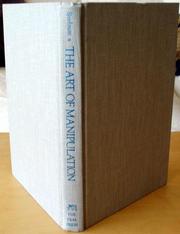
The Art of Manipulation
What the few who manipulate others know about influence that others do not.
Summary
The reference has not verified this book in detail; the summary states only what the title, author and subject establish.
R. B. Sparkman's 1978 book starts from the claim that five per cent of people manipulate the other ninety-five per cent, and asks what the manipulators know that others do not. The publisher describes it as a how-to guide to street smarts and to avoiding scams.
Its chapter titles give the contents: character types to watch out for, with signs that a person is about to be taken; why being good to people all the time will not get a person what he wants; how favouritism works and how to use it; the essence of manipulation, summed up as "I don't need you, you need me"; how to pick a person apart to discover his real motives and feelings; why a "positive attitude" is overrated; how to avoid being taken in financial dealings by watching where the money goes; whose mind can be changed and when to stay silent; and how to win most arguments. The source read here lists these topics without their arguments.
Key takeaways 4
- Sparkman claims a small minority of people manipulate the rest.
- Knowing manipulators' signs helps people avoid being taken.
- In financial dealings, watch where the money goes.
- Sometimes the best move in an argument is to stay silent.
Who should read it
Readers who want a blunt guide to recognising and resisting manipulation.
Who recommended it 1
Similar books 6
Chosen by shared topics, the entries that hold them, and the people who recommended both.
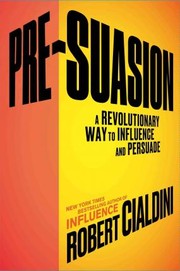
Where you direct attention just before a message shapes how it is received.
“An interesting look at a single topic: what someone encounters beforehand greatly affects the influence of what comes after. Priming.” — Derek Sivers
Source: Derek Sivers book notes (primary, rated list) · Rating: 6/10
Recommended by: Derek Sivers, Michael Mauboussin and 1 other
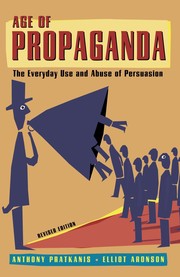
How persuasion and propaganda work through advertising, television and opinion.
Recommended by: Ramit Sethi, Tim Ferriss
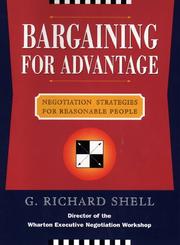
A step-by-step approach to business negotiation from Wharton's negotiation workshop.
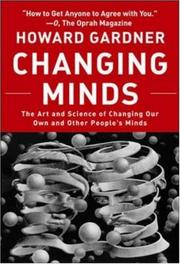
Leadership as the ability to change minds, and what moves them.
Recommended by: Ray Dalio
How eye contact can build relationships and confidence and win negotiations.
Recommended by: Sheryl Sandberg
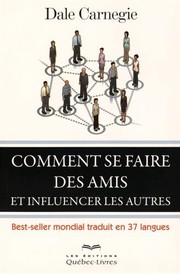
Techniques for handling people, being liked and winning others to your view.
“If you want to learn what people want, read Dale Carnegie's How to Win Friends and Influence People.” — Paul Graham
Source: Why Smart People Have Bad Ideas
Recommended by: Mohnish Pabrai, Patrick Collison and 14 others