Bargaining for Advantage
A step-by-step approach to business negotiation from Wharton's negotiation workshop.
The best research-grounded bridge between theory and the table.
Summary
Shell, director of the Wharton Executive Negotiation Workshop, has taught thousands of business leaders, lawyers and administrators to negotiate, and sets out his systematic, step-by-step approach. It rests on negotiating effectively as the person one is rather than as the person one thinks one should be. He combines stories of negotiators from J. P. Morgan to Mahatma Gandhi with advice drawn from research on negotiation and, in the latest edition, neuroscience.
Updated editions add a Negotiation I.Q. test, designed by Shell and used with executives at Wharton, that shows each reader's strengths and weaknesses as a negotiator. They also cover the pitfalls of negotiating by email and instant messaging and how to succeed online, how gender and cultural differences can derail talks and how to get them back on track, and, in the third edition, a chapter of moves for when a negotiator is short of bargaining power or stuck at an impasse. The book is published in more than ten foreign editions.
Key takeaways 4
- Negotiators do best when they work with their own style rather than imitate someone else's.
- A systematic, step-by-step approach improves results at the table.
- Gender and cultural differences can derail a negotiation unless handled deliberately.
- There are reliable moves for negotiating with little bargaining power or breaking an impasse.
Who should read it
Investors and managers who negotiate deals and want a research-grounded method from the Wharton negotiation programme.
Similar books 6
Chosen by shared topics, the entries that hold them, and the people who recommended both.
How persuasion and propaganda work through advertising, television and opinion.
Recommended by: Ramit Sethi, Tim Ferriss
Leadership as the ability to change minds, and what moves them.
Recommended by: Ray Dalio
How eye contact can build relationships and confidence and win negotiations.
Recommended by: Sheryl Sandberg

Techniques for handling people, being liked and winning others to your view.
“If you want to learn what people want, read Dale Carnegie's How to Win Friends and Influence People.” — Paul Graham
Source: Why Smart People Have Bad Ideas
Recommended by: Mohnish Pabrai, Patrick Collison and 14 others
How biases such as anchoring and the winner's curse distort bargaining.
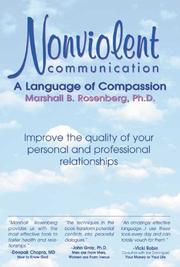
Four steps to speak without blame: observations, feelings, needs and requests.
“After years of so many people telling how much this book has helped them, I finally read it. And yeah, it’s impressive. Very compassionate and actively empathetic. Everyone who communicates should read this and take it to heart.” — Derek Sivers
Source: Derek Sivers book notes (primary, rated list) · Rating: 8/10
Recommended by: Andrew Wilkinson, Derek Sivers and 4 others