Social psychology, persuasion and influence
Books on how people influence one another: persuasion, power, crowds, conformity, communication, culture and group behaviour.
Start here
- Extraordinary Popular Delusions and the Madness of CrowdsCharles Mackay, 1841
- The Crowd: A Study of the Popular MindGustave Le Bon, 1895
- The True BelieverEric Hoffer, 1951
- GroupthinkIrving L. Janis, 1972
- Pre-SuasionRobert B. Cialdini, 2016

Crowd manias from the Mississippi scheme and South Sea Bubble to witch trials.
“We find whole communities suddenly fix their minds upon one object, and go mad in its pursuit,” wrote Charles Mackay in Extraordinary Popular Delusions and the Madness of Crowds (1841), which contains descriptions of early speculative manias.” — Jeremy Grantham
Source: Valuing AI: Extreme Bubble, New Golden Era - or Both?, page 6
Recommended by: Barton Biggs, Bernard Baruch and 6 others

How individuals lose judgement in a crowd and how leaders sway crowds.
Recommended by: Frank Martin, Mohnish Pabrai, Peter Cundill and 1 other

Why mass movements of every kind draw the same frustrated people and use one method.
“And here the best book is called the True Believer, which is the Eric Hoffer book.” — Marc Andreessen
Recommended by: Joe Rosenberg, Marc Andreessen and 6 others
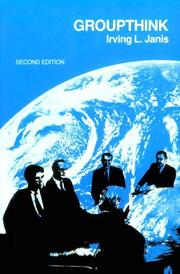
How the wish for agreement in close groups led to fiascos like the Bay of Pigs.
“Irving Janis, Groupthink: Psychological Studies of Policy Decisions and Fiascoes, 2nd ed. (Boston, MA: Houghton Mifflin, 1982)” — Michael Mauboussin
Source: Building an Effective Team: How to Manage a Team to Make Good Decisions, page 17
Recommended by: Adam Weiss, Barton Biggs, Michael Mauboussin
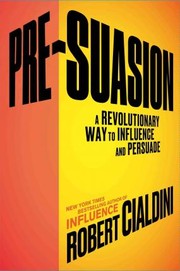
Where you direct attention just before a message shapes how it is received.
“An interesting look at a single topic: what someone encounters beforehand greatly affects the influence of what comes after. Priming.” — Derek Sivers
Source: Derek Sivers book notes (primary, rated list) · Rating: 6/10
Recommended by: Derek Sivers, Michael Mauboussin and 1 other

Techniques for handling people, being liked and winning others to your view.
“If you want to learn what people want, read Dale Carnegie's How to Win Friends and Influence People.” — Paul Graham
Source: Why Smart People Have Bad Ideas
Recommended by: Mohnish Pabrai, Patrick Collison and 14 others

How 1950s advertisers used psychological research to sway buyers.
What organisational culture is, how it forms, and how it bears on leadership.
Preference falsification: why people hide their views and how that hides change.
“So this is one of the all time great books. Incredible.” — Marc Andreessen
Source: Lex Fridman Podcast #458 transcript — Marc Andreessen
Recommended by: Marc Andreessen

Thirty-three strategies of conflict drawn from Napoleon, Hannibal, Thatcher and more.
Recommended by: Ryan Holiday
Forty-eight rules for gaining and keeping power, each shown by historical episodes.
“Warning: some think this book is pure evil. But power exists, so it can only help to understand it better, even if you choose not to wield it.” — Derek Sivers
Source: Derek Sivers book notes (primary, rated list) · Rating: 8/10
Recommended by: Derek Sivers, Nat Eliason, Ryan Holiday and 4 others

A step-by-step approach to business negotiation from Wharton's negotiation workshop.
What watching shoppers in stores shows about how visits turn into sales.
Seducer types, victim types and a step-by-step process of attraction from history.
Recommended by: Nat Eliason
Givers, takers and matchers, and why givers end up both at the bottom and the top.
“If you feel you are too generous, or too greedy, or are wary and insist on reciprocation, consider reading this research-based look at the subject of these different personality types. Counter-intuitive findings.” — Derek Sivers
Source: Derek Sivers book notes (primary, rated list) · Rating: 6/10
Recommended by: Derek Sivers, Mohnish Pabrai, Alex Lieberman and 4 others
Eighteen patterns of human behaviour, from irrationality on, and how to handle them.
“If you've ever been curious about psychology or human behavior, it is by far the most comprehensive and memorable book I've found.” — Andrew Wilkinson
Source: Newsletter
Recommended by: Andrew Wilkinson, Library Mindset
How the internet can spread generosity and make giving a force for good.
Recommended by: Bill Gates

Common knowledge, where everyone knows that everyone knows, and what it does.
Recommended by: Bill Gates
How biases such as anchoring and the winner's curse distort bargaining.

Six principles that make products and ideas spread by word of mouth.
Recommended by: Nat Eliason, Tony Hsieh, Changpeng Zhao and 1 other

Why people misjudge advantage, and how underdogs win.
“…books I've recommended, highlighted to death, or forced on friends.” — Andrew Wilkinson
Source: Andrew Wilkinson's Bookshelf, neverenough.com
Recommended by: Andrew Wilkinson, John C. Bogle and 2 others

Why people flee from freedom into totalitarianism: a psychoanalyst's account.
Recommended by: Nat Eliason

Social scientists observe a group whose prophecy of the world's end fails.
Recommended by: David Heinemeier Hansson

How people's beliefs and behaviour are shaped by others.
Recommended by: Ramit Sethi, Sahil Lavingia
Assertiveness training: how to say no and stand up for yourself without guilt.
Recommended by: Brian Armstrong

What the few who manipulate others know about influence that others do not.
Recommended by: Naval Ravikant
A critique of the narcissistic personality that modern American culture produces.
Recommended by: Antonio García Martínez
How persuasion and propaganda work through advertising, television and opinion.
Recommended by: Ramit Sethi, Tim Ferriss

Why emotional intelligence matters as much as IQ for success in work and life.
“Then I stumbled across a book, Emotional Intelligence, by Daniel Goleman, and I was like, oh my god.” — Drew Houston
Source: The Tim Ferriss Show Transcripts: Drew Houston (#334)
Recommended by: Drew Houston, Jim Collins and 2 others

Five hundred practical, moral and funny questions to think over or start talk.
Recommended by: Mohnish Pabrai

Questions on the search for one's soul, such as what you would do as God for a day.
Recommended by: Mohnish Pabrai

Recommended by: Mohnish Pabrai

How to spot subtle warning signs of violence and trust the intuition that sees them.
“Gavin de Becker has helped politicians, actors, and other high-profile individuals recognize and react to violent threats. In The Gift of Fear, he offers a look at violent behavior and exactly how you can recognize it before it's too late.” — Ramit Sethi
Source: Here are 50 books I recommend
Recommended by: Ramit Sethi, Tim Ferriss
Five hundred questions that probe the limits of what you would do.
Recommended by: Mohnish Pabrai
Four steps to speak without blame: observations, feelings, needs and requests.
“After years of so many people telling how much this book has helped them, I finally read it. And yeah, it’s impressive. Very compassionate and actively empathetic. Everyone who communicates should read this and take it to heart.” — Derek Sivers
Source: Derek Sivers book notes (primary, rated list) · Rating: 8/10
Recommended by: Andrew Wilkinson, Derek Sivers and 4 others
A survey of research on how we make sense of other people and ourselves.
Recommended by: Mohnish Pabrai, Nassim Nicholas Taleb
How self-deception undermines leaders, told as a story set at a company.
Recommended by: Mohnish Pabrai, Girish Mathrubootham and 2 others
How ideas and behaviour spread like epidemics, and the three factors that tip them.
“As Yogi Berra said, "It's tough to make predictions, especially about the future." As anyone who has read Malcolm Gladwell's book, THE TIPPING POINT, will understand, pressures for a significant reversal can build with no apparent effect until they reach a certain point.” — Christopher Browne
Source: Tweedy, Browne Fund Inc. N-CSR shareholder report, fiscal year ended March 31, 2006
Recommended by: Christopher Browne, Jim Collins and 6 others
How to listen with full attention in an age of distraction.
Recommended by: Mohnish Pabrai

More than a hundred pairs of questions that test your priorities and values.
Recommended by: Mohnish Pabrai

How Eastern and Western cultures see and think about the world differently.
Recommended by: Satya Nadella
Leadership as the ability to change minds, and what moves them.
Recommended by: Ray Dalio
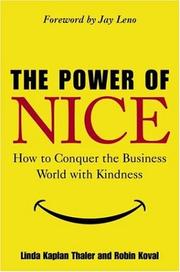
How kindness, trust and fair play build a business and a career.
Recommended by: Tom Peters
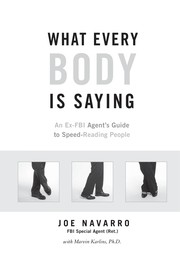
How to read what people's body language says about what they think.
Recommended by: Nat Eliason
Fifty experimental findings on persuasion, and how to apply each.
Recommended by: Mohnish Pabrai, Charlie Munger
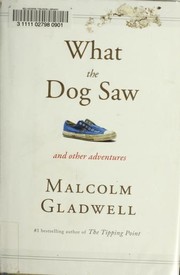
Essays on puzzles such as choking versus panicking and why ketchup has one variety.
“A pretty-good collection of his articles from the past few years. While most are somewhat interesting, it felt a little like surfing the net or TV. Lots of “huh”, but no lasting insights. More entertainment than education.” — Derek Sivers
Source: Derek Sivers book notes (primary, rated list) · Rating: 2/10
Recommended by: Derek Sivers, Mohnish Pabrai
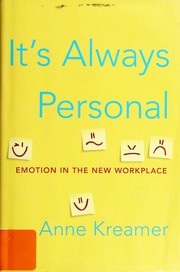
Gender, emotion and power at work, and how to be rational about emotions.
Recommended by: Diana Kimball
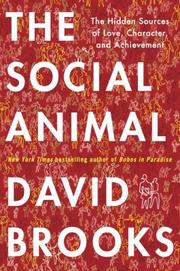
The hidden sources of love, character and achievement, and how people succeed.
Recommended by: Mohnish Pabrai
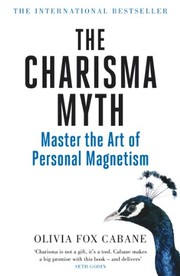
Charisma broken into its components, and how it works.
Recommended by: Derek Sivers, Patrick Collison and 1 other
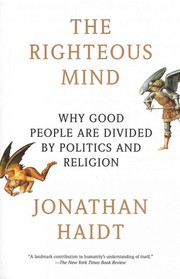
The origins of morality, and how they explain religion, politics and culture wars.
“Brilliant insights into human nature. Moral reasoning, inventing victims, emotional reactions, the elephant (emotions) and its rider (explanations). Intuition reacts then logic confabulates a reason. Survival of the fittest applied to groups. Understanding religion and tradition. Great from start to finish.” — Derek Sivers
Source: Derek Sivers book notes (primary, rated list) · Rating: 9/10
Recommended by: Derek Sivers, Ali Abdaal, Jackie Vullinghs and 3 others
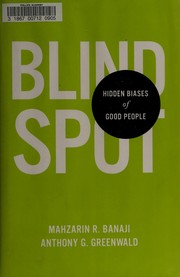
The science of the unconscious biases that good people hold toward others.
Recommended by: Mohnish Pabrai

How the surroundings people live in shape their thought and behaviour.
“Fun read about our biases and how our brain functions.” — Vinod Khosla
Source: 2017 Book Recommendations — Vinod Khosla, Medium
Recommended by: Patrick O'Shaughnessy, Vinod Khosla
How the surroundings people live in shape their thought and behaviour.
Recommended by: Vinod Khosla
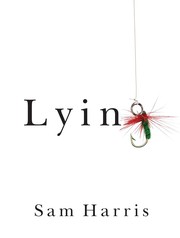
A short case against all lying, white lies included.
“A tiny booklet, like a long article, about why lying is bad. Not as many insights as I expected.” — Derek Sivers
Source: Derek Sivers book notes (primary, rated list) · Rating: 3/10
Recommended by: Derek Sivers, Nat Eliason, Naval Ravikant and 4 others
A series on office life through The Office: sociopaths, clueless managers and losers.
Recommended by: Nat Eliason

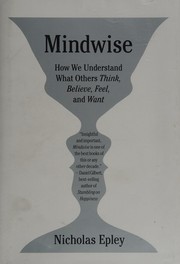
How people read others' thoughts and feelings, and how misreading them causes rifts.
“Many brilliant insights, especially about over-estimating the differences between you and others, thereby separating into us-vs-them tribalism.” — Derek Sivers
Source: Derek Sivers book notes (primary, rated list) · Rating: 8/10
Recommended by: Derek Sivers, Nat Eliason
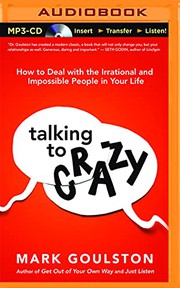
How to deal with irrational, volatile and manipulative people at work and at home.
Recommended by: Cynthia Johnson
A model of adventure for living a life full of memorable experiences.
Recommended by: Jim Kwik
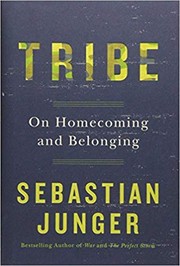
What tribal societies teach about loyalty, belonging and the search for meaning.
“Tribes are so powerful, and so overlooked.” — Morgan Housel
Source: A Few Good Books · Collaborative Fund
Recommended by: Morgan Housel, Alfred Lin, Tim Ferriss
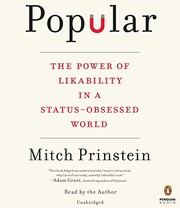
How popularity in youth shapes development and still affects happiness and success.
Recommended by: Susan Cain
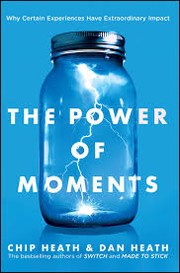
How to design moments that make experiences richer and more memorable.
Recommended by: Jake Knapp, Joel Connolly, Michael Batko
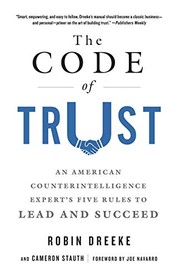
An FBI counterintelligence system for earning trust, built from recruiting sources.
Recommended by: Kevin Rose
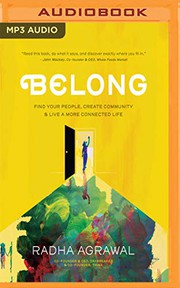
How to find your community: first know yourself, then find your people.
Recommended by: Matt Mullenweg

Why women's anger is justified and can be a tool for change.
Recommended by: Alexis Ohanian, Kathryn Minshew

The evolutionary and cultural roots of hate, and how people can change.
Recommended by: Kathryn Minshew
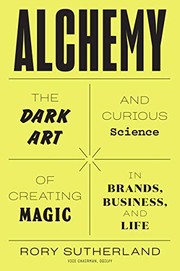
The psychology behind advertising and marketing ideas that defy logic but work.
“Insights into marketing, design, advertising, positioning, and business strategy. Argues for doing what seems illogical in theory, but works in practice because psychology isn't science. Often counter-intuitive, so worth a little extra verbosity.” — Derek Sivers
Source: Derek Sivers book notes (primary, rated list) · Rating: 7/10
Recommended by: Derek Sivers, Nassim Nicholas Taleb
How eye contact can build relationships and confidence and win negotiations.
Recommended by: Sheryl Sandberg
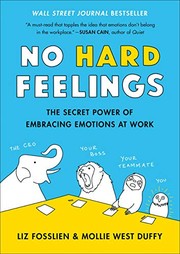
An illustrated guide to handling emotions at work while staying professional.
Recommended by: Cal Newport
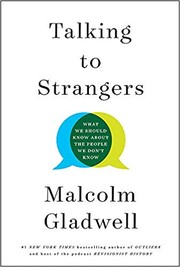
Why people so often misread strangers, from traffic stops to spies.
Recommended by: Melinda Gates, Patrick Bet-David and 1 other

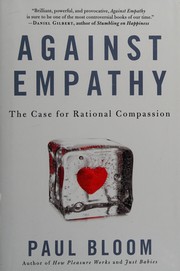
A psychologist on how empathy can be built, even in divided times.
Recommended by: Arianna Huffington
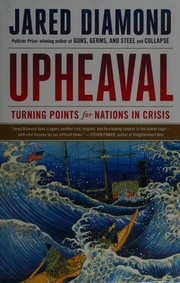
How nations cope with devastating crises and change.
Recommended by: Bill Gates
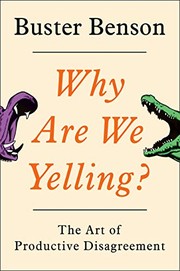
A guide to having more honest and constructive arguments.
Recommended by: Ryan Hoover, Sahil Lavingia
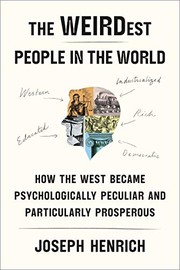
How the West became psychologically peculiar and particularly prosperous.
Recommended by: Marc Andreessen
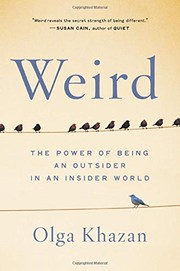
How being different, socially, physically or mentally, can be a person's strength.
Recommended by: Susan Cain
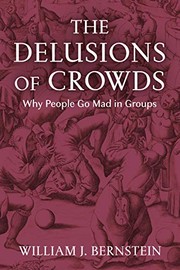
Five centuries of financial and religious manias, and why people go mad in groups.
“Narratives, says William Bernstein, author of The Delusions of Crowds: Why People Go Mad in Groups (2021), are “the pathogens that spread the bubble disease throughout a society.” — Jeremy Grantham
Source: Valuing AI: Extreme Bubble, New Golden Era - or Both?, page 4
Recommended by: Jeremy Grantham, Michael Mauboussin
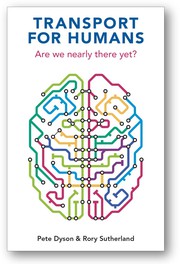
Applying behavioural science to make transport better for people.
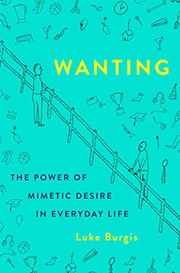
Rene Girard's theory that people imitate each other's desires, applied to business.
“Pop explanation of René Girard’s anthropology of mimetic theory. We all imitate, but are rarely aware of it. Many relatable examples, though not a clear takeaway.” — Derek Sivers
Source: Derek Sivers book notes (primary, rated list) · Rating: 7/10
Recommended by: Derek Sivers, Andrew Wilkinson and 4 others
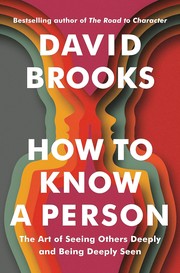
How to see other people deeply and make them feel seen.
“First part was great - so empathetic - about how and why to really get to know someone. I skipped the middle part about difficult conversations in the Culture Wars. Last part was great, about what it is to be wise.” — Derek Sivers
Source: Derek Sivers book notes (primary, rated list) · Rating: 8/10
Recommended by: Andrew Wilkinson, Bill Gates, Derek Sivers
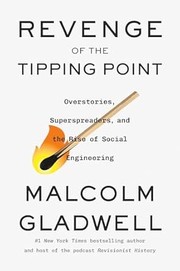
The lessons of The Tipping Point reframed, with cases from Miami to the Ivy League.
Recommended by: Andrew Wilkinson
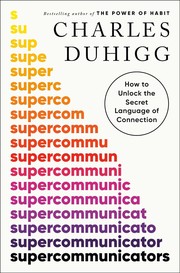
The three kinds of conversation, practical, emotional and social, and how to connect.
Recommended by: Andrew Wilkinson
Questions about love, romance and sex that set the imagination to work.
Recommended by: Mohnish Pabrai
 Robert Greenewrote 4 books here
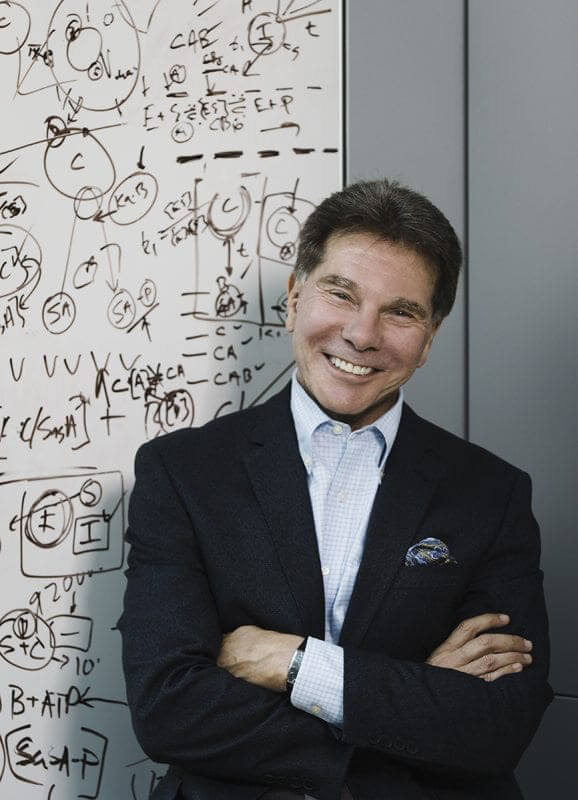 Robert B. Cialdiniwrote 2 books here
 Rory Sutherlandwrote 2 books here
 David Brookswrote 2 books here
 Adam Grantwrote 1 book here
 Chris Andersonwrote 1 book here
 Brian Grazerwrote 1 book here
 Mohnish Pabrairecommends 19 books here
 Derek Siversrecommends 12 books here
 Nat Eliasonrecommends 9 books here
 Michael Mauboussinrecommends 6 books here
 Marc Andreessenrecommends 4 books here
 Bill Gatesrecommends 4 books here
 Tim Ferrissrecommends 4 books here
 Vinod Khoslarecommends 4 books here
 Naval Ravikantrecommends 3 books here
 Ramit Sethirecommends 3 books here
Show all 98
 Jim Collinsrecommends 2 books here
 John C. Boglerecommends 2 books here
 Nassim Nicholas Talebrecommends 2 books here
 Jeremy Granthamrecommends 2 books here
 Reid Hoffmanrecommends 2 books here
 Ryan Holidayrecommends 2 books here
 Simon Sinekrecommends 2 books here
 Alexis Ohanianrecommends 2 books here
 Antonio García Martínezrecommends 2 books here
 Brian Armstrongrecommends 2 books here
 Garry Tanrecommends 2 books here
 Kathryn Minshewrecommends 2 books here
 Kevin Roserecommends 2 books here
 Matt Mullenwegrecommends 2 books here
 Nick Huberrecommends 2 books here
 Patrick Collisonrecommends 2 books here
 Satya Nadellarecommends 2 books here
 Susan Cainrecommends 2 books here
 Tony Hsiehrecommends 2 books here
 Charlie Mungerrecommends 1 book here
 Paul Grahamrecommends 1 book here
 Ray Daliorecommends 1 book here
 Warren Buffettrecommends 1 book here
 John Doerrrecommends 1 book here
 Morgan Houselrecommends 1 book here
 Prem Watsarecommends 1 book here
 Tyler Cowenrecommends 1 book here
 David Heinemeier Hanssonrecommends 1 book here
 Alfred Linrecommends 1 book here
 Andrew Chenrecommends 1 book here
 Arianna Huffingtonrecommends 1 book here
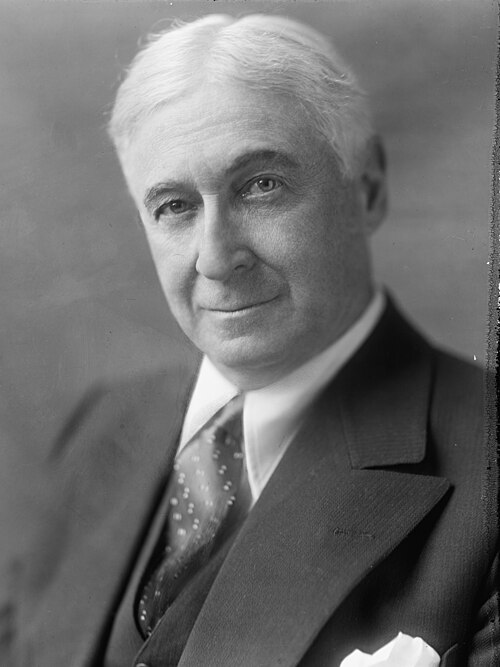 Bernard Baruchrecommends 1 book here
 Cal Newportrecommends 1 book here
 Chamath Palihapitiyarecommends 1 book here
 Changpeng Zhaorecommends 1 book here
 Cynthia Johnsonrecommends 1 book here
 Diana Kimballrecommends 1 book here
 Drew Houstonrecommends 1 book here
 Dustin Moskovitzrecommends 1 book here
 Elon Muskrecommends 1 book here
 Emmett Shearrecommends 1 book here
 Eric Weinsteinrecommends 1 book here
 Ev Williamsrecommends 1 book here
 Fred Schebestarecommends 1 book here
 Jackie Vullinghsrecommends 1 book here
 Jake Knapprecommends 1 book here
 Joel Connollyrecommends 1 book here
 John D Saundersrecommends 1 book here
 Justin Kanrecommends 1 book here
 Marissa Mayerrecommends 1 book here
 Melinda Gatesrecommends 1 book here
 Michael Batkorecommends 1 book here
 Nate O'Brienrecommends 1 book here
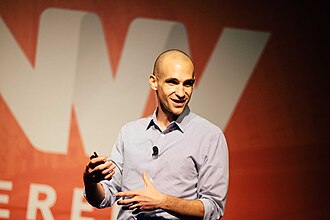 Nir Eyalrecommends 1 book here
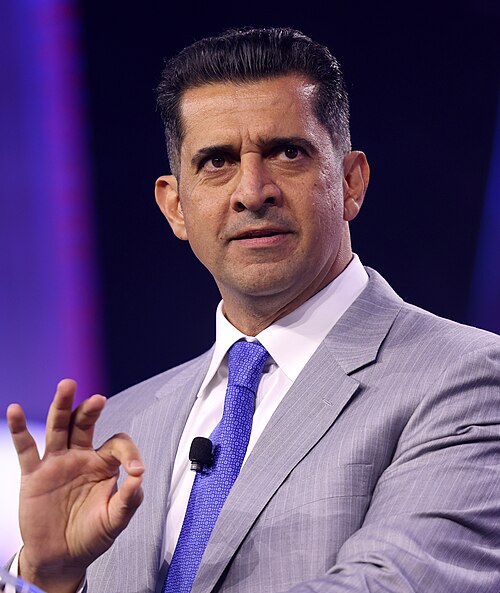 Patrick Bet-Davidrecommends 1 book here
 Ryan Petersenrecommends 1 book here
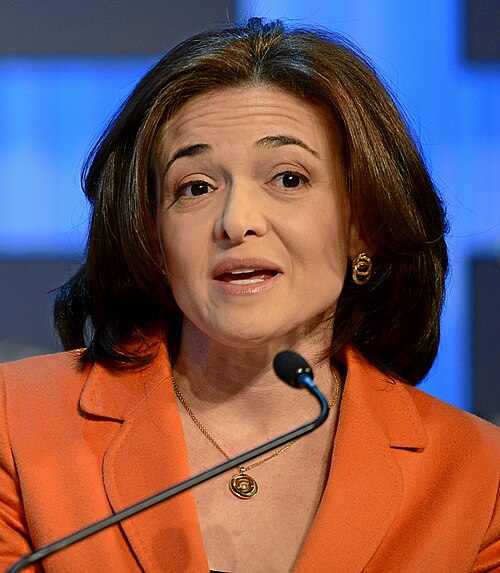 Sheryl Sandbergrecommends 1 book here
 Stewart Butterfieldrecommends 1 book here
 Strauss Zelnickrecommends 1 book here
 Susan J. Fowlerrecommends 1 book here
 Terrance McArthurrecommends 1 book here
 Tristan Harrisrecommends 1 book here