Infectious Generosity
How the internet can spread generosity and make giving a force for good.
Summary
Anderson, head of TED, argues that generosity, one of the most basic but overlooked human impulses, can be made infectious and can turn outrage back into optimism. He starts from the disappointment of recent years, when hopes that the internet would bring people together gave way to the harms of social media, and asks whether there is a way back.
His examples include a London barber who began giving haircuts to homeless people and started a movement; two anonymous donors who gave $10,000 each to two hundred strangers and found that most recipients wanted to pass the generosity on; and TED itself, which grew from a small annual conference into a global source of ideas by giving its talks away online. Anderson offers a practical guide to generous acts, whether gifts of money, time, talent, connection or kindness, and to preparing them so that, through the internet, they spread and multiply.
Key takeaways 4
- Generous acts can spread from person to person when others see them.
- Most people who receive an unexpected gift want to pass the generosity on.
- TED grew into a global platform by giving its talks away free online.
- Generosity can take the form of time, talent, connection or kindness as well as money.
Who should read it
Founders and philanthropists interested in how giving things away can build reach and goodwill.
About Chris Anderson
Head of TED, the nonprofit that publishes TED talks; founded Future Publishing and the games site IGN.
TED Talks: The Official TED Guide to Public Speaking sets out how the talks TED publishes are built.
Who recommended it 1 · 1 direct
Similar books 6
Chosen by shared topics, the entries that hold them, and the people who recommended both.
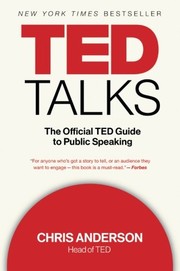
How to give a talk that transfers one idea, from TED's work with its speakers.
Recommended by: Mohnish Pabrai
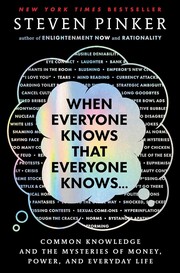
Common knowledge, where everyone knows that everyone knows, and what it does.
Recommended by: Bill Gates
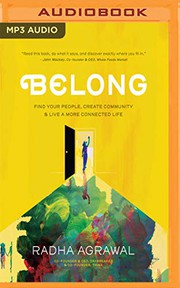
How to find your community: first know yourself, then find your people.
Recommended by: Matt Mullenweg
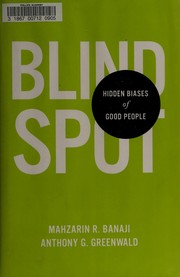
The science of the unconscious biases that good people hold toward others.
Recommended by: Mohnish Pabrai
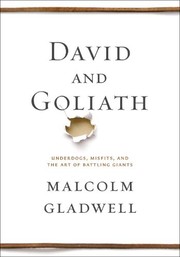
Why people misjudge advantage, and how underdogs win.
“…books I've recommended, highlighted to death, or forced on friends.” — Andrew Wilkinson
Source: Andrew Wilkinson's Bookshelf, neverenough.com
Recommended by: Andrew Wilkinson, John C. Bogle and 2 others

Why people flee from freedom into totalitarianism: a psychoanalyst's account.
Recommended by: Nat Eliason