Updates

  1. 137 new fund letters and reports, each with its own page: Kayne Anderson Rudnick (48 market briefings, KayneCast episodes and TV commentaries), Shelton Capital Management (48 shareholder reports and a commentary), Lakehouse Capital (10 Small Companies Fund letters), Smead (5 newsletters), RIT Capital Partners (5 monthly commentaries), Kovitz, Legal & General, Generation, Hosking, Marram, Munro, Oldfield and others.
  2. 200 new fund letters and reports, each with its own page: Spheria (41 monthly reports), Peapack Private (41 weekly recaps and planning newsletters), Fort Washington (23), Polen Capital (15), Aristotle Pacific (14), Riverwater (13), Chou (10), Apollo Asia Fund (8, back to 1998), Personal Asset Trust, Rockwood Strategic, J Capital Research, I/O Fund, Penn Davis McFarland, Pomona and others.
  3. Investor pages have one Investments tab with shares, changes, % owned, class, market cap and Market cap and Status filters, a Funds tab listing each fund the firm runs, and assets under management from Form ADV. The Investors table shows AUM and current investments, and its search finds investors by what they hold.
  4. Filters, search and sort stay as you left them when you come back to a section. Person cards look like book cards. Company pages name their Investors tab Ownership. Kind and Sector filters use four kinds and GICS sectors with industries. Dead links left the Links tabs.
  5. 190 more investors from fiscal.ai's list, with their sites, letters, partners and 13F holdings; 556 more partner descriptions. Experts now lists only people.
  6. Fund letters lists 144 new documents from 23 firms, each with its own page: a summary, key insights and quotes. Among them: 37 BlackRock articles, 21 Value Partners monthly notes, eight Baron Capital letters, six Stone Sentinel letters to partners, seven Value Line portfolio manager Q&As, BNY's 2026 earnings releases and Starboard Value's 2026 conference presentations.
  7. 584 more investors, with their websites, 6,776 letters from their own sites, 1,385 partners with pages and the 13F holdings of 213 firms. New letters arrive daily from 290 more archives.
  8. Media and Companies filter by GICS sector and industry group, taken from the companies an episode or page names. 1,860 more company pages show a logo, the SEC's list included.
  9. The home page counts what the platform holds and lists features such as the document reader, the player and saved marks. Settings sits at the foot of the rail. Book cards are a quarter wider, so rows hold fewer. Companies drops the Named in filter, and the Role list in your account runs A to Z.
  10. Investor pages of 13 firms show their newsroom's latest posts. New 13F filings are read as the SEC publishes them.
  11. Investor pages have an Investments tab: 13,975 holdings for 105 investors, from their 13F filings with the SEC and their own portfolio pages, with status and sector. 7,338 more companies have a page of their own.
  12. A podcast or YouTube episode keeps playing while you move around the site, in a bar with skip, speed and volume. Media tables show each episode's length and description.
  13. Press releases come from each company's own newsroom (167 companies); SEC filings sit on the Filings tab. Tickers name their exchange, and a company's Experts tab includes guests whose episode description names it.
  14. Letter types now include Market commentary, Fact sheet, Interim report, Annual report, Proxy circular and Governance document. The reader opens over the whole window.
  15. Partners of investment firms have 2,836 appearances and 580 pieces of writing on their pages; Derek Sivers's page lists every book he rates, with his rating.
  16. Fund letters lists three Akre Focus shareholder reports: the ETF's annual report for the year to July 2026, its semi-annual report to January 2026 and the fund's semi-annual report to January 2025, each with its own page: a summary, key insights and quotes.
  17. 837 partners of 73 investment firms now have their own pages, with title, description, photograph and social accounts; Andreessen Horowitz partners' pages also list their writing on a16z.com.
  18. Company pages have a Press releases tab: 8,229 releases for 203 companies, from SEC filings and company newsrooms. Companies filter by For-profit or Non-profit. Own media is a table with filters. Media filters by sector and industry. Publication pages link their publisher in the description.
  19. The Unilever page's Letters tab shows what each fund letter says about Unilever, word for word with its page, and whether the letter is bullish, bearish, mixed or neutral. Filter by sentiment, and see 10 letters at a time.
  20. 492 more fund letters and 3,183 more articles show the day they were published, read from each letter's first page or each article's own page.
  21. The PDF reader has a search box: type words to see every match in the document and step through them. About 540 letters that were web pages, among them Oakmark's commentaries, Bill Miller's letters and Howard Marks's memos, now open in the reader.
  22. Person pages: recommendations open with tier 1 books; one button per organisation; transcripts sit on their episodes; the books on 129 reading lists joined the Recommends tabs.
  23. Companies lists every company with a ticker on the SEC's list, with a Source filter. A quote on a company page opens the letter at that page with the words marked. A company's Media tab lists only episodes that name it, and a new Own media tab lists its podcasts, publications and YouTube channel. Show pages link their publisher. A page opened from a table no longer shows that table's filters beside it.
  24. Company, investor and person pages show more of their social accounts: Facebook, TikTok, Bluesky, Medium, GitHub, Discord and podcast shows. Investor pages list every partner the firm's own team page names: 965 people across 73 investors, 98 for Andreessen Horowitz.
  25. About 170 more letters and papers open in the reader: Mohnish Pabrai's letters and transcripts from his site's new folder, and free copies of papers by Asness, Harvey, Altman, Lo and others from their own or their schools' sites.
  26. Every company a fund letter names has a page, with the letters and quotes that name it: 47 new pages, among them Atom Computing, Hugging Face, Rolls-Royce Holdings and Westinghouse Electric. Company pages have a Quotes tab.
  27. A person's Writing tab has a Type column and filter (Article, Essay, Transcript, Speech, Foreword, Interview and the rest), and Publication names only the publication that published each piece.
  28. Fund letters opens on the newest published letter, and a letter or paper found by search opens its own page here instead of the publisher's site.
  29. A letter or paper with a copy on the site opens its PDF over its page, with a button to open it in a new tab. Select text to highlight or underline it; signed-in readers keep their marks in their account. Each quote opens the PDF at its page with its words marked, and a Source link leads to the publisher's original.
  30. Fund letters lists 61 more documents, each with its own page: Fairfax's 2025 and 2026 interim reports, proxy circulars and 2025 annual report (with their French editions), 26 Charlie Munger meeting transcripts, talks and essays, Third Point's 2026 monthly reports and Malibu Life's interim results, and a Seth Klarman interview. Papers adds Richard Thaler's two 2020 editorials on nudges.
  31. Fund letters lists Lux Capital's letters for Q2 and Q3 2026, by Josh Wolfe, each with its own page: a summary, key insights and quotes.
  32. Fund letters lists Brookfield's letter to shareholders for Q3 2026, by Bruce Flatt, with its own page: a summary, key insights and quotes.
  33. Fund letters lists Howard Marks's memo of 11 November 2026, A Layman Thinks About AI, with its own page: a summary, key insights and quotes.
  34. Fund letters lists 118 more letters, each with its own page: 44 weekly commentaries by Jeremy Siegel from 2026, 31 issues of Van Tharp's newsletter from 2018, 23 Pabrai Investment Funds letters from 2021 to Q3 2026, 13 Efficient Frontier essays by William Bernstein, Oakmark's three 3Q 2026 commentaries, two Lindsell Train reports, a John Hussman comment and Third Point's Q3 2026 letter.
  35. 2,027 more books carry a one-line description in the Books table and on their pages; 7,067 of 7,715 have one, every tier 1, 2 and 3 book among them.
  36. Fund letters lists 187 more letters from 19 firms, among them Permanent Equity, Social Capital, Lux Capital, Square Peg, Bestinver, Cobas, Sequoia Fund, Marketfield and EquityCompass; each shows on its investor's page and has a page of its own.
  37. 2,928 more books carry a one-line description in the Books table and on their pages, so every tier 1, 2 and 3 book has one; 5,040 in all.
  38. Every publication on Newsletters has its own page: its writing, its writers, its staff and who recommends it. Investor pages have a Management tab; a company's Experts tab now leaves out its own people, who list under Management. Tabs on a phone move sideways only.
  39. Every fund letter and research paper has its own page: the thesis, the PDF, the companies and books it names, and for 176 letters and 24 papers so far a summary, key insights and quotes with their page.
  40. 99 books that no page listed now sit under their topics in Books, among them Caste, American Prometheus and Pale Blue Dot.
  41. Newsletters lists every newspaper, magazine, investment newsletter, journal and blog the reference holds, 442 in all, with the people who write there. The search box keeps your last 20 searches. You can create an account.
  42. 283 books that fund managers recommend in their letters are on the shelf, each with the letter's own words and page; investor pages have a Recommends tab.
  43. Person, company, investor and show pages link their own accounts on X, Threads, Instagram, LinkedIn, YouTube and Substack: 275 people, 552 companies and organisations, 88 investors and 478 shows.
  44. 716 more book recommendations name their source: the person's own reading list, letter, blog post, speech or interview, or an article that reports it. 232 of them quote the person's own words about the book, on the book card and on the book's page.
  45. Every US-listed company has a page with its SEC filings. Company pages list their experts and their management, past and present. Fund managers sit under Investors. Each show has a page of its episodes, and an episode page names its guests and hosts. Biographies lists groups, then people. Breadcrumbs show where a page sits.
  46. Media lists every podcast episode, video, interview and talk, over 10,000, by person, company, publisher and event; each filter searches its own choices. Books opens on its table, then Browse, then Authors and Recommenders. A filter's count no longer covers its arrow.
  47. A book that no company, country or subject page lists shows its topics under Where it sits in the reference. On a phone, a page's tabs scroll sideways only. Descriptions read the same on every page. See them in the Experts tab lists every expert the page names.
  48. Every podcast episode, video and interview has its own page with a video or audio player and a link to the source. Investor pages show each company's sector and market cap; firms such as Berkshire Hathaway have one page that holds their letters and their company tabs. Letters tabs filter by company and search the theses. Companies filter by Public, Private and Defunct and link each company's website.
  49. Every tab, view and search has its own address, such as /books/table/asset or /letters/companies, so Back works and a link opens the same place. Page addresses no longer end in .html. Fund letters, Investors, Companies and Papers load about a fifth of the data they did.
  50. Fund letters has a Companies tab: every company the letters name, with its market cap, sector, country, and how many letters and investors name it. Investor pages link each investor's website. Lists in table cells end with “… and N more” at every width.
  51. 1,120 more book summaries; descriptions for 373 papers; pages for 137 more companies, each with the fund letters that discuss it; 215 official photographs; search has its own page.
  52. 411 more books have a summary; person pages list 930 more of the books they wrote; 147 people show their official photograph.
  53. Every investor has a page with its letters and the companies they discuss; company pages list the investors whose letters name them.
  54. A Companies section at the top of the rail lists every company the books, experts and fund letters name.
  55. Person pages list letters, writing, profiles and links as sortable tables with filters, and show each person's companies as links; Fund letters show each letter's description in its own column.
  56. Experts show a checked job title and a short description of each person; 30 more people have photographs.
  57. Every company, fund, university and publication the experts work for has a page listing the people there.
  58. Fund letters show each letter's thesis and filter by it; 225 person pages list the essays, columns and newsletter issues the person wrote.
  59. Person pages list every essay and newsletter issue a person wrote, and their own books as a table in List view.
  60. Recommends shows the five largest kinds of book and the rest under More; browse pictures load sooner.
  61. Podcasts and talks link the original episode, filter by Audio and video or Press, and list each publisher once.
  62. Pages are wider, Recommends has List and Grid, and a filter clicked again turns off.
  63. Book cards sit in a ruled grid with Open Library and Goodreads links and each book's one-line note.
  64. Funds is now Investors; each investor's styles are buttons that filter the table.
  65. Podcasts and talks on a person's page filter by year and publisher and show as a list or a grid of pictures.
  66. Quotes show only people's own words: 472 summaries written by list sites are gone.
  67. Country pages open from Browse again, and every link on the shelf lands on a page.
  68. Subject and person pages show their sections as tabs, and each book appears once on a person's page.
  69. Book cards show the quote, who said it and the source; grids show five cards to a row.
  70. On a phone, a menu holds the sections, search, Updates, Feedback and dark mode.
  71. Feedback takes a screenshot of the page with no browser prompt, opens a screenshot full size when you click it, and clears itself once sent.
  72. Book cards are centred, search names the topic each book sits in, and any text cut short shows whole on hover.
  73. Search groups its results by kind: people, companies, geographies, subjects, topics, books, funds, fund letters and papers.
  74. The Books table lists who recommended each book by name, and the browser tab names the section you are in.
  75. Feedback can take a screenshot of the page, or one you paste or choose, and opens in the corner beside Updates.
  76. Each rail button reopens its section where you left it, and Browse, Table and People show on every book and subject page.
  77. Filters grey out choices that hold nothing instead of hiding them, and Books › People filters by authors or recommenders.
  78. Feedback takes a subject line and up to three screenshots.
  79. Biographies are grouped by the person they are about: 41 new pages, from Abraham Lincoln to Lee Kuan Yew.
  80. Sport splits into 23 sports, and Religion into one topic per faith.
  81. Book lists show as cards: the cover, one recommendation quote and every recommender by name.
  82. Seventeen subjects that had two or three pages under different names now have one page each.
  83. Every page lists its Experts as authors and recommenders, with a link to them on the Experts tab.
  84. Economics, Financial history, Financial panics and Accounting are subjects of their own, with one page per financial crisis.
  85. Book, person and subject pages open inside the app, so the tabs stay in view.
  86. 996 more book covers, and photographs or logos for 227 more people and companies.
  87. Books › Browse shows every subject as cards, and the rail holds Fund letters, Papers, Experts, Books and Funds.
  88. Every topic over 150 books splits into narrower topics, each with a page of its own.

Send feedback

What is it?
Screenshots, up to 3 (optional)
or paste one with Ctrl+V

We use your email only to reply to you.

WP

Wealth, poverty and inequality

Holds books on the rich and the poor: inequality data, plutocrats and offshore wealth, poverty and development aid, philanthropy, and the economics of crime.

Start here

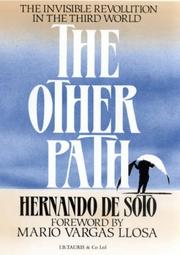
  1. The Other PathHernando de Soto, 1989
  2. Casino: Love and Honor in Las VegasNicholas Pileggi, 1995
  3. The Canadian EstablishmentPeter C. Newman, 1975
  4. GomorrahRoberto Saviano, 2006
  5. BrazillionairesAlex Cuadros, 2016
Hernando de Soto · 1989

A study of Lima's informal economy and the legal costs that keep the poor outside it.
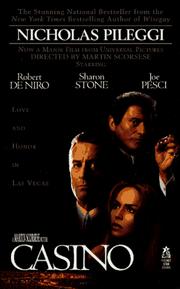
Nicholas Pileggi · 1995

How the Chicago mob ran Las Vegas casinos, told through bookie Frank Rosenthal.
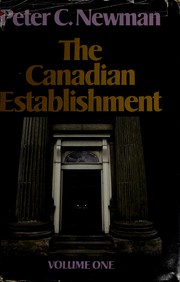
Peter C. Newman · 1975

A portrait of Canada's business elite in 1975, from hundreds of interviews.

Roberto Saviano · 2006

An investigation of a place living under the rule of a murderous crime organisation.
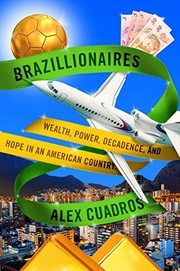
Alex Cuadros · 2016

Brazil's billionaires during the boom, and what their fortunes say about inequality.
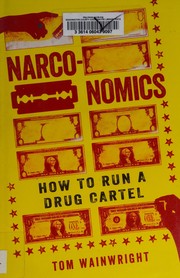
Tom Wainwright · 2016

The drug trade as a business: how cartels handle supply chains, staff and branding.
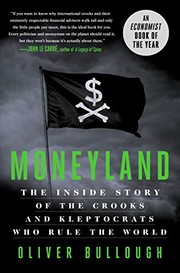
Oliver Bullough · 2018

How the offshore world lets officials who steal money hide it and spend it abroad.
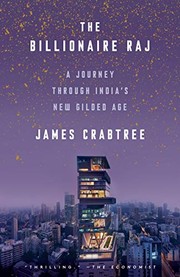
James Crabtree · 2018

India's billionaires, crony capitalism, and the bad-loan crisis in its banks.
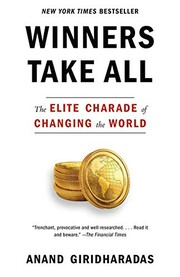
Anand Giridharadas · 2018

How the global elite's efforts to change the world keep the status quo in place.

“This is kind of like Anand's ⁠- I forget his last name ⁠- but the book Winners Take All; we keep looking for these win-win solutions but sometimes we have to lose a little bit so that everybody wins.” — Tristan Harris

Source: The Tim Ferriss Show Transcripts: Tristan Harris — Fighting Skynet and Firewalling Attention (#387)

Recommended by: Tristan Harris, Vinod Khosla, Alexis Ohanian
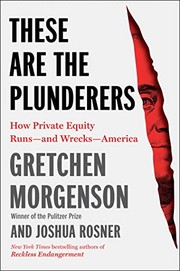
Gretchen Morgenson, Joshua Rosner · 2023

Case studies of how private equity extracts money from the companies it buys.

Chris Anderson · 2024

How the internet can spread generosity and make giving a force for good.

Recommended by: Bill Gates

Andrew Tobias · 1982

How American insurers make money and how little they return to policyholders.
Michael Lewis · 1991

Columns on Wall Street in the late eighties, mostly on debt-financed buyouts.
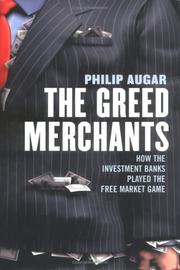
Philip Augar · 2005

How investment banks make their money and sustain an oligopoly over clients.
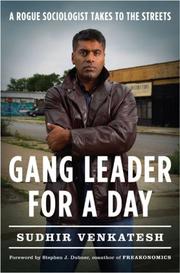
Sudhir Venkatesh · 2008

A sociologist studies a Chicago crack-dealing gang from the inside.

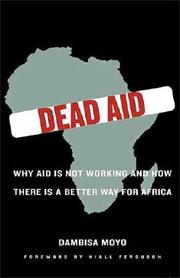
Dambisa Moyo · 2009

The case that aid has harmed Africa and that bond markets should replace it.

David Roodman · 2011

A sceptical review of what the evidence on microfinance shows.
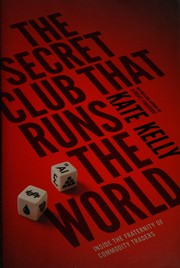
Kate Kelly · 2014

The commodity traders of oil, metals and grain, at banks and independent houses.
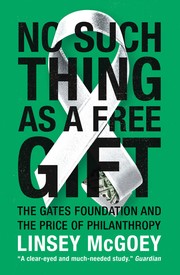
Linsey McGoey · 2015

A critique of the Gates Foundation and the rise of philanthrocapitalism.
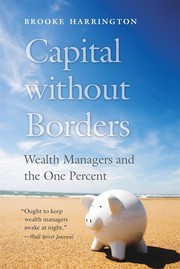
Brooke Harrington · 2016

A sociologist trains as a wealth manager to show how fortunes are shielded offshore.

Pasuk Phongpaichit, Chris Baker · 2016

Studies of inequality in Thailand: income, wealth, land, education and power.

Justin Farrell · 2020

Wealth, land and conservation in the American West.

Recommended by: Matt Mullenweg
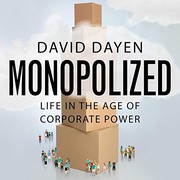
David Dayen · 2020

Market concentration in America, sector by sector, through the people it affects.

Tim Schwab · 2023

An investigative case against the power of the Gates Foundation.

George Orwell · 1937

Working-class life in the industrial north of England in the 1930s, and a polemic.

Recommended by: David Heinemeier Hansson
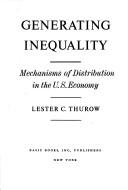
Lester C. Thurow · 1975

Models that explain how earnings and wealth are distributed in the United States.

Recommended by: Paul Graham
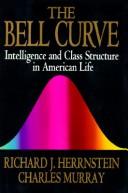
Richard J. Herrnstein, Charles Murray · 1994

The claim that intelligence shapes income and status in America, and its effects.

Recommended by: Eric Weinstein
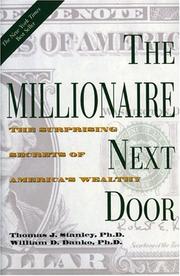
Thomas J. Stanley, William D. Danko · 1996

Survey research showing most American millionaires live modestly and save hard.

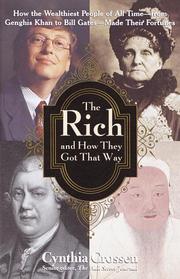
Cynthia Crossen · 2000

Biographies of the richest people in history and how they made their money.

Recommended by: Mohnish Pabrai
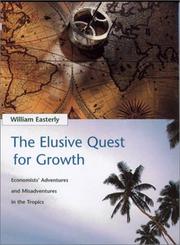
William Eas · 2001

Why foreign aid, investment and other remedies failed to make tropical nations rich.

Recommended by: Mohnish Pabrai

Eric Schlosser · 2003

America's black market, seen through sex, drugs and cheap labour.

Recommended by: Jim Collins, Mohnish Pabrai

Abraham George · 2004

Rural poverty in India, from a foundation's humanitarian work there.

Recommended by: Mohnish Pabrai
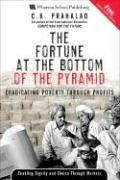
C.K. Prahalad · 2004

How companies can serve the world's poor profitably and reduce poverty in doing so.

Recommended by: Mohnish Pabrai
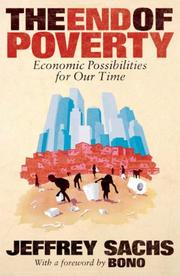
Jeffrey D. Sachs · 2005

How the world's poorest people can escape extreme poverty.

Recommended by: Mohnish Pabrai, Bill Gates
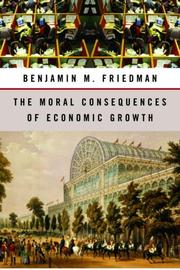
Benjamin M. Friedman · 2005

How economic growth affects democracy, moral life and political participation.

Ann Lindstrand · 2006

A textbook on the health of the whole world for students.

Recommended by: Bill Gates
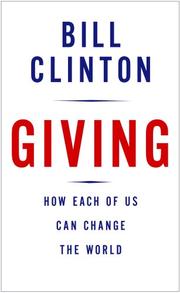
Bill Clinton · 2007

How individuals and companies can give time and money to solve problems.

Recommended by: Mohnish Pabrai

William T. Vollmann · 2007

Poverty around the world in its hopelessness, brutality, pride and fear.

Recommended by: Emmett Shear

Joel L. Fleishman · 2007

How private foundations work and drive social change.

Recommended by: Bill Gates, Peter Thiel
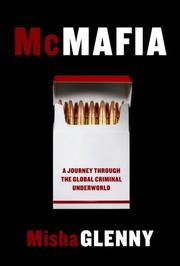
Misha Glenny · 2008

How organised crime went global after the Soviet collapse and financial deregulation.

Recommended by: Vinod Khosla
Paul Brest, Hal Harvey · 2008

How foundations and donors can design strategy for effective giving.

Recommended by: Bill Gates

Howard G. Buffett, Shakira Mebarak · 2009

Life stories from sixty-five countries in more than 440 colour photographs.

Recommended by: Mohnish Pabrai
Ralph Nader · 2009

A novel: 17 super-rich Americans, Warren Buffett among them, unite to fix government.

Recommended by: Mohnish Pabrai
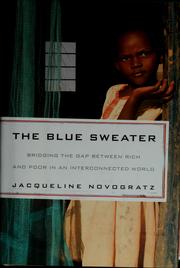
Jacqueline Novogratz · 2009

A memoir of moving from international banking to founding Acumen, an impact investor.

Recommended by: Mohnish Pabrai

Michael Zitz · 2010

The life of Doris Buffett and her giving through the Sunshine Lady Foundation.

Recommended by: Mohnish Pabrai

Katherine Boo · 2011

Families striving for a better life in one of the great, unequal cities.

Charles Kenny · 2011

Why the world is getting better even as the income gap grows.

Recommended by: Bill Gates
Thomas J. Tierney · 2011

A guide for donors on giving to charities and nonprofits well.

Recommended by: Andrew Wilkinson, Bill Gates
Abhijit V. Banerjee, Esther Duflo · 2011

What tested evidence shows about how to help the world's poor.

Recommended by: Bill Gates, Mohnish Pabrai
Robert J. Shiller · 2012

A defence of finance, arguing that crises call for more financial innovation.

Clayton E. Cramer · 2012

The emptying of America's mental hospitals, told through one mentally ill brother.

Recommended by: Balaji S. Srinivasan
Chrystia Freeland · 2012

The new global super-rich and the widening gap between them and everyone else.

Recommended by: Mohnish Pabrai
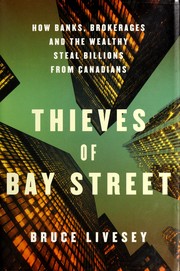
Bruce Livesey · 2012

Why Canada's securities enforcement is weak, and what that costs investors.
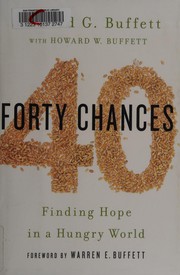
Howard G. Buffett · 2013

A philanthropist's campaign against hunger, after his father gave away his fortune.

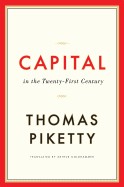
Thomas Piketty · 2013

The long-run dynamics of wealth and inequality, and why capital concentrates.

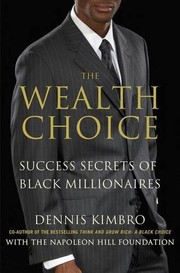
Dennis Kimbro · 2013

Lessons on success and wealth from African American millionaires.

Recommended by: Warren Buffett
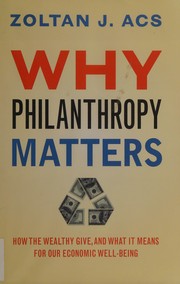
Zoltan J. Acs · 2013

How the wealthy give, and philanthropy's part in America's economic health.

Recommended by: Mohnish Pabrai

Shaka Senghor · 2013

A man jailed for murder becomes a lecturer and voice for criminal justice reform.

Recommended by: Ben Horowitz

Nicholas D. Kristof, Sheryl WuDunn · 2014

A guide to making a difference in the world through giving.

Recommended by: Andrew Wilkinson
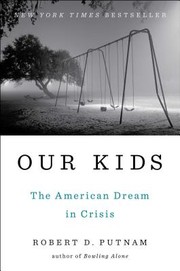
Robert Putnam · 2015

Why fewer American children now have a chance to move up as inequality widens.

Recommended by: Jeff Jordan
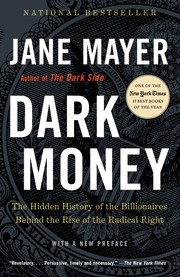
Jane Mayer · 2016

How a few rich right-wing donors, the Kochs among them, funded a political network.

“Dark Money: The Hidden History of the Billionaires Behind the Rise of the Radical Right was first on the list. I have a very cynical attitude toward politics, especially in the context of big money, so I was fascinated by this book. I’d read snippets about it and had read the New Yorker article Covert Operations: The billionaire brothers who are waging a war against Obama by Jane Mayer in 2010 that was the inspiration for her to write this book.” — Brad Feld

Source: Book: Dark Money: The Hidden History of the Billionaires Behind the Rise of the Radical Right — Feld Thoughts

Recommended by: Brad Feld

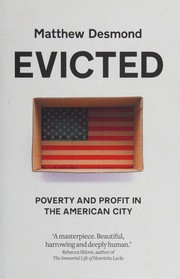
Matthew Desmond · 2016

Eight Milwaukee families and two landlords through repeated evictions, 2008-09.

J.D. Vance · 2016

America's white working class, seen through a boyhood in a poor Rust Belt town.

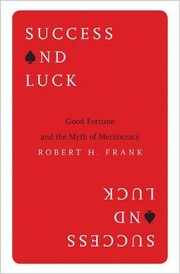
Robert H Frank · 2016

Chance shapes success more than people think; what that means for fairer economies.

Recommended by: Mohnish Pabrai
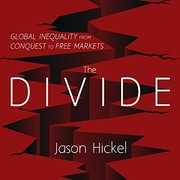
Jason Hickel · 2017

Global poverty as the product of a world economy built to favour powerful nations.

“That lead me to read his book The Divide, which expands on all these topics, and is truly an illuminating treatises while still being readable!” — David Heinemeier Hansson

Source: You gotta read Less Is More

Recommended by: David Heinemeier Hansson

Pardis Sabeti · 2018

Why key information failed to reach doctors in West Africa's Ebola epidemic.

Recommended by: Bill Gates

Scott Harrison · 2018

A nightclub promoter, unhappy at the top, asks what the opposite of his life is.

Recommended by: Bill Gates, Michael Bloomberg
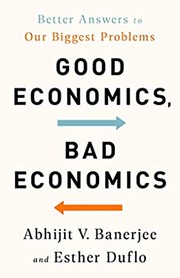
Abhijit V. Banerjee, Esther Duflo · 2019

What recent economics research says about the problems facing modern economies.

Recommended by: Bill Gates

T4 Well
Sandro Galea · 2019

Why Americans spend most on health yet live shorter lives, and what shapes health.

Recommended by: Arianna Huffington
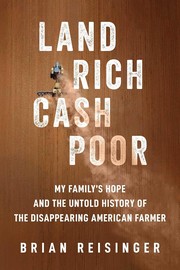
Brian Reisinger · 2024

Why family farms lose ground to consolidated ownership.

More society and culture