American politics and presidents
Books on American elections, parties, presidents and their biographies, Congress, the Supreme Court, civil rights and US domestic affairs.
Start here
- The Power BrokerRobert A. Caro, 1974
- Master of the SenateRobert A. Caro, 2002
- Miracle at PhiladelphiaCatherine Drinker Bowen, 1966
- The Rise of Theodore RooseveltEdmund Morris, 1979
- TrumanDavid McCullough, 1992
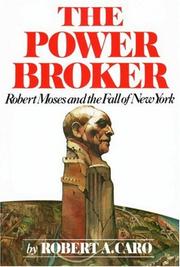
How an unelected official amassed power and used it to rebuild New York.
“The Power Broker remains one of the best books ever written about New York.” — The Rational Walk
Source: The Digest #216 - The Rational Walk
Recommended by: Balaji S. Srinivasan, Jim Collins and 8 others
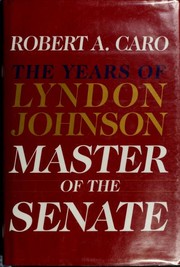
How Lyndon Johnson mastered the Senate's rules and became its majority leader.
Recommended by: Jim Collins, Marc Andreessen and 1 other
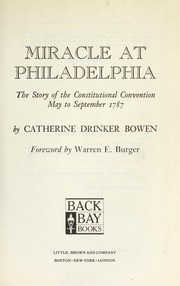
The 1787 Federal Convention in Philadelphia that wrote the US Constitution.
Recommended by: Jim Collins
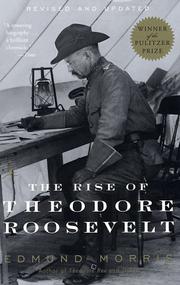
Theodore Roosevelt's life from his birth in 1858 to the presidency in 1901.
Recommended by: Jim Collins, Mohnish Pabrai, Ryan Holiday and 2 others
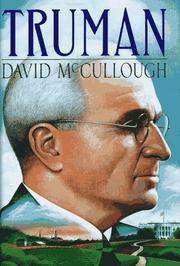
Harry Truman's life and presidency, from the atomic bomb to the Korean War.
Recommended by: Jim Collins, Morgan Housel
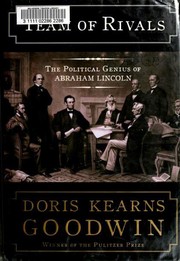
How Lincoln brought his three rivals for the 1860 nomination into his cabinet.
Recommended by: Bill Gates, Jim Collins, Mohnish Pabrai and 2 others
Joseph P. Kennedy's life in banking, film, the stock market and politics.
Recommended by: Mohnish Pabrai, Morgan Housel
New York's 1975 fiscal crisis and the austerity politics it taught the nation.
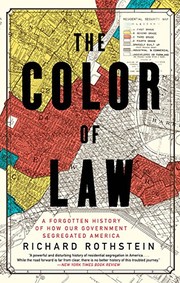
How federal housing policy created racial segregation in American cities.
New York City's fiscal crisis of the seventies, traced from the Lindsay years.
A documentary history of the violent strike at Carnegie Steel's Homestead mill.
Detroit's Chapter 9 bankruptcy, the largest by a US city, from inside the case.
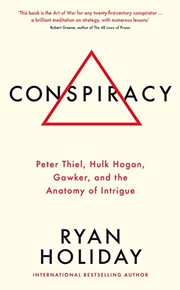
How Peter Thiel secretly funded the lawsuits that destroyed Gawker Media.
Recommended by: Brian Koppelman, Jeff Jordan, Joel Connolly and 2 others
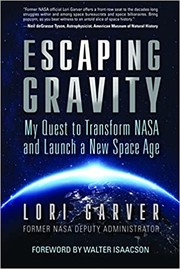
NASA's former deputy on the fight to move spaceflight to commercial contracts.
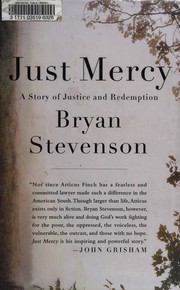
A lawyer's memoir of fighting wrongful convictions, such as Walter McMillian's.
Recommended by: Richard Branson, Barack Obama and 2 others
Recommended by: Mohnish Pabrai
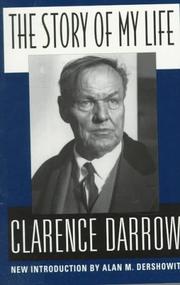
A lawyer's fifty years of cases, from a union's right to strike to Leopold and Loeb.
Recommended by: Larry Ellison
The autobiography of a communist spy who became a Christian.
Recommended by: Marc Andreessen
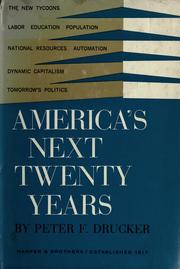
Forecasts for the United States over two decades, drawn from trends already set.
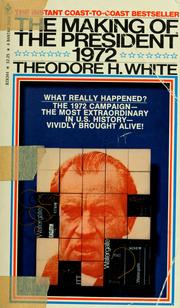
The presidential race between John F. Kennedy and Richard Nixon.
Recommended by: Warren Buffett
Recommended by: Patrick Collison
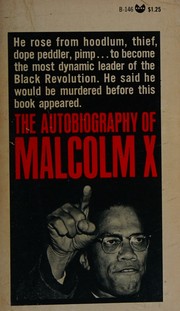
His own story, from prison and crime to Islam, Mecca and the brotherhood of man.
Recommended by: Ryan Holiday, Casey Neistat, Jason Calacanis and 1 other
Interviews with Americans who joined the Communist Party and later left it.
Recommended by: Marc Andreessen
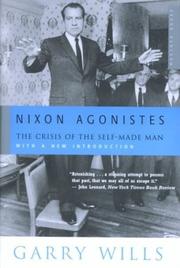
A study of Richard Nixon and his opinions, written during his first term.
Recommended by: Patrick Collison
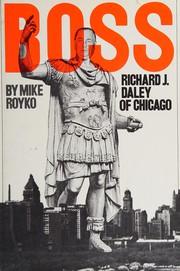
A biography of Richard J. Daley and his rule over Chicago politics.
Recommended by: Audrey Gelman
Why the United States became mired in Vietnam, and the policy makers who led it.
“Heading the column was a quotation from David Halberstam's account of the U.S. involvement in Vietnam, The Best and The Brightest: If there was ever anything that bound men ... together, it was the belief that sheer intelligence and rationality could answer and solve everything.” — Howard Marks
Source: Genius Isn't Enough (and Other Lessons from Long-Term Capital Management), page 1
Recommended by: Howard Marks, Nick Crocker
A biography of George Washington.
Recommended by: Mohnish Pabrai, Jamie Dimon
Lectures given at Oxford on the Supreme Court's role in American government.
Recommended by: Susan J. Fowler
Lyndon Johnson's life from a Texas childhood to his first rise to power.
Recommended by: Andrew Wilkinson, Patrick Collison
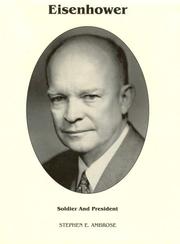
Eisenhower's life, career and presidency, as a study in leadership.
Recommended by: Mohnish Pabrai, Jamie Dimon
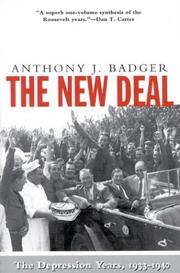
An interpretation of the New Deal and of the historians who have written on it.
“Badger, Anthony. The New Deal. Hill and Wang, 1989.” — Paul Graham
Source: The Refragmentation — Paul Graham (bibliography)
Recommended by: Paul Graham
Lyndon Johnson's war service and his disputed Senate primary win by 87 votes.
Recommended by: Jim Collins, Patrick Collison
The life stories of the main candidates in one American presidential primary.
“What It Takes. The book is called What It Takes.” — Ezra Klein
Source: The Tim Ferriss Show Transcripts: Ezra Klein (#208)
Recommended by: Ezra Klein, Patrick Collison
Clarence Darrow's 1912 bribery trial in Los Angeles, and the lawyer's life around it.
Recommended by: Mohnish Pabrai
How ethnic competition shaped New York City politics, from Tammany Hall to Dinkins.
Recommended by: Audrey Gelman
A biography of Abraham Lincoln drawn on his personal papers.
Recommended by: Mohnish Pabrai, Jamie Dimon
Multiculturalism and political intolerance on campus.
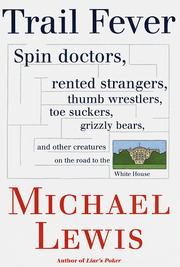
A funny chronicle of the presidential campaign and how America picks its leaders.
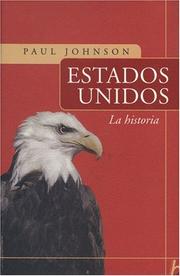
A history of the United States as a great human adventure.
Recommended by: Mohnish Pabrai
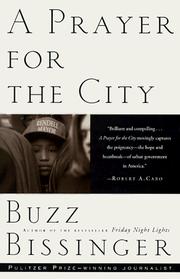
Philadelphia mayor Ed Rendell's fight to save his city.
Recommended by: Audrey Gelman
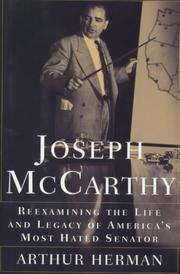
A life of Joseph McCarthy and how he used the issue of Communism in the Cold War.
Recommended by: Marc Andreessen
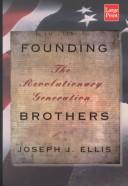
How Hamilton, Jefferson, Adams and others met the trials of the young republic.
Recommended by: Jim Collins, Mohnish Pabrai, Jamie Dimon
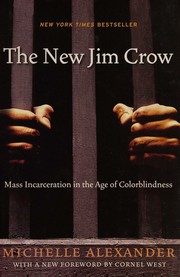
Mass incarceration in America and what it does to African-American men.
Recommended by: Bill Gates, Mark Zuckerberg, Sahil Lavingia
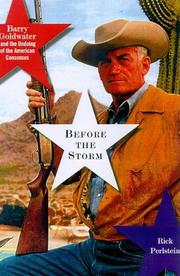
The rise of the conservative movement in the sixties around Barry Goldwater.
Recommended by: Patrick Collison
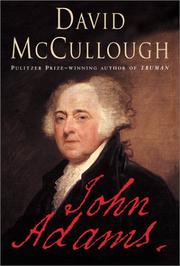
A life of John Adams, revolutionary and second president of the United States.
Recommended by: Mohnish Pabrai
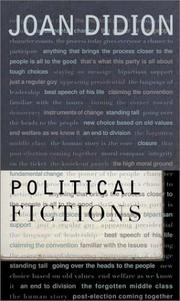
Essays on how a handful of insiders shapes the story of American political life.
Recommended by: Audrey Gelman
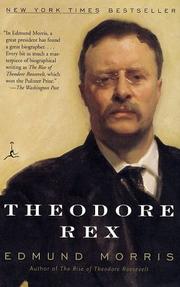
Theodore Roosevelt's presidency and the politics of his years in office.
Recommended by: Mohnish Pabrai, Sophie Bakalar
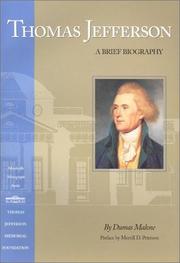
A short life of Thomas Jefferson's mind and temperament.
Recommended by: Mohnish Pabrai
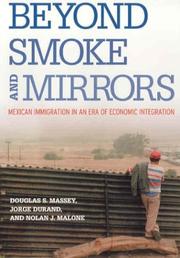
How American immigration policy, made for show at home, harmed Mexico and America.
Recommended by: Bill Gates
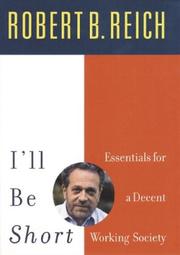
A short case for renewing the social contract against go-it-alone economics.
Recommended by: Mohnish Pabrai
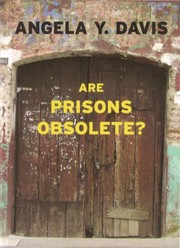
The case that prisons, grown into a private industry, should be replaced.
Recommended by: Patrick Collison
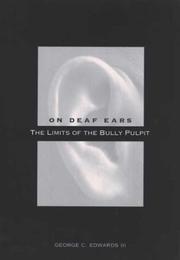
Hundreds of polls show how rarely presidents' public appeals change public opinion.
Recommended by: Ezra Klein
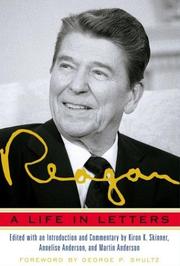
Over 1,000 letters from 1922 to 1994, grouped by themes such as friends and beliefs.
Recommended by: Mohnish Pabrai
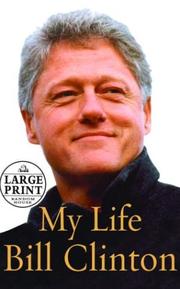
A president's years before public life, his years in politics and in the White House.
Recommended by: Mohnish Pabrai
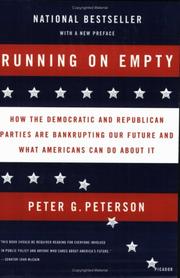
How both American parties are bankrupting the country's future.
“In 2004, the Los Angeles Times asked me to write a review of Pete Peterson’s excellent book on the looming fiscal crisis, “Running on Empty.” — Howard Marks
Source: What Worries Me, page 13
Recommended by: Howard Marks, Mohnish Pabrai
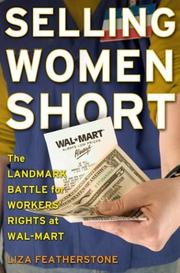
The Dukes v. Wal-Mart sex discrimination case and the women who brought it.
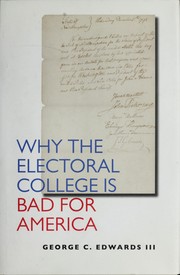
Why no real case exists for an electoral college that can violate majority rule.
Recommended by: Ezra Klein
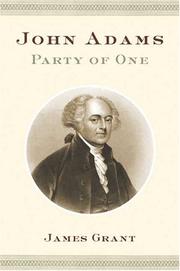
A biography of a paradoxical president, a fierce revolutionary and reluctant leader.
Recommended by: Jim Collins, Mohnish Pabrai, Seth Klarman
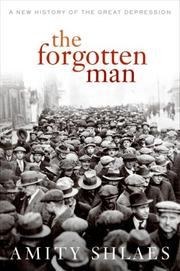
The Great Depression told through the stories of the common people who endured it.
Recommended by: Balaji S. Srinivasan
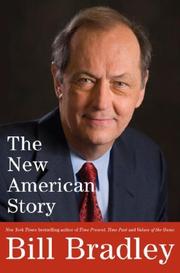
What US parties, politics and citizen activism must change to secure the future.
Recommended by: Meg Whitman
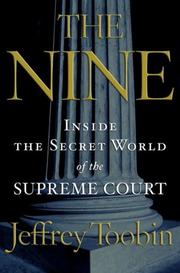
Inside the Supreme Court and the dynamic among its nine justices.
Recommended by: Gary Vaynerchuk
Studies of how the Bush administration made decisions and governed.
Recommended by: Ezra Klein
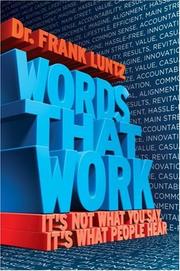
Why some words persuade and others fail, from a political pollster.
Recommended by: Nat Eliason, Tristan Harris, Matt Mullenweg and 1 other
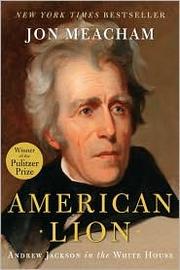
Andrew Jackson, his inner circle and how he made the modern presidency.
Recommended by: Mark Zuckerberg
How judges actually decide cases in the American legal system.
Recommended by: Patrick Collison
Nixon's political career from Congress to the White House and the strategies he used.
Recommended by: Patrick Collison
Why Senate Democrats and Republicans fight even over issues they agree on.
“In terms of books, and I should do more thinking on this, and the book that is probably the most influential for me in thinking about how American politics really works is not the easiest read but it's a book by a political scientist named Frances Lee called Beyond Ideology.” — Ezra Klein
Source: The Tim Ferriss Show Transcripts: Ezra Klein (#208)
Recommended by: Ezra Klein
The presidential election that Obama won, from insider reporting.
Recommended by: John Doerr
How technology may change American schools despite the interests that resist it.
Recommended by: Bill Gates
A novel: 17 super-rich Americans, Warren Buffett among them, unite to fix government.
Recommended by: Mohnish Pabrai
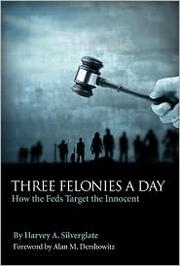
How vague federal criminal laws let prosecutors target innocent professionals.
Recommended by: Balaji S. Srinivasan
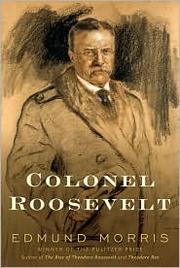
Theodore Roosevelt's last decade, from leaving the presidency to his death.
Recommended by: Mohnish Pabrai
An investment banker and ambassador on his life in finance and politics.
Recommended by: Mohnish Pabrai
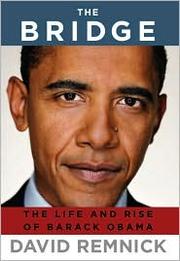
Barack Obama's life, experiences and the ambition behind his rise.
Recommended by: Mohnish Pabrai
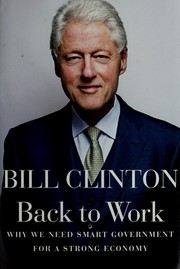
Why government matters to a strong economy after the financial crisis.
Recommended by: Mohnish Pabrai
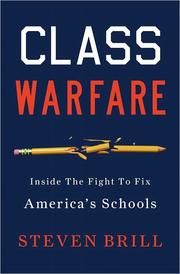
The fight among adults over why American public schools fail to educate children.
Recommended by: Bill Gates
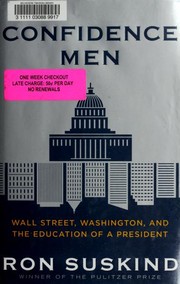
The financial meltdown and the Obama administration's response to it.
Recommended by: Nir Eyal
A biography of John F. Kennedy that asks what he was like as a man.
Recommended by: Patrick Arnold
The life of Thomas B. Reed, Speaker of the House in the Gilded Age.
Recommended by: Mohnish Pabrai, Seth Klarman
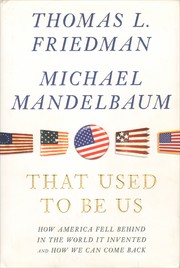
How America is failing four challenges, from globalization to its chronic deficits.
Recommended by: Bill Gates
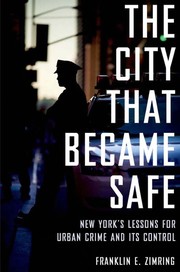
Why crime in New York fell by 80 per cent, twice as much as in the rest of America.
“Every one of these books changed my worldview, and I highly recommend them if you're looking for inspiring reading.” — Bill Gates
Source: My top reads of 2012 — Gates Notes
Recommended by: Bill Gates
Essays on the ideas behind the American Revolution and why it still matters.
Recommended by: Mohnish Pabrai
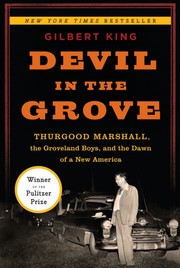
The Groveland case in Jim Crow Florida, when four Black men were accused of rape.
“My weekend reading was Devil in the Grove: Thurgood Marshall, the Groveland Boys, and the Dawn of a New America.” — Brad Feld
Recommended by: Brad Feld, Jim Collins
How the American constitutional system collided with the politics of extremism.
Recommended by: Nat Eliason
Why Obama's frustrations came from misreading the nature of presidential power.
Recommended by: Ezra Klein

A presidential election told from hundreds of insider interviews.
Recommended by: Nick Crocker
A study of presidents and politics in America's Progressive era.
Recommended by: Bill Gates, Jim Collins, Mohnish Pabrai and 1 other
Washington's political culture of networking, branding and self-interest.
Recommended by: Patrick Collison
How drug-war policing made a poor Philadelphia neighbourhood a surveillance state.
Recommended by: Alex Blumberg
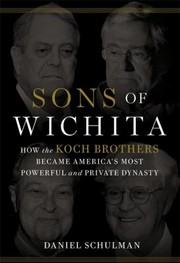
The four Koch brothers' lives and their business, social and political ambitions.
Recommended by: Mohnish Pabrai

A man shot by a revenge killer after 9/11 fights to save his attacker from execution.
Recommended by: Mohnish Pabrai
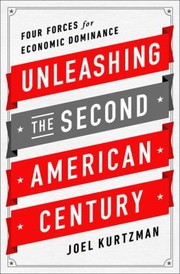
Four forces expected to keep America's economy dominant this century.
Recommended by: Mohnish Pabrai
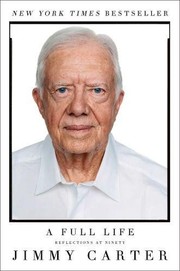
A former president looks back at ninety on Georgia, politics and humanitarian work.
Recommended by: Bill Gates, Richard Branson
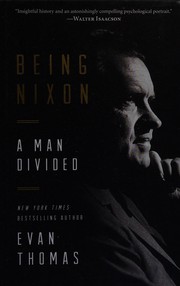
A psychological portrait of Richard Nixon, driven by optimism and fear.
Recommended by: Bill Gates
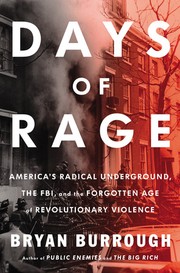
The radical underground groups that bombed police stations and courthouses.
Recommended by: Marc Andreessen
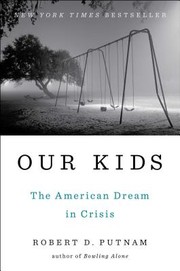
Why fewer American children now have a chance to move up as inequality widens.
Recommended by: Jeff Jordan
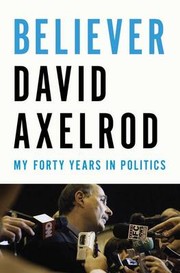
A journalist turned political strategist on his life in American campaigns.
Recommended by: Nick Crocker
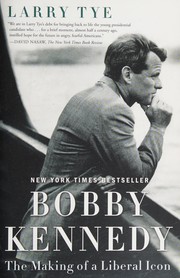
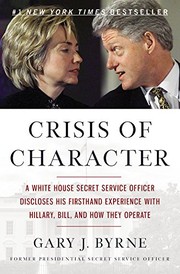
A Secret Service officer's account of the Clintons in the White House.
Recommended by: Mohnish Pabrai
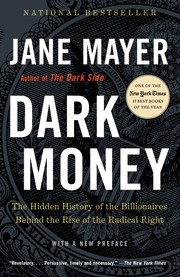
How a few rich right-wing donors, the Kochs among them, funded a political network.
“Dark Money: The Hidden History of the Billionaires Behind the Rise of the Radical Right was first on the list. I have a very cynical attitude toward politics, especially in the context of big money, so I was fascinated by this book. I’d read snippets about it and had read the New Yorker article Covert Operations: The billionaire brothers who are waging a war against Obama by Jane Mayer in 2010 that was the inspiration for her to write this book.” — Brad Feld
Recommended by: Brad Feld
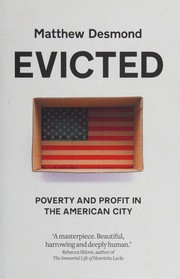
Eight Milwaukee families and two landlords through repeated evictions, 2008-09.
Recommended by: Bill Gates, Barack Obama, Emmett Shear and 3 others
How Truman and Senator Vandenberg built American foreign policy after the war.
Recommended by: Mohnish Pabrai
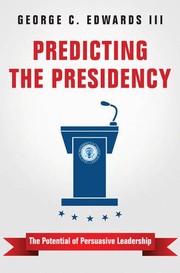
A realistic view of how far a president can use persuasion to win support.
Recommended by: Ezra Klein
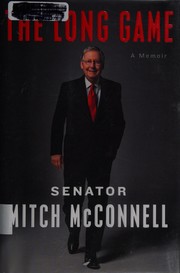
A Senate leader's memoir, from childhood polio to his views on Congress.
Recommended by: Donald Trump
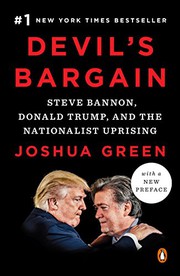
Donald Trump's first presidential campaign and how it was run.
Recommended by: Marc Andreessen
A Democratic strategist's inside account of the election and the DNC hack.
Recommended by: Marc Andreessen
Barack Obama's two terms as president recorded in photographs.
Recommended by: Richard Branson
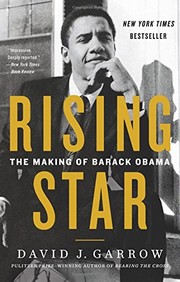
A detailed account of Barack Obama's formative years up to the presidency.
Recommended by: Nick Crocker
How Hillary Clinton lost the presidential election to Donald Trump.
Recommended by: Marc Andreessen
Why American liberalism has failed over two generations.
Recommended by: Antonio García Martínez
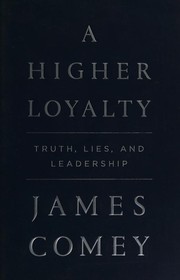
A former FBI director on two decades in government and ethical leadership.
“I finished James Comey’s book A Higher Loyalty: Truth, Lies, and Leadership last night. Everyone who thinks or cares about leadership should read it and allow themselves to process it at a meta-level.” — Brad Feld
Source: Book: A Higher Loyalty — Feld Thoughts
Recommended by: Brad Feld, Marc Andreessen
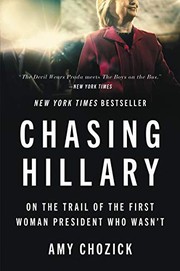
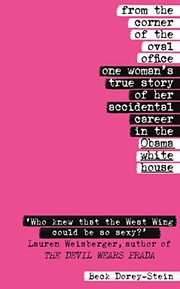
A White House stenographer's memoir of the Obama years.
Recommended by: Zoë Foster Blake
How presidents from Madison to Lyndon Johnson took America to war and gained power.
Recommended by: Bill Gates
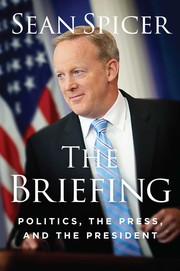
A White House press secretary's account of his time in the job.
Recommended by: Donald Trump
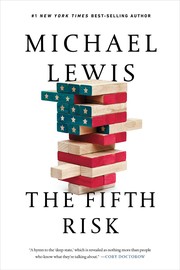
What federal departments such as Agriculture and Energy do, and what is at risk.
Recommended by: Alfred Lin, Nick Crocker
Where politics meets startups taking on incumbents in regulated industries.
“I enjoyed Bradley Tusk’s new book, The Fixer: My Adventures Saving Startups from Death by Politics.” — Brad Feld
Source: Book: The Fixer — Feld Thoughts
Recommended by: Brad Feld, Audrey Gelman, Michael Bloomberg
Reporting from five swing states on whether Trump's election was a fluke or a shift.
Recommended by: Donald Trump, Mark Cuban
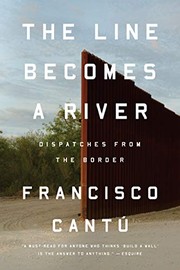
A former Border Patrol agent's dispatches from the desert along the Mexican border.
Recommended by: Vinod Khosla
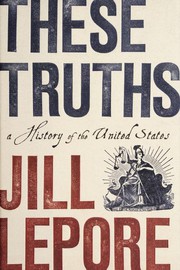
A one-volume history of the United States and the origins of a divided nation.
Recommended by: Bill Gates, Morgan Housel
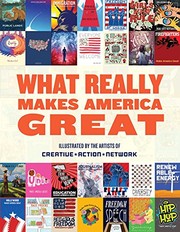
A collection of artwork honouring every side of America by many artists.
Recommended by: Guy Kawasaki
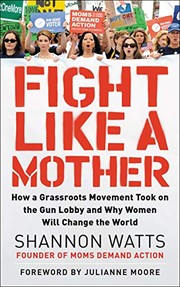
How a mother founded a movement for gun control after Sandy Hook.
Recommended by: Michael Bloomberg
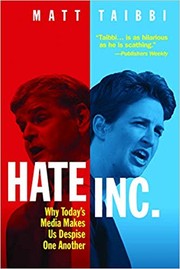
How mainstream media mislead the public, part tirade, part confession.
Recommended by: David Heinemeier Hansson
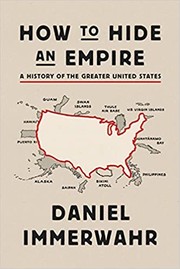
The territories the United States governed beyond its fifty states.
Recommended by: Balaji S. Srinivasan, Ryan Holiday
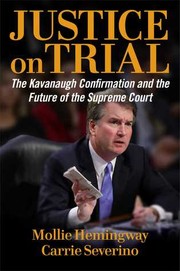
An insider's account of Brett Kavanaugh's confirmation to the Supreme Court.
Recommended by: Donald Trump
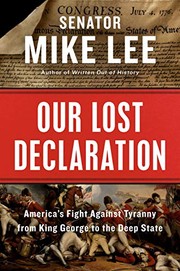
The little-known offences of the British crown against its own American subjects.
Recommended by: Donald Trump
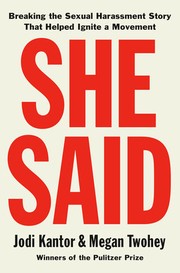
The reporters' account of exposing a film producer's sexual harassment.
Recommended by: Kara Swisher, Kathryn Minshew and 1 other
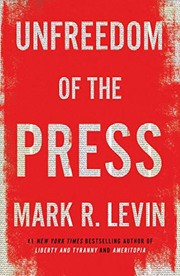
How self-censorship, group-think and bias are undermining the free press.
Recommended by: Donald Trump
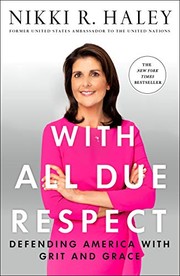
A former ambassador to the United Nations on the events of her time in office.
Recommended by: Donald Trump
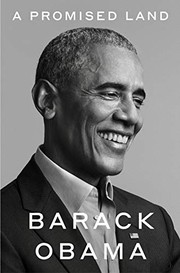
Obama's memoir from his early politics through his first presidential term.
Recommended by: Bill Gates, Michelle Obama, Trevor Ncube
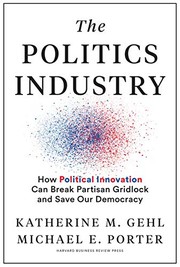
US politics analysed as an industry with five forces, and reforms to fix it.
Recommended by: Charles Koch, Mark Cuban
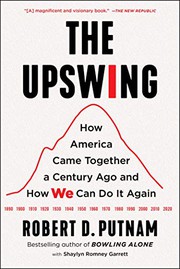
How America moved from "I" to "we" and back over a century, and how to turn again.
Recommended by: Andrew Wilkinson
How America's political system, working as designed, is polarising its people.
Recommended by: Bill Gates, Julia Galef

The case that progressive policies made homelessness, inequality and crime worse.
Recommended by: Matt Mullenweg
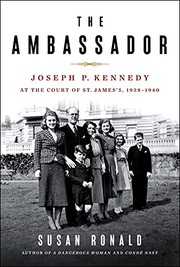
Joseph Kennedy's contested years as US ambassador to Britain on the eve of war.
Recommended by: Marc Andreessen
American history as an experiment in democracy, told in conversations.
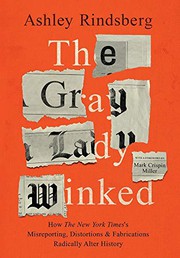
How the New York Times's misreporting and fabrications altered history.
“Ashley Rindsberg (Gray Lady Winked). Ashley Rindsberg's book details how the New York Times Company has faked the news for more than a century, from Stalin's USSR through Castro's Cuba all the way to the present day.” — Balaji S. Srinivasan
Source: Popups are the new startups - balajis.com
Recommended by: Balaji S. Srinivasan
How the New York Times's misreporting and fabrications altered history.
Recommended by: Balaji S. Srinivasan
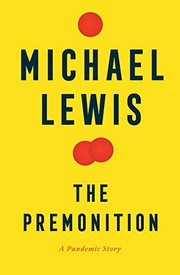
How a few health officials and scientists confronted the pandemic and the CDC.
Behind the scenes of the Murdoch family and its crumbling Fox News empire.
Recommended by: Andrew Wilkinson
Interviews with presidents and historians on the American presidency.
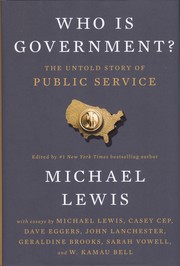
Writers tell the stories of the public servants who make government work.
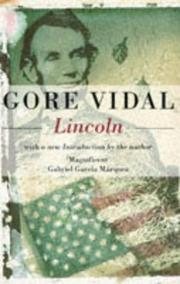
The second of two volumes of Lincoln's complete speeches and writings.
Recommended by: Patrick Collison
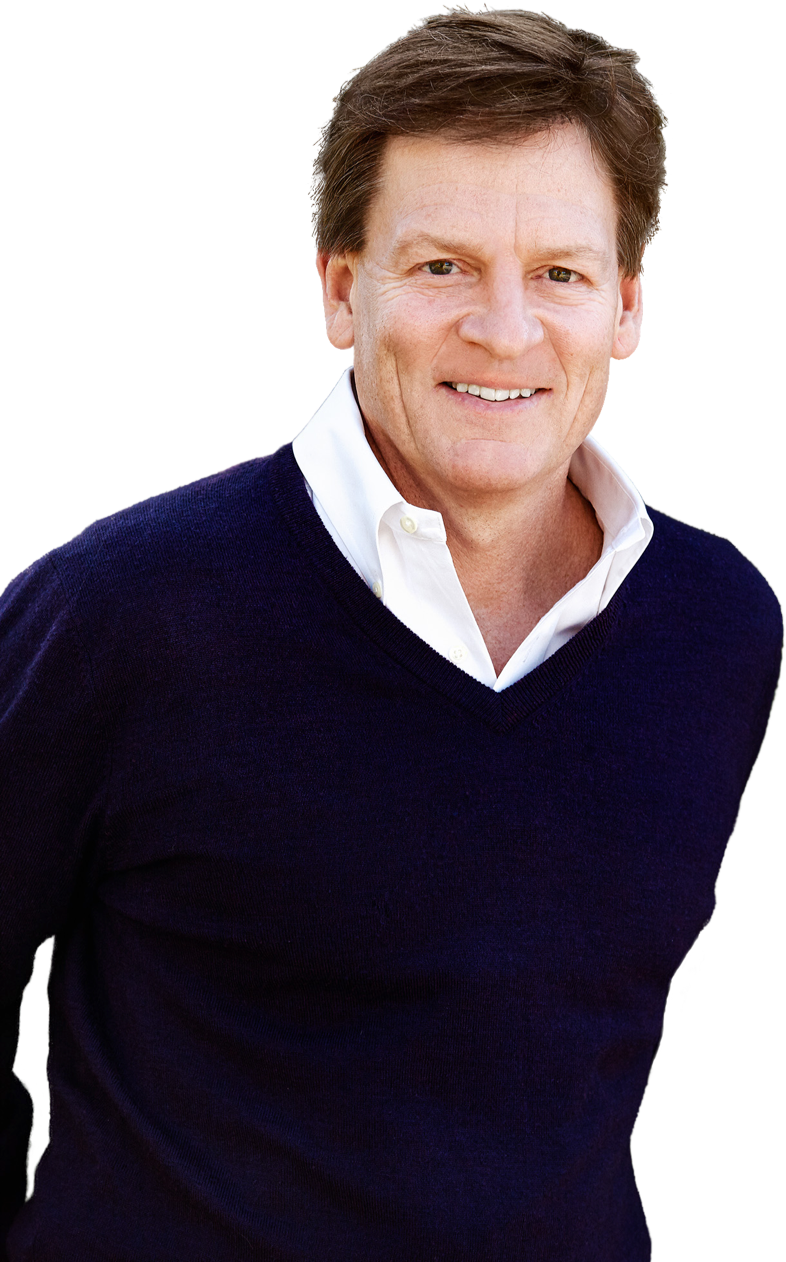 Michael Lewiswrote 4 books here
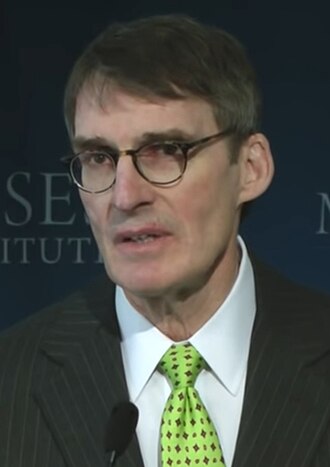 James Grantwrote 2 books here
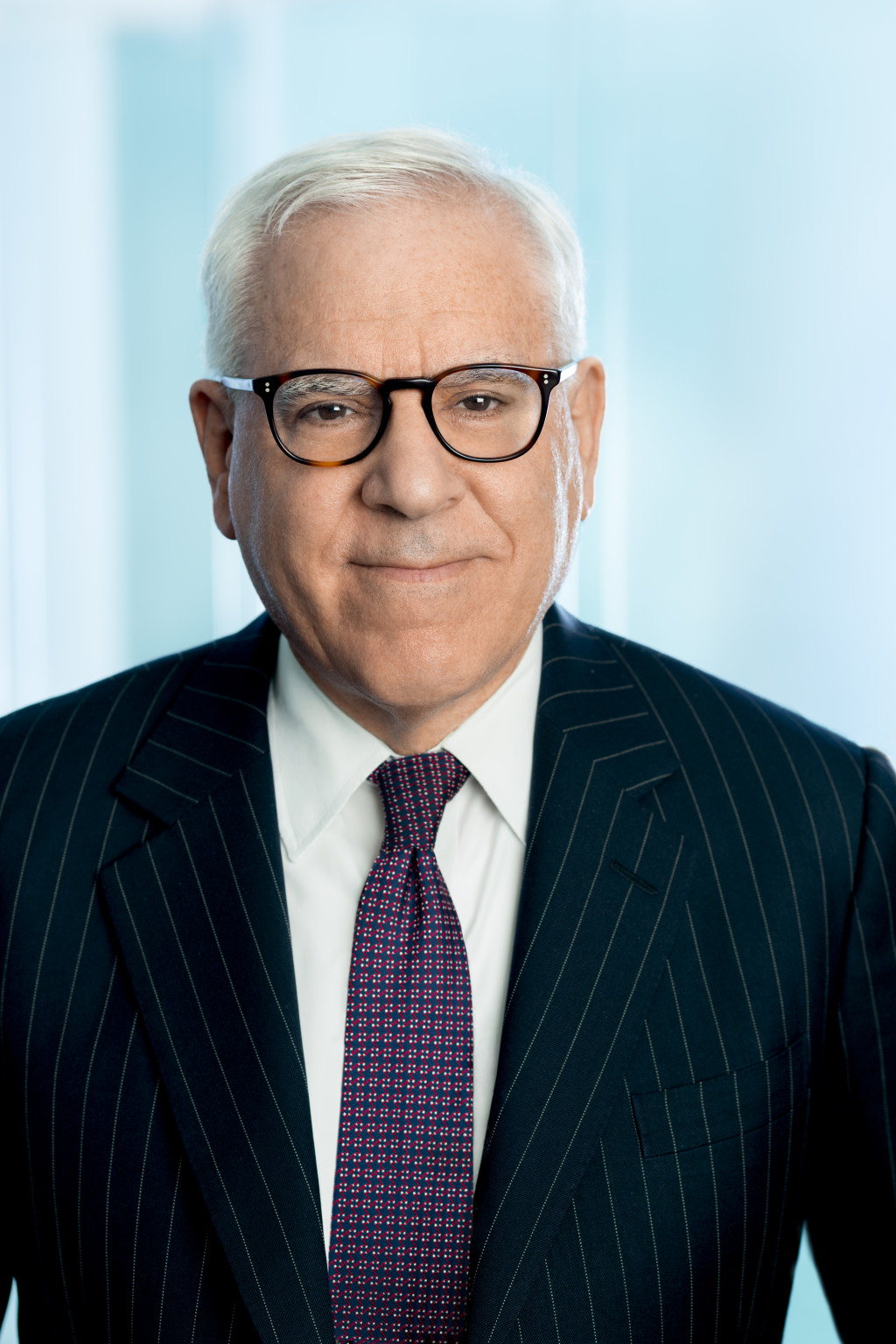 David M. Rubensteinwrote 2 books here
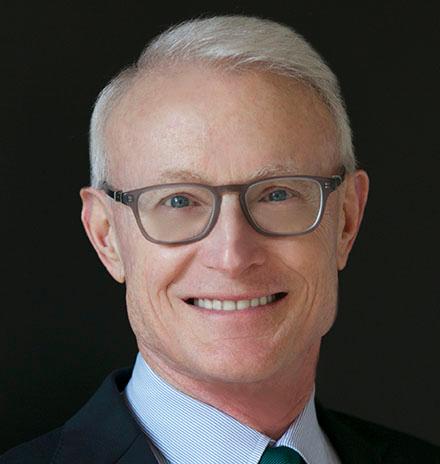 Michael E. Porterwrote 1 book here
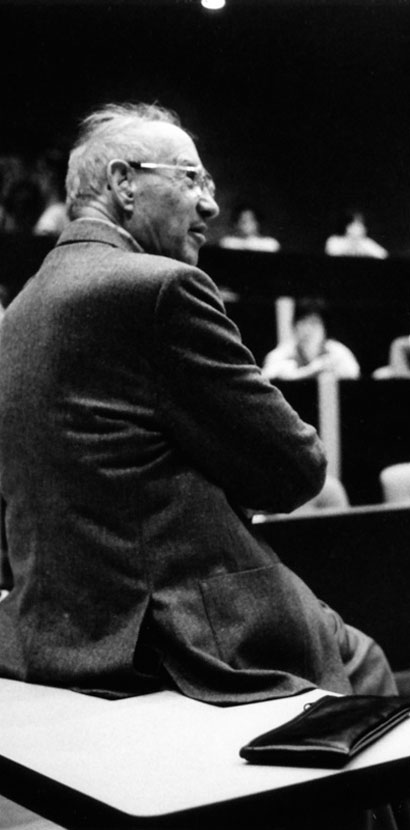 Peter F. Druckerwrote 1 book here
 Peter Thielwrote 1 book here
 Ryan Holidaywrote 1 book here
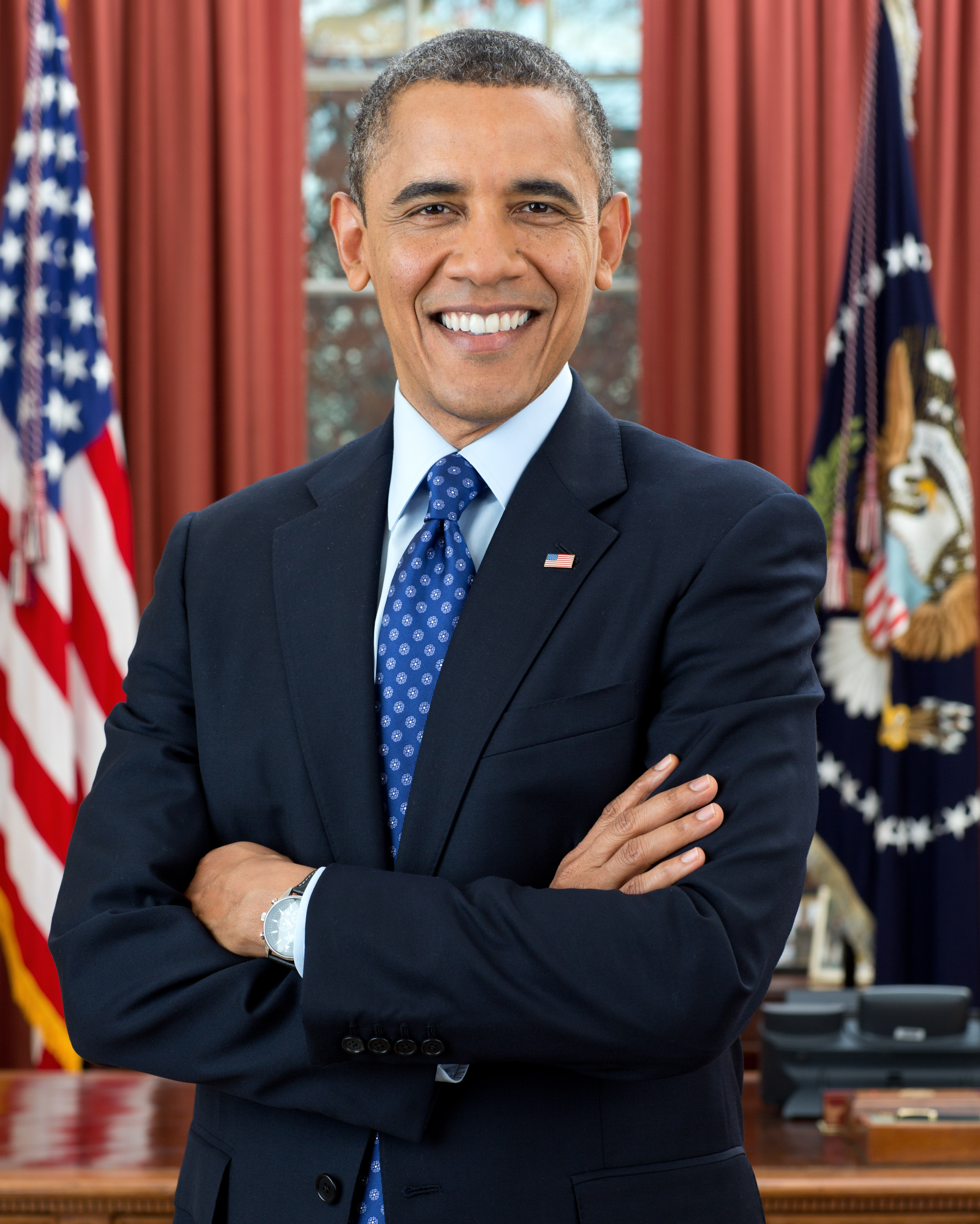 Barack Obamawrote 1 book here
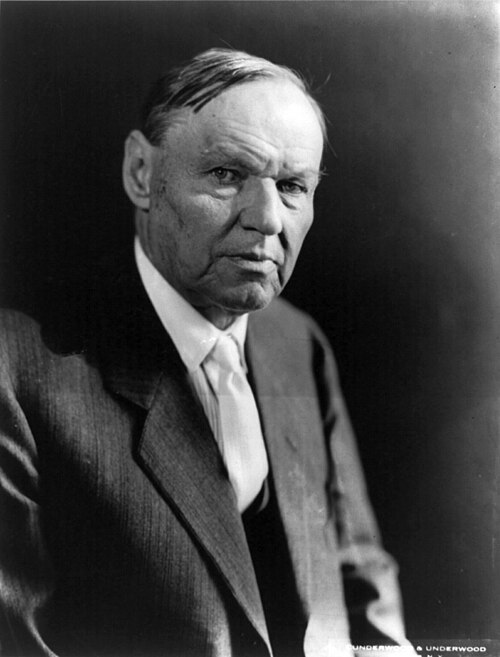 Clarence Darrowwrote 1 book here
 Ezra Kleinwrote 1 book here
 Mike Leewrote 1 book here
 Mohnish Pabrairecommends 31 books here
 Bill Gatesrecommends 15 books here
 Patrick Collisonrecommends 15 books here
 Marc Andreessenrecommends 13 books here
 Jim Collinsrecommends 11 books hereEzra Kleinrecommends 8 books here
 Audrey Gelmanrecommends 7 books here
 Donald Trumprecommends 7 books here
 Balaji S. Srinivasanrecommends 6 books here
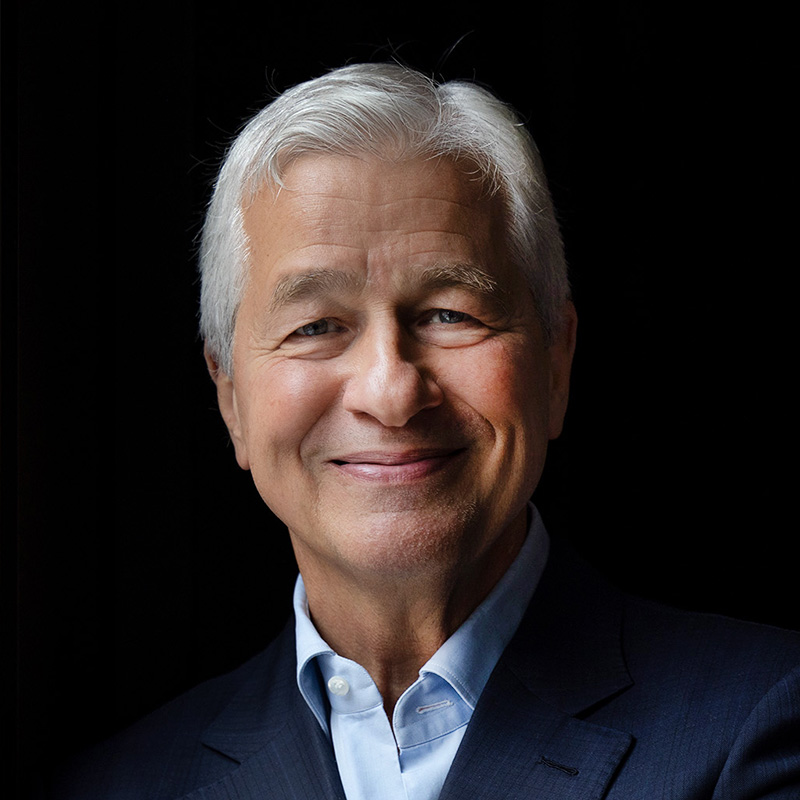 Jamie Dimonrecommends 6 books here
 Nick Crockerrecommends 6 books here
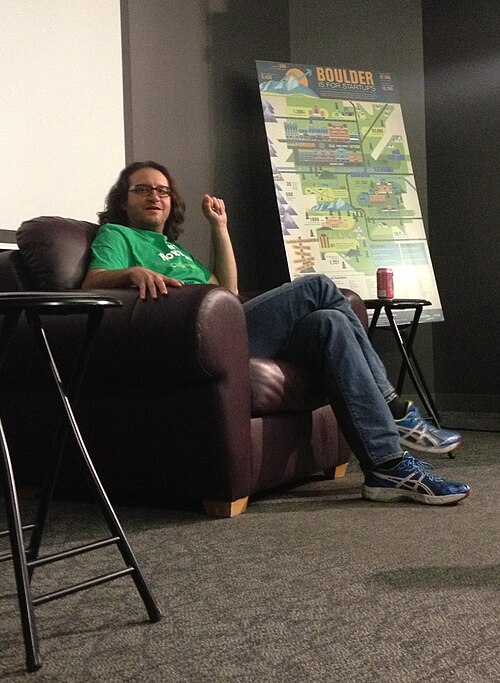 Brad Feldrecommends 4 books here
Show all 65
Ryan Holidayrecommends 4 books here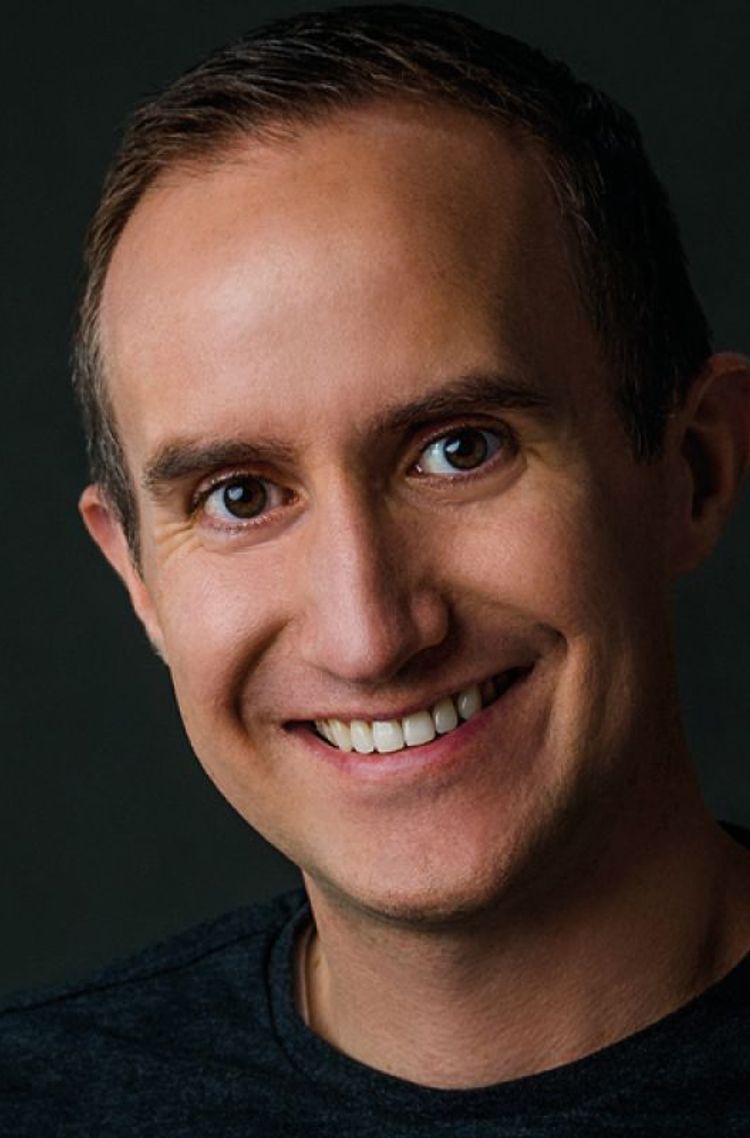 Morgan Houselrecommends 3 books here
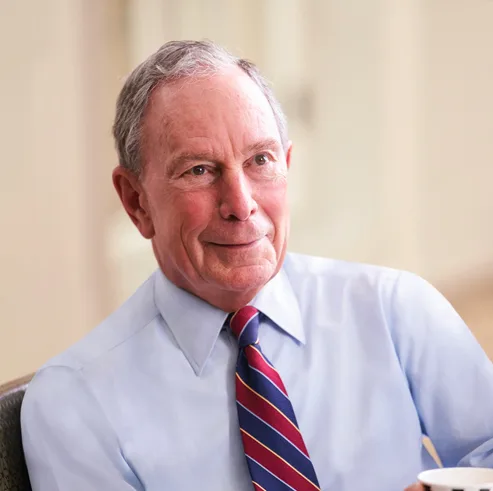 Michael Bloombergrecommends 3 books here
 Nat Eliasonrecommends 3 books here
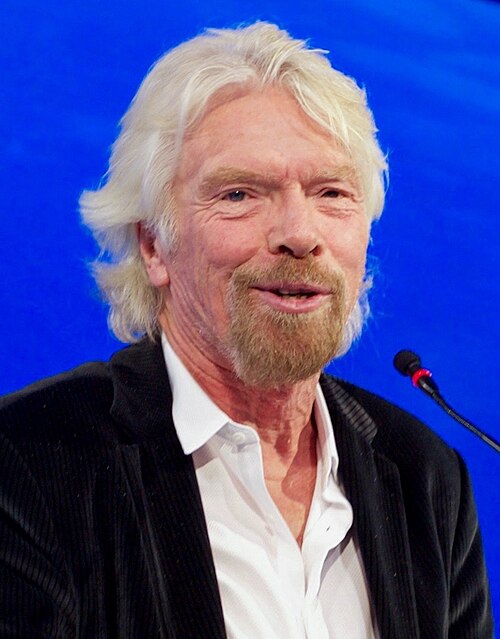 Richard Bransonrecommends 3 books here
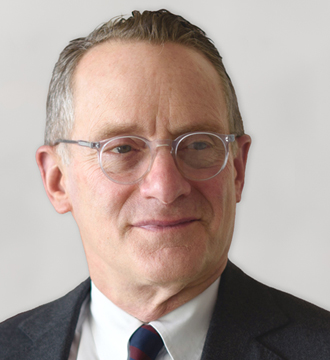 Howard Marksrecommends 2 books here
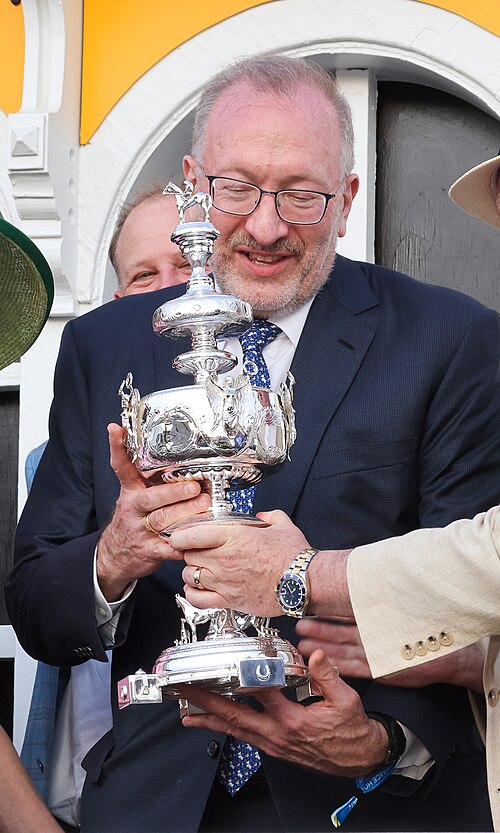 Seth Klarmanrecommends 2 books hereBarack Obamarecommends 2 books here
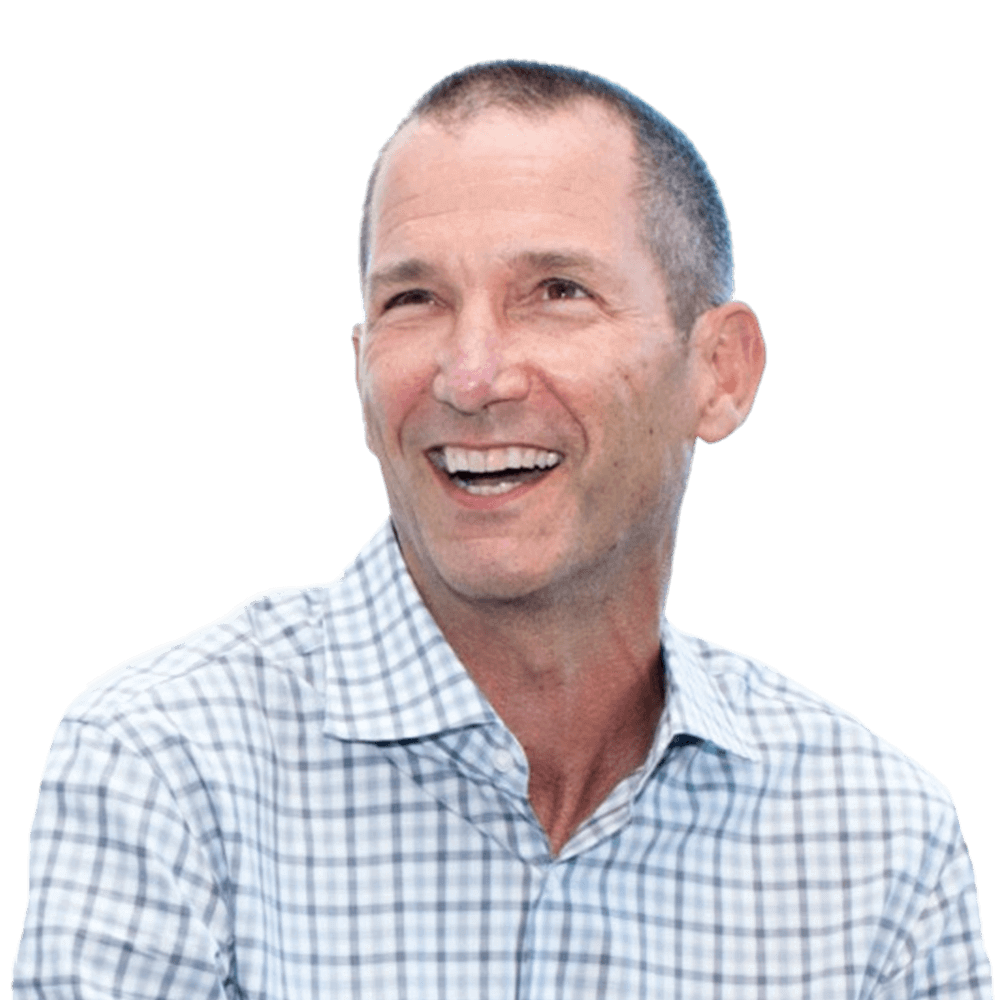 Jeff Jordanrecommends 2 books here
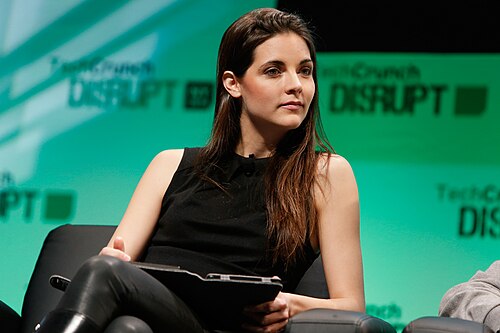 Kathryn Minshewrecommends 2 books here
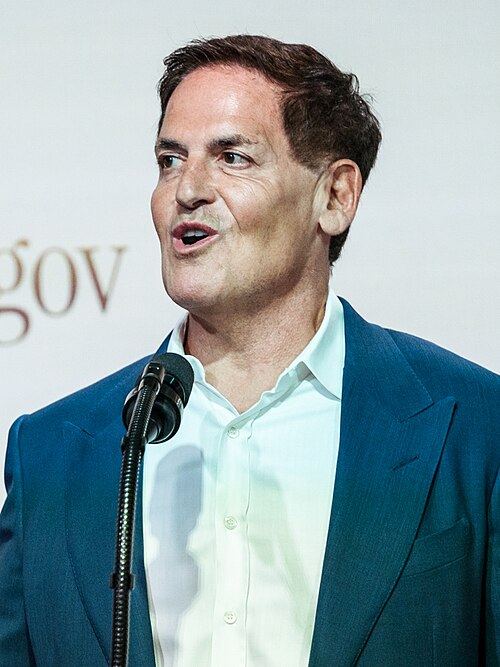 Mark Cubanrecommends 2 books here
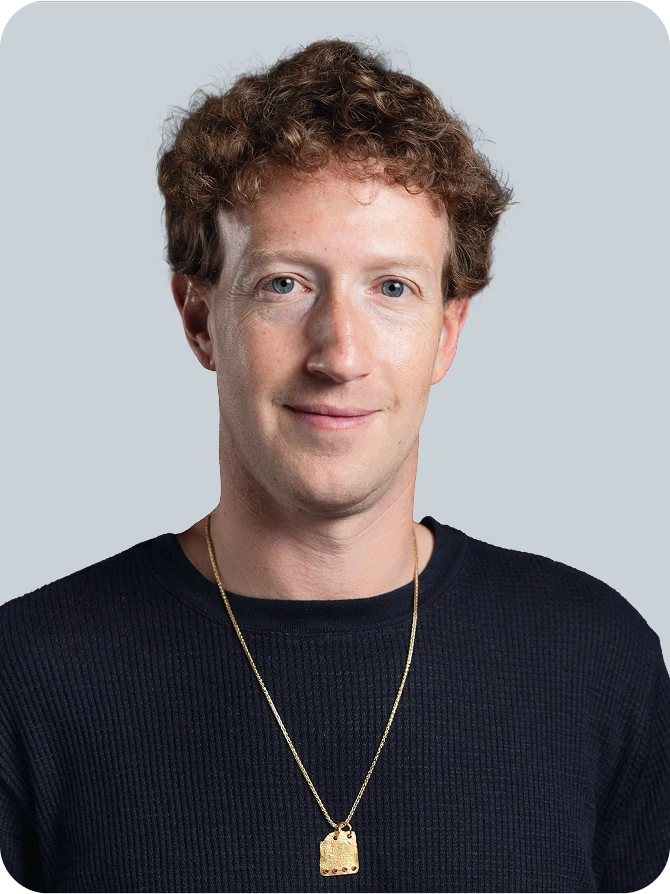 Mark Zuckerbergrecommends 2 books here
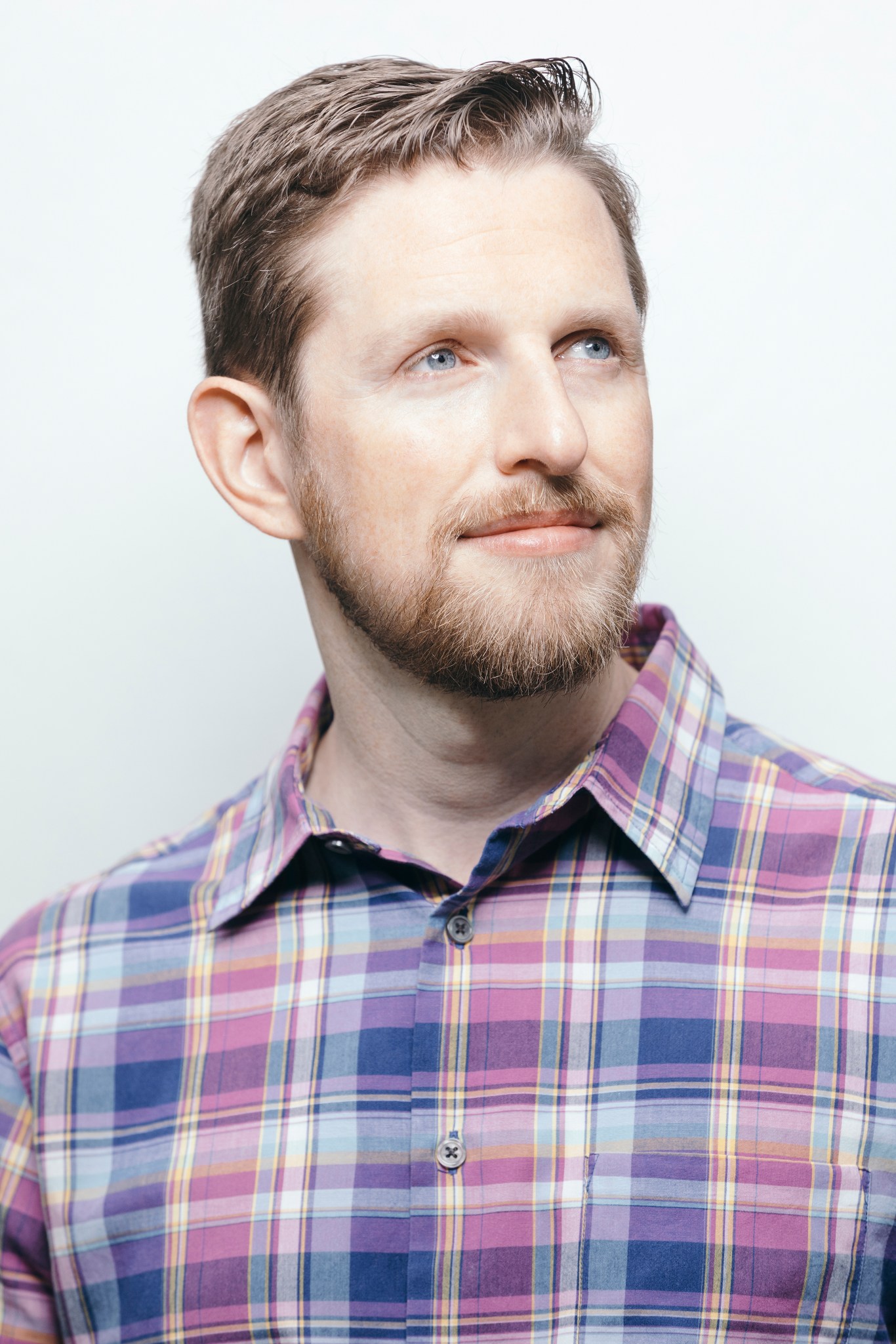 Matt Mullenwegrecommends 2 books here
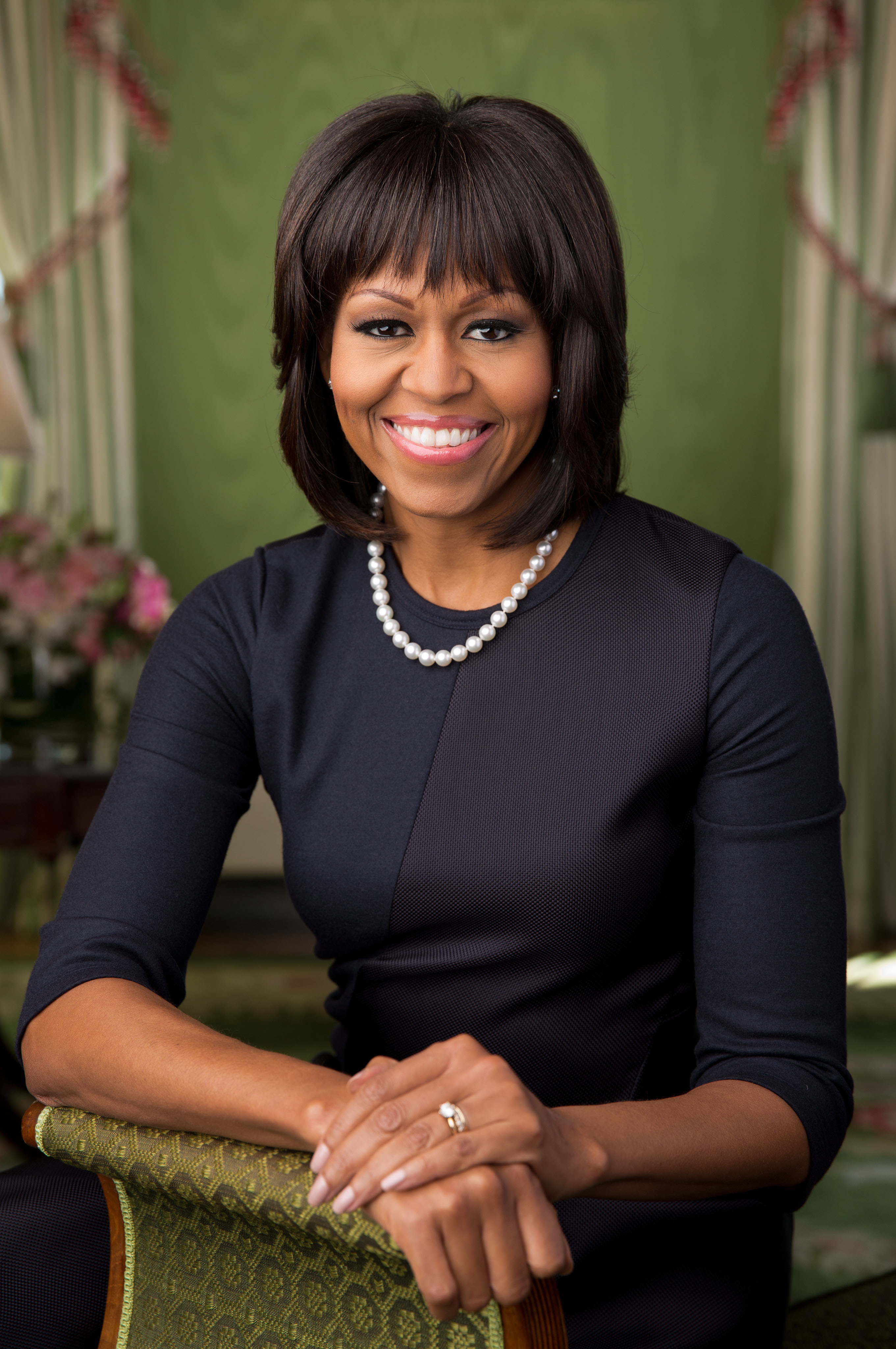 Michelle Obamarecommends 2 books here
 Zoë Foster Blakerecommends 2 books here
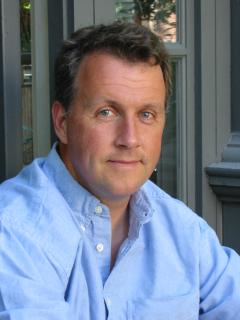 Paul Grahamrecommends 1 book here
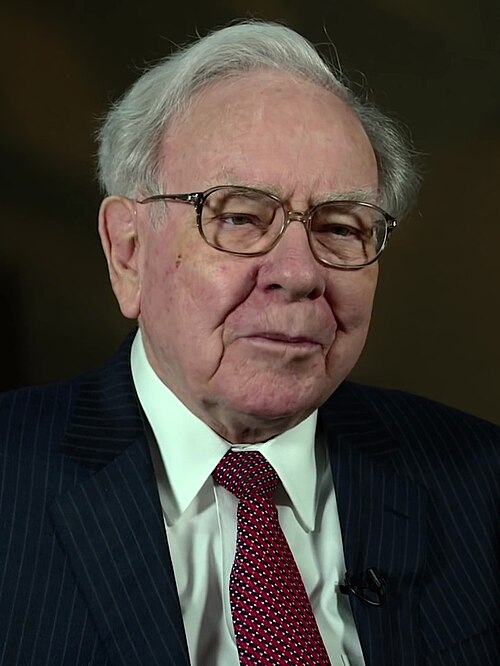 Warren Buffettrecommends 1 book here
 John Doerrrecommends 1 book here
 David Heinemeier Hanssonrecommends 1 book here
 Guy Kawasakirecommends 1 book here
 Alex Blumbergrecommends 1 book here
 Alfred Linrecommends 1 book here
 Antonio García Martínezrecommends 1 book here
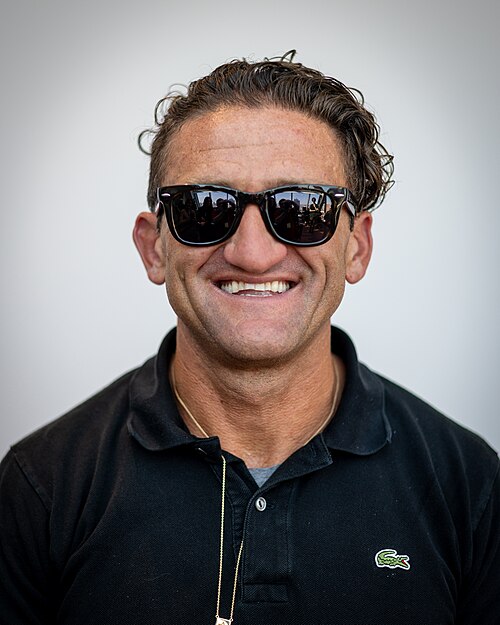 Casey Neistatrecommends 1 book here
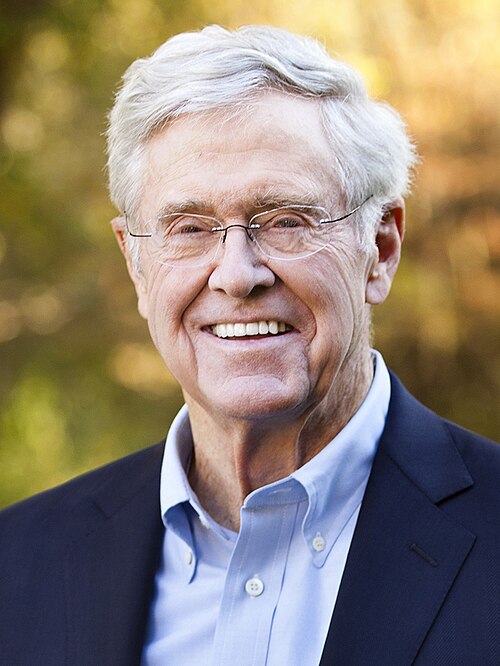 Charles Kochrecommends 1 book here
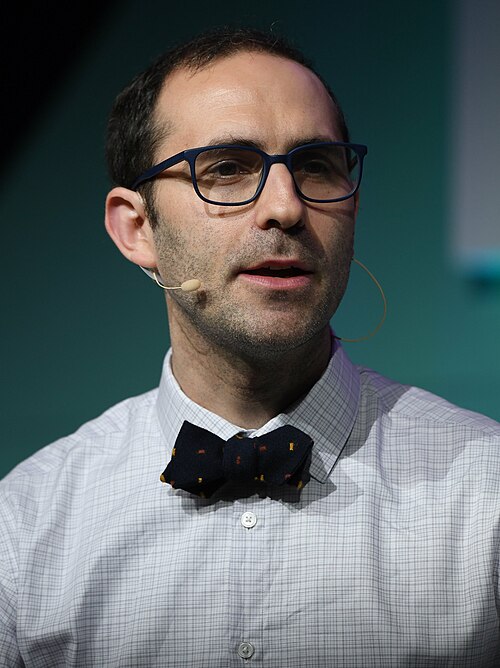 Emmett Shearrecommends 1 book here
 Gary Vaynerchukrecommends 1 book here
 Jason Calacanisrecommends 1 book here
 Joel Connollyrecommends 1 book here
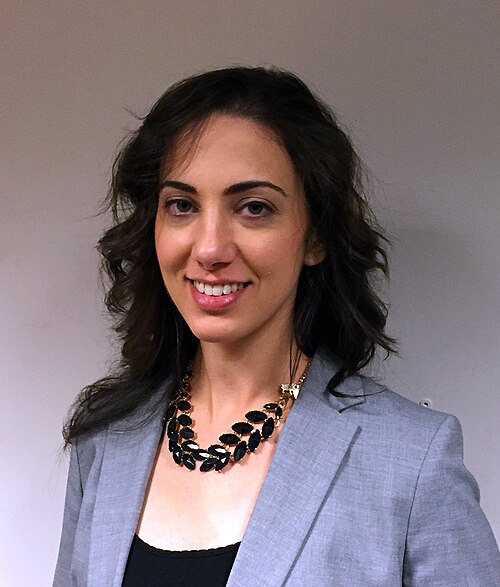 Julia Galefrecommends 1 book here
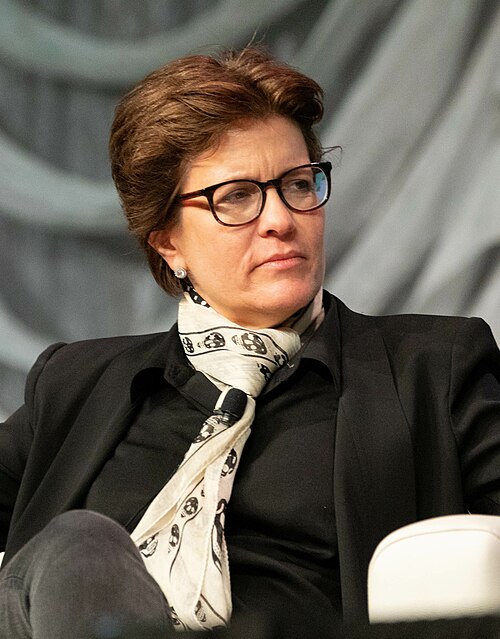 Kara Swisherrecommends 1 book here
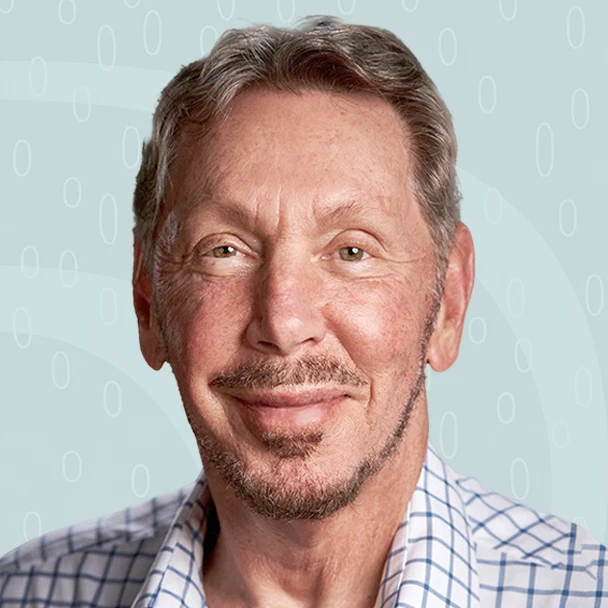 Larry Ellisonrecommends 1 book here
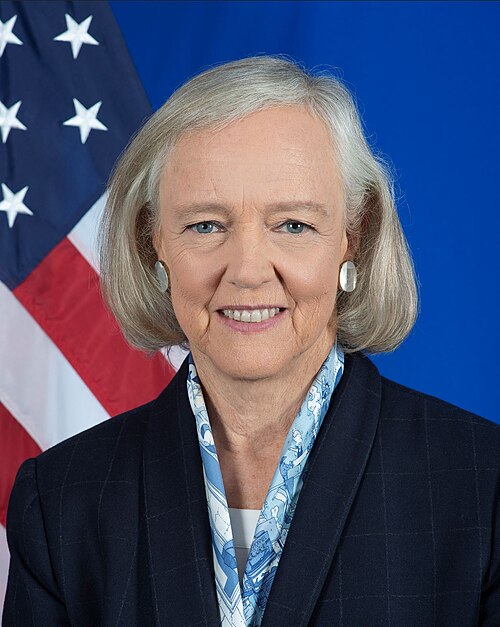 Meg Whitmanrecommends 1 book here
 Nir Eyalrecommends 1 book here
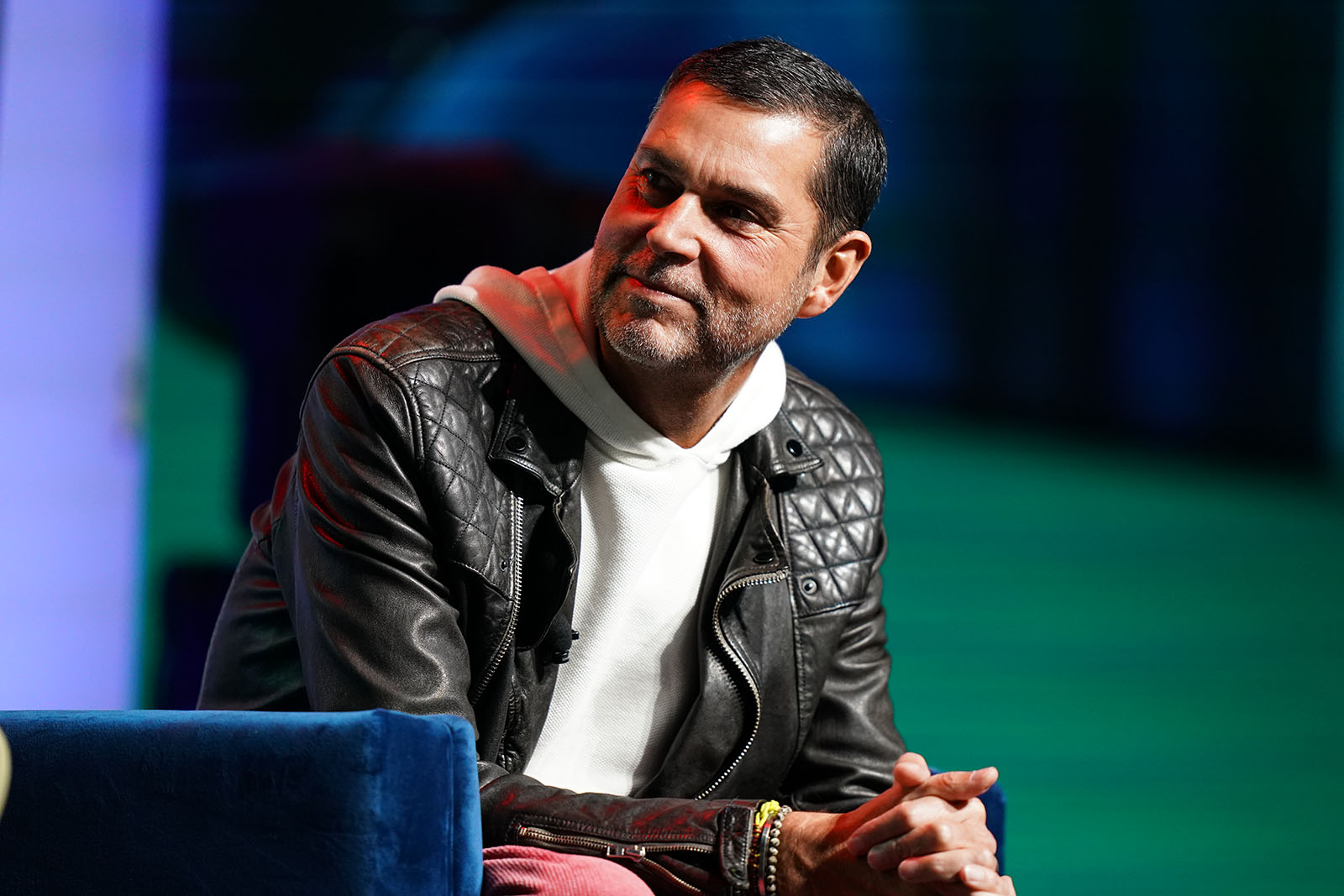 Raoul Palrecommends 1 book here
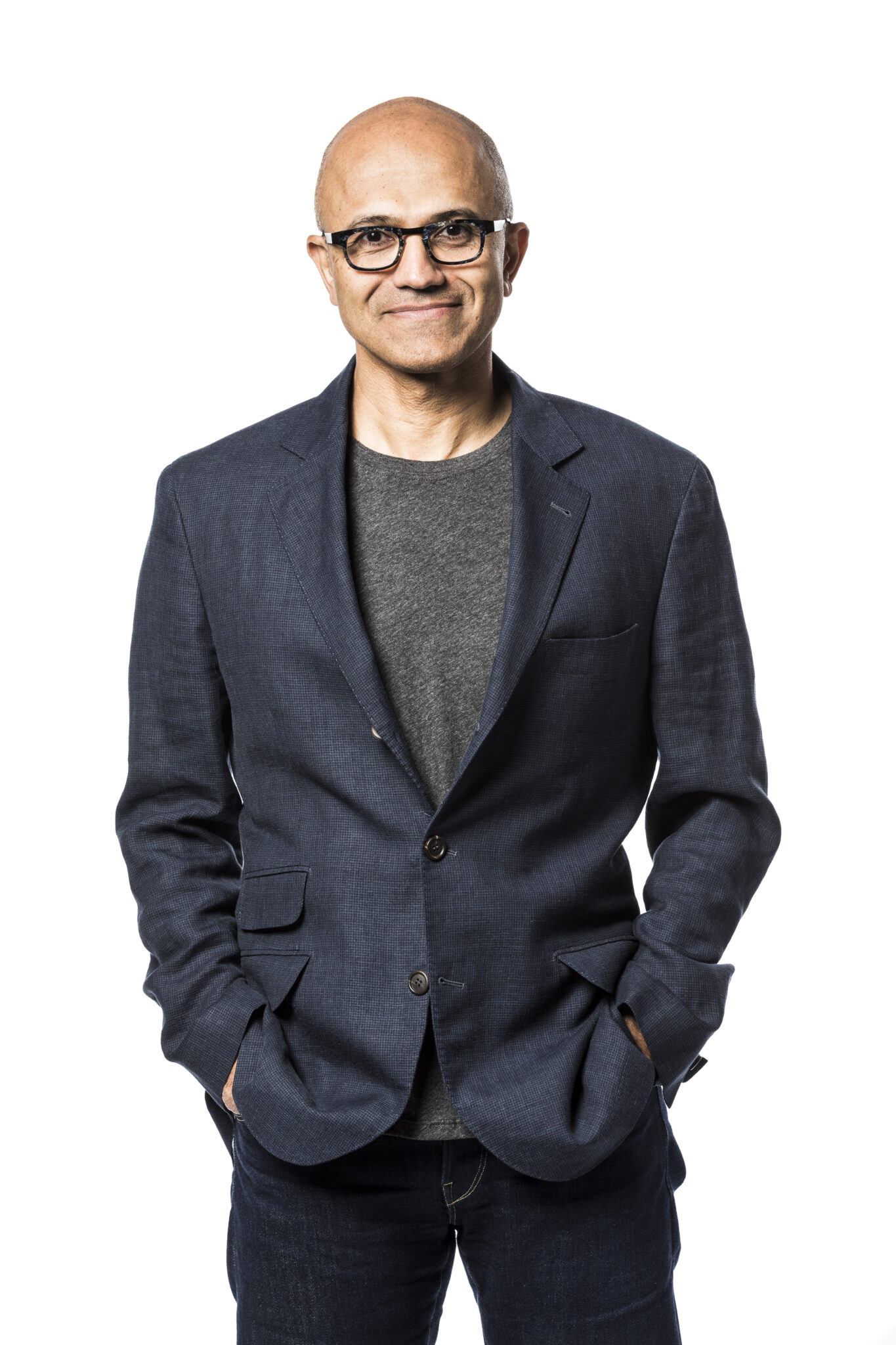 Satya Nadellarecommends 1 book here
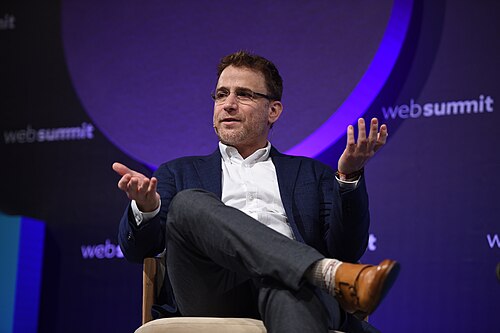 Stewart Butterfieldrecommends 1 book here
 Susan J. Fowlerrecommends 1 book here
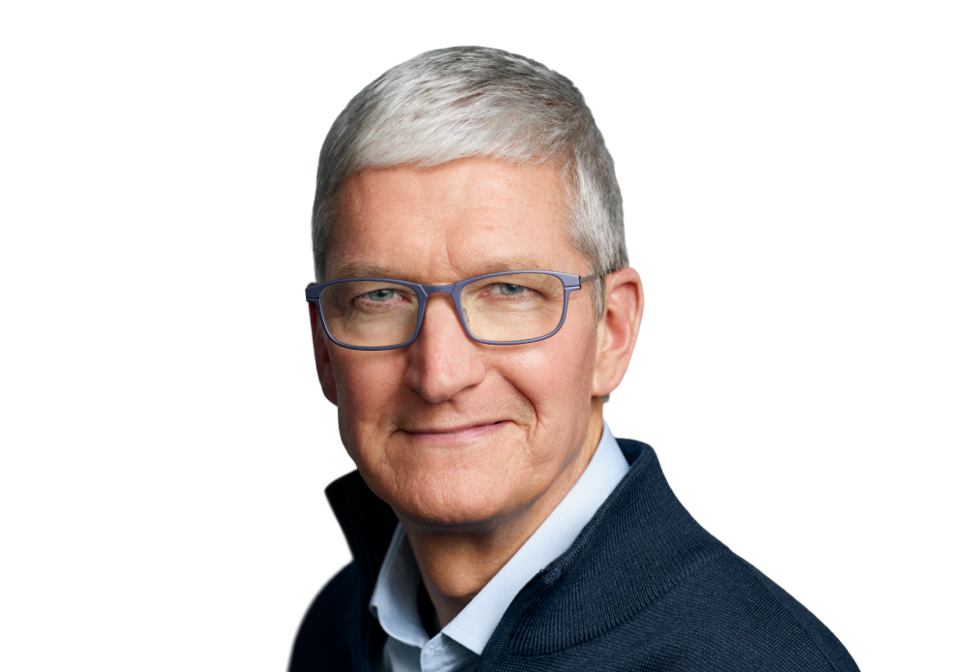 Tim Cookrecommends 1 book here
 Tim Ferrissrecommends 1 book here
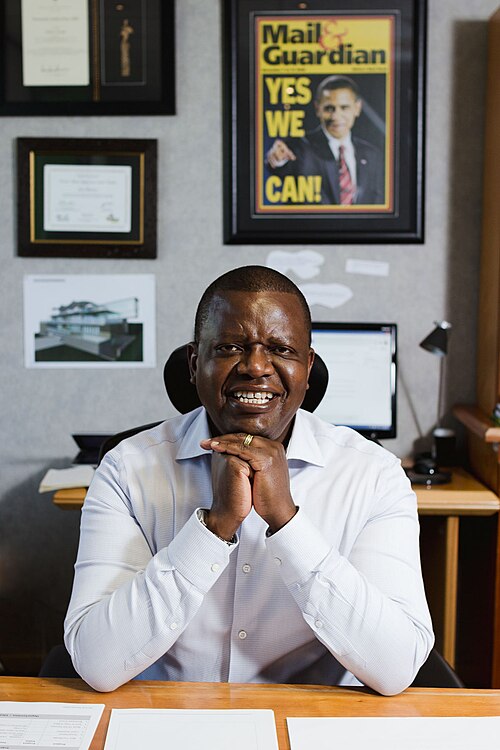 Trevor Ncuberecommends 1 book here
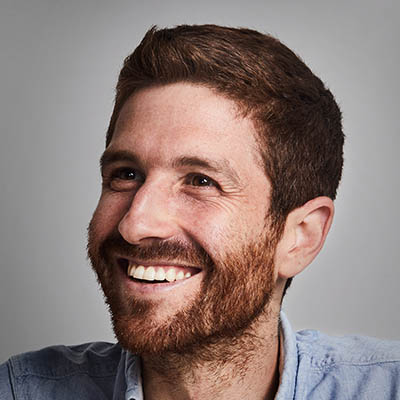 Tristan Harrisrecommends 1 book here
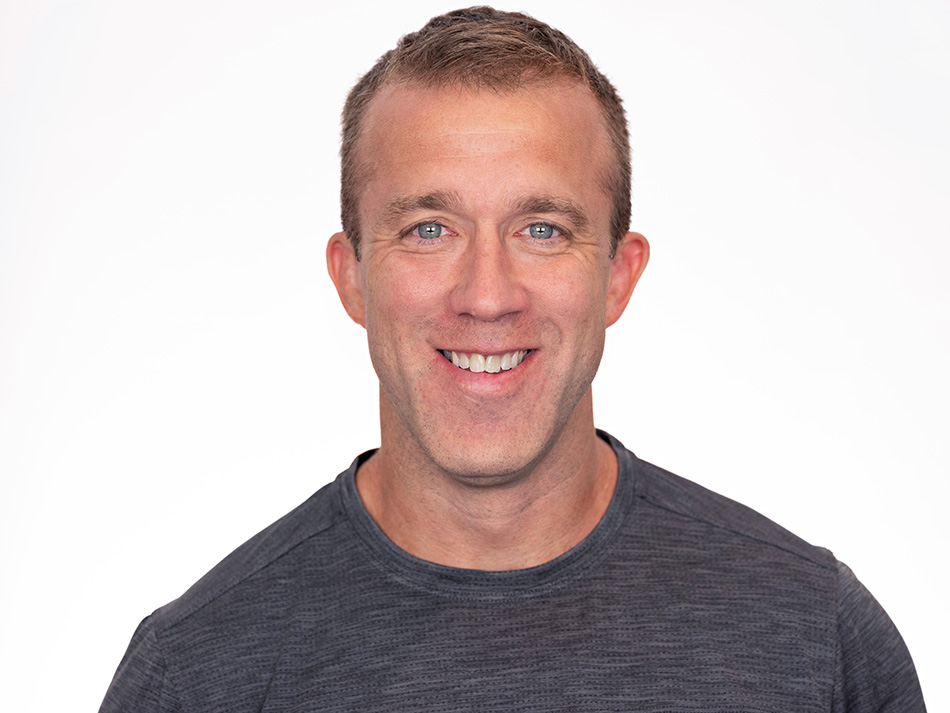 Tucker Maxrecommends 1 book here
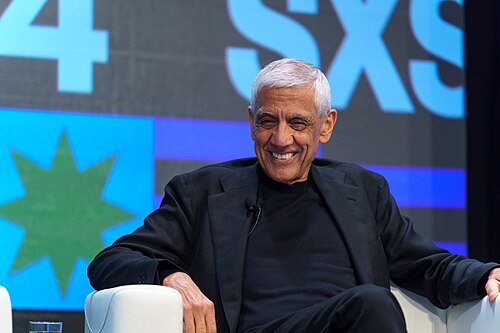 Vinod Khoslarecommends 1 book here