Updates

  1. 137 new fund letters and reports, each with its own page: Kayne Anderson Rudnick (48 market briefings, KayneCast episodes and TV commentaries), Shelton Capital Management (48 shareholder reports and a commentary), Lakehouse Capital (10 Small Companies Fund letters), Smead (5 newsletters), RIT Capital Partners (5 monthly commentaries), Kovitz, Legal & General, Generation, Hosking, Marram, Munro, Oldfield and others.
  2. 200 new fund letters and reports, each with its own page: Spheria (41 monthly reports), Peapack Private (41 weekly recaps and planning newsletters), Fort Washington (23), Polen Capital (15), Aristotle Pacific (14), Riverwater (13), Chou (10), Apollo Asia Fund (8, back to 1998), Personal Asset Trust, Rockwood Strategic, J Capital Research, I/O Fund, Penn Davis McFarland, Pomona and others.
  3. Investor pages have one Investments tab with shares, changes, % owned, class, market cap and Market cap and Status filters, a Funds tab listing each fund the firm runs, and assets under management from Form ADV. The Investors table shows AUM and current investments, and its search finds investors by what they hold.
  4. Filters, search and sort stay as you left them when you come back to a section. Person cards look like book cards. Company pages name their Investors tab Ownership. Kind and Sector filters use four kinds and GICS sectors with industries. Dead links left the Links tabs.
  5. 190 more investors from fiscal.ai's list, with their sites, letters, partners and 13F holdings; 556 more partner descriptions. Experts now lists only people.
  6. Fund letters lists 144 new documents from 23 firms, each with its own page: a summary, key insights and quotes. Among them: 37 BlackRock articles, 21 Value Partners monthly notes, eight Baron Capital letters, six Stone Sentinel letters to partners, seven Value Line portfolio manager Q&As, BNY's 2026 earnings releases and Starboard Value's 2026 conference presentations.
  7. 584 more investors, with their websites, 6,776 letters from their own sites, 1,385 partners with pages and the 13F holdings of 213 firms. New letters arrive daily from 290 more archives.
  8. Media and Companies filter by GICS sector and industry group, taken from the companies an episode or page names. 1,860 more company pages show a logo, the SEC's list included.
  9. The home page counts what the platform holds and lists features such as the document reader, the player and saved marks. Settings sits at the foot of the rail. Book cards are a quarter wider, so rows hold fewer. Companies drops the Named in filter, and the Role list in your account runs A to Z.
  10. Investor pages of 13 firms show their newsroom's latest posts. New 13F filings are read as the SEC publishes them.
  11. Investor pages have an Investments tab: 13,975 holdings for 105 investors, from their 13F filings with the SEC and their own portfolio pages, with status and sector. 7,338 more companies have a page of their own.
  12. A podcast or YouTube episode keeps playing while you move around the site, in a bar with skip, speed and volume. Media tables show each episode's length and description.
  13. Press releases come from each company's own newsroom (167 companies); SEC filings sit on the Filings tab. Tickers name their exchange, and a company's Experts tab includes guests whose episode description names it.
  14. Letter types now include Market commentary, Fact sheet, Interim report, Annual report, Proxy circular and Governance document. The reader opens over the whole window.
  15. Partners of investment firms have 2,836 appearances and 580 pieces of writing on their pages; Derek Sivers's page lists every book he rates, with his rating.
  16. Fund letters lists three Akre Focus shareholder reports: the ETF's annual report for the year to July 2026, its semi-annual report to January 2026 and the fund's semi-annual report to January 2025, each with its own page: a summary, key insights and quotes.
  17. 837 partners of 73 investment firms now have their own pages, with title, description, photograph and social accounts; Andreessen Horowitz partners' pages also list their writing on a16z.com.
  18. Company pages have a Press releases tab: 8,229 releases for 203 companies, from SEC filings and company newsrooms. Companies filter by For-profit or Non-profit. Own media is a table with filters. Media filters by sector and industry. Publication pages link their publisher in the description.
  19. The Unilever page's Letters tab shows what each fund letter says about Unilever, word for word with its page, and whether the letter is bullish, bearish, mixed or neutral. Filter by sentiment, and see 10 letters at a time.
  20. 492 more fund letters and 3,183 more articles show the day they were published, read from each letter's first page or each article's own page.
  21. The PDF reader has a search box: type words to see every match in the document and step through them. About 540 letters that were web pages, among them Oakmark's commentaries, Bill Miller's letters and Howard Marks's memos, now open in the reader.
  22. Person pages: recommendations open with tier 1 books; one button per organisation; transcripts sit on their episodes; the books on 129 reading lists joined the Recommends tabs.
  23. Companies lists every company with a ticker on the SEC's list, with a Source filter. A quote on a company page opens the letter at that page with the words marked. A company's Media tab lists only episodes that name it, and a new Own media tab lists its podcasts, publications and YouTube channel. Show pages link their publisher. A page opened from a table no longer shows that table's filters beside it.
  24. Company, investor and person pages show more of their social accounts: Facebook, TikTok, Bluesky, Medium, GitHub, Discord and podcast shows. Investor pages list every partner the firm's own team page names: 965 people across 73 investors, 98 for Andreessen Horowitz.
  25. About 170 more letters and papers open in the reader: Mohnish Pabrai's letters and transcripts from his site's new folder, and free copies of papers by Asness, Harvey, Altman, Lo and others from their own or their schools' sites.
  26. Every company a fund letter names has a page, with the letters and quotes that name it: 47 new pages, among them Atom Computing, Hugging Face, Rolls-Royce Holdings and Westinghouse Electric. Company pages have a Quotes tab.
  27. A person's Writing tab has a Type column and filter (Article, Essay, Transcript, Speech, Foreword, Interview and the rest), and Publication names only the publication that published each piece.
  28. Fund letters opens on the newest published letter, and a letter or paper found by search opens its own page here instead of the publisher's site.
  29. A letter or paper with a copy on the site opens its PDF over its page, with a button to open it in a new tab. Select text to highlight or underline it; signed-in readers keep their marks in their account. Each quote opens the PDF at its page with its words marked, and a Source link leads to the publisher's original.
  30. Fund letters lists 61 more documents, each with its own page: Fairfax's 2025 and 2026 interim reports, proxy circulars and 2025 annual report (with their French editions), 26 Charlie Munger meeting transcripts, talks and essays, Third Point's 2026 monthly reports and Malibu Life's interim results, and a Seth Klarman interview. Papers adds Richard Thaler's two 2020 editorials on nudges.
  31. Fund letters lists Lux Capital's letters for Q2 and Q3 2026, by Josh Wolfe, each with its own page: a summary, key insights and quotes.
  32. Fund letters lists Brookfield's letter to shareholders for Q3 2026, by Bruce Flatt, with its own page: a summary, key insights and quotes.
  33. Fund letters lists Howard Marks's memo of 11 November 2026, A Layman Thinks About AI, with its own page: a summary, key insights and quotes.
  34. Fund letters lists 118 more letters, each with its own page: 44 weekly commentaries by Jeremy Siegel from 2026, 31 issues of Van Tharp's newsletter from 2018, 23 Pabrai Investment Funds letters from 2021 to Q3 2026, 13 Efficient Frontier essays by William Bernstein, Oakmark's three 3Q 2026 commentaries, two Lindsell Train reports, a John Hussman comment and Third Point's Q3 2026 letter.
  35. 2,027 more books carry a one-line description in the Books table and on their pages; 7,067 of 7,715 have one, every tier 1, 2 and 3 book among them.
  36. Fund letters lists 187 more letters from 19 firms, among them Permanent Equity, Social Capital, Lux Capital, Square Peg, Bestinver, Cobas, Sequoia Fund, Marketfield and EquityCompass; each shows on its investor's page and has a page of its own.
  37. 2,928 more books carry a one-line description in the Books table and on their pages, so every tier 1, 2 and 3 book has one; 5,040 in all.
  38. Every publication on Newsletters has its own page: its writing, its writers, its staff and who recommends it. Investor pages have a Management tab; a company's Experts tab now leaves out its own people, who list under Management. Tabs on a phone move sideways only.
  39. Every fund letter and research paper has its own page: the thesis, the PDF, the companies and books it names, and for 176 letters and 24 papers so far a summary, key insights and quotes with their page.
  40. 99 books that no page listed now sit under their topics in Books, among them Caste, American Prometheus and Pale Blue Dot.
  41. Newsletters lists every newspaper, magazine, investment newsletter, journal and blog the reference holds, 442 in all, with the people who write there. The search box keeps your last 20 searches. You can create an account.
  42. 283 books that fund managers recommend in their letters are on the shelf, each with the letter's own words and page; investor pages have a Recommends tab.
  43. Person, company, investor and show pages link their own accounts on X, Threads, Instagram, LinkedIn, YouTube and Substack: 275 people, 552 companies and organisations, 88 investors and 478 shows.
  44. 716 more book recommendations name their source: the person's own reading list, letter, blog post, speech or interview, or an article that reports it. 232 of them quote the person's own words about the book, on the book card and on the book's page.
  45. Every US-listed company has a page with its SEC filings. Company pages list their experts and their management, past and present. Fund managers sit under Investors. Each show has a page of its episodes, and an episode page names its guests and hosts. Biographies lists groups, then people. Breadcrumbs show where a page sits.
  46. Media lists every podcast episode, video, interview and talk, over 10,000, by person, company, publisher and event; each filter searches its own choices. Books opens on its table, then Browse, then Authors and Recommenders. A filter's count no longer covers its arrow.
  47. A book that no company, country or subject page lists shows its topics under Where it sits in the reference. On a phone, a page's tabs scroll sideways only. Descriptions read the same on every page. See them in the Experts tab lists every expert the page names.
  48. Every podcast episode, video and interview has its own page with a video or audio player and a link to the source. Investor pages show each company's sector and market cap; firms such as Berkshire Hathaway have one page that holds their letters and their company tabs. Letters tabs filter by company and search the theses. Companies filter by Public, Private and Defunct and link each company's website.
  49. Every tab, view and search has its own address, such as /books/table/asset or /letters/companies, so Back works and a link opens the same place. Page addresses no longer end in .html. Fund letters, Investors, Companies and Papers load about a fifth of the data they did.
  50. Fund letters has a Companies tab: every company the letters name, with its market cap, sector, country, and how many letters and investors name it. Investor pages link each investor's website. Lists in table cells end with “… and N more” at every width.
  51. 1,120 more book summaries; descriptions for 373 papers; pages for 137 more companies, each with the fund letters that discuss it; 215 official photographs; search has its own page.
  52. 411 more books have a summary; person pages list 930 more of the books they wrote; 147 people show their official photograph.
  53. Every investor has a page with its letters and the companies they discuss; company pages list the investors whose letters name them.
  54. A Companies section at the top of the rail lists every company the books, experts and fund letters name.
  55. Person pages list letters, writing, profiles and links as sortable tables with filters, and show each person's companies as links; Fund letters show each letter's description in its own column.
  56. Experts show a checked job title and a short description of each person; 30 more people have photographs.
  57. Every company, fund, university and publication the experts work for has a page listing the people there.
  58. Fund letters show each letter's thesis and filter by it; 225 person pages list the essays, columns and newsletter issues the person wrote.
  59. Person pages list every essay and newsletter issue a person wrote, and their own books as a table in List view.
  60. Recommends shows the five largest kinds of book and the rest under More; browse pictures load sooner.
  61. Podcasts and talks link the original episode, filter by Audio and video or Press, and list each publisher once.
  62. Pages are wider, Recommends has List and Grid, and a filter clicked again turns off.
  63. Book cards sit in a ruled grid with Open Library and Goodreads links and each book's one-line note.
  64. Funds is now Investors; each investor's styles are buttons that filter the table.
  65. Podcasts and talks on a person's page filter by year and publisher and show as a list or a grid of pictures.
  66. Quotes show only people's own words: 472 summaries written by list sites are gone.
  67. Country pages open from Browse again, and every link on the shelf lands on a page.
  68. Subject and person pages show their sections as tabs, and each book appears once on a person's page.
  69. Book cards show the quote, who said it and the source; grids show five cards to a row.
  70. On a phone, a menu holds the sections, search, Updates, Feedback and dark mode.
  71. Feedback takes a screenshot of the page with no browser prompt, opens a screenshot full size when you click it, and clears itself once sent.
  72. Book cards are centred, search names the topic each book sits in, and any text cut short shows whole on hover.
  73. Search groups its results by kind: people, companies, geographies, subjects, topics, books, funds, fund letters and papers.
  74. The Books table lists who recommended each book by name, and the browser tab names the section you are in.
  75. Feedback can take a screenshot of the page, or one you paste or choose, and opens in the corner beside Updates.
  76. Each rail button reopens its section where you left it, and Browse, Table and People show on every book and subject page.
  77. Filters grey out choices that hold nothing instead of hiding them, and Books › People filters by authors or recommenders.
  78. Feedback takes a subject line and up to three screenshots.
  79. Biographies are grouped by the person they are about: 41 new pages, from Abraham Lincoln to Lee Kuan Yew.
  80. Sport splits into 23 sports, and Religion into one topic per faith.
  81. Book lists show as cards: the cover, one recommendation quote and every recommender by name.
  82. Seventeen subjects that had two or three pages under different names now have one page each.
  83. Every page lists its Experts as authors and recommenders, with a link to them on the Experts tab.
  84. Economics, Financial history, Financial panics and Accounting are subjects of their own, with one page per financial crisis.
  85. Book, person and subject pages open inside the app, so the tabs stay in view.
  86. 996 more book covers, and photographs or logos for 227 more people and companies.
  87. Books › Browse shows every subject as cards, and the rail holds Fund letters, Papers, Experts, Books and Funds.
  88. Every topic over 150 books splits into narrower topics, each with a page of its own.

Send feedback

What is it?
Screenshots, up to 3 (optional)
or paste one with Ctrl+V

We use your email only to reply to you.

AA

Asia and the Pacific

Political economy and political history of China, Japan, Korea, Taiwan, Southeast Asia, India, Pakistan, Bangladesh, Australia and New Zealand.

Start here

  1. The Lucky CountryDonald Horne, 1964
  2. MITI and the Japanese MiracleChalmers A. Johnson, 1982
  3. Governing the MarketRobert Wade, 1990
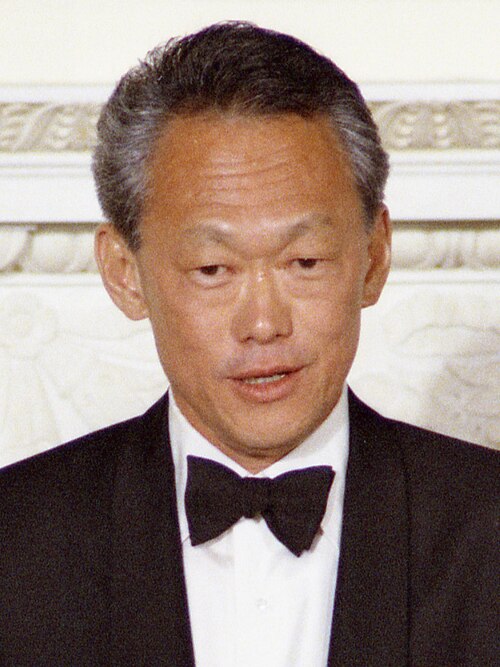
  4. From Third World to FirstLee Kuan Yew, 2000
  5. Japan as Number OneEzra F. Vogel, 1979

Donald Horne · 1964

An indictment of 1960s Australia as provincial, philistine and living on its luck.
Chalmers A. Johnson · 1982

How Japan's trade ministry steered industry from 1925 to 1975.
Robert Wade · 1990

How Taiwan's state steered industry, making the case for directed East Asian growth.
Lee Kuan Yew · 2000

How Singapore's leaders chose policies, from courting multinationals onward.

Ezra F. Vogel · 1979

What Japan's institutions had solved that America had not, and what to learn.
World Bank · 1993

How East Asian governments' interventions helped produce rapid growth.

Adam Fforde, Stefan de Vylder · 1996

How Vietnam moved from central planning to a market economy, from field research.
Edmund Terence Gomez, Jomo K. S. · 1997

How Malaysian policy shared ownership and rents among ethnic and political groups.
Lee Kuan Yew · 1998

A founding leader's account of his life and Singapore's politics and history.

Recommended by: Patrick Collison, Tim Ferriss
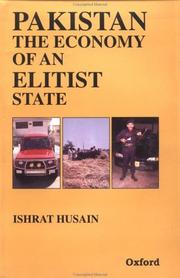
Ishrat Husain · 1999

Why Pakistan grew for four decades while an elite captured the gains.
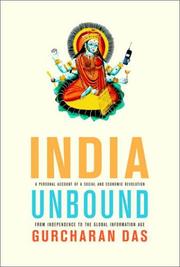
Gurcharan Das · 2000

India's economy from independence to 2000, told alongside a P&G executive's career.
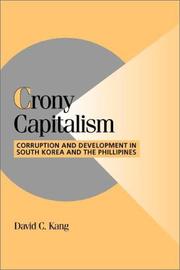
David C. Kang · 2002

Why similar corruption in South Korea and the Philippines led to different results.
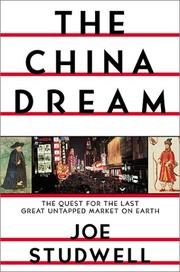
Joe Studwell · 2002

Why foreign investors' hopes of profit in 1990s China were mostly disappointed.

Alice H. Amsden, Wan-wen Chu · 2003

How Taiwan moved into higher-value industries after its first industrialisation.
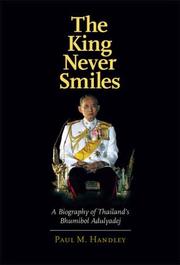
Paul M. Handley · 2006

Thailand's monarchy and its Crown Property Bureau as a political and economic power.
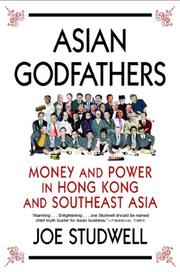
Joe Studwell · 2007

How Southeast Asia's tycoons got rich from political favours, not productivity.
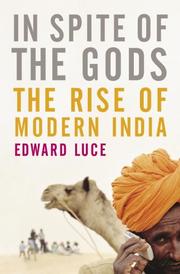
Edward Luce · 2007

An introduction to modern India's rise and its many contradictions.

Recommended by: Mohnish Pabrai
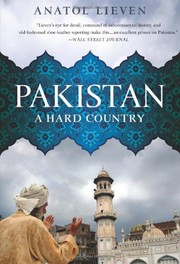
Anatol Lieven · 2011

How kinship networks and patronage make Pakistan's state both weak and durable.
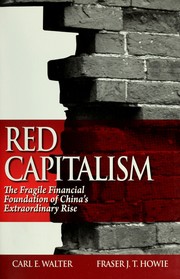
Carl E. Walter, Fraser J. T. Howie · 2011

How China's state-run financial system really works behind its official figures.
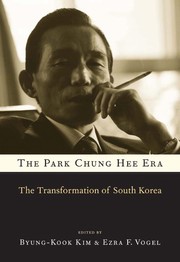
Byung-Kook Kim, Ezra F. Vogel · 2011

How South Korea's developmental state was built under Park Chung Hee.
George Megalogenis · 2012

How Australia's deregulation led to three decades without a recession.
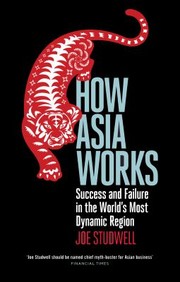
Joe Studwell · 2013

Why some Asian nations grew rich: land reform, export-led industry, directed credit.

“it's a good read for anyone who wants to understand what actually determines whether a developing economy will succeed.” — Bill Gates

Source: Gates Notes review of How Asia Works

Recommended by: Bill Gates, Mohnish Pabrai, Patrick Collison
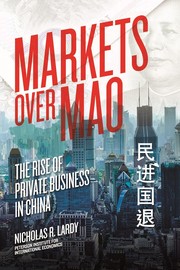
Nicholas R. Lardy · 2014

Data showing China's growth came from private firms, not the state sector.

Ayesha Jalal · 2014

Why Pakistan's security state crowded out its productive economy from the start.
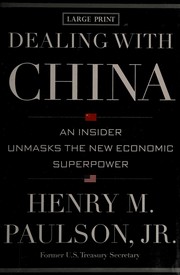
Henry M. Paulson · 2015

Twenty-five years negotiating with Chinese officials, from Goldman to the Treasury.

Arthur R. Kroeber · 2016

A question-and-answer guide to how China's economy works.

Neil Monnery · 2017

John Cowperthwaite, Hong Kong's Financial Secretary in the 1960s, and his policies.
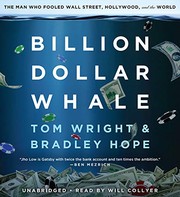
Tom Wright, Bradley Hope · 2018

How Jho Low diverted billions from Malaysia's 1MDB fund into parties and politics.

James Crabtree · 2018

India's billionaires, crony capitalism, and the bad-loan crisis in its banks.
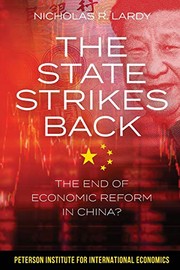
Nicholas R. Lardy · 2019

How China's state sector returned after 2012 and slowed growth.

Ulrike Schaede · 2020

Japanese firms after 1990 moved into hidden upstream niches rather than stagnate.
Desmond Shum · 2021

An insider on doing deals in China through Party patronage, and losing everything.
Patrick McGee · 2025

How Apple built its manufacturing base in China, and what it gave China in return.

“This is a phenomenal read... A brilliantly researched book. This book was hard to put down.” — Christopher Bloomstran

Source: Semper Augustus 2025 Letter to Clients, 'Books and Music', p. 87

Recommended by: Christopher Bloomstran
Mahathir bin Mohamad · 1970

Mahathir's case for Malay preferences that became the New Economic Policy.
Just Faaland, J. R. Parkinson · 1976

An early study arguing that if Bangladesh could develop, any country could.
Sterling Seagrave · 1988

How Ferdinand and Imelda Marcos built crony monopolies and hid their wealth abroad.

Alfred W. McCoy · 1993

The family dynasties that have run the Philippines' politics and conglomerates.
Roger Douglas · 1993

The case for sweeping reform from the finance minister who forced it through.
Pasuk Phongpaichit, Sungsidh Piriyarangsan · 1994

Field research on how corruption works in Thai officialdom and shapes its politics.
Pasuk Phongpaichit, Chris Baker · 1995

Modern Thailand's economy and politics from the late nineteenth century on.
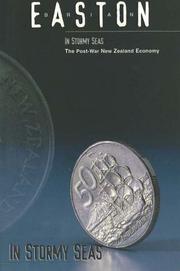
Brian Easton · 1996

New Zealand's economy from Muldoon's intervention through liberalisation.
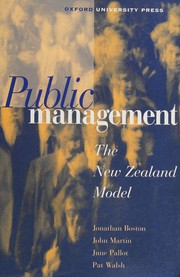
Jonathan Boston, John Martin, June Pallot, Pat Walsh · 1996

The standard account of New Zealand's sweeping public sector reforms.
Eun Mee Kim · 1997

How power shifted between the Korean state and the chaebol over three decades.
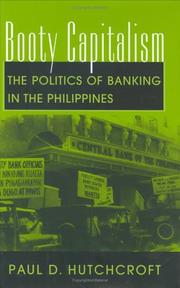
Paul D. Hutchcroft · 1998

How oligarch families captured the Philippine banks and held back the economy.
Pasuk Phongpaichit, Chris Baker · 1998

Thailand's boom and the baht devaluation that set off the Asian crisis.
Michael Backman · 1999

Corruption, cronyism and family control in Asian firms, exposed by the Asian crisis.
Pasuk Phongpaichit, Chris Baker · 2000

Thailand's financial crisis, the IMF programme and who paid for the cleanup.
R. E. Elson · 2001

Suharto's rise and the New Order patronage economy behind Indonesian business.
Jomo K. S. · 2001

Malaysia's 1997-98 crisis and its unorthodox answer of capital controls.
Richard A. Werner · 2003

The argument that the Bank of Japan created Japan's bubble through credit guidance.

Recommended by: Patrick Collison
Denny Roy · 2003

How great powers and local people fought over Taiwan, through the party-state era.

Shalendra D. Sharma · 2003

The Asian financial crisis country by country, and the explanations for it tested.

Arsenio M. Balisacan, Hal Hill · 2003

The Philippine economy's development record: trade, banking, land and industry.
Duncan McCargo · 2004

Essays on Vietnam's state, business and the limits of its reform coalition.
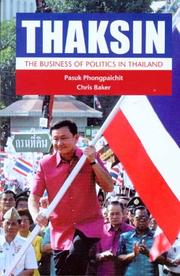
Pasuk Phongpaichit, Chris Baker · 2004

Thaksin Shinawatra, from police officer to telecoms tycoon to prime minister.
Walden Bello, Herbert Docena, Marissa de Guzman, Mary Lou Malig · 2004

How the Philippine elite blocked reform through liberalisation and debt after Marcos.

Richard Lloyd Parry · 2005

Indonesia's 1997-98 collapse and the fall of Suharto, reported on the ground.
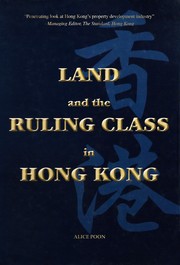
Alice Poon · 2005

How Hong Kong's land monopoly created its property tycoons and their rents.

Patricio N. Abinales, Donna J. Amoroso · 2005

Why the Philippine state stays weak while strong families hold power.
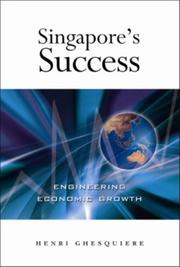
Henri Ghesquiere · 2006

An IMF economist on which Singapore policies caused its success and which transfer.
Pietro Masina · 2006

Vietnam's development since doi moi, set against the East Asian model.

Ayesha Siddiqa · 2007

The Pakistan army's foundations, land and industrial holdings, mapped in full.

Leo Goodstadt · 2007

The history of Hong Kong's banks and bank crises from the colonial archives.

Shuja Nawaz · 2008

The history of Pakistan's army and its hand in how the country is governed.
Bill Hayton · 2010

Vietnam's rapid change under Party control, state firms and the doi moi reforms.
Mahathir bin Mohamad · 2011

A memoir by the architect of Malaysia's industrial policy and capital controls.

Maleeha Lodhi · 2011

Essays on Pakistan's energy, taxes, banking and the reforms they need.

Jothie Rajah · 2012

How an authoritarian state uses law as an instrument of control.

David W. P. Elliott · 2012

How Vietnam's Communist Party talked itself into opening the economy and joining WTO.

Andrew MacGregor Marshall · 2014

Thailand's royal succession and the political violence and censorship around it.
George Megalogenis · 2015

Migration and openness as the source of Australia's long-run growth.
Linda Lim · 2015

Essays reassessing Singapore's development model, its limits and what comes next.
Vijay Joshi · 2016

Why India's present path will not make it a high-income country, and what would.

Pasuk Phongpaichit, Chris Baker · 2016

Studies of inequality in Thailand: income, wealth, land, education and power.

Michael Vatikiotis · 2017

Southeast Asia's politics and conflicts, seen by a mediator at the negotiating table.
Edmund Terence Gomez, Thirshalar Padmanabhan, Norfaryanti Kamaruddin, Sunil Bhalla, Fikri Fisal · 2017

Who owns and controls Malaysia's largest companies through the finance ministry.
Ishrat Husain · 2018

A former central bank governor on Pakistan's institutional decline and its repair.

Clare Rewcastle Brown · 2018

How a journalist uncovered the 1MDB fraud, told first-hand.

Montek Singh Ahluwalia · 2019

A memoir of India's economic reforms by a senior official who shaped them.
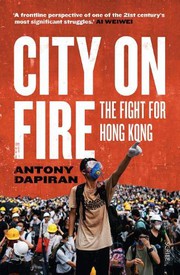
Antony Dapiran · 2020

Hong Kong's 2019 protests, from the extradition bill to months of street battles.
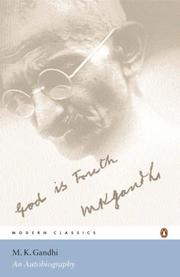
M.K. Gandhi · 1927

A life of non-violent struggle against racism and colonial rule, told by its subject.

Recommended by: Mohnish Pabrai, Tim Cook
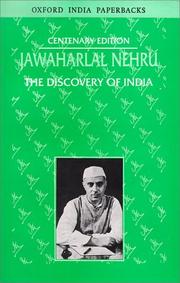
Jawaharlal Nehru · 1946

India's history and civilization as seen by its first prime minister.

Recommended by: Mohnish Pabrai
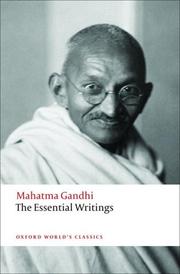
Mahatma Gandhi · 1970

A selection of letters, articles and books across the whole of the writer's thought.

Recommended by: Naval Ravikant
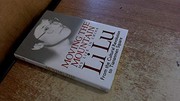
Li Lu · 1990

A memoir from the Cultural Revolution to the student protests in Tiananmen Square.

Recommended by: Mohnish Pabrai
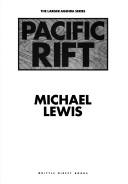
Michael Lewis · 1991

The cultural rift between America and Japan, through people working across it.
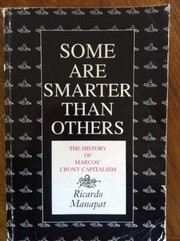
Ricardo Manapat · 1991

How Ferdinand Marcos and his allies used state power to enrich his circle.
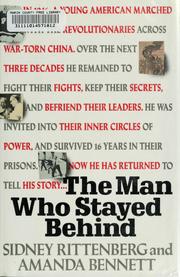
Sidney Rittenberg · 1993

An American who went to China with the army and stayed through its revolution.

Recommended by: Bill Gates

Jane Kelsey · 1995

New Zealand's 1984-95 reforms: deregulation, privatisation and inflation targeting.
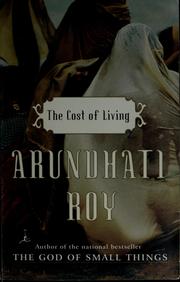
Arundhati Roy · 1999

A polemic on the human cost of India's great dam projects.

Recommended by: Mohnish Pabrai
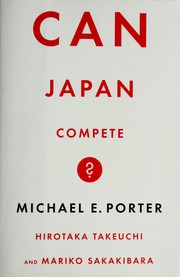
Michael E. Porter, Hirotaka Takeuchi, Mariko Sakakibara · 2000

Japan's two-level economy, and why some sectors competed while the rest lagged.

T4 Mao
Jung Chang · 2002

A life of the Chinese leader from a decade of research and talks with his circle.

Recommended by: Richard Branson
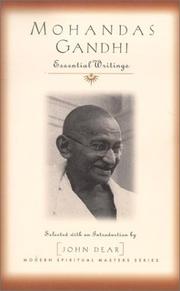
Mahatma Gandhi, John Dear · 2002

Writings by the leader of India's independence movement on practising nonviolence.

Recommended by: Mohnish Pabrai

Stéphanie Balme, Mark Sidel · 2006

Vietnam's legal and institutional reforms and what they mean for contracts.
Philip P. Pan · 2008

Chinese people who push for justice and freedom under an authoritarian state.

Recommended by: Patrick Collison
Mahatma Gandhi · 2009

The independence leader's own life, and how he developed nonviolent resistance.

Nandan Nilekani · 2009

India's past, present and future through the ideas that have shaped it.

Recommended by: Mohnish Pabrai

Richard McGregor · 2010

How China's Communist Party works and its role in the country's rise as a power.

Recommended by: Patrick Collison

David Lewis · 2011

An introduction to Bangladesh's politics, economy and civil society.
Ezra F. Vogel · 2011

A biography of Deng Xiaoping and how he transformed China after Mao.

Henry Kissinger · 2011

China's history and its ties with the West, drawn from talks with Chinese leaders.

Recommended by: Jim Collins, Mohnish Pabrai
Tai-chun Kuo, Ramon H. Myers · 2011

The policies that moved Taiwan's economy from agriculture to electronics.
Gurcharan Das · 2012

Why India's economy grows despite its weak state, and the case for a stronger one.

Recommended by: Mohnish Pabrai

Xiaobo Liu, Perry Link, Tienchi Martin-Liao · 2012

A Chinese dissident's essays and poems on tyranny, land disputes, Tibet and freedom.

Recommended by: Mohnish Pabrai
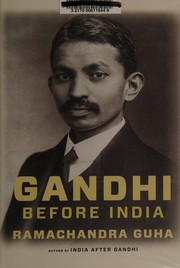
Ramachandra Guha · 2013

Gandhi's life before India: Gujarat, London and twenty-one years in South Africa.

Recommended by: Mohnish Pabrai

Jeremy Lim · 2013

The politics, financing and delivery of Singapore's healthcare over five decades.

Recommended by: Sahil Lavingia

Anne Summers · 2013

Why Australia still has not made equality between men and women work.

Recommended by: Catriona Wallace

Kuan Yew Lee · 2013

Sayings of the leader who took Singapore from colony to powerful city-state.

Recommended by: Mohnish Pabrai

John Keay · 2014

How Partition shaped the troubled histories of India, Pakistan and Bangladesh.

Recommended by: Mohnish Pabrai
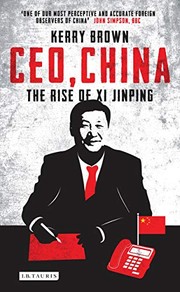
Kerry Brown · 2016

How Xi Jinping rose to lead China's Communist Party.

Recommended by: Patrick Collison
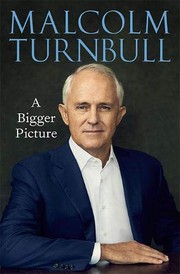
Malcolm Turnbull · 2020

A politician's memoir of his career, drawing on the diary he kept throughout.

Recommended by: Nick Crocker
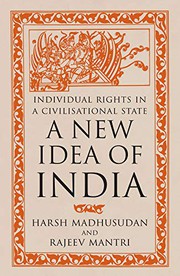
Rajeev Mantri Harsh Gupta · 2020

India's political, social and economic history, and a case for individual rights.

Recommended by: Balaji S. Srinivasan
More politics and government