Updates

  1. 137 new fund letters and reports, each with its own page: Kayne Anderson Rudnick (48 market briefings, KayneCast episodes and TV commentaries), Shelton Capital Management (48 shareholder reports and a commentary), Lakehouse Capital (10 Small Companies Fund letters), Smead (5 newsletters), RIT Capital Partners (5 monthly commentaries), Kovitz, Legal & General, Generation, Hosking, Marram, Munro, Oldfield and others.
  2. 200 new fund letters and reports, each with its own page: Spheria (41 monthly reports), Peapack Private (41 weekly recaps and planning newsletters), Fort Washington (23), Polen Capital (15), Aristotle Pacific (14), Riverwater (13), Chou (10), Apollo Asia Fund (8, back to 1998), Personal Asset Trust, Rockwood Strategic, J Capital Research, I/O Fund, Penn Davis McFarland, Pomona and others.
  3. Investor pages have one Investments tab with shares, changes, % owned, class, market cap and Market cap and Status filters, a Funds tab listing each fund the firm runs, and assets under management from Form ADV. The Investors table shows AUM and current investments, and its search finds investors by what they hold.
  4. Filters, search and sort stay as you left them when you come back to a section. Person cards look like book cards. Company pages name their Investors tab Ownership. Kind and Sector filters use four kinds and GICS sectors with industries. Dead links left the Links tabs.
  5. 190 more investors from fiscal.ai's list, with their sites, letters, partners and 13F holdings; 556 more partner descriptions. Experts now lists only people.
  6. Fund letters lists 144 new documents from 23 firms, each with its own page: a summary, key insights and quotes. Among them: 37 BlackRock articles, 21 Value Partners monthly notes, eight Baron Capital letters, six Stone Sentinel letters to partners, seven Value Line portfolio manager Q&As, BNY's 2026 earnings releases and Starboard Value's 2026 conference presentations.
  7. 584 more investors, with their websites, 6,776 letters from their own sites, 1,385 partners with pages and the 13F holdings of 213 firms. New letters arrive daily from 290 more archives.
  8. Media and Companies filter by GICS sector and industry group, taken from the companies an episode or page names. 1,860 more company pages show a logo, the SEC's list included.
  9. The home page counts what the platform holds and lists features such as the document reader, the player and saved marks. Settings sits at the foot of the rail. Book cards are a quarter wider, so rows hold fewer. Companies drops the Named in filter, and the Role list in your account runs A to Z.
  10. Investor pages of 13 firms show their newsroom's latest posts. New 13F filings are read as the SEC publishes them.
  11. Investor pages have an Investments tab: 13,975 holdings for 105 investors, from their 13F filings with the SEC and their own portfolio pages, with status and sector. 7,338 more companies have a page of their own.
  12. A podcast or YouTube episode keeps playing while you move around the site, in a bar with skip, speed and volume. Media tables show each episode's length and description.
  13. Press releases come from each company's own newsroom (167 companies); SEC filings sit on the Filings tab. Tickers name their exchange, and a company's Experts tab includes guests whose episode description names it.
  14. Letter types now include Market commentary, Fact sheet, Interim report, Annual report, Proxy circular and Governance document. The reader opens over the whole window.
  15. Partners of investment firms have 2,836 appearances and 580 pieces of writing on their pages; Derek Sivers's page lists every book he rates, with his rating.
  16. Fund letters lists three Akre Focus shareholder reports: the ETF's annual report for the year to July 2026, its semi-annual report to January 2026 and the fund's semi-annual report to January 2025, each with its own page: a summary, key insights and quotes.
  17. 837 partners of 73 investment firms now have their own pages, with title, description, photograph and social accounts; Andreessen Horowitz partners' pages also list their writing on a16z.com.
  18. Company pages have a Press releases tab: 8,229 releases for 203 companies, from SEC filings and company newsrooms. Companies filter by For-profit or Non-profit. Own media is a table with filters. Media filters by sector and industry. Publication pages link their publisher in the description.
  19. The Unilever page's Letters tab shows what each fund letter says about Unilever, word for word with its page, and whether the letter is bullish, bearish, mixed or neutral. Filter by sentiment, and see 10 letters at a time.
  20. 492 more fund letters and 3,183 more articles show the day they were published, read from each letter's first page or each article's own page.
  21. The PDF reader has a search box: type words to see every match in the document and step through them. About 540 letters that were web pages, among them Oakmark's commentaries, Bill Miller's letters and Howard Marks's memos, now open in the reader.
  22. Person pages: recommendations open with tier 1 books; one button per organisation; transcripts sit on their episodes; the books on 129 reading lists joined the Recommends tabs.
  23. Companies lists every company with a ticker on the SEC's list, with a Source filter. A quote on a company page opens the letter at that page with the words marked. A company's Media tab lists only episodes that name it, and a new Own media tab lists its podcasts, publications and YouTube channel. Show pages link their publisher. A page opened from a table no longer shows that table's filters beside it.
  24. Company, investor and person pages show more of their social accounts: Facebook, TikTok, Bluesky, Medium, GitHub, Discord and podcast shows. Investor pages list every partner the firm's own team page names: 965 people across 73 investors, 98 for Andreessen Horowitz.
  25. About 170 more letters and papers open in the reader: Mohnish Pabrai's letters and transcripts from his site's new folder, and free copies of papers by Asness, Harvey, Altman, Lo and others from their own or their schools' sites.
  26. Every company a fund letter names has a page, with the letters and quotes that name it: 47 new pages, among them Atom Computing, Hugging Face, Rolls-Royce Holdings and Westinghouse Electric. Company pages have a Quotes tab.
  27. A person's Writing tab has a Type column and filter (Article, Essay, Transcript, Speech, Foreword, Interview and the rest), and Publication names only the publication that published each piece.
  28. Fund letters opens on the newest published letter, and a letter or paper found by search opens its own page here instead of the publisher's site.
  29. A letter or paper with a copy on the site opens its PDF over its page, with a button to open it in a new tab. Select text to highlight or underline it; signed-in readers keep their marks in their account. Each quote opens the PDF at its page with its words marked, and a Source link leads to the publisher's original.
  30. Fund letters lists 61 more documents, each with its own page: Fairfax's 2025 and 2026 interim reports, proxy circulars and 2025 annual report (with their French editions), 26 Charlie Munger meeting transcripts, talks and essays, Third Point's 2026 monthly reports and Malibu Life's interim results, and a Seth Klarman interview. Papers adds Richard Thaler's two 2020 editorials on nudges.
  31. Fund letters lists Lux Capital's letters for Q2 and Q3 2026, by Josh Wolfe, each with its own page: a summary, key insights and quotes.
  32. Fund letters lists Brookfield's letter to shareholders for Q3 2026, by Bruce Flatt, with its own page: a summary, key insights and quotes.
  33. Fund letters lists Howard Marks's memo of 11 November 2026, A Layman Thinks About AI, with its own page: a summary, key insights and quotes.
  34. Fund letters lists 118 more letters, each with its own page: 44 weekly commentaries by Jeremy Siegel from 2026, 31 issues of Van Tharp's newsletter from 2018, 23 Pabrai Investment Funds letters from 2021 to Q3 2026, 13 Efficient Frontier essays by William Bernstein, Oakmark's three 3Q 2026 commentaries, two Lindsell Train reports, a John Hussman comment and Third Point's Q3 2026 letter.
  35. 2,027 more books carry a one-line description in the Books table and on their pages; 7,067 of 7,715 have one, every tier 1, 2 and 3 book among them.
  36. Fund letters lists 187 more letters from 19 firms, among them Permanent Equity, Social Capital, Lux Capital, Square Peg, Bestinver, Cobas, Sequoia Fund, Marketfield and EquityCompass; each shows on its investor's page and has a page of its own.
  37. 2,928 more books carry a one-line description in the Books table and on their pages, so every tier 1, 2 and 3 book has one; 5,040 in all.
  38. Every publication on Newsletters has its own page: its writing, its writers, its staff and who recommends it. Investor pages have a Management tab; a company's Experts tab now leaves out its own people, who list under Management. Tabs on a phone move sideways only.
  39. Every fund letter and research paper has its own page: the thesis, the PDF, the companies and books it names, and for 176 letters and 24 papers so far a summary, key insights and quotes with their page.
  40. 99 books that no page listed now sit under their topics in Books, among them Caste, American Prometheus and Pale Blue Dot.
  41. Newsletters lists every newspaper, magazine, investment newsletter, journal and blog the reference holds, 442 in all, with the people who write there. The search box keeps your last 20 searches. You can create an account.
  42. 283 books that fund managers recommend in their letters are on the shelf, each with the letter's own words and page; investor pages have a Recommends tab.
  43. Person, company, investor and show pages link their own accounts on X, Threads, Instagram, LinkedIn, YouTube and Substack: 275 people, 552 companies and organisations, 88 investors and 478 shows.
  44. 716 more book recommendations name their source: the person's own reading list, letter, blog post, speech or interview, or an article that reports it. 232 of them quote the person's own words about the book, on the book card and on the book's page.
  45. Every US-listed company has a page with its SEC filings. Company pages list their experts and their management, past and present. Fund managers sit under Investors. Each show has a page of its episodes, and an episode page names its guests and hosts. Biographies lists groups, then people. Breadcrumbs show where a page sits.
  46. Media lists every podcast episode, video, interview and talk, over 10,000, by person, company, publisher and event; each filter searches its own choices. Books opens on its table, then Browse, then Authors and Recommenders. A filter's count no longer covers its arrow.
  47. A book that no company, country or subject page lists shows its topics under Where it sits in the reference. On a phone, a page's tabs scroll sideways only. Descriptions read the same on every page. See them in the Experts tab lists every expert the page names.
  48. Every podcast episode, video and interview has its own page with a video or audio player and a link to the source. Investor pages show each company's sector and market cap; firms such as Berkshire Hathaway have one page that holds their letters and their company tabs. Letters tabs filter by company and search the theses. Companies filter by Public, Private and Defunct and link each company's website.
  49. Every tab, view and search has its own address, such as /books/table/asset or /letters/companies, so Back works and a link opens the same place. Page addresses no longer end in .html. Fund letters, Investors, Companies and Papers load about a fifth of the data they did.
  50. Fund letters has a Companies tab: every company the letters name, with its market cap, sector, country, and how many letters and investors name it. Investor pages link each investor's website. Lists in table cells end with “… and N more” at every width.
  51. 1,120 more book summaries; descriptions for 373 papers; pages for 137 more companies, each with the fund letters that discuss it; 215 official photographs; search has its own page.
  52. 411 more books have a summary; person pages list 930 more of the books they wrote; 147 people show their official photograph.
  53. Every investor has a page with its letters and the companies they discuss; company pages list the investors whose letters name them.
  54. A Companies section at the top of the rail lists every company the books, experts and fund letters name.
  55. Person pages list letters, writing, profiles and links as sortable tables with filters, and show each person's companies as links; Fund letters show each letter's description in its own column.
  56. Experts show a checked job title and a short description of each person; 30 more people have photographs.
  57. Every company, fund, university and publication the experts work for has a page listing the people there.
  58. Fund letters show each letter's thesis and filter by it; 225 person pages list the essays, columns and newsletter issues the person wrote.
  59. Person pages list every essay and newsletter issue a person wrote, and their own books as a table in List view.
  60. Recommends shows the five largest kinds of book and the rest under More; browse pictures load sooner.
  61. Podcasts and talks link the original episode, filter by Audio and video or Press, and list each publisher once.
  62. Pages are wider, Recommends has List and Grid, and a filter clicked again turns off.
  63. Book cards sit in a ruled grid with Open Library and Goodreads links and each book's one-line note.
  64. Funds is now Investors; each investor's styles are buttons that filter the table.
  65. Podcasts and talks on a person's page filter by year and publisher and show as a list or a grid of pictures.
  66. Quotes show only people's own words: 472 summaries written by list sites are gone.
  67. Country pages open from Browse again, and every link on the shelf lands on a page.
  68. Subject and person pages show their sections as tabs, and each book appears once on a person's page.
  69. Book cards show the quote, who said it and the source; grids show five cards to a row.
  70. On a phone, a menu holds the sections, search, Updates, Feedback and dark mode.
  71. Feedback takes a screenshot of the page with no browser prompt, opens a screenshot full size when you click it, and clears itself once sent.
  72. Book cards are centred, search names the topic each book sits in, and any text cut short shows whole on hover.
  73. Search groups its results by kind: people, companies, geographies, subjects, topics, books, funds, fund letters and papers.
  74. The Books table lists who recommended each book by name, and the browser tab names the section you are in.
  75. Feedback can take a screenshot of the page, or one you paste or choose, and opens in the corner beside Updates.
  76. Each rail button reopens its section where you left it, and Browse, Table and People show on every book and subject page.
  77. Filters grey out choices that hold nothing instead of hiding them, and Books › People filters by authors or recommenders.
  78. Feedback takes a subject line and up to three screenshots.
  79. Biographies are grouped by the person they are about: 41 new pages, from Abraham Lincoln to Lee Kuan Yew.
  80. Sport splits into 23 sports, and Religion into one topic per faith.
  81. Book lists show as cards: the cover, one recommendation quote and every recommender by name.
  82. Seventeen subjects that had two or three pages under different names now have one page each.
  83. Every page lists its Experts as authors and recommenders, with a link to them on the Experts tab.
  84. Economics, Financial history, Financial panics and Accounting are subjects of their own, with one page per financial crisis.
  85. Book, person and subject pages open inside the app, so the tabs stay in view.
  86. 996 more book covers, and photographs or logos for 227 more people and companies.
  87. Books › Browse shows every subject as cards, and the rail holds Fund letters, Papers, Experts, Books and Funds.
  88. Every topic over 150 books splits into narrower topics, each with a page of its own.

Send feedback

What is it?
Screenshots, up to 3 (optional)
or paste one with Ctrl+V

We use your email only to reply to you.

AA

Asia, Africa, Latin America and the Middle East

Holds national and regional histories of China, India, Southeast Asia, Japan, Korea, Australasia, Latin America, Africa and the Middle East, many written for readers judging those economies.

Start here

  1. MITI and the Japanese MiracleChalmers A. Johnson, 1982
  2. The Economic History of Latin America since IndependenceVictor Bulmer-Thomas, 1994
  3. The AnarchyWilliam Dalrymple, 2019
  4. The Migrant Cocoa-Farmers of Southern GhanaPolly Hill, 1963
  5. Peru 1890-1977: Growth and Policy in an Open EconomyRosemary Thorp, Geoffrey Bertram, 1978
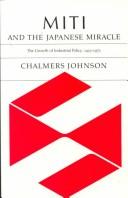
Chalmers A. Johnson · 1982

How Japan's trade ministry steered industry from 1925 to 1975.
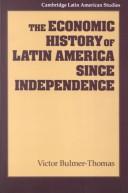
Victor Bulmer-Thomas · 1994

Latin America's economies from independence to today, period by period.
William Dalrymple · 2019

How the East India Company became the first corporation to conquer a country.
Polly Hill · 1963

Fieldwork showing Ghana's migrant cocoa farmers acted as capitalist investors.
Rosemary Thorp, Geoffrey Bertram · 1978

Peru's export economy from 1890 to 1977, and why growth did not bring development.
Robert Lacey · 1981

Saudi Arabia's first oil boom and the bargain that keeps the Al Saud in power.
David Rock · 1987

Argentina from Spanish conquest to the 1980s, and its reliance on foreign partners.
Jan Morris · 1988

Hong Kong at its commercial peak, before the handover to China.
David Bushnell · 1993

A one-volume history of Colombia and the institutions that shape it.
Erik J. Zurcher · 1993

A modern history of Turkey, tracing how its state and business are tied.
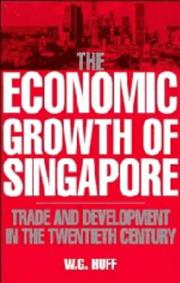
W. G. Huff · 1994

Singapore's economy from a British trading post in 1819 through the postwar years.

Sebastian Edwards · 1995

Latin America's reforms from the 1980s debt crisis to the mid-1990s, assessed.
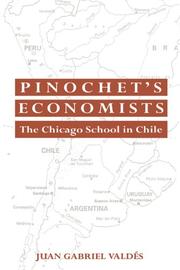
Juan Gabriel Valdés · 1995

How Chicago-trained Chilean economists came to run economic policy under Pinochet.

Andres Oppenheimer · 1996

Mexico in the NAFTA era: an uprising, assassinations, corruption and a $50bn bailout.

Adam Fforde, Stefan de Vylder · 1996

How Vietnam moved from central planning to a market economy, from field research.

Stephen Haber · 1997

Essays on why Brazil's and Mexico's economies lagged from 1800 to 1914.
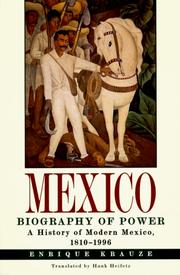
Enrique Krauze · 1997

Modern Mexico from the insurgent priests of the 1810s to Zedillo and the Zapatistas.
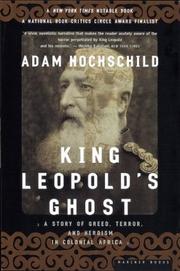
Adam Hochschild · 1998

How King Leopold II of Belgium seized the Congo as his own colony in the 1880s.
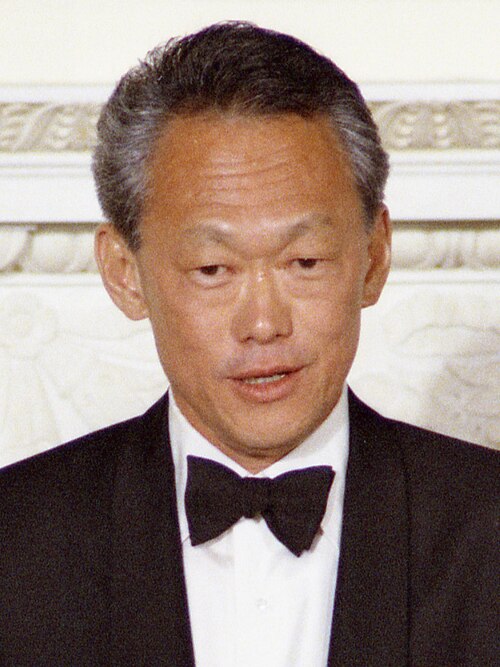
Lee Kuan Yew · 1998

A founding leader's account of his life and Singapore's politics and history.

Recommended by: Patrick Collison, Tim Ferriss
Gurcharan Das · 2000

India's economy from independence to 2000, told alongside a P&G executive's career.
Karl Maier · 2000

Nigeria, Africa's most populous nation, and why things are going badly there.
Gerardo della Paolera, Alan M. Taylor · 2003

Essays on why a rich, well-endowed Argentina stagnated for so long.
Julia Preston, Samuel Dillon · 2004

The citizens' movement of reformers and activists that ended Mexico's one-party rule.
Martin Meredith · 2004

Africa from independence to the present, country by country.
Martin Meredith · 2007

How diamonds and gold set Britain against the Boers before the 1910 union.
Michael Reid · 2007

Latin America is neither doomed to fail nor saved by one reform; a balanced view.
Steve LeVine · 2007

The fight for Caspian Sea oil from the 19th century to the present.

C. M. Turnbull · 2009

A scholarly history of Singapore as a trading port from 1819 to 2005.
Jim Krane · 2009

How Dubai became the world's fastest-growing city until the credit crunch.

“So well-written! Absolutely fascinating history of Dubai. An exciting page-turner. It gave me so much admiration for the city and its visionaries.” — Derek Sivers

Source: Derek Sivers book notes (primary, rated list) · Rating: 9/10

Recommended by: Derek Sivers
David Van Reybrouck · 2010

Congo from the slave trade and King Leopold to Mobutu and the resource wars.
Anatol Lieven · 2011

How kinship networks and patronage make Pakistan's state both weak and durable.
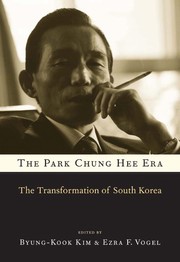
Byung-Kook Kim, Ezra F. Vogel · 2011

How South Korea's developmental state was built under Park Chung Hee.
Charles Hornsby · 2012

Kenya since 1963: a stable state held back by colonial legacies and poverty.
George Megalogenis · 2012

How Australia's deregulation led to three decades without a recession.
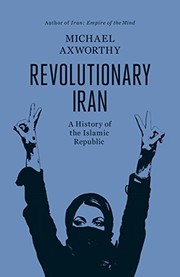
Michael Axworthy · 2013

A political history of revolutionary Iran and who controls its economy.
David Pilling · 2014

Japan after the 2011 earthquake, tsunami and Fukushima, and how it might recover.
Michael Reid · 2014

Brazil's rise toward economic power and the many problems it still faces.
Ayesha Jalal · 2014

Why Pakistan's security state crowded out its productive economy from the start.
David Coltart · 2016

Zimbabwe's history from Rhodesia's 1965 break to Mugabe, by a lawyer and MP.

Brian Easton · 2020

New Zealand's economic history from the Maori gift economy to climate policy.

Sebastian Edwards · 2023

Chile's market reforms under Pinochet and their results up to the 2019 protests.
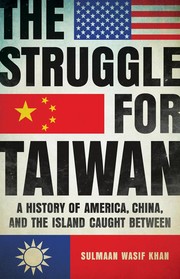
Sulmaan Wasif Khan · 2024

The contest between China and Taiwan, and the risk it poses to Taiwanese assets.
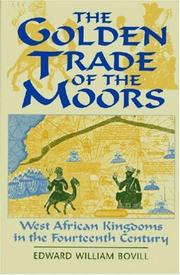
E. W. Bovill · 1958

The trans-Saharan trade of West African gold for salt.

“Bovill, The Golden Trade of the Moors” — Paul Graham

Source: Rarely-Asked Questions — paulgraham.com

Recommended by: Paul Graham
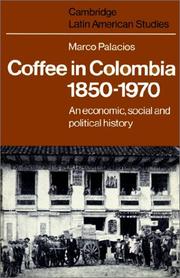
Marco Palacios · 1980

An economic and social history of Colombian coffee from the mid-nineteenth century.
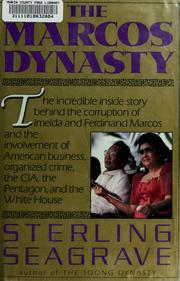
Sterling Seagrave · 1988

How Ferdinand and Imelda Marcos built crony monopolies and hid their wealth abroad.
Nicolas Shumway · 1991

The rival national ideas behind Argentina's recurring policy reversals.
Alfred W. McCoy · 1993

The family dynasties that have run the Philippines' politics and conglomerates.

William Roseberry, Lowell Gudmundson, Mario Samper Kutschbach · 1995

A comparative political economy of coffee across Latin America.
Sterling Seagrave · 1995

The Overseas Chinese business families and their fortunes around the Pacific.
Pasuk Phongpaichit, Chris Baker · 1995

Modern Thailand's economy and politics from the late nineteenth century on.
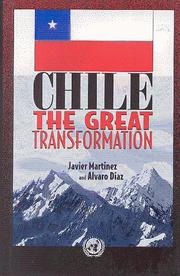
Javier Martínez, Alvaro Díaz · 1996

How Chile's economy and business class were remade after the military coup.
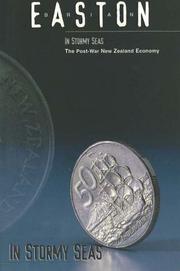
Brian Easton · 1996

New Zealand's economy from Muldoon's intervention through liberalisation.
Eun Mee Kim · 1997

How power shifted between the Korean state and the chaebol over three decades.
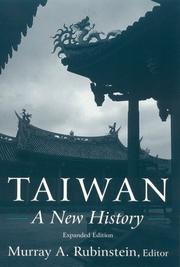
Murray A. Rubinstein · 1999

Taiwan's history, including its land reform and base of small firms.
Stephen Kinzer · 2001

Turkey caught between two worlds, its politics up to the 2001 bank crisis.
Jomo K. S. · 2001

Malaysia's 1997-98 crisis and its unorthodox answer of capital controls.

Frank Safford, Marco Palacios · 2002

Colombia's history read through its regional divisions, the fact behind its markets.
Timothy Mitchell · 2002

How experts, capital and land were arranged in modern Egypt.
Denny Roy · 2003

How great powers and local people fought over Taiwan, through the party-state era.
Adrian Vickers · 2005

Modern Indonesia's history, guided by the life and writing of Pramoedya Ananta Toer.

Chris Baker, Pasuk Phongpaichit · 2005

Thailand from the eighteenth century on: its state, its economy and its social order.

Richard Lloyd Parry · 2005

Indonesia's 1997-98 collapse and the fall of Suharto, reported on the ground.

Patricio N. Abinales, Donna J. Amoroso · 2005

Why the Philippine state stays weak while strong families hold power.
Julio F. Carrión · 2006

Fujimori's Peru: stabilisation, privatisation and the authoritarian bargain.

Leo Goodstadt · 2007

The history of Hong Kong's banks and bank crises from the colonial archives.
Alfonso W. Quiroz · 2008

Two centuries of graft and what it cost the economy, measured.

Shuja Nawaz · 2008

The history of Pakistan's army and its hand in how the country is governed.

Jules Marchal · 2008

The forced labour on Lord Leverhulme's Congo palm-oil concessions behind his soap.
Robert Lacey · 2009

Saudi Arabia's oil wealth, religious establishment and attempts at reform.
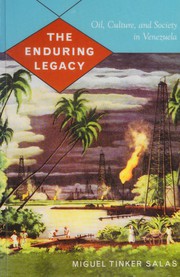
Miguel Tinker Salas · 2009

The foreign oil companies' camps in Venezuela and the society they shaped.
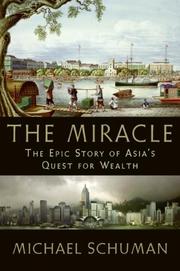
Michael Schuman · 2009

How East Asia's economies grew, told through the people who drove them.

Recommended by: Mohnish Pabrai

Tarek Osman · 2010

Egypt from Nasser to Mubarak: its politics, economy and crony privatisations.
Sebastian Edwards · 2010

Why Latin America has failed to catch up with rich countries, and populism's dangers.
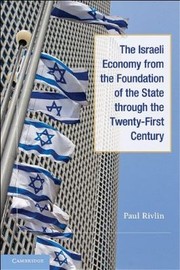
Paul Rivlin · 2010

Israel's economy from independence: labour, defence spending, inflation and growth.
Riordan Roett · 2010

Brazil from Portuguese colony through its crises to a regional leader.

Ian Scoones · 2010

Ten years of field data on what happened to Zimbabwe's seized farmland.
Daniel Branch · 2011

Kenya since independence, and how ethnic coalitions allocate its economic rents.

Allen J. Fromherz · 2011

How the Al-Thani family shaped modern Qatar and took hold of its gas wealth.
Steven A. Cook · 2011

Egypt from Nasser to Tahrir Square, and its state-run economy and opening.
Larry Rohter · 2012

Brazil's commodity-boom decade and the institutions beneath it.

David W. P. Elliott · 2012

How Vietnam's Communist Party talked itself into opening the economy and joining WTO.
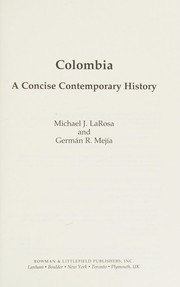
Michael J. LaRosa, Germán R. Mejía · 2012

Modern Colombia through its reform years and the security-led recovery.
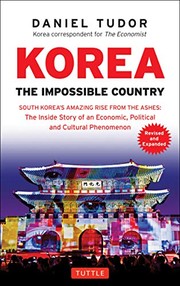
Daniel Tudor · 2012

An introduction to South Korea's history, religion, culture and society.

Andrew MacGregor Marshall · 2014

Thailand's royal succession and the political violence and censorship around it.

Jeremy Seabrook · 2014

Bangladesh's garment industry, the Rana Plaza collapse and the Lancashire trade.

Ricardo Hausmann, Francisco Rodríguez · 2014

Research on why Venezuela's economy collapsed decades before Chávez took office.
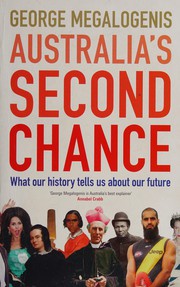
George Megalogenis · 2015

Migration and openness as the source of Australia's long-run growth.
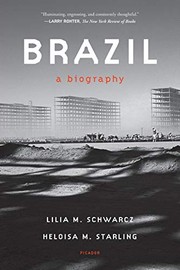
Lilia M. Schwarcz, Heloisa M. Starling · 2015

Brazil's long history and the roots of its inequality and patronage politics.
Linda Lim · 2015

Essays reassessing Singapore's development model, its limits and what comes next.
Daniel Gordis · 2016

Israel's political history and the choices behind its economy.
Farah Al-Nakib · 2016

How oil rebuilt Kuwait City and how land deals made its merchant fortunes.
Ahmet T. Kuru · 2019

Why Muslim-majority countries lag: an old alliance of clerics and military states.
Douglas Rogers · 2019

The coup that removed Zimbabwe's president, reported from inside, backers included.
Antony Dapiran · 2020

Hong Kong's 2019 protests, from the extradition bill to months of street battles.

Aaron Jakes · 2020

The political economy of British-occupied Egypt: its debt and its cotton.

David Rundell · 2020

Modern Saudi Arabia's history, and whether its system can change as Vision 2030 asks.

Jorge Pontes, Marcio Anselmo · 2022

Two Brazilian federal police officers on the Car Wash corruption investigation.
William Neuman · 2022

Venezuela's collapse: PDVSA's decay, default, sanctions and dollarisation.
Dan Senor, Saul Singer · 2023

The social traits that the authors argue sustain Israel's success.
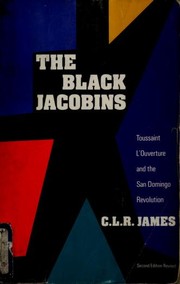
C.L.R. James · 1935

Saint-Domingue, France's richest colony, and its half a million slaves.

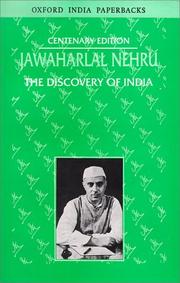
Jawaharlal Nehru · 1946

India's history and civilization as seen by its first prime minister.

Recommended by: Mohnish Pabrai
Frederick Forsyth · 1969

A journalist's record of the Nigerian civil war over Biafra and its brutality.

Recommended by: Mohnish Pabrai
R. Albert Berry · 1983

Studies of Colombian industrialisation and manufacturing.
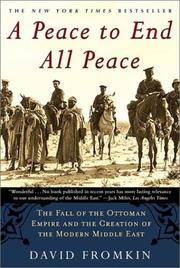
David Fromkin · 1989

How Allied decisions in and after the First World War made the modern Middle East.

Recommended by: Larry Ellison
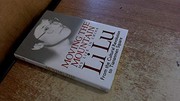
Li Lu · 1990

A memoir from the Cultural Revolution to the student protests in Tiananmen Square.

Recommended by: Mohnish Pabrai

Thomas Pakenham · 1990

The European conquest of Africa in the late nineteenth and early twentieth centuries.

Recommended by: Patrick Collison
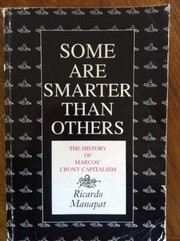
Ricardo Manapat · 1991

How Ferdinand Marcos and his allies used state power to enrich his circle.
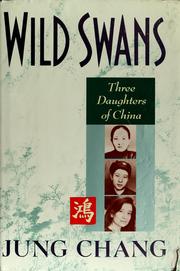
Jung Chang · 1991

Three generations of women growing up in China's century of turmoil.

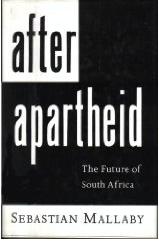
Sebastian Mallaby · 1992

What South Africa faced as white minority rule came to an end.
Jill Crystal · 1992

How oil transformed Kuwait, from the Souk al-Manakh crash to its investment office.
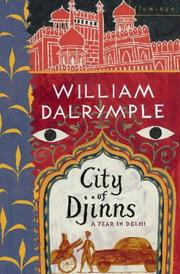
William Dalrymple · 1993

Delhi's centuries of history, layer by layer, and the people who live there.

Recommended by: Mohnish Pabrai
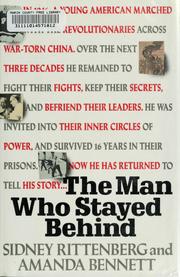
Sidney Rittenberg · 1993

An American who went to China with the army and stayed through its revolution.

Recommended by: Bill Gates
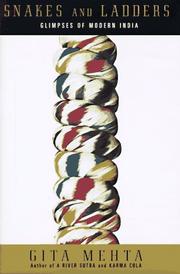
Gita Mehta · 1997

Glimpses of modern India and its contrasts: democracy, caste, wealth and poverty.

Recommended by: Mohnish Pabrai
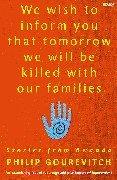
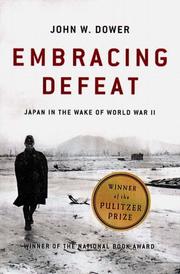
John W. Dower · 1999

Japan after its defeat in the Second World War, under American occupation.

Recommended by: Mohnish Pabrai
Michela Wrong · 2000

The rise and fall of Mobutu Sese Seko over 32 years as ruler of Zaire.

Recommended by: Patrick Collison
C. R. Pennell · 2000

Morocco's history since 1830, and how its social relations changed over 150 years.

T4 Mao
Jung Chang · 2002

A life of the Chinese leader from a decade of research and talks with his circle.

Recommended by: Richard Branson
Suvarna Rajguru, Ranjan Pant · 2003

The history of the Indian Institutes of Technology, in text and photographs.

Recommended by: Mohnish Pabrai

Steve Coll · 2004

The CIA in Afghanistan, from the Soviet invasion to the day before 9/11.

Recommended by: Simon Sinek

Michela Wrong · 2005

The history of Eritrea and its long war for independence.

Recommended by: Patrick Collison

Marco Palacios · 2006

Colombia's history through land, property rights and violence.
John Pomfret · 2006

China's transformation over forty years, told through five university classmates.

Recommended by: Patrick Collison

Jean Hatzfeld · 2006

Interviews with nine Hutu killers of the Rwandan genocide.

Recommended by: Steph Smith
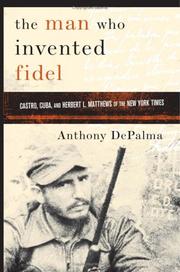
Anthony DePalma · 2006

How a New York Times reporter's coverage of Castro shaped American views of Cuba.

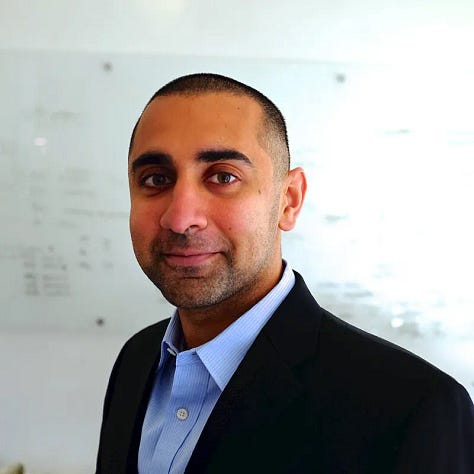
Recommended by: Balaji S. Srinivasan

Stephen Kinzer · 2008

Paul Kagame, a refugee who came home, and Rwanda's rebuilding.

Recommended by: Patrick Collison
Angela Vergara · 2008

Chile's labour movement through the copper miners of Anaconda in the Cold War.
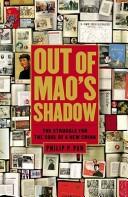
Philip P. Pan · 2008

Chinese people who push for justice and freedom under an authoritarian state.

Recommended by: Patrick Collison

Jason Stearns · 2011

The wars, massacres and ethnic conflict of the Democratic Republic of the Congo.

Recommended by: Patrick Collison
Ezra F. Vogel · 2011

A biography of Deng Xiaoping and how he transformed China after Mao.

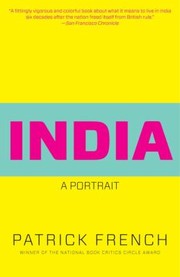
Patrick French · 2011

A portrait of modern India told through the lives of its people.

Recommended by: Mohnish Pabrai
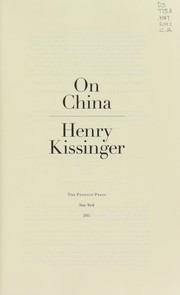
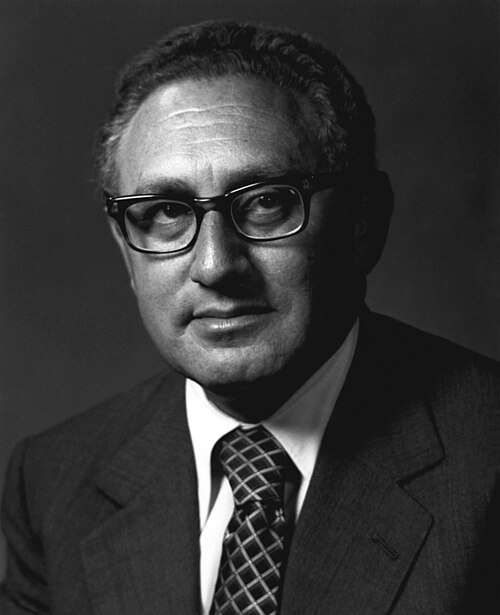
Henry Kissinger · 2011

China's history and its ties with the West, drawn from talks with Chinese leaders.

Recommended by: Jim Collins, Mohnish Pabrai
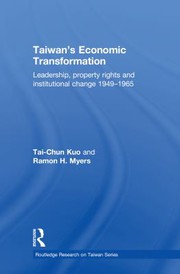
Tai-chun Kuo, Ramon H. Myers · 2011

The policies that moved Taiwan's economy from agriculture to electronics.
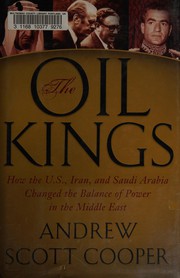
Andrew Scott Cooper · 2011

How America's choice of Saudi Arabia as top oil power led to Iran's revolution.

Recommended by: Mohnish Pabrai

Akash Kapur · 2012

A writer returns to India and meets the people living through its rapid change.

Recommended by: Patrick Collison
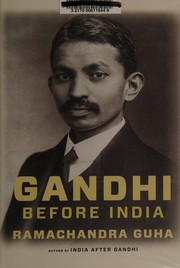
Ramachandra Guha · 2013

Gandhi's life before India: Gujarat, London and twenty-one years in South Africa.

Recommended by: Mohnish Pabrai
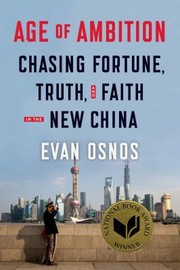
Evan Osnos · 2014

How people in China pursued fortune, truth and faith under authoritarian rule.

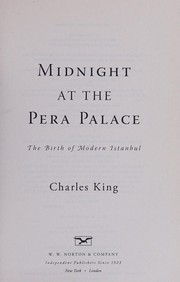
Charles King · 2014

How Istanbul became a global crossroads and a port of refuge between the wars.

Recommended by: Mohnish Pabrai

John Keay · 2014

How Partition shaped the troubled histories of India, Pakistan and Bangladesh.

Recommended by: Mohnish Pabrai
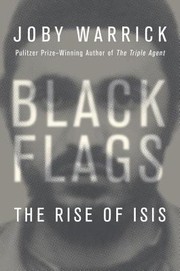
Joby Warrick · 2015

How the militant Islam behind ISIS arose in a Jordanian prison and spread.

Recommended by: Bob Iger
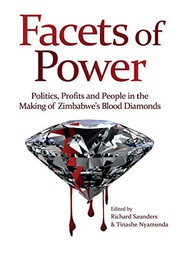
Richard Saunders, Tinashe Nyamunda · 2016

How Zimbabwe's Chiadzwa diamond fields were captured by force and corruption.
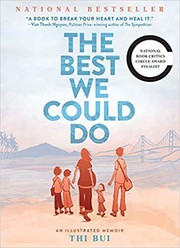
Thi Bui · 2017

A graphic memoir of a family's life in war-torn Vietnam and its flight to America.

Recommended by: Bill Gates
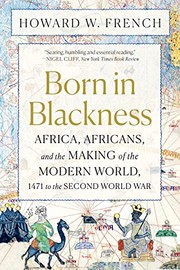
Howard French · 2021

How Africa's central role in building the modern world was written out of history.

Recommended by: Bill Gates

Ji Xianlin · 2021

A Chinese scholar's memoir of the Cultural Revolution.

Recommended by: Patrick Collison
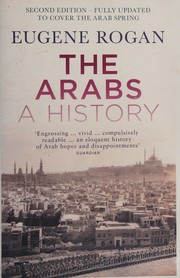
Eugene Rogan

Five centuries of Arab history, from Ottoman conquest to the present.

Recommended by: Patrick Collison
More general history