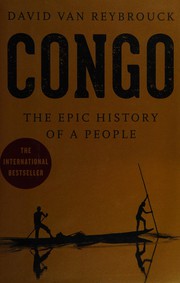
Congo: The Epic History of a People
Congo from the slave trade and King Leopold to Mobutu and the resource wars.
Union Minière, the concession economy and what happened after independence.
Summary
Van Reybrouck writes the history of Congo, the vast country at the heart of Africa, rich in raw materials that the modern world needs and torn by terrible conflicts. He covers the slave trade, the ivory and rubber booms, the arrival of Henry Morton Stanley and the regime of King Leopold II, who ruled the country from 1885 to 1908 and made a fortune from rubber.
Belgian colonial rule from 1908 to 1960 brought industry and infrastructure but also paternalism. The sudden move from colony to independence around 1960 was full of idealism and intrigue, and the new state entered a turbulent course that led, after thirty-two years of dictatorship under Mobutu, to one of the deadliest conflicts since the Second World War, the war over natural resources that began in 1996. The account also takes in the Rumble in the Jungle and China's influence in the most recent decade. Van Reybrouck draws on archives and above all on hundreds of conversations with Congolese people, from centenarians and child soldiers to rebel leaders, smugglers, ministers and cassava sellers.
Key takeaways 4
- Congo's raw materials have drawn outside powers from Leopold II to China.
- Leopold II ruled Congo as a personal possession and profited from rubber.
- Belgian rule built industry and infrastructure but was paternalistic, and the move to independence around 1960 was abrupt.
- The war over natural resources from 1996 became one of the deadliest since 1945.
Who should read it
Investors in mining and Africa who want the full history behind the concession economy in Congo.
Similar books 6
Chosen by shared topics, the entries that hold them, and the people who recommended both.
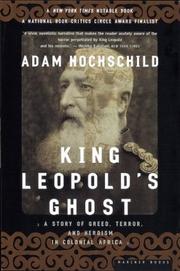
How King Leopold II of Belgium seized the Congo as his own colony in the 1880s.
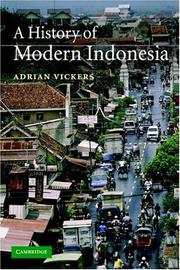
Modern Indonesia's history, guided by the life and writing of Pramoedya Ananta Toer.
A scholarly history of Singapore as a trading port from 1819 to 2005.

Thailand from the eighteenth century on: its state, its economy and its social order.
Thailand's royal succession and the political violence and censorship around it.
Essays on why a rich, well-endowed Argentina stagnated for so long.