
The Lucky Country
An indictment of 1960s Australia as provincial, philistine and living on its luck.
The complacency critique that named the national economic problem.
Summary
Horne's 1964 study of Australian society takes its title from its most quoted line: Australia is a lucky country, run mainly by second-rate people who share its luck. The phrase entered the national vocabulary and is often invoked as praise, which, as the introduction to a later edition by Hugh Mackay notes, misreads Horne's irony. He meant that Australia's prosperity came from good fortune rather than from the skill of those who ran it.
The book took Australian society to task for its philistinism, provincialism and dependence, and it caused a sensation when it appeared. Horne presented it as a wake-up call to an unimaginative nation mired in mediocrity and tied to its past. Although it describes the confident Australia of the 1960s, later editions present it both as a record of that period and as a guide to the anxieties and discontents of Australian society since. For investors it names a lasting question about the country's economy: whether prosperity rests on resources and luck rather than on capability.
Key takeaways 4
- Prosperity that comes from luck can hide weak leadership and institutions.
- The phrase the lucky country was meant as criticism, not praise.
- Provincialism and dependence on others can hold back a rich country.
- A society's confidence in good times can mask mediocrity in those who run it.
Who should read it
Investors and readers who want the classic critique behind recurring debates over whether Australia's wealth rests on resources rather than capability.
Similar books 6
Chosen by shared topics, the entries that hold them, and the people who recommended both.
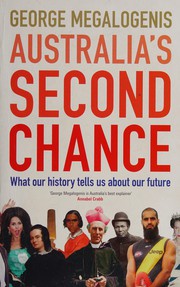
Migration and openness as the source of Australia's long-run growth.
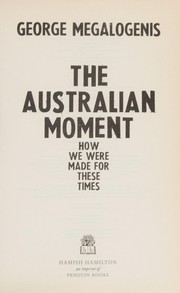
How Australia's deregulation led to three decades without a recession.
Corruption, cronyism and family control in Asian firms, exposed by the Asian crisis.
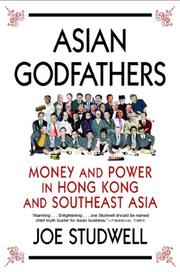
How Southeast Asia's tycoons got rich from political favours, not productivity.

Southeast Asia's politics and conflicts, seen by a mediator at the negotiating table.
India's past, present and future through the ideas that have shaped it.
Recommended by: Mohnish Pabrai