
Sociology and Culture
Societies and the way people live in them: class, race, gender, cities, media, inequality, anthropology and social criticism. Read by anyone trying to understand a group larger than a family and smaller than a nation.
Start here
- The Crowd: A Study of the Popular MindGustave Le Bon, 1895
- The True BelieverEric Hoffer, 1951
- The Death and Life of Great American CitiesJane Jacobs, 1961
- Diffusion of InnovationsEverett M. Rogers, 1962
- The Lucky CountryDonald Horne, 1964
How individuals lose judgement in a crowd and how leaders sway crowds.
Recommended by: Frank Martin, Mohnish Pabrai, Peter Cundill and 1 other
Why mass movements of every kind draw the same frustrated people and use one method.
“And here the best book is called the True Believer, which is the Eric Hoffer book.” — Marc Andreessen
Recommended by: Joe Rosenberg, Marc Andreessen and 6 others
What makes city streets work, and how 1950s planning and slum clearance broke them.
Recommended by: Patrick Collison, Chris Dixon, Daniel Burka and 2 others
An academic study of how new ideas spread.
“Rogers first published his classic book, Diffusion of Innovations, in” — Michael Mauboussin
Source: Exploring Network Economics, page 10
Recommended by: Jim Collins, Michael Mauboussin and 1 other

An indictment of 1960s Australia as provincial, philistine and living on its luck.
Why complex, tightly coupled systems such as Three Mile Island will fail regardless.
Computer tournaments of the prisoner's dilemma show why tit-for-tat wins.
“That clever but unsatisfying explanation eventually led me to the book and article that I'm recommending this year - The Evolution of Cooperation by Robert Axelrod, and a related journal article1 (jointly, "EoC").” — Mark Leonard
Source: Constellation Software Inc. 2014 President's Letter, page 5
Recommended by: Mark Leonard, Michael Mauboussin and 2 others
How television turned public discourse from argument into entertainment.
“The most prescient here is Neil Postman's Amusing Ourselves to Death, originally published in 1985. It's long, but I'm going to quote the foreword in its entirety because it's worth reading a few times over:” — Matt Mullenweg
Source: Culture of Distraction
Recommended by: Keith Rabois, Matt Mullenweg, Nat Eliason and 3 others
A study of Lima's informal economy and the legal costs that keep the poor outside it.
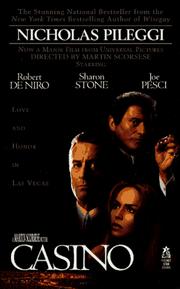
How the Chicago mob ran Las Vegas casinos, told through bookie Frank Rosenthal.
Why large state plans fail when they override local, practical knowledge.
Recommended by: Balaji S. Srinivasan, Nat Eliason and 1 other
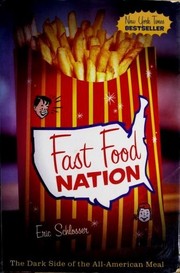
How fast food reshaped farming, meatpacking, food science and low-wage work.
Recommended by: Jim Collins, Mohnish Pabrai, Richard Branson and 1 other

How slot machines are designed to keep gamblers playing longer.
Recommended by: Nir Eyal, Tristan Harris
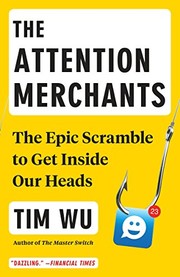
How media from the penny press to social media capture attention and resell it.
Recommended by: David Perell
Why organisms, cities and companies follow power laws set by their supply networks.
“Geoffrey West, Scale: The Universal Laws of Growth, Innovation, Sustainability, and the Pace of Life in Organisms, Cities, Economies, and Companies (New York: Penguin Press, 2017), 26” — Michael Mauboussin
Source: Underestimating the Red Queen: Measuring Growth and Maintenance Investments, page 18
Recommended by: Michael Mauboussin, Nat Eliason and 4 others

America's opioid crisis from OxyContin's 1996 launch through Central Appalachia.
The one pattern of the hero's journey that runs through myths across cultures.
Recommended by: Nat Eliason, Patrick O'Shaughnessy and 2 others
How American life changed between 1900 and 1950.
Recommended by: Morgan Housel, Paul Graham
What the large corporation did to the people who worked inside it.

Fieldwork showing Ghana's migrant cocoa farmers acted as capitalist investors.
Cities, not farms, drive economic growth by adding new work to old.
A portrait of Canada's business elite in 1975, from hundreds of interviews.
What Japan's institutions had solved that America had not, and what to learn.

How Americans chose separate suburban houses and how that shaped the country.

The culture of the Dutch Republic, which grew rich first and was uneasy about it.
The Basque Mondragon cooperative group, studied as a working business model.
A Pennsylvania steel town from Carnegie's purchase in 1883 to the 1986 closure.
Preference falsification: why people hide their views and how that hides change.
“So this is one of the all time great books. Incredible.” — Marc Andreessen
Source: Lex Fridman Podcast #458 transcript — Marc Andreessen
Recommended by: Marc Andreessen
After the Cold War, conflict will follow cultural and religious fault lines.
Recommended by: Mohnish Pabrai, Patrick Collison and 3 others
How Romania's planned economy worked in practice, and what followed its end.
Who took charge of Central Europe's economies after 1989, without a capitalist class.
Arguments for consumers to question and take on the corporate superbrands.

How Finland's welfare state produced a technology cluster.

How OxyContin was marketed, and how its abuse spread across America.
Flags of convenience and the legal nowhere in which merchant ships are owned.
How open-source software gets made without conventional property rights.
How Hollywood really makes money, mostly away from the box office.
One T-shirt traced from a Texas cotton farm to a Chinese factory and beyond.

Ten forces around 2000 that let anyone, anywhere compete in the global economy.
Recommended by: Jim Collins, Mohnish Pabrai, Bill Gates and 3 others

An investigation of a place living under the rule of a murderous crime organisation.
What Wal-Mart's scale does to its suppliers, its towns and prices everywhere.
How Southeast Asia's tycoons got rich from political favours, not productivity.
How family luxury houses became conglomerates selling to the mass affluent.
An introduction to modern India's rise and its many contradictions.
Recommended by: Mohnish Pabrai
How the cigarette rose in 20th-century America, and how its harm was proved.
An inside look at the art world's auctions, fairs and studios.
Why football clubs make poor businesses but survive as assets.
Why most media companies destroy shareholder value: few have barriers to entry.
Recommended by: Keith Rabois
A class analysis of the Gulf states that rejects the standard rentier-state view.
Six advantages, from competition to the work ethic, that let the West pull ahead.
Recommended by: Mohnish Pabrai, Li Lu
Why Italy's economy underperformed, and the firms and places showing it can change.
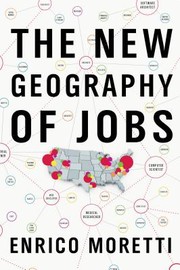
Why US cities have split apart in wages and jobs, and why innovation hubs pull ahead.

How processed-food makers engineer salt, sugar and fat to make people eat more.
Broad employee ownership as an American tradition, and the case for reviving it.
A forecast of a hugely connected future world, with its challenges and benefits.
Recommended by: Mohnish Pabrai, Michael Bloomberg
Japan after the 2011 earthquake, tsunami and Fukushima, and how it might recover.
A global history of cotton used to trace how capitalism developed.

America's opiate epidemic, seen from the demand side of the OxyContin market.
Recommended by: Chris Sacca
The rise and fall of the American department store, with Sears throughout.
How the mp3, a CD-factory leaker and pirate websites broke the music business.
How the way organisations divide work blinds them, and how some break down silos.
Recommended by: Seth Klarman
Brazil's billionaires during the boom, and what their fortunes say about inequality.
The drug trade as a business: how cartels handle supply chains, staff and branding.
What longer lives mean for savings, work and the products people buy.
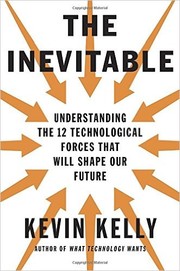
The technology trends that will reshape daily life over the next thirty years.
“What are today's technologies inevitably going to lead to? Great predictions. Half of it was super-inspiring, painting a vision of the future that made me want to jump on it. Half felt like “well, duh, obviously!” maybe because I'm already deep in it.” — Derek Sivers
Source: Derek Sivers book notes (primary, rated list) · Rating: 7/10
Recommended by: Derek Sivers, Nat Eliason, Patrick Collison and 2 others
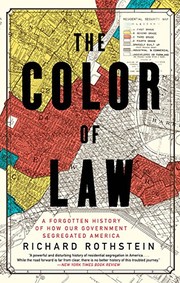
How federal housing policy created racial segregation in American cities.
How social media gave protest movements power, and what it cost them.
How the offshore world lets officials who steal money hide it and spend it abroad.
India's billionaires, crony capitalism, and the bad-loan crisis in its banks.
How the Premier League turned English football clubs into global media assets.
Recommended by: Nat Eliason
Three false beliefs taught to young Americans, and how they harm their minds.
“A good companion read to "Winner Takes All".” — Vinod Khosla
Source: 2019 Book Recommendations — Vinod Khosla, Medium
Recommended by: Vinod Khosla, Eric Weinstein, Julian Shapiro and 1 other
How fixation on measured performance damages the work it is meant to improve.
How the global elite's efforts to change the world keep the status quo in place.
“This is kind of like Anand's - I forget his last name - but the book Winners Take All; we keep looking for these win-win solutions but sometimes we have to lose a little bit so that everybody wins.” — Tristan Harris
Source: The Tim Ferriss Show Transcripts: Tristan Harris — Fighting Skynet and Firewalling Attention (#387)
Recommended by: Tristan Harris, Vinod Khosla, Alexis Ohanian

The costs and benefits of a shrinking world population.
“A favorite book on the topic is Empty Planet: The Shock of Global Population Decline, by Darrell Bricker and John Ibbitson, and a recommended YouTube video, if you prefer, is “Birthgap – Childless World Part 1,” Birthgap.org (2022).” — Jeremy Grantham
Source: Rising Toxicity and the Threat to Capitalism and Life Itself, page 8
Recommended by: Jeremy Grantham
The hidden on-demand workers who make automated online services work.
The economics of the music industry, where superstar markets show up in pure form.
Flags of convenience, crew abuse and the gaps in law on the high seas.
How McDonald's and fast-food franchising became bound up with Black America.
Disinflation came from a one-time surge in workers; ageing will reverse it.
One USB charger followed from a factory in Vietnam by ship and truck to a door.
Recommended by: Tobi Lütke

How Amazon's growth concentrated wealth in a few places and hollowed out others.
What happened to Eastern Europe in the thirty years after 1989, measured.
Artisanal cobalt mining in Congo and its place in the battery supply chain.
Case studies of how private equity extracts money from the companies it buys.
The supply-chain breakdown of 2020 to 2022, traced through shipments and people.
How the internet can spread generosity and make giving a force for good.
Recommended by: Bill Gates
Common knowledge, where everyone knows that everyone knows, and what it does.
Recommended by: Bill Gates
English society before industry, wage labour and cities.
“Laslett, The World We Have Lost” — Paul Graham
Source: Rarely-Asked Questions — paulgraham.com
Recommended by: Paul Graham

Mahathir's case for Malay preferences that became the New Economic Policy.

How American insurers make money and how little they return to policyholders.
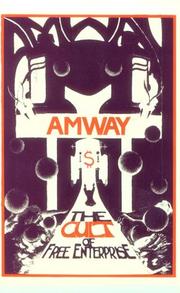
A former distributor argues that Amway earns through recruitment, not product sales.

How marketing-board pricing ruined Ghana's cocoa, the country's main export.
Columns on Wall Street in the late eighties, mostly on debt-financed buyouts.
How the fast-food restaurant's principles of rationalisation spread across society.

A comparative political economy of coffee across Latin America.
The Overseas Chinese business families and their fortunes around the Pacific.

Spain's institutions and business culture after Franco.

A critical look at the arithmetic behind multi-level marketing pay plans.
Fieldwork on how McDonald's was adapted to local life across East Asia.
Corruption, cronyism and family control in Asian firms, exposed by the Asian crisis.
How positional spending on status goods drives American consumption.

How fashion became a business of brands once designers stopped dictating trends.
How Kodak's advertising taught Americans what to photograph.
How Las Vegas grew from the Rat Pack era into a family holiday city.
The case that commerce was shifting from owning property to paying for access.
How the Scottish Enlightenment shaped modern commercial and economic thinking.
Recommended by: Charlie Munger, Mohnish Pabrai
How experts, capital and land were arranged in modern Egypt.

The Tehran bazaar's merchants, their credit networks and their ties to the state.
Why companies do better granting stock options to all staff, not just executives.
“Joseph Blasi, Douglas Kruse, and Aaron Bernstein, In the Company of Owners: The Truth About Stock Options (New York: Basic Books, 2003), 88” — Michael Mauboussin
Source: Employee Stock Options: Theory and Practice, page 10
Recommended by: Michael Mauboussin

A writer who moved to Italy in 1999 on its courts, bureaucracy and darker side.

How returning land in Transylvania after communism created property rights.
Falling birth rates worldwide, and countries from Italy to Japan starting to shrink.
Why economic reform in the Middle East reshuffled privilege rather than ending it.
Evidence that employee ownership raises performance when paired with participation.
How investment banks make their money and sustain an oligopoly over clients.

Corruption and child labour in the cocoa trade, traced to Cote d'Ivoire's farms.
The costs Wal-Mart imposes on its workers, suppliers, rivals and towns.
Essays on Wal-Mart as an economic and social institution, its supply chain included.

Why social science should explain by mechanisms rather than by laws.
Recommended by: Mohnish Pabrai, Nassim Nicholas Taleb
Dubai's development model from pearling port to property boom, and its risks.
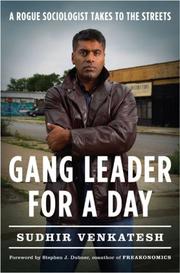
A sociologist studies a Chicago crack-dealing gang from the inside.
Recommended by: Mohnish Pabrai, Mark Zuckerberg
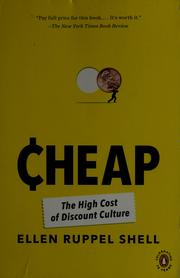
The economic, political and personal costs of making and buying everything cheaply.
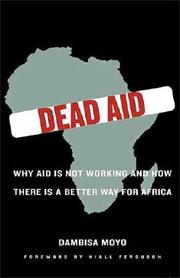
The case that aid has harmed Africa and that bond markets should replace it.

What Starbucks sells besides coffee, from visits to hundreds of its stores.

Saudi Arabia's oil wealth, religious establishment and attempts at reform.
A critical account of Poland's move to a market economy tied to European production.
A labour historian on Wal-Mart as the new template for capitalist organisation.
How Wal-Mart's culture and labour model were built.
The developers, bankers and politicians behind Ireland's property bubble.
The migrant districts on the edges of growing cities, where rural people move to.

How free tap water became bottled water, one of the most profitable products sold.
How Dubai became a centre for business and luxury, and the migrant labour beneath it.
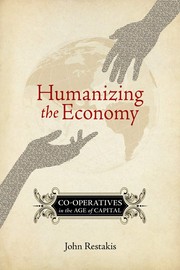
The case for co-operatives as an alternative to state and investor ownership.
Ageing as a global economic and political force, country by country.
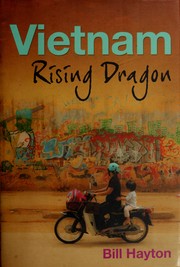
Vietnam's rapid change under Party control, state firms and the doi moi reforms.
Dubai governed openly as a company, and what that means for those who invest there.
A sceptical review of what the evidence on microfinance shows.

How tobacco chemists engineered cigarettes, drawn from the industry's own documents.
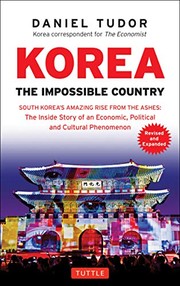
An introduction to South Korea's history, religion, culture and society.
Why people misjudge advantage, and how underdogs win.
“…books I've recommended, highlighted to death, or forced on friends.” — Andrew Wilkinson
Source: Andrew Wilkinson's Bookshelf, neverenough.com
Recommended by: Andrew Wilkinson, John C. Bogle and 2 others
How News Corporation sets its editorial practice, after the phone hacking scandal.
Why today's leaders in states, firms and armies hold less power than before.
Recommended by: Mark Zuckerberg
Why falling birth rates, not overpopulation, are the economic danger.
A history of African American cooperatives and collective economic action.
Papers on complexity economics and increasing returns, with commentary.
How Star Wars merchandise came to outgrow the films that created it.
Indonesia's contradictions, and what its decentralised state means for business.
How Costco, Trader Joe's and QuikTrip pay well and still undercut their rivals.
The commodity traders of oil, metals and grain, at banks and independent houses.
Bangladesh's garment industry, the Rana Plaza collapse and the Lancashire trade.
How China's private entrepreneurs, from Alibaba to Xiaomi, built companies at scale.
A critique of the Gates Foundation and the rise of philanthrocapitalism.
Greece's crisis seen in its villages and streets: tax evasion and informal work.
The case against the sharing economy: platform power, housing and regulatory dodges.
A sociologist trains as a wealth manager to show how fortunes are shielded offshore.

How oil rebuilt Kuwait City and how land deals made its merchant fortunes.
Data on how digital distribution shifted power from studios to streamers.
A worker's guide to the gig economy and how platforms price labour.
How platforms for exchange between people work, and what they mean for jobs.
Studies of inequality in Thailand: income, wealth, land, education and power.

Southeast Asia's politics and conflicts, seen by a mediator at the negotiating table.
How Rudy Kurniawan faked rare Burgundy wines, and how he was caught.

What older consumers want and buy, against the stereotypes firms design for.
Africa's 400 companies with over a billion dollars in revenue, and the market ahead.
How specific decisions, not a pipeline shortage, shut women out of Silicon Valley.
“I read Emily Chang’s book Brotopia: Breaking Up the Boys’ Club of Silicon Valley the day it came out. Yes – I stayed up until after midnight (way past my bedtime) reading it. It’s powerful.” — Brad Feld
Source: Book: Brotopia: Breaking Up the Boys' Club of Silicon Valley — Feld Thoughts
Recommended by: Brad Feld, Aaron Levie, Aileen Lee and 4 others
The revival of co-operatives and member ownership, online platforms included.

The insecure jobs and falling mobility behind Germany's export success.
Gig workers, from an Uber driver to freelancers, followed over months of work.
The gig economy's promises and realities, and the law on classifying its workers.
Network science on how success and reputation build up unequally.
“This book transforms how our success-obsessed society approaches their professional careers and long-term goals.” — Vinod Khosla
Source: 2019 Book Recommendations — Vinod Khosla, Medium
Recommended by: Vinod Khosla, Nassim Nicholas Taleb
Four years with Uber drivers: how the app's algorithms manage their work.
How deeply the economies of Mexico and the United States are now integrated.
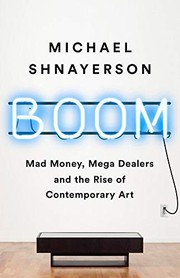
The rise of the mega-galleries and the money in the contemporary art market.
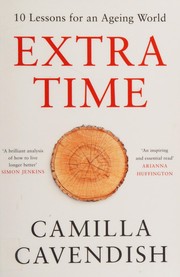
How a dozen countries respond as people over 65 come to outnumber small children.
A framework for post-communist regimes, built on the Hungarian case.
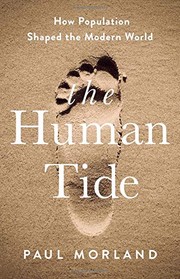
How population change and migration made and unmade nations over two centuries.
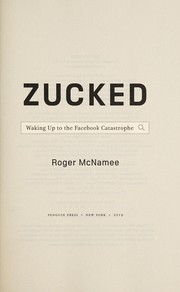
An early Facebook investor and mentor explains why he turned against it.
“I read Roger McNamee’s book Zucked: Waking Up to the Facebook Catastrophe the day it came out. While likely uncomfortable for a lot of people, it was excellent, provocative, and challenging all at the same time.” — Brad Feld
Source: Book: Zucked: Waking Up to the Facebook Catastrophe — Feld Thoughts
Recommended by: Brad Feld, Marc Benioff
Wealth, land and conservation in the American West.
Recommended by: Matt Mullenweg

How a West Virginia town of 382 people got 12 million opioid pills in three years.
Labour at Foxconn, Apple's supplier, from workers' testimony and internal papers.
Market concentration in America, sector by sector, through the people it affects.

Why multi-level marketing's economics need constant recruitment to survive.
Why rich societies have settled into stagnation, repetition and sterility.
Recommended by: Peter Thiel
The Uber engineer whose blog post on harassment brought down its leaders.
A political demographer on what population numbers do and do not determine.

How monopoly intermediaries take the earnings of writers, musicians and artists.

An investigative case against the power of the Gates Foundation.
The social traits that the authors argue sustain Israel's success.
How ownership of American agriculture came to sit with a few families and firms.
A lawyer's memoir of fighting wrongful convictions, such as Walter McMillian's.
Recommended by: Richard Branson, Barack Obama and 2 others


How too much change in too short a time strains people and whole societies.
“Future Shock did not disappoint me – it was stunningly interesting, even 40 years later.” — Brad Feld
Source: Book: Future Shock — Feld Thoughts
Recommended by: Brad Feld, Howard Marks, Kevin Kelly and 1 other

An essay, from lectures at Cambridge colleges, on women, money and writing fiction.
Recommended by: Mohnish Pabrai

How each reader can build and defend an inner self through culture.
Recommended by: Tim O’Reilly
A philosopher's view of Western culture sinking to its lowest common denominator.
Recommended by: Patrick Collison
Essays for reflection and free enquiry, from fascism's roots to "useless" knowledge.
Recommended by: Nat Eliason, Patrick Collison, Ed Cooke

Working-class life in the industrial north of England in the 1930s, and a polemic.
Recommended by: David Heinemeier Hansson

The argument that play is primary to culture and a condition of it.
Recommended by: Stewart Brand

Why people flee from freedom into totalitarianism: a psychoanalyst's account.
Recommended by: Nat Eliason
Essays on farm life in Maine, written after leaving New York City.
Recommended by: Ann Handley

A basic social theory of what makes a society legitimate, applied to industry.

A guide to learning more than one language, focused on Europe's languages.
“There's one, it's a bit dense; there are some things to be taken from it called the Loom of Language.” — Tim Ferriss
Source: The Tim Ferriss Show Transcripts: Drunk Dialing — Ladies Night Edition (#197)
Recommended by: Tim Ferriss, Eric Weinstein

A study of radical thought and the methods of community organising.
Recommended by: Ryan Holiday

The third of the early books on industrial society: work, management and labour.
An analysis of the Western idea of "woman" and of inequality and otherness.
Recommended by: Arianna Huffington, Laura R Walker
A critique of mass communication through ads, comic strips and columns.
Recommended by: Patrick Collison
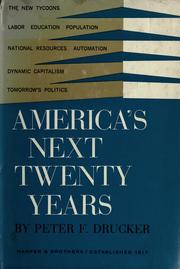
Forecasts for the United States over two decades, drawn from trends already set.
A forecast of changes in three areas of life, starting with a shift in philosophy.
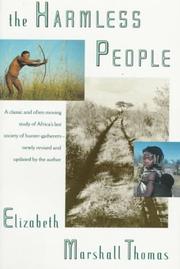
An expedition into the Kalahari to study the Bushmen and their way of life.
“If you want to learn more about hunter gatherers I strongly recommend Elizabeth Marshall Thomas's The Harmless People and The Old Way.” — Paul Graham
Source: Defining Property
Recommended by: Paul Graham
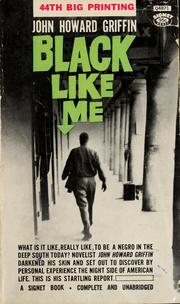
A white journalist darkens his skin and lives as a Black man in the 1950s Deep South.
Recommended by: David Kadavy
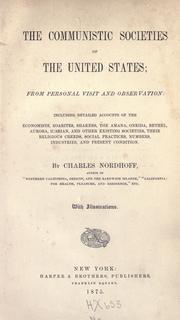
A reporter's first-hand account of America's nineteenth-century utopian communities.
Recommended by: Balaji S. Srinivasan

How cities developed, from Egypt and Mesopotamia through Greece and Rome to today.
Recommended by: Keith Rabois, Patrick Collison

A factual portrait of Texas in all its size and complexity.
Recommended by: Paul Graham

A media theorist's study of print and communication that foresaw the global village.
Recommended by: Patrick Collison
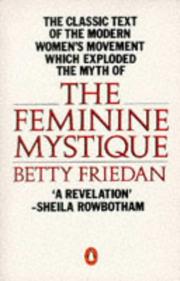
"The problem that has no name": the beliefs that kept women confined to the home.
Recommended by: Patrick Collison
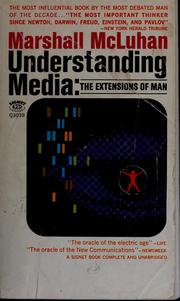
Recommended by: Patrick Collison, Cynthia Johnson and 1 other
Why people with a shared interest often fail to act together for it.
“The answer lies in the work of an obscure thinker, the late Mancur Olson, best known among economists for a thin, insightful book, The Logic of Collective Action.” — William J. Bernstein
Source: Efficient Frontier, issue 704 (2004)
Recommended by: Nat Eliason, William J. Bernstein

Twenty essays on the mood of America in the 1960s, most of all in California.
“I think anything by Joan Didion in the early years; Slouching Towards Bethlehem, The White Album are two of my favorite books.” — Kara Swisher
Source: The Tim Ferriss Show Transcripts: Kara Swisher (#218)
Recommended by: Kara Swisher, Audrey Gelman
A picture book on how new media and technology change society and the individual.
Recommended by: Tim Ferriss
Following Ken Kesey and the Merry Pranksters through the 1960s counterculture.
Recommended by: Jim Collins, Stewart Brand, Tim O’Reilly

A warning that overpopulation would bring mass starvation and upheaval.
Recommended by: Paul Graham

Four breaks with the postwar world, from a global economy to knowledge as capital.
Recommended by: Patrick Collison

Fourteen essays of reporting and criticism on the troubled issues of the 1960s.
Recommended by: Patrick Collison

Essays on technology, its history and its link to management and society.
Recommended by: Patrick Collison

Profiles of 1960s and 1970s pop-culture figures, from Julia Child to Ayn Rand.
Recommended by: Audrey Gelman
A community organiser's practical guide to running a movement for change.
Recommended by: Ryan Holiday, Balaji S. Srinivasan
Margaret Mead, Buckminster Fuller, Marshall McLuhan and others on the future.
Recommended by: Patrick Collison
How people's beliefs and behaviour are shaped by others.
Recommended by: Ramit Sethi, Sahil Lavingia
Interviews with working people in a wide range of jobs.
Recommended by: Ev Williams
Why customs that look irrational come from concrete social and economic conditions.
“Mind-blowing anthropology. Great argument that the reasons that religions worship cows or hate pigs, that tribes wage wars, or Europe's 200 years of witch hunts, are all very practical economic reasons usually unknown to the participants or washed out of history. But they're revealed here in zoomed-out hindsight. My notes here can't describe it. You have to read the whole book. Riveting.” — Derek Sivers
Source: Derek Sivers book notes (primary, rated list) · Rating: 9/10
Recommended by: Derek Sivers, Mohnish Pabrai

Freud, Marx and Lévi-Strauss as cases of the Jewish struggle with Gentile civility.
Recommended by: Marc Andreessen
How Western punishment changed and the prison became its main form.
Recommended by: Nat Eliason
Models that explain how earnings and wealth are distributed in the United States.
Recommended by: Paul Graham

The founding text of sociobiology, the biology of social behaviour across species.
Recommended by: Mohnish Pabrai
How employee pension funds came to own a controlling share of American industry.


How food supply and environment shaped the origins of human cultures.
Recommended by: Mohnish Pabrai
A critique of 'primitive versus advanced' views of the mind across human societies.
Recommended by: Bret Victor

Recommended by: Marc Andreessen
A critique of the narcissistic personality that modern American culture produces.
Recommended by: Antonio García Martínez
The life of the Indian people of the Bay Area before Europeans arrived.
Recommended by: Patrick Collison
Western seekers who came to India for its mysticism, seen by an Indian writer.
Recommended by: Mohnish Pabrai
Essays from the seventies on economics, management and how they meet.
How the move from oral cultures to writing changed thought, personality and society.
Recommended by: Patrick Collison
How television exposes children to adult life too early and erodes childhood.
Recommended by: Patrick Collison
Nations as imagined communities: where nationalism came from and how it spread.
Recommended by: Balaji S. Srinivasan

How Americans from Kitty Hawk to the Second World War invested great hope in flight.
Recommended by: Patrick Collison
Fifteen essays and speeches on difference by sex, race and sexuality, and on power.
Recommended by: Audrey Gelman
"Loving too much" as a pattern some women develop from their family backgrounds.
Recommended by: Noah Kagan
A collection of writings on werewolves in Western culture.
Recommended by: Tim Ferriss

San Francisco's counterculture and its links to Silicon Valley.
Recommended by: Patrick Collison
Essays on language, education, mass media and the social effects of technology.
Recommended by: Patrick Collison
How bureaucratic corporations shape managers' personal ethics.
Recommended by: Patrick Collison
How English regional cultures shaped early American society and its regions.
Recommended by: Balaji S. Srinivasan
How media in democracies serve state and corporate power while claiming independence.
Recommended by: Eric Weinstein
The new limits of government, political leadership and the transnational economy.

A journey through India following the arrival of the summer monsoon.
Recommended by: Mohnish Pabrai
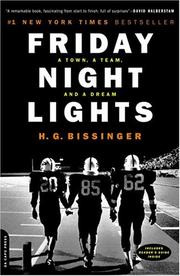
A season with Odessa's Permian Panthers, a Texas high-school football power.
Recommended by: Jim Collins, Brian Grazer

How communities manage shared resources without either the state or the market.
Recommended by: Patrick Collison, Stewart Brand
The lives of India's women of every class, and the Indian women's movement.
Recommended by: Mohnish Pabrai
An inquiry into the psychopathology of journalism.
Recommended by: Patrick Collison, Audrey Gelman and 1 other

How junk science is used by expert witnesses in American courts.
Recommended by: Mohnish Pabrai
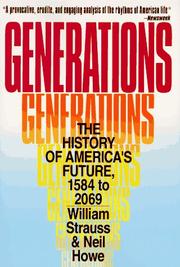
American history as a run of generations, and the theory that they repeat.
Recommended by: Mohnish Pabrai, Tony Robbins
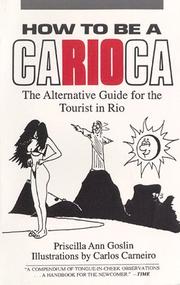
An alternative guide to life and customs in Rio de Janeiro.
Recommended by: Patrick Collison
The cultural rift between America and Japan, through people working across it.
A collection of satirical reporting on war and politics.
Recommended by: Eric Weinstein
A counsellor's guide to the differences between men and women in relationships.
Recommended by: Mohnish Pabrai
How a culture hands its judgement to machines, statistics and technical experts.
“Another one by him is called Technopoly, which also is about how when culture surrenders to technology.” — Tristan Harris
Source: The Tim Ferriss Show Transcripts: Tristan Harris — Fighting Skynet and Firewalling Attention (#387)
Recommended by: Patrick Collison, Tristan Harris
The true story of a polite, fast and carefully planned gang of bank robbers.
Recommended by: Mohnish Pabrai
How developed economies moved from capitalism to a knowledge society.
Essays on 'social ecology': how societies and institutions change, Japan included.
Stories of very different lives in the Indian state of Uttar Pradesh.
Recommended by: Mohnish Pabrai
A humorist's take on famine, overpopulation, plague and the world's other worries.
Recommended by: Tucker Max
Buildings as processes that change after they are built, and how to design for it.
“Through Stewart Brand's work, beginning with How Buildings Learn (one of my favorite books) and his work with the Long Now Foundation, I learned to look at time differently, and technology differently, and to think about how time is cooked into everything we do today, especially as regards the ephemeral nature of all the time spent on computers and in online media.” — Caterina Fake
Source: The Anthrobscene – Caterina.net
Recommended by: Caterina Fake, Derek Sivers, Kevin Kelly and 4 others

Whether adults can meet the mental demands of modern life.
Recommended by: Graham Duncan, Ray Dalio
The claim that intelligence shapes income and status in America, and its effects.
Recommended by: Eric Weinstein

Two collections of comic essays on the fads and absurdities of city life.
Recommended by: Audrey Gelman

A water contamination case in Woburn, Massachusetts, and the lawsuit it led to.
Recommended by: Mohnish Pabrai
Collected journalism of a satirist who went from student radical to conservative.
Recommended by: Eric Weinstein
Bandwidth, multimedia, virtual reality and the internet, explained without hype.
“Technology is transforming society as the computer moves from a business tool to a home appliance, and as the effects and implications of Being Digital, as Nicholas Negroponte’s new book has it, come to be instantiated.” — Bill Miller
Source: 1995 Q2 Market Commentary
Recommended by: Bill Miller, Mohnish Pabrai
Multiculturalism and political intolerance on campus.
How America's professional and managerial elites threaten democracy.
Recommended by: Nat Eliason
Why failed social policies follow from the vision of a self-appointed elite.
Recommended by: Marc Andreessen, Keith Rabois
Essays by 21 young activists who recast feminism from their own lives.
Recommended by: Audrey Gelman

How economics can explain tastes rather than take them as given.
Recommended by: Eric Weinstein
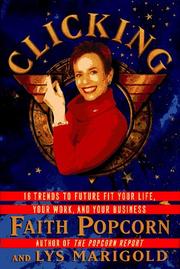
Sixteen major trends, from Pleasure Revenge to Icon Toppling, and how to use them.
Recommended by: Mohnish Pabrai
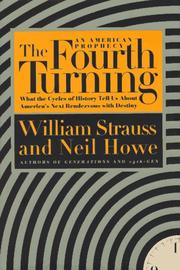
American history as a repeating cycle of four generational turnings, each 20 years.
Recommended by: Balaji S. Srinivasan, Mohnish Pabrai and 3 others
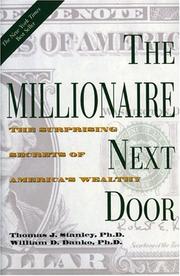
Survey research showing most American millionaires live modestly and save hard.
Recommended by: Jim Collins, Mohnish Pabrai and 3 others
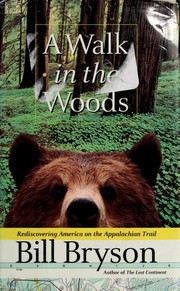
A comic attempt to walk the Appalachian Trail with a friend.
“I am going to throw one more hat in the ring, and that is Bill Bryson, and for people who want a place to start, A Walk in the Woods, which is Rediscovering America on the Appalachian Trail, is just an outstanding, outstanding book, also very, very good with timing.” — Tim Ferriss
Recommended by: Tim Ferriss
150 essays on the events that shaped the city of Chicago.
Recommended by: Mohnish Pabrai

Comic essays on a life from a Raleigh childhood to drink- and drug-filled college.
Recommended by: Sophie Bakalar
Glimpses of modern India and its contrasts: democracy, caste, wealth and poverty.
Recommended by: Mohnish Pabrai
Thirty-two rants, essays and parodies from Suck, a daily web column.
Recommended by: Patrick Collison

Writers on the first books they loved and how they became readers.
Recommended by: Mohnish Pabrai
How humans came to have such unusual sex lives compared with other animals.
“When the author of a book on poker references some of my favorite books like Why Is Sex Fun?, Guns, Germs and Steel (both by Jared Diamond) and How the Mind Works by Steven Pinker (one that’s arrived, but not yet read), my curiosity was piqued.” — Mohnish Pabrai
Source: Pabrai Investment Funds letter to partners (101103), page 6
Recommended by: Mohnish Pabrai
An analysis of Nike's brand-marketing machine at its peak, built on the swoosh.
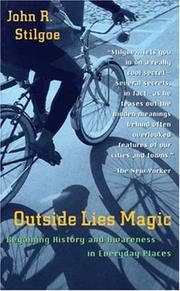
How to observe ordinary things closely in everyday places.
“John Stilgoe who is also at Harvard is trying to teach it and wrote an interesting book recently entitled “Outside Lies Magic”.” — Nick Sleep
Source: Nomad Investment Partnership - Letters to Partners, complete collection 2001-2013, page 83
Recommended by: Nick Sleep

A defence of technology, enterprise and progress against those who lament them.
Recommended by: Patrick Collison
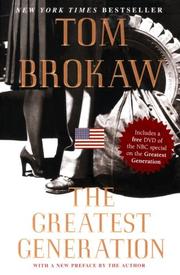
The stories of the Americans who fought the Second World War, from a TV journalist.
Recommended by: Mohnish Pabrai

The Jewish gangsters of Brooklyn in the 1920s and 1930s.
Recommended by: Ryan Holiday
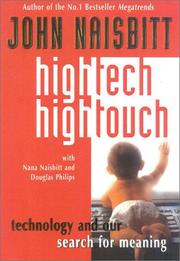
Why people long for human contact in a world full of technology, and its dangers.
Recommended by: Mohnish Pabrai
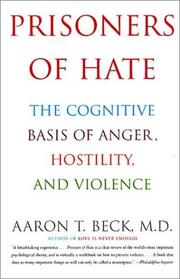
Cognitive therapy applied to the thinking behind anger, hostility and violence.
Recommended by: Mohnish Pabrai
A survey of research on how we make sense of other people and ourselves.
Recommended by: Mohnish Pabrai, Nassim Nicholas Taleb
A polemic on the human cost of India's great dam projects.
Recommended by: Mohnish Pabrai
Globalization as the new international system, seen from Amazon farms to Wall Street.
Recommended by: Mohnish Pabrai
A history of reggae music and the Jamaicans who made it.
Recommended by: Daniel Ek
A memoir of growing up between a Black mother and a Jewish father.
Recommended by: Audrey Gelman
Essays and fiction on American life, from teenagers' manners to new technology.
Recommended by: Mohnish Pabrai
Comic essays, among them a humorist's attempt to learn French after moving to Paris.
Recommended by: Ev Williams
Mass incarceration in America and what it does to African-American men.
Recommended by: Bill Gates, Mark Zuckerberg, Sahil Lavingia
True tales of the young entrepreneurs, engineers and dreamers of Silicon Valley.
Recommended by: Mohnish Pabrai
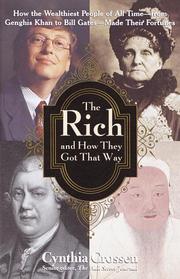
Biographies of the richest people in history and how they made their money.
Recommended by: Mohnish Pabrai
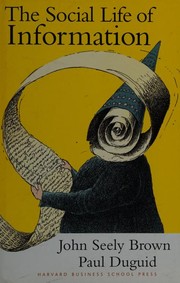
Why information technology does not sweep away the social life around it.
Recommended by: Ev Williams
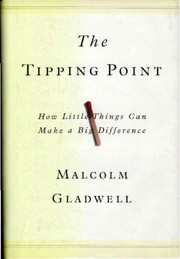
How ideas and behaviour spread like epidemics, and the three factors that tip them.
“As Yogi Berra said, "It's tough to make predictions, especially about the future." As anyone who has read Malcolm Gladwell's book, THE TIPPING POINT, will understand, pressures for a significant reversal can build with no apparent effect until they reach a certain point.” — Christopher Browne
Source: Tweedy, Browne Fund Inc. N-CSR shareholder report, fiscal year ended March 31, 2006
Recommended by: Christopher Browne, Jim Collins and 6 others
How the internet let amateurs topple old professions such as lawyers and stock gurus.
Recommended by: Nat Eliason, Ryan Holiday
A writer works low-wage jobs to test whether any job means a better life.
Recommended by: Mohnish Pabrai
How rituals, ceremonies and mass advertising create common knowledge.
Recommended by: Mark Zuckerberg

Two years as a Peace Corps English teacher in the Chinese river city of Fuling.
“Memoir of an American 27-year-old spending two years teaching English in a small city in Western China from 1996-1998. Interesting to watch his progression of getting more comfortable there.” — Derek Sivers
Source: Derek Sivers book notes (primary, rated list) · Rating: 7/10
Recommended by: Derek Sivers, Patrick Collison
Why foreign aid, investment and other remedies failed to make tropical nations rich.
Recommended by: Mohnish Pabrai
How American immigration policy, made for show at home, harmed Mexico and America.
Recommended by: Bill Gates
More than 240 literary and political essays.
Recommended by: Ryan Holiday, Guy Spier

A collection of essays, including the one known as the Harper's essay.
Recommended by: Patrick Collison

Interviews with centenarians and their lessons on living well for a very long time.
Recommended by: Mohnish Pabrai
The science of networks, and why social networks, companies and organisms are alike.
“Barabasi, Albert-Laszlo, Linked: How Everything is Connected to Everything Else and What It Means (New York: Perseus Books, 2002)” — Michael Mauboussin
Source: Exploring Network Economics, page 15
Recommended by: Michael Mauboussin, Mohnish Pabrai
The growing role of creativity in the economy and the class that does creative work.
Recommended by: Nat Eliason
Essays from five decades on community, society and how they function.
The case that prisons, grown into a private industry, should be replaced.
Recommended by: Patrick Collison
America's black market, seen through sex, drugs and cheap labour.
Recommended by: Jim Collins, Mohnish Pabrai
How Eastern and Western cultures see and think about the world differently.
Recommended by: Satya Nadella
Why Western life has improved so much while people feel less happy.
Recommended by: Mohnish Pabrai

An essayist probes her family, California's settlers and the myth of self-reliance.
Recommended by: Ann Handley
Why television and video games have grown more complex and demanding.
Recommended by: Ev Williams
Rural poverty in India, from a foundation's humanitarian work there.
Recommended by: Mohnish Pabrai
An insider's Bombay: rival gangs, a bar dancer's life and other corners of the city.
Recommended by: Mohnish Pabrai
Habits that hold women back at work, and how to change them.
Recommended by: Noah Kagan
The Dukes v. Wal-Mart sex discrimination case and the women who brought it.

Where the worry about others' judgement of us comes from, and how people overcome it.
Recommended by: Andrew Wilkinson, Garry Tan
US fiscal promises far exceed future revenue, which official debt figures hide.
“A New Book by Kotlikoff and Burns I normally don't go in for doom and gloom, but The Coming Generational Storm by economist Larry Kotlikoff and finance writer Scott Burns should be on every citizen’s bookshelf.” — William J. Bernstein
Source: Efficient Frontier, issue 404 (2004)
Recommended by: William J. Bernstein
A natural history of how strangers came to cooperate in economic life.
Recommended by: Mohnish Pabrai, Patrick Collison
How companies can serve the world's poor profitably and reduce poverty in doing so.
Recommended by: Mohnish Pabrai
When groups judge better than experts, and the four conditions that make it work.
“Mind-blowing examples of how groups of diverse people acting independently are smarter than any one person in the group. Has huge implications for management, markets, decision-making, and more.” — Derek Sivers
Source: Derek Sivers book notes (primary, rated list) · Rating: 7/10
Recommended by: Derek Sivers, Jim Collins and 5 others
A doctor on why affluent Americans are overworked, stressed and never satisfied.
Recommended by: Simon Sinek
Incentives and data applied to cheating teachers, sumo wrestlers and other puzzles.
“Also, see the story of cheating in the Chicago Public School system in Steven D. Levitt and Stephen J. Dubner, Freakonomics: A Rogue Economist Explores the Hidden Side of Everything (New York: Harper Perennial, 2009), 23-35” — Michael Mauboussin
Source: Blaming the Rat: Incentives, Motivation, and How They Interact, page 14
Recommended by: Michael Mauboussin, Mohnish Pabrai and 7 others
How the world's poorest people can escape extreme poverty.
Recommended by: Mohnish Pabrai, Bill Gates

Inside a community of men perfecting seduction techniques, and one man's doubts.
Recommended by: Ryan Holiday, Nat Eliason
How free parking costs society, and why parking should be priced and deregulated.
Recommended by: Bill Gurley
How economic growth affects democracy, moral life and political participation.
Recommended by: Mohnish Pabrai, Patrick Collison

An evolutionary biologist's theory of how empires rise and fall.
Recommended by: Balaji S. Srinivasan

How overconsumption harms quality of life, work and family.
Recommended by: The Barefoot Investor

How financial economics changed the markets it set out to describe.
“There’s a wonderful chapter about LTCM in “An Engine, Not a Camera: How Financial Models Shape Markets” by Donald MacKenzie, a professor of sociology at the University of Edinburgh.15 The most recent issue of a bond is called on-the-run.” — Michael Mauboussin
Source: Animating Mr. Market: Adopting a Proper Psychological Attitude, page 6
Recommended by: Michael Mauboussin
China's transformation over forty years, told through five university classmates.
Recommended by: Patrick Collison
How computers went from tools of the Cold War to symbols of the counterculture.
Recommended by: Patrick Collison
A textbook on the health of the whole world for students.
Recommended by: Bill Gates
The economic and social case for immigration.
Recommended by: Patrick Collison
Interviews with nine Hutu killers of the Rwandan genocide.
Recommended by: Steph Smith

A history of medical experiments on Black Americans, from slavery to today.
Recommended by: Sophie Bakalar
A boy from a poor, broken home discovers football and rises to the NFL.
Recommended by: Jim Collins, Ev Williams
Humanity at a turning point, and how to use technology to solve its problems.
Recommended by: Richard Branson
Life among the San hunter-gatherers of southern Africa.
“If you want to learn more about hunter gatherers I strongly recommend Elizabeth Marshall Thomas's The Harmless People and The Old Way.” — Paul Graham
Source: Defining Property
Recommended by: Patrick Collison, Paul Graham, Sam Altman
How the internet changed the way information is produced, and what follows.
Recommended by: Patrick Collison, Mike Maples, Jr.
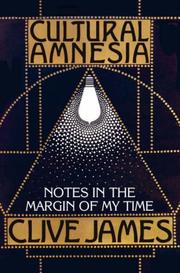
Over one hundred essays on twentieth-century thinkers, artists and musicians.
“It's a book by a writer called Clive James and it is called Cultural Amnesia. And, first off, he is so learned that you just want to read what he has to say, and I assume he's not making this up, but he says, well, I wanted to read Proust, but I didn't know French so I started with [inaudible] and start learning French.” — Frank Blake
Source: The Tim Ferriss Show Transcripts: Frank Blake (#303)
Recommended by: Frank Blake, Patrick Collison
How individuals and companies can give time and money to solve problems.
Recommended by: Mohnish Pabrai
A train journey across India fifty years after independence, to see how it changed.
Recommended by: Mohnish Pabrai
A history of the NBC broadcast network, which Comcast bought in 2011.
Poverty around the world in its hopelessness, brutality, pride and fear.
Recommended by: Emmett Shear

France's maps, migrations, languages and tribal disputes, from 1789 to 1914.
“Do read Graham Robb's The Discovery of France and try to dig up a useful architectural guide to the city.” — Tyler Cowen
Source: My advice for a Paris visit — Marginal Revolution
Recommended by: Mohnish Pabrai, Tyler Cowen and 1 other

How private foundations work and drive social change.
Recommended by: Bill Gates, Peter Thiel

A Cambodian woman sold into sexual slavery as a child tells her story.
Recommended by: Aileen Lee
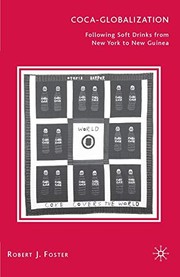
How Coca-Cola's bottling and distribution reached consumers as far as New Guinea.
The wide-reaching effects of the internet on how people come together.
“Like Wikinomics and Crowdsourcing, required reading if interested in harnessing the collective power of people online.” — Derek Sivers
Source: Derek Sivers book notes (primary, rated list) · Rating: 6/10
Recommended by: David Perell, Derek Sivers, Ryan Holiday and 2 others
How organised crime went global after the Soviet collapse and financial deregulation.
Recommended by: Vinod Khosla
How foundations and donors can design strategy for effective giving.
Recommended by: Bill Gates
How timing, culture and accumulated advantage explain exceptional success.
“Deep study of why some people are so much more successful. Often due to circumstances and early opportunities, but really comes down to the fact that it takes about 10,000 hours of hard work to master something.” — Derek Sivers
Source: Derek Sivers book notes (primary, rated list) · Rating: 5/10
Recommended by: Derek Sivers, Howard Marks and 11 others
The claim that average IQ differences between races explain inequality worldwide.
Recommended by: Mohnish Pabrai
How open-source and pirate culture are changing control of information.
Recommended by: Ryan Holiday
Life stories from sixty-five countries in more than 440 colour photographs.
Recommended by: Mohnish Pabrai

India's past, present and future through the ideas that have shaped it.
Recommended by: Mohnish Pabrai
Intellectuals as idea workers, and how their ideas shape society and its policies.
Recommended by: Marc Andreessen
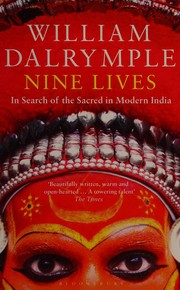
Nine people in India, among them a monk and a Jain nun, and how they live faith.
Recommended by: Mohnish Pabrai
A novel: 17 super-rich Americans, Warren Buffett among them, unite to fix government.
Recommended by: Mohnish Pabrai
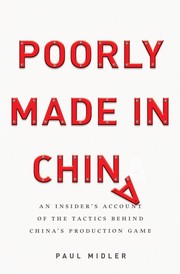
An insider on the tactics of Chinese factories that make goods for Western importers.
Recommended by: Patrick Collison
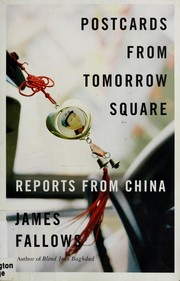
Ten essays on China's economic and political change and what it means for America.
Recommended by: Patrick Collison
How mass immigration and Islam changed Europe without forming a melting pot.
Recommended by: Patrick Collison

A Los Angeles gangster who spent six years inside young Hollywood's circles.
Recommended by: Cynthia Johnson
Data and incentives applied to climate, crime and altruism.
“I recommend this book to anyone who reads nonfiction. It is very well written and full of great insights.” — Bill Gates
Source: Gates Notes review of SuperFreakonomics
Recommended by: Bill Gates, Mohnish Pabrai
A memoir of moving from international banking to founding Acumen, an impact investor.
Recommended by: Mohnish Pabrai
A look at modern work in its many forms, its pleasures and its pains.
“Thoughtful rambling observations on different lines of work. Personal tales of his time spent observing different industries like fishing, counseling, shipyards, or walking along electric towers. Some tangential insights along the way.” — Derek Sivers
Source: Derek Sivers book notes (primary, rated list) · Rating: 2/10
Recommended by: Andrew Wilkinson, Derek Sivers

Why the loss of the world's cultures and their wisdom matters.
Recommended by: Patrick O'Shaughnessy
Essays on puzzles such as choking versus panicking and why ketchup has one variety.
“A pretty-good collection of his articles from the past few years. While most are somewhat interesting, it felt a little like surfing the net or TV. Lots of “huh”, but no lasting insights. More entertainment than education.” — Derek Sivers
Source: Derek Sivers book notes (primary, rated list) · Rating: 2/10
Recommended by: Derek Sivers, Mohnish Pabrai
How commerce, architecture and technology shaped the modern home.
Recommended by: Andrew Wilkinson, Mohnish Pabrai and 1 other

French culture and national character, explained beyond the stereotypes.
Recommended by: Tim Ferriss

Chinese culture explained through the quirks of the Mandarin language.
“American lived in China for three years and wrote this adorable book about the Chinese language and some cultural insights. Instead of shopkeepers saying “have a nice day” they say “walk slowly”. The word for “careful” means “small heart”. Many more like this. 热闹 “hot noisy” helped explain something I had always wondered about Chinese culture.” — Derek Sivers
Source: Derek Sivers book notes (primary, rated list) · Rating: 8/10
Recommended by: Derek Sivers, Patrick Collison
The life of Doris Buffett and her giving through the Sunshine Lady Foundation.
Recommended by: Mohnish Pabrai
How comparing natural experiments of history answers questions labs cannot.
Recommended by: Mohnish Pabrai
The gritty reality behind the hoop dreams of America's young basketball prodigies.
Recommended by: Jeff Jordan
A challenge to the standard story that monogamy comes naturally to humans.
Recommended by: Noah Kagan, Naval Ravikant
The long-run trends set to reshape economies and markets over the coming decades.

Two centuries of population politics, from eugenics to China's family planning.
Recommended by: Stewart Brand
The decades-long migration of black Americans out of the South.
Recommended by: Barack Obama, Michelle Obama
A long-run study of Boeing's workers and managers through restructuring.
A mogul's fight with a feuding family for control of the Wall Street Journal.
Recommended by: Mohnish Pabrai
The rise of economic models based on sharing and collective consumption.
Recommended by: Lauren Capelin
The patterns of history behind the West's rise, and what they say about the future.
Recommended by: Stewart Brand
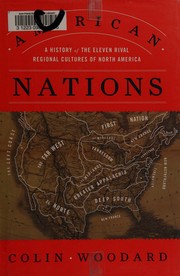
The eleven rival regional cultures, or nations, that make up North America.
Recommended by: Jack Dorsey
Families striving for a better life in one of the great, unequal cities.
Recommended by: Bill Gates, Mohnish Pabrai, Nick Thompson
The hard economics of cocoa in West Africa, from child labour to smallholders.
Debt came before money and barter, and its history is one of forgiveness and revolt.
Recommended by: Patrick Collison
Why common sense misleads people when they try to explain how the world works.
“Tonight’s book was Everything Is Obvious* which was cleverly subtitled *Once You Know The Answer with a special bonus subtitle How Common Sense Fails Us by Duncan Watts. And yes – for those of you keeping track at home, I didn’t read a book last night; I was working on mine instead. I enjoyed this book.” — Brad Feld
Source: Book: Everything Is Obvious* — Feld Thoughts
Recommended by: Brad Feld, Derek Sivers, Michael Mauboussin and 1 other
Why the world is getting better even as the income gap grows.
Recommended by: Bill Gates
Chungking Mansions in Hong Kong, the guesthouse block at the heart of global trade.
Recommended by: Patrick Collison, Diana Kimball
A survivor of the sex trade on escaping it and founding GEMS to help girls.
Recommended by: Audrey Gelman
A guide for donors on giving to charities and nonprofits well.
Recommended by: Andrew Wilkinson, Bill Gates
A portrait of modern India told through the lives of its people.
Recommended by: Mohnish Pabrai
What tested evidence shows about how to help the world's poor.
Recommended by: Bill Gates, Mohnish Pabrai
A year inside the closing of an old Detroit car stamping plant.
Recommended by: Mohnish Pabrai
How the problem-solving and teamwork of games could solve real-world problems.
“While this book was not out at the time of this writing, this is likely another useful resource: Jane McGonigal, Reality is Broken: Why Games Make Us Better and How They Can Change the World (New York: Penguin Press, 2011).” — Michael Mauboussin
Source: Blaming the Rat: Incentives, Motivation, and How They Interact, page 14
Recommended by: Michael Mauboussin, Mohnish Pabrai
Why crime in New York fell by 80 per cent, twice as much as in the rest of America.
“Every one of these books changed my worldview, and I highly recommend them if you're looking for inspiring reading.” — Bill Gates
Source: My top reads of 2012 — Gates Notes
Recommended by: Bill Gates
How the internet changed politics and economies in Iran, Estonia, Korea and Senegal.
Recommended by: Patrick Collison, Balaji S. Srinivasan
How work, work-life balance and careers are changing.
Recommended by: Mohnish Pabrai
The hidden sources of love, character and achievement, and how people succeed.
Recommended by: Mohnish Pabrai
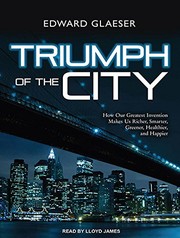
How dense cities make people more productive, inventive and green.
“on the central role cities play in our world and why it's so important for us to build them” — Marc Andreessen
Source: @pmarca, companion thread to 'It's Time to Build'
Recommended by: Marc Andreessen, Mohnish Pabrai and 2 others

A guide to Japan's culture and its popular culture.
Recommended by: Tim Ferriss
A defence of finance, arguing that crises call for more financial innovation.
How networked thinking can transform government, research and the arts.
Recommended by: Patrick Collison, Ev Williams

A philosophical look at sex and relationships.
Recommended by: Ali Abdaal, Nat Eliason
A writer returns to India and meets the people living through its rapid change.
Recommended by: Patrick Collison
The emptying of America's mental hospitals, told through one mentally ill brother.
Recommended by: Balaji S. Srinivasan
The new global super-rich and the widening gap between them and everyone else.
Recommended by: Mohnish Pabrai

San Francisco from the late 1960s to the early 1980s, through its people.
Recommended by: Patrick Collison
Why the twenties matter, against the hype that trivialises that decade of life.
Recommended by: Nat Eliason, John Doerr
How knowledge changes in regular, measurable ways, and what that means for facts.
Recommended by: Bertalan Meskó
Human evolution retold, with group selection rather than kin selection at its core.
Recommended by: Mohnish Pabrai, Patrick Collison, Li Lu
Everyday life on the streets of nineteenth-century London.
Recommended by: Mohnish Pabrai
Lessons from the women who run Berkshire Hathaway businesses and sit on its board.
Recommended by: Mohnish Pabrai
What traditional societies can teach modern ones about living.
Recommended by: Bill Gates, Mohnish Pabrai
Why Canada's securities enforcement is weak, and what that costs investors.

Fracking in the Marcellus Shale, from West Virginia to New York.
Recommended by: Mohnish Pabrai
A philanthropist's campaign against hunger, after his father gave away his fortune.
Recommended by: Mohnish Pabrai, Warren Buffett

Why well-designed cities are the key to America's national challenges.
Recommended by: Patrick Collison
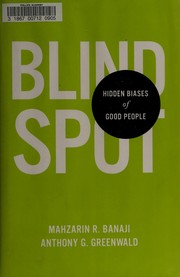
The science of the unconscious biases that good people hold toward others.
Recommended by: Mohnish Pabrai
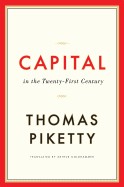
The long-run dynamics of wealth and inequality, and why capital concentrates.
Recommended by: Bill Gates, Mohnish Pabrai, Peter Thiel and 1 other
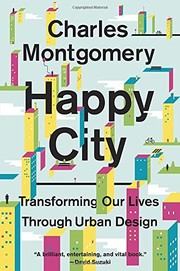
Whether dense city living can make people happier, and how cities can be designed.
Recommended by: Mr. Money Mustache

Methods for studying how people use city streets and public spaces.
Recommended by: Patrick Collison
An American woman's work in Senegal against female genital cutting.
Recommended by: Melinda Gates
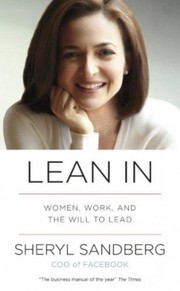
Why few women reach senior roles, and what women and firms can do about it.
Recommended by: Mohnish Pabrai, Richard Branson and 3 others
How grassroots innovation created jobs, challenge and change, by a Nobel economist.
Recommended by: Patrick Collison
An introduction to Girard's theory: mimetic desire, the scapegoat and the Bible.
Recommended by: Naval Ravikant
How entrepreneurs and tech investors are building companies in the Middle East.
“I had a copy of Startup Rising on my Kindle from a while ago but had never read it.” — Brad Feld
Source: Book: Startup Rising — Feld Thoughts
Recommended by: Brad Feld, Andrew Chen
The drivers of global change and where they will take civilization.
Recommended by: John Doerr
A series on office life through The Office: sociopaths, clueless managers and losers.
Recommended by: Nat Eliason

New translations of an Austrian satirist's essays, with extensive annotations.
Recommended by: Patrick Collison

Why Australia still has not made equality between men and women work.
Recommended by: Catriona Wallace
Glamour as a cultural force that shapes where people live, work, invest and vote.
Recommended by: Diana Kimball
Lessons on success and wealth from African American millionaires.
Recommended by: Warren Buffett
Washington's political culture of networking, branding and self-interest.
Recommended by: Patrick Collison

A team of investigators examines UFO cases around the world.
Recommended by: Balaji S. Srinivasan
How the wealthy give, and philanthropy's part in America's economic health.
Recommended by: Mohnish Pabrai
Where American charities fail, and a better way to give.
Recommended by: Mohnish Pabrai
A man jailed for murder becomes a lecturer and voice for criminal justice reform.
Recommended by: Ben Horowitz
A guide to making a difference in the world through giving.
Recommended by: Andrew Wilkinson
The genetic basis of race and its role in human history, from genome mapping.
Recommended by: Mohnish Pabrai
How people in China pursued fortune, truth and faith under authoritarian rule.
Recommended by: Patrick Collison, Nick Crocker
Delhi's new elite and the city's transformation by global capitalism.
Recommended by: Mohnish Pabrai

What the data people leave online reveal about human nature.
Recommended by: Mohnish Pabrai
Why elite American colleges turn out bright conformists without direction.
Recommended by: Mohnish Pabrai, Nat Eliason

Essays on carnival hokum, magical thinking and Washington's cult of expertise.
Recommended by: Patrick Collison

A new mother looks at the fears around vaccinating children.
Recommended by: Bill Gates, Mark Zuckerberg
How drug-war policing made a poor Philadelphia neighbourhood a surveillance state.
Recommended by: Alex Blumberg

The false cultural beliefs about divorce and marriage that cause needless heartache.
“there's a wonderful book on this topic called Sacred Cows: The Truth About Divorce and Marriage. I recommend checking it out if you find yourself thinking about this.” — Andrew Wilkinson
Source: Essay
Recommended by: Andrew Wilkinson
Why top graduates should found businesses instead of going into finance or law.
Recommended by: Reid Hoffman
A sceptical tour of the five Nordic countries behind their glowing reputation.
What we lose as constant connection to the internet removes absence from life.
Recommended by: Satya Nadella
How to make sense of the daily torrent of news, and what it does to our minds.
Recommended by: Andrew Wilkinson, Antonio García Martínez

A man shot by a revenge killer after 9/11 fights to save his attacker from execution.
Recommended by: Mohnish Pabrai
An essay from a TEDx talk that defines feminism for the twenty-first century.
Recommended by: Ann Handley
The risks women face when they out-earn their partners, and how to handle them.
Recommended by: Sheryl Sandberg
A writer teaches English to sons of North Korea's elite in Kim Jong-il's last months.
Recommended by: Andrew Chen
More than 600 women on the questions they ask themselves while getting dressed.
Recommended by: Audrey Gelman
A letter to the author's teenage son about living in a black body in America.
Recommended by: David Perell, Barack Obama, Bob Iger and 3 others
How science, history and culture feed the obsession with weight and thinness.
Recommended by: Mohnish Pabrai
How working women with families actually spend their time.
Recommended by: Sheryl Sandberg

A dating book for men built on what evolutionary psychology says women want.
Recommended by: Andrew Chen

How finding love, dating and relationships have changed from earlier generations.
Recommended by: Nat Eliason
Why fewer American children now have a chance to move up as inequality widens.
Recommended by: Jeff Jordan
How fleeing face-to-face talk harms relationships and work, and how to reclaim it.
Recommended by: Arianna Huffington
Portraits of people living lives of extreme ethical commitment to helping strangers.
“The year before, I gave a book by Larissa MacFarquhar called Strangers Drowning which is a story about people who make extraordinary moral choices like the choice to adopt 23 children and bring them into your lives, who just make crazy choices and why they make those choices.” — Nick Thompson
Source: The Tim Ferriss Show Transcripts: Nick Thompson (#311)
Recommended by: Nick Thompson, Patrick Collison
Memoir mixed with theory on love, family and gender, centred on a relationship.
Recommended by: Audrey Gelman
How a small Caribbean island came to dominate the world's sprinting.
Recommended by: Mohnish Pabrai
Lessons in innovation and enterprise from pirates, hustlers and other outsiders.
Recommended by: Jason Fried
An out-of-shape English professor trains at an MMA gym across from his office.
Recommended by: Patrick O'Shaughnessy
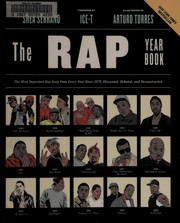
The most important rap song of each year since rap first won recognition.
Recommended by: Balaji S. Srinivasan
Why combining a top job and family failed her, and the sex roles at work behind it.
Recommended by: Arianna Huffington
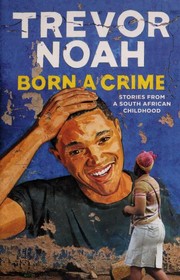
A boy who was never supposed to exist grows up beside his fearless, devout mother.
Recommended by: Bill Gates, Aileen Lee, Andrew Wilkinson and 3 others
How a few rich right-wing donors, the Kochs among them, funded a political network.
“Dark Money: The Hidden History of the Billionaires Behind the Rise of the Radical Right was first on the list. I have a very cynical attitude toward politics, especially in the context of big money, so I was fascinated by this book. I’d read snippets about it and had read the New Yorker article Covert Operations: The billionaire brothers who are waging a war against Obama by Jane Mayer in 2010 that was the inspiration for her to write this book.” — Brad Feld
Recommended by: Brad Feld
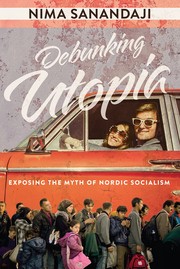
Why American admirers misread Nordic social democracy.
Lessons from dozens of women who broke the corporate glass ceiling.
Recommended by: Ginni Rometty
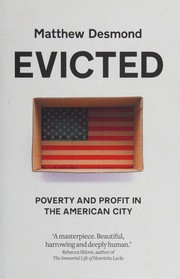
Eight Milwaukee families and two landlords through repeated evictions, 2008-09.
Recommended by: Bill Gates, Barack Obama, Emmett Shear and 3 others

A biography of Jane Jacobs, who changed how people see and live in cities.
Recommended by: Paul Graham
A humorous guide to fighting sex discrimination and sexism at work.
Recommended by: Sheryl Sandberg

America's white working class, seen through a boyhood in a poor Rust Belt town.
Recommended by: Bill Gates, Jason Calacanis, Packy McCormick
The internet as a work of art: its logic, aesthetics and effect on culture.
Recommended by: Diana Kimball

Attracting women through honest self-development instead of pickup tactics.
Recommended by: Nat Eliason

Twenty-six imaginative maps of New York City and the lives lived within it.
Recommended by: Laura R Walker
A writer's memoir of growing up fat and arguing in public about bodies and jokes.
Recommended by: Jessica Hische
A history of racist ideas in America from their origins to the present.
Recommended by: Barack Obama
Chance shapes success more than people think; what that means for fairer economies.
Recommended by: Mohnish Pabrai
Technology, globalization and climate change, all accelerating at once.
“See Chapter 2, “What the Hell Happened in 2007?” in Thomas L. Friedman, Thank You for Being Late: An Optimist's Guide to Thriving in the Age of Accelerations (New York: Farrar, Straus and Giroux, 2016)” — Michael Mauboussin
Source: One Job: Expectations and the Role of Intangible Investments, page 19
Recommended by: Michael Mauboussin, Alfred Lin
A model of adventure for living a life full of memorable experiences.
Recommended by: Jim Kwik
An economist's forecast of a world of emulated human brains running as software.
Recommended by: Patrick Collison
How everyday digital life is changing our inner lives.
Recommended by: Cal Newport
A playbook for working women to balance a full life without guilt.
Recommended by: Kathryn Minshew
How cities can meet environmental, economic and social challenges.
Recommended by: Patrick Collison
What tribal societies teach about loyalty, belonging and the search for meaning.
“Tribes are so powerful, and so overlooked.” — Morgan Housel
Source: A Few Good Books · Collaborative Fund
Recommended by: Morgan Housel, Alfred Lin, Tim Ferriss
How the Nordic model works in four countries, and how America could adopt it.
A comedian's real-life stories of growing up a tomboy and a late bloomer.
Recommended by: Zoë Foster Blake
Why women should stop trying to do it all and let some things go.
Recommended by: Sheryl Sandberg
The confidence gap that holds young women back at work, and how to overcome it.
Recommended by: Zoë Foster Blake
How popularity in youth shapes development and still affects happiness and success.
Recommended by: Susan Cain
How the tech industry's bias and blind spots get built into everyday products.
Recommended by: George Hatzis

How millennial women are redefining power and success, and how to get there.
Recommended by: Kathryn Minshew
How Americans became less willing to move, take risks and adapt.
“America’s dynamic ever-changing past is slowing into a complacent stagnation. People don’t move as much or expect change. This hurts class mobility, and eventually needs to change. Inspired by his visit to China, which has grown 10% every year for 30 years, meaning every 7 years it’s like a whole new country is built. America is relatively halted.” — Derek Sivers
Source: Derek Sivers book notes (primary, rated list) · Rating: 7/10
Recommended by: David Perell, Derek Sivers, Patrick Collison
Global poverty as the product of a world economy built to favour powerful nations.
“That lead me to read his book The Divide, which expands on all these topics, and is truly an illuminating treatises while still being readable!” — David Heinemeier Hansson
Source: You gotta read Less Is More
Recommended by: David Heinemeier Hansson
Why American liberalism has failed over two generations.
Recommended by: Antonio García Martínez
How people without credentials can make a difference with their own ideas.
“Nilofer's book, sorry, "The Power of Onlyness," is the full title. That actually just came out, but her, I think ideas and perspective have been very impactful, I mean for a long time.” — Kathryn Minshew
Source: Transcript: Kathryn Minshew, The Muse
Recommended by: Kathryn Minshew
Why Western liberal democracy is in retreat and what may follow.
Recommended by: Antonio García Martínez
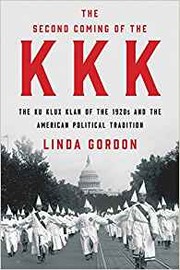
The Ku Klux Klan of the 1920s, a mass movement that flourished in the North.
Recommended by: Marc Andreessen

Europe's demographic and political changes, with reporting from across the continent.
Recommended by: Antonio García Martínez, Marc Andreessen
The ancient roots of misogyny and how history has silenced powerful women.
Recommended by: Catriona Wallace
Twenty-one essays on today's challenges, from technology and politics to truth.
“His book “Sapiens” was amazing, so I read this new one. It’s just some thoughts on our present and near future. Not so different from what you find in every-day articles. I’m personally averse to news commentaries, so I shouldn’t have read this. Still, some interesting ideas, and the last chapter was great.” — Derek Sivers
Source: Derek Sivers book notes (primary, rated list) · Rating: 2/10
Recommended by: Bill Gates, Derek Sivers, Matt Mullenweg and 5 others
An oral history of the TV show The Wire, told by its actors, writers and directors.
Recommended by: Nick Crocker
How to find your community: first know yourself, then find your people.
Recommended by: Matt Mullenweg
A bolder approach to ageing, and how to live later life with vigour and joy.
Recommended by: Arianna Huffington
Why content moderation is central to what social media platforms are.
Recommended by: Danah Boyd
The emotional labour women carry at home, and how to share it.
Recommended by: Sheryl Sandberg
A comic novel of eight female friends told through their emails and messages.
Recommended by: Zoë Foster Blake
Where modern identity politics came from and what it does at home and abroad.
Recommended by: Bill Gates
History, spiritual teachers and nature on why community matters and how it forms.
Recommended by: Arianna Huffington

Cities as labour markets, and planning that works with land markets.
Recommended by: Alexis Ohanian, Emmett Shear and 1 other

Why key information failed to reach doctors in West Africa's Ebola epidemic.
Recommended by: Bill Gates
Infectious disease, public health and their effects on societies worldwide.
Recommended by: Bill Gates, Michael Bloomberg
How group identities drive politics at home and abroad, and how elites missed it.
Recommended by: Mark Cuban

Why women's anger is justified and can be a tool for change.
Recommended by: Alexis Ohanian, Kathryn Minshew
A guide to discussing race in America: privilege, police brutality and more.
“I strongly recommend Ijeoma Oluo’s So you want to talk about race.” — Brad Feld
Source: Book: So you want to talk about race — Feld Thoughts
Recommended by: Brad Feld, Scott Farquhar
How men and women can work together better, and what women contribute.
Recommended by: Mark Cuban
What federal departments such as Agriculture and Energy do, and what is at risk.
Recommended by: Alfred Lin, Nick Crocker
How Finns stay happy and healthy through nature and sisu, everyday courage.
Recommended by: Claire Diaz-Ortiz
Reporting from five swing states on whether Trump's election was a fluke or a shift.
Recommended by: Donald Trump, Mark Cuban
Nine principles for women who want to go bigger in their careers.
Recommended by: Sheryl Sandberg
The fire at the Los Angeles Central Library, and a history of the library.
Recommended by: Reese Witherspoon, Ryan Holiday

A former Border Patrol agent's dispatches from the desert along the Mexican border.
Recommended by: Vinod Khosla

The evolutionary and cultural roots of hate, and how people can change.
Recommended by: Kathryn Minshew
How new technologies are erasing millions of jobs, and what to do about it.
Recommended by: Nat Eliason
A nightclub promoter, unhappy at the top, asks what the opposite of his life is.
Recommended by: Bill Gates, Michael Bloomberg
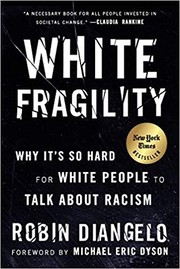
How a life shielded from race-based stress shapes white North Americans' reactions.
Recommended by: Alexis Ohanian, Ran Segall, Vlad Magdalin and 1 other
A financial plan for women who want short-term clarity and long-term security.
Recommended by: Sheryl Sandberg
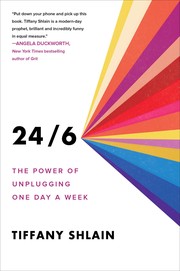
How turning off screens one day a week brings more time, creativity and connection.
Recommended by: Arianna Huffington
How right-wing extremists used social media to move into American politics.
Recommended by: Kara Swisher
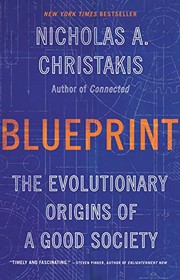
How natural selection shaped the good side of human nature and society.
Recommended by: Bill Gates
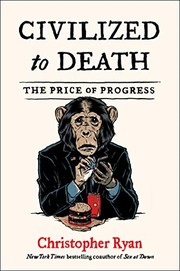
How progress has worsened the way people eat, learn, mate, parent, work and die.
Recommended by: Andrew Wilkinson, Nat Eliason, Jack Dorsey
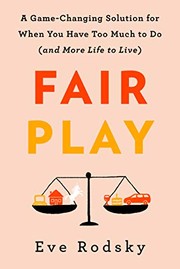
How dual-career families can divide household and childcare work fairly.
Recommended by: Arianna Huffington, Reese Witherspoon
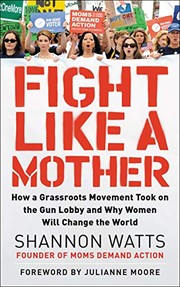
How a mother founded a movement for gun control after Sandy Hook.
Recommended by: Michael Bloomberg
How masculinity has changed and how to be a man today.
Recommended by: Kathryn Minshew
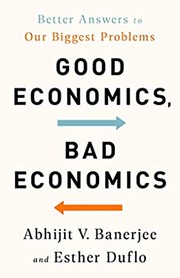
What recent economics research says about the problems facing modern economies.
Recommended by: Bill Gates
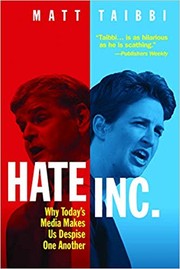
How mainstream media mislead the public, part tirade, part confession.
Recommended by: David Heinemeier Hansson
Interviews with eighty Uber, Airbnb and TaskRabbit workers on pay, risk and rights.
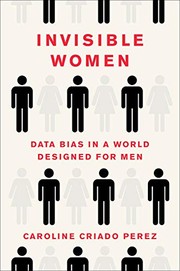
How data that leaves out women skews health care, design, policy and the economy.
Recommended by: George Hatzis
Why finding one's way later in life can be an advantage.
Recommended by: Arianna Huffington
Thirteen legal systems, from Imperial China on, and how each worked.
Recommended by: Emmett Shear
How the digital revolution upended newspapers and journalism.
Recommended by: Balaji S. Srinivasan
The geography and licensing limits of streaming television around the world.
How designers built a harmful world, from engines to social media, and how to fix it.
Recommended by: Daniel Burka
The reporters' account of exposing a film producer's sexual harassment.
Recommended by: Kara Swisher, Kathryn Minshew and 1 other
Why people so often misread strangers, from traffic stops to spies.
Recommended by: Melinda Gates, Patrick Bet-David and 1 other

A podcaster's look at catastrophes in history, what happened and what might have.
Recommended by: Morgan Housel
How eugenics arguments kept Jews, Italians and others out of the United States.
Recommended by: Marc Andreessen
Why women's equality and rights lift whole societies.
“They knew I’d be spending a lot of time on the couch either napping or reading, so my pile of infinite books to read became more abundant with a few good ones including The Moment of Lift: How Empowering Women Changes the World by Melinda Gates.” — Brad Feld
Source: Book: The Moment of Lift — Feld Thoughts
Recommended by: Brad Feld, Bill Gates, Reid Hoffman and 1 other
A first-hand account of the movement that broke America's political consensus.
Recommended by: Marc Andreessen
How to lead and work in a workplace of four or five generations.
Recommended by: Arianna Huffington
The four commitments to family, vocation, faith and community that give life meaning.
Recommended by: Ryan Holiday
How photographs made for social media have changed what a photo is for.
Recommended by: Evan Spiegel
How markets and the state left communities behind, and the populist backlash.
Recommended by: Vinod Khosla
A psychologist on how empathy can be built, even in divided times.
Recommended by: Arianna Huffington

The true story of the sex lives of three American women, from years of reporting.
Recommended by: Zoë Foster Blake
Essays on the internet, the self, feminism and politics.
Recommended by: Sophie Bakalar
How self-censorship, group-think and bias are undermining the free press.
Recommended by: Donald Trump
Why Americans spend most on health yet live shorter lives, and what shapes health.
Recommended by: Arianna Huffington
A novelist's polemic on this century's failings and a defence of freedom.
Recommended by: Keith Rabois
How caste, a system of social rank, shapes race and power in America.
Recommended by: Barack Obama, Oprah Winfrey, Reed Hastings
A gay father's letter to his son after the son comes out.
Recommended by: Arianna Huffington
How democracy suffers when local news outlets close.
Recommended by: Andrew Wilkinson
America's housing crisis, reported from its centre in the San Francisco Bay Area.
Recommended by: Marc Andreessen

A sex researcher's case against popular myths about sex and gender identity.
Recommended by: Eric Weinstein
How America moved from "I" to "we" and back over a century, and how to turn again.
Recommended by: Andrew Wilkinson
How the West became psychologically peculiar and particularly prosperous.
Recommended by: Marc Andreessen
How being different, socially, physically or mentally, can be a person's strength.
Recommended by: Susan Cain

How America's political system, working as designed, is polarising its people.
Recommended by: Bill Gates, Julia Galef
How Africa's central role in building the modern world was written out of history.
Recommended by: Bill Gates

The case that progressive policies made homelessness, inequality and crime worse.
Recommended by: Matt Mullenweg
How the New York Times's misreporting and fabrications altered history.
“Ashley Rindsberg (Gray Lady Winked). Ashley Rindsberg's book details how the New York Times Company has faked the news for more than a century, from Stalin's USSR through Castro's Cuba all the way to the present day.” — Balaji S. Srinivasan
Source: Popups are the new startups - balajis.com
Recommended by: Balaji S. Srinivasan
Applying behavioural science to make transport better for people.
A memoir of money and misogyny on the Goldman Sachs trading floor.
Step-by-step rules for hosting short, structured parties that build relationships.
Recommended by: Andrew Wilkinson, Austin Rief
Why the US-guarded trading order is ending, and what that means for supply chains.
Recommended by: Andrew Wilkinson

How the United States came to lead the world in deaths from COVID-19.
Why modern society became so tribal, from history, psychology and political theory.
Recommended by: Ev Williams, Elon Musk, Julian Shapiro
Why family farms lose ground to consolidated ownership.
How information networks, from the Stone Age to AI, have made and unmade societies.
Recommended by: Andrew Wilkinson
The lessons of The Tipping Point reframed, with cases from Miami to the Ivy League.
Recommended by: Andrew Wilkinson

Why adolescents' mental health fell sharply in the early 2010s.
Recommended by: Andrew Wilkinson, Bill Gates and 1 other
How the economy became a black box of systems that no one understands.
Recommended by: Andrew Wilkinson

How online platforms decline on purpose, and the term coined for it.
Recommended by: Brad Feld
The case for deploying artificial intelligence broadly and quickly.
Recommended by: Brad Feld
Twenty essays on the observation that software is eating the world.
Recommended by: David Perell, Patrick O'Shaughnessy


What an antiracist society would look like, and how each person can help build it.
Recommended by: Matt Mullenweg
Recommended by: Mohnish Pabrai
Controversies in feminist social ethics, and how rich and complex the field is.
Recommended by: Diana Kimball
Two satirical essays on class, status and race in America around 1970.
Recommended by: Marc Andreessen
An oral history of the end of the Soviet Union and the new Russia, in many voices.
Recommended by: Benedict Evans
Personal accounts of the Chernobyl nuclear disaster from hundreds of people.
Recommended by: Caterina Fake
Twenty-five habits for handling diversity and working across cultures.
Recommended by: Matt Mullenweg
 Peter F. Druckerwrote 12 books here
 Michael Lewiswrote 5 books here
 David Brookswrote 2 books here
 Peter Thielwrote 1 book here
 Robert J. Shillerwrote 1 book here
 Bethany McLeanwrote 1 book here
 Chris Andersonwrote 1 book here
 Eric Schmidtwrote 1 book here
 Frederick Lewis Allenwrote 1 book here
 Gillian Tettwrote 1 book here
Show all 29
 Kevin Kellywrote 1 book here
 Niall Fergusonwrote 1 book here
 Reid Hoffmanwrote 1 book here
 Rory Sutherlandwrote 1 book here
 Tyler Cowenwrote 1 book here
 Philip Augarwrote 1 book here
 Astro Tellerwrote 1 book here
 Ezra Kleinwrote 1 book here
 Jacqueline Novogratzwrote 1 book here
 Jane McGonigalwrote 1 book here
 Melinda Gateswrote 1 book here
 Scott Burnswrote 1 book here
 Sheryl Sandbergwrote 1 book here
 Stewart Brandwrote 1 book here
 Tucker Maxwrote 1 book here
 Mohnish Pabrairecommends 104 books here
 Patrick Collisonrecommends 70 books here
 Bill Gatesrecommends 33 books here
 Nat Eliasonrecommends 22 books here
 Marc Andreessenrecommends 16 books here
 Michael Mauboussinrecommends 14 books here
 Balaji S. Srinivasanrecommends 14 books here
 Arianna Huffingtonrecommends 13 books here
 Derek Siversrecommends 13 books here
 Brad Feldrecommends 11 books here
 Jim Collinsrecommends 10 books here
Show all 160
 Paul Grahamrecommends 10 books here
 Ryan Holidayrecommends 10 books here
 Audrey Gelmanrecommends 10 books here
 Ev Williamsrecommends 10 books here
 Eric Weinsteinrecommends 9 books hereStewart Brandrecommends 9 books here
 Kathryn Minshewrecommends 8 books here
 Vinod Khoslarecommends 8 books here
 Barack Obamarecommends 7 books here
 Matt Mullenwegrecommends 7 books hereSheryl Sandbergrecommends 7 books here
 Tim Ferrissrecommends 7 books here
 Zoë Foster Blakerecommends 7 books here
 Antonio García Martínezrecommends 6 books here
 Richard Bransonrecommends 6 books here
 Nassim Nicholas Talebrecommends 5 books here
 Alfred Linrecommends 5 books here
 Keith Raboisrecommends 5 books here
 Mark Zuckerbergrecommends 5 books herePeter Thielrecommends 4 books here
 Simon Sinekrecommends 4 books here
 Alexis Ohanianrecommends 4 books here
 Andrew Chenrecommends 4 books here
 Diana Kimballrecommends 4 books here
 Emmett Shearrecommends 4 books hereMelinda Gatesrecommends 4 books here
 Michael Bloombergrecommends 4 books here
 Michelle Obamarecommends 4 books here
 Nick Crockerrecommends 4 books here
 Satya Nadellarecommends 4 books here
 Tristan Harrisrecommends 4 books here
 Ray Daliorecommends 3 books here
 Warren Buffettrecommends 3 books here
 John Doerrrecommends 3 books here
 Morgan Houselrecommends 3 books hereReid Hoffmanrecommends 3 books here
 David Heinemeier Hanssonrecommends 3 books here
 Aileen Leerecommends 3 books here
 Ann Handleyrecommends 3 books here
 Daniel Burkarecommends 3 books here
 Jack Dorseyrecommends 3 books here
 Kara Swisherrecommends 3 books here
 Kevin Roserecommends 3 books here
 Mark Cubanrecommends 3 books here
 Naval Ravikantrecommends 3 books here
 Nir Eyalrecommends 3 books here
 Noah Kaganrecommends 3 books here
 Tony Hsiehrecommends 3 books here
 Charlie Mungerrecommends 2 books here
 Howard Marksrecommends 2 books here
 Bill Millerrecommends 2 books hereKevin Kellyrecommends 2 books here
 Marc Benioffrecommends 2 books here
 Bill Gurleyrecommends 2 books here
 Caterina Fakerecommends 2 books here
 Cynthia Johnsonrecommends 2 books here
 Donald Trumprecommends 2 books here
 Garry Tanrecommends 2 books here
 George Hatzisrecommends 2 books here
 James Altucherrecommends 2 books here
 Jamie Dimonrecommends 2 books here
 Jeff Jordanrecommends 2 books here
 Jessica Hischerecommends 2 books here
 Laura R Walkerrecommends 2 books here
 Raoul Palrecommends 2 books here
 Reese Witherspoonrecommends 2 books here
 Sam Altmanrecommends 2 books here
 Susan Cainrecommends 2 books here
 Tim O’Reillyrecommends 2 books here
 Tony Robbinsrecommends 2 books here
 Ben Horowitzrecommends 1 book here
 John C. Boglerecommends 1 book here
 Jeremy Granthamrecommends 1 book here
 Seth Klarmanrecommends 1 book hereTyler Cowenrecommends 1 book here
 Guy Spierrecommends 1 book here
 Aaron Levierecommends 1 book here
 Alex Blumbergrecommends 1 book here
 Bertalan Meskórecommends 1 book here
 Bob Igerrecommends 1 book here
 Bret Victorrecommends 1 book here
 Brian Grazerrecommends 1 book here
 Cal Newportrecommends 1 book here
 Chris Dixonrecommends 1 book here
 Chris Saccarecommends 1 book here
 Claire Diaz-Ortizrecommends 1 book here
 Danah Boydrecommends 1 book here
 Daniel Ekrecommends 1 book here
 Daniel Petrerecommends 1 book here
 David Hellmannrecommends 1 book here
 David Kadavyrecommends 1 book here
 Ed Cookerecommends 1 book here
 Elon Muskrecommends 1 book here
 Evan Spiegelrecommends 1 book here
 Ginni Romettyrecommends 1 book here
 Graham Duncanrecommends 1 book here
 Graham Stephanrecommends 1 book here
 Jack Marecommends 1 book here
 Jason Calacanisrecommends 1 book here
 Jensen Huangrecommends 1 book here
 John Maedarecommends 1 book here
 Julia Galefrecommends 1 book here
 Julie Zhuorecommends 1 book here
 Meg Whitmanrecommends 1 book here
 Mike Maples, Jr.recommends 1 book here
 Niki Scevakrecommends 1 book here
 Oprah Winfreyrecommends 1 book here
 Patrick Bet-Davidrecommends 1 book here
 Ramit Sethirecommends 1 book here
 Ran Segallrecommends 1 book here
 Reed Hastingsrecommends 1 book here
 Ruslan Koganrecommends 1 book here
 Scott Farquharrecommends 1 book here
 Susan J. Fowlerrecommends 1 book here
 Tobi Lütkerecommends 1 book hereTucker Maxrecommends 1 book here
 Vlad Magdalinrecommends 1 book here